Strengthening Local Democracy and Inclusion
INCLUSIVE AND HEALTHY MONZÓN
Inclusive Urban route promoting walking, health, accessibility and social cohesion.
“Monzón Inclusive and Healthy” transforms a high-traffic urban corridor into a safe, accessible pedestrian route connecting key social, educational and health facilities. Through widened sidewalks, traffic calming, cognitive signage and new social spaces, the project promotes active mobility, inclusion and wellbeing, especially for elderly and disabled users, improving urban quality, sustainability, social cohesion and environmental conditions.
Spain
Local
Monzón
Mainly urban
It involves a physical transformation of the built environment (hard investment)
Yes
2023-12-31
Yes
Call for proposals under the Next Generation EU funds, within the framework of the Recovery, Transformation and Resilience Plan, aimed at promoting healthy lifestyles through the creation or rehabilitation of healthy environments.
No
No
Organisation
The “MONZÓN INCLUSIVO Y SALUDABLE” project aims to promote sustainable mobility, accessibility, and inclusive urban spaces in Monzón. It focused on transforming central urban routes connecting residential areas with educational, recreational, and social facilities, prioritizing pedestrians over vehicles.
Interventions included widening sidewalks, removing parking spaces, installing raised crossings, and upgrading lighting with energy-efficient LED technology.
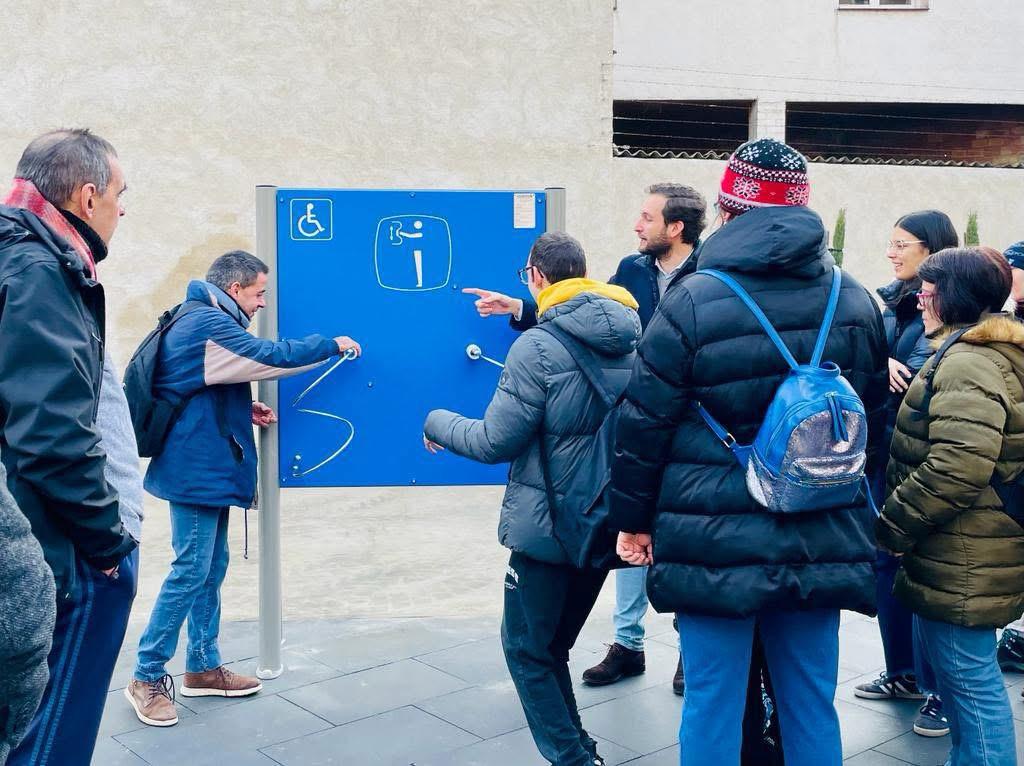
A tactile and visual guidance system, including a yellow line and pictograms, was implemented to support navigation for people with physical or cognitive disabilities.
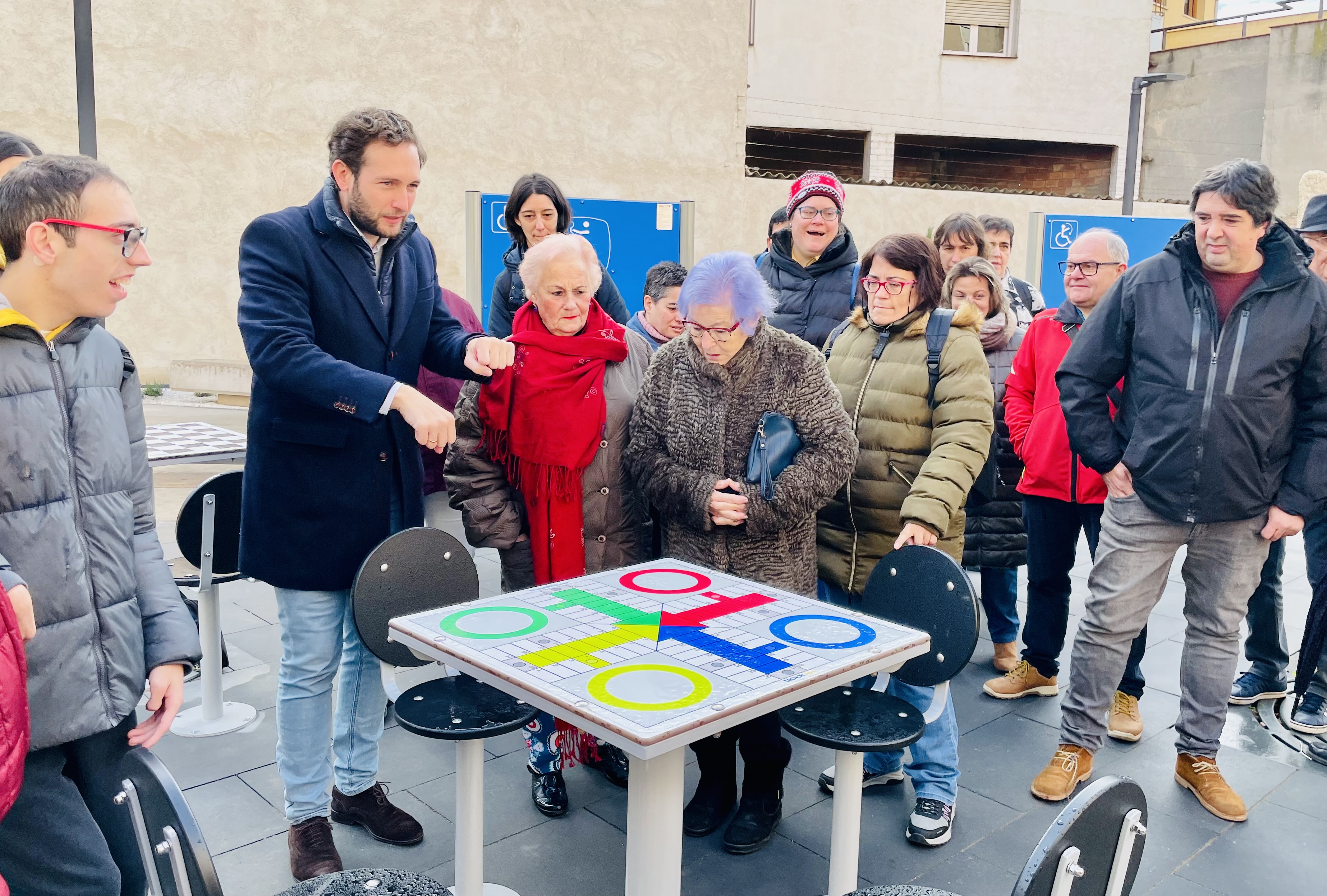
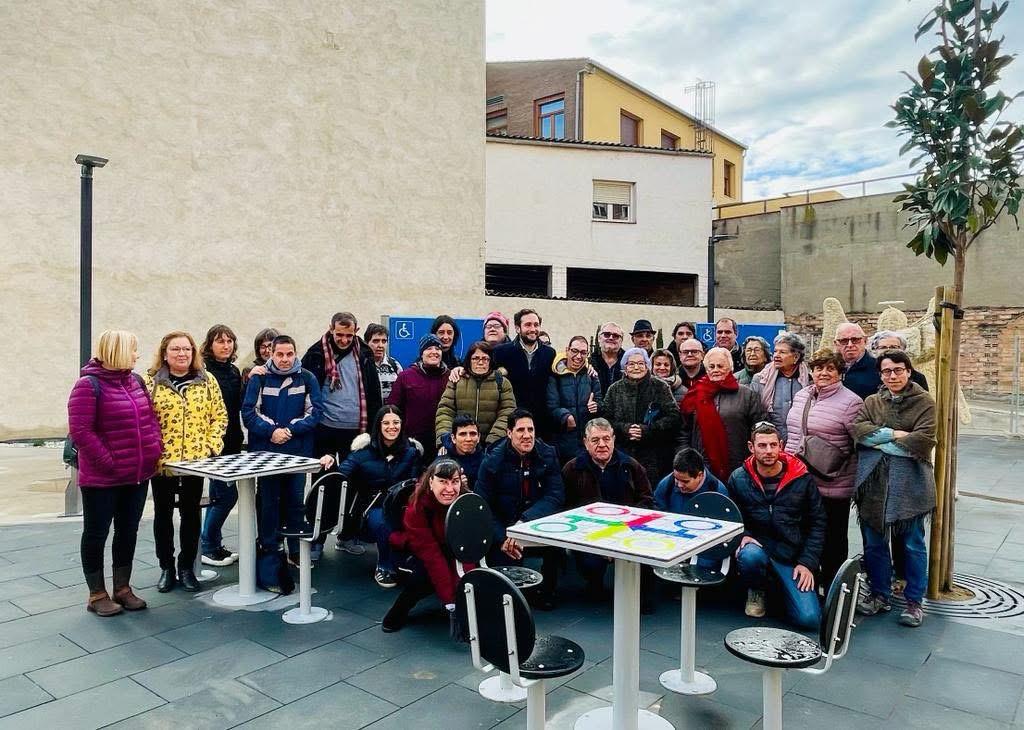
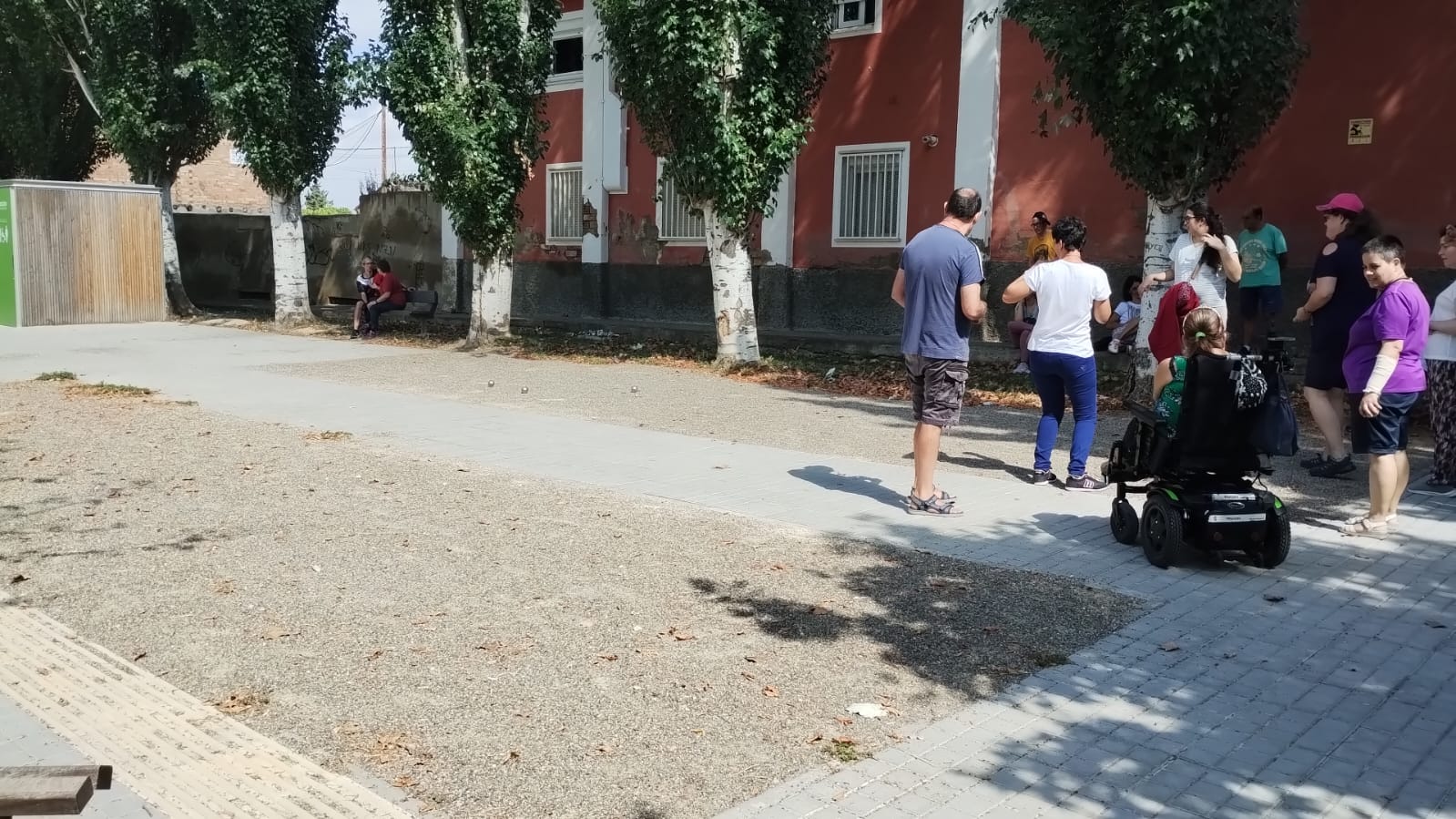
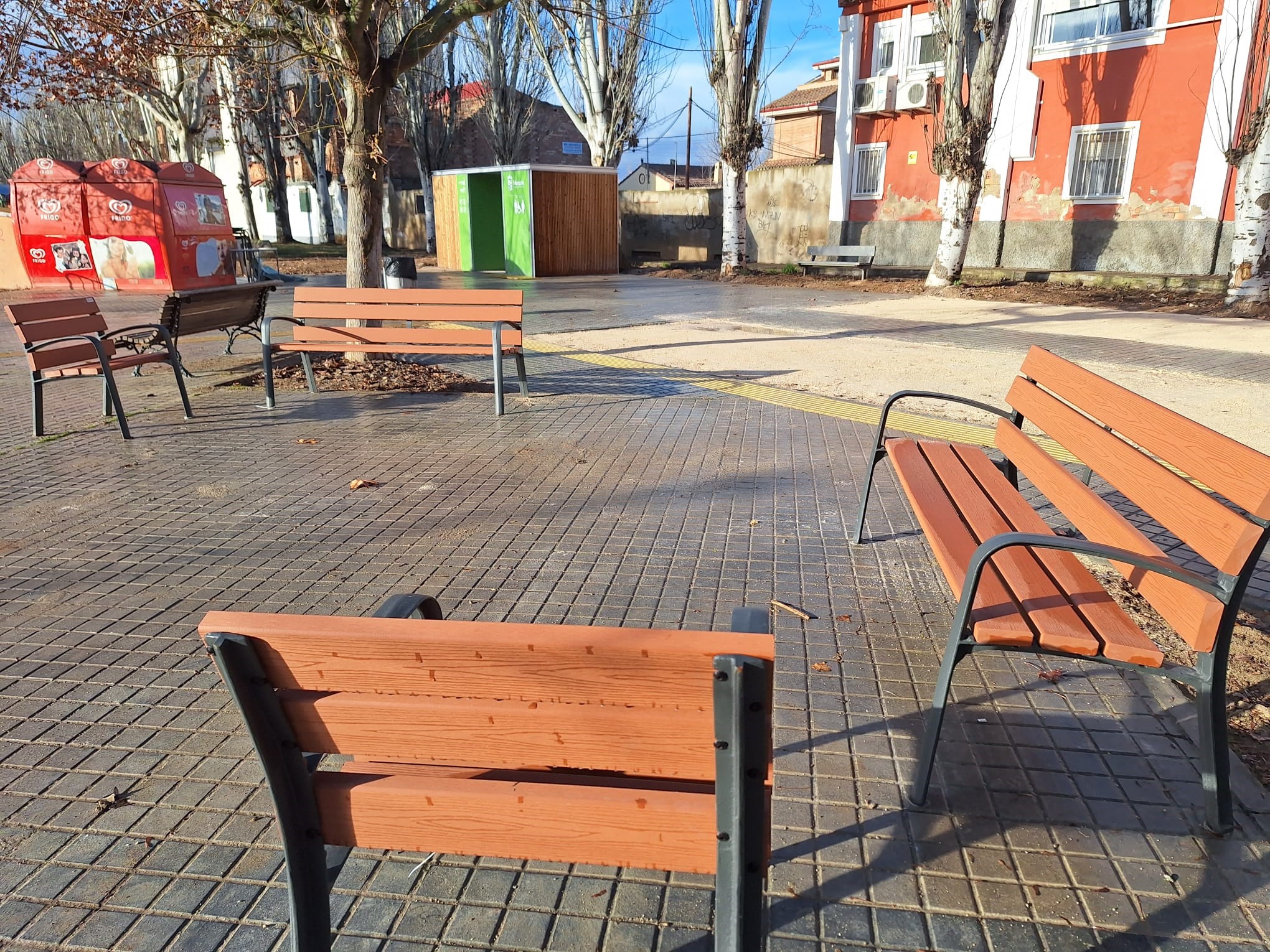
The project specifically targets vulnerable groups: children, seniors, and adolescents and residents with disabilities. The route connects three key facilities serving these groups: the Senior Leisure Center, the Special Education School “La Alegría,” and the Reina Sofía Residential Center. Along this route, new healthy social spaces were created and existing ones improved, including Calle La Ceca Senior Space and Jesús Laborda Park, featuring accessible recreational elements, inclusive games, seating, and green areas to foster social interaction, physical activity, and well-being.
Key outcomes achieved include increased pedestrian mobility, improved safety and comfort, reduction of traffic and congestion, expanded green areas, and enhanced environmental quality. The project strengthened community participation and collaboration with local institutions while promoting social equity and inclusion.
In the long term, MONZÓN INCLUSIVO Y SALUDABLE is expected to sustain active mobility, improve urban livability, reduce environmental impacts, and serve as a replicable model for medium-sized cities seeking inclusive, healthy, and sustainable urban development.
“MONZÓN INCLUSIVO Y SALUDABLE” emerged from the need to improve urban mobility, accessibility, and quality of life in Monzón. Despite being a compact city where most trips could be made on foot, high traffic, narrow sidewalks, and lack of green spaces limited pedestrian use and increased reliance on private vehicles. Building on previous municipal initiatives, such as the school walking routes and the transformation of the city’s main axis into a shared pedestrian space, the project extended these improvements to the Avenida del Pilar and Barrio El Molino, areas with high pedestrian flow and a significant elderly population.
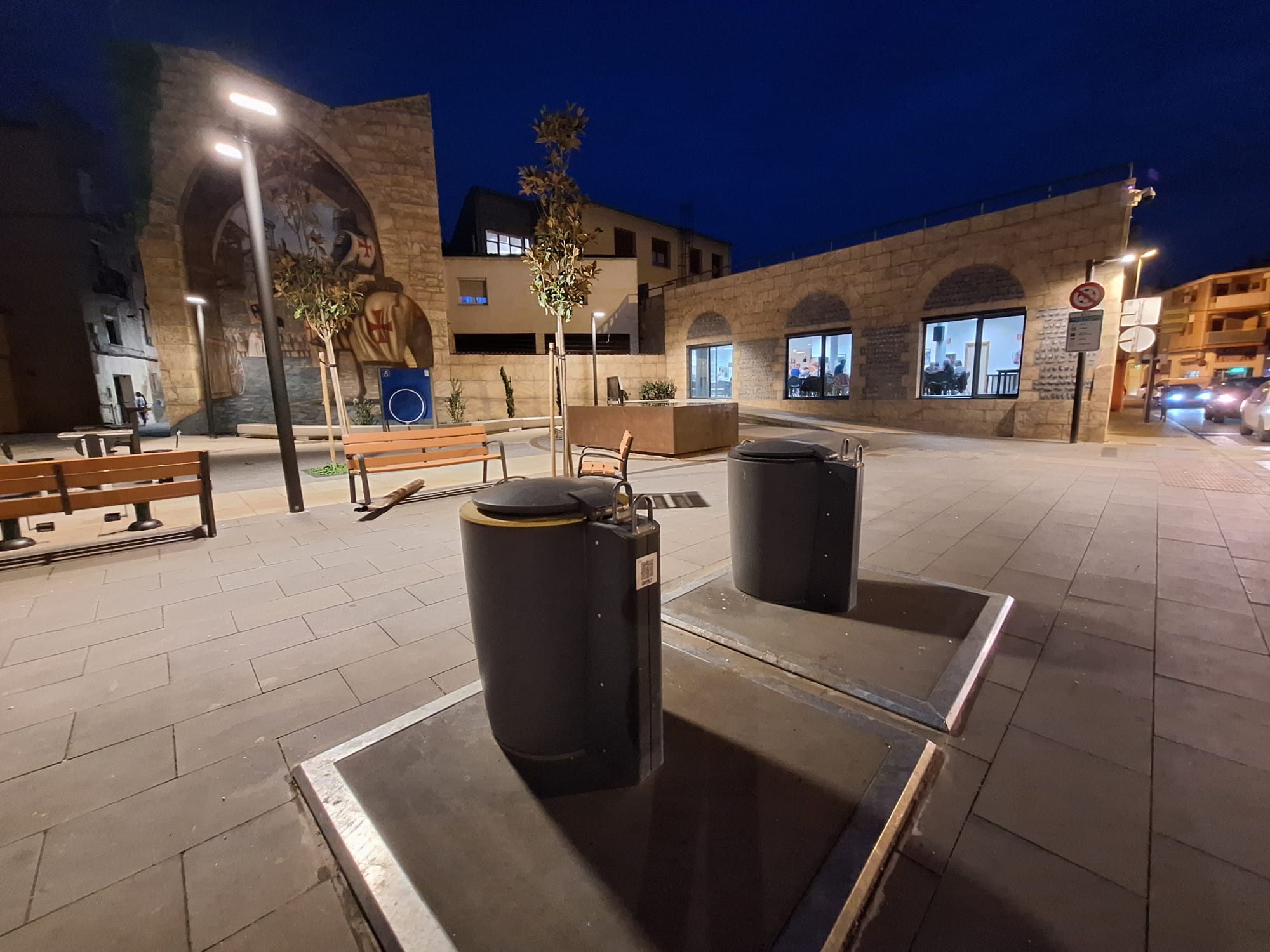
On the ground, the project focused on two main actions: enhancing pedestrian routes and creating inclusive social spaces. Sidewalks were widened, parking spaces removed, raised crossings installed, and lighting upgraded to LED. A tactile and visual guidance system, including a yellow line and pictograms, supported navigation for people with disabilities and cognitive challenges. Public spaces were revitalized: Calle La Ceca was converted into a Senior Health Space with accessible furniture and recreational elements, while Jesús Laborda Park was upgraded with inclusive games, accessible toilets, and green areas.
The implementation relied on close collaboration with local institutions, including the Elderly Care Center, the Special Education School “La Alegría,” the Reina Sofía Center, neighborhood associations, and sports clubs. Communication campaigns raised public awareness, fostering participation and promoting walking as a sustainable, healthy mode of transport.
Through these actions, the project not only improved urban infrastructure but also strengthened social cohesion, inclusion, and environmental quality, laying the foundation for long-term healthy and sustainable urban living in Monzón.
Inclusive Spaces for Everyone
Healthy Streets, Happy Lives
Moving Together, Living Better
The Yellow Path to Inclusion
Senior Life, City Alive
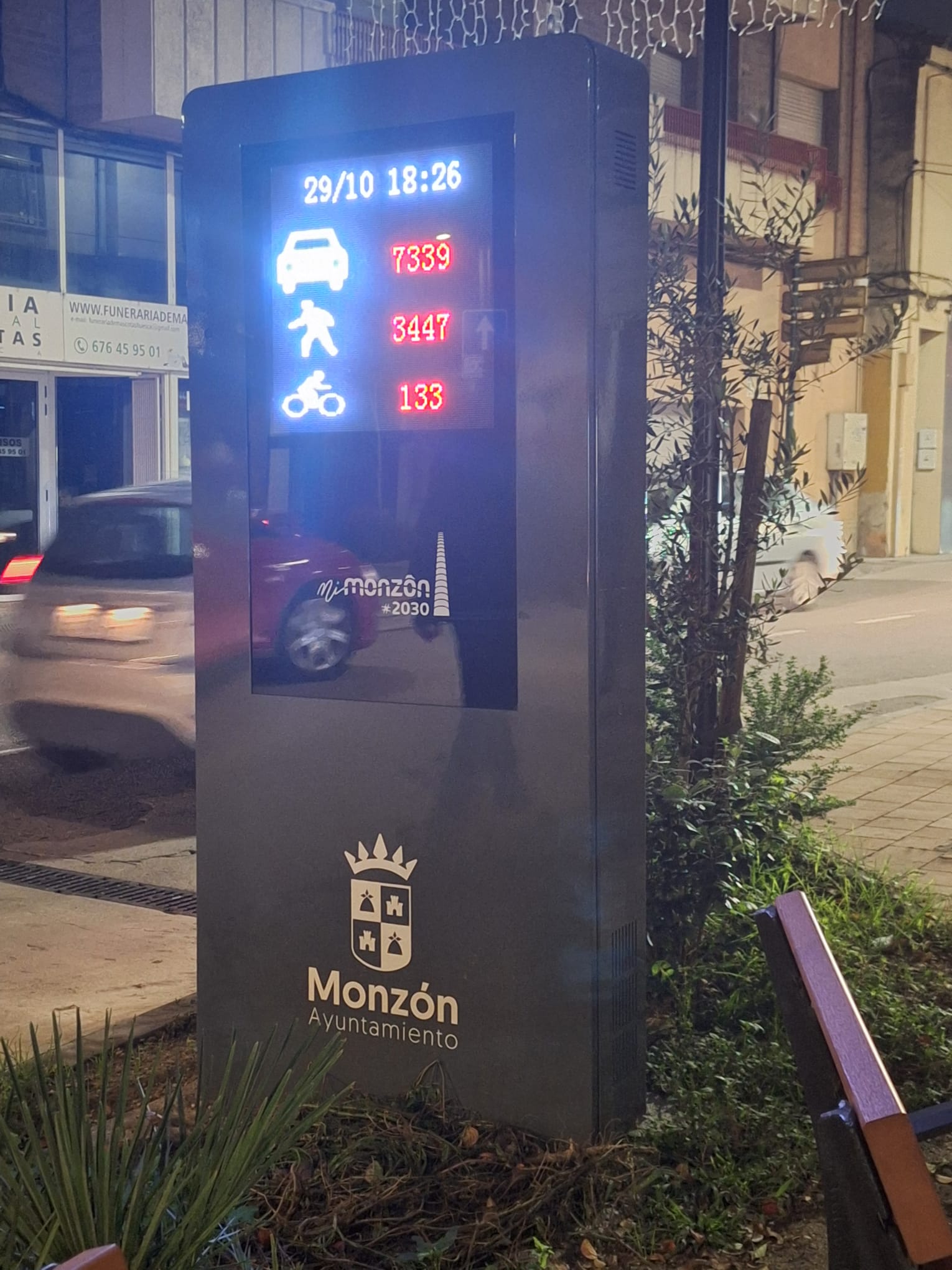
The “MONZÓN INCLUSIVO Y SALUDABLE” project addresses multiple environmental, social, cultural, and economic challenges through an integrated urban approach. Environmentally, it promotes sustainable mobility by prioritizing walking over private vehicle use, reducing traffic congestion, air pollution, and greenhouse gas emissions. LED lighting and optimized public spaces increase energy efficiency and reduce resource consumption. The project also included pedestrian counters track foot traffic for planning, while speed reducers protect vulnerable users and prioritize walking.
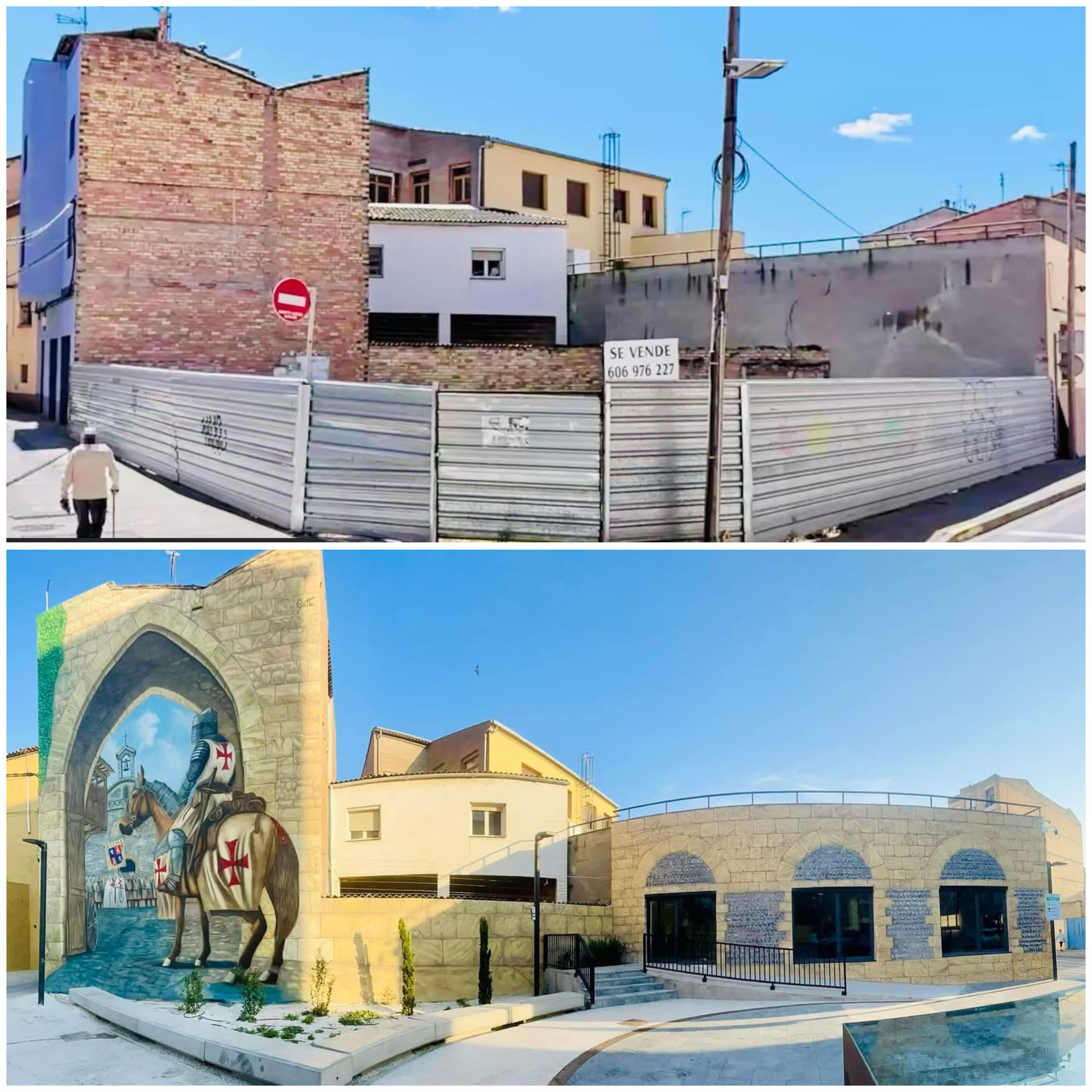
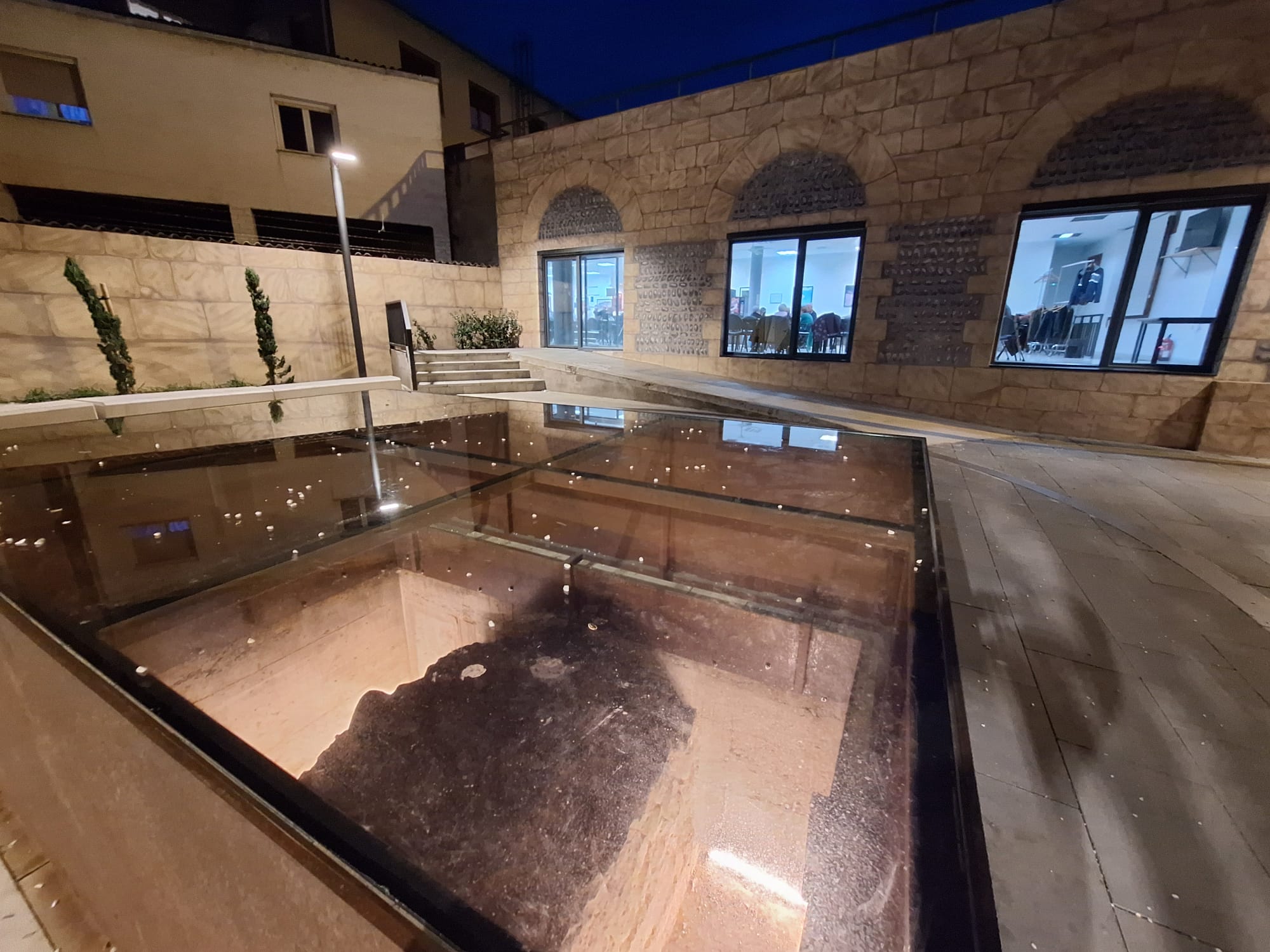
Socially and culturally, the project fosters inclusion and equity by providing safe, accessible routes for vulnerable groups, including seniors, children and adolescents with disabilities, and residents in a disability-focused residential center. It enhances social cohesion by creating shared public spaces—such as the Calle La Ceca Senior Space and Jesús Laborda Park—encouraging intergenerational interaction, community engagement, and well-being. Historic and cultural elements, like the city’s medieval walls and Templar mural, are integrated into the urban design, reinforcing a sense of local identity while promoting accessibility and engagement with heritage.
Economically, the project revitalizes underused urban areas, improves pedestrian traffic for local commerce, and increases property attractiveness, creating long-term value for the city.
MONZÓN INCLUSIVO Y SALUDABLE is exemplary in sustainability because it combines environmental protection, social inclusion, cultural preservation, and economic revitalization in a single, replicable urban strategy. Its integrated design ensures long-term benefits by encouraging active lifestyles, inclusive urban spaces, and environmentally friendly mobility, demonstrating how compact cities can implement healthy, sustainable, and equitable urban transformations.
The “MONZÓN INCLUSIVO Y SALUDABLE” project enhances the beauty, identity, and livability of urban spaces in Monzón, creating a lasting positive impact for residents and visitors. Everyday life is improved through the transformation of streets, sidewalks, and public spaces: narrow, obstructed sidewalks were widened, raised crossings installed, and LED lighting upgraded, providing a cleaner, safer, and visually coherent environment. The removal of excessive parking spaces and the introduction of greenery, trees, and recreational areas transform once sterile streets into inviting, pedestrian-friendly corridors.
Cultural and historical elements were incorporated to strengthen local identity and community pride. The project integrates the city’s medieval walls and a Templar mural, connecting residents with their heritage while providing accessible spaces for social interaction, rest, and recreation. Public areas such as the Calle La Ceca Senior Space and Jesús Laborda Park combine functional design with aesthetic appeal, featuring inclusive furniture, play elements, and visually pleasing landscaping.
These interventions contribute to a sense of belonging and care for the neighborhood by creating welcoming spaces where people of all ages and abilities can gather, interact, and participate in community life. Residents experience a renewed connection to their city through spaces that are not only functional but also beautiful, safe, and inspiring.
MONZÓN INCLUSIVO Y SALUDABLE exemplifies aesthetic excellence by combining urban design, cultural heritage, nature, and accessibility in an integrated approach. It demonstrates how thoughtful design can transform ordinary streets into vibrant, inclusive, and visually appealing public spaces, fostering social cohesion, civic pride, and long-term urban wellbeing.
The core strength of the “MONZÓN INCLUSIVO Y SALUDABLE” project lies in its comprehensive approach to inclusion and accessibility, transforming Monzón’s urban environment into a safe, healthy, and welcoming city for all residents. The project prioritizes pedestrian mobility over private vehicles, widening sidewalks, removing barriers, installing raised crossings, and providing LED lighting to enhance safety and comfort. A tactile and visual guidance system—including a yellow guiding line and pictograms—ensures navigation for people with physical or cognitive disabilities.
This inclusive route connects three key facilities serving vulnerable populations: the Senior Leisure Center, the Special Education School “La Alegría”, and the Reina Sofía Residential Center, providing independent and secure access for seniors, children, and people with disabilities. Public spaces along the route, such as Calle La Ceca Senior Space and Jesús Laborda Park, were designed to promote social interaction, intergenerational activity, and well-being, with inclusive furniture, accessible play areas, and green spaces.
The project also integrates cultural heritage and local identity, including the city’s medieval walls and a Templar mural, blending history with modern design to foster a sense of pride, belonging, and care for the neighborhood. Environmentally, it supports sustainable mobility, reduces traffic and emissions, and expands green infrastructure, improving air quality, reducing urban heat, and enhancing biodiversity.
Through collaborative governance with local institutions, associations, and community groups, MONZÓN INCLUSIVO Y SALUDABLE demonstrates design-for-all principles in practice, ensuring that interventions reflect the needs of diverse populations. Its exemplary approach shows how urban design can simultaneously achieve accessibility, social inclusion, environmental sustainability, and aesthetic quality, making the city more vibrant, equitable, and livable.
The “MONZÓN INCLUSIVO Y SALUDABLE” project is rooted in the City of Monzón’s Mobility Plan, a highly participatory strategy where citizens, communities, and civil society organizations identified and prioritized pedestrian routes for improvement. The specific route of this project was included based on this process, ensuring it addressed real community needs and priorities.
Implementation involved close collaboration with key facilities along the route, including the Senior Leisure Center, the Special Education School “La Alegría”, and the Reina Sofía Residential Center, coordinating actions to achieve joint and satisfactory results for all users. Municipal teams consulted with these centers to design accessibility features, pedestrian improvements, and social spaces, ensuring interventions were both practical and inclusive.
In addition, local artists contributed to beautifying the route, creating murals and decorative elements on building facades that enhance the aesthetic experience while reinforcing the city’s cultural identity. These artistic interventions, combined with widened sidewalks, raised crossings, tactile and visual guidance, and green spaces, make the route not only functional and safe but also engaging, welcoming, and visually attractive for all users.
This participatory approach strengthened community ownership, social cohesion, and acceptance of the changes. Citizens and facility users contributed feedback on sidewalks, signage, recreational equipment, public spaces, and artistic elements, helping create accessible, safe, inclusive, and beautiful urban environments for seniors, children, and people with disabilities.
MONZÓN INCLUSIVO Y SALUDABLE demonstrates how urban planning rooted in participatory processes, institutional coordination, and community creativity can deliver inclusive, equitable, and vibrant public spaces that meet the needs of diverse populations.
The “MONZÓN INCLUSIVO Y SALUDABLE” project was developed and implemented through collaboration across multiple levels of governance, ensuring alignment with local priorities while leveraging national and European support. At the local level, the City of Monzón led the planning and execution, coordinating with municipal departments, neighborhood associations, local schools, the Elderly Care Center, the Special Education School “La Alegría,” and the Reina Sofía Residential Center. Local stakeholders contributed directly to design decisions, accessibility measures, recreational spaces, and cultural enhancements, including murals and public art along the route.
At the national level, the project received recognition for excellence when it was awarded in 2025 in the Small Cities category by the Spanish Ministry of Health as an exemplary Healthy Environments initiative. This acknowledgment highlights the project’s contribution to public health, inclusion, and sustainable urban design, reinforcing its status as a replicable model for other municipalities.
At the European level, the project aligns with the New European Bauhaus principles, particularly in sustainability, inclusion, and participatory design. EU engagement contributed to visibility, knowledge exchange, and recognition as a model for medium-sized cities seeking inclusive, healthy, and environmentally friendly urban transformations.
The added value of this multilevel engagement is evident in the project’s comprehensive approach, combining local knowledge and citizen participation with national recognition and European visibility. This collaborative framework ensured interventions were technically robust, socially inclusive, culturally sensitive, and environmentally sustainable, creating a high-quality urban environment that benefits multiple stakeholders and serves as a model for integrated urban planning.
The “MONZÓN INCLUSIVO Y SALUDABLE” project integrated a wide range of disciplines and knowledge fields to design and implement a fully inclusive, sustainable, and aesthetically appealing urban environment.
Urban planning and architecture guided the redesign of streets, sidewalks, and public spaces, ensuring functional, safe, and accessible layouts. Landscape architecture and environmental sciences informed the creation of green spaces, tree planting, and sustainable urban drainage, improving microclimates, air quality, and biodiversity. Civil and traffic engineering contributed to pedestrian prioritization, raised crossings, speed reduction measures, and the optimization of mobility flows.
Social sciences, education, and public health were essential to understanding the needs of vulnerable populations, including seniors, children and adolescents with disabilities, and residents of the Reina Sofía Residential Center. These insights shaped the design of inclusive recreational areas, accessible pathways, and public spaces that promote social interaction, active lifestyles, and well-being.
Arts and cultural heritage were integrated through collaborations with local artists to create murals and decorative elements along the route, as well as the incorporation of historical features such as the medieval walls and the Templar mural, enhancing local identity and aesthetic quality. Digital technologies were applied to monitor pedestrian flows, vehicle speeds, and environmental parameters, enabling data-driven management and evaluation of the interventions.
This transdisciplinary approach ensured that urban design, mobility, social inclusion, health promotion, environmental sustainability, and cultural expression were addressed holistically. By combining expertise from multiple disciplines and knowledge fields, MONZÓN INCLUSIVO Y SALUDABLE created a vibrant, accessible, and resilient public space, serving as a model for integrated, human-centered urban development that be
The “MONZÓN INCLUSIVO Y SALUDABLE” project is primarily publicly funded, ensuring long-term financial sustainability while maximizing social impact. The initial implementation was supported by the Second Call of Healthy Environments (Segunda Convocatoria de Entornos Saludables 2023) and financed almost entirely by public funds, allowing the city to execute comprehensive improvements with minimal financial risk. The project also leveraged the City of Monzón’s municipal budget, integrating the interventions into the annual urban planning and maintenance programs, which guarantees continued upkeep of pedestrian routes, public spaces, and facilities.
Financial sustainability is reinforced through low-maintenance design solutions, such as durable pavements, LED lighting, and prefabricated modules for public amenities, reducing operational costs over time. The transformation of streets and public areas has also stimulated local commerce, increasing pedestrian flows and activity in nearby shops, creating indirect economic benefits for the city.
The project benefits from collaborations with local institutions and community organizations, which support programming, maintenance, and social activities in the newly developed spaces, distributing responsibilities and ensuring ongoing usability. By embedding the project within existing municipal structures and leveraging national funding, MONZÓN INCLUSIVO Y SALUDABLE demonstrates a replicable and financially sustainable model for medium-sized cities.
The combination of almost fully public financing, low-maintenance design, community partnerships, and economic stimulation ensures that the benefits of improved accessibility, mobility, inclusion, and urban aesthetics are sustained over time, creating lasting value for citizens and the city.
The “MONZÓN INCLUSIVO Y SALUDABLE” project demonstrates a high potential for transferability and replicability across other cities, neighborhoods, and contexts due to its integrated, flexible, and community-centered approach. Key elements that can be replicated include:
Participatory Planning Methodology – The project is rooted in a highly participatory mobility planning process, involving citizens, local institutions, and vulnerable groups to identify priorities and co-design interventions. This approach can be adapted to other communities to ensure local relevance and ownership.
Inclusive Route Design – The creation of accessible pedestrian routes, with widened sidewalks, raised crossings, tactile and visual guidance systems, and safety measures, provides a model for inclusive urban mobility that can be implemented in any medium-sized city or neighborhood.
Integration with Key Social Facilities – Linking pedestrian infrastructure with facilities for seniors, children with disabilities, and residential centers ensures social inclusion and accessibility, an approach that can be applied to any area with vulnerable populations.
Low-Maintenance, Cost-Effective Interventions – Use of durable materials, LED lighting, and prefabricated modules makes the model financially sustainable and easily transferable.
Cultural and Artistic Enhancements – Collaboration with local artists to beautify streets and integrate heritage features creates identity and pride, showing how urban aesthetics can be combined with functionality in any urban context.
Monitoring and Evaluation Tools – Pedestrian counters, vehicle speed monitors, and environmental measures provide data-driven insights that can guide implementation and assess impact in other locations.
The combination of community engagement, inclusive design, low-cost technical solutions, cultural integration, and evidence-based monitoring makes this project a replicable blueprint for cities seeking to enhance mobility, inclusio