Arts, Culture, and Heritage as Drivers of Change
Alusta Pavilion
Alusta Pavilion for Multispecies Encounters and Environmental Discourse
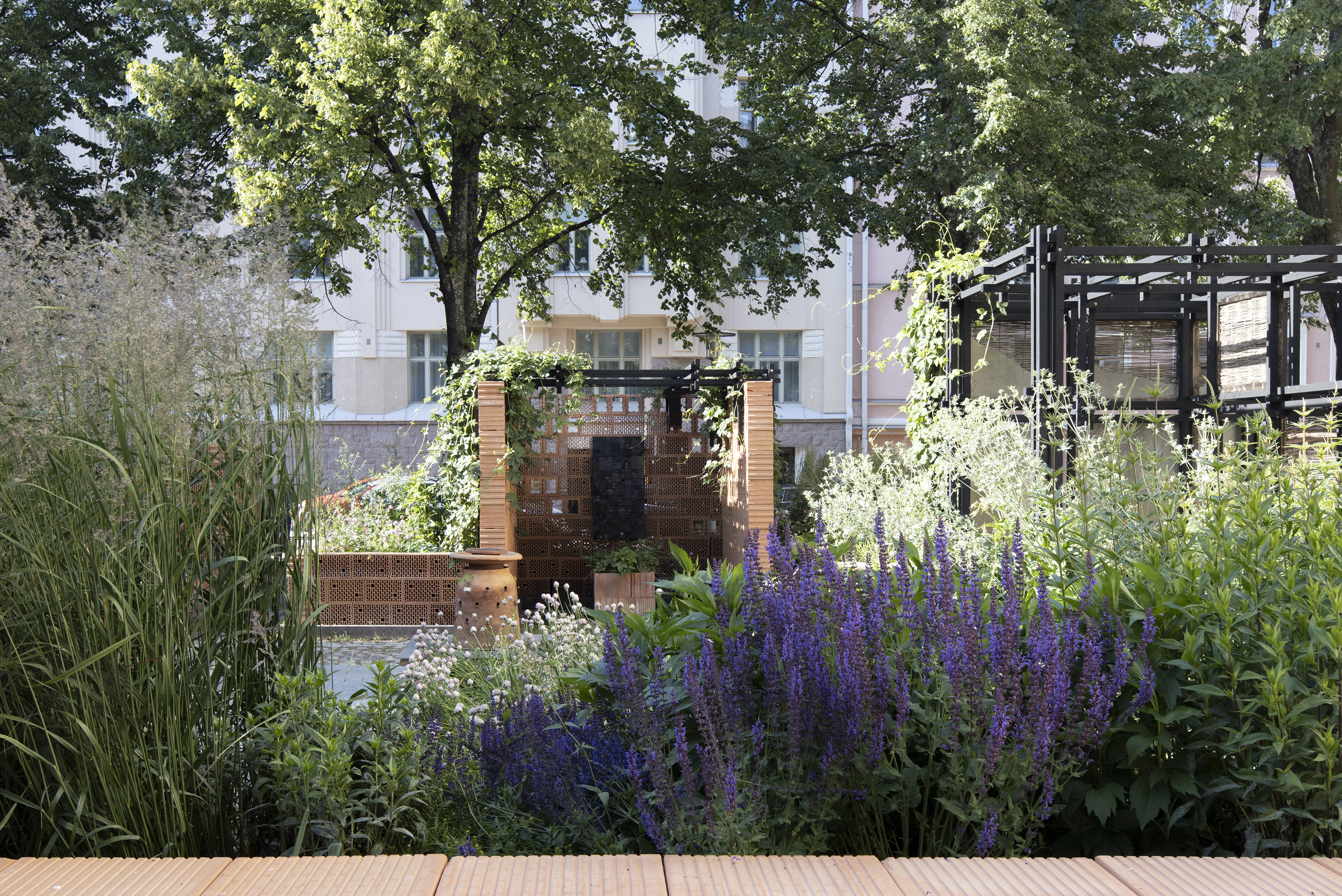
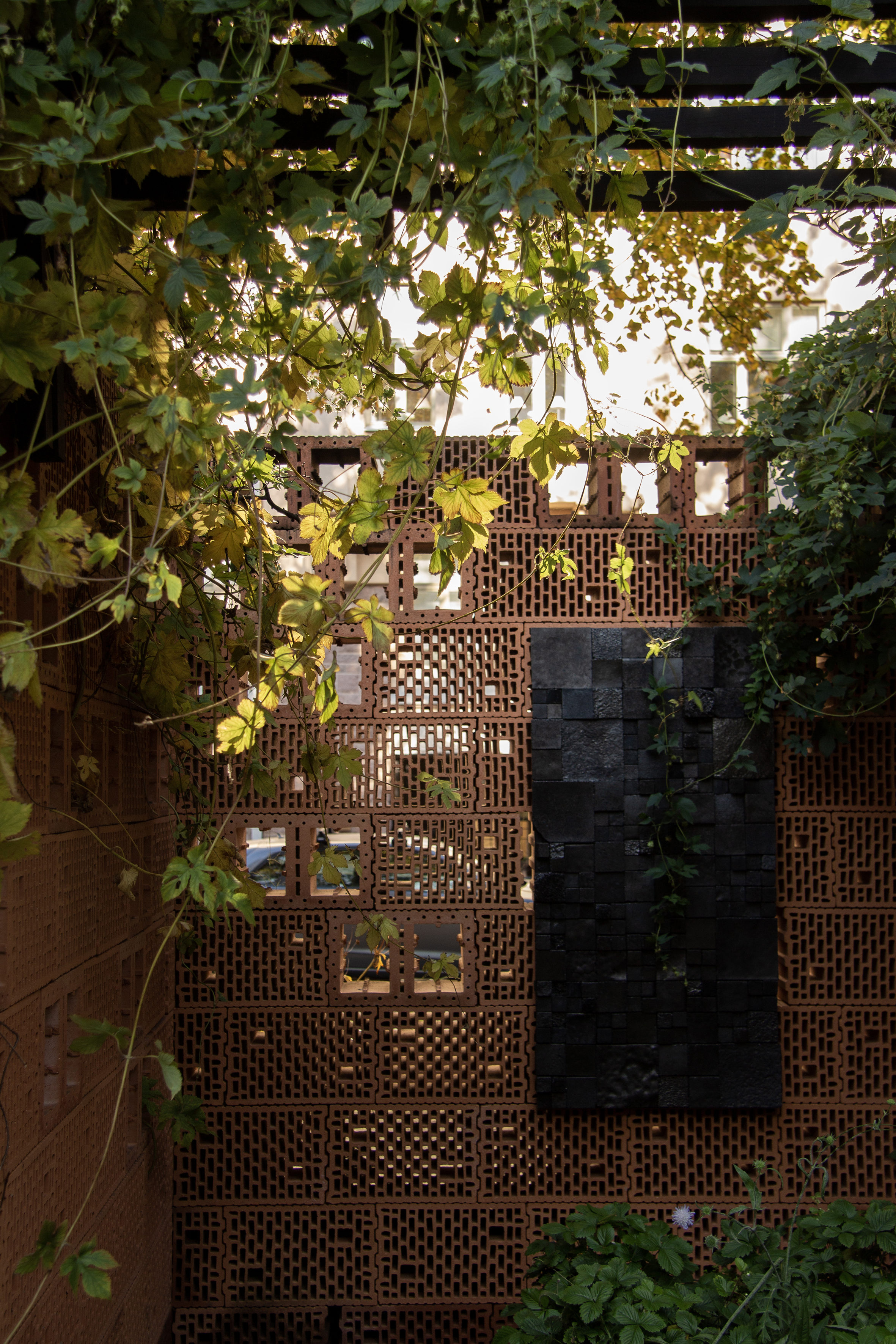
In Alusta pavilion pollinating insects and people can live together in a dense urban setting. Its pollinator-friendly flowers and porous clay structures offer nutrition and shelter for insects and aesthetic enjoyment and wellbeing for people. Its building solutions embody sustainability and circularity throughout their lifecycle. It is a built manifesto of co-existence and care, giving visitors and participants an example of the possibility for change through appealing and replicable solutions.
Finland
Local
Helsinki
Kerava
Espoo
Kerava
Espoo
It addresses urban-rural linkages
It involves a physical transformation of the built environment (hard investment)
Yes
2025-09-01
No
No
Yes
Organisation
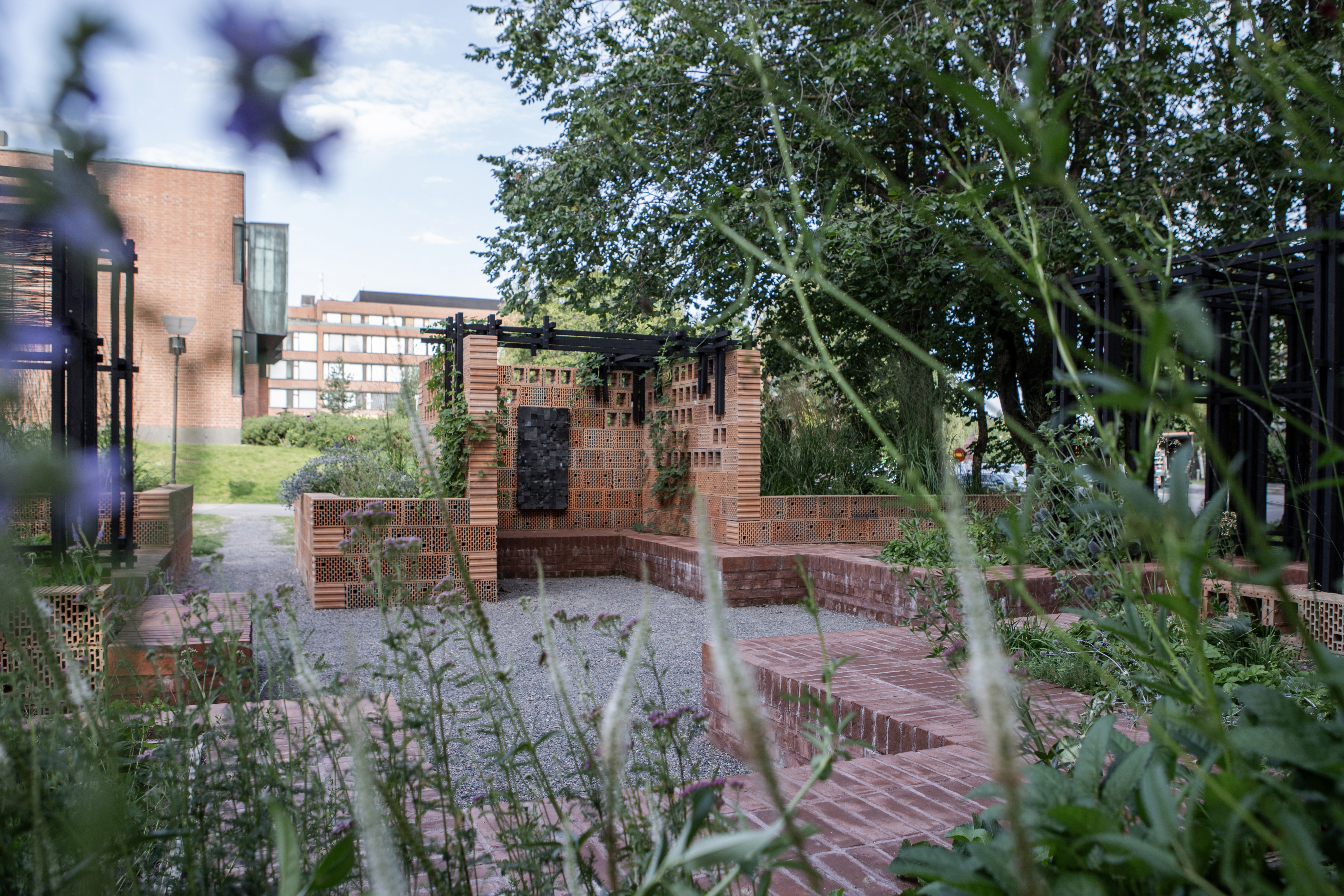
Alusta Pavilion is a space for reconnecting with nature. It is an experimental pavilion project which grew from the initiative of two architects to a diverse community of human and non-human participants. It was first located in Helsinki city center from 2022 until 2024 and then relocated to the Aalto University campus.
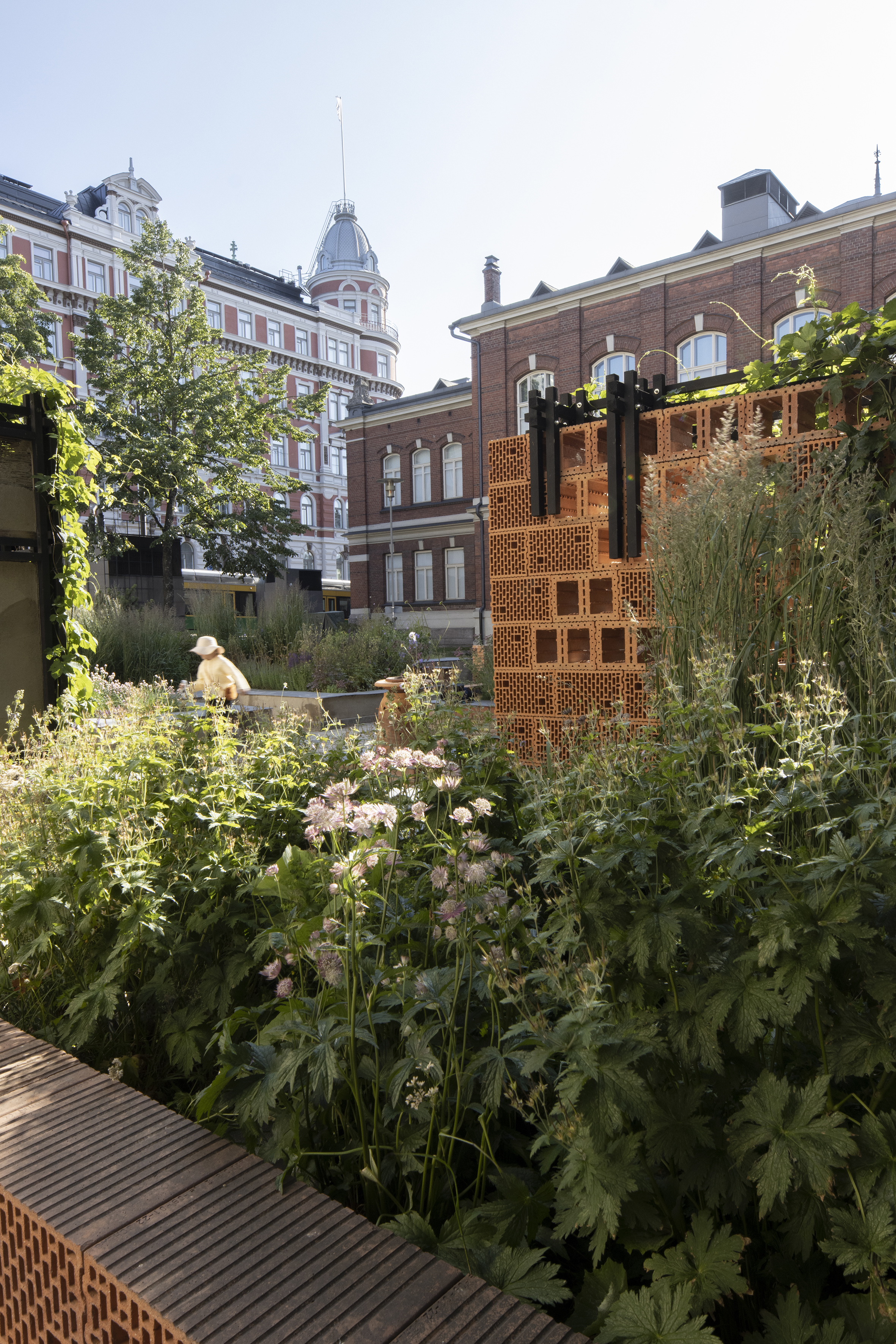
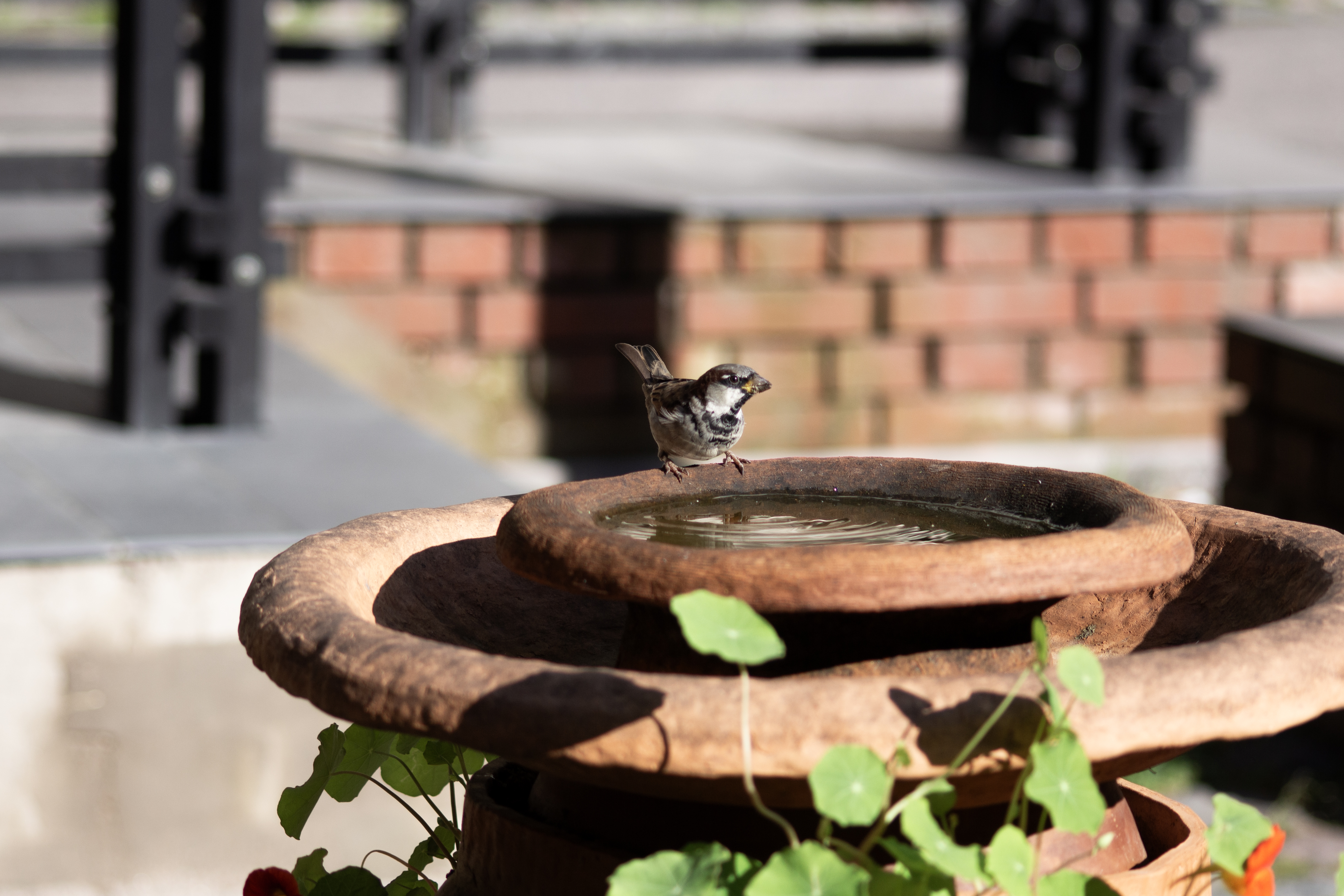
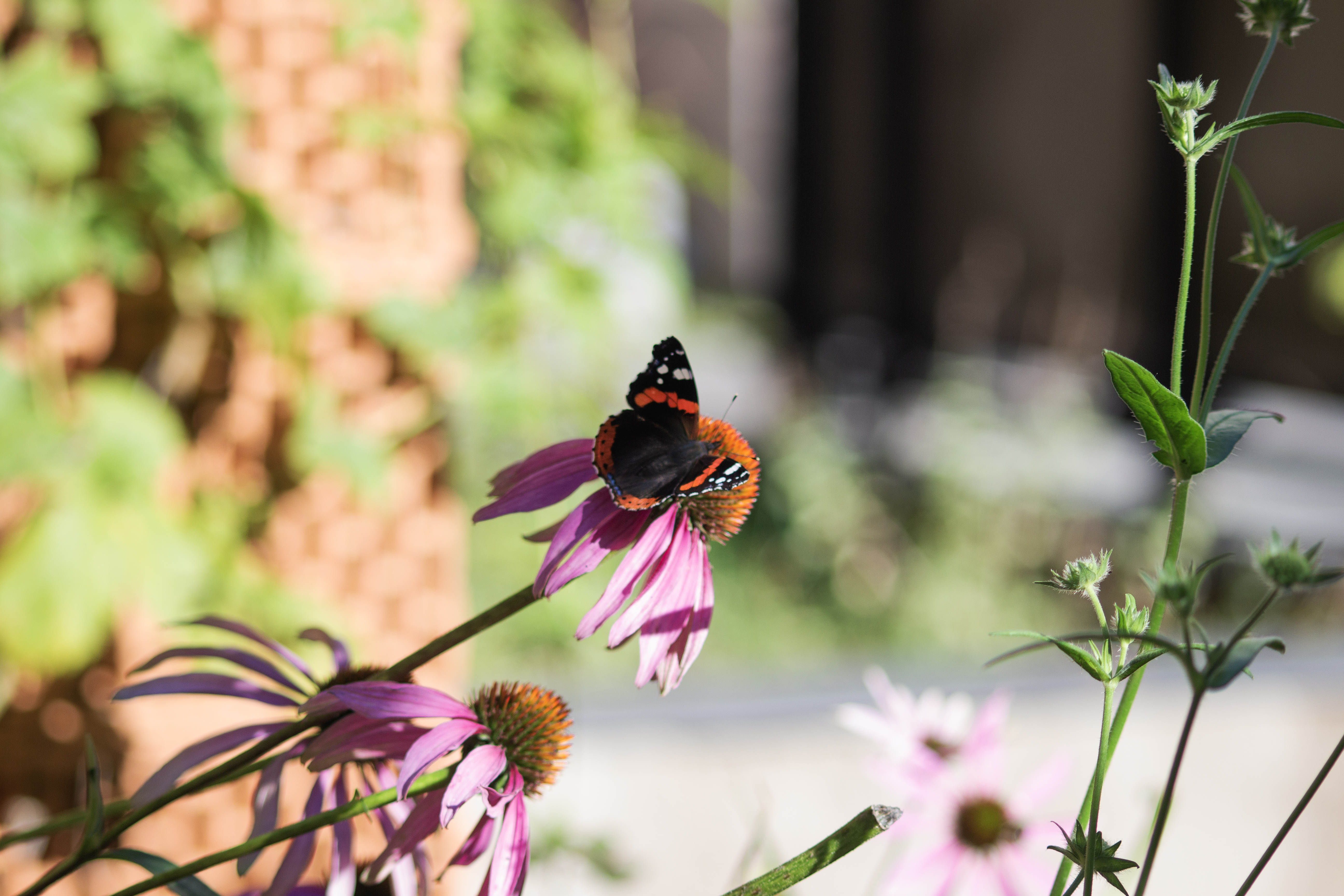
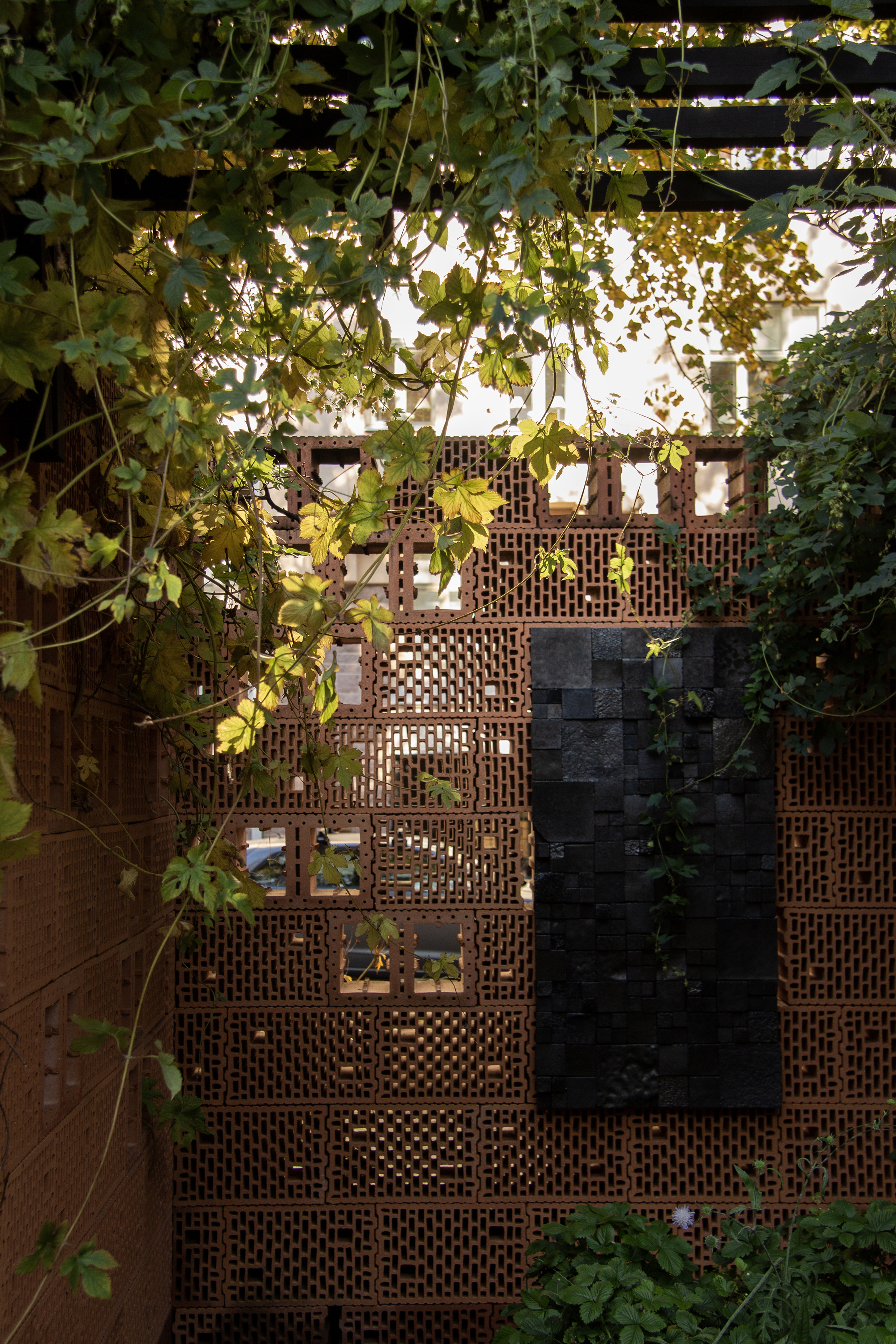
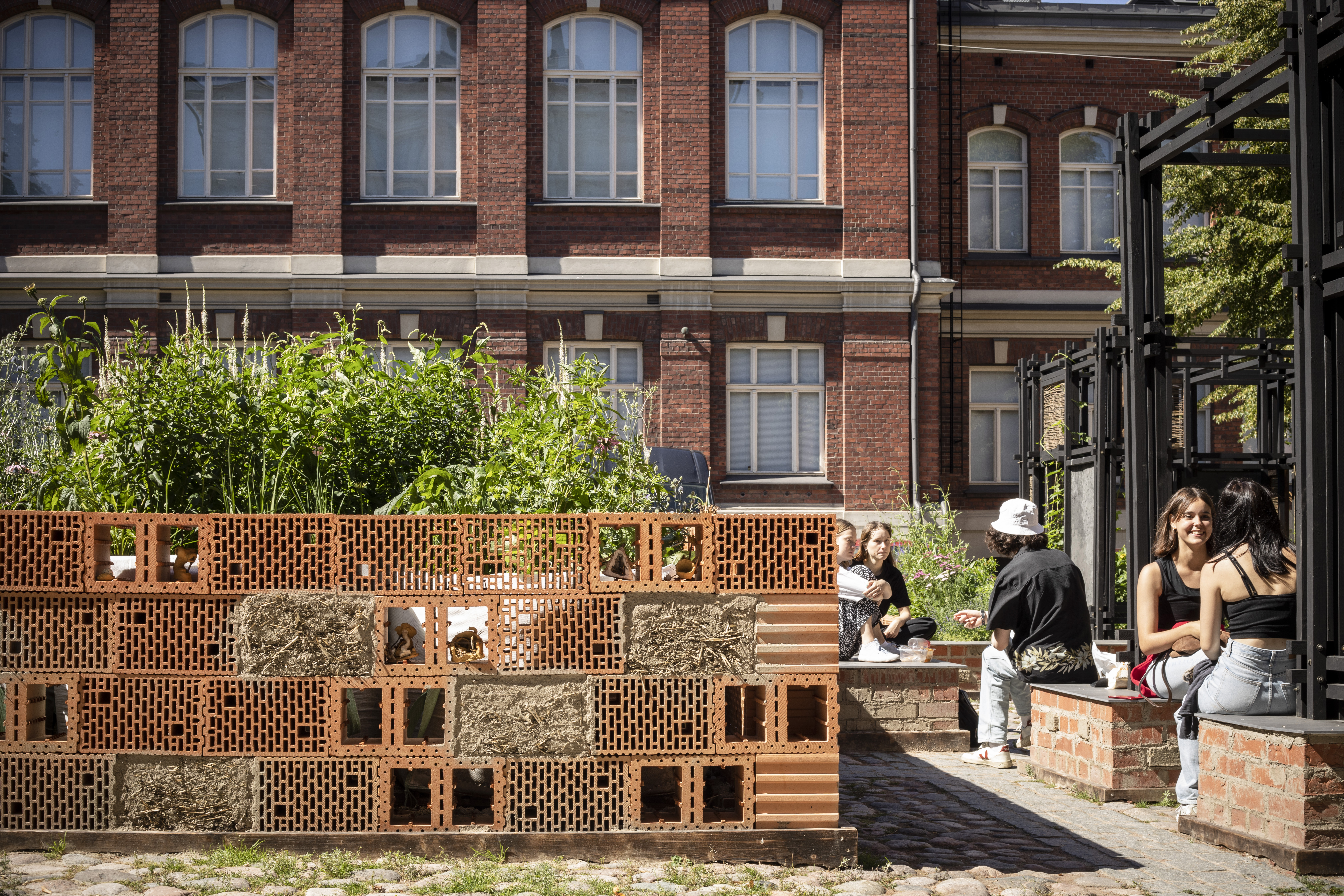
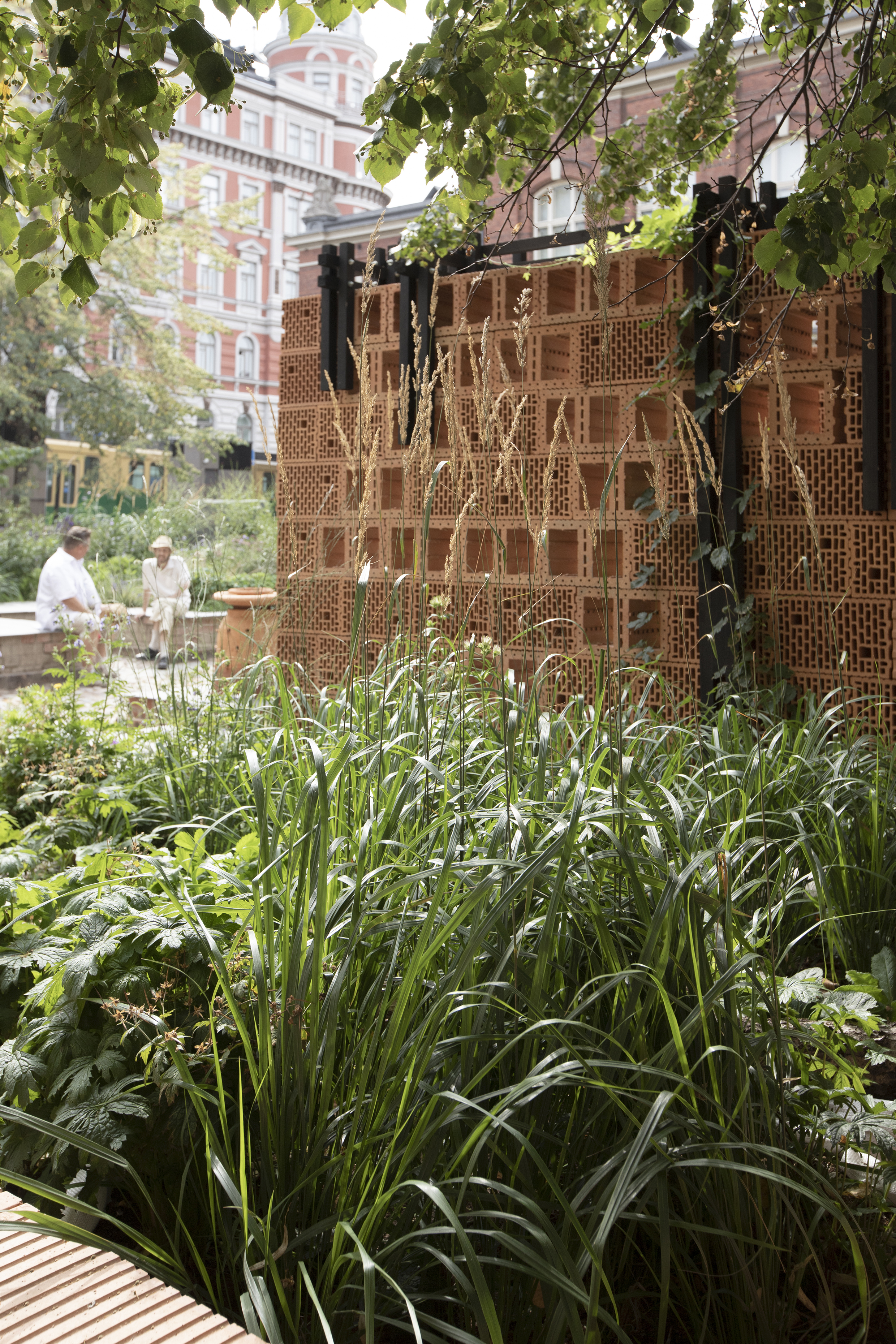
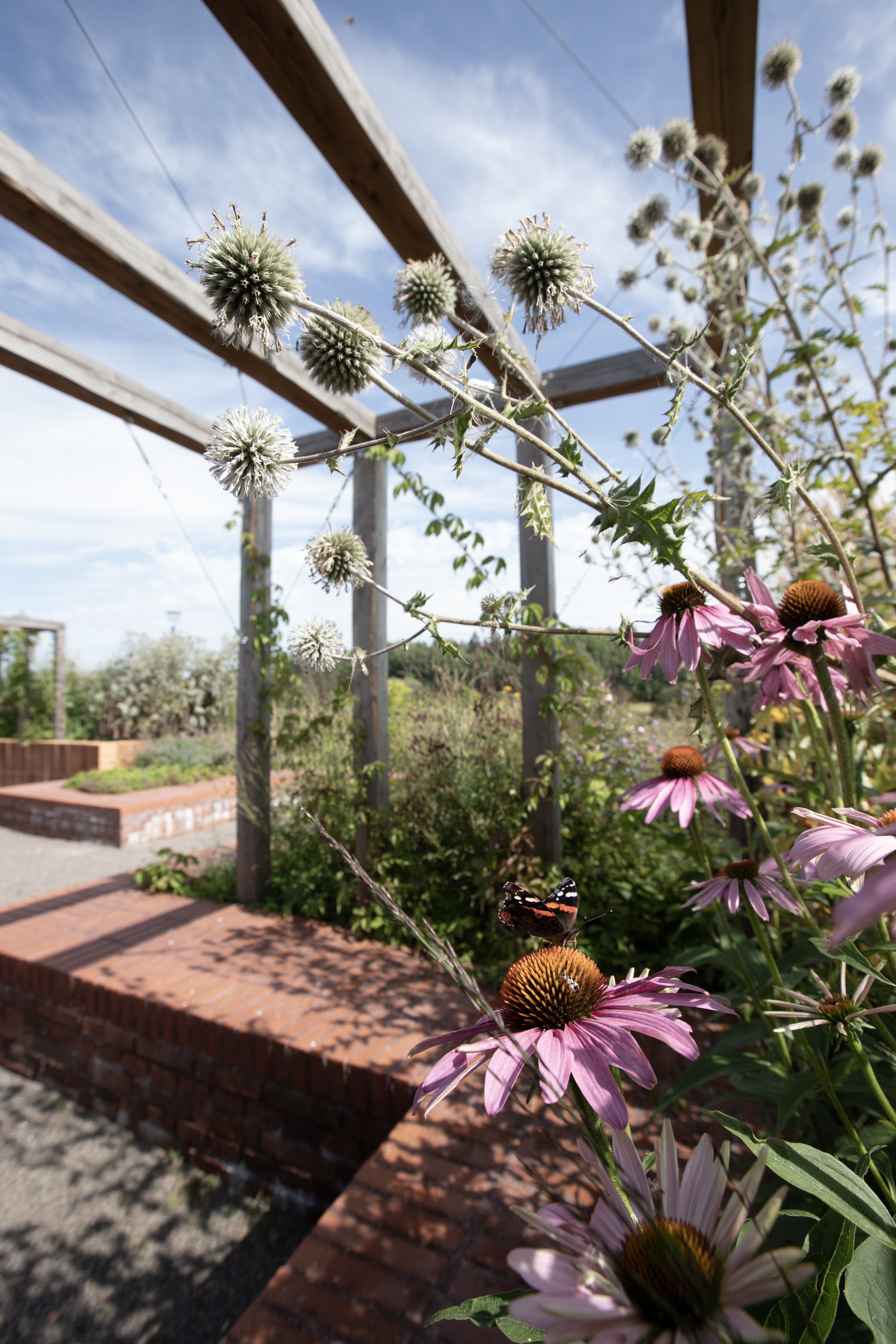
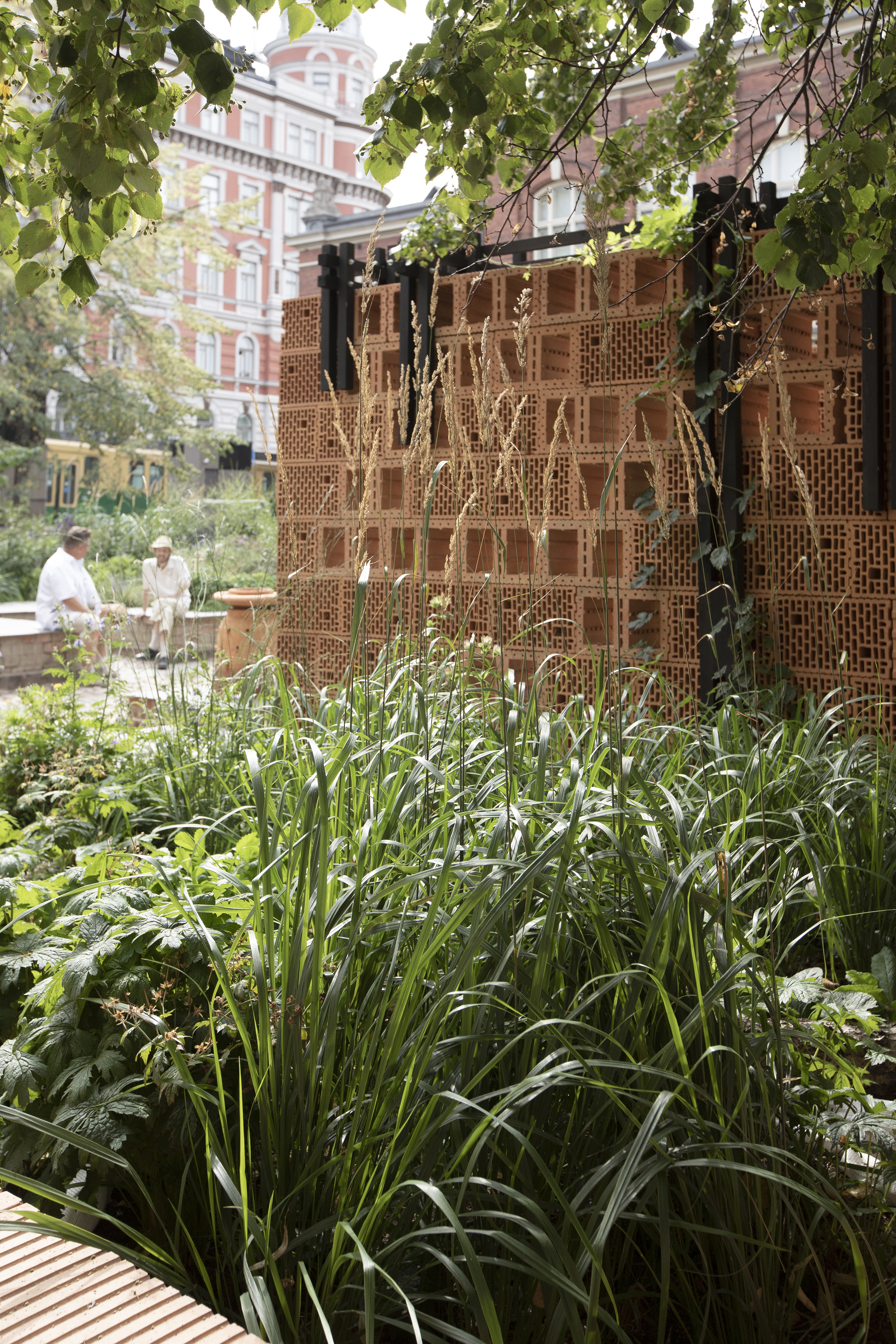
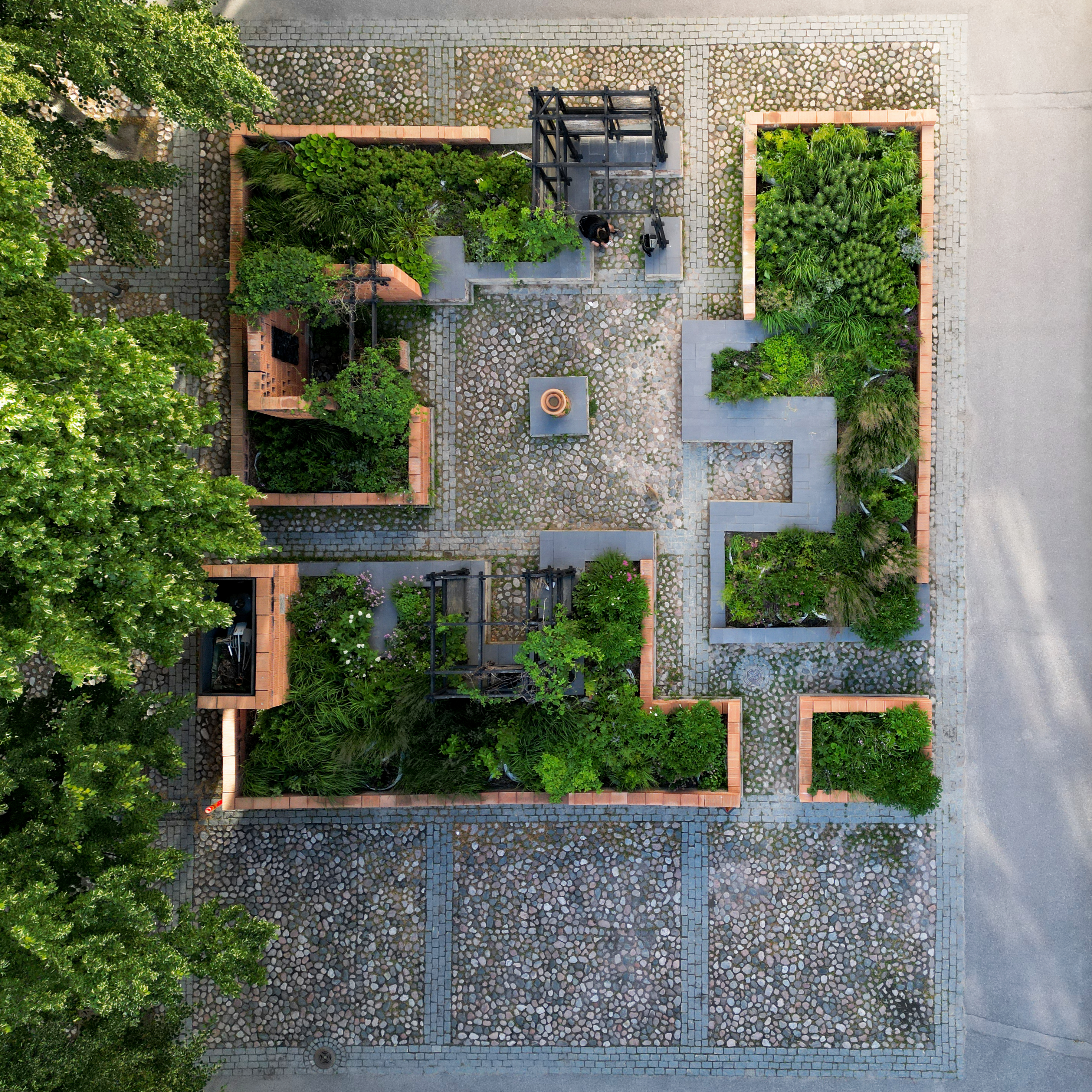
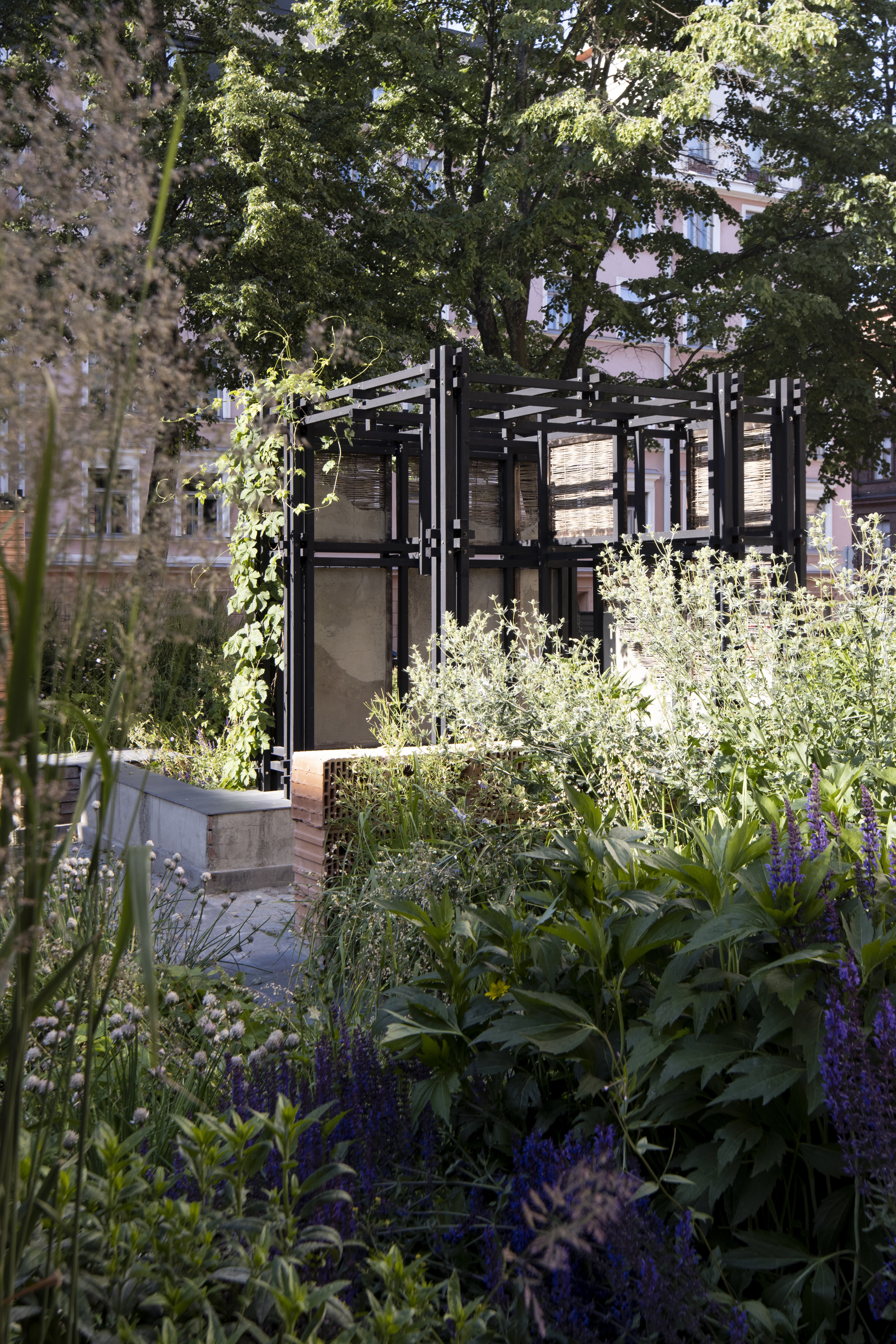
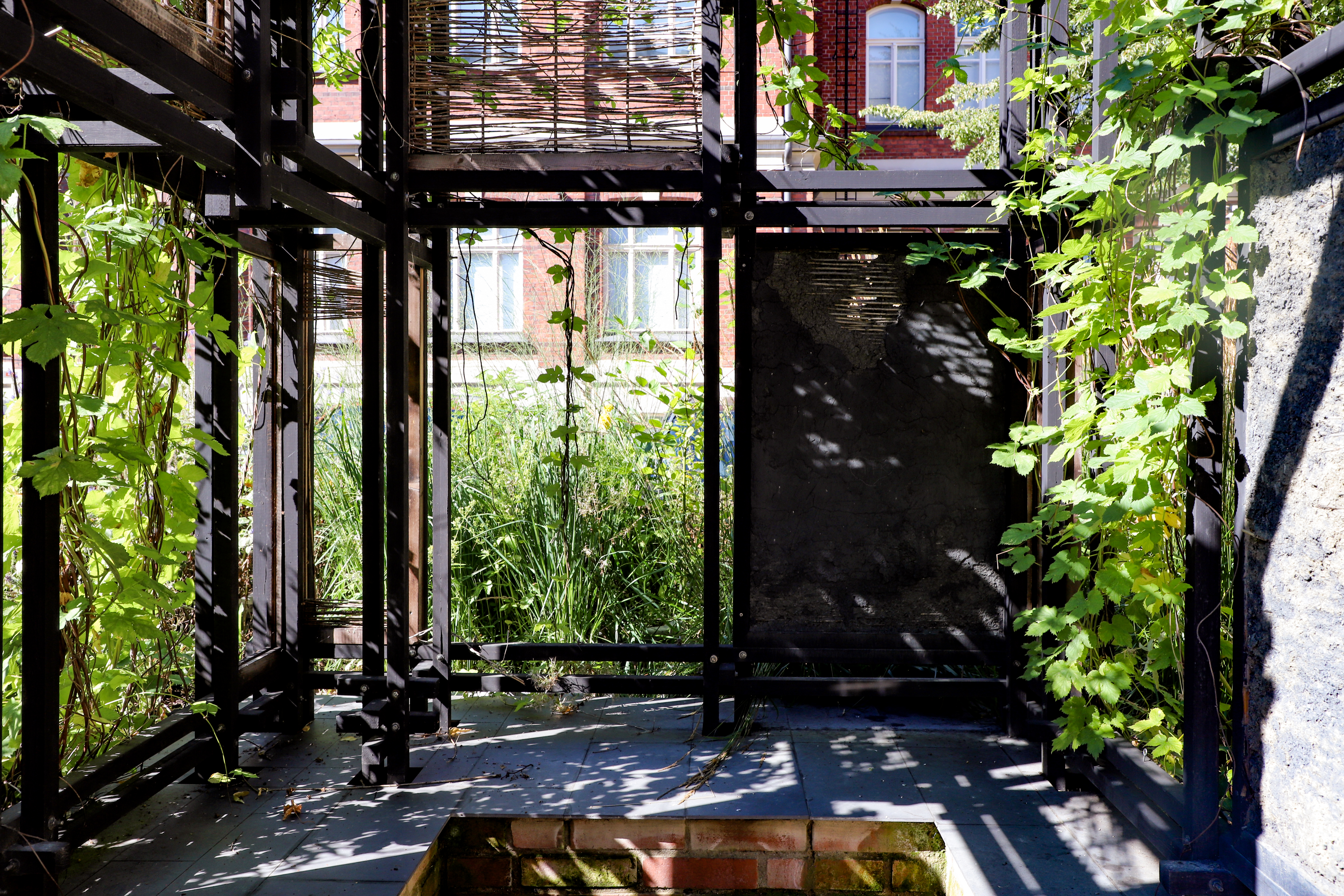
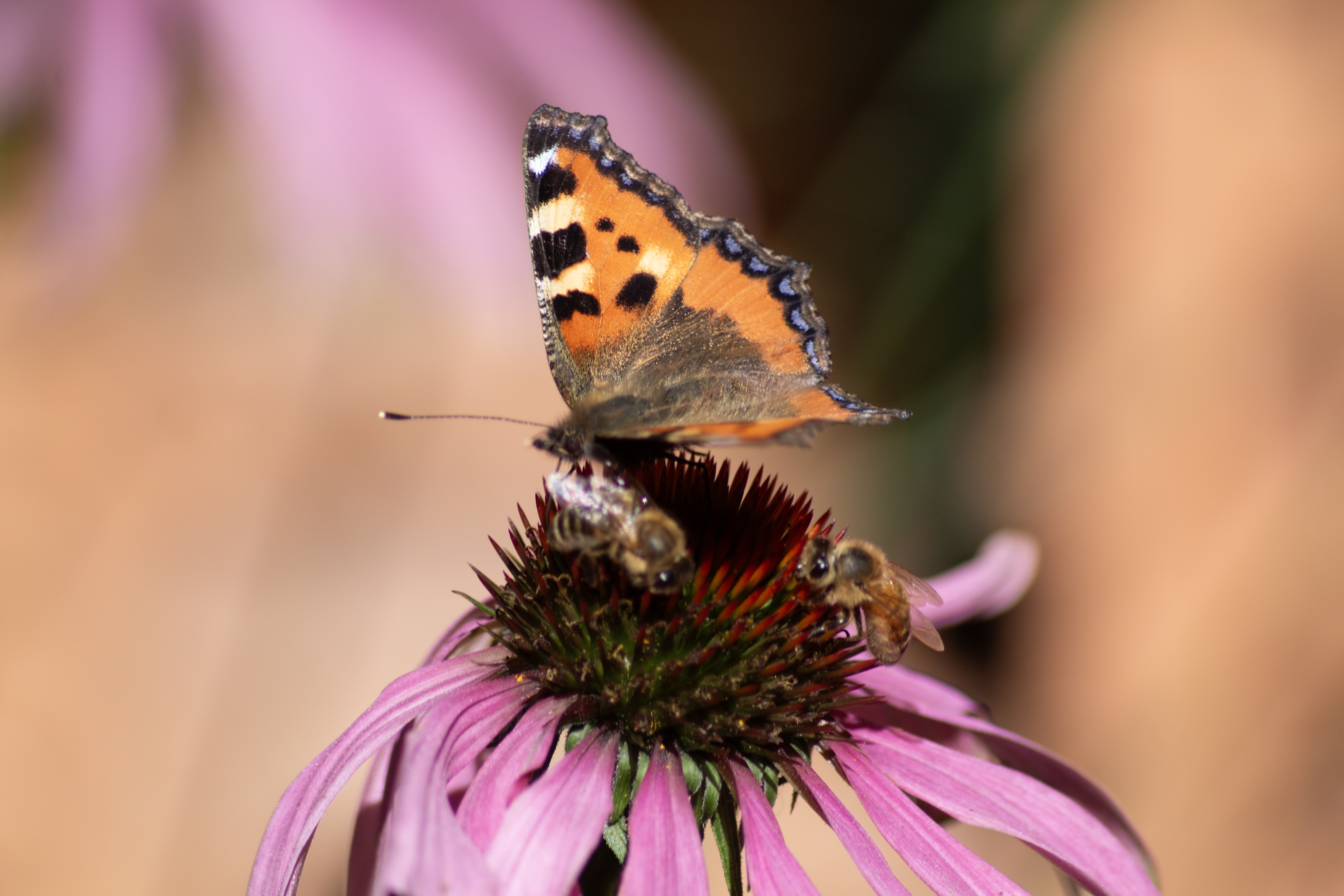
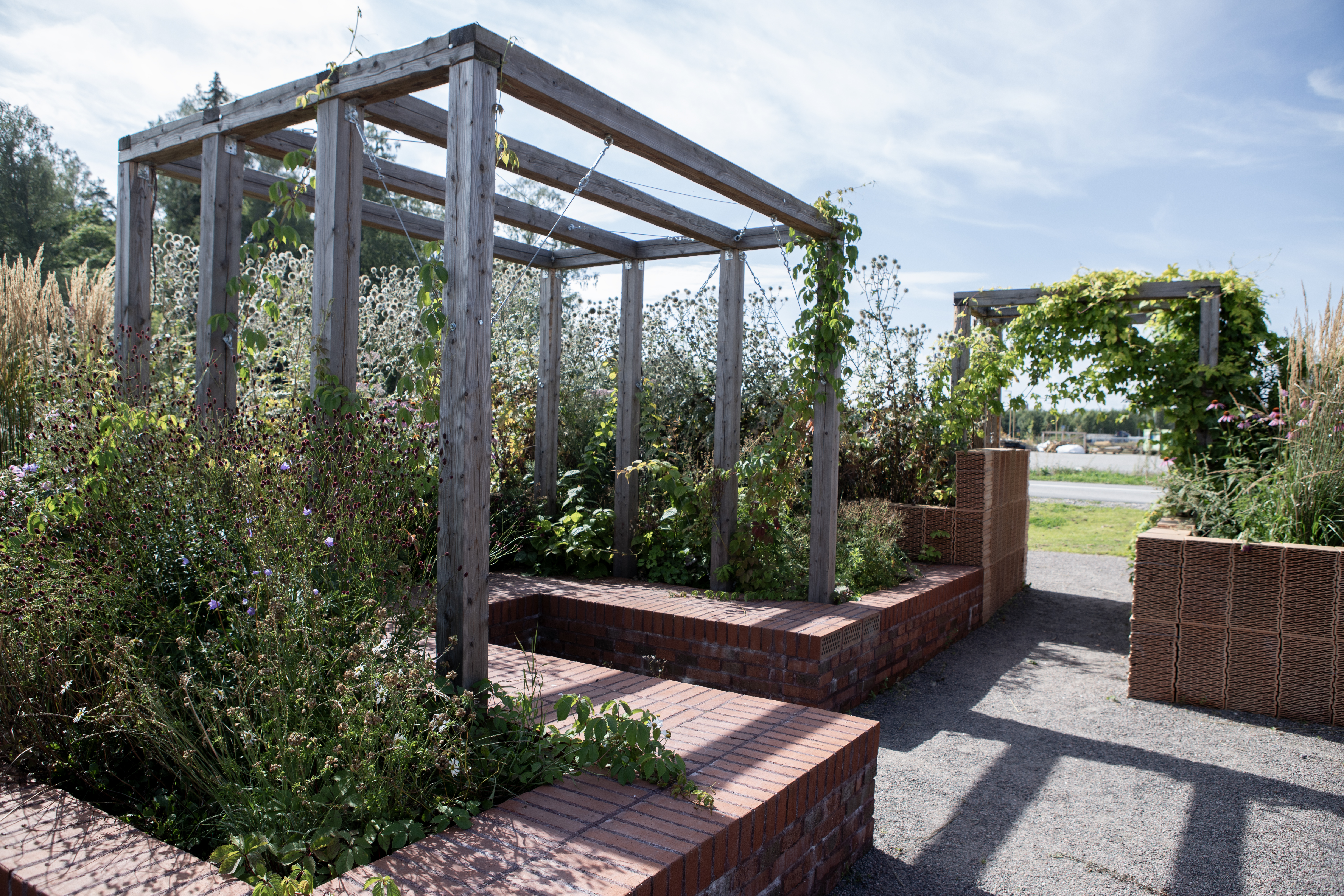
In Alusta Pavilion, pollinating insects and people can live together in a dense urban setting. The porous clay structures, decaying wood blocks, and pollinator-friendly flowering perennials offer shelter and nutrition for insects and birds. Fungi and biochar care for the soil and its microbial life which in turn supports plant and animal life, including humans. All this simultaneously promotes human wellbeing and forms a safe and inviting space for all to enjoy.
In the era of the climate crisis and loss of biodiversity, Alusta is a physical example of the possibility for change. It is a venue for learning, and environmental discourse, both through the multisensory material experience, and the activities taking place there. The changing aesthetics, and thriving flowers and butterflies bring people joy. Its building solutions exemplify sustainability and circularity throughout their lifecycle and beyond. Simple construction techniques enable participation of diverse groups of people in the making and caring for the space as well as learning from them. Expert discussions and educational programs held in the space deepen the message. Alusta is simultaneously a practical environmental act and its poetic representation.
Alusta was loved by its human visitors from children to academics requesting the extension of its life from the original two to three years. It was populated by various insect species observed by a pollinator researcher. It affected the microbial life on site enhancing human wellbeing documented by ecology researchers. Its circular solutions were proven successful in the relocation process. New versions in Espoo and Kerava.
Alusta Pavilion began as a question rather than a brief: what could architecture be if centred care, reciprocity and multispecies life instead of human convenience and permanence? From that question, we let the site, season and ecologies lead.
We started by listening. Talks with ecologists and gardeners, sitting at pollinator level, studying flight paths and bloom times, mapping sun, shade and wind. Rather than impose a form, we set conditions: a gentle microclimate, nectar and nesting resources, places for humans to pause without dominating. The pavilion’s structure was conceived an invitation rather than an object so plants, insects and weather could co‑author the space.
Materials followed the same ethic of proximity and return. We worked with raw clay and other locally available components, keeping the build demountable and repairable. Soil, substrates and plantings were chosen to extend flowering across the season and to welcome different species. Every decision was weighed: what does it do for more‑than‑human inhabitants, and what does it teach human visitors about kinship and care?
Realisation was iterative. We tested shade and airflow, adjusted perches and pathways, and learned to slow down to plant time. Installation was treated as the beginning, not the end: the pavilion came alive through a program of walks, talks, and hands‑on sessions that invited people to sense with their bodies—smell, touch, listen—rather than only read or watch.
As Alusta relocated and multiplied — to Espoo and Kerava and in spirit to the Venice Architecture Biennale and the Design Museum in London—it remained a platform more than a product. Each appearance adapted to local species, materials and audiences. Today Alusta continues as a communicative instrument in its embodied experience, and the ongoing conversation. The story of its making is the story of unmaking certain architectural habits, and relearning how to build with, not over, the living world.
biodiversity
environmental discourse
more than human entanglement
community building
care
Alusta tackles the environmental crisis both on the level of reason and emotion. It is both an environmental act and its symbolic representation. It offers an example of holistic sustainability that increases biodiversity in an urban setting, explores sustainable material solutions and communicates environmentally friendly values and attitudes while creating approachable and enjoyable spatial experiences. On a practical level it is made of materials with low environmental impact, using little fossil energy. On a cultural level Alusta reminds its human visitors that human wellbeing and survival is tied to the wellbeing of the rest of nature. We can no longer treat it as a mere resource. Alusta is built on the intrinsic value of all life. It strives to make visible the natural processes sustaining life, while safeguarding their continuity.
To communicate the interconnectedness of human life with other living beings, Alusta explores the ecological relationality of the soil, plants, pollinators, birds, humans and natural processes of growth and decay. The plants, decaying wood inoculated with fungi, compost soil, clay and biochar structures create wellbeing for people and non-human animals. Raw clay demonstrates possibilities for low energy, low impact construction and material reuse. Biochar elements made of pulp industry’s by-product lignin exemplify material circulation.
Through its aesthetics and location next to the Architecture and Design Museum, Alusta ignites societal discussion and change. The museum context allows Alusta to reach the public and design professionals to rethink our culture’s relationship with nature. The open, free public space allows different people to engage with it. Alusta binds together sustainable architectural education and interdisciplinary collaboration. Educational and recreational programs in the space expand questions of sustainable land and material use, creative ecologies and interbeing. Media presence reinforces the impact.
Alusta was created as a place for experiencing nature and its interconnectedness in an urban setting where there is normally little or no contact with nature. The designers hoped to create a calm space for humans to resensitize to the different ways of existence of the nonhuman, to attune to their pace and let their ways of being alive open in and around them. The space was intended as a vehicle for these encounters and the re-evaluation of our culture’s relationship with nature.
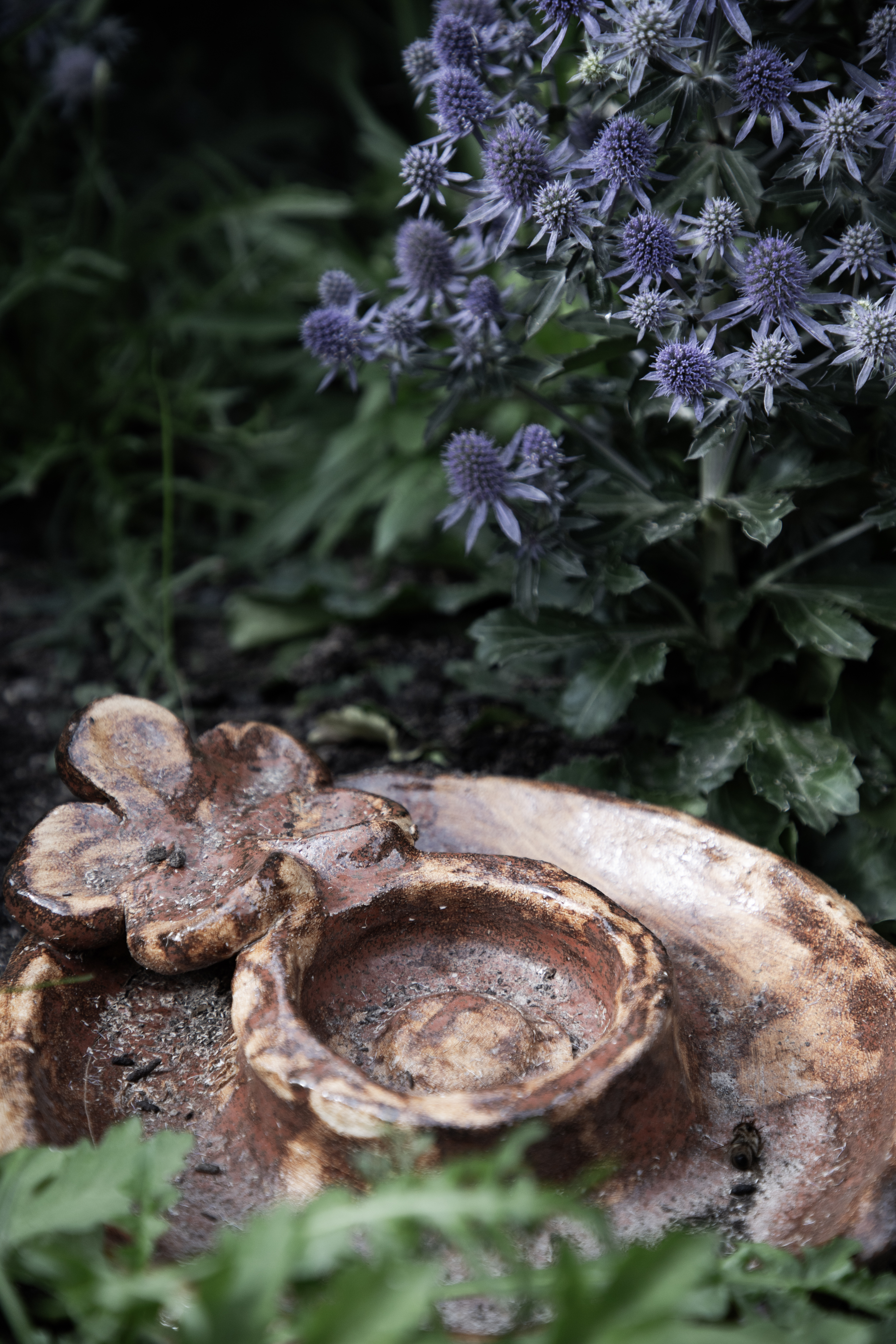
Rethinking one's worldview and values requires a sense of safety and comfort. Alusta was designed to create wellbeing for humans through taking into account their physical and psychological health. Simultaneously ecological interventions were planned to invite nonhuman animals to enjoy the space. To create an example of shared wellbeing, all design decisions were made considering the needs of both. Porous clay and biochar structures open passages and nesting space for insects. Their haptic materiality forms an interesting spatial experience for humans awakening the sense of touch. Flowering perennials offer nourishment for pollinators and sensory joys for people.
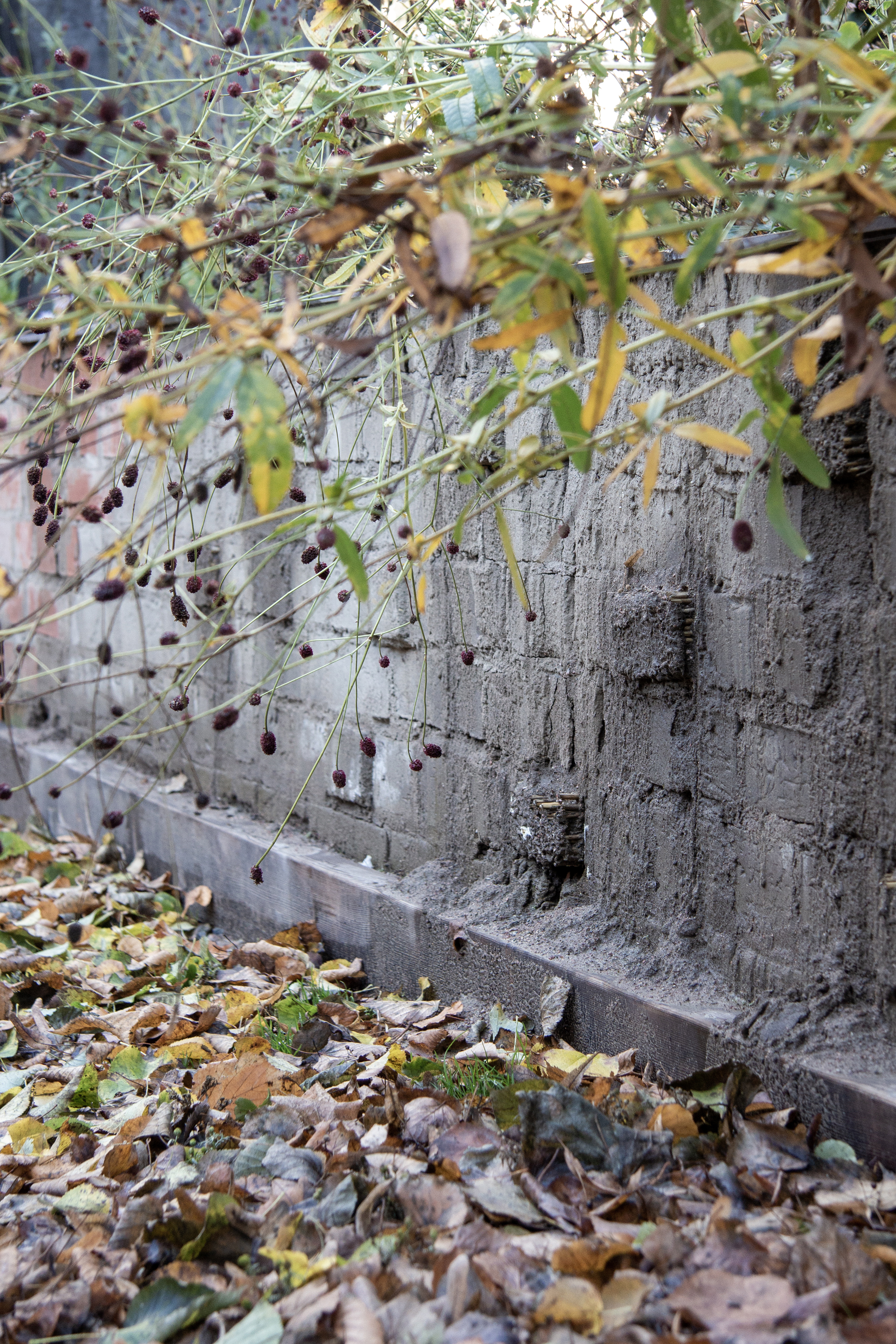
In Alusta, the embodied aesthetic experience of space opens through emotions in time. Sustainability is approached on the level of the imagination and creativity as well as through facts. The continuous aesthetic transformation of the space is tied to the cyclic rhythms of the more than human world. Clay erodes with water and time, plants grow, bloom and wither, fungi, algae, lichen, and moss begin to take over as time passes and moisture takes hold. Attention is guided towards other than human timescapes which sustain the liveability of the planet. Gradual changes, often too slow for human senses to observe, are enforced and made accessible for human experience. Creative ownership of the space is shared with the plants and the natural processes as nature is given an active voice in shaping the space.
“Alusta” in the Finnish language signifies both ‘a platform’ and ‘to begin anew’. As a project Alusta questions existing environmentally and socially detrimental practices and strives to create positive alternatives. It is a public space accessible for all, open and free. Located between two Helsinki museums in the heart of the city, it offers a respite from urban commercial spaces and allows for anyone to come and use it as they wish. It is a sanctuary for people, pollinating insects and birds. There is sensory enjoyment and a calm atmosphere for anyone, as well as nutrition, shelter and water for the non-human visitors. Bringing non-human nature into the city promotes equality as not everyone is physically able or can afford to travel to the wilderness and the wellbeing effects of non-human nature to humans are well known. Alusta is an example of what non-consumerist attractions in the city could mean.
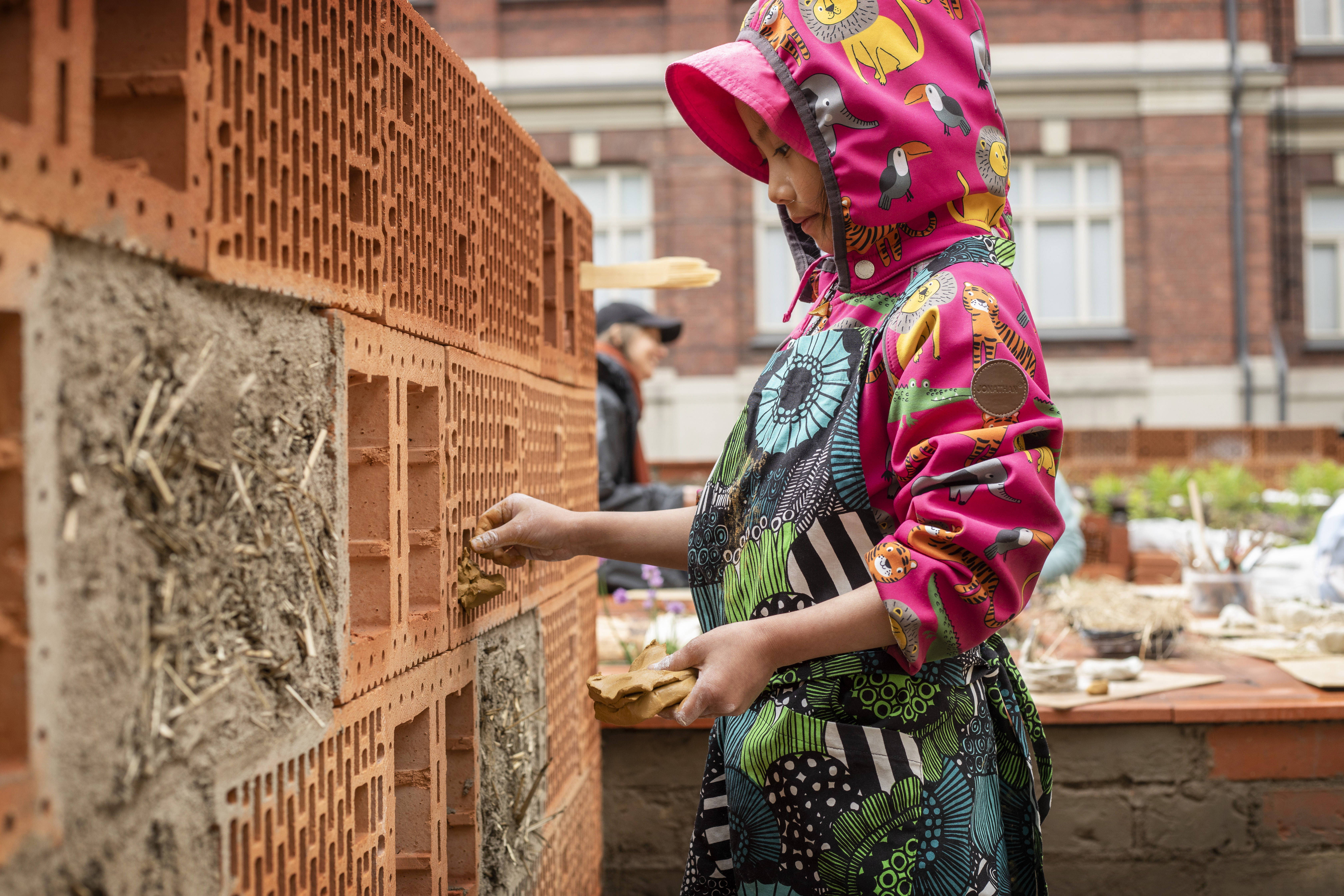
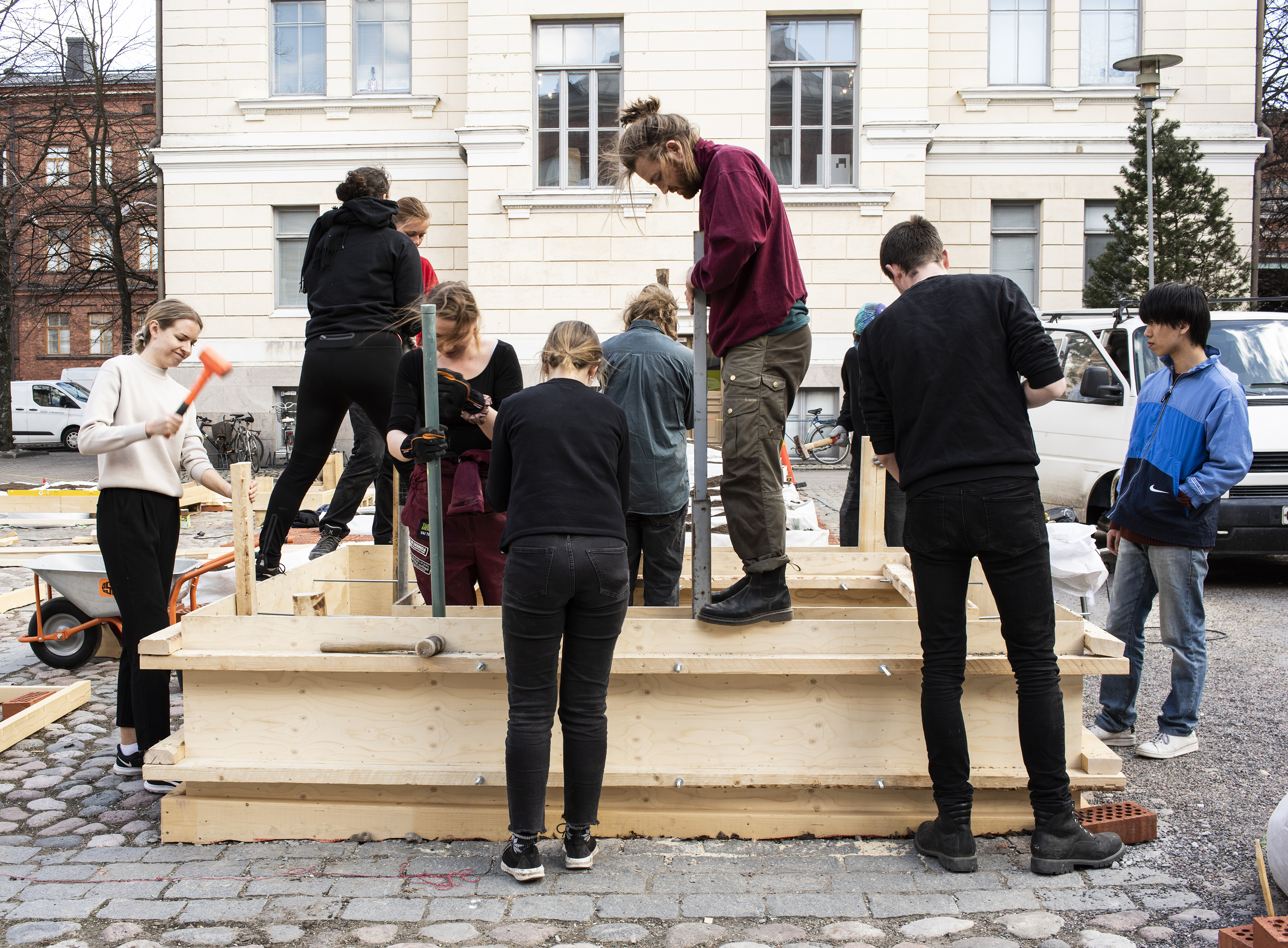
The process of making Alusta was based on multidisciplinary collaboration and educational possibilities. The chosen techniques allowed for working with clay construction students and architectural students and offered learning opportunities that were lacking from the study programs at their respective institutions. Simple techniques made it possible to open the construction process also for the local community. Information on sustainable construction methods was shared e.g. in workshops making and mending raw clay structures. These affordable simple techniques offer empowerment and enable replicating them regardless of economic or societal background. Making together became a way of establishing community and means of alternative value-creation. A sense of connectedness and well-being not tied to monetary value arose, thus combating the idea of buildings as commercial commodities.
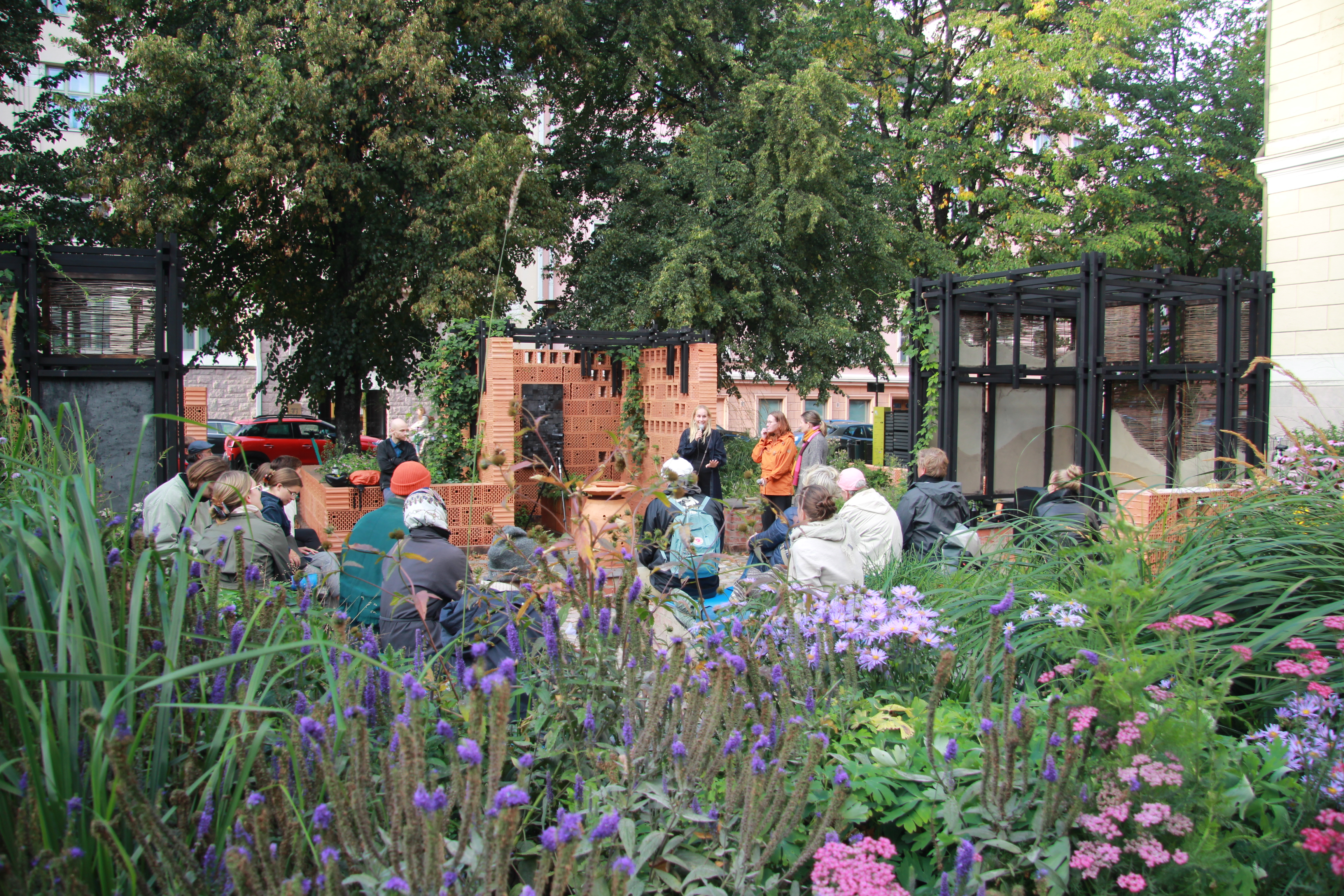
The cultural program is also free and open for all. The message of Alusta opens on differently to different people from enjoying the butterflies to listening to academic discussion.
Citizens took part in the construction of Alusta and learned about the material and immaterial methods used through many open clay building and planting workshops. Participants learned e.g. how to transform their outdoor areas to pollinator friendly ones, and how to use clay in homes and gardens. Residents of a neighboring building took part in bokashi-composting creating soil for the plant community.
During years 2022-2024 a wide range of program took place at Alusta; construction workshops for students, nest building clay workshops of environmental thinking for families with young children, the results of which remain as part of the pavilion, summer schools for high school students, school and kindergarten visits for different agegroups. Lecture and discussion program for both design professionals and general public is described later. Concerts and a movie screening also took place.
The themes of the project have been communicated to different audiences of citizens and experts through media and exhibitions both nationally and internationally. The designers visited e.g. the morning TV show of the Finnish national broadcasting company YLE with 250 000 daily viewers and the day radio program with 1 million daily listeners, pavilion appeared in Venice Biennale main exhibition and London Design Museum More Than Human exhibition. Professional audiences have been reached through publications such as Archdaily, Dezeen and the Finnish Architectural Review. The academic community is engaged through Suomi’s doctoral research articles, Suomi and Koivisto’s teaching as well as various presentations and articles.
Spontaneous visits of citizens activate the pavilion to offering of embodied experiences of reconnecting with nature in an urban environment. The love of human visitors resulted in the extension of Alusta’s life from two to three years, relocation to Espoo and new version to Kerava spreading the effects and message.
Alusta pavilion has been part of research and pedagogical activities at Aalto University, Raseko clay builder institute, Helsinki University, Biodiversity interventions for well-being (BIWE) research project as well as Museum of Finnish Architecture and Design Museum. Nearly a hundred architecture, design, and clay builder students from some 10 countries took part in the workshops. Taking the knowledge back to their home universities through Erasmus and other exchange programs, the message of Alusta is spread internationally. Several thesis projects on the themes of Alusta have been initiated. Experts joining the discussion series also continue discussions at their home institutions including Aalto University, Helsinki University, University of Turku, Tampere University, Finnish Environment Institute and Ministry of the Environment.
Different stakeholders contributed to the programme at Alusta. Programme for various audiences was organized by both museums, Designmuseon ja Arkkitehtuurimuseon Ystävät DAMY ry, Aalto University departments of Architecture, Design and Art Education and You Tell Me-collective.
Finnish Association of Architects and Information Centre for Finnish Architecture took part in the discussions and offered venues to spread the experiences from the project to a wider professional audience.
The City of Helsinki granted a building permit for the experimental pavilion, schools and kindergartens have visited and learned, and local politicians joined the discussion series.
The private sector was engaged as the project was supported by companies such as Abl-Laatat, Fiskars, Ilmarinen, Kekkilä Oy, Kääpä Biotech, Rudus Oy, Stark Suomi Oy and Wienerberger Oy. Sustainable material innovations were promoted and unsustainable modes of operation were challenged in the process by the designers.
Funded by Kordelin foundation, The Arts Promotion Centre of Finland, Greta and William Lehtinen foundation and Finnish Cultural Foundation.
Alusta research pavilion developed through a multidisciplinary collaborative process co-ordinated by Suomi/Koivisto architects.
Ecology researchers of Helsinki University and Natural Resources Institute and a gardener acted as main advisors. The scheme of creating a pavilion to offer nutrition and shelter for pollinators is based on their knowledge on the needs of the insects and opinions on the feasibility of the plan for inviting them in. The importance of soil microbes for mutual wellbeing and decaying wood inoculated with fungi to support living conditions of beetles were emphasized. Alusta is part of the Biodiversity interventions for Well-being (BIWE) research project on biodiversity and its health benefits in built areas. An insect researcher from the Finnish Museum of Natural History studied the development of species visiting Alusta.
Co-creation process took place with experts and students of several disciplines. Engineer Timo Kallio and his students at Raseko Clay Building Institute developed raw clay elements. Ceramic elements were developed with professor Nathalie Lautenbacher and students from Aalto University. Collaboration with IKI Carbon led to making a lignin based biochar art piece. In Kerava local children’s art school and vocational school were involved.
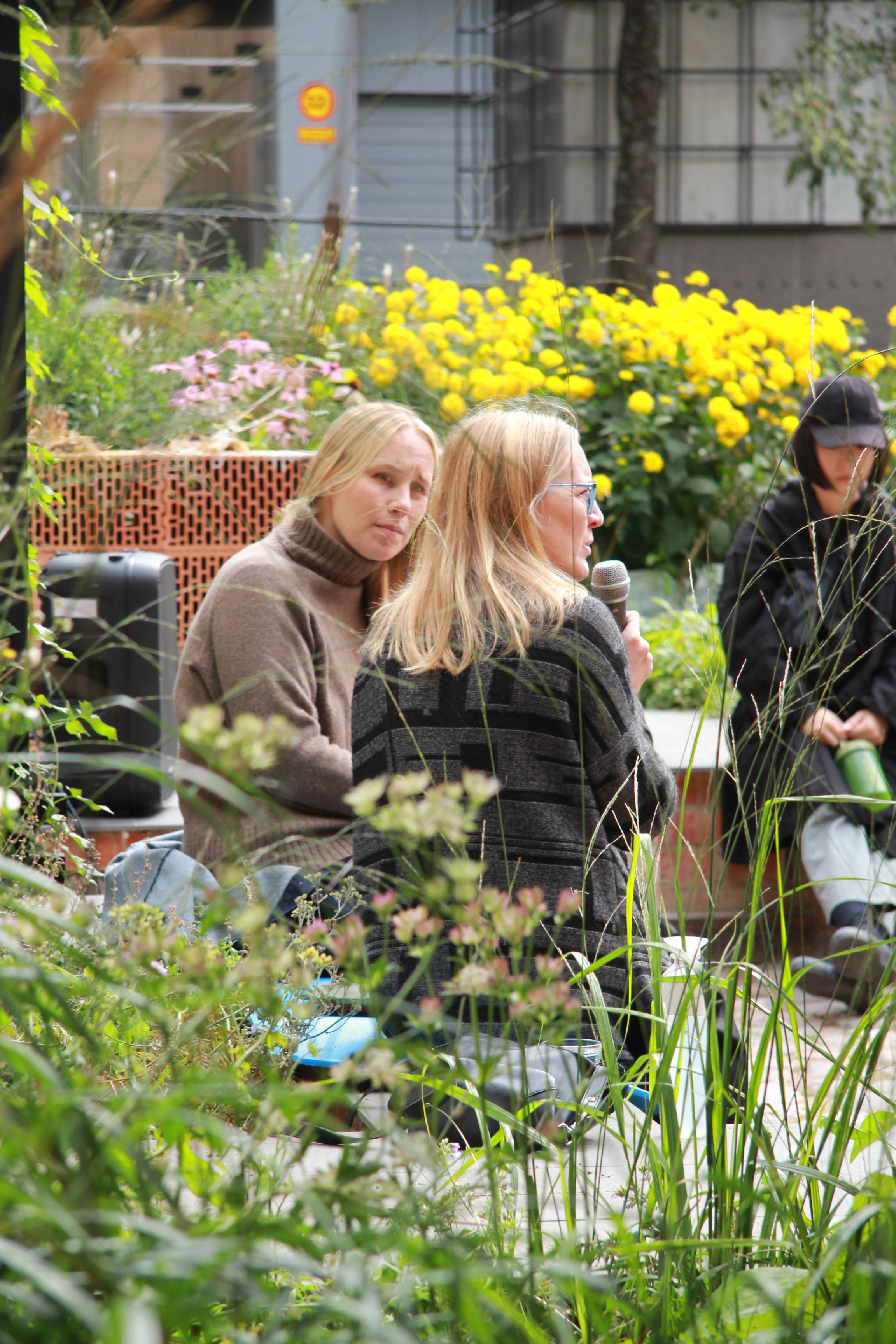
The themes of the pavilion were explored through academic discussions open for all: e.g. aesthetics and sustainability with philosopher Sanna Lehtinen, emotions evoked by environmental crises, and art as a path to encountering them with ecotheologist Panu Pihkala and Patrik Söderlund (IC-98 artist-duo), the relationship between humans and non-human animals with animal philosopher Elisa Aaltola, loss of biodiversity and urban design with assistant professor in landscape planning and ecology Elisa Lähde and docent of urban ecology Kati Vierikko and empathy as a way to sustainable architecture with associate professor of sustainable architecture Sofie Pelsmakers. Full program in appendix.
Alusta Pavilion runs as a co-produced, cultural and research platform with a diversified, low-cost model blending public and philanthropic funding, institutional co-production, sponsorships and in-kind support, and fee-based education and consulting. Core financing from cultural and research grants, often coupled with university research integration that strengthens eligibility for future calls. Host institutions—museums, universities and cities—co-produce each edition by providing sites, basic budgets for exhibition and education, communication, and stewardship. Corporate partners contribute materials and expertise.
New iterations happen as co-productions: hosts cover fabrication, transport, installation and maintenance, while the design team handles design, curation and knowledge transfer. Public workshops for citizens and students remain free through institutional budgets; tailored professional trainings, lectures and advisory work for municipalities, cultural venues and festivals generate modest revenue.
Financial sustainability is reinforced by a frugal cost base and asset reuse. Circular, low-energy materials and simple techniques reduce capital and operating costs and avoid specialized labor. The pavilion is modular and demountable, components are repaired and redeployed across sites, and local sourcing keeps transport minimal. Community construction and care workshops embed maintenance into education, lowering contracted upkeep while building local capacity.
Long term, touring editions, permanent adaptations and curricular integration creates a steady pipeline of funded hosts and grant opportunities. High visibility at international exhibitions and in media strengthens partner appeal and sponsorship. After installation, hosts fold routine care into their education or culture budgets, while citizen stewardship distributes tasks. An open, documented methodology lowers risk for future partners, supporting repeat commissions and keeping public access free.
Transfer of knowledge and attitudes is built into the idea of Alusta.
The pavilion as a physical entity was designed to be easily disassembled due to its temporary nature. It was transferred to Aalto University in 2024 where it will continue to serve as a learning space. The plant community was moved safely as they were planted in movable growbags. Eventually all materials can either be reused further or returned to the environment without harmful effects. All pollinator friendly materials, building techniques and plant selections used and developed can be replicated by professionals or individual citizens in different scales. Simple and understandable building techniques were chosen for this purpose.
Methods and the approach can be replicated, further developed and adapted to new contexts. The context of each location must be considered carefully for its environmental conditions and concerns as well as adjusting the approach to participation and inclusion accordingly. Working in the context of e.g. schools, daycare centers, hospitals, elderly care facilities, research and cultural institutions, or refugee centers would provide interesting possibilities of simultaneously strengthening community, and tackling environmental questions. A modified, permanent version of the pavilion was realized at Kerava, Finland in collaboration with a fair for ecological construction in 2024.
Participatory principles of the design and implementation process can be followed in similar or different architectural projects. The pedagogic principles can be replicated in learning processes on different educational levels. This is supported through open access knowledge creation. Suomi shares documentation and reflection on the process through her practice-led PhD project. Learnings from the project are openly shared by the designers in academic and professional contexts. Broader audience is reached through the museums’ pedagogical staff, and media presence of the project.