Patkó Hill Eco-Revival
From Forgotten Hill to Community Space: The Patkó Bandi Nature Park in Nyim
The currently unknown small village of Nyim (300 inhabitants) is gradually evolving through a community-driven, nature-based concept into an eco-touristic attraction. At its core, the Nyimi Nyugi nature therapy and mental health trail and its starting-point park at Patkó Bandi Hill form a unified, co-created experience that connects local stories, ecological solutions, and inclusive outdoor use, strengthening wellbeing, social cohesion and rural resilience.
Hungary
8612, Nyim, Hungary
Early initiative
Yes
Yes
Yes
No
No
03203: Nyim (HU)
The unknown small village of Nyim (300 inhabitants) is evolving through a community-driven, nature-based development concept towards a well-known eco-touristic destination.
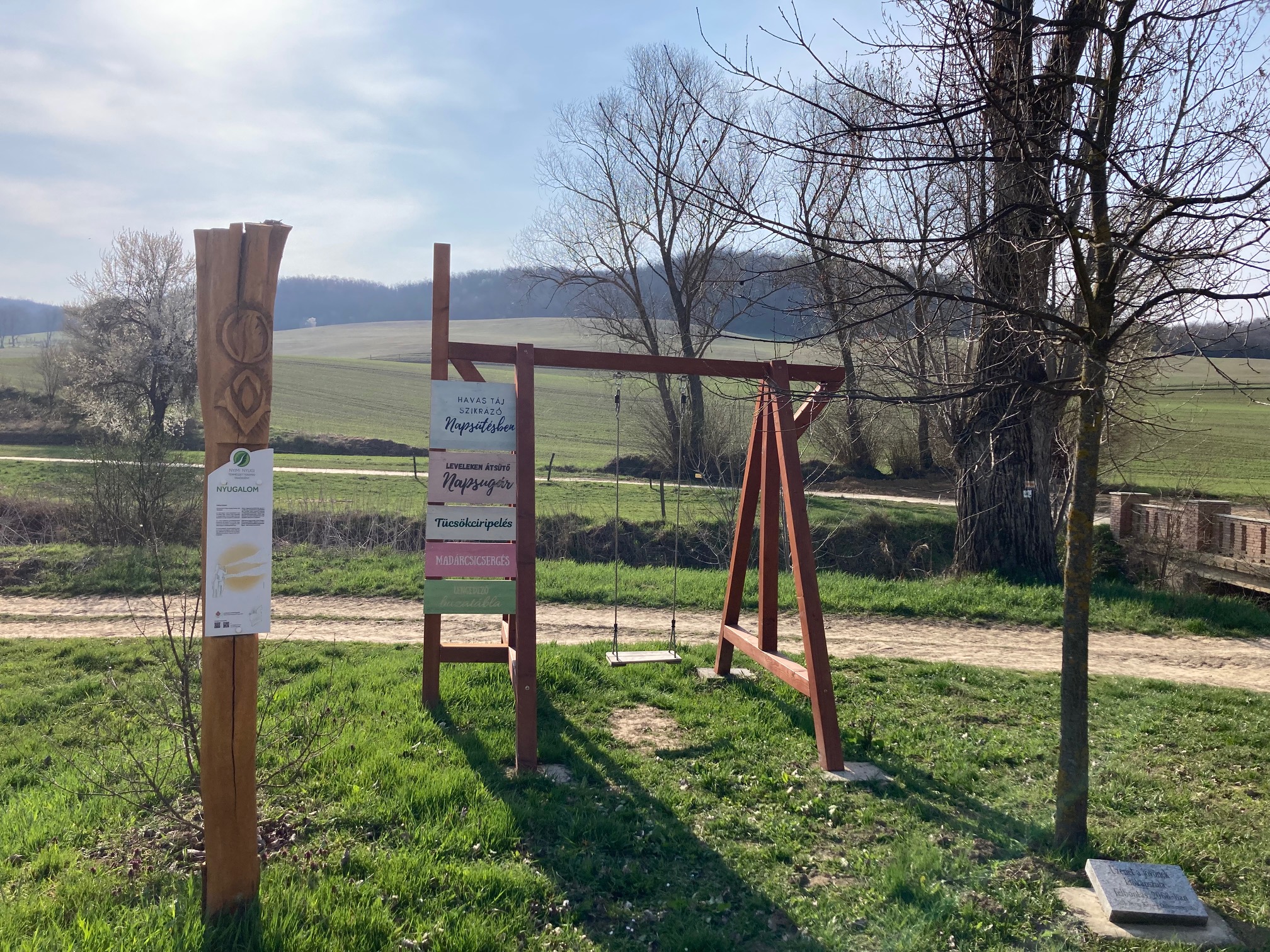
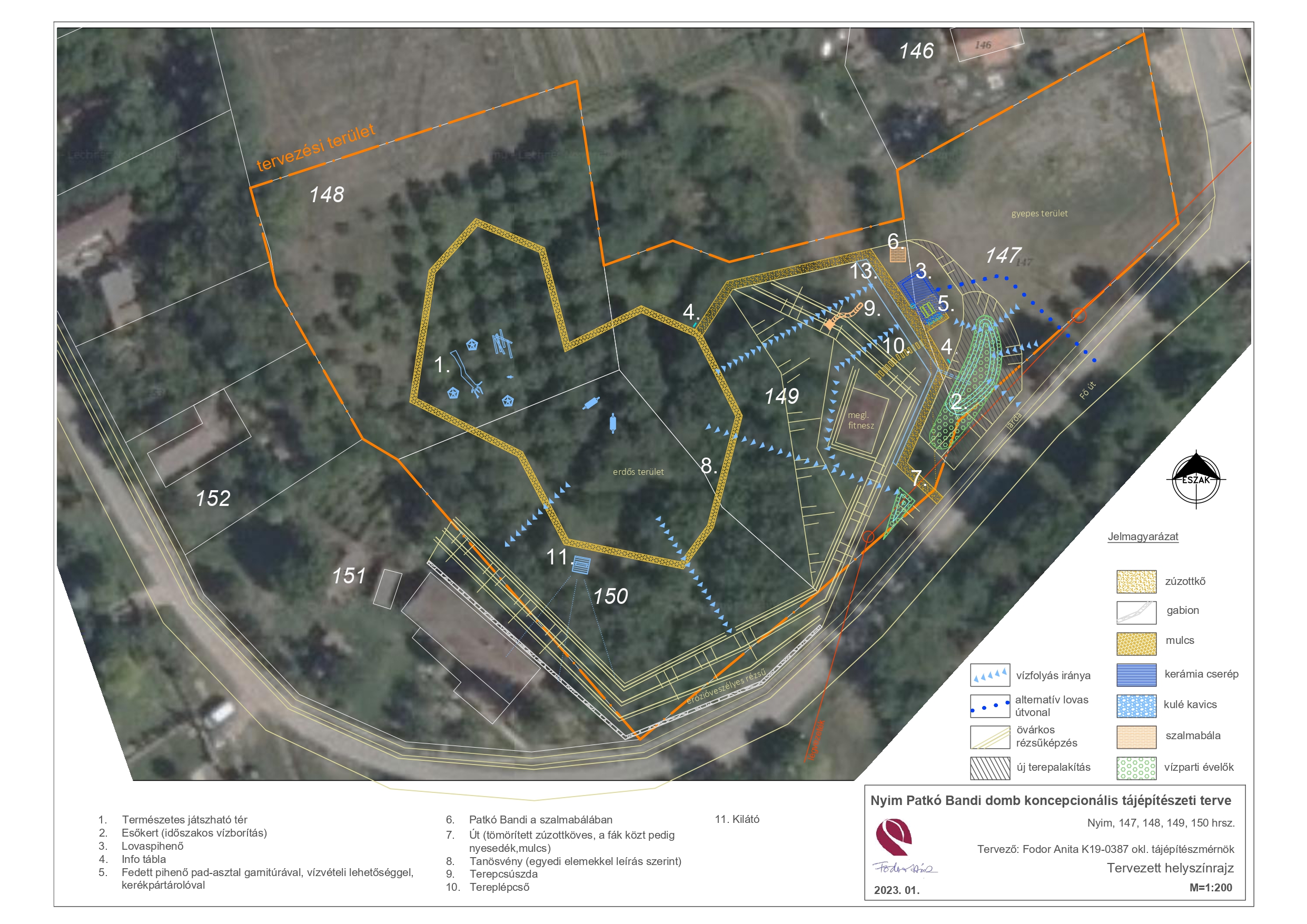
At its core, the already built Nyimi Nyugi nature therapy trail and its planned starting-point park at Patkó Bandi Hill connect local identity, ecological solutions, and inclusive outdoor use.
The overall aim is to regenerate an underused public space while developing a coherent, low-impact eco-tourism model that strengthens wellbeing, local identity, and rural resilience, and creates new livelihood opportunities for residents.
And also, to lead by example.
The initiative engages multiple target groups, including
(a) local organisations and community representatives
(b) local residents
(c) visitors to the Lake Balaton region,
(d) local practitioners such as therapists, yoga practicioners, craftsmen and educators who want to use it as an outdoor training and workshop space generating revenue.
The space is designed for inclusive, intergenerational use, enabling recreation, learning, and nature-based wellbeing activities.
Specific objectives include:
(1) facilitating a participatory community-planning process with a focus on inclusion of underrepresented groups,
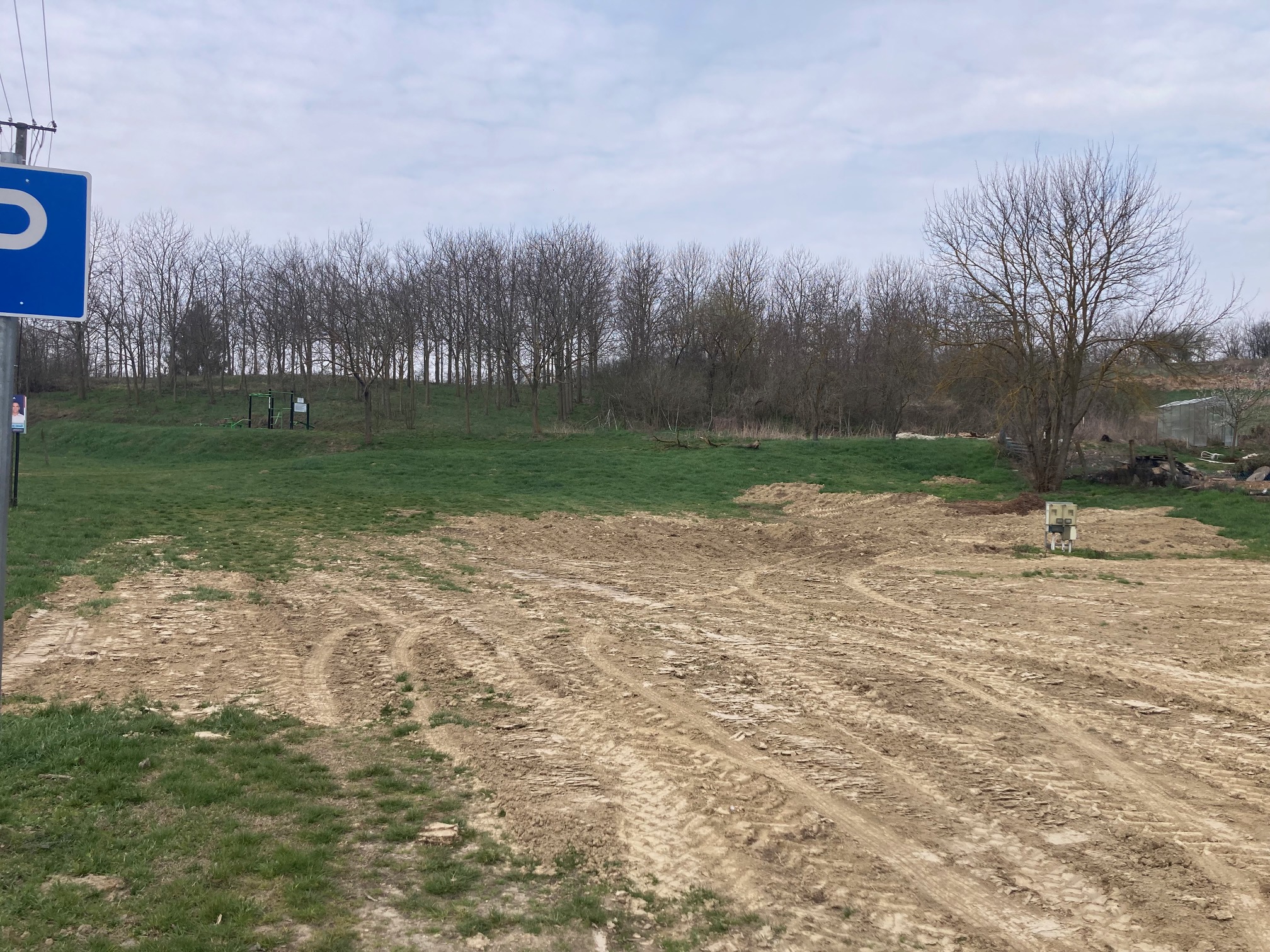
(2) preparing and regenerating the site through low-impact, landscape-sensitive methods,
(3) implementing nature-based park elements that enhance biodiversity and water retention, and
(4) activating the space through a dedicated platform promoting local nature-based and wellbeing activities.
Expected outcomes include improved biodiversity and water management, increased community use and social cohesion, expanded local economic opportunities through eco-tourism and services, strengthened sense of place and identity, and the creation of a transferable, community-driven model for sustainable rural development.
Monitoring: biodiversity numbers, numbers of organised events, visitor frequency
eco-tourism
nature-based solutions
community engagement
environmental education
rural regeneration
(1) Participatory community-planning: Sustainability is embedded from the outset through an inclusive planning process that aligns development with local needs and capacities. By actively involving underrepresented groups, such as the elderly and roma minority, the initiative fosters shared ownership, long-term stewardship, and environmentally responsible behaviour within the community.
(2) Low-impact site preparation and regeneration: The preparation of the site follows landscape-sensitive, low-impact methods that preserve existing natural features and minimise resource use. By working with the terrain and reducing soil disturbance, the project enables natural regeneration processes while avoiding unnecessary environmental impact.
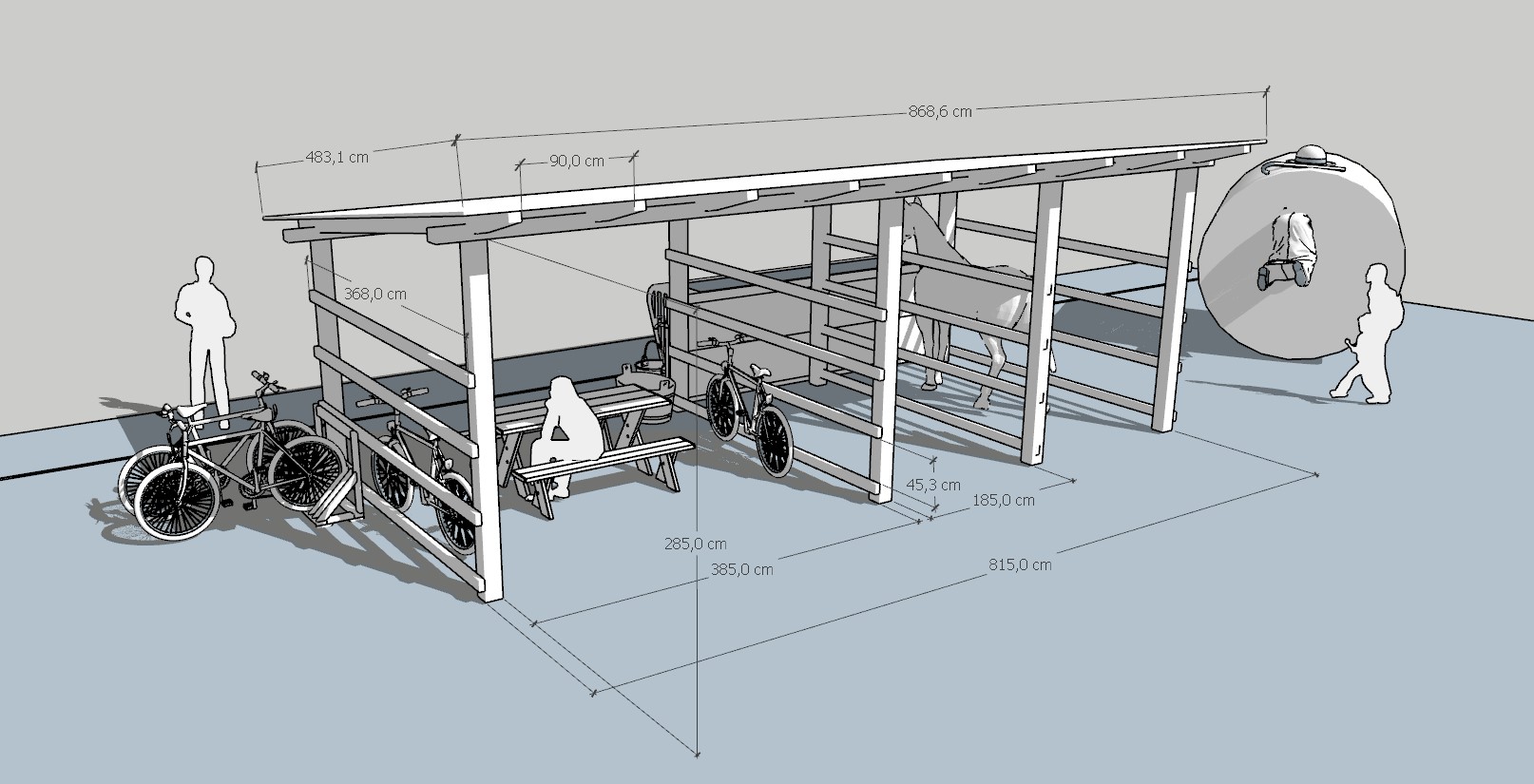
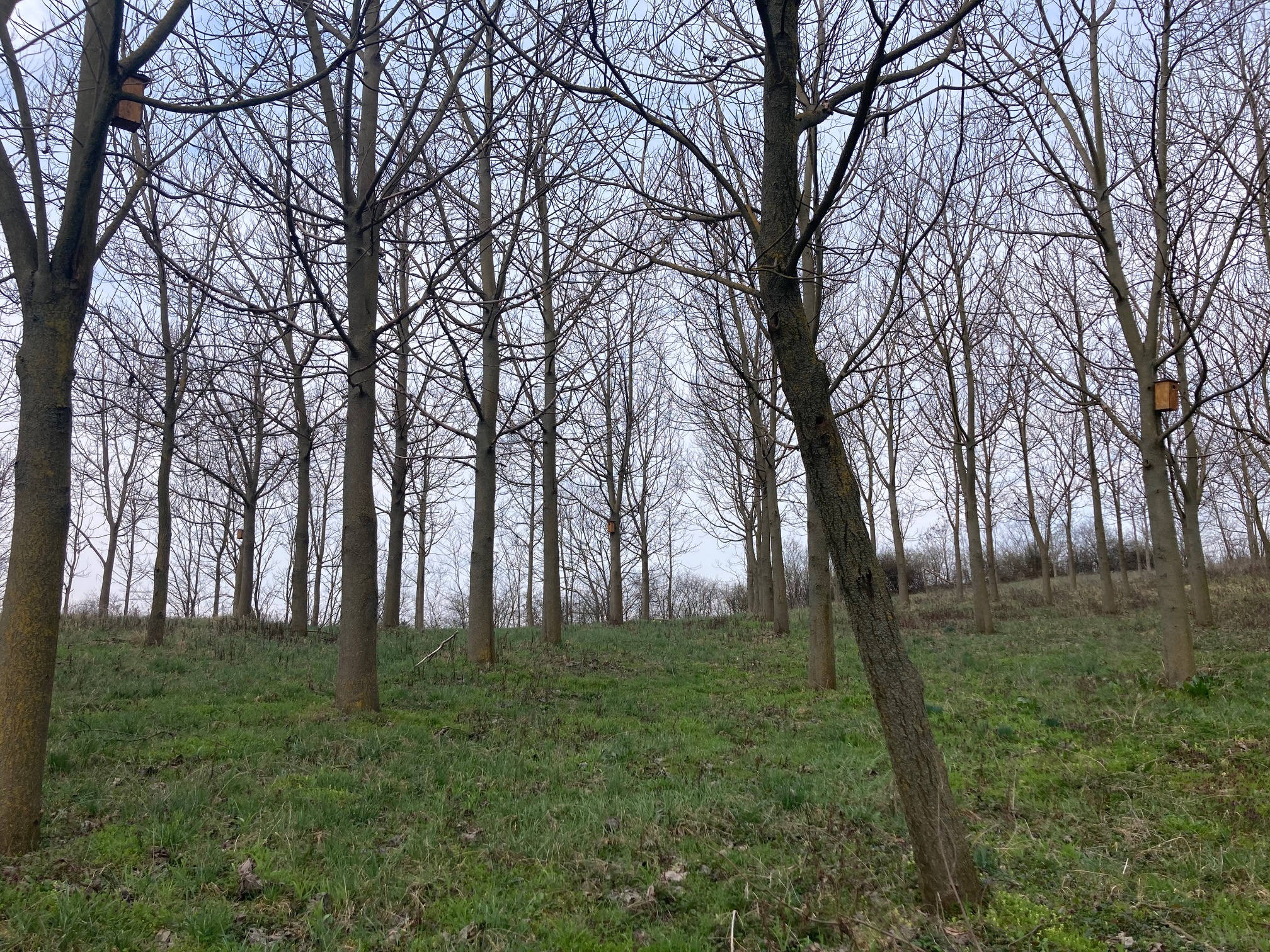
(3) Nature-based park development: The implementation focuses on nature-based, circular solutions that enhance biodiversity and ecological resilience. Rain gardens are introduced to capture, slow, and infiltrate runoff water, improving on-site water retention and supporting soil regeneration. The use of natural, locally sourced materials ensures low environmental footprint, while habitat-supporting elements (e.g. birdhouses, insect hotels) strengthen local ecosystems.
(4) Activation and sustainable use: Sustainability is reinforced through continuous activation of the space via a dedicated platform promoting nature-based and wellbeing activities. By enabling local practitioners to organise programmes and services, the initiative supports low-impact livelihoods while embedding sustainable use into everyday life. Educational activities further promote awareness of biodiversity, water management, and human–nature relationships.
Project is exemplary in demonstrating how sustainability can move beyond mitigation towards regeneration, restoring ecological functions while integrating sustainability into everyday community use.
(1) Participatory community-planning: The aesthetic concept is shaped through co-creation, allowing local stories, memories, and cultural references to directly inform the design. This ensures that the space reflects collective identity and fosters a strong sense of belonging and emotional connection.
(2) Landscape-sensitive regeneration: The site is developed using low-impact, landscape-based methods that enhance existing natural qualities rather than imposing artificial forms. This results in a visually coherent, calm, and authentic environment that supports both physical and mental wellbeing.
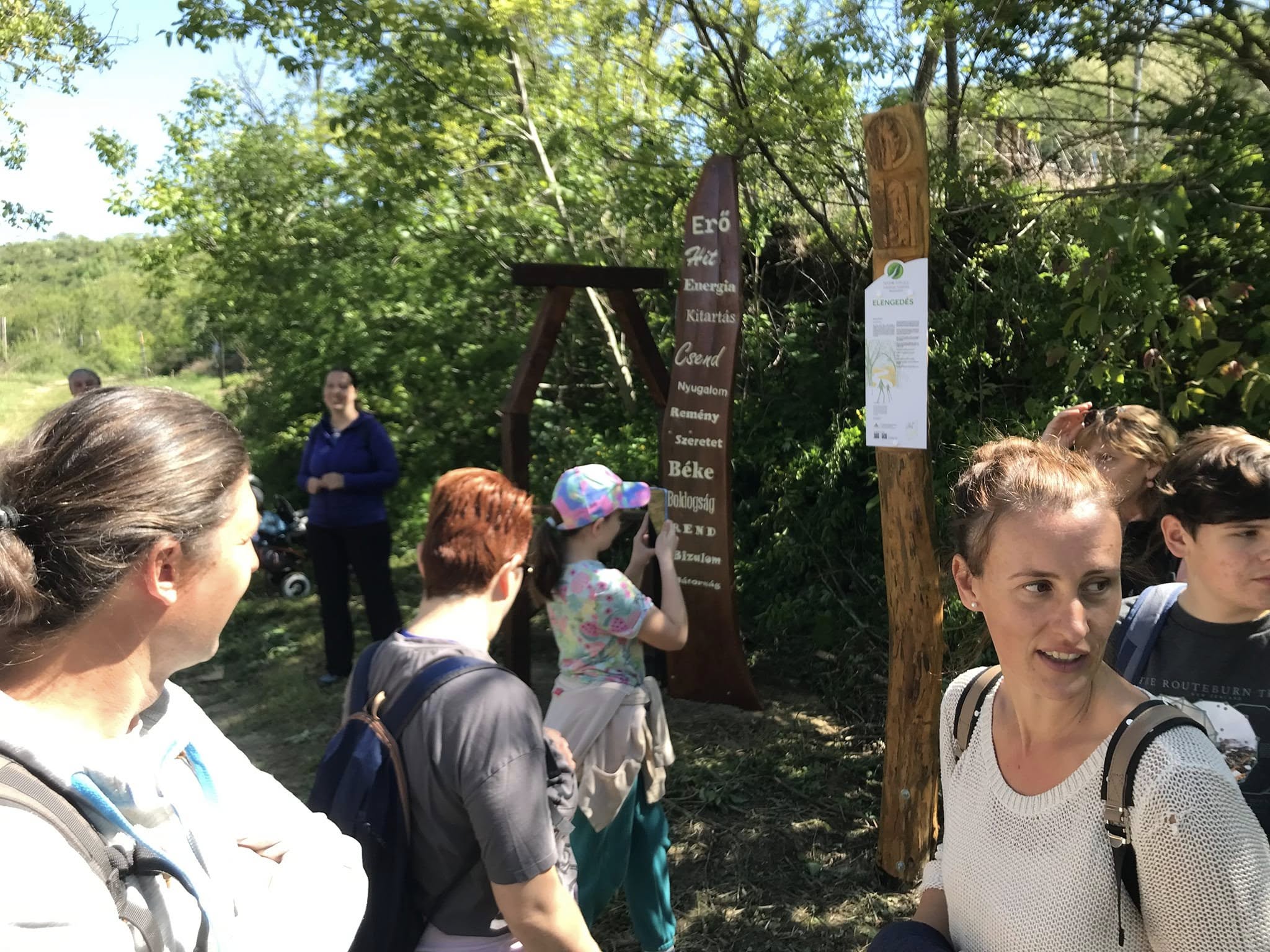
(3) Nature-based and experiential design elements: The park integrates playful, story-based features—such as natural play structures, hidden elements, and interpretive stations—creating opportunities for exploration and discovery. The connection to the Nyimi Nyugi nature therapy trail and its land art installations extends this experience into a continuous journey where art, landscape, and reflection are combined. Sensory qualities—views, textures, shaded areas, and quiet zones—are carefully considered to support diverse user experiences.
(4) Activation and cultural use: The space is continuously activated through nature-based and wellbeing-oriented activities, creating a dynamic environment where people engage with the space in multiple ways. This ensures that aesthetic quality is not static but lived and experienced through use, interaction, and cultural expression.
The initiative approaches inclusion as a core organising principle, shaping how the space is planned, designed, governed, and used over time. Its objective is to create an open, accessible, and community-driven environment that ensures equal opportunities for participation, use, and benefit for all groups.
(1) Participatory community-planning: Inclusion is embedded from the outset through a structured co-creation process that actively involves local residents in shaping both the design and future use of the space. Particular attention is given to engaging underrepresented and vulnerable groups ensuring their perspectives are included in decision-making. This strengthens shared ownership, trust, and long-term stewardship.
(2) Accessible and inclusive spatial design: The site is prepared and developed to ensure barrier-free, intuitive use. Open, legible layouts and nature-based design principles allow people of different ages, abilities, and backgrounds to use the space independently, without requiring specialised equipment or prior knowledge. All elements are freely accessible and designed for shared use.
(3) Inclusive use through multifunctional elements: The park integrates flexible, nature-based features that support intergenerational use and spontaneous interaction between different user groups. By avoiding exclusive or single-purpose functions, the design enables a wide range of activities from play and learning to rest and social interaction, ensuring broad accessibility and relevance.
(4) Activation and inclusive governance: Inclusion is reinforced through continuous activation of the space via a dedicated platform that promotes local nature-based and wellbeing activities. By enabling local practitioners and community members to organise workshops, sessions, and events, the initiative expands access to opportunities and embeds inclusive participation into everyday use.
Citizens and civil society play a central role in both the development and long-term use of the initiative. The project builds on an existing, community-driven process linked to the Nyimi Nyugi nature therapy trail, where local residents, volunteers, and partners have already actively shaped the space through land art creation, discussions, and informal co-design activities. This participatory approach is being extended to the development of Patkó Bandi Hill, ensuring that local needs, knowledge, and ideas directly inform the design and functions of the park.
The level of involvement is co-creative and ongoing. Citizens are not only consulted but actively contribute to shaping the identity, design, and use of the space through workshops, hands-on activities, and continuous dialogue. In the Hungarian rural context, where democratic values have been eroded and development processes are often defined in a top-down manner with limited local participation, the initiative creates space for practising inclusive, participatory decision-making and strengthening community agency.
The impact of this involvement is both social and economic. It strengthens ownership, trust, and long-term commitment, ensuring that the space is actively used and maintained by the community. At the same time, it creates new livelihood opportunities by enabling local actors to organise activities, services, and programmes within the space, contributing to a growing, low-impact eco-tourism offer.
Rural communities are suffering isolation and powerlessness, this project gives back the community feeling, sense of ownership of public spaces - and hope.
The initiative fosters a shift from passive use to active community stewardship. Citizens become co-creators and long-term custodians of the space, while civil society actors contribute to its continuous activation. This results in a resilient, self-sustaining model of community-led development.
The initiative follows a multi-level engagement approach, involving stakeholders from local to European level in both design and implementation.
At local level, citizens, associations, and community members are actively involved through co-creation, building on Nyim’s strong collaborative culture and eco-community know-how. Residents contribute ideas, participate in activities (e.g. land art), and will act as users and long-term stewards. This ensures high social capital, ownership, and long-term sustainability.
At regional level, tourist offices around Lake Balaton will be promoting the site as a special place to visit for families and other interested parties.
At national level, the project aligns with frameworks such as the Active Hungary Programme and eco-tourism guidelines, and is supported by networks like the Climate-Friendly Municipalities Association, which will act as a key dissemination partner. This strengthens credibility, knowledge exchange, and scaling potential.
At European level, the municipality participates in Erasmus+ projects and benefits from strong international networks. The project coordinator brings extensive EU-level connections and experience (e.g. URBACT Health & Greenspace and LIFE in Runoff project communication), enabling wide outreach and knowledge transfer. Collaboration with a sustainable tourism agency (No Planet B – Travel with B) further supports the development of a high-quality eco-tourism offer.
The added value lies in combining strong local engagement with unusually high dissemination capacity for a small village: despite its size, Nyim can achieve significant European visibility and impact, supported by strong networks, professional know-how, and an active eco-community.
Nyim is a special village attracting eco-, sustainability- and mental health conscious professionalnewcomers and the project is building on their knowledge.
Transdisciplinary approach is used, integrating among others, this local knowledge from multiple fields to create a holistic and innovative solution. Key disciplines include psychology (particularly nature therapy and wellbeing), eco-design, landscape architecture, nature-based solutions, environmental education, and sustainable material use and construction. These fields are brought together to design a space that not only functions as a public park but also supports mental health, learning, ecological regeneration, and low-impact development.
Collaboration between these disciplines happens both informally and through practical co-creation processes. Landscape designers and eco-design principles shape the physical space, while insights from psychology and nature therapy inform how the space is experienced—ensuring it supports restoration, reflection, and human–nature connection. Environmental and ecological knowledge guides the integration of elements such as rain gardens and biodiversity-supporting habitats, while local, nature-aware construction practices ensure that materials and building methods remain low-impact and context-sensitive. Educators and community actors contribute to the learning dimension, designing activities and content for children and visitors.
The added value of this interaction lies in the creation of a space that is more than the sum of its parts. By combining technical, ecological, social, and experiential knowledge, the initiative delivers a multifunctional environment that simultaneously addresses environmental challenges, community needs, and economic opportunities. This integrated approach increases the project’s resilience, relevance, and replicability, offering a strong example of how small-scale rural developments can benefit from transdisciplinary collaboration.
In one sentence: A 300-person, underfunded village is implementing a low-budget, modular and professional, mental-health aware eco-tourism strategy through community-led, nature-based development where shape and its residents mutually shape each other in a dynamic process.
The innovative character of the initiative lies in its strategic, integrated approach to rural development, which contrasts strongly with the fragmented and ad hoc nature of many similar projects. While in many contexts development happens through isolated, uncoordinated interventions (driven from "above"), this initiative implements a coherent eco-tourism strategy in a small village of just 300 inhabitants. It builds step by step on existing assets—such as the Nyimi Nyugi nature therapy trail, now enriched with land art—and systematically develops complementary functions, including the Patkó Bandi Hill as a gateway and community hub.
A key innovation is the focus on nature therapy as a central theme, positioning the village within a growing niche that connects wellbeing, sustainability, and tourism. Rather than replicating mass tourism models, the initiative creates a distinct identity based on low-impact, experience-driven, and health-oriented activities. This not only differentiates Nyim from other destinations but also aligns with emerging societal needs and trends.
The initiative is exemplary because it demonstrates how even a very small rural community can implement a long-term vision, combining environmental, social, and economic dimensions into a single, scalable model. By integrating community participation, nature-based solutions, and a clear thematic focus, it offers a replicable good practice for other small municipalities seeking to move from scattered ideas to a structured and impactful development pathway.
The initiative applies a participatory, place-based and iterative methodology that integrates design, use, and governance into a continuous, evolving system. It is built on co-creation processes where local residents, stakeholders, and users actively shape both the space and its long-term use, strengthening ownership and enabling shared responsibility. In a rural context where development is often defined through top-down approaches, the initiative introduces and strengthens participatory practices, allowing communities to actively influence their environment.
The methodology is iterative and adaptive: rather than a one-off intervention, the project develops step by step through testing, learning, and refinement. It began with the Nyimi Nyugi nature therapy trail, expanded with community-created land art elements, and is now evolving into a multifunctional community park within a broader eco-tourism concept. Each phase builds on previous experiences, creating a continuous feedback loop that supports learning and adaptation over time.
The approach is strongly place-based, drawing on local identity, cultural narratives (such as the Patkó Bandi story), landscape characteristics, and existing community capacities. It combines these with nature-based design principles, using low-impact, locally sourced materials and ecological solutions such as rainwater management and biodiversity-supporting elements. This establishes a reciprocal relationship between place and community, where both consciously and sustainably shape each other.
The initiative functions as a learning and knowledge-generating system, integrating professional, local, and experiential knowledge through practice. It follows a pilot-to-scale logic, where small, community-driven interventions are gradually connected into a coherent spatial and social model.
The initiative offers a highly transferable, system-level rural development model that combines methodology, processes, and development logic into an adaptable framework for community-driven rural development.
At its core is a structured co-creation approach that can be replicated across different contexts. This includes facilitation methods, participatory planning processes, and low-threshold engagement formats—such as hands-on activities (e.g. land art), informal consultations, and community events. These methods are designed to be easily adaptable to different cultural, social, and institutional settings.
A key transferable element is the modular, step-by-step development logic. Rather than relying on large upfront investments, the initiative demonstrates how small, low-cost interventions—such as nature trails, temporary installations, and simple park elements—can be gradually connected into a coherent spatial and social system. This pilot-to-scale approach enables continuous learning, testing, and adaptation, making it particularly relevant for resource-constrained municipalities.
The project also provides transferable know-how in integrating nature-based solutions, nature therapy concepts, and environmental education into public space design. By combining ecological, social, and experiential functions, it creates multifunctional environments that can be adapted to different beneficiary groups, including families, local communities, visitors, and wellbeing practitioners. The use of locally available materials and low-impact construction techniques further enhances adaptability and feasibility.
The further development of the initiative follows a structured, step-by-step approach, building on the already initiated Nyimi Nyugi nature therapy trail and its recently added land art elements. The next phase focuses on the development of the Patkó Bandi Hill as a multifunctional community park and eco-tourism hub.
The key implementation steps:
(1) Co-creation and validation: continued participatory planning, ensuring inclusive decision-making and alignment with local needs;
(2) Resource alignment and partnerships: mobilisation of financial resources, local commitments, and multi-level partnerships;
(3) Phased, nature-based implementation: gradual development of physical elements using low-impact, circular, and adaptable solutions;
(4) Activation and use: continuous programming of activities (education, wellbeing, eco-tourism) to embed the space into everyday community life;
(5) Monitoring and learning: ongoing evaluation of environmental and social impact, enabling adaptation and long-term improvement.
NEB values and principles are already embedded in the initiative: sustainability through nature-based, low-impact solutions; inclusion through open access and continuous co-creation; and aesthetics through place-based design, storytelling, and land art. The process is participatory, multi-level, and transdisciplinary, integrating local knowledge with broader networks and ensuring ongoing community ownership and adaptation.