Arts, Culture, and Heritage as Drivers of Change
Nomadic School (EN)
Nomadic School - my imaginary neighborhood (EN)
EN is a non-formal education project aimed to combat poverty and social exclusion. For this used different artistic languages to promote cultural literacy and mobility opportunities for financial vulnerable students at the 3rd cycle at EB2/3 Alto do Lumiar school. The project invites the reimagining of the neighbourhood’s toponymy, encouraging students to understand the process behind the naming of streets to create a "new" Lumiar.
Portugal
Regional
Lisbon Metropolitan Area
Mainly urban
It involves other types of transformations (soft investment)
Yes
2025-06-05
Yes
Was funded under the “local integrated operation” (OIL) regarding the territory of the Lumiar parish, which in turn framed the investment RE-C03-i06.02 – 'Integrated Operations in Disadvantaged Communities in the Lisbon Metropolitan Area,' Component C3 – Social Responses, of the Recovery and Resilience Plan (PRR, european funding).
No
No
Organisation
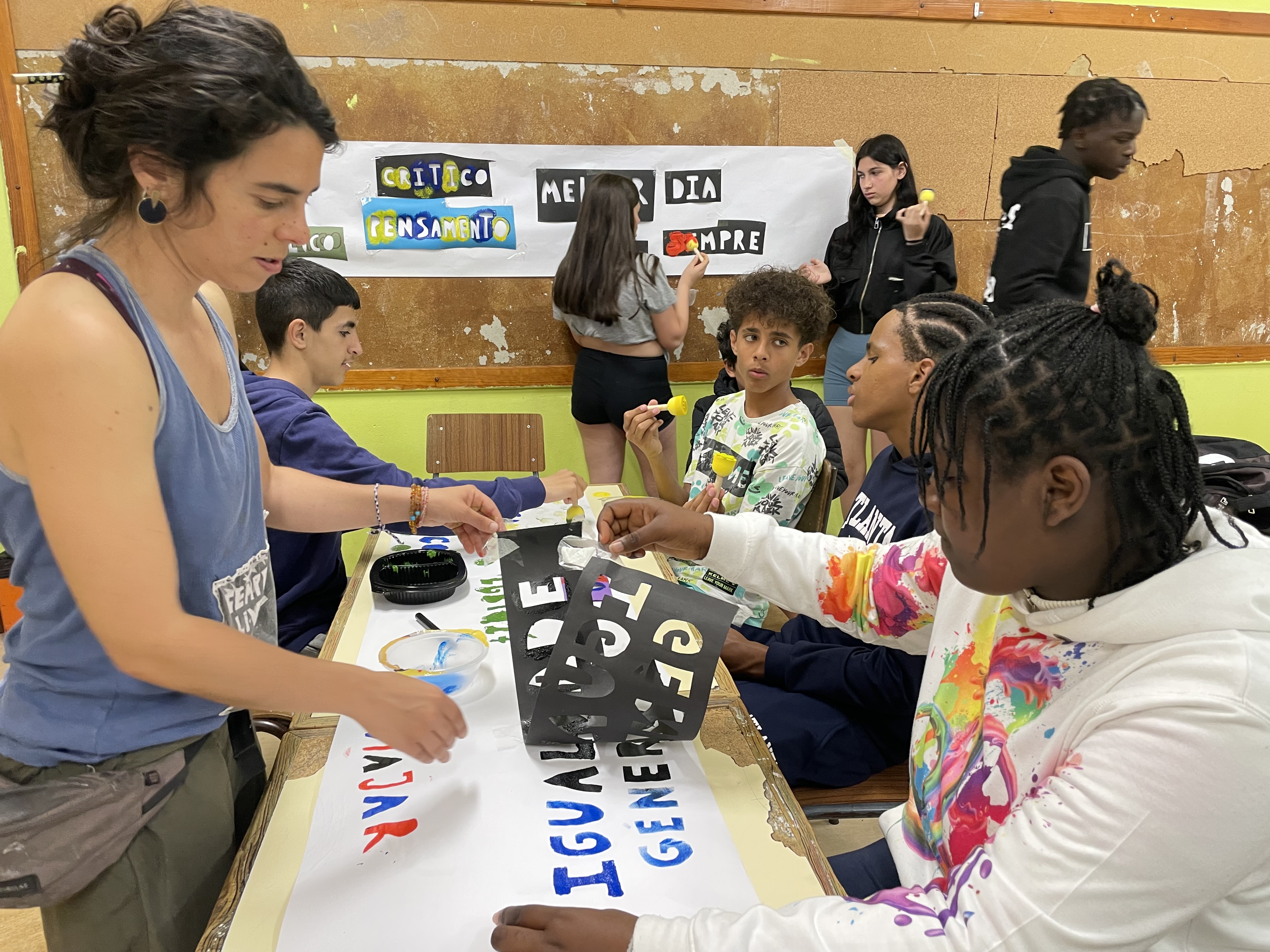
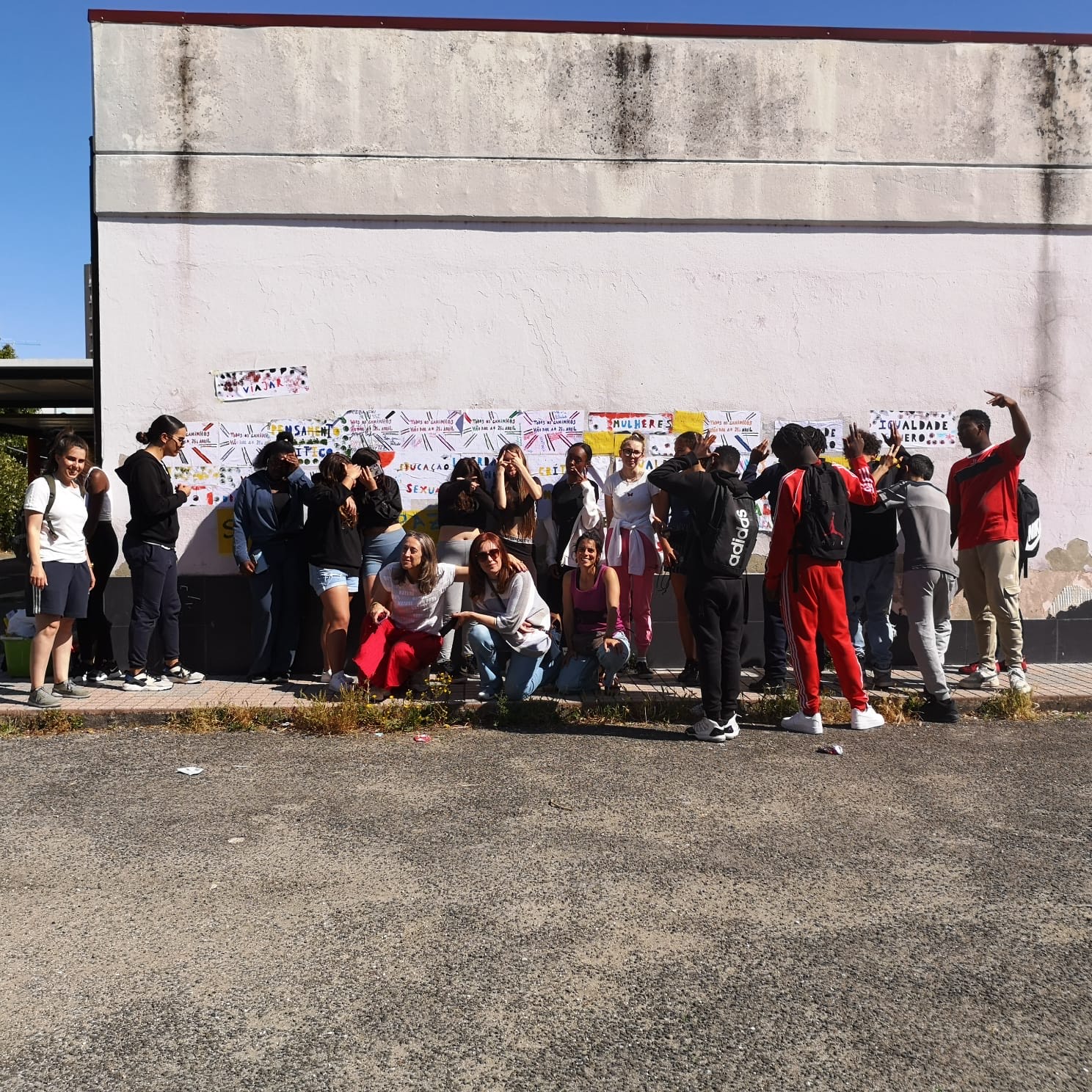
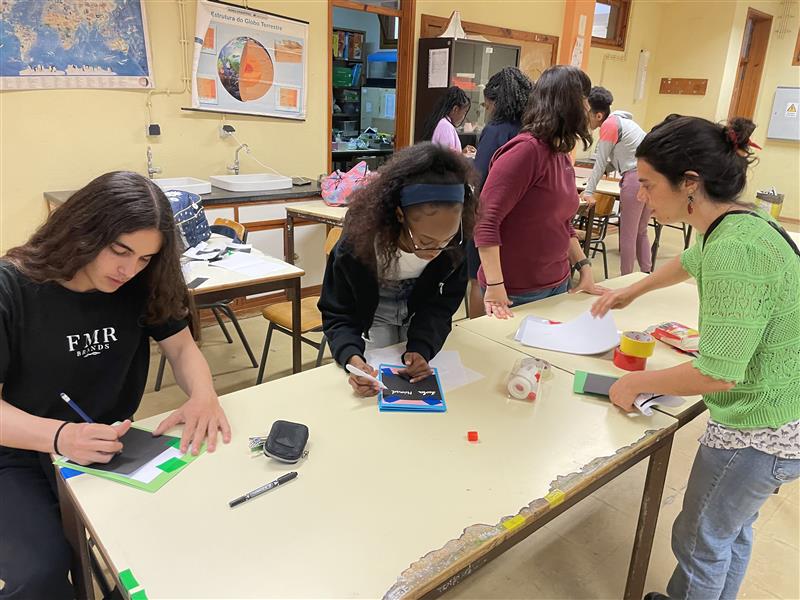
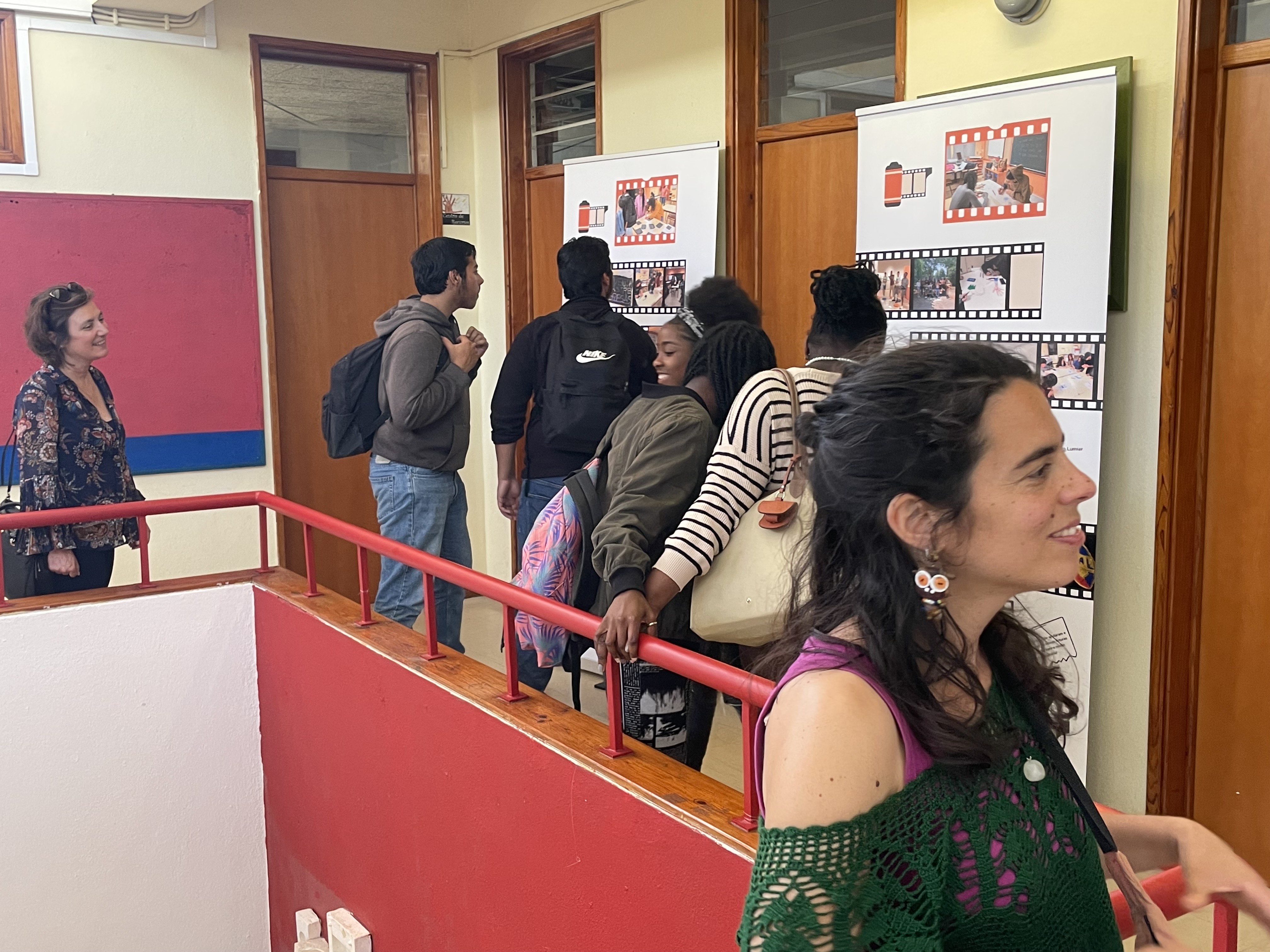
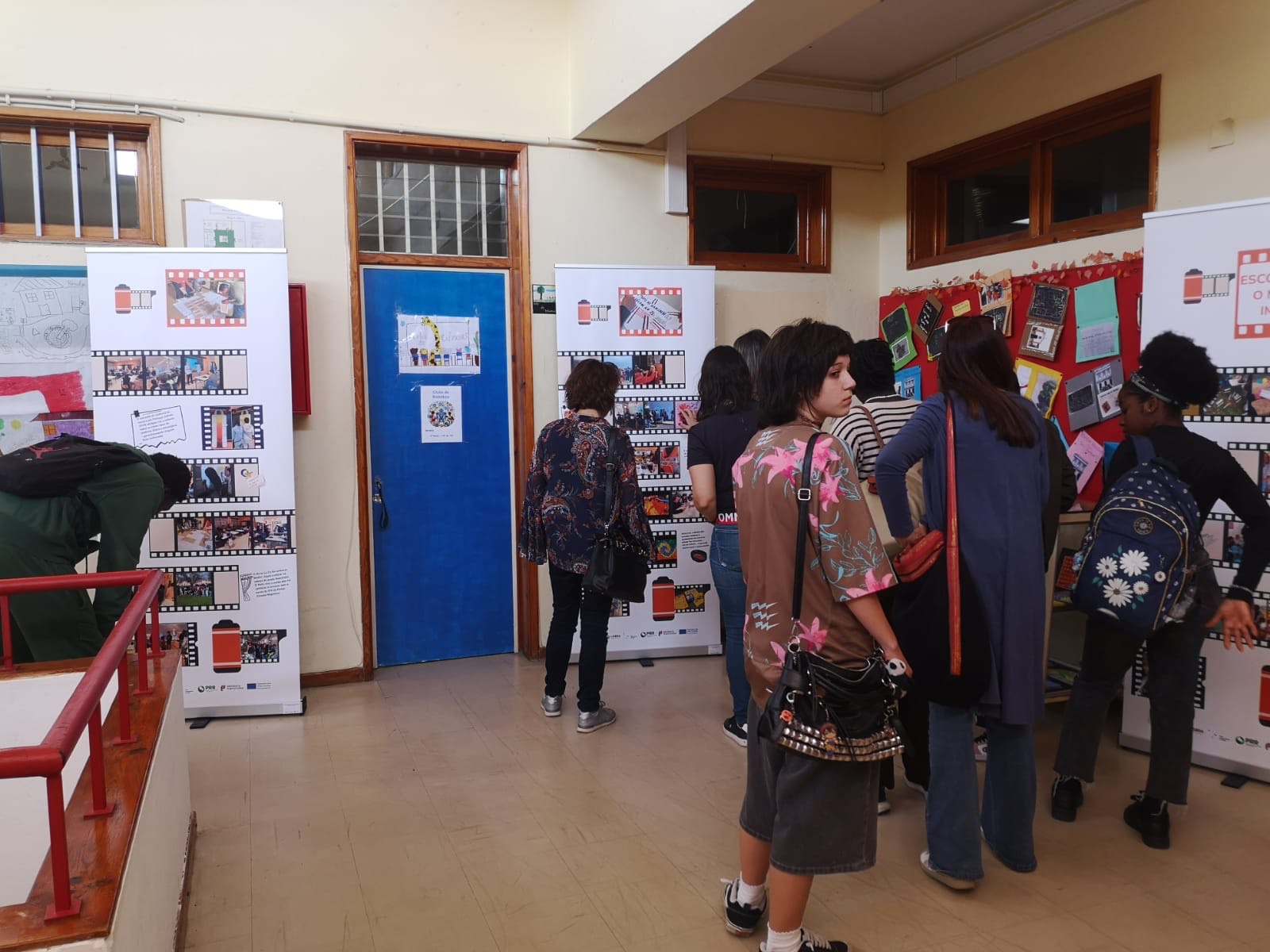
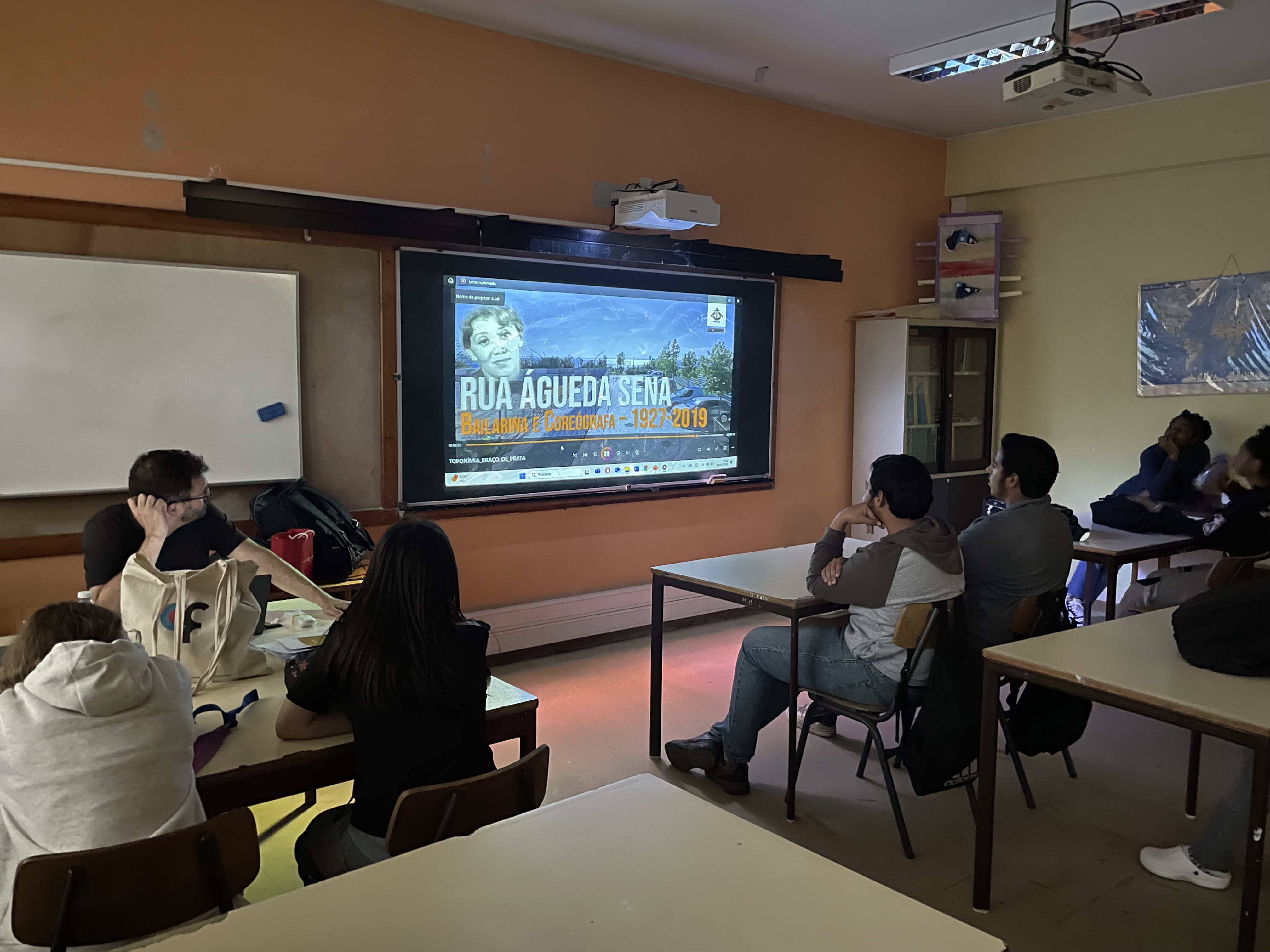
“Nomadic School – my imaginary neighbourhood” (EN) is a non-formal education project aimed to combat poverty and social exclusion. For this used different artistic languages to promote cultural literacy and mobility opportunities for financial vulnerable students at the 3rd cycle at EB2/3 Alto do Lumiar school [1]. Its objectives included promoting inclusion and social cohesion through the creation of a sense of identity and belonging to the Lisbon city. The project invites the reimagining of the neighbourhood’s toponymy [2], encouraging students to understand the process behind the naming of streets. However, the real challenge is to rename them, using the students’ own interests and references (free imagination) to create a new Lumiar.
Taking a step back, the Office of Olisiponian Studies = Gabinete de Estudos Olisiponenses – Department of Cultural Heritage = Departamento de Património Cultural (GEO-DPC) designed and developed this artistic, and heritage-based project to “bring heritage to people” and “people to heritage”, configuring “a Lisbon beyond the school book”. This dialogue relationship between Arts; Culture; Heritage; and the School–Neighbourhood–City broke down boundaries and challenged conventional approaches the teaching and learning process.
A new and transformative approach that skakes consciences, a experimental dna and unafraid context. As a result, students became enpowerment to dream and taking ownership of the creative process.
[1] See the EN in the school site: https://www.aelumiar.com/site/2025/06/06/escola-nomada-o-meu-bairro-imaginario/
[2] To understand better what is this visit: https://www.facebook.com/toponimiadelisboa
The EN project was created with the aim of combat both physical and intellectual inactivity, which tends to characterise the age group we wanted to work with: lower secondary students (roughly between 12 and 16 years old). Its main goal was to promote a differentiated, playful‑pedagogical learning process based on participation and commitment to human rights. Lisbon would serve as a laboratory—experiencing their city and neighbourhood was part of the purpose, as we believed that Lisbon needs to belong to everyone in order to be understood, respected and, in Kageyama’s [3] (2011) words, “loved”.
The project involved students from EB2/3 Alto do Lumiar school; teachers; a resident artist and guest artists; cultural mediators from GEO; and external cultural mediation teams (whenever we visited institutions offering cultural mediation), in a process of continuous and carefully structured dialogue.
The project unfolded in several phases, at times visible and at times relatively invisible. Both the classroom sessions and those held in outdoor school spaces or nearby gardens were almost always based on advance preparation of content—research, supporting readings, and materials to ensure proper implementation. At the end of each session, the team assessed what worked best or least well, aiming to achieve growing engagement and participation among students, who, due to their psychosocial context, often showed high levels of demotivation and difficulty.
At the end of the project, students’ opinions were collected anonymously regarding the meaning and benefits they derived from it, and the majority considered EN to have been significant in their lives.
[3] As the author of the book “For the Love of cities: the love affair between people and their places” defends, because it tends to be the people who love their territories that get involved and do extraordinary things for those territories.
Social inclusion
Cultural heritage literacy
Non-formal education
Community co-design
Arts-based pedagogy
It is necessary to make a preliminary note to highlight the fact that DPC – GEO has in its mission the purpose of contributing to the dynamization of initiatives that guarantee access to the vast cultural heritage of the city of Lisbon and the city itself. It is the concern of this Department to ensure cultural and heritage sustainability, through the promotion and access to museums and other repositories of memory. It is also among its objectives to make the city more friendly to young people who live and attend schools in territories identified as vulnerable of the capital of Portugal, with a view to contributing to the mitigation of the cycle of exclusion that they are targeted.
Based on the alignment defined by Agenda XXI for Culture, in particular the synergy Culture and Education was defined to contribute to the promotion of "Active Citizenship" and "Integration of New Citizens" (in this case students). With regard to the 2030 Agenda for Sustainable Development goals 4), 5) and 10 - "Ensure quality, inclusive and equitable education and promote learning opportunities for all"; "Achieve gender equality and empower women and girls" and "Reduce inequality", respectively, were integrated into the EN.
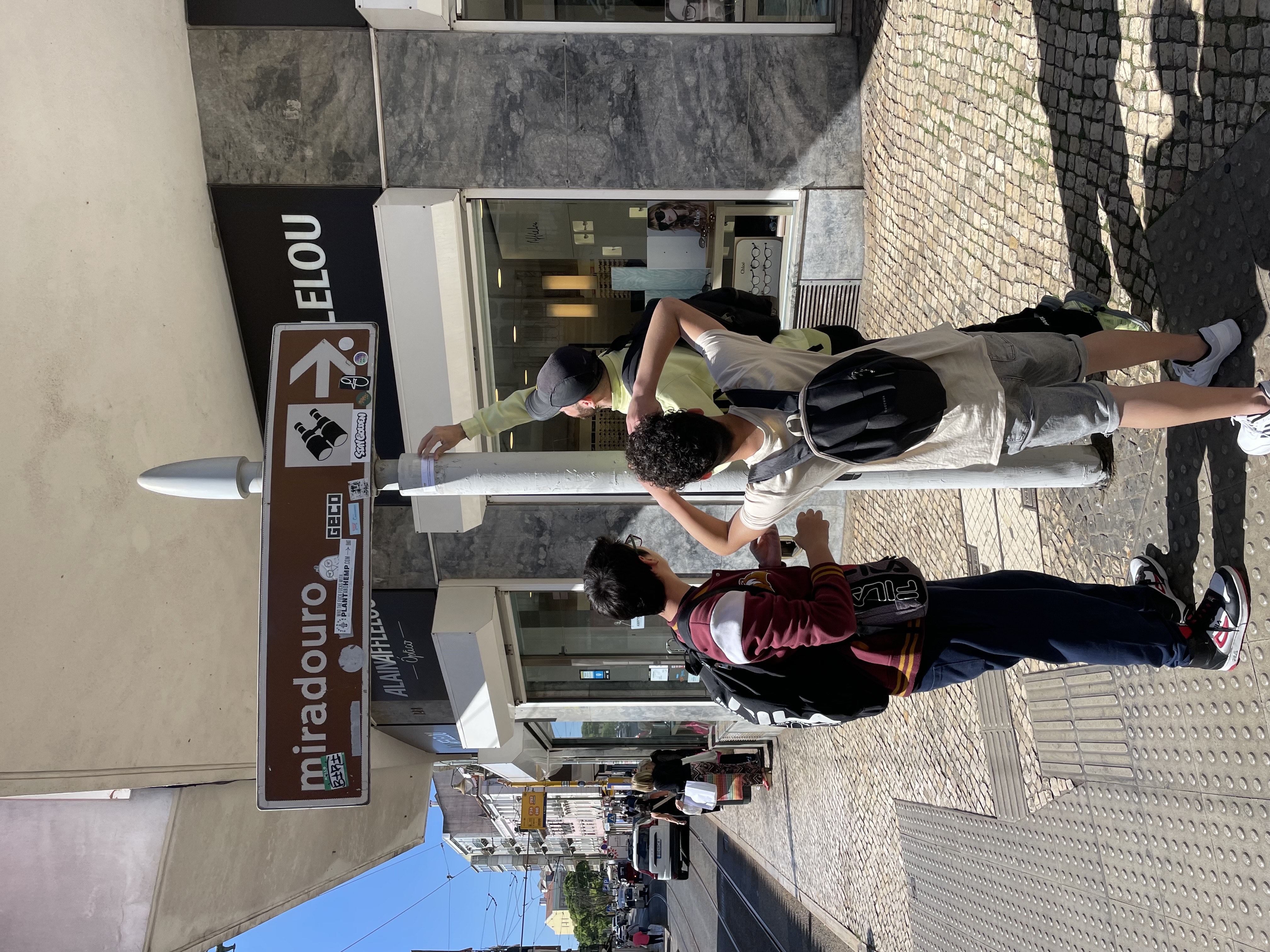
Our goal was to promote access to new places to promote especially social, cultural and spacial inclusion – same students saw the Tagus river for the first time in the exits they made with EN. As a resource the archaeological, museological, environmental and cultural heritage of Lisbon, incidentally the project took the city as an ecosystem.
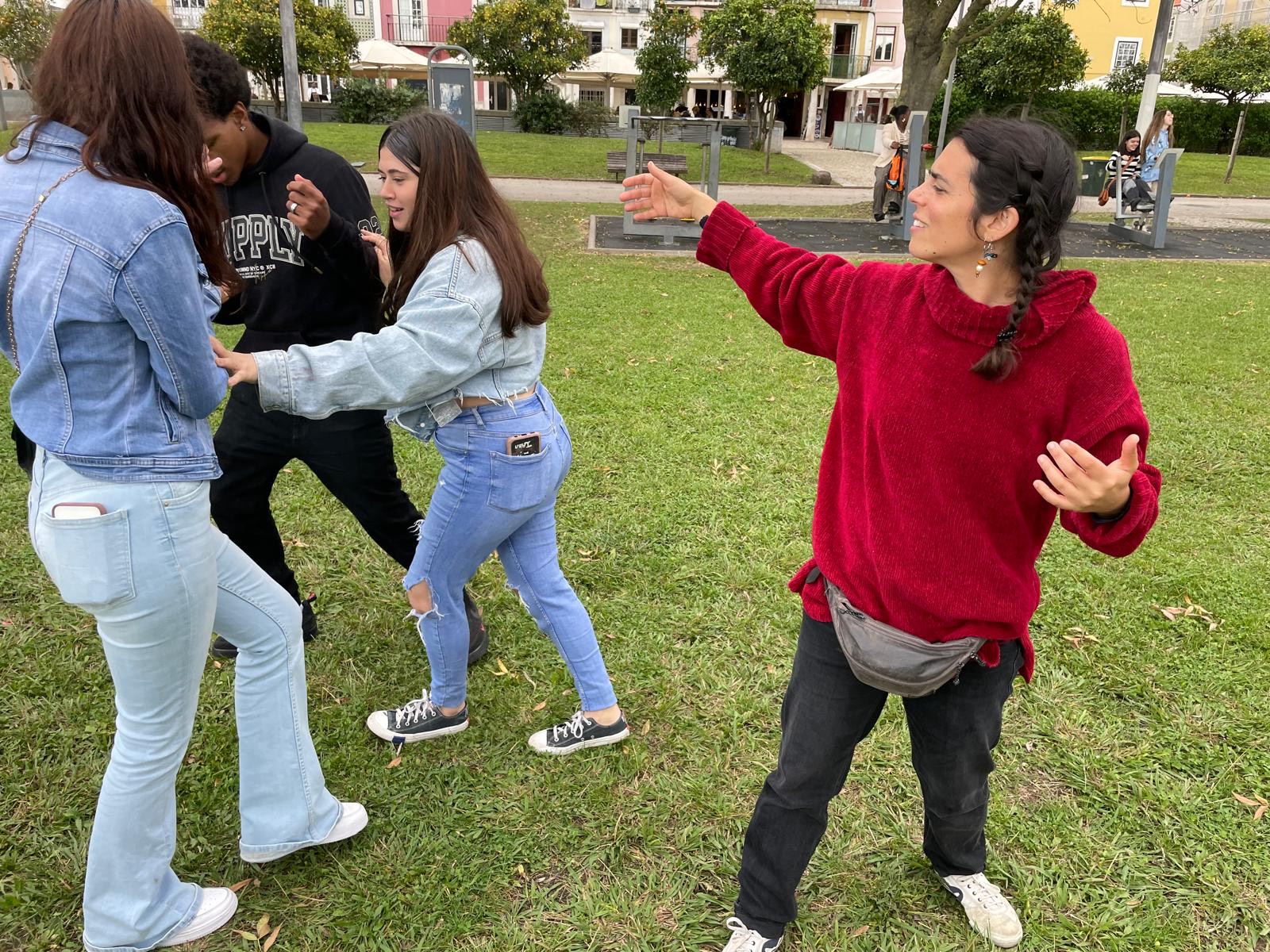
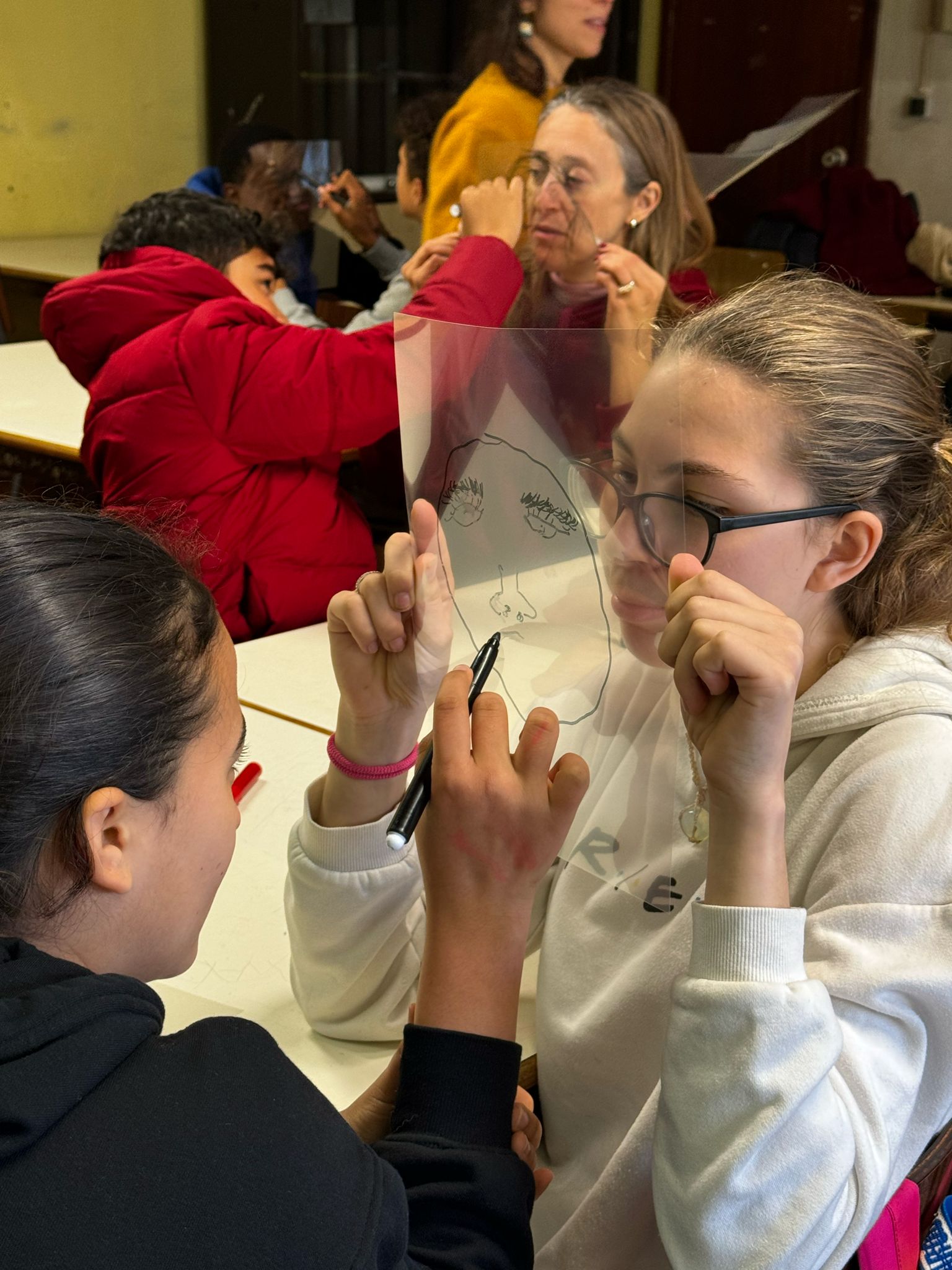
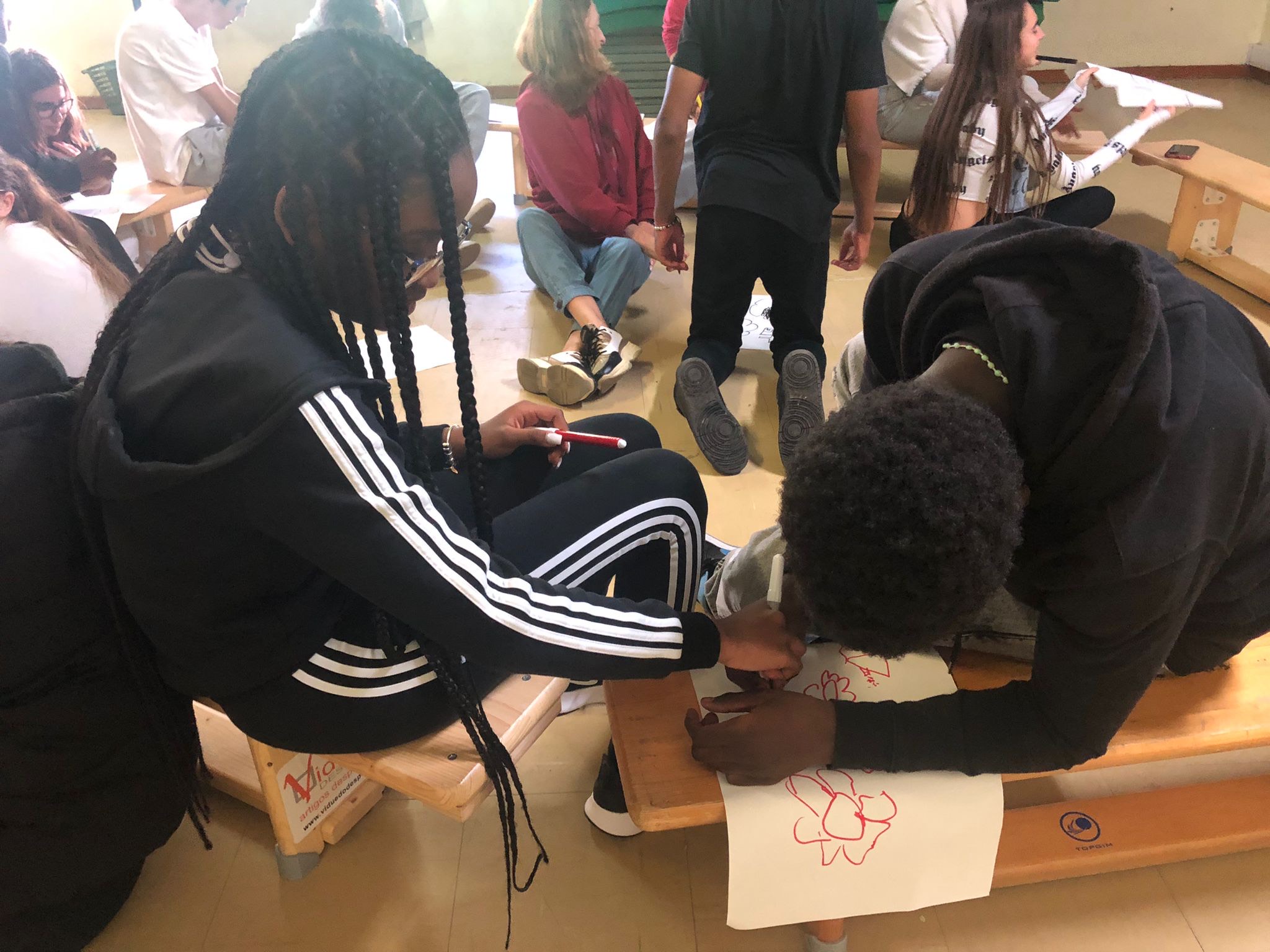
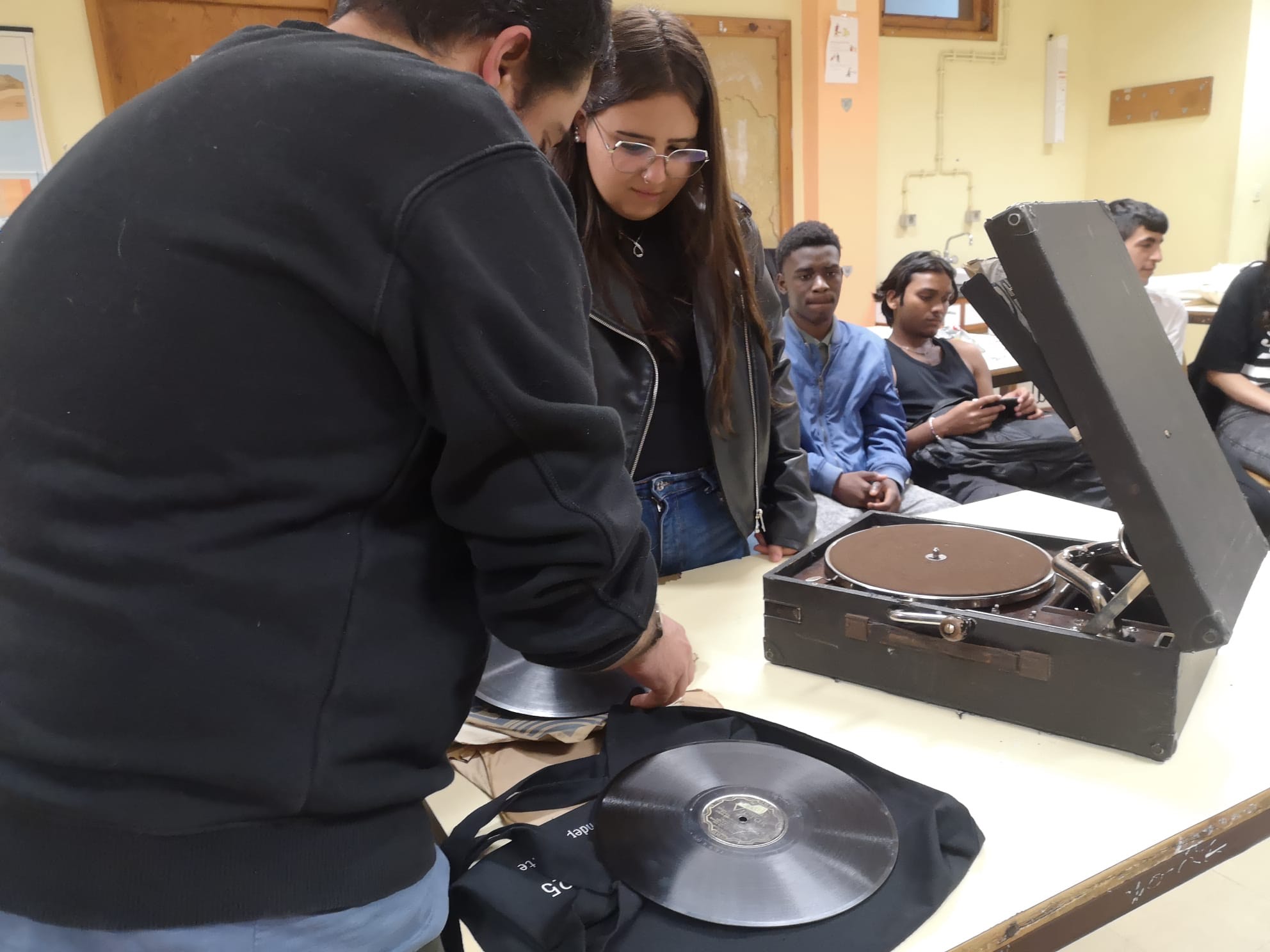
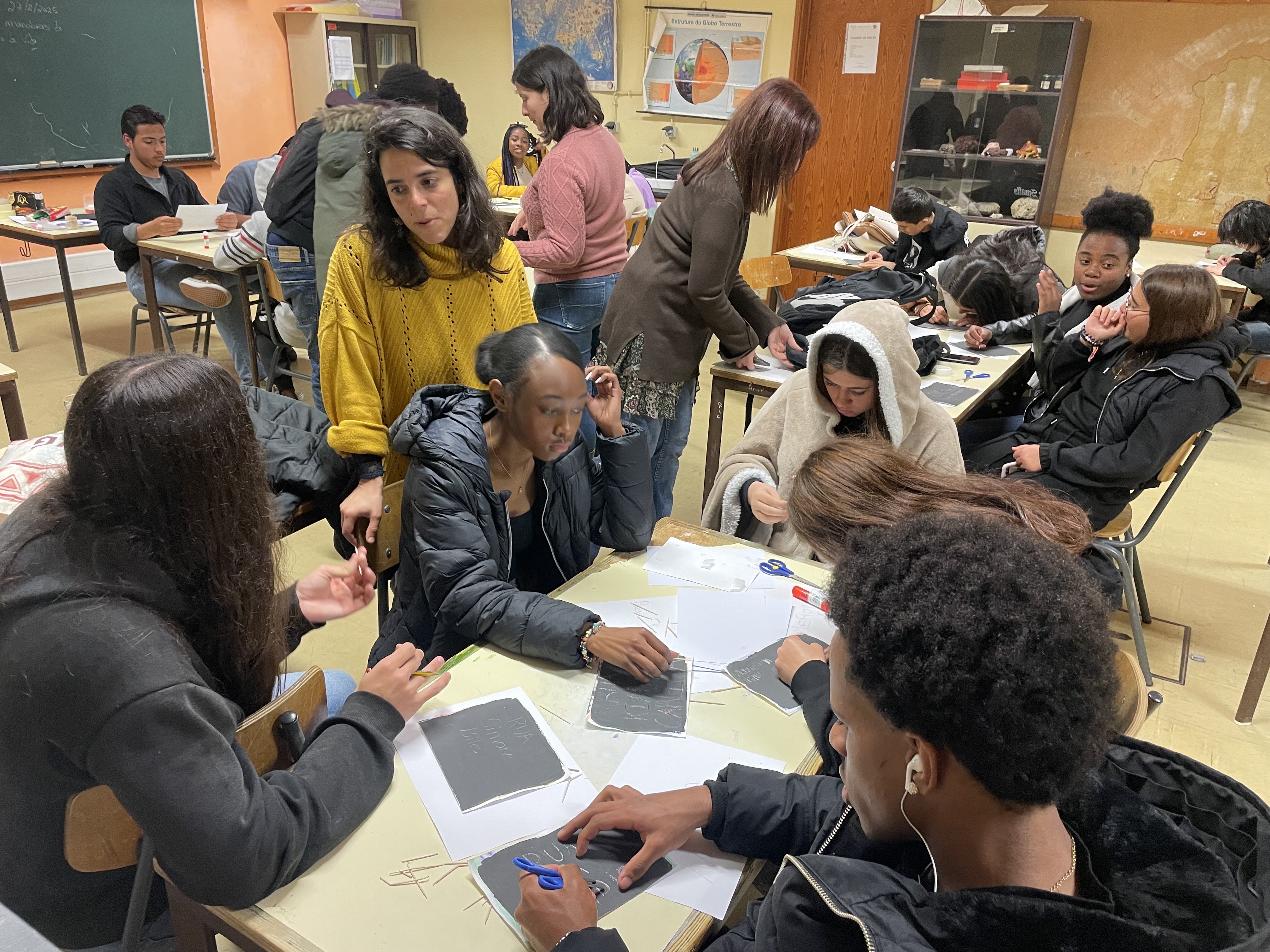
The EN as a process of toponymic recreation had as its resource several artistic tools: drawing, painting, modeling, exploration of space with scenarios and with the body, cooperative games, exploration of various less conventional materials. Collective and individual dynamics were encouraged and a space for curiosity, discussion and dialogue was promoted, based on a methodology of non-formal and symbolic pedagogy that favored the learning method called 70-20-10, that is, experience-interaction-social-formal instruction, respectively. In the interest of truth, it is important to say that the notebook “Essays between Art and Education” [4] resulting from the work that Calouste Gulbenkian Foundation has been developing was, in first moment, a inspiration for EN projet.
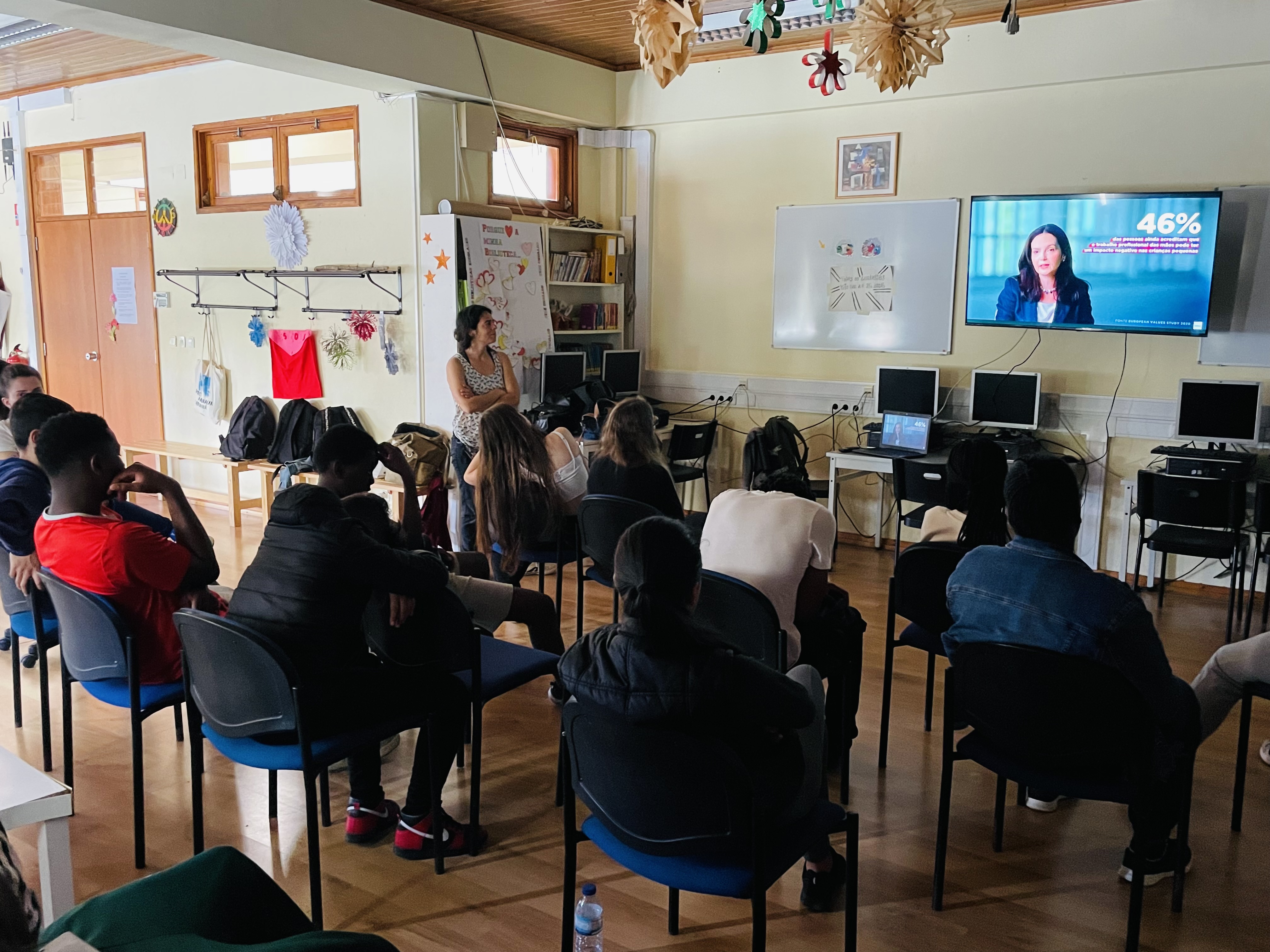
In this sense, various methods of information collection were used (for example, from documentaries; museums; theater, etc.) and was later invited to cross-reference this information to unfold it in a process of analysis that expanded, largely, the understanding of the topic we had in mind. In these driving and inspiring models of learning, EN encouraged the creation of habits and attitudes that favored self-reflection, the process of awareness, justice and equity in relationships.
EN is considered exemplar in terms of aesthetics because almost everyone saw a theatre play, a museum, etc. for the first time also with this project. The EN is a particularly innovative cultural and heritage sustainability project because it combines and mixes layers in a relaxed and enthusiastic way. For example, to know an artery of the city was made a peddy-papper, and the students feedback was just so happy experience of place and a amazing feeling of happiness.
[4] See: https://gulbenkian.pt/wp-content/uploads/2024/09/10X10_Ensaios_entre_Arte_Educacao.pdf
EN always integrated the values of emotional intelligence, empathy and trust. An informal relationship based on objectives aligned with well-being - it was the firm purpose of the project that students create bonds of empathy and aesthetic sensitivity through contact with different visual and plastic experiences. The relational gains between peers were also pointed out to us by them, with the increase of confidence at individual level and as a class. The label of “problematic student”, for integrating a school already stigmatized, was also being mitigated.
Revisited the toponymic motto, that we have already had the opportunity to explain, to value the richness of students' choices. Most of the students attributed to "their" street the name of a VIP/influencer, and that the protagonism was given to the female gender. It should be noted that the adherence to the wide universe of Brazilian and North American culture [5] (music, fashion, cinema, sports) was very expressive; as for references to Portuguese culture the adherence was diminished [5].
[5] With the series 3 Teresas deserving mention; the model Adriana Lima and Bianca Ferreira, in the music, Anitta, Marília Mendonça and Ana Castela, also influencing Lara Jucah. Among the american universe, the names of the streets: Marilyn Monroe; Kirsten Vangsness (actress and writer); Addison Rae, Nicki Minaj, and type characters from the series "Outer Banks" (Netflix): Kiara Carrera (identity "pogue", translating pride into a poorer lifestyle) and Sara Cameron (identity "kook", translating the style of the other side of the island more affluent), in the sport Simone Biles; also the English model Lilla Grace Moss would have a street, just like the Spanish-Argentine model Georgina Rodríguez. Few students decided to honor family members, only two: addressed to a grandfather and there was also a tribute to a sister.
[5] Only two references, both from the music universe: Carolina Deslandes, singer and fadista Maria
As we have already said the project involved students from EB2/3 Alto do Lumiar school; teachers; a resident artist [6] and guest artists; cultural mediators from GEO; and sometimes external cultural mediation teams (whenever we visited institutions offering cultural mediation), in a process of dialogue to ensure the greatest success in learning.
Many services, both inside and outside the municipality, were listed by this project. Within the municipality, the Fleet Management Division – which provided a bus for the outings, the Lisbon Archaeology Center – where a visit took place with the aim of the students engaging with and learning about the antiquity and versatility of their city.
On December 7, 2023, they were able to create customized tesserae (a Roman construction technique), that is, the methodology used by the Romans but applied to some details (chosen by them) of a huge mural entitled “Talude” of urban art near their school. It covers 2,800 m² of painted area and is actually considered one of the largest in the world and is by the artist Rui Ferreira aka RAF [7].
But many other cultural Facilities were the target of our visits, namely the Bordalo Pinheiro Museum or the Luís de Camões Theatre, which are part of EGEAC [8] (our partner in this demand). Other organizations that we considered relevant also joined this journey, with a special mention to the Money Museum [9] - which the students loved!
[6] Ana Salomé Paiva (1985) was the resident artist. She holds a degree in Fine Arts - Painting from the Faculty of Fine Arts of Lisbon and a master's degree in Philosophy, specializing in Aesthetics from Nova University of Lisbon. Her works are presented mainly in the form of notebooks, reflecting her aesthetic skills. If you can see your work visit the page: https://www.instagram.com/anasalome.paiva/
[7] If you want to Know more about, see: https://artbyraf.com/projects/talude
[8] See: https://egeac.pt
[9] See: https://www.museudodinheiro.pt
The roles assigned to each of the stakeholders were truly distinct. The initial idea - the toponymy, and its respective coordination, was the responsibility of GEO's cultural mediation. They were responsible for co-guaranteeing content and coordinating with all the Services, ensuring scheduling at the locations to be visited and mobility to those same locations. The artistic direction, with the inherent freedom, was assigned to Ana Salomé Paiva. Whenever it was considered relevant, other artists with a different background were invited to enrich the project with their expertise, for exemple Rita Grancho [10] with a modeling workshop, where the students had the opportunity to model a comfort object (which they had previously drawn) that represented the sculpture that would inhabit their imaginary street.
The teachers who accompanied us throughout the process were also vital. The way of working was dialogic and there was always openness to listen to the teachers' wishes and some fears and needs that the project always addressed, for example, we helped artistically to address the issue of non-binary identity; or body dysmorphic disorder. But the students were really the protagonists of this project, which was made for them and, above all, with them. The project evolved and adjusted to the heterogeneity of the class – which kept receiving more students throughout the school periods, including those of non-Portuguese origin, which was a point of pride for the project to integrate as effectively as possible. Not infrequently, we changed the artistic alignment of the sessions in order to return to the icebreaker games and more relaxed sessions.
The work sessions developed in the nomadic sessions should be seen, for better understanding, in the attached document which complements the application and summarizes this transdisciplinary, multi-participatory, and multi-exciting cultural journey that was EN!
[10] See: https://www.behance.net/ritagrancho
A Brief priview, the DESCOLA [11] program - creative activities for students and teachers, started to largely translate the “Profile of Students at the End of Compulsory Education”. This document issued by the Directorate-General for Education (and approved by order no. 6478/2017) aimed at improving the quality of learning at the end of young people's compulsory schooling, introducing, for that purpose, a more integrated and transdisciplinary vision oriented towards multiple competencies. To respond to this design, DESCOLA invited all Equipment and Services to contribute to the educational and cultural offer of the city of Lisbon. Department of Cultural Heritage defines that Culture, Heritage, and the Arts needed to be placed at the service of inclusion and social cohesion.
Since the offer was intended to be broad and diverse, DESCOLA aggregated the many Facilities and created types of a common nature: Cinemas/Theaters; Archives/Libraries; Museums/Heritage, among others to meet this aim. Therefore, Nomadic School was born already transdisciplinar. Just a note to clarify that the EN project is part of program that represents the cultural and educational services of the Lisbon City Council and Egeac. We also coordinated at the administrative level with the Division of Social Rights (at Lisbon City Council), as it was the one that made the bridge between GEO-DPC (responsible for the reports) and the Lisbon metropolitan area - PRR. The plural character to the project is in line with the democracy and cultural citizenship that the “Porto Santo Charter” (2021) points.
As for the artistic activities involved, they were the visual arts in a broad sense, theater, music with the presence of a sound engineering technician in a roaming session, and body expression itself. In the schoolar subjects we intersected History; Portuguese; Citizenship and Development; and Physical Education.
[11] See: https://descola.com.pt/equipamento/geo-gabinete-de-esudos-olisiponenses/
EN was born for decrease inequality and discrimination. First series (witch racism theme) was funded by the Municipality. The previews experience of EN in Santa Clara, a near parish of Lumiar, was an asset so the Municipality proposed the second EN implementation with european funds. It´s accepted and it was funded under the “local integrated operation” (OIL) regarding the territory of the Lumiar parish, which in turn framed the investment RE-C03-i06.02–'Integrated Operations in Disadvantaged Communities in the Lisbon Metropolitan Area,' Component C3 – Social Responses, of the Recovery and Resilience Plan (PRR).
Remember kick-off, and GEO's mission: dissemination of cultural content resulting about Lisbon research. The multidisciplinary research “Testimonies of Slavery – African memory”, within the programming “Lisbon, Ibero-American Capital of Culture (2017)” we considered, at the time, starting “Nomadic School” to support the racism understanding in schoolar context. So this last EN, attend the years 2023-2025, is mature, and more confidente and stronger on continuos results.
Our experience makes us believe that this type of social projects generates tangible and intangible revenue in the present, but above all in the future. Especially at the level of psycho-social well-being and providing cultural and urban literacy. And not least the gains in self-esteem as well. The scalability and continuation of EN in the future and the field of city development is possible with Municipality funds or maybe with european funds again (NEB Prize, for exemple). By the way, the possible new nomadic cycle (the third) already has a theme. At the end of the project, during a feedback session with the students, they mentioned that they wanted to see the topic of gastronomy [12] addressed (to understand each other through food, as they stated).
[12] See the investigation projet about: https://geo.lisboa.pt/atividades-e-difusao/projetos/a-volta-da-mesa-vida-social-em-lisboa
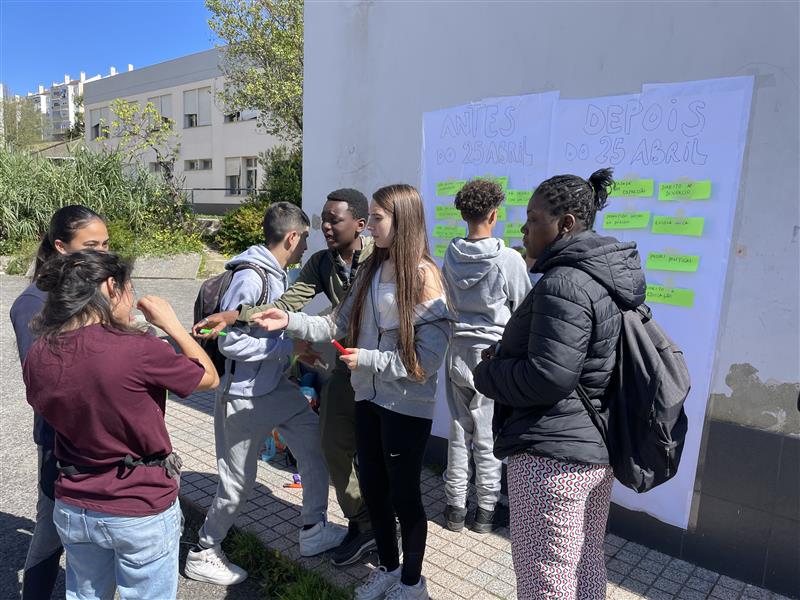
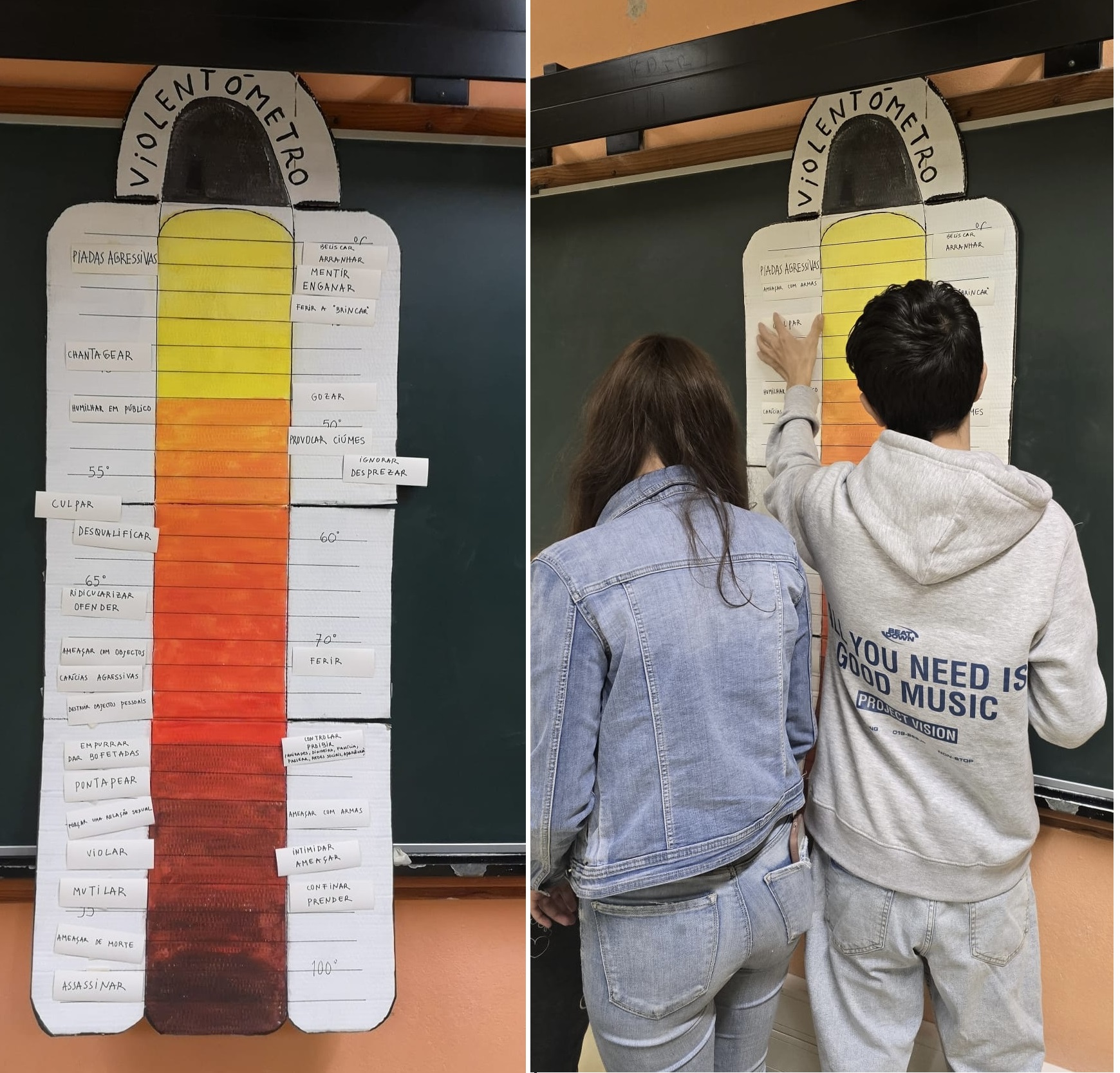
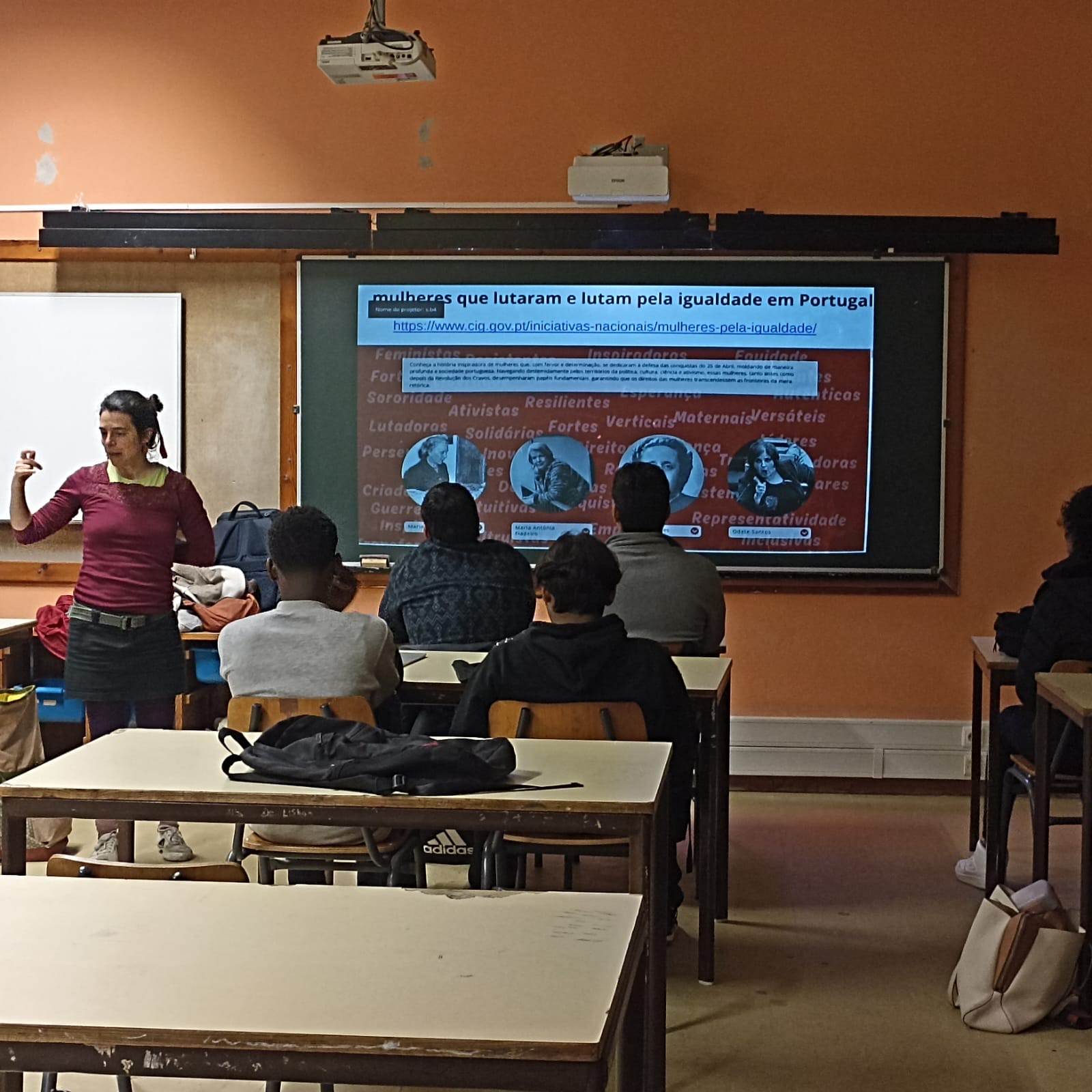
The EN project can be 100% replicated or transferred to other locations. Characterized by a kind of (triple) singularity – the fact that it is nomadic, resulting in multiple outings-visits (6) to various locations in the city of Lisbon, which would be adapted. Its time window makes it a unique project that follows the evolution of a class (around 30 students) throughout their entire third cycle of schooling (7th, 8th, and 9th grade). The uniqueness of a lasting and trusting relationship that EN offers as a response to the fragility identified in the hard skills. Exam retention rates are well above the national average; in this school, on average, 1/4 of the students fail. EN wants them to take confidente and co-authorship of the process to boost their self-esteem. The other plus results from this, after all, there were more than 50 work sessions and more than 100 hours, which were based on presence and reassuring listening. And it is this empathetic and non-hierarchical relationship that defines EN trust environment. Sometimes emerged preeminent themes (non-preview aligned) we called “SOS nomadic” [13]. Flexibility is a great plus in EN. Another greatest asset is incorporating ephemerides (like 50 years of Portuguese Democracy).
EN was recognised by the European Anti-Poverty Network (EAPN) [14] – Lisbon Observatory, as an exemple to replicate. Also regarding the Lisbon metropolitan area (AML) because it should be emphasized that the EN to represent Lisbon municipality in AML [15].
[13] Themes that arise in daily life, f.e, dating violence; the multiple discriminations: against obesity, against LGBTQIA+ people, among others.
[14] Further information is available: https://observatorio-lisboa.eapn.pt, where the two infographics - “Multilevel Monitoring – PRR Projects in Lumiar” and “The Integrated Local Operation of Lumiar” (2025).
[15] See: https://www.aml.pt and looks for the e-book “histórias de esperança” (pp. 44-47).