Arts, Culture, and Heritage as Drivers of Change
Congiunzione degli Opposti - LUMINETICA
La Congiunzione degli Opposti: architettura processuale e modello Luminetica P-E-A-C-E
Rediscovering ritual as a form of social technology, a quest for values and participatory governance lies at the heart of *La Congiunzione degli Opposti* (2018–25). In the Luminetica PEACE method, the community inhabits symbols and generates new values reactivating latent heritage as an ecosystem of collective coexistence. As Civic Medicine the project heals the rift with UNESCO sites and transforms static sites into engines of Life-specific resilience: a scalable model for European regeneration
Italy
Regional
Campania - Italy
It addresses urban-rural linkages
It involves other types of transformations (soft investment)
Yes
2025-06-21
No
No
No
Organisation
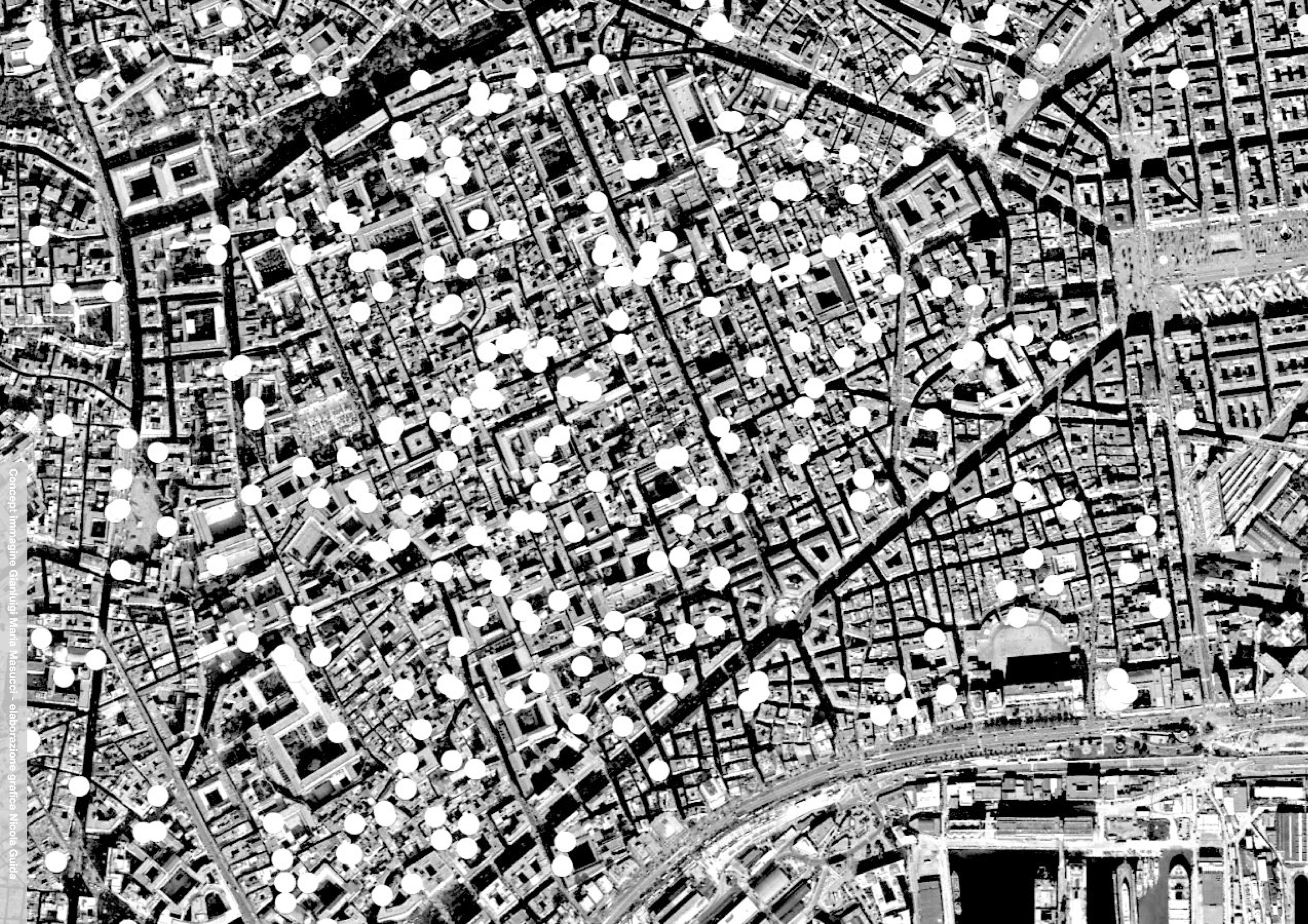
We propose a cutting-edge model for the reactivation of latent religious heritage, offering a systemic response to the crisis of sacred spaces through a repurposing that preserves their vocation without distorting their essence. Taking Naples as a laboratory for investigation – with a unique monumental density of 41.66 sacred sites per km² – the ecclesiastical heritage is transformed into a hub of civic awareness and urban regeneration. The aim is to convert historic sites from static consumer goods into living centres of social sovereignty and ontological well-being, restoring the dignity of human encounter within UNESCO heritage.
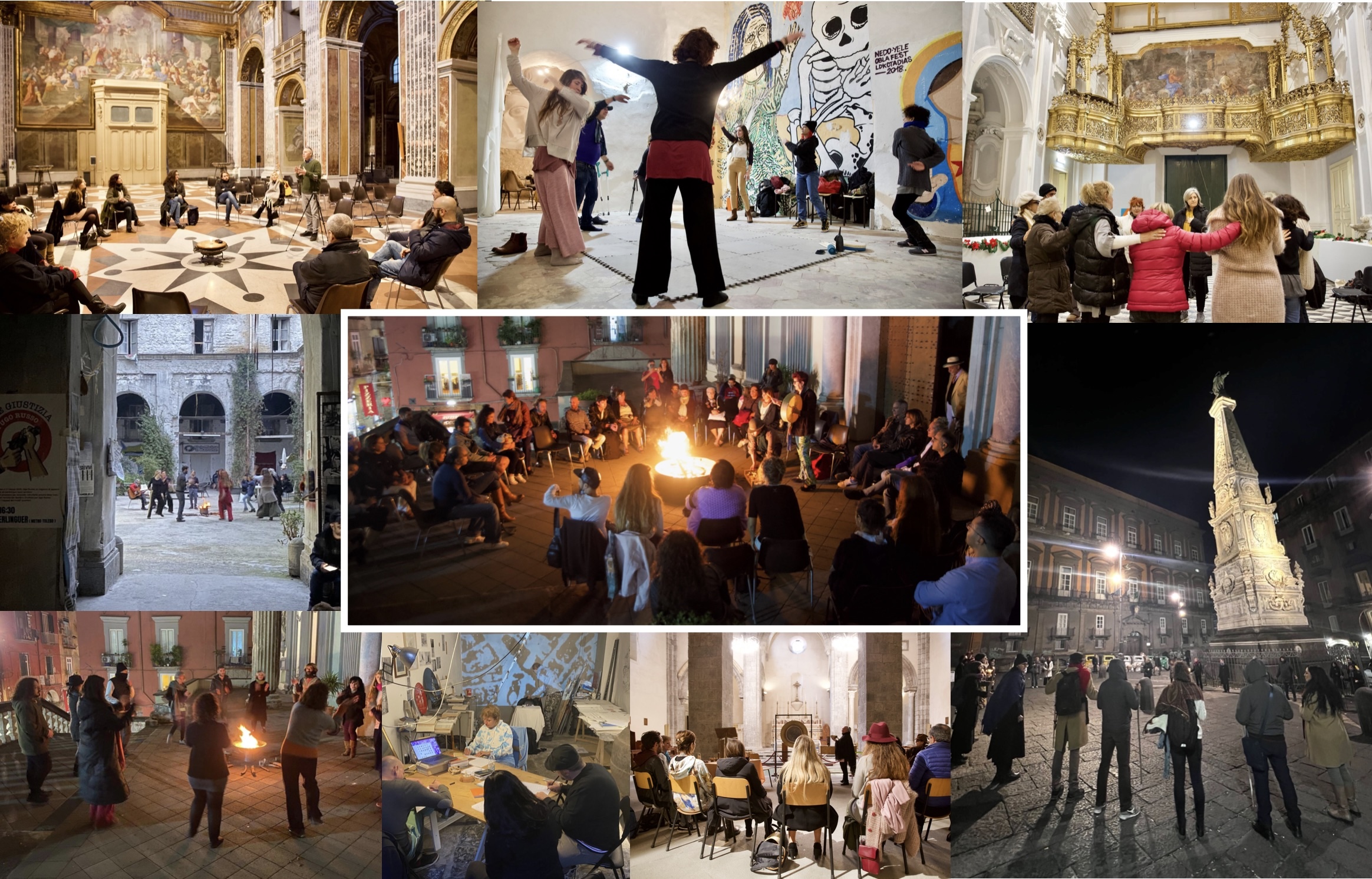
The initiative ‘La Congiunzione degli Opposti’ (2018–25) has engaged with this complexity on a daily basis, distilling a body of knowledge that has transformed the coexistence of art, pastoral journeys and civic demands into an organic synergy. Citizens do not encounter a static monument, but a journey where existential exegesis merges with collective creation.
This metamorphosis is the result of an encounter with the pastoral journey of Father Carmine Mazza: a Theatine charism that has created the fertile ground for a vital interaction between the sacred and the civil. Over seven years, more than 900 cross-cutting activities have been generated, actively involving every age group in a co-creation between the university and citizens that has enabled the codification of the transdisciplinary Luminetica PEACE method (Parable, Ecology, Art, Community, Existence).
Framed within Massimo Pica Ciamarra’s systemic vision and supported by a multidisciplinary Scientific Committee, the method consolidates a scalable model of civic reuse that integrates spiritual and civic paths into an integral ecology.
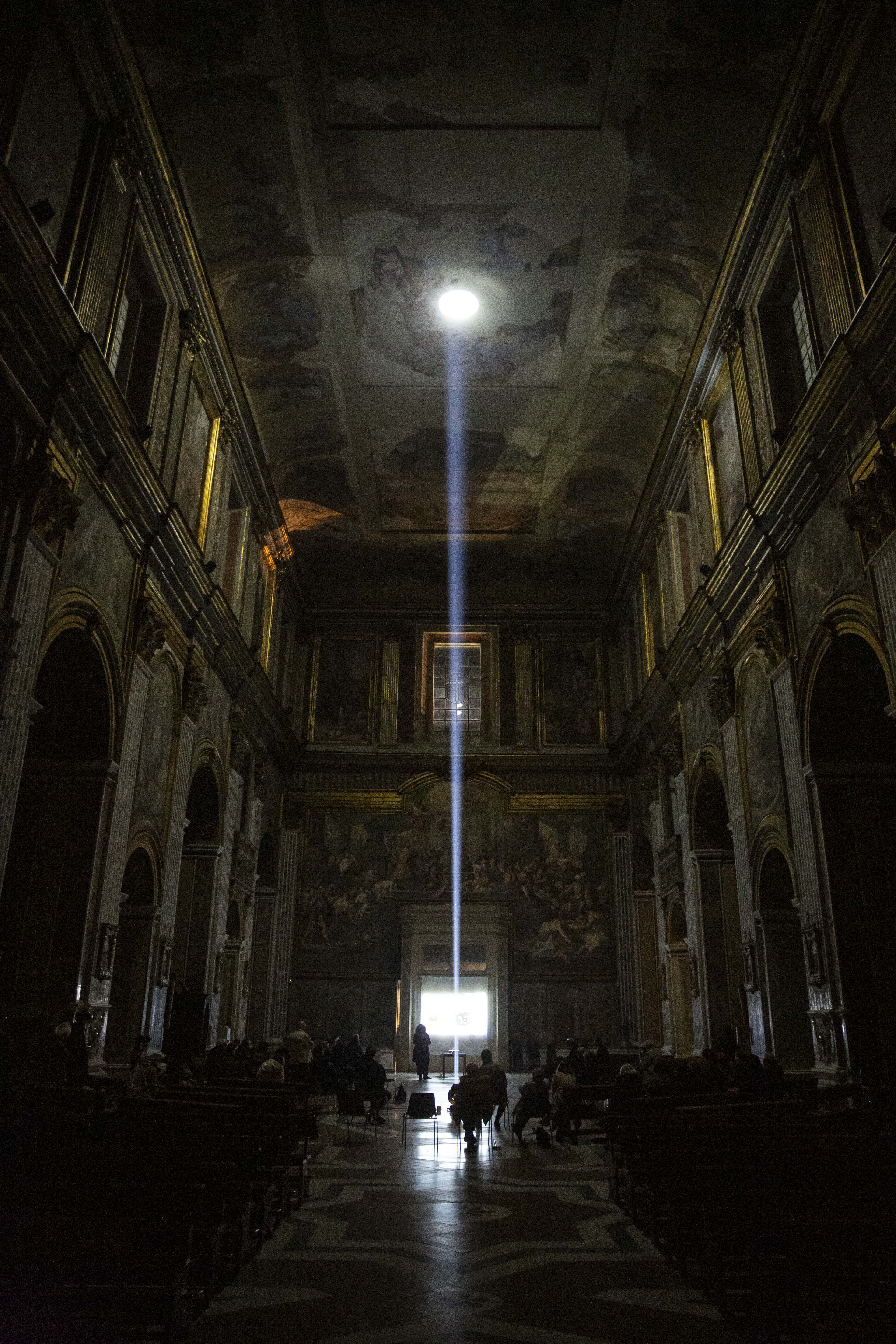
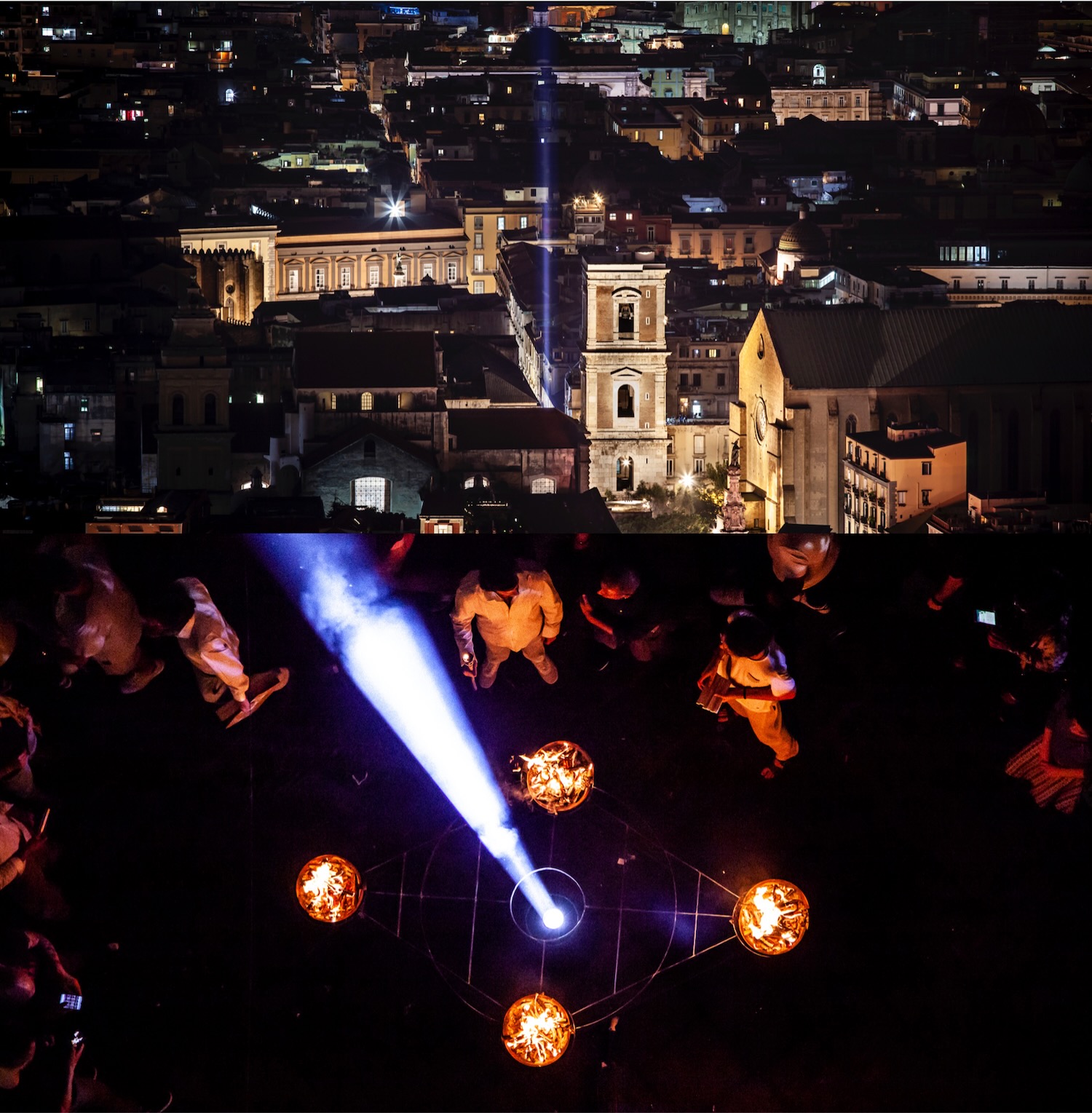
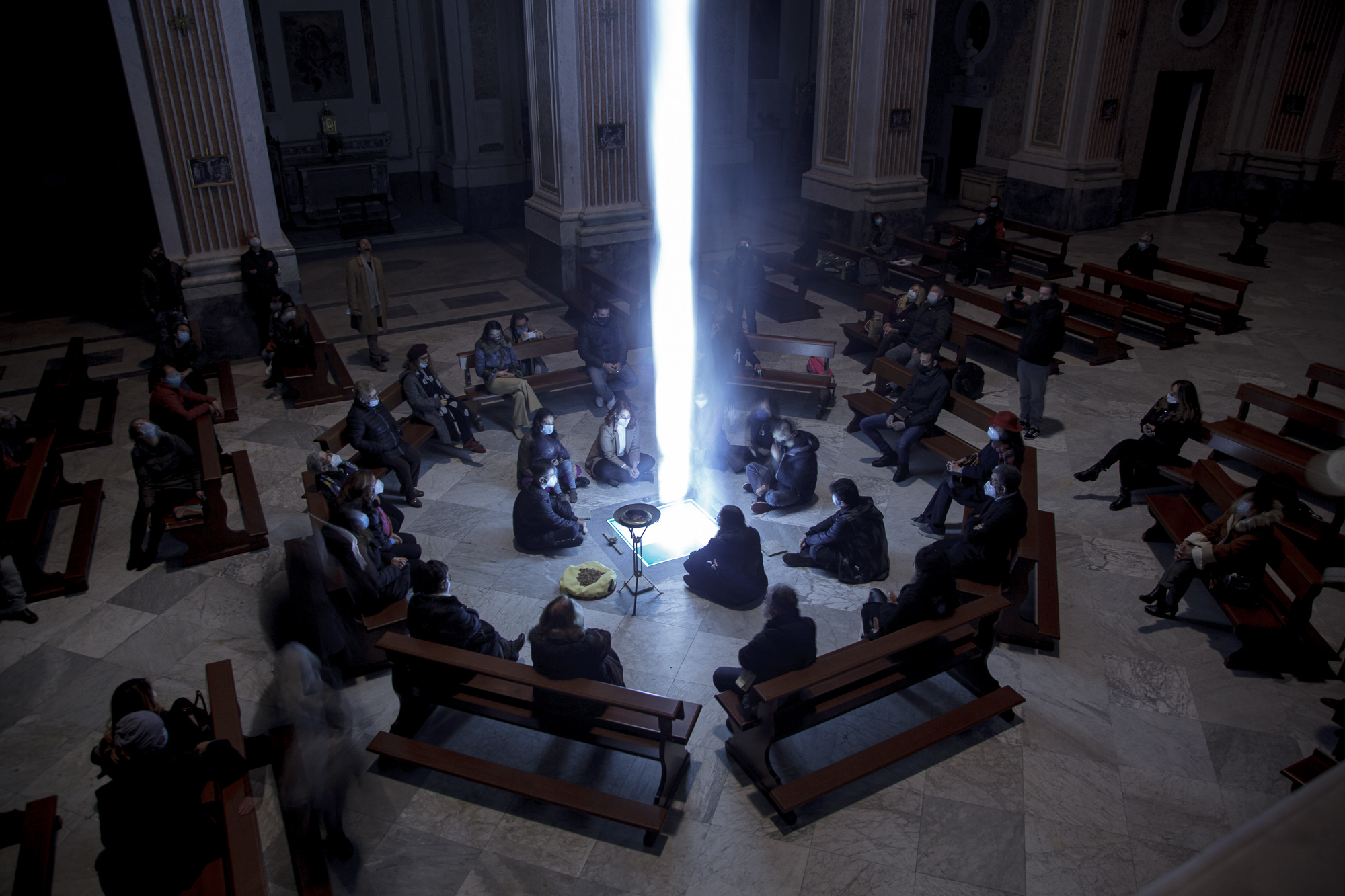
The physical intervention, minimal and reversible, redefines spatial metabolism through light and removable structures to guide dialogue and multifunctionality, overcoming all sectoral barriers.
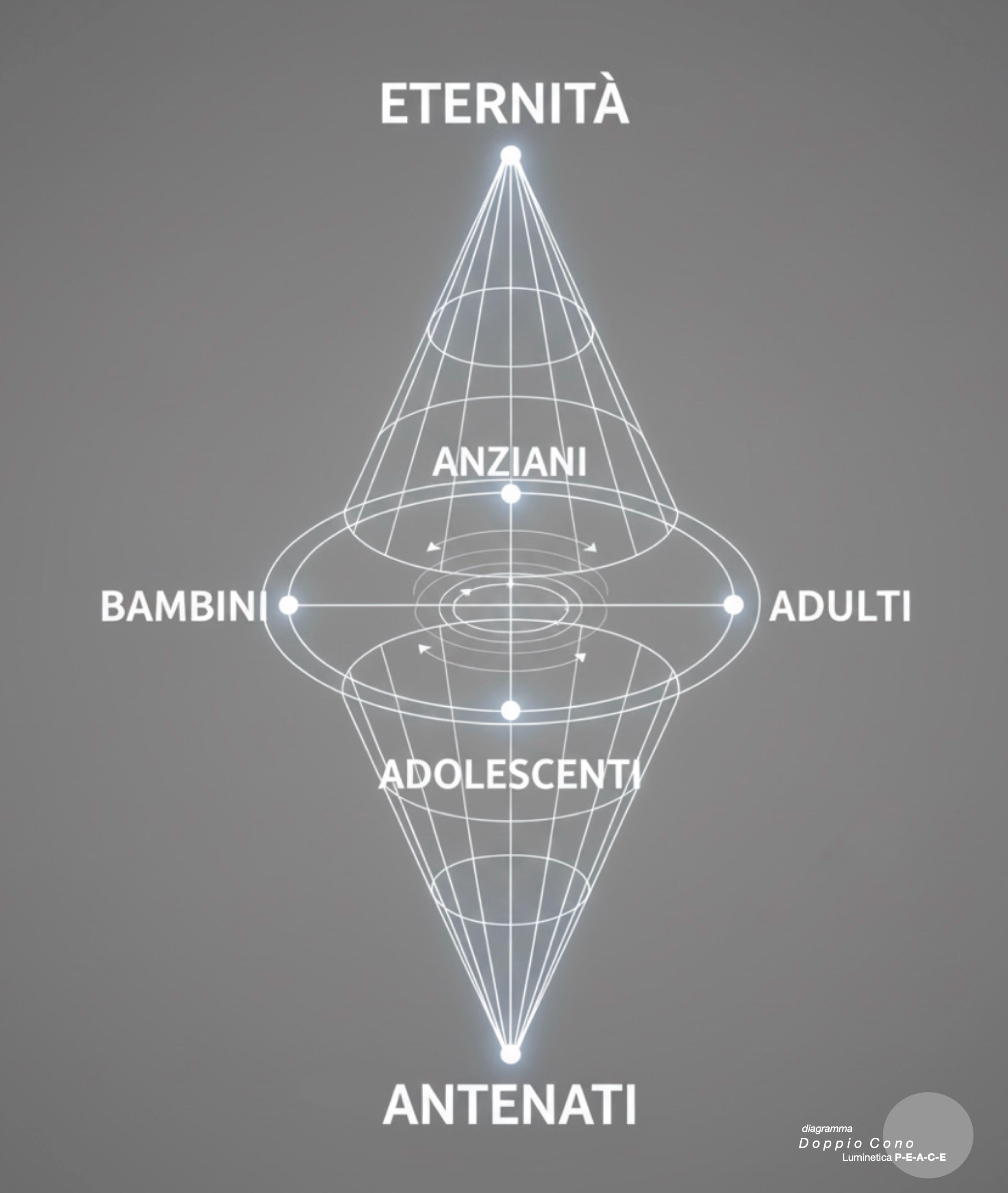
The story of Luminetica PEACE is the tale of a collective catharsis that transforms the void of the crisis into a new architecture of meaning. The genesis of the “Congiunzione of Opposti” has its roots in a territorial research project begun in 2018 and found its ethical fulfilment during the pandemic emergency. In a phase of forced isolation and collective trauma, the project emerged as a deliberate catalyst for resilience: a voluntary initiative that transformed disorientation into a space for cathartic listening. It was precisely the constraint imposed by the crisis that allowed the initiative to be stripped of all superstructure, reaching the essence of citizens’ deepest needs: the need for closeness, beauty and meaning. We worked on the Latency of Heritage - a reserve of value preserved in monuments - to activate the Latency of the Human, that is, the creative potential of the citizenry. As the city emptied, the initiative chose to inhabit the void by structuring itself as an organism of relational devices, demonstrating that urban regeneration requires new affective frequencies even before new volumes. Within this framework, civic participation served as the foundation for re-emerging ritual as a social technology, a quest for values and a cross-cutting cultural glue (cf. Double Cone), making latent heritage visible and transforming the inquiry into Civic Medicine. This journey, facilitated by the convergence of G.M.Masucci’s research and Father Mazza’s vision, was observed and integrated by the scientific analysis of the BAP Centre at the University of Naples Federico II. In a context plagued by overtourism and alienation, we have demonstrated that crisis can be transformed into an opportunity for permanent co-creation. Luminetica PEACE is the heartbeat of a humanity returning to inhabit its own symbols: the luminous proof that beauty - when it becomes care and authentic encounter - can heal the soul of our cities and rekindle hope in the heart of Europe
PARABLE
ECOLOGY
ART
COMMUNITY
EXISTENCE
On a continent characterised by a millennia-old history still present in its built environment, the sustainability of Luminetica PEACE cannot be separated from a profound interaction with the city’s metabolism.
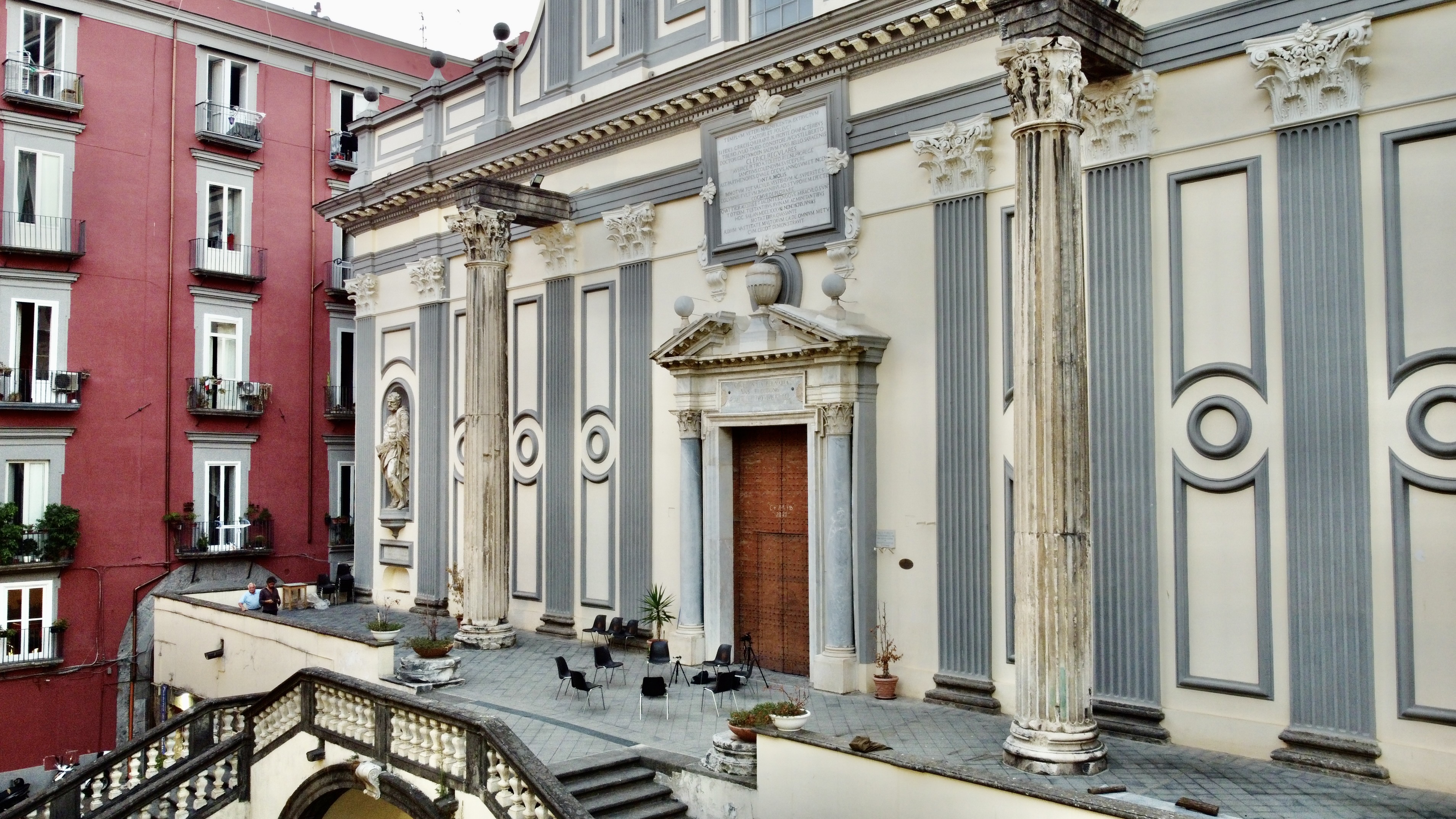
Under the scientific supervision of Massimo Pica Ciamarra, the method adopts the paradigm of ecosystemic density, carrying out a concrete refunctionalisation of environments already dense with meaning through an immaterial intervention with zero volumetric impact. The spatial reconfiguration takes place whilst respecting historical integrity through a metabolic mapping that permeates the entire monumental complex: the intervention radiates from the Forecourt and the Narthex towards the Nave, the Transepts and the Relic areas, ultimately regenerating the Cloister as a space of radical hospitality.
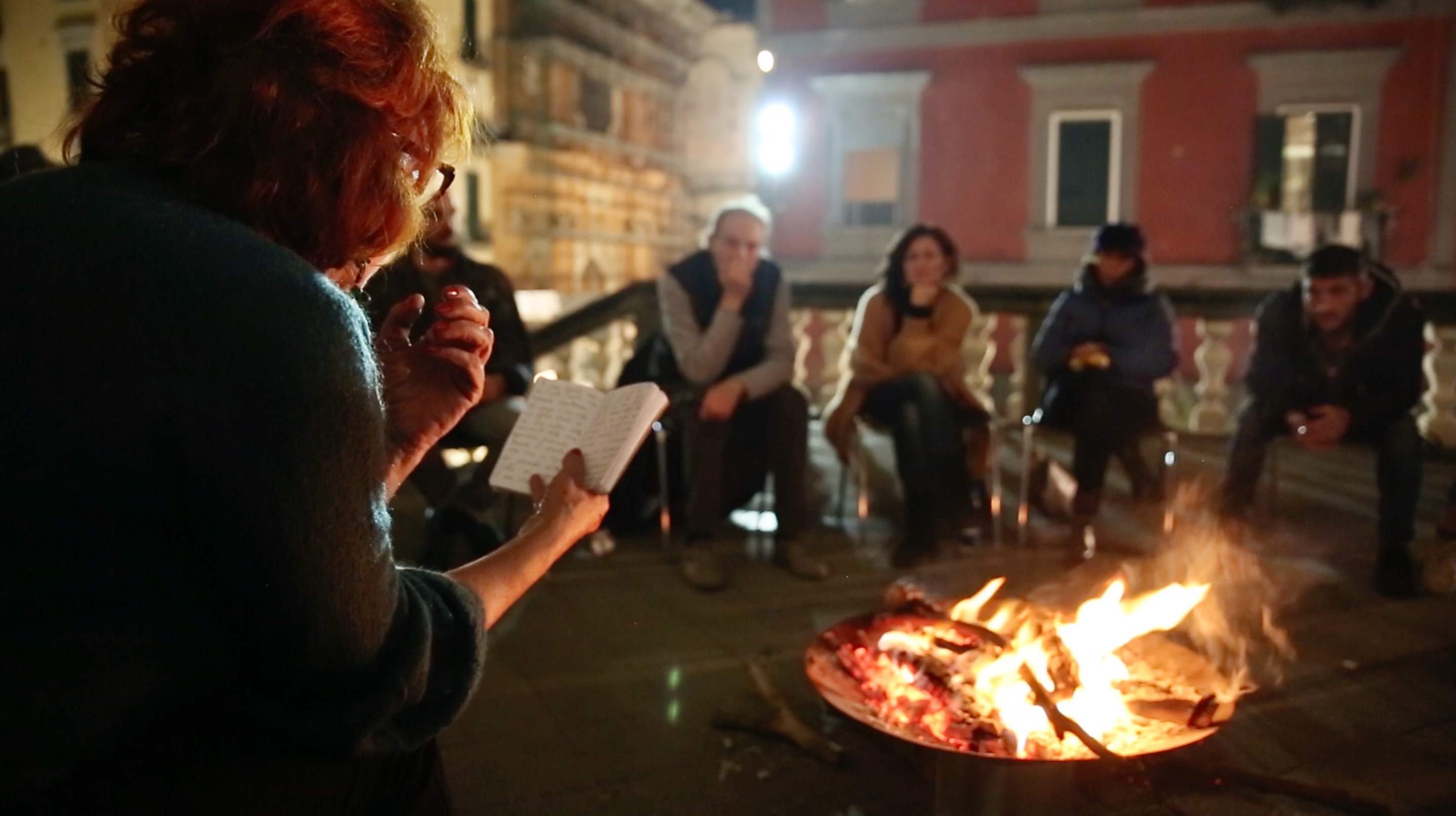
This perceptual arrangement – based on the reversible immateriality of Filippo Cannata’s light and on primordial technologies such as fire, paper and the spoken word – minimises environmental impact by fostering a circular economy of knowledge that safeguards human and spiritual capital. Scientific rigour is guaranteed by architectural historian Andrea Maglio, whilst Antonio Pariante’s local activism ensures that every action is rooted in the real needs of the residents of the UNESCO site, respecting the organic growth required for the regeneration of a civic consciousness.
Enrico Russo (Age 42 - Sheet 3 e.o. impact) defines this complex system of interventions as an ‘energetic acupuncture’ operation capable of mending the social fabric, leading 88% of participants to perceive a radical improvement in their monumental habitat and ontological well-being. The method demonstrates that true urban sustainability lies in the ability to revitalise what already exists, optimising intangible resources to generate a lasting social impact without land consumption.
In Luminetica PEACE, beauty is understood as a profound harmony and metabolic breath between the community and its monumental surroundings. The innovation lies in moving beyond site-specific practice in favour of the Life-Specific paradigm: artistic action enters into symbiosis with the vital rhythm of the citizenry and its systemic challenges. By making shared values visible through a semantic rewriting,
Gianluigi Maria Masucci and Filippo Cannata foster this transformation, making light a grammar of awareness that regenerates ontological well-being. Within this framework, Andrea Maglio and the BAP Centre have supported the project from its inception, scientifically validating the transition between the preservation of historical stratification and the integration of contemporary artefacts of meaning. These interventions, characterised by the reversible immateriality of light, establish a metabolic dialogue that transforms architecture into a vibrant organism in constant renewal through a continuous autopoietic practice by the citizens.
Cannata translates light into an instrument of urban wellbeing that bridges the divide between physical space and the spiritual dimension, whilst Masucci, through contemporary devices, fosters citizens’ expression, making Civic Medicine tangible. As evidenced by Teodolinda (Age 59 - Sheet 26 e.o. impact), the effect is a total expansion where notebooks open, the city opens, and together the heart opens.
Lissette Santiago (Age 37 - Sheet 27 e.o. impact) confirms the power of beauty in rediscovering heritage: centuries of history come to life and a deep sense of belonging is generated because the monumental asset becomes a living fabric that unites the community. Minimal physical intervention creates an architecture of emotions where citizens rediscover their identity, raising the sense of belonging from 42% to 96%, as documented in the Evidence of Impact Dossier.
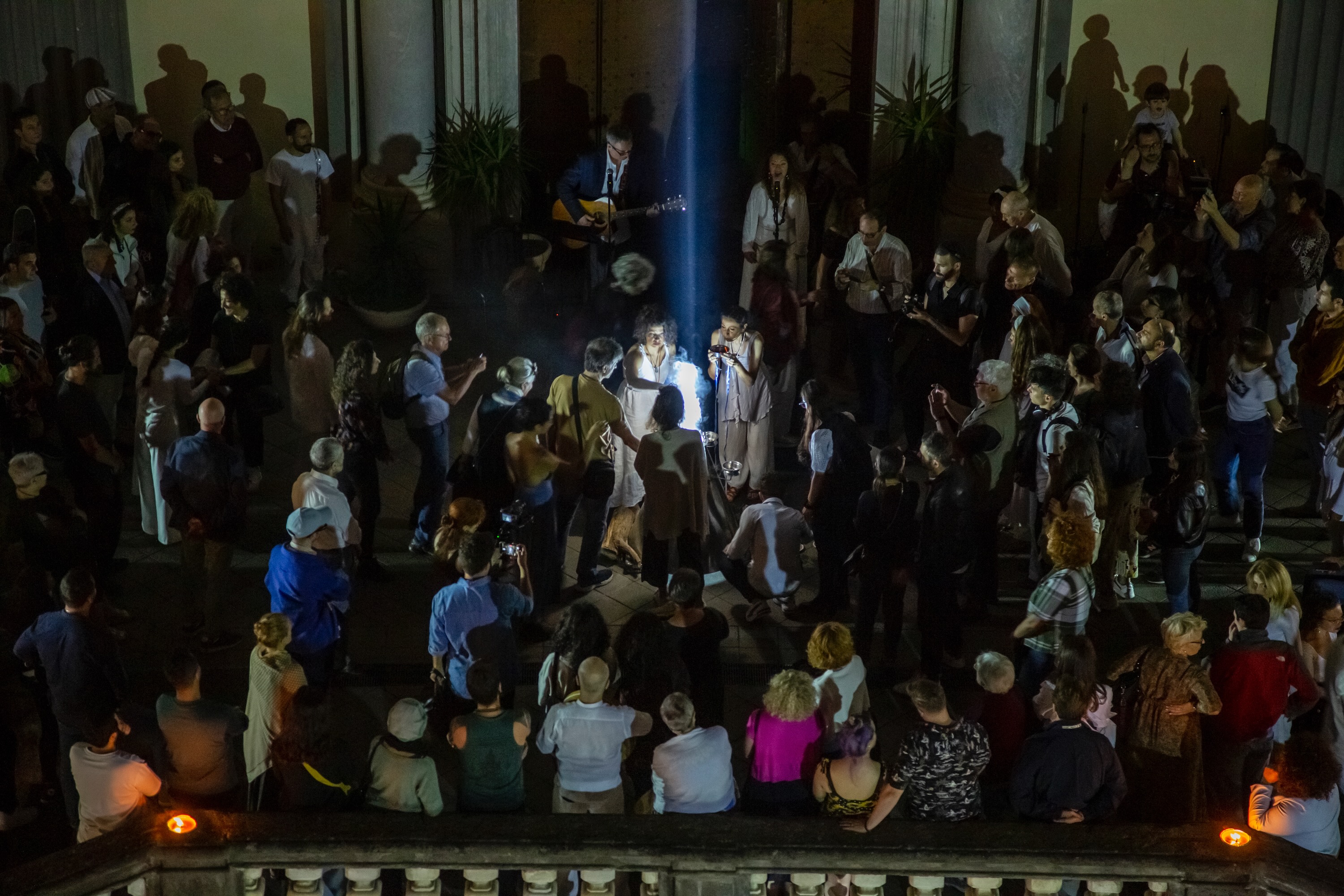
The value of Togetherness in Luminetica PEACE is the social cornerstone of a Life-Specific architecture that becomes a collective process and a dialogue between memory and creation. Moving beyond the logic of the isolated event, the project operates through continuity understood as a metabolic rhythm, where civic trust is regenerated through the repetition of ritual interaction.
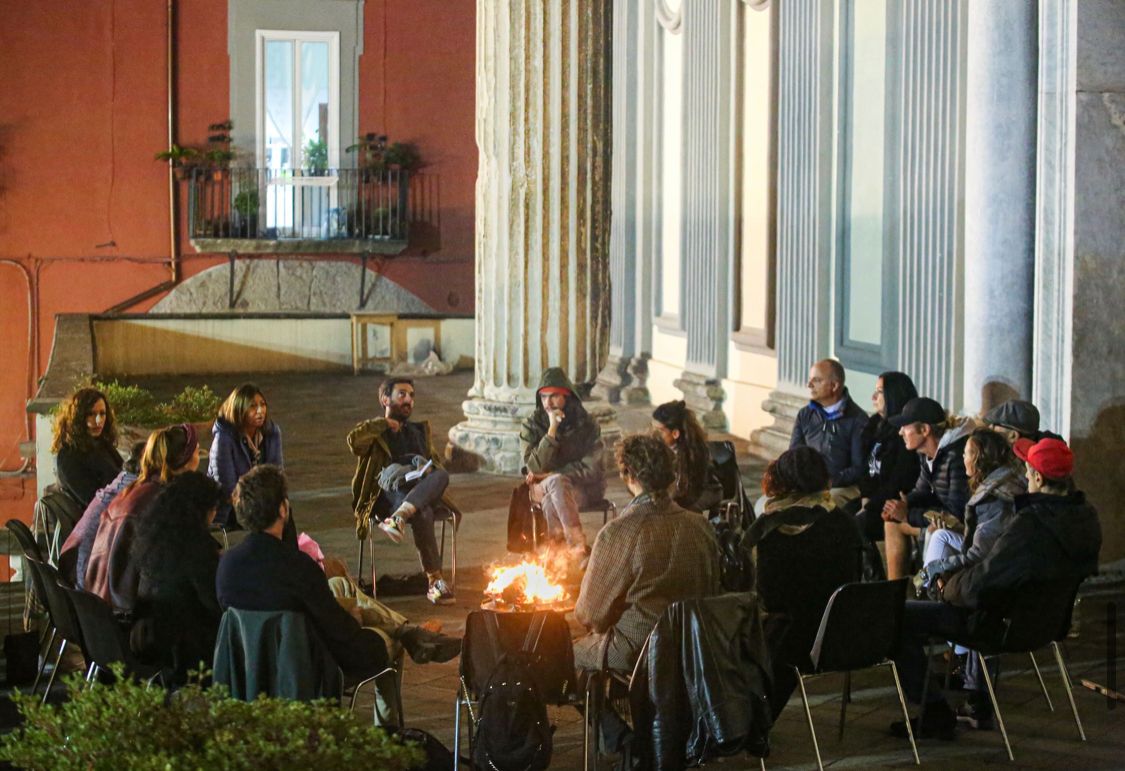
The method transforms a neutral space into a place rich in meaning, triggering a specific neurochemical response of belonging: rituality and cooperation stimulate the production of oxytocin and serotonin, reducing cortisol levels linked to urban alienation. Through the technology of the circle,
nourished by civic logos and the practice of word of mouth, intellectuals and vulnerable groups find themselves on the same level of horizontal listening.
For Francesco Villano, intercultural and inter-religious dialogue represents a natural reconnection between faiths and peoples of different nations, offering the method a scalable international vocation.
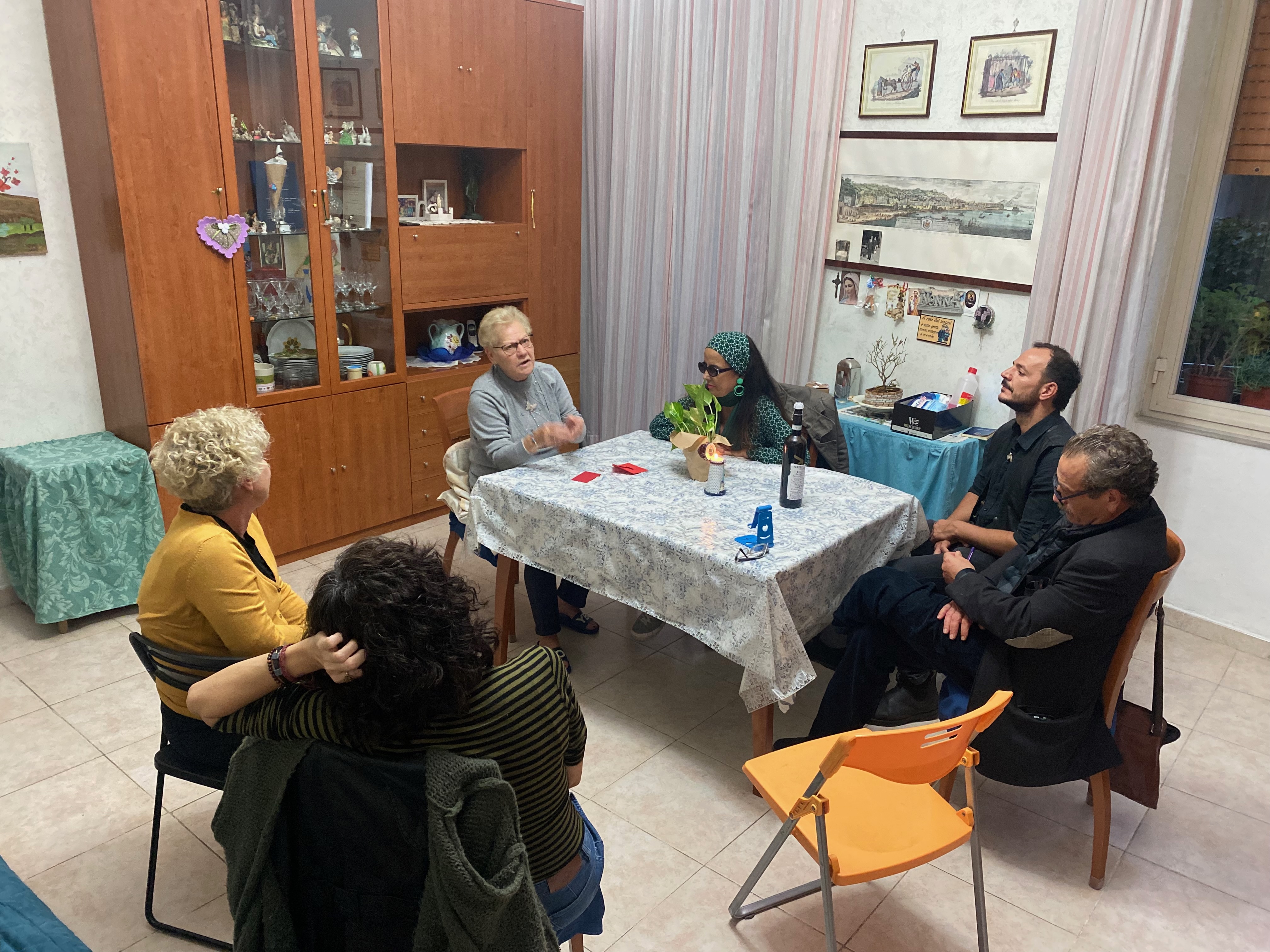
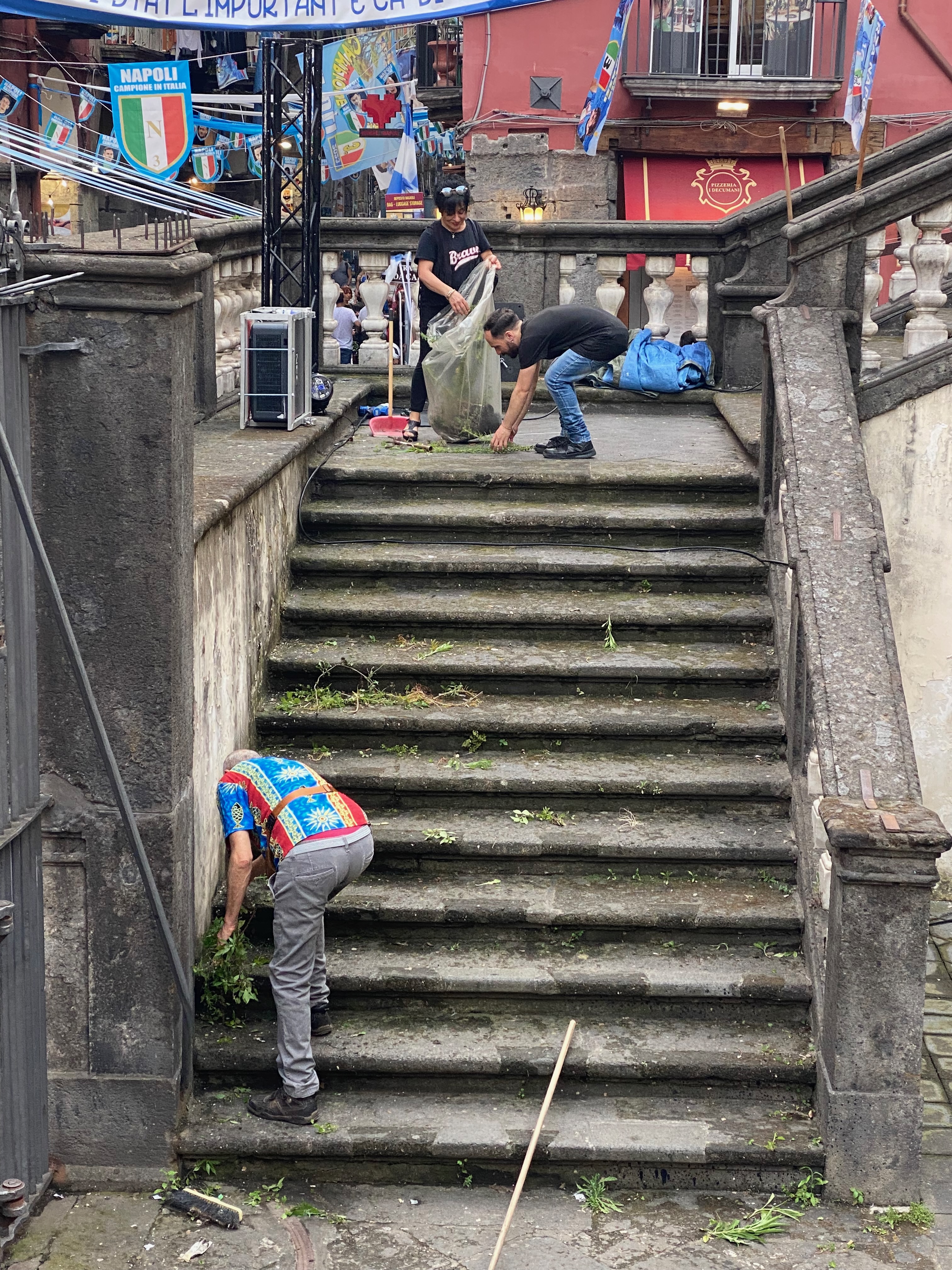
Together with the hospitality of Father Carmine Mazza, the action of the “Congiungiune degli Opposti” follows an organic growth necessary for the consolidation of civic consciousness, similar to the biological processes of tissue self-repair. Mario Colucci (Age 16, Sheet 2) bears witness to the rediscovery of care for the monument, whilst Maria Bianco (Age 74, Sheet 1) recognises in this human orchestra a harmony of solidarity capable of healing the wounds of isolation.
This mending transforms the neighbourhood into an extended human family that collectively cares for its monumental habitat, raising the sense of feeling at home from 42% to 94% and restoring social sovereignty to every voice through an act of collective care that ensures a lasting ontological change in the European social fabric.
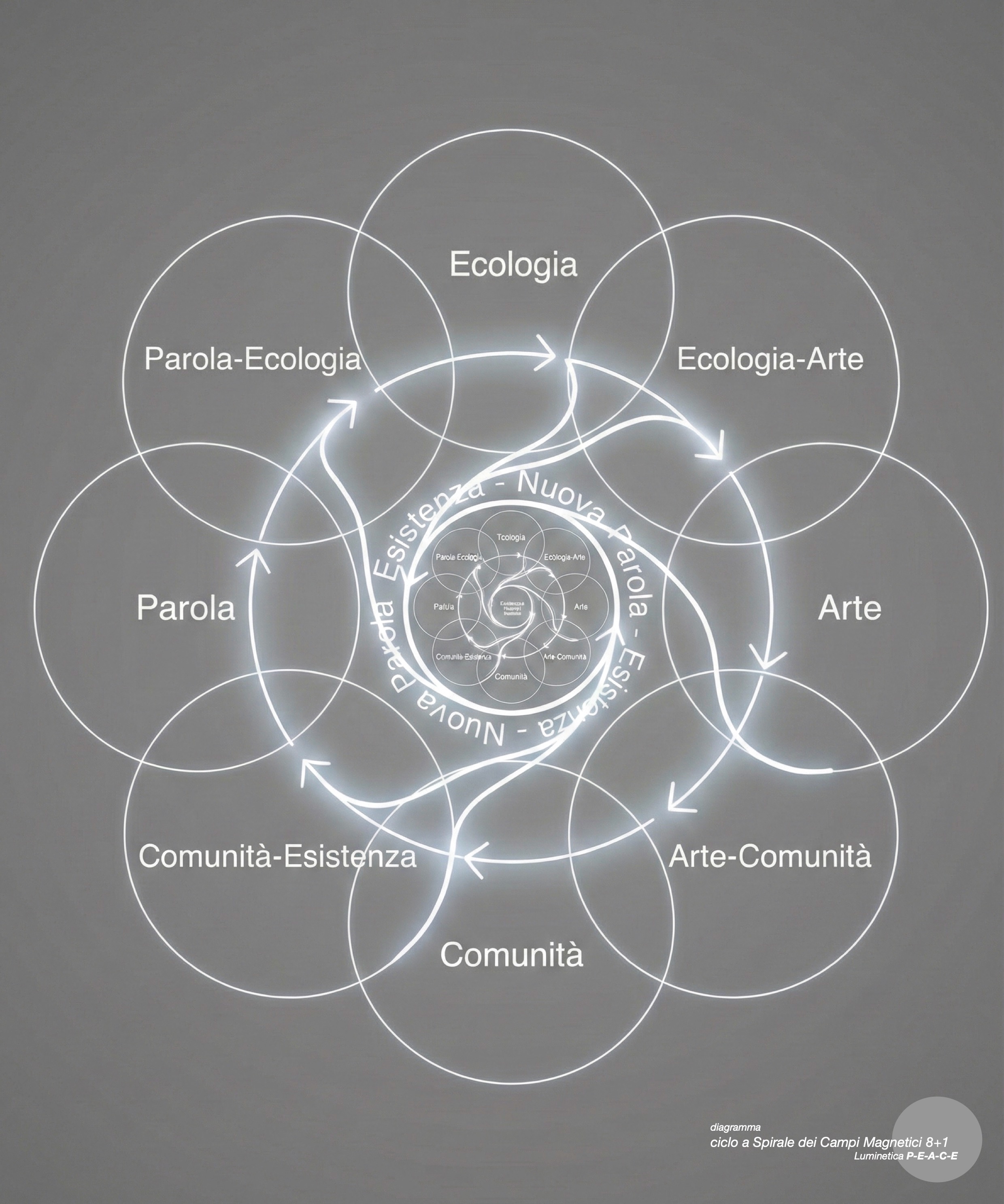
Community involvement in Luminetica PEACE follows a process-driven architecture governed by the 8+1 Spiral, which places citizens at the centre of every stage, from action research to final evaluation. Residents, young people and vulnerable groups actively participate as human sensors and co-creators through a cross-media ecosystem that integrates analogue and digital tools. The process unfolds from the Community Notebooks - devices of collective memory and relational glue - to autoptic installations, where the artwork invites direct, participatory observation that activates sensory perception and awareness of the place. Within this framework, the authentic interaction of the Logos Circles and the practice of word-of-mouth are enhanced by a conscious use of social media, reconfigured as platforms for ethical dissemination and tools for communication education.
This strategy enables authentic encounters to be liberated from digital depersonalisation, promoting a culture of responsible information. The influence of the participants was decisive in codifying the method, as their direct contributions and qualitative feedback guided the transformation of the basilica spaces into permanent laboratories of civic medicine.
As demonstrated by the Evidence of Impact dossier, the level of civic trust rose to 4.9/5, highlighting how the quality of the project is linked to the depth of ritual interaction and the transparency of communication flows. The role of active custodians, embodied by the testimony of Lissette Santiago (Age 37 - Sheet 27), transforms the monumental heritage into a shared living fabric, ensuring the permanence of communities and the maintenance of spiritual capital through a permanent co-creation that re-establishes the bond between inhabitants and institutions.
Luminetica PEACE operates through a bottom-up and top-down multilevel governance system that integrates local, academic and institutional expertise into a coherent research-action framework. At the local level, the project is rooted in the Basilica of San Paolo Maggiore and is currently expanding its territorial scope towards the Church of Santa Maria di Portosalvo, involving peripheral areas such as the eastern coastline. This expansion is supported by the activism of the Portosalvo Committee led by Antonio Pariante, ensuring, in synergy with the Logos Circles, constant attention to the real needs of residents.
The scientific dimension is ensured by the BAP Centre at the University of Naples Federico II, directed by Andrea Maglio, which validates the transition between the preservation of historical memory and contemporary innovation. At national and international level, Francesco Villano’s geopolitical vision and alignment with bodies such as UNEDI-CEI have conferred institutional legitimacy upon the method. The international dimension is further consolidated by the strategic support of the Analix Forever gallery in Geneva, which recognises the method as a model of excellence for the enhancement of relational heritage. The robustness of the system is evidenced by the moral patronage of the City of Naples, DiARC and the Department of Humanities.
The value of the model is further underscored by its success in competitive calls for proposals such as ‘Estate a Napoli 2019’ (CAMPUS), ‘Maggio dei Monumenti 2023’ (Axis Mundi), the ‘Contemporary Art Call 2024’ (Moto d’Origine), Bando Visoni contemporanee 2026 (CIMATICA) and the Metropolitan City of Naples 2023 (Cor-Cordis),
This network demonstrates how the synergy between the Church, the University, international galleries and civic activism generates scalable protocols ready to inform European policies on the resilience of historic centres.
Luminetica PEACE’s transdisciplinary approach blends art, architecture, lighting design, theology, geopolitics and social sciences into a single operational framework. The collaboration is governed by the Scientific Steering Committee, where Gianluigi Maria Masucci’s Life-Specific artistic research and Filippo Cannata’s perceptual lighting engage in constant dialogue with Massimo Pica Ciamarra’s theories of complexity and the historical rigour of the Federico II University’s BAP Centre.
Fundamental to this integration is the exegetical-existential approach of Father Carmine Mazza, capable of transcending the dogmatic dimension to activate a transversal vitality within the activities of historic buildings. This vision transforms the place of worship into a living organism that synthesises civic reuse and spiritual function, where exegesis becomes a practice of listening and the driving force behind a perception of the sacred as a common good.
These perspectives are graphically integrated into the Double Cone and 8+1 Spiral diagrams, which act as an interface between technical disciplines and human needs.
This intersection has produced Civic Medicine, where light and ritual become technical tools for urban wellbeing. The primary benefit is an architecture of sentiments capable of resolving systemic challenges such as social alienation and the impact of overtourism. The process ensures minimal environmental impact and maximum ontological effectiveness, validated by the growth in the sense of belonging from 42% to 96% among the citizens involved.
Transdisciplinarity is not understood here as a mere sum of knowledge, but as a common language capable of translating the complexity of latent heritage into an active resource for the collective health of the city.
The financial sustainability of Luminetica PEACE is based on a hybrid model that integrates institutional calls for proposals, resources from the communities involved and a low-cost, non-material approach. Implementation is ensured by a harmonious mosaic of expertise involving collaboration between the Basilica of San Paolo Maggiore, the University of Naples Federico II and a network of associations such as "Civilizzare l’Urbano ETS" and Atelier Multimediale APS, which provide the necessary logistical and managerial infrastructure.
After years of voluntary action research, the project has generated a hybrid entity that produces social value by reducing costs associated with urban alienation through Civic Medicine. Looking ahead, the model has the potential to generate revenue through consultancy services for local authorities and religious institutions interested in revitalising dormant heritage sites across Europe.
Maintenance costs are offset by the use of minimal, reversible physical interventions based on the efficiency of perceptual light and active participation, avoiding heavy infrastructure investment. The innovation lies in the circular economy of knowledge, which transforms monumental heritage from a static cost into an active resource for social sovereignty and the well-being of residents.
This social business model demonstrates that urban regeneration can be financially sustainable when based on the enhancement of human capital and the functional reconversion of existing space, offering a concrete alternative to gentrification processes and the speculative consumption of the historic city.
Luminetica PEACE presents itself as a cutting-edge, exportable model for managing the crisis of religious heritage in Europe. Its nature as a lightweight protocol is institutionally recognised as a necessary innovation for the care of European cultural heritage. The transferable elements include the Life-Specific paradigm, the Double Cone and 8+1 Spiral diagrams, and the Logos Circles methodology, applicable to dormant sites to bring out their identity values.
The project demonstrates how intangible interventions can generate radical social impacts without massive infrastructure investment, activating a participatory dimension of rare effectiveness. Replication is facilitated by partnerships of excellence: ETSAB - BarcelonaTech (UPC) and the Analix Forever gallery (Geneva) have expressed full methodological endorsement, declaring themselves ready to implement the method in their respective contexts in Spain and Switzerland.
The Catalan institution has formalised its commitment to scientific codification and application in Barcelona, whilst Analix Forever’s validation in Geneva positions it as an innovative response to the contemporary challenges facing Europe’s relational heritage.
By adapting the protocol to the local ecosystemic density theorised by Massimo Pica Ciamarra, the method can alleviate tourist congestion and reactivate interrupted relational connections through the rediscovery of the dignity of encounter and care for the common good. The method can be applied both as a catalyst and as a support and interconnection between regeneration processes already underway. It is designed as a ready-to-use tool for various geographical areas which, whilst preserving the spirit of the places, responds to local needs by promoting a European network of regeneration centres based on urban Beauty and Peace.