Arts, Culture, and Heritage as Drivers of Change
AlpTextyles
AlpTextyles: Reweaving Alpine communities through sustainable wool value chains
AlpTextyles reconnects Alpine communities, heritage, and landscapes through wool. Across the region, it reactivates local value chains by linking shepherds, craftspeople, designers, researchers, policy makers, and institutions. Through summer schools, workshops, and co-design processes, it transforms undervalued wool into sustainable materials and cultural narratives, strengthening cultural identity, supporting circular economies, and inspiring new forms of community-based textile practices.
Slovenia
Regional
The Alpine Region (Slovenia, Switzerland, Italy, Austria, France, Germany)
Mainly rural
It involves other types of transformations (soft investment)
Yes
2025-10-31
Yes
ERDF : European Regional Development Fund
No
No
Organisation
AlpTextyles reweaves Alpine communities, cultural heritage, and landscapes through wool, transforming an undervalued local resource into a driver of sustainable innovation. Across the Alps, the project revitalized wool value chains by connecting shepherds, artisans, designers, researchers, and citizens.
Through 2 Textile Summer Schools, 2 learning visits, and 12+ workshops, conferences, and public events, AlpTextyles engaged ~2,000 participants in hands-on experimentation and co-design. Activities fostered knowledge exchange across disciplines and generations and demonstrated the contemporary potential of wool — producing textile prototypes, academic articles, dyeing protocols, garments collections, and material-based installations.
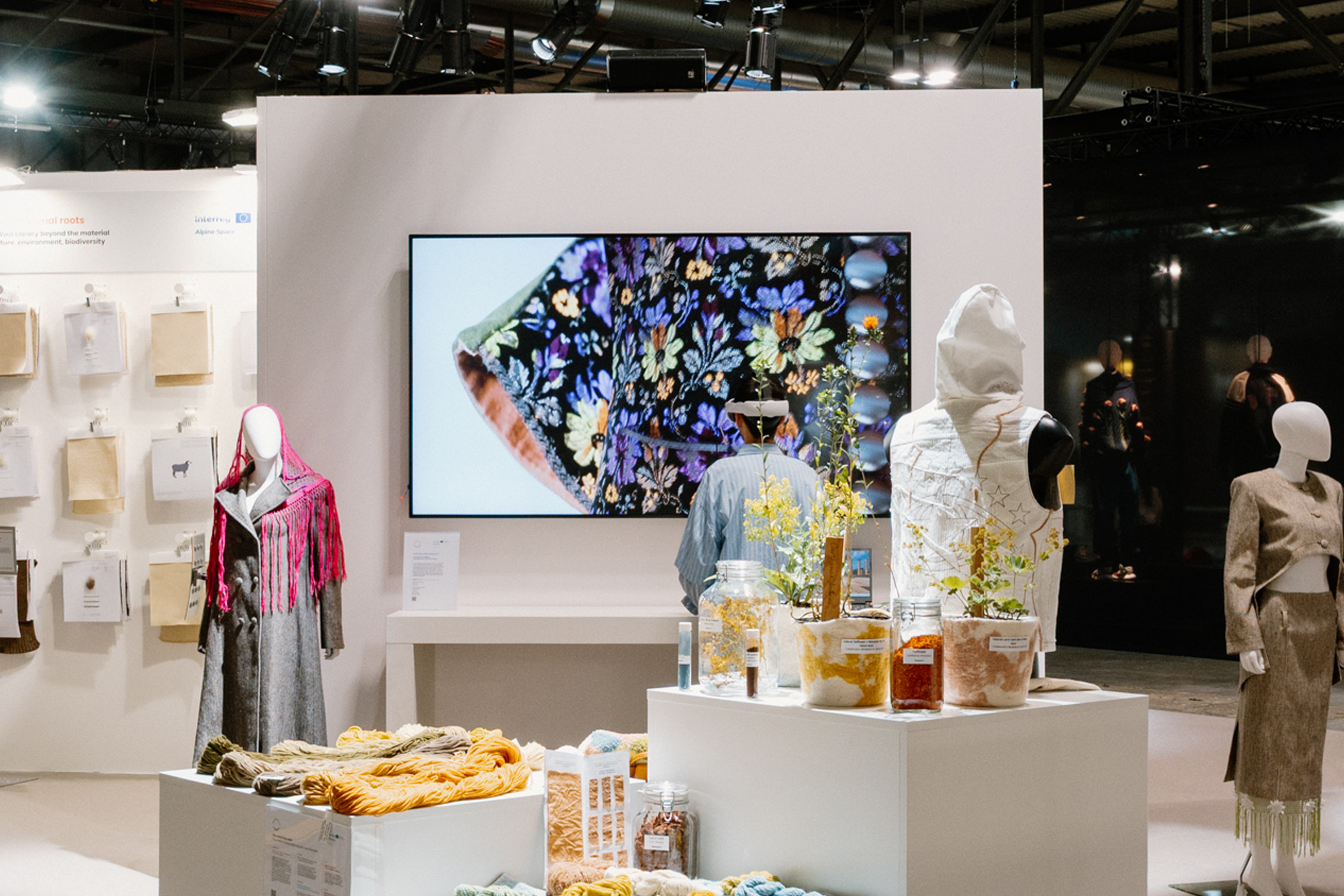
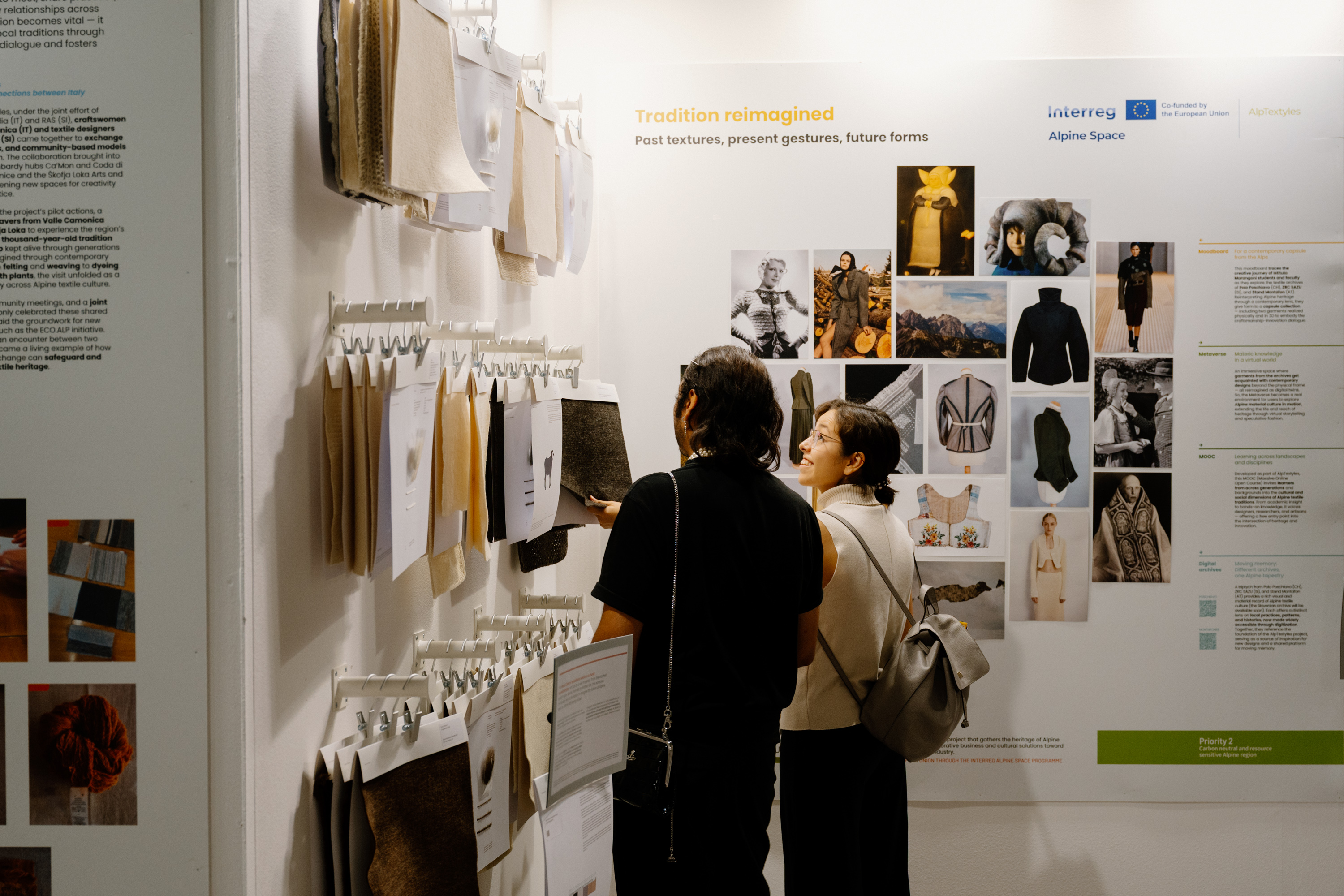
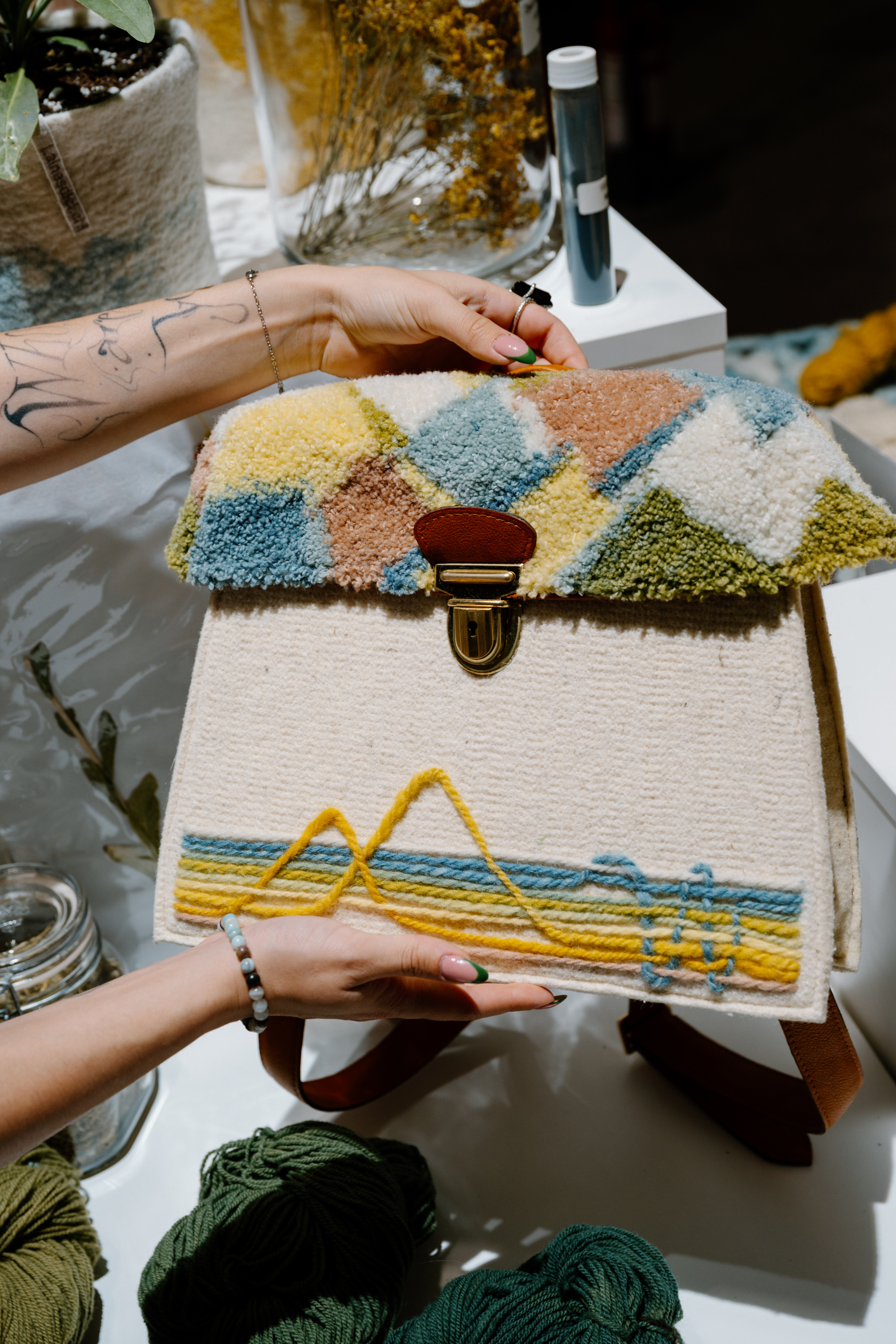
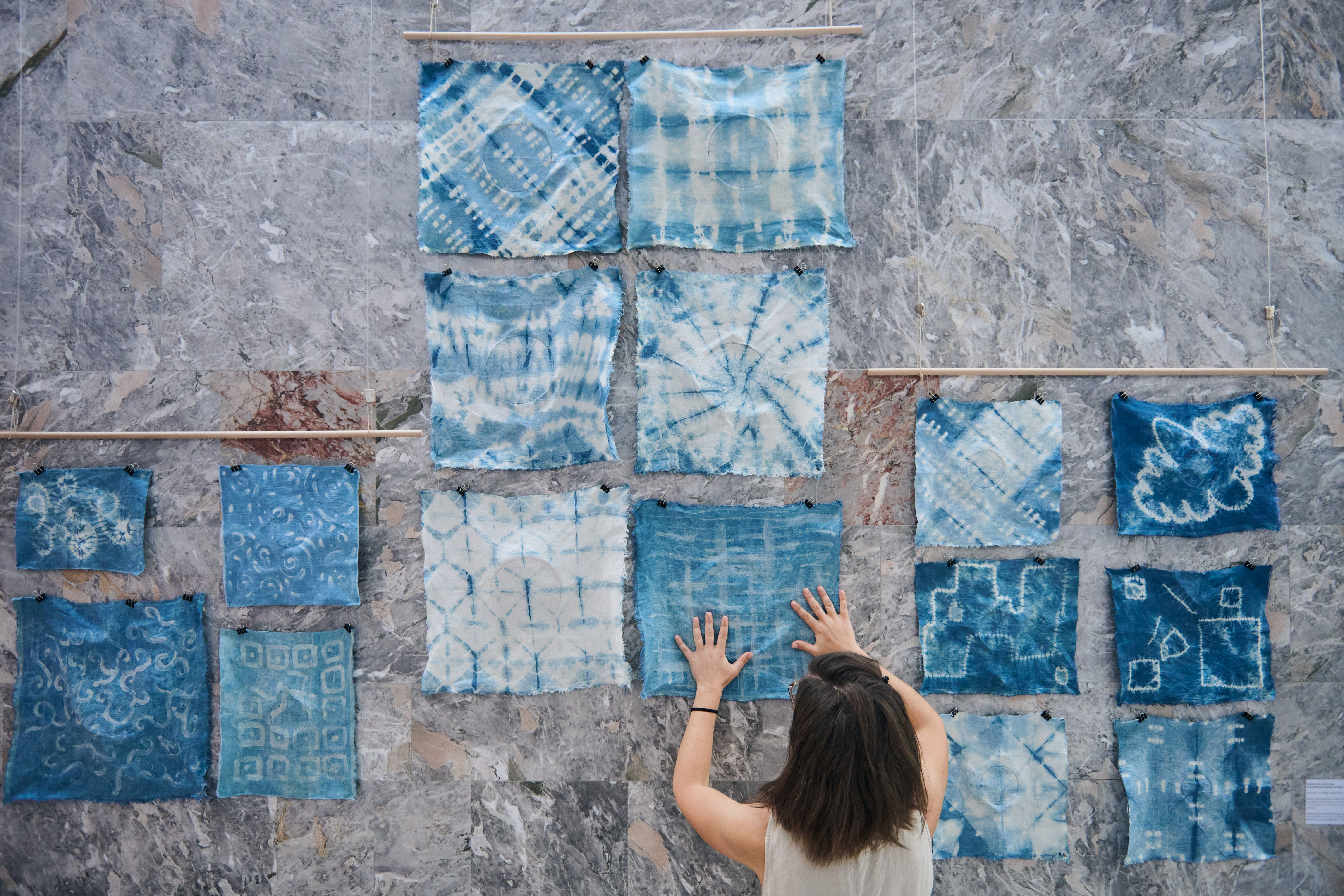
Key results include the cross-border AlpTextyles fabric, made from Austrian and Italian wool and woven in Switzerland; capsule collections by young designers developed with Istituto Marangoni, Regione Lombardia, and Stand Montafon; and the Wool Library, a curated collection of wool samples from native sheep breeds documenting their fiber characteristics scientifically and exploring their potential through hands-on processing. The project developed natural dyeing processes from Alpine plants and tools such as a policy brief, SME guidelines, and heritage toolkits. Digital outputs include a free MOOC, 3 digitized archives, and a Metaverse environment. These outputs were showcased at Milano Unica and exhibitions in Škofja Loka, Milan, and Lyon expanding visibility and accessibility. Long-term, methodologies were integrated into curricula at Istituto Marangoni and the Faculty of Design Ljubljana.
By reconnecting fragmented value chains and repositioning wool from waste to resource, AlpTextyles shows how heritage-based approaches can drive systemic change toward circular, place-based economies, offering a transferable model for regenerating local textile ecosystems with environmental responsibility and cultural continuity.
AlpTextyles emerged from a shared challenge across Alpine regions: locally produced wool had lost its value and was often discarded, while traditional knowledge and practices were gradually disappearing. At the same time, communities increasingly sought to reconnect cultural heritage with contemporary sustainable practices.
The project was developed as a transnational response to this gap, bringing together partners from across the Alpine region to explore how wool could become a catalyst for environmental, cultural, and social regeneration. It was implemented combining local experimentation and cross-border collaboration, creating a dynamic exchange between regions.
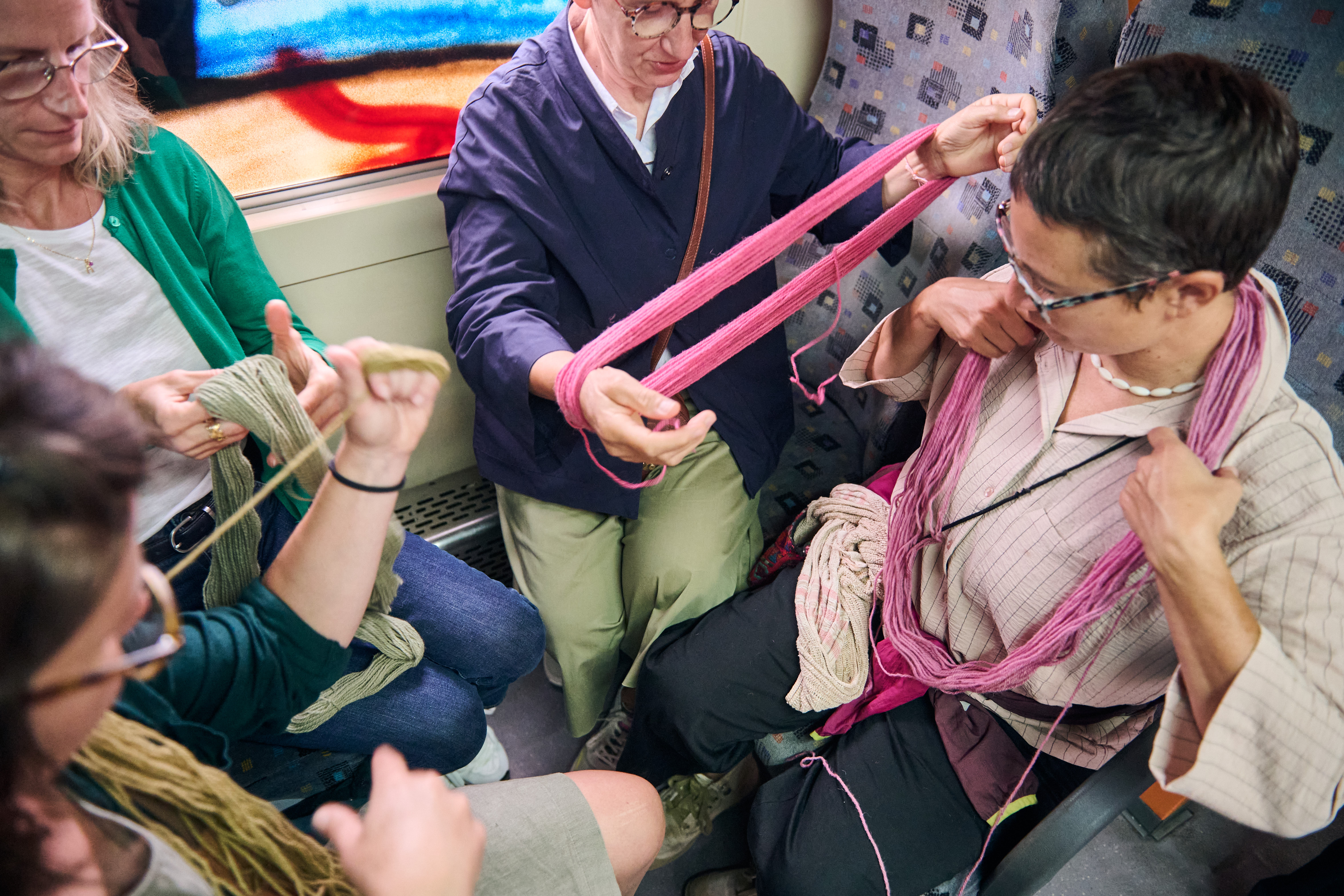
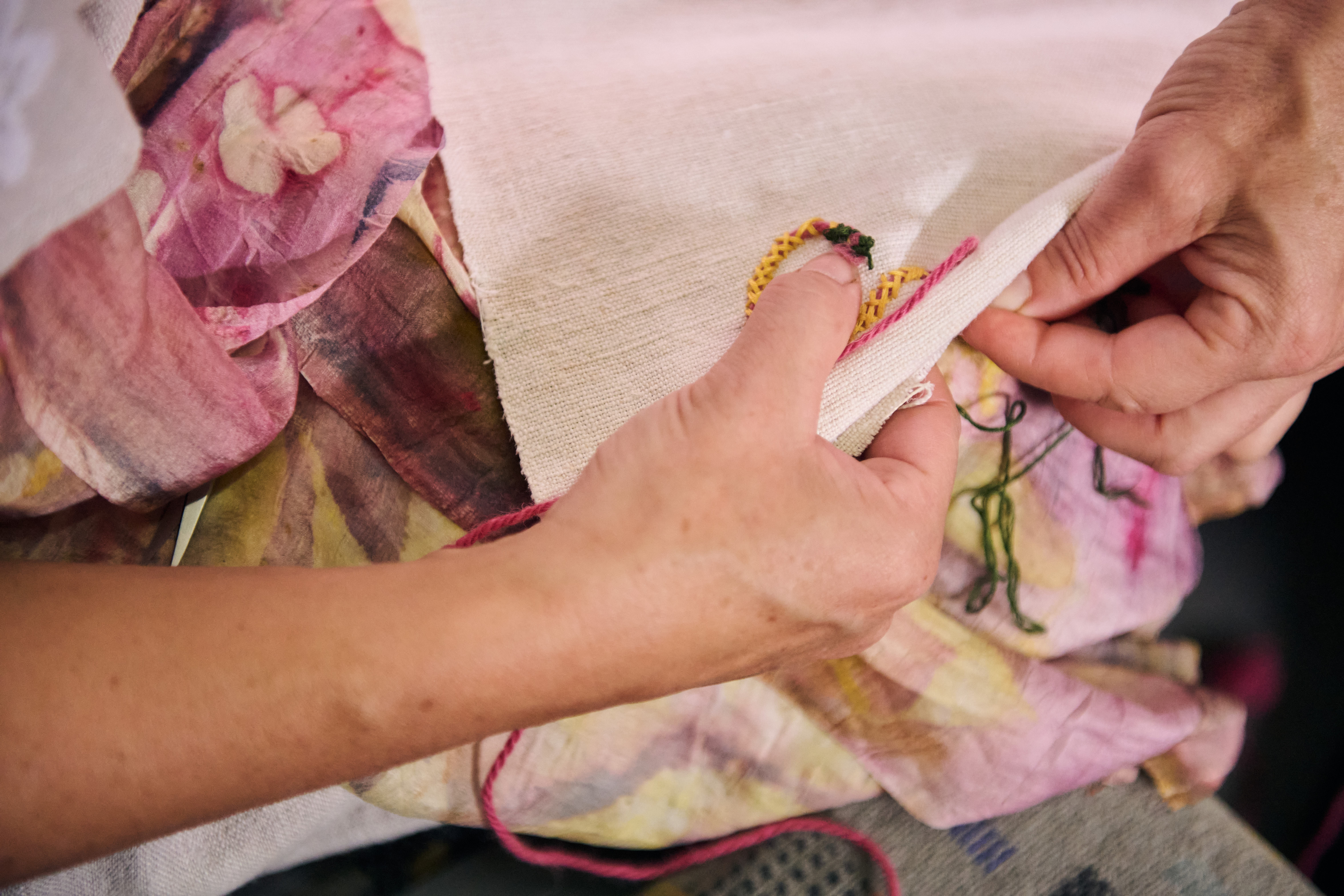
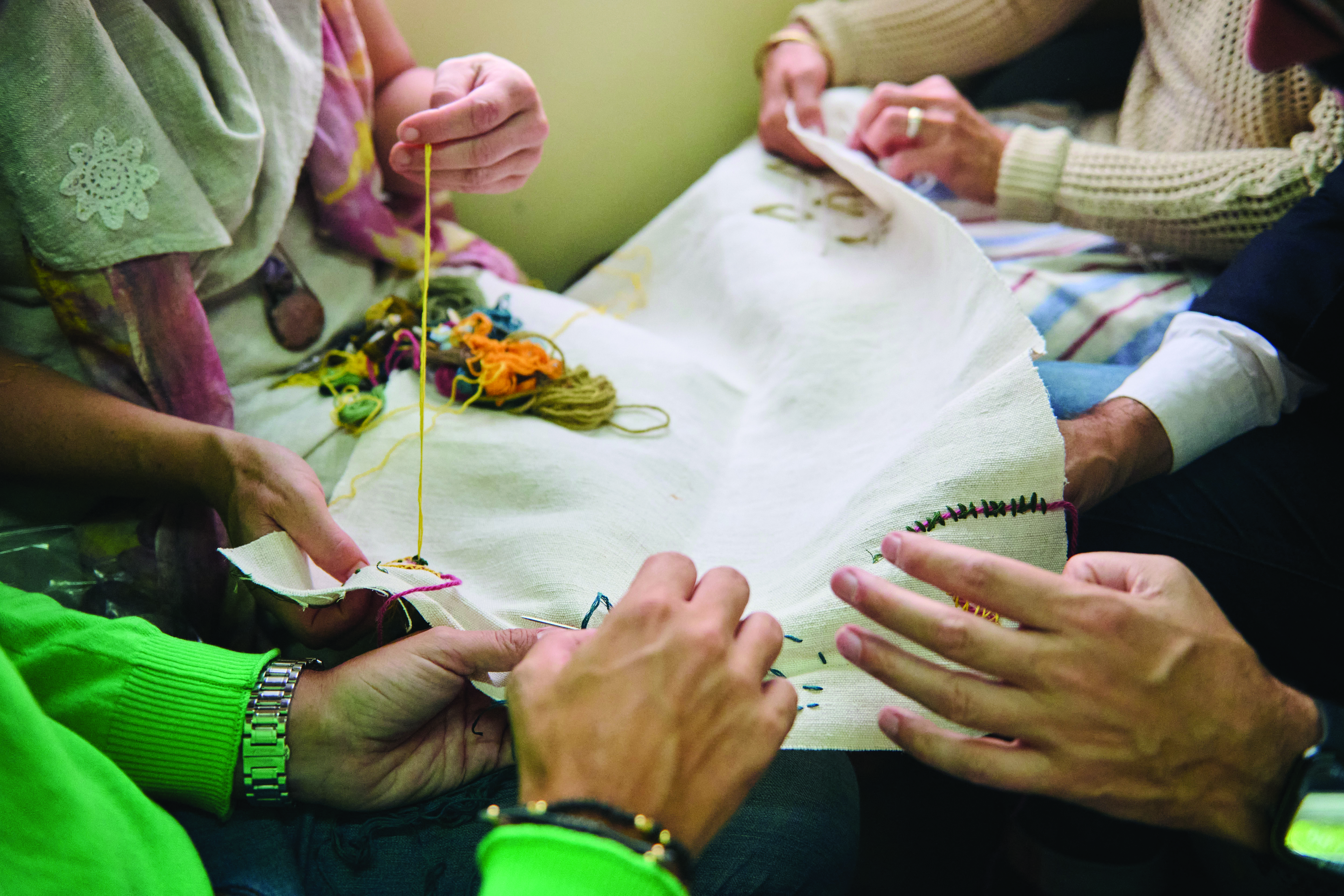
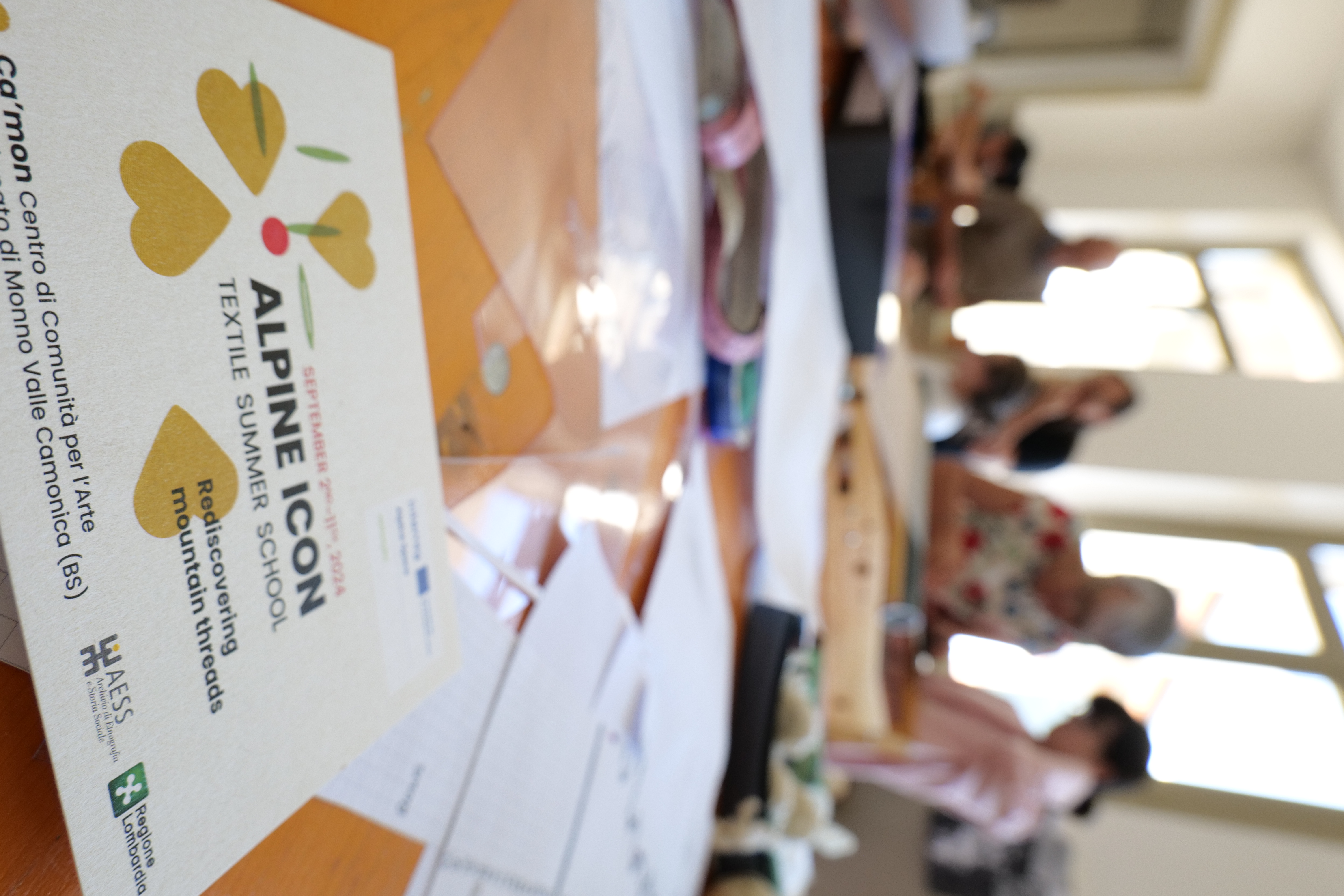
Central to this process were Textile (Summer) Schools and workshops, which enabled participants to work directly with wool, craftspeople, landscapes, and traditional techniques while developing new applications through contemporary design. These formats fostered knowledge exchange across different contexts, generations, and disciplines, fostering locally-rooted innovation.
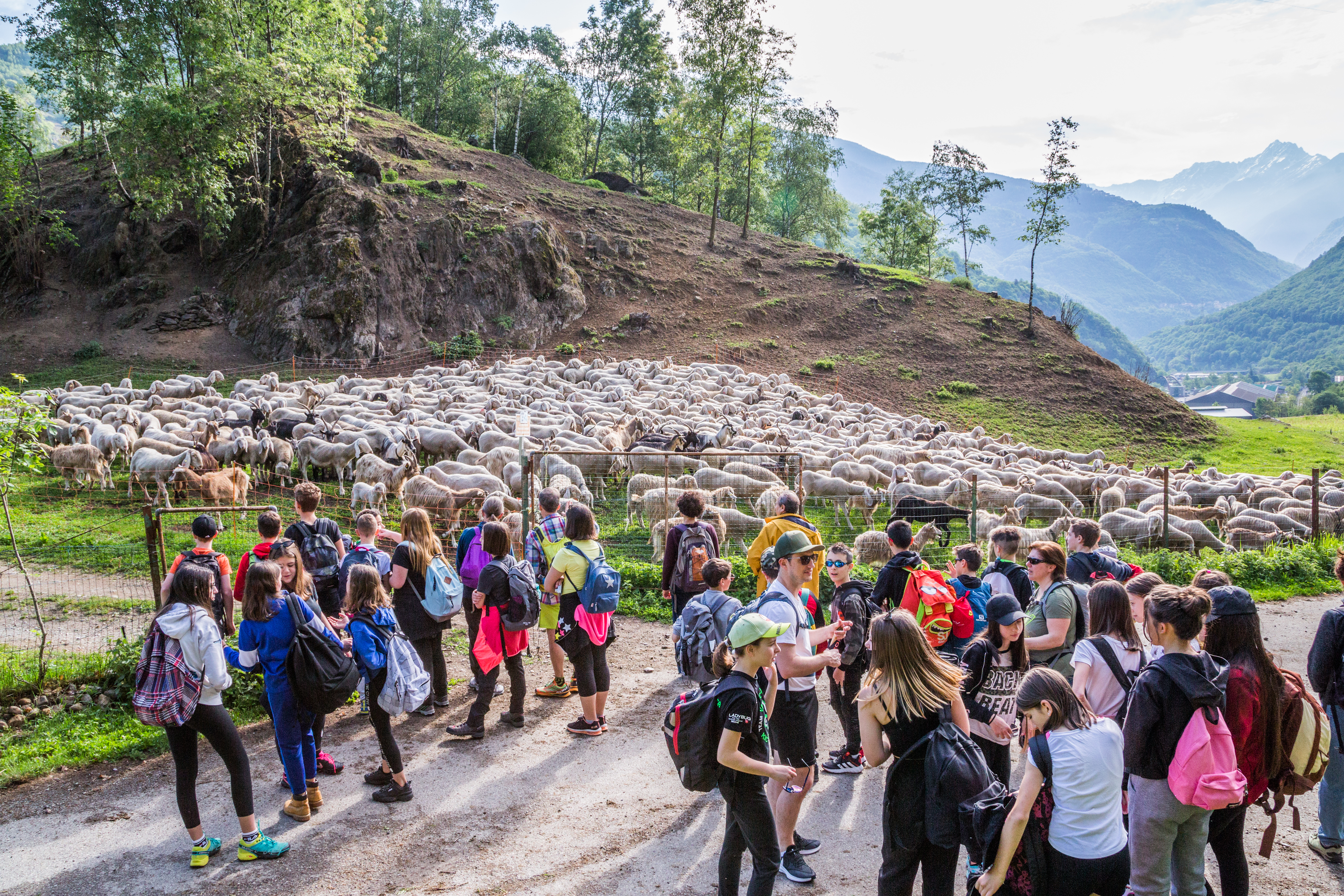
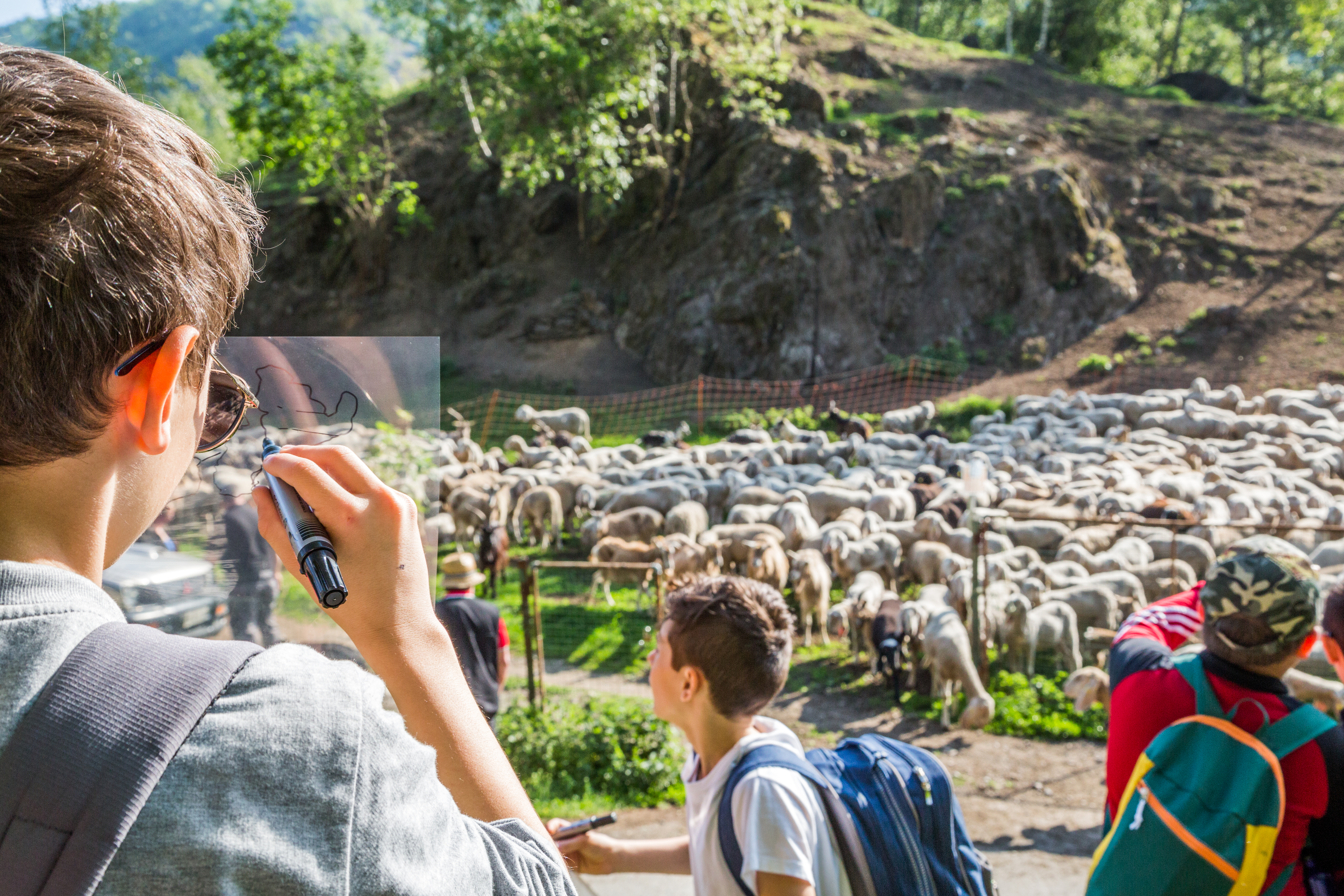
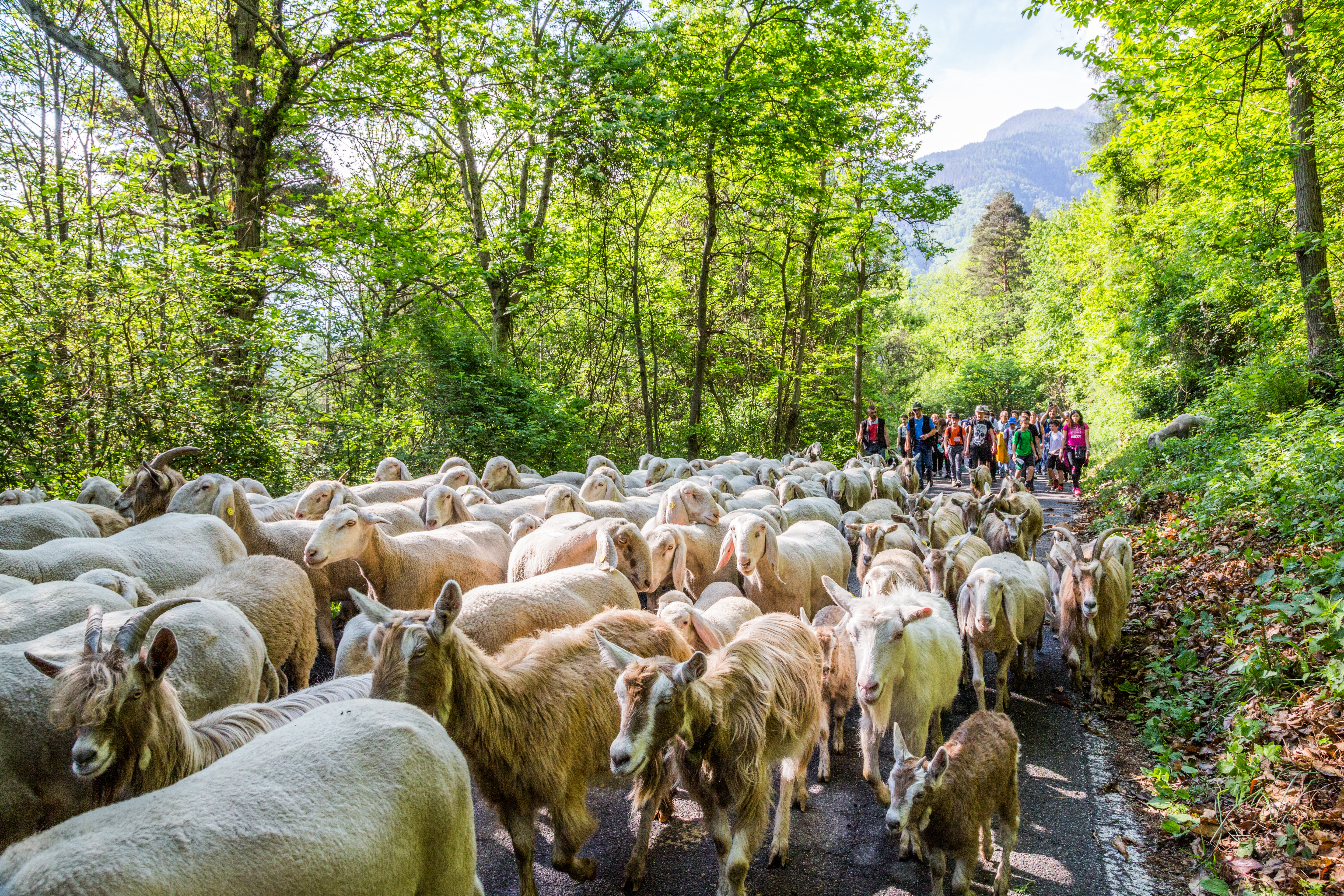
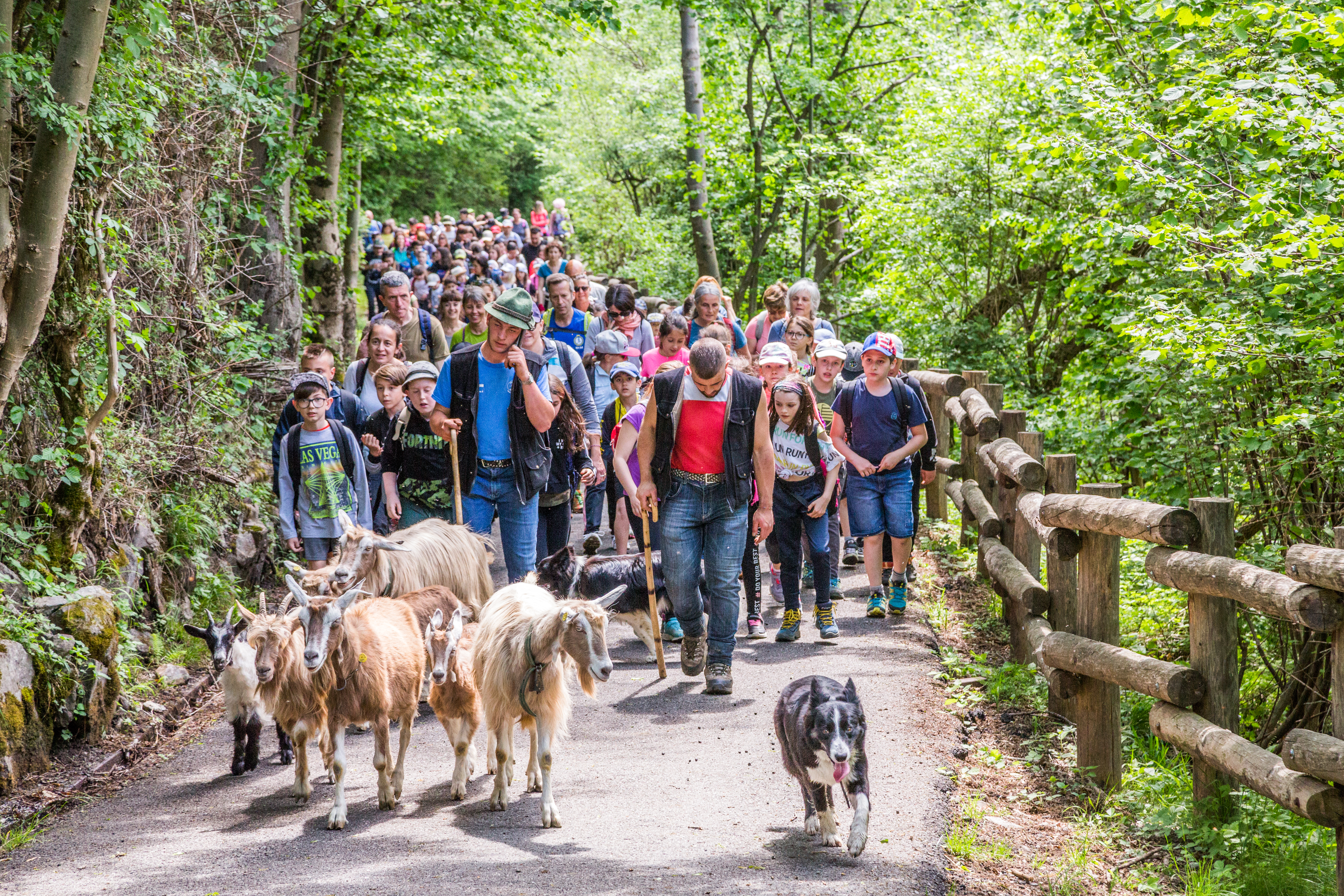
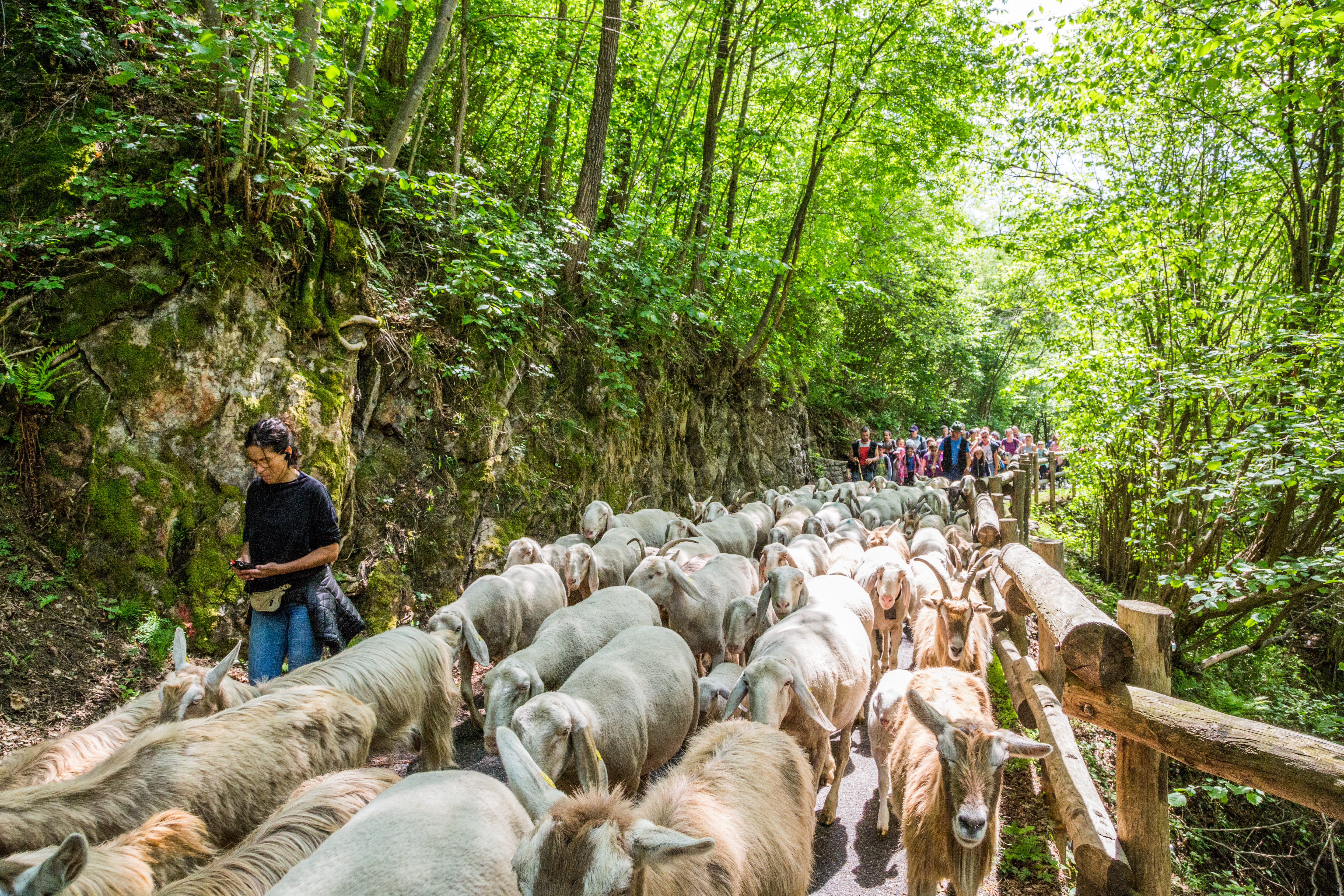
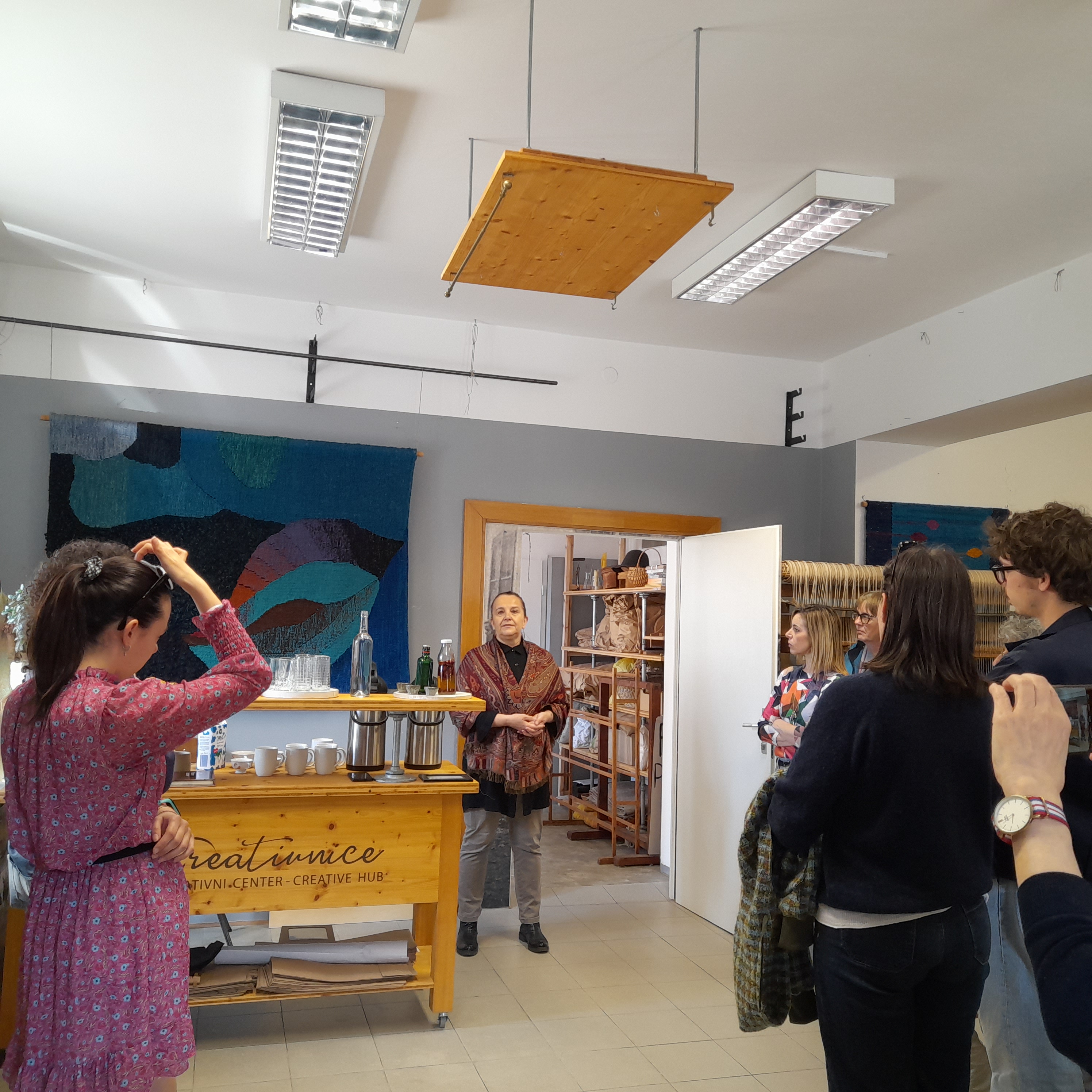
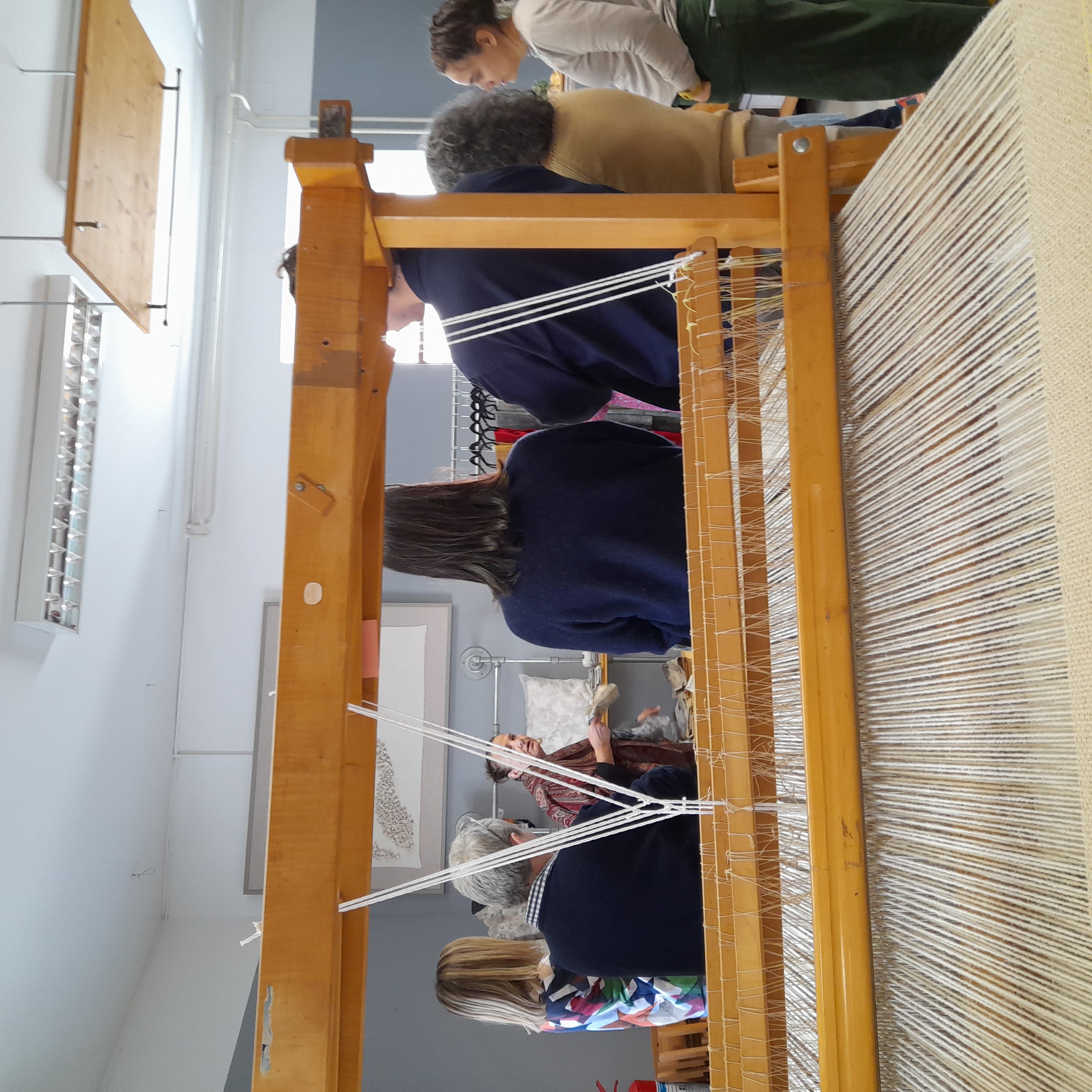
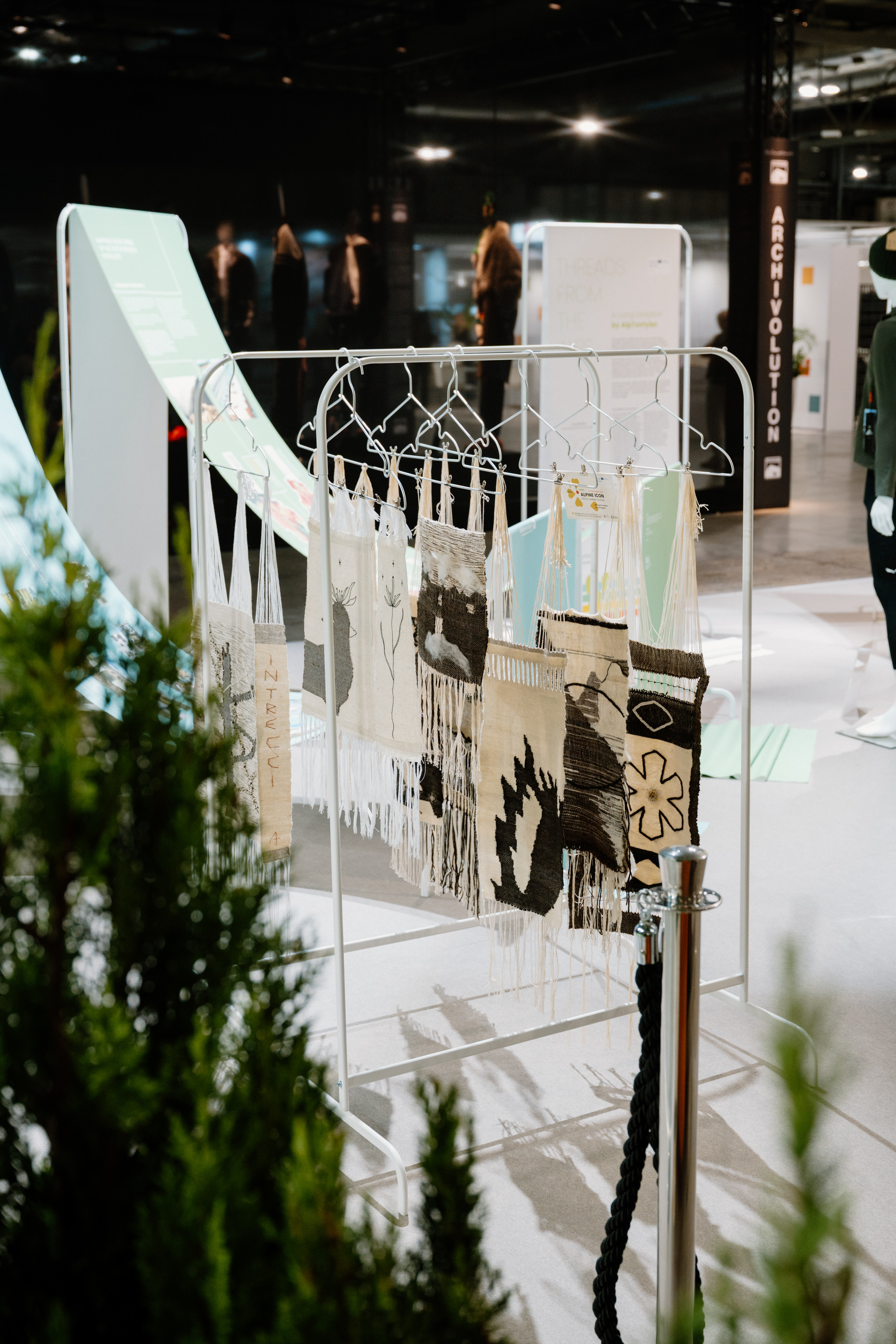
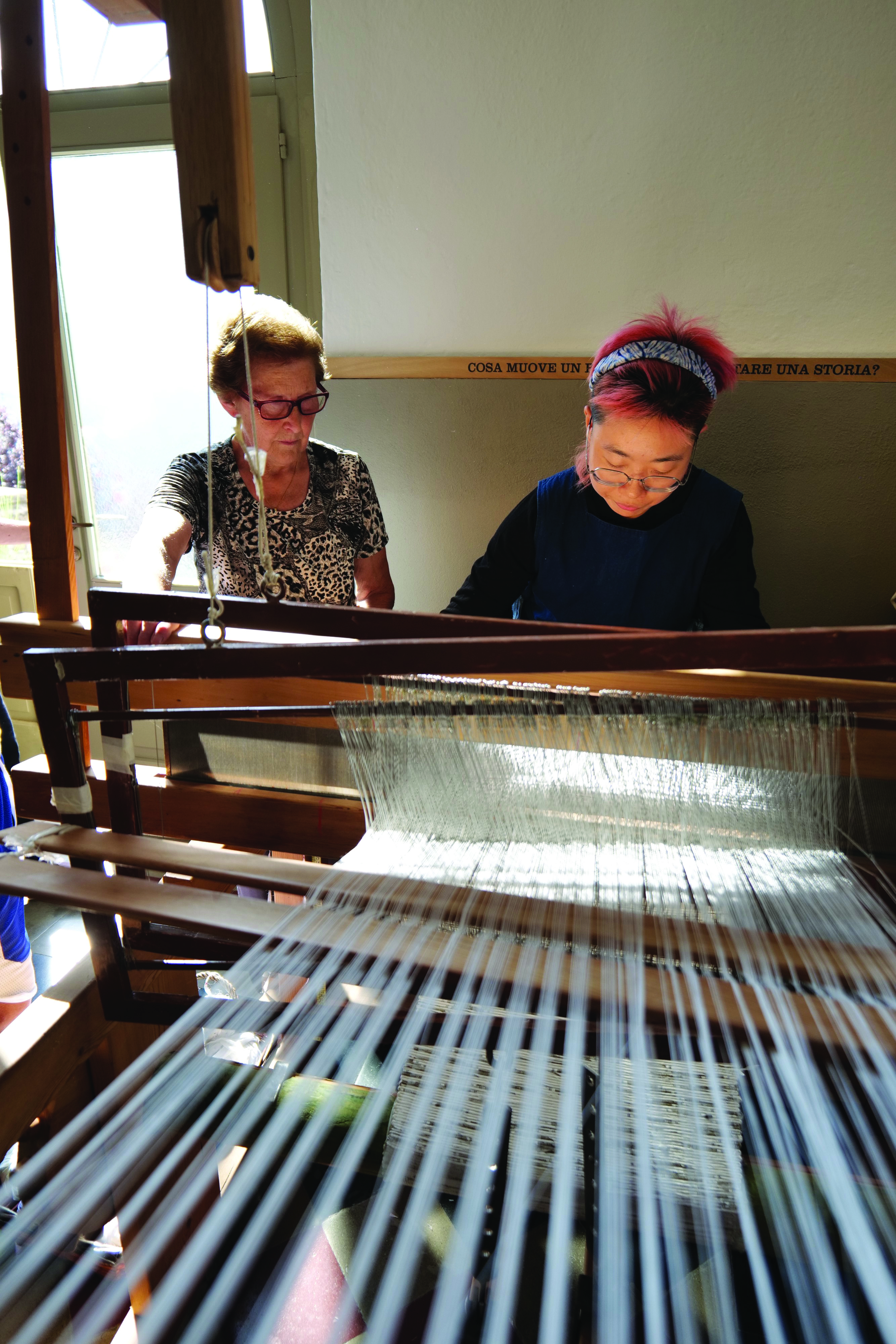
Key moments include community-based events such as the Cultural Transhumance in Valcamonica (IT) and Community Festival in Slovenia, reconnecting wool production with landscape; exchanges in Škofja Loka linking textile traditions; and the development of a shared textile in a Swiss hand-weaving workshop (one of the last of its kind) integrating materials and knowledge from multiple regions. Community archives and storytelling initiatives further grounded the project in local contexts.
By linking local initiatives with transnational exchange, AlpTextyles created a dynamic feedback loop between territories. It shows how shared challenges can be addressed collectively across borders within a common cultural and ecological region.
Circular economy (local wool)
Community co-creation
Cultural heritage revitalization
Transdisciplinary collaboration
Place-based innovation (Alpine regions)
AlpTextyles addresses environmental challenges by transforming locally available wool —often treated as waste— into a renewable resource within circular systems. In many Alpine regions, raw wool has lost its economic value despite its ecological potential. The project reactivates this material by reintegrating it into local production cycles, reducing waste and promoting the circular use of natural resources.
By connecting farmers, artisans, designers, and SMEs, the project supports short regional value chains that minimize transport and reduce reliance on industrial processing. Outputs such as locally produced textiles, natural dyeing processes, and the cross-border fabric demonstrate low-impact production in practice.
It also supports sustainable land management by encouraging the continuation of sheep grazing, which plays a key role in maintaining Alpine landscapes and biodiversity. The use of wool from indigenous breeds further strengthens the link between environmental sustainability and cultural heritage.
Beyond production, the project provides practical tools—such as policy recommendations and SME guidelines—to enable the replication and scaling of circular practices across regions. By transforming wool from a discarded by-product into a valuable resource, AlpTextyles demonstrates a shift from linear to circular systems. Its approach shows how local materials, traditional knowledge, and contemporary design can be combined to create low-impact, scalable solutions for sustainable textile production.
AlpTextyles enhances the quality of everyday life by reconnecting people with the sensory, cultural, and material dimensions of their environment through wool. By transforming local wool into contemporary textile products, installations, and shared experiences, the project brings beauty back into daily practices while highlighting the unique identity of Alpine regions.
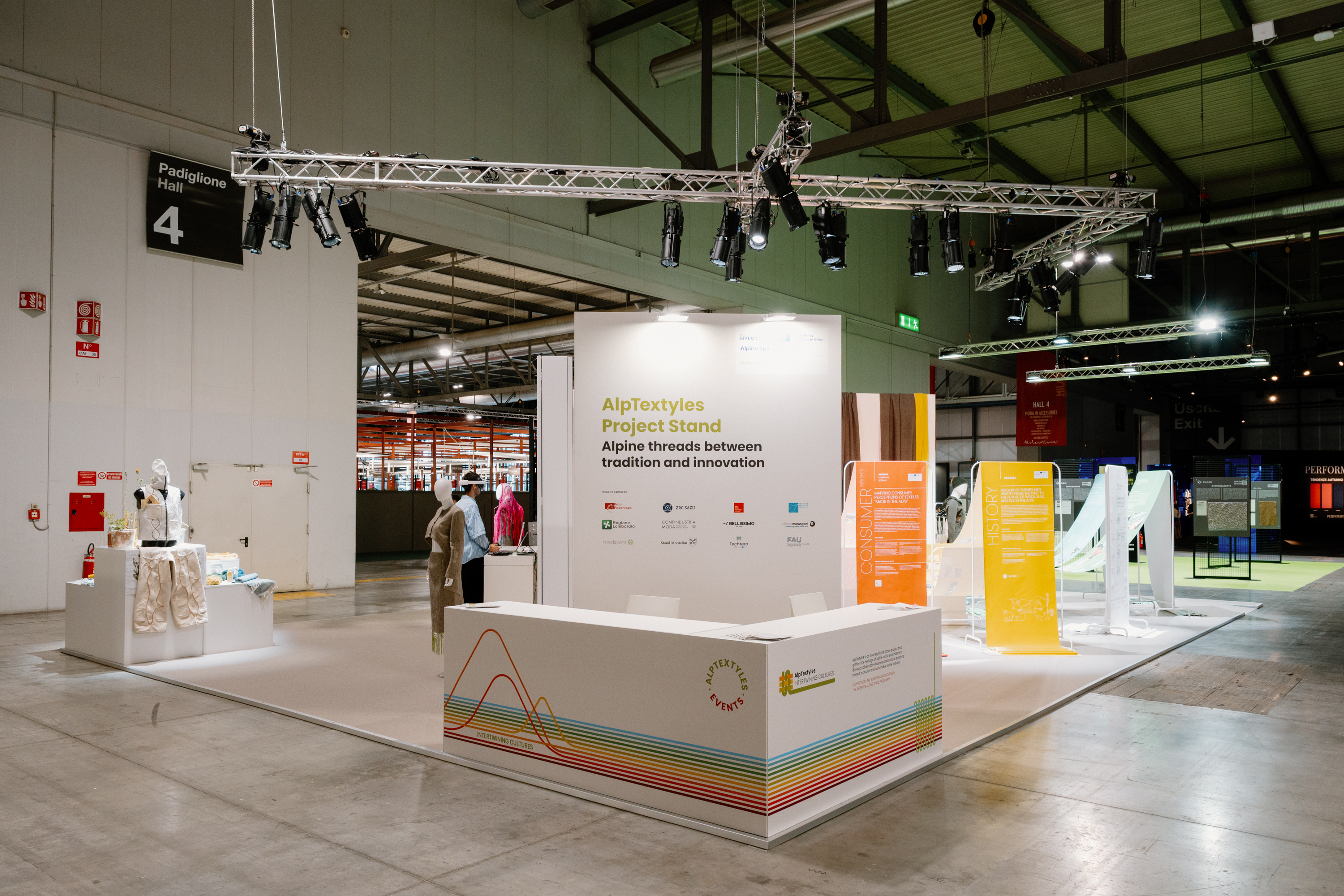
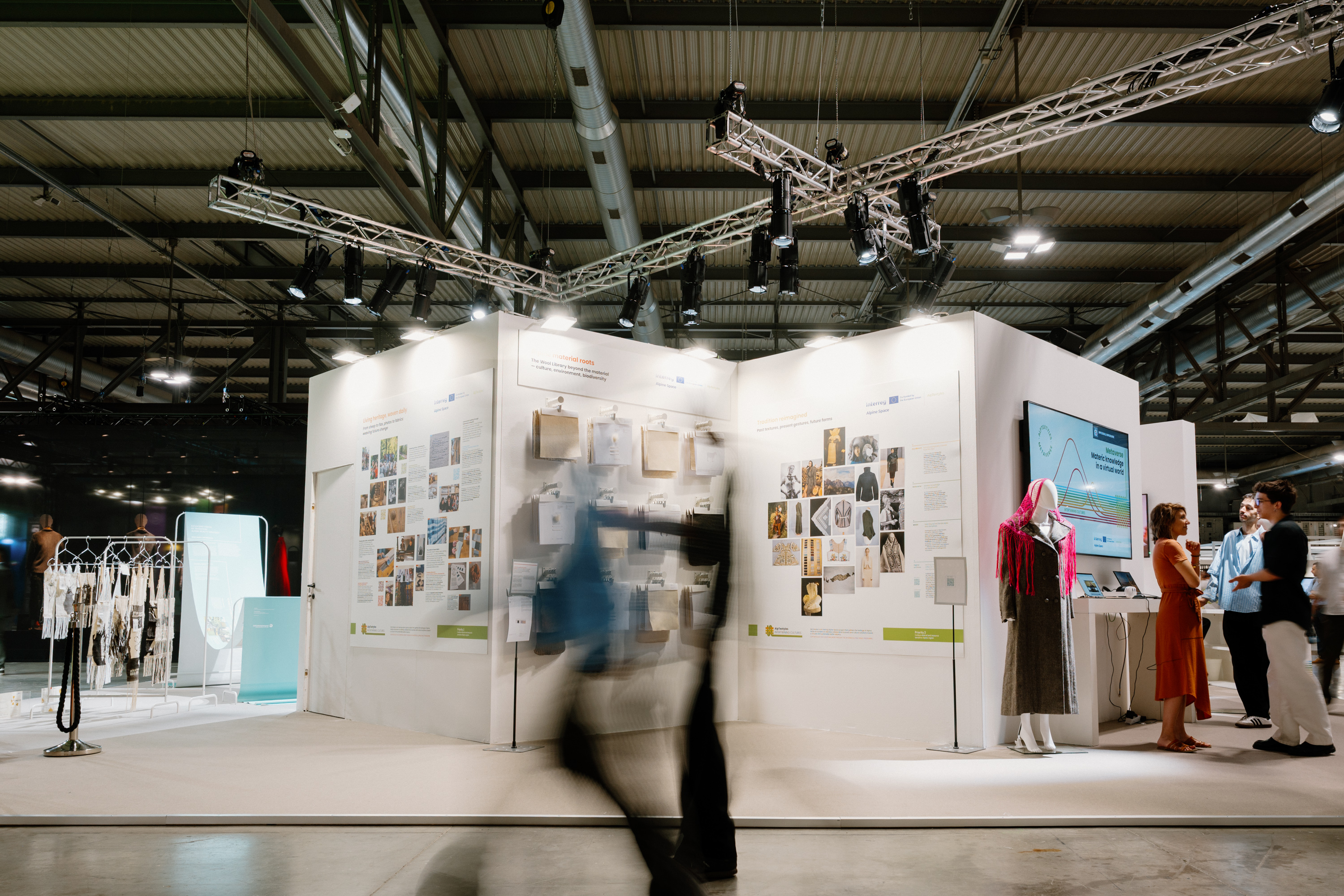
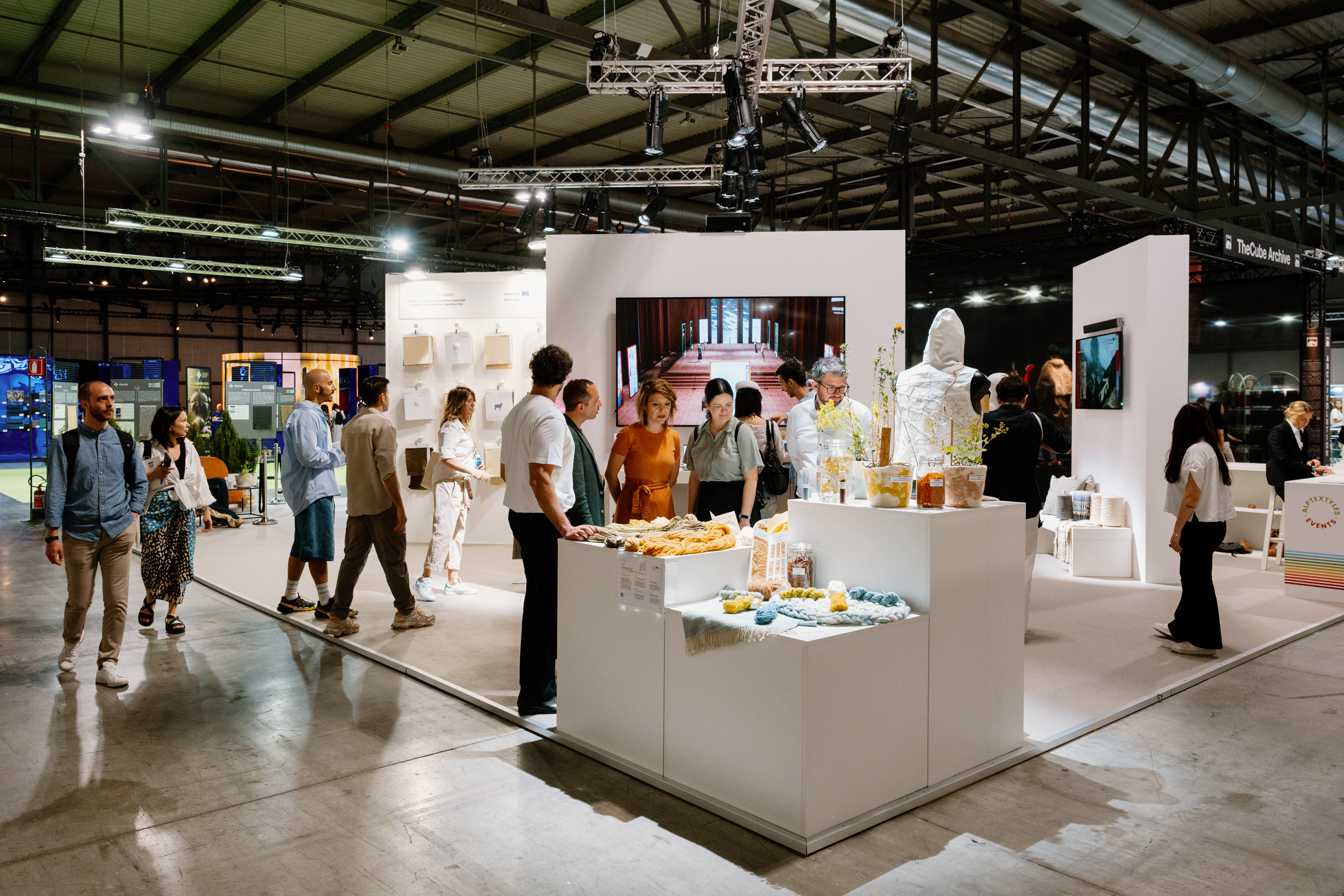
The project builds on dedicated research into Alpine aesthetics, exploring how local materials, landscapes, and cultural practices shape a distinct visual and material language. This knowledge is translated into contemporary design through collaboration with emerging designers, who develop innovative textile pieces and capsule collections based on Alpine wool. The resulting works have received international recognition and have been presented at a dedicated project stand at Milano Unica, a relevant milestone for a European project at one of the leading textile trade fairs in the world, which further demonstrates the relevance of Alpine heritage-based aesthetics within global design contexts and today’s design landscape. Additional exhibitions in physical and digital formats extend these experiences to wider audiences. Several of these works have received international recognition and have been presented at leading platforms such as Milano Unica, demonstrating the
Through Textile (Summer) Schools, workshops, and public events, participants engage directly with materials, landscapes, and traditional skills. These hands-on and collective experiences foster a deeper emotional connection to place, encouraging care, pride, and a renewed sense of belonging. By working with locally sourced wool, the project embeds aesthetic value in the specific qualities of Alpine environments, making landscapes, traditions, and craftsmanship visible and meaningful in new ways.
As an exemplary initiative, AlpTextyles demonstrates how aesthetics can emerge from the interplay of material, place, and community.
AlpTextyles promotes inclusion by actively engaging diverse groups across the Alpine region in the co-creation of sustainable textile practices. The project connects people from five Alpine countries, fostering collaboration beyond national borders and strengthening shared sense of belonging in the region. It brings together shepherds, artisans, designers, researchers, students & local communities, creating an open and collaborative environment where different types of knowledge (practical, cultural, and scientific) are equally valued. Smaller-scale activities in Valcamonica (IT), Poschiavo (CH), and Škofja Loka (SI) have enabled communities to engage directly with materials and practices in inclusive and intergenerational ways, allowing people with different backgrounds and levels of experience to contribute. These initiatives strengthen both local communities and their connection to a wider Alpine network. The project also connects actors across the entire wool value chain; from farmers and breeders of indigenous sheep to artisans, designers, students, and local communities. A key example is the collaborative development of a shared fabric produced in a local hand-weaving workshop in Switzerland, one of the last of its kind. This process brought together materials, skills, and knowledge from different regions, demonstrating how resources and expertise can be combined across borders. The project also fosters intergenerational knowledge transfer by creating spaces where traditional skills and contemporary design practices meet. Collaboration with educational institutions supports the involvement of young designers, encouraging them to work with local materials and engage with heritage-based knowledge. By promoting co-design and shared ownership, AlpTextyles enables participants to contribute to outcomes and future directions. It demonstrates how inclusive, community-driven approaches can create new social models based on mutual collaboration, learning&responsibility
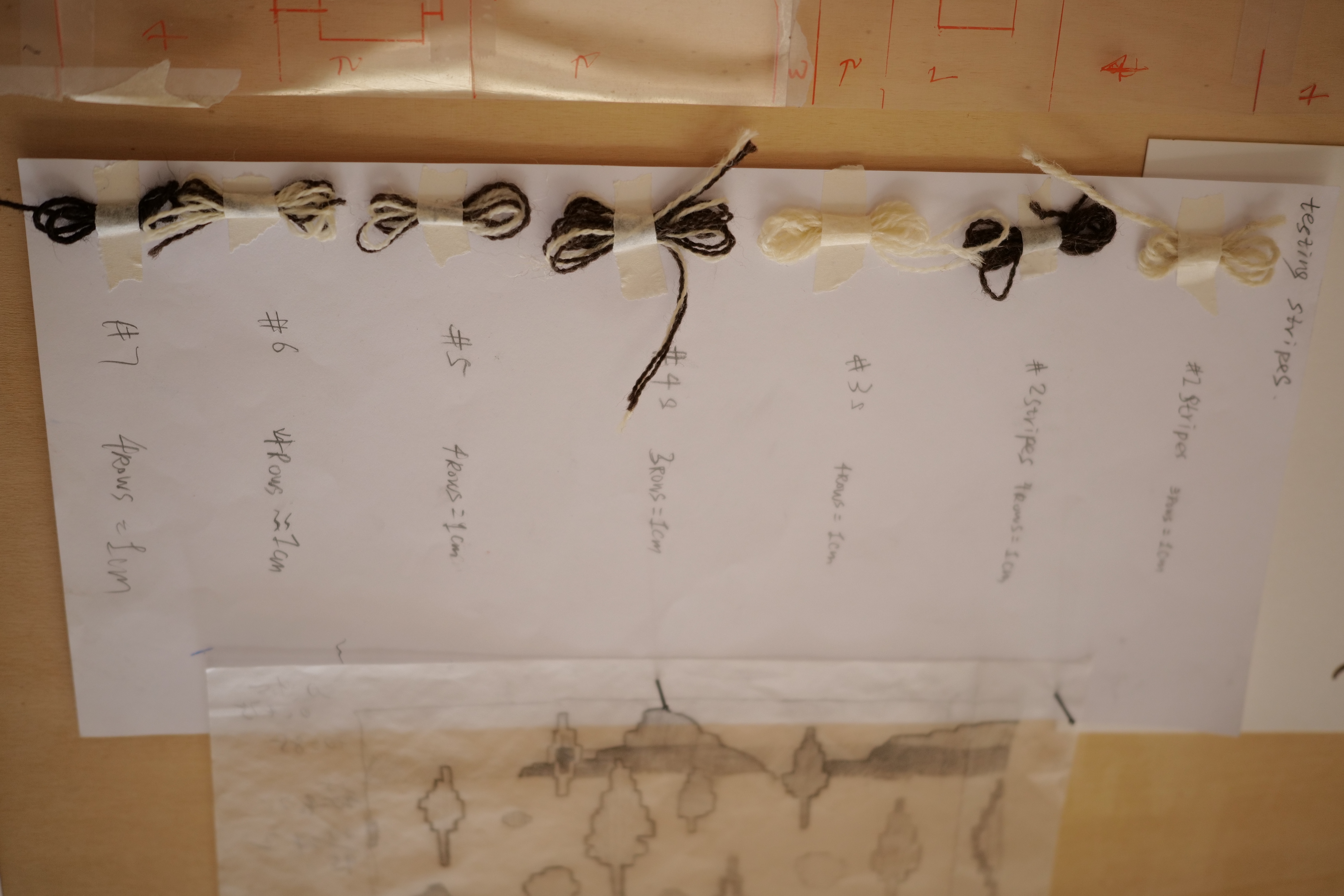
Participation is central to AlpTextyles and directly shapes its outcomes, positioning communities as active contributors to experimentation, design, and knowledge production. Through hands-on formats such as Textile Summer Schools and workshops, participants worked directly with wool — testing techniques, exploring material possibilities, and co-developing applications.
Rather than following predefined solutions, the project evolved through iterative, practice-based processes. Participants continuously tested, adapted, and refined ideas based on local knowledge, skills, and environmental conditions. This created strong feedback loops between making and design, ensuring that outcomes are context-sensitive and grounded in real needs.
Communities contributed not only technical expertise, but also materials (extending the initial focus on wool to hemp and linen), cultural practices, and stories. Initiatives such as community calls, archives, and Cultural Transhumance embedded lived experience into the project, linking contemporary design with intangible heritage.
Tangible results emerged from these participatory processes. A key example is the cross-border fabric hand-woven in Switzerland, which integrates contributions from multiple wool from native Austrian and Italian breeds into a shared material outcome. Similarly, collaborative workshops —such as hand-weaving initiatives in Valcamonica (IT) and Slovenia — demonstrate how distributed knowledge can be combined into cohesive, high-quality results.
Beyond individual activities, AlpTextyles has fostered a lasting community of practice that continues to collaborate and exchange knowledge across regions, creating open source communication and archival materials available on YouTube and the project’s website. By embedding participation into both process and production, the project demonstrates how co-creation can drive sustainable innovation while strengthening cultural connections and collective ownership.
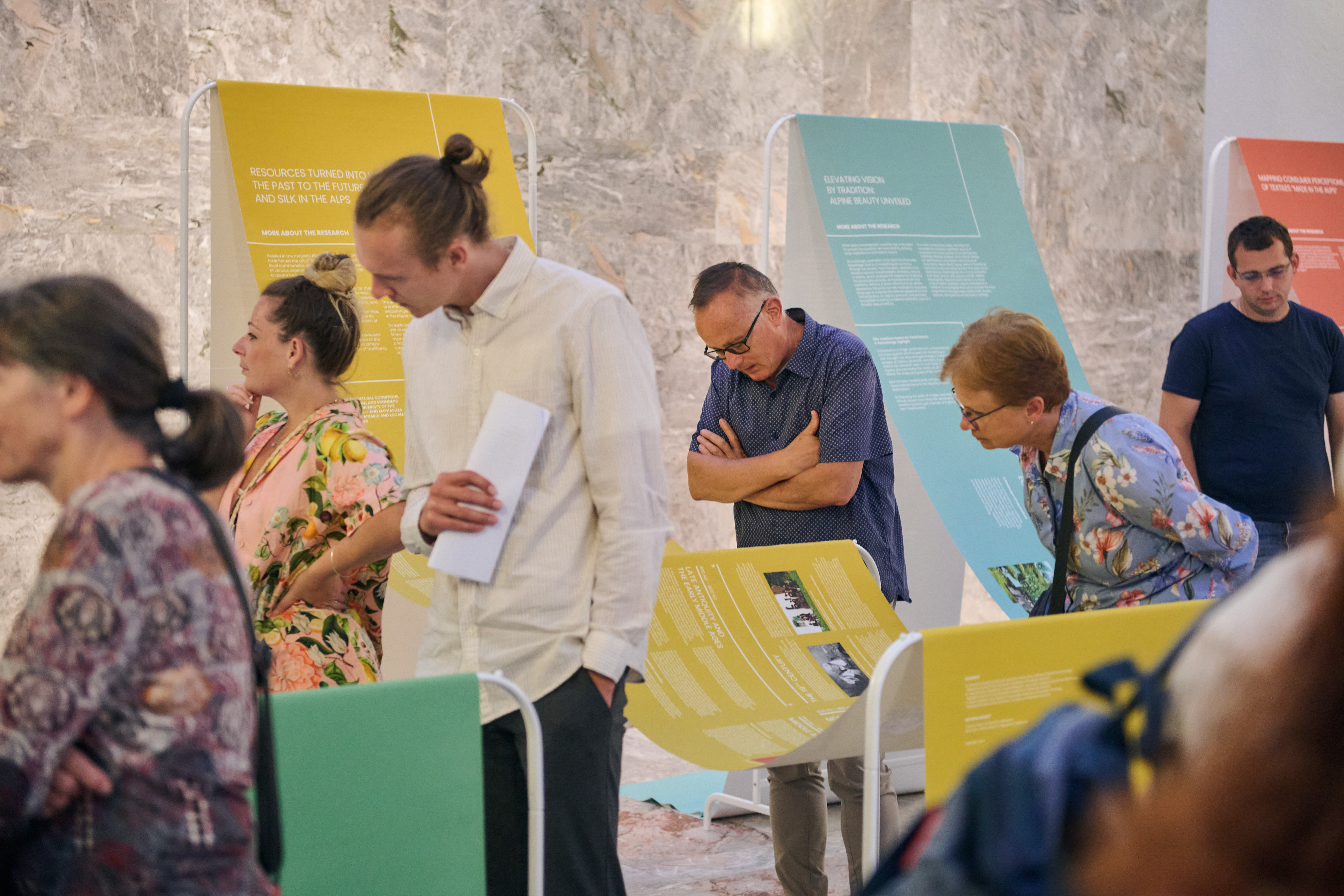
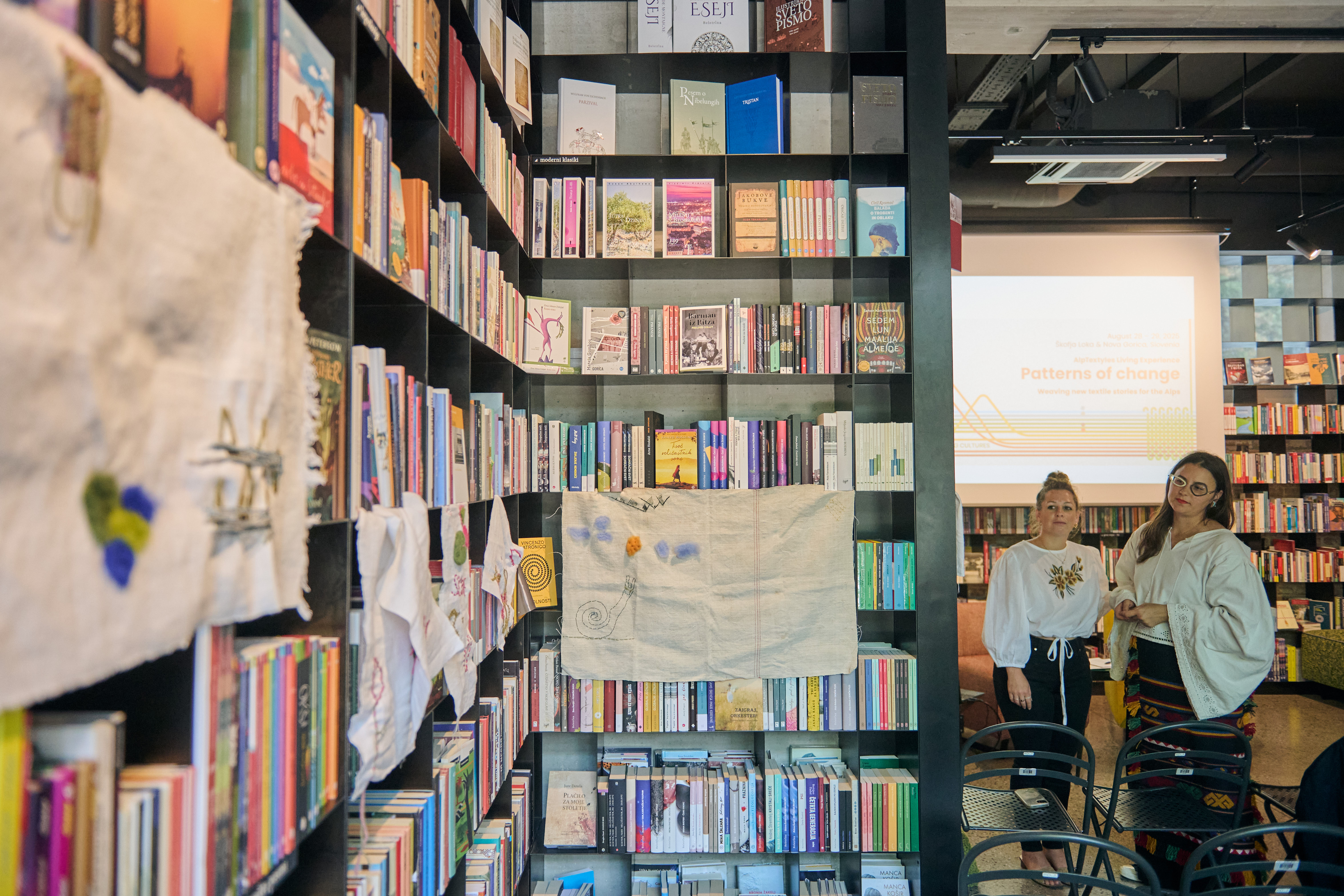
AlpTextyles links local action to regional, national, and transnational frameworks across the Alpine region. Locally, it engages communities with materials and place-based practices, including a 2-day festival in Škofja Loka (SI) that explores Alpine textile narratives through exhibitions, talks, creative workshops, and dialogue between tradition and contemporary design and a 3-day festival in Monno (IT) with each day dedicated to a key aspect of Alpine culture: education, dialogue, and community participation.
At the cross-border level, the project facilitates collaboration between partners from 5 Alpine countries, enabling the exchange of knowledge and practices within a shared cultural and ecological region. This approach demonstrates how solutions can emerge across borders rather than remaining confined to national contexts.
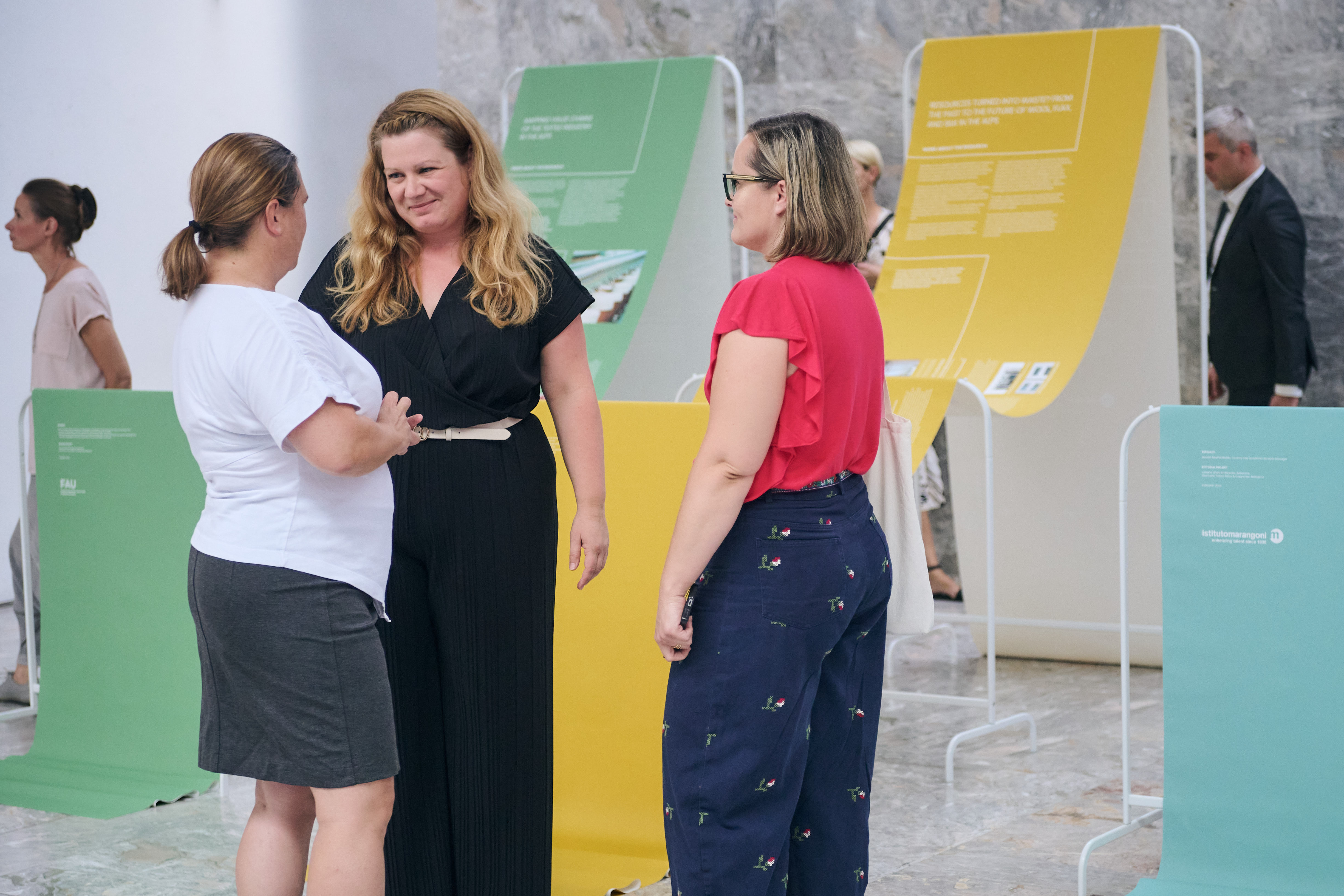
At the institutional level, cooperation between research organizations, cultural institutions, and networks supports coordination, dissemination, and integration into broader European frameworks. Besides conferences and seminars at Region Aura (France) and Confindustria Moda (Italy), one key moment was a Research Day, with representatives from EU institutions (DG Department of Growth of the European Commission, EURATEX – European Textile and Apparel Confederation), international organizations (WIPO – World Intellectual Property Organization, IWTO — International Wool Textile Organization), and cultural associations (European Fashion Heritage Association, Musée des Tissus et des Arts Décoratifs).
The added value of this multi-level engagement lies in the continuous exchange between levels: local experimentation informs regional collaboration, while transnational knowledge feeds back into local applications. This dynamic enables both scalability and contextual relevance.
AlpTextyles integrates knowledge from design, crafts, environmental sciences, cultural heritage studies, social sciences, and education through a material-driven approach centred on wool.
Design and artistic practices translate local materials into contemporary applications, while environmental perspectives guide sustainable resource use. Craft knowledge —spinning, felting, weaving— is combined with academic research and design experimentation to generate innovation rooted in tradition.
Educational initiatives play a key role in connecting these fields. Collaboration with institutions such as the Faculty of Design in Ljubljana (SI), Istituto Marangoni in Milan (IT), and the University of Vienna (AT) has enabled the integration of project methodologies into curricula, ensuring long-term knowledge transfer and AlpTextyles-based collaborative garments and objects collections.
Physical platforms such as Textile (Summer) Schools bring together diverse disciplines in practice-based settings, where participants learn, experiment, and co-create across fields. Digital spaces further provide an ideal meeting ground for learning, including a MOOC - Massive Online Open Course created by project partners and covering disciplines from history to marketing, and a dedicated Metaverse space, collecting pieces from AlpTextyles’ digitized archives and the new garments realized by Istituto Marangoni thanks to the project.
AlpTextyles is a hybrid project that combines public funding, knowledge exchange, and the development of locally rooted economic activities. Supported by European funding, it established networks, methodologies, and pilot actions across the Alpine region, laying the groundwork for sustainable innovation in textile production.
A central pillar of the project is the activation of local wool value chains. By connecting farmers, artisans, and designers, AlpTextyles fosters small-scale, place-based production, including prototypes, capsule collections, and locally produced textiles with market potential. Platforms such as Milano Unica have showcased these outputs, demonstrating their relevance in professional design markets. In regions like Valcamonica, partners are exploring locally adapted business models, showing how Alpine wool can support economically viable and sustainable activities.
Beyond direct revenue generation, AlpTextyles invests in long-term sustainability through capacity building, skills development, and knowledge infrastructure. Tools such as the Wool Library, SME guidelines, and digital resources provide ongoing access to material knowledge and support future applications. Cross-border collaboration, communities of practice, and locally embedded networks ensure that the project’s impact persists beyond the funding period.
By combining heritage, craftsmanship, and contemporary design, AlpTextyles exemplifies how cultural and material-based innovation can create resilient, locally anchored economies. It demonstrates that circular resource use, collaborative knowledge, and regional identity can generate both social and economic value, offering a replicable model for sustainable textile production across the Alpine region.
AlpTextyles presents a highly transferable model for reactivating local materials, knowledge, and communities through participatory, transdisciplinary approaches. While rooted in the Alpine context, its methodology can be adapted to regions facing underutilized resources, loss of traditional practices, and fragmented value chains.
Key elements include community-based value chain collaboration, Textile (Summer) Schools, workshops, and co-design formats that provide structured yet flexible tools for learning, experimentation, and co-creation. The project demonstrates how heritage knowledge can be integrated with contemporary design to create locally grounded, forward-looking products, services, and narratives.
AlpTextyles also offers cross-border cooperation models, linking local initiatives to transnational networks and European frameworks. This combination of local grounding and international visibility shows how place-based production can connect to wider markets, supporting resilience, innovation, and sustainable development. Outputs such as prototypes, collections, and open-access resources —including the Wool Library and digital platforms— illustrate market potential and long-term viability.
The model’s adaptability makes it replicable across materials, sectors, and geographies, providing tools for communities to engage with their own resources while fostering locally rooted, sustainable economies. By combining heritage, innovation, and networked collaboration, AlpTextyles offers a blueprint for scalable, resilient, and culturally rich production systems.