Enhancing Circularity, Sustainability, and Innovation
Kudos - Library for Material Relations
Kudos - Library for Material Relations
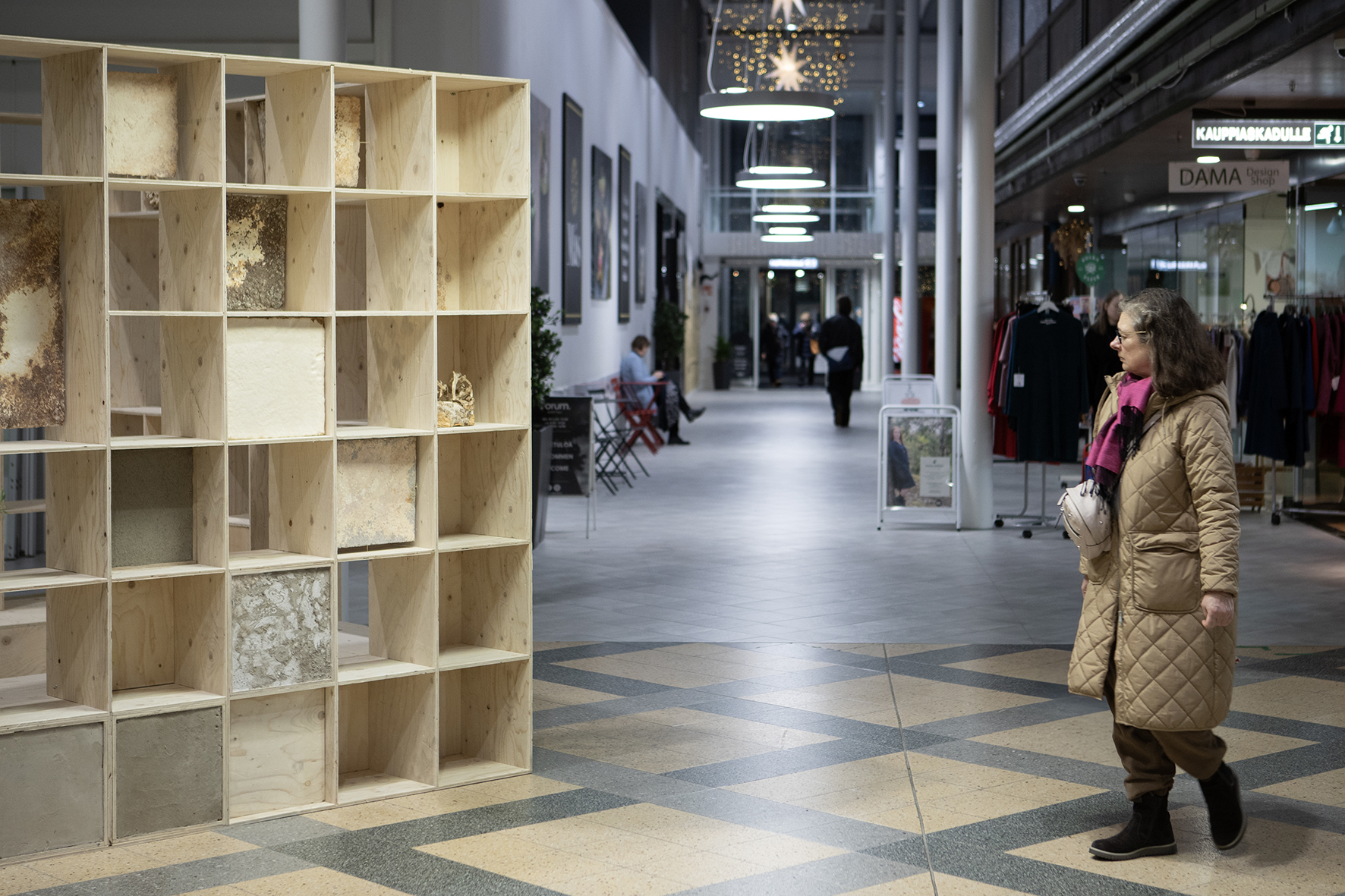
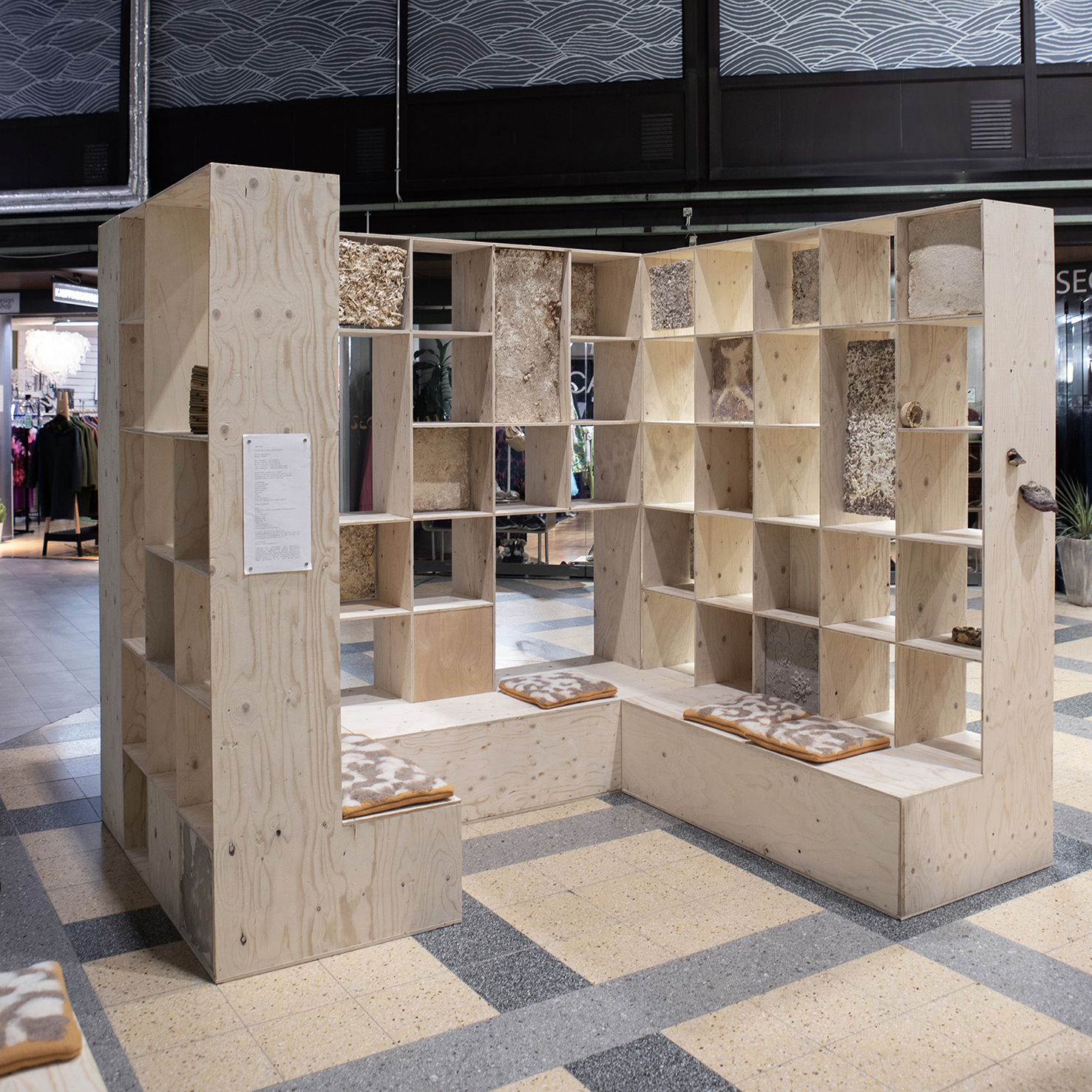
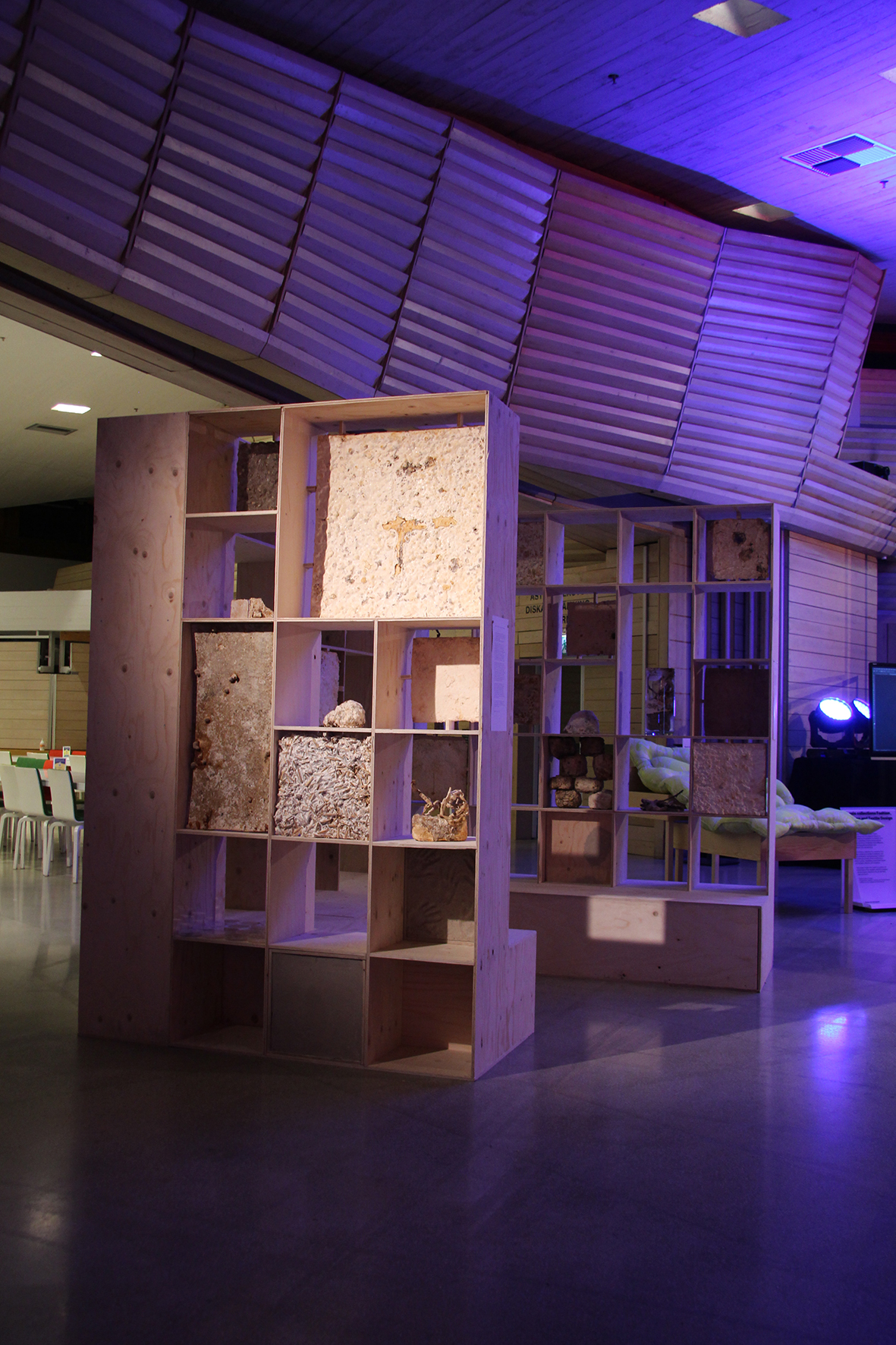
Kudos – Library for Material Relations is a travelling, demountable pavilion and workshop program rethinking architecture as relations, not objects. Built with hyper-local, circular materials—reused plywood, surplus clay, reed—and mycelium grown on regional waste, it is co-created with children, students and publics. The living “library” invites touching, making and dialogue, then returns materials to ecosystems (fungi to landscaping, clay to soil), turning eco-anxiety into agency through care.
Finland
National
It addresses urban-rural linkages
It involves a physical transformation of the built environment (hard investment)
Yes
2024-09-01
No
No
No
Organisation
Kudos – Library for Material Relations is a travelling, demountable pavilion and practice-led research project that reframes architecture as relations and processes. Built from hyper‑local, circular materials—reused plywood, surplus clays, reed from eutrophied shores, and mycelium grown on regional sidestreams—it operates as an apparatus for learning, co‑creation and unlearning harmful building habits.
Achievements:
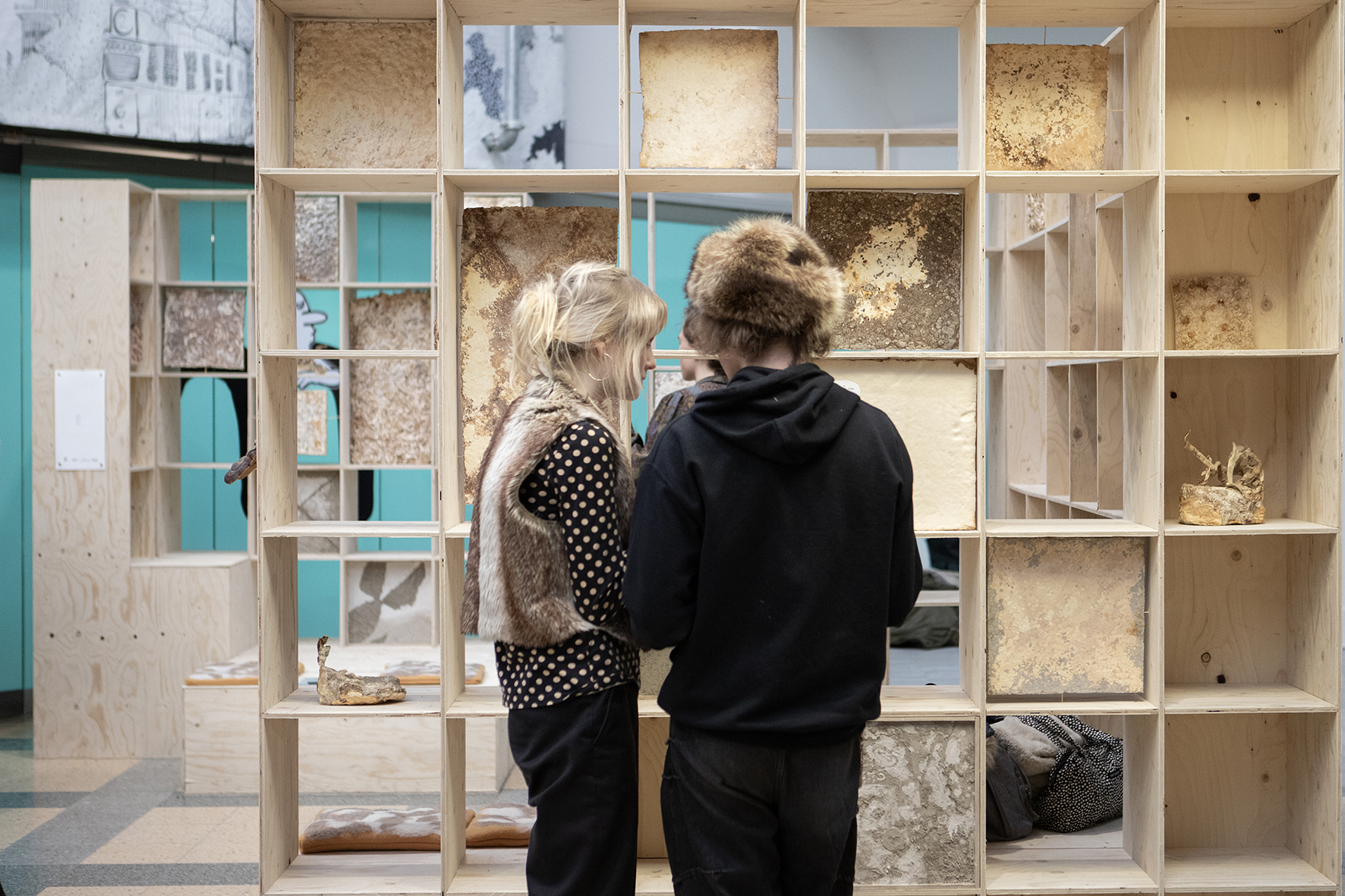
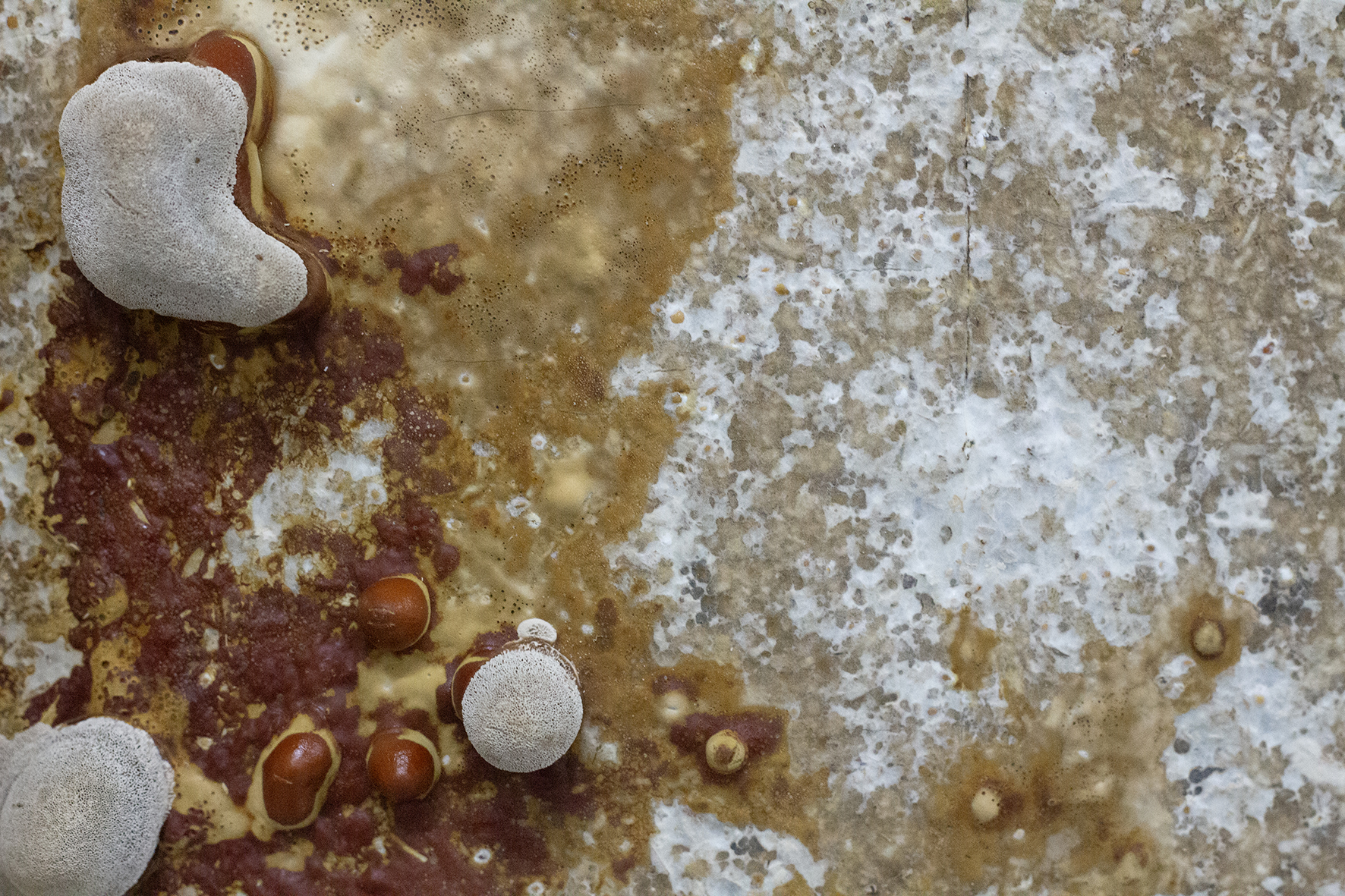
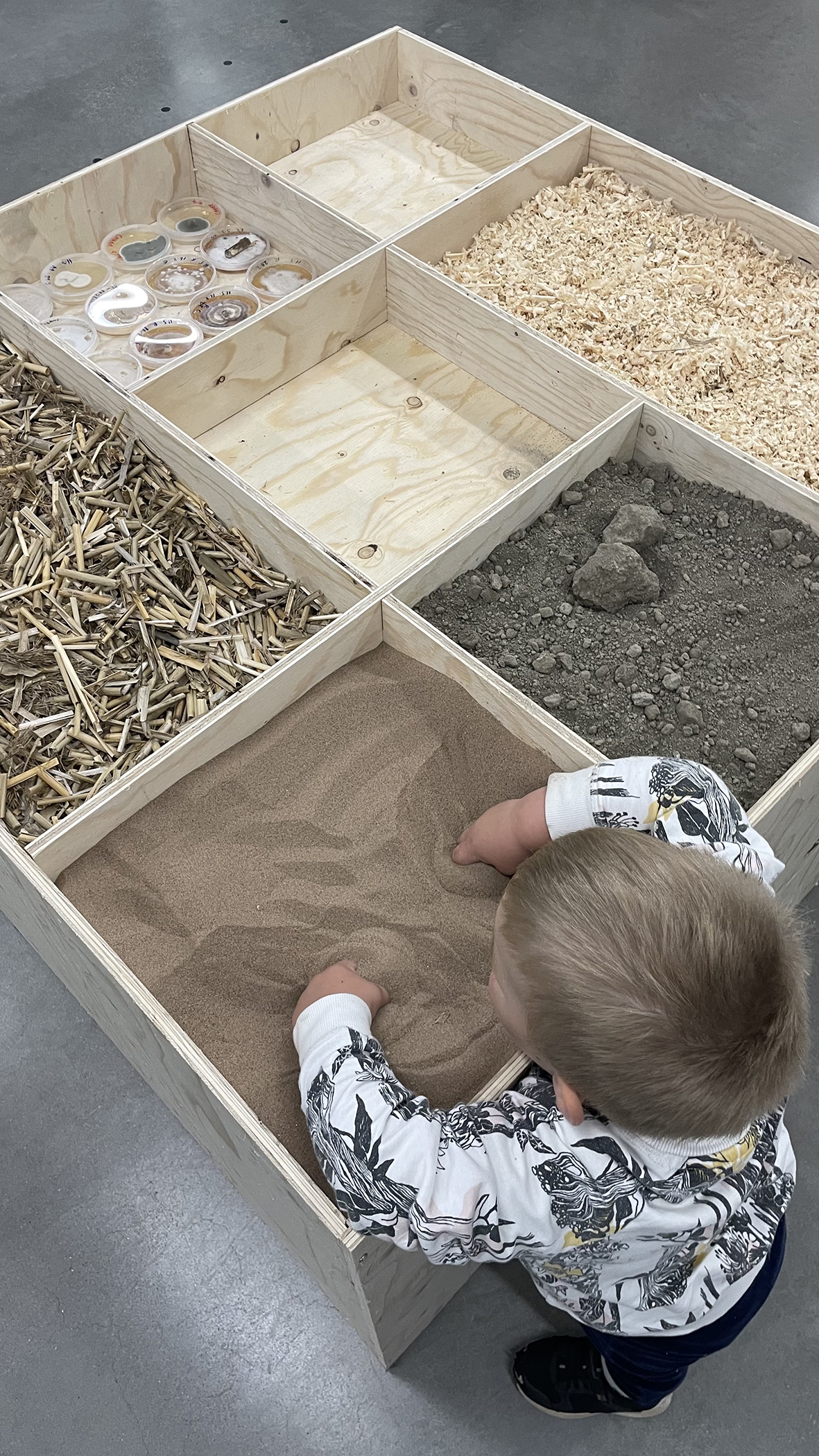
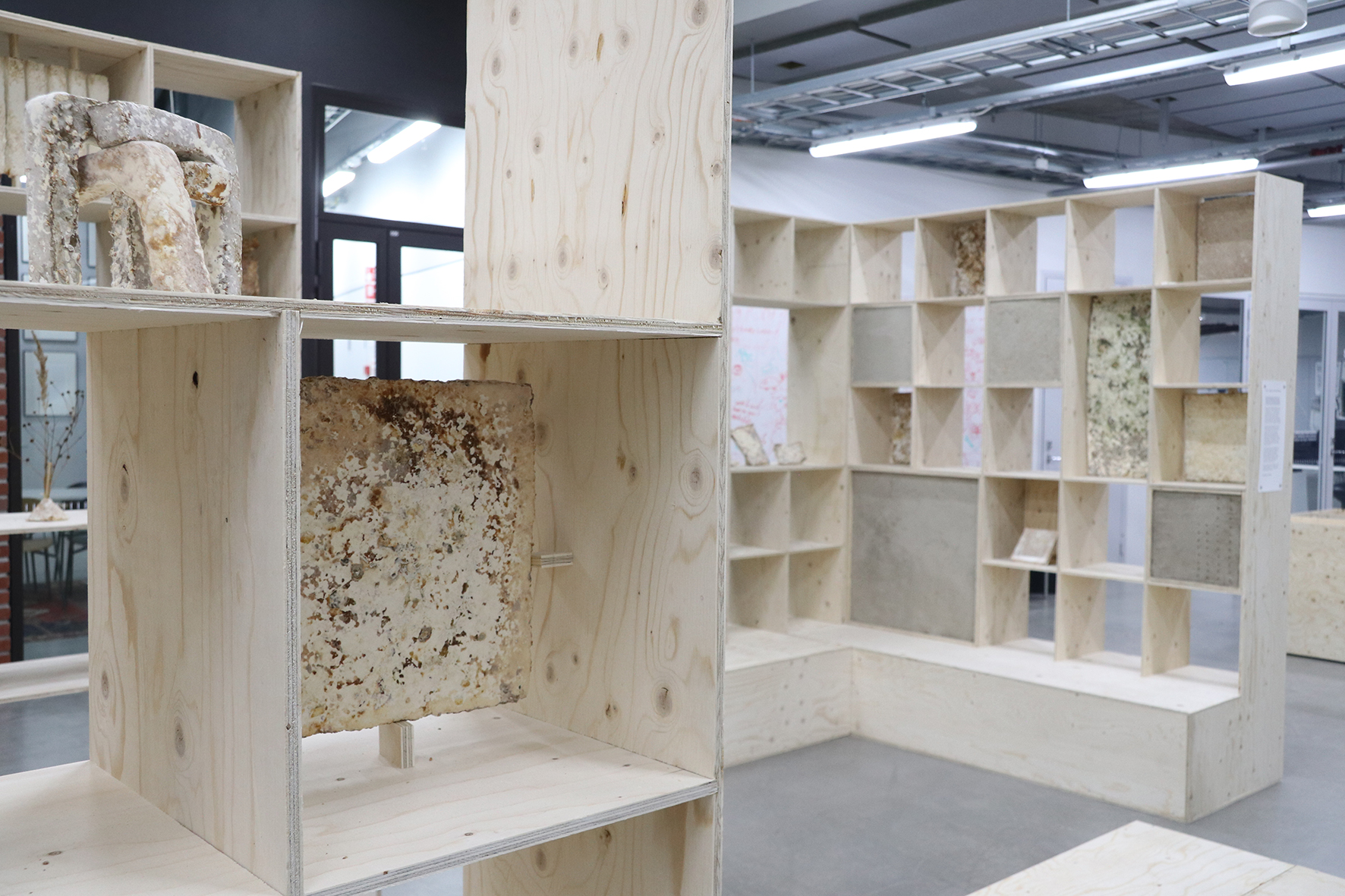
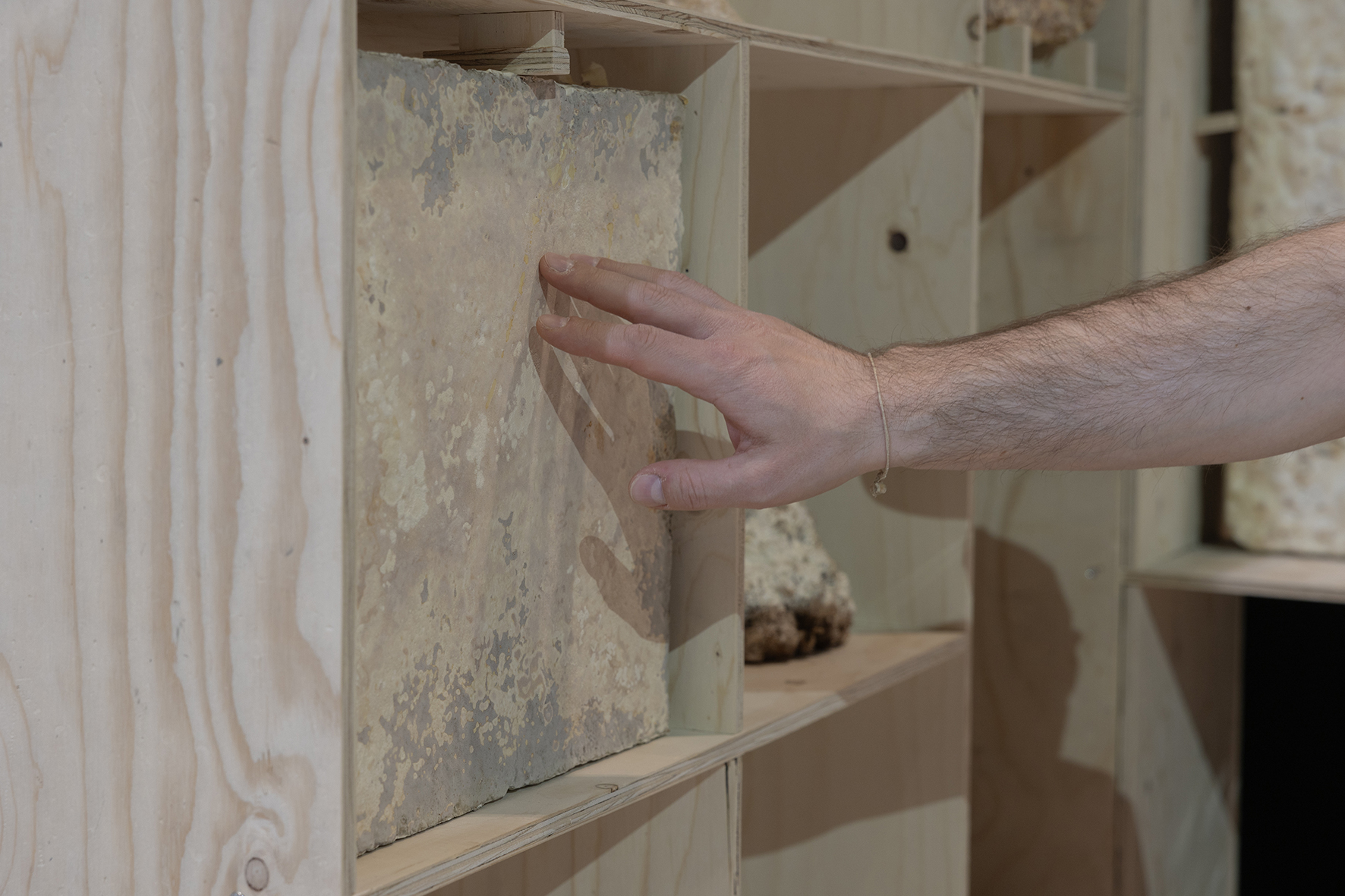
Prototyping/exhibition: A stable frame hosted an evolving “library” of fungal and clay elements that changed during display (growth, fruiting, patina), revealing material vitality.
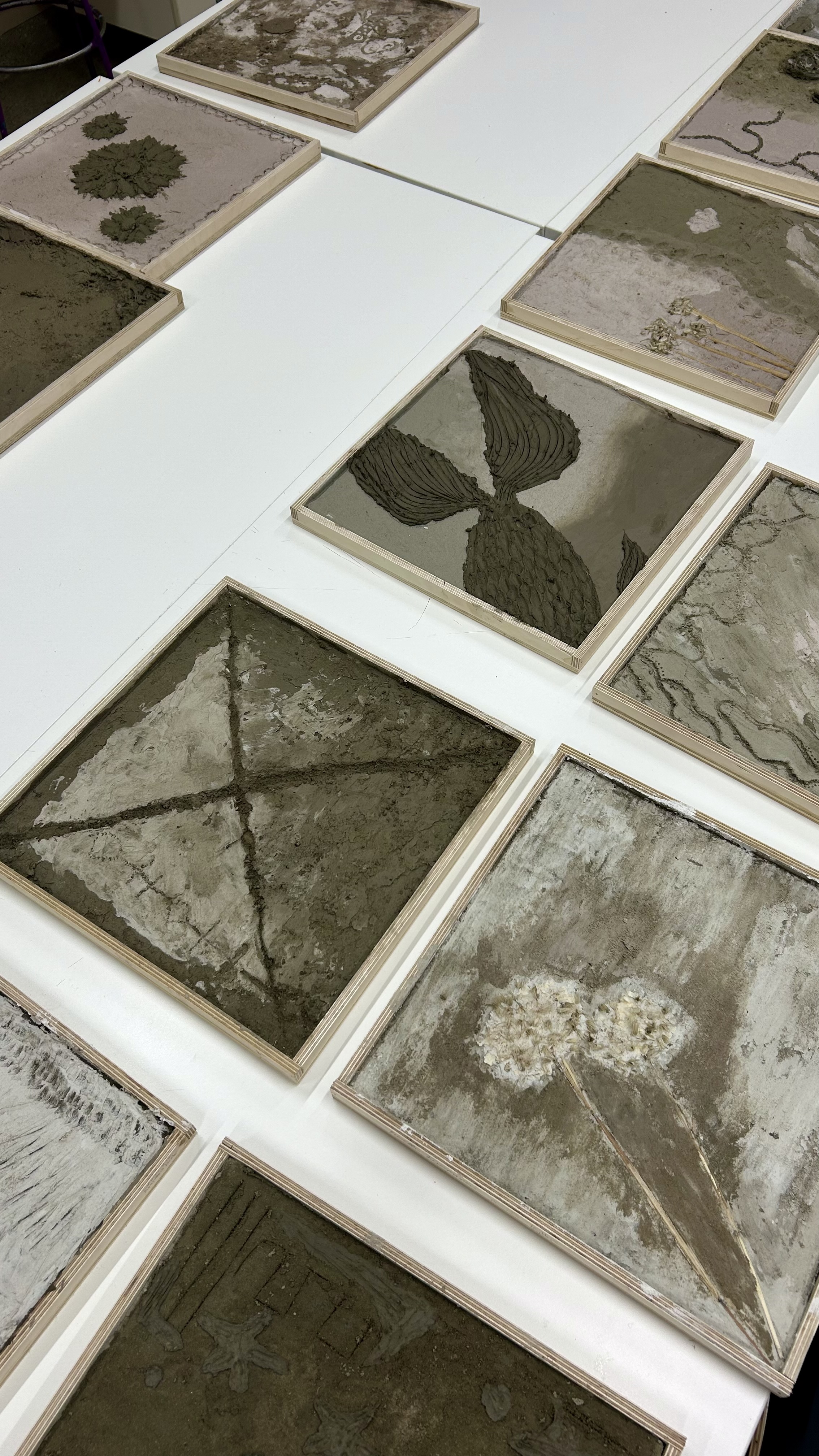
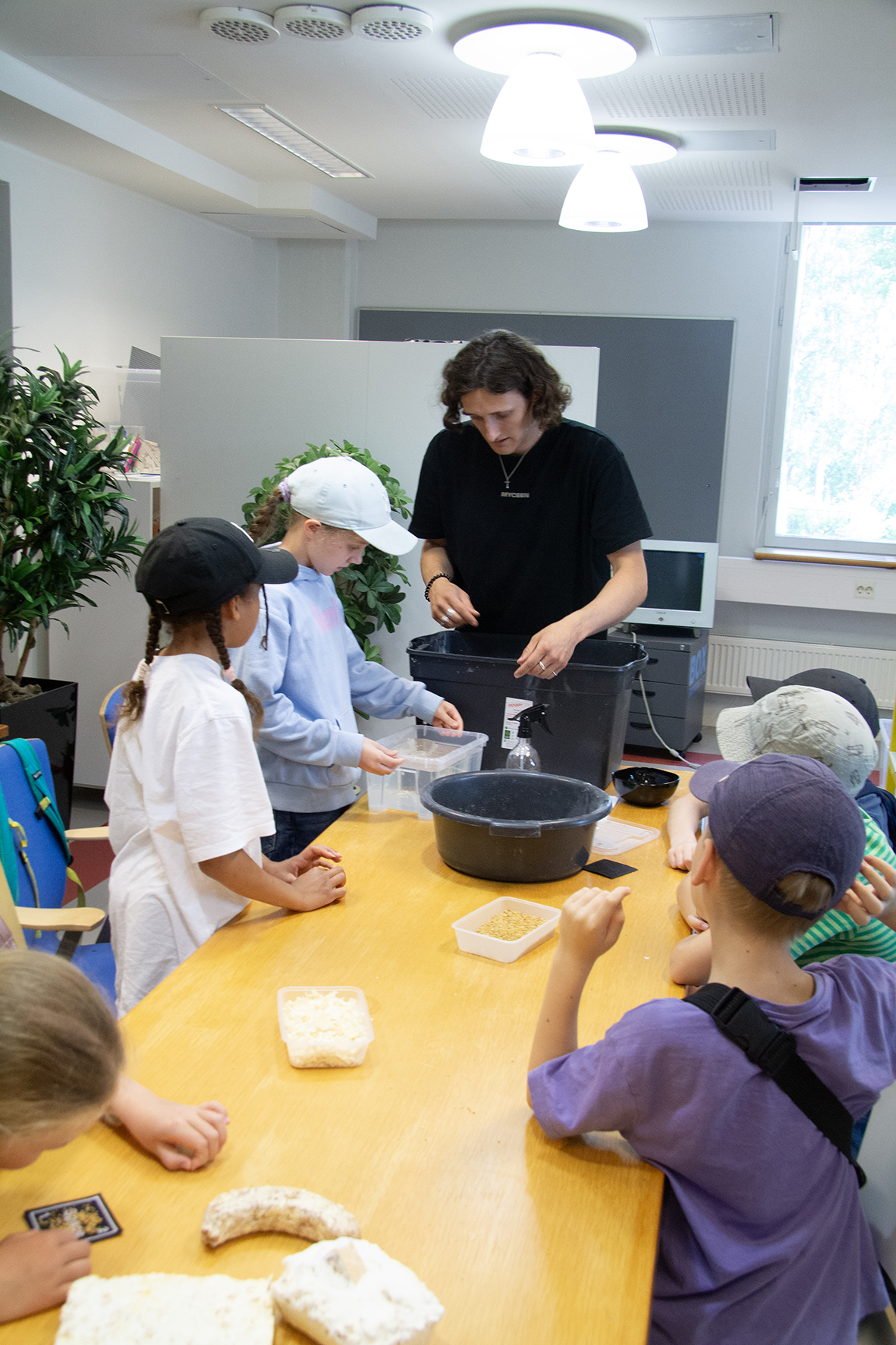
Workshops: Children’s “Rihmasto” (home‑grow kits, mycelium objects, field trips); Aalto summer school (low‑tech cultivation with still‑air boxes/boiling‑water sterilization, substrate tests, mould‑making, 1:1 assembly); public talks and clay workshops; Turku edition (Forum Kortteli, City Pop‑up) co‑created with Luostarivuori Upper Secondary using Satava reed, Taivassalo clay and workshop sawdust.
Methods: Repeatable low‑tech mycelium protocols and a sourcing hierarchy prioritizing reuse, ecologically beneficial harvesting and materials’ return.
Impact: Participants reported increased agency and hope; shifts from abstract sustainability to embodied understanding; audiences engaged with non‑standardized, time‑aware aesthetics.
Material afterlife/circularity:
Mycelium dried into hibernation for later reactivation in landscaping (to accelerate decomposition of felled trees).
Clay elements endlessly reusable/returnable to soil.
Demountable plywood frame stored and reassembled; offcuts fed to fungi or redistributed.
Long‑term: A transferable apparatus for cities, schools and venues to localize circular practices and multisensory pedagogy; a feminist spatial model redistributing agency (including more‑than‑human actors) and normalizing change; strengthened local material ecosystems via collaborations.
Kudos – Library for Material Relations began as a practice‑led doctoral inquiry into how feminist spatial practice can shift architecture from fixed objects to relations of care. Supported by Kone Foundation and Aalto University, we flipped the usual process: source first, draw later. On Aalto’s campus (and later in Turku) we gathered what was at hand—reused plywood headed to waste, surplus clay, workshop woodchips/sawdust/cardboard—and harvested common reed where removal aids eutrophied shores.
To host open experimentation safely, we built a demountable frame sized to found plywood (near‑zero offcuts). In parallel, we set up making infrastructures: a grow tent and drying area (Space 21), sterile work (Biofilia), and low‑tech tools (still‑air boxes, boiling‑water sterilization) so methods are teachable beyond labs. We cultivated mycelium (Ganoderma lucidum, Pleurotus ostreatus, Trametes versicolor) on regional sidestreams, letting fungal needs guide timelines and outcomes.
Implementation unfolded as: Hunting & gathering (materials, permissions, community donations); Growing & caring (cultivation, contamination troubleshooting, drying elements into hibernation rather than heat‑killing); Learning & failing (Annantalo “Rihmasto” course for children; Aalto summer school where students tested substrates, made moulds, and assembled the frame at 1:1); Exploring & creating (first installation at Aalto’s Designs for a Cooler Planet, plus public talks and open clay workshops); Activating & changing (Turku iteration via the City’s Pop‑up art program at Forum Kortteli, co‑created with Luostarivuori Upper Secondary using Satava reed, Taivassalo clay, and vocational workshop sawdust).
After each edition, the frame packs into cargo boxes for reuse; clay is reused or returned to soil; live fungal elements are slated for reactivation in landscaping to help decompose felled trees. In short, the project was implemented as a travelling, locally reauthored apparatus.
circular materials
co-creation
low-tech apparoachable biofabrication
care
feminist spatial practice
• Environmental: Kudos – Library for Material Relations replaces extractive material flows with hyper-local, regenerative ones. Materials were sourced within Aalto University’s campus and Turku region: common reed removed from eutrophied shores, surplus clays from nearby construction, recycled plywood otherwise bound for waste, and woodchips/sawdust/cardboard from workshops and retailers. Fungal mycelium was grown on these sidestreams, turning waste into building elements and temporary carbon sinks. Live mycelium was dried into hibernation (not heat-shocked) and will be reactivated for landscaping to accelerate decomposition of felled trees—closing loops and returning matter to ecosystems. Clay components remain endlessly reusable/returnable to soil.
• Social: The project is an apparatus for shifting attitudes through bodily making and co-creation (children, high-school students, architecture students, public workshops). It builds agency and hope, especially for youth facing eco-anxiety, by turning care and action into tangible outcomes.
• Cultural: Feminist spatial practice reframes architecture as relations and processes, not fixed objects. It redistributes agency to more-than-human actors (fungi), embraces uncertainty, and invites alternative aesthetics that accept change and patina.
• Economic: Extreme reuse and local sourcing reduce costs and transport impacts. The demountable plywood frame is stored in cargo boxes and reassembled, lowering capex across venues. In-kind contributions (facilities, materials, jars/boxes) and partnerships further cut costs.
Exemplary dimension: It couples low-impact, circular material strategies with a feminist, care-based practice that nurtures the social conditions for transition—demonstrating how architecture can be both materially regenerative and culturally transformative.
• Everyday beauty: The pavilion creates a calm, multisensory place where people smell, touch and see living materials—fungal textures, clay surfaces, reed fibers. Visitors rest, wonder and learn through direct contact (e.g., “silky,” “alive” tactile impressions).
• Long-term: As the frame travels, each edition forms a local “library” of material relations. Elements are grown or gathered with residents, then circulate back: fungi to landscapes, clay to soil, wood reused. The work leaves new practices and awareness behind.
• Belonging and care: Making together (workshops with children, high-school and university students), naming and tending fungal companions, and witnessing materials change fosters attachment to place and materials. Youth testimonies describe hope and renewed sense of agency.
• Aesthetic stance: The project challenges static, standardized norms. Aesthetic value lies in textures and temporal change rather than immutable form. Fungi “do what they please”; the architect curates conditions and frames outcomes. Rectilinear frames stabilize experience while living elements remain unpredictable—inviting acceptance of time, growth, patina and more-than-human authorship. Japanese-influenced restraint and clay’s embodied craft contribute a quiet, contemplative character.
Exemplary dimension: Aesthetics is practiced as relational beauty—co-created, sensorial, and time-aware. By legitimizing variability and care, the project models an architecture where beauty strengthens belonging and responsibility.
• Accessibility and affordability: Public talks and workshops were open-access; summer courses included fee waivers (Annantalo) to ensure participation regardless of income. Low-tech methods (still-air boxes, boiling-water sterilization) and found materials keep costs and skill thresholds low, enabling replication by schools and communities.
• Design for all: Multisensory engagement (touch/smell/visual), simple tasks, and scaffolded learning support diverse ages and abilities. Tactile clay work and mycelium handling translate complex ideas into embodied understanding.
• Inclusive governance and models: Co-creation with children, high-schoolers and students redistributed authorship; participants decided forms and accepted risks (even contamination) to preserve agency. Morning/evening dialogues and reflective journals foreground multiple voices. The practice centers care ethics, staying-with-trouble, and non-hierarchical “communities of practice.”
• Cultural translation: In Turku, local youth and materials (reed from Satava, Taivassalo clay, workshop sawdust) shaped the edition; in Espoo, campus ecosystems and facilities set the terms. Each iteration adapts to local languages, waste streams and traditions.
Exemplary dimension: Inclusion is operationalized as shared making, decision power and low barriers—an open, care-based model that communities can adopt without expensive tech or expertise.
• Who: Children (Annantalo course), high-school students (Luostarivuori Upper Secondary), architecture students (Aalto), general public (talks/workshops), neighbors (jars/boxes), local businesses (material donors), mycologists and clay artisans.
• Roles and level:
o Co-creators: Children and students designed and produced mycelium and clay elements; high-schoolers contributed clay works; public participants co-made clay components.
o Advisors/mentors: Mycologist (expert guidance), clay artisans (techniques), assistants (workshop facilitation).
o Enablers: Aalto facilities (Biofilia lab, Space 21, workshops), city Pop-up art program and Forum Kortteli (venue), educators.
• Impact:
o Personal: Youth reported hope and agency; participants experienced shifts from abstract sustainability to embodied practice; one participant noted valuing the body over “just the brain.”
o Social: New communities of practice formed; materials and knowledge circulated locally; participants were credited and recognized in exhibitions.
o Spatial-ecological: Waste streams valorized; live elements designed to return to local landscapes; clay components designed for safe reintegration to soil.
The work transforms audiences into collaborators, turning a pavilion into a living practice of care, learning and stewardship.
• Local (Espoo): Aalto University (Biofilia lab for sterile work; Space 21 for growing/drying; workshops; exhibition “Designs for a Cooler Planet”). Campus workshops and donors supplied waste materials (woodchips/sawdust/cardboard).
• Local (Turku): City of Turku Pop-up art program (selection/support), Forum Kortteli (venue/visibility), Luostarivuori Upper Secondary (co-creation with students), local material providers (reed from Satava; Taivassalo clay; vocational workshop sawdust; local farm fibers).
• Regional/National: Annantalo (children’s culture center; inclusive access), collaborating artisans and scientists (mycologist, clay artisans), media coverage (regional paper) amplifying reach.
• Funders: Kone Foundation and Aalto University supported the research and prototyping.
• European/Academic: Embedded in VIS – Nordic Journal for Artistic Research and Aalto’s Designs for a Cooler Planet—connecting to Nordic/EU research networks and open dissemination.
Added value:
• Facilities and expertise lowered risk while enabling safe bio-work.
• City and venue partnerships brought the apparatus to public, non-academic audiences.
• Cross-actor collaboration unlocked local materials, in-kind contributions, and stewardship pathways (e.g., landscaping relocation for fungi).
• Architecture and spatial design: Demountable frame; choreographing experiential sequences; adaptive reuse of waste materials.
• Landscape/ecological design: Integration of mycelium into decomposer ecologies; sourcing reed from eutrophied shores; clay’s soil cycles.
• Environmental sciences/mycology: Cultivation, contamination control, species selection (Ganoderma lucidum, Pleurotus ostreatus, Trametes versicolor); collaboration with a mycologist.
• Craft and material design: Clay building, reed weaving/handling, recycled plywood joinery; textural exploration over form.
• Performance/pedagogy: Feminist spatial practice as pedagogy; community workshops; reflective journaling; autoethnography.
• Social sciences/STS/feminist theory: Posthuman feminism (care, interdependence), distributed agency, more-than-human design, “staying with the trouble.”
• Publishing/communication: Research Catalogue exposition; public talks; exhibition design for non-expert audiences.
Interdisciplinarity was not additive but entangled: making, learning and researching happened simultaneously, reframing architecture as an ethico-onto-epistemic practice.
• Current model: Practice-led research funded by Kone Foundation and Aalto University, with substantial in-kind support (labs, workshops, exhibition infrastructure). City cultural programs and host venues enable public iterations (e.g., Turku Pop-up art at Forum Kortteli).
• Cost strategy: Hyper-local sourcing (reed, surplus clay), reuse (recycled plywood; workshop sidestreams), and low-tech methods minimize material and transport costs. The modular plywood frame is demountable, stored in cargo boxes, and reassembled—spreading capex over multiple editions.
• Value proposition: Each host gains a context-specific “library” built with local people and materials, public programming, and a legacy plan for materials (fungi to landscaping; clay to soil; wood to reuse), aligning with municipal sustainability goals and educational mandates.
• Future pathway: Co-productions with cities, schools, museums, and festivals; micro-grants for community workshops; curricular integration; sponsorships from regional sustainability programs or circular-economy initiatives; small fees for tailored workshops while keeping public access free.
Financial resilience rests on diversified public/cultural funding, low OPEX via reuse and in-kind facilities, and a repeatable apparatus that delivers civic, educational and environmental value per edition.
Replicable elements:
• Methodology: Treat architecture as an apparatus (frame + activities + making + unmaking). Pair a stable, demountable frame with open-ended, locally co-created “libraries” of material relations.
• Material practice: Hyper-local sourcing hierarchy—reuse (construction surplus), ecologically beneficial harvesting (eutrophied reed), low-tech mycelium cultivation on local sidestreams, clay cycles that return to soil.
• Pedagogy/process: Co-creation with children, students and publics; reflective journaling; open talks; multisensory, tactile learning; acceptance of uncertainty and failure as learning.
• Toolkit: Still-air boxes, boiling-water sterilization, simple moulds, drying tents—affordable, community-ready techniques.
What adapts locally:
• Species and substrates (local fungi, waste streams, clays, fibers).
• Partners (schools, labs, venues, artisans, scientists).
• Programming (languages, cultural references, accessibility provisions).
Key learnings:
• Redistribute agency—to participants and more-than-human actors—while providing a safe frame for experimentation.
• Embrace textures and temporal change over fixed form to lower failure anxiety and invite participation.
• Keep logistics light and circular to reduce costs and ecological load.
• Build hope through action: hands-on making converts eco-anxiety into agency, especially for youth.
With minimal equipment and strong local partners, communities anywhere can adopt Kudos’ apparatus to surface their own material relations and pathways to care.