Enhancing Circularity, Sustainability, and Innovation
Sustainable Events
Sustainable Events: Urban Circularity, Zero Carbon and Environmental Education in Action
When a major event ends, what remains? Eccaplan developed three services that transform events into urban circularity hubs: the Zero Waste Program deploys sorting stations with certified waste pickers; the Carbon Neutral Program offsets 100% of emissions via certified credits; and the Emissions Calculator makes climate impact tangible. Results verified since 2023: 1,653 events, 19,000+ tonnes of CO₂ offset, and 815+ tonnes of waste diverted from landfills.
Brazil
National
Mainly urban
It involves other types of transformations (soft investment)
Yes
2023-01-02
No
No
No
Organisation
The Three-Program Ecosystem
The Sustainable Events project brings together three complementary Eccaplan services that can be applied in an integrated way to the same event, creating a complete sustainability cycle with measurable environmental, social, and educational impact.
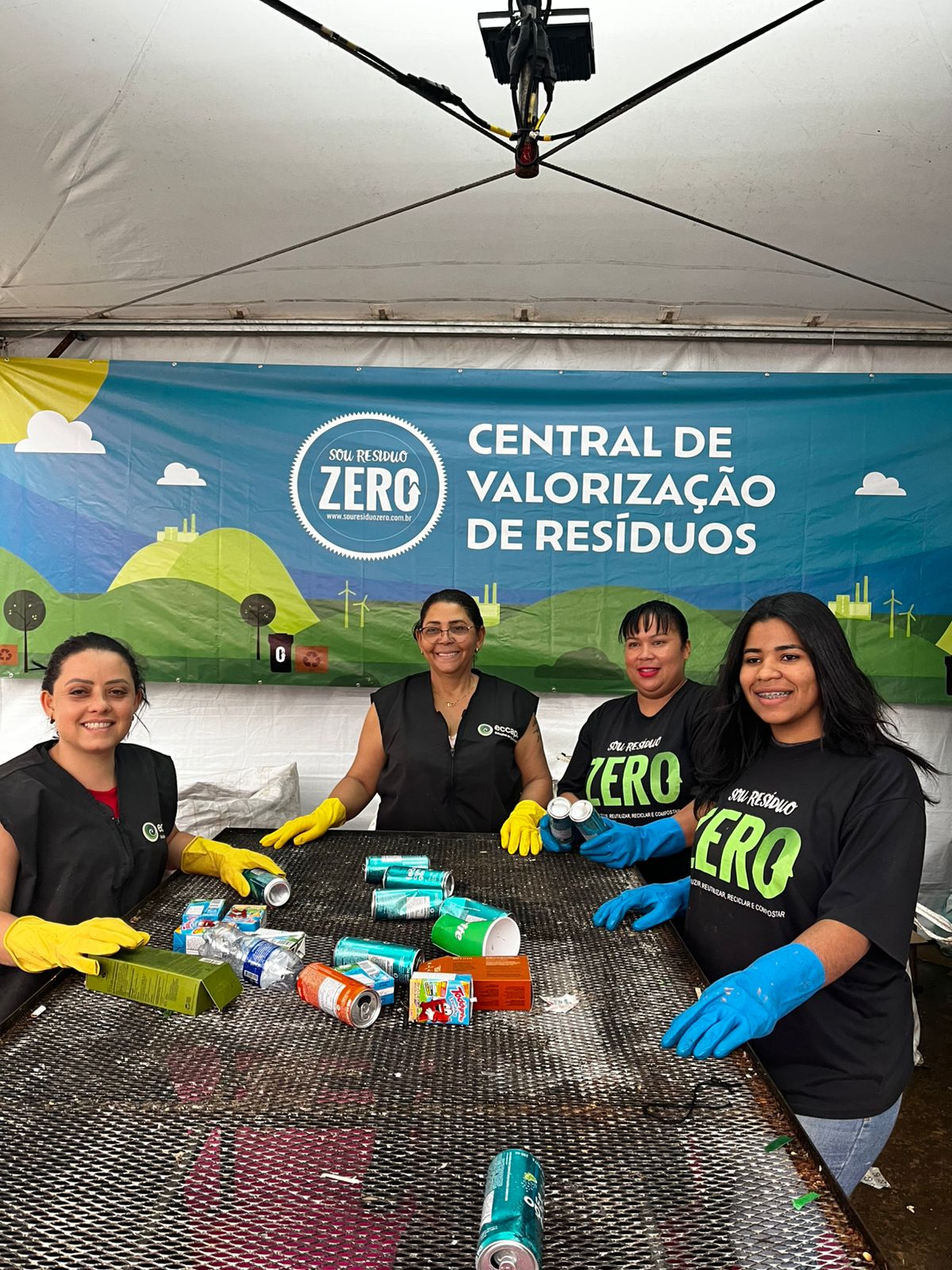
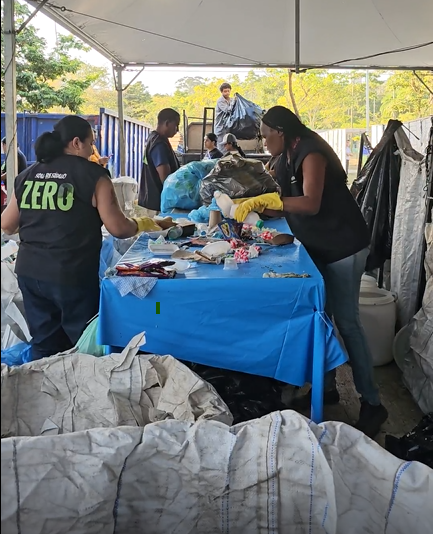
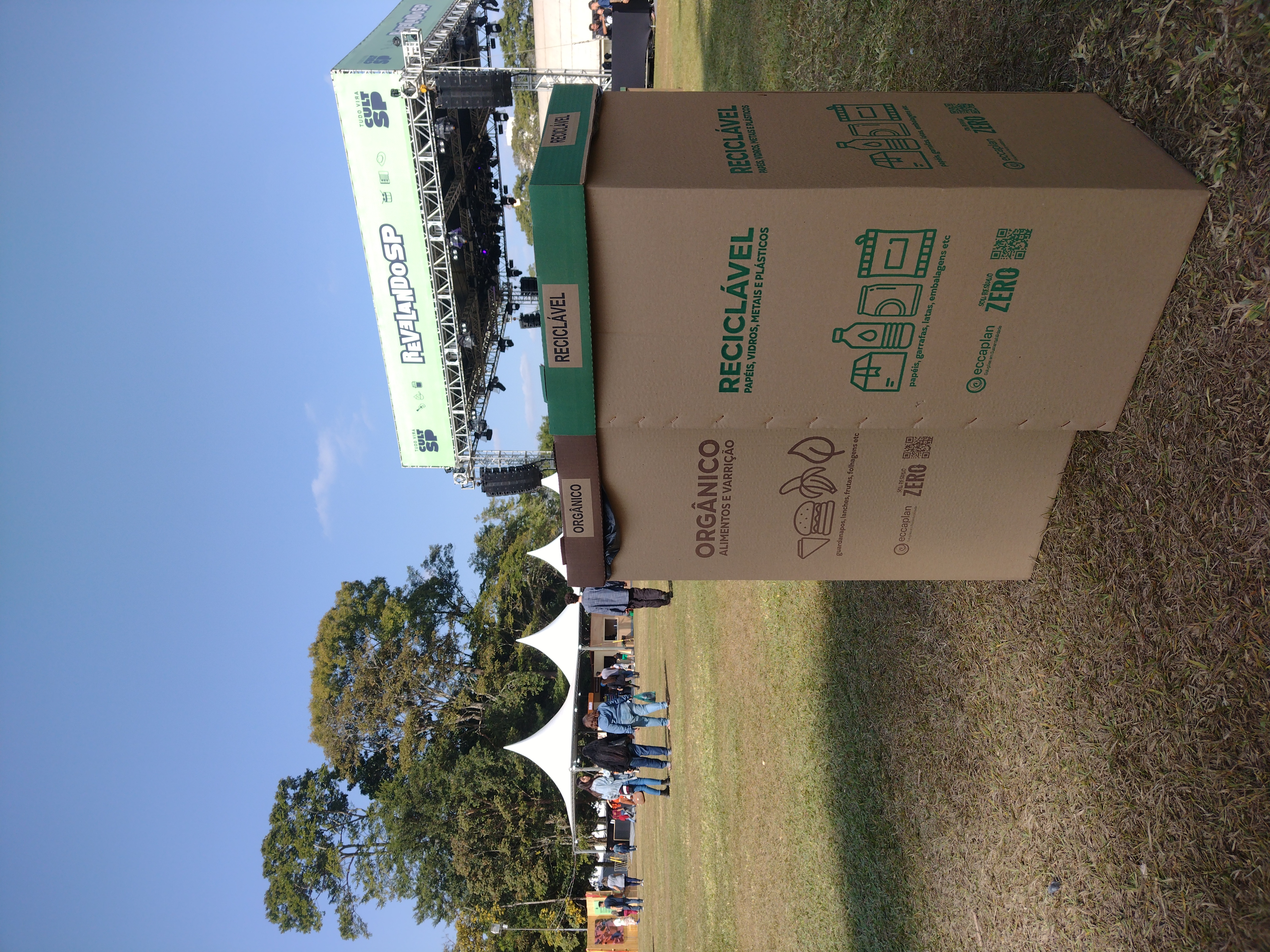
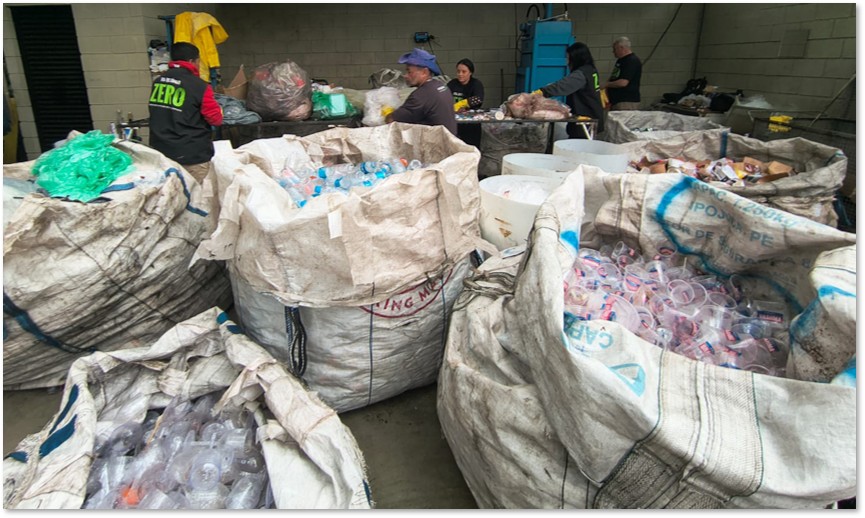
Zero Waste Program (SRZ) The SRZ ensures the correct and traceable disposal of all waste generated. Eccaplan installs sorting stations on-site, operated by waste pickers from certified cooperatives. Waste is separated by type — recyclables, organics, rejects, and special waste — and directed to recycling, composting, or energy recovery, with a Waste Disposal Declaration (WDD) issued for each movement. In 2025, more than 390 tonnes were diverted from landfills.
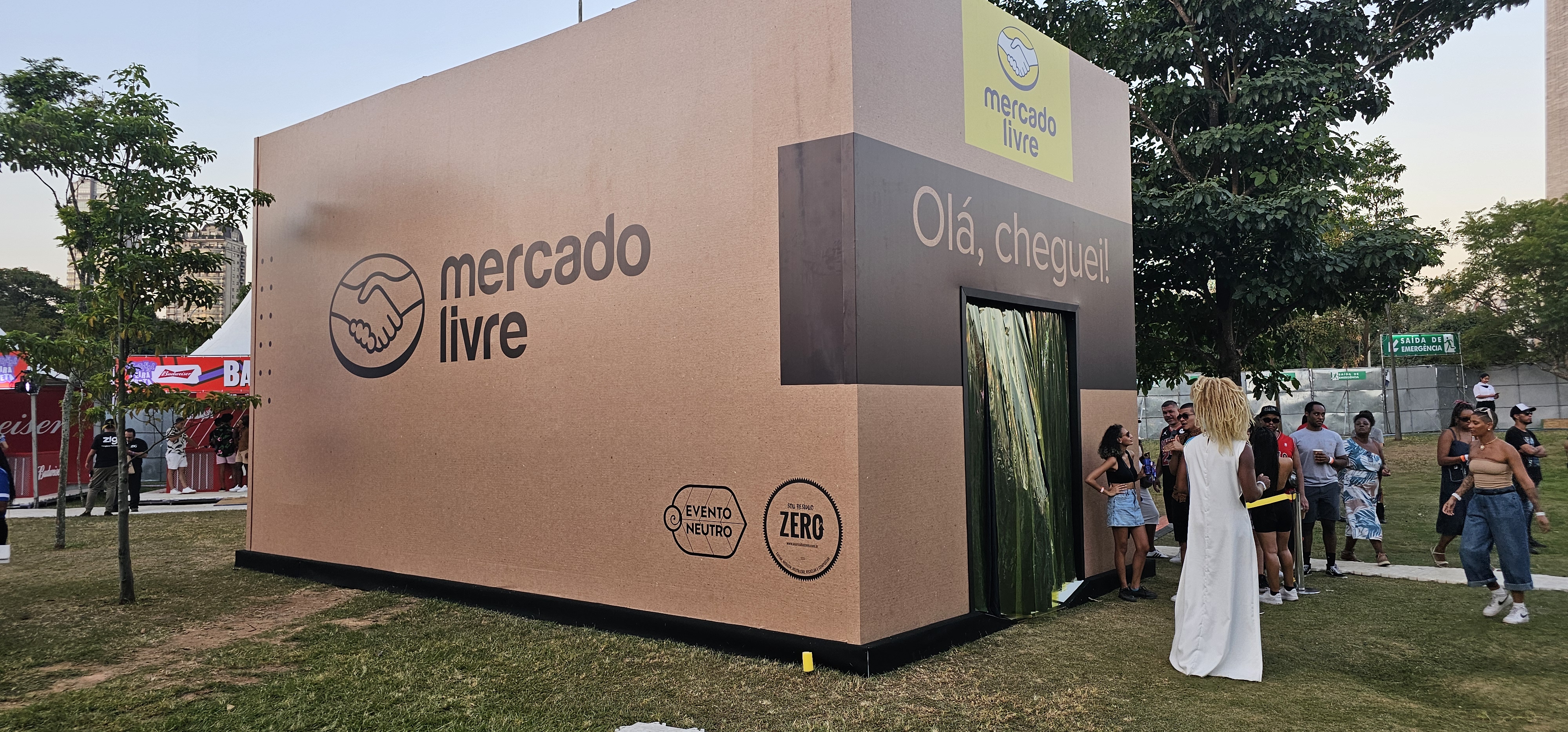
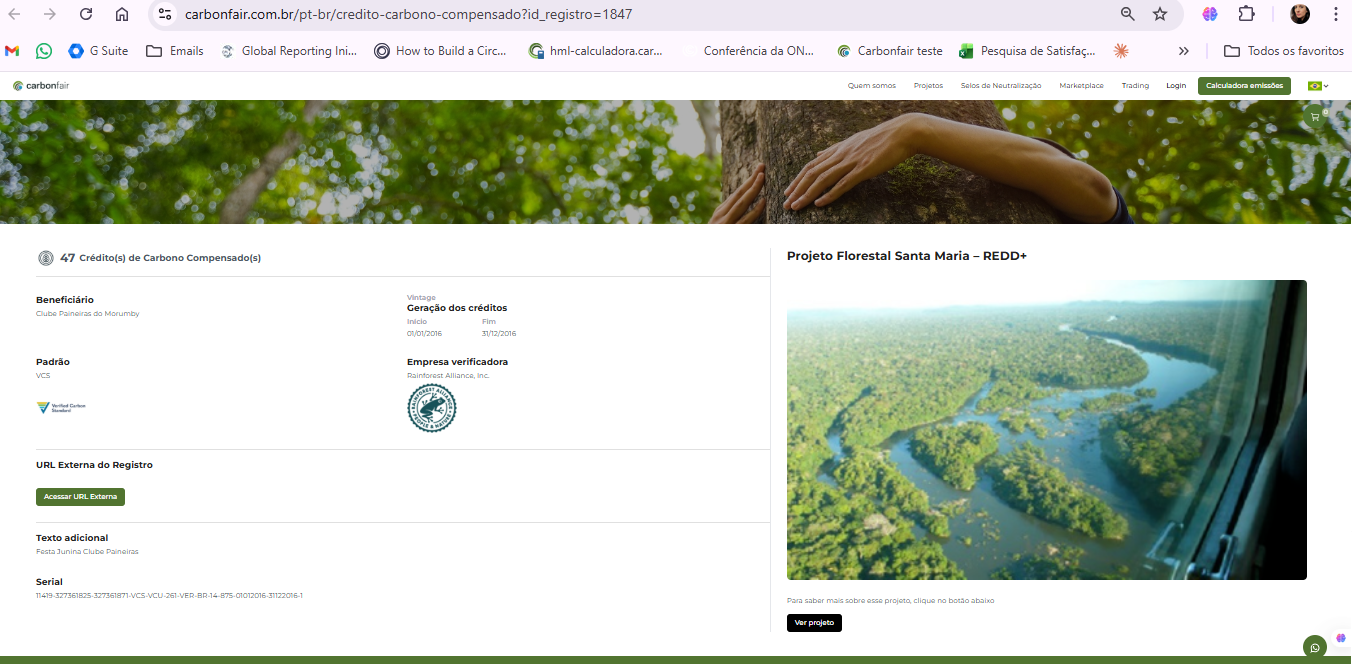
Carbon Neutral Program Independent of the SRZ, the Carbon Neutral Program calculates and offsets 100% of carbon emissions — from setup to breakdown, including participant travel, energy, waste, food, and accommodation. Offsets are made via credits verified by Verra, Gold Standard, the UN, and Carbonfair. At the end, the event receives a Neutralization Certificate with a QR code for public tracking. In 2025, 323 events were neutralized and 5,710 tonnes of CO₂ were offset.
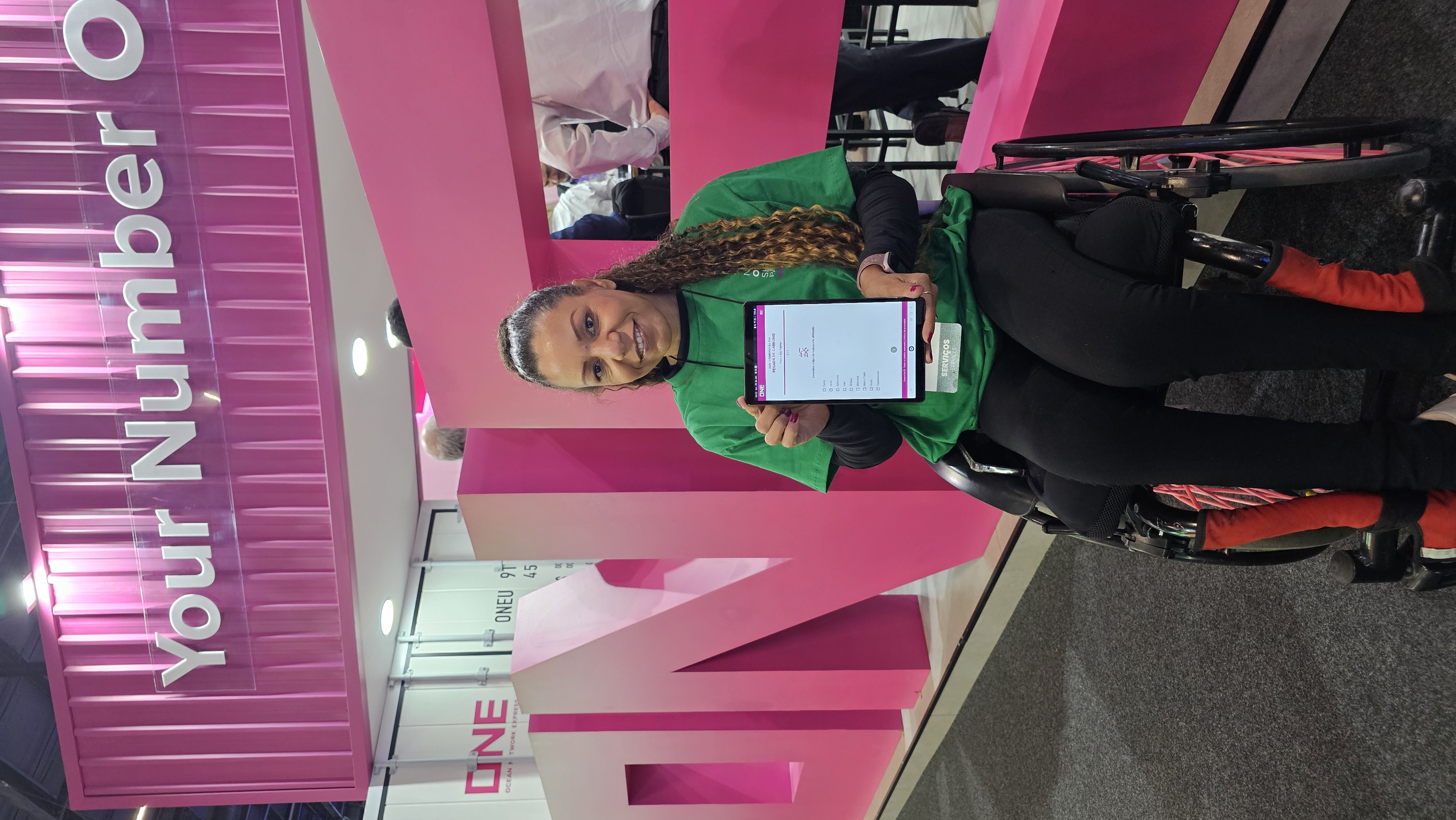
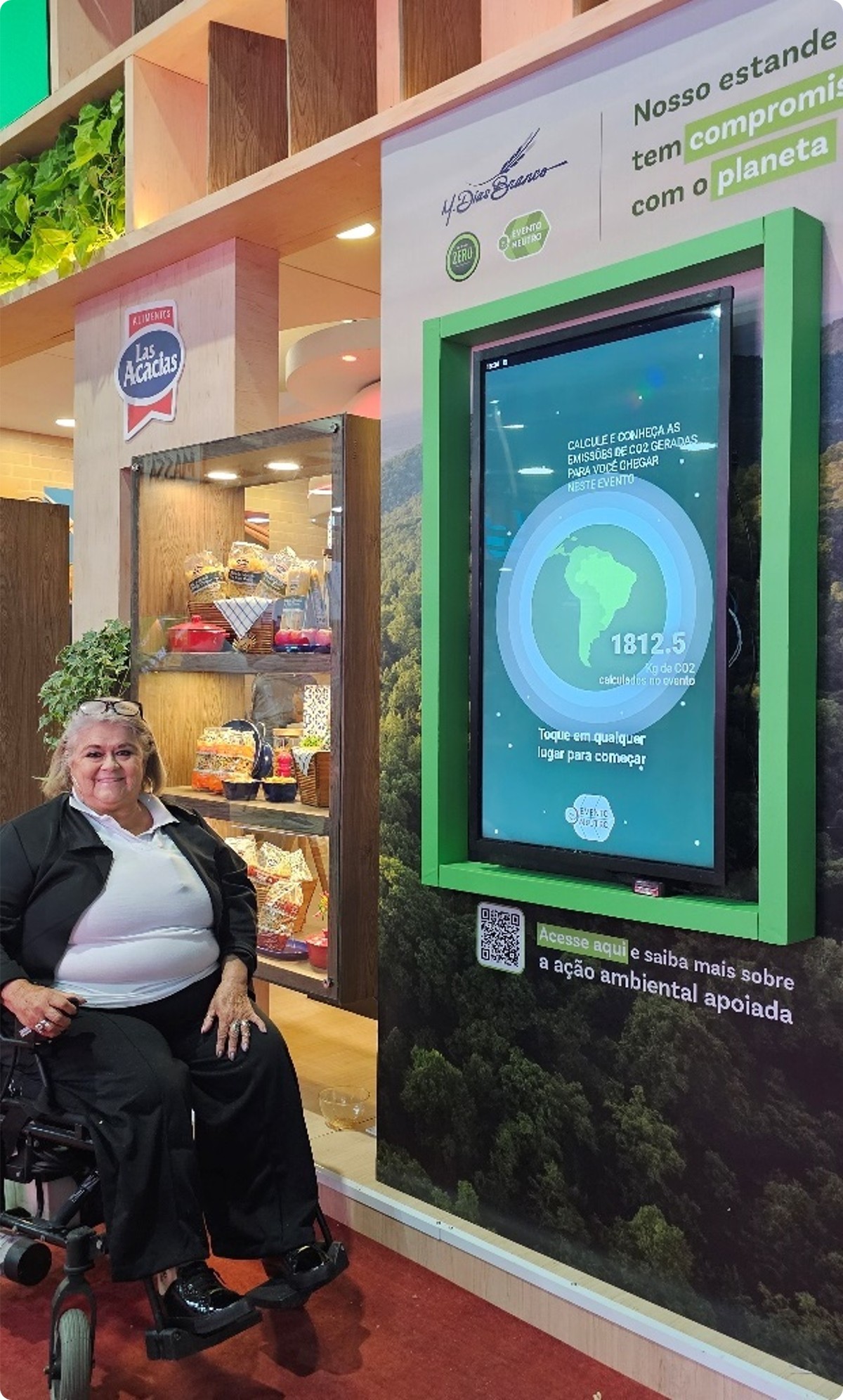
Emissions Calculator + Environmental Educators On-site environmental agents guide participants in using the Carbon Calculator, a free digital tool that quantifies carbon footprints in a visual and accessible way. Participants identify their main emission sources, understand the offsetting process, and leave the event with actionable knowledge. In 2025, the service was present at 44 events.
Long-Term Impact The three programs create lasting effects: organizers begin requiring sustainability from their suppliers; partner cooperatives are strengthened institutionally; and participants report greater intent to practice waste sorting and reduce their everyday footprint — extending the impact well beyond the event itself.
Eccaplan was founded in 2008 at CIETEC — the Centre for Innovation, Entrepreneurship and Technology of the University of São Paulo (USP) — with support from the Ministry of Science and Technology and the purpose of transforming environmental science into practical, measurable solutions. From the outset, the team — comprising environmental engineers, social scientists, carbon specialists, designers and communicators — recognized that large events were significant sources of emissions and waste, but also unique moments of collective mobilization.
The first challenge was methodological: there was no consolidated protocol in Brazil for inventorying event emissions, nor were waste-picker cooperatives prepared to operate within a running event. Eccaplan developed its own protocols, adapted the GHG Protocol to the event context and built direct relationships with cooperatives in each city where it operated. A fundamental insight emerged early: the waste pickers' knowledge of the waste chain — which materials have value, how to sort them efficiently, how to adapt sorting to the type of event — was irreplaceable. This practical knowledge began to co-design the methodology. Waste pickers are not executors of an external protocol: they are its co-authors.
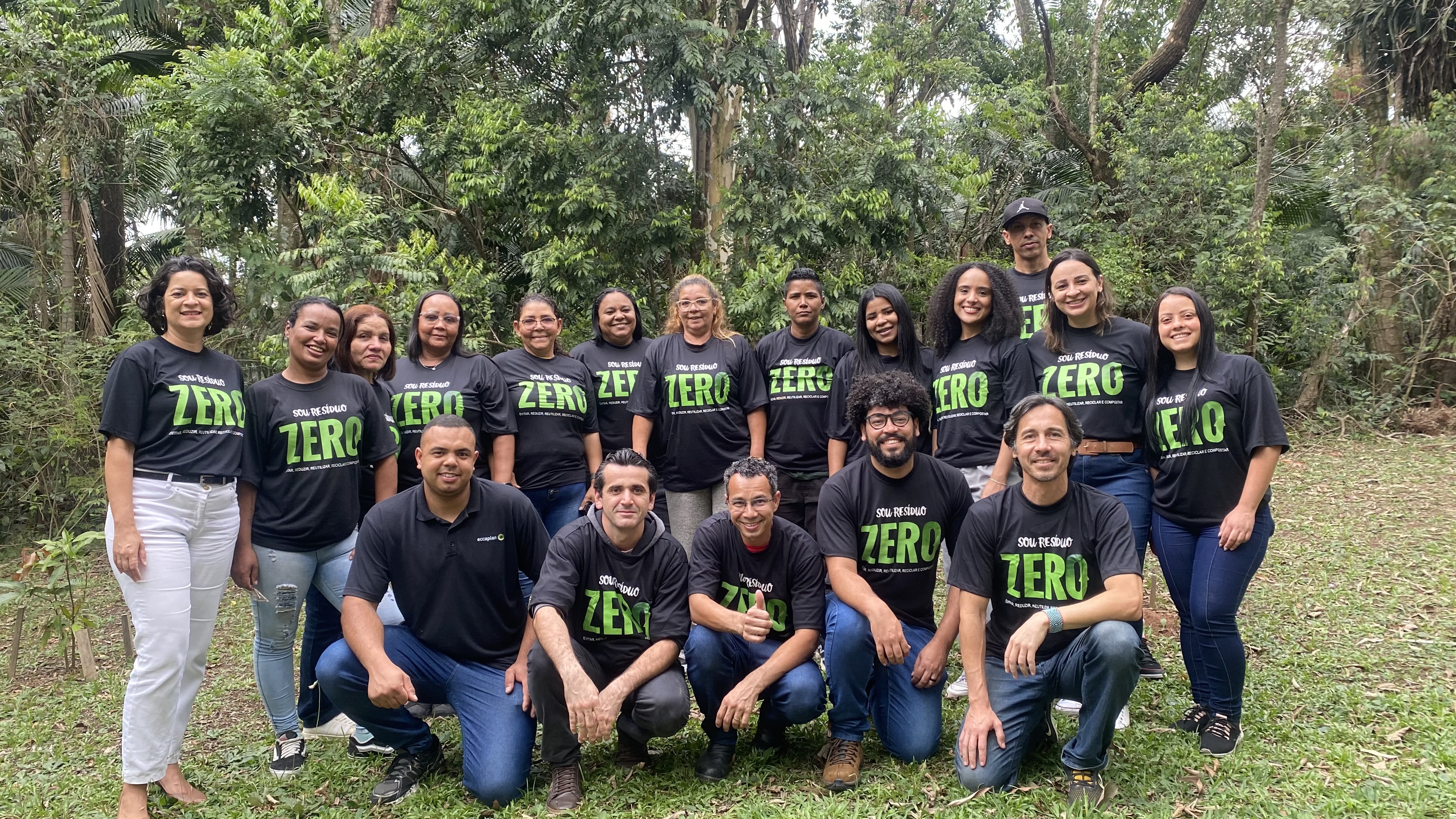
Over time, each program consolidated and gained its own market, but combining all three at the same event revealed their greatest potential. At the Festa Junina of Clube Paineiras do Morumby in 2024 — with 27,504 attendees — all three services were applied simultaneously: sorting stations with waste pickers, carbon inventory and offsetting from set-up to dismantling, and educator agents with interactive calculators. The result was an event that diverted 54% of waste from landfills, neutralised carbon and educated thousands of participants about climate impact in real time.
Circular economy
Decarbonisation
Social inclusion
Environmental education
Green innovation
The Sustainable Events project simultaneously addresses three dimensions of sustainability — environmental, social and economic — within a single operational ecosystem.
In the waste dimension: the Zero Waste Programme diverts materials from landfills — which in Brazil still receive more than 40% of collected waste — and reintegrates them into the production chain with full traceability via Waste Disposal Declaration (WDD). In 2025, over 390 tons were diverted, including 22.63 tons of organic waste directed to composting. Clube Paineiras do Morumby, a permanent programme partner, achieved 80% landfill diversion in its ongoing operation.
In the climate dimension: the Carbon Neutral Event Programme measures the event's real emissions — including Scope 3, covering participant travel — and offsets them through credits verified by independent international standards (Verra/VCS, Gold Standard) and by the national CarbonFair standard. In 2025, 323 events were neutralized and 5,710 tons of CO₂ were offset, with public traceability via QR code on the certificate.
In the economic dimension, the model does not depend on public subsidies: it is fully financed by fees paid by event organizers and by cooperatives' remuneration for sorted materials. The Carbon Neutral Event Programme was Eccaplan's largest revenue line in 2025 (R$ 1,051,383.59 — 19.07% of total) and the SRZ Events segment accounted for R$ 375,597.93 (6.81%). The educational dimension — environmental educator agents and customized calculators for companies and organizers — generated R$ 57,220 in 2025 (1.03%); the public version of the Carbon Calculator remains free and openly accessible. Beyond generating revenue, the model distributes income: Eccaplan directly pays the daily rates of the environmental agents working at events — in 2025, 2,215 daily shifts were paid, generating R$ 443,000 for these workers. Financial sustainability and socio-environmental impact do not compete — they are the same thing.
The aesthetic dimension of the Eventos Sustentáveis project goes beyond visual appearance — it lies in the quality of the collective experience and in the transformation of the event space into a place of belonging and shared care.
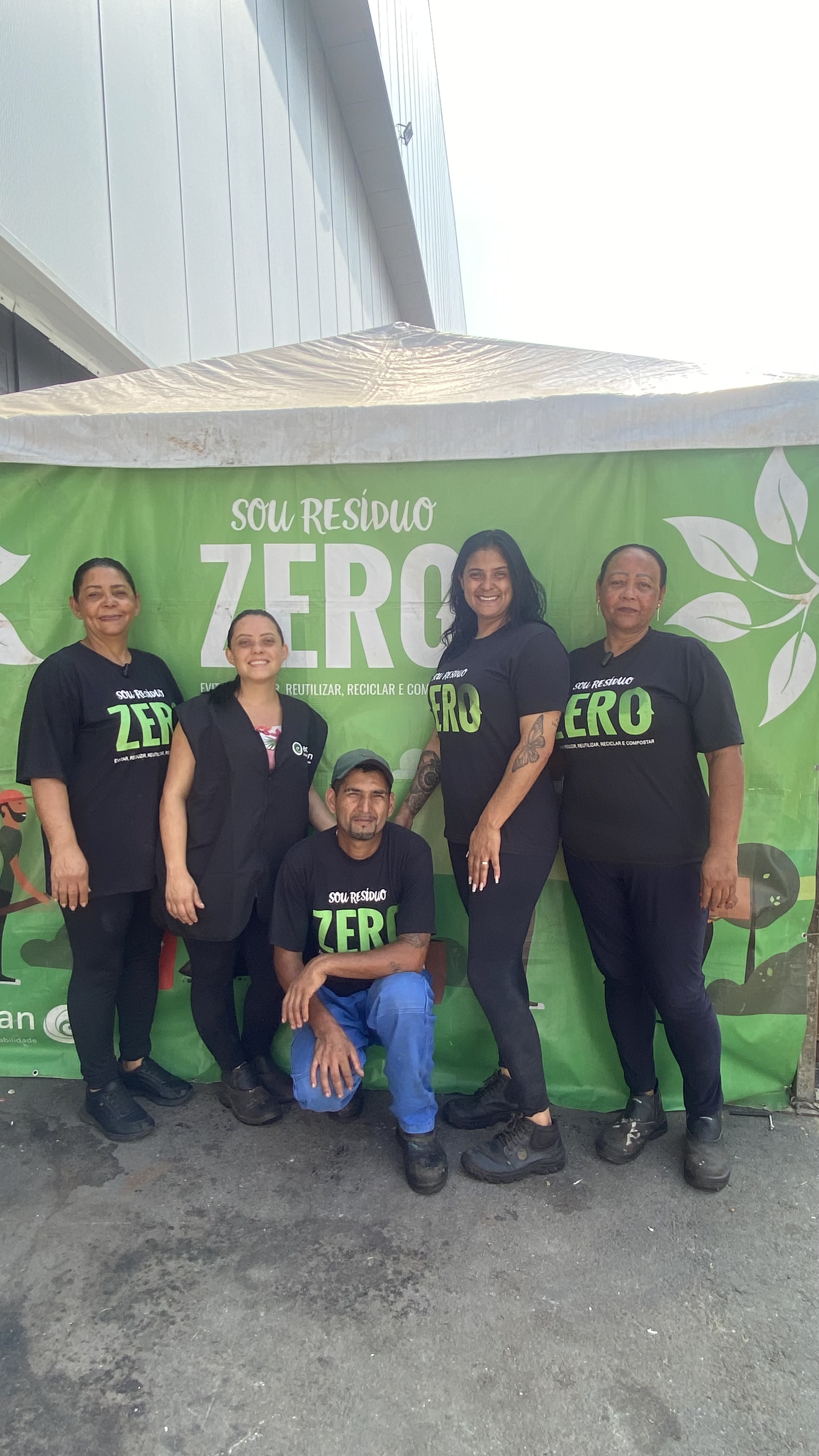
The SRZ sorting station, set up on-site and operated by waste pickers from partner cooperatives, is the central element of this transformation. Visible, intuitive, and integrated into the environment, it reshapes the flow of the space: people interact with it, spontaneously change their behavior, and become active agents — no longer passive consumers.
The human presence of the waste picker is irreplaceable. In the city, they are invisible — working through the night, ignored in public spaces. In the Eventos Sustentáveis project, they stand at center stage: uniformed, identified by Eccaplan, guiding and acknowledging each participant's gesture. This inversion of visibility is at once an aesthetic and political act: the space becomes more beautiful and more just, creating a genuine encounter between festival-goers and workers of the urban circular economy.
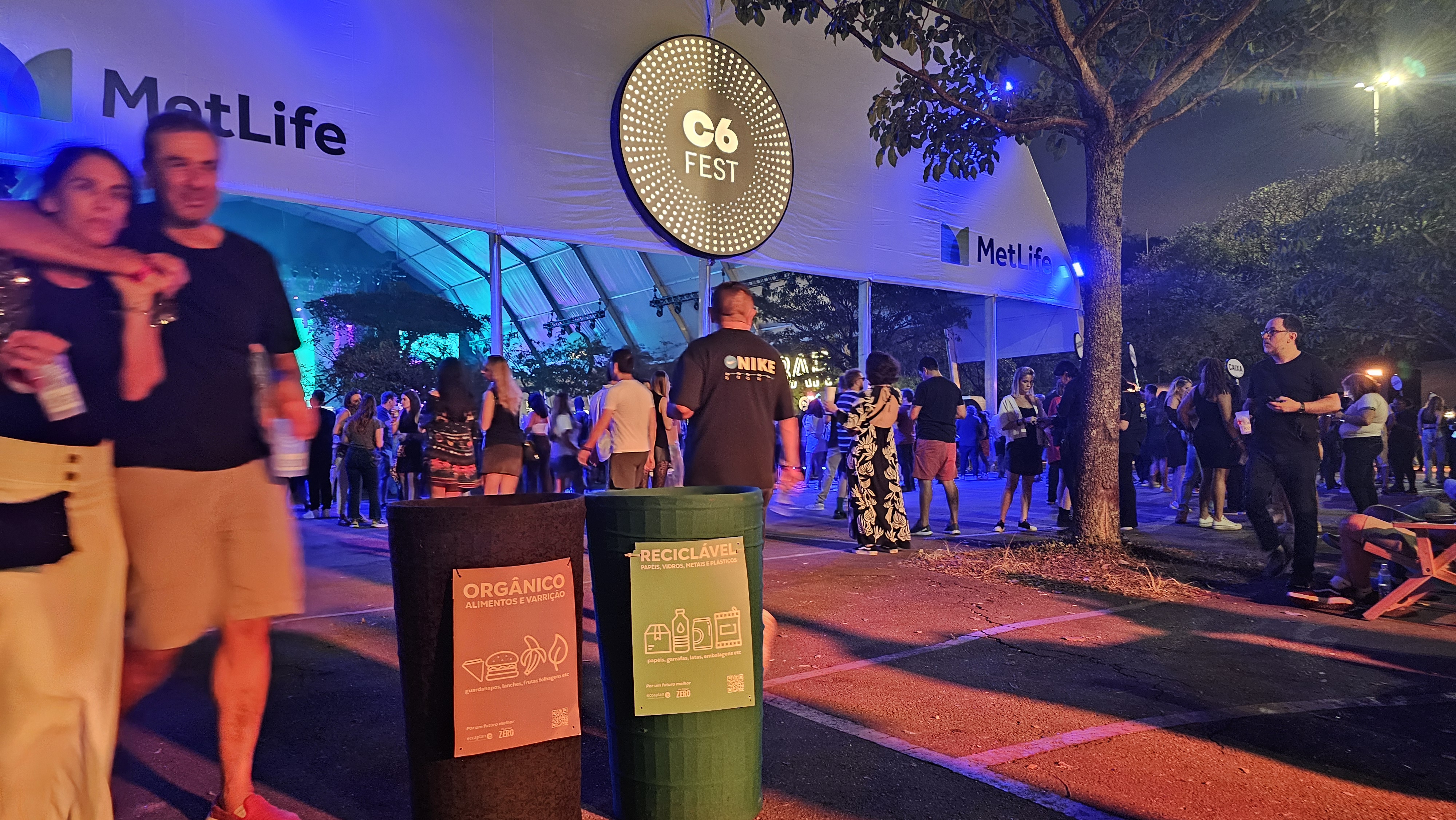
When thousands of people make the same gesture — sorting waste and placing it in the correct bin — it becomes a public ritual of care for the place. Waste is carried by environmental agents to the sorting station, where pickers complete the final separation. Educators with emissions calculators deepen this moment: participants visualize their impact, understand the link between their gesture and the climate, and leave with a different perception of the urban space they inhabit.
The Evento Neutro Seal and the Sou Resíduo Zero Program Seal transform sustainability from a technical requirement into collective identity and pride. This is what the New European Bauhaus calls belonging and care for place — and Eventos Sustentáveis delivers exactly that, concretely, repeatably, and verifiably across hundreds of events per year.
Social inclusion is the structural differentiator of the Sustainable Events project compared to any other event environmental certification available globally.
Most sustainability programmes for events treat waste as a logistical problem to outsource. The I’m Zero Waste Programme treats it as an opportunity for economic redistribution: by contracting certified waste-picker cooperatives — solidarity economy organisations formed predominantly by people in poverty, with high representation of women and Black communities — the programme inserts historically excluded workers into the heart of major urban events. Cooperatives are remunerated for sorted materials, creating a direct and independent economic flow.
Beyond income, visibility transforms: operating at the Festa Junina of Clube Paineiras with 27,504 people, at the Bon Jovi concert at Estádio do Morumbi for an audience of approximately 65,000 people, or at the Brazilian Beach Volleyball Circuit broadcast on TV, strengthens workers' self-esteem and the cooperatives' legitimacy before local governments, companies and society itself. The waste picker ceases to be invisible and begins to be recognised as an essential agent of the urban circular economy.
The educational dimension reinforces inclusion from another angle: the Emissions Calculator is free and public, accessible to anyone. At events, educator agents democratise access to knowledge about climate impact — a topic frequently restricted to corporate and academic environments — for popular and diverse audiences. Environmental knowledge becomes a common good, not a privilege of those who can afford consultancies.
In the Sustainable Events project, participation is not an accessory element — it is what makes everything work, at three simultaneous levels.
Waste-picker cooperatives are operational partners, not subordinate suppliers: they participate in the planning of each event, define collection routes and capacities, allocate teams and report results. Their practical knowledge of the waste chain — which materials have value, how to adapt sorting to the type of event, which buyers pay best — continuously informs the programme's methodological improvements. They are co-authors of the methodology, not executors of an external protocol.
Event organisers are co-responsible for the outcome: the process begins with a joint diagnosis of waste and emission sources, and Eccaplan works alongside the production team to redesign flows, train staff. It is not a subsequent audit — it is participatory design from the outset.
The event public participates actively: the sorting stations require voluntary waste separation by the participants themselves, and educator agents invite each person to calculate their carbon footprint. At events with good communication, such as the Festa Junina at Clube Paineiras, adherence to sorting is consistently high — the collective gesture of care for the space installs itself naturally.
The Sustainable Events project operates naturally across multiple levels of governance:
Local level: waste-picker cooperatives from each host city are the operational agents of the SRZ. They know the territory, have relationships with local governments and understand the city's waste logistics. Their participation ensures the programme is contextualised for each urban reality — what worked in São Paulo is adapted for Recife, Natal or São Luís with the local intelligence of the partner cooperative.
Municipal level: in several cities, Eccaplan maintains dialogue with municipal environment secretariats. In some cases, the programme has strengthened local selective collection policies by creating demand and operational capacity in cooperatives beyond events.
National level: Eccaplan is recognised by the Ministry of Science and Technology, certified by FIESP and winner of the Eco Brasil Award. It serves nationally-scoped events — Brazilian Beach Volleyball Circuit, Brazilian Olympic Committee, national corporate fairs — creating replicable standards across the entire territory.
International level: carbon offsetting follows international protocols (GHG Protocol, ISO 14064, Verra/VCS, Gold Standard), connecting Brazilian events to global carbon markets and certification chains with standards accepted in Europe and the USA. QR code traceability on the Carbonfair platform is public and accessible to anyone in the world.
The Eventos Sustentáveis project is genuinely transdisciplinary — knowledge from radically different origins co-constructed every design and operational decision.
Environmental Sciences and Waste Engineering: methodological foundation for the GHG emissions inventory (GHG Protocol, ISO 14064), design of sorting flows, calculation of avoided emissions, and selection of carbon offset projects aligned with international standards.
Tacit Knowledge from Cooperatives — co-authorship of the program: the waste pickers' expertise on which materials hold market value, how to sort them efficiently, and how to adapt sorting to each type of event is irreplaceable. The cooperatives define workflows and adapt operations — they are co-authors, not merely executors.
Design and Communication: the sorting stations were tested in the field with waste pickers and event participants. The Emissions Calculator was designed as an environmental education tool: visual, accessible, and capable of making climate impact tangible for anyone.
Social Sciences and Solidarity Economy: the cooperative partnership model, equitable distribution of benefits, and the empowerment and protagonism of waste pickers were developed based on solidarity economy principles.
Arts and Culture: implementation at festivals, sporting events, and corporate fairs requires dialogue with cultural producers and artists, who enrich the program with perspectives on collective experience and belonging.
Environmental Education and Digital Technology: environmental agents integrate pedagogy and technology in real time. The Carbonfair platform combines a carbon credits marketplace with education on the voluntary carbon market.
Environmental Law and Public Policy: compliance with Brazil's National Solid Waste Policy (PNRS), issuance of Waste Disposal Declaration (WDD) in accordance with legislation, and alignment with municipal selective collection policies and the Brazilian carbon market regulatory framework.
The Sustainable Events project has been financially self-sustaining since its conception — without dependence on public subsidies, donations or international funds. The 2025 data proves this:
I’m Zero Waste Programme (SRZ): The SRZ Events segment represented R$ 375,597.93 in revenue in 2025 (6.81% of Eccaplan's total revenue). Cooperatives are remunerated for sorted materials — either directly by the organiser or via the recyclables market, whose value sustains the flow independently. In 2025, the programme diverted over 390 tonnes of waste from landfills — 367.38 t of recyclables and 22.63 t of organics. Additionally, Eccaplan directly remunerated the environmental agents working at events — 2,215 daily shifts were paid in 2025, generating R$ 443,000 for these workers.
Carbon Neutral Event Programme: R$ 1,051,383.59 in revenue in 2025 — the largest revenue line at Eccaplan, representing 19.07% of total. Organisers pay a fee proportional to the event's size for the complete package: inventory, offsetting and certification. In 2025, 323 events were neutralised and 5,710 tonnes of CO₂ were offset.
Emissions Calculator and Education: R$ 57,220 in environmental education services in 2025, including lectures, training sessions and customised calculators. The public version of the Carbon Calculator is free — sustained by the conversion of users into clients of the paid programmes.
Eccaplan total revenue 2025: R$ 5,512,125.00. Carbon Neutral Event (19.07%) + SRZ Events (6.81%) + Emissions Calculator and Education (1.03%) = 26.91% of revenue directly related to the Sustainable Events project. A model that pays for itself, scales and generates income for cooperatives and environmental agents simultaneously.
The Sustainable Events project was designed to be replicable from the outset. Each component has independent transferability:
The events emissions inventory methodology (adapted GHG Protocol) can be applied in any country with minimal adjustments to local emission factors. Eccaplan has already adapted it for different Brazilian biomes and regions.
The Zero Waste Programme can be replicated in any city that has cooperatives or waste worker organisations — present throughout Latin America, in parts of Africa and Asia, and on a smaller scale in Europe (recycling associations in Portugal and Spain, for example). Where they do not exist, the programme can be the catalyst for their creation.
The Carbon Calculator (calculadora.carbonfair.com.br) is public, free and can be accessed by anyone in the world. The Carbonfair platform (carbonfair.com.br) can be licensed or adapted for other national carbon markets.
The model of in-person environmental educator agents at events is replicable with training of local teams — a documented pedagogical protocol, not dependent on centralised expertise.
The design of sorting stations and the communication protocol with the public have been tested at events of different cultures, sizes and regions in Brazil. The principles — visibility, simplicity, human presence — are universally applicable.