ASTRA community
Astra Community Center: From Military Barracks to Community Heart in Vodnjan-Dignano
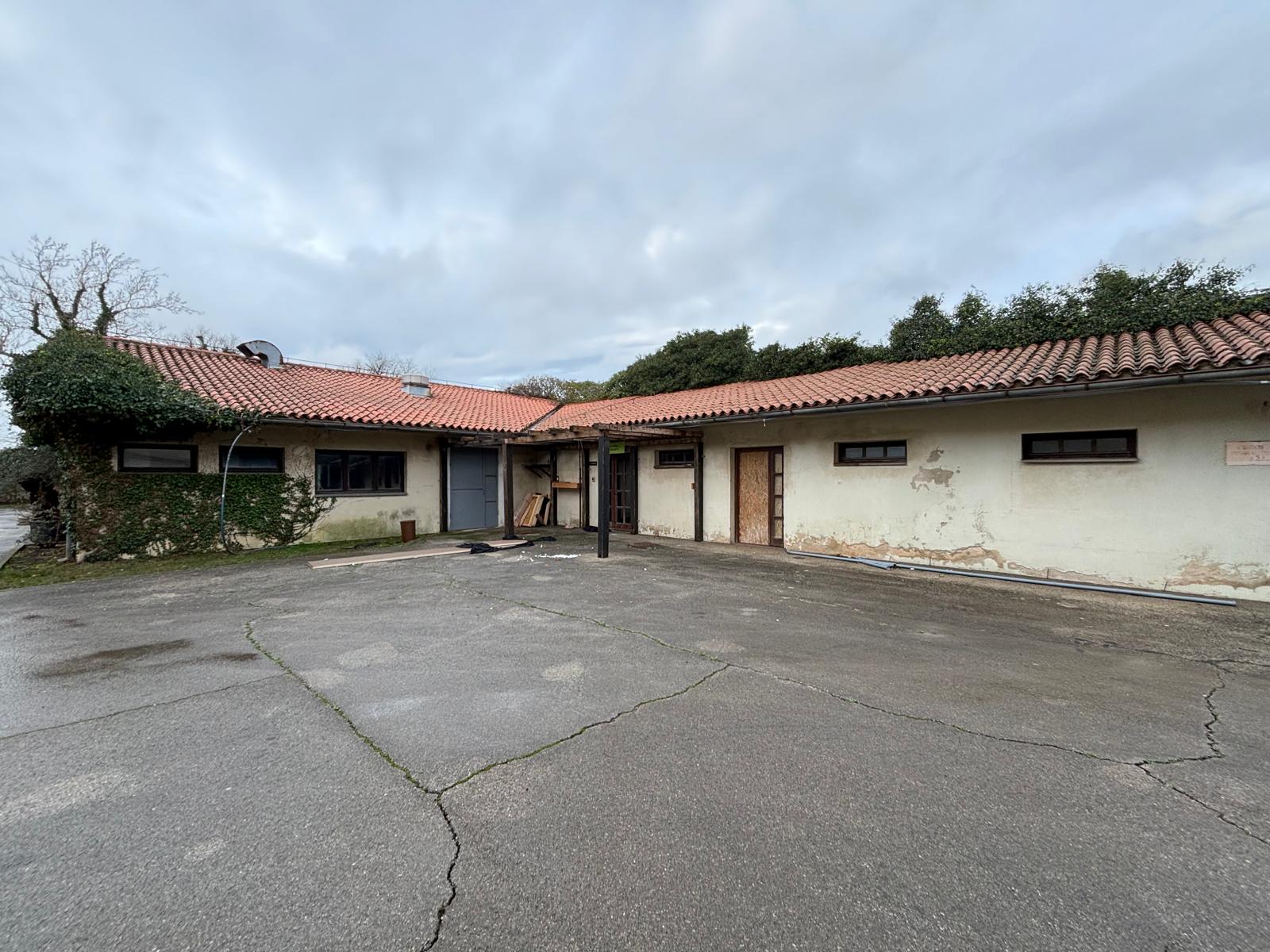
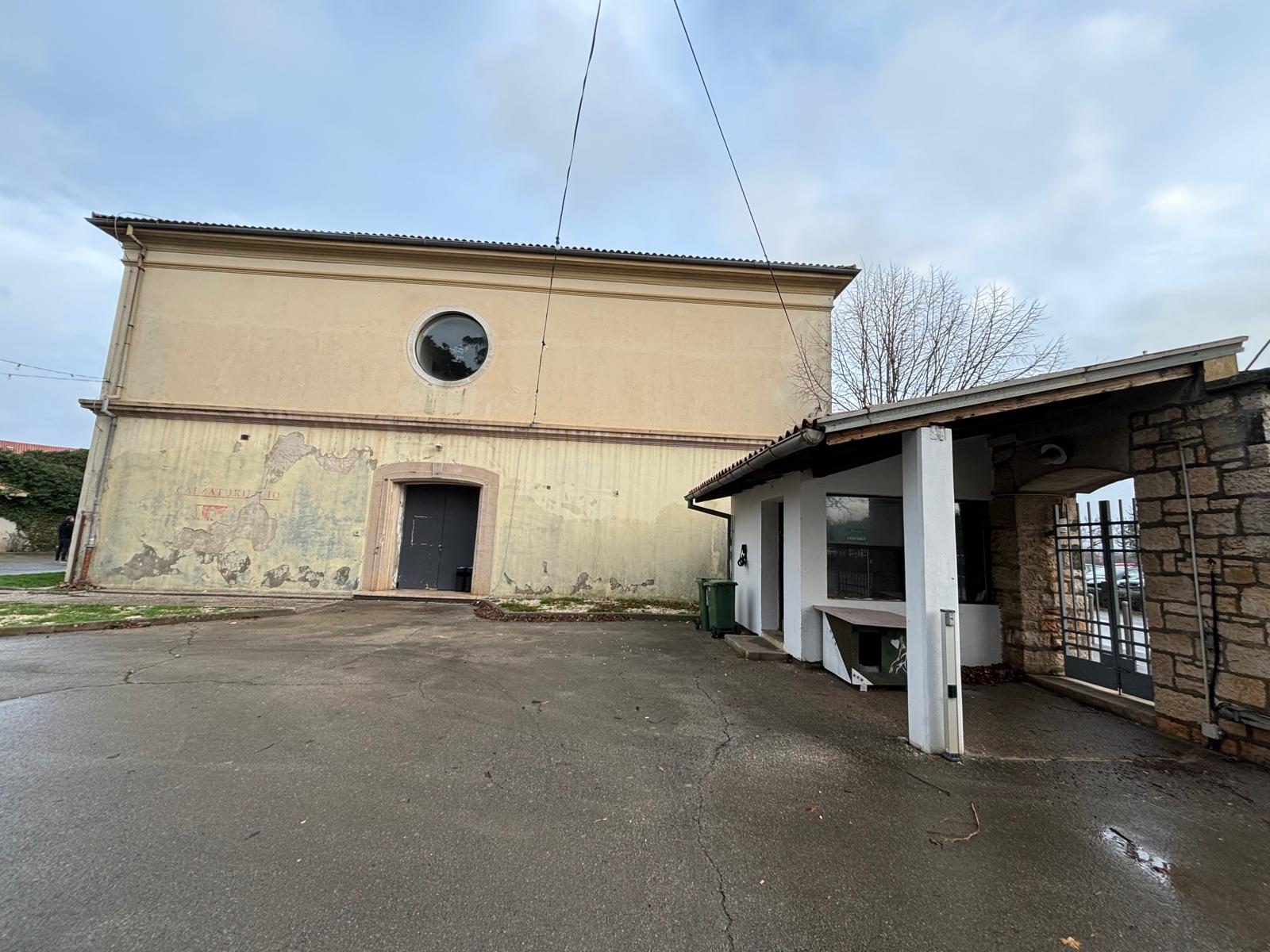
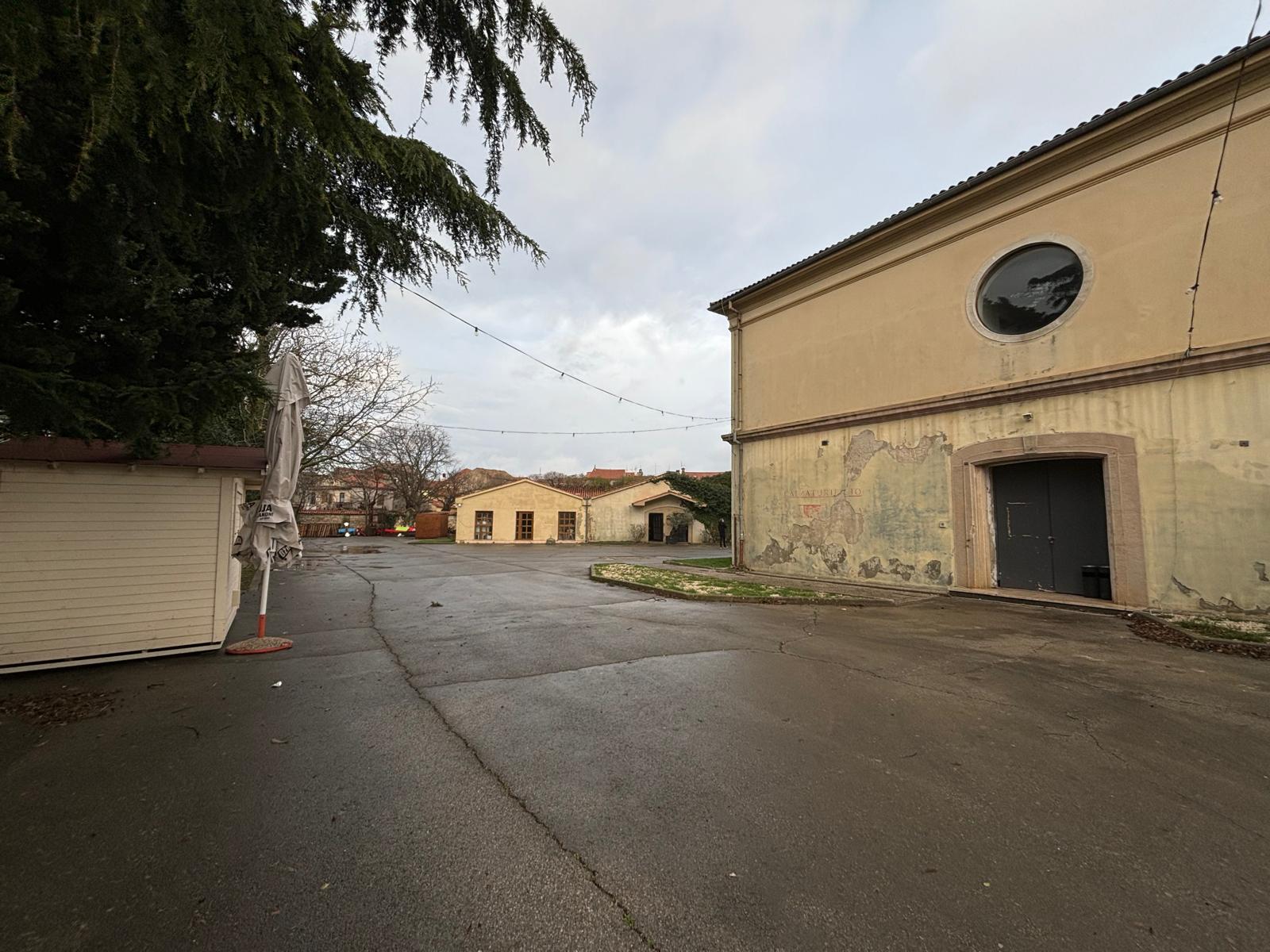
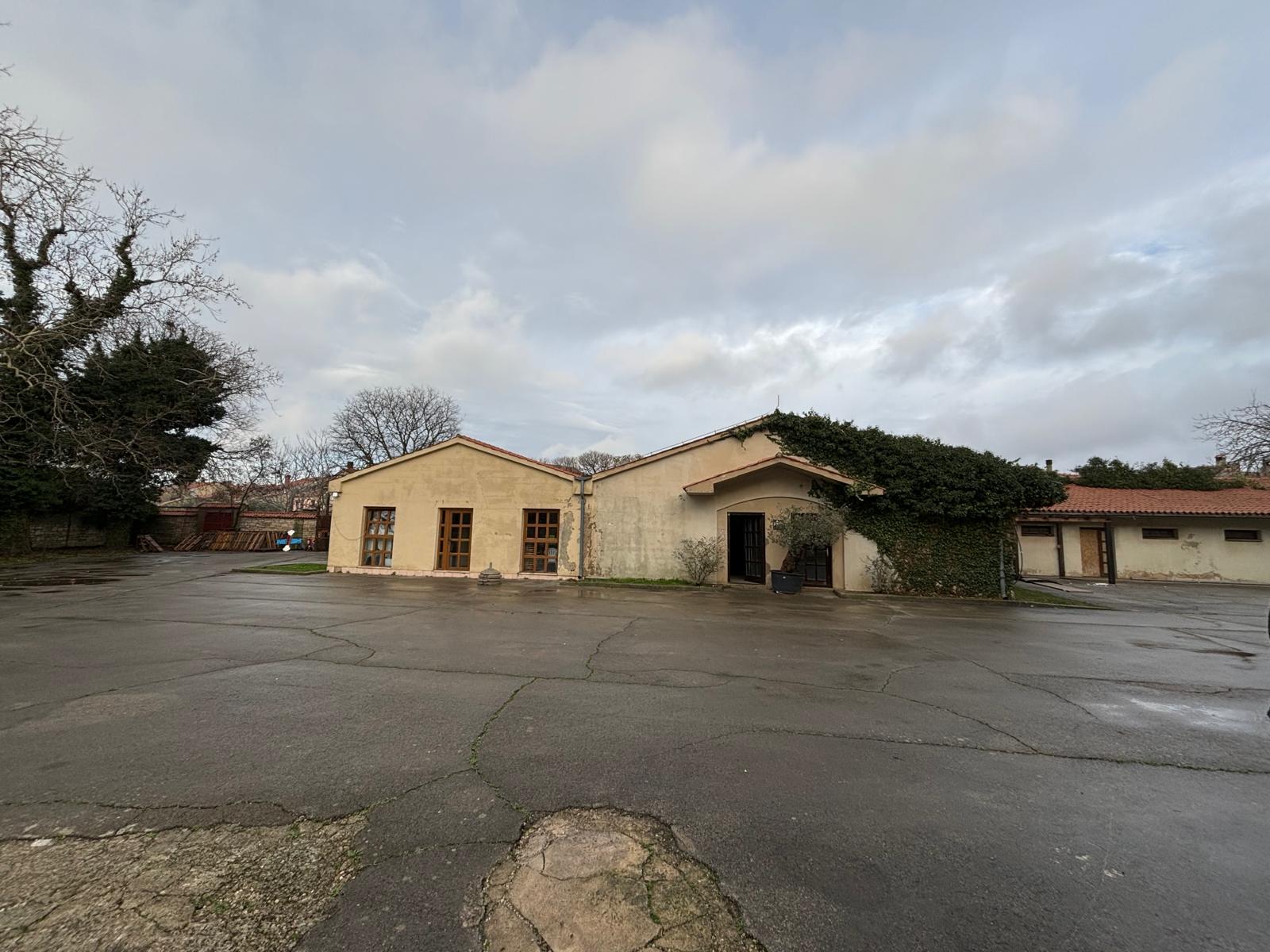
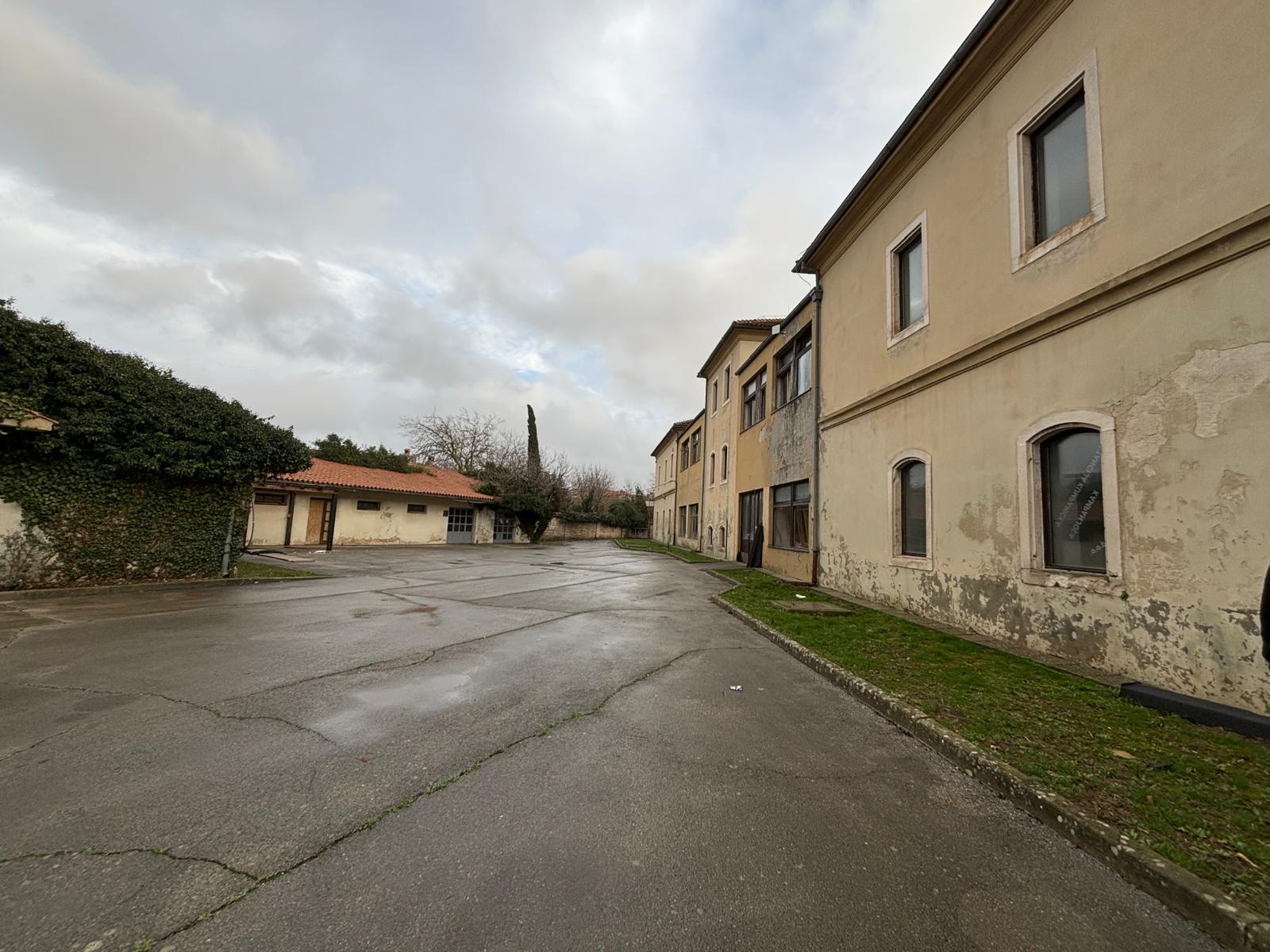
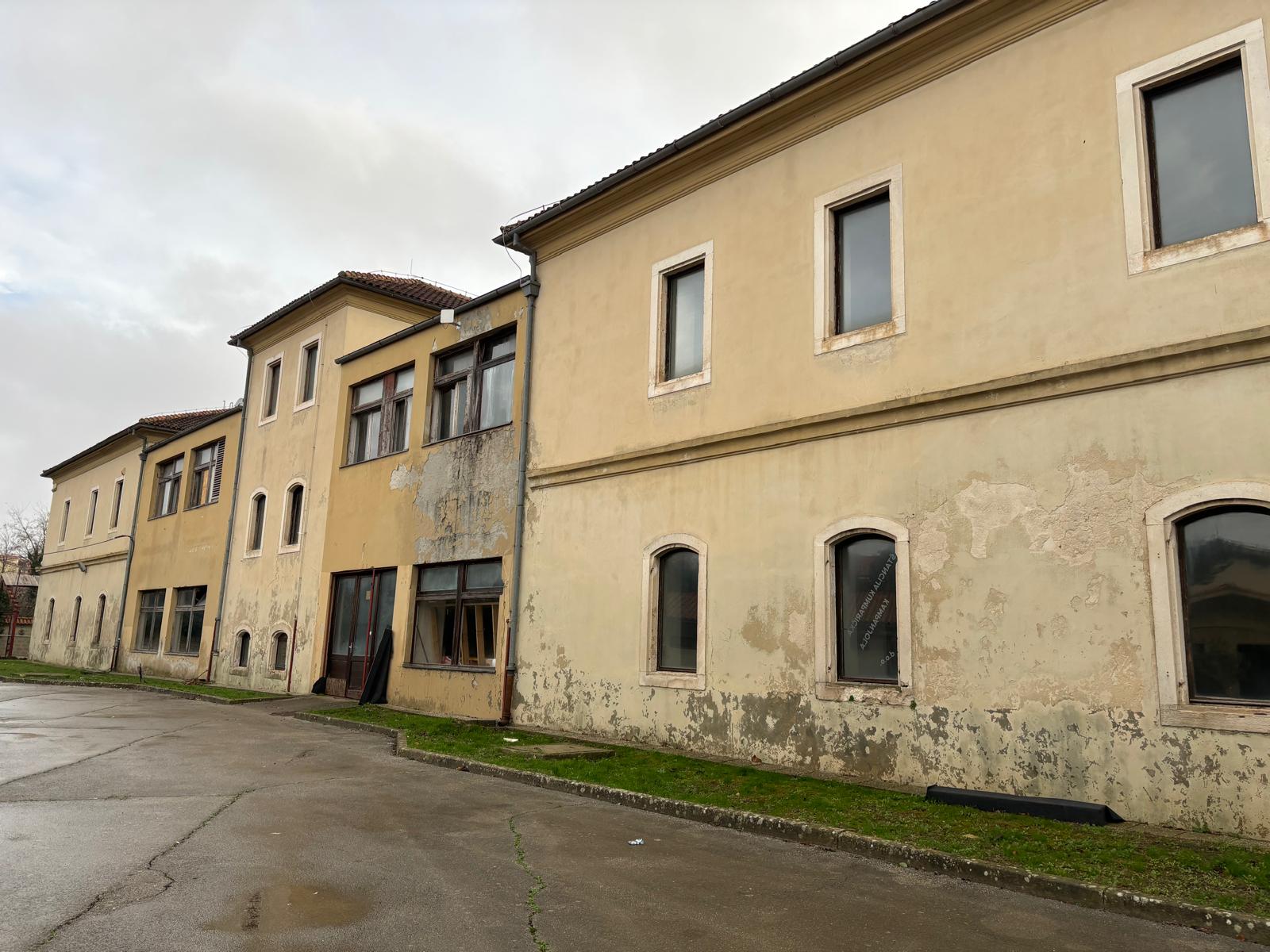
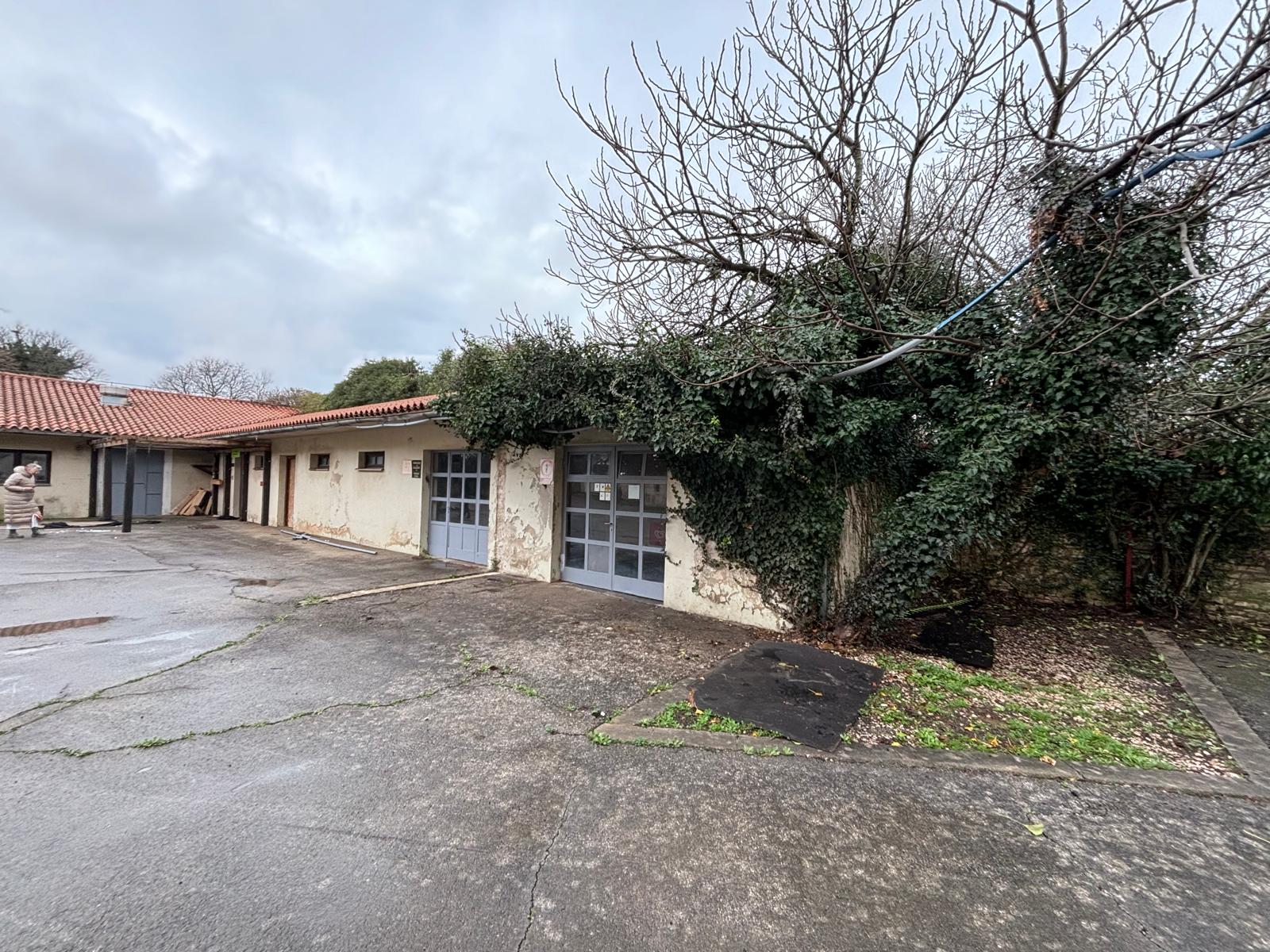
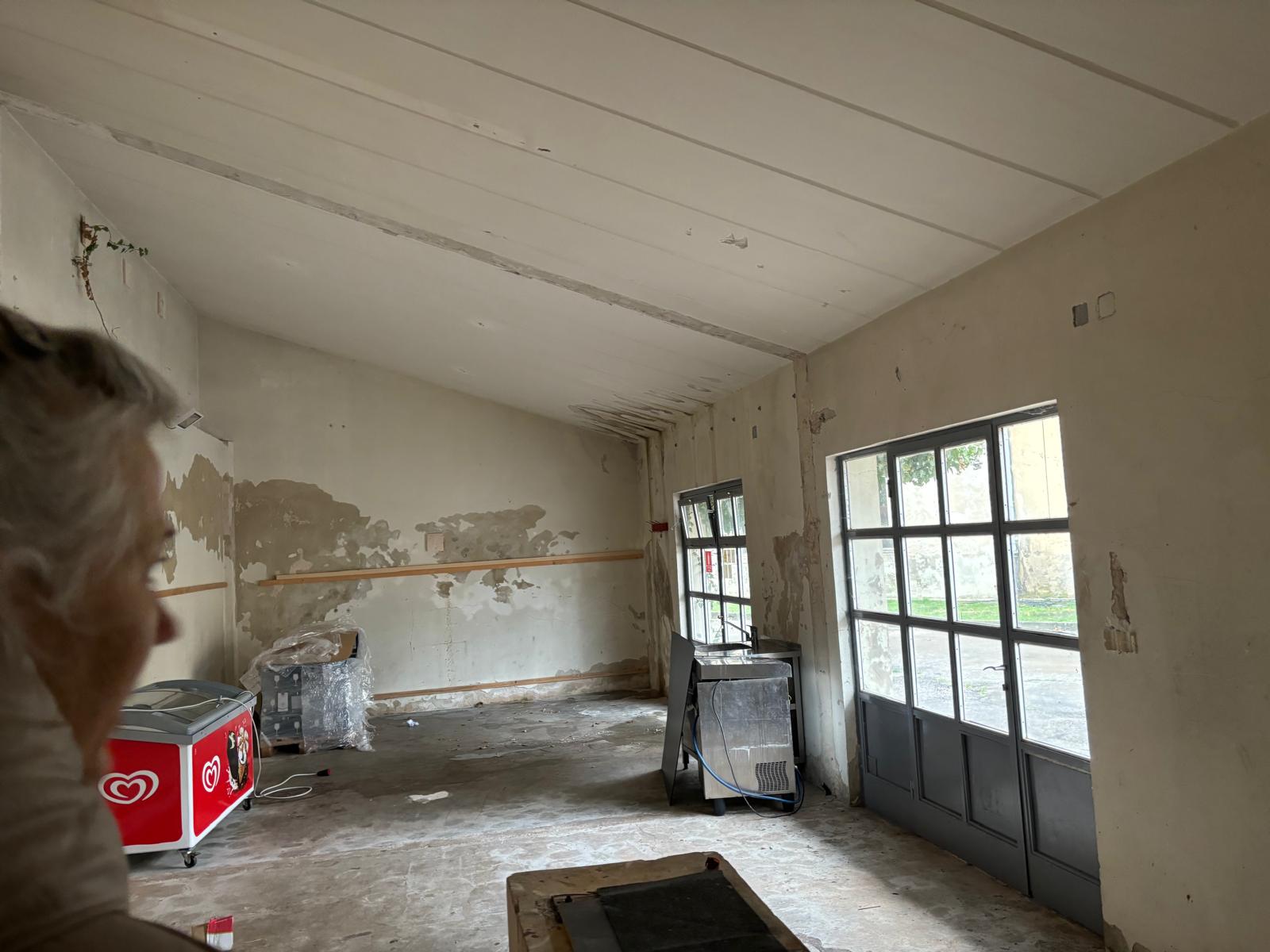
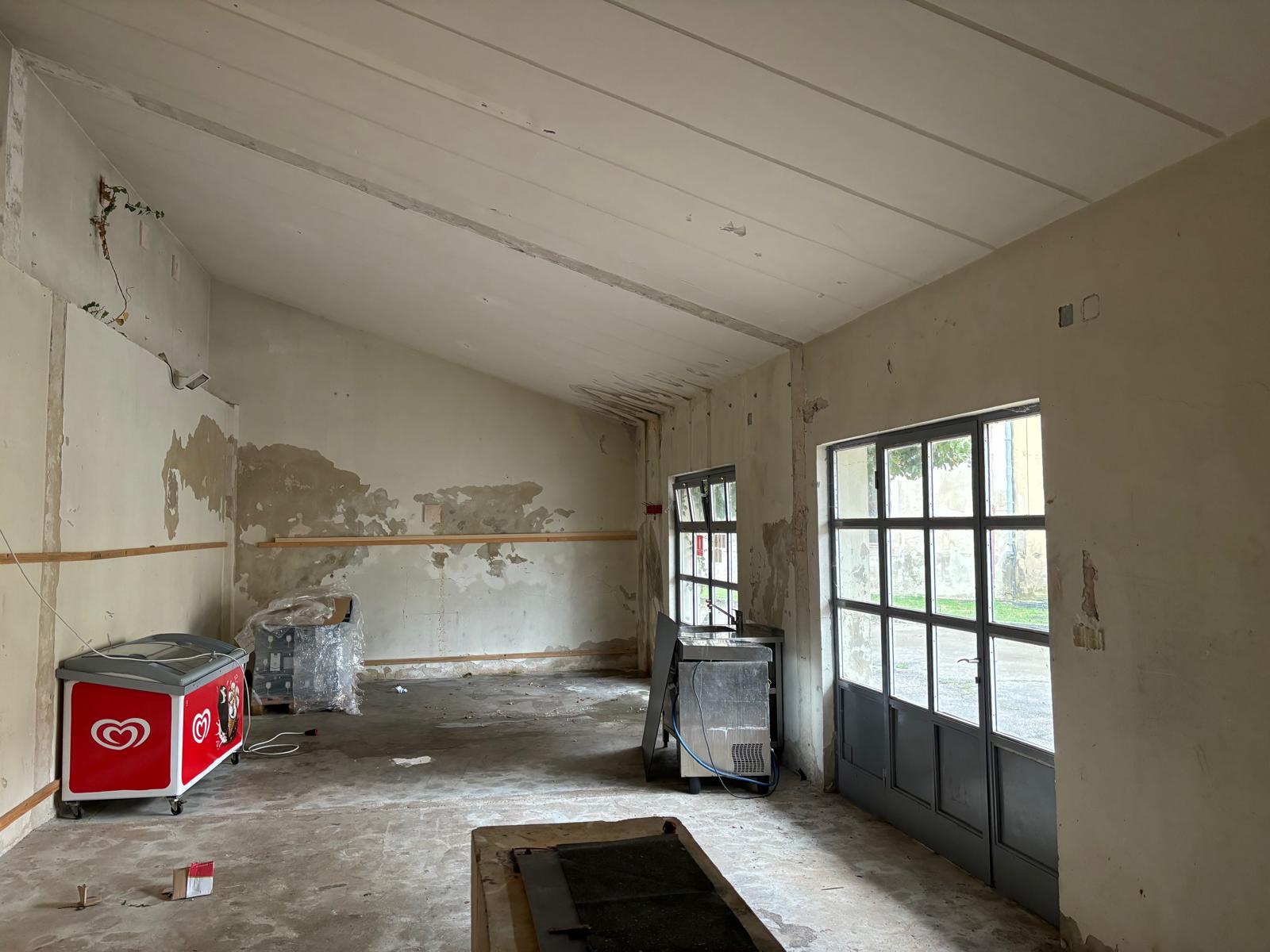
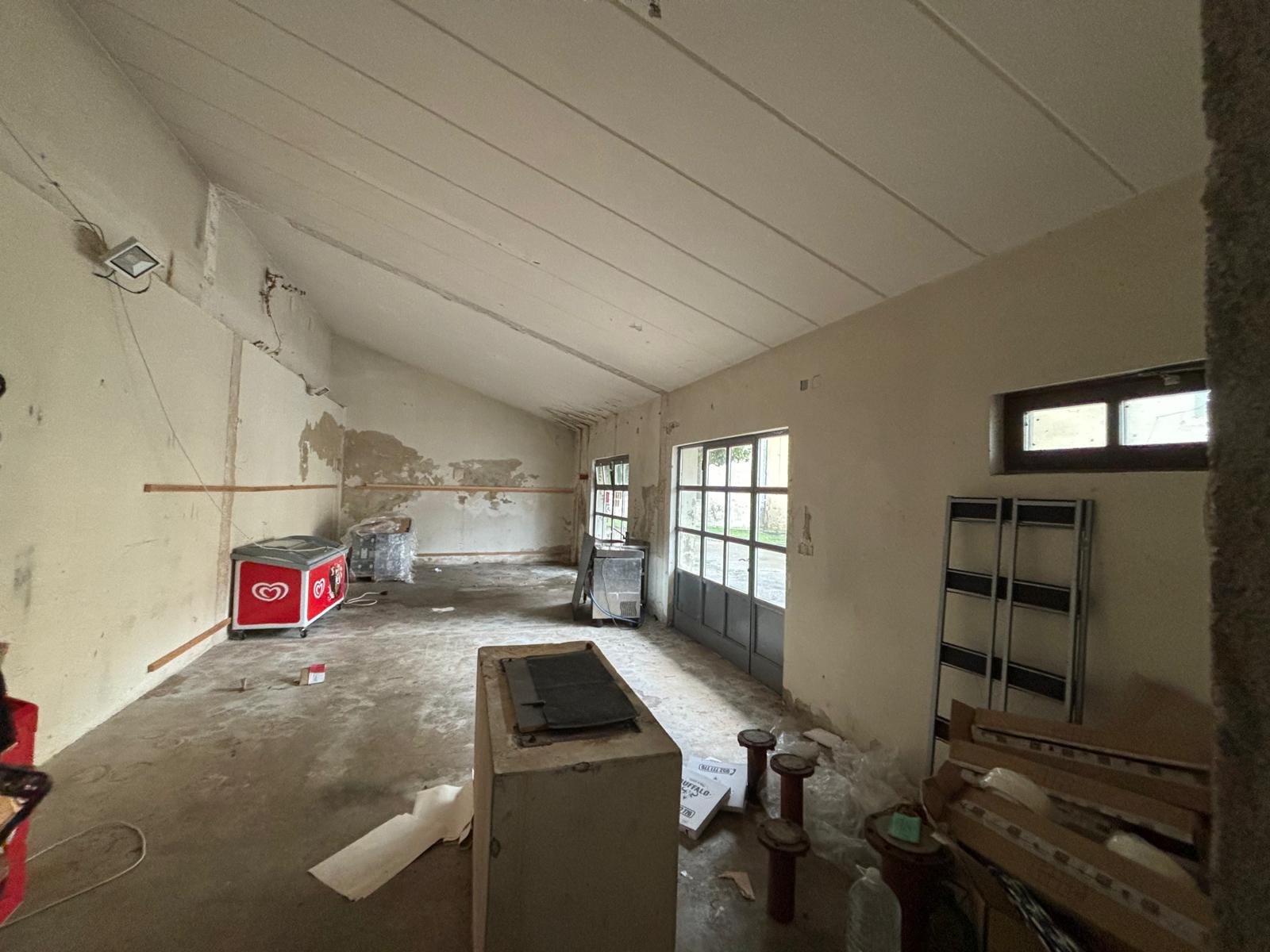
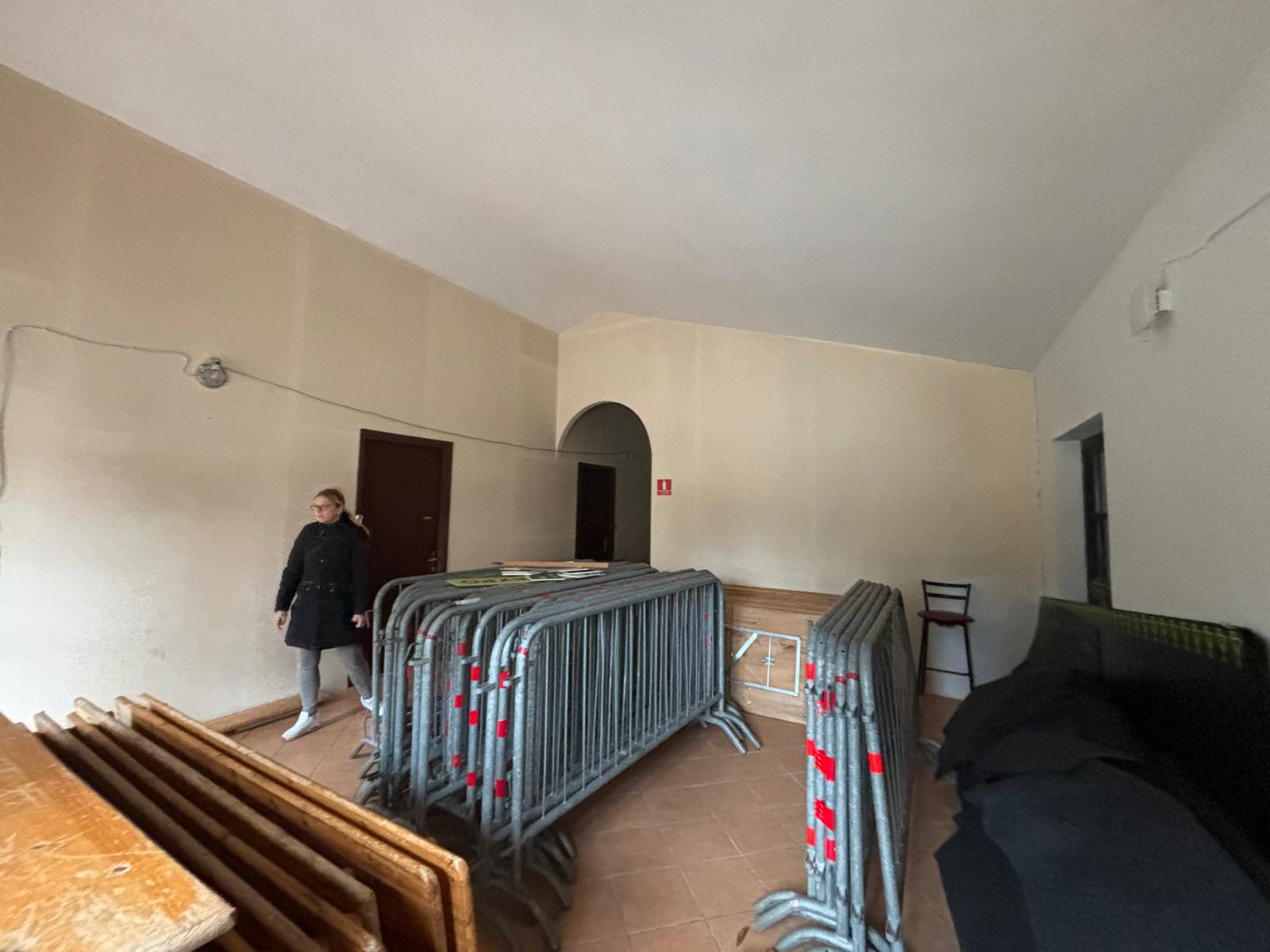
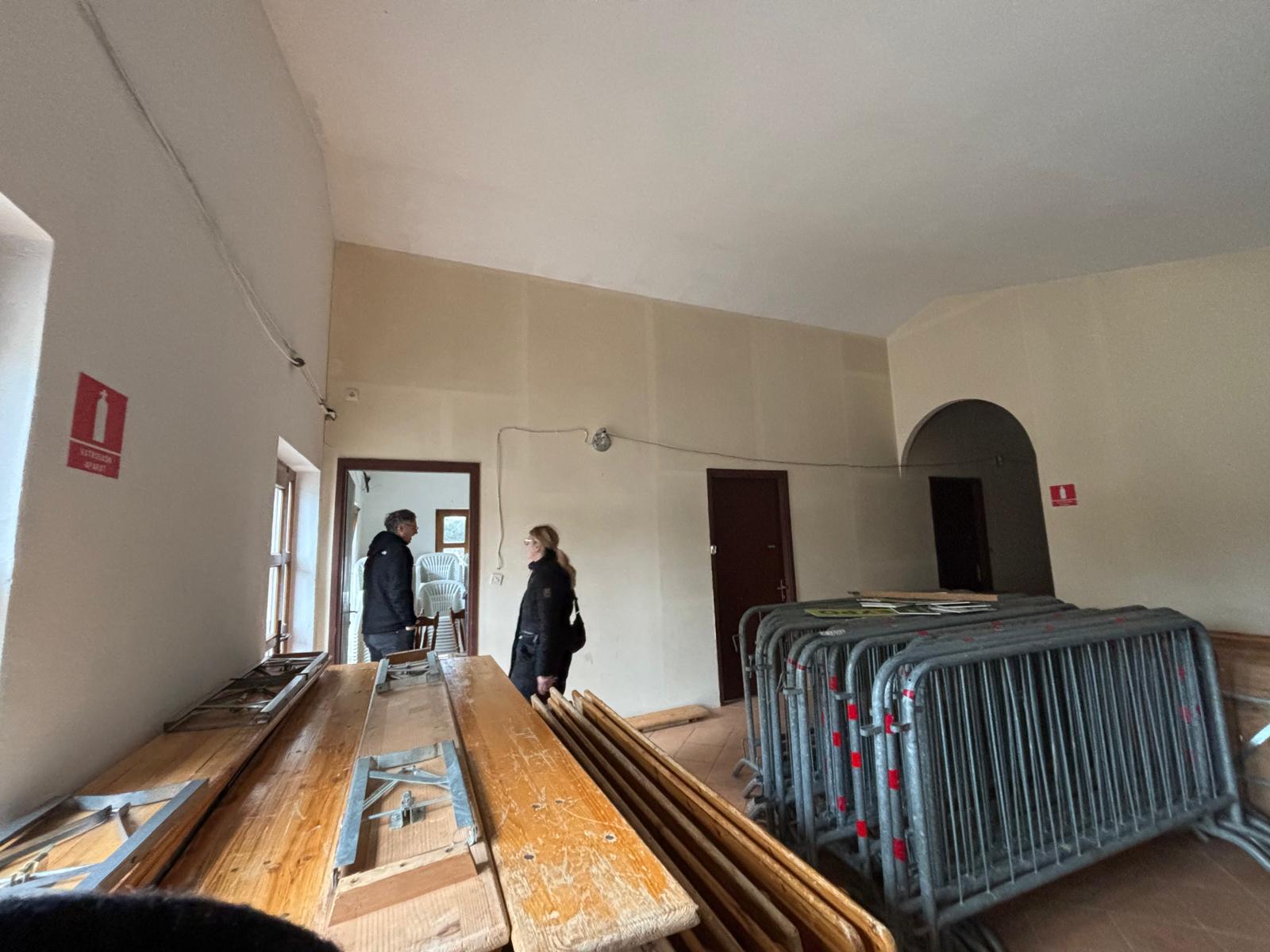
Vodnjan-Dignano (pop. 5,838), a bilingual Croatian-Italian town in Istria, invested EUR 973,933 to acquire the former ASTRA complex — a building with four lives: Austro-Hungarian military barracks, school, shoe factory, and now community centre. Phase 1 transforms the Menza (480 m2 canteen) into a community hub through EUR 128,000 renovation combining municipal funds, NEB Boost, crowdfunding, artist residencies, and ESC volunteer work actions.
Croatia
Vodnjan-Dignano, Croatia
Prototype level
Yes
Yes
Yes
Yes
SPUR project — Social Post-Covid Urban Revitalization (funded by the EU CERV Programme — Citizens, Equality, Rights and Values, Project ID: 101138715)
Green B-LEAF: Green Participatory Budgeting for Local Environmental Action and sustainable Future
Program: Interreg Euro-MED Programme (2021-2027)
RSO2.4 (climate adaptation)
No
05029: Vodnjan - Dignano (HR)
NEB values are woven into every phase of the Astra Community Center: SUSTAINABILITY is addressed through circular materials (reclaimed ASTRA elements, Istrian stone, donated materials), ecological heating (heat pump with 60-70% CO2 reduction), a biodiversity garden, and Green Budget Tagging through Green B-LEAF (Interreg Euro-MED). Economic sustainability is ensured through a diversified revenue model (local producers' sales, events, tourism services). The City actively seeks national and European funding for renovation and programming. AESTHETICS honours the building's four historical lives (barracks, school, factory, community centre) as a design asset. Artist residencies transform donated materials into interior elements. A young architects competition — judged by a multidisciplinary commission together with citizens — selects the best spatial solutions. INCLUSION operates across linguistic (bilingual Croatian-Italian), ethnic (5 groups), age (kindergarten to elderly), disability (universal design with Centar za rehabilitaciju Pula), economic (free access, producers' sales point), and digital (CONSUL platform) dimensions. CO-CREATION AND PARTICIPATORY APPROACH: Participation is not an add-on but the project's DNA, documented through 259 participations across EU CERV deliverables. The four-phase model — participatory strategy (2021), SPUR project activities (2024-2025: surveys, focus groups, international events, CONSUL workshop), Glas Vodnjana digital platform (2025-ongoing), and Green B-LEAF green participatory budgeting — ensures citizens, end-users and stakeholders are involved at every stage: planning (focus groups, platform voting), design (architects competition, co-design workshops), construction (crowdfunding, artist residencies, ESC volunteer groups), and programming (ongoing CONSUL feedback). The spatial-programmatic study — a SPUR result — translated citizen input into 7 scenarios as living frameworks for continued implementation.
Industrial heritage reuse
Participatory governance
Bilingual community
Circular renovation
Community co-creation
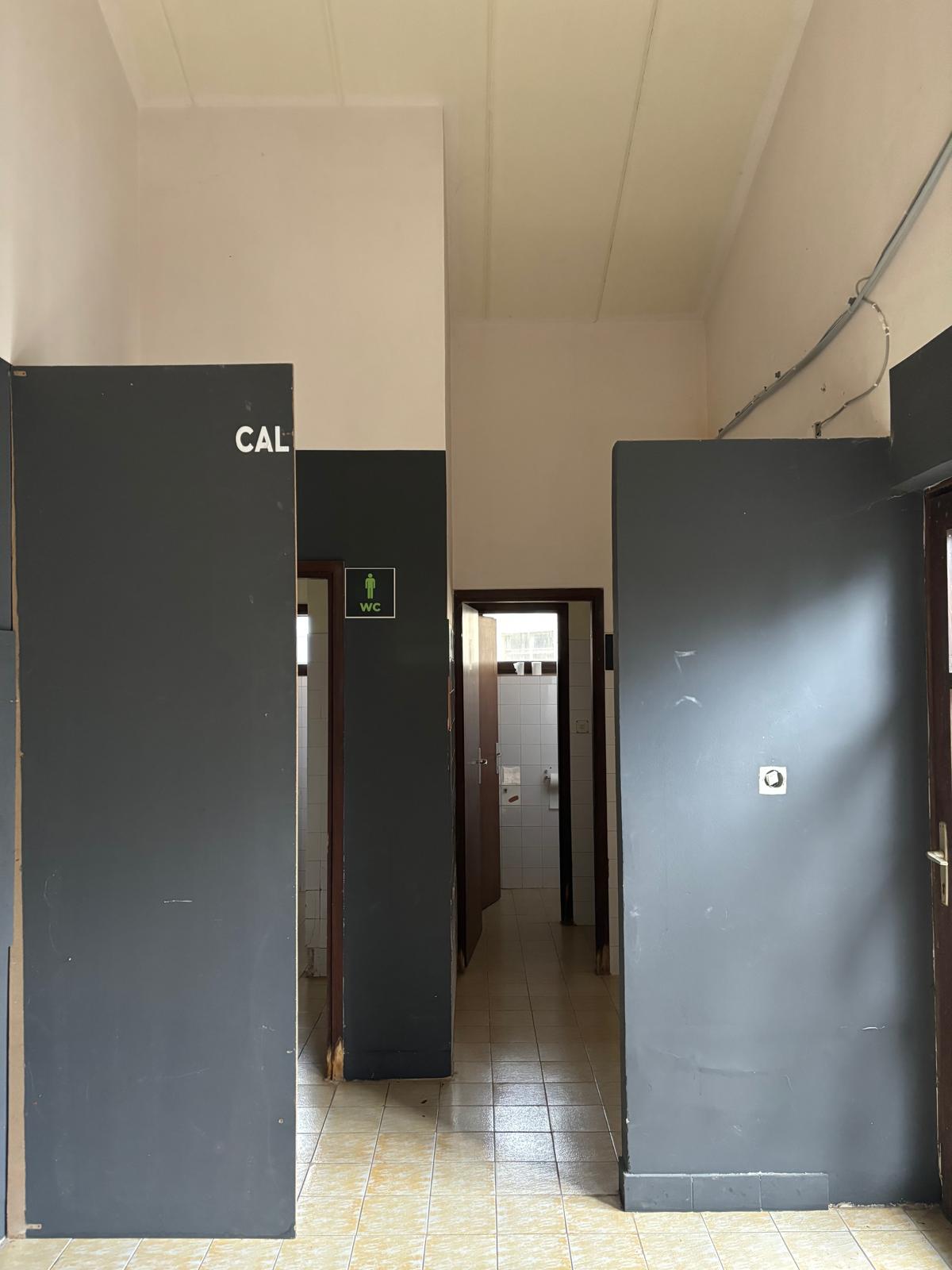
Phase 1 implements ecological measures from the spatial-programmatic study (itself a SPUR result): CIRCULAR MATERIALS: Reclaimed ASTRA elements, Istrian stone, sustainably sourced timber, natural fibre insulation. Donated materials from local companies. Zero-waste: recycling, composting, circular economy in construction and operation. ENERGY: Air-to-water heat pump (25-30 kW, COP 3.5-4.5) reduces CO2 by 60-70%. LED with motion sensors saves up to 50%. Temperature zoning by activity area. Passive ventilation. Solar PV-compatible for Phase 2 self-sufficiency. WATER: Water-saving fixtures, rainwater collection readiness, grey water reuse potential, ecological low-water toilets. BIODIVERSITY GARDEN (EUR 15,000): Native plants, herb gardens, insect hotel, tree planting for natural shading — improving microclimate and biodiversity. GREEN TRACKING: Green B-LEAF (Interreg Euro-MED, 8 countries) provides Green Budget Tagging — every euro tracked against climate indicators. Continues SPUR into environmental action. ECONOMIC SUSTAINABILITY: The Menza generates revenue through local producers' sales point (olive oil, wine, artisanal products — the study identified these as Vodnjan-Dignano's strongest sectors with no adequate presentation space), cultural event hosting, and tourist information services. This diversified income model reduces dependence on public funding, ensuring long-term operational viability. The City will actively seek national and European funds for both renovation and programming.
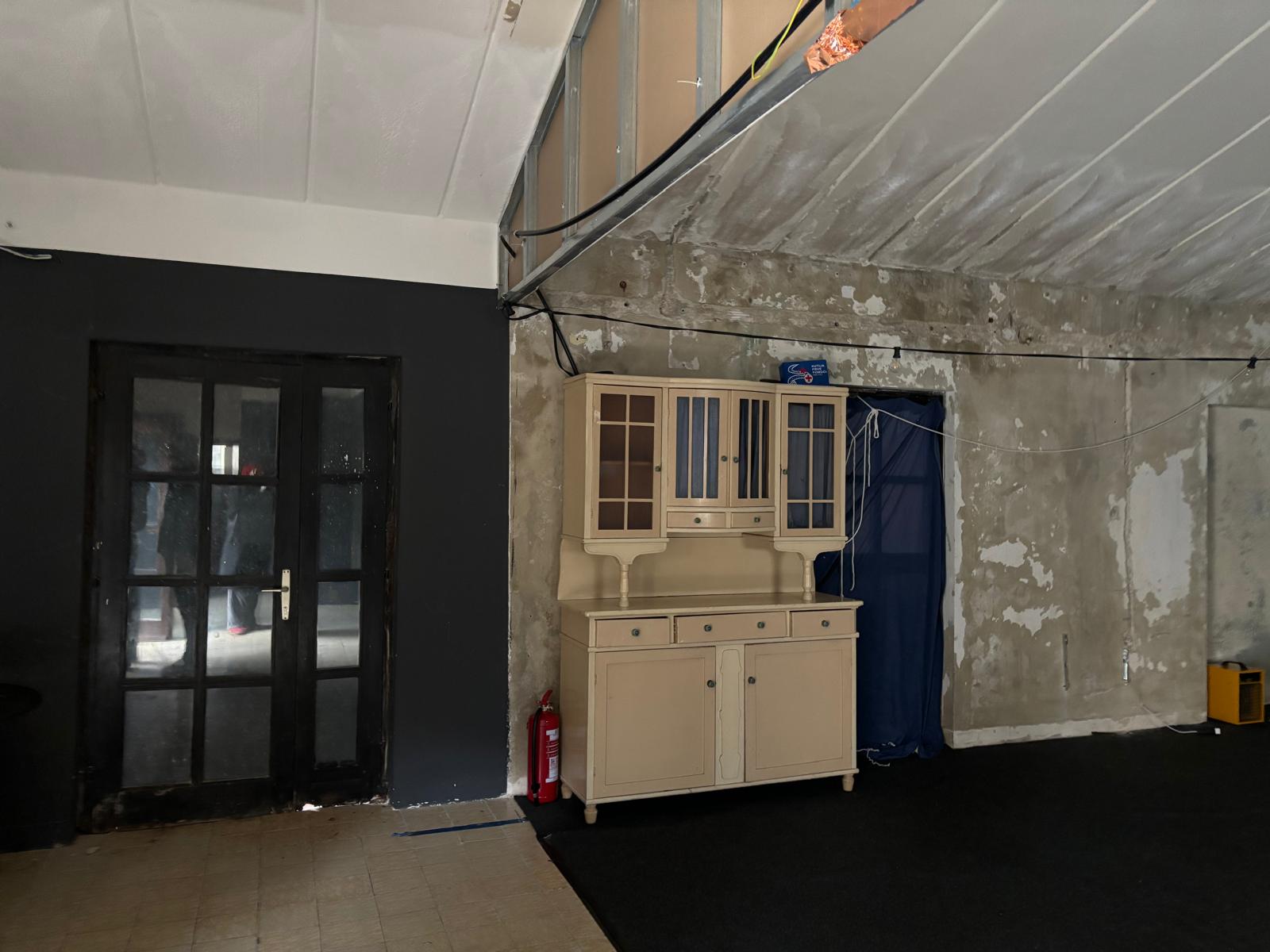
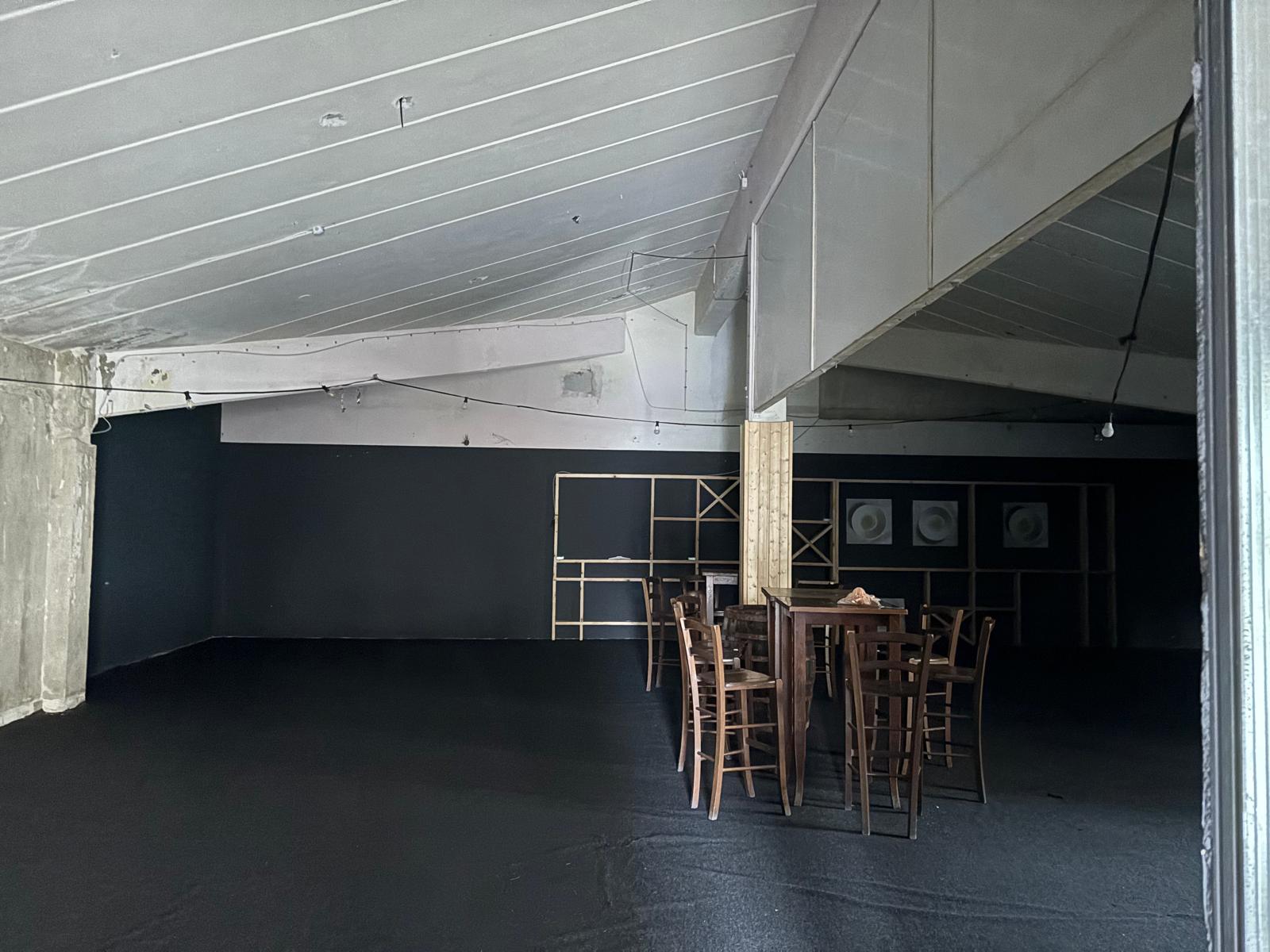
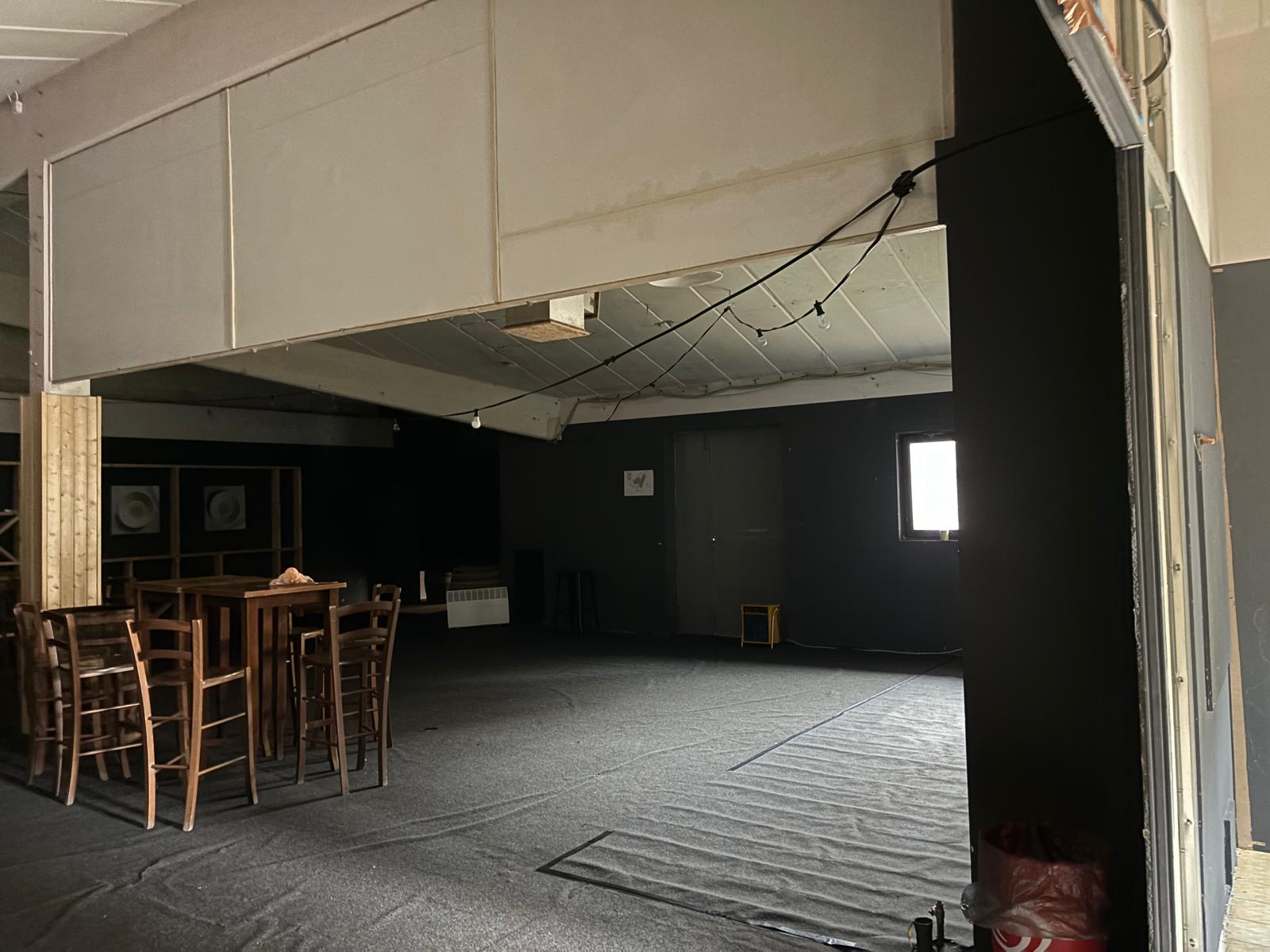
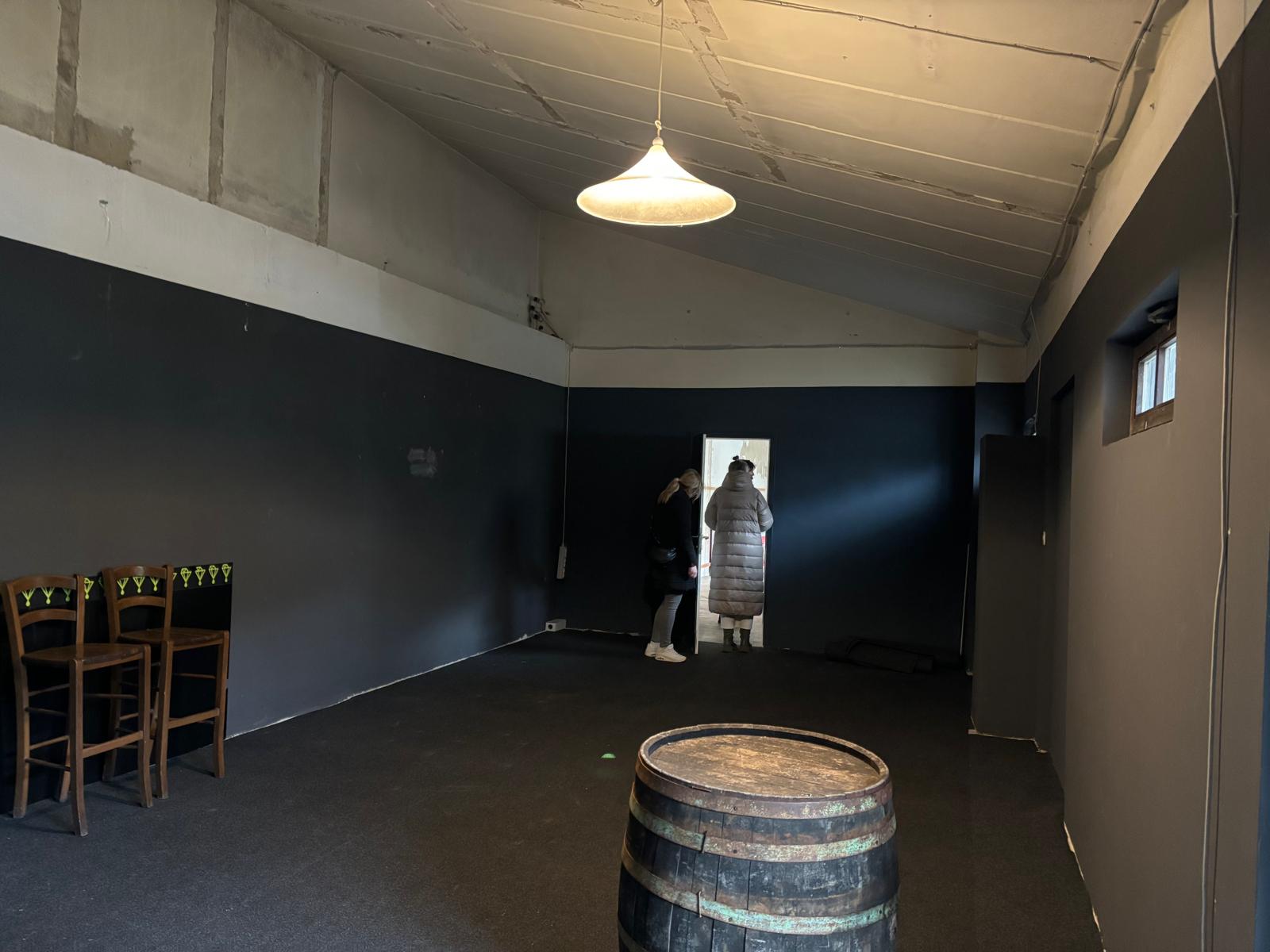
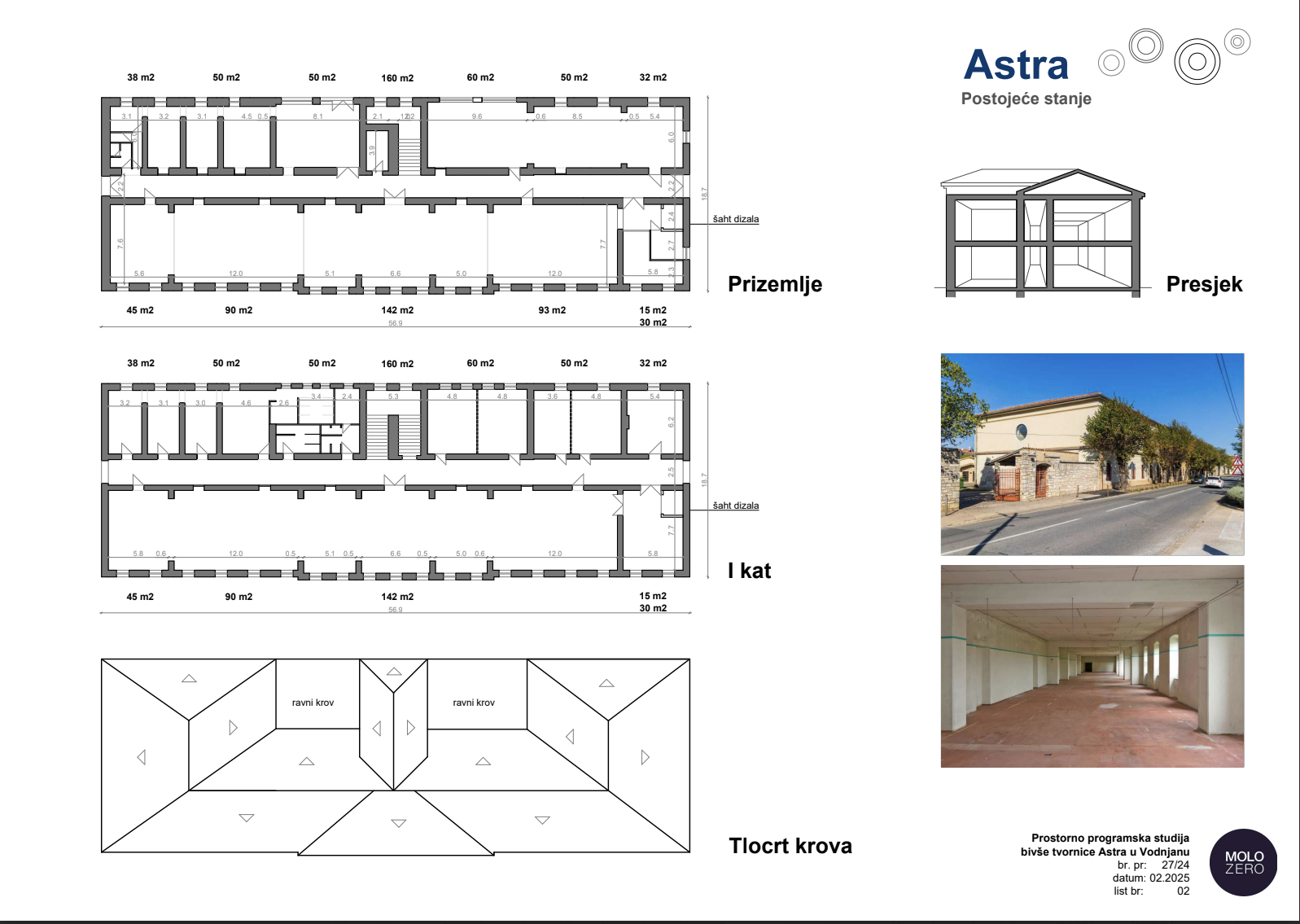
ASTRA's four historical lives — military barracks, school, shoe factory, community centre — are inscribed in its walls. Rather than erasing this layered identity, the renovation honours it: exposed structural elements, the patina of age, honest materials. The spatial-programmatic study (2025) establishes a design language where industrial heritage meets contemporary warmth and flexibility. The Menza's continuous identity as a communal space is the core design principle. Soldiers ate here, schoolchildren ate here (the building hosted up to 600 pupils), factory workers ate here — and citizens will gather here again. This continuity of communal function across four eras creates an authentic sense of belonging that no new-build can replicate. The study itself describes ASTRA as "a garden of forking paths" — each historical layer opening new possibilities rather than closing them. ARTIST RESIDENCIES: Association INFORMO organises invited artists who create interior elements — murals, furniture, art installations — from donated and reclaimed materials. The space becomes a cultural production itself: discarded factory materials becoming art, community gathering becoming creation. The exterior biodiversity garden with native Istrian plants, herb gardens, and insect hotels softens the industrial character with living beauty, connecting the building to the Mediterranean landscape. CITIZEN CO-DESIGN: Focus groups and Glas Vodnjana platform voting determine how the space looks, feels, and functions. Beauty is not imposed by architects alone but shaped by the community. The study's concluding vision captures this: "While we build ASTRA, ASTRA builds us." The process of transformation is not merely renovation — it is the creation of shared meaning in a place that has witnessed over 150 years of communal life.
Citizen participation is documented through EU CERV deliverables across 259 participations: PHASE A — STRATEGY (2021): An analysis of community composition and governance recommended steps to initiate participation. Changes came not immediately, but through applying for and implementing EU-funded projects. PHASE B — SPUR PROJECT (2024-2025, CERV ID 101138715, ALDA coordinator, INFORMO local implementation): - Baseline survey (D2.1): 100 citizens on community needs and post-pandemic engagement (51%F, 49%M) - Focus groups (D2.2/D2.3, 20+26 September 2024, City Hall): 5 in-depth + 40 in 4 thematic groups with Mentimeter. Total: 45 participants - 10 individual interviews with citizens, associations, artists, producers - International Event "REAL UTOPIA" (D5.3, 18-19 February 2025): 52 participants from 6 countries. Crowdfunding training, Minecraft youth participation (MC-METRE), artistic urban regeneration, ASTRA study presentation showing how citizen input shaped development scenarios - WP6 Presentation + CONSUL Workshop (26 November 2025): 52 participants. Mayor Orlic opened. Live CONSUL demo — participants created content, tested platform, very positive feedback - Local Action Plan (D5.1): strengthening engagement and participatory governance as core objectives ASTRA strategy also presented at DAI-SAI roundtable (Pula) and to community in Vodnjan. PHASE C — CONTINUED PARTICIPATION (2025-ongoing): Two tracks deepen the process: (1) Glas Vodnjana (CONSUL): built by INFORMO through City NGO grant, bilingual, launching participatory processes 2026 (2) Green B-LEAF (Interreg Euro-MED, 8 countries): Vodnjan as pilot for Green Participatory Budgeting — citizens shape climate adaptation through data-driven tools. Green Budget Tagging toolkit tracks every euro against climate indicators. Integrates NEB values. SPUR becomes foundation; Green B-LEAF expands into environmental action.
Citizen participation is documented through EU CERV deliverables across 259 participations: PHASE A — STRATEGY (2021): An analysis of community composition and governance recommended steps to initiate participation. Changes came not immediately, but through applying for and implementing EU-funded projects. PHASE B — SPUR PROJECT (2024-2025, CERV ID 101138715, ALDA coordinator, INFORMO local implementation): - Baseline survey (D2.1): 100 citizens on community needs and post-pandemic engagement (51%F, 49%M) - Focus groups (D2.2/D2.3, 20+26 September 2024, City Hall): 5 in-depth + 40 in 4 thematic groups with Mentimeter. Total: 45 participants - 10 individual interviews with citizens, associations, artists, producers - International Event "REAL UTOPIA" (D5.3, 18-19 February 2025): 52 participants from 6 countries. Crowdfunding training, Minecraft youth participation (MC-METRE), artistic urban regeneration, ASTRA study presentation showing how citizen input shaped development scenarios - WP6 Presentation + CONSUL Workshop (26 November 2025): 52 participants. Mayor Orlic opened. Live CONSUL demo — participants created content, tested platform, very positive feedback - Local Action Plan (D5.1): strengthening engagement and participatory governance as core objectives ASTRA strategy also presented at DAI-SAI roundtable (Pula) and to community in Vodnjan. PHASE C — CONTINUED PARTICIPATION (2025-ongoing): Two tracks deepen the process: (1) Glas Vodnjana (CONSUL): built by INFORMO through City NGO grant, bilingual, launching participatory processes 2026 (2) Green B-LEAF (Interreg Euro-MED, 8 countries): Vodnjan as pilot for Green Participatory Budgeting — citizens shape climate adaptation through data-driven tools. Green Budget Tagging toolkit tracks every euro against climate indicators. Integrates NEB values. SPUR becomes foundation; Green B-LEAF expands into environmental action.
Five governance levels, rare for a municipality of 5,838 inhabitants: LOCAL: Grad Vodnjan-Dignano as applicant, property owner, and primary investor (EUR 973,933 loan). Mayor Igor Orlic signed the Letter of Endorsement, continuing the commitment initiated by previous Mayor Edi Pastrovicchio. Annual budget allocation EUR 97,395 demonstrates sustained political will across administrations. Association INFORMO implements participatory processes, artist residencies, and ESC volunteer programmes. 62 local associations and 289 businesses constitute the stakeholder ecosystem mapped in the study. REGIONAL: Istarska zupanija engaged through Green B-LEAF (Interreg Euro-MED) providing Green Budget Tagging methodology. The study's regional analysis compared ASTRA with existing cultural centres (Rojc in Pula, Lamparna in Labin, CMIK in Novigrad, Kasarna in Fazana) and concluded that none combines civic, public, and private sectors within one space — positioning ASTRA to fill this regional gap. NATIONAL: ITP 2021-2027 pipeline. Nacionalna zaklada institutional support. National tenders for public building renovation and energy efficiency. HBOR preferential credit programmes for municipal infrastructure. EUROPEAN: SPUR/CERV (completed) established participatory methodology. Green B-LEAF (Interreg Euro-MED, 8 Mediterranean countries, EUR 2.25M) provides climate methodology. EUI-IA Urban Innovation Actions pipeline (up to EUR 2M, Grad Vodnjan applicant) targets subsequent phases. Council of Europe Development Bank (CEB) co-finances the acquisition loan. The study explicitly maps EU policy alignment: European Green Deal, European Urban Agenda, Digital Transformation, EU Cultural Strategy, Social Economy.
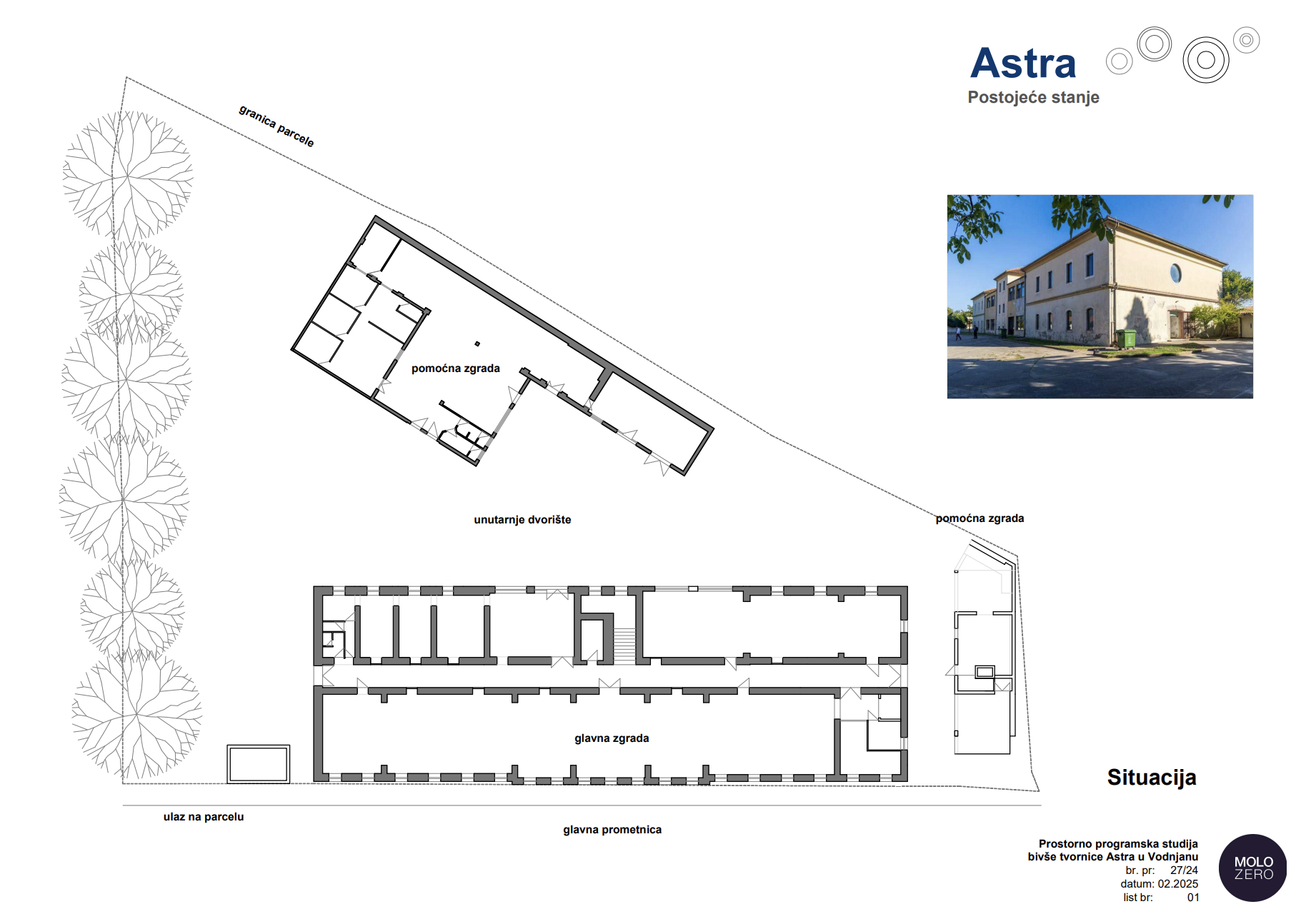
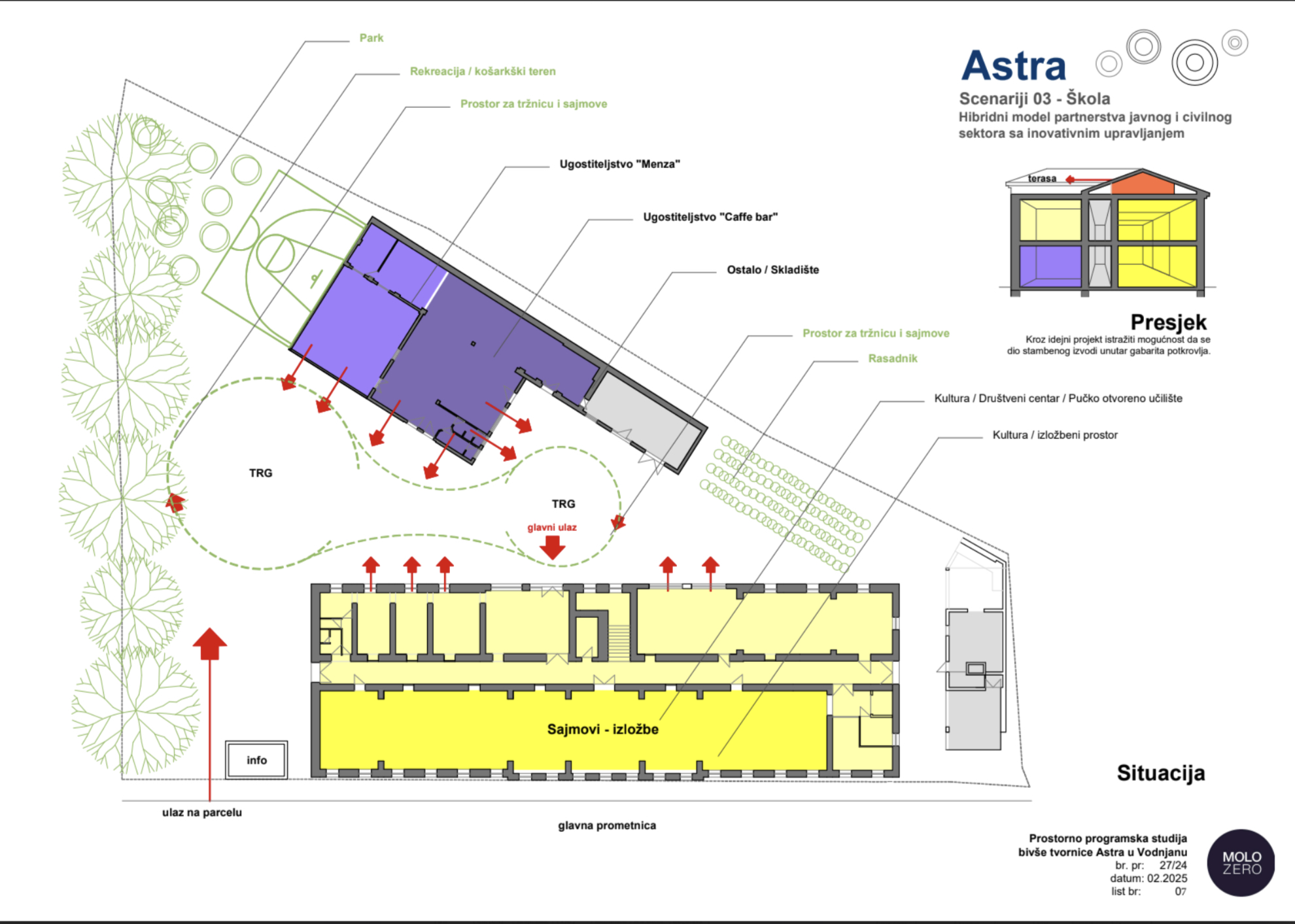
The spatial-programmatic study — itself a key result of the SPUR/CERV project, translating citizen input into spatial scenarios — was developed by a multidisciplinary expert team integrating: ARCHITECTURE AND URBAN PLANNING: The study team (architects Dino Krizmanic, Leonid Zuban, Dunja Predic) analysed the complex, developed spatial scenarios, and established design guidelines for heritage-sensitive renovation. EU PROJECT MANAGEMENT: Association INFORMO brings EU project experience across Erasmus+, Creative Europe, Interreg ADRION, and European Solidarity Corps — contributing project cycle management and EU policy alignment. CULTURAL HERITAGE AND HISTORY: Heritage specialist Daria Morosin and historian Daniela Bisic Martincic documented ASTRA's 150+ year history from Habsburg military records through Italian and Yugoslav school archives to industrial era documentation, drawing on archives in Rovinj and local oral histories. DIGITAL DEMOCRACY: CONSUL platform adaptation combines software engineering, bilingual UI design, and civic technology deployment. ARTS AND DESIGN: Artist residencies organised by Association INFORMO bring visual artists and craftspeople to create interior elements from reclaimed materials. ENVIRONMENTAL SCIENCE: Green B-LEAF methodology provides systematic environmental tracking. Study section 3.2 establishes ecological measures: passive ventilation, circular materials, water management, biodiversity. SOCIAL INCLUSION: Centar za rehabilitaciju Pula contributes universal design expertise. CITIZEN KNOWLEDGE: 10 interviews + 4 focus groups (259 documented participations) + Mentimeter surveys ensured expert knowledge was grounded in community needs. The study's methodology explicitly prioritised citizen input over purely administrative decisions.
Four dimensions distinguish this project from mainstream heritage renovation: 1. RENOVATION AS PARTICIPATORY ACT: Most projects separate planning (with citizens) from construction (with contractors). ASTRA integrates participation into construction: crowdfunding creates financial ownership, artist residencies (organised by Association INFORMO) create cultural ownership, and ESC volunteer work actions create physical ownership. Citizens fund, build, and fill the space with art — not just plan it. 2. BUILDING WITH FOUR DOCUMENTED LIVES: The study traces ASTRA through Habsburg barracks, school (600 pupils), two phases of shoe factory (Yugoslav-era ASTRA and Italian Calzaturificio Elisa), and now community centre. Rather than choosing one identity, the renovation treats this layered history as a design asset — creating a palimpsest of over 150 years of communal life. The Menza, having served as dining space for soldiers, children, and workers, now becomes a community gathering space designed by citizens. 3. PERMANENT DIGITAL DEMOCRACY IN A MICRO-MUNICIPALITY: Deploying a bilingual CONSUL platform in a town of 5,838 is exceptional. Most comparable municipalities lack any digital participation infrastructure. Combined with the study's analogue methods (focus groups, interviews, Mentimeter), this creates a comprehensive participation ecosystem. 4. DIVERSIFIED MICRO-FINANCING: Municipal loan + NEB prize + crowdfunding + donated materials + artist residencies + ESC volunteer labour + national tenders + credit facilities. Designed for small municipalities with limited budgets but strong community engagement — itself highly transferable.
Five interlocking approaches: PARTICIPATORY PLANNING: Four-phase model validated through the study (itself a SPUR/CERV deliverable) — participatory strategy (principle), SPUR/CERV consultations (tools: surveys, focus groups, Mentimeter, international events), CONSUL platform (permanent infrastructure), co-design workshops (spatial translation). Each phase builds capacity and institutional commitment. ADAPTIVE REUSE: Following study section 3.2 — minimal intervention preserving industrial character (exposed structure, material patina) while introducing energy efficiency, accessibility, and contemporary function. The study describes this as honouring the building's identity rather than erasing it. CIRCULAR CONSTRUCTION: Three material channels — reclaimed ASTRA elements, locally sourced Istrian stone and timber, and donated materials from local companies. Zero-waste in both construction and operation. COMMUNITY-EMBEDDED CONSTRUCTION: Three engagement mechanisms integrated into the physical renovation: (1) crowdfunding campaign (donors become named "founders"); (2) artist residencies and young architects competition creating interior elements from donated materials (INFORMO); (3) ESC volunteer groups organised by Association INFORMO (ESC Quality Label 2021-2027). GREEN BUDGET TAGGING: From Green B-LEAF (Interreg Euro-MED) — every investment tracked against environmental indicators. The study maps this to EU Green Deal compliance and EU Taxonomy eligibility.
Transferable to hundreds of small municipalities across Europe. The study itself identifies the ASTRA model as filling a gap in Istria's cultural infrastructure — no existing centre combines civic, public, and private sectors in one space. TRANSFERABLE ELEMENTS: 1. PHASED APPROACH: Starting with one self-contained space (480 m2 Menza within a 4,000 m2 complex). Any municipality can identify one space within a larger heritage site. 2. DIVERSIFIED MICRO-FINANCING: Municipal investment + EU prize + crowdfunding + material donations + artist residencies + ESC volunteer labour. Does not depend on large structural funds. 3. PROGRESSIVE PARTICIPATION: Four-phase model (strategy to consultations to digital platform to co-design) is a roadmap for any municipality regardless of starting point. 4. BILINGUAL/MULTICULTURAL MODEL: Croatian-Italian bilingualism directly relevant to border municipalities, minority-language communities, and multilingual contexts across Europe. 5. DIGITAL DEMOCRACY IN MICRO-MUNICIPALITIES: CONSUL deployment proves digital participation tools work even under 6,000 inhabitants. 6. STUDY-DRIVEN APPROACH: The comprehensive spatial-programmatic study methodology — combining stakeholder mapping, focus groups, scenario development, and EU policy alignment — is itself replicable. DISSEMINATION: Green B-LEAF network (8 countries), Erasmus+ exchanges, relevant EU networks, NEB Festival 2026 (June, Brussels). Methodology documented for open replication.
Commitment is demonstrated through concrete actions and ongoing financial obligations: FINANCIAL: EUR 973,933 HBOR/CEB loan for property acquisition. Over EUR 301,500 repaid by February 2026. EUR 97,395 approved in 2026 budget (Position R0218). Renovation costed at EUR 128,000 with detailed breakdown. Nearly EUR 100,000 annually from general revenues of a municipality of 5,838 inhabitants. POLITICAL: Letter of Endorsement signed by Mayor Igor Orlic. Commitment spans administrations (acquisition initiated by Mayor Pastrovicchio, continued by Mayor Orlic). Property in full municipal ownership. PLANNING: Spatial-programmatic study (2025) completed — 150+ pages covering history, stakeholder mapping (62 associations, 289 businesses), participatory methodology, 7 scenarios, energy efficiency (3.2), management models (3.3), EU policy alignment (3.5). PHASE 1 TIMELINE: - Q2 2026: Focus groups + Glas Vodnjana citizen voting; crowdfunding launch; material donation drives; young architects competition - Q2-Q3 2026: Design selection by commission + citizens; accessibility audit; procurement - Q3 2026-Q1 2027: Renovation + artist residencies + architects competition winners (INFORMO) + ESC volunteer groups - Q4 2026-Q2 2027: Biodiversity garden with native plants - Q2 2027: Bilingual programming launch LONG-TERM: The City will actively seek national and European funding for both building renovation and programming content. EUI-IA Urban Innovation Actions (up to EUR 2M). National tenders for building renovation + HBOR credit. Loan repayment through 2033 (~EUR 706,000 remaining). Green B-LEAF continues participatory budgeting into environmental action.