Enhancing Circularity, Sustainability, and Innovation
ALSA Olive Oil Circular Model
ALSA Olive Oil: A Circular, Solar-Powered Model Strengthening Rural Value Chains in Albania
ALSA Olive Oil Factory is a rural production model in Albania that integrates renewable energy, circular economy practices, and local farmer networks. By using solar power and transforming production waste into resources, the project reduces environmental impact while strengthening local livelihoods. ALSA demonstrates how sustainable agro-processing can drive economic resilience, community inclusion, and scalable green transformation in rural areas, across similar regions.
Albania
Local
Fiershegan Village, Lushnjë Municipality, Fier County
Mainly rural
It involves a physical transformation of the built environment (hard investment)
Yes
2026-01-31
Yes
ALSA received seed funding through the Balkan Green Ideas programme implemented by Partners Albania, supporting green entrepreneurship in the Western Balkans, as winner of the Green Business Competition 2025
No
No
Organisation
ALSA is a rural olive oil production model in Fiershegan, Albania, developed to address high energy costs, low resource efficiency, and fragmented value chains in small-scale agro-processing. It transforms a traditional olive oil factory into an integrated system combining renewable energy, circular production practices, and collaboration with local farmers.
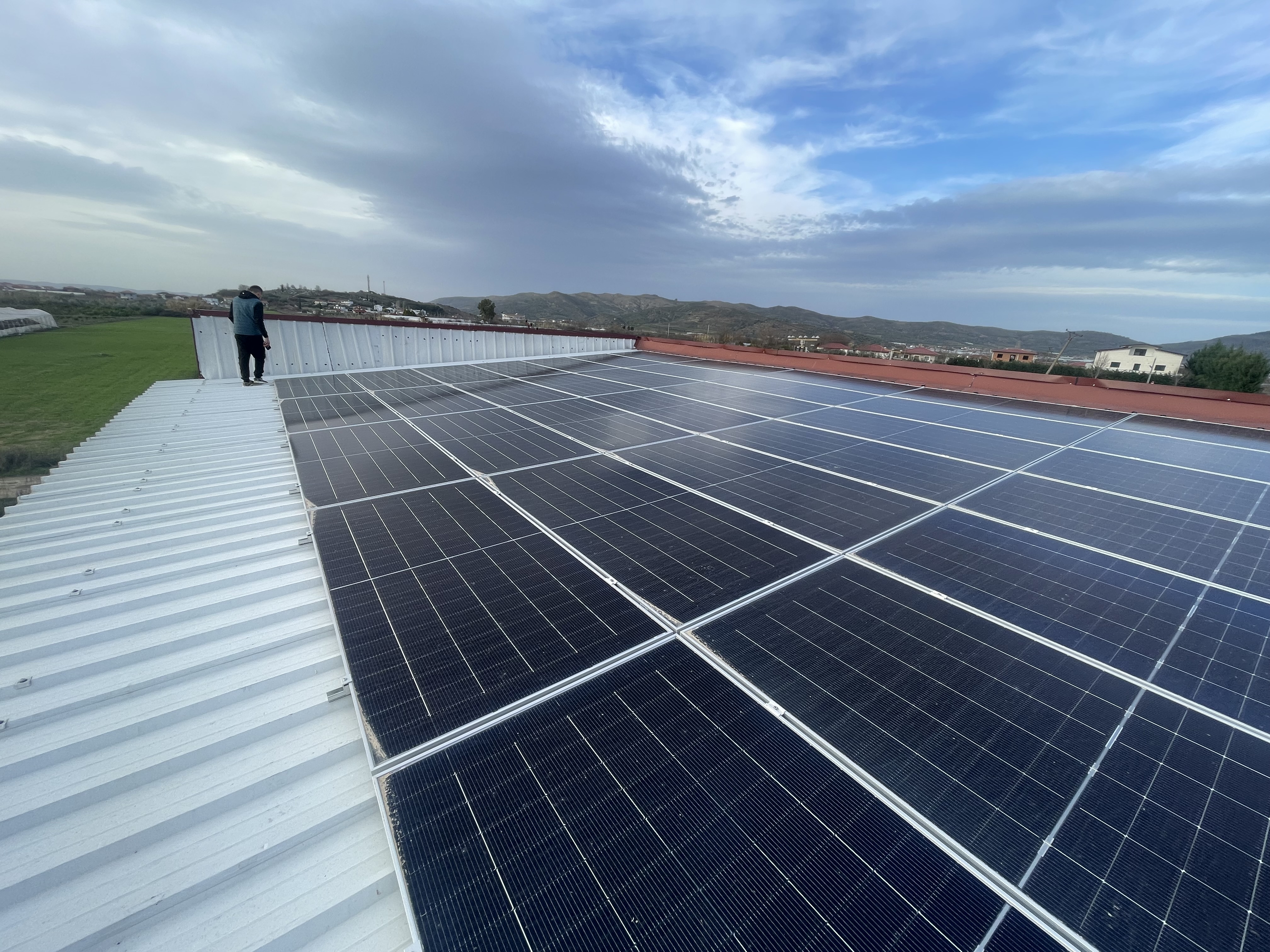
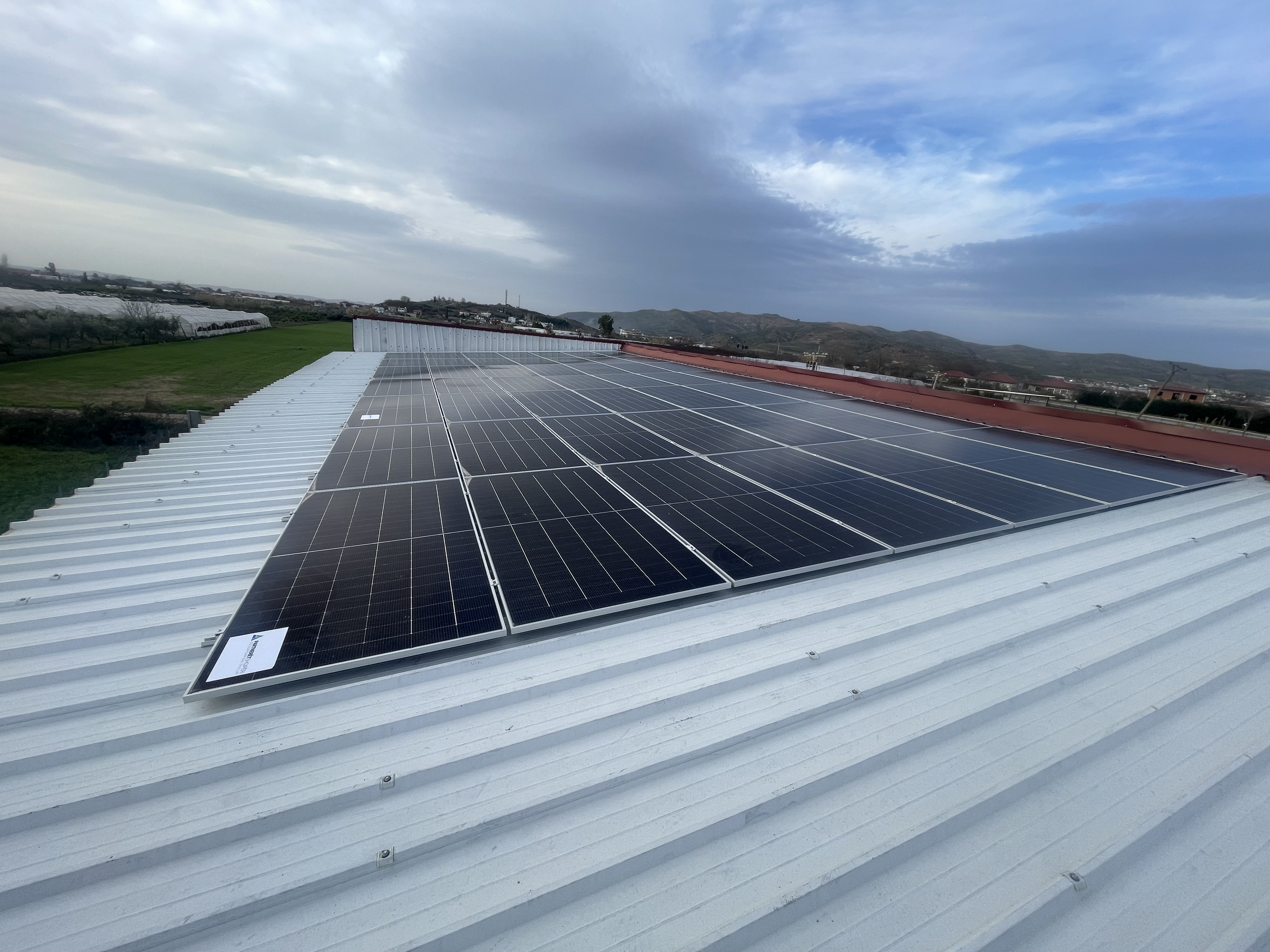
The project introduced a 30.3 kWp solar energy system, covering 100% of the factory’s annual energy needs and significantly reducing operational costs and carbon emissions. In parallel, ALSA applies circular practices by converting olive processing residues into biomass fuel and organic fertiliser, eliminating waste and closing resource loops.
Before the intervention, production relied on conventional energy and linear processes. Today, ALSA operates as a low-impact, resource-efficient system that improves both environmental and economic performance.
The project engages over 450 local farmers (as of December 2025), providing access to processing services, improving product quality, and increasing income opportunities. It also contributes to local employment, including vulnerable groups, and strengthens the rural economy through partnerships and market access.
As a result, ALSA has increased production capacity, expanded its client base (B2B and B2C), and improved financial sustainability. Beyond immediate results, it functions as a replicable model for rural agro-processing, demonstrating how clean energy, circular resource management, and inclusive collaboration can drive systemic transformation in similar contexts
ALSA was developed in response to everyday challenges faced by a small, family-run olive oil factory in rural Albania, where high energy costs, limited infrastructure & inefficient traditional practices constrained production and local livelihoods. Located in Fiershegan, a major olive-producing area with a significant number of cultivated trees but lacking local processing infrastructure, ALSA operates as the only factory in the area. The founders, with deep roots in the land and a farming background, shaped it through direct experience and close collaboration with local farmers reliant on the factory for processing and income.
It was further developed through participation in the Balkan Green Ideas programme, which supported the transition from concept to implementation by enabling the installation of a solar energy system as a key transformation component.
Implementation followed a structured, phased approach. A technical assessment was conducted to design a 30.3 kWp photovoltaic system adapted to the factory’s needs, followed by full integration into daily operations, allowing the factory to operate entirely on renewable energy.
Production processes were improved through the introduction of circular practices. Olive residues are systematically reused as biomass fuel & organic fertiliser, transforming waste into resources and reducing environmental impact.
Local farmers were continuously involved through service provision, regular interaction & knowledge-sharing on product quality and handling. Over time, ALSA positioned itself as a local knowledge point, sharing practical know-how with farmers and suppliers on sustainable practices and value creation.
Through the integrated approach, ALSA evolved from a conventional production unit into a local model of sustainable agro-processing, demonstrating how clean energy, circular resource use, and collaboration with +450 farmers (as of 12/2025) transform rural production transform rural production systems
Circular economy
Renewable energy
Rural development
Local value chains
Local value chains
ALSA addresses key environmental, economic, and social challenges in rural agro-processing, particularly in an emerging economy such as Albania where agricultural value chains remain underdeveloped and production systems are often resource-intensive. The project transforms a traditional olive oil production model into a low-impact, resource-efficient system that strengthens environmental performance and rural livelihoods.
At its core is the integration of renewable energy and circular practices. A 30.3 kWp photovoltaic system enables the factory to operate entirely on renewable energy, significantly reducing costs and carbon emissions. In parallel, olive residues are converted into biomass fuel and organic fertiliser, eliminating waste and closing resource loops.
These measures generate measurable results. The factory covers 100% of its annual energy needs through solar power, reduces operational costs, and improves financial sustainability. Waste is transformed into resources, while over 450 local farmers (as of December 2025) benefit from improved access to processing, product quality, and income opportunities, strengthening the local economy.
ALSA supports long-term sustainability by combining environmental efficiency with economic viability and social inclusion, demonstrating that small-scale rural enterprises can reduce environmental impact while remaining competitive.
Its exemplary character lies in transforming a resource-intensive system into a circular, energy-independent model using accessible technologies and local resources. This approach reduces dependency, increases resilience, and is replicable in similar rural contexts with fragmented value chains and limited infrastructure.
ALSA improves the quality of life and experience of place by transforming a traditional production facility into a clean, organised, and environmentally responsible space reflecting local identity and care for the environment. It enhances everyday working and visiting conditions by reducing pollution, noise, and waste, creating a healthier and more pleasant environment not only for workers and farmers but also for the surrounding community living near the factory. This reflects responsibility towards the land and the community, where production is closely linked to everyday life and shared space.
The integration of renewable energy and circular practices is both functional and visible, reinforcing order, cleanliness, and respect for natural resources. The factory becomes a transparent and structured space aligned with environmental values, improving the perception of rural industry.
ALSA strengthens the connection between people and place by preserving and promoting local olive-growing traditions. Through engagement with farmers and participation in networks such as Slow Food, it supports cultural continuity, local identity, and pride in regional products. It is also evolving into an educational hub for farmers and suppliers, promoting knowledge-sharing on product quality, sustainable practices, and value creation. Visits and agrotourism activities enable direct engagement with production, creating a sensory link between landscape, product, and people.
It contributes to well-being by offering a safer, cleaner, and more meaningful environment and reinforces belonging by linking economic activity with local culture and shared values.
Its exemplary character lies in demonstrating that sustainability and aesthetics can be integrated even in small-scale rural production, enhancing spaces, experiences, and cultural expression while creating environments that are both efficient and valued by the community.
ALSA promotes inclusion by addressing economic and social barriers faced by small-scale farmers and rural communities in accessing processing services, markets, and knowledge. It provides accessible olive processing services to over 450 local farmers (as of December 2025), enabling their participation in a structured value chain, improving product quality, and increasing income opportunities.
Affordability is strengthened through reduced operational costs enabled by renewable energy, allowing ALSA to maintain competitive service conditions and make sustainable production more accessible to small producers facing financial constraints.
It also promotes social inclusion through local employment, including opportunities and seasonal work for vulnerable groups such as elderly individuals, women-headed households, and low-income families, while strengthening the role of rural actors within the value chain.
ALSA operates as an open and accessible platform where farmers, suppliers, and clients interact regularly, contributing to a collaborative production system. It is also evolving into a local knowledge hub, supporting continuous knowledge-sharing on product quality, handling, and sustainable practices, empowering farmers and reducing knowledge gaps.
Its exemplary character lies in demonstrating that inclusion can be embedded in everyday economic activity through practical and accessible solutions. By combining affordable services, knowledge-sharing, and collaboration, ALSA creates a more inclusive rural economy where small producers are actively integrated and empowered within sustainable value chains.
ALSA applies a participatory approach by actively involving local farmers, community members, and support organisations throughout the development and operation of the project. Farmers are not only service users but key contributors, continuously shaping production practices through regular interaction, feedback, and shared problem-solving related to quality, timing, and processing methods.
Their involvement spans multiple stages, from operational decision-making to ongoing improvements in handling and production standards. This continuous co-creation process ensures that the system responds to real needs and local conditions rather than predefined models.
ALSA engages over 450 farmers (as of December 2025), whose participation is embedded in daily operations rather than limited to one-off consultations. Through regular interaction and knowledge exchange, they influence practical decisions, contribute to refining processes, and benefit from shared learning.
It also connects farmers with external actors, including Partners Albania, UNDP Albania initiatives, academic institutions providing field-based learning, and networks such as Slow Food, where its founder serves as Community Spokesperson of Slow Food Myzeqe. These actors contribute knowledge, visibility, and access to development programmes, strengthening learning processes and integrating local production into broader value chains.
This participatory approach has improved the relevance and effectiveness of the project, strengthened relationships within the local ecosystem, increased farmer commitment, and enhanced the quality of outcomes. ALSA demonstrates that participatory practices embedded in everyday operations can create adaptive, inclusive, and sustainable systems grounded in local knowledge and collaboration.
ALSA operates within a multi-level governance framework by engaging stakeholders at local, national, and international levels throughout the design and implementation of the project. At the local level, over 450 farmers (as of December 2025) are central actors, contributing to production processes, continuous improvement, and decision-making through daily interaction and feedback.
At the national level, ALSA collaborates with organisations such as Partners Albania and engages with initiatives supported by UNDP Albania, including the Growing with Your Business (GYB) programme, which contributes to capacity building and targeted investments. Academic institutions also play a role through practical, field-based learning and knowledge exchange, linking production practices with education.
At the international level, ALSA is connected to networks such as Slow Food, where its founder serves as Community Spokesperson of Slow Food Myzeqe. This connection facilitates knowledge transfer, promotes local products, and links the project to broader discussions on sustainable food systems and cultural heritage.
Each level plays a distinct role: local actors ensure relevance and practical implementation; national partners provide expertise, funding access, and programme support; international networks contribute visibility, standards, and exchange of best practices. Coordination across these levels is continuous and based on collaboration, trust, and shared objectives.
The added value of this multi-level engagement lies in combining local knowledge with external expertise and networks, enabling ALSA to strengthen its practices, scale its impact, and position itself within broader sustainability and development frameworks. This integrated approach enhances both resilience and transferability
ALSA reflects a transdisciplinary approach by integrating knowledge and practices from agriculture, environmental sciences, business management, and education within a single operational system, while incorporating external technical expertise where required. These disciplines are not applied separately but combined to link production, energy use, resource management, and local value chains.
Environmental and technical solutions are integrated through the adoption of a 30.3 kWp photovoltaic system and circular production practices, with engineering expertise provided by specialised suppliers. Complementary investments, including stainless steel (inox) storage tanks supported through UNDP Albania’s Growing with Your Business (GYB) programme, enhance product quality, storage conditions, and compliance with food safety standards. Agricultural knowledge guides olive processing, quality improvement, and collaboration with farmers.
Business and value chain management structure relationships between farmers, suppliers, and markets, ensuring economic viability, while education is embedded through ALSA’s role as a knowledge hub, enabling continuous knowledge-sharing on product quality, handling, and sustainable practices.
These fields interact through daily operations, joint problem-solving, and continuous process improvement. Farmers, technical providers, and external partners contribute complementary knowledge, combining practical experience with specialised expertise.
The added value of this approach lies in generating context-adapted, effective solutions. By integrating technical, environmental, and socio-economic perspectives, ALSA demonstrates how transdisciplinary models can enhance sustainability, resilience, and impact in rural production systems.
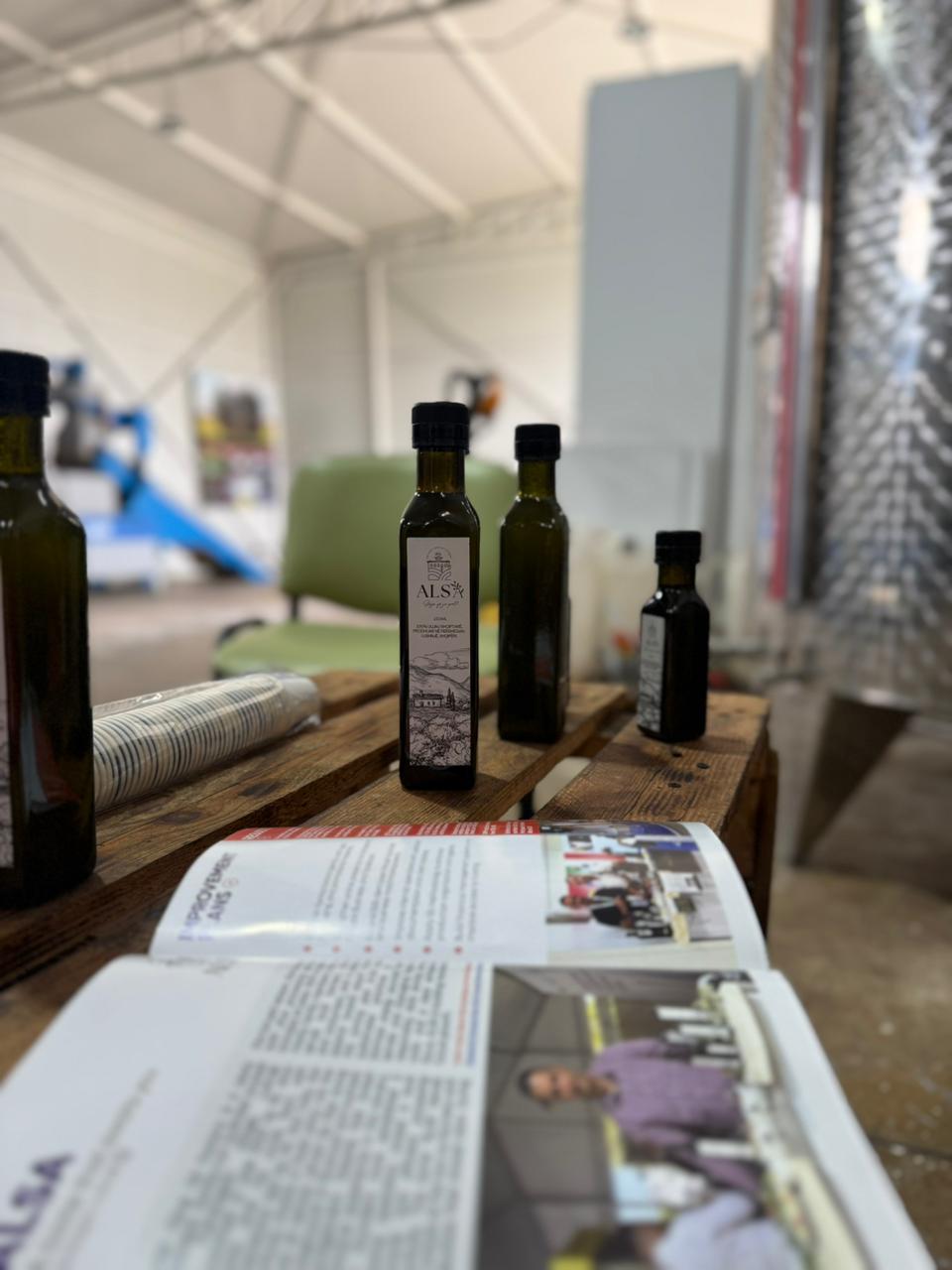
ALSA operates a hybrid business model combining service provision, product sales, and circular resource utilisation, ensuring financial sustainability and long-term viability. Core revenue streams include paid olive processing services for local farmers, sales of extra virgin olive oil through B2C and B2B channels, and commercialisation of by-products such as olive residues used for biomass or agricultural purposes.
The integration of renewable energy through a 30.3 kWp solar system significantly reduces operational costs, particularly electricity expenses, improving profit margins while enabling competitive and accessible service pricing for farmers.
The model is strengthened by strong local demand, with +450 farmers (as of 12/ 2025) relying on ALSA for processing services, alongside a growing client base in domestic and international markets. Sales channels include direct sales, retail partnerships, HoReCa clients, and emerging export opportunities.
Financial sustainability is supported through revenue generation, strategic investments, and private financing via a bank loan, reflecting the business’s commitment and capacity for long-term development. Initial support through the Balkan Green Ideas programme enabled the solar installation, while additional support through UNDP Albania’s Growing with Your Business (GYB) programme contributed to investments in stainless steel (inox) storage tanks and strengthened capacity building, market access, and access to finance. Operations are sustained through internally generated revenues.
Future growth is planned through product diversification, expanded market channels, and the development of agrotourism and educational activities. The model is scalable and transferable, combining economic viability with environmental efficiency and local value chain integration, demonstrating that small-scale rural enterprises can operate as sustainable, competitive businesses while generating social and environmental value
ALSA demonstrates high transferability through a model combining renewable energy integration, circular production practices, and local value chain organisation in an emerging economy such as Albania, where agricultural value chains remain underdeveloped. Replicable elements include solar systems reducing operational costs, transformation of production residues into resources, and organisation of small-scale producers into a structured, collaborative system.
The methodology relies on upgrading existing processing infrastructure rather than entirely new high-cost investments, making it adaptable to rural agro-processing contexts with capital constraints. Integration of service provision, product development, and knowledge-sharing creates a flexible model applicable where small producers face challenges in energy costs, resource efficiency, and market access.
Key components include combining clean energy with circular resource management, direct engagement of producers within the value chain, and the enterprise’s role as a connector between farmers, markets, and support organisations. These can be implemented through targeted investments and adapted to local conditions.
Replication depends on access to partnerships and financing rather than in-house technical capacity. Technical expertise for renewable energy systems is provided by specialised suppliers through installation and maintenance, reducing the need for internal capabilities. Access to financial instruments, including grants, subsidies, or co-financing, is essential for initial investments, while adaptation may be required for crop types, market structures, and regulatory environments.
ALSA serves as a practical reference model, showing that small-scale rural enterprises can adopt integrated solutions that improve efficiency, sustainability, and competitiveness while strengthening local economies.