Arts, Culture, and Heritage as Drivers of Change
Loomey tunes
Loomey tunes:co-weaving a sustainable future in rural areas
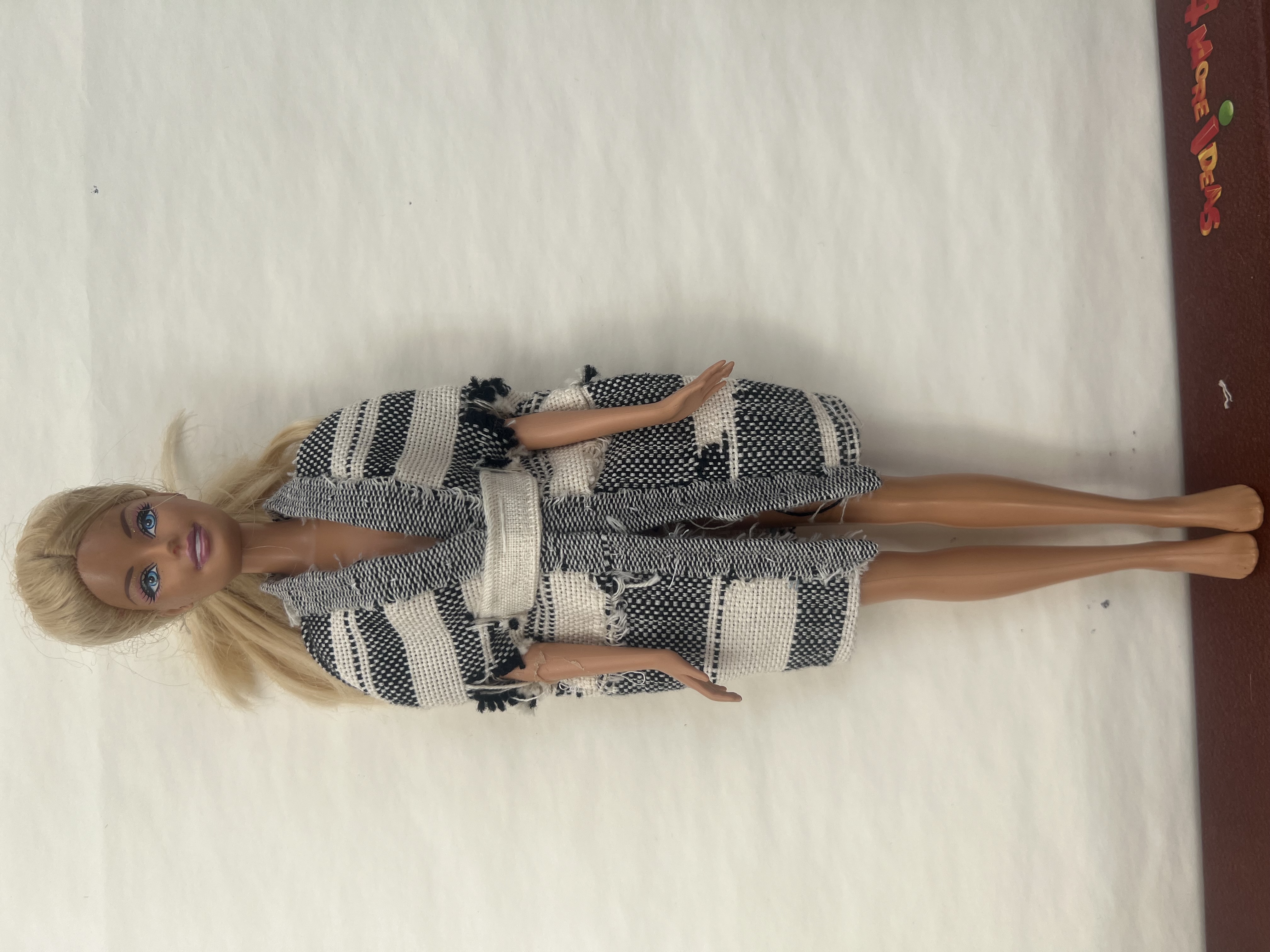
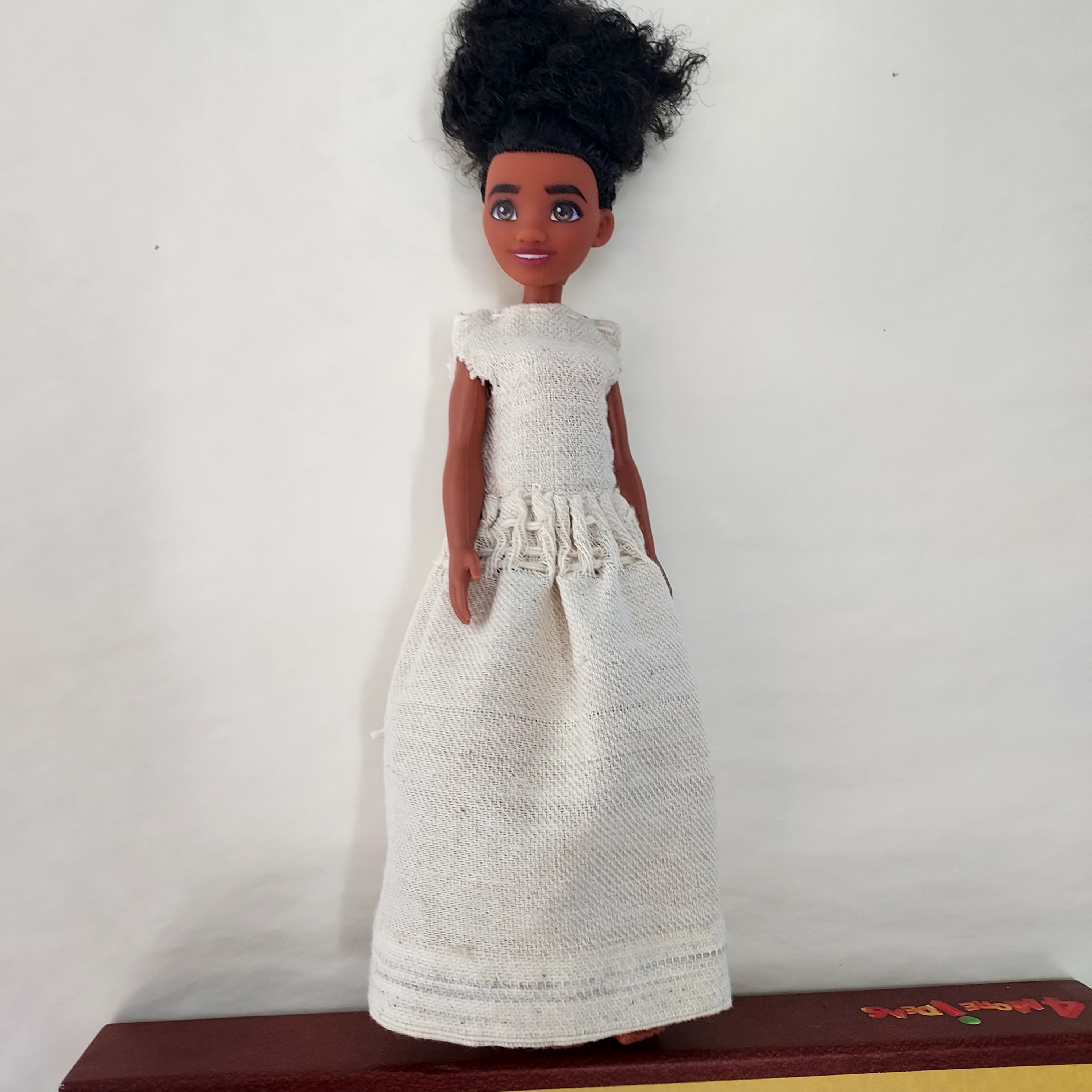
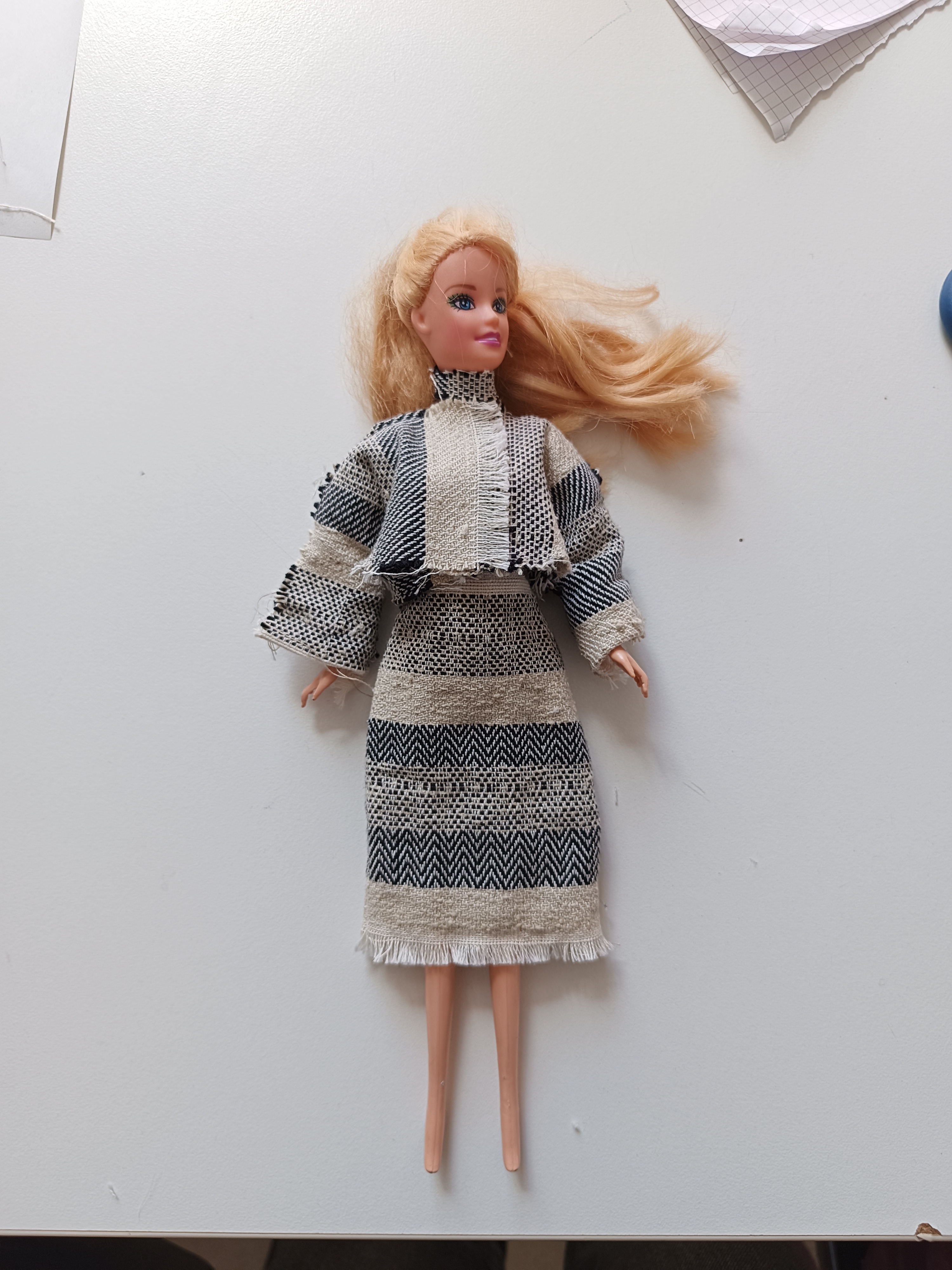
The project "Loomey tunes:co-weaving a sustainable future in rural areas" involves the design and pilot operation of a Creative Community aimed at producing sustainable clothing with a focus on weaving. Artisans-weavers, designers, and local craftspeople collaborated, weaving a common fabric as a collective act of creation, but also as a shared experience, for collective narratives and the co-creation of valuable apparels within a production based community.
Greece
Local
Municipality of Soufli (Soufli and Fylakto).
Mainly rural
It involves other types of transformations (soft investment)
Yes
2024-09-20
No
No
No
Individual
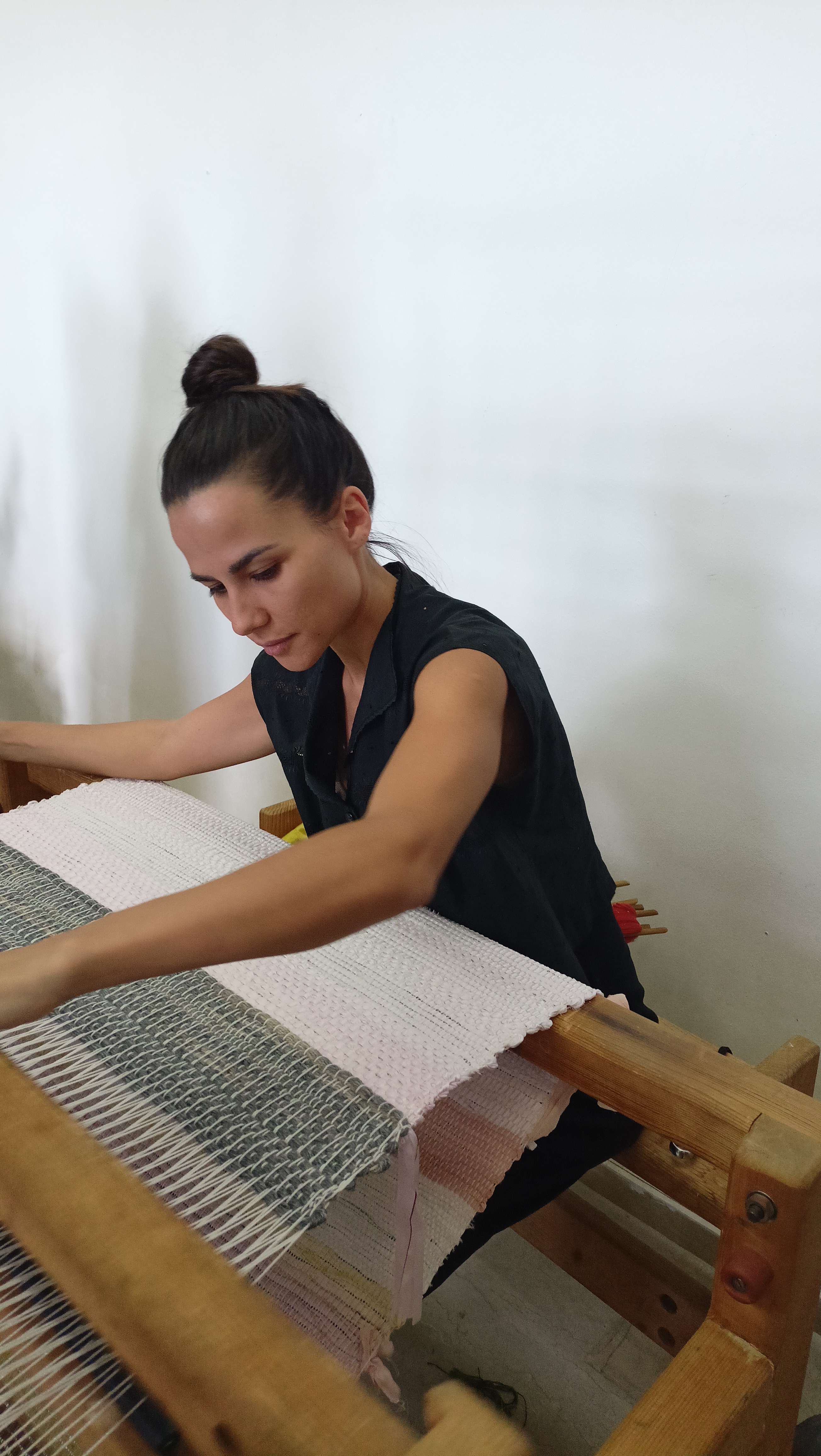
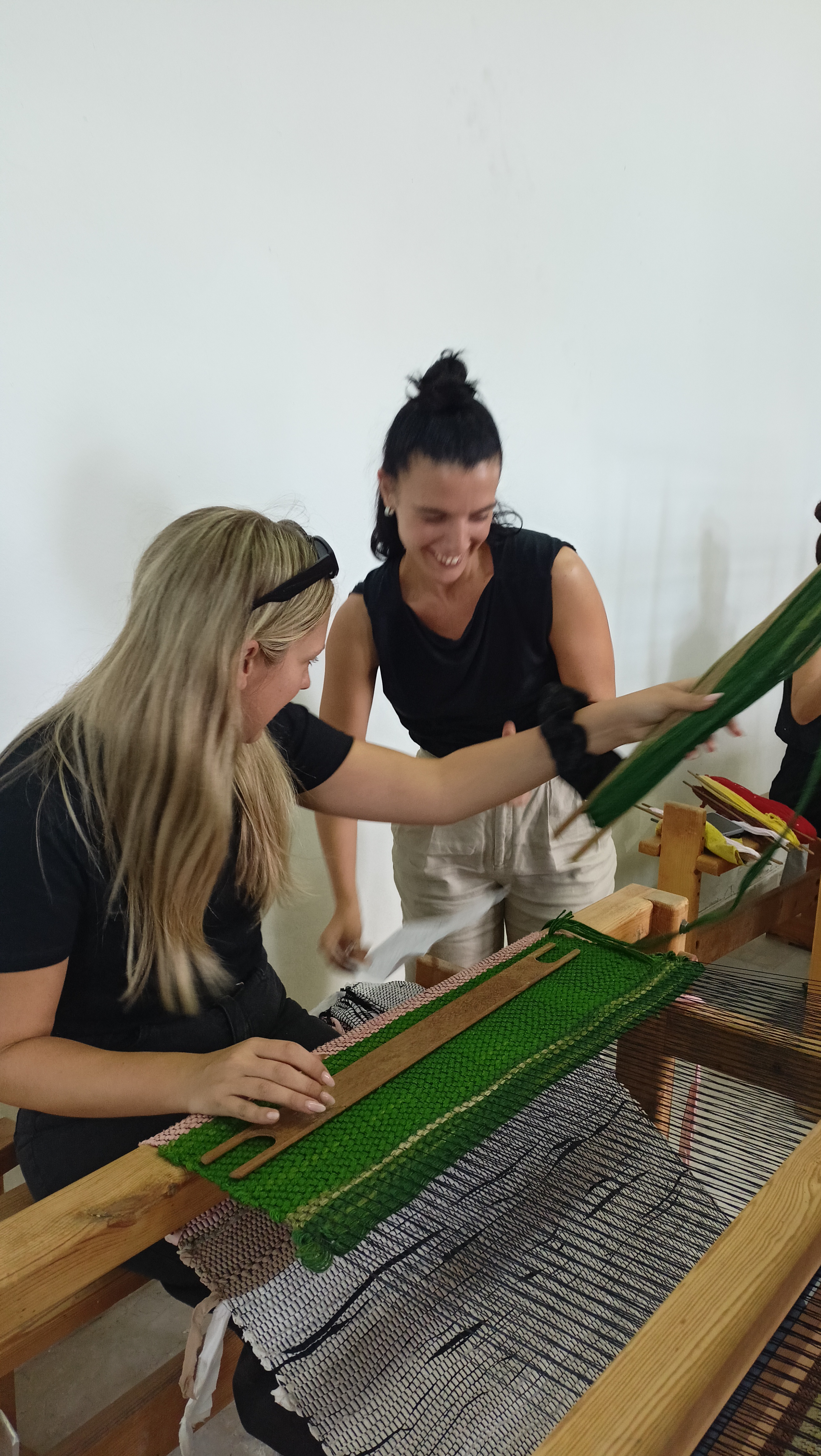
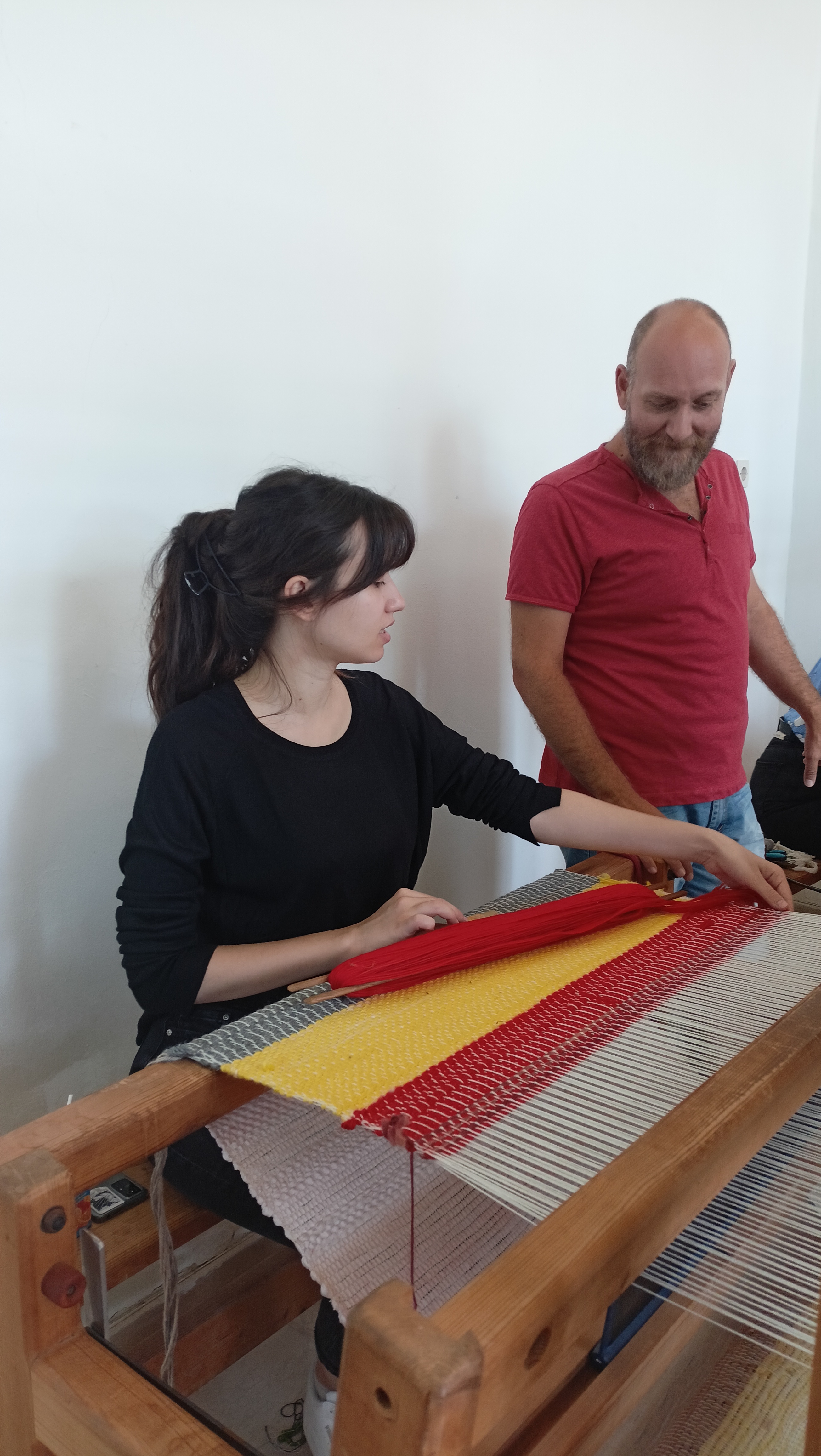
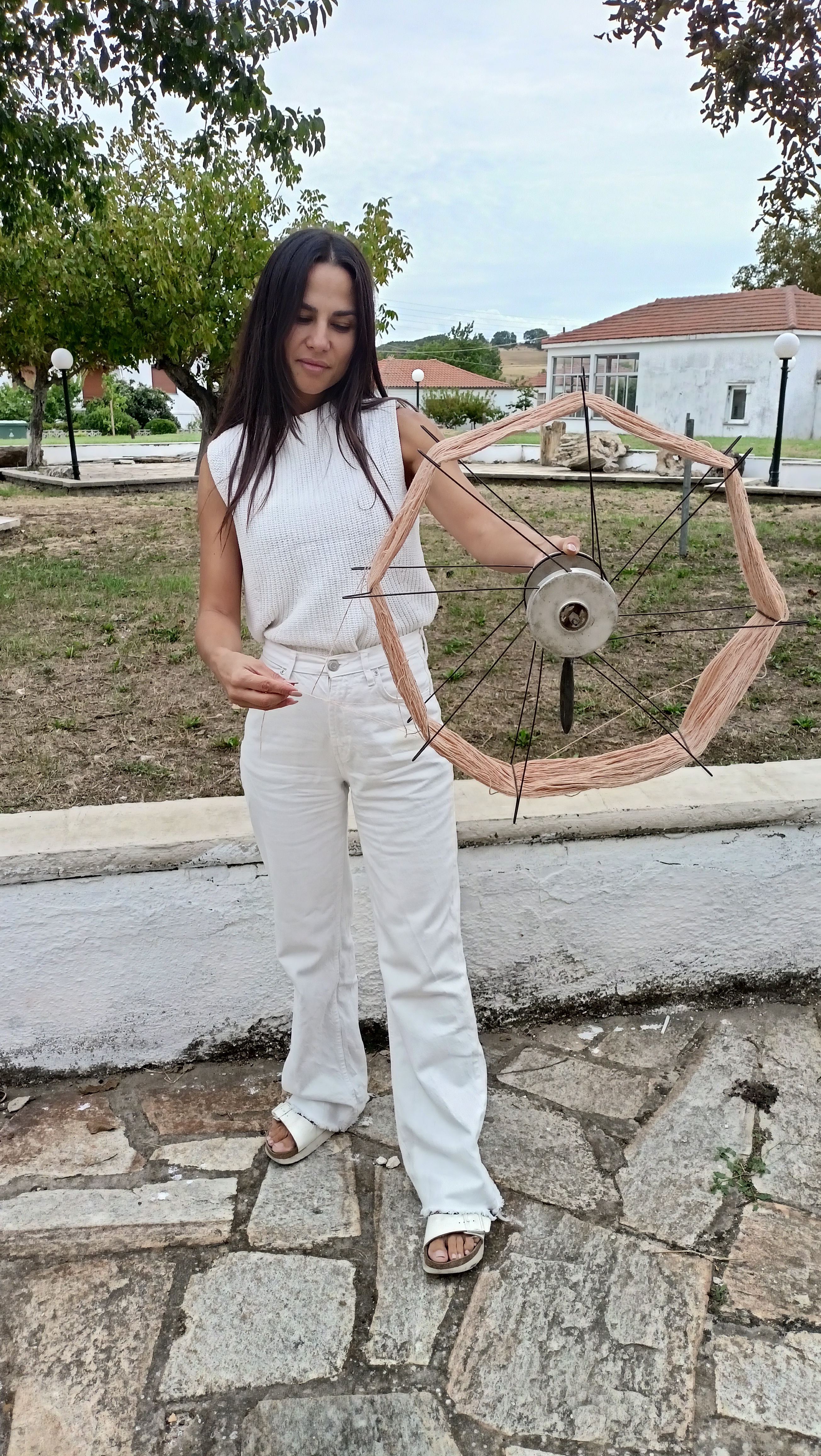
The project focused on building a creative community based on the collaborative creation of fabric and clothing through weaving. It took place in Soufli, a rural area in Evros, on the northeastern border, a cohesive ecosystem centered on silk, a strong production community, through silk processing and weaving. Enhanced by the productive relationships of the past within the community, the Creative Community was designed to explore new ways of rural development, by reorienting modern sustainable ways of lifestyle, towards collective productive procedures. The project aimed at communicating the materiality of woven textiles and craftsmanship, the beauty of sustainable everyday objects and the role of the user as a designer, for the production of sustainable and ethic fashion. It was organized through: a.weaving workshops, led by weavers, to explore traditional techniques and patterns with a view to incorporating them into contemporary clothing, b.dyeing workshops using natural dyes, to develop artisanal processes for the sustainable management of textiles and garments within the framework of the Circular Economy, c.discussions among project members and the local community, involving academics, artisans, and local institutions, following theoretical presentations, to understand the alternative framework within which the project was designed.The initiative attempted to engage the community on the sustainability of clothing and ethical production and consumption.We focused on shared knowledge and skills for the production of sustainable clothing and on shared attitudes and behaviors, as a form of collective engagement. At the conclusion of the project, we illustrated apparel ideas, showing the potential and the opportunities that emerge for the ecosystem of Soufli, through the application of local knowledge and craftsmanship.Thus, it became a model for alternative clothing design within the context of slow, sustainable fashion.
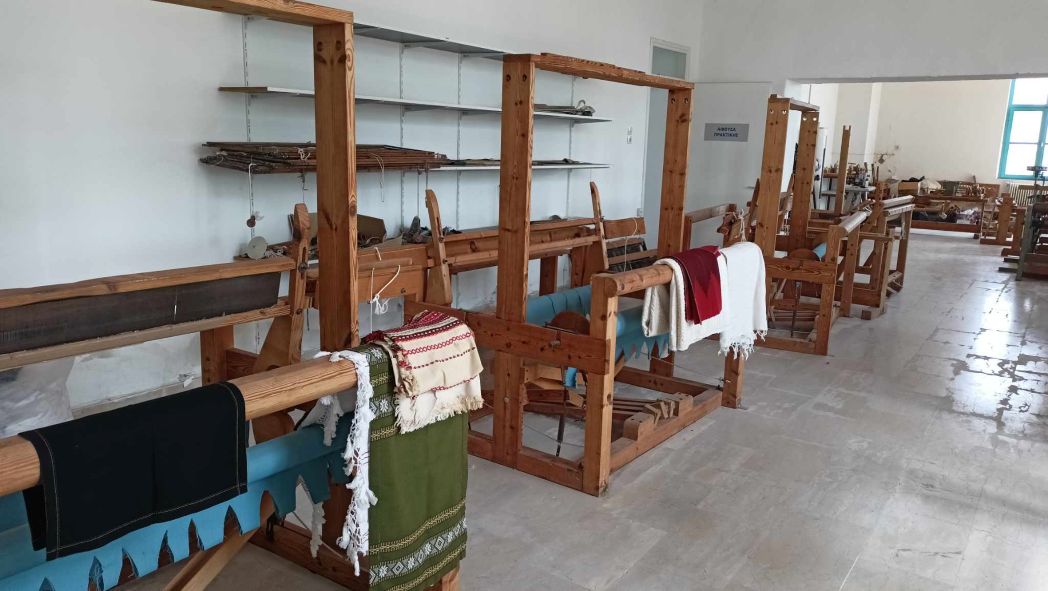
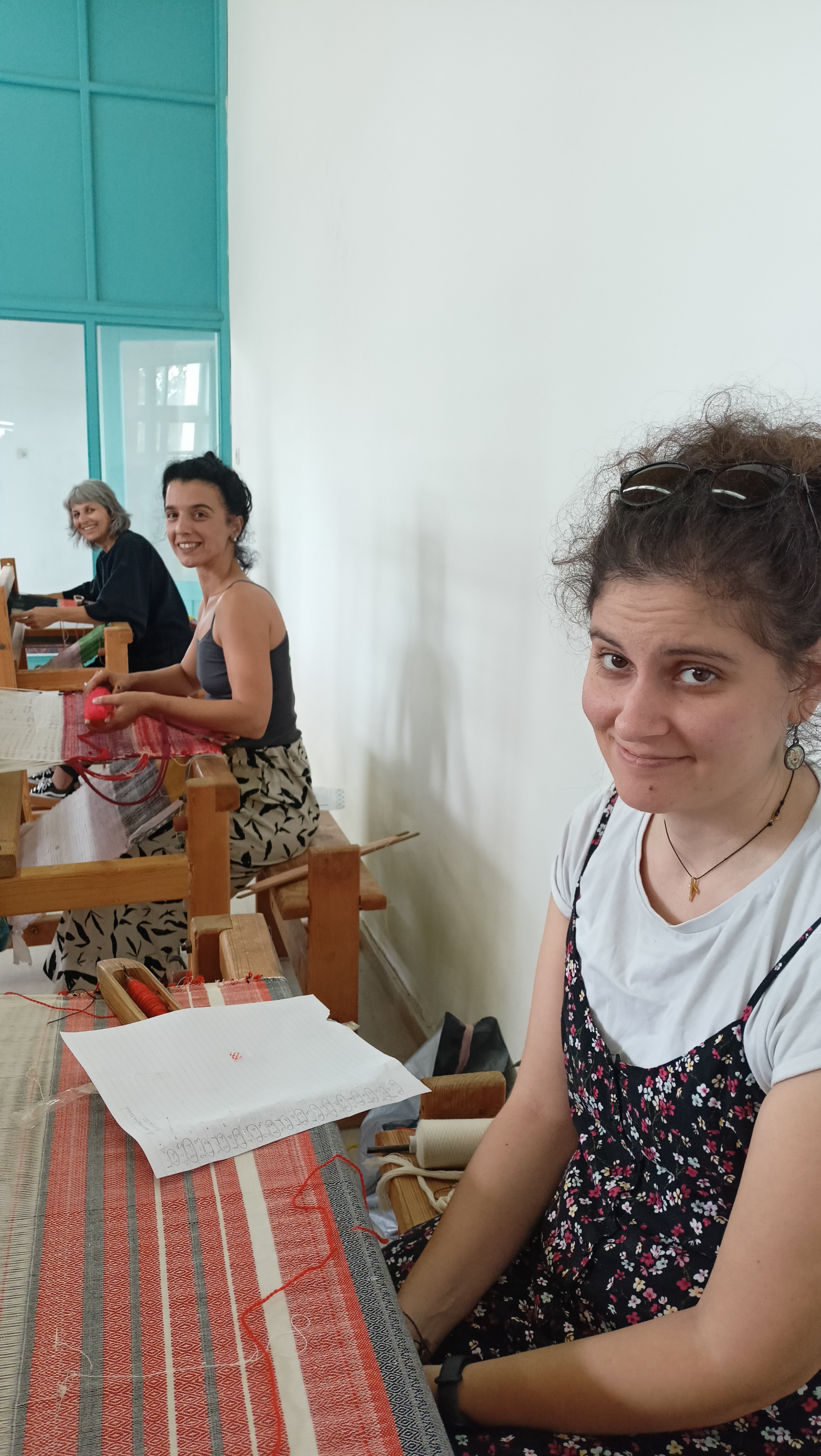
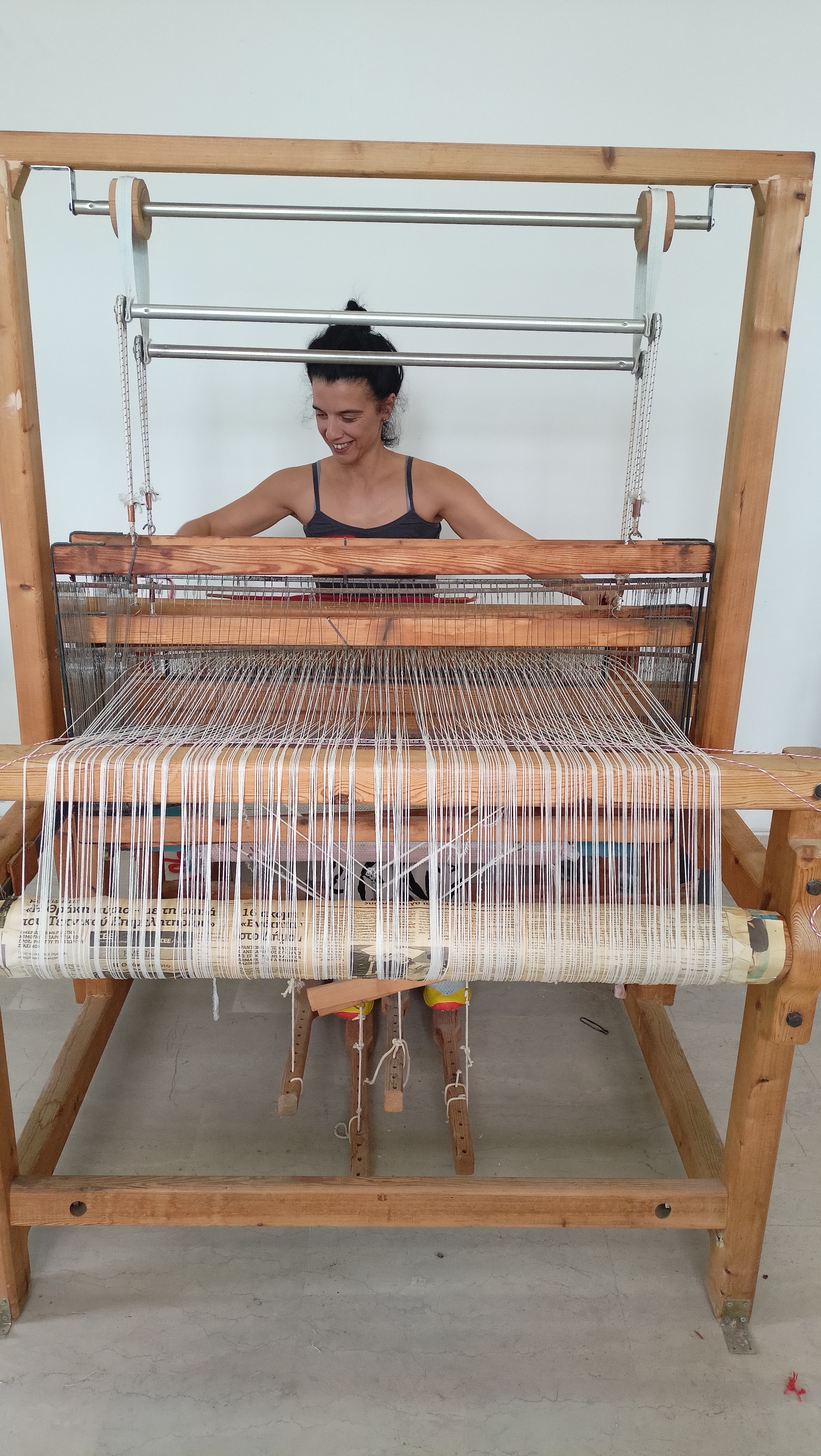
The project was designed as an empirical study of a doctoral dissertation for an ecosystem, drawing on the principles of degrowth, to create sustainable clothing. It aimed to utilize the values of participatory design and co-creation to understand the interrelationships among members of the creative community and their ethical commitment to sustainable clothing. It sought to connect traditional crafts with the concept of slow fashion and the values of emotional resilience, the longevity of clothing and the importance of rural culture, in the development of sustainable production relationships among the members of a production community, upon the principles of William Morris (1877;1881;1887): • the value of the “lesser arts” and their exploration as an intermediate space for clothing creation • the community as a creative field of sustainability, as a new aesthetic, for environmental awareness • the reconnection of people through the link between art, labor, and nature, as a collective and creative prosperity • design, not as a tool for the Market, but as an act of collective care • the reunification of the designer with the artisan and the worker, in the person of the human producer. The project was organized around three weavers, eight fashion designers, one dying technologist and local inhabitants. It was carried out on a pilot basis over a five-day period, organized as a co-creative community of artisans.The handcrafting center of Fylakto, with its traditional looms served as a weaving school and the "art of silk museum" was the meeting place for our lectures and discussions with the community. The "art of silk museum" and Heinrich Boell Institute agreed in funding our idea (accomodation, transport and raw material) to make it happen.The project achieved its objectives, through knowledge (regarding the sustainability of clothing), skills (in weaving and garment construction), and attitudes (adopting ethical production) for the empowerment of rural communities.
community co-design
craftmanship
local value chains
sustainable clothing
commoning
We sought to define our creative community: 1.as an alternative spatial context, characterized by locality, that provides a space for the small creative arts of everyday life. 2.as an alternative space for action, fostering collective and ethical values among its members and representing a political stance against the dominant unsustainable narrative of the market. 3.as a space for reconnection, through tradition and craftsmanship and through trial-and-error processes, to foster experimentation and cooperation, among community members. 4.as a community design tool, for solidarity, care, and the economic empowerment of community members. 5.as a space for the emergence of a new actor, as a grassroots manager of the garment production process, as well as a guarantor of the long-term relationship between the user and the garment. The community aimed to serve as an alternative design initiative that could bridge the gap between the region’s small-scale industrial activities and home-based crafts, to leverage local knowledge and tools, thereby strengthening craftmanships and the local production value chains. In this way, the project utilizes and implements sustainability requirements by connecting the environment with people and their communities through the local clothing production and manufacturing chain. The last day' s discussion with the region inhabitants and the strong engagement of the participants, proved that the Creative Community raised as a common space of understanding and ethical commitment. Thus, it contributed to the preservation of knowledge and skills in the region, so that they can be reproduced in the future in a creative and mutually beneficial way, through small scale initiatives and collaboration with local SMEs.
The project layed on weaving tradition to explore intermediate worlds of mutual fulfillment. In recent years, tradition has emerged as a framework for highlighting the cultural past of a community, a place, or a group. It defines cultural identities through shared memories and narratives, social practices, and objects. As a collective memory distanced in time, it contains elements of idealization and nostalgia. People’s return to their familiar past functions as an act of recognizing continuity, as a myth of belonging. By contrasting a simpler image, based on sincerity, immediacy, and care, tradition serves as an aesthetic refuge for modern people in the face of consumer culture (Lipovetsky, 1987; Barthes, 1957). From this perspective, tradition could constitute the intermediate “feminine” world of care and reproductive relationships (Federici, 2004) as a value of being. Drawing inspiration from the world of traditional craftsmanship and the values of care that emerge from it, we aimed to highlight a different value and aesthetic regarding clothing, its production, and its relationship with the wearer, as a form of culture, continuity, identity, and a sense of belonging.Through weaving, the participants came to understand the intermediate realms of care, from person to person and toward the everyday objects that embody value. Weaving engaged the senses through the materiality of the fabric and the techniques explored, and highlighted connections to identities, local heritage, and the joy of co-creation.Thus, the Creative Community developed the concept of beauty, in line with sustainability and collectivity, so that it could serve as the new imaginary for the production of clothing.
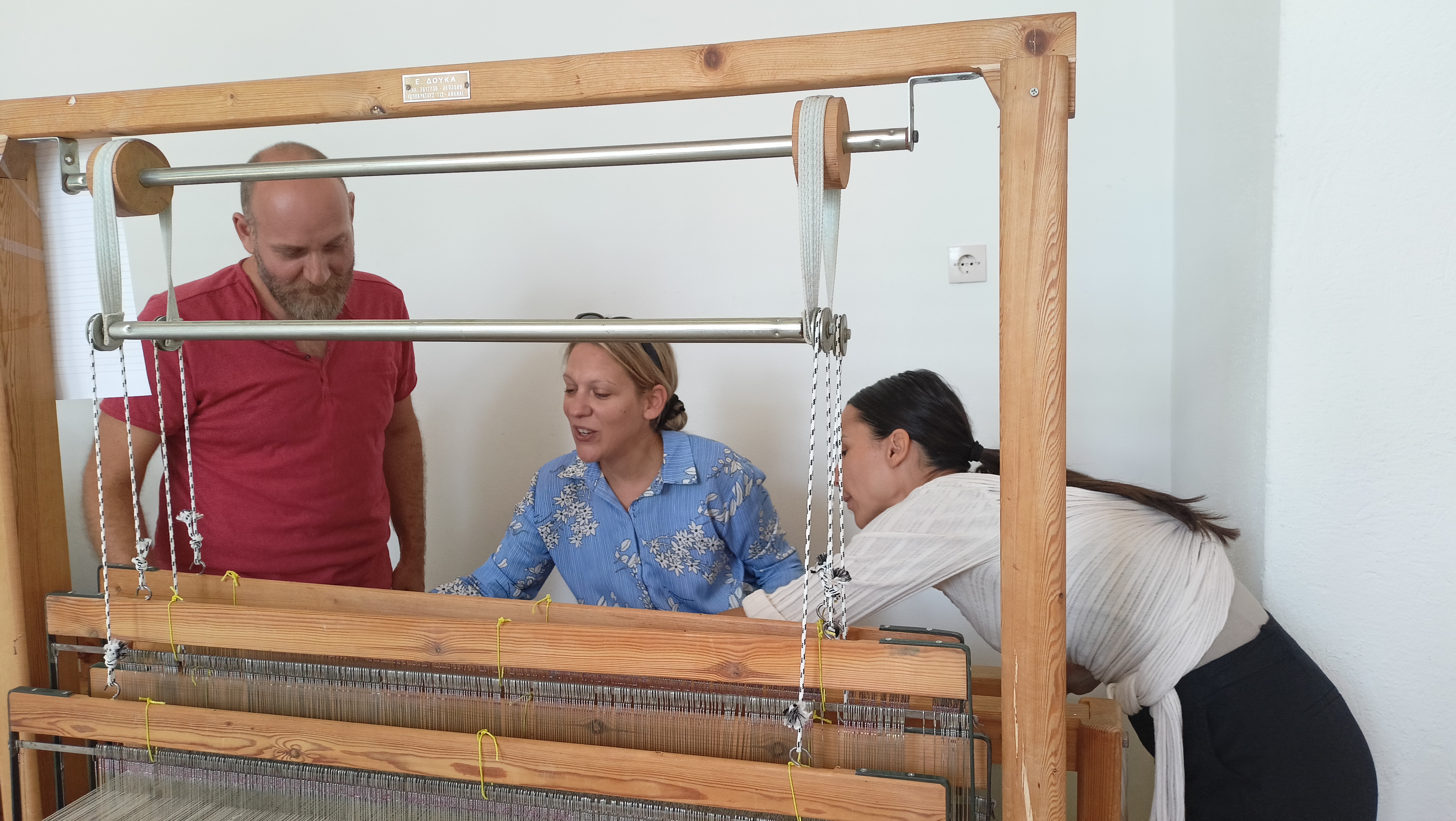
The Creative Community consisted of people of different ages and educational backgrounds, with no discrimination based on gender or abilities. Everyone contributed equally, and there was occasional guidance from different members, as well as collective action.The creative community members, through daily interactions, shared with eachother their difficult daily living and connected emotionally and intellectually with the need for an alternative form of creative well-being.Thus, from the very second day, the creative team started to function through a unique form of coexistence, grounded in understanding, mutual respect, and a willingness to share experiences and stories. The shared experience had begun. Beyond the joint creation of garments, we observed, gradually yet very quickly, the development of interpersonal relationships, which had as their common ground the shared experience of those specific days. The development of these relationships gradually transformed coexistence into "symbiosis". The creative community was conceived within a philosophical framework: the acceptance of diversity, without the need for comparison or hierarchy, according to Levi-Strauss, acceptance of the “other”, through the value they attribute to themselves, as described by Rousseau, as Aristotle’s “city,” which is based on “friendship” among its members. What we could assert by examining the behavior of the members of the CC, is the joy they derived from living together, and their desire not to part ways, even after the conclusion of the project. At the end of the activity, they were ready to defend the shared ideas they had embraced during their creative commoning. This collective initiative, which began as an experiment in shared productive living, has emerged as a model of inclusive community based on shared experience, that supports its members with respect and is resilient in the face of external challenges, as it has developed strong bonds of mutual support among its members.
By following the scale and boundaries of the ecosystem, we sought to activate the Creative Community within a productive ecosystem that also serves as a shared living space. Thus, within this framework, it can serve as a context for understanding the development of alternative relationships between producers and users, through their shared productive past. The exploration of the region as a dynamic productive ecosystem was undertaken based on its qualitative characteristics: a) production of raw materials, b) processing through the development of small-scale crafts and home industries, c) traditional know-how in weaving and the processing of textile products, d) the connection of production with daily use and livelihood. These characteristics are linked to the culture and functioning of the countryside, the place where close relationships among people allow for the development of a framework for the transfer of knowledge and skills, which are realized as part of the daily lives of its inhabitants. This transfer functions as a “chaine operatoire” for the process of producing an object and for the contexts it embodies regarding attitudes and behaviors. Around the weavers, designers and crafters, local residents participated as storytellers. Everyone acted both as a teacher and a student.The residents of Soufli expressed their desire to come together again in a productive way around silk, weaving, and handicrafts. Local manufacturers and small businesses presented their strategies and explained how these could be leveraged within the CC. The "art of silk" museum became a place for meetings and the exchange of ideas, while the Fylakto Community "Arts and Crafts Center" served as a hub for experimentation and instruction within the CC. From this perspective, our CC has set a local organization example of production relationships, which could be understood as a new source of prosperity for the community in the post-development era.
Through its local focus, the project aimed to mobilize a broader network around this initiative. Initially, by holding workshops and lectures in Soufli and Fylakto, it mobilized the two local communities in the area.The residents of Fylakto voluntarily participated in the weaving workshops, but above all, they contributed to storytelling about their weaving past and how it was connected to their daily lives through production relationships. In this context, we visited local home-based workshops and local silk fabric production industries, as well as shops and showrooms featuring local woven products. Beyond the participation and engagement of this specific community, the initiative was designed to be replicated in different parts of the countryside where there is infrastructure related to the art of weaving. The participants in the event (weavers, designers, dyeing technicians) served as ambassadors for the Creative Community, with the aim of encouraging similar initiatives in other regions, to raise public awareness about the importance of ethical clothing production, preserving them as part of cultural heritage, and fostering emotional resilience. Concerning scalability, the iniative served as an example for three members of the CC, that led new collaborative clothing creation initiatives in different productive regions of the country. On the other hand, the local museum and the Municipality of Soufli hosted the initiative and linked it to their efforts to join the European network of "craft cities", in response to the residents’ desire to develop their community as a center of artisanal production. The Heinrich Boell Institute who funded the project, contributed at the dissemination of the project. From this perspective, the Creative Community activated a local and regional value chain, through artisans, users, through expertise, legitimacy and the intervonnection of production relationships between them.
The interdisciplinary nature of the initiative spanned the fields of Design, Textile Arts, Education, Political Ecology, and Anthropology, in the following ways: design served as the primary scientific framework, both in terms of the implementation of the project and the methodology we developed. The methodology of empirical research through participatory design was chosen as an alternative research approach, in line with the logic of post-anthropology. Specifically, we highlighted the importance of user-centered co-design as a space for collective creativity and the training of researchers and designers, which can contribute to sustainable design futures. Education was approached through the triad of knowledge-skills-behaviors, with each component making a distinct contribution to the Creative Community’s ethical commitment. Political ecology was developed primarily through lectures, focusing on linking sustainable production processes to the environmental footprint and connecting people with their environments. Finally, weaving was a traditional technique of tangible and intangible cultural heritage that helped connect people with the material objects of daily life and how these contain knowledge, science and art, linked to shared experience. This was explored through shared narratives of the past in connection with the present, using the methodology of anthropological research on human communal life. This approach, which places human beings and their societies at the center has highlighted the role of social connections and commonalities in developing arts and sciences. Οutside the epistemological hegemony of geographical dependencies that impose productive and environmental dependencies, it reproduces life in line with the epistemological frameworks of the Global South.
The project was financed by the Heinrich Boell Institute (accomodation & transport, for the external members of the Creative Community (weavers, designers).The "art of silk" museum provided us with raw materials and hosted our community discussions and lectures.It secured the opening of the Fylakto Handicraft Center, where the workshops took place. We followed the model of “open cooperativism” (Bawens & Kostakis, 2014).This business model combines peer-to-peer production of common goods with models of cooperative ownership and governance.The CC decides what it will produce, how it will do so, and to what extent it will utilize the resources of the ecosystem.This is achieved through cooperative accumulation and a value-based approach to production and exchange. It is argued that open cooperatives introduce licenses based on reciprocity (e.g., Peer Production License, PPL), which allow for commercialization but require reciprocity from for-profit entities. Thus, the model aims to create an autonomous mode of production that can sustain itself independently. The goal was to redirect value from capital toward the commons and to support the livelihoods of peer producers.The proposed model seeks to merge the open production of intangible common goods by peers with the cooperative production of material goods, ensuring sustainable livelihoods and the creation of an anti-hegemonic economy. In the case of the CC, through the integration of external partners (weavers, designers) as peers in the production of experiential knowledge, skills, and raw material management, value creation would take place within the framework of the cooperative.This integration ensures that both spheres (external & internal) contribute to sustainable living and the creation of common goods.The CC initiative was organized transparently and widely publicized, serving as a good practice for developing similar initiatives rooted in local productive ecosystems.
This project, by linking education with production, puts forward a productive model of local co-creation based on a "bottom-up" approach, promoting:• the relocalization of production • the development of local industry • autonomy in manufacturing. All of the above contribute to the concept of a sustainable eco-region, which is based on the establishment of productive ties among the members of a community and thus creates a framework of well-being in which life develops (Illich, 1999; Latouche, 2017). Since the initiative focused on knowledge transfer and the utilization of intellectual capital and local physical capital, it is easy for its members to reproduce it themselves.Thus, although the initial focus was on the production of objects, over time, its value shifted to the experience of collective creation, knowledge, and coexistence, reinforcing the idea of symbiotic simplicity and the promotion of personal value through the shared use of modern tools.This model is based on directness, empirical study and serves as a field of observation for collective reproductional actions. In that context, it could be transferred as a common way of a making methodology for its participants. Τhrough tradition and weaving as a shared memory and identity, has highlighted the concept of “we,” bringing such endeavors into the realm of the commons: shared values, shared cultural heritage, shared goals, shared tools, knowledge sharing, and shared benefits.The CC, by expressing a transformation of values, shifts the focus from the product, to the shared experience, through common tools and common learning, that could be transferred in different ecosystems with local resources, such as cotton, wool or silk. Adaptation to local contexts involves the specific characteristics of each ecosystem, concerning the tools, materials, and intellectual resources available.Taking into consideration all the above, it could balance externalities vs internalites via a "bottom up" governance.
- https://www.youtube.com/watch?v=CIDCaCyy7Ng
- https://calendar.boell.de/el/event/synyfainontas-ena-biosimo-mellon-gia-tin-ypaithro?fbclid=IwY2xjawQs3XBleHRuA2FlbQIxMQBzcnRjBmFwcF9pZBAyMjIwMzkxNzg4MjAwODkyAAEe7mCjx9G3IzlsUg0IRQPfZ5OuLitDajBSD-UhUrCJYAFF3zv0znoJ2ENLgpU_aem_rW3jtxXrCNYtK__aZ9H1HA
- https://gr.boell.org/el/2024/10/10/soyfli-o-dromos-toy-metaxioy-pros-ena-kalytero-mellon-me-odigo-ti-biosimi-moda?fbclid=IwY2xjawQs3adleHRuA2FlbQIxMQBzcnRjBmFwcF9pZBAyMjIwMzkxNzg4MjAwODkyAAEeAtYMycViAuN5RtOW4SF21wee7HCLcEaude7FWeMmvyJQ3Zlidc9SC9Lw5cg_aem_