Enhancing Circularity, Sustainability, and Innovation
Counselling Services with ProfilPASS
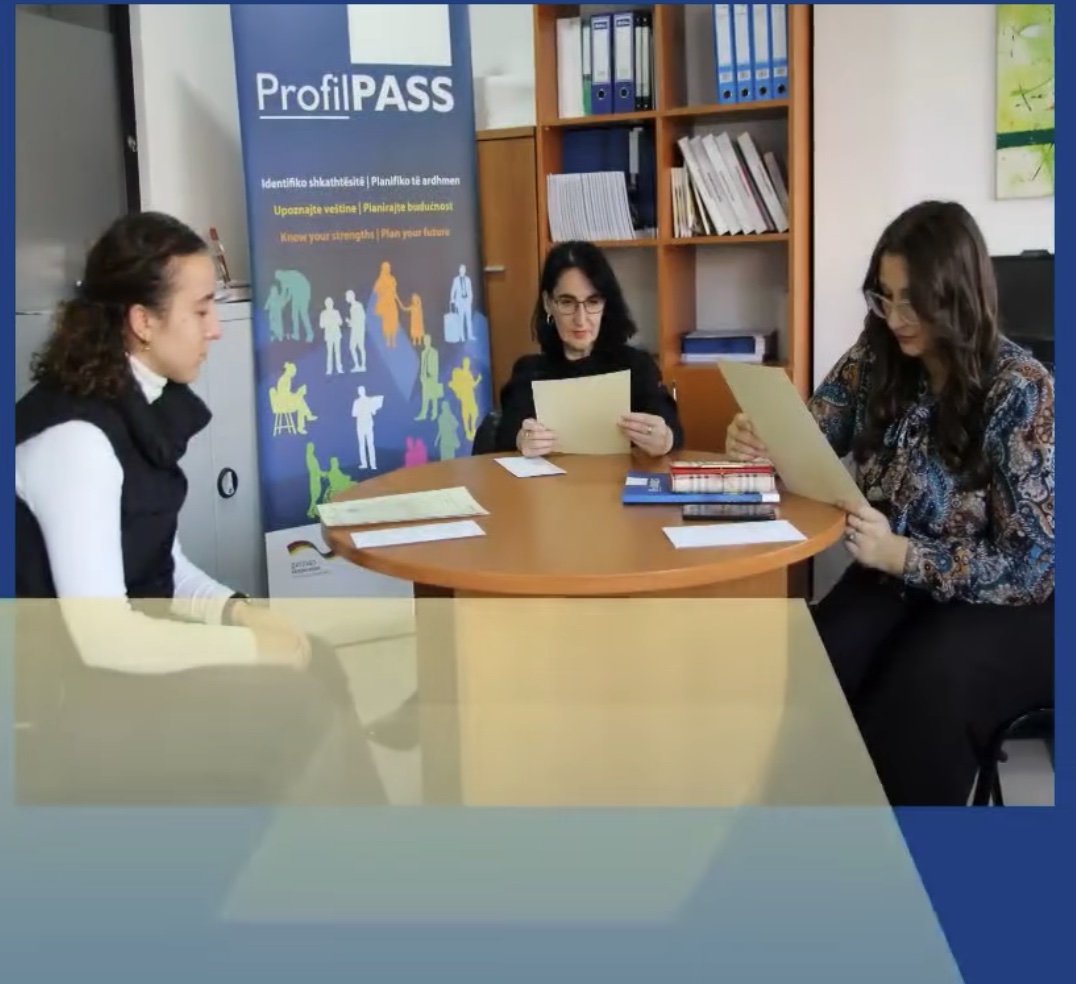
Empowerment to youth and vulnerable groups with counselling process using ProfilPASS Instrument
In collaboration with the German Institute for Adult Learning (DIE) our initiative was implemented with the
comprehensive assessment of the Kosovar Employment Agency training needs and
counselor capacity building. The primary goal of this project was to assess the agency's present functioning and find areas for improvement. By performing this review, we strengthen the agency's ability to efficiently satisfy the needs of both job seekers and
businesses.
Kosovo
National
It addresses urban-rural linkages
It involves other types of transformations (soft investment)
Yes
2025-07-31
No
No
No
Organisation
The project was implemented by Environment and Youth Capacity Development (EYCD)
within the framework of a grant agreement with GIZ. It was carried out during the period
01.12.2024 – 31.07.2025, successfully achieving the defined objectives. The main objective
of the project was the improvement of social integration and employability of the
targeted individuals in Kosovo, through the provision of a personalized counseling process
using the ProfilPASS instrument and social coaching initiatives. Thanks to the
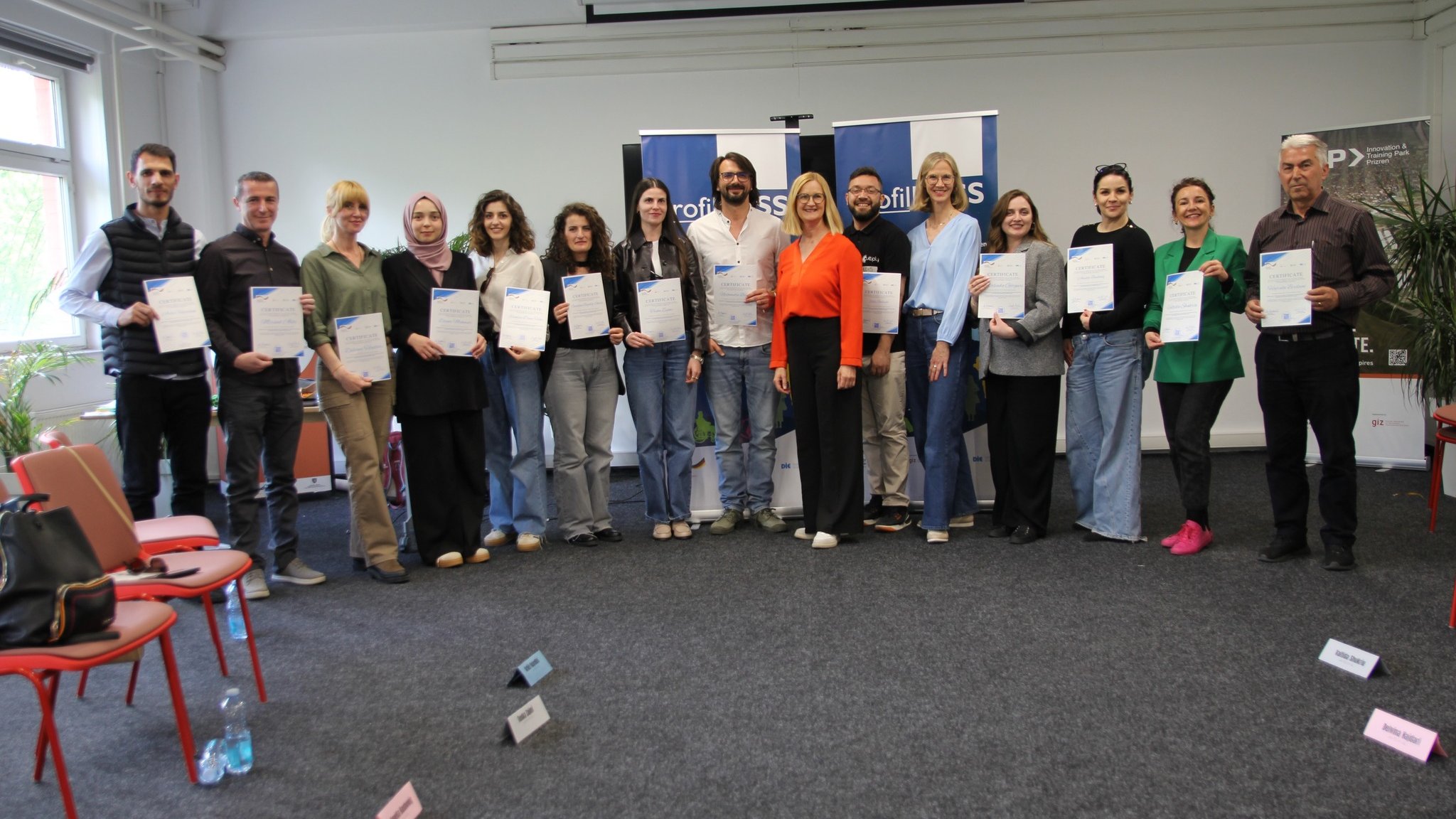
certification of their skills and competencies, participants were equipped with the
necessary tools for personal and professional growth.
Young people and vulnerable groups in Kosovo face high unemployment and a lack of
opportunities for professional development. Many of them possess skills acquired through
non-formal or informal means, which remain undiscovered or unrecognized. Without
adequate guidance, these individuals encounter difficulties integrating into the labor market
and society.
The project addressed these challenges by offering a structured approach to counseling
and mentoring, aiming to identify and certify participants’ skills, increase their self-
confidence, and guide them toward employment or further education.
The project identified and selected participants from targeted municipalities (Prizren,
Dragash/Dragas, Suharekë/Suhareka, Malishevë/o, Mitrovicë/a, Prishtinë/Pristina,
Pejë/Pec, Gjakovë/Djakovica.), ensuring the inclusion of youth, women, and
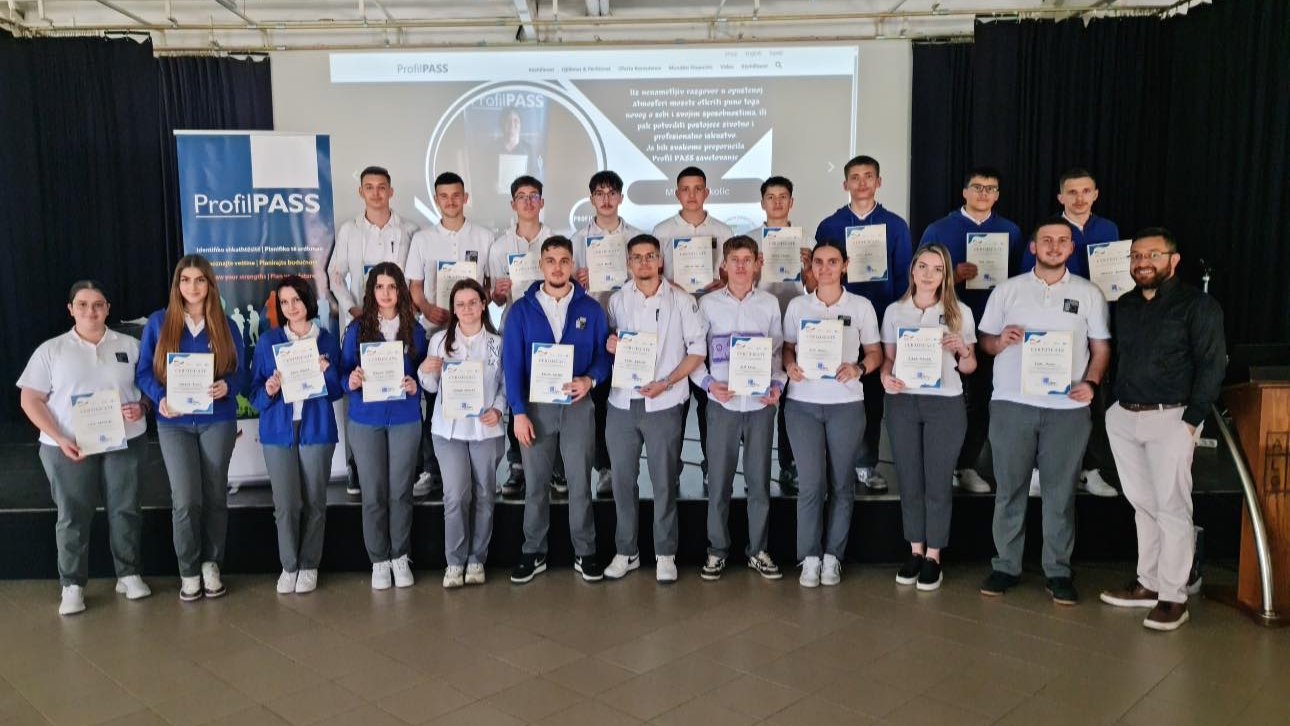
individuals from vulnerable communities. Each participant underwent an
individual ProfilPASS counseling process, reflecting on their skills and life
experiences. At the end, each created a personal skills profile (ProfilPASS)
certified by trained counselors. Afterwards, more than half (mainly those with greater
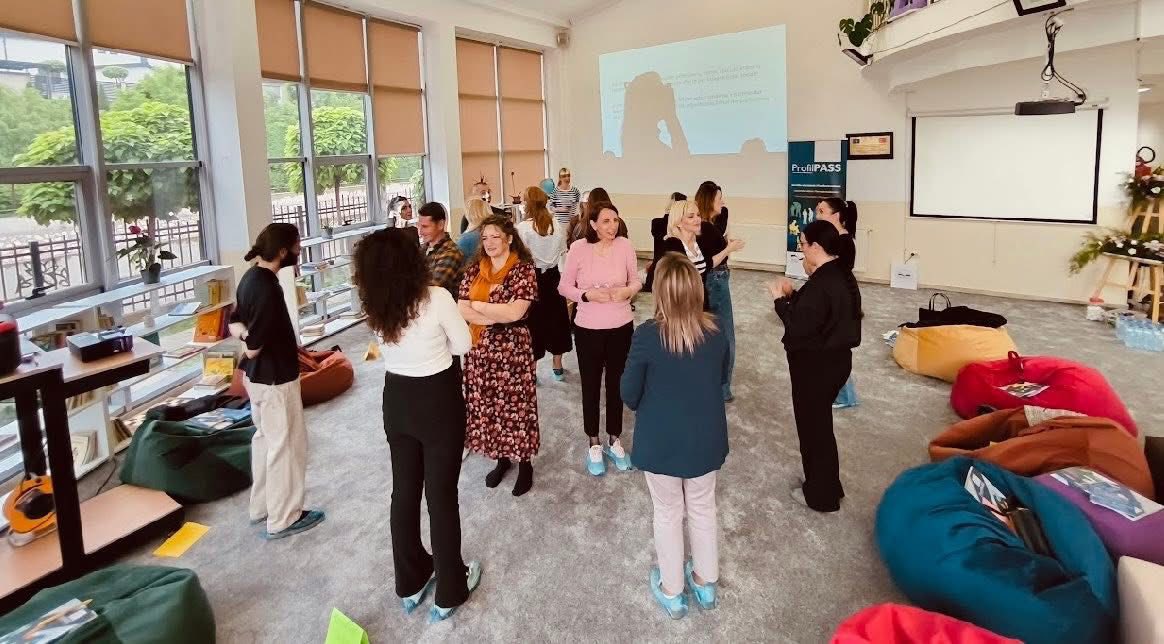
support needs) engaged in the social coaching program. Through regular meetings
with specialized mentors, these individuals received additional guidance to
navigate social and professional challenges. Refresher sessions were organized to
ensure participants were making progress toward their personal and professional
goals. By the intervention’s end, each participant received an individual action plan
for further integration (e.g., guidance on job searching, CV development, interview
preparation, etc.), as well as networking opportunities with peers through
discussion groups and mentoring circles.
Career Counselling for Women and Youth
Social Coaching for Women and Youth
Inovative approach for job placement
Networking of Women and Youth
Solution through competencies they posses
An important aspect of the evaluation is the degree to which project results will
remain sustainable.
In this regard, the project paid special attention to factors of sustainability: the
active involvement of local institutions (such as Employment Agency) and the local ownership
of activities (local counselors are now a human resource available within the
community).
The tools developed (the entrepreneurship module, ProfilPASS database) will
continue to be used by EYCD and its partners, even after the end of funding.
It is likely that ProfilPASS counseling will continue to be offered on a modest
scale by EYCD and the trained network, thanks to the capacities that have been built.
However, for broader outreach or continuation at the national level, additional
funding or integration into public structures will be needed.
In analysis, however, this project has successfully piloted the methodology and
laid a strong foundation that can be easily scaled with further support.
Success Stories of Participants
● Finding a Practical Placement (Internship)
One participant, previously trained as an architect, was supported in finding a
placement where he could apply his skills practically in a carpentry workshop, gaining
hands-on experience and developing new competencies.
● CV Support for Job Applications
Another participant received guidance in preparing and refining their CV, which
improved their chances of applying for suitable job opportunities and presenting their
experience professionally.
● Rebuilding After a Challenging Period
One individual, who had faced a particularly difficult period in their life, received
coaching that helped them regain confidence, restructure their goals, and
successfully re-enter the workforce.
● Support in Establishing a Business
Another participant was assisted in finding the most suitable location and setting up
their architecture office, enabling them to start their own business and apply their
professional skills effectively.
● Boosting Self-Confidence
Several participants benefited from coaching aimed at increasing self-confidence,
enhancing their ability to engage in job applications, interviews, and professional
interactions with greater assurance.
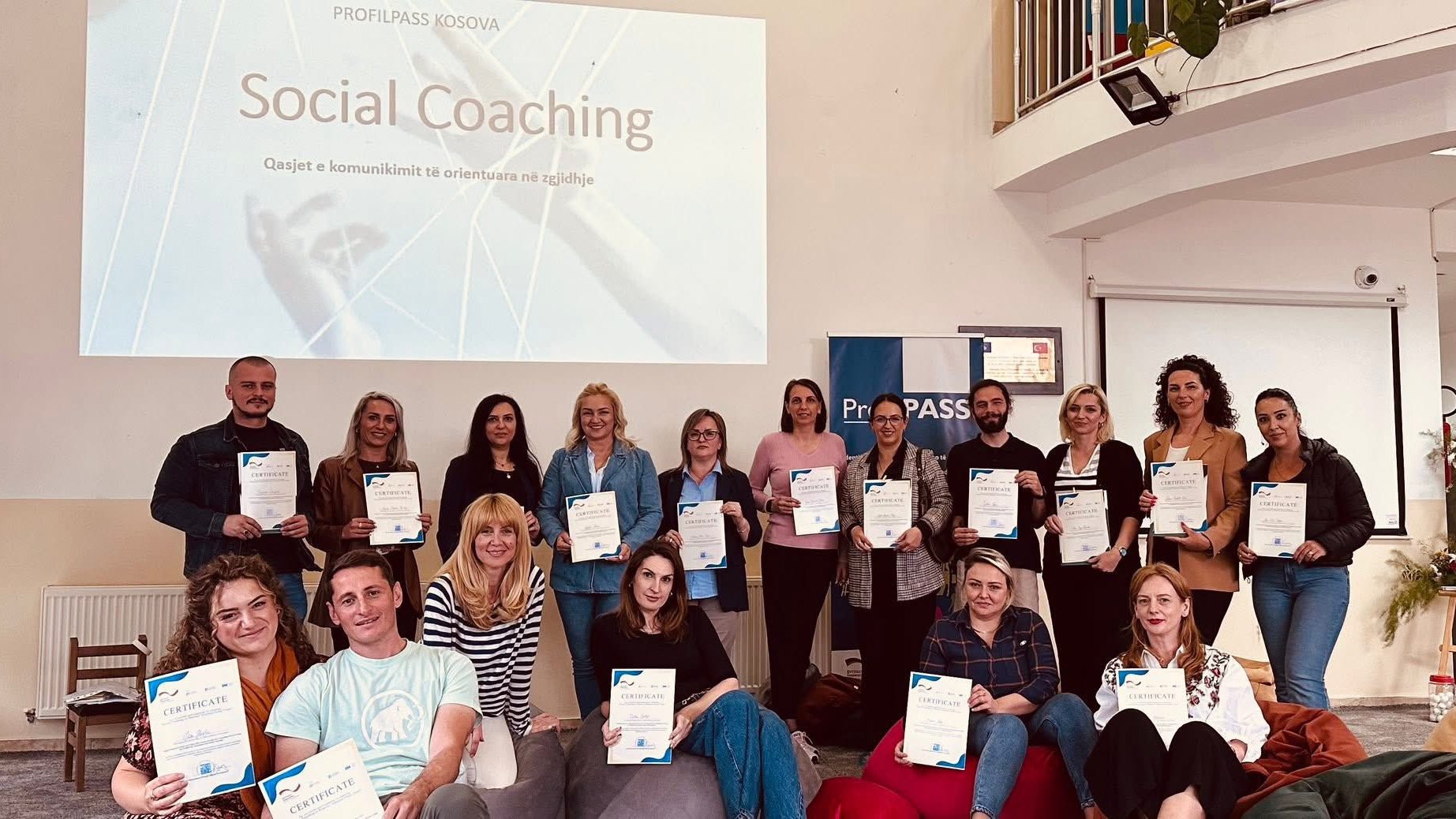
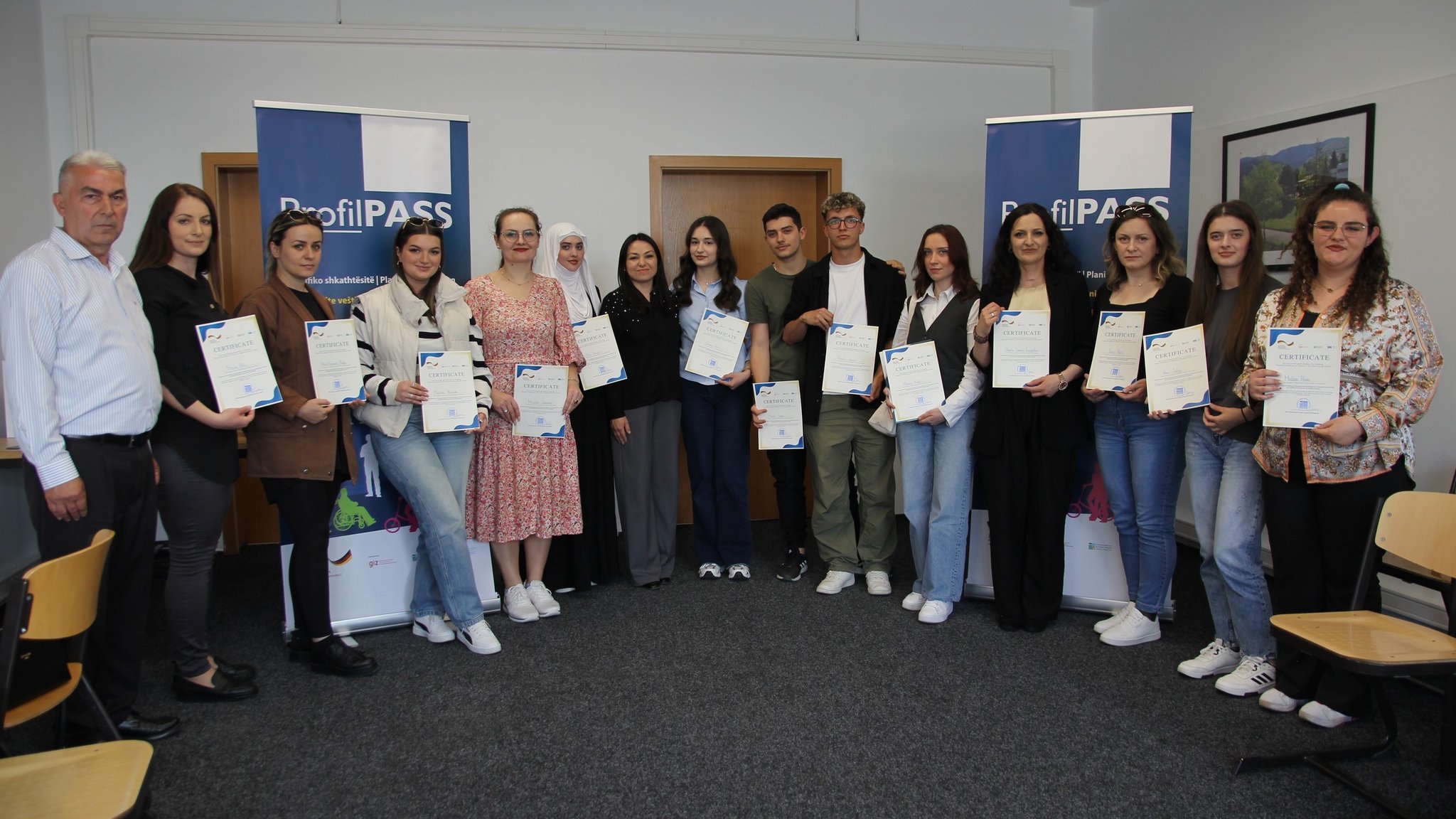
● Training new ProfilPASS counselors:
The project significantly expanded the network of certified ProfilPASS counselors in
Kosovo by training 30 individuals. The call for selection was open via our social
media, website, and email notifications (sent to EARK members), inviting all
interested in becoming ProfilPASS counselors—including Employment Agency of
Kosovo (EARK) staff. After a selection process based on qualifications and
motivation, three groups of 10 people each were chosen, including representatives
from EARK.
Young people and vulnerable groups in Kosovo face high unemployment and a lack of
opportunities for professional development. Many of them possess skills acquired through
non-formal or informal means, which remain undiscovered or unrecognized. Without
adequate guidance, these individuals encounter difficulties integrating into the labor market
and society.
The project addressed these challenges by offering a structured approach to counseling
and mentoring, aiming to identify and certify participants’ skills, increase their self-
confidence, and guide them toward employment or further education.
The project applied a strongly participatory approach by actively involving beneficiaries (youth and vulnerable groups), local institutions, and civil society actors throughout all phases. Participants were not passive recipients but co-creators of the process: through the ProfilPASS methodology, they reflected on their own skills, defined personal goals, and developed individual action plans. Their input directly shaped the counseling process, mentoring activities, and support services.
Local NGOs, youth centers, and community actors contributed to identifying and mobilizing participants, ensuring inclusion of marginalized groups (women, unemployed youth, individuals with limited formal education). Certified counselors—coming from diverse sectors (education, NGOs, public institutions)—also played an active role in adapting the methodology to local needs.
The impact of this participatory approach was substantial. It increased trust and engagement, reduced dropout rates, and strengthened self-confidence among participants. Beneficiaries reported improved ability to articulate their skills and actively navigate the labor market. Moreover, the co-creation process enhanced ownership, making the outcomes more sustainable beyond the project lifecycle.
The project integrated stakeholders across multiple governance levels, ensuring both institutional relevance and long-term sustainability.
At the local level, municipalities, youth centers, and NGOs supported outreach and implementation. At the national level, the Employment Agency of the Republic of Kosovo (EARK) and the Ministry of Education were actively involved through capacity-building, training, and policy dialogue. EARK staff were trained and engaged in applying the methodology within public employment services.
At the international level, cooperation with the German Institute for Adult Education (DIE) enabled knowledge transfer, study visits, and alignment with European best practices in career guidance and lifelong learning.
Each level had a clear role: local actors ensured community engagement, national institutions strengthened systemic integration, and international partners contributed expertise and innovation. The added value of this multilevel approach lies in bridging grassroots needs with policy frameworks, increasing the potential for institutionalization and scaling of the ProfilPASS methodology within public systems.
The project was inherently transdisciplinary, combining methodologies and expertise from multiple fields. It integrated social sciences (career counseling, psychology, social inclusion), education (lifelong learning, non-formal training), and labor market studies (skills identification, employability analysis).
Additionally, elements of digital technology were incorporated through the development of an online database for monitoring counseling processes and managing participant data. The project also included components of entrepreneurship education, through the adapted “ProfilPASS for Entrepreneurial Competence Development” module.
The involvement of professionals from diverse backgrounds—teachers, NGO practitioners, employment officers, and private sector representatives—further enriched the approach. This diversity enabled a holistic intervention addressing both socio-economic and psychological barriers to employment.
By combining these disciplines, the project moved beyond traditional employment programs and created an integrated model linking personal development, skills recognition, and labor market integration.
The project was initially funded through a public grant (GIZ), but its long-term sustainability is based on a hybrid model combining institutional integration, service provision, and potential digitalization.
Key sustainability elements include:
A trained network of certified counselors who can continue offering services independently or through institutions;
Integration potential within public employment services (EARK), enabling partial institutional funding;
Fee-based counseling services for specific target groups (e.g., professionals, entrepreneurs);
Partnerships with NGOs, municipalities, and international donors for continued program delivery;
Future development of online counseling services and digital tools, enabling scalable and cost-efficient outreach.
The introduction of digital/online counseling (planned next phase) significantly reduces operational costs while expanding access, particularly for rural or underserved communities. This creates a viable pathway toward a financially sustainable, scalable service model combining public funding, service fees, and project-based financing.
The project has strong potential for replication and scaling due to its modular and adaptable design.
Key transferable elements include:
The ProfilPASS methodology for skills identification and certification;
The combined model of counseling + social mentoring;
The training system for certifying new counselors;
The digital database for monitoring and managing services;
Adapted multilingual materials (Albanian/Serbian), enabling use in diverse contexts.
The model can be replicated across different municipalities, integrated into public employment services, or adapted for specific groups (e.g., women, migrants, rural youth). It is also transferable to other sectors such as education, vocational training, and social services.
Future digitalization (online counseling) further enhances scalability by enabling remote access, reducing costs, and reaching wider populations. The project’s success demonstrates that the approach can be effectively adapted to different socio-economic contexts, making it highly relevant for replication in the Western Balkans and beyond.