The Green Heart: Stambolovo’s Artery
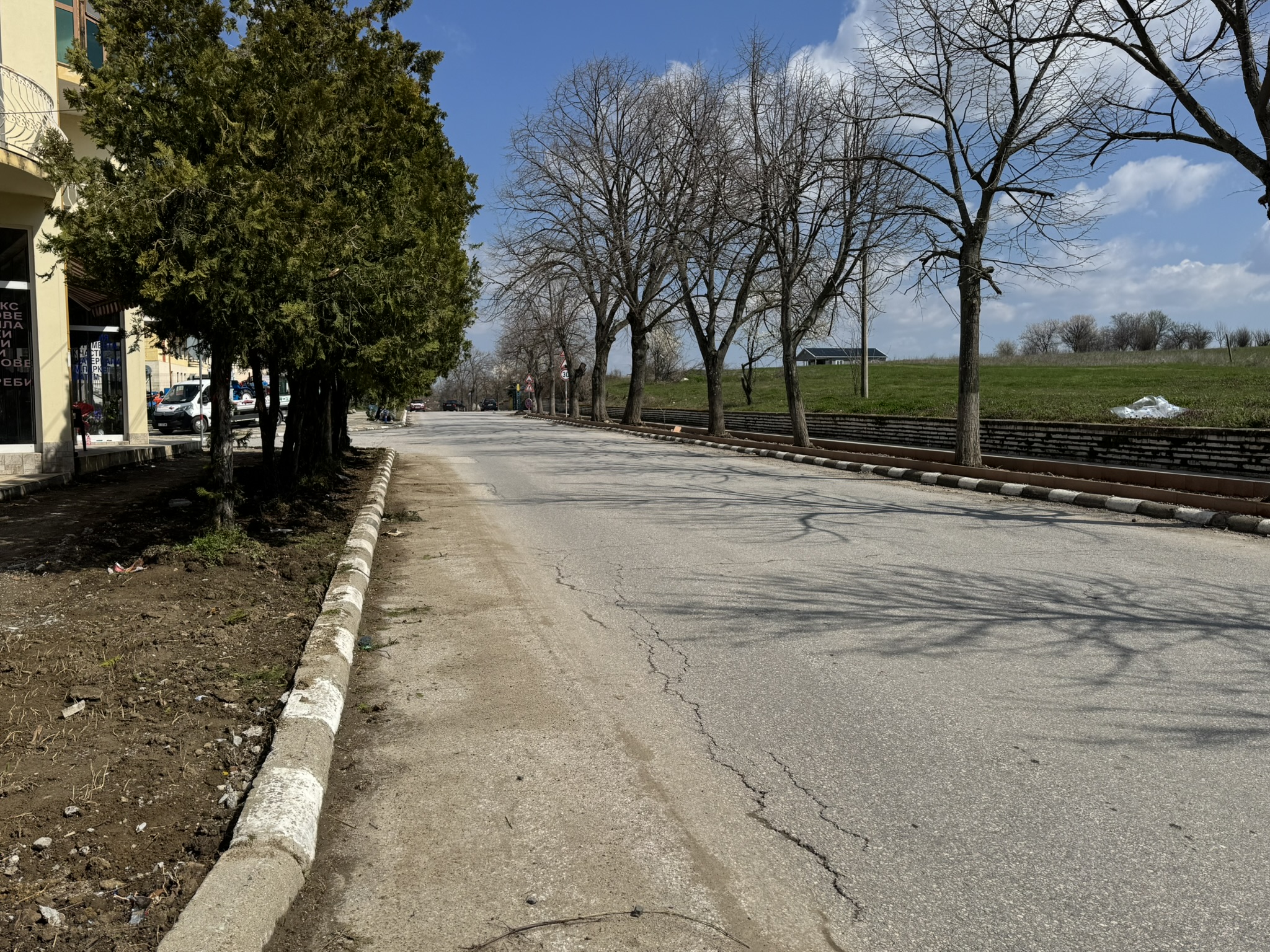
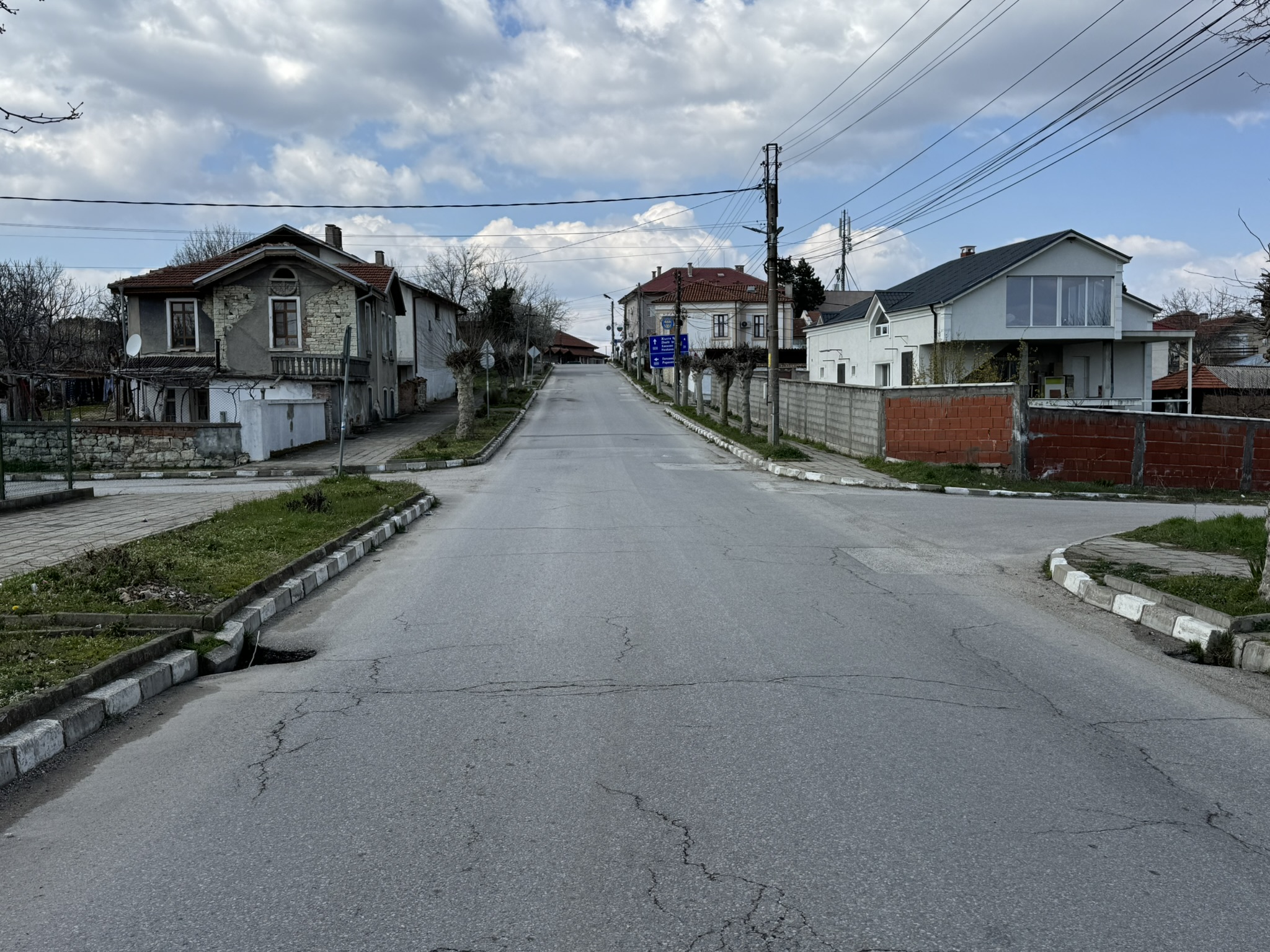
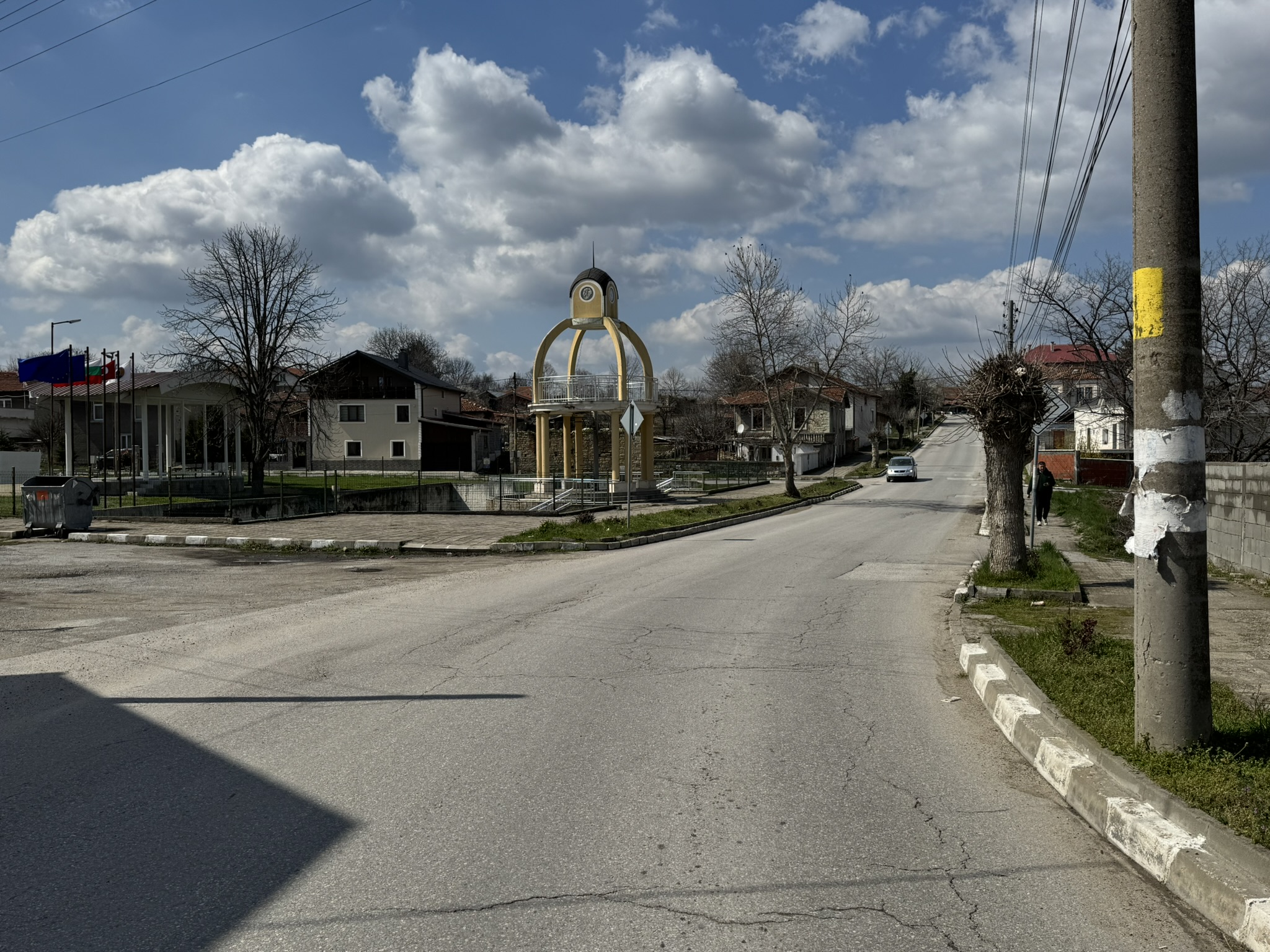
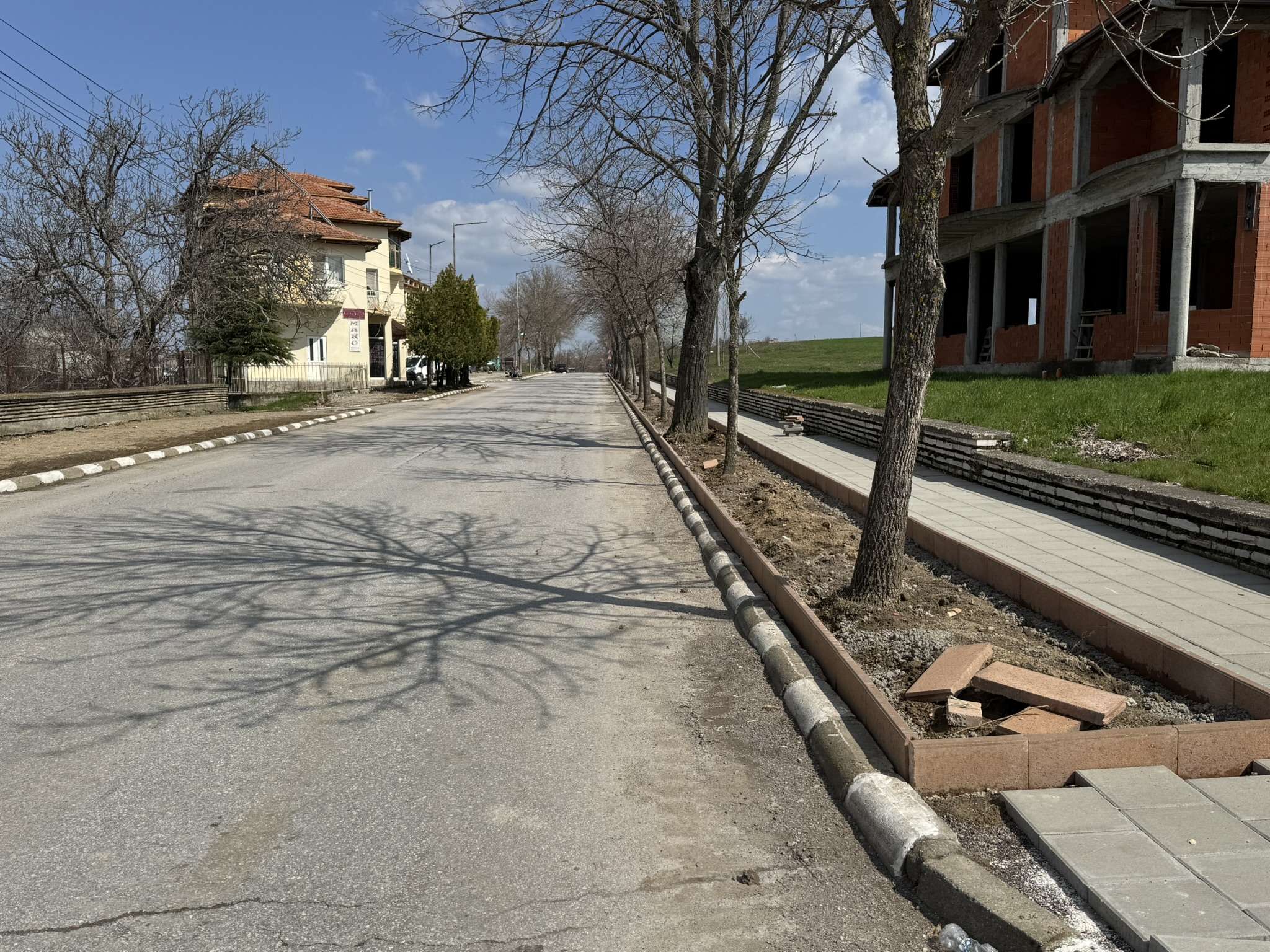
The Green Heart: Stambolovo’s Beautiful Main Avenue Artery
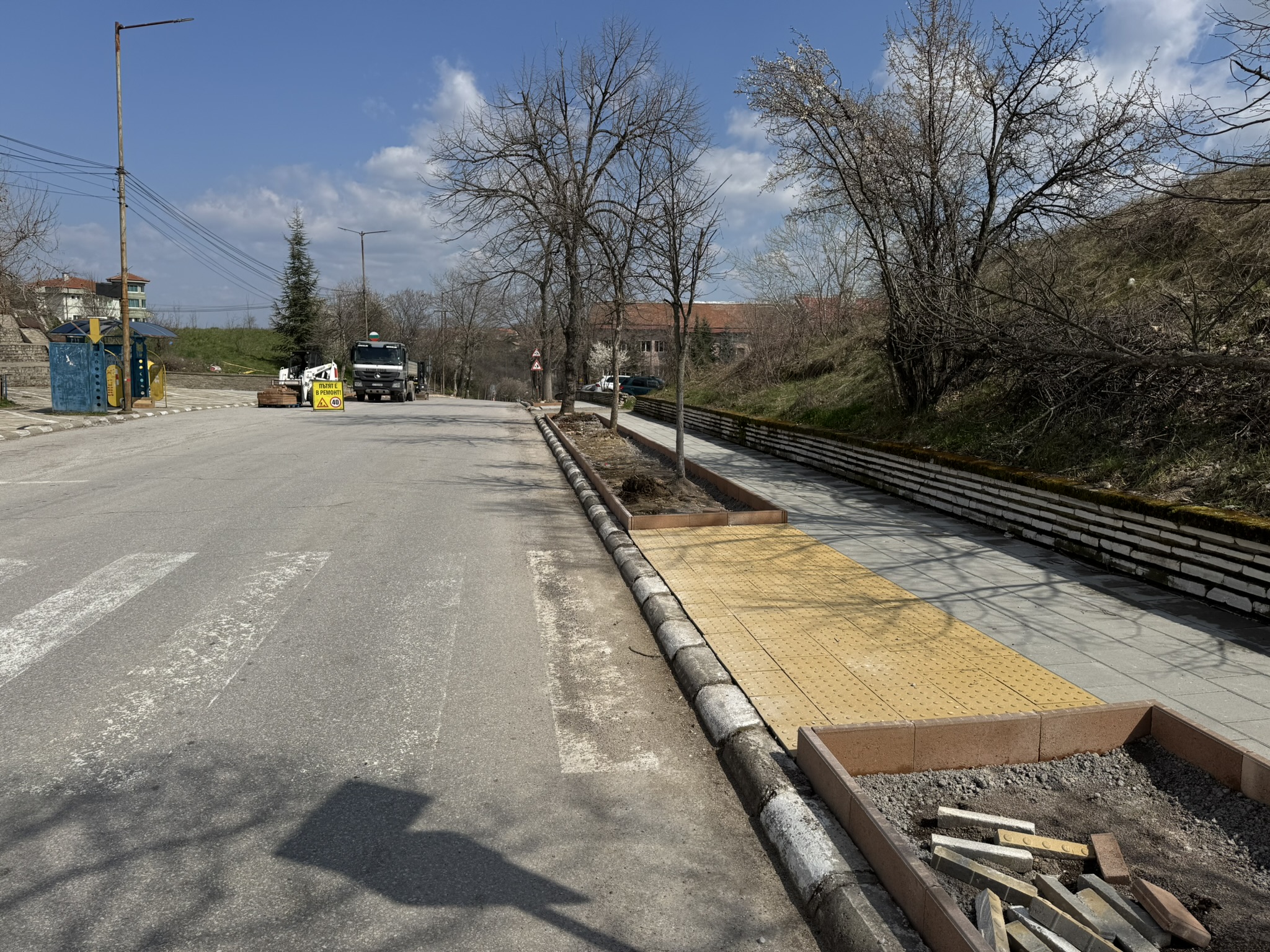
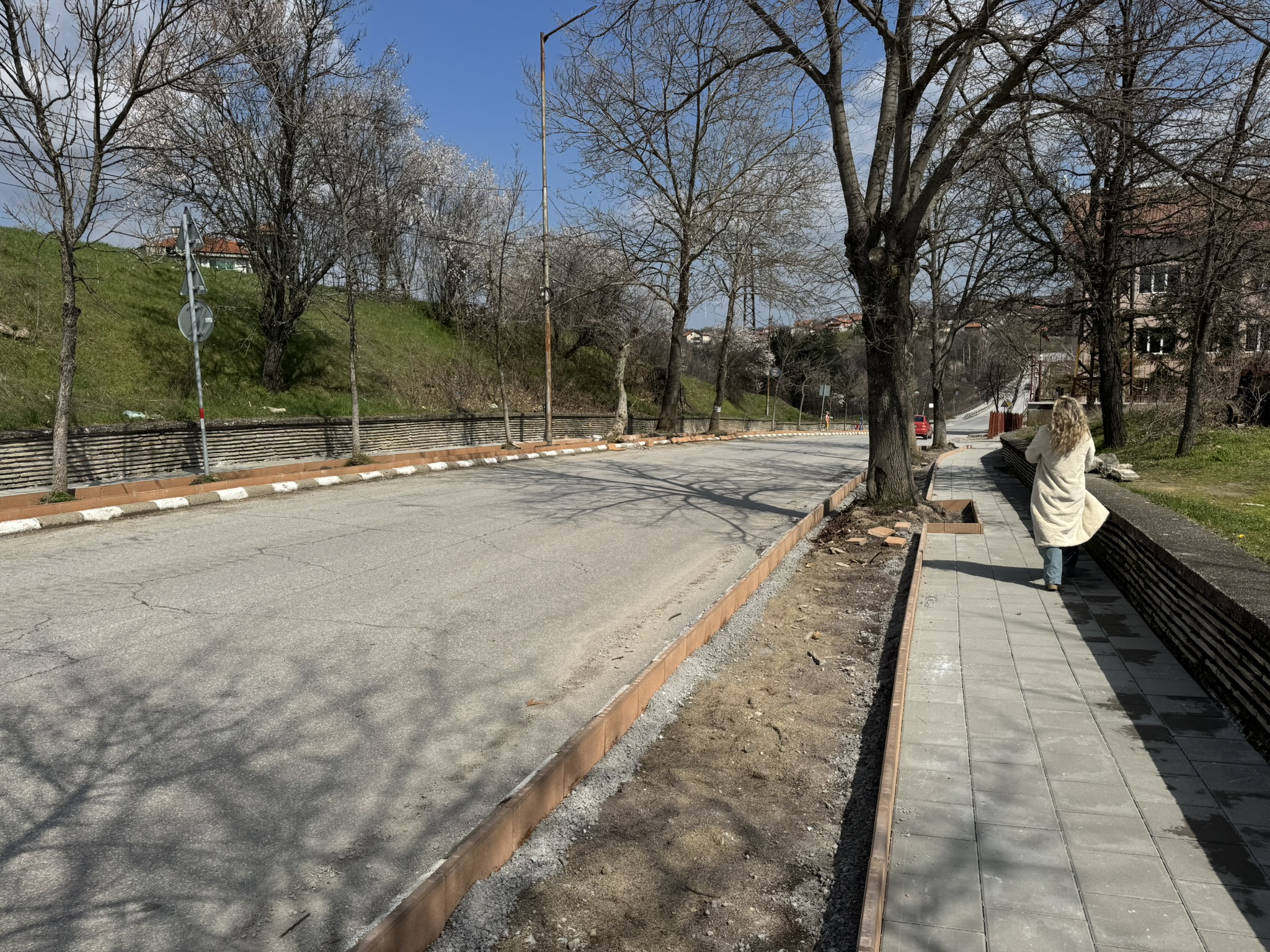
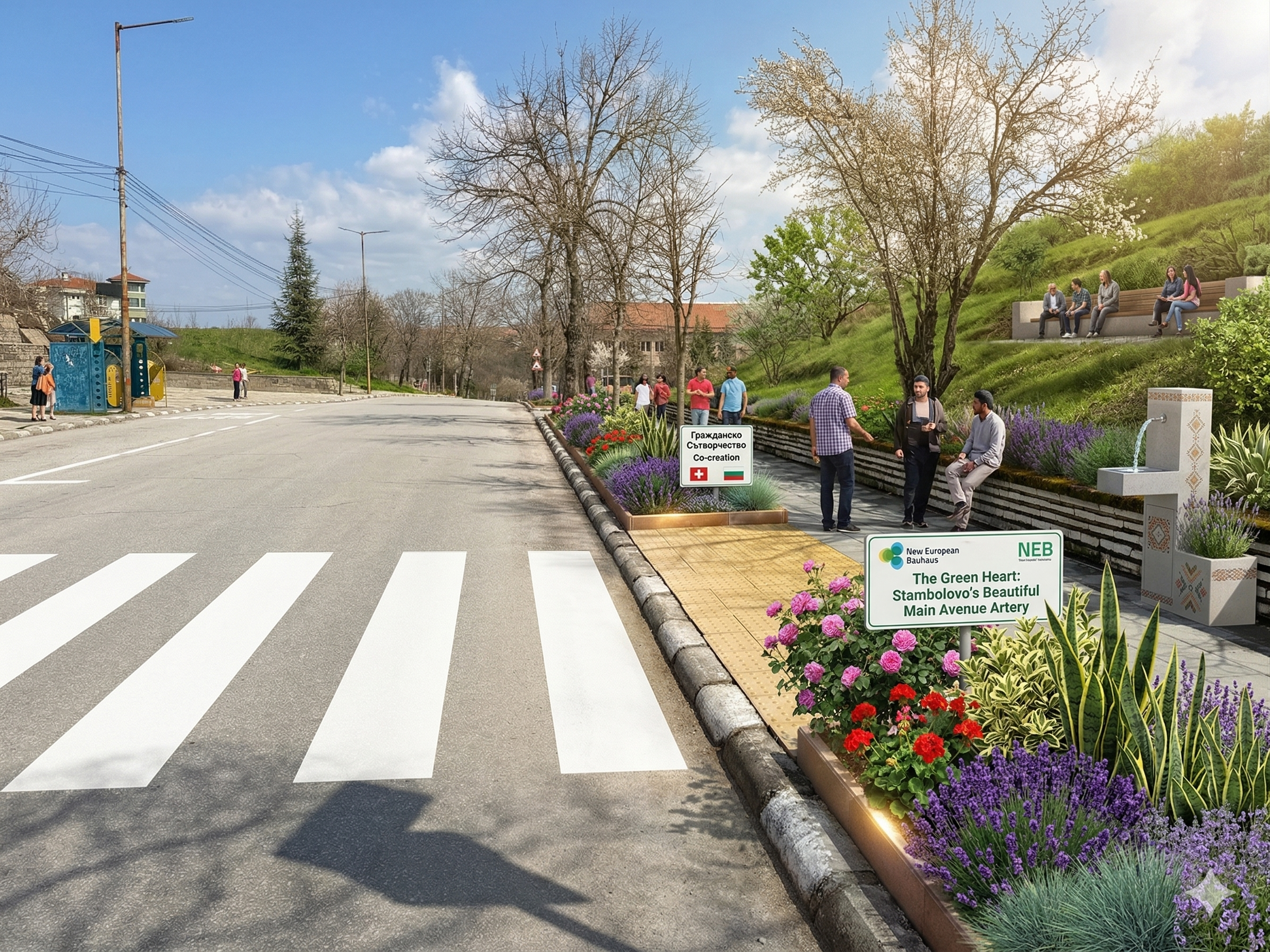
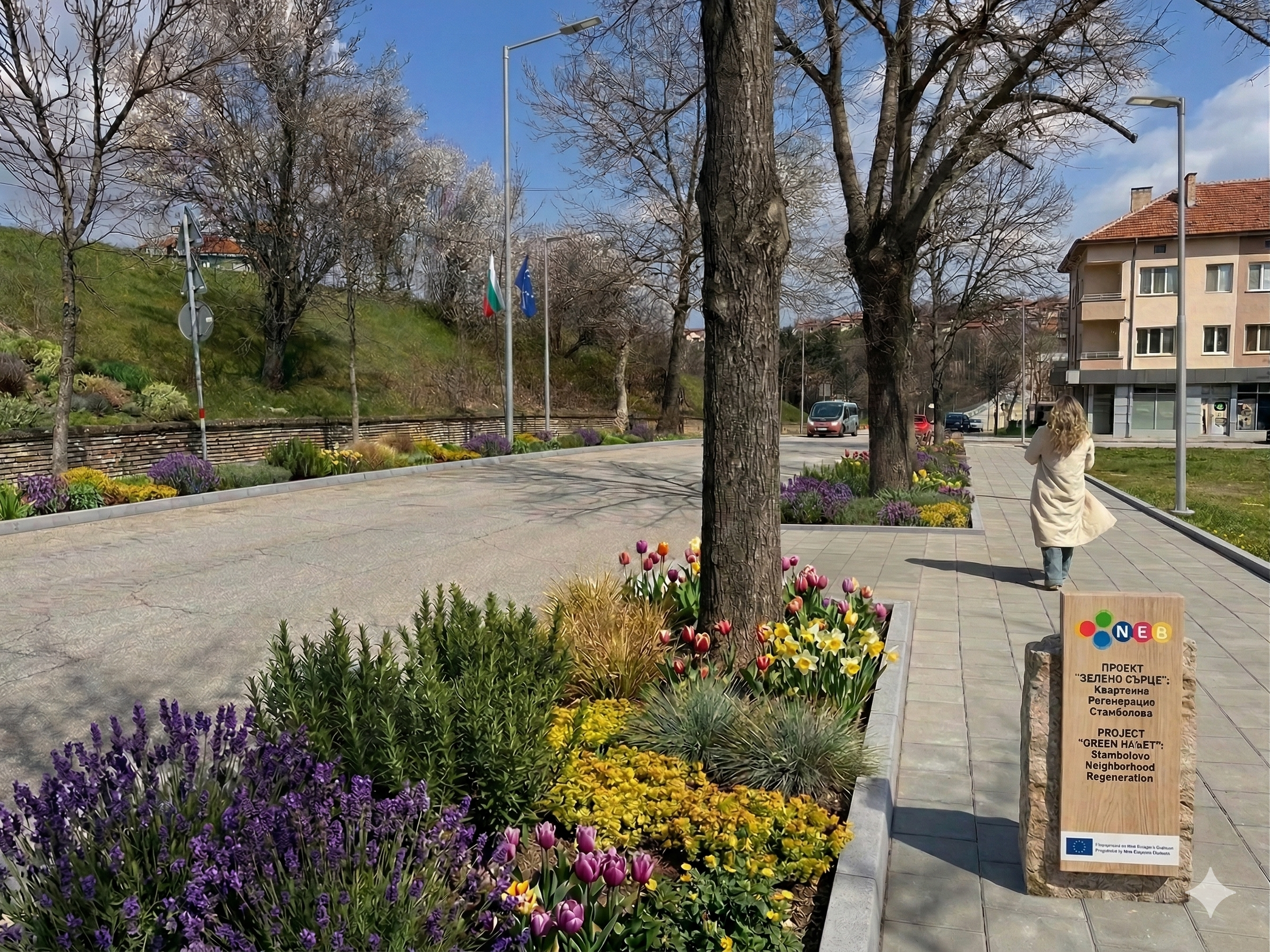
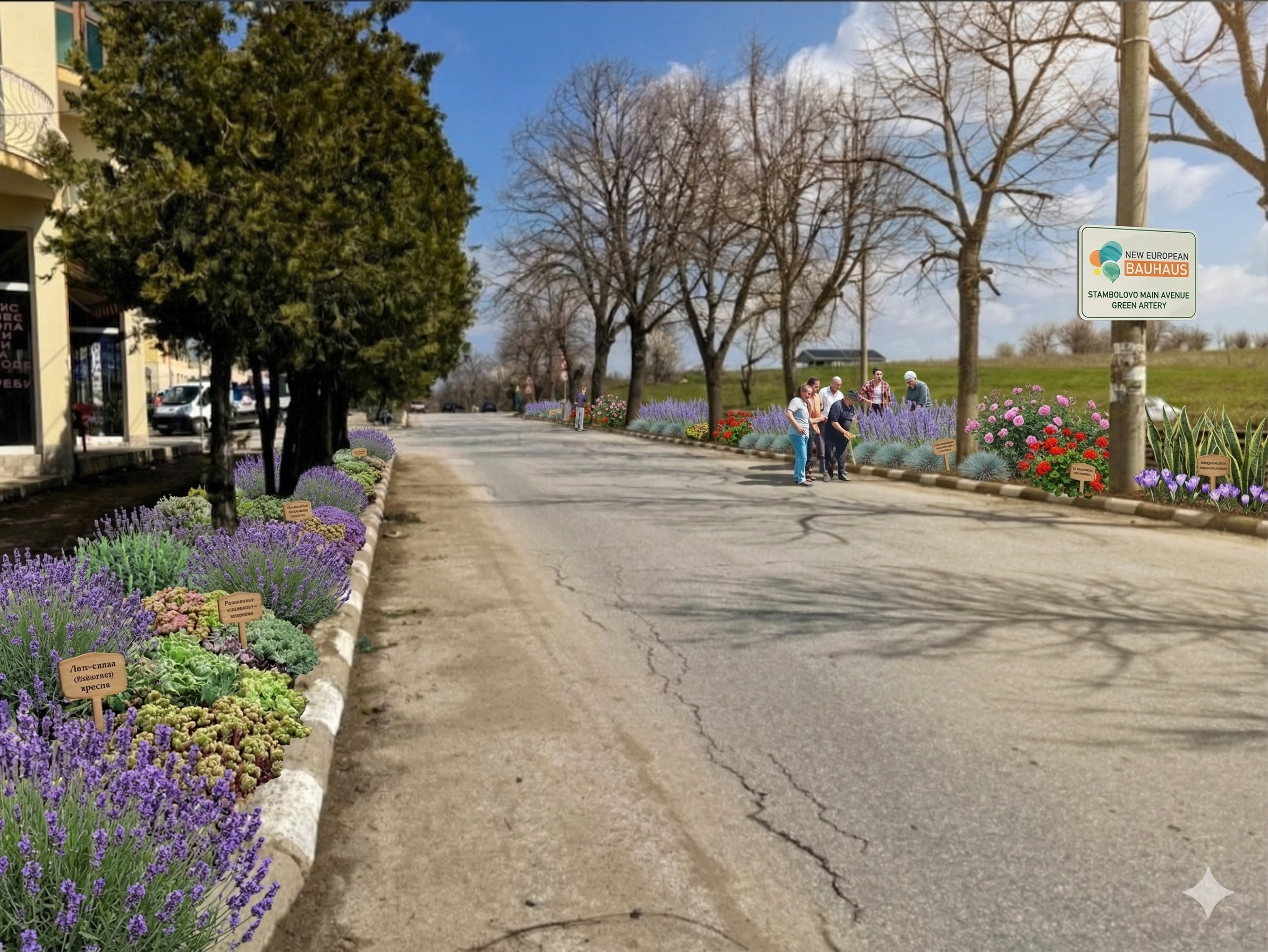
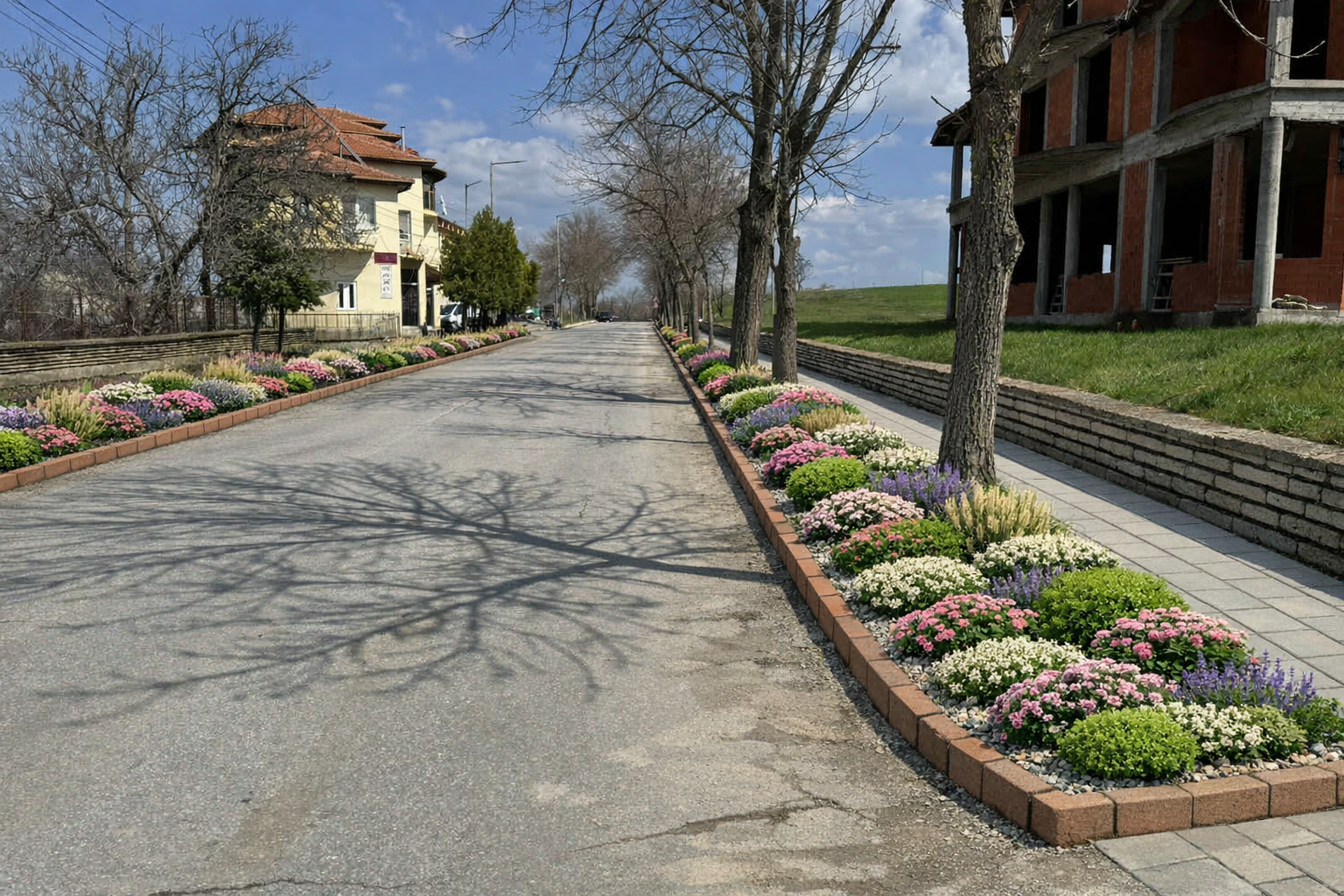
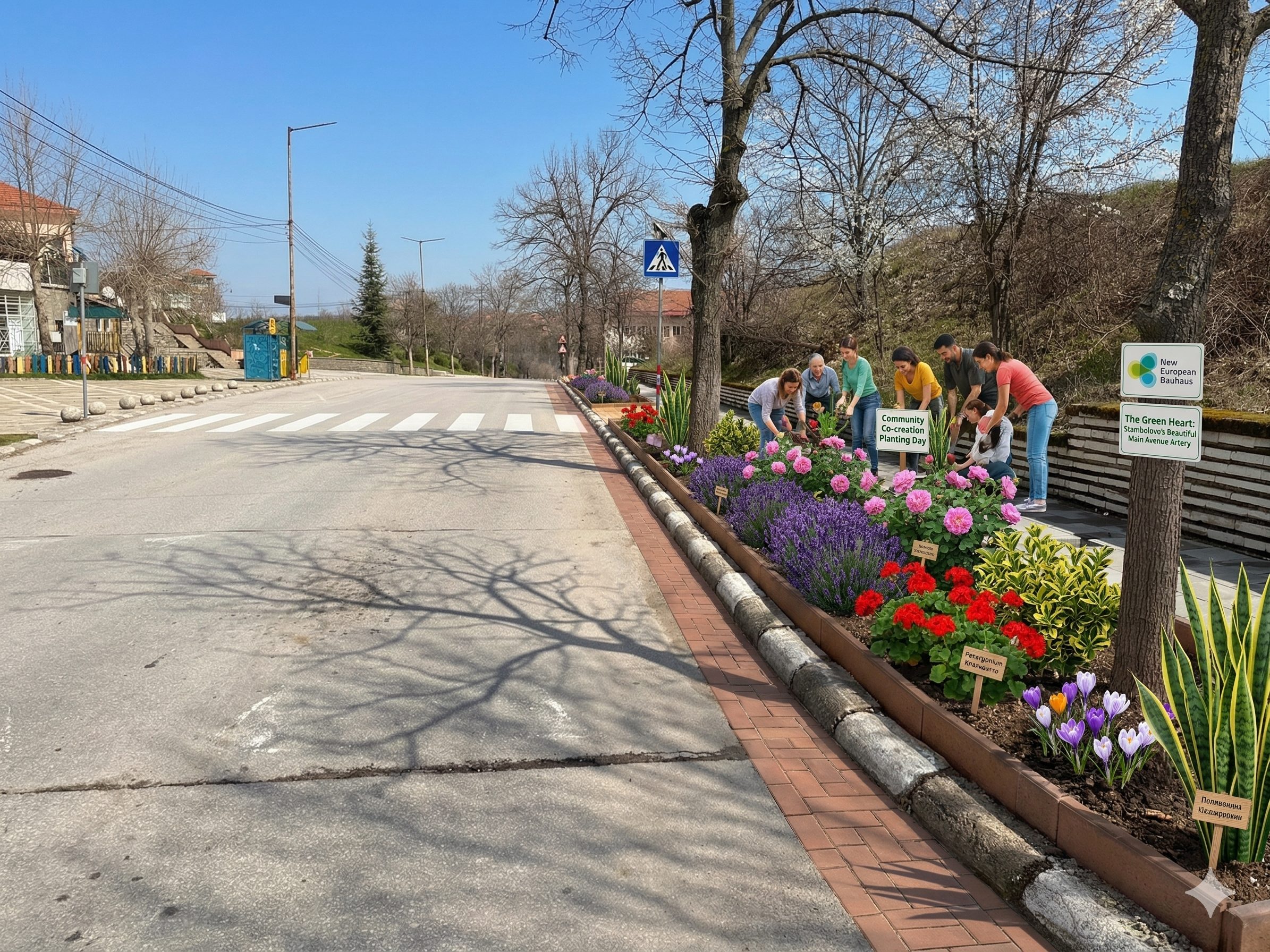
The Green Heart of Stambolovo" elevates a current municipal sidewalk project into a sustainable urban artery. The innovation lies in planting climate-resilient indigenous species, a process co-created by Stambolovo’s diverse ethnic tapestry (Bulgarians, Turks, Roma, Pomaks). As a vital hub for 26 settlements and a gateway to Greece and Turkey, the initiative blends the expertise of local foresters with community spirit to create an aesthetic, inclusive, and eco-friendly landmark.
Bulgaria
Stambolovo, Haskovo, Bulgaria- poste code 6362
Completed
Yes
Yes
Yes
No
No
HKV30: Stambolovo (BG)
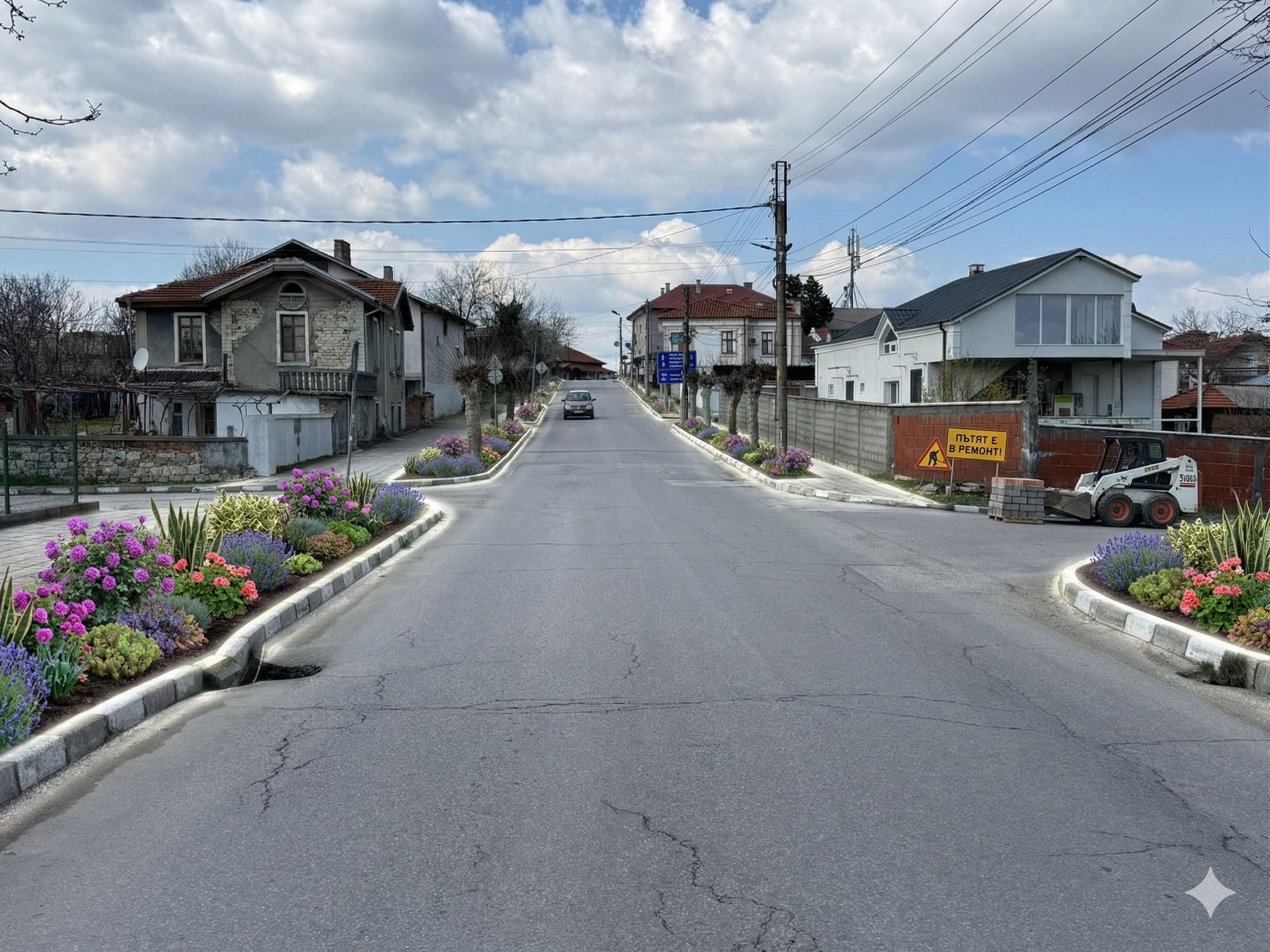
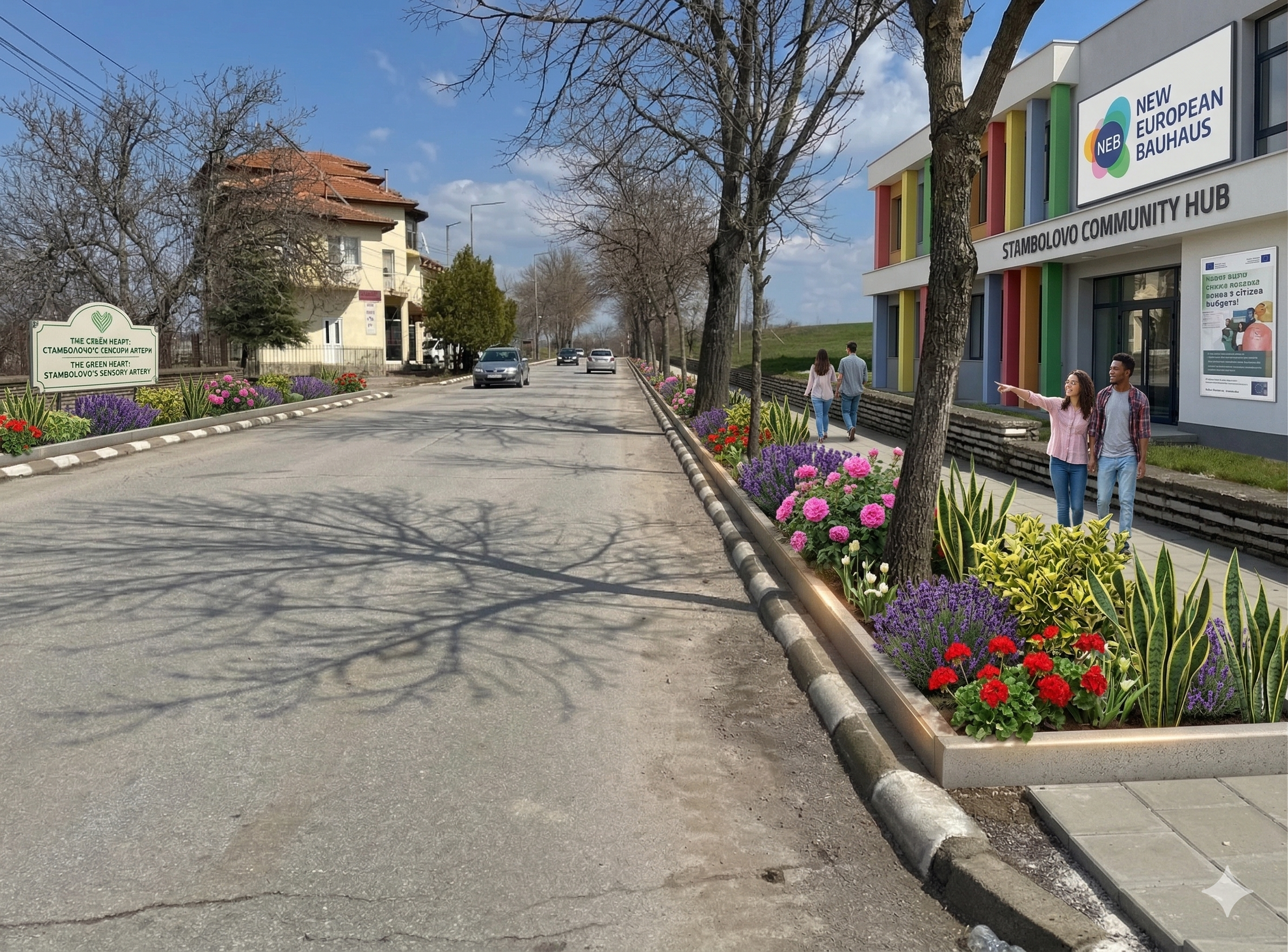
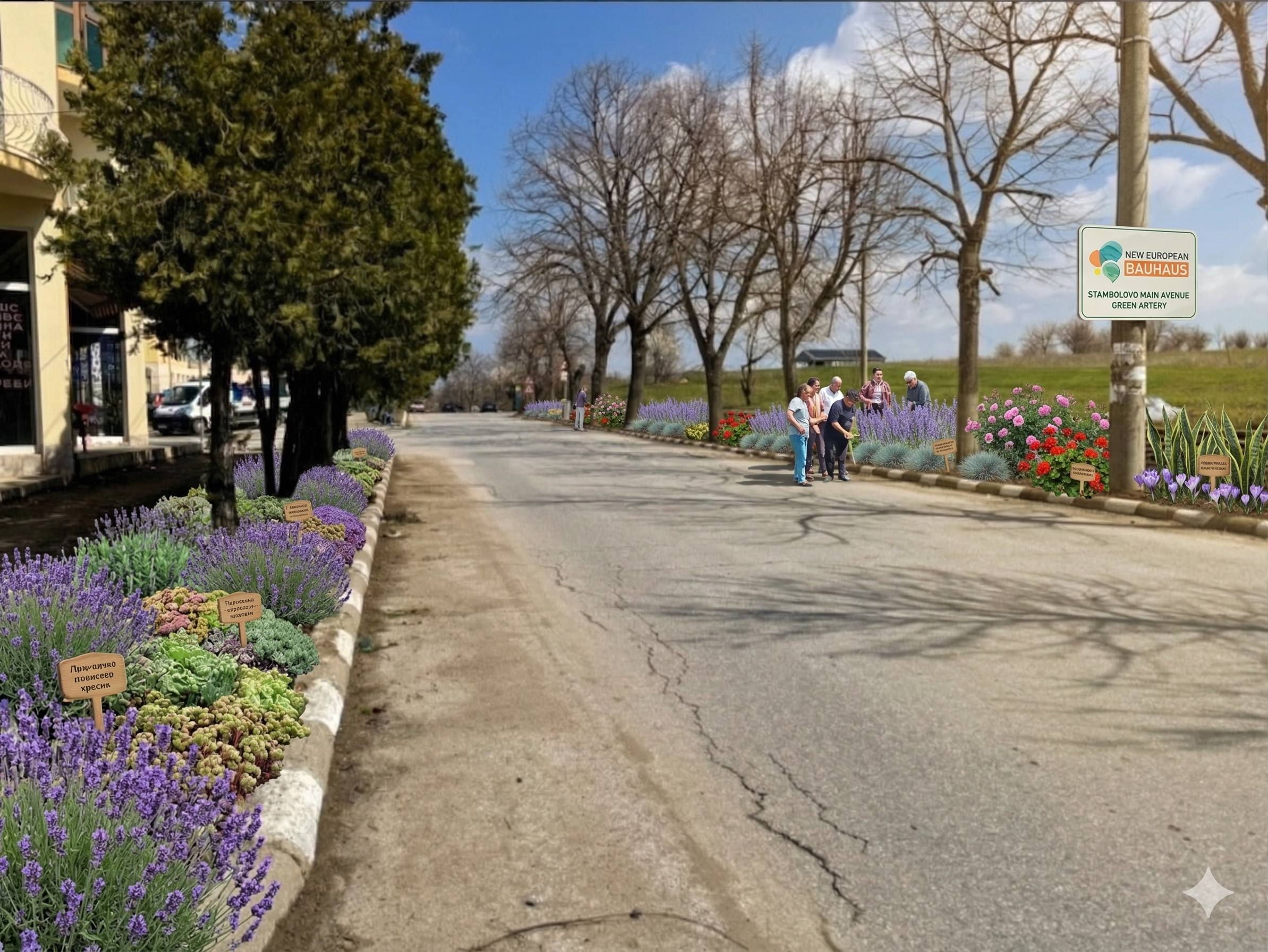
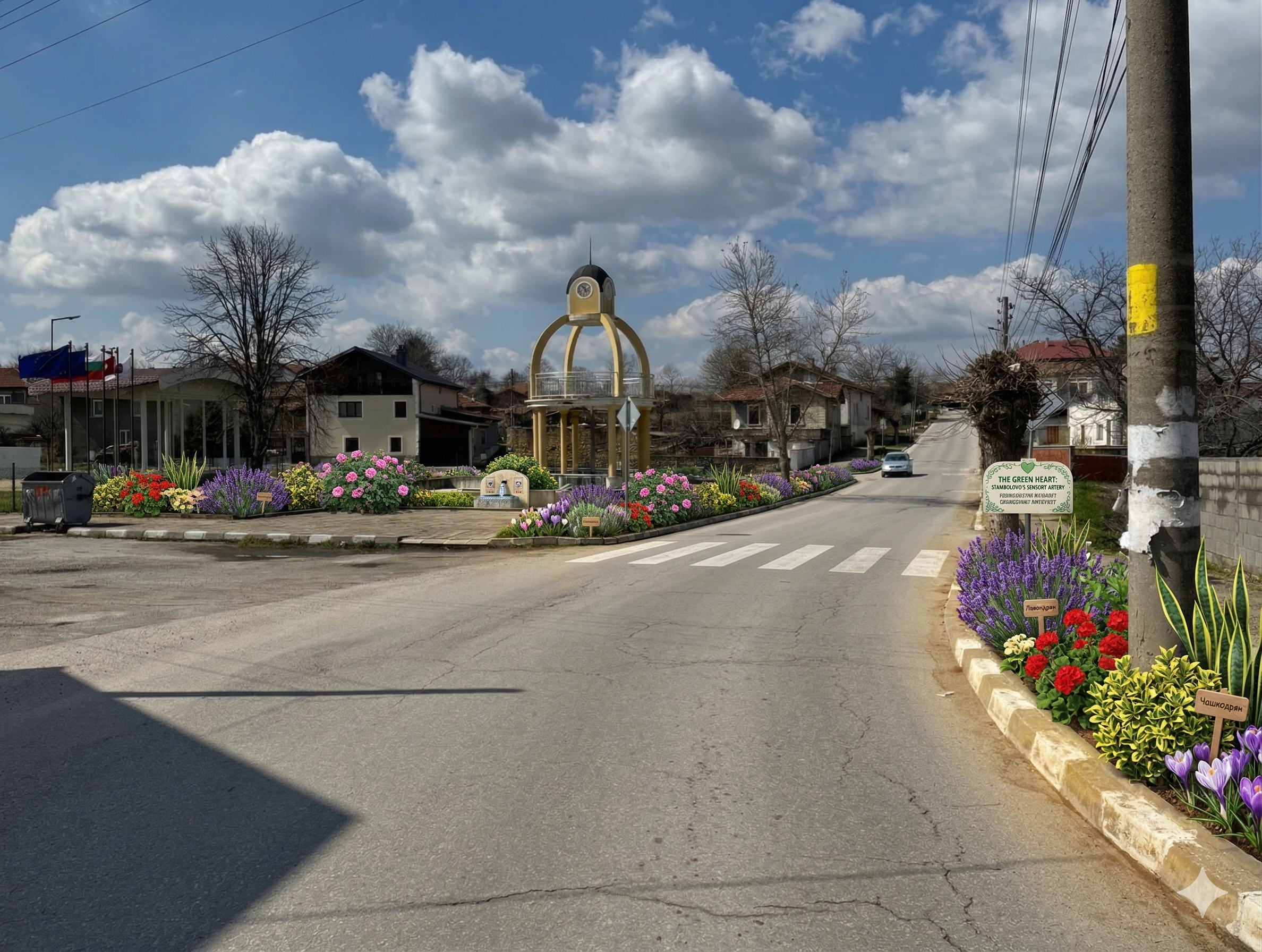
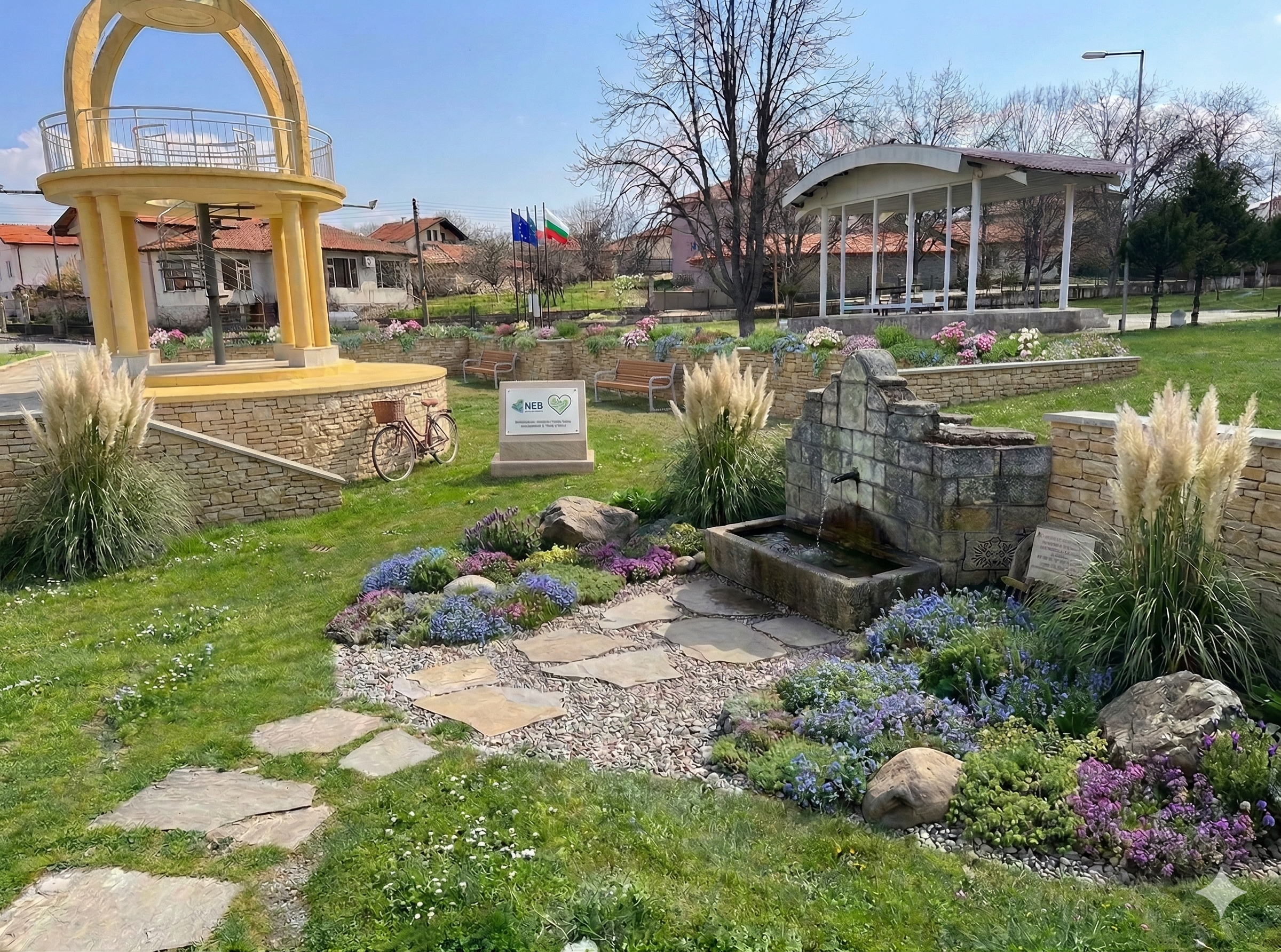
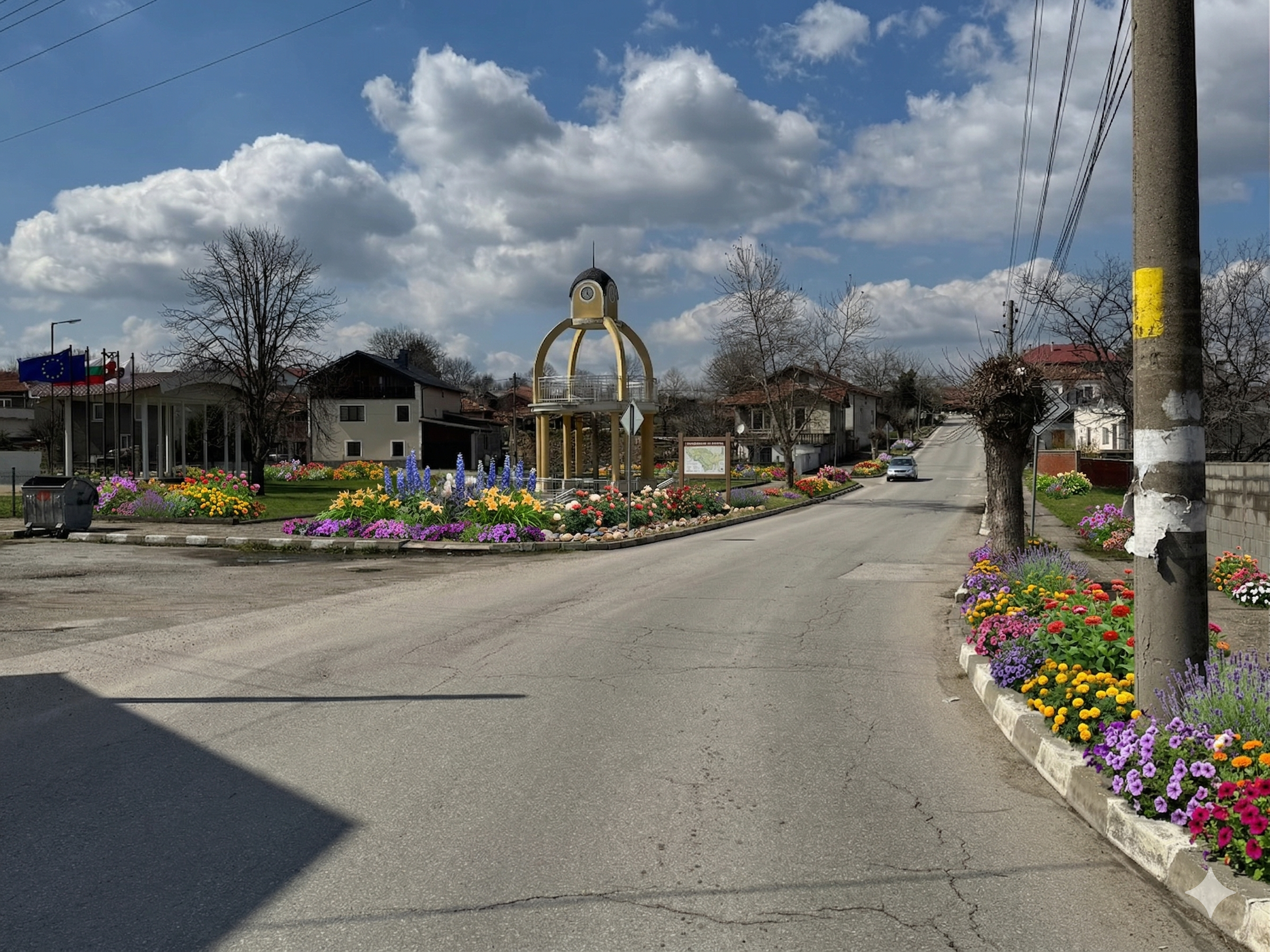
The initiative aims to transform Stambolovo’s main avenue into a "Green Heart"—a sustainable, aesthetic, and inclusive urban artery. By upgrading existing sidewalk infrastructure with climate-resilient landscaping, the project creates a high-quality public space that reflects the values of the New European Bauhaus.
Target Group(s):
Local Residents: 26 diverse ethnic communities (Bulgarians, Turks, Roma, Pomaks) within the municipality.
Commuters & Visitors: People from neighboring municipalities (Madzharovo, Krumovgrad, Harmanli) and cross-border travelers from Greece and Turkey.
Local Authorities: Municipal experts and foresters involved in eco-friendly urban management.
Specific Objective(s):
Ecological Innovation: To plant indigenous, climate-resilient flora that enhances local biodiversity and urban microclimate.
Social Co-creation: To implement a participatory model where the multi-ethnic community actively performs the landscaping, fostering social cohesion.
Regional Connectivity: To establish a beautiful and functional hub that serves as a "green gateway" for the cross-border region.
Expected Outcomes:
Environmental: Improved air quality and 1,200+ square meters of new urban greenery.
Social: Increased community ownership and strengthened ties between different ethnic groups through shared labor.
Economic/Strategic: Enhanced visibility and attractiveness of Stambolovo as a regional administrative and transport center.
Target Group(s):
Local Residents: 26 diverse ethnic communities (Bulgarians, Turks, Roma, Pomaks) within the municipality.
Commuters & Visitors: People from neighboring municipalities (Madzharovo, Krumovgrad, Harmanli) and cross-border travelers from Greece and Turkey.
Local Authorities: Municipal experts and foresters involved in eco-friendly urban management.
Specific Objective(s):
Ecological Innovation: To plant indigenous, climate-resilient flora that enhances local biodiversity and urban microclimate.
Social Co-creation: To implement a participatory model where the multi-ethnic community actively performs the landscaping, fostering social cohesion.
Regional Connectivity: To establish a beautiful and functional hub that serves as a "green gateway" for the cross-border region.
Expected Outcomes:
Environmental: Improved air quality and 1,200+ square meters of new urban greenery.
Social: Increased community ownership and strengthened ties between different ethnic groups through shared labor.
Economic/Strategic: Enhanced visibility and attractiveness of Stambolovo as a regional administrative and transport center.
Connectivity
Main Avenue Artery
Eco-Aesthetics
Cross-border Hub
Community-led
The primary objective of "The Green Heart of Stambolovo" is to establish a long-term, self-sustaining ecosystem within the urban core. We focus on Ecological Resilience by introducing indigenous plant species that are naturally adapted to the local climate. This minimizes the need for intensive irrigation and chemical fertilizers, ensuring high survival rates and low maintenance costs. Another core objective is the Enhancement of Urban Microclimate, where the new green canopy will mitigate the "heat island" effect, providing natural cooling and improving air quality for the 26 surrounding settlements.
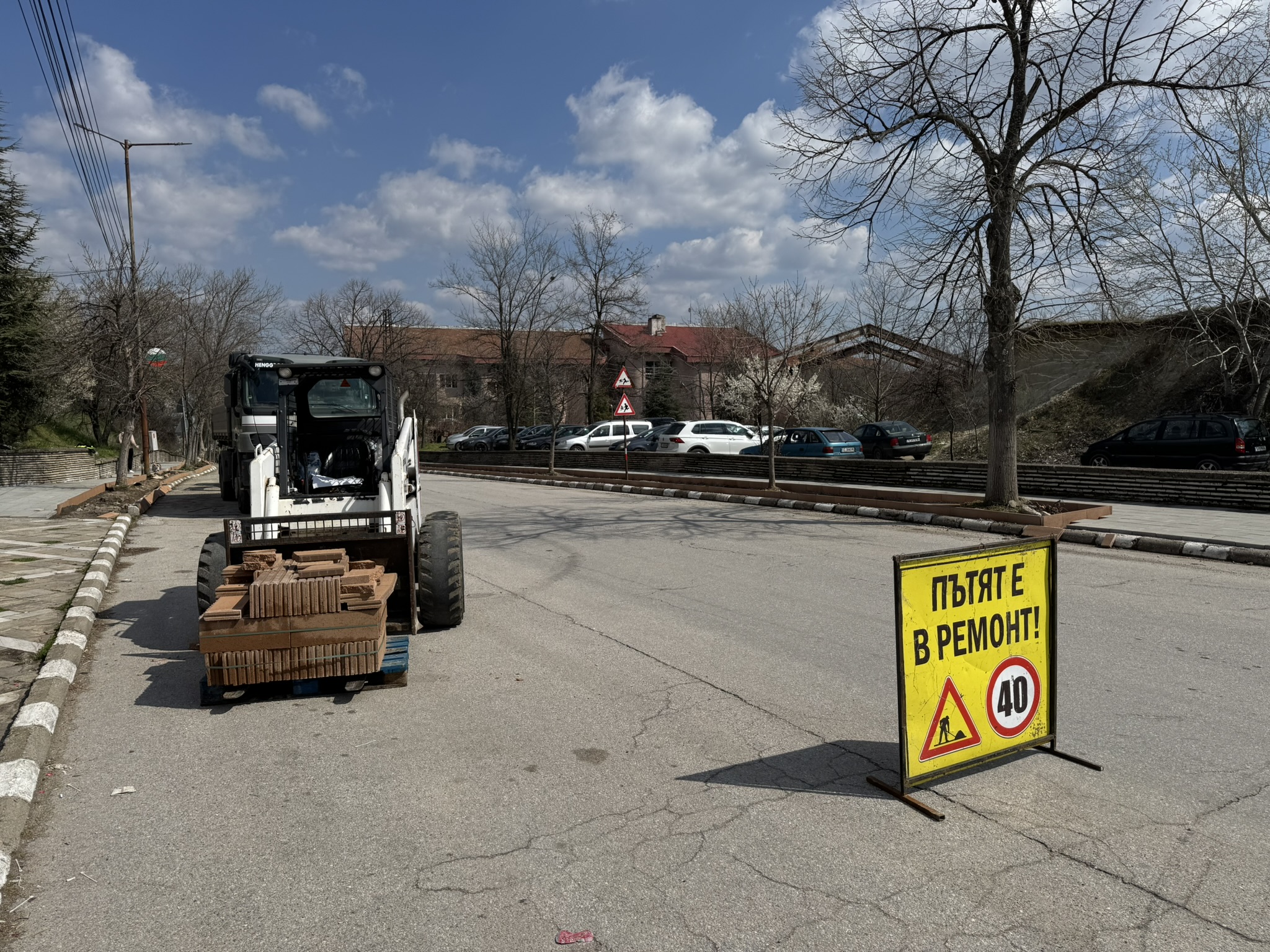
These goals are currently being met through a rigorous Expert-Led Selection Process. Our municipal forestry experts, leveraging their extensive experience in previous EU-funded ecological projects, have identified a palette of native flora that balances aesthetic beauty with extreme climate durability. Furthermore, the sustainability of the project is structurally guaranteed by its Integration with Existing Infrastructure. By synchronizing the landscaping with the ongoing municipal renovation of the main avenue’s sidewalks, we ensure that the green spaces are an inseparable part of the urban fabric, protected by modern drainage and durable urban design.
Our initiative serves as an exemplary model for small municipalities by demonstrating Resource Synergy. It proves how a modest NEB grant can exponentially increase the value of a larger, locally-funded infrastructure project. Moreover, the project is exemplary in its Social Sustainability: by involving our multi-ethnic community (Bulgarians, Turks, Roma, and Pomaks) in the actual planting, we create "human-nature bonds." When citizens personally plant and care for their environment, they become long-term guardians of the local ecosystem. This shift from "passive residents" to "active stewards" is the ultimate benchmark for sustainable community development in rural Europe.
These goals are currently being met through a rigorous Expert-Led Selection Process. Our municipal forestry experts, leveraging their extensive experience in previous EU-funded ecological projects, have identified a palette of native flora that balances aesthetic beauty with extreme climate durability. Furthermore, the sustainability of the project is structurally guaranteed by its Integration with Existing Infrastructure. By synchronizing the landscaping with the ongoing municipal renovation of the main avenue’s sidewalks, we ensure that the green spaces are an inseparable part of the urban fabric, protected by modern drainage and durable urban design.
Our initiative serves as an exemplary model for small municipalities by demonstrating Resource Synergy. It proves how a modest NEB grant can exponentially increase the value of a larger, locally-funded infrastructure project. Moreover, the project is exemplary in its Social Sustainability: by involving our multi-ethnic community (Bulgarians, Turks, Roma, and Pomaks) in the actual planting, we create "human-nature bonds." When citizens personally plant and care for their environment, they become long-term guardians of the local ecosystem. This shift from "passive residents" to "active stewards" is the ultimate benchmark for sustainable community development in rural Europe.
Our central objective is to transform a purely functional transit route into a "Human-Centric Landscape and Sensory Gallery." We aim to create a cohesive public space where modern infrastructure (the new sidewalks) harmonizes with a curated, low-maintenance ecosystem. The design focuses on providing Therapeutic and Multisensory Comfort—shadow, scent, and color—significantly enhancing the quality of daily experience for pedestrians, elderly residents, and families from all 26 settlements. Culturally, we aim to reflect the unique identity of the Stambolovo region through a thoughtful selection of flora.
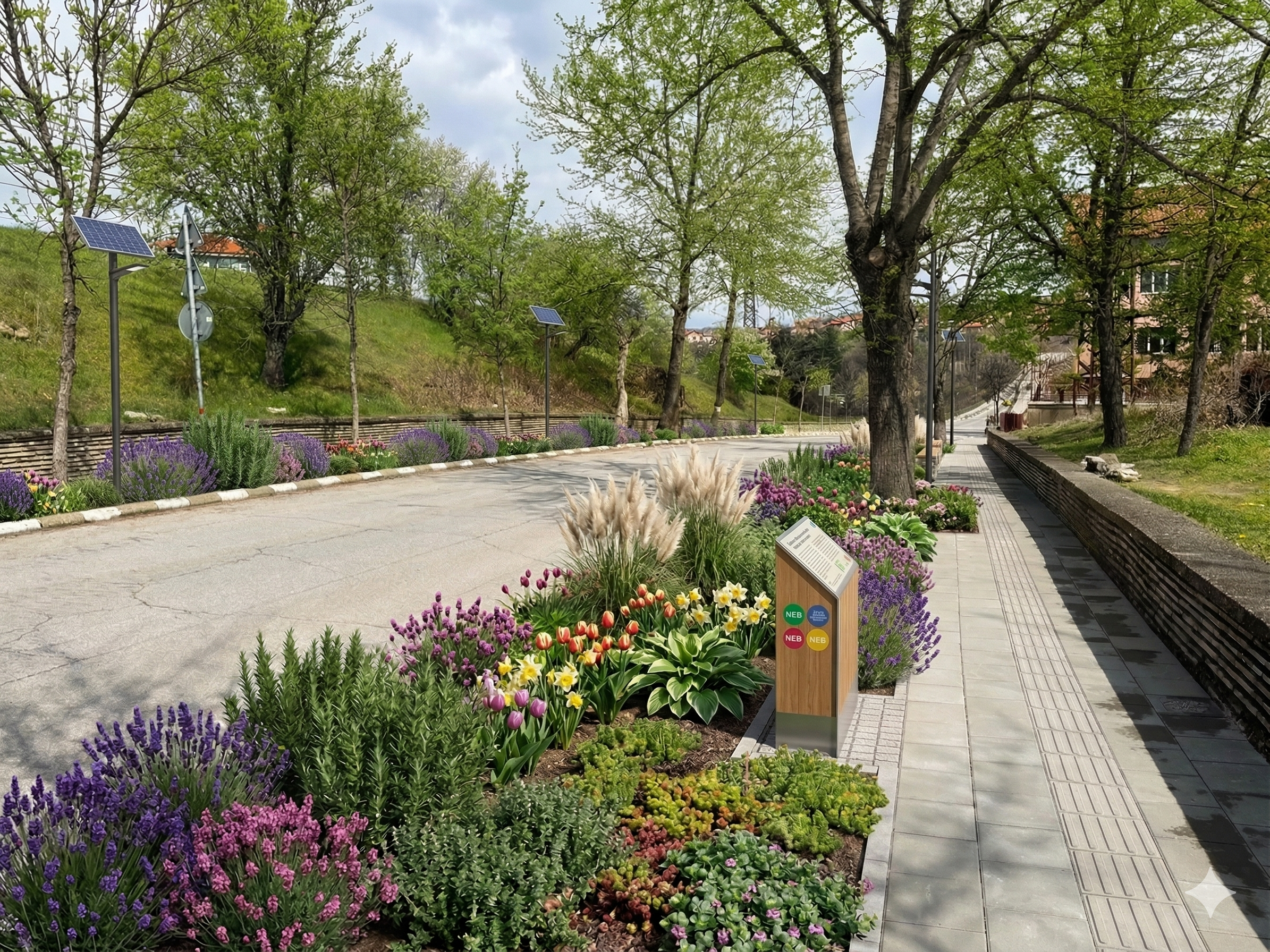
These objectives are being met through a Context-Driven Planting Strategy. Instead of generic urban greenery, we are integrating iconic Bulgarian species such as Rosa Damascena and Lavender, creating a rhythmic "scent-scape" that evokes local pride and provides a tangible link to regional heritage. This is complemented by a structured layer of Euonymus (Чашкодрян) for year-round structure, and vibrant, durable species like Pelargonium (Кралско мушкато) and Spring Bulbs for continuous color across seasons. This expert-guided selection ensures that the visual beauty is matched by extreme climate durability and minimal maintenance needs, guaranteeing that the high-quality experience is sustained over time.
Our initiative is exemplary because it redefines aesthetics as a Sustainable Tool for Public Well-being. In small rural municipalities, high-quality design is often seen as a secondary priority; Stambolovo proves it is a necessity. By blending expert landscape advice with the direct input of citizens (via the "Citizen Budgets" model), we ensure that the "beauty" of the project is rooted in Local Belonging and Authentic Heritage. This project demonstrates to other European border regions that even modest-scale interventions can achieve "Bauhaus-level" quality by focusing on the harmony between local identity, natural resilience, and functional accessibility.
These objectives are being met through a Context-Driven Planting Strategy. Instead of generic urban greenery, we are integrating iconic Bulgarian species such as Rosa Damascena and Lavender, creating a rhythmic "scent-scape" that evokes local pride and provides a tangible link to regional heritage. This is complemented by a structured layer of Euonymus (Чашкодрян) for year-round structure, and vibrant, durable species like Pelargonium (Кралско мушкато) and Spring Bulbs for continuous color across seasons. This expert-guided selection ensures that the visual beauty is matched by extreme climate durability and minimal maintenance needs, guaranteeing that the high-quality experience is sustained over time.
Our initiative is exemplary because it redefines aesthetics as a Sustainable Tool for Public Well-being. In small rural municipalities, high-quality design is often seen as a secondary priority; Stambolovo proves it is a necessity. By blending expert landscape advice with the direct input of citizens (via the "Citizen Budgets" model), we ensure that the "beauty" of the project is rooted in Local Belonging and Authentic Heritage. This project demonstrates to other European border regions that even modest-scale interventions can achieve "Bauhaus-level" quality by focusing on the harmony between local identity, natural resilience, and functional accessibility.
The initiative follows the "Design for All" principle, transforming the main avenue into a physically, socially, and culturally accessible space. Our primary goal is Universal Accessibility, ensuring safe movement for elderly residents, parents with strollers, and people with disabilities from all 26 settlements. Beyond infrastructure, the project fosters Intercultural Cohesion by creating a shared public space where the municipality’s diverse ethnic groups-Bulgarian, Turkish, Roma, and Pomak-feel equally represented and welcome. These goals are met through an Inclusive Governance model. The project originated from the "Citizen Budgets 2026" initiative, ensuring that the community’s voice—especially from underrepresented groups—was the driving force. Inclusion is physically realized by replacing uneven surfaces with high-quality, non-slip pavements and wide pedestrian zones. Socially, the Co-creation implementation—where members of all ethnic communities participate together in the planting of the "Green Heart"—turns a construction site into a platform for dialogue. This ensures the project is not just "delivered" to the people, but "built by" the people, regardless of their background. Our initiative is exemplary as it presents a New Societal Model for Rural Integration. It proves that small municipalities can move from "passive inclusion" to "Active Co-existence." By combining municipal resources with citizen labor and expert guidance, we demonstrate a replicable model for social infrastructure. Stambolovo serves as a "Living Laboratory" for the New European Bauhaus, showing how a green artery can bridge cultural divides and ensure that no citizen is left behind in the European green transition.
The initiative follows a "Bottom-Up" model, where citizens are the primary architects of the project’s vision. Involvement began through the "Citizen Budgets 2026" program, a partnership with the HALO Foundation. During field visits to 5 pilot settlements, residents were invited to propose and vote on local improvements. The community explicitly identified the greening of Stambolovo’s main avenue as a vital need.
The level of involvement is High (Co-creation):
Consultation Phase: Citizens defined the project’s scope, prioritizing aesthetics and ecology over purely technical repairs.
Implementation Phase: Local residents from all ethnic groups (Bulgarian, Turkish, Roma, and Pomak) are directly involved in the physical planting of trees and shrubs.
Stewardship: By participating in the labor, citizens transition from "beneficiaries" to "owners" of the public space. This involvement has fundamentally reshaped the project from a standard sidewalk renovation into a Social Integration Tool. The impact is threefold:
Design Accuracy: The choice of flora (Rosa Damascena, Lavender, etc.) reflects the local cultural identity and people's desire for a "sensory" environment.
Social Cohesion: The shared labor on the "Green Heart" acts as a bridge between different ethnic communities, fostering mutual trust and a sense of shared purpose.
Sustainability & Security: Community-led planting ensures higher long-term maintenance standards; when people build a space themselves, they are more likely to protect and sustain it. Stambolovo serves as an exemplary "Living Lab" for small municipalities. It demonstrates how civil society (via HALO Foundation) and local government can create a transparent, inclusive governing system where even a modest budget can achieve high-quality, community-backed urban transformation.
The level of involvement is High (Co-creation):
Consultation Phase: Citizens defined the project’s scope, prioritizing aesthetics and ecology over purely technical repairs.
Implementation Phase: Local residents from all ethnic groups (Bulgarian, Turkish, Roma, and Pomak) are directly involved in the physical planting of trees and shrubs.
Stewardship: By participating in the labor, citizens transition from "beneficiaries" to "owners" of the public space. This involvement has fundamentally reshaped the project from a standard sidewalk renovation into a Social Integration Tool. The impact is threefold:
Design Accuracy: The choice of flora (Rosa Damascena, Lavender, etc.) reflects the local cultural identity and people's desire for a "sensory" environment.
Social Cohesion: The shared labor on the "Green Heart" acts as a bridge between different ethnic communities, fostering mutual trust and a sense of shared purpose.
Sustainability & Security: Community-led planting ensures higher long-term maintenance standards; when people build a space themselves, they are more likely to protect and sustain it. Stambolovo serves as an exemplary "Living Lab" for small municipalities. It demonstrates how civil society (via HALO Foundation) and local government can create a transparent, inclusive governing system where even a modest budget can achieve high-quality, community-backed urban transformation.
Multi-Level Stakeholder Engagement
Local Level: Citizens and Municipal Administration
Role: The core "Bottom-Up" designers. Citizens identified the greening need through the "Citizen Budgets" initiative.
Involvement: High (Co-creation). Residents act as co-designers and voluntary planters. The Administration provides technical, legal, and financial management.
Added Value: Ensures the project meets real human needs, fosters local pride, and guarantees long-term maintenance through community ownership.
Regional Level: NGO Sector and Technical Experts
Role: Bridging policy and practice. HALO Foundation provides the methodology for engagement and transparency. Landscape experts guide the selection of climate-resilient flora.
Involvement: Medium-High (Collaboration). They provide specialized knowledge and democratic oversight.
Added Value: High technical standards and a transparent process for resource allocation. National Level: Strategic Alignment
Role: Strategic background. The project aligns with national priorities for urban renewal and the Swiss-Bulgarian Cooperation Programme.
Involvement: Medium (Alignment). Synergizes with national funding for infrastructure and civil engagement.
Added Value: Institutional credibility, transforming a local project into a national example of Green Transition for small municipalities.
European Level: New European Bauhaus (NEB)
Role: Providing the visionary framework and financial "boost."
Involvement: Strategic (Guidance). NEB principles (Sustainability, Aesthetics, Inclusion) are the project’s "North Star."
Added Value: Global visibility and the "NEB Seal of Excellence," proving that small border municipalities are vital to the European green and social goals.
Local Level: Citizens and Municipal Administration
Role: The core "Bottom-Up" designers. Citizens identified the greening need through the "Citizen Budgets" initiative.
Involvement: High (Co-creation). Residents act as co-designers and voluntary planters. The Administration provides technical, legal, and financial management.
Added Value: Ensures the project meets real human needs, fosters local pride, and guarantees long-term maintenance through community ownership.
Regional Level: NGO Sector and Technical Experts
Role: Bridging policy and practice. HALO Foundation provides the methodology for engagement and transparency. Landscape experts guide the selection of climate-resilient flora.
Involvement: Medium-High (Collaboration). They provide specialized knowledge and democratic oversight.
Added Value: High technical standards and a transparent process for resource allocation. National Level: Strategic Alignment
Role: Strategic background. The project aligns with national priorities for urban renewal and the Swiss-Bulgarian Cooperation Programme.
Involvement: Medium (Alignment). Synergizes with national funding for infrastructure and civil engagement.
Added Value: Institutional credibility, transforming a local project into a national example of Green Transition for small municipalities.
European Level: New European Bauhaus (NEB)
Role: Providing the visionary framework and financial "boost."
Involvement: Strategic (Guidance). NEB principles (Sustainability, Aesthetics, Inclusion) are the project’s "North Star."
Added Value: Global visibility and the "NEB Seal of Excellence," proving that small border municipalities are vital to the European green and social goals.
The design and implementation of "The Green Heart" integrate three core fields of knowledge:
Urban Engineering and Design: Focused on the structural renovation of the sidewalks, ensuring durability, drainage, and technical alignment with the main avenue's transport functions.
Environmental Science and Landscape Architecture: Our municipal foresters and landscape experts apply botanical knowledge to select indigenous, climate-resilient species (Lavender, Rosa Damascena, Euonymus) that ensure biodiversity and low-maintenance sustainability.
Social Sciences and Community Engagement: Through our partnership with the HALO Foundation, we apply methodologies for citizen participation, ensuring the project reflects the cultural identity and social needs of our multi-ethnic population.
These fields do not work in isolation but through a Continuous Feedback Loop. For example, the Landscape Experts provided a palette of plants, which was then presented to the Citizens (Social field) for voting based on their cultural preferences. Finally, the Urban Engineers integrated these choices into the technical site plans, ensuring that the green areas do not compromise the structural integrity of the new pavements. This interaction happens through joint field visits and public workshops where technical constraints are balanced with community aspirations.
The transdisciplinary process creates a "Holistic Urban Solution." The added value is a project that is technically sound, ecologically superior, and socially embraced. It prevents the common pitfall of "gray" infrastructure by infusing it with "green" life and "human" soul. This synergy ensures that the €30,000 NEB investment acts as the vital link that turns a simple repair into a landmark of sustainable European design.
Urban Engineering and Design: Focused on the structural renovation of the sidewalks, ensuring durability, drainage, and technical alignment with the main avenue's transport functions.
Environmental Science and Landscape Architecture: Our municipal foresters and landscape experts apply botanical knowledge to select indigenous, climate-resilient species (Lavender, Rosa Damascena, Euonymus) that ensure biodiversity and low-maintenance sustainability.
Social Sciences and Community Engagement: Through our partnership with the HALO Foundation, we apply methodologies for citizen participation, ensuring the project reflects the cultural identity and social needs of our multi-ethnic population.
These fields do not work in isolation but through a Continuous Feedback Loop. For example, the Landscape Experts provided a palette of plants, which was then presented to the Citizens (Social field) for voting based on their cultural preferences. Finally, the Urban Engineers integrated these choices into the technical site plans, ensuring that the green areas do not compromise the structural integrity of the new pavements. This interaction happens through joint field visits and public workshops where technical constraints are balanced with community aspirations.
The transdisciplinary process creates a "Holistic Urban Solution." The added value is a project that is technically sound, ecologically superior, and socially embraced. It prevents the common pitfall of "gray" infrastructure by infusing it with "green" life and "human" soul. This synergy ensures that the €30,000 NEB investment acts as the vital link that turns a simple repair into a landmark of sustainable European design.
Typically, small-scale urban renovations in rural areas follow a "top-down" linear process: technical design, municipal procurement, and external contractor execution. These projects often result in "gray" infrastructure with standardized, non-indigenous greenery that requires high maintenance and lacks local cultural identity or community "ownership."
The Stambolovo Innovation:
Our initiative breaks this mold through a Tripartite Innovation Model:
Social Innovation (Co-creation & Civil Synergy): Unlike mainstream "passive consultation," we use the "Citizen Budgets" methodology in partnership with the HALO Foundation. We empower a diverse multi-ethnic community to act as co-investors of their labor. The innovation lies in the "Social-Greening" aspect—using the planting of the "Green Heart" as a tool for de-segregation and active dialogue between different ethnic groups.
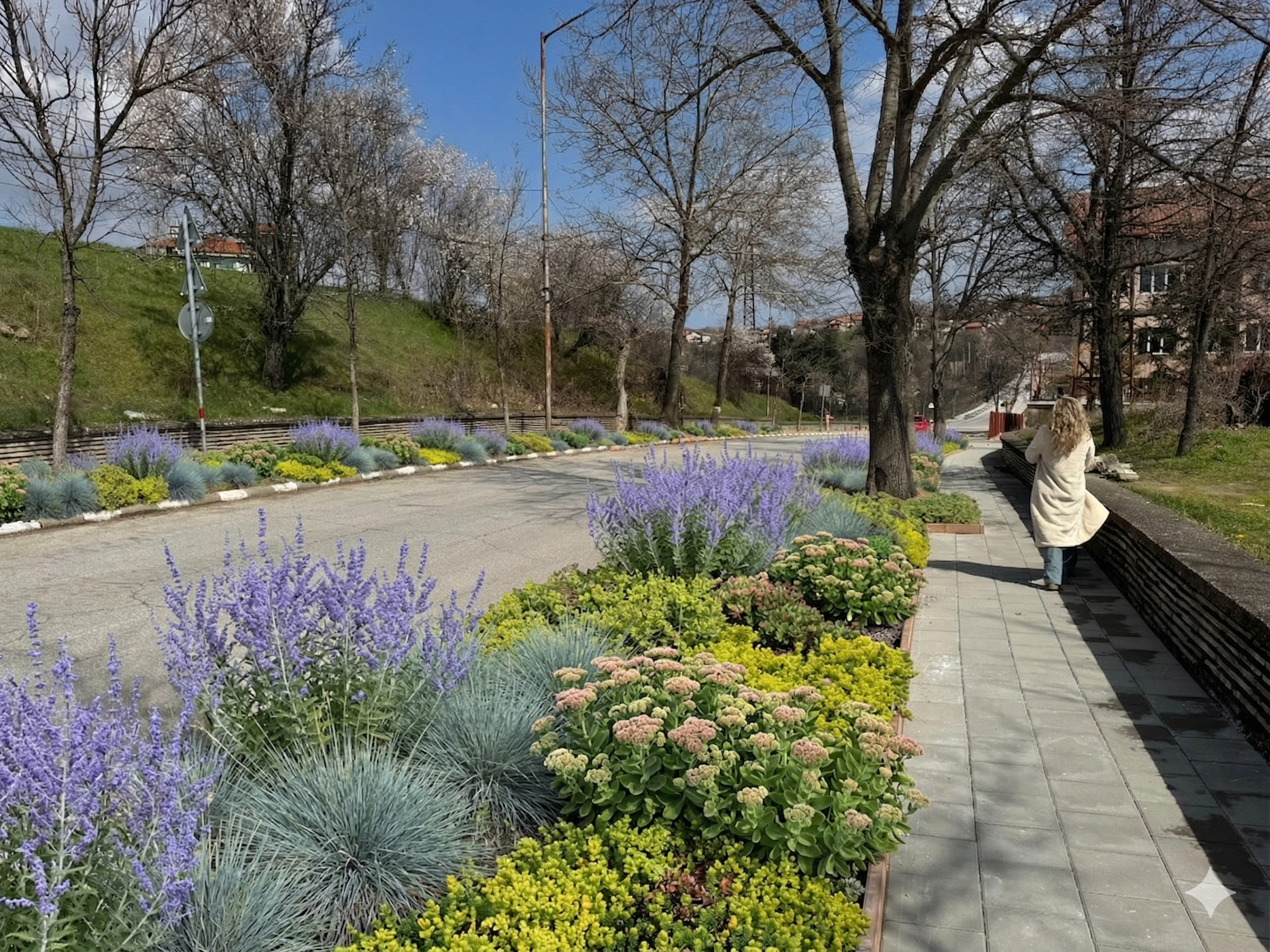
Ecological Innovation (Authentic Resilience): We move away from decorative, thirsty exotic plants. Instead, we use a "Sensory Heritage" palette (Rosa Damascena, Lavender, Perovskia). This is innovative because it combines cultural symbolism with extreme climate resilience and near-zero maintenance, proving that aesthetics and low-cost sustainability can coexist in rural settings.
Administrative Innovation (Digital Trust): By utilizing Qualified Electronic Signatures (QES) and digital investment tracking for 2025-2026, we demonstrate a high level of "Digital Maturity" for a small municipality. This ensures 100% transparency and real-time budget synergy, setting a new standard for administrative efficiency in border regions.
The initiative transforms a routine repair into a "Living Laboratory." It proves that innovation in the New European Bauhaus is not about expensive technology, but about re-imagining human and natural capital to create inclusive, beautiful, and resilient public spaces.
The Stambolovo Innovation:
Our initiative breaks this mold through a Tripartite Innovation Model:
Social Innovation (Co-creation & Civil Synergy): Unlike mainstream "passive consultation," we use the "Citizen Budgets" methodology in partnership with the HALO Foundation. We empower a diverse multi-ethnic community to act as co-investors of their labor. The innovation lies in the "Social-Greening" aspect—using the planting of the "Green Heart" as a tool for de-segregation and active dialogue between different ethnic groups.
Ecological Innovation (Authentic Resilience): We move away from decorative, thirsty exotic plants. Instead, we use a "Sensory Heritage" palette (Rosa Damascena, Lavender, Perovskia). This is innovative because it combines cultural symbolism with extreme climate resilience and near-zero maintenance, proving that aesthetics and low-cost sustainability can coexist in rural settings.
Administrative Innovation (Digital Trust): By utilizing Qualified Electronic Signatures (QES) and digital investment tracking for 2025-2026, we demonstrate a high level of "Digital Maturity" for a small municipality. This ensures 100% transparency and real-time budget synergy, setting a new standard for administrative efficiency in border regions.
The initiative transforms a routine repair into a "Living Laboratory." It proves that innovation in the New European Bauhaus is not about expensive technology, but about re-imagining human and natural capital to create inclusive, beautiful, and resilient public spaces.
Our initiative employs a "Participatory Ecosystemic Approach," which integrates social engagement with technical environmental design. The methodology is executed through four distinct phases:
Phase 1: Inclusive Needs Identification (The "Bottom-Up" Phase)
The approach began with a partnership with the HALO Foundation under the "Citizen Budgets 2026" methodology. We conducted field visits and focus groups across the municipality's diverse settlements. Instead of a traditional municipal mandate, the methodology relied on deliberative democracy, where residents directly proposed the "greening" of the main avenue as their top priority for improving local well-being.
Phase 2: Transdisciplinary Co-Design
Our approach bridges technical engineering with landscape ecology. Following the citizen input, municipal foresters and landscape experts developed a planting strategy focused on "Climate-Resilient Aesthetics." The methodology here is to select a diverse palette of indigenous species (Lavender, Rosa Damascena, Euonymus) that provide year-round visual quality while requiring minimal water and maintenance, ensuring the project's long-term sustainability.
Phase 3: Community-Led Implementation (Co-creation)
The core of our methodology is active participation. Implementation is not outsourced to a distant contractor; instead, it is a collaborative labor effort. Under the guidance of municipal experts, local volunteers from all ethnic groups participate in the physical planting. This approach transforms a physical task into a social integration tool, building mutual trust and a sense of collective "ownership" of the public space.
Phase 4: Digital Transparency and Monitoring
To ensure administrative excellence, we utilize Qualified Electronic Signatures (QES) and digital budget tracking. This methodological layer ensures that the 2025-2026 investment plan is transparently executed and easily auditable, providing a reliable framework for future NEB initiatives.
Phase 1: Inclusive Needs Identification (The "Bottom-Up" Phase)
The approach began with a partnership with the HALO Foundation under the "Citizen Budgets 2026" methodology. We conducted field visits and focus groups across the municipality's diverse settlements. Instead of a traditional municipal mandate, the methodology relied on deliberative democracy, where residents directly proposed the "greening" of the main avenue as their top priority for improving local well-being.
Phase 2: Transdisciplinary Co-Design
Our approach bridges technical engineering with landscape ecology. Following the citizen input, municipal foresters and landscape experts developed a planting strategy focused on "Climate-Resilient Aesthetics." The methodology here is to select a diverse palette of indigenous species (Lavender, Rosa Damascena, Euonymus) that provide year-round visual quality while requiring minimal water and maintenance, ensuring the project's long-term sustainability.
Phase 3: Community-Led Implementation (Co-creation)
The core of our methodology is active participation. Implementation is not outsourced to a distant contractor; instead, it is a collaborative labor effort. Under the guidance of municipal experts, local volunteers from all ethnic groups participate in the physical planting. This approach transforms a physical task into a social integration tool, building mutual trust and a sense of collective "ownership" of the public space.
Phase 4: Digital Transparency and Monitoring
To ensure administrative excellence, we utilize Qualified Electronic Signatures (QES) and digital budget tracking. This methodological layer ensures that the 2025-2026 investment plan is transparently executed and easily auditable, providing a reliable framework for future NEB initiatives.
Our initiative is designed as a scalable "Blue-Print" for small, rural, and border municipalities across Europe. The following elements are highly transferable to other contexts:
1. The "Social-Greening" Methodology:
The core process of using Citizen Budgets to identify urban needs is a universal model. Any municipality can replicate our partnership with the NGO sector (HALO Foundation) to transition from top-down governance to deliberative democracy. The practice of "co-creation implementation"—where diverse ethnic groups plant together—is a powerful tool for social integration that can be transferred to any multicultural or post-conflict region.
2. The "Climate-Resilient Heritage" Palette:
Our approach to selecting flora (Lavender, Rosa Damascena) is replicable in any climate zone by simply swapping the species for local, indigenous equivalents. The underlying principle—High Aesthetic Value + Low Maintenance + Climate Resilience—is a product that can be adopted by urban planners to reduce long-term municipal costs while meeting Green Deal goals.
3. Digital Administrative Maturity:
The use of Qualified Electronic Signatures (QES) and digital synergetic budgeting (linking local funds with NEB grants) is a process that sets a standard for transparency and efficiency. This "Digital Readiness" model is easily transferable to other small public authorities, proving that size is not a barrier to modern governance.
4. The "Resource Synergy" Model:
The most critical takeaway is the process of layering funding. We demonstrate how a modest €30,000 NEB grant can act as a "catalyst" for a much larger infrastructure project (€176,000 local investment). This model of "Infrastructure + Soul" is an exemplary lesson for small municipalities on how to maximize European impact with limited resources.
1. The "Social-Greening" Methodology:
The core process of using Citizen Budgets to identify urban needs is a universal model. Any municipality can replicate our partnership with the NGO sector (HALO Foundation) to transition from top-down governance to deliberative democracy. The practice of "co-creation implementation"—where diverse ethnic groups plant together—is a powerful tool for social integration that can be transferred to any multicultural or post-conflict region.
2. The "Climate-Resilient Heritage" Palette:
Our approach to selecting flora (Lavender, Rosa Damascena) is replicable in any climate zone by simply swapping the species for local, indigenous equivalents. The underlying principle—High Aesthetic Value + Low Maintenance + Climate Resilience—is a product that can be adopted by urban planners to reduce long-term municipal costs while meeting Green Deal goals.
3. Digital Administrative Maturity:
The use of Qualified Electronic Signatures (QES) and digital synergetic budgeting (linking local funds with NEB grants) is a process that sets a standard for transparency and efficiency. This "Digital Readiness" model is easily transferable to other small public authorities, proving that size is not a barrier to modern governance.
4. The "Resource Synergy" Model:
The most critical takeaway is the process of layering funding. We demonstrate how a modest €30,000 NEB grant can act as a "catalyst" for a much larger infrastructure project (€176,000 local investment). This model of "Infrastructure + Soul" is an exemplary lesson for small municipalities on how to maximize European impact with limited resources.
Our initiative has already integrated Transdisciplinary Design by synchronizing Urban Engineering (sidewalks) with Ecological Expertise (native flora) and Social Inclusion (HALO Foundation partnership). The "Citizen Budgets 2026" methodology ensured that the project is a participatory vision, rooted in the real aesthetic and cultural needs of our diverse community.
Planned Activities for Implementation:
Botanical Sourcing: Procuring indigenous, low-maintenance species (Lavender, Rosa Damascena, Euonymus) from local nurseries to minimize carbon footprint (Sustainability).
Community Training: Workshops led by municipal foresters to teach residents planting and soil care, ensuring long-term survival of the "Green Heart" (Inclusion & Co-creation).
Digital Awareness: Implementing QR-code information points along the avenue for citizens to learn about biodiversity and project impact (Innovation).
Key Implementation Steps:
Step 1: Preparation (Months 1-2): Finalizing structural sidewalk repairs and preparing green zones with enriched soil.
Step 2: Co-creation Week (Month 3): A collective planting event where residents from all ethnic groups participate in the landscaping, supported by the NEB grant.
Step 3: Cultural Launch (Month 4): A "Green Artery Festival" to celebrate the new space, featuring local traditions and highlighting the Aesthetic benefits.
Step 4: Stewardship (Ongoing): Establishing a community maintenance group to ensure the Quality of Experience remains high for years.
Planned Activities for Implementation:
Botanical Sourcing: Procuring indigenous, low-maintenance species (Lavender, Rosa Damascena, Euonymus) from local nurseries to minimize carbon footprint (Sustainability).
Community Training: Workshops led by municipal foresters to teach residents planting and soil care, ensuring long-term survival of the "Green Heart" (Inclusion & Co-creation).
Digital Awareness: Implementing QR-code information points along the avenue for citizens to learn about biodiversity and project impact (Innovation).
Key Implementation Steps:
Step 1: Preparation (Months 1-2): Finalizing structural sidewalk repairs and preparing green zones with enriched soil.
Step 2: Co-creation Week (Month 3): A collective planting event where residents from all ethnic groups participate in the landscaping, supported by the NEB grant.
Step 3: Cultural Launch (Month 4): A "Green Artery Festival" to celebrate the new space, featuring local traditions and highlighting the Aesthetic benefits.
Step 4: Stewardship (Ongoing): Establishing a community maintenance group to ensure the Quality of Experience remains high for years.