Mottafollone Living Hub Slow Tourism
Slow Tourism, Co-living & Culture for Inner Areas
The Mottafollone Living Hub transforms a restored public building into a vibrant space where people can live, work, and connect.
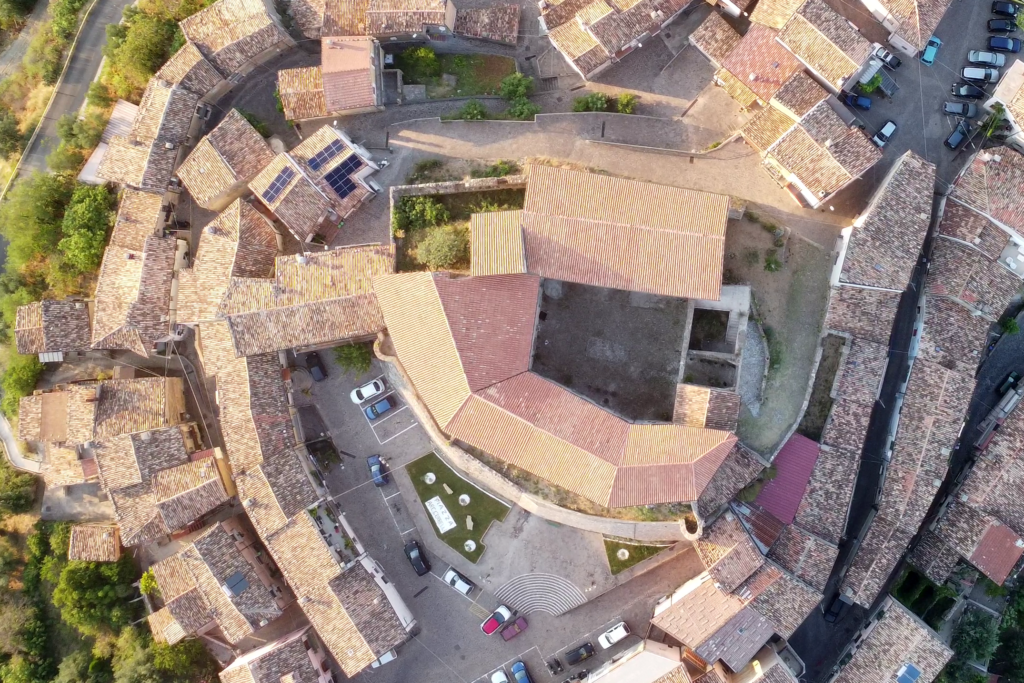
Located in a small inner-area village in Southern Italy, the project responds to depopulation and social fragmentation by creating a new place of belonging.
It brings together sustainable tourism, rural coworking, and cultural activities, offering new opportunities for both residents and visitors while reactivating local identity and community life.
Italy
In many inner areas across Europe, small villages are losing people, services, and opportunities. Mottafollone is one of them.
The Mottafollone Living Hub was born from a simple but radical idea: to transform an underused public building into a living infrastructure for the community.
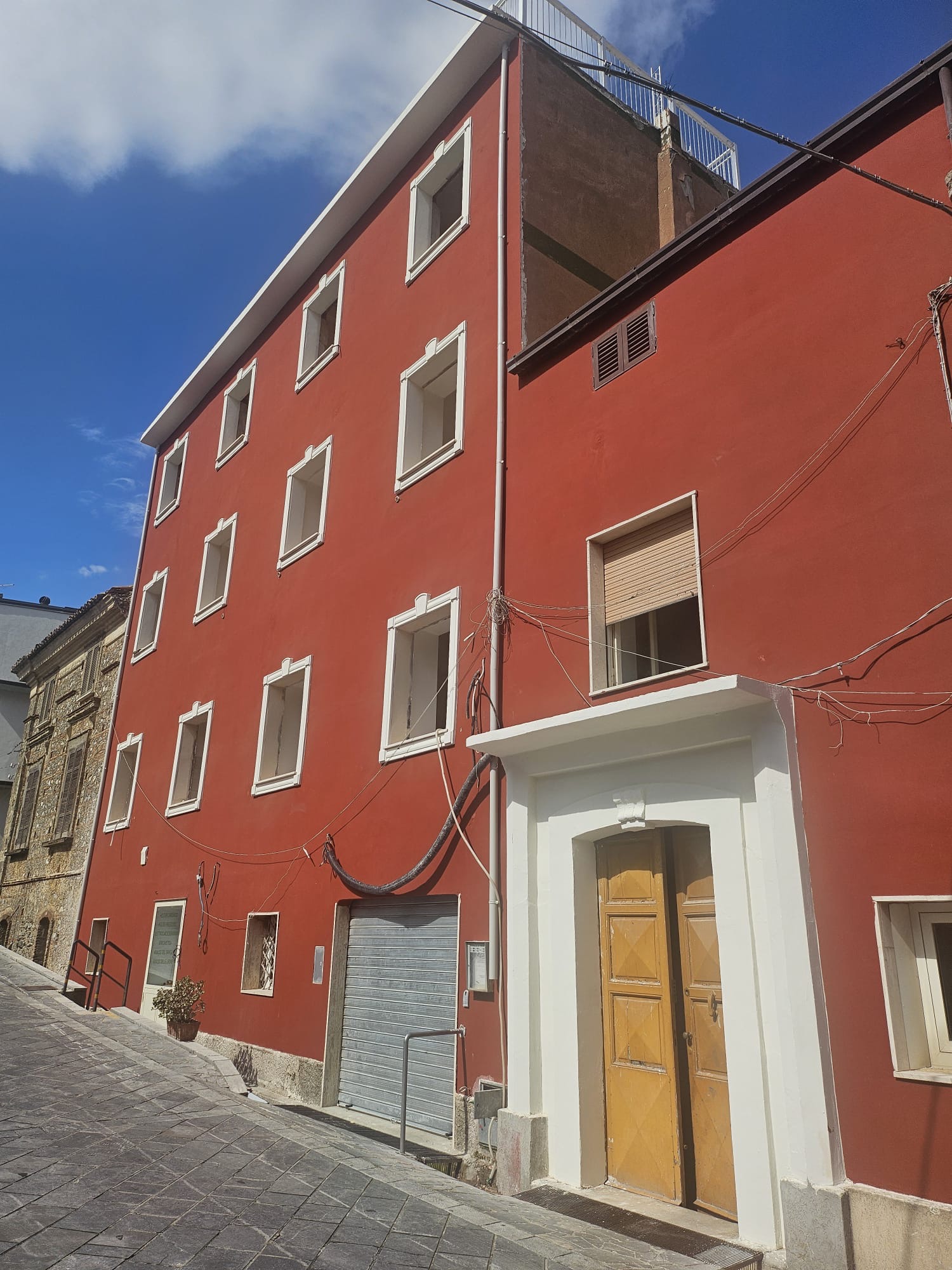
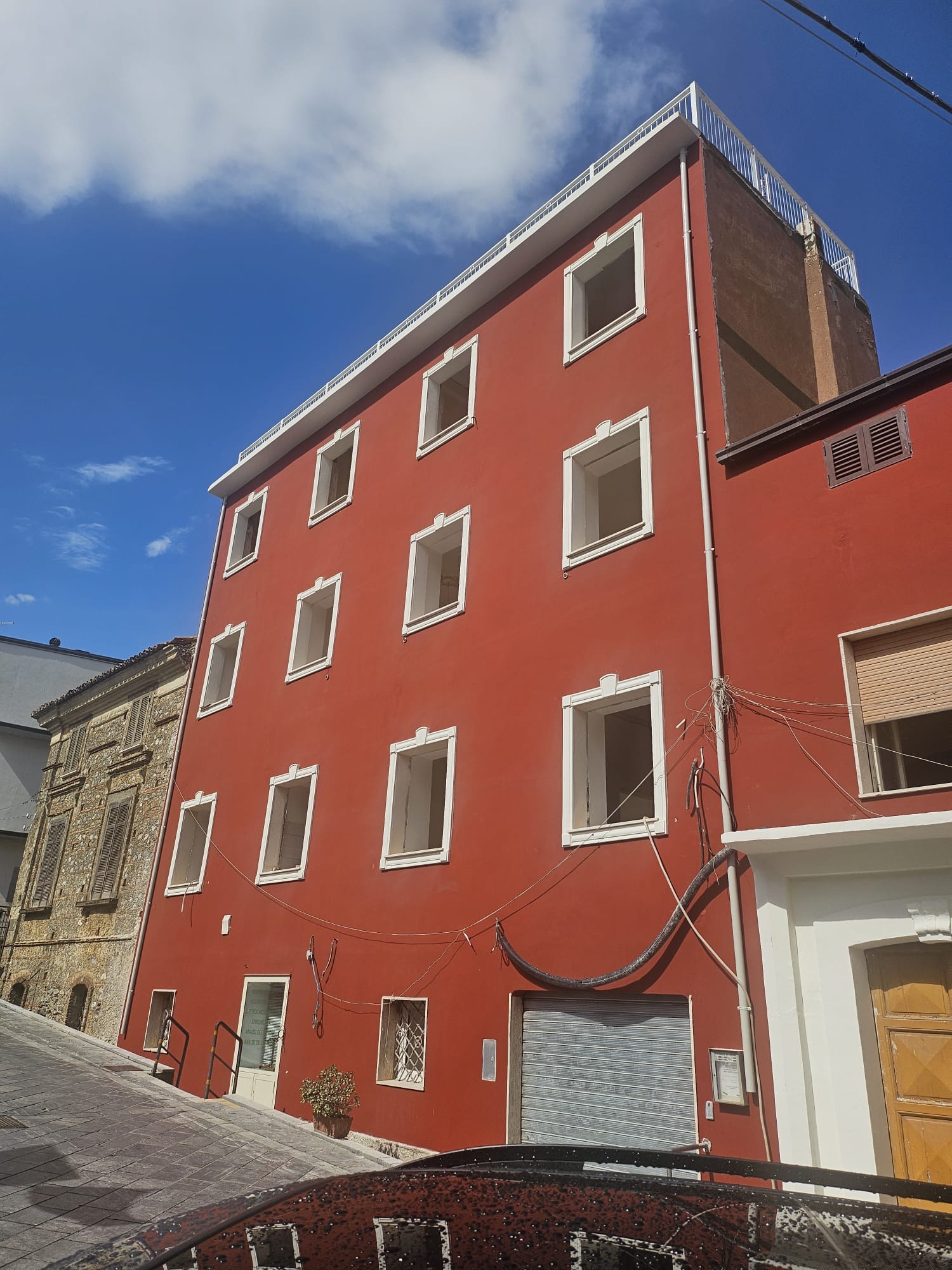
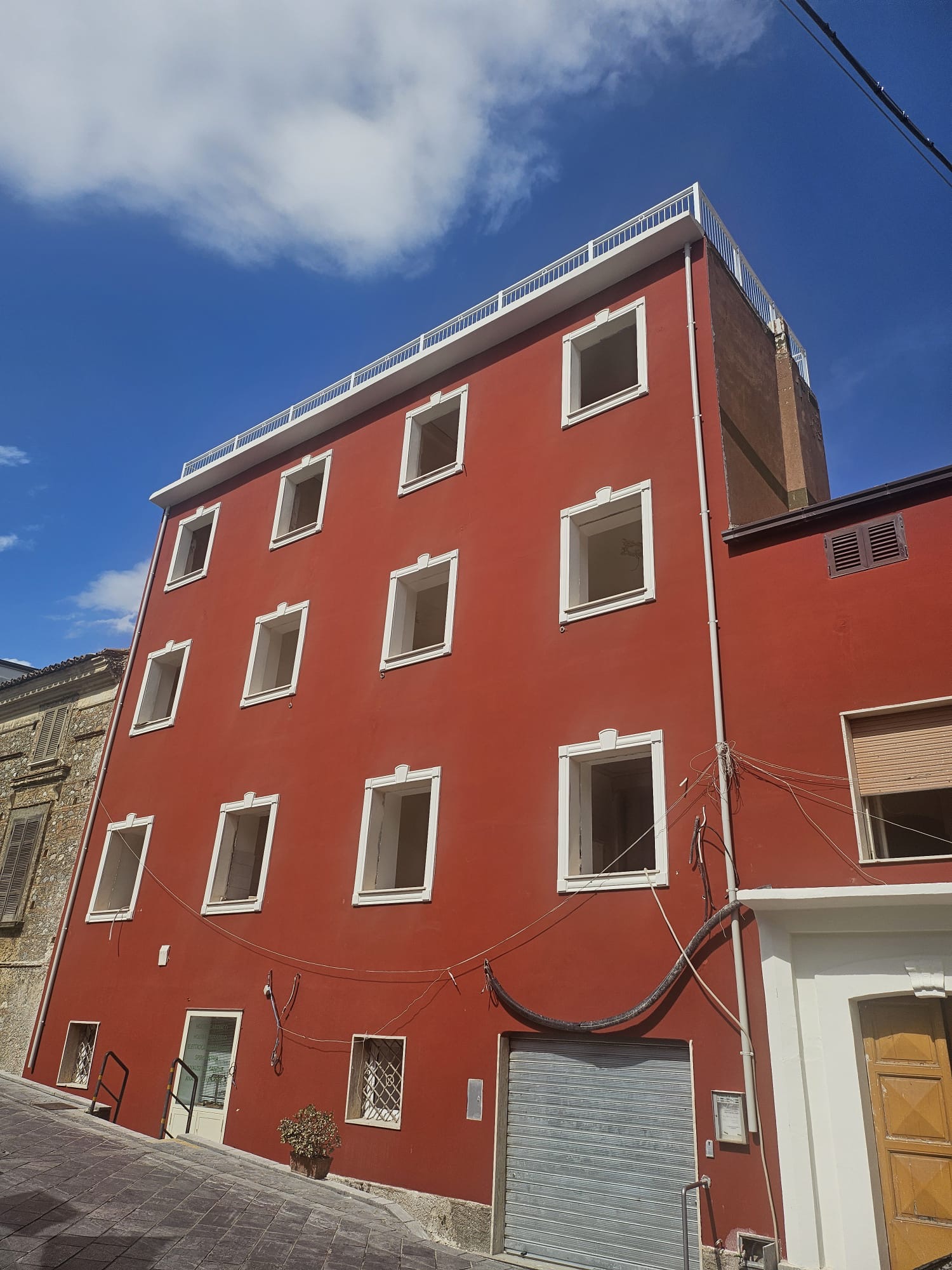
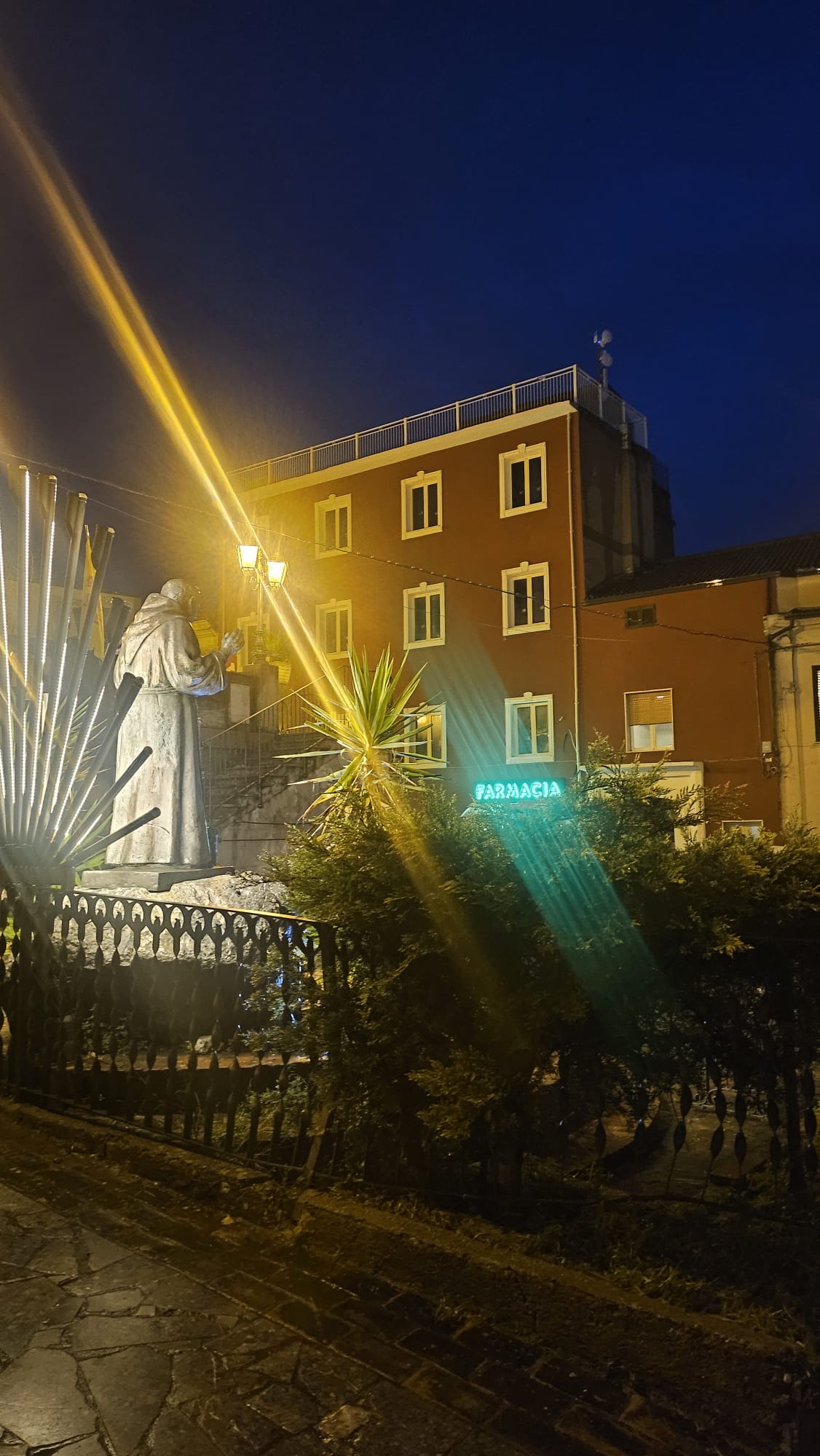
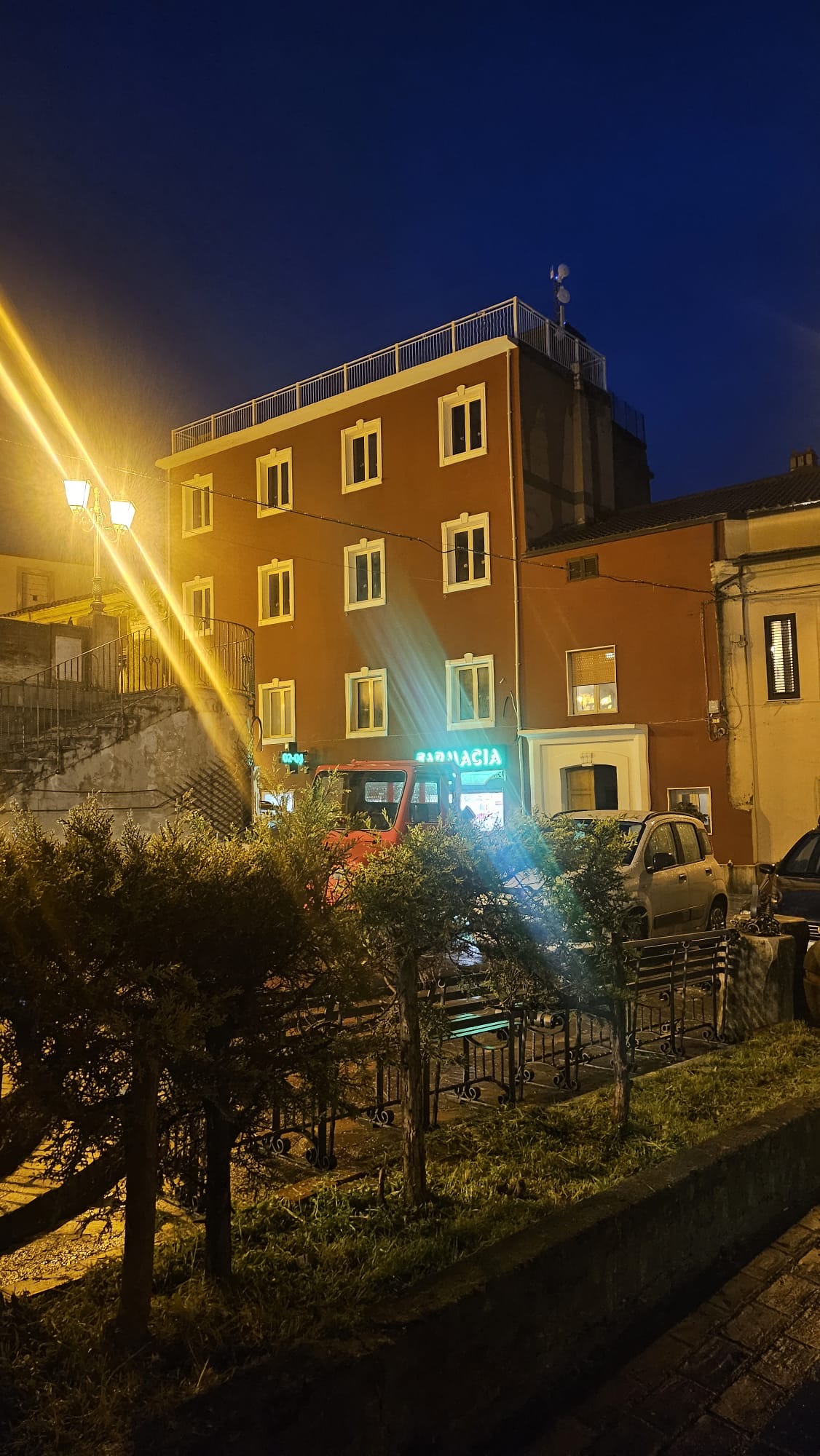
The project has recently completed the physical restoration of a former municipal building and is now entering its operational phase. The space is being activated as a hybrid hub combining accommodation for slow tourism, coworking spaces for remote workers, and cultural areas for events and local initiatives.
More than a building, the hub is designed as a meeting point between different worlds: residents and visitors, tradition and innovation, local knowledge and global perspectives.Managed through a collaboration between the Municipality and a socio-cultural enterprise, the project ensures a strong connection with the local community while opening new opportunities for economic and social development.
By encouraging longer stays, creative work, and cultural exchange, the hub contributes to a new vision of tourism — slower, more meaningful, and deeply connected to place.The Mottafollone Living Hub is not just a regeneration project: it is a concrete response to the challenges of inner areas and a replicable model for many small communities across Europe.
Completed
Yes
Yes
Yes
No
No
78085: Mottafollone (IT)
In many inner areas across Europe, small villages are losing people, services, and opportunities. Mottafollone is one of them.
The Mottafollone Living Hub was born from a simple but radical idea: to transform an underused public building into a living infrastructure for the community.
The project has recently completed the physical restoration of a former municipal building and is now entering its operational phase. The space is being activated as a hybrid hub combining accommodation for slow tourism, coworking spaces for remote workers, and cultural areas for events and local initiatives.
More than a building, the hub is designed as a meeting point between different worlds: residents and visitors, tradition and innovation, local knowledge and global perspectives.
Managed through a collaboration between the Municipality and a socio-cultural enterprise, the project ensures a strong connection with the local community while opening new opportunities for economic and social development.
By encouraging longer stays, creative work, and cultural exchange, the hub contributes to a new vision of tourism — slower, more meaningful, and deeply connected to place.
The Mottafollone Living Hub is not just a regeneration project: it is a concrete response to the challenges of inner areas and a replicable model for many small communities across Europe.
Sustainability
Aesthetics
Inclusion
culture
coworking
Sustainability The project reuses an existing building, reducing land consumption and preserving local heritage.
It promotes low-impact tourism and supports local economies through short supply chains and community-based activities.
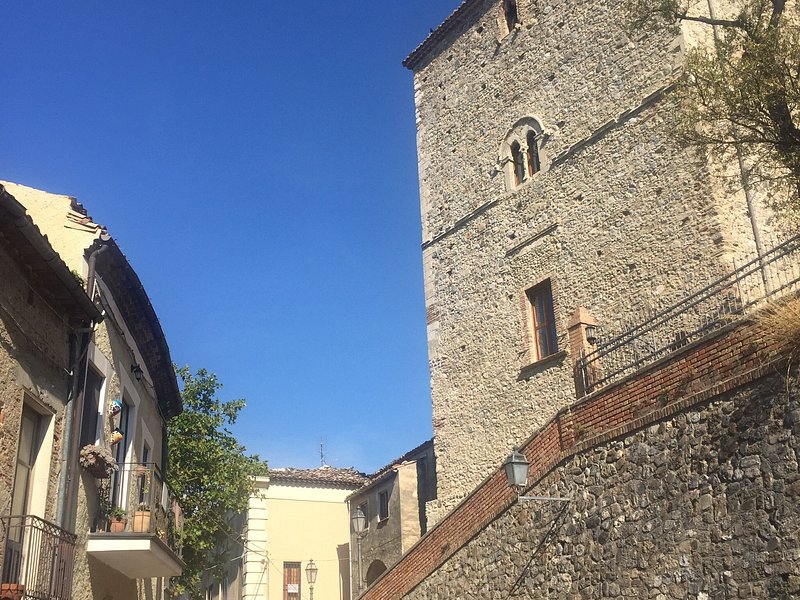
AestheticsThe intervention enhances the architectural identity of the building, combining traditional materials and contemporary uses.
The spaces are designed to be welcoming, simple, and meaningful, reflecting the cultural identity of the place.
The hub is open to residents, visitors, young people, and remote workers.
It creates opportunities for local engagement, cultural participation, and new forms of work in a rural context.
The project is based on a strong collaboration between the Municipality and a socio-cultural enterprise.
This partnership enables a shared management model that combines public responsibility with community-driven initiatives.
Local actors are actively involved in the activation of cultural activities, services, and tourism experiences, ensuring that the project remains rooted in the local context.
This partnership enables a shared management model that combines public responsibility with community-driven initiatives.
Local actors are actively involved in the activation of cultural activities, services, and tourism experiences, ensuring that the project remains rooted in the local context.
The project is currently entering its operational phase and is expected to generate increasing impact over time.
It will contribute to the activation of sustainable tourism flows, the attraction of remote workers, and the organization of cultural activities involving both residents and visitors.
By creating new opportunities for local employment and services, the project supports the economic revitalization of the village and helps counteract depopulation trends.
The Mottafollone Living Hub embodies the three core principles of the New European Bauhaus by integrating sustainability, aesthetics, and inclusion into a single, coherent initiative.
Sustainability is achieved through the adaptive reuse of an existing public building, reducing land consumption and preserving local heritage, while promoting low-impact tourism and supporting local supply chains.
Aesthetics is reflected in the careful restoration of the building and the creation of welcoming, human-centered spaces that respect the identity of the village while enabling contemporary uses such as coworking and cultural activities.
Inclusion is central to the project: the hub is accessible to residents, visitors, young people, and remote workers, creating opportunities for social interaction, cultural participation, and economic activation.
Citizens and civil society have been involved through local discussions, informal consultations, and ongoing collaboration with a socio-cultural enterprise responsible for the activation of services and activities.
Their involvement ensures that the project responds to real local needs and strengthens the sense of ownership and belonging. This participatory approach increases the long-term sustainability and social impact of the initiative, transforming the building into a shared community asset rather than a purely functional space.
The initiative involves stakeholders at multiple levels, creating a multi-layered governance structure.At the local level, the Municipality plays a strategic role as owner of the building and promoter of the initiative, while a socio-cultural enterprise manages daily operations and community engagement. Local actors, including residents, associations, and small businesses, are involved in cultural programming and tourism-related activities.
At the regional and national level, the project aligns with policies supporting inner areas, rural development, and sustainable tourism, contributing to broader strategies aimed at counteracting depopulation and revitalizing marginal territories.
At the European level, the initiative reflects key priorities of the New European Bauhaus, offering a concrete example of how public assets can be transformed into inclusive and sustainable infrastructures.
The added value of this multi-level engagement lies in its ability to connect local needs with broader policy frameworks, enhancing the project’s relevance, scalability, and long-term sustainability.This collaborative approach strengthens institutional support, fosters innovation, and ensures that the project can evolve as part of a wider network of similar initiatives across Europe.
The Mottafollone Living Hub is based on an interdisciplinary approach that combines architecture, social innovation, cultural management, and local economic development.
The design and implementation of the initiative involve technical expertise in building restoration and energy efficiency, as well as knowledge in tourism development, community engagement, and cultural programming.
Public administration contributes strategic planning and governance, while the socio-cultural enterprise brings experience in activating spaces, managing cultural activities, and fostering social inclusion.
These different disciplines interact through a shared vision of regeneration, where physical transformation is closely linked to social and economic activation.
The added value of this interdisciplinary process lies in its ability to create a holistic solution: the project is not limited to architectural intervention, but integrates spatial, social, and economic dimensions.This approach ensures that the hub functions as a living system, capable of adapting over time and responding to evolving community needs.
The innovative character of the Mottafollone Living Hub lies in its hybrid nature, combining functions that are usually developed separately.
Instead of creating a traditional tourist facility, the project integrates hospitality, coworking, and cultural activities into a single space, generating synergies between different users and uses.This hybrid model allows for longer stays, attracts new profiles such as remote workers, and creates continuous activity throughout the year, reducing seasonality.Another innovative aspect is the governance model, which combines public ownership with community-driven management through a socio-cultural enterprise. This ensures both institutional stability and local engagement.
Compared to mainstream approaches, which often focus either on physical renovation or on single-use functions, this initiative introduces a more dynamic and integrated model of regeneration, where spaces are designed to support multiple forms of use and interaction.This makes the project more resilient, adaptable, and capable of generating long-term impact.
The methodology of the project is based on a step-by-step regeneration process that connects physical transformation with social activation.
The first phase focused on the restoration of the building, ensuring structural safety, energy efficiency, and respect for local architectural identity.The second phase, currently ongoing, focuses on the activation of functions, including accommodation, coworking, and cultural activities.The approach is incremental and flexible, allowing the project to adapt to emerging needs and opportunities.A key element of the methodology is the integration of local actors in the activation process, ensuring that services and activities are rooted in the community.
This approach combines top-down and bottom-up dynamics: strategic direction is provided by the Municipality, while implementation and day-to-day activities are driven by the socio-cultural enterprise and local stakeholders.
The result is a living process rather than a fixed intervention, capable of evolving over time.
The Mottafollone Living Hub has a strong potential for transferability, particularly in inner areas facing similar challenges across Europe.Key replicable elements include the adaptive reuse of underutilized public buildings, the integration of multiple functions (tourism, work, culture), and the governance model based on collaboration between public institutions and socio-cultural enterprises.
The methodology of combining physical regeneration with progressive activation can be applied in different contexts, allowing projects to start from existing assets and grow over time.The project also demonstrates how small-scale interventions can generate wider territorial impact by connecting local actors and creating networks of services and experiences.While the specific identity of each place will differ, the overall model is flexible and adaptable, making it relevant for a wide range of rural and marginal areas in Europe.
The methodology of combining physical regeneration with progressive activation can be applied in different contexts, allowing projects to start from existing assets and grow over time.The project also demonstrates how small-scale interventions can generate wider territorial impact by connecting local actors and creating networks of services and experiences.While the specific identity of each place will differ, the overall model is flexible and adaptable, making it relevant for a wide range of rural and marginal areas in Europe.
The Mottafollone Living Hub demonstrates a strong commitment to implementation, as the physical restoration of the building has already been completed.
The project is currently entering its operational phase, with services and activities being progressively activated.Planned activities include the opening of accommodation services, the activation of coworking spaces, and the organization of cultural events involving both residents and visitors.The governance structure, based on collaboration between the Municipality and a socio-cultural enterprise, ensures continuity and long-term management.The next key steps include strengthening local partnerships, expanding cultural programming, and consolidating tourism and coworking services.
Throughout the process, the values of the New European Bauhaus—sustainability, aesthetics, and inclusion—have guided both the physical intervention and the activation strategy.The project is therefore not only planned, but already in motion, with clear pathways for further development and impact.