Arts, Culture, and Heritage as Drivers of Change
A Third of Life
A Third of Life - A Secret Garden for Collective Dreaming
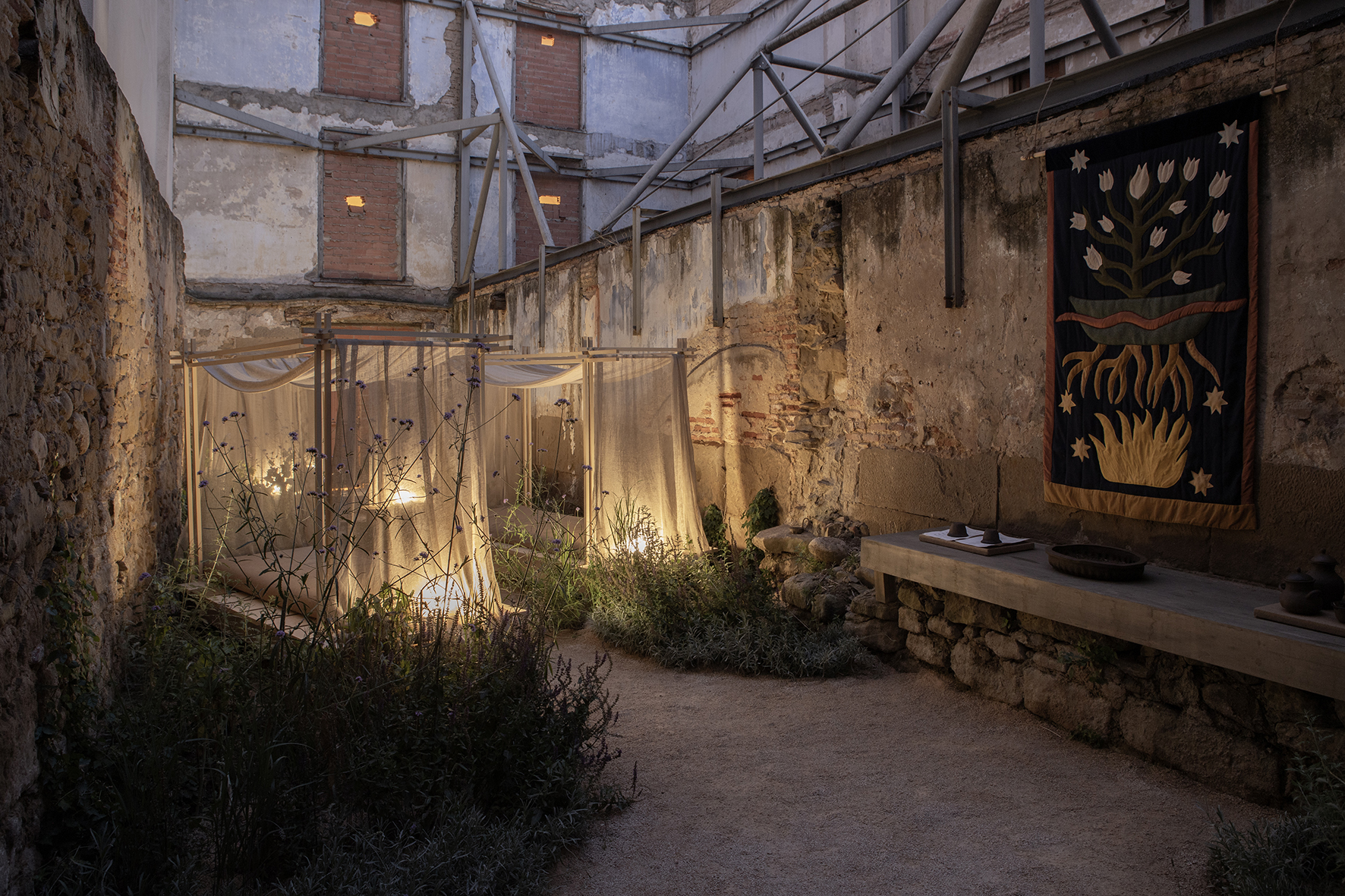
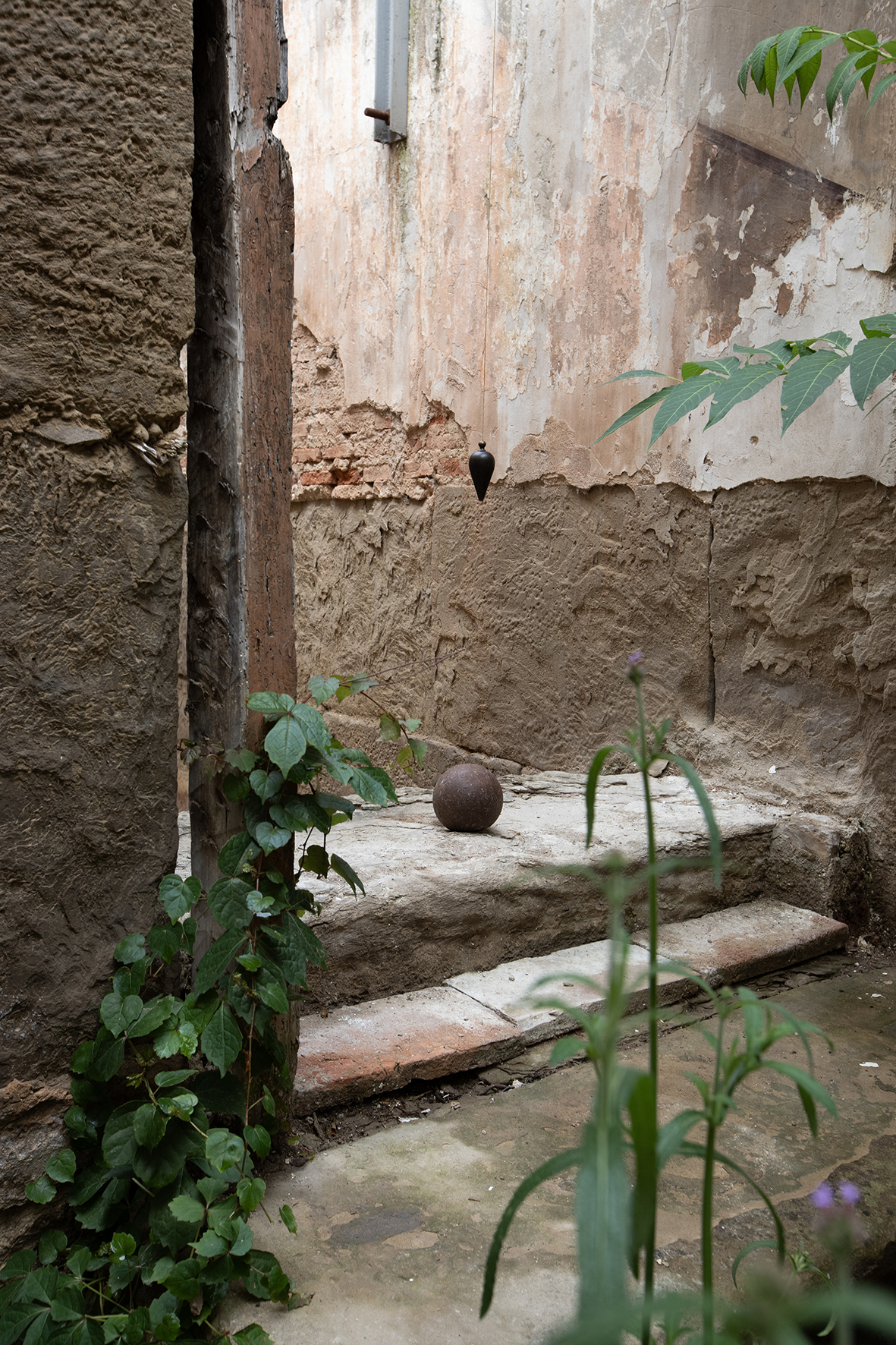
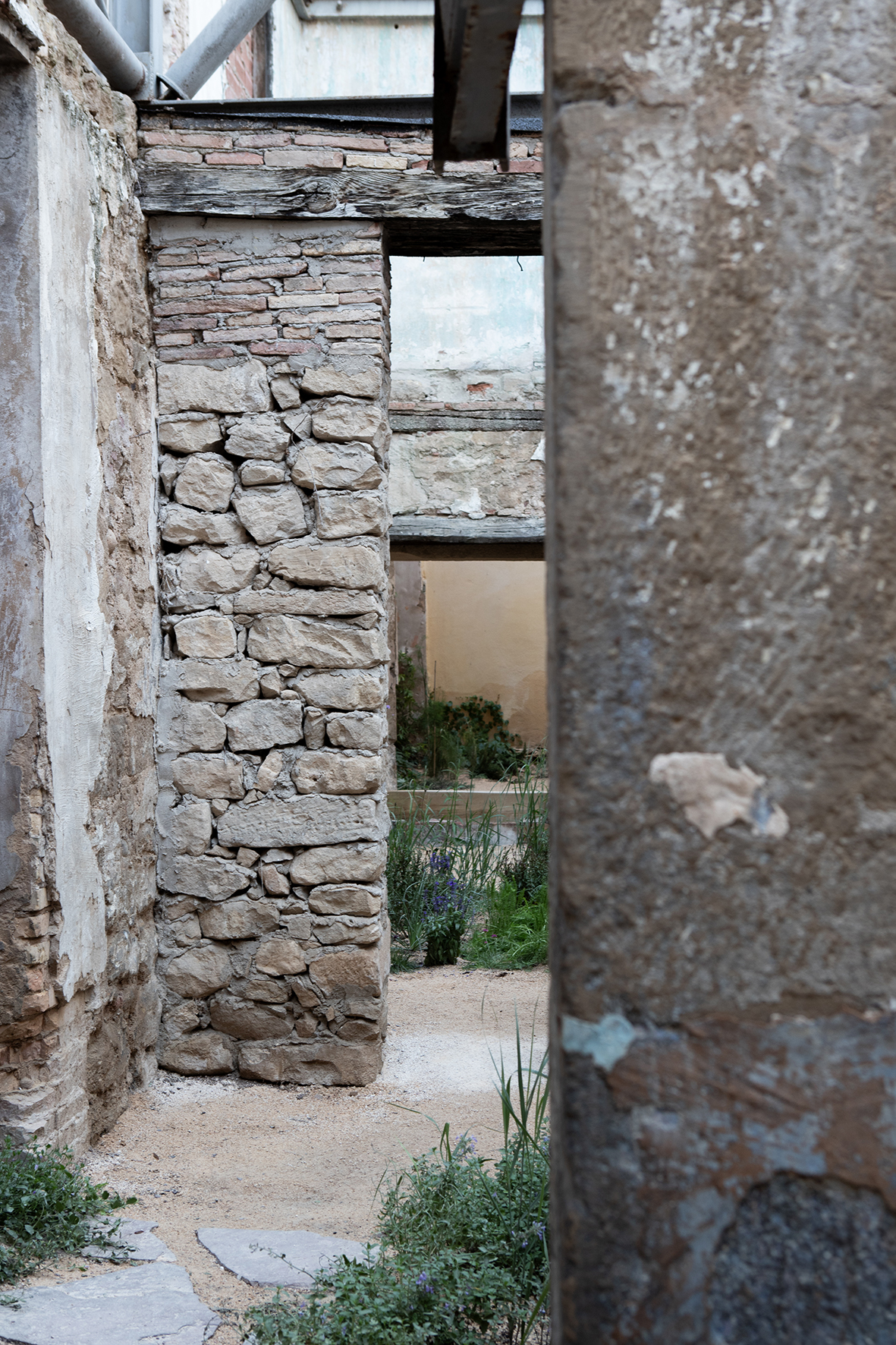
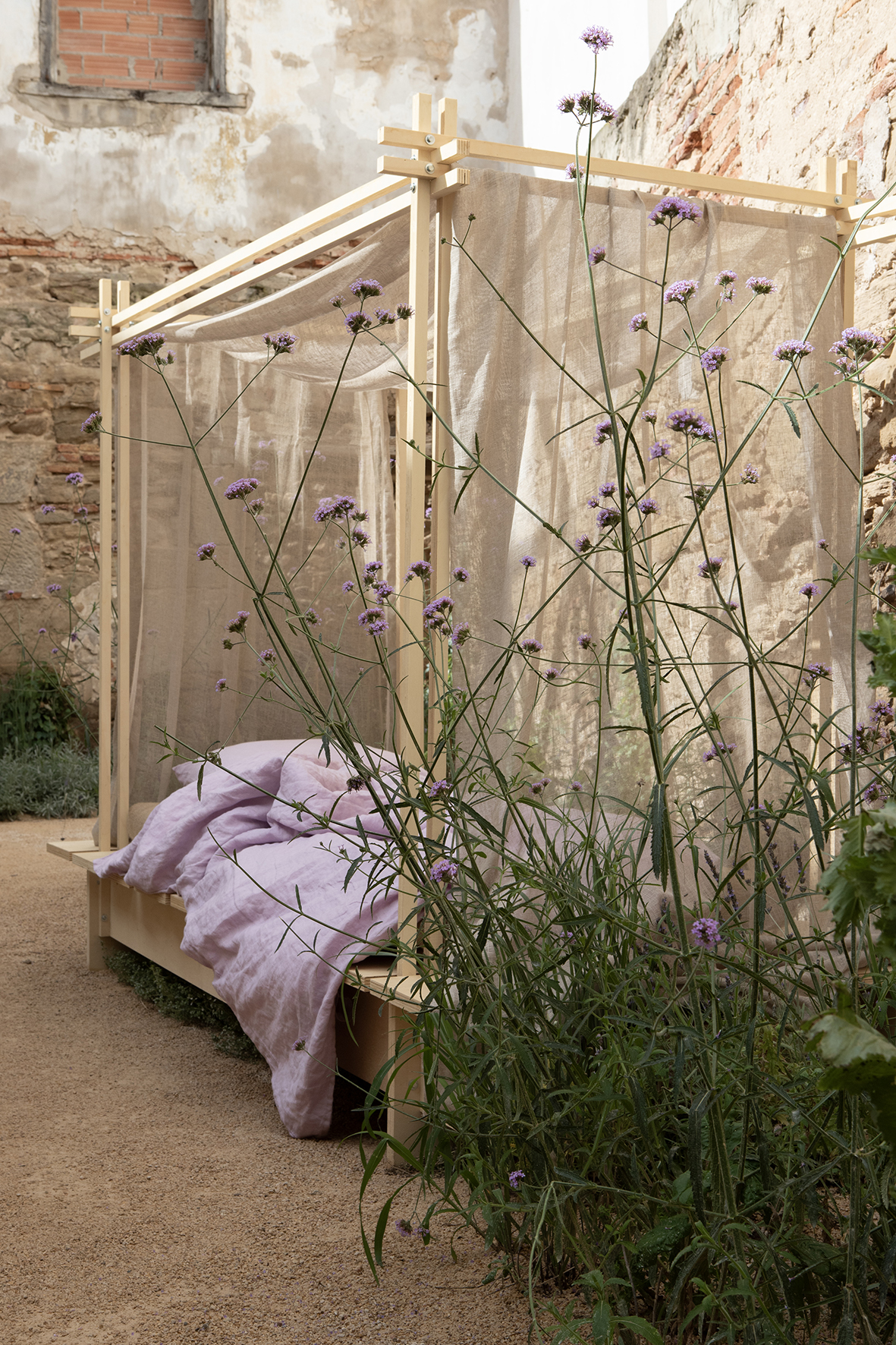
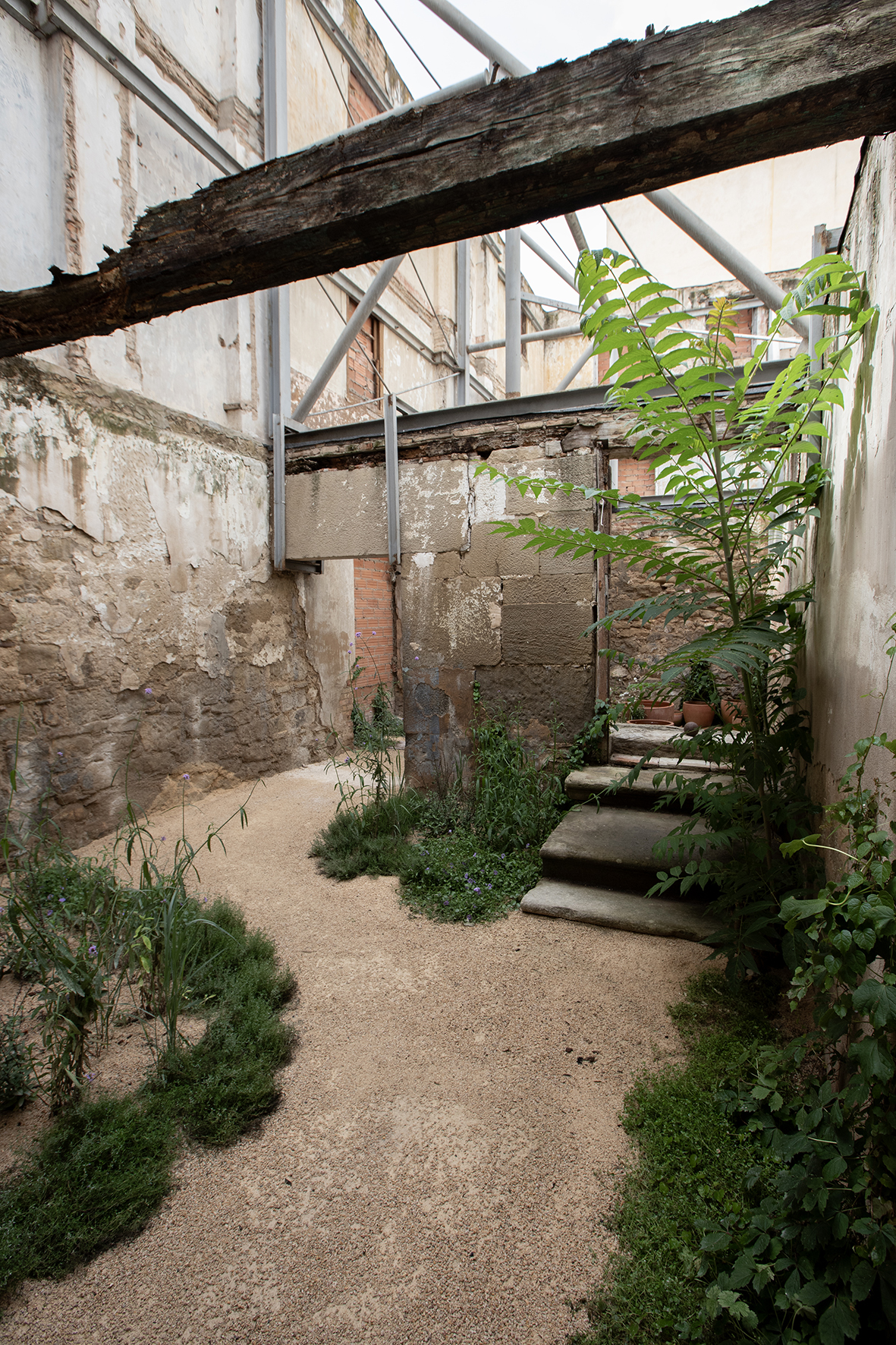
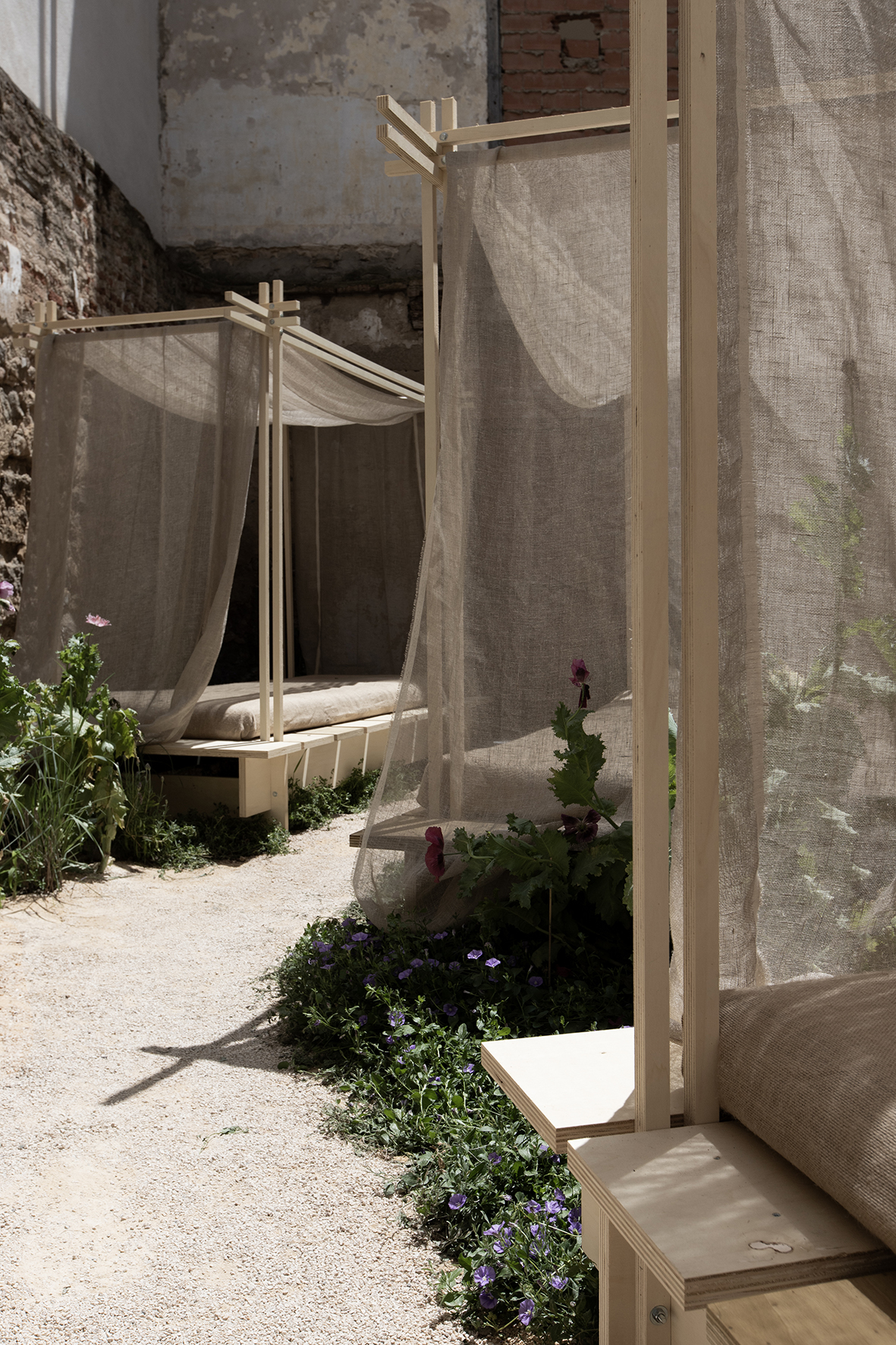
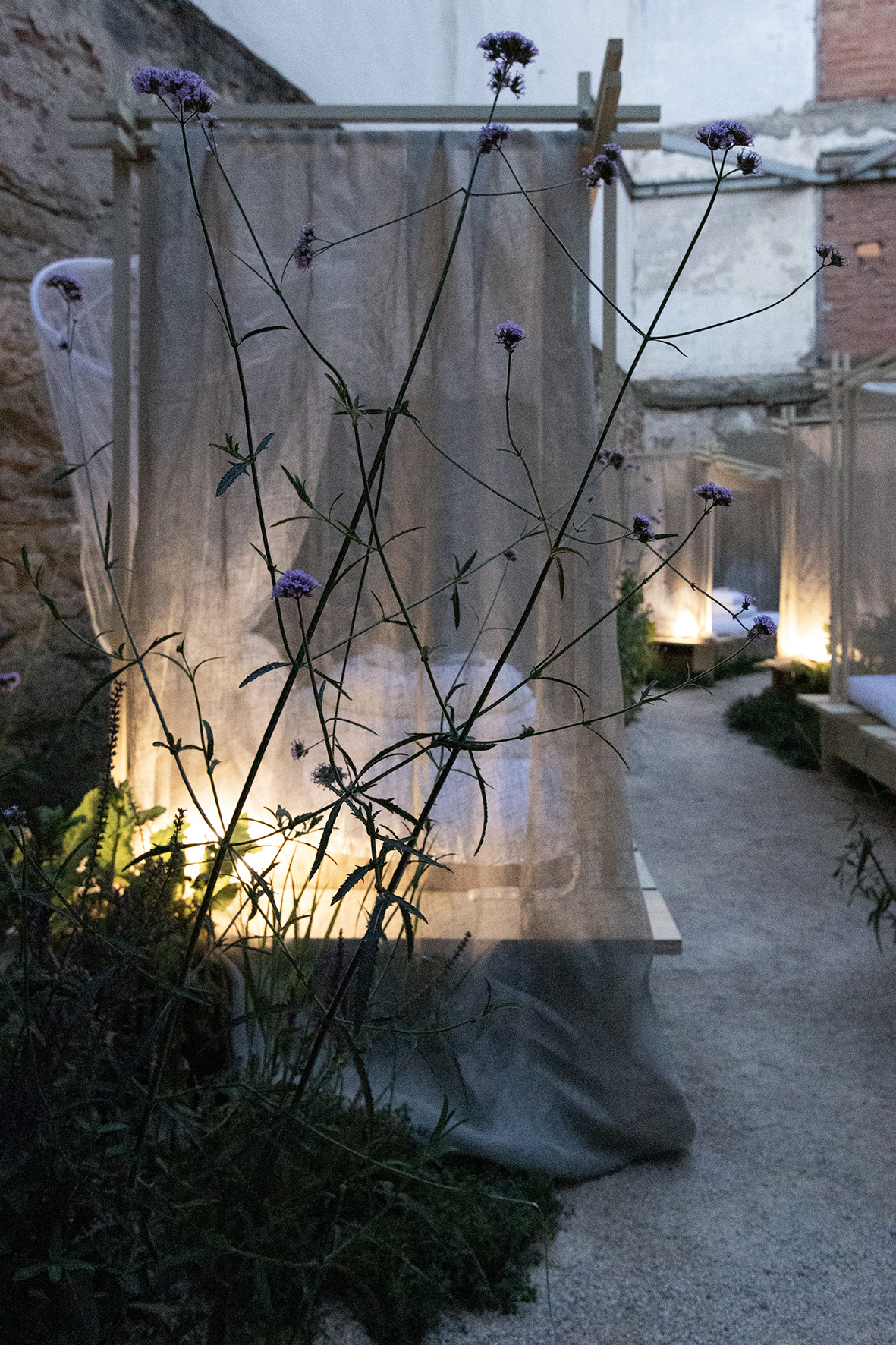
A Third of Life is a travelling temple, in Logroño set in a secret garden planted and designed in the rooms of a derelict, roofless townhouse. The temple has a two-fold function: 1) locally, to establish a permanent, drought-resistant garden for local human and non-human residents in the historical centre of the city, which suffers from heat-island phenomenon; 2) to act as a stage for the travelling incubation temple, which aims to overcome the political polarisation and detachment from nature.
Spain
Local
Logroño, Spain
It addresses urban-rural linkages
It involves a physical transformation of the built environment (hard investment)
Yes
2025-06-17
No
No
Yes
Organisation
The first iteration of ”A Third of Life” – a participatory garden and ritual – took place at the 11th edition of Concéntrico, Spain. A Third of Life is a travelling temple, set in a secret garden planted and designed in the rooms of a derelict, roofless townhouse. The temple has a two-fold function: 1) locally, to establish a permanent, drought-resistant garden for local human and non-human residents in the historical centre of the city, suffering from heat-island phenomenon; 2) to act as a stage for the travelling incubation temple, which aims to overcome the political polarisation and detachment from natural entanglements through a ritual of shared sleep and dreams.
Sleeping overnight in a group and discussing the dreams in the morning takes inspiration from the institution of asklepieia of ancient Greco-Roman world, the revolutionary Surrealist movements of the early 20th century and the philosophy of co-creation. The ritual establishes a shared space, where strict and habitual ideological positions are replaced by new solutions arising from collective and intersubjective subconsciousness. These solutions are needed in a world where the climate crisis forces us to act together, but political polarisation and social and global divisions prevent effective action.
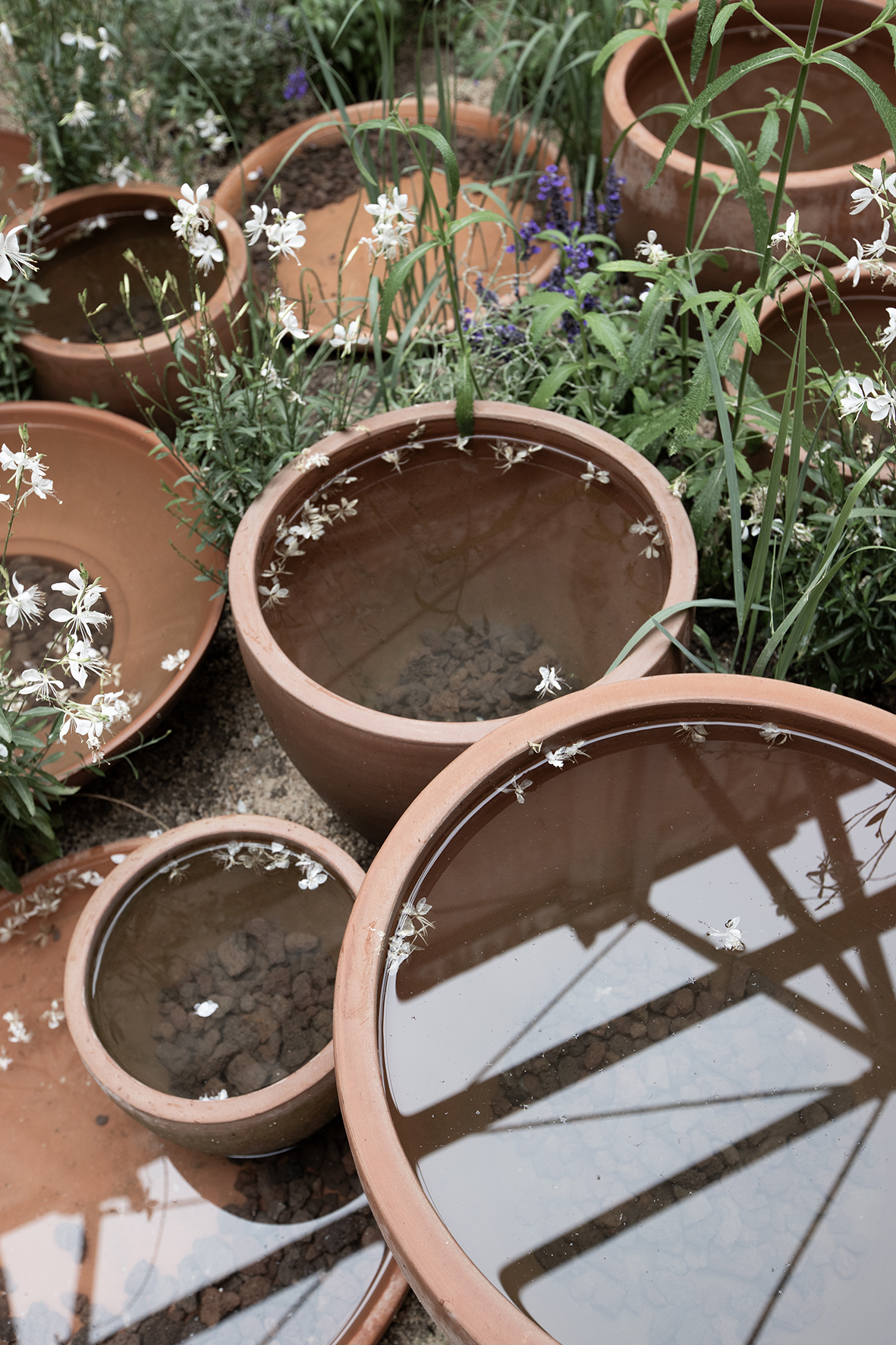
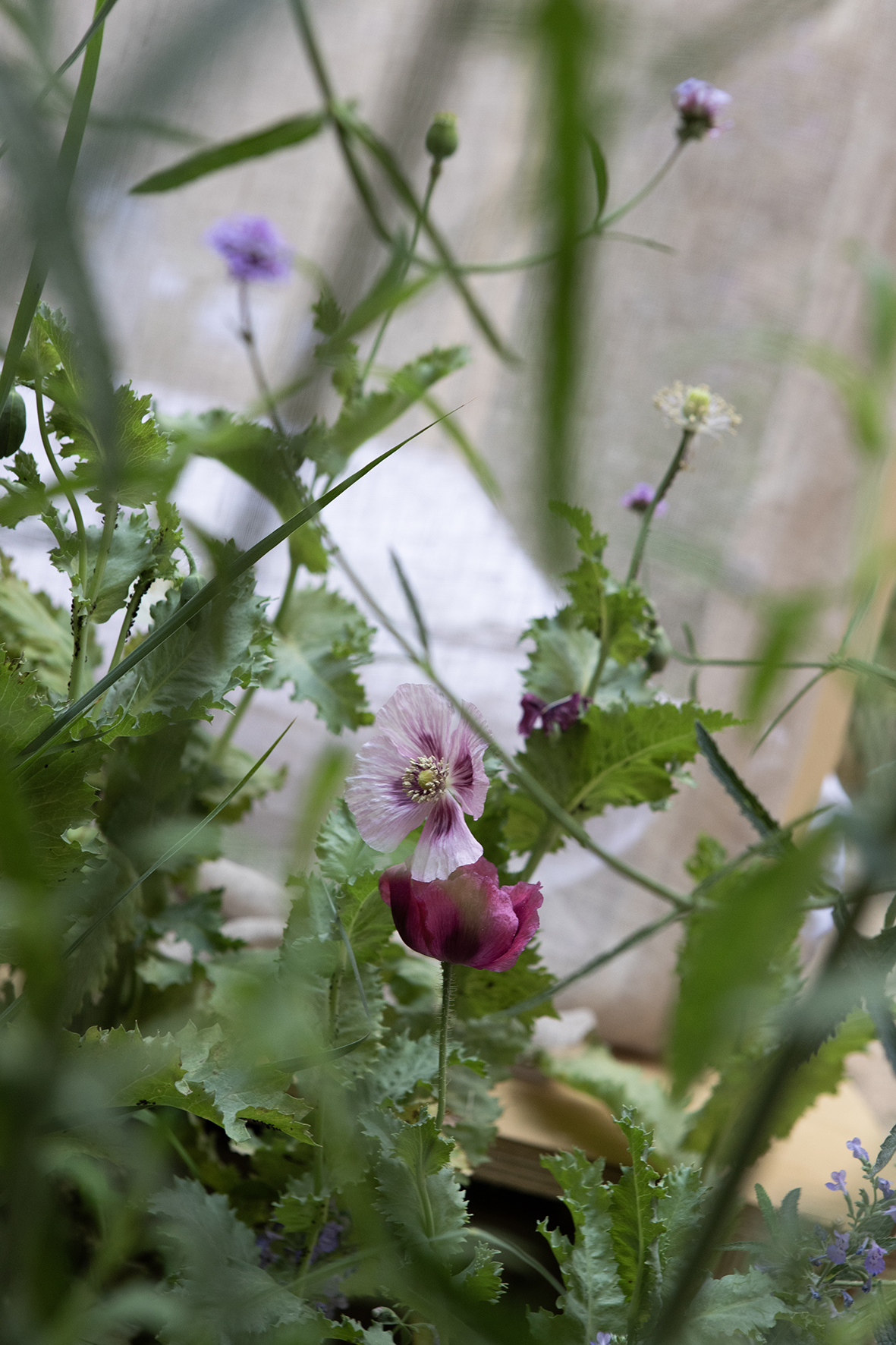
The ritual comprises of a guided progression through the planted and themed rooms of the house. Visitors walk through poppies and water, meditate on the iron heart of our Planet, feel the connection to Earth and soil, thank the Earthworm, and finally arrive into the collective sleeping and dreaming chamber planted with sleep-inducing herbs. A wish planting ritual, evening tea and a lullaby is followed by overnight's sleep. The morning starts with a cadavre exquis workshop and ends with an open discussion about previous night’s dreams.
A Third of Life is a traveller, accompanied by a manual and necessary ritual objects, to new locations, that provide new soil from which shared dreaming springs.
Based on a long conceptual artistic exploration all over Europe from Finland to Greece and Italy, the concept for an incubation temple unfolded. Following the invitation to the Concentrico architecture and design festival, it found it's first physical shape as a secret garden. Going against the usual temporary and single-use logic of festival interventions, a scheme for a long term intervention was developed. The temple and ritual is ephemeral and travels along but the garden remains for the human and non-human citizens of Logroño. The site and implementation were developed together with the local city planners, the architecture festival organization and local association of architects. Several Finnish and Spanish artists and professionals took part in realizing elements for the installation and ritual. The secret garden opened its doors for the duration of the Concentrico Festival 2025 and welcomed thousands of visitors. The sleep ritual was organized on Mid Summer's Night. The garden has since been utilized for community events and will open it's door to the festival audience again in 2026.
reconnecting with nature
fighting polarization
regaining a sense of belonging
art-based solutions
multisensory beauty
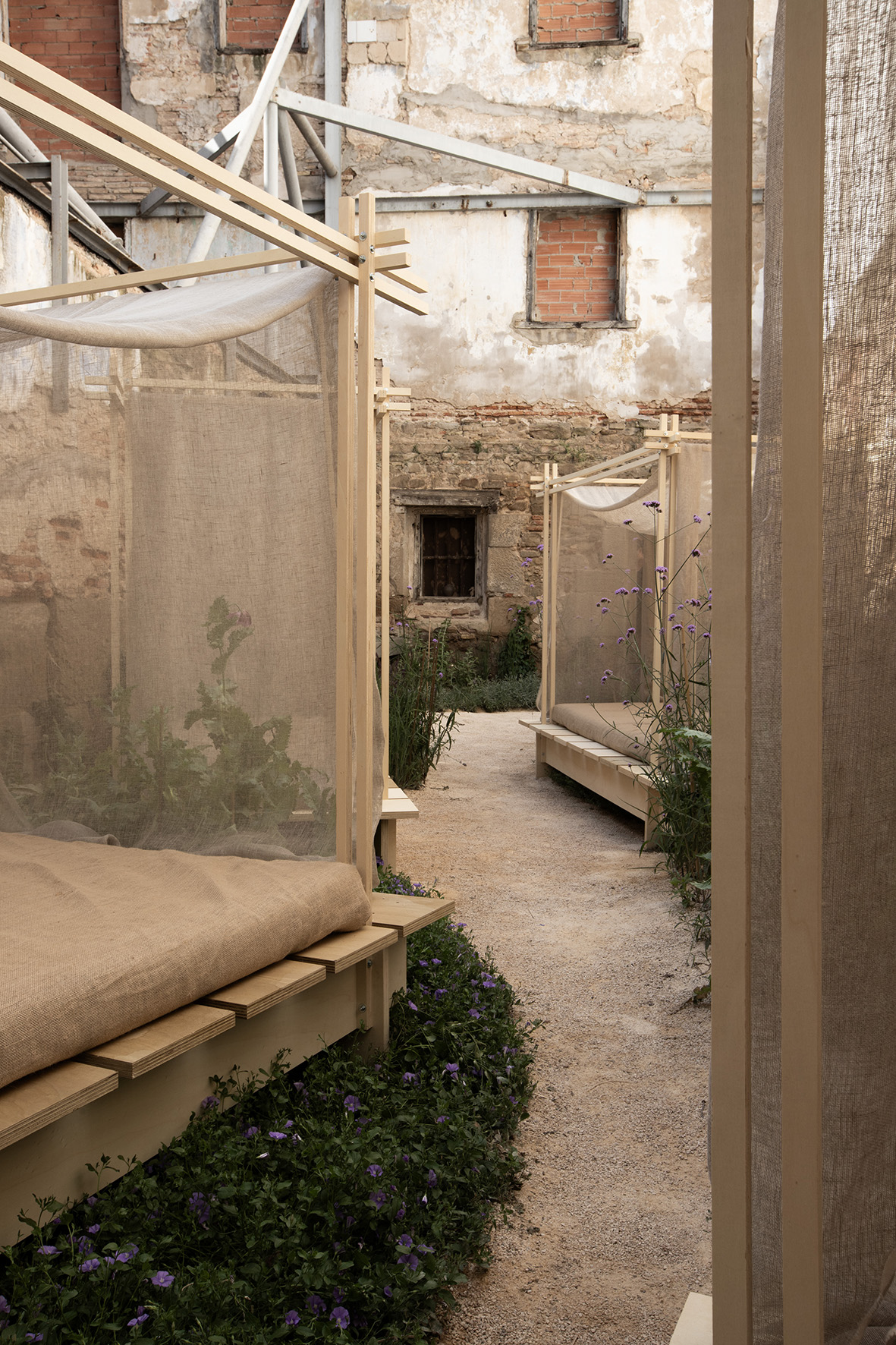
• Environmental: In Logroño, the project converted a derelict, roofless townhouse into a permanent, drought resistant garden of local Mediterranean species that cools a city suffering from heat island effect and provides habitat for insects and birds. Temporary elements (canopy beds, light structures) are renewable wood and textile, designed for minimal material use, easy disassembly, reuse, and compact transport—exemplifying circular and regenerative strategies across space and time.
• Social: The travelling “incubation temple” convenes overnight collective sleep and morning dream discussions to counter political polarisation by opening a shared, non confrontational space where new solutions can surface from the collective subconscious. It reconnects participants with natural cycles and each other.
• Cultural: Rooted in asklepieia, Surrealism, and co creation, the ritual is reinterpreted for each context. The accompanying free booklet and ritual objects enable translation across cultures; future versions adapt to local traditions (e.g., an iteration based on Japanese architecture and tea ceremony).
• Economic: By reusing structures and transporting compact ritual elements, the project reduces production costs and waste across iterations. It activates underused urban fabric, revealing low resource pathways to create high social ecological value. Delivery relies on cultural partnerships and public/philantrophic support (e.g., Concéntrico, cultural foundations).
Exemplary dimension: It couples a lasting climate positive garden with a low impact, re usable, itinerant ritual—merging technoscientific sustainability (passive cooling, drought resilience, material circularity) with cultural practices that build the social conditions for collective climate action.
• Everyday beauty: A secret, sky open garden in a former ruin offers multisensory respite—shade, scent (lavender, valerian, poppies), water urns, and places to lie down—inviting city dwellers to rest and recover from heat and noise. Beds remain for daytime use, weaving care and restoration into daily life.
• Long term: The garden stays when the pavilion moves on, maturing into a resilient oasis for humans and non humans. Its evolving presence makes latent regenerative possibilities of the city visible and felt.
• Belonging and care: The guided passage through poppies, water, earth, grotto, and sleep chambers culminates in shared dreaming and morning co creation (cadavre exquis). Planting wishes, drinking evening tea, and discussing dreams cultivate a common ground—literally and socially—anchoring people to place, soil, and each other.
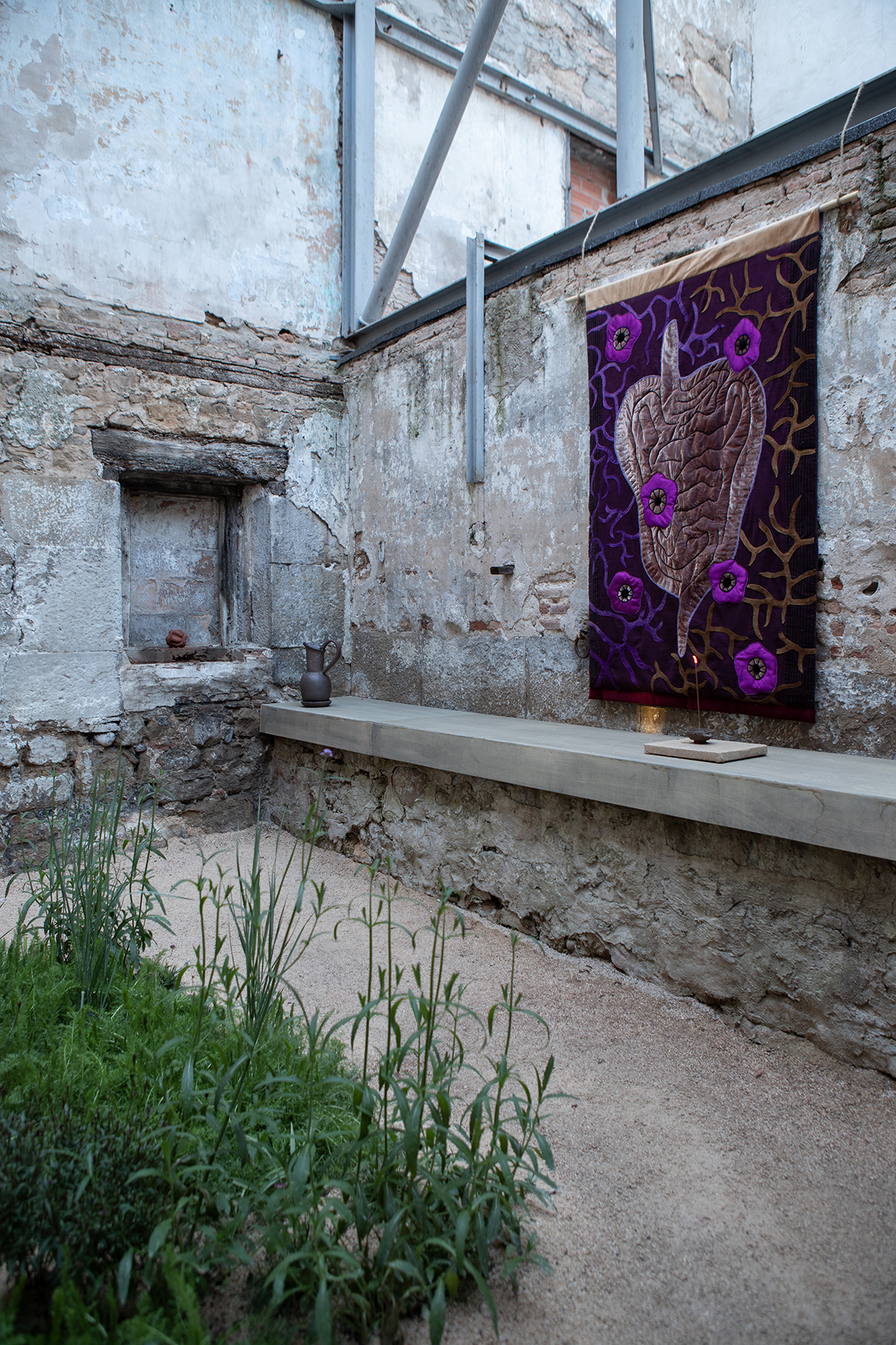
• Aesthetic stance: Wall hangings, ceramics, statuettes, lullaby, and ritual choreography poetically translate critical theory and myth into a tangible, hospitable space. The “travelling temple” fuses the chthonic and the civic, the speculative and the practical—an aesthetic that is contemplative, sensorial, and participatory rather than merely representational.
Exemplary dimension: The project treats aesthetics as lived, shared practice—rest, sleep, and co imagining—where form (light, adaptive structures; planted rooms) and ritual (song, drawing, discussion) co produce social cohesion and renewed attachment to place.
• Figthing polarization: In shared sleep we can meet beyond the divisive politics, worldviews and habits of the rational world
• Accessibility and affordability: The garden and beds are available to daily visitors for rest. The project’s manual/booklet is freely distributed, enabling communities to recreate the ritual with low-cost means. Lightweight, reusable structures and compact transport reduce material/financial barriers for host sites.
• Design for all: A multisensory garden (scented herbs, tactile materials, sound of a lullaby) supports diverse modes of engagement. The sequence (guided walk, quiet reflection, shared sleep, open discussion) offers multiple entry points for different comfort levels and abilities.
• Inclusive governance and social models: Morning circles and cadavre exquis workshops are self organised or facilitated, replacing top down instruction with co poiesis and dialogue. The ritual temporarily suspends rigid positions, allowing plural voices to surface and be held in a respectful, moderated setting.
• Cultural translation: The ritual is intentionally adaptable; each locale informs the staging and metaphors so that different communities can see themselves in the work (e.g., planned adaptation aligning with Japanese tea ceremony).
Exemplary dimension: It operationalises inclusion not only through access and low material thresholds, but by instituting practices of shared decision making and meaning making—an open, replicable template for convivial, low cost cultural infrastructure.
• Who: Festival visitors (daily rest users), overnight participants, local gardeners, and cultural practitioners. Asociación Teatral On&Off enacted the ritual; a singer performed the lullaby. Local translators supported bilingual access to texts and song.
• Roles and levels:
o Participants co create content: planting wishes, sleeping together, sharing dreams, and producing a collective drawing. Morning discussions are self organised or facilitated.
o Local expertise roots the work: gardening and plant care; performance and mediation; translation for accessibility (EN ES).
• Impact of involvement:
o Social: Participants report a shared, non adversarial space to explore differences; dream sharing and cadavre exquis foster trust and common ground beyond habitual positions.
o Spatial/ecological: Citizens inherit a permanent drought resistant garden, a cooling refuge for humans and pollinators.
o Cultural: Community members become co authors (drawings, discussions), expanding ownership. The freely available booklet empowers replication beyond the festival.
By engaging residents as caretakers, co creators, and audiences, the project shifts from a one off installation to a living, locally tended practice of rest, dialogue, and ecological stewardship.
• Local: Concéntrico festival (host, production); gardeners (planting, maintenance); Asociación Teatral On&Off (ritual enactment/facilitation); local visitors and overnight participants (use and co creation); singer and translators (performance, accessibility).
• Regional/National: Instituto Iberoamericano de Finlandia (cultural mediation); Spanish collaborators (ceramics, performance, gardening). Finnish institutions and foundations provided funding and artistic support (Arts Promotion Centre Finland, Finnish Cultural Foundation, Frame Finland, Asko Foundation, Niilo Helander Foundation, Finlayson).
• European: The project taps European cultural lineages (asklepieia, Surrealism), travels across contexts, and is structured for portability with multilingual materials; cross border funding and partners reinforce mobility and exchange.
Added value:
• Logistical: Festival infrastructure and local partners reduce environmental footprint and cost; gardening expertise ensures site specific, climate fit planting.
• Cultural: Translation and regional partners broaden reach and comprehension; theatrical collaborators enhance participatory quality and care.
• Legacy: Multi level support secures a permanent garden and a transferrable ritual kit, amplifying long term impact.
• Architecture and spatial design: Adaptive reuse of a roofless townhouse; lightweight, demountable structures; choreographed spatial sequence.
• Landscape architecture/horticulture/environmental sciences: Drought resistant planting, pollinator support, microclimate mitigation for heat island conditions.
• Visual arts and craft: Wall hangings (textiles), ceramics, statuettes, graphic design and illustration for the booklet.
• Music and literary arts: A commissioned lullaby (lyrics and composition; performance), poetic texts.
• Theatre and performance: Guided ritual enactment, facilitation of group processes.
• Social sciences/cultural theory: Frameworks from Critical Theory, Guattari’s three ecologies, Surrealist co creation methods (cadavre exquis).
• Translation and publishing: Multilingual booklet and song translations; editorial design for open dissemination.
• Education/community practice: Participatory workshops, co creation and discussion formats supporting informal learning and civic dialogue.
• Revenue/funding mix to date: Delivery in Logroño was enabled by institutional and philanthropic support and cultural partnerships—Concéntrico festival, Instituto Iberoamericano de Finlandia, and Finnish foundations (Niilo Helander, Finnish Cultural Foundation, Arts Promotion Centre Finland, Asko Foundation, Frame Finland, Finlayson).
• Cost model: Minimal material palette, renewable resources, and demountable, reusable structures lower production and transport costs. The compact travelling kit (ritual objects, textiles, beds if needed) reduces re fabrication and waste across iterations.
• Open assets: A freely distributed booklet/manual lowers barriers for hosts and communities to stage the ritual, leveraging in kind support and volunteerism.
• Replication pathway: Future iterations can be co produced with festivals, cultural institutions, municipalities, or civil society groups who host the garden/ritual, cover local logistics, and integrate the permanent garden into stewardship arrangements.
Sustainability over time rests on diversified cultural funding, low OPEX via reuse, and a modular kit that reduces capex per site while leaving a tangible public good legacy (the garden).
• Methodology: The five room ritual arc (Poppies/Water/Earth/Grotto/Sleep), evening tea and lullaby, overnight incubation, dawn cadavre exquis, and open discussion. The co creation format and facilitation approach can be adopted independently of the full build.
• Toolkit: Portable ritual objects (ceramics, wall hangings, statuettes), sheet music and translated lyrics, and the free booklet/manual enabling low cost local enactment.
• Design system: Lightweight, demountable wood textile structures; compact beds/mattresses; minimal, reusable material strategies adaptable to varied sites and resources.
• Planting strategy: Drought resistant, pollinator supporting species selected for local climates; focus on low irrigation/maintenance and microclimate relief.
• Site logic: Adaptive reuse of derelict/underused spaces as secret gardens, leaving a permanent ecological asset when the ritual travels on.
• Cultural translation: The project’s metaphoric framework is designed for reinterpretation with local traditions (e.g., tea ceremony–based version in Japan), languages, and symbols.
Key learnings:
• Pair a lasting ecological intervention with a temporary participatory ritual to braid environmental and social impact.
• Keep logistics light and reusable to reduce costs and footprint.
• Provide open, multilingual guidance to empower local stewardship and authorship.
• Use co creation (dream sharing, collective drawing) to build trust across differences and seed ongoing community practices.
- https://elpais.com/icon-design/2025-08-02/una-sauna-en-una-glorieta-y-un-dormitorio-en-un-solar-abandonado-las-obras-de-arte-que-sobreviven-del-concentrico-en-logrono.html
- https://concentrico.es/en/a-third-of-life/
- https://www.artribune.com/progettazione/architettura/2025/06/festival-concentrico-logrono-rigenerazione-urbana/