Arts, Culture, and Heritage as Drivers of Change
Creative North
Creative Northern Sweden - Design workshops
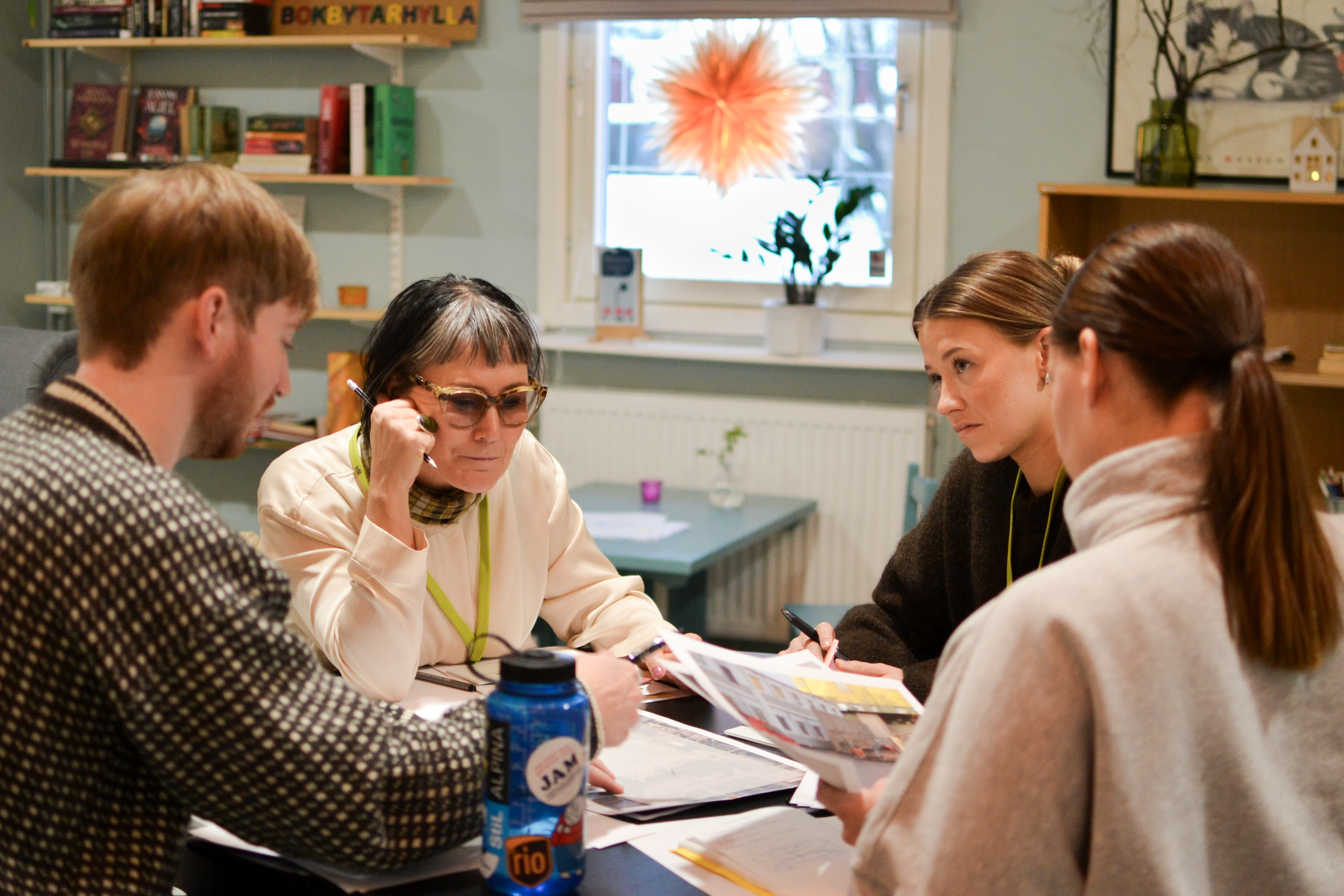
The project Creative North brings people together in small municipalities in Northern Sweden through hands-on design workshops focused on enhancing health, well-being and quality of life through place-making. By harnessing local creativity and fostering transdisciplinary collaboration, the workshops enable communities to co-create solutions that shape their environments. The process strengthens local identity, resilience and shared visions for sustainable and inclusive futures.
Sweden
Regional
The project is implemented at the local and regional level in several small municipalities across Northern Sweden, primarily within the regions of Norrbotten and Västerbotten. It engages communities both in urban and rural and sparsely populated areas through place-based design workshops.
It addresses urban-rural linkages
It involves other types of transformations (soft investment)
Yes
2025-12-31
Yes
ERDF : European Regional Development Fund
No
No
Organisation
Creative North is a collaborative initiative that uses design workshops as a tool for place-based development in small municipalities across Northern Sweden. The project brings together residents, local authorities, creative professionals and researchers to co-create place-based solutions that enhance health, well-being and quality of life.
At the core of the project are hands-on, transdisciplinary design workshops. These workshops combine local knowledge with methods from design, architecture, art and social innovation. They create inclusive spaces where people of different ages and backgrounds can actively shape their environments, strengthening democratic participation and local ownership.
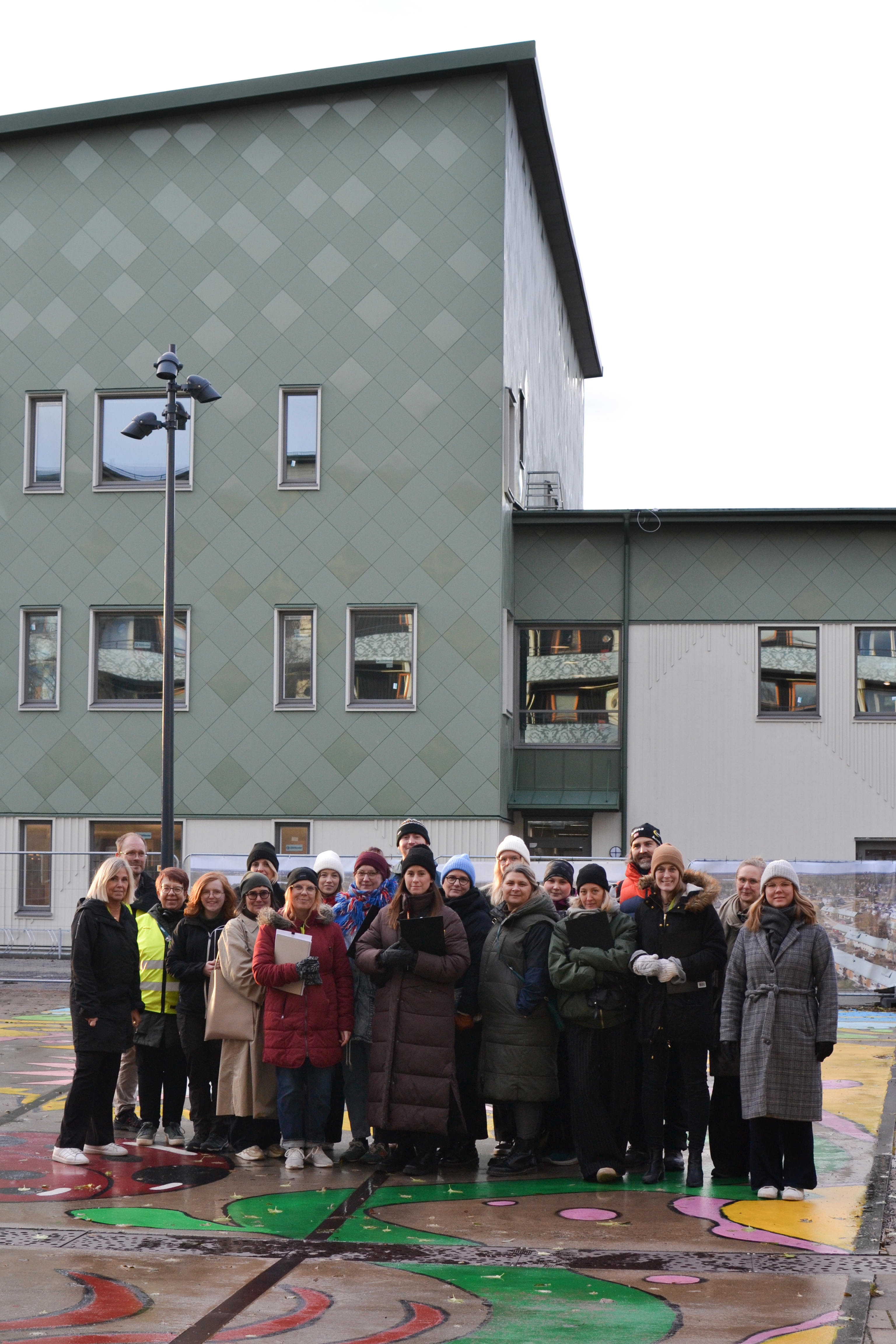
The project has already engaged multiple municipalities in the regions of Västerbotten and Norrbotten, involving a wide range of participants, from youth and elderly residents to local entrepreneurs and public sector representatives. The workshops have resulted in concrete ideas and prototypes for public spaces, services and activities that support social interaction, mental well-being and attractive living environments.
A key achievement is the strengthening of local creative capacity. By activating and connecting local cultural and creative actors, the project has built new networks and collaborations that continue beyond the workshops. It has also introduced new methods for municipalities to work more systematically with co-creation, design and citizen engagement.
In the long term, Creative North contributes to more resilient and inclusive communities in urban aswell as rural and sparsely populated areas. It supports a shift towards more participatory and holistic approaches to place-making, where social, cultural and environmental values are integrated. The project also strengthens the role of the cultural and creative sectors as drivers of sustainable regional development, in line with the principles of the New European Bauhaus.
Creative North emerged from a need to strengthen the attractiveness, health and long-term resilience of small municipalities in Northern Sweden, where many communities face challenges related to depopulation, ageing populations and limited access to resources for development.
The project was designed as a bridge between policy, research and local practice. It connects EU, national and regional funding frameworks, enabling place-based experimentation while aligning with broader strategic goals such as the New European Bauhaus. A key component is the integration of knowledge from the NEB Academy course The Healthy City, which provides participants with a shared theoretical foundation on health, well-being and sustainable urban and rural development.
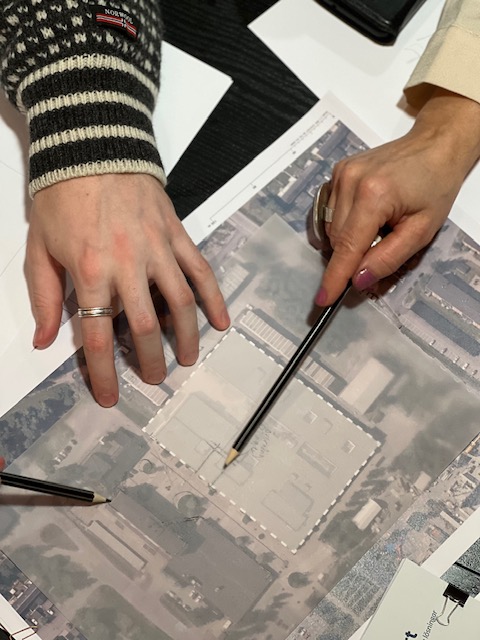
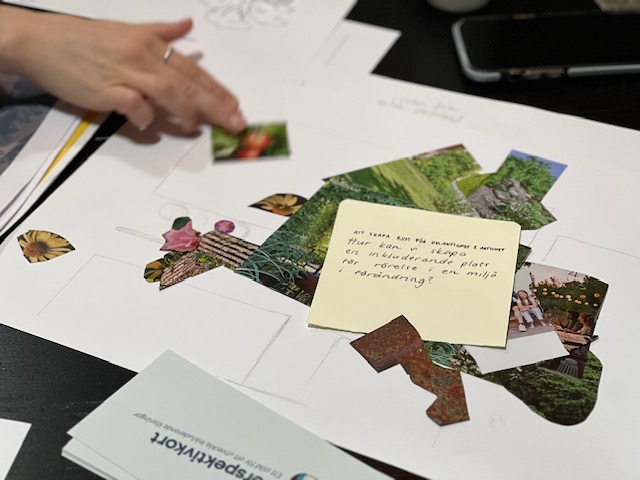
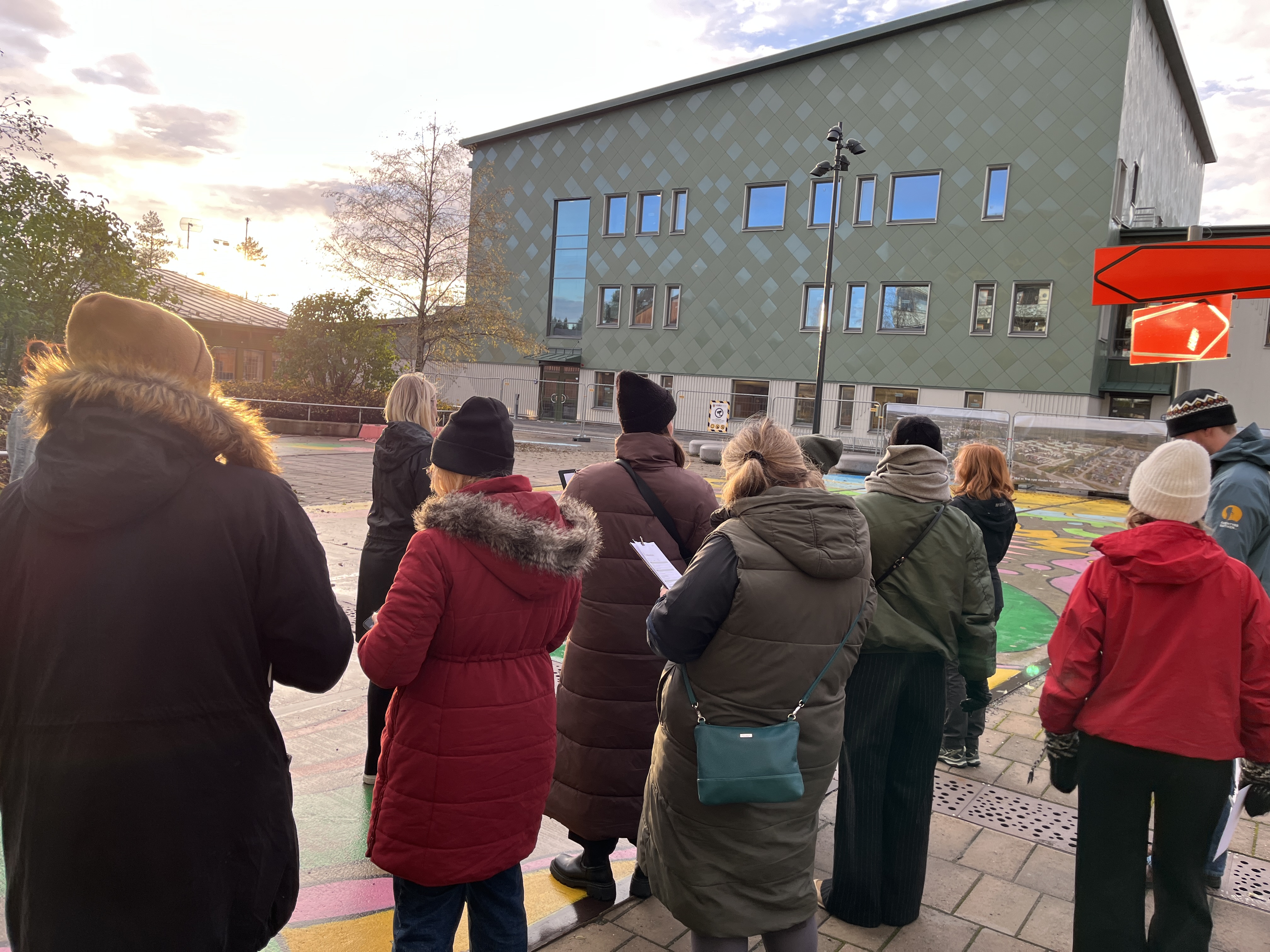
On the ground, the project is implemented through a series of design workshops hosted in selected municipalities. These workshops bring together residents, local authorities, cultural and creative professionals, and researchers in a collaborative process. Each workshop combines short knowledge sessions with hands-on co-creation, where participants explore local challenges and develop ideas, concepts and prototypes for their specific context.
The methodology is iterative and context-sensitive. Local stakeholders are involved early in the process to define relevant themes, and the workshops are adapted to each place’s conditions and needs. The results are documented and shared, allowing lessons learned to inform future workshops and to be scaled or transferred to other municipalities.
Through this approach, Creative North translates high-level ambitions into concrete local action, while simultaneously feeding local insights back into regional and European innovation ecosystems.
To this date two design workshops have been completet, and three are ongoing.
Community co-design
Health and well-being
Place-based development
Transdisciplinary collaboration
Rural resilience
Creative North addresses sustainability through an integrated environmental, social, cultural and economic approach rooted in place-based development. Rather than applying generic solutions, the project builds on local resources, knowledge and identities in small municipalities in Northern Sweden, ensuring that outcomes are relevant, long-lasting and resource-efficient.
Social sustainability is central. Through inclusive design workshops, the project strengthens participation, empowerment and community cohesion. It creates spaces where diverse groups, across ages, backgrounds and professions, can contribute to shaping their environments, supporting mental well-being and reducing social isolation.
Culturally, the project activates and strengthens local creative capacities. By engaging cultural and creative industries, it reinforces local identity and supports cultural expression as a driver for sustainable development.
Economically, Creative Norrland contributes to local resilience by fostering new collaborations, supporting creative entrepreneurship and increasing the attractiveness of rural areas for living and working.
Environmentally, the project promotes more sustainable lifestyles and place-making practices by encouraging resource awareness, reuse of existing assets and context-sensitive solutions.
What makes the project exemplary is its holistic and scalable methodology. By combining theory from the NEB Academy with hands-on co-creation, and by linking EU, national and regional levels with local action, it demonstrates how sustainability goals can be translated into concrete, community-driven change.
Creative North contributes to aesthetics by placing human experience, sensory qualities and local identity at the centre of place development. Through hands-on design workshops, participants explore what makes their everyday environments meaningful, beautiful and supportive of well-being. Aesthetics is not treated as a final layer, but as an integral part of the co-creation process.
A key strength is that many participants come from cultural and creative industries, as well as traditional crafts, where aesthetics, materiality and form are core values. Their knowledge and practices enrich the process, bringing a high level of sensitivity to design, atmosphere and local expression.
The workshops encourage participants to work with materials, spatial qualities, light, sound and atmosphere, as well as cultural narratives and local stories. This leads to proposals and prototypes that reflect the unique character of each place, strengthening emotional connections and a sense of belonging.
By engaging residents directly in shaping their environments, the project fosters care and stewardship. People are more likely to value, maintain and develop places they have co-created, contributing to long-term quality and identity.
What makes the project exemplary is its democratic approach to aesthetics. It expands the concept of beauty beyond expert-driven design to include lived experiences, diverse perspectives and everyday needs, resulting in environments that are meaningful, inclusive and deeply rooted in their local context.
Creative North addresses inclusion by creating open, accessible and participatory processes for shaping local environments in small municipalities. The design workshops are free of charge and designed to lower barriers to participation, actively engaging a wide range of participants across ages, backgrounds and professions including youth, elderly residents, local entrepreneurs and public sector representatives.
The project promotes inclusive governance by enabling residents to take an active role in decision-making processes that are often traditionally expert- or authority-driven. Through structured co-creation methods, participants are not only consulted but empowered to contribute ideas, priorities and solutions, strengthening democratic participation and local ownership.
Design for all principles are embedded in the workshop methodology, which emphasises diverse perspectives, everyday experiences and different types of knowledge, including tacit and practice-based knowledge from cultural and creative practitioners and traditional crafts. This leads to solutions that are more responsive to real needs and more accessible in both physical and social terms.
The project also contributes to new societal models by demonstrating how rural communities can work collaboratively across sectors and disciplines to address shared challenges. It builds bridges between citizens, municipalities, researchers and creative industries, fostering more inclusive and adaptive forms of local development.
What makes Creative North exemplary is its ability to translate inclusion into practice. Rather than treating inclusion as a goal, it is embedded in the process itself, ensuring that a broader diversity of voices shapes the outcomes, and that the benefits are shared across the community.
Participation is at the core of Creative North. Citizens, communities and civil society organisations are not only involved, but play a central role in shaping both the process and the outcomes of the project.
The design workshops are structured as co-creation processes where participants actively contribute with their knowledge, experiences and ideas. Local residents, cultural and creative practitioners, civil society actors and municipal representatives work together on equal terms. Participants are involved from early stages,identifying local challenges and potentials, through to developing concepts, proposals and prototypes.
Civil society organisations and local actors also contribute to the organisation and anchoring of the workshops, helping to ensure relevance, trust and continuity. This strengthens the connection between the project and the local context.
The level of involvement can be described as collaborative and empowering rather than consultative. Participants are not only asked for input, but are given tools, methods and knowledge such as insights from the NEB Academy to actively shape solutions.
The impact of this approach is significant. It leads to more relevant and context-sensitive outcomes, increases local ownership and strengthens the capacity of communities to continue working with co-creation beyond the project. It also builds new relationships and trust between citizens, municipalities and other stakeholders, supporting more inclusive and resilient local development processes.
Creative North is built on a multilevel governance approach that connects European, national, regional and local actors in both the design and implementation of the project.
At the European level, the project is aligned with the New European Bauhaus and supported through EU funding frameworks. It integrates knowledge from the NEB Academy, ensuring that local activities are grounded in shared European principles on sustainability, aesthetics and inclusion.
At the national level, RISE Research Institutes of Sweden plays a key role in designing the methodology, coordinating the project and ensuring knowledge development and dissemination. This level connects research, policy and practice, and supports the transferability of results.
At the regional level, partners such as eXpression Umeå and regional actors contribute with networks, expertise in cultural and creative industries, and connections to local municipalities. They play an important role in anchoring the project regionally and facilitating collaboration across municipalities.
At the local level, municipalities, civil society organisations and residents are central actors. They co-design and implement the workshops, identify local needs and develop context-specific solutions.
The added value of this multilevel approach is the ability to translate high-level ambitions into concrete local action, while also feeding local insights back into regional and European systems. It strengthens coherence across governance levels, increases the relevance and impact of the project, and creates opportunities for scaling and replication in other context
Creative North is inherently transdisciplinary, bringing together a wide range of disciplines and knowledge fields in both the design and implementation of the project.
Core contributions come from architecture, urban and rural planning, design and the arts, which shape the spatial, aesthetic and experiential dimensions of the workshops. These are complemented by expertise from the cultural and creative industries, as well as traditional crafts, where material knowledge and making practices play a central role.
The project also integrates perspectives from social sciences and public health, particularly through the NEB Academy course The Healthy City, which provides a foundation for understanding the relationship between the built environment, well-being and social sustainability.
In addition, knowledge from innovation studies, participatory design and process facilitation informs the co-creation methodology, while regional development and policy perspectives ensure alignment with broader societal goals.
Importantly, local and experiential knowledge from residents is treated as equally valuable. By combining professional, academic and lived knowledge, the project creates a richer and more holistic understanding of place and enables more relevant, inclusive and sustainable solutions.
This transdisciplinary approach is essential to addressing complex challenges in rural contexts and is a key strength of the project.
Creative North is built on a hybrid and multi-level funding model that combines European, national, regional and private contributions, ensuring both robustness and scalability over time.
At the European level, the project is connected to the NEB Academy and supported through Horizon funding, which has enabled the development of methods and the overall framework. At the national level, funding from the Swedish National Board of Housing, Building and Planning (Boverket) has supported the development of educational content, in collaboration with demand-side actors such as real estate developers.
These developers are also key co-financiers of the design workshops, as they gain direct value through access to creative concepts and design proposals for the development of their sites. This creates a mutually beneficial model where private actors invest in innovation processes that inform their projects.
Participation in the workshops is publicly supported through funding from the Swedish Agency for Economic and Regional Growth (Tillväxtverket) and the European Regional Development Fund (ERDF), enabling actors from cultural and creative industries to contribute. Participants also invest their own time and expertise as part of the process.
This blended financing model ensures financial sustainability by distributing costs and value across multiple stakeholders, while aligning public investment with tangible local development outcomes and private sector incentives.
The project is designed as a scalable and transferable model for place-based development through co-creation. Several key elements can be replicated in other geographical, social and institutional contexts.
First, the workshop methodology is highly adaptable. It combines theoretical input—such as the NEB Academy course The Healthy City—with hands-on, locally grounded co-creation. This structure can be transferred to different settings, from rural areas to urban neighbourhoods, and adjusted to local needs, challenges and stakeholder constellations.
Second, the process model for engaging diverse stakeholders is replicable. The project demonstrates how to bring together citizens, cultural and creative industries, municipalities, researchers and private actors in a structured and inclusive way. This approach can be applied in other contexts to strengthen participation, collaboration and local ownership.
Third, the multi-level governance and funding model offers a transferable framework. By combining EU, national, regional and private financing, the project shows how to align different funding streams around shared goals and create incentives for long-term collaboration.
Fourth, the tools and materials developed such as workshop formats, facilitation methods and educational content can be reused and further developed by other organisations and regions.
Finally, a key learning is the importance of activating local creative capacity as a driver for sustainable development. This principle is widely applicable and can inspire similar initiatives in other regions seeking to strengthen resilience, identity and attractiveness.
Together, these elements make Creative North a flexible and scalable model that can be adapted and implemented across Europe and beyond.