Enhancing Circularity, Sustainability, and Innovation
United Nations Youth Assembly in Kosovo
United Nations Youth Assembly in Kosovo
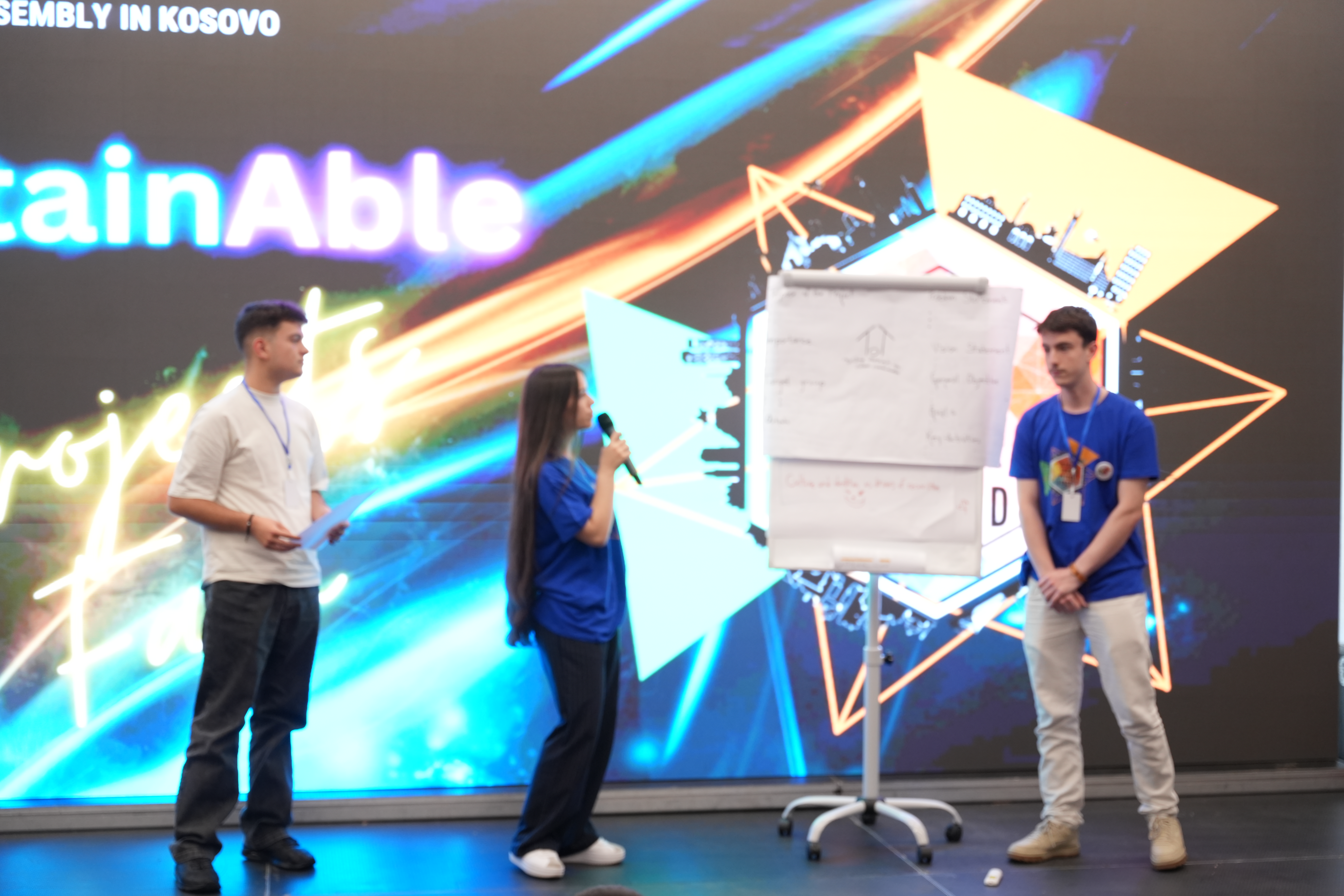
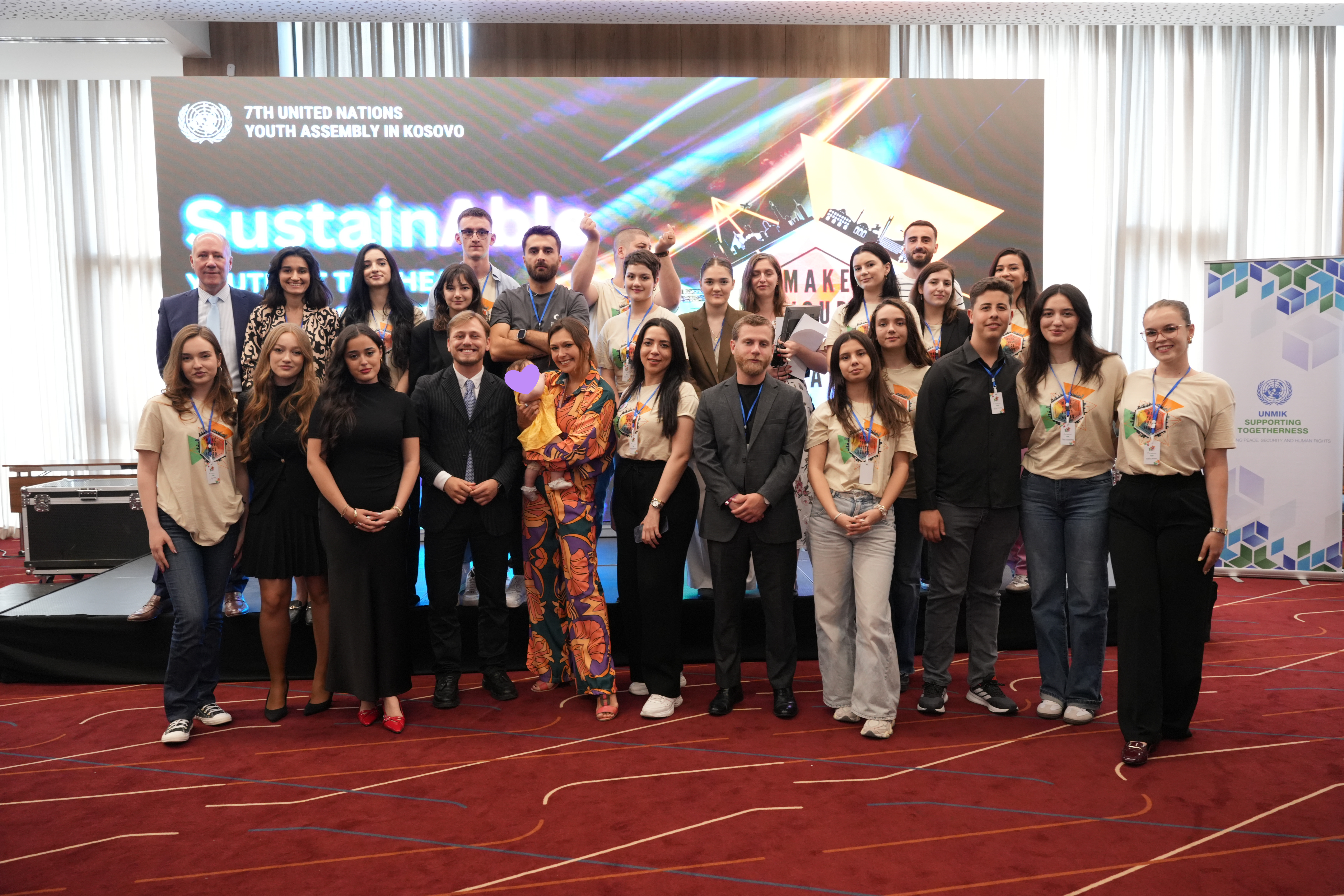
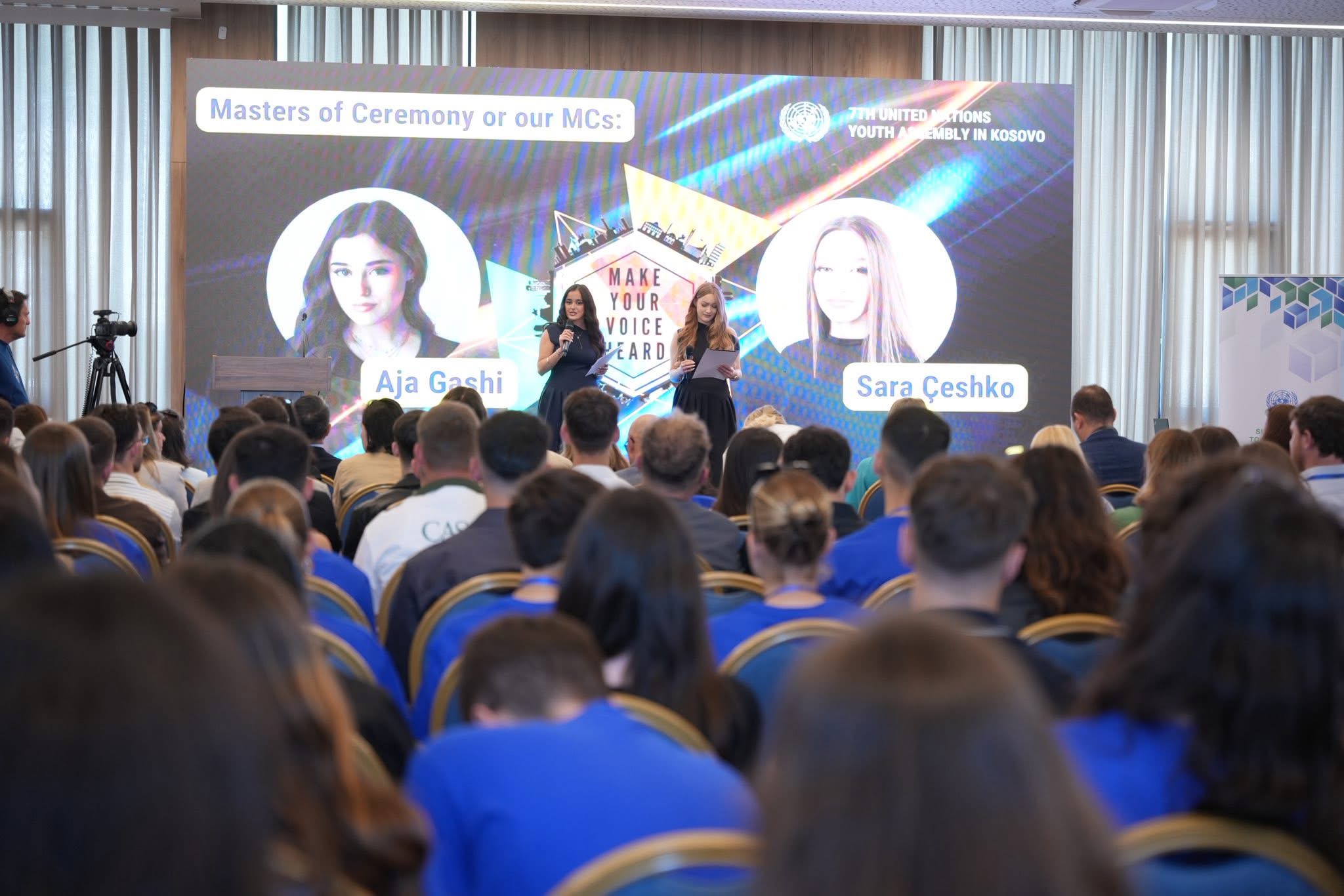
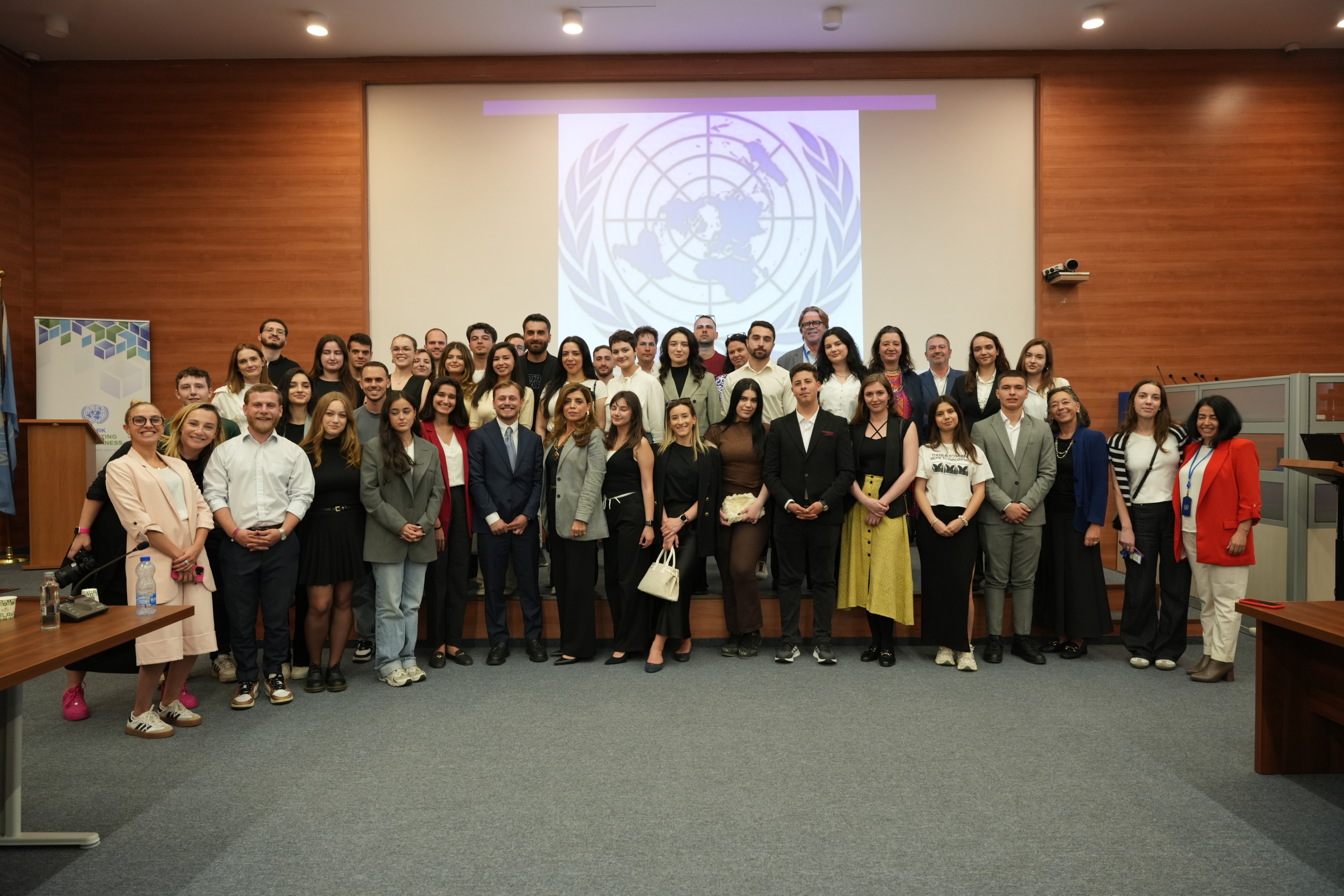
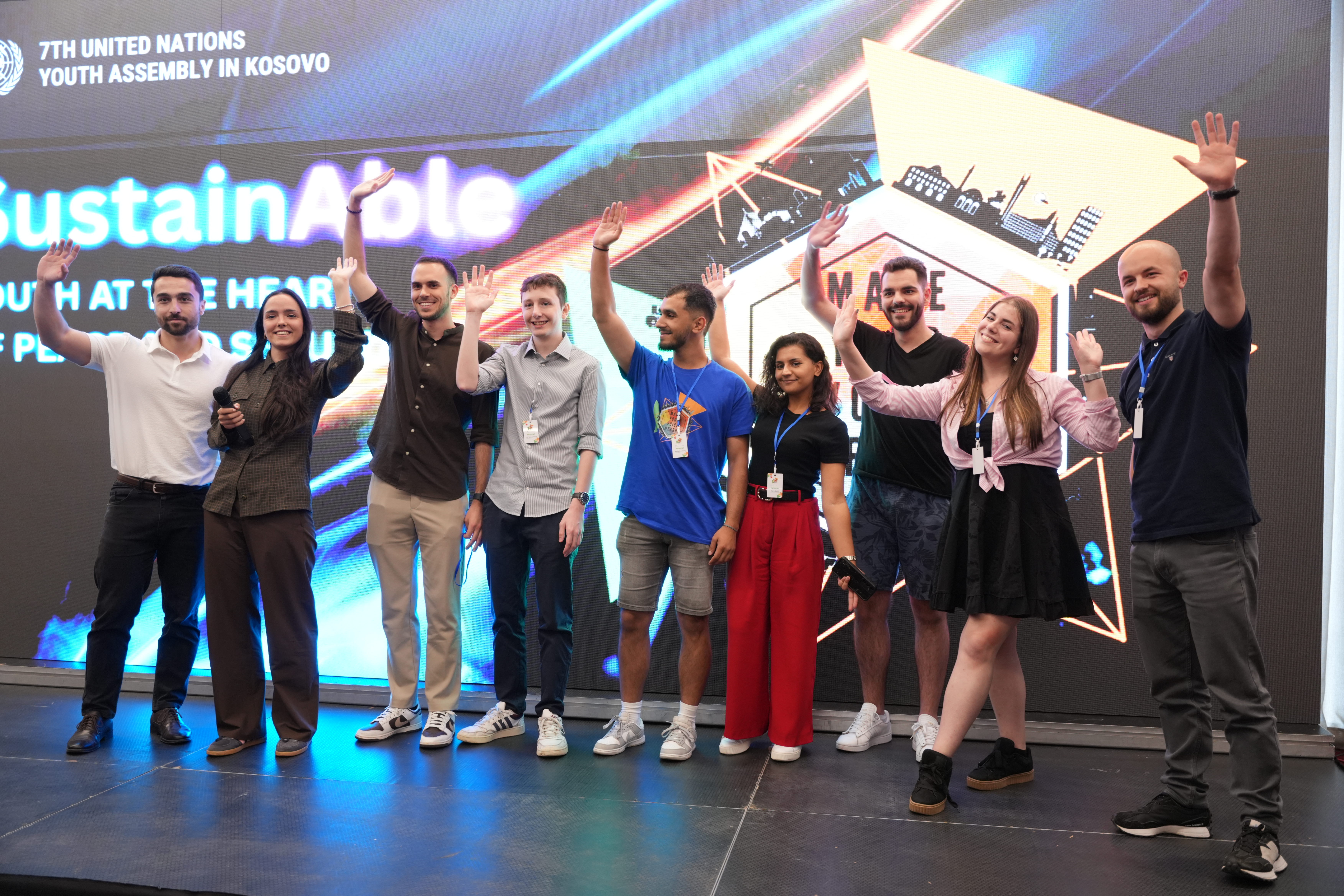
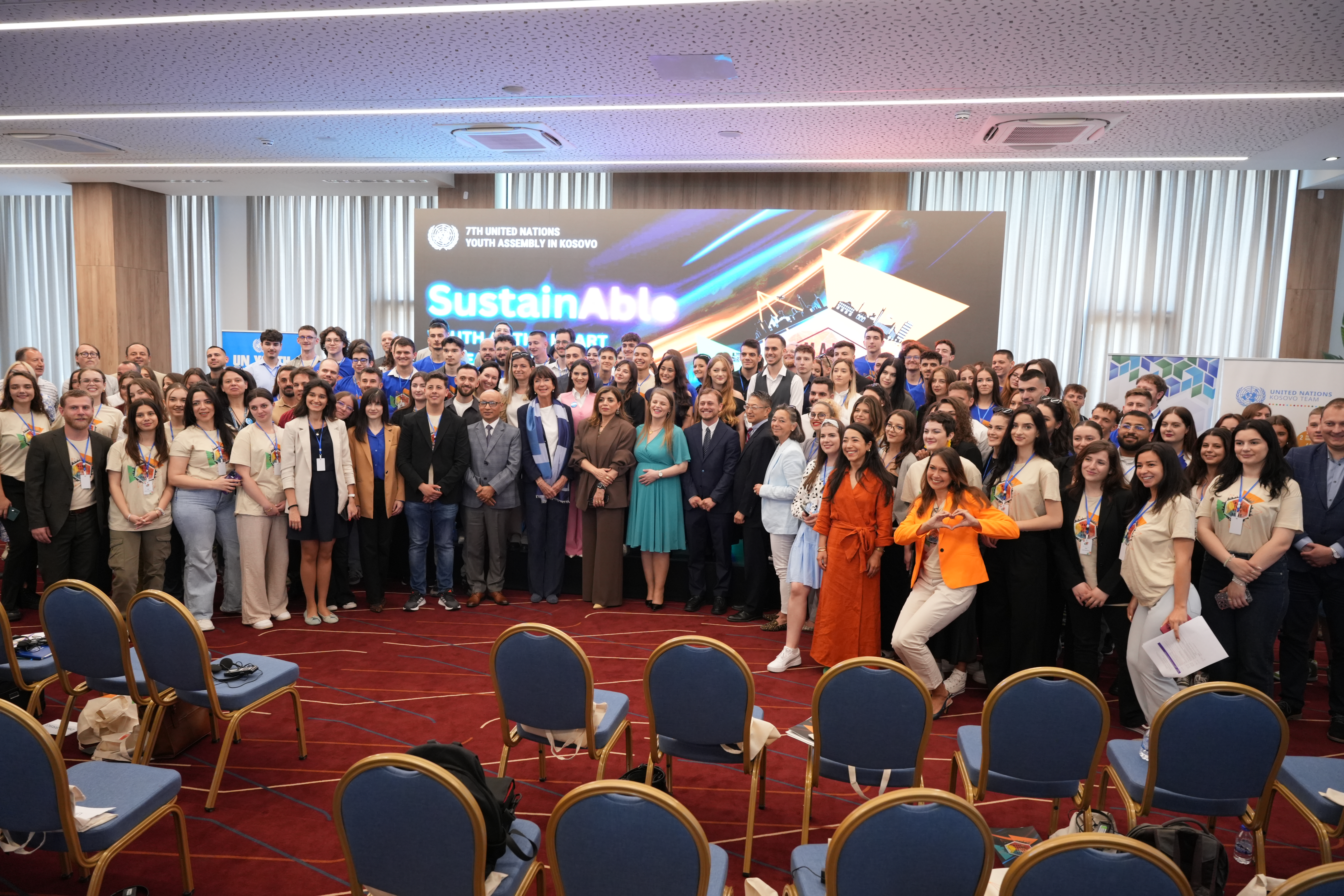
The United Nations Youth Assembly in Kosovo is an established platform that brings together young people from diverse communities to co-create solutions to societal challenges. Through dialogue, capacity-building, and collaboration, it turns youth ideas into concrete action on peacebuilding, inclusion, and sustainability. The 7th edition engaged 130+ participants who developed four youth-led initiatives on reconciliation, cultural heritage, digital democracy, and sustainability.
Kosovo
Regional
Kosovo and the Western Balkans (Albania, Bosnia and Herzegovina, North Macedonia, Montenegro, Serbia)
It addresses urban-rural linkages
It involves other types of transformations (soft investment)
Yes
2025-06-25
No
No
No
Organisation
The United Nations Youth Assembly in Kosovo is a well-established, youth-led platform supported by the United Nations Mission in Kosovo (UNMIK), designed to foster dialogue, inclusion, and youth participation in peacebuilding and sustainable development. Since its launch in 2017, the Assembly has brought together young people from diverse ethnic, social, and regional backgrounds across Kosovo and the Western Balkans to collaboratively address shared challenges and co-create solutions with tangible impact.
The project has evolved into a structured and recurring mechanism that combines dialogue, capacity-building, and action-oriented outcomes. Across multiple editions, the Assembly has engaged hundreds of young participants, strengthening interethnic cooperation and empowering youth to actively contribute to their communities. A key milestone was the development of 50 youth-led recommendations that informed the Kosovo Roadmap on Youth, Peace and Security, later integrated into national policy frameworks.
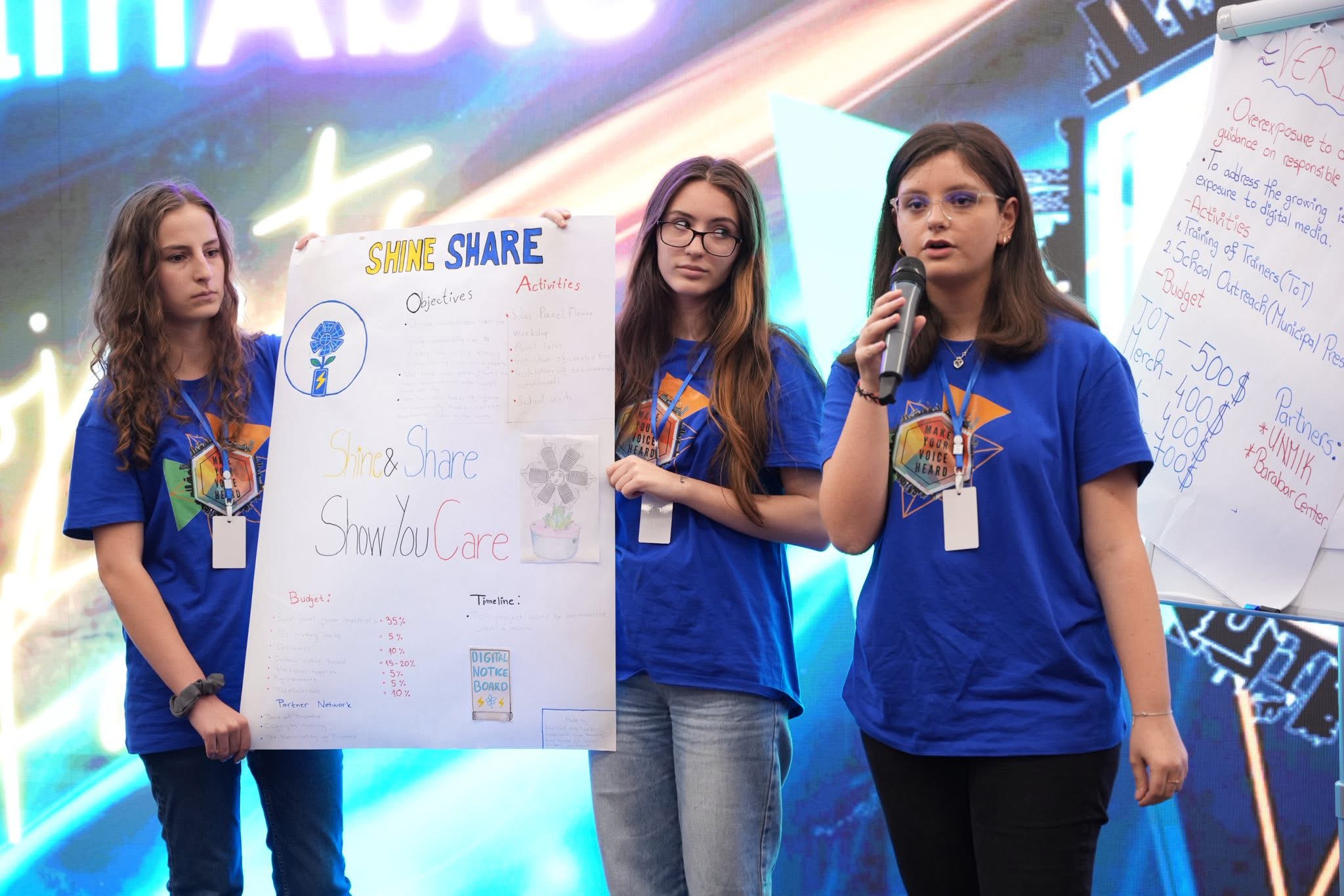
More recent editions have focused on transforming ideas into concrete initiatives, including youth-led projects addressing interethnic reconciliation, cultural heritage preservation, digital democracy, and environmental sustainability. These initiatives are supported through mentorship, partnerships, and implementation pathways, ensuring continuity beyond the event itself.
The long-term impact of the project lies in its ability to institutionalise youth participation, strengthen social cohesion, and create sustainable networks between youth, civil society, and institutions. By moving beyond dialogue to action, the Assembly contributes to improved quality of life, more inclusive governance, and resilient communities.
The United Nations Youth Assembly in Kosovo was established in response to the need for structured youth engagement in peacebuilding processes, following the adoption of the Youth, Peace and Security agenda. Recognising that young people are often excluded from decision-making despite being key actors in social transformation, UNMIK initiated the Assembly in 2017 to create a platform where youth voices could be meaningfully included.
The first Assembly brought together young people from different communities across Kosovo to identify common challenges and develop shared solutions. This process resulted in 50 concrete recommendations, which were later incorporated into the Kosovo Roadmap on Youth, Peace and Security. This milestone marked the transition of the Assembly from a dialogue initiative to a policy-influencing mechanism.
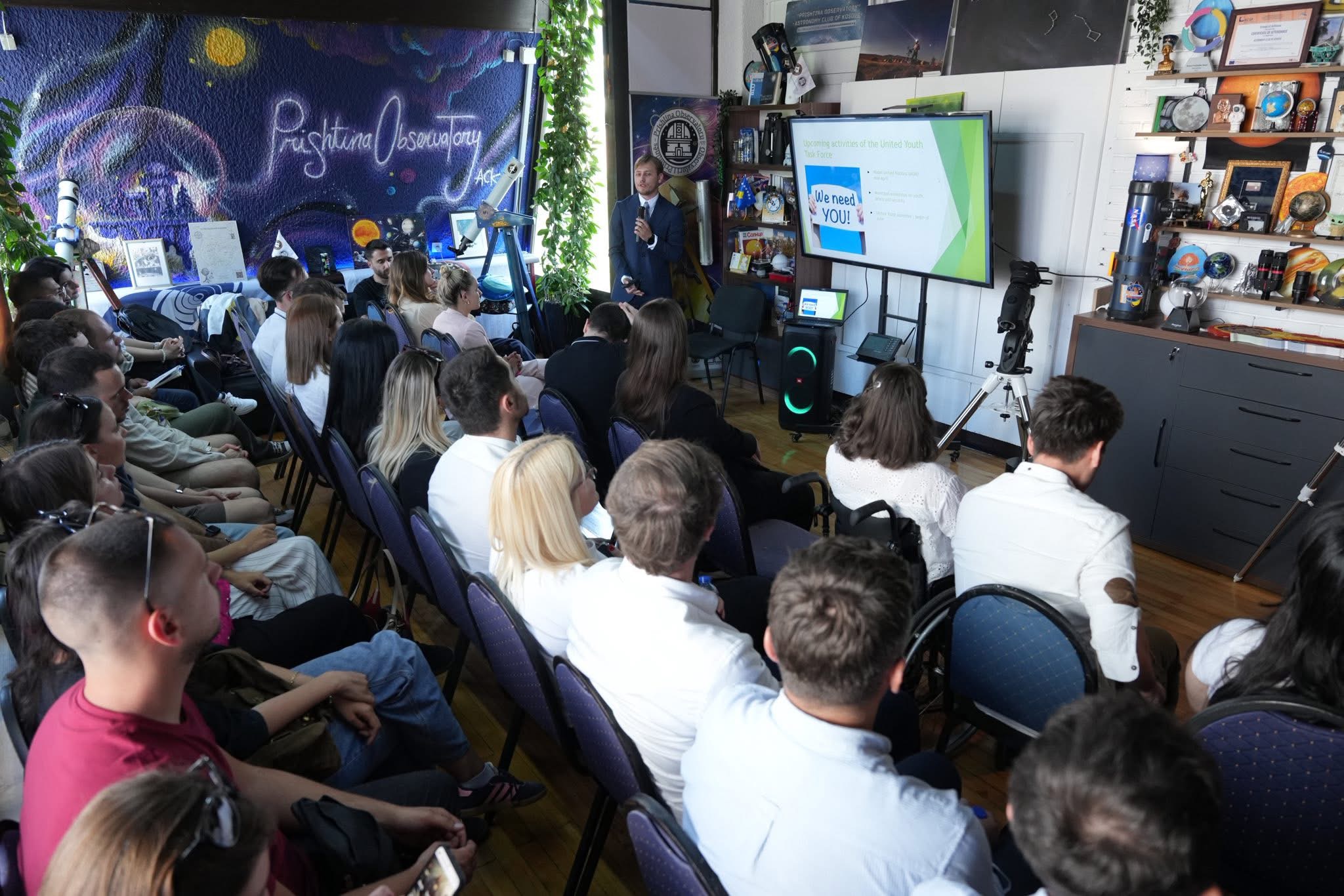
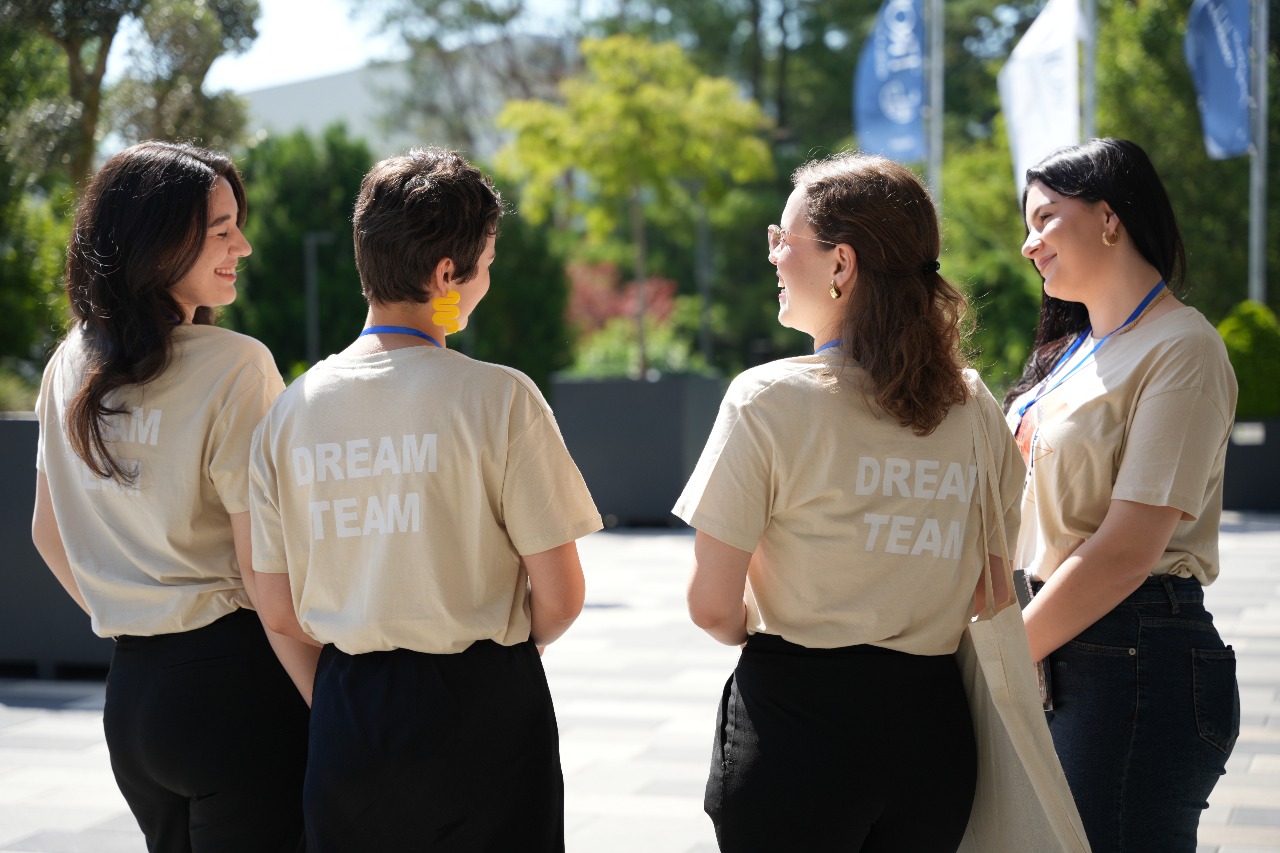
Building on this foundation, the project continued to evolve through repeated editions, integrating lessons learned and expanding its scope. A key development was the emergence of the United Youth Task Force, an interethnic youth network that grew out of the Assembly and now plays a central role in organising activities, facilitating dialogue, and implementing initiatives.
On the ground, the project is implemented through participatory methods, including facilitated discussions, thematic workshops, group work, and mentorship processes. Participants work collaboratively to develop practical initiatives addressing issues such as inclusion, governance, sustainability, and cultural heritage.
Over time, the Assembly has expanded to include regional participation from the Western Balkans, strengthening cross-border cooperation and knowledge exchange. Its implementation model ensures continuity, with follow-up support enabling youth-led initiatives to move from concept to action, reinforcing the project’s long-term impact and sustainability.
Youth participation
Peacebuilding
Social inclusion
Interethnic dialogue
Sustainability
The United Nations Youth Assembly in Kosovo addresses sustainability through a long-term, capacity-building approach that equips young people to develop and implement solutions to social, environmental, and governance challenges. Rather than functioning as a one-time event, the project creates sustainable structures, networks, and processes that continue to generate impact over time.
A key element of its sustainability lies in its ability to institutionalise youth participation. The Assembly has contributed to the development of the Kosovo Roadmap on Youth, Peace and Security, ensuring that youth perspectives are embedded in policy frameworks. This demonstrates a transition from short-term engagement to long-term systemic change.
In addition, the project promotes sustainability through youth-led initiatives addressing environmental protection, social cohesion, and community resilience. Participants are supported through mentorship and partnerships, enabling their ideas to evolve into implementable projects with lasting benefits.
The project also strengthens social sustainability by fostering interethnic dialogue and trust-building in a post-conflict context. By creating inclusive spaces for cooperation, it contributes to more stable and resilient communities.
Overall, the project is exemplary in sustainability because it combines immediate outputs with long-term impact, builds capacities that endure beyond the project cycle, and creates a replicable model for sustained youth engagement and community development.
The project contributes to the New European Bauhaus concept of aesthetics by creating meaningful, human-centred spaces that enhance the quality of life and social experience of participants and their communities. While not focused on physical design, its strength lies in shaping social environments that are inclusive, collaborative, and empowering.
The Assembly provides a safe and welcoming space where young people from diverse backgrounds can engage in dialogue, share perspectives, and co-create solutions. This environment fosters a strong sense of belonging, mutual respect, and trust, which are essential components of a “beautiful” society in the NEB sense. It has also enabled the creation of a sustainable network, where participants and organisers continue to collaborate beyond the Assembly, developing new initiatives and partnerships.
Through its participatory and creative processes, the project transforms abstract values such as coexistence and solidarity into lived experiences. It has contributed to building trust between interethnic communities, strengthening relationships that extend beyond the project itself. At the same time, it has opened pathways for youth engagement and employment by connecting participants with opportunities, networks, and institutional actors.
The long-term aesthetic impact of the project is reflected in its contribution to more cohesive and liveable communities. By strengthening relationships, promoting inclusive dialogue, and fostering ongoing collaboration, it enhances the social fabric and creates conditions for more harmonious and resilient environments.
Through these outcomes, the project exemplifies aesthetic excellence by demonstrating how social connection, inclusivity, interethnic trust, and collaborative vision collectively create a more harmonious, vibrant, and resilient community environment.
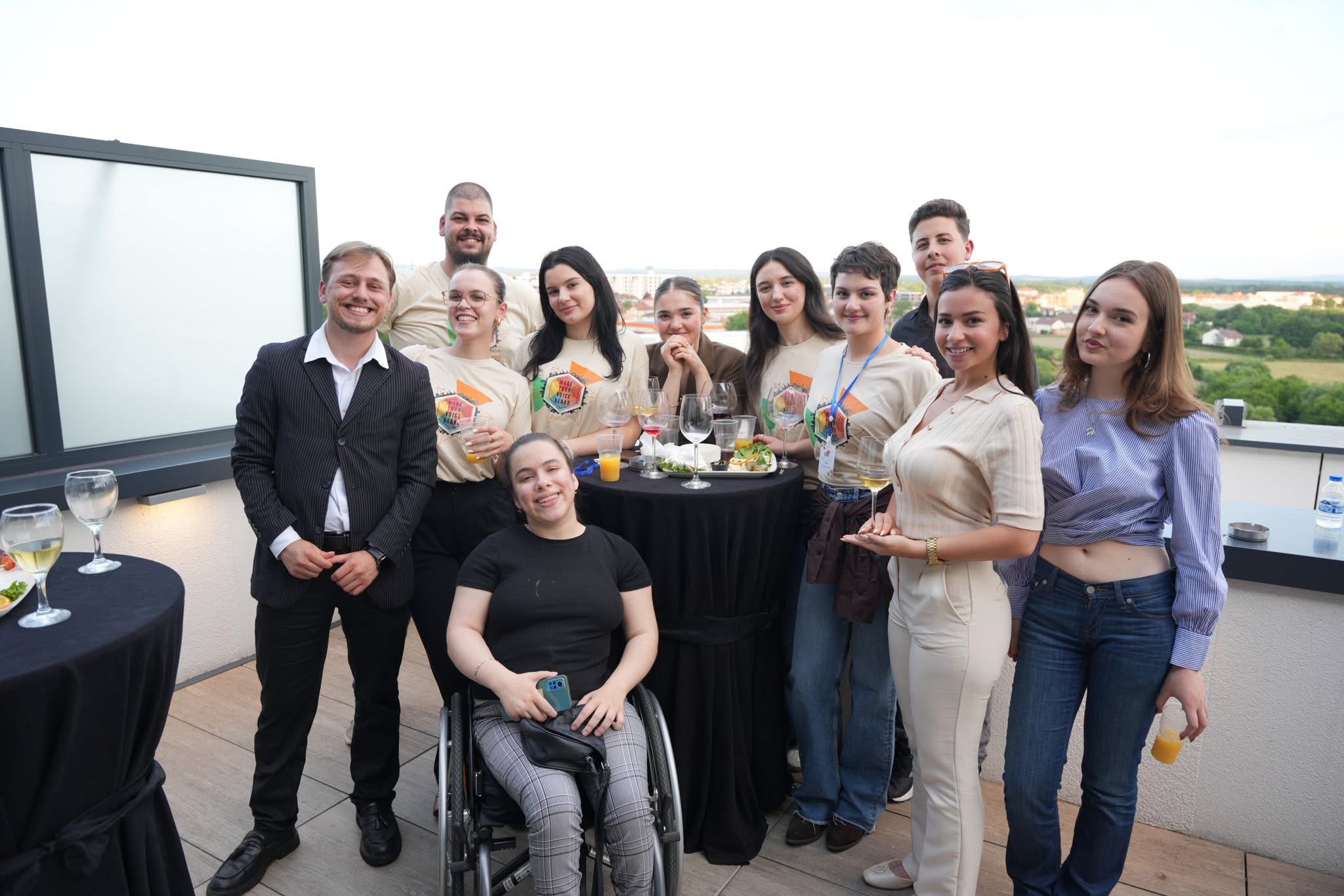
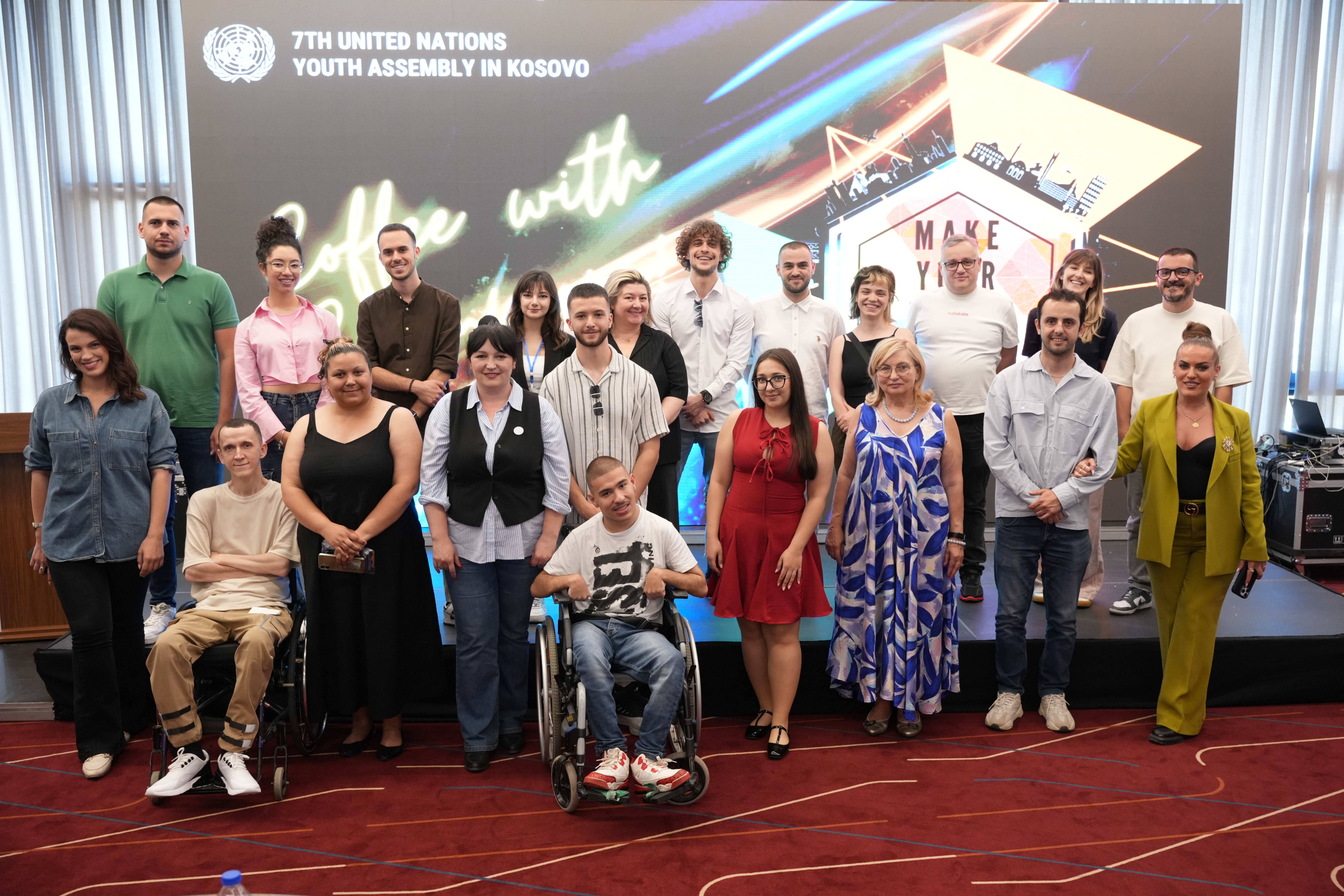
The United Nations Youth Assembly in Kosovo is built on the principle that a project can only be truly inclusive if the team leading it reflects the community it serves. From the start, the initiative has been driven by a diverse core team that includes young people from both rural and urban areas, ethnic minorities, and persons with disabilities. This internal diversity was not just a goal but a strategic necessity. By having a team that understands the specific challenges of living in a remote village versus a major city, the Assembly was able to move beyond the usual urban centers and reach a much broader, more representative audience.
This grounded approach helped the Assembly become the largest multi-ethnic youth forum in Kosovo. Because the organizers themselves represent different backgrounds, they were able to build the credibility needed to engage young people who are often left out of civic dialogue. The project creates a space where participants, regardless of their ethnicity, social status, or physical ability, can collaborate on equal footing. This is about more than just representation; it is about shared ownership. In a post-conflict context, providing a safe and professional environment for these groups to co-create is essential for building long-term interethnic trust.
The impact of this model is seen in the Kosovo Roadmap on Youth, Peace, and Security, where the recommendations of this diverse youth population directly informed institutional policy. Beyond the event itself, the Assembly has built a sustainable network that offers mentorship, leadership roles, and professional pathways. By starting with a team that reflects the full reality of Kosovo, across the rural-urban and ethnic divide, the Assembly has shown that inclusive leadership leads to more impactful and lasting societal change.
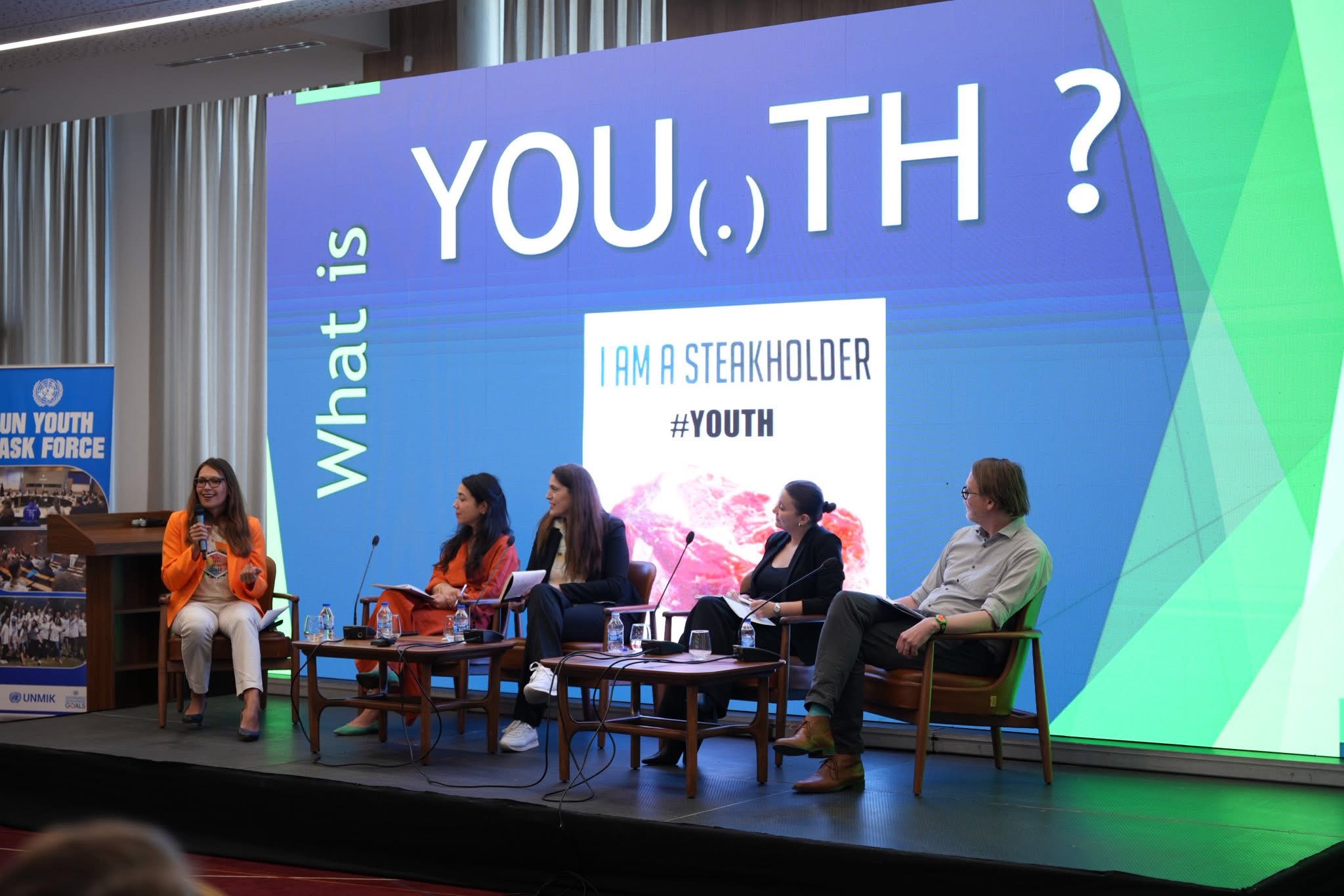
The Assembly operates through a “by youth, for youth” co-design model, where young people are the primary decision-makers. Through the United Youth Task Force, they lead the full project cycle, from defining priorities and selecting participants to facilitating dialogues, ensuring relevance and ownership.
Engagement is deep and sustained. Civil society organizations act as mentors, supporting youth in turning ideas into actionable policy outputs. This resulted in the Kosovo Roadmap on Youth, Peace and Security, co-created by participants rather than external consultants, shifting from consultation to shared ownership.
The programme is continuous, not one-off. It runs year-round through assemblies, follow-up workshops, and partnerships. It supported initiatives such as the Astronomy Club’s “Under One Sky,” which remains active, and contributes to institutional change, including efforts to establish Youth Councils with municipal and central institutions.
In terms of impact, up to 30 youth groups were supported through youth-led projects. The programme reached over 10,000 beneficiaries, including around 1,400 through in-person activities (workshops, assemblies, dialogues) and over 8,600 through digital outreach and campaigns. Beyond numbers, the programme has created lasting networks among youth, fostering peer mentorship, knowledge sharing, and community-led advocacy. Participants gained tangible skills in project management, policy drafting, and civic engagement, while municipalities received practical recommendations to improve youth participation. By emphasizing continuity, collaboration, and capacity-building, the Assembly has become a replicable model for youth-led civic innovation across the region.
The governance structure of the Assembly is designed to create a vertical "policy escalator" that connects local grassroots activity with national and international decision-making bodies. At the local level, the project collaborates with Municipal Youth Centers and local administrations to ensure that the specific needs of both urban centers and isolated rural villages are represented. This ensures that the Assembly is not just a capital-city event but a truly representative forum. These local stakeholders assist in identifying marginalized youth and provide the necessary infrastructure for localized follow-up activities.
At the national level, the Assembly maintains a strategic alignment with the Ministry of Culture, Youth and Sport. This partnership is critical for the implementation of the project’s findings, as it allows youth recommendations to be integrated directly into the Kosovo Youth Strategy and its accompanying Action Plans. This adds significant value by providing a formal institutional pathway for informal youth dialogue. At the European and international levels, the project is supported by UN agencies (UNMIK, UNICEF, UNDP) and regional organizations like the Regional Youth Cooperation Office (RYCO). This international involvement provides the Assembly with a broader platform, linking Kosovo’s youth to the global Youth, Peace, and Security agenda and European standards of youth participation. The added value of this multilevel engagement is that it creates a feedback loop where local insights inform national policy, while international support provides the resources, visibility, and standards required to sustain a high-impact initiative in a complex post-conflict environment.
At the national level, the Assembly maintains a strategic alignment with the Ministry of Culture, Youth and Sport. This partnership is critical for the implementation of the project’s findings, as it allows youth recommendations to be integrated directly into the Kosovo Youth Strategy and its accompanying Action Plans. This adds significant value by providing a formal institutional pathway for informal youth dialogue. At the European and international levels, the project is supported by UN agencies (UNMIK, UNICEF, UNDP) and regional organizations like the Regional Youth Cooperation Office (RYCO). This international involvement provides the Assembly with a broader platform, linking Kosovo’s youth to the global Youth, Peace, and Security agenda and European standards of youth participation. The added value of this multilevel engagement is that it creates a feedback loop where local insights inform national policy, while international support provides the resources, visibility, and standards required to sustain a high-impact initiative in a complex post-conflict environment.
The Assembly is built on a transdisciplinary framework that merges several distinct fields of knowledge to address complex social challenges. The core of the project is grounded in the social sciences, specifically utilizing theories of conflict transformation and sociology to facilitate sensitive interethnic dialogues. However, the implementation phase introduces a technical and entrepreneurial dimension through the use of "Design Thinking" and the UPSHIFT social innovation methodology. This approach teaches participants to view social issues through a problem-solving lens, using techniques from engineering and product design to prototype community solutions.
In addition to these fields, the project integrates digital technology and the arts as essential tools for communication and expression. Digital literacy is woven into the program, as participants use multimedia platforms for advocacy and to create digital tools for cross-community collaboration. The arts are used as a non-verbal method for building empathy and shared identity, allowing young people to explore commonalities through creative workshops in photography, film, or theater. Education is another pillar, with a focus on non-formal pedagogical methods that promote critical thinking and leadership. Environmental science is also increasingly reflected in the project, as young people are encouraged to design initiatives that address local ecological challenges. By blending these diverse disciplines, social science, design, technology, and education, the Assembly provides a holistic environment where young people can develop a versatile set of skills to navigate and improve a rapidly changing social landscape.
In addition to these fields, the project integrates digital technology and the arts as essential tools for communication and expression. Digital literacy is woven into the program, as participants use multimedia platforms for advocacy and to create digital tools for cross-community collaboration. The arts are used as a non-verbal method for building empathy and shared identity, allowing young people to explore commonalities through creative workshops in photography, film, or theater. Education is another pillar, with a focus on non-formal pedagogical methods that promote critical thinking and leadership. Environmental science is also increasingly reflected in the project, as young people are encouraged to design initiatives that address local ecological challenges. By blending these diverse disciplines, social science, design, technology, and education, the Assembly provides a holistic environment where young people can develop a versatile set of skills to navigate and improve a rapidly changing social landscape.
The business model of the United Nations Youth Assembly is a hybrid structure that combines international public funding with a focus on local institutional integration and resource sharing. While the project was initiated with support from the UN system, its financial sustainability is maintained through a diversified partnership model. This involves "pooling" the resources and mandates of different UN agencies, which reduces the financial burden on any single entity and ensures a broad base of institutional support. Furthermore, the project leverages in-kind contributions from local municipalities and partners, such as the use of public spaces and logistical support, which significantly lowers operational overhead.
To ensure long-term viability, the Assembly’s activities are strategically aligned with national youth strategies, creating opportunities for the integration of its programs into public budgets. The project also employs a "seed funding" model through small grants, which empowers youth to implement their own local initiatives. This creates a decentralized ecosystem of activity where the initial investment in the Assembly sparks multiple smaller, self-sustaining projects across Kosovo. The project also utilizes the UN Community Volunteer modality, a cost-effective professional framework that provides young leaders with employment and training while maintaining manageable administrative costs. This blend of international donor support, national policy alignment, and community-led social entrepreneurship creates a resilient financial foundation. It shifts the project from a traditional aid-dependent model to a sustainable platform that generates social and economic value for the participants and their communities.
To ensure long-term viability, the Assembly’s activities are strategically aligned with national youth strategies, creating opportunities for the integration of its programs into public budgets. The project also employs a "seed funding" model through small grants, which empowers youth to implement their own local initiatives. This creates a decentralized ecosystem of activity where the initial investment in the Assembly sparks multiple smaller, self-sustaining projects across Kosovo. The project also utilizes the UN Community Volunteer modality, a cost-effective professional framework that provides young leaders with employment and training while maintaining manageable administrative costs. This blend of international donor support, national policy alignment, and community-led social entrepreneurship creates a resilient financial foundation. It shifts the project from a traditional aid-dependent model to a sustainable platform that generates social and economic value for the participants and their communities.
The Assembly is designed as a practical toolkit that can be picked up and used in any region facing social or ethnic division. The most replicable part of the project is the United Youth Task Force (UYTF) structure. This isn't just a committee; it is a specific method for recruiting a team that represents every part of society- urban, rural, ethnic minorities, and people with disabilities and giving them actual decision-making power. This "team-first" model is easy to transfer to other sectors because it provides a clear set of rules for how to build a diverse leadership group from scratch.
The project has already proven it can scale by moving from a local Kosovo focus to a broader Western Balkans regional platform. This was done by using a "train-the-trainer" approach. Instead of hiring outside experts, former participants from the Assembly are trained to become the moderators and mentors for the next generation. This makes the project self-sustaining and easy to move to new cities or countries because the knowledge stays with the youth themselves.
Another element that can be replicated is the process used to create the Kosovo Roadmap on Youth, Peace, and Security. This provides a step-by-step guide for how to turn raw ideas from youth workshops into formal policy documents that governments actually read. By documenting these specific processes, from how to run a multi-ethnic workshop to how to manage a community grant, the Assembly provides a blueprint that any local NGO or municipality can follow. It is a model based on repeatable actions and simple tools that work just as well in a small village as they do in a capital city.
The model is scalable through its year-round engagement approach, youth-led project support, and institutional cooperation. It can be replicated in other municipalities to strengthen youth participation and local governance structures.