Arts, Culture, and Heritage as Drivers of Change
Tracks of Belonging
Tracks of Belonging: Transforming a Forgotten Railway into a Living Community Space
Tracks of Belonging brings a forgotten riverside railway in Uzhhorod back to life through locally engineered rail vehicles, a unique youth club of trainee drivers aged 8–15, and creative public events. Revived by volunteers, veterans and the community, the project transforms industrial heritage into a living space for learning, culture and connection, attracting about 13,000 passengers and reconnecting the city with its riverside.
Ukraine
Local
Uzhhorod
Mainly urban
It involves a physical transformation of the built environment (hard investment)
Yes
2025-12-23
No
No
Yes
Individual
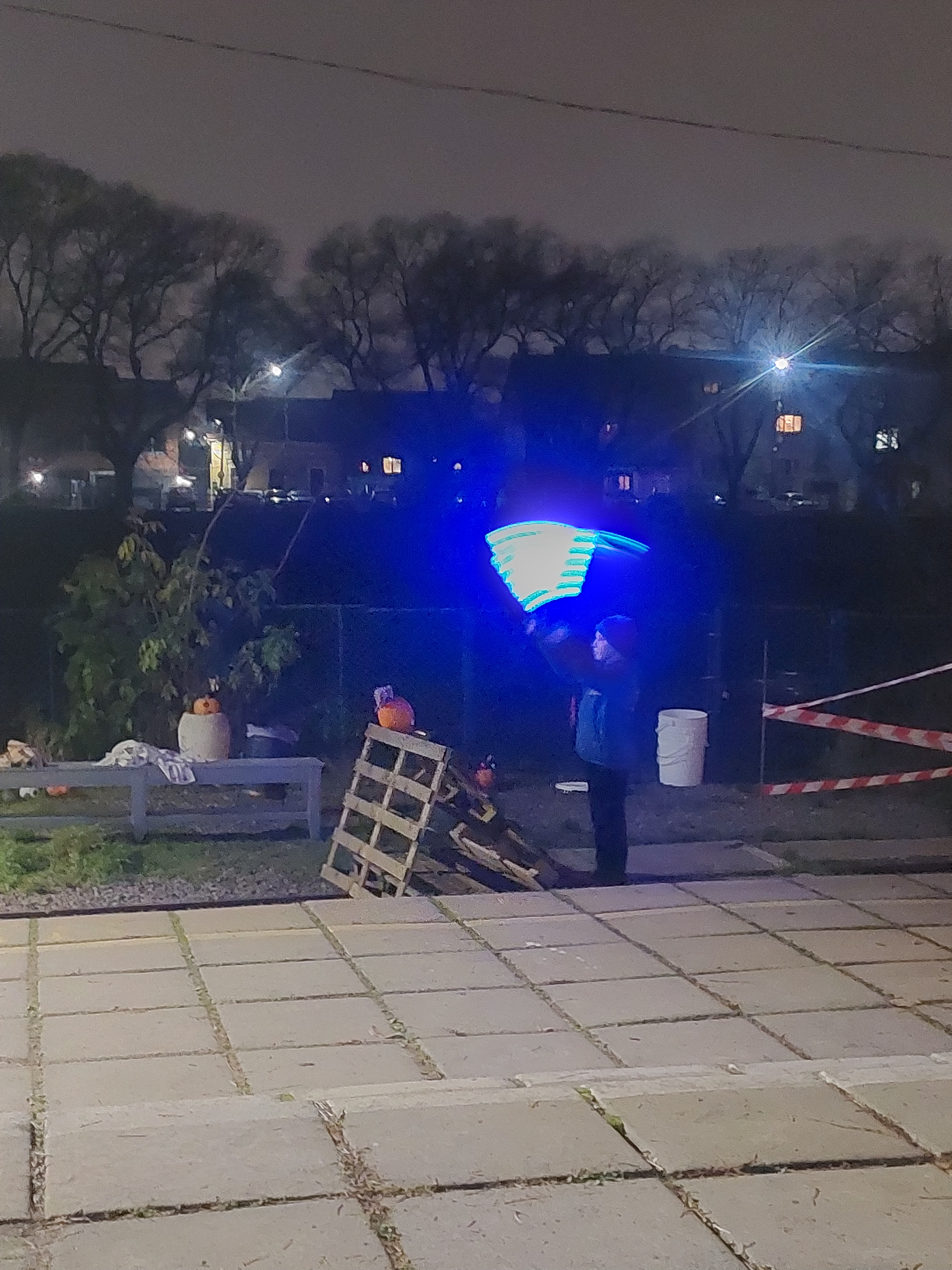
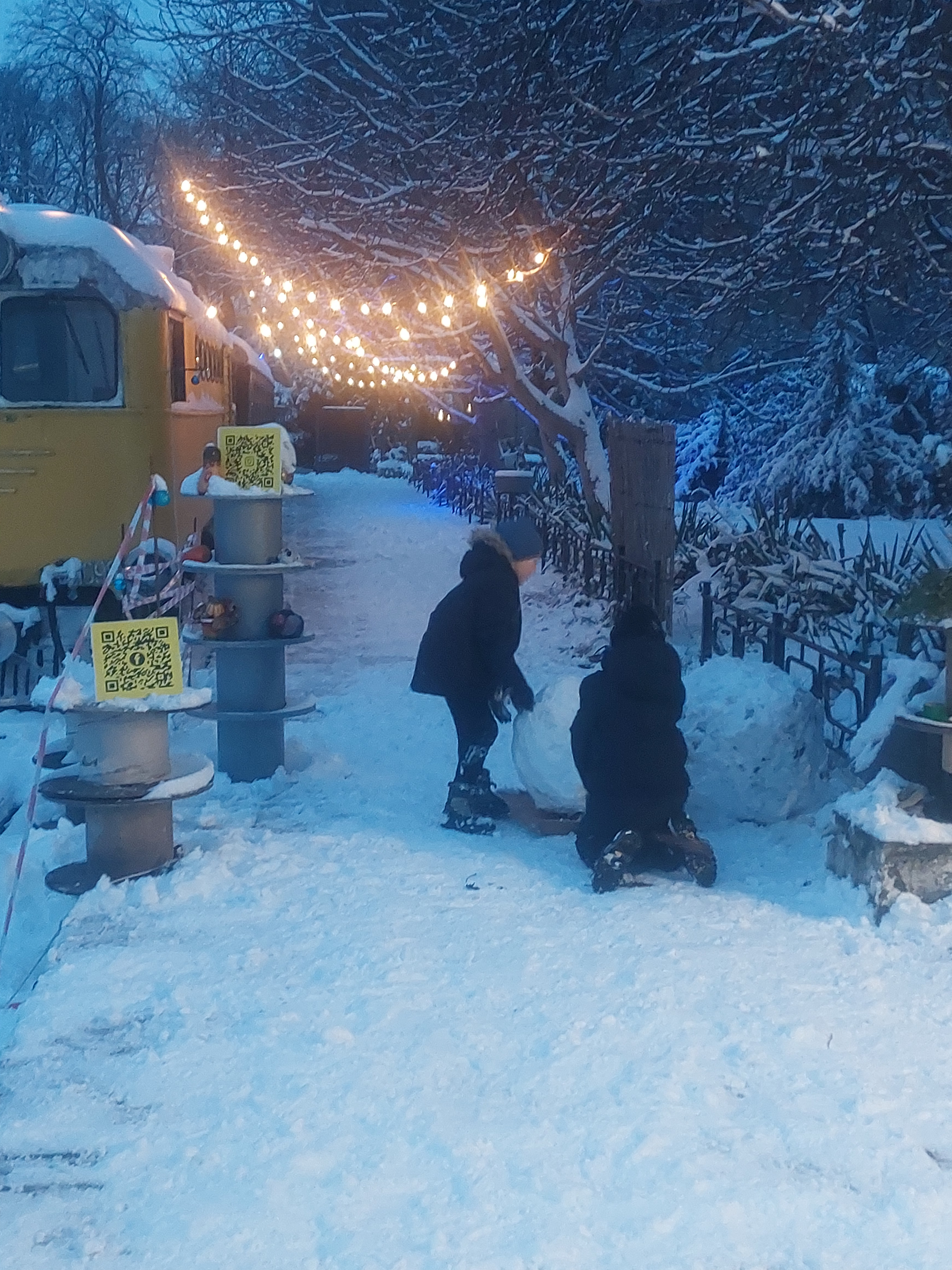
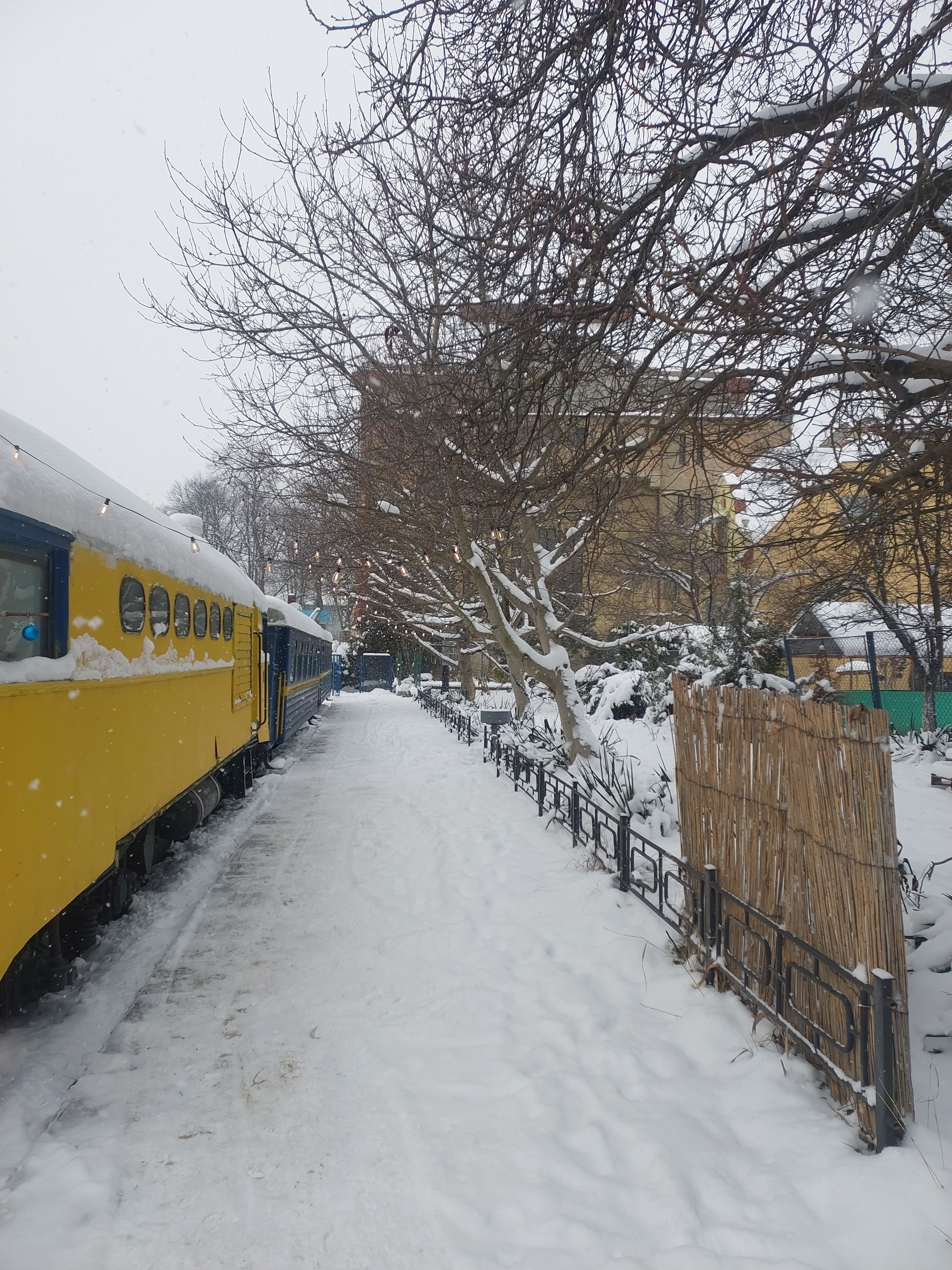
We started small: our first event, in partnership with maker's fair ReMake Uzhhorod, celebrated inventors and creativity. Halloween and Christmas events followed, welcoming children and their families to the railway. At the end of July, we teamed up with the local musical project Progressive Station to host a large electronic music concert, drawing hundreds of participants. Week by week, children arrived with their parents, asking if they could join, and the project began to grow organically.
From this momentum, we formed a youth club of 10 trainee locomotive drivers, aged 8–15, learning hands-on technical skills and working alongside veterans. About 13,000 passengers have already experienced rides on our rail vehicles, proving the strong community interest. We also developed a new visual identity and registered a trademark, ensuring the railway’s recognition and sustainability.
This project goes beyond transport: it bridges generations, builds skills, and strengthens community ties. By reviving industrial heritage, we transformed a derelict railway into a vibrant, accessible public space that nurtures learning, creativity, and social cohesion. Veterans mentor the youth, families connect through shared experiences, and the city gains a cultural landmark that celebrates its past while inspiring the future.
Looking ahead, we plan to expand educational programmes, develop a museum space, construct an experimental electric rail vehicle, and upgrade passenger information and safety systems. These initiatives will secure the railway as a living platform for education, culture, and community engagement for years to come.
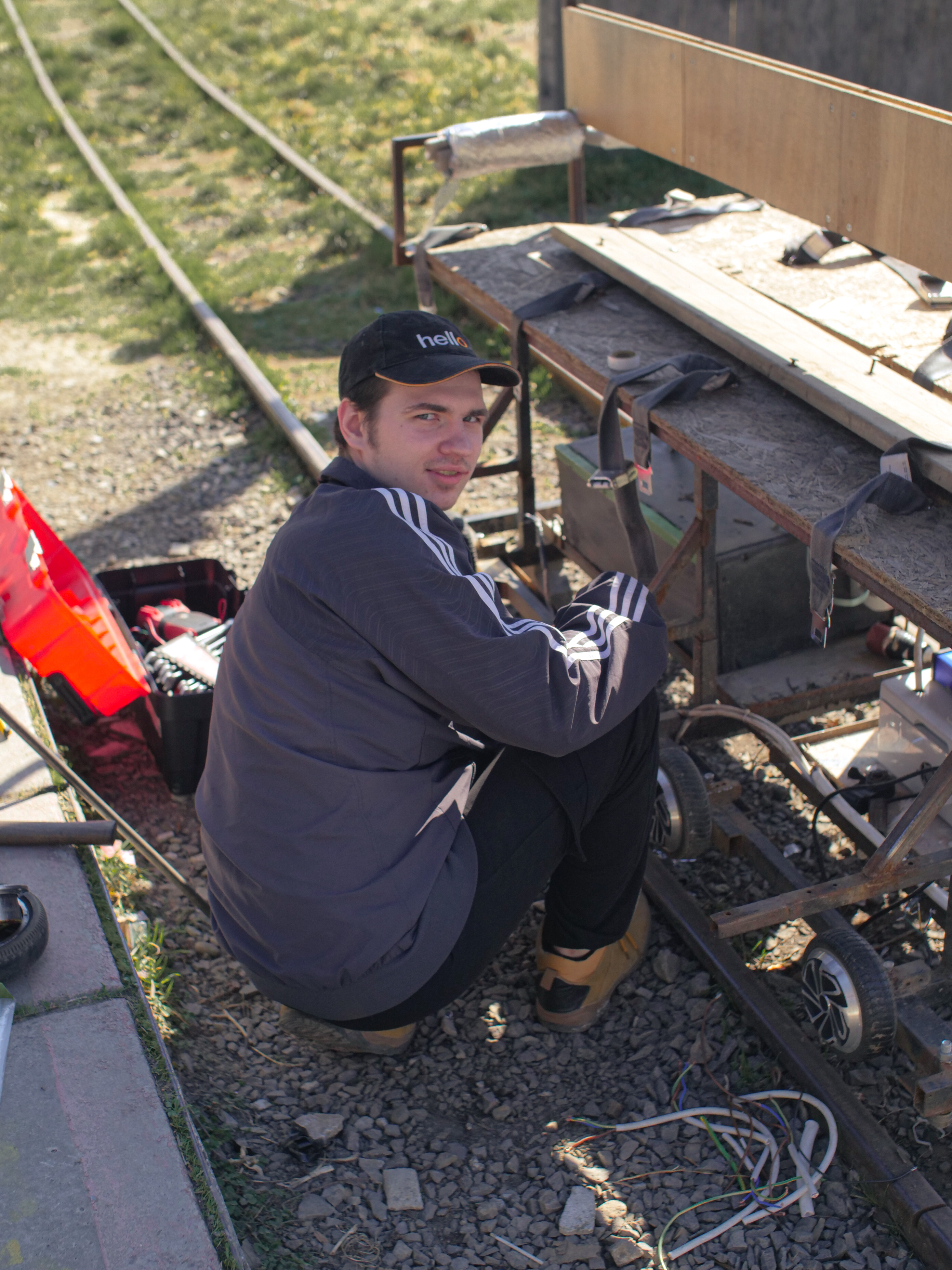
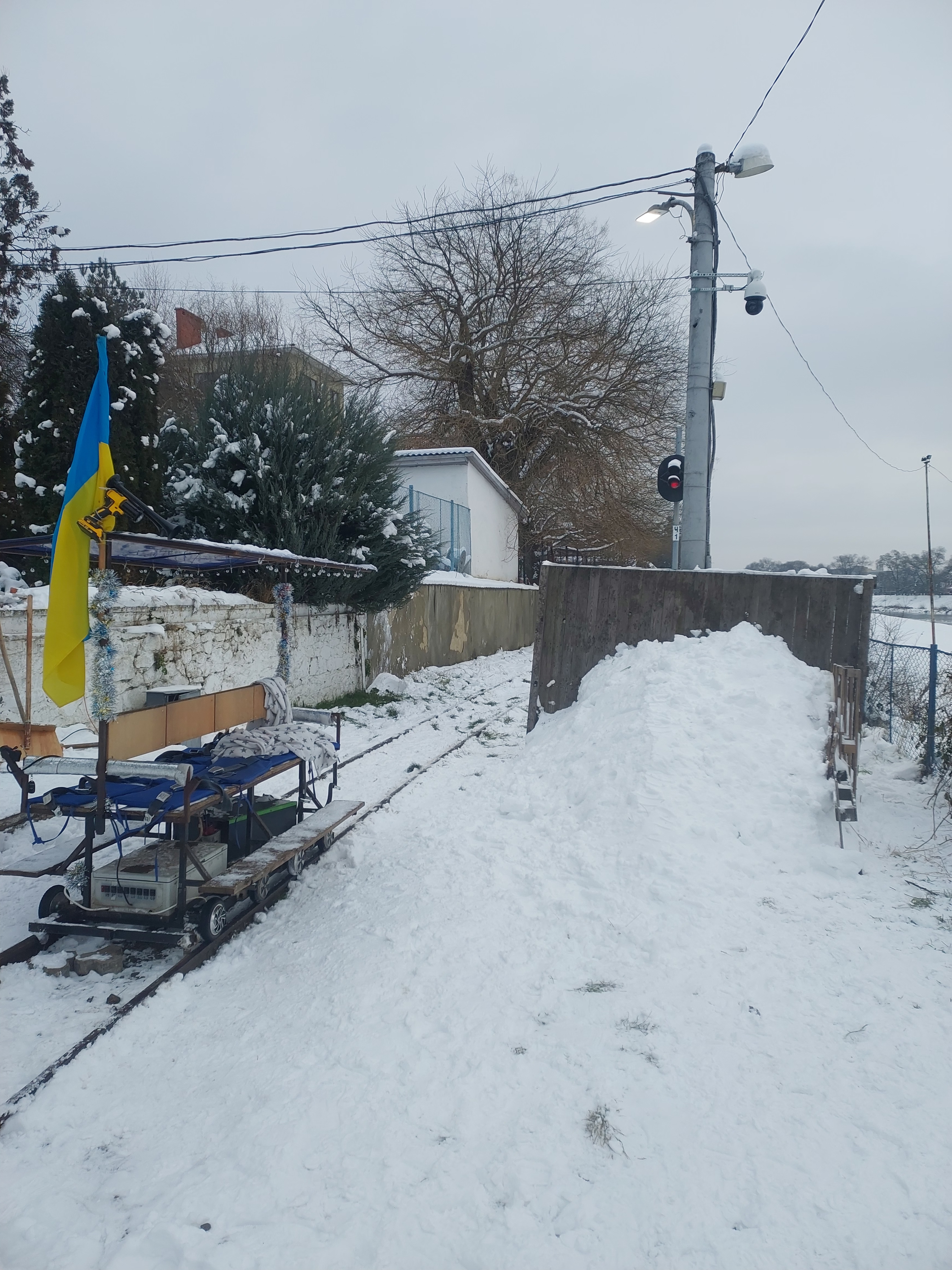
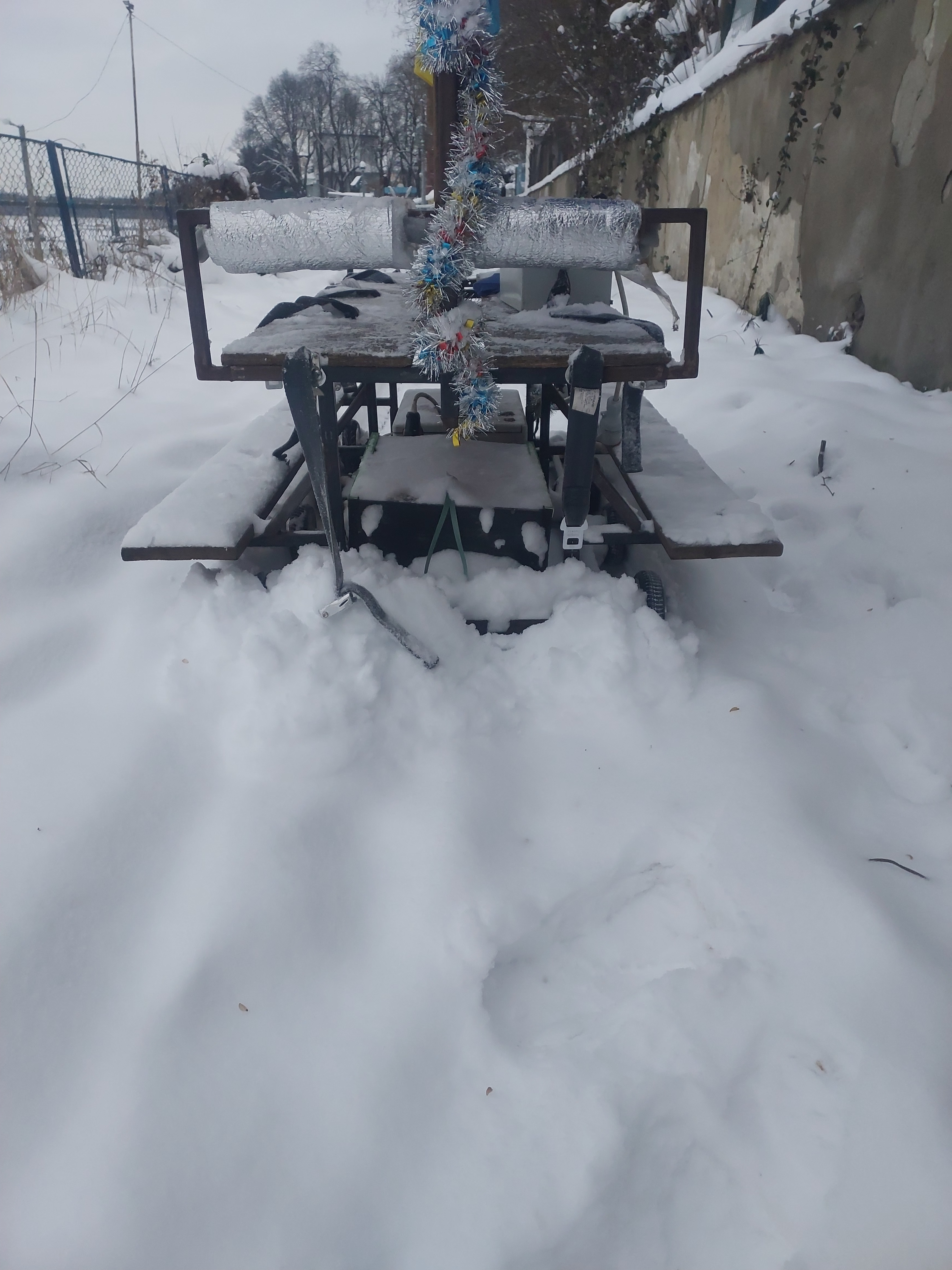
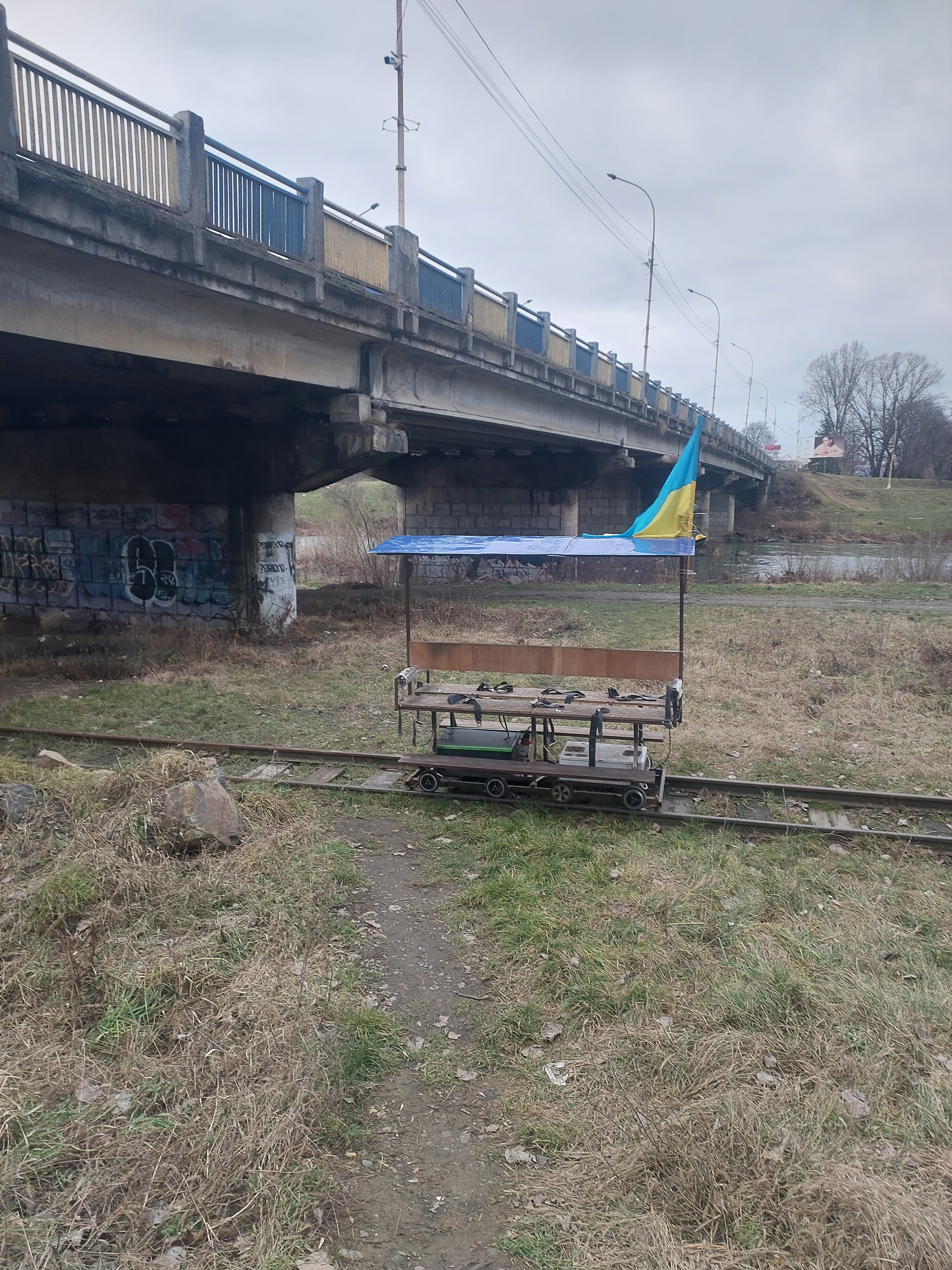
In May 2021, I was invited to a concert held in an abandoned railway tunnel. There I met a man who told me about the abandoned Borzhava narrow-gauge railway. In the following weeks, a friend and I visited it and met with members of the local council. After that, I found an engineer who created the design and soon built a prototype of an electric dresine.
We began testing it, and on June 27, 2021, we made our first ride. It was still far from perfect — we later had to replace the wheels, and at times it felt more like the Wright brothers’ early flying attempts.
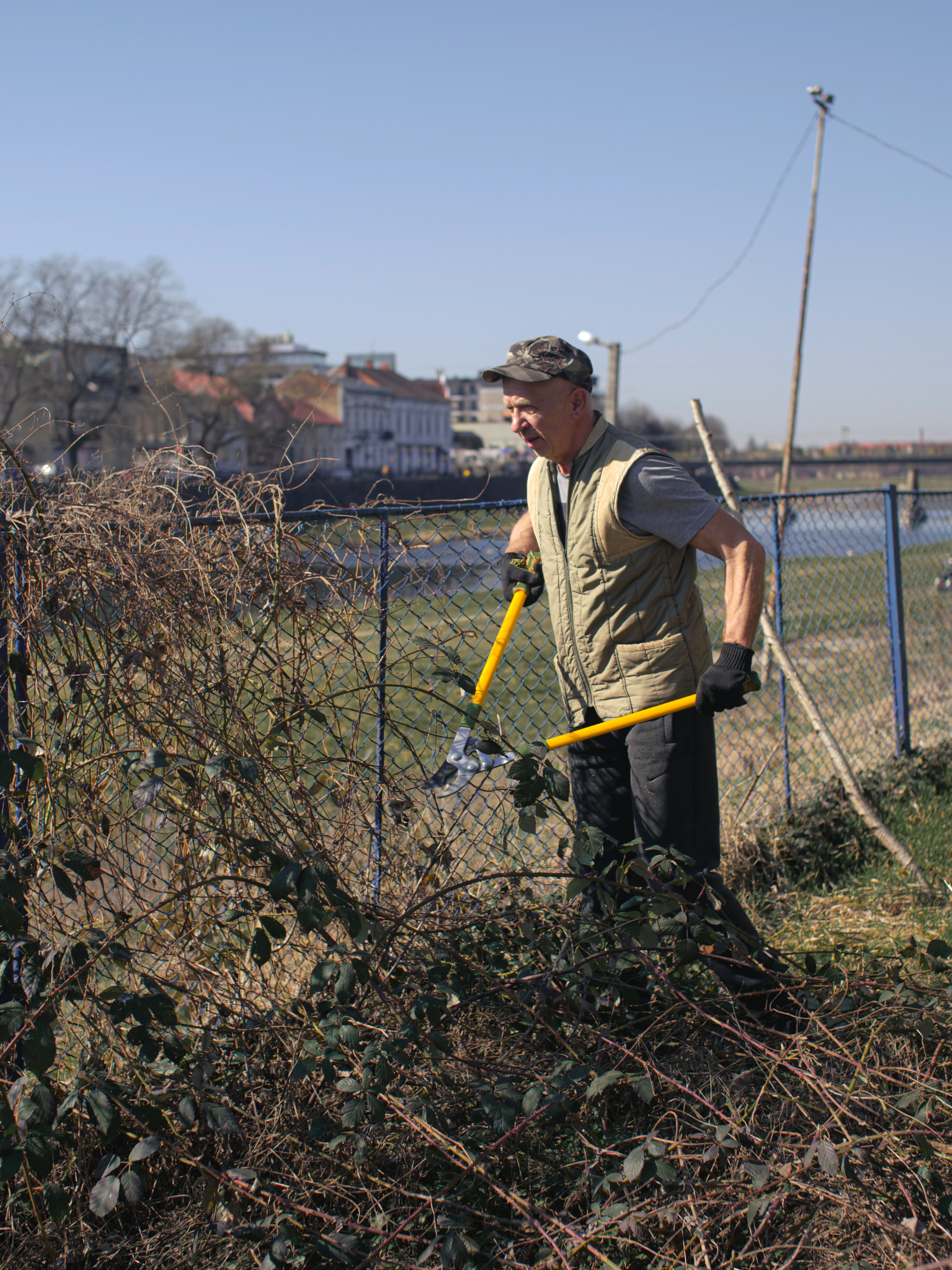
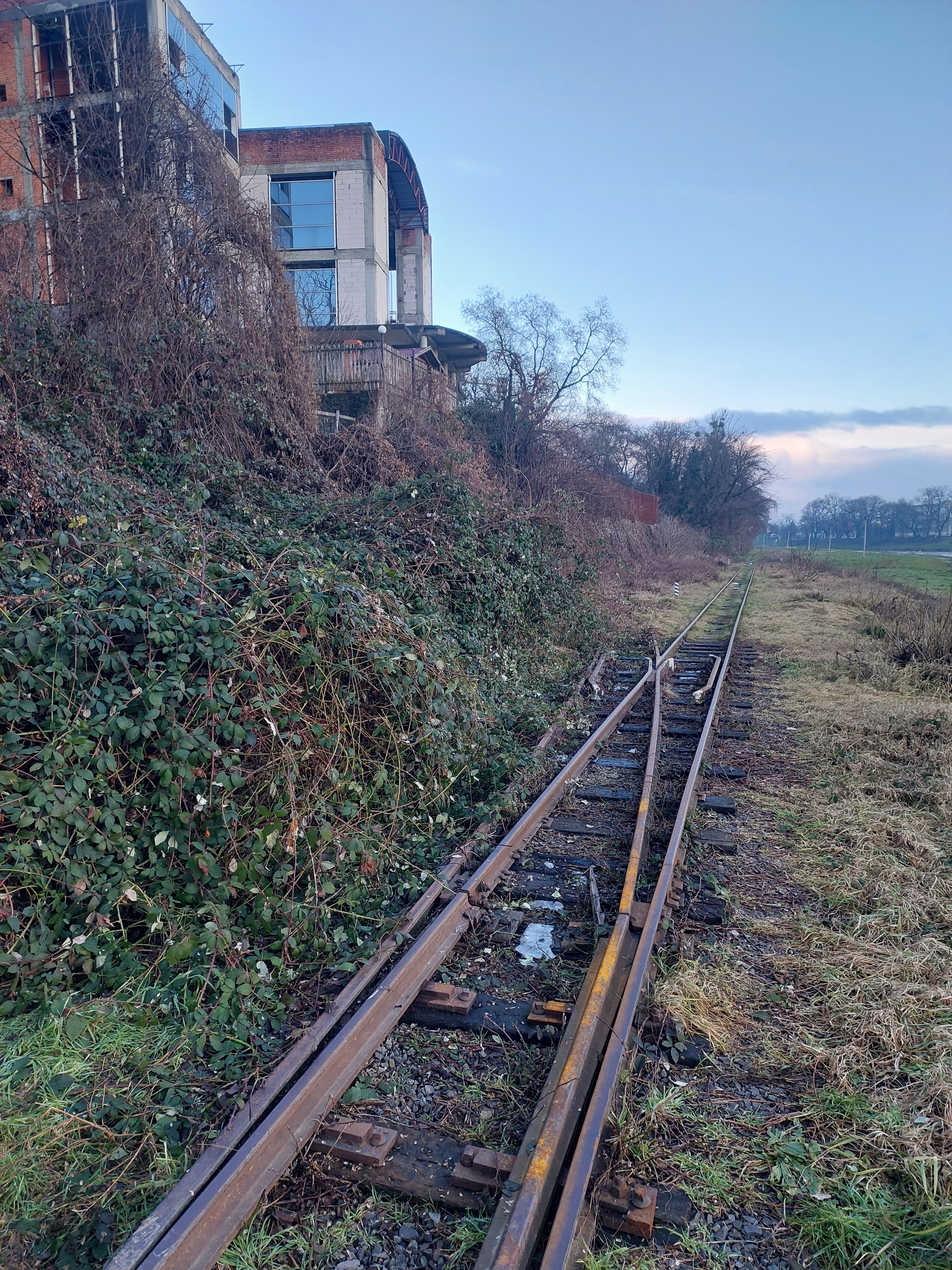
Our next mission was to clear the railway, which had been out of service for seven years. In close cooperation with the local community, I raised more than $3,500. Community leaders helped mobilize four teams of volunteers who cut grass, removed trees, and cleared 15 km of track. By the end of August 2021, I conducted the first tourist ride to a local winery. In total, five tours were organised in 2021. In January 2022, I began exploring ways to make the tours more engaging.
On February 24, 2022, the Russian invasion began. I volunteered as a combat medic, and by March my unit was already on the front line.
In 2024, I continued my military service as a recruiter in Uzhhorod. The city council asked me to renovate the Uzhhorod narrow-gauge railway, which had been transferred from Ukrainian Railways to municipal ownership.
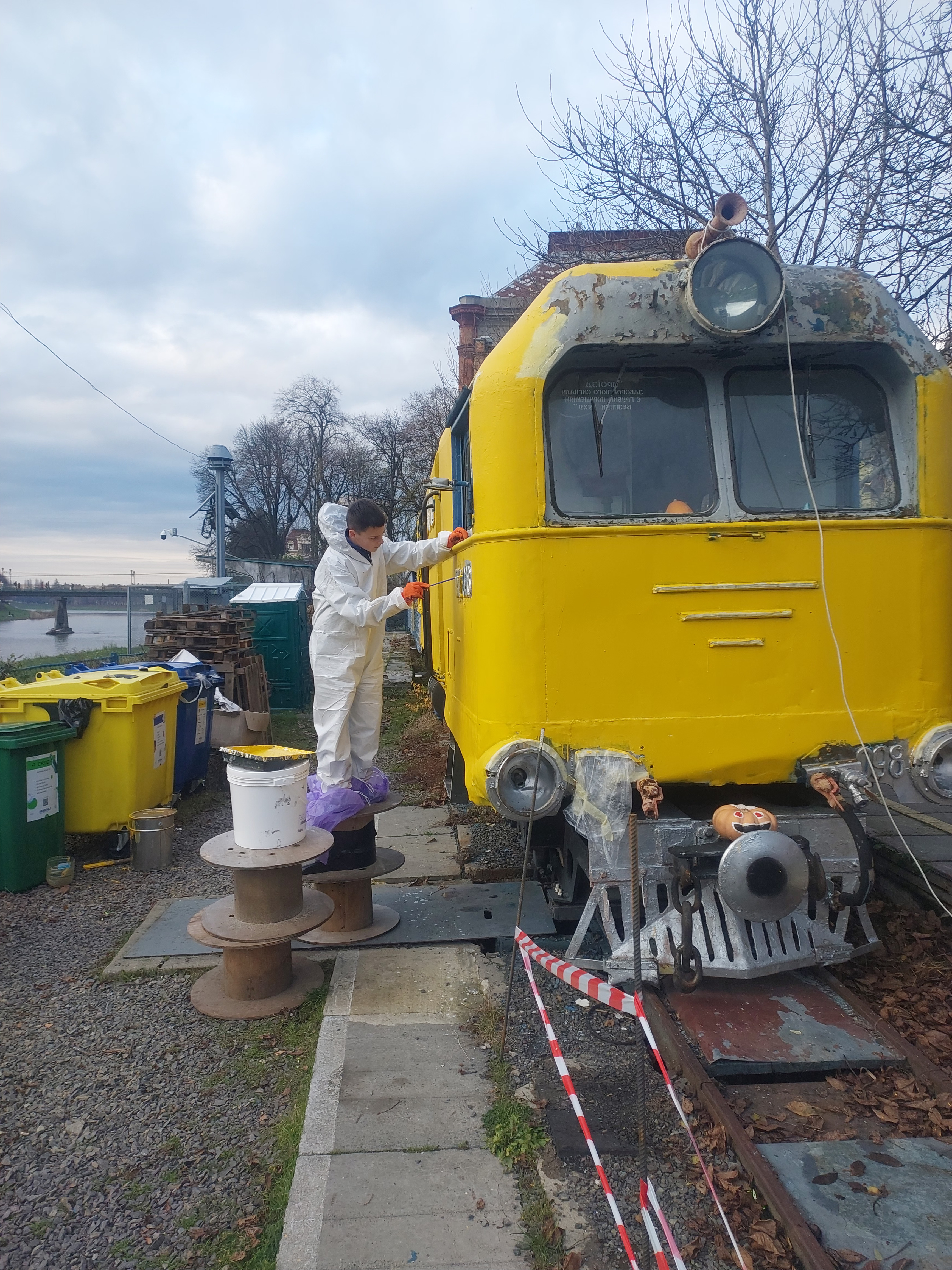
Together with volunteers and my brothers-in-arms, we began restoring order at the long-abandoned station and organizing events. At the end of July 2025, we held a large electronic music concert and modernised the electric dresine.
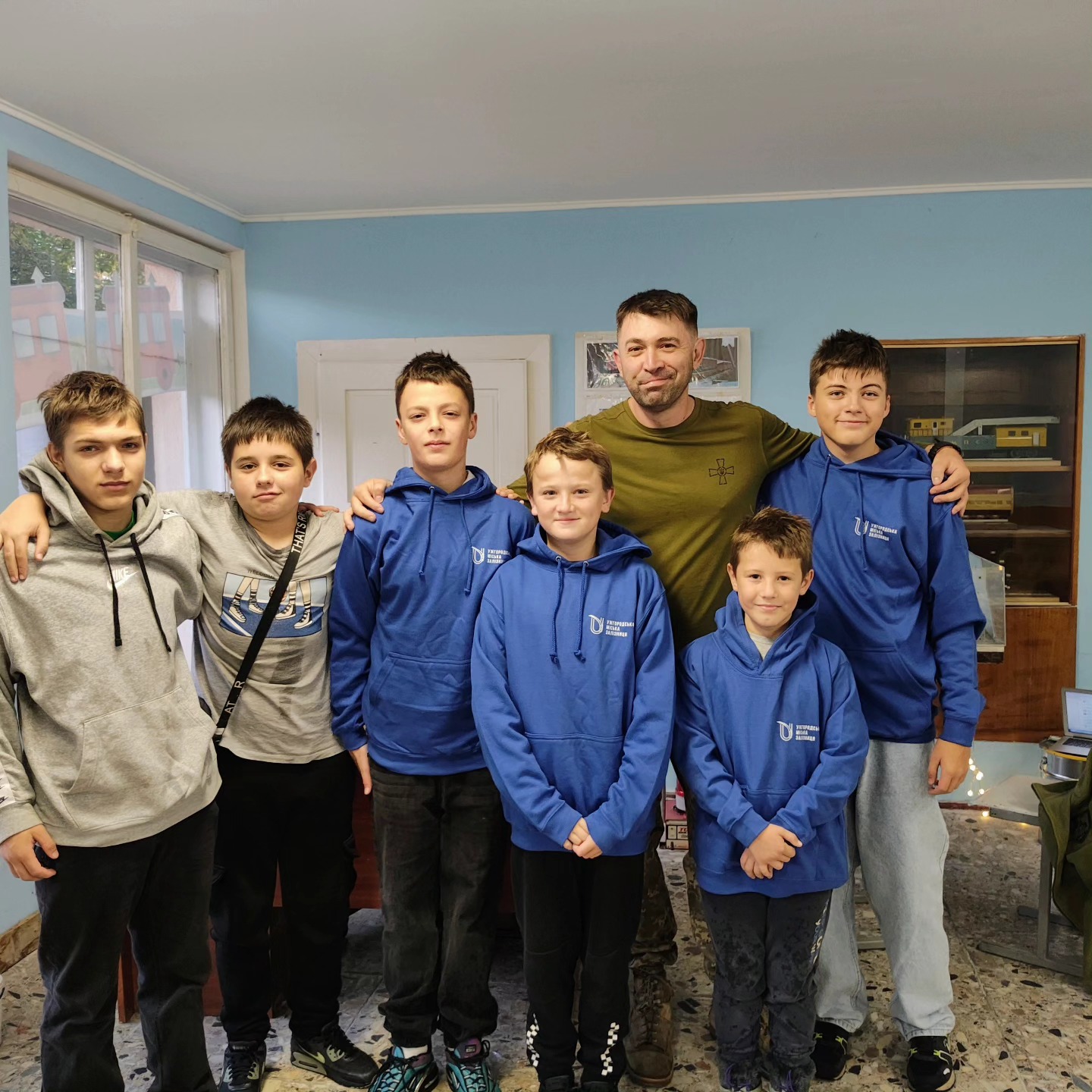
During preparations and test runs, children and their parents began asking if they could join our team. Gradually, we formed a group of 10 trainee drivers, developed a logo, and created uniforms.
Every weekend, in any weather, the dresine is ready to give rides to visitors. In less than half a year, we transported about 13,000 passengers and organised
Youth technical education
Industrial heritage revitalisation
Intergenerational collaboration
Community-led cultural activation
Social inclusion
Our project promotes sustainability by bringing abandoned railway infrastructure back into use instead of building new facilities. We reused existing tracks, station areas, and locally built electric rail vehicles, reducing the need for new materials and minimizing environmental impact. Electric-powered transport also produces less noise and pollution than conventional vehicles.
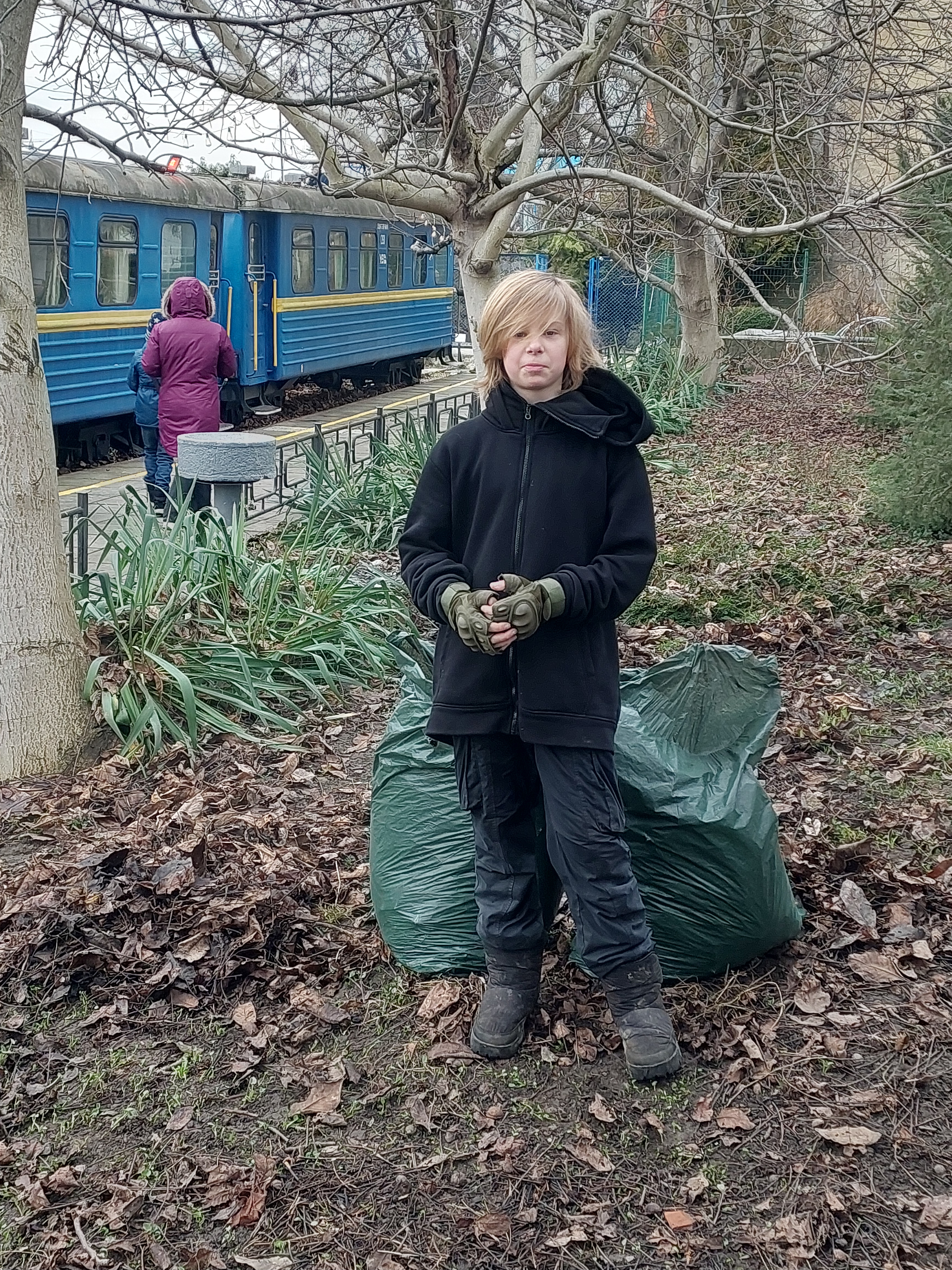
The project has improved the surrounding environment by cleaning and maintaining an area that had been neglected for years. Volunteers removed overgrown vegetation and waste, making the riverside safer and more accessible for residents. By encouraging people to spend time outdoors and use low-impact transport, the project supports environmentally responsible recreation.
Social sustainability is at the core of the initiative. The railway has become a shared space where children, parents, veterans, and volunteers meet and work together. The youth club of trainee drivers gives young people practical technical skills and confidence, while veterans contribute their experience as mentors. During wartime, the project provides a positive, safe place for community interaction and psychological support.
Culturally, the project preserves local industrial heritage by turning a forgotten railway into a living public space with events, educational activities, and creative programmes. Instead of remaining an abandoned site, the railway now connects people with their city’s history.
Economically, the initiative shows that meaningful urban regeneration can be achieved with limited resources through community effort. Transporting about 13,000 passengers in less than half a year demonstrates strong demand and potential for sustainable local tourism and small business development.
Overall, the project is a practical example of how communities can transform neglected infrastructure into a sustainable asset that benefits both people and the environment.
Project makes life more beautiful by turning an abandoned railway into a vibrant cultural space open to everyone. Instead of remaining a forgotten industrial site, the railway now hosts concerts, creative events, holiday celebrations, educational activities that bring people together in an unusual and inspiring environment.
A major milestone was a large electronic music concert held directly on the railway grounds, transforming the space into a unique open-air cultural venue. Seasonal events such as Halloween and Christmas celebrations created a warm, festive atmosphere for children and families, while community activities encouraged people to rediscover the area as a place for joy and creativity.
The aesthetic value comes from the combination of historic railway infrastructure with contemporary culture. Trains, tracks, and industrial elements become a stage for artistic expression, producing a powerful contrast between past and present. This authentic setting offers experiences that cannot be replicated in conventional cultural venues.
The project also supports everyday beauty, not only special events. On regular weekends, visitors can ride the rail vehicles, interact with the team, and experience the place as a living cultural landscape rather than a static monument. Handmade details, uniforms, visual identity, and the presence of young trainee drivers add character and charm, making the railway feel welcoming and distinctive.
By activating the site through culture rather than expensive redevelopment, the project has fostered a strong sense of belonging. People feel that this place is theirs because they participate in creating it — as volunteers, performers, visitors, or families. The railway has become a shared symbol of community resilience and creativity.
In this way, the project demonstrates how cultural activities can transform neglected infrastructure into a beautiful, meaningful public space that enriches everyday life and strengthens long-term emo
Our project promotes inclusion by making the railway welcoming and affordable for people of different ages and backgrounds. Activities are open to everyone, with minimal or symbolic cost, allowing families, children, and visitors to participate regardless of their financial situation.
The railway has become a shared community space where veterans, volunteers, parents, and young people work together. A youth club of trainee drivers aged 8–15 gives children practical technical experience and a sense of responsibility, while veterans act as mentors, creating meaningful intergenerational cooperation.
The initiative is inclusive in terms of participation and decision-making. Many activities are organised collaboratively with volunteers and community members, allowing people to influence how the space develops. This bottom-up approach strengthens local ownership and trust.
Accessibility is supported by regular public events that invite people into a space that was previously closed and abandoned. Families feel safe bringing children, and visitors can easily interact with the team or join as volunteers.
During wartime, the project also provides an important social function by offering a positive environment for communication, recreation, and mutual support.
By transforming neglected infrastructure into a shared, participatory space, the project demonstrates how community-led initiatives can create inclusive environments where everyone feels welcome and valued.
Our project is fundamentally community-driven and participatory. From the very beginning, citizens, volunteers, and local organisations were directly involved in restoring and activating the railway. The initiative started with grassroots efforts to clean the abandoned site, mobilising local residents who removed vegetation and waste and helped prepare the area for use.
Community members continue to play an active role in the project’s operation. Volunteers assist with maintenance, event organisation, visitor support, and safety. Local creative groups contribute by organising concerts and cultural activities, transforming the railway into a shared platform for expression and collaboration.
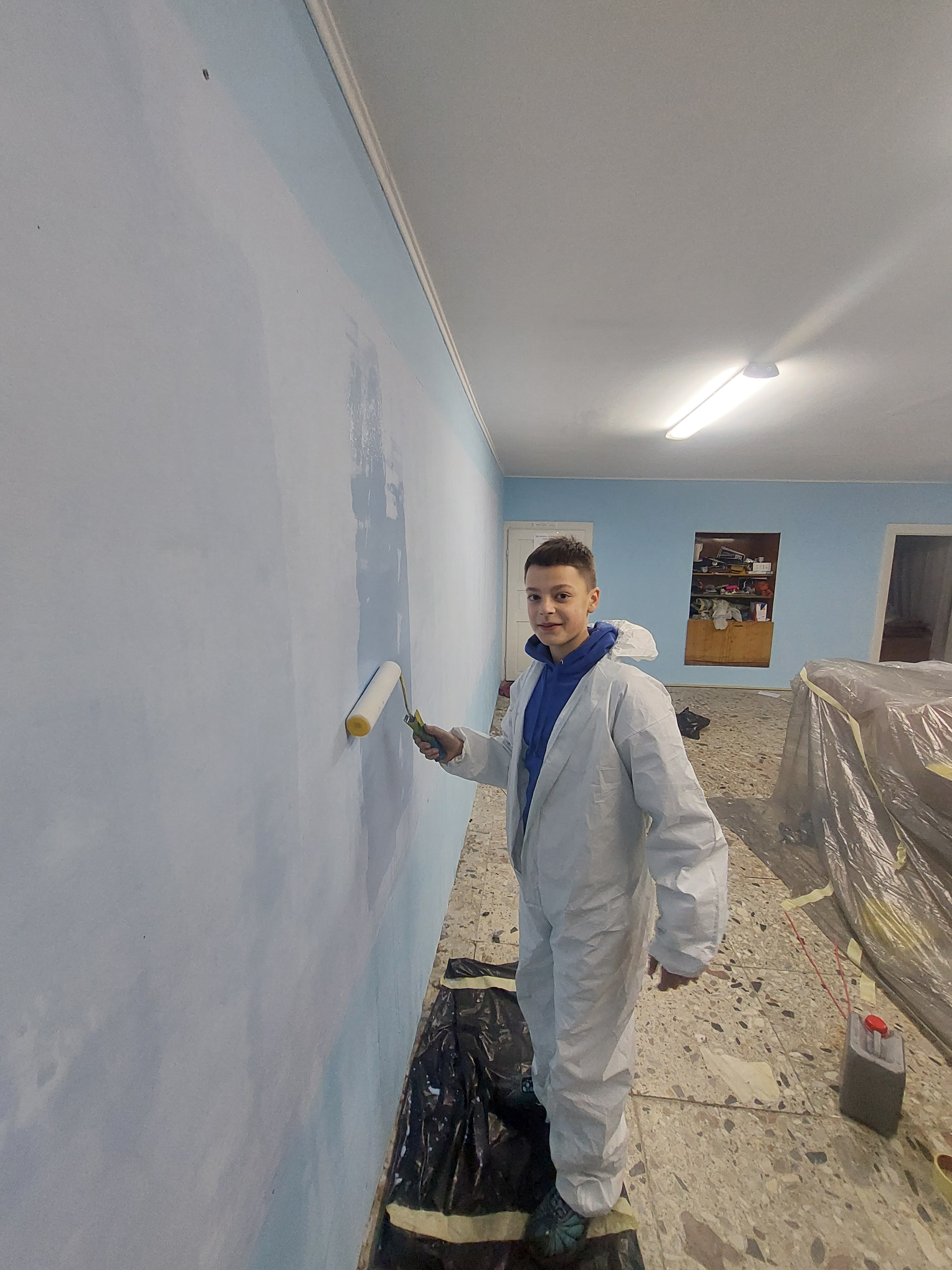
Families and children are not only beneficiaries but also participants. The youth club of trainee drivers was formed after children and their parents repeatedly asked to join the activities. Today, young participants help operate the railway under supervision, learn technical skills, and contribute to the project’s identity through uniforms, symbols, and teamwork.
Veterans are also deeply involved, serving as mentors, organisers, and technical contributors. Their participation strengthens intergenerational exchange and provides meaningful civic engagement after frontline service.
Decision-making is informal and collaborative. Feedback from visitors, volunteers, and community members directly shapes activities, schedules, and future plans. This open structure allows the project to evolve according to real needs rather than predefined plans.
The impact of this participatory approach is a strong sense of ownership and pride. The railway is perceived not as an external project but as a community asset created by and for local people. Participation has strengthened social ties, encouraged volunteering, and demonstrated how citizens can successfully transform neglected infrastructure into a vibrant public space.
Our project engages stakeholders across multiple levels to ensure both local relevance and broader applicability.
At the local level, Uzhhorod City Council provided access to the narrow-gauge railway and supports events and infrastructure upgrades. Volunteers, families, and youth participants actively contribute, shaping activities and daily operations, which fosters strong community ownership.
At the regional level, collaboration with Lutsk City Council, which also manages a narrow-gauge railway, allows us to exchange knowledge and best practices. This regional connection lays the groundwork for replicating the model on other abandoned railways, demonstrating a scalable approach.
At the national level, we liaise with Ukrainian Railways to align heritage and operational standards and explore opportunities for heritage rail integration elsewhere. These interactions ensure the project contributes to a coherent national framework for small railway preservation.
At the European level, Claus Nielsen, Chairman of the Board of the Danish Industrial Railways Society and Hedeland Vintage Railway, provides methodological guidance, invites us to European railway gatherings, and advises on technical and heritage aspects. His engagement brings European best practices, international visibility, and cross-border knowledge transfer, enriching the project’s quality and long-term sustainability.
By combining local participation with regional, national, and European expertise, the project demonstrates a governance model that is inclusive, collaborative, and scalable, supporting heritage preservation, social cohesion, and community regeneration.
Our project is a hands-on, transdisciplinary initiative, merging engineering, design, arts, and social engagement. The railway restoration was led by my fellow veteran, an expert in mechanics and welding, alongside a talented 19-year-old electrician, whose dedication inspires children and volunteers alike. Together, they ensure the locomotive runs safely and efficiently while teaching practical skills to our young machinists.
The project’s identity and design were co-created with a local veteran, who helped develop the logo, uniforms, and visual identity, giving the railway a recognizable, community-rooted character. We applied sustainable approaches, creatively using materials from a local recycling station for both the locomotive and station infrastructure.
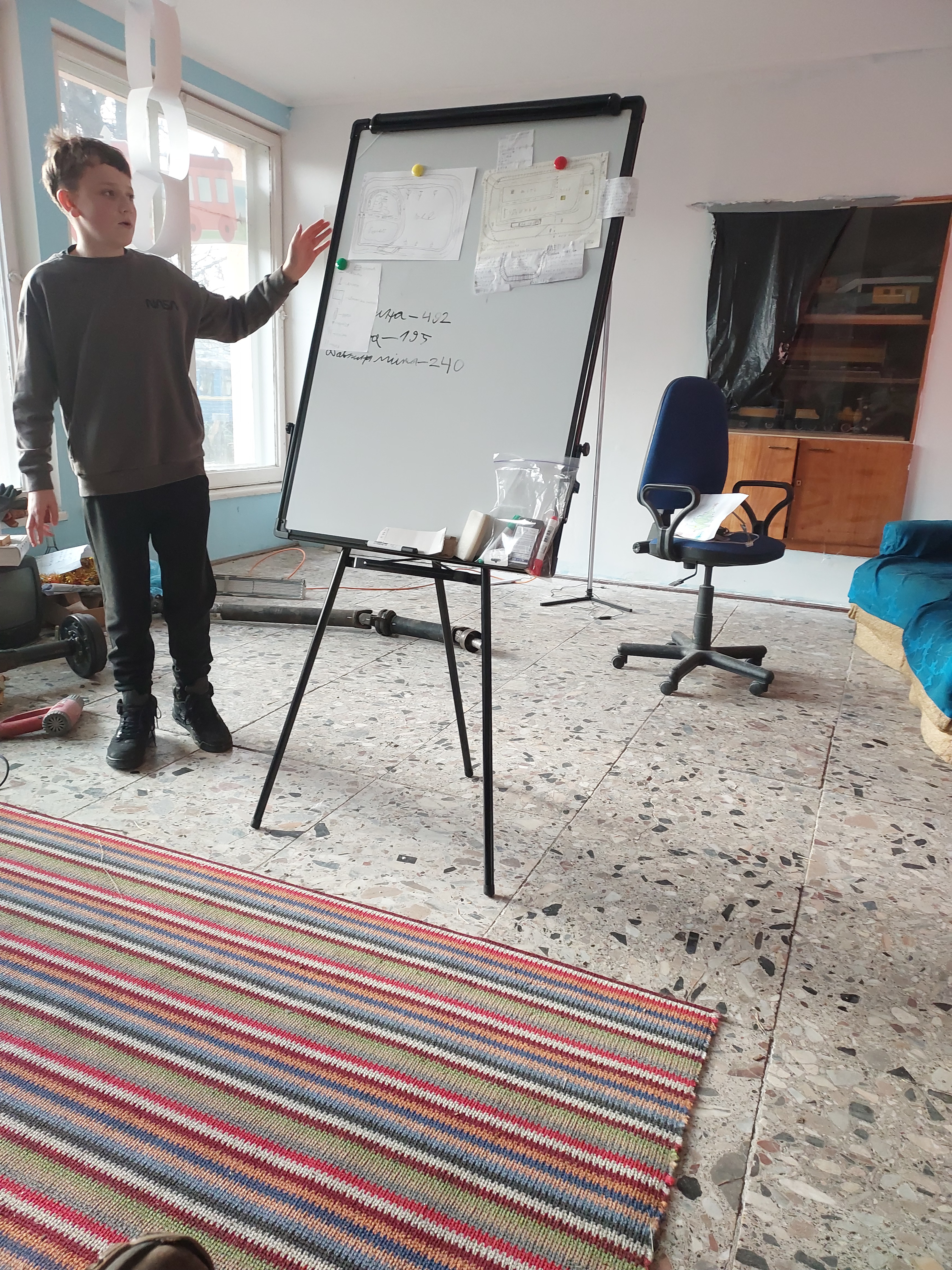
Children aged 8–15 participate in the machinists’ club, learning technical skills, teamwork, and responsibility in a real-world setting. Cultural and creative events—from electronic music concerts to thematic workshops—transform the railway into a vibrant social hub, where arts, heritage, and learning meet.
Volunteers support every aspect, from maintenance to event facilitation, creating an intergenerational and inclusive environment. By combining technical expertise, artistic creativity, youth education, and sustainable practices, our project demonstrates a holistic transdisciplinary model. It restores tangible and intangible heritage, empowers youth, fosters social cohesion, and strengthens community identity, showing how multiple disciplines can work together to create meaningful, lasting impact.
Our project operates every Saturday and Sunday from 12:00 to 19:00. Each turn requires two machinists, and we run approximately 30 rides per day, each lasting 13 minutes, carrying 4–5 passengers. Revenue from each ride averages 5–6 euros, which totals roughly 150–180 euros per day, with higher earnings during holidays and peak season.
Costs are modest: locomotive maintenance is about 80 euros per month, food and water for team members 50 euros, and a small stipend of 150 euros supports young machinists. The city provides the territory for free and covers utility bills. Additional funding comes from voluntary donations.
This combination of ticket sales, community support, and in-kind contributions ensures financial sustainability. The model is reinforced by active participation from volunteers and youth members, who maintain the equipment, run events, and enhance visitor experience, reducing staffing costs while creating social value.
Future plans include building a larger locomotive, expanding educational and cultural programs, and hosting new creative events. These steps will attract more visitors, diversify income streams, and further strengthen the railway as a sustainable community hub—preserving cultural heritage, engaging youth, and generating reliable financial resources for long-term operation.
The project demonstrates strong potential for replication in other locations and contexts, especially within abandoned or underused narrow-gauge railways, industrial heritage sites, and community cultural spaces. Key elements that can be transferred include:
Community-driven railway operations – the model of training young machinists (ages 8–15) and engaging local volunteers provides a replicable framework for combining education, skills development, and heritage preservation.
Cultural programming and events – organizing creative events (music concerts, inventor workshops, seasonal celebrations) alongside heritage operations demonstrates how cultural activities can attract audiences, strengthen social cohesion, and generate sustainable revenue.
Prototype and local engineering approach – the design, construction, and operation of an electric dresine by local engineers illustrates a low-cost, locally adaptable technical solution that other communities can reproduce using available resources.
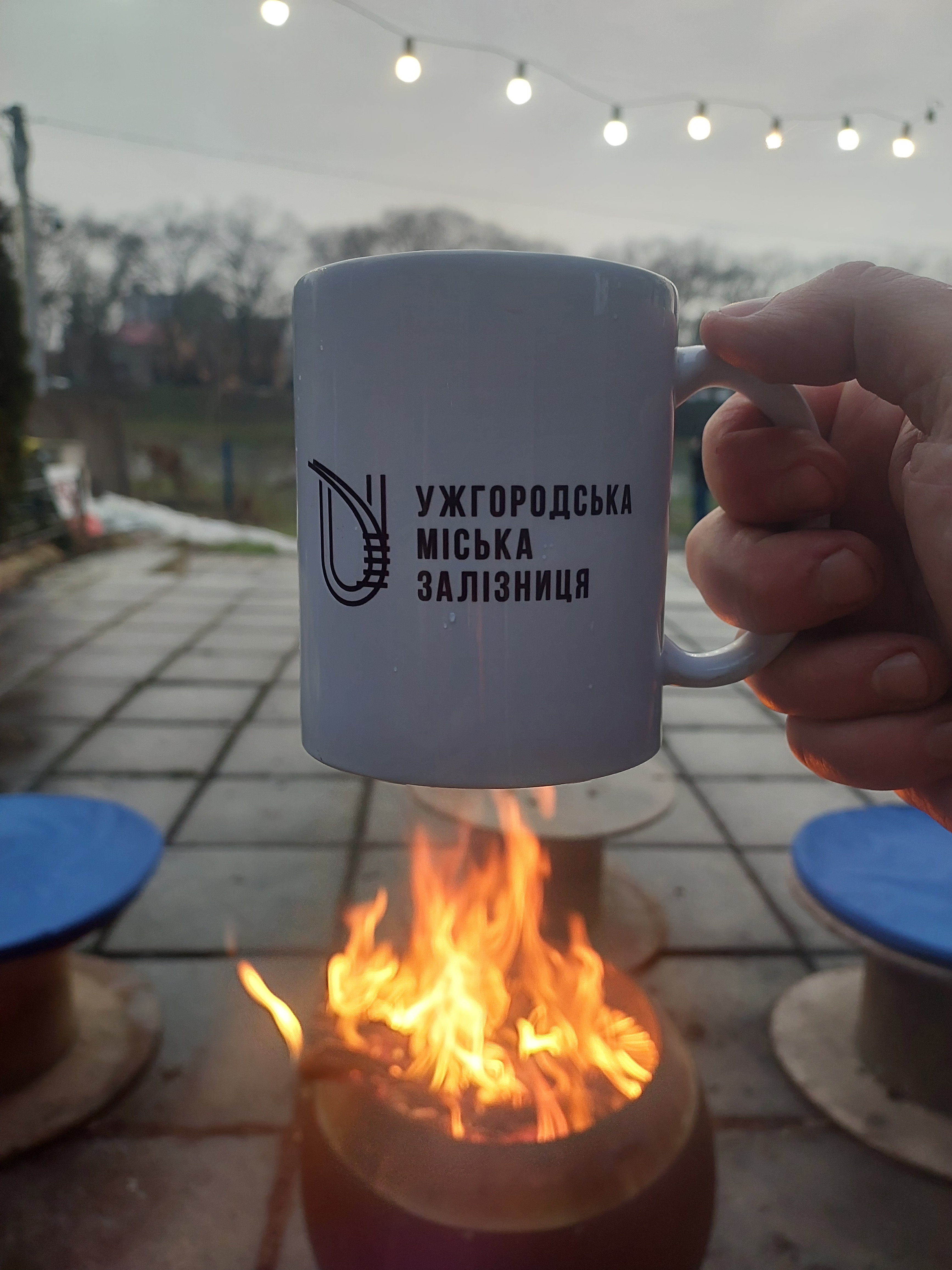
Identity, branding, and communication – the development of project identity, logo, and uniforms shows how storytelling and branding enhance engagement, recognition, and community pride, which is applicable in other cultural heritage contexts.
Operational methodology – the scheduling, safety procedures, and team structure offer a blueprint for managing small-scale heritage transport or educational initiatives efficiently.
Partnership and governance model – cooperation with local authorities, volunteers, and European heritage experts (e.g.,HVintage Railway, Denmark) demonstrates a transnational advisory approach that can be applied to other projects seeking guidance and credibility.
Overall, the project combines technical, cultural, and social approaches that are low-cost, adaptable, and inclusive. This makes it highly scalable to other abandoned railways in Ukraine and beyond, as well as transferable to industrial heritage sites, community cultural spaces, and youth-focuse