Enhancing Circularity, Sustainability, and Innovation
Reshaping a Liveable City
Reshaping a Liveable City: Improving Accessibility, pedestrian safety and Urban Space
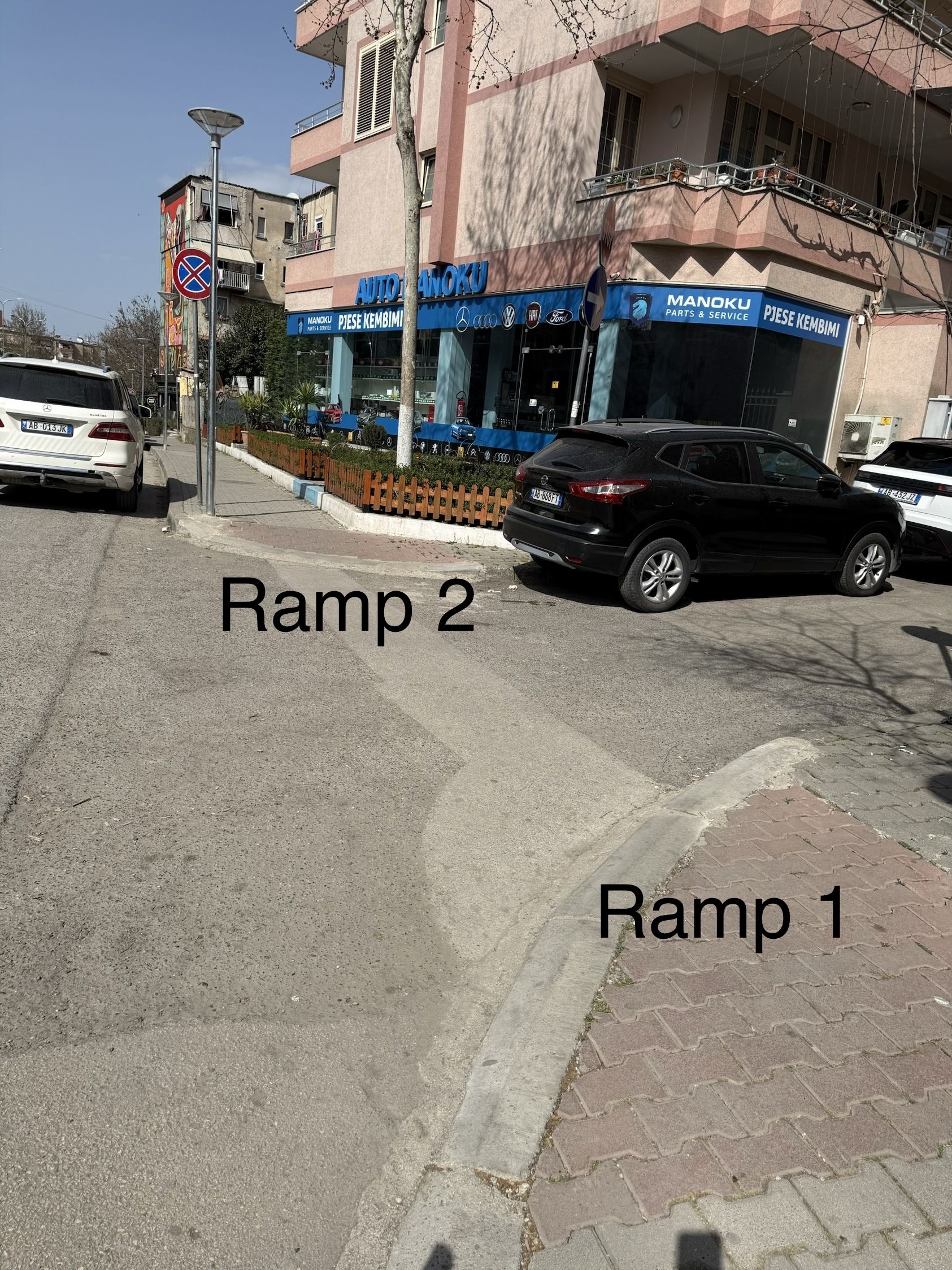
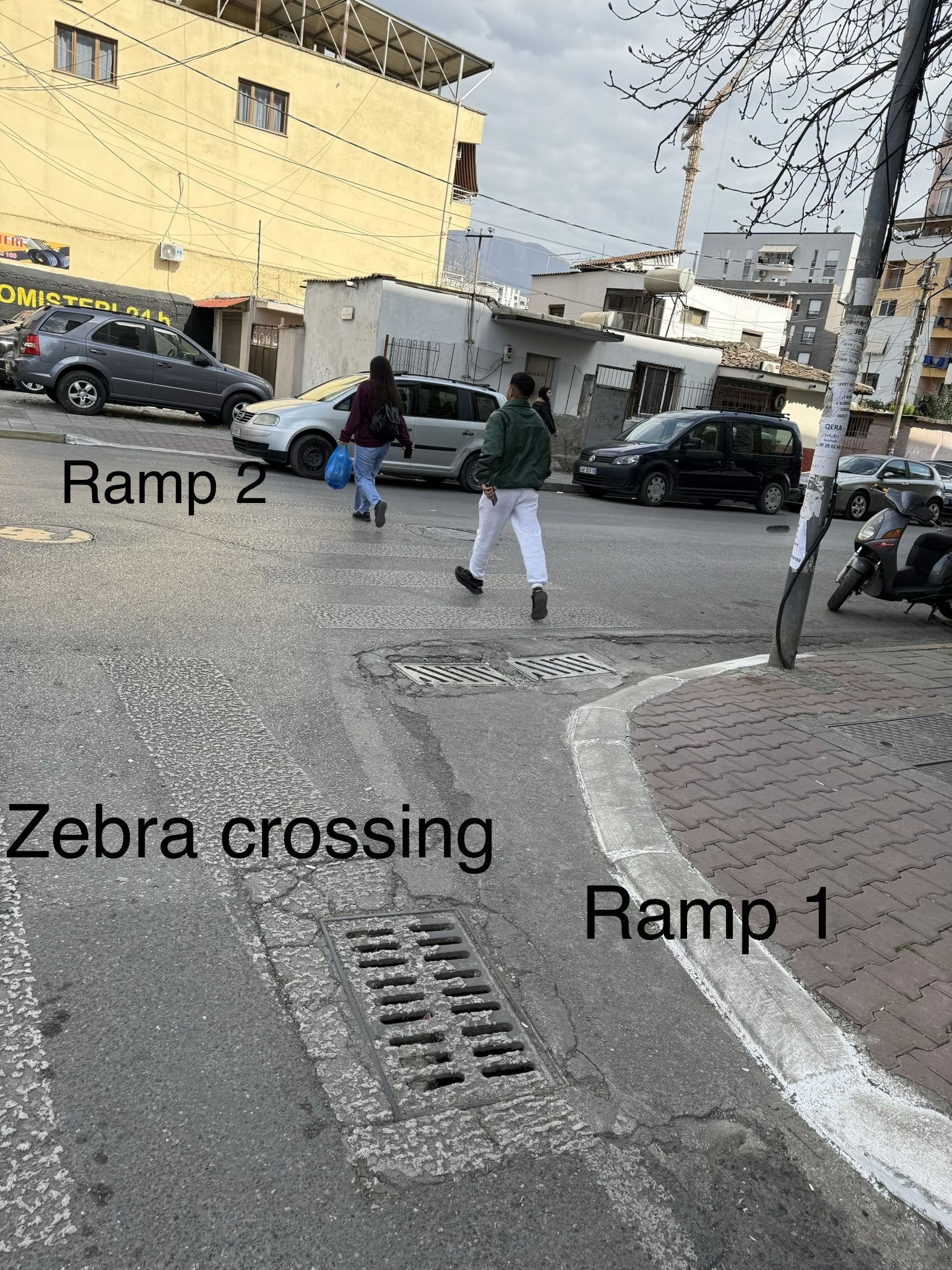
Reshaping a Livable City improves everyday life through simple, impactful changes. New ramps make movement easier for everyone, from parents with strollers to people with disabilities. Fresh white pedestrian lines create safer crossings and clearer streets. A citywide cleaning initiative restores public spaces, making them more welcoming, healthy, and enjoyable for all.
Albania
Local
Tirana city, Albania
Mainly urban
It involves a physical transformation of the built environment (hard investment)
Yes
2026-03-18
No
No
Yes
Individual
This project is a major initiative to make urban spaces safer, more accessible, and more welcoming for everyone. The project focuses on simple but important changes that improve the daily experience of residents and visitors. So far, several key improvements have already been completed.
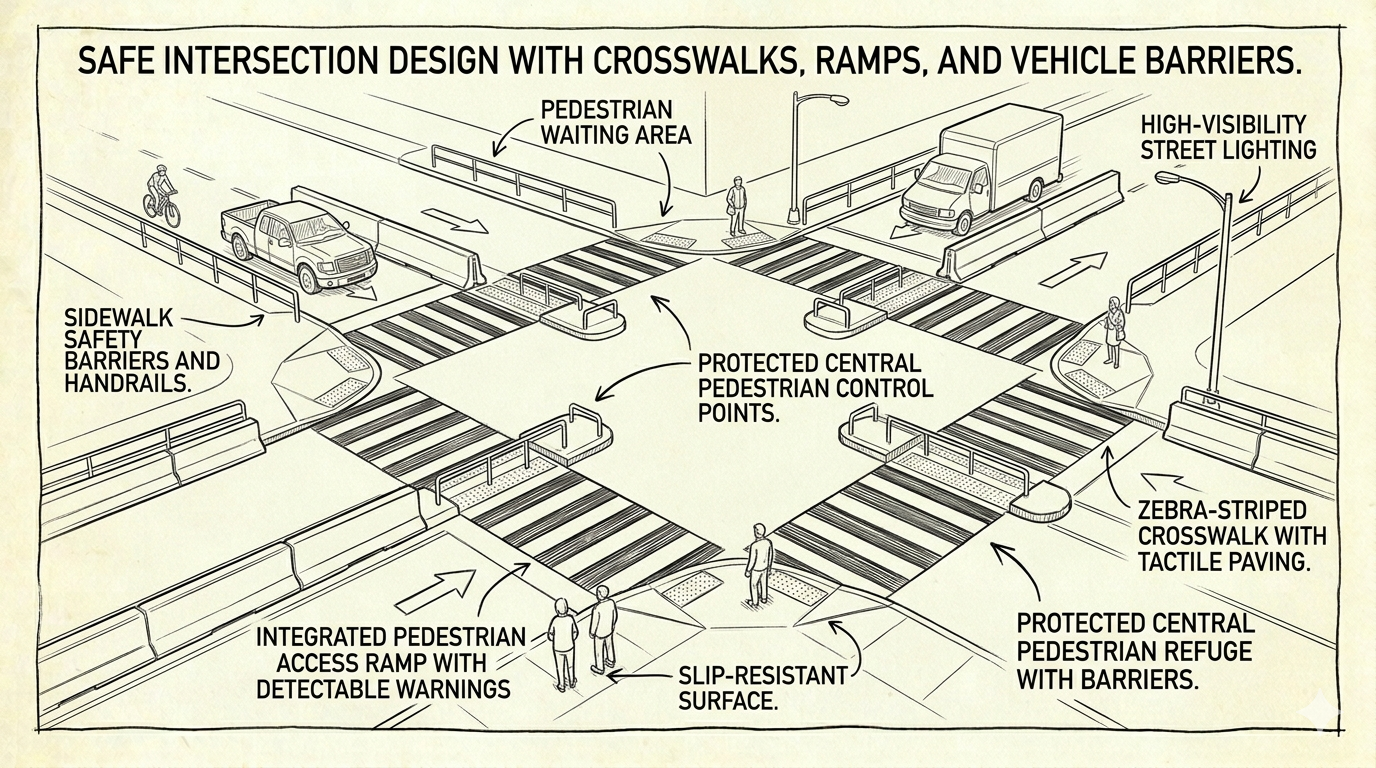
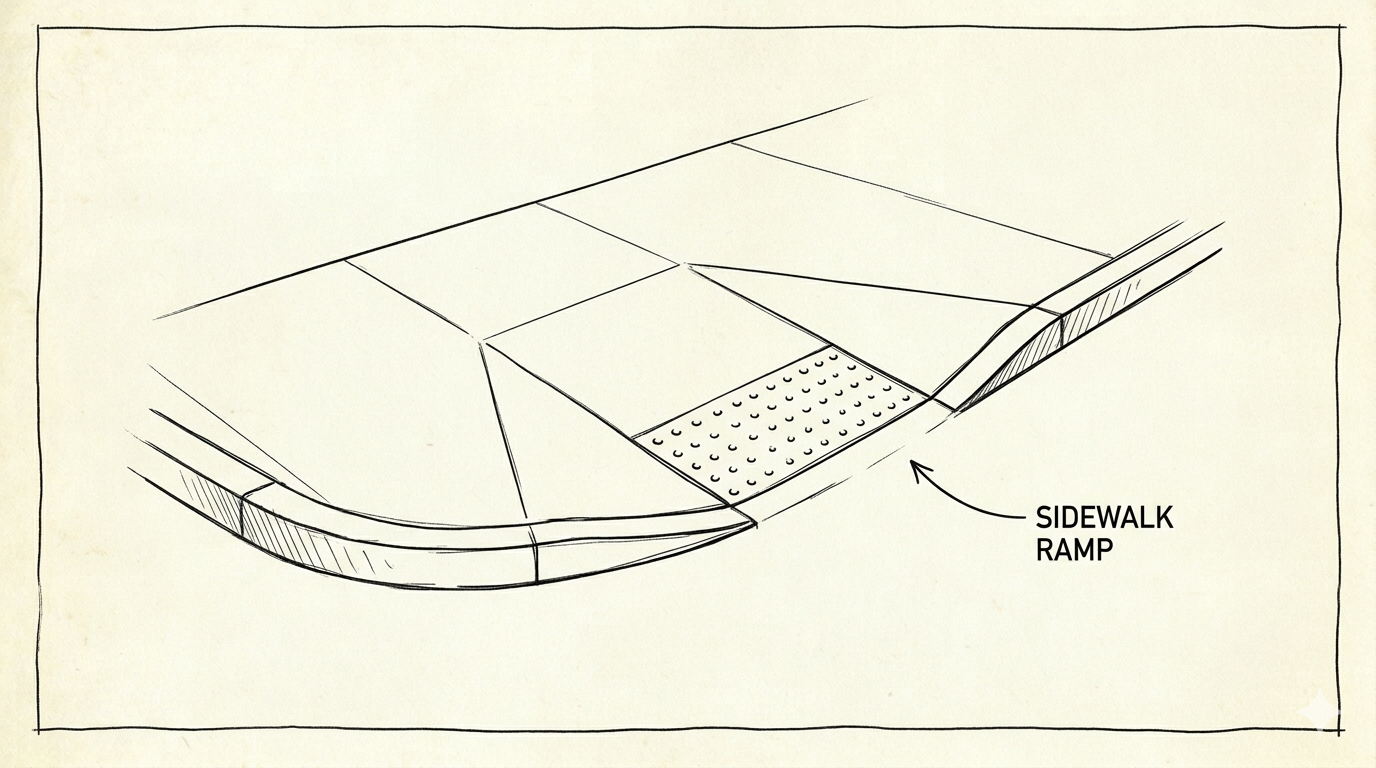
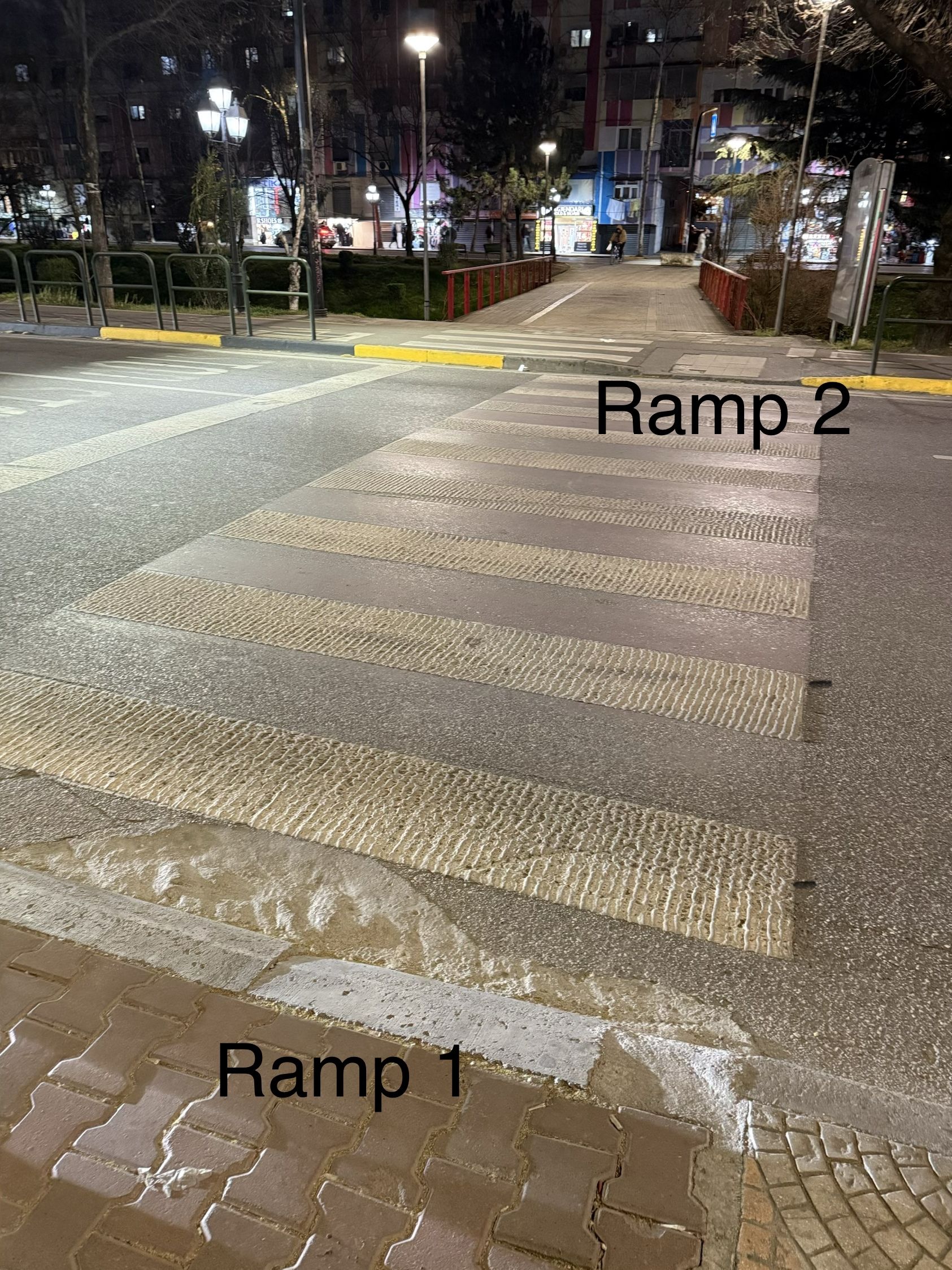
One of the main achievements is the construction of new ramps in essential areas. These ramps help people with disabilities, parents with strollers, and elderly residents move more easily and safely through the city. They remove barriers and make streets and public spaces more open and inclusive, allowing everyone to access shops, public buildings, and sidewalks without difficulty.
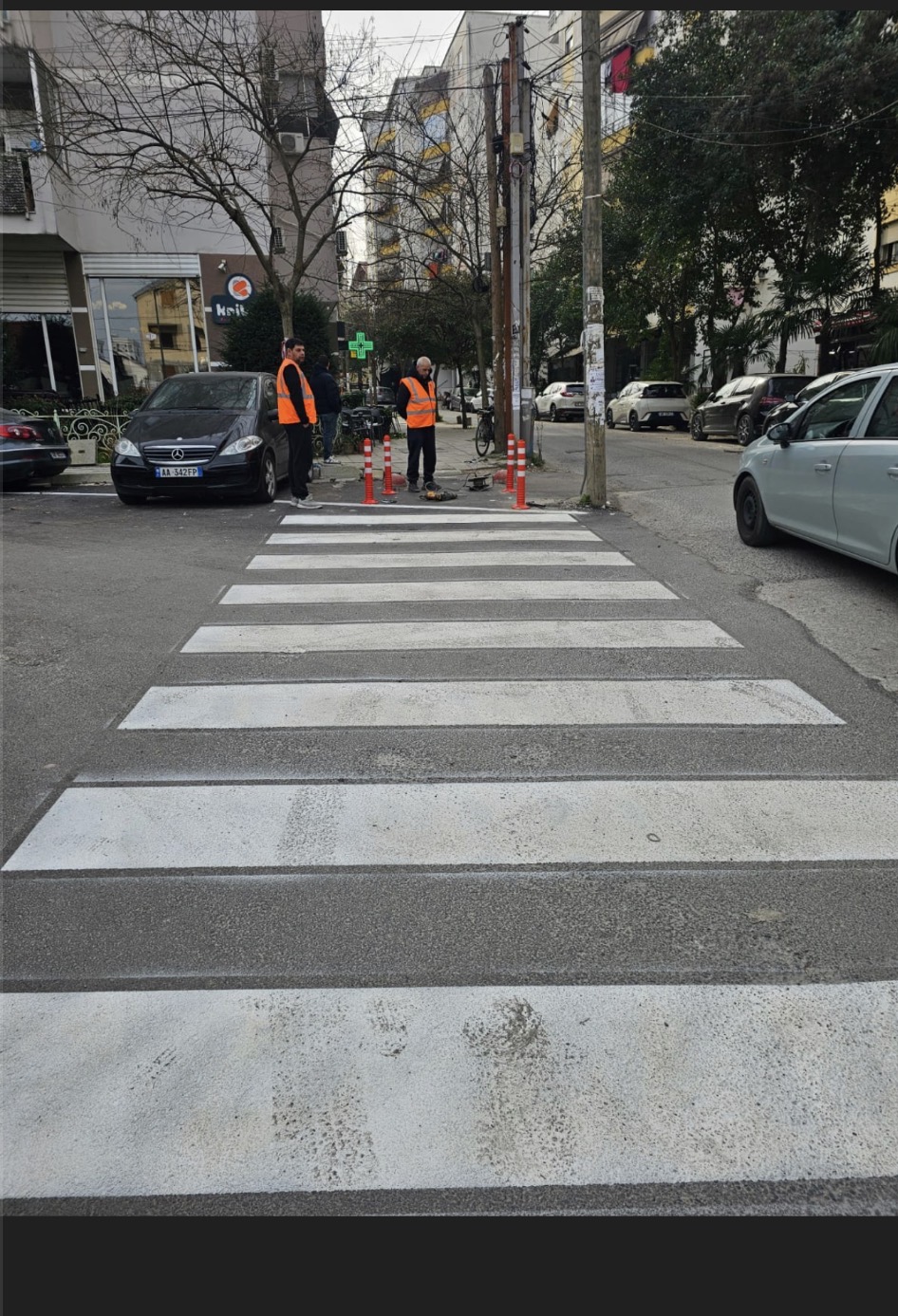
Another important improvement is the addition of fresh white pedestrian lines on crossings and along busy streets. These lines clearly show where people should walk, making streets safer for pedestrians and reducing the risk of accidents. They also make the city feel more organized and easier to navigate for both walkers and drivers.
The project also includes a citywide cleaning initiative. Streets, sidewalks, and public areas have been cleared of litter and debris, which improves the appearance of the city, makes it healthier, and creates a more welcoming environment. Clean streets encourage people to spend more time outside and take pride in their surroundings.
In addition, the project has opened up new public spaces by reorganizing streets and removing obstacles. These areas now allow pedestrians to move freely and safely, creating a sense of openness and improving the overall urban experience.
Long-term impacts of the project are significant. By prioritizing accessibility and pedestrian safety, the city becomes more inclusive and easier to navigate for everyone. Cleaner streets and clear open spaces encourage outdoor activity, social interaction, and community engagement. The project also sets a foundation for future urban improvements, ensuring that new developments cont
This project began after I noticed several problems in the city’s streets and public areas. I felt it like an inside call. Many areas were difficult to access, crossings were unsafe, and public spaces were often dirty or blocked by obstacles. I realized that these issues affected the most vulnerable members of society, including people with disabilities, elderly residents, and parents with young children, who often struggled to move safely and comfortably through the city. I decided to take action to improve accessibility and safety for them.
To address these problems, I reported the issues online to the municipality through official platforms, clearly describing the need for ramps, white pedestrian lines, and cleaner, better-organized public spaces. I followed up consistently, ensuring that the problems remained visible and could not be ignored. This approach relied entirely on online communication and persistent reporting, without in-person meetings, demonstrating that determination and consistent advocacy can make a real difference.
On the ground, the project focused on practical and visible improvements. New ramps were built in key areas to make streets accessible to those with mobility challenges, including people using wheelchairs, parents with strollers, and elderly residents. Fresh white pedestrian lines were painted on crossings and along busy streets to improve safety for pedestrians and create clear, organized walking paths. Streets were also reorganised to create open and accessible spaces, where people could move freely and safely.
The project demonstrates that personal initiative and persistence can lead to meaningful urban change. By noticing problems, reporting them online, and insisting on solutions, I helped make the city safer, cleaner, and more inclusive pedestrian areas. I am the citizen who has submitted the highest number of reports, which has resulted in the most changes implemented in the history of the city initiated by a citizen.
Urban Accessibility
Urban safety
Vulnerable support
Civic engagement
Community engagement
My project addresses real problems in the city in a very practical and effective way. I personally noticed many streets and public areas that were difficult to access, unsafe, or poorly maintained, especially for the most vulnerable people in our community—those with disabilities, elderly residents, and parents with young children. These groups often face daily challenges in moving around the city safely and comfortably, so the project focused on making streets and public spaces more accessible for them.
To achieve this, I reported the issues consistently to the municipality through online platforms, ensuring the problems were visible and could not be ignored. This persistent approach led to concrete changes, including the construction of new ramps in key areas, the addition of fresh white pedestrian lines at crossings, and the cleaning and organization of public streets. These actions improved pedestrian safety, made movement easier for people with mobility challenges, and created open, accessible spaces where everyone can move freely.
The project also addresses environmental challenges. By keeping streets clean and removing obstacles, public areas became healthier and more pleasant, and walking became a more attractive alternative to driving, reducing traffic and pollution. Culturally, the project enhances daily urban life by creating spaces where people feel safe and welcome, encouraging community interaction and making the city feel more connected and vibrant. Economically, the improvements help residents reach services more easily, support local businesses, and encourage daily urban activity. Safer and more accessible streets also make the city more attractive to visitors, increasing foot traffic and boosting local commerce.
This project is exemplary in terms of sustainability because it uses simple, low-cost, and long-lasting solutions. Ramps, pedestrian lines, and cleaned spaces are practical improvements that provide long-term benefits.
This project makes the city a more pleasant and welcoming place by improving the look, organization, and accessibility of streets and public spaces. I personally noticed areas that were messy, blocked, or difficult to move through, which made everyday life frustrating and the city feel neglected. By reporting these issues online and following up persistently, I helped bring visible, practical changes that people can notice and enjoy every day.
One of the main improvements is the cleaning and maintenance of streets and public spaces. Removing litter and obstacles not only makes areas healthier but also makes them look cared for and inviting. The fresh white pedestrian lines at crossings add clarity and structure, making streets feel safer and more orderly. Installing ramps and opening previously blocked spaces also improves the overall look and flow of the city, creating paths that are both functional and visually pleasant.
In daily life, these changes make walking, commuting, or just spending time outdoors more enjoyable. Streets feel open and organized, and people notice that the city is looked after. Over the long term, these improvements encourage residents to value their neighborhoods and take pride in them, helping to maintain a cleaner, safer, and more welcoming environment for everyone.
The project also builds a stronger sense of belonging. Accessible and cared-for streets allow everyone, especially vulnerable groups, to feel included and respected. Open and safe spaces invite people to connect, interact, and enjoy the city together, strengthening community ties.
This project is aesthetic and exemplary because it shows that simple, practical actions—clean streets, clear pedestrian lines, ramps, and open spaces—can transform the look and feel of a city. It demonstrates how small, thoughtful changes can make urban life more beautiful, functional, and inclusive for everyone.
This project directly addresses accessibility and inclusion by focusing on practical changes that make the city easier to use for everyone. I personally noticed streets and public spaces that were difficult or impossible to navigate for the most vulnerable members of society, including people with disabilities, elderly residents, and parents with small children. By reporting these issues online and following up persistently, I helped ensure that concrete improvements were implemented, making everyday movement safer, easier, and more accessible.
Key accessibility measures include the installation of new ramps and the addition of white pedestrian lines at crossings. These changes remove barriers that prevent people from moving freely and safely, allowing everyone to access shops, services, and public spaces without difficulty. The project also focused on affordability by using low-cost, practical interventions that provide maximum benefit without requiring expensive or large-scale investments, making improvements realistic and replicable across the city.
The project promotes inclusive governance and design-for-all principles by showing how citizen initiative can influence decision-making. By consistently reporting problems online and insisting on change, I engaged directly with municipal authorities and demonstrated a model of participatory urban improvement. This approach ensures that the voices of vulnerable residents are heard, their needs are considered, and solutions are designed with everyone in mind.
In addition, the project encourages a new societal model where individuals actively participate in shaping the city. Residents can see that reporting issues and following up can lead to real, tangible improvements, inspiring broader engagement and creating a culture of shared responsibility for public spaces.
This project is exemplary in terms of inclusion because it combines real practices, citizen engagement, and a focus on the vulnerable groups.
This project was driven completely by my own initiative, but it benefits many citizens and community members who use the streets and public spaces every day. I noticed that vulnerable groups-people with disabilities, elderly residents, and parents with young children—often faced difficulties moving safely and comfortably through the city. By reporting these problems online and following up persistently, I helped bring concrete changes that directly improve their daily lives, such as ramps, clear pedestrian crossings, and cleaner, more organized streets.
Even though there were no formal meetings or workshops, the project has had a broader community impact. People who use the improved streets see the results of consistent effort, which raises awareness about accessibility, safety, and the importance of well-maintained public spaces. The changes also encourage residents to take pride in their neighborhoods and to care for the spaces they share, creating a stronger sense of belonging.
Civil society organizations also benefit indirectly, as the project provides a clear example of how citizen action can create meaningful urban improvements. Advocacy groups for accessibility and inclusive design can use this project to show how persistent reporting and practical interventions lead to real, visible results. This opens opportunities for collaboration and strengthens networks that work toward safer, more inclusive cities.
The involvement of citizens, whether directly or indirectly, has been crucial. By centering on the needs of the most vulnerable, the project created practical, visible, and lasting improvements. It shows that even small, consistent efforts can make a city safer, more accessible, and more inclusive, and that citizens can play a real role in shaping the quality of urban life. People can see, experience, and benefit from these changes every day, which inspires ongoing care, participation, and responsibility in the community.
This project primarily involved stakeholders at the local level, with direct engagement through online reporting to the municipal authorities. I personally identified key problems in streets, crossings, and public spaces, and reported them consistently to ensure action was taken. The municipality played a central role in implementing the improvements, including constructing ramps, painting pedestrian lines, cleaning streets, and reorganizing public spaces. Their involvement was essential, as they had the authority, resources, and capacity to turn the reported issues into concrete changes that benefitted residents, particularly the most vulnerable members of society.
At the regional level, local advocacy and documentation of the project provided a model for urban accessibility initiatives and contributed to broader discussions about inclusive city planning. While regional authorities were not directly implementing changes, their awareness and acknowledgment of the project added legitimacy, visibility, and potential support for future initiatives that could follow similar approaches.
National-level stakeholders were informed through the public nature of reporting and project outcomes, highlighting how citizen-driven initiatives can influence urban policy. This created opportunities for dialogue with national agencies focused on accessibility, urban development, and inclusive governance, and helped position the project as an example of how individual civic engagement can lead to real, measurable change.
At the European level, the project aligns with broader goals of inclusive, accessible, and sustainable urban development promoted by the EU. While European institutions were not directly involved in implementation, documenting and sharing the project provides added value by offering a replicable example of citizen-led urban improvement that supports EU principles of accessibility, inclusion, and sustainable urban planning.
This project was based on practical knowledge, observation, and common sense rather than formal expertise in architecture, engineering, or urban planning. I personally noticed streets, crossings, and public spaces that were difficult to navigate, unsafe, or poorly organized, especially for the most vulnerable members of society, including people with disabilities, elderly residents, and parents with young children. Using everyday reasoning and careful observation, I identified key problems and suggested practical solutions such as ramps, pedestrian lines, and cleaning or reorganizing public spaces.
While no professional architects, designers, or engineers were involved, the project still applied basic principles of accessibility, safety, and functionality. Ramps were added to remove barriers, pedestrian lines were painted to guide movement, and streets were cleaned and opened to improve usability. These interventions were guided by common sense, attention to everyday life, and the goal of making spaces safer and more inclusive, showing that effective urban improvements do not always require expert knowledge but can rely on careful observation and persistence.
The project also reflected social awareness. By focusing on the needs of the most vulnerable, it addressed issues of inclusion, mobility, and equity in the city. Environmental considerations were incorporated in a practical way through street cleaning and obstacle removal, creating healthier spaces for residents and encouraging walking over driving.
One specific reporting platform called, Tirana Ime (my Tirana) was used for reporting problems and monitoring progress, showing how ordinary tools and citizen initiative can drive meaningful change. The aesthetic improvements, like fresh pedestrian lines and open spaces, also made streets visually clearer and more welcoming, demonstrating that common-sense interventions can improve both the look and feel of the city.
Our project is designed to improve everyday life in the city by making it safer, cleaner, and more accessible, while also being financially sustainable over time.
We mainly work together with local institutions, since many of our actions, like building ramps or improving pedestrian crossings, support public goals. This means we can apply for public funds or small grants that are meant for city improvements, accessibility, and environmental care.
At the same time, we collaborate with local businesses and companies. Some of them are willing to support our work financially or with materials, especially when they see the positive impact on the community and their image.
We also create opportunities to generate income through simple services. For example, we can help other neighborhoods or cities plan similar improvements, sharing our experience and ideas. In addition, we organize small community activities and campaigns that can be supported through sponsorships or small contributions.
Another important part of our model is community support. People who see real change in their streets are often willing to contribute through donations or small crowdfunding efforts, especially for visible projects like cleaner public spaces or safer crossings.
We can also generate revenue by offering educational workshops and training programs. For example, we can work with schools, universities, or organizations to teach about urban design, accessibility, and community engagement. These sessions can be supported by participation fees or institutional funding, while also spreading our ideas and impact to a wider audience.
In this way our project stays sustainable by combining public support, private partnerships, and community involvement. We keep our costs low, focus on practical solutions, and reinvest everything back into improving the city.
Scalability is one of the project’s key strengths because many parts of it can be used in other places or with different groups. The way the project engages people, listens to their needs, and adjusts based on feedback can be applied almost anywhere, making sure the approach fits local communities.
The tools and technology we use are simple, low-cost, and easy to use. Digital platforms, communication systems, and data collection tools can be set up in other areas without needing advanced equipment or special skills. They can also be easily adjusted to suit different situations.
The steps we follow to run the project, like training materials and guidance for teams, can be shared and used again. This makes it easier for new teams to get started while keeping the work effective and consistent.
Training and supporting local people is a big part of the project. Once they learn the skills, they can pass them on to others in their community, helping the project grow naturally without heavy outside support.
The project’s outputs, like learning materials, guides, or service ideas, can be adapted to fit new places or groups without changing their main purpose.
The lessons we have learned along the way also help others avoid mistakes and make the project work well in different settings. By keeping things simple, flexible, and focused on local people, the project can be repeated successfully in many contexts.
Another way the project could become even more scalable is by creating partnerships with other organizations or local groups. By working with those who already have networks and reach, the project’s approach and tools can spread faster and reach more people, without requiring the original team to manage everything directly. This kind of collaboration multiplies impact and makes it easier to adapt the project to different needs and places.