Enhancing Circularity, Sustainability, and Innovation
Bridge Studio: Collective Urban Repair
A prototype for collective urban repair through adaptive reuse and transdisciplinary exchange
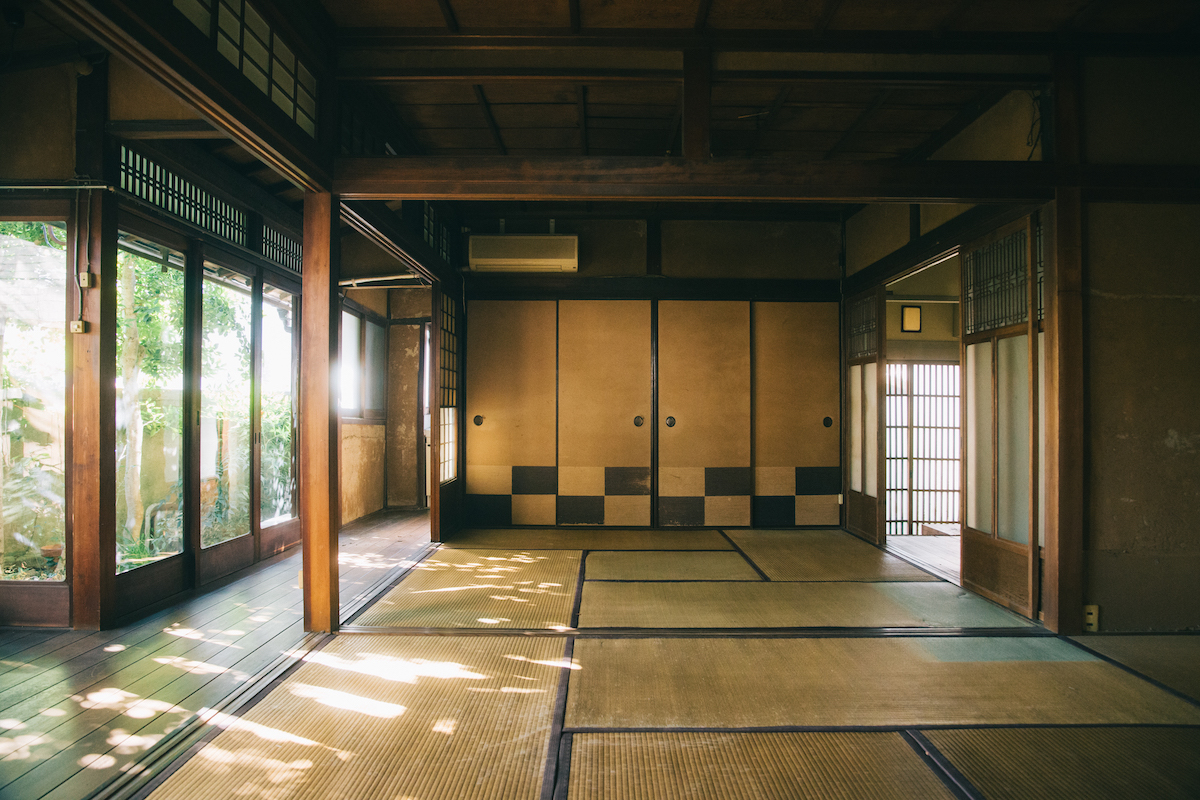
Bridge Studio transforms an abandoned house in Kyoto into an active platform for collective urban repair. Through residencies and public programmes, it brings together local communities and international practitioners to implement adaptive reuse, circular material flows, and everyday ecological practices. As an operational and evolving model, it demonstrates how existing spaces can be reactivated through shared knowledge, care, and cross-cultural exchange.
Japan
Local
Kyoto
It addresses urban-rural linkages
It involves a physical transformation of the built environment (hard investment)
Yes
2024-08-01
No
No
No
Organisation
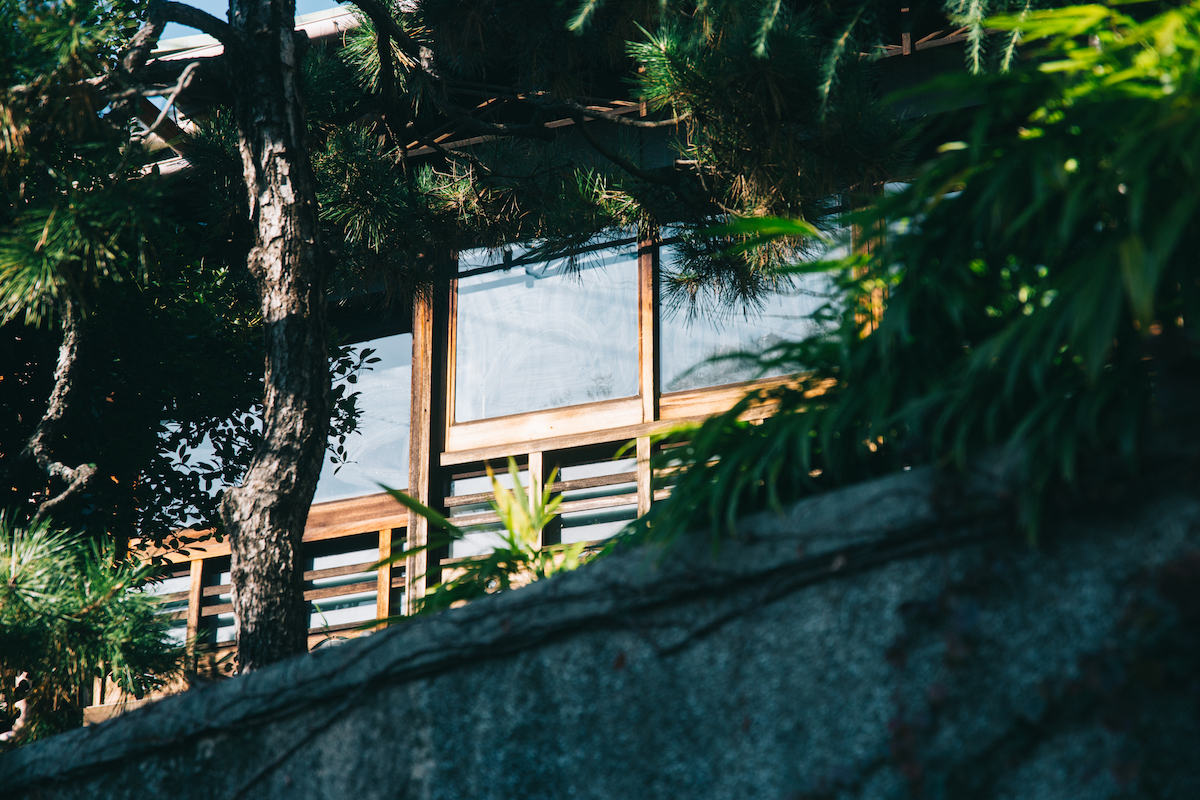
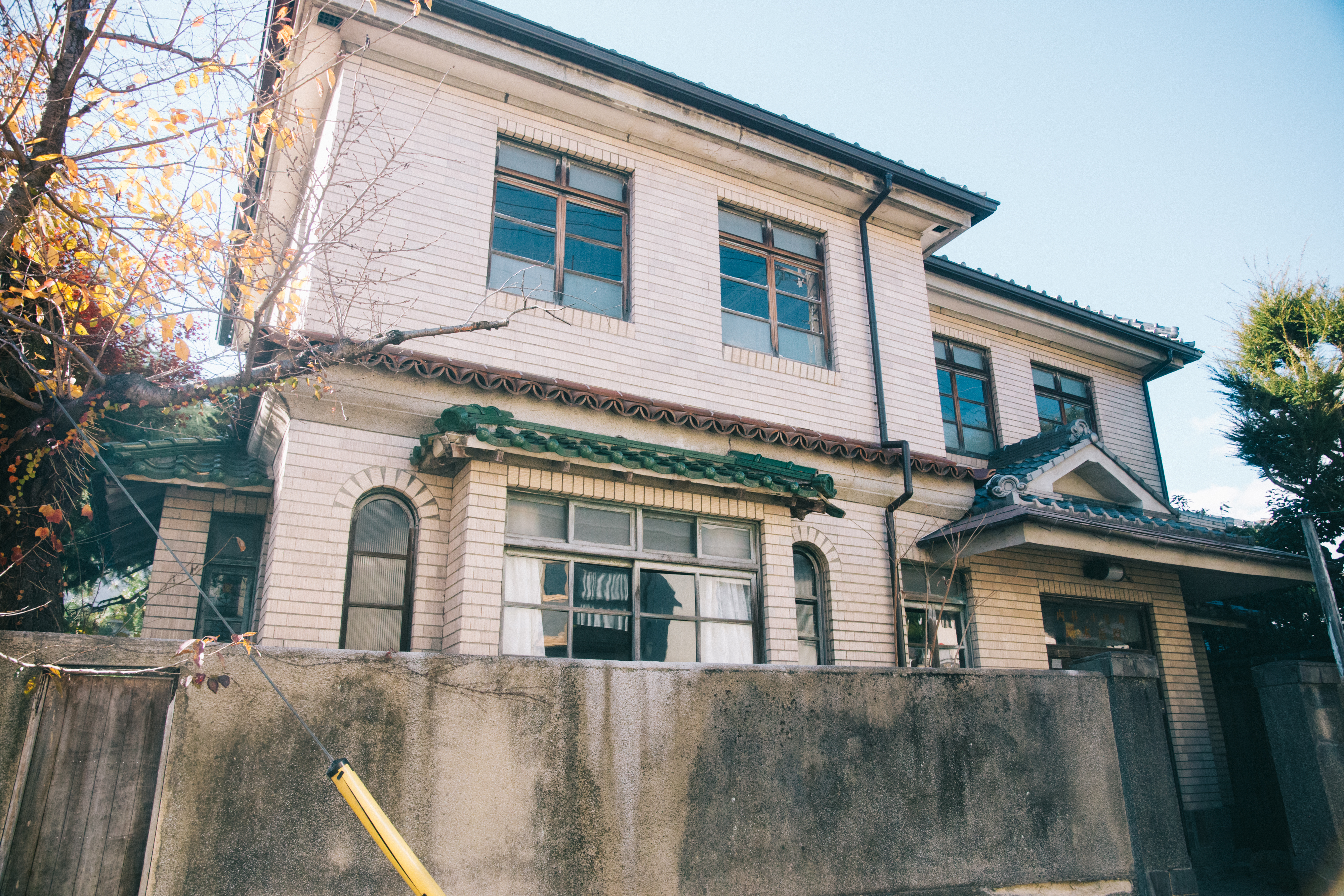
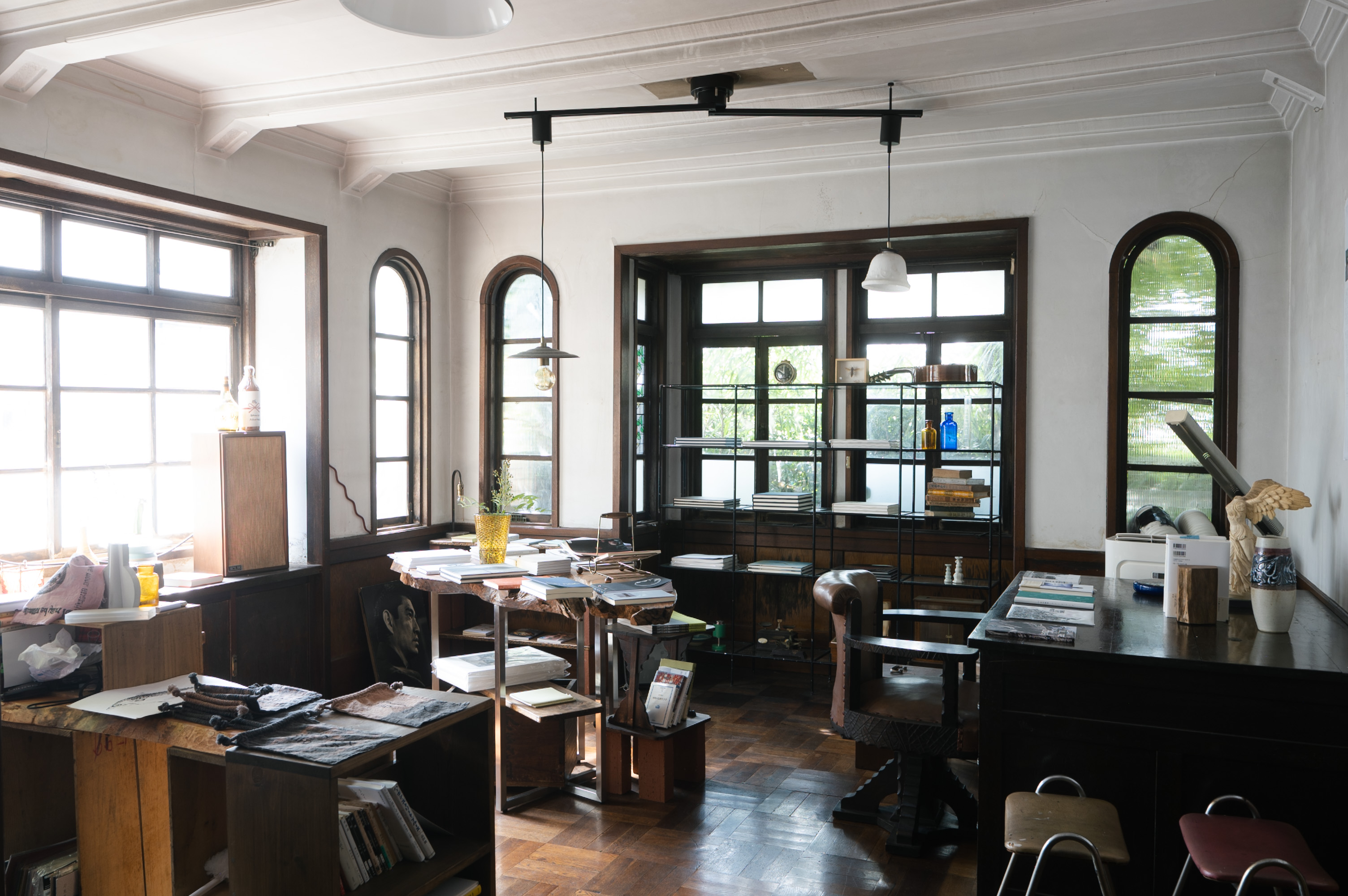
Bridge Studio is a transdisciplinary residency and public platform based in a reactivated former clinic in Kyoto, Japan. The project transforms a long-abandoned building into an active site for collective urban repair, combining adaptive reuse with ongoing social and ecological practices. Since its launch, it has hosted a diverse group of international artists, designers, and researchers, alongside local communities, through residencies, workshops, and public programmes.
The project operates through a low-impact, incremental renovation process, integrating circular material flows, on-site reuse, and locally sourced resources, including timber from Kyoto’s surrounding regions. Activities such as repair cafés, upcycling workshops, and collaborative maintenance practices embed sustainability into everyday use. In parallel, the Observatory of Urban Ecologies initiative explores material experimentation, gardening, and alternative energy practices as part of a long-term ecological approach.
Bridge Studio has demonstrated how underused urban spaces can be reactivated as shared cultural and ecological infrastructures. Beyond its physical site, it contributes to broader urban transformation through collaborations with local institutions, including Kyoto City, supporting the reuse of vacant properties. The project offers a replicable model for small-scale, community-driven regeneration that integrates spatial, social, and environmental dimensions.
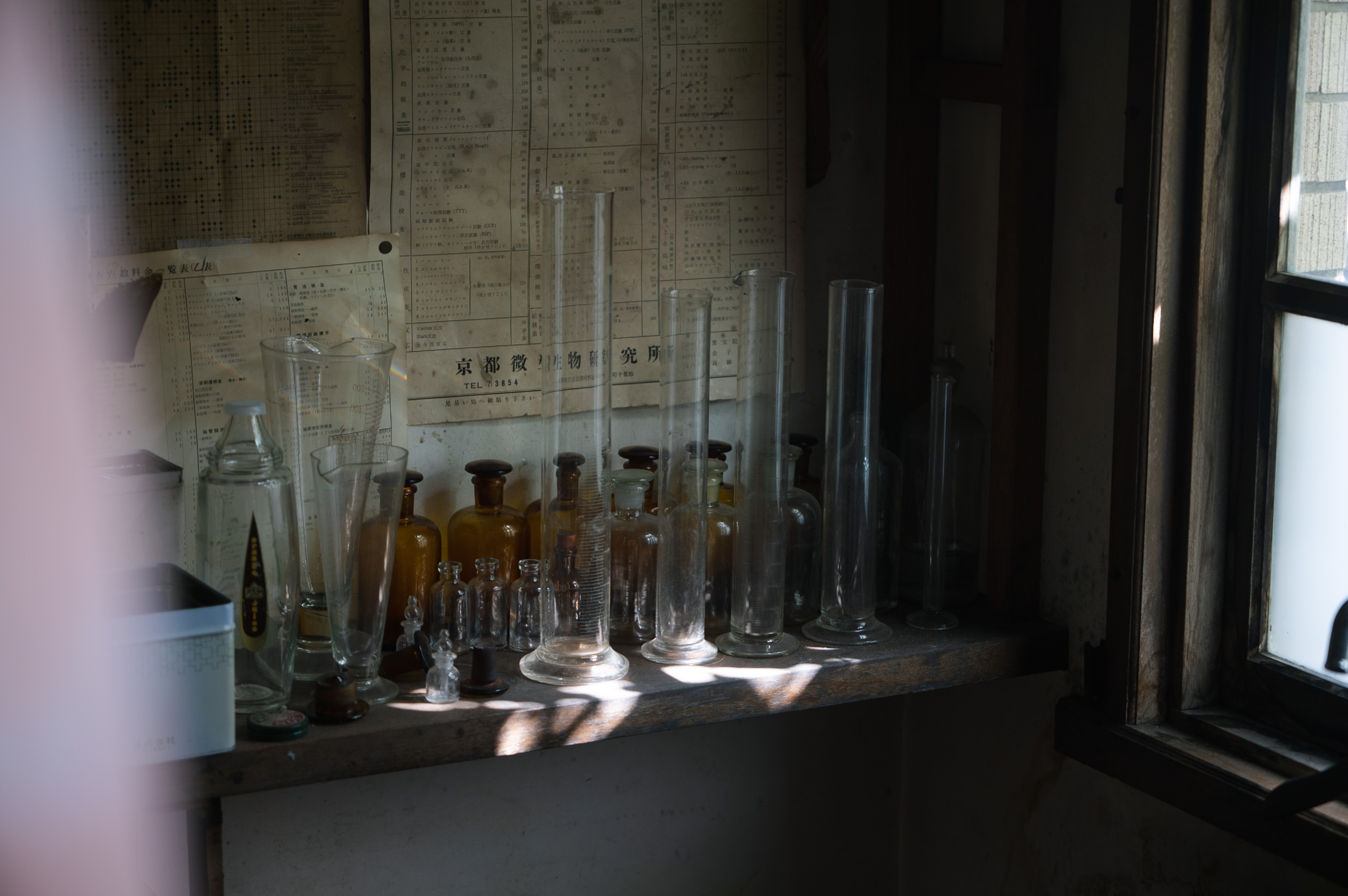
Bridge Studio began with the encounter of a long-abandoned pediatric clinic in Kyoto, left unused for nearly three decades. The building still carried traces of care and everyday life, which made it difficult to approach it as a conventional redevelopment project. Instead, the initiative emerged from a desire to take responsibility for an existing space and explore how it could be reactivated through collective use.
Rather than completing a fully designed renovation upfront, the project started by making the building minimally usable through self-led and collaborative efforts. Designers, artists, and local contributors participated in incremental repair, cleaning, and adaptation, establishing a process where transformation happens through ongoing use. This approach allowed the space to evolve organically, responding to both material conditions and the needs of its users.
Over time, Bridge Studio developed into a residency and public platform, hosting international practitioners while engaging local communities through workshops and shared activities. Everyday practices such as cooking, maintenance, material reuse, and gardening became integral to the project’s methodology.
Today, Bridge Studio operates as both a physical site and an evolving framework for rethinking how abandoned urban spaces can be cared for, inhabited, and transformed collectively, extending its approach through collaborations with local institutions and broader urban initiatives.
adaptive reuse
circular material practices
collective urban repair
transdisciplinary collaboration
community co-creation
Bridge Studio addresses sustainability through the adaptive reuse of a long-abandoned building and the implementation of ongoing, low-impact practices. The project operates through incremental renovation, prioritising on-site reuse and locally sourced materials. For example, timber has been sourced from Kyoto’s northern region (Keihoku), reconnecting the building to regional material flows, while discarded materials found on site are continuously upcycled into furniture and spatial elements.
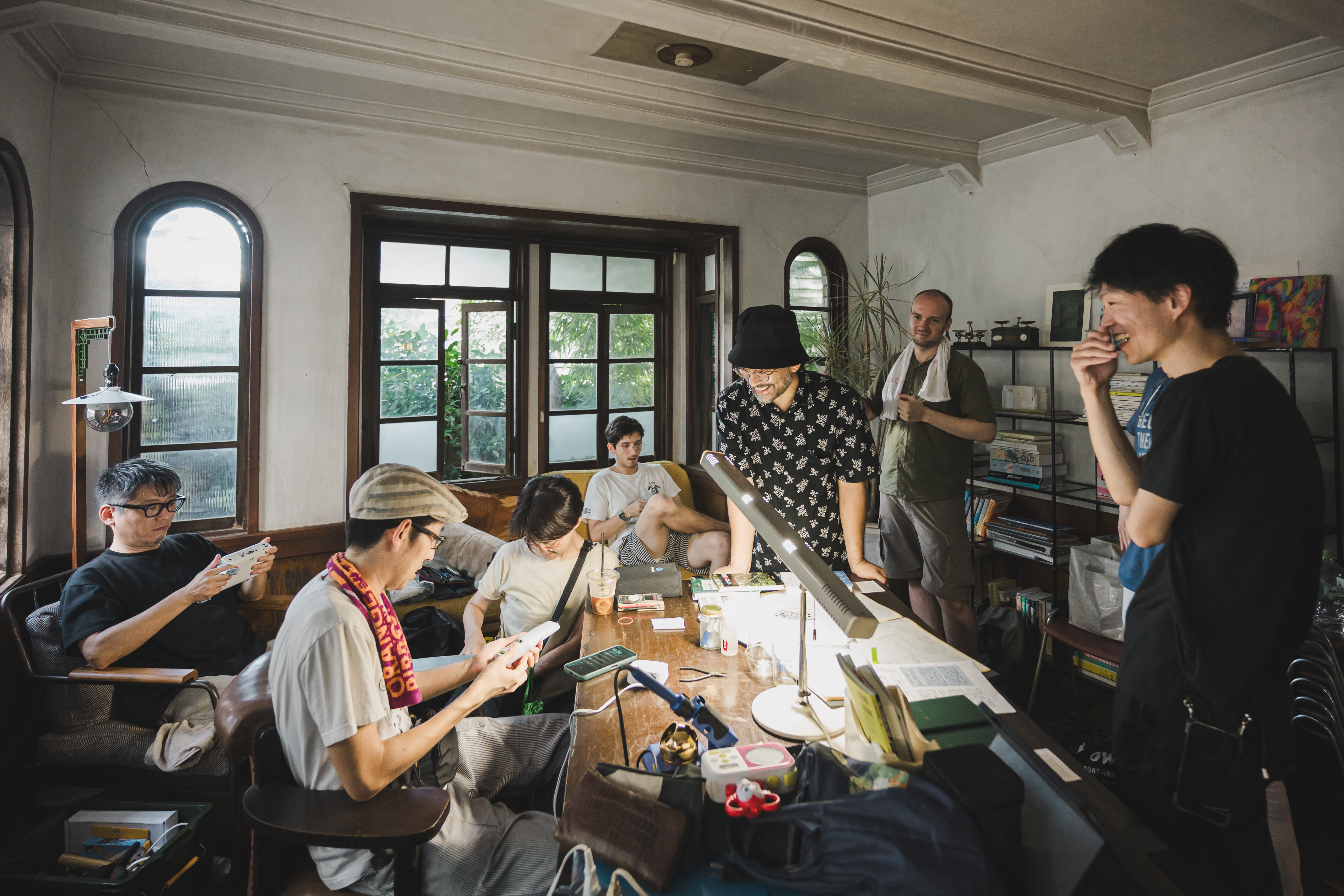
Sustainability is embedded in everyday activities and public programmes. Workshops such as Repair Café sessions have enabled participants to fix broken appliances and objects, extending their lifespan and promoting a culture of maintenance. DIY energy workshops have explored small-scale solar systems and alternative heating methods, including experiments with traditional stoves. Collective gardening and maintenance practices further integrate ecological awareness into daily use.
Through the “Observatory of Urban Ecologies” initiative, the project has also engaged in material experimentation, including testing organic insulation and exploring relationships between urban resources and rural supply chains. These activities demonstrate how environmental sustainability can be practiced at a small scale through continuous, shared actions.
By combining physical reuse with ongoing ecological practices, Bridge Studio provides a working model for sustainable urban transformation that is low-cost, adaptable, and replicable in other contexts.
Bridge Studio contributes to aesthetics by redefining beauty as something that emerges through use, care, and transformation over time. Rather than pursuing a finished visual outcome, the project embraces an evolving spatial condition shaped by daily practices and material processes.
The building retains traces of its past as a former clinic and residence, while new layers are added through collective interventions. Workshops such as “Dust, Cleaning and Design” have reframed maintenance as an aesthetic act, where cleaning becomes a way of perceiving and shaping space. Other programmes have explored sensory dimensions of the environment, including experiments with natural pigments, fragrance, paper, and sound, allowing participants to engage with space beyond visual perception.
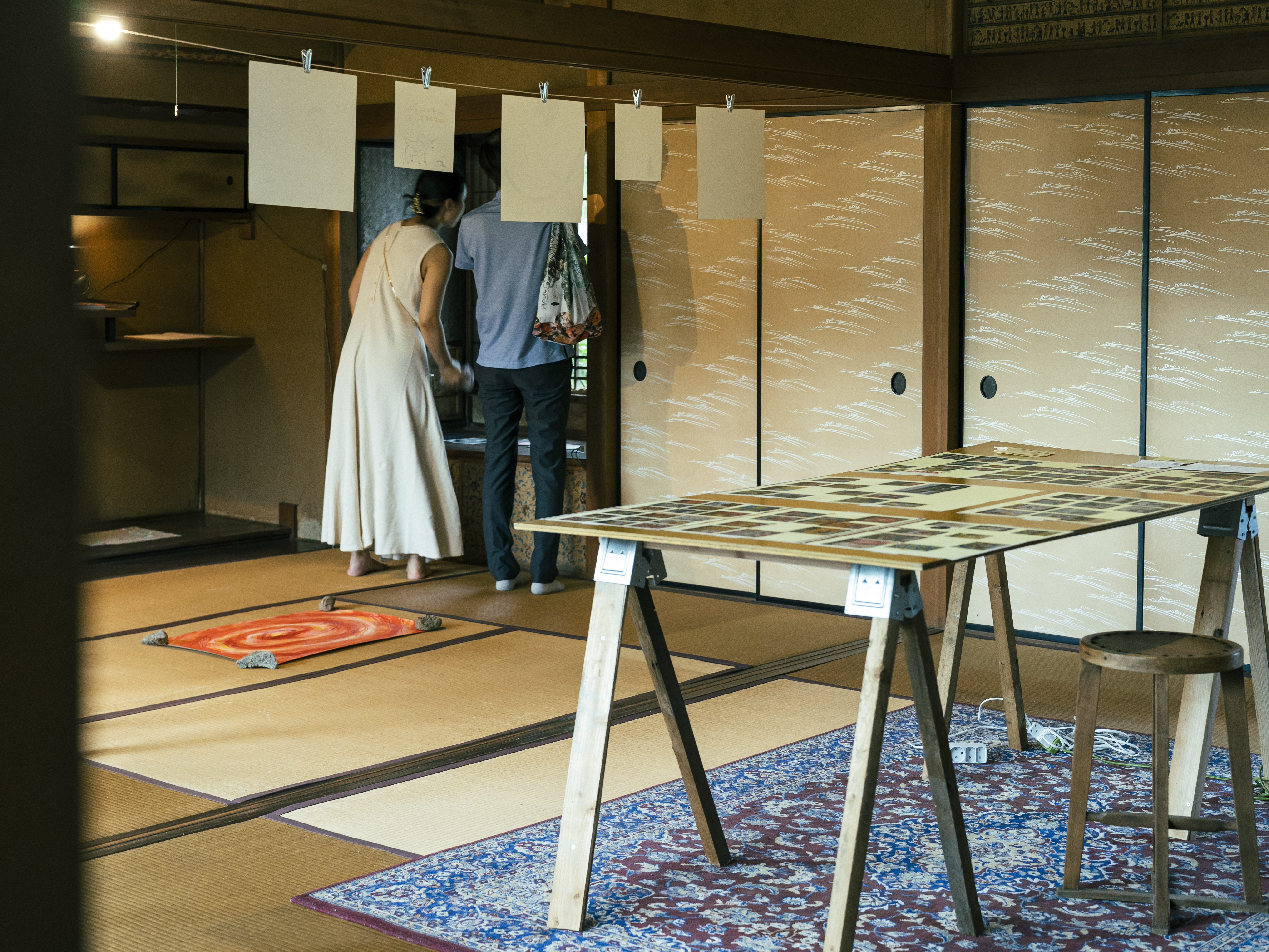
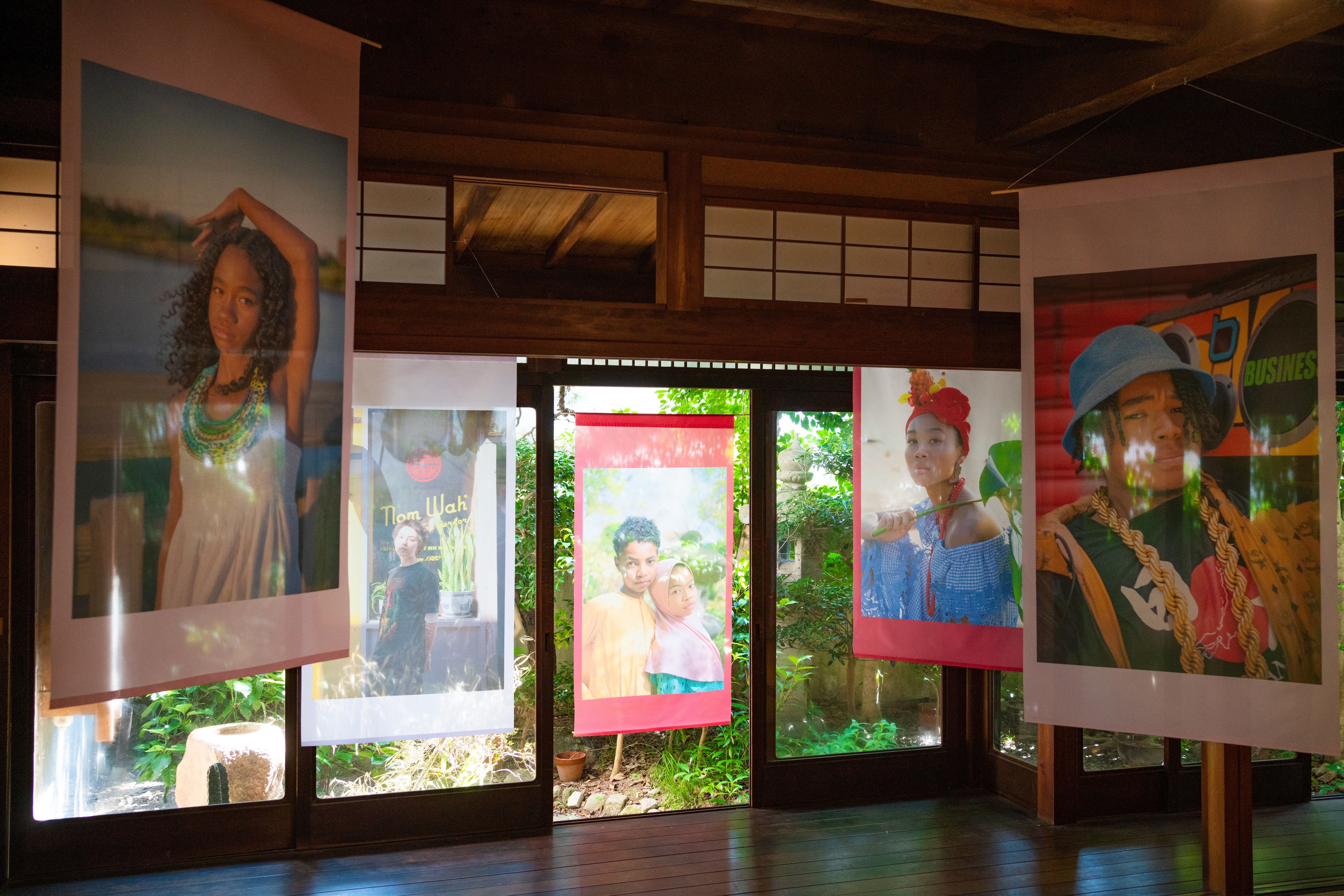
Temporary exhibitions and installations—such as those emerging from the “Urban Flows” programme—translate research on materials and urban ecologies into spatial experiences that are accessible to the public. These interventions create moments of encounter that connect everyday life with broader environmental and cultural narratives.
Through these practices, Bridge Studio cultivates a sense of belonging and attachment, where beauty is not imposed but continuously produced through interaction, attention, and shared care.
Bridge Studio promotes inclusion by creating accessible formats for participation that do not require specialised knowledge or professional status. The project operates as an open platform where residents, visitors, neighbours, and practitioners can engage through shared activities.
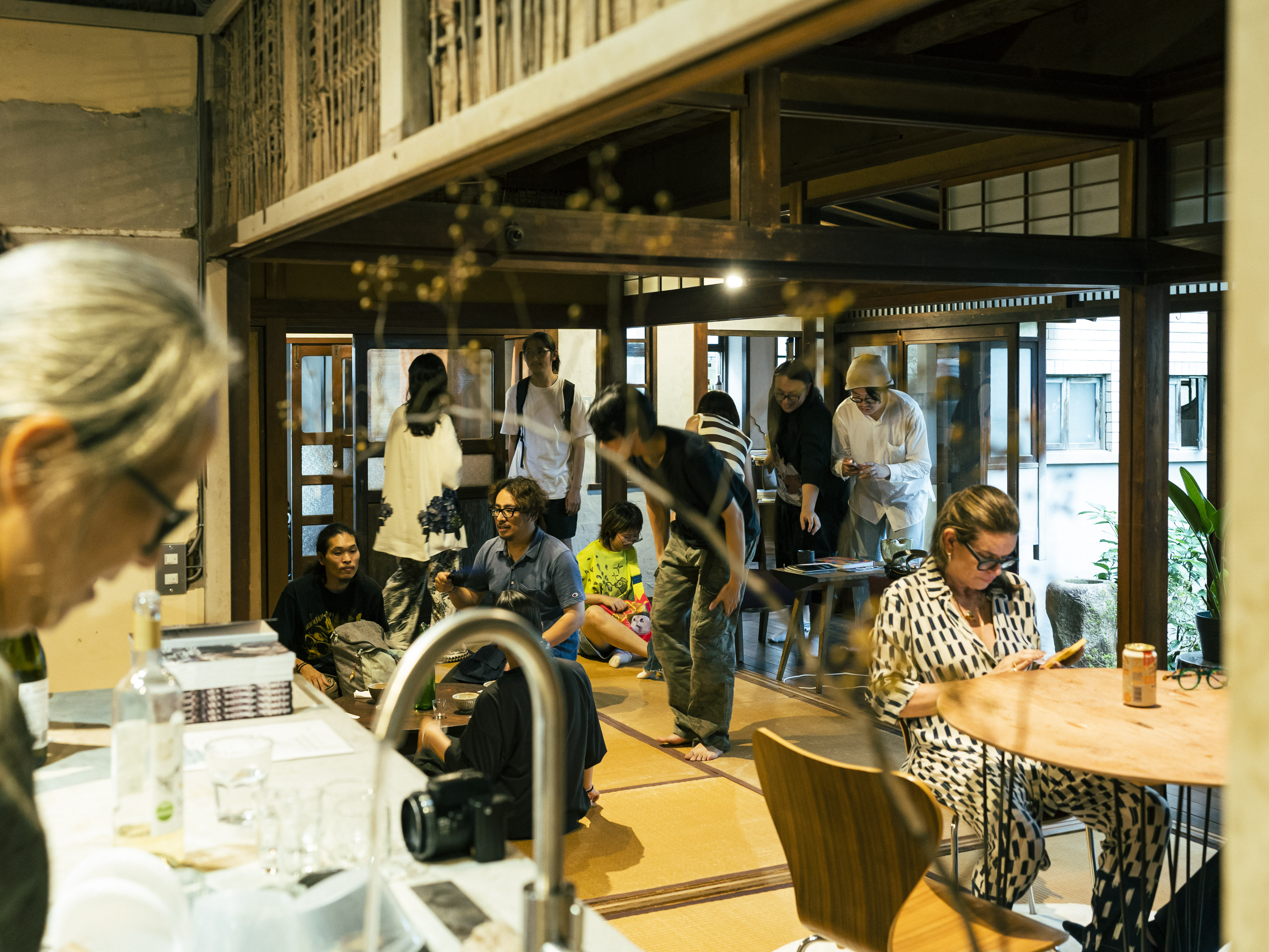
Public programmes such as repair workshops, collective meals, open studios, and making sessions invite diverse forms of participation. Activities like collective cleaning and maintenance—often overlooked in cultural spaces—are intentionally foregrounded as shared responsibilities, enabling contributors to shape the space regardless of background or expertise.
The residency programme hosts participants from different geographical and disciplinary contexts, including emerging practitioners who may not have access to formal institutional platforms. Efforts are also being developed to support participants from underrepresented regions through invitation-based programmes and alternative funding models.
By lowering barriers to entry and valuing different forms of knowledge—manual, sensory, and experiential—Bridge Studio fosters an inclusive environment where participation is defined by contribution rather than credentials.
Participation is central to the development and operation of Bridge Studio. The project is not only designed for users but continuously shaped by those who inhabit and engage with it.
Residents and collaborators actively contribute to the ongoing transformation of the space through hands-on involvement in renovation, maintenance, and programming. For example, participants have taken part in building furniture, repairing existing structures, and experimenting with materials such as bamboo and reclaimed wood. Workshops such as carpentry sessions and repair events enable participants to directly influence the physical environment.
Public programmes extend this participatory approach beyond residents. Open workshops, exhibitions, and communal activities create opportunities for local communities and visitors to engage with the space and its processes. These interactions often generate new ideas and collaborations, feeding back into the evolution of the project.
As a result, Bridge Studio functions as a living environment where participation is not a one-time consultation but an ongoing, embodied practice that shapes both space and community.
Bridge Studio operates across multiple levels by connecting local practices in Kyoto with international networks of practitioners, researchers, and cultural initiatives.
At the local level, the project engages with the immediate neighbourhood through public programmes, shared activities, and the everyday presence of an open working space. It also contributes to the broader cultural ecosystem through its involvement in initiatives such as ***in Residence Kyoto, funded by the cultural department of the city of Kyoto, a platform supporting residency programmes across the city.
At the international level, Bridge Studio hosts participants from diverse geographical contexts, fostering exchanges that bring different perspectives into dialogue. These include collaborations with artists, designers, and researchers working on themes such as urban ecology, material practices, and alternative forms of knowledge production.
Through these layered interactions, the project creates a bridge between local specificity and global discourse. The added value of this multilevel engagement lies in its ability to translate situated practices into shared learning processes, while grounding international exchange in a concrete, lived environment.
Bridge Studio is inherently transdisciplinary, bringing together practices from architecture, design, anthropology, craft, environmental research, and the arts.
Projects developed within the space often emerge from the intersection of multiple fields. For example, carpentry workshops involving bamboo construction combine traditional craft knowledge with spatial design and material experimentation. The “Observatory of Urban Ecologies” connects anthropological research with architectural practice, examining how materials, infrastructures, and environments interact.
Other programmes explore sensory and cultural dimensions of materials, such as workshops on pigments, fragrance, and paper, which integrate artistic practice with ecological awareness. Urban survey and mapping activities link spatial analysis with social and cultural observation.
Rather than separating disciplines, Bridge Studio provides a setting where different forms of knowledge are tested through making, observing, and living together. This approach enables new methods and insights to emerge, demonstrating how complex urban and environmental challenges can be addressed through collaborative, cross-disciplinary practice.
Bridge Studio operates through a hybrid business model that combines earned income, public support, and in-kind contributions, enabling long-term financial sustainability while maintaining accessibility.
Core revenue is generated through the residency programme, where participants contribute fees for accommodation and workspace. These fees are calibrated to remain affordable while supporting operational costs. Additional income is generated through public workshops, events, and collaborative programmes, often co-organised with external partners.
The project is further supported through public funding and project-based subsidies from the City of Kyoto. One space within Bridge Studio also functions as an office for *** in Residence Kyoto, a city-supported platform for residency programmes. In parallel, the project’s director is commissioned by the city to support and advise other residency initiatives, particularly those that activate underused buildings and public facilities. This includes ongoing work with local stakeholders, such as assisting a neighbouring temple in transforming a long-abandoned structure into an architect-in-residence programme.
Crowdfunding and individual donations have supported key phases of the project, particularly the initial renovation. In-kind contributions—such as materials, tools, and labour—continue to play an important role, with furniture and spatial elements often built collectively using reclaimed or locally sourced resources.
Operational costs are kept low through incremental renovation, self-build processes, and resource reuse. This combination of diversified income streams and public-private collaboration ensures financial resilience while supporting broader urban and cultural transformation.
The core elements of Bridge Studio are highly transferable, as they rely on adaptable methodologies rather than fixed architectural or institutional models.
One key replicable aspect is the approach to adaptive reuse through incremental renovation. Instead of requiring large capital investment, the model demonstrates how underused buildings can be activated through phased, low-cost interventions using local materials and collective labour. This approach can be applied in a wide range of contexts where vacant or underutilised structures exist.
Another transferable element is the integration of residency programmes with public engagement. By combining living, working, and community-oriented activities, the project creates a flexible framework that can be adapted to different cultural and social environments. The format of open workshops—such as repair sessions, material experiments, and collective maintenance—offers accessible entry points for participation that can be replicated across contexts.
The project also provides a model for transdisciplinary collaboration, where practitioners from different fields co-produce knowledge through shared space and practice. This methodology can be adopted by other organisations seeking to address complex urban and environmental challenges.
Finally, the emphasis on low-cost operation, resource sharing, and hybrid funding structures makes the model particularly relevant for contexts with limited financial resources. Rather than scaling through expansion, Bridge Studio’s approach supports replication as a distributed network of locally rooted initiatives.