Arts, Culture, and Heritage as Drivers of Change
the body rock
The Body Rock – Hip-Hop as Urban Regeneration and Community Belonging
The Body Rock transforms a marginalized neighbourhood in Naples into a vibrant cultural commons through hip-hop. By combining street arts, community participation and public space regeneration, the project activates identity, belonging and care. It demonstrates how culture can drive inclusive, sustainable and beautiful urban transformation.
Italy
Local
Naples
Mainly urban
It involves other types of transformations (soft investment)
Yes
2025-09-14
Yes
ERASMUS
No
No
Organisation
In the eastern periphery of Naples, in the neighbourhood of Ponticelli , The Body Rock asks a simple but powerful question: how can a neglected urban space become a place of identity, creativity and belonging?
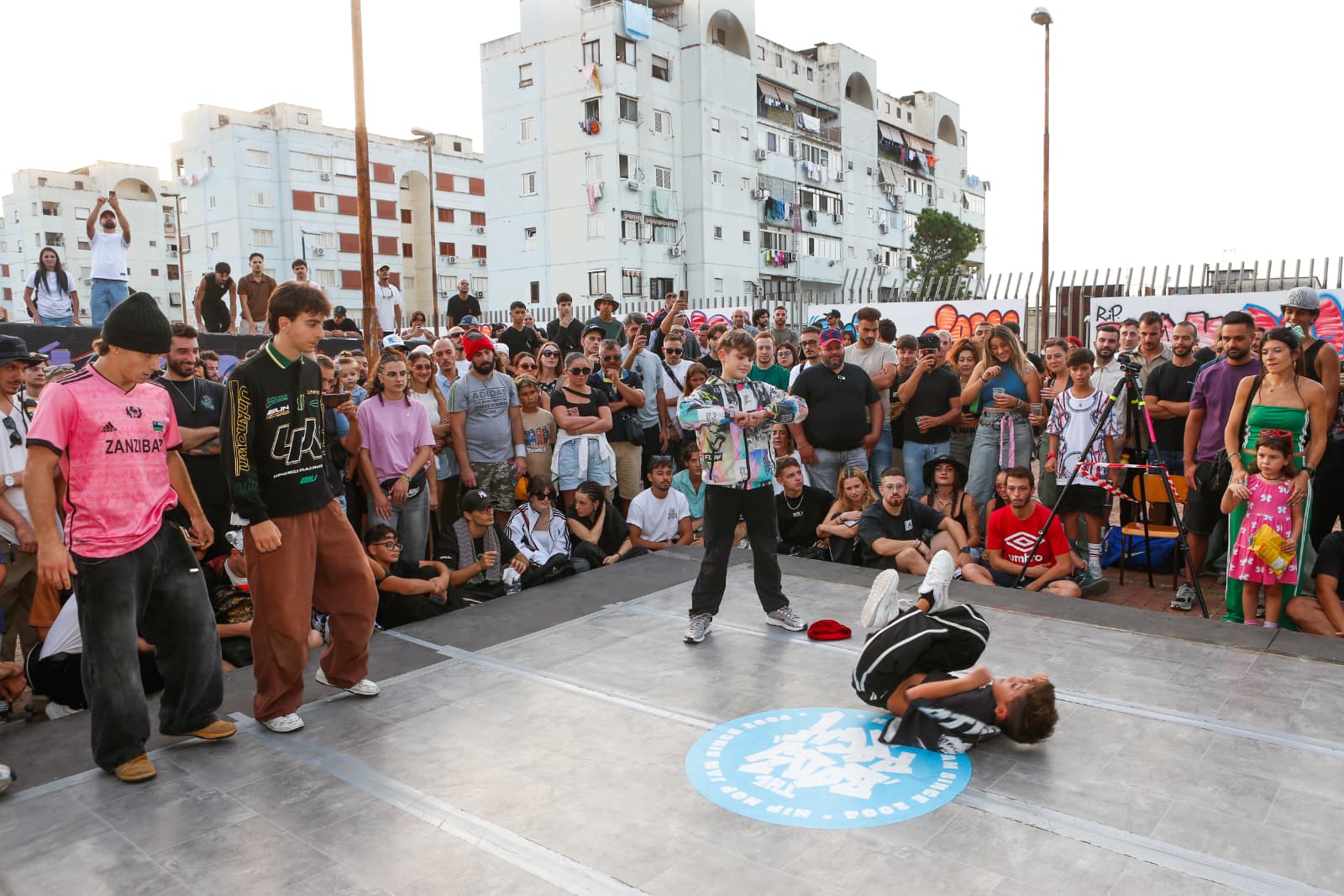
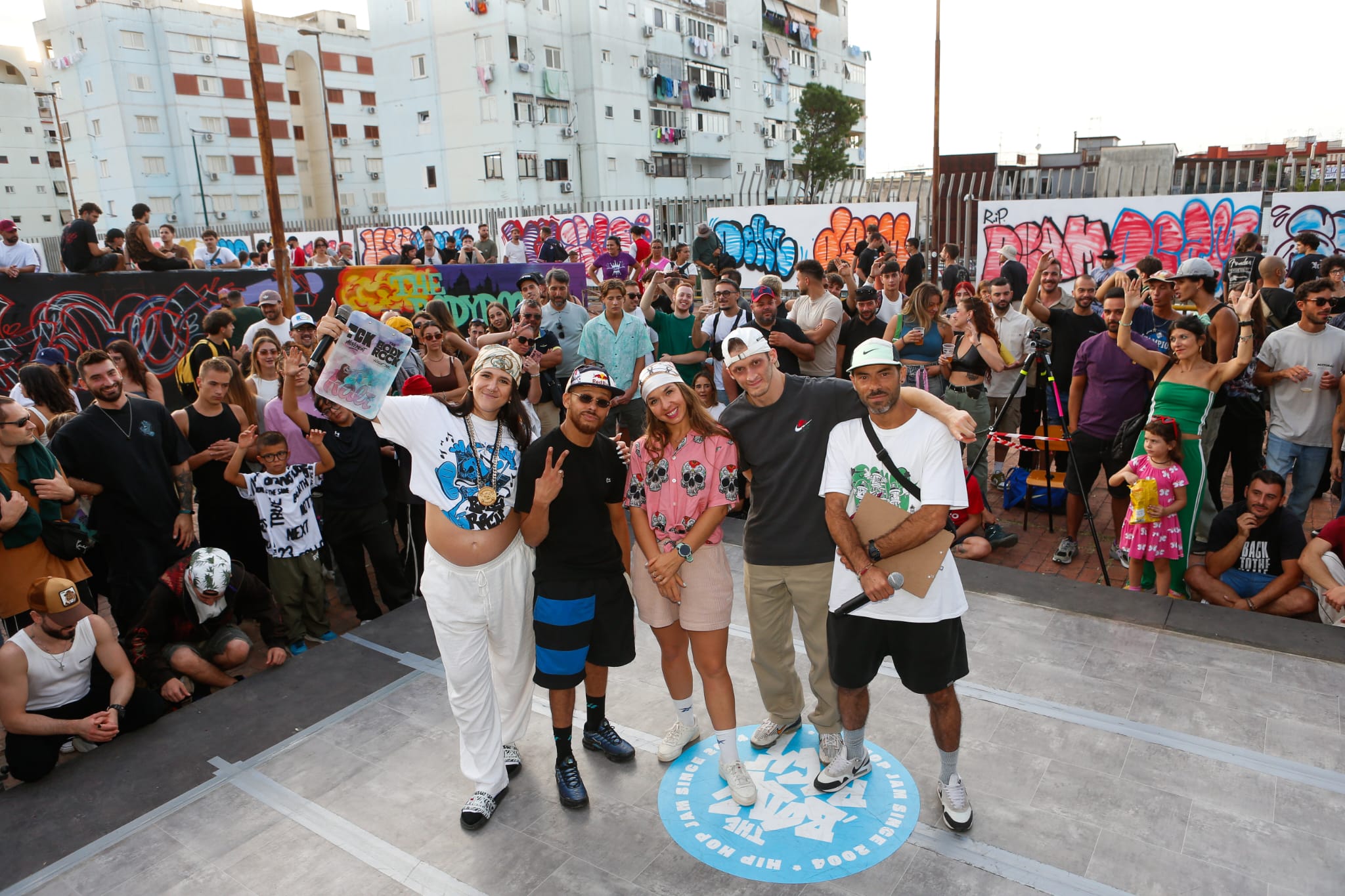
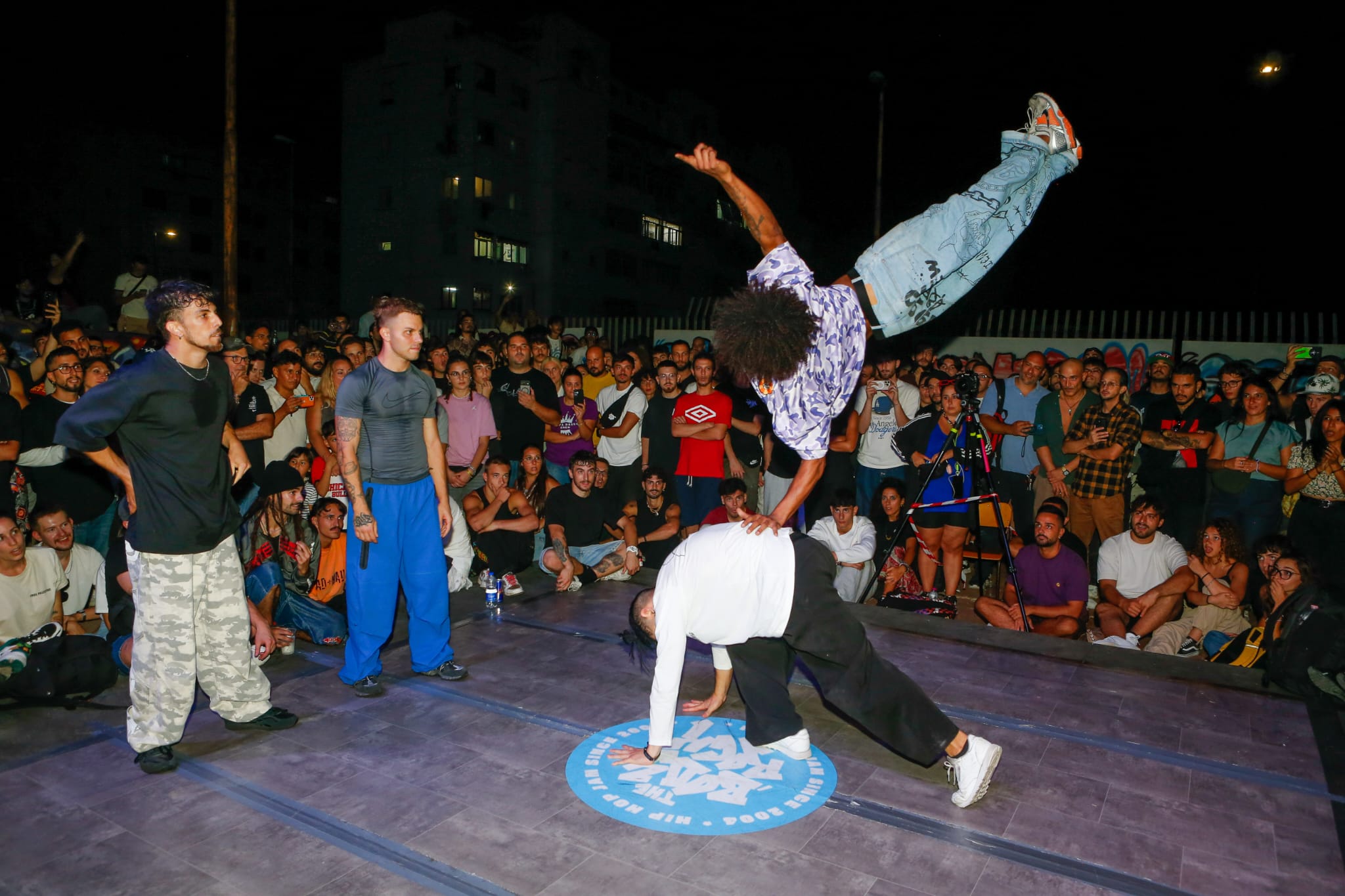
The Body Rock is a long-standing hip-hop cultural initiative that has been transforming public space through street arts for over 20 years. The project combines breakdance, DJing, graffiti and MCing with community engagement and urban regeneration, turning abandoned or underused areas into vibrant spaces of encounter and expression.
The initiative focuses on young people, local residents and cultural communities who often have limited access to safe, inclusive and meaningful public spaces. It also involves international artists and volunteers, creating a bridge between local realities and global cultural networks.
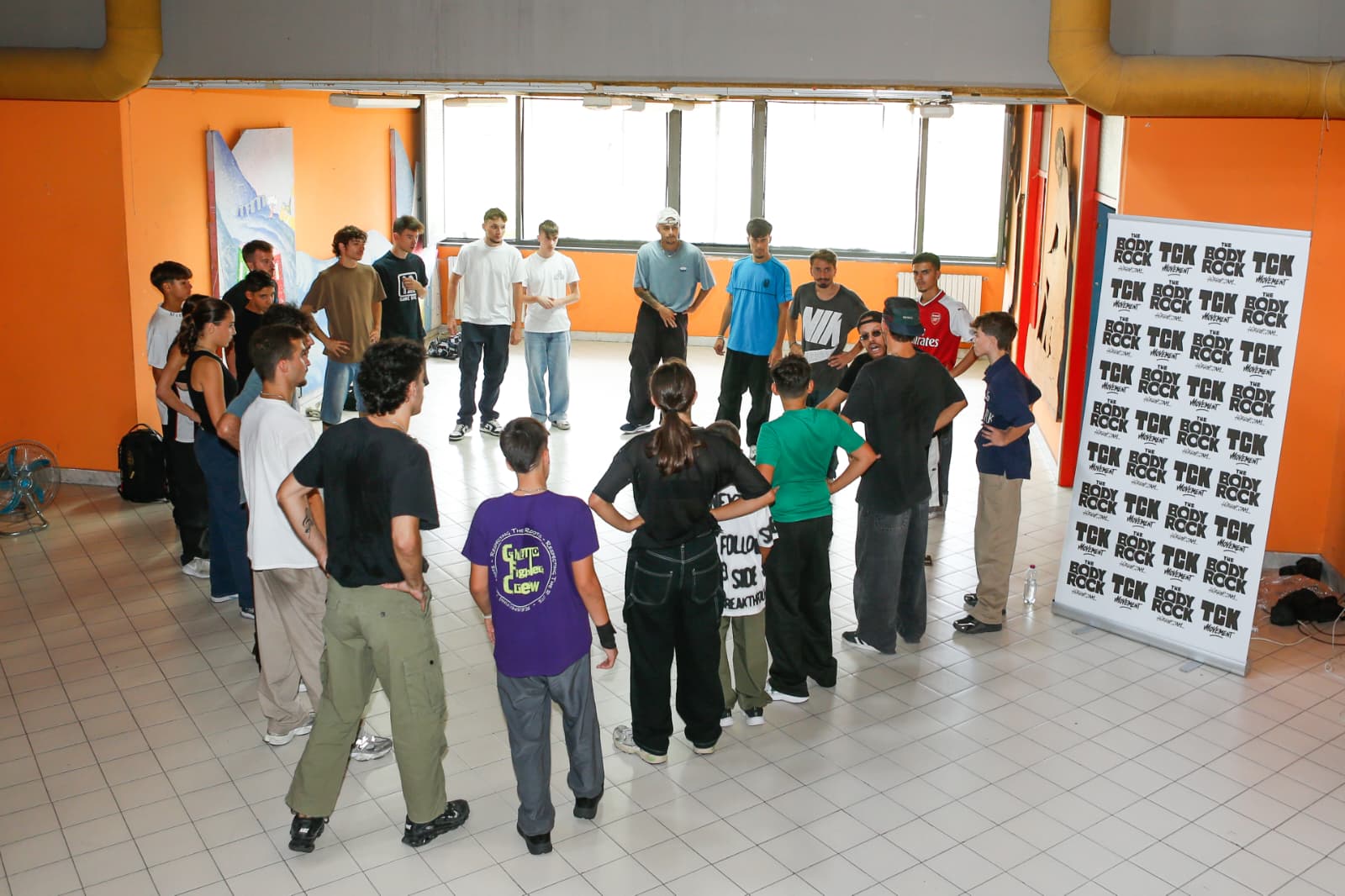
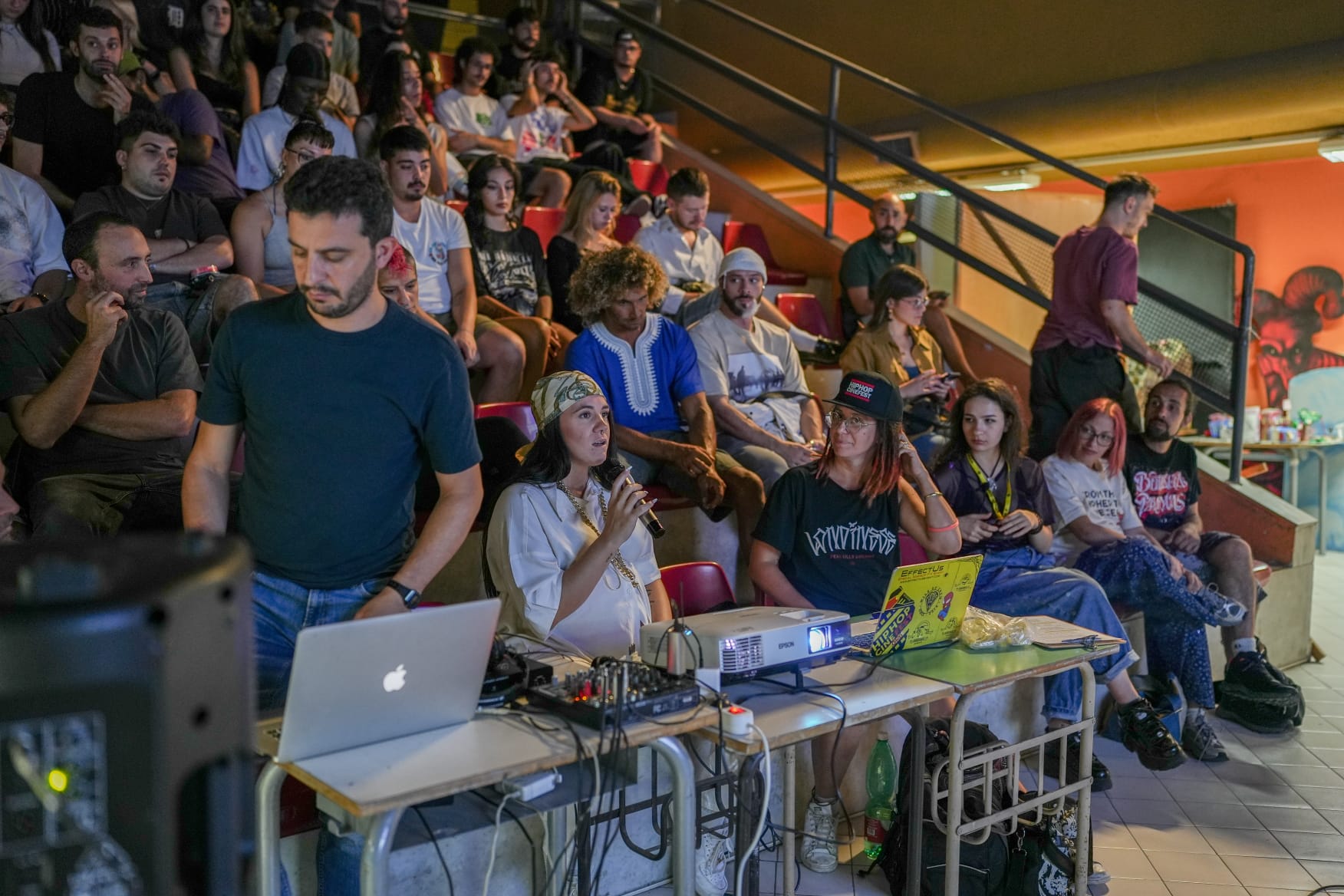
The project operates through a combination of cultural programming and hands-on regeneration activities. These include artistic workshops, performances, public events and volunteering actions such as cleaning, maintaining green areas and transforming walls into spaces for artistic expression.
Results are tangible. Over two decades, The Body Rock has engaged hundreds of participants annually, involving local youth, international artists and volunteers from across Europe. Public spaces that were previously neglected have been reactivated, becoming safer, cleaner and culturally vibrant environments.
Beyond events, the project has created a lasting cultural ecosystem in the neighbourhood, strengthening social cohesion, fostering creativity and building a shared sense of ownership of public space.
In the long term, The Body Rock demonstrates how culture can act as a driver of urban regeneration, transforming peripheral areas into inclusive, resilient and meaningful places for communities.
The Body Rock was born from a grassroots initiative led by the TCK Movement, one of the oldest hip-hop crews in Naples, rooted in the eastern periphery of the city.
In a context often marked by social marginalisation, lack of opportunities and underused public spaces, the project emerged as a cultural response: a way to create positive alternatives for young people and to reclaim urban spaces through creativity.
Rather than starting from institutional planning, The Body Rock began from lived experience. Artists and community members transformed their own environment using the tools of hip-hop culture — music, dance, graffiti and collective presence — turning streets and abandoned spaces into places of expression and encounter.
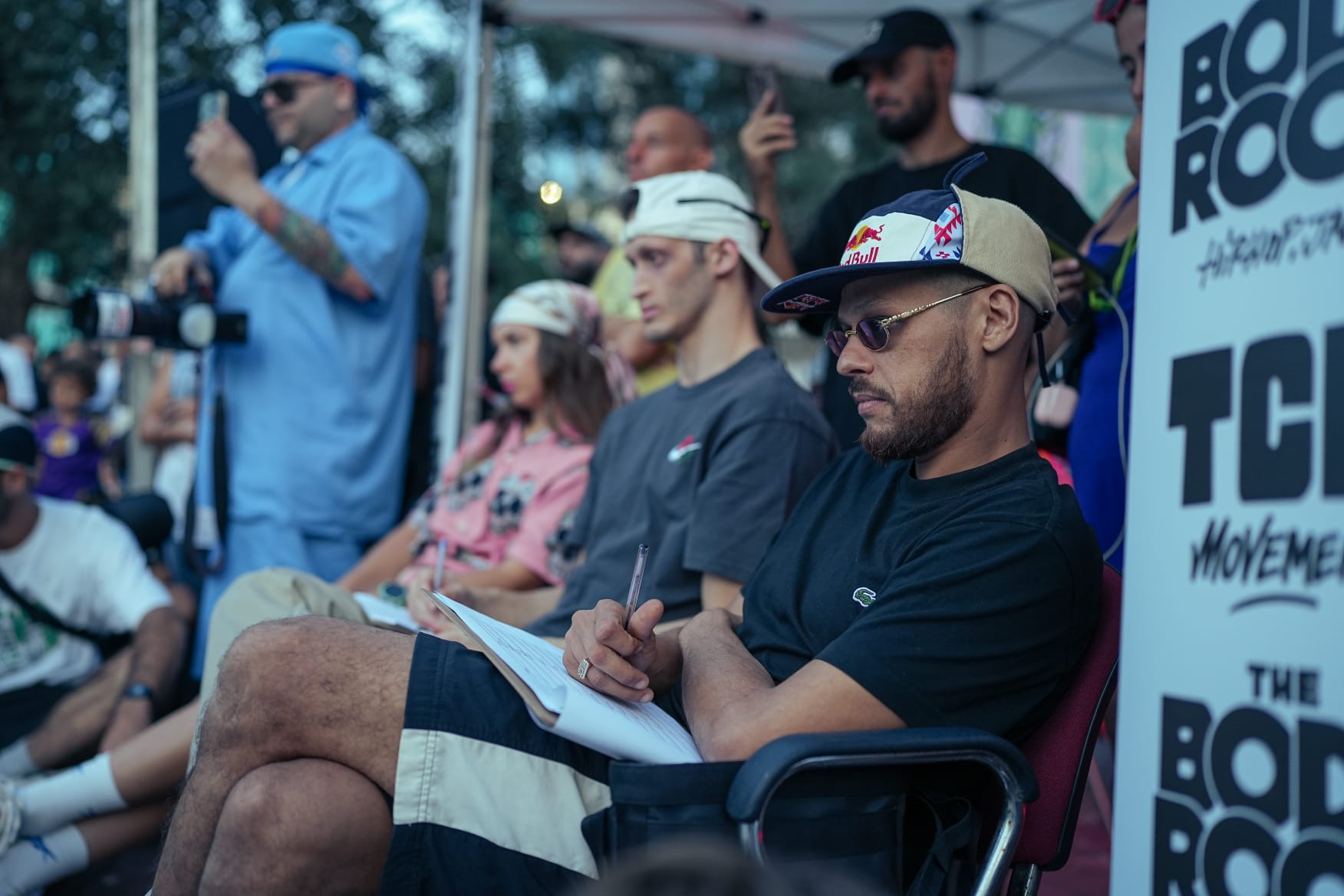
Over time, the initiative evolved into an annual two-day hip-hop jam, attracting artists at local, national and international levels. Around this core event, a broader ecosystem developed, including workshops, training activities and volunteering actions focused on improving public spaces.
A key dimension of the project is its integration of cultural and environmental action. Through volunteering camps, including participation in the European Solidarity Corps, young people from different countries collaborate with the local community in activities such as cleaning, maintenance of green areas and preparation of spaces for artistic interventions.
Implementation is both structured and flexible. Activities are adapted to the rhythms of the neighbourhood and the availability of participants, allowing continuous engagement rather than one-off interventions.
This adaptive, community-driven approach has strengthened trust, reinforced local identity and ensured that the transformation of space is not imposed from outside, but co-created and sustained by the people who live there.
Urban regeneration
Hip-hop culture
Community co-creation
Youth empowerment
Public space activation
The Body Rock approaches sustainability as a combination of environmental care, social cohesion and long-term cultural resilience.
The project contributes to environmental sustainability through low-cost, community-based actions that improve the quality of public space. Activities such as cleaning, maintenance of green areas and reuse of neglected urban spaces reduce degradation and promote more sustainable use of the local environment.
At the same time, sustainability is understood as a social process. By creating safe and inclusive spaces for expression and interaction, the project reduces social isolation and strengthens community bonds. Hip-hop culture becomes a tool for engagement, especially for young people, offering alternatives to exclusion and disengagement.
The project’s long-term continuity—over 20 years—demonstrates its sustainability as a model. Rather than relying on heavy infrastructure or short-term interventions, it builds on local capacities, volunteer engagement and cultural practices that can be maintained over time.
Through international volunteering programmes such as the European Solidarity Corps, The Body Rock also promotes sustainable cultural exchange, connecting local action with broader European networks.
By combining environmental care, social inclusion and cultural continuity, The Body Rock exemplifies a form of sustainability rooted in everyday practices and community stewardship.
In The Body Rock, aesthetics is not limited to visual appearance but emerges from lived experience, cultural expression and collective transformation of space.
The project transforms neglected urban areas into vibrant, expressive environments through street arts. Graffiti redefines walls as canvases, dance and music animate public spaces, and performances turn everyday places into stages of creativity and encounter.
These interventions improve the sensory and emotional quality of the environment. Spaces that were previously perceived as unsafe or unattractive become places where people feel welcome, inspired and connected.
Aesthetic transformation is also participatory. Community members, artists and volunteers contribute directly to shaping the visual and cultural identity of the space. This process strengthens a sense of belonging and ownership, making beauty a shared and collective achievement rather than an imposed design.
The presence of international artists further enriches the aesthetic dimension, introducing diverse styles and perspectives while maintaining strong local identity.
Through this approach, The Body Rock demonstrates that aesthetics can be a powerful driver of urban transformation, where beauty is created through participation, expression and care for place.
The Body Rock is rooted in inclusion, focusing on communities and individuals who are often excluded from cultural and urban development processes.
The project primarily engages young people from peripheral neighbourhoods, offering them access to cultural expression, learning opportunities and meaningful participation in public space. It also involves local residents, artists and volunteers, creating a diverse and inclusive community.
Participation is designed to be accessible and flexible. Activities do not require technical expertise or formal education, allowing people with different backgrounds and abilities to take part. Hip-hop culture, as a globally accessible language, facilitates inclusion across social and cultural differences.
Through volunteering programmes, including the European Solidarity Corps, the project also enables international participation, fostering intercultural exchange and mutual understanding.
Importantly, participants are not passive beneficiaries but active contributors. They help clean, transform and animate public spaces, becoming co-creators of their environment.
By reducing barriers to participation and promoting shared ownership, The Body Rock demonstrates how inclusive cultural practices can transform both people and places.
Participation is at the core of The Body Rock. The project is built through the active involvement of community members, artists and volunteers at all stages.
Local youth, residents and cultural practitioners are directly involved in shaping activities, from artistic production to the regeneration of public spaces. Workshops, performances and volunteering actions create multiple entry points for participation.
Volunteers, including international participants, collaborate with local communities in hands-on activities such as cleaning, painting and preparing spaces for cultural events. This shared work fosters relationships, trust and a sense of collective responsibility.
Participation has tangible impacts. It increases self-confidence among young participants, strengthens social connections and builds a sense of belonging. It also ensures that the transformation of space reflects the needs and aspirations of the community.
By making participation both a method and an outcome, The Body Rock creates a living example of co-created urban transformation.
The Body Rock connects local action with broader institutional and international frameworks.
At the local level, the project is rooted in the neighbourhood of Ponticelli, engaging community members, local organisations and cultural actors in the transformation of public space.
At the organisational level, TCK Movement coordinates activities, bringing together artists, facilitators and partners.
At the European level, participation in programmes such as the European Solidarity Corps enables the involvement of international volunteers, creating connections between local initiatives and European networks.
This multilevel engagement strengthens the project in several ways. It increases resources and diversity of participants, enhances legitimacy and visibility, and facilitates knowledge exchange across contexts.
By linking grassroots action with broader networks, The Body Rock demonstrates how local cultural initiatives can contribute to wider European transformation processes.
The Body Rock integrates multiple disciplines and knowledge systems into a unified approach.
The project combines street arts (dance, music, graffiti), social engagement, informal education and urban regeneration. Artists act not only as performers but also as educators and facilitators, while participants contribute their lived experience and local knowledge.
Urban space is both the context and the medium of intervention. Cultural practices are used to transform physical environments and social dynamics simultaneously.
International exchanges introduce additional perspectives, enriching the project with diverse cultural influences.
This transdisciplinary approach allows the project to address complex challenges such as social exclusion and urban degradation in a holistic way, generating solutions that go beyond single-sector interventions.
The Body Rock operates through a low-cost, community-based model that ensures long-term sustainability.
The project is supported by a combination of public funding, cultural grants, partnerships and volunteer engagement. Participation in programmes such as the European Solidarity Corps provides additional resources and enables international collaboration.
Costs are primarily related to coordination, facilitation and basic materials for activities, while the use of existing public spaces reduces the need for major investments.
The project’s sustainability lies in its ability to mobilise local capacities and build on existing cultural practices. Its long history demonstrates that it can continue over time without relying on large financial resources.
This model offers an alternative approach to urban regeneration, based on cultural activation and community participation rather than expensive infrastructure.
The Body Rock is highly transferable due to its simple, adaptable and culturally grounded methodology.
Key elements that can be replicated include:
the use of hip-hop culture as a tool for engagement
community-based regeneration of public space
integration of cultural activities with environmental actions
involvement of volunteers and international participants
Because the project relies on facilitation, creativity and community engagement rather than complex infrastructure, it can be implemented in diverse urban contexts, particularly in peripheral or underserved areas.
The involvement of international volunteers through European programmes provides an additional pathway for scaling, enabling the model to be shared and adapted across different countries.
By demonstrating how culture can activate public space and strengthen communities, The Body Rock offers a replicable model for inclusive urban regeneration across Europe.