Strengthening Local Democracy and Inclusion
Hör Mig Varberg!
Hör Mig Varberg! (Hear Me Varberg)
Hör Mig Varberg is a youth‑led cultural space where young people co‑create activities and express their voices through music, theatre and art. By giving culture room to grow, the project strengthened confidence, inclusion and belonging—its legacy lives on through Mötesplats Rosenfred and a wider youth community that continues to empower local young people.
Sweden
Local
Varberg
Mainly urban
It involves other types of transformations (soft investment)
Yes
2026-01-31
No
No
No
Organisation
Hör Mig Varberg was a three‑year youth‑led cultural project designed to empower young people aged 15–29 through creativity, participation and shared ownership. The project transformed an underused space into a vibrant cultural hub where young people co‑created activities, shaped the content of the programme and influenced decisions through informal councils, creative groups and paid youth roles.
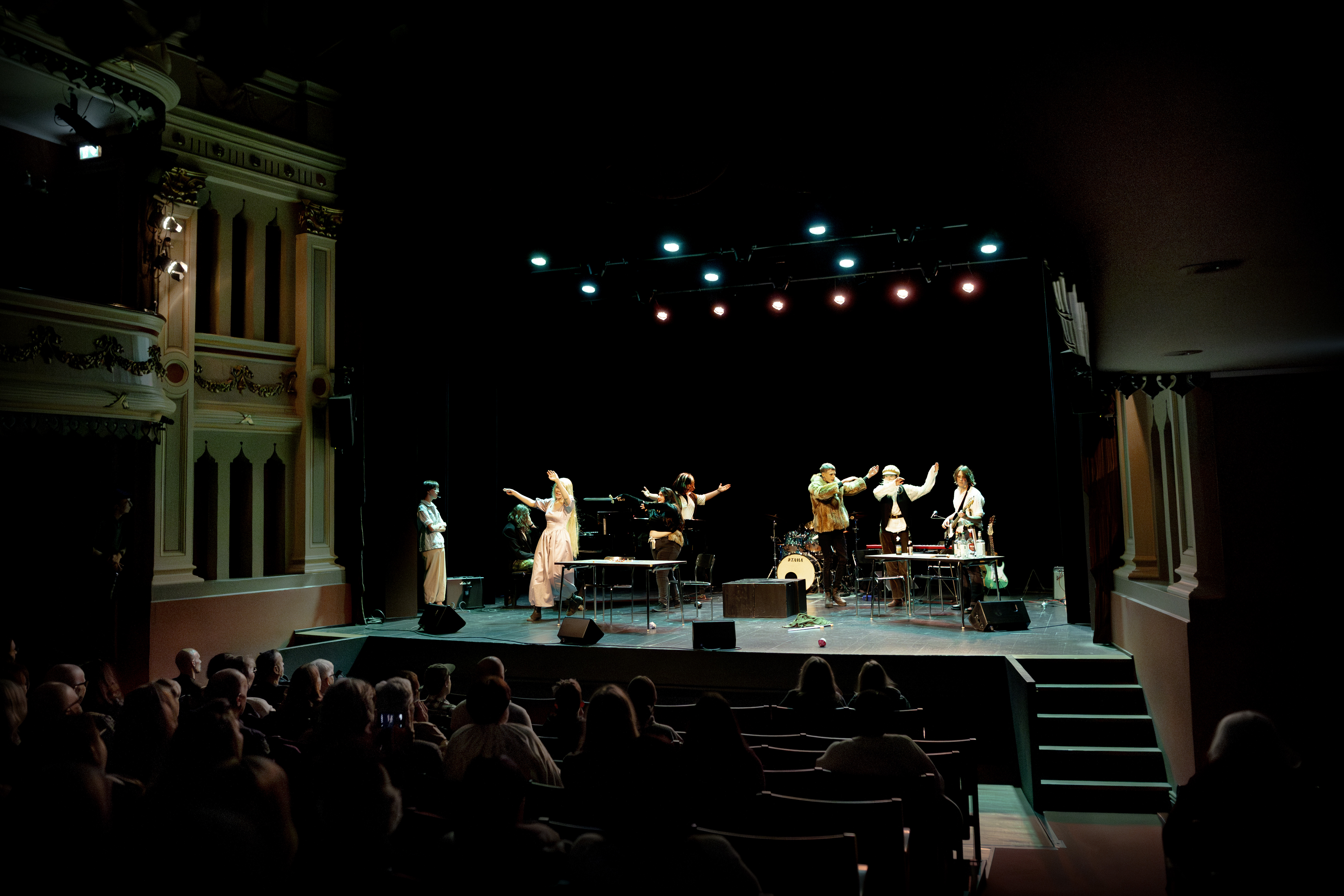
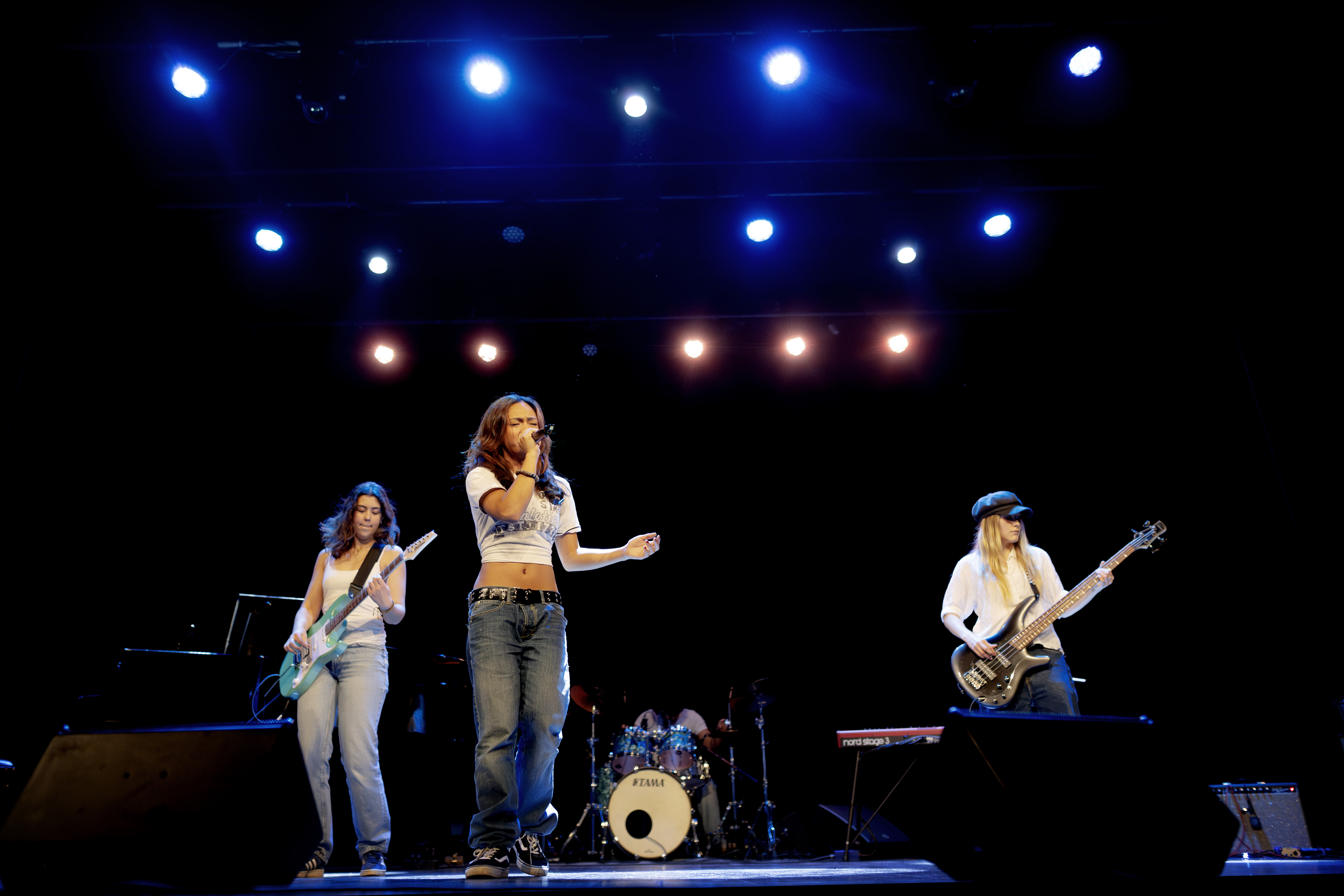
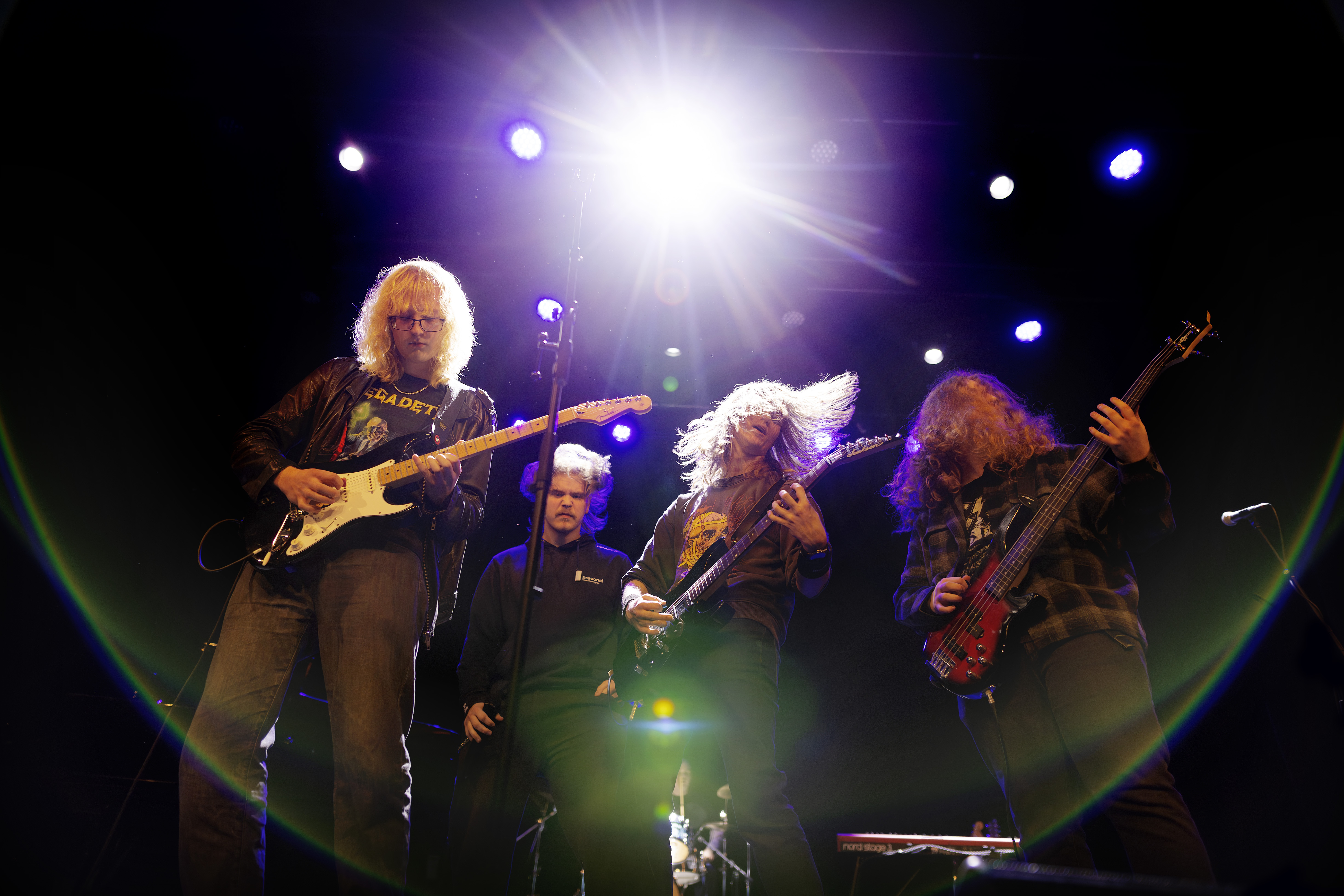
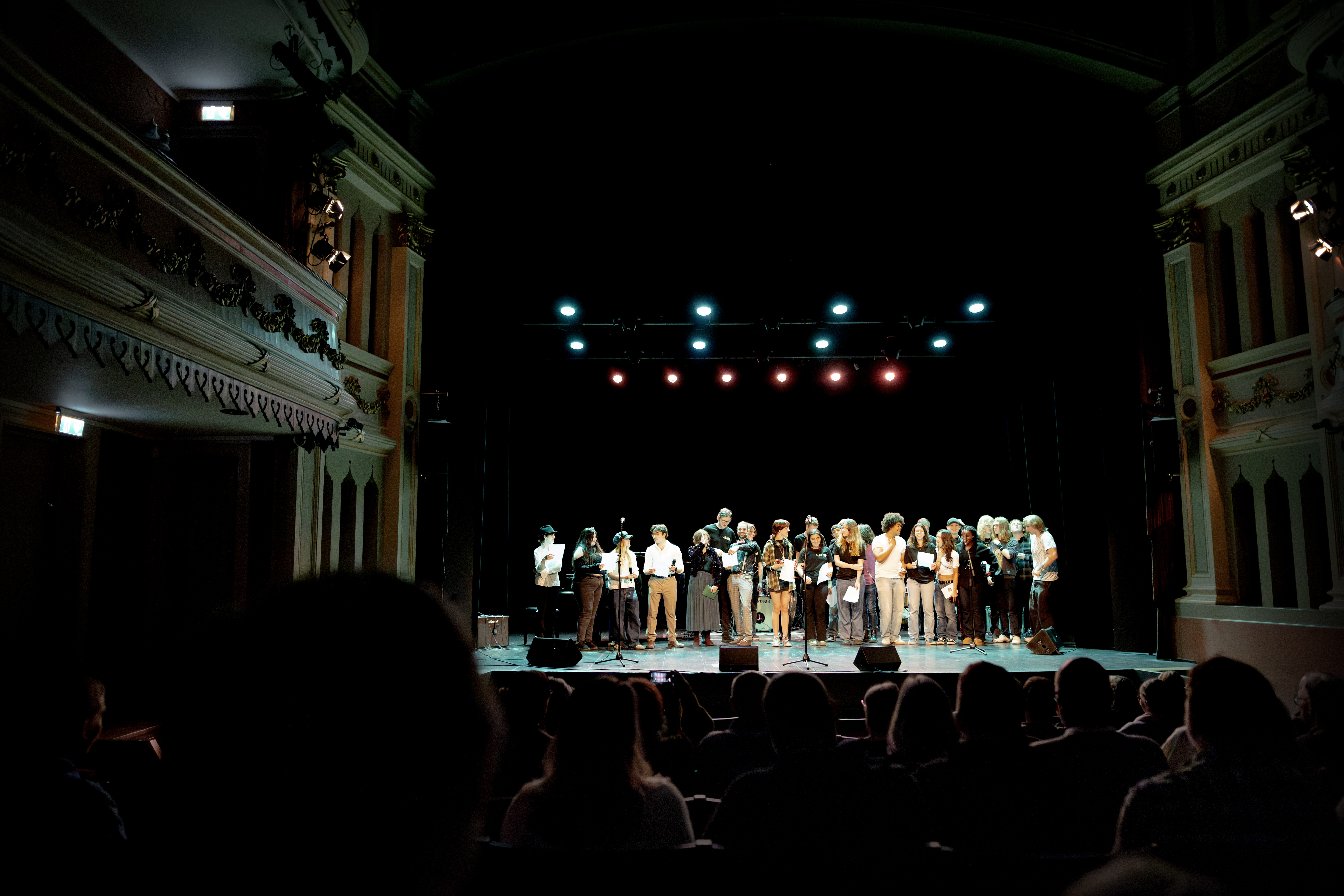
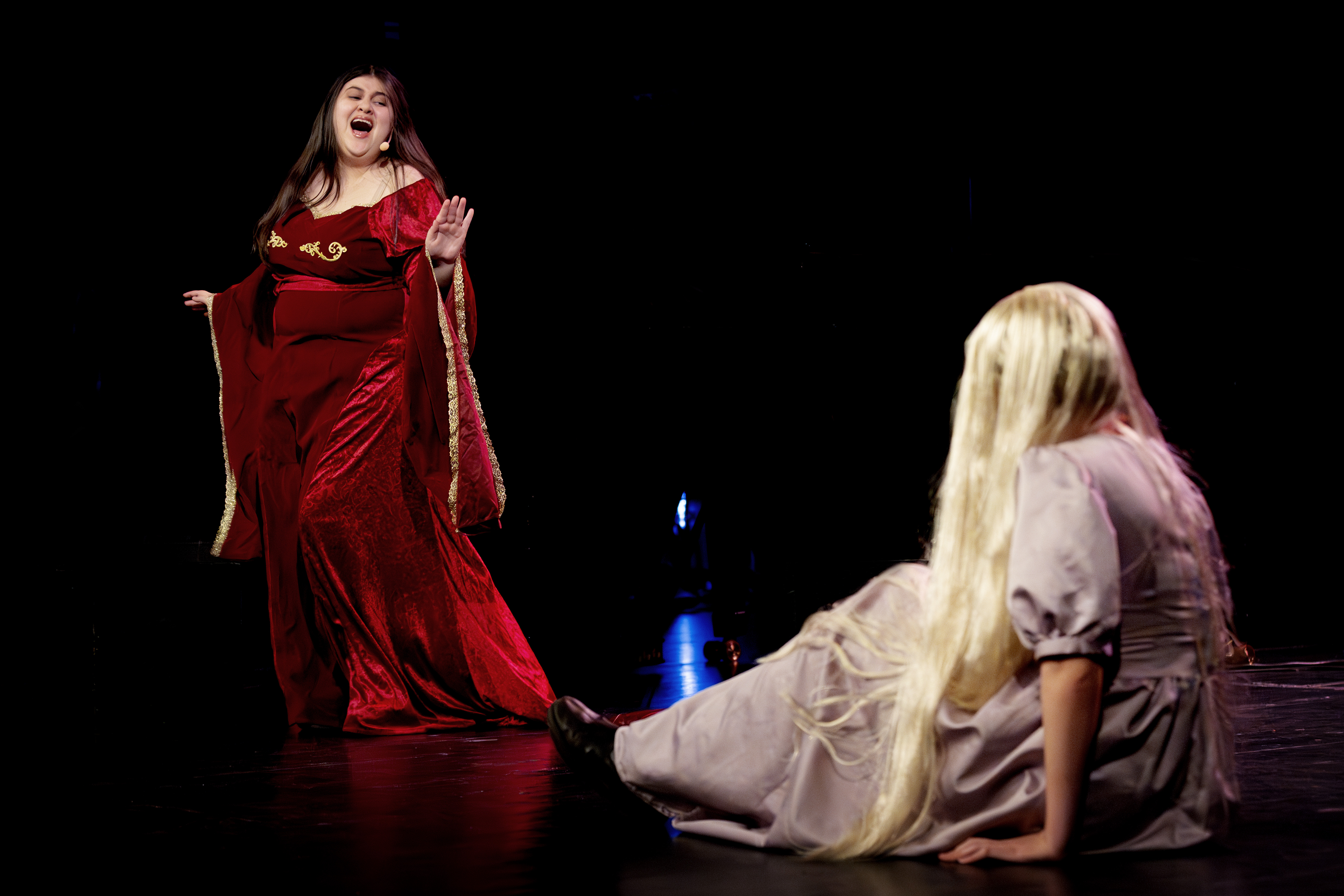
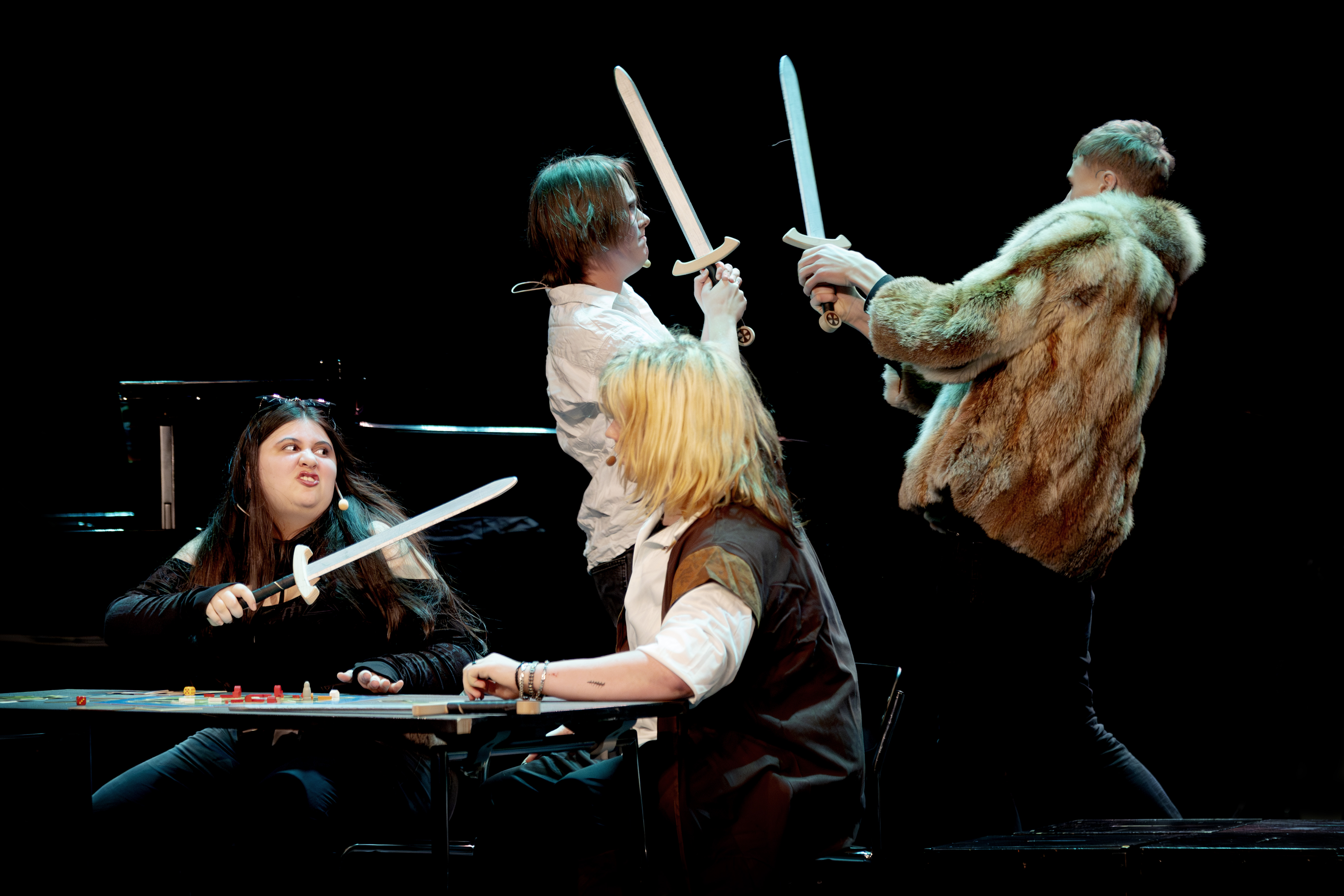
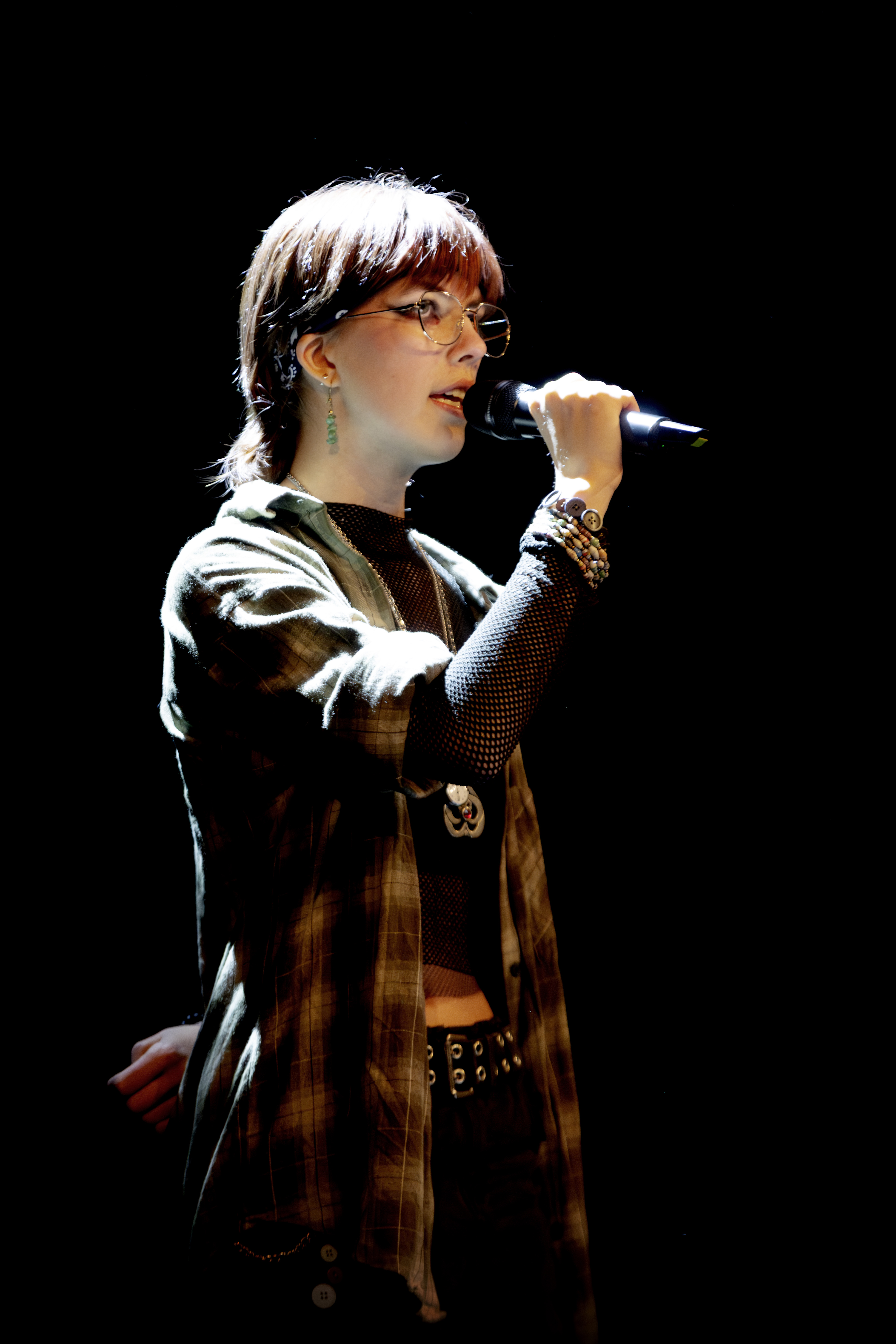
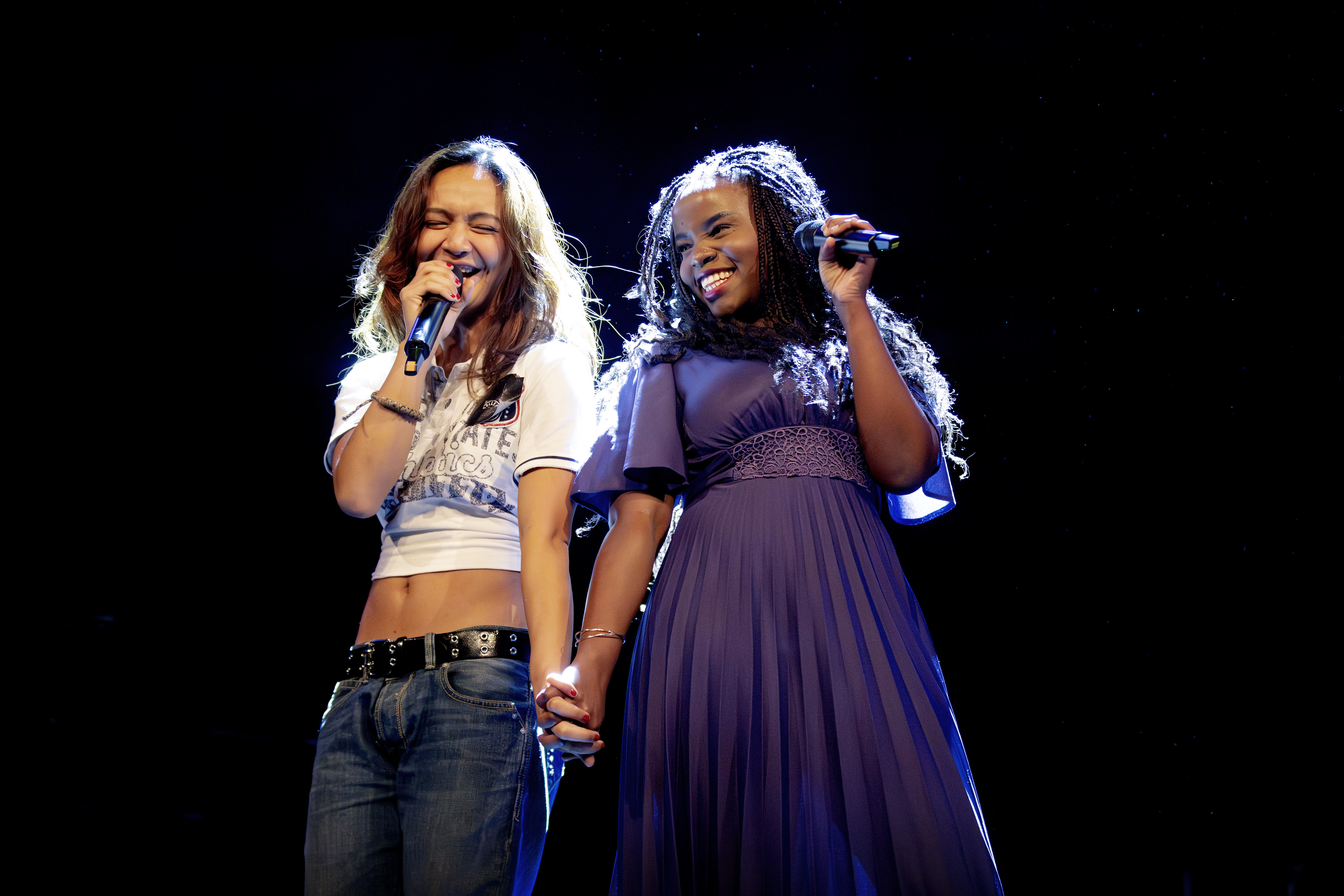
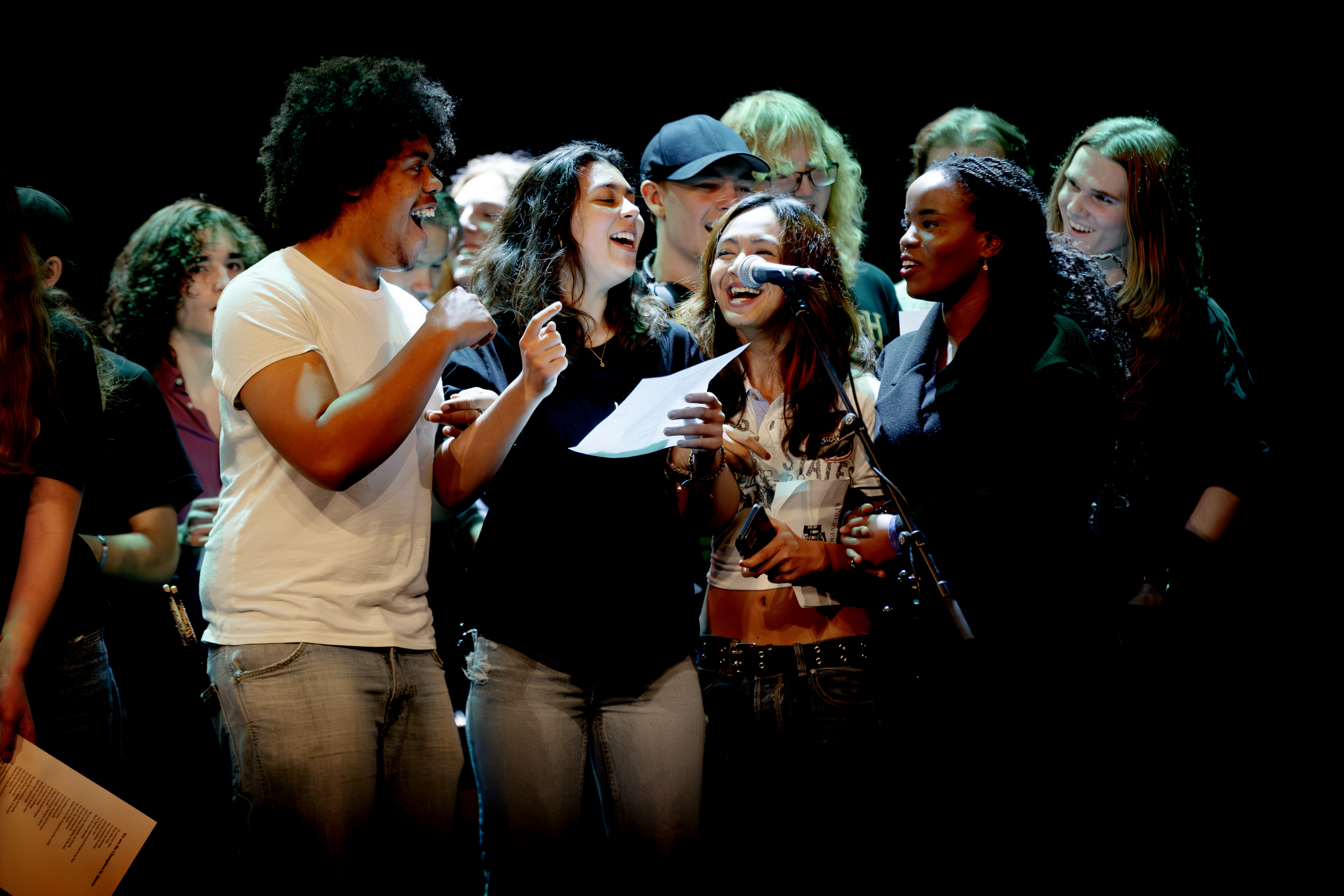
Through music, theatre, visual arts, open stages, workshops and public performances, participants gained the confidence to express themselves, take up space and be heard in their community. Many young people performed publicly for the first time, developed new skills, and discovered their own creative and social capacities. The project strengthened belonging and inclusion by offering a safe, welcoming and socially diverse environment where friendships, support networks and new pathways to school, work or creative engagement naturally emerged.
Collaboration with a wide range of partners — including cultural institutions, disability organisations, municipal departments and regional actors — enabled a broad, accessible and high‑quality programme. These partnerships expanded opportunities for youth, from artistic productions and festivals to nature‑based learning, health workshops and community events.
The long‑term impact is tangible. The methods, values and structures developed in the project have now become part of the municipality’s regular operations. The space created through the project continues today as Mötesplats Rosenfred, an established meeting place and cultural environment for young people. The wider youth community that formed around the project also lives on, sustaining creativity, participation and mutual support beyond the physical venue.
Hör Mig Varberg demonstrates how cultural expression and youth‑driven participation can build confidence, strengthen democracy and generate lasting social transformation at local level.
Hör Mig Varberg began with a clear need: many young people in Varberg lacked a place where they could feel seen, express themselves and influence their surroundings. With support from the Swedish Allmänna Arvsfonden, the municipality set out to create a youth‑led cultural space shaped directly by those it aimed to serve.
From the start, the project was shaped through dialogue. Rather than planning activities in advance, the team invited young people to define what the space should become. Through open meetings, co‑creation workshops and informal youth councils, they articulated a shared desire for community built around music, theatre, visual arts, nature‑based experiences, health workshops and opportunities to perform.
Implementation was hands‑on and flexible. An underused municipal space was transformed into an open and welcoming cultural hub. The project brought together partners from civil society, municipal departments and regional cultural actors, forming a strong cross‑sector foundation. Organisations such as Autism Halland, Music Hallandia, Medborgarskolan and several municipal units contributed artistic, educational and social expertise. Young people took active roles as creators, performers, organisers and paid summer staff, shaping both activities and the atmosphere of the space.
As the community grew, the hub became a place for connection, creative expression and personal growth. Youth who had never been on a stage performed for real audiences; others found confidence through collaborative art projects or supportive social environments. The project evolved continuously, adapting to the needs and ideas of its participants.
Over three years, Hör Mig Varberg grew into a cultural ecosystem. When the funding period ended, its methods and values were integrated into municipal operations, allowing the space—and the community that formed around it—to continue and thrive.
Youth Co Creation
Social Inclusion
Community Building
Cultural Expression
Participatory Democracy
Hör Mig Varberg demonstrates sustainability by building long‑lasting social, cultural and organisational structures that continue to benefit young people beyond the project period. Instead of offering temporary activities, the project established stable frameworks that promoted well‑being, agency and long‑term participation. A central sustainability mechanism was the creation of youth‑driven processes — such as shared decision‑making, rotating responsibilities and paid youth roles — which generated ownership, continuity and skills that remain valuable after the project ended.
Social sustainability was strengthened through consistent, low‑threshold access to creative and supportive environments. Young people experiencing isolation, neurodivergence or limited access to cultural life could join on equal terms, developing routines, confidence and networks that extended into schools, work life and other municipal services. This reduced vulnerability and improved long‑term resilience.
Cultural sustainability emerged through regular artistic practice, public performances and collaborations with cultural actors, which expanded the local cultural ecosystem and anchored youth creativity in Varberg’s community life. The project diversified cultural participation and ensured that young people's voices became an integrated part of the local cultural landscape.
Organisational sustainability resulted from cross‑sector collaboration. By involving civil society, multiple municipal departments and regional cultural actors, the project created a resilient structure that could adapt to changing needs while remaining resource‑efficient. These partnerships ensured that knowledge, methods and responsibilities were shared — not tied to one project team.
The strongest evidence of sustainability is that the project’s methods and values have been permanently integrated into municipal operations through Mötesplats Rosenfred, ensuring continued impact for future generations of young people.
Hör Mig Varberg contributes to aesthetics by creating an environment where beauty is experienced through expression, atmosphere and human connection. Rather than focusing on physical design alone, the project enabled young people to shape the cultural and emotional character of the space. Music, theatre, visual arts and collective creation filled the venue with colour, sound and stories, transforming an ordinary municipal room into a lively and meaningful place.
The project made everyday life more beautiful by offering opportunities for young people to share their voices. Public performances, exhibitions and open stages created moments of visibility and pride, enriching the cultural life of the neighbourhood. Many participants performed publicly for the first time, turning the space into a stage where youth perspectives were acknowledged and valued.
Aesthetics also emerged through the welcoming atmosphere that young people co‑created. By influencing how rooms were arranged, how events unfolded and how newcomers were greeted, they shaped a social environment characterised by warmth and care. This sense of ownership fostered belonging and made the space feel safe, creative and authentic.
The long‑term aesthetic value lies in how these practices continue at Mötesplats Rosenfred, where co‑creation and artistic expression remain central. The space continues to reflect the voices and identities of the young people who use it, contributing to a local culture rooted in creativity, inclusion and shared meaning.
The project is exemplary in aesthetics because it demonstrates that beauty is not only a matter of physical form, but of cultural vitality, emotional resonance and the dignity of being seen. Hör Mig Varberg shows that beauty grows when people are given the power and freedom to create together.
Hör Mig Varberg addresses inclusion by making participation accessible, affordable and meaningful for all young people. All activities were free of charge and designed as low‑threshold, drop‑in formats, ensuring that youth who normally stand outside cultural or social life could join on equal terms. The project actively welcomed participants with diverse neurotypes, linguistic backgrounds and social circumstances, offering flexible support based on individual needs.
Inclusion was embedded in governance. Young people shaped the content and direction of the space through co‑creation workshops, youth councils and shared responsibility. This model treated their lived experiences as expertise and demonstrated how public spaces can be governed in partnership with those who use them.
Design‑for‑all principles guided the physical and social environment. Rooms were arranged to reduce stress, sensory overload and social pressure, with calm areas, creative zones and welcoming entry points. Activities could be joined gradually or fully, allowing participation at each individual’s pace.
Accessibility also extended to opportunities. Through paid summer roles, volunteer pathways and open creative platforms, young people with limited resources gained access to cultural, social and professional experiences they otherwise would not have had.
What makes the project exemplary in inclusion is the ecosystem it created: a space where diverse identities and needs shaped the environment, where barriers were reduced through design and governance, and where belonging became an everyday experience that continues to influence municipal youth work.
Participation was the core engine of Hör Mig Varberg. Young people were not invited to “join activities” but to shape the space, the programme and the culture from the very beginning. Their involvement influenced practical decisions, artistic direction and the social atmosphere, ensuring that the project reflected real needs rather than assumptions.
Participation took many forms. Through open meetings, co‑creation workshops and informal youth councils, young people defined priorities, proposed ideas, adjusted schedules and shaped the tone of the environment. They acted as creators, performers, organisers, hosts, peer‑supporters and—through paid summer roles—co‑workers. Their lived experiences guided the development of methods that were accessible and meaningful for a wide range of participants.
Communities and civil society organisations were also actively involved. Partners such as Autism Halland, Music Hallandia, Medborgarskolan and several municipal units contributed perspectives rooted in disability inclusion, culture, education and youth work. Their participation broadened the expertise available to the project and ensured that diverse groups could access the space in ways that suited their needs.
The collective involvement of youth and partners had concrete impact:
• activities became more relevant, varied and engaging
• trust grew between participants and adults
• the space developed into a supportive community rather than a programme
• young people gained confidence, leadership skills and ownership
• staff learned to adapt methods based on youth input, strengthening long‑term municipal practice
Participation also shaped the project’s legacy. Because the methods were co‑built with the young people who used them, the municipality could confidently integrate them into continued operations. The participatory culture established during the project is now embedded in Mötesplats Rosenfred, where youth voices remain central in shaping everyday life.
Hör Mig Varberg worked across multiple levels of governance, creating a collaborative structure that connected local, regional and national actors around the shared goal of strengthening youth participation and cultural inclusion.
At the local level, the municipality played a central role by hosting the space, coordinating the project and integrating youth perspectives into everyday decision making. Several municipal departments — including education, social services and culture — contributed expertise, staff hours and outreach, ensuring that the project aligned with broader youth and welfare strategies. Local civil society organisations, such as Autism Halland, Playground and Medborgarskolan, were deeply involved in programme delivery, bringing specialist knowledge in disability inclusion, creative pedagogy and community engagement.
At the regional level, organisations like Musik Hallandia and Naturum Getterön expanded the project’s cultural dimension. Their involvement strengthened the quality and diversity of artistic activities, offered access to regional networks and resources, and provided professional pathways for participants interested in cultural or environmental fields.
At the national level, the Swedish Allmänna Arvsfonden served as the primary funder. Their support enabled a long term development process rooted in innovation, participation and inclusion. Their reporting framework encouraged structured evaluation, democratic governance and sustainable method development, which strengthened the project’s credibility and long term viability.
Although the project did not operate directly with EU institutions during implementation, it was inspired by European priorities on youth, inclusion and culture. The cross sector model aligns strongly with NEB values and demonstrates how local initiatives can contribute to European goals.
Hör Mig Varberg was inherently transdisciplinary, bringing together knowledge fields that rarely meet in traditional youth or cultural projects. The project blended arts, social sciences, youth work, education, health promotion, and environmental learning to create a holistic environment where young people could grow through multiple entry points.
Artists and cultural educators contributed methods in music, theatre, visual arts and performance, enabling young people to explore identity and expression. Social workers, youth coaches and educators brought expertise in relational work, accessibility, neurodivergence and social inclusion, ensuring that activities were emotionally and socially safe. Partners such as Autism Halland added specialised knowledge on cognitive and sensory needs, influencing the design of both activities and space.
Environmental education entered the project through collaborations with Naturum Getterön, where outdoor workshops and nature‑based experiences supported well‑being and broadened the learning context. Health‑focused partners introduced practices related to stress reduction and mental well‑being, connecting cultural expression with personal resilience.
The project also integrated organisational and community‑building disciplines. Through co‑creation processes, young people learned project planning, event management, communication and collaborative leadership — skills typically associated with civic engagement and participatory governance.
This combination of artistic, social, educational, environmental and organisational knowledge created a transdisciplinary ecosystem where each field strengthened the others. It allowed the project to meet young people’s varied needs, offer multiple pathways to participation, and model how cultural spaces can be designed through diverse expertise.
The business model of Hör Mig Varberg is based on long term public investment rather than revenue generating activities. Instead of creating a temporary initiative, the project focused on developing methods and structures that could be fully absorbed into the municipality’s regular youth and cultural services once Arvsfonden’s funding ended. By demonstrating relevance, demand and measurable social value, the project made it strategically sound for the municipality to continue financing the work.
Cross sector collaboration strengthened financial sustainability. Civil society organisations, municipal departments and regional cultural actors shared resources, equipment and expertise, reducing operational costs and ensuring that activities remained accessible and free for all young people.
The model also builds on youth participation as a resource. Through volunteer roles, co creation processes and youth led events, the project maintained a dynamic programme with limited staffing needs while giving young participants meaningful ownership.
The clearest indicator of financial sustainability is that the project’s methods and values are now embedded in a permanent municipal service — Mötesplats Rosenfred — funded through existing public budgets. This ensures stable, long term operation and continued accessibility without reliance on short term grants.
Hör Mig Varberg offers a model that is highly transferable to other municipalities and sectors because it is based on adaptable methods rather than place bound structures. The core elements — youth co creation, cross sector collaboration, low threshold cultural access and participatory governance — can be implemented in communities of different sizes, with different resources and cultural profiles.
The methodology is built on processes that can be replicated:
• co creation formats such as open meetings, workshops and youth councils
• flexible activity design, allowing participation at different levels and paces
• cross sector partnerships, connecting culture, social services, education and civil society
• youth led roles that build ownership and reduce operational costs
• design for all principles, suitable for mixed neurotypes and diverse social backgrounds
These components can be adapted to various settings — from rural youth centres to urban neighbourhood hubs — because they do not depend on specialised infrastructure or costly technology. What is required is commitment to shared governance and inclusive cultural practice.
Interest from outside the municipality confirms the model’s transferability. Neighbouring municipalities and regional actors have already requested documentation and guidance to explore how the methods could be localised in their own contexts. The project’s structure aligns well with national youth, inclusion and cultural policy frameworks, making it easy for other regions to integrate into existing systems.
Within Varberg, the approach has already proven scalable as it informs practice across multiple municipal units and continues at Mötesplats Rosenfred. With clear processes, documented methods and strong evidence of impact, Hör Mig Varberg provides a replicable blueprint for cultural community building that can be adopted by other geographies, sectors or public services aiming to strengthen youth participation and social cohesion.