Arts, Culture, and Heritage as Drivers of Change
Cultural Infrastructure for Urban Change
Sara Kulturhus - Cultural Infrastructure for Sustainable and Inclusive Urban Change
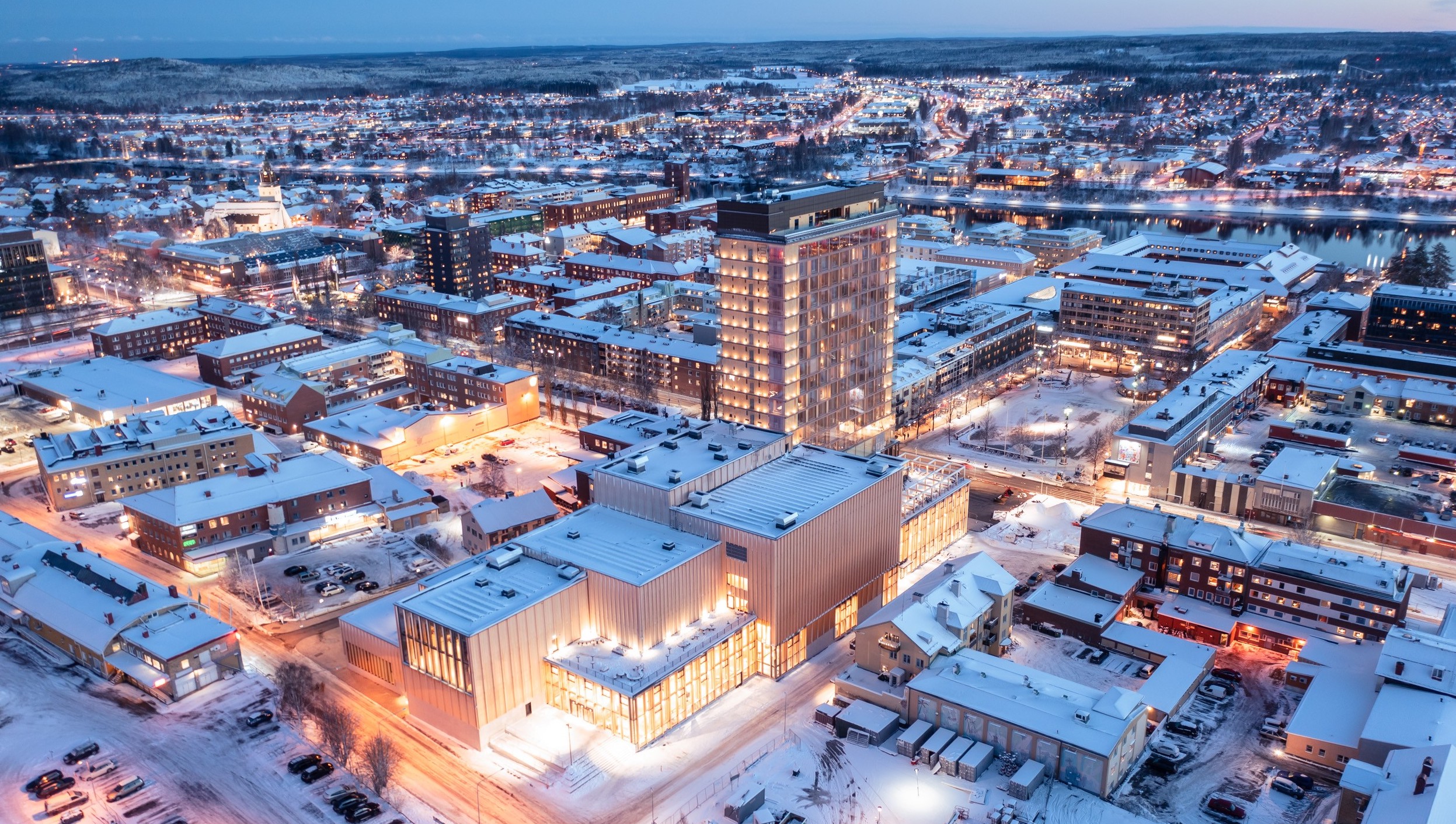
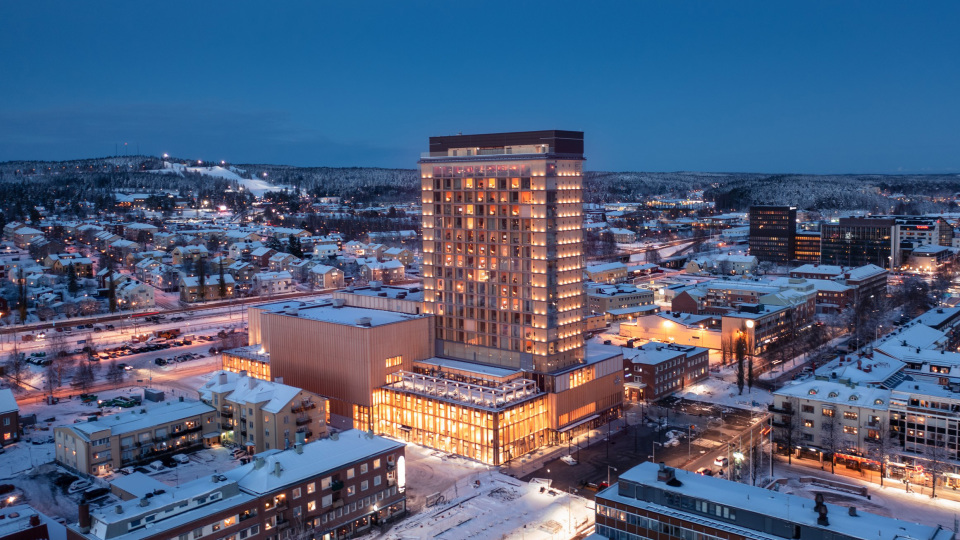
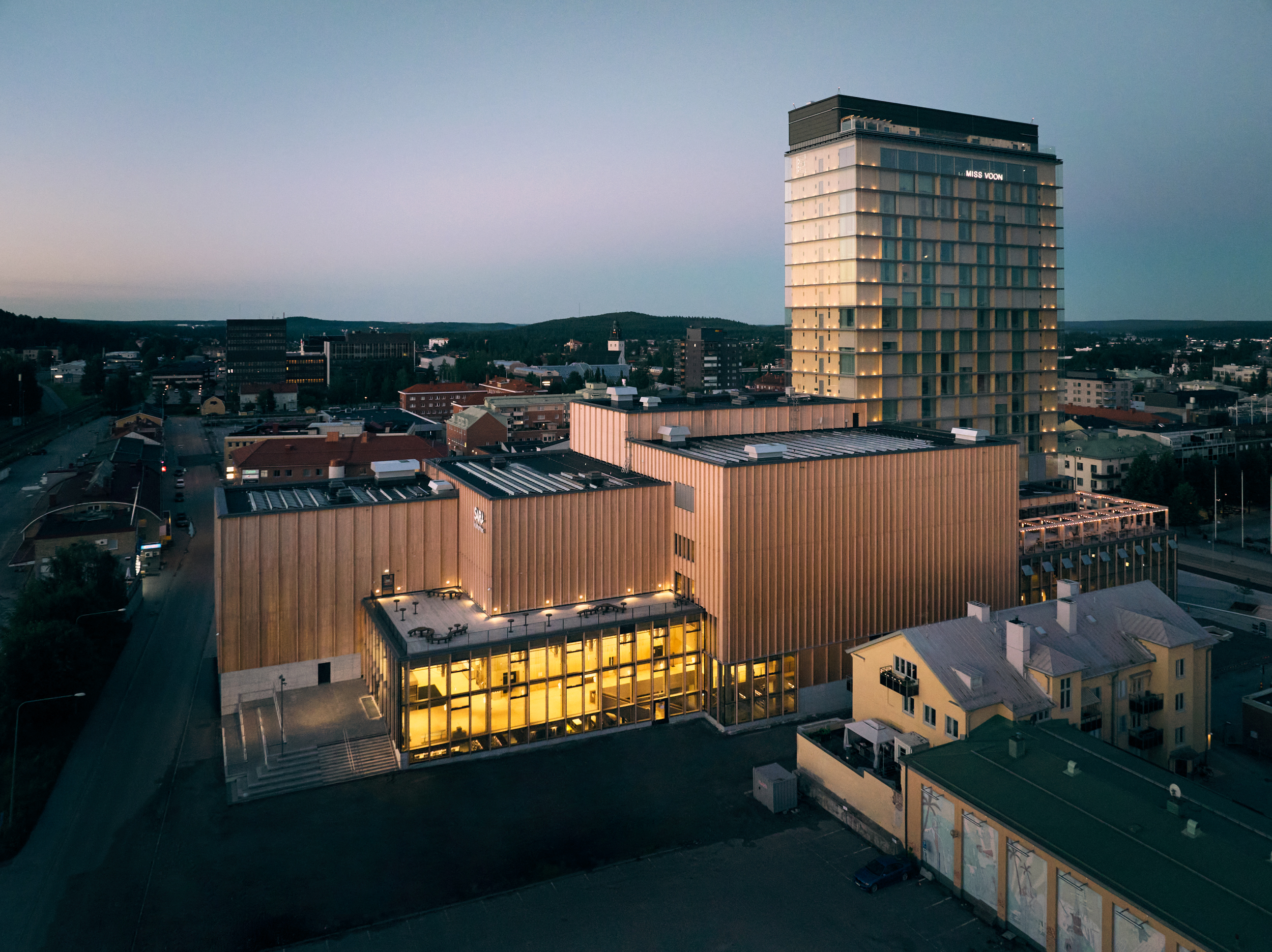
Sara Kulturhus in Skellefteå shows how cultural infrastructure can support sustainable and inclusive urban transformation. Located at the forefront of Europe’s green industrial transition, it brings together culture, learning and everyday life in a vibrant civic space and cultural landmark. It serves as an open, inclusive and accessible meeting place where people from different backgrounds can participate in cultural and civic life on equal terms.
Sweden
Local
Skellefteå, Sweden
Mainly urban
It involves a physical transformation of the built environment (hard investment)
Yes
2021-09-08
No
No
No
Organisation
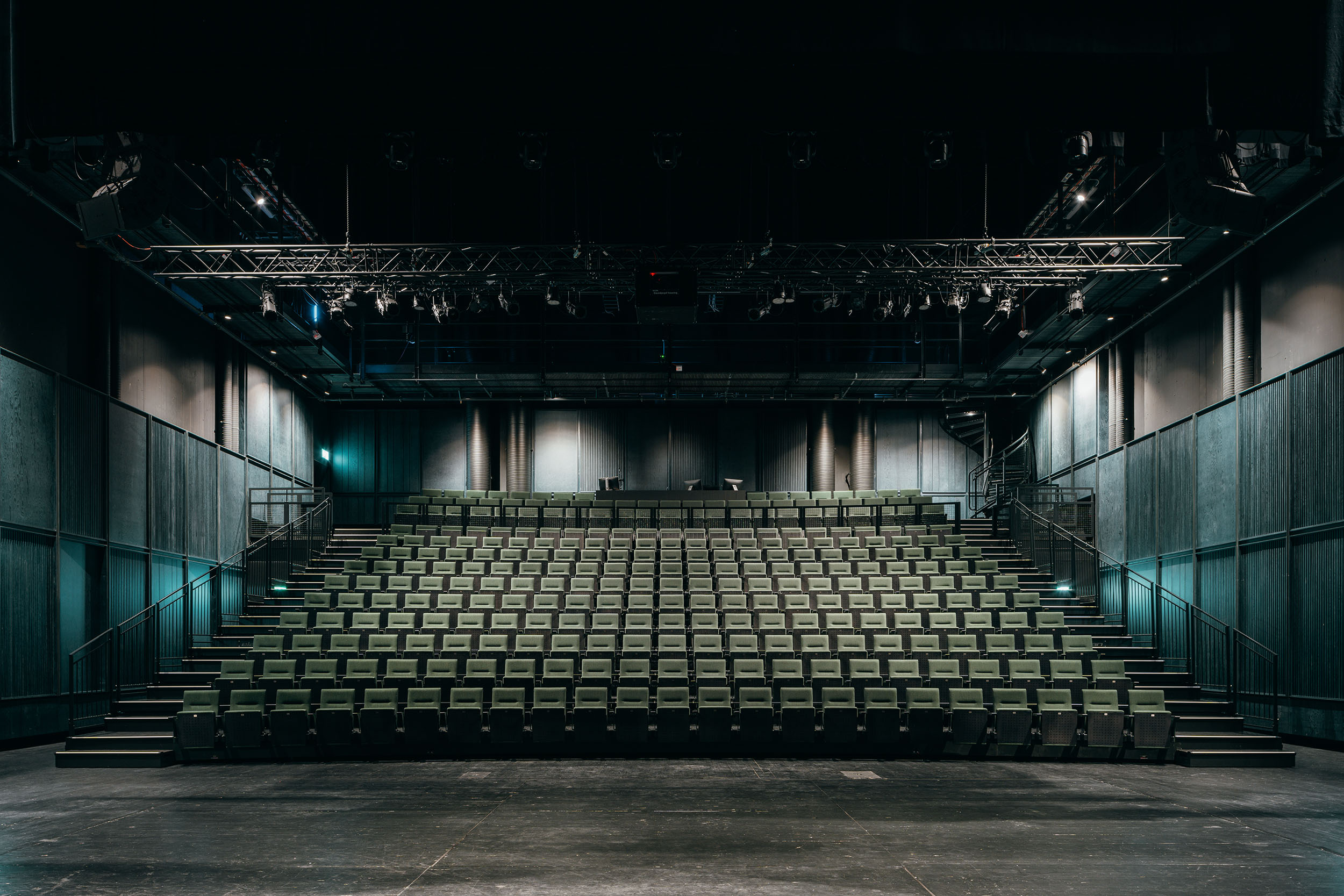
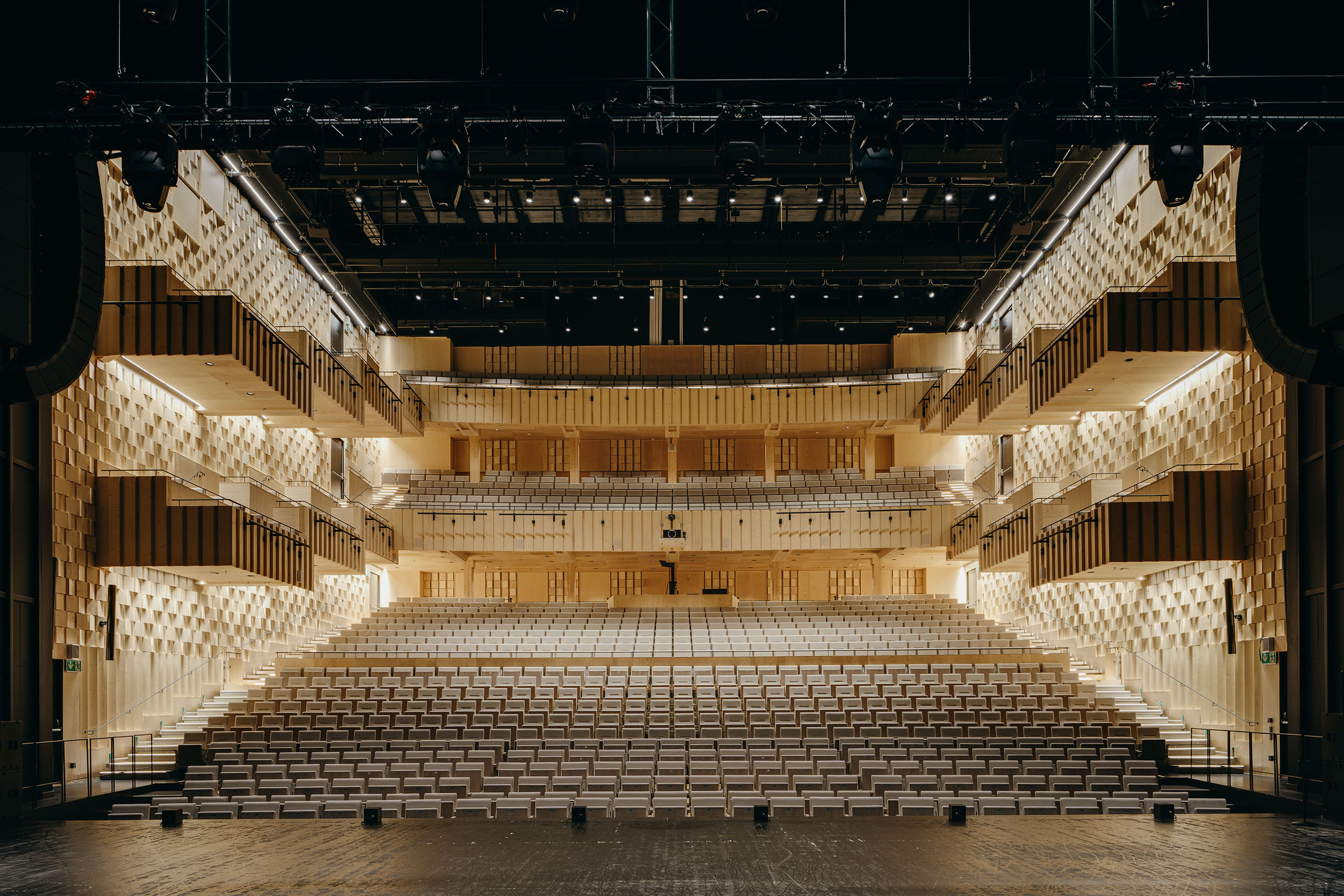
Sara Kulturhus in Skellefteå demonstrates how cultural infrastructure can support sustainable and inclusive urban transformation in rapidly changing industrial regions. Located in one of Europe’s fastest-growing green industrial regions, it brings together theatre, concerts, exhibitions, a public library, hotel and meeting spaces in a multifunctional civic hub active throughout the day.
Since opening in 2021, the building has attracted more than 700,000 visitors annually, making it one of the most visited cultural destinations in northern Europe. The share of visitors travelling more than 50 km has increased from 14% in 2023 to 42% in 2025, demonstrating its growing role as a regional destination and driver of the visitor economy. Since opening, more than 2.8 million SEK has been generated for local associations through their involvement in event operations, strengthening both community engagement and the local cultural ecosystem.
Constructed primarily from timber and developed through strong partnerships with civil society, the project combines climate-conscious architecture with inclusive programming for diverse audiences. It strengthens social cohesion, cultural life and a sense of belonging in a city undergoing rapid economic and demographic change linked to Europe’s green transition.
Through its architecture, governance model and programme, Sara Kulturhus contributes to long-term regional attractiveness and provides a transferable model for how culture can support identity, community and sustainable urban development in cities across Europe.
Sara Kulturhus emerged from a long-term vision to strengthen social cohesion, cultural life and urban attractiveness in Skellefteå. As part of the strategic vision “Skellefteå 2030”, the Municipality of Skellefteå made an early decision to invest in cultural infrastructure as a foundation for sustainable urban development. This proactive approach contributed to positioning the city as an attractive place to live and work, and was one of several factors that later supported major industrial investments, including Northvolt’s decision to establish large-scale battery production in the region.
The project was implemented through close collaboration between the municipality, cultural institutions, architects, regional energy partners and civil society organisations. From the outset, the ambition was to create more than a building – a shared civic space that integrates culture, knowledge and everyday life. This resulted in a multifunctional programme combining performing arts, exhibitions, a public library, hotel and meeting spaces in a single structure.
A key aspect of implementation was the integration of climate-conscious timber construction and innovative energy solutions, positioning the project as a leading example of sustainable architecture. At the same time, strong partnerships with civil society ensured inclusive programming and broad public engagement from the start.
Through this integrated approach – combining architecture, governance and cultural programming – Sara Kulturhus was realised as both a physical landmark and a platform for long-term community development in a rapidly transforming European region.
sustainable architecture
social inclusion
community engagement
urban transformation
energy efficiency
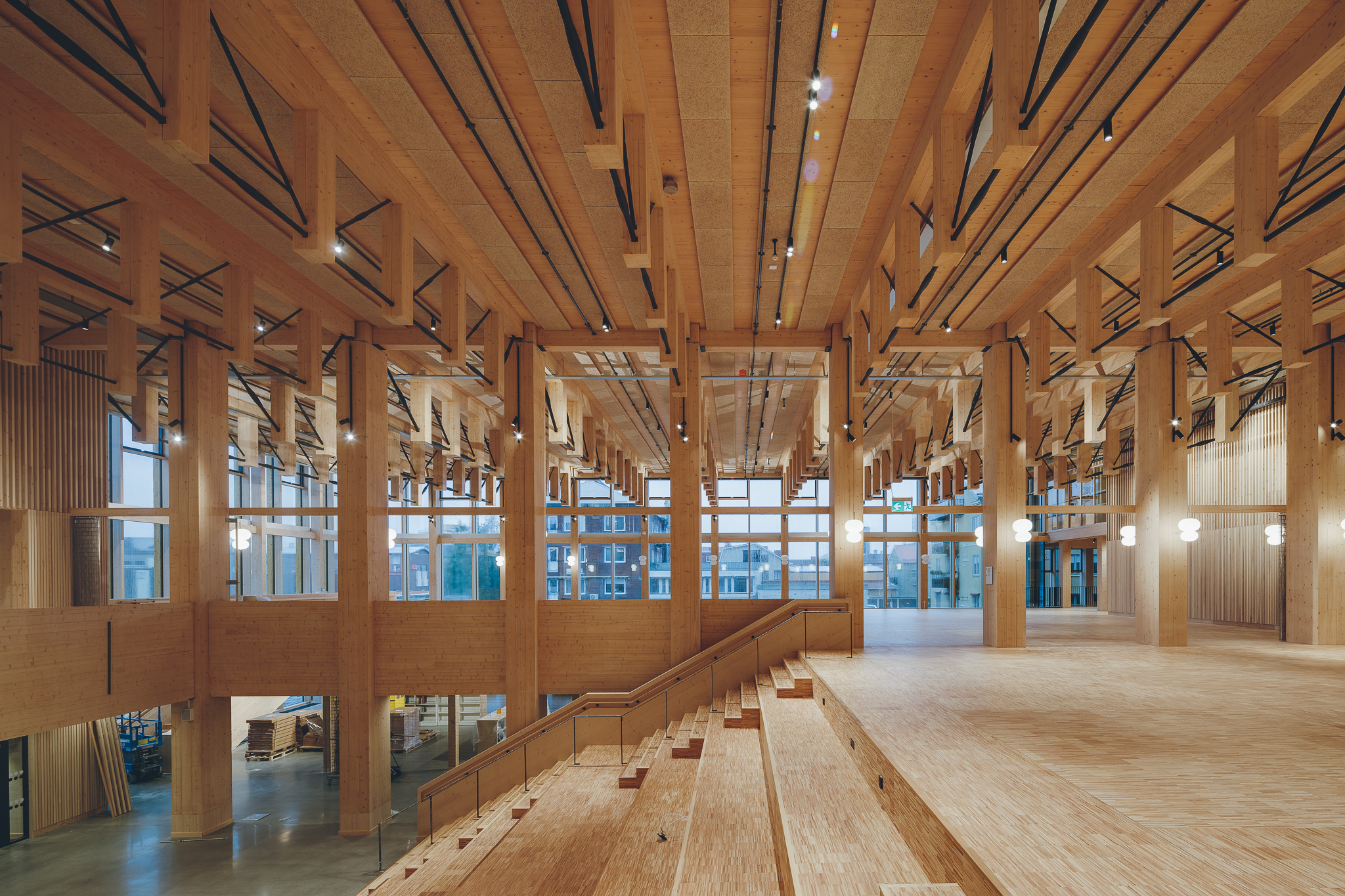
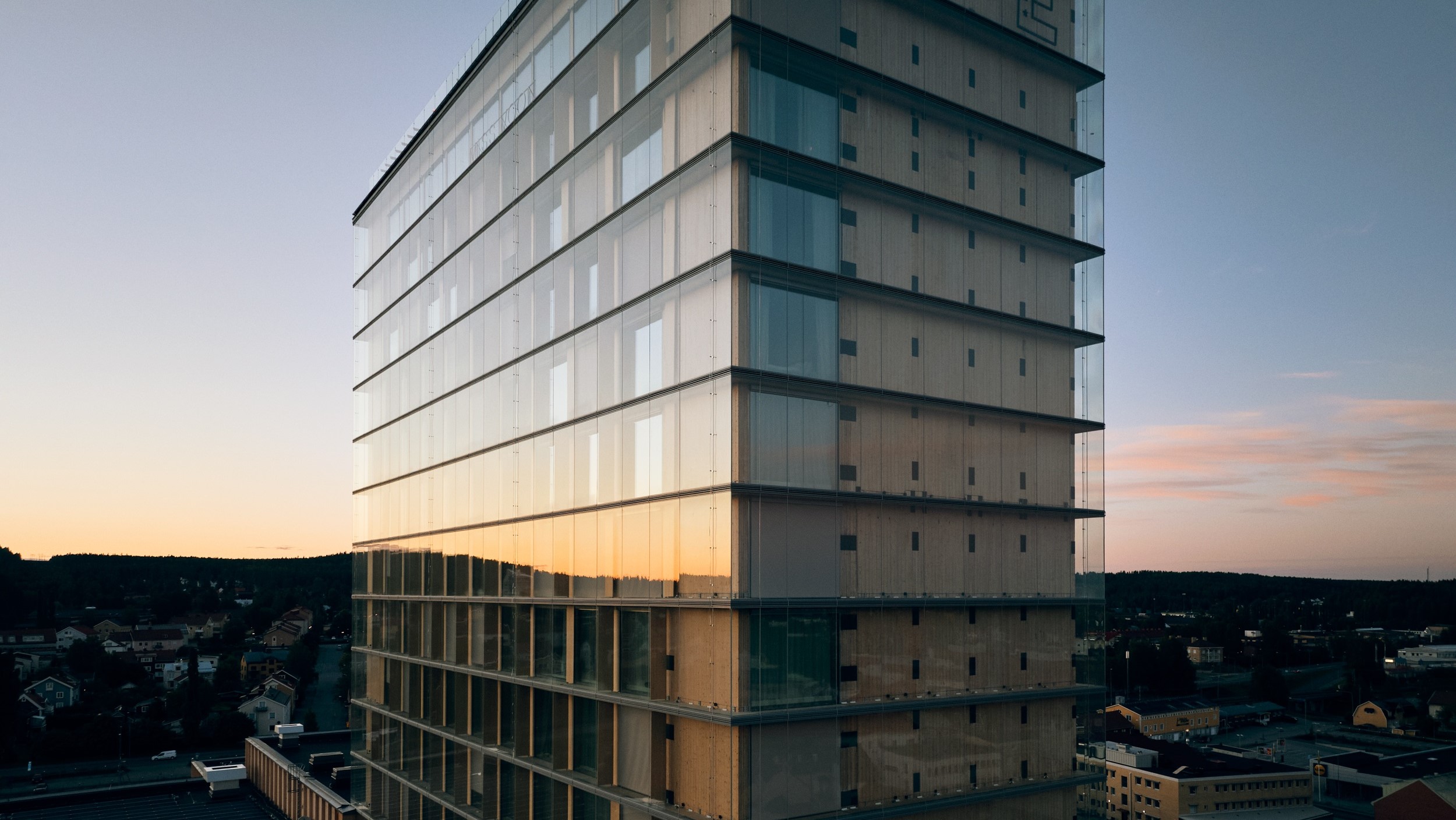
Sustainability is embedded in both the physical design and long-term operation of Sara Kulturhus. Constructed primarily from timber, the building is internationally recognised as a leading example of large-scale wooden architecture, combining low-carbon material choices with an innovative integrated energy system developed in collaboration with regional energy partners. It has achieved Miljöbyggnad Gold certification, reflecting exceptional performance in energy efficiency, indoor climate and environmental impact.
Beyond environmental performance, the project addresses broader social and economic sustainability challenges. By strengthening Skellefteå’s attractiveness as a place to live, work and visit, it supports sustainable urban development in a rapidly transforming industrial region. The building creates a shared civic space that contributes to social cohesion, access to culture and long-term community resilience.
Additional initiatives such as on-site beekeeping, the use of tap water instead of bottled water (“Kranmärkt”), and tree planting through the “Sara Kulturskog” initiative further reduce environmental impact and promote sustainable everyday practices.
As an integrated approach combining architecture, energy systems and social value, Sara Kulturhus demonstrates how cultural infrastructure can act as a catalyst for sustainable development and offers a replicable model for cities across Europe undergoing similar transitions.
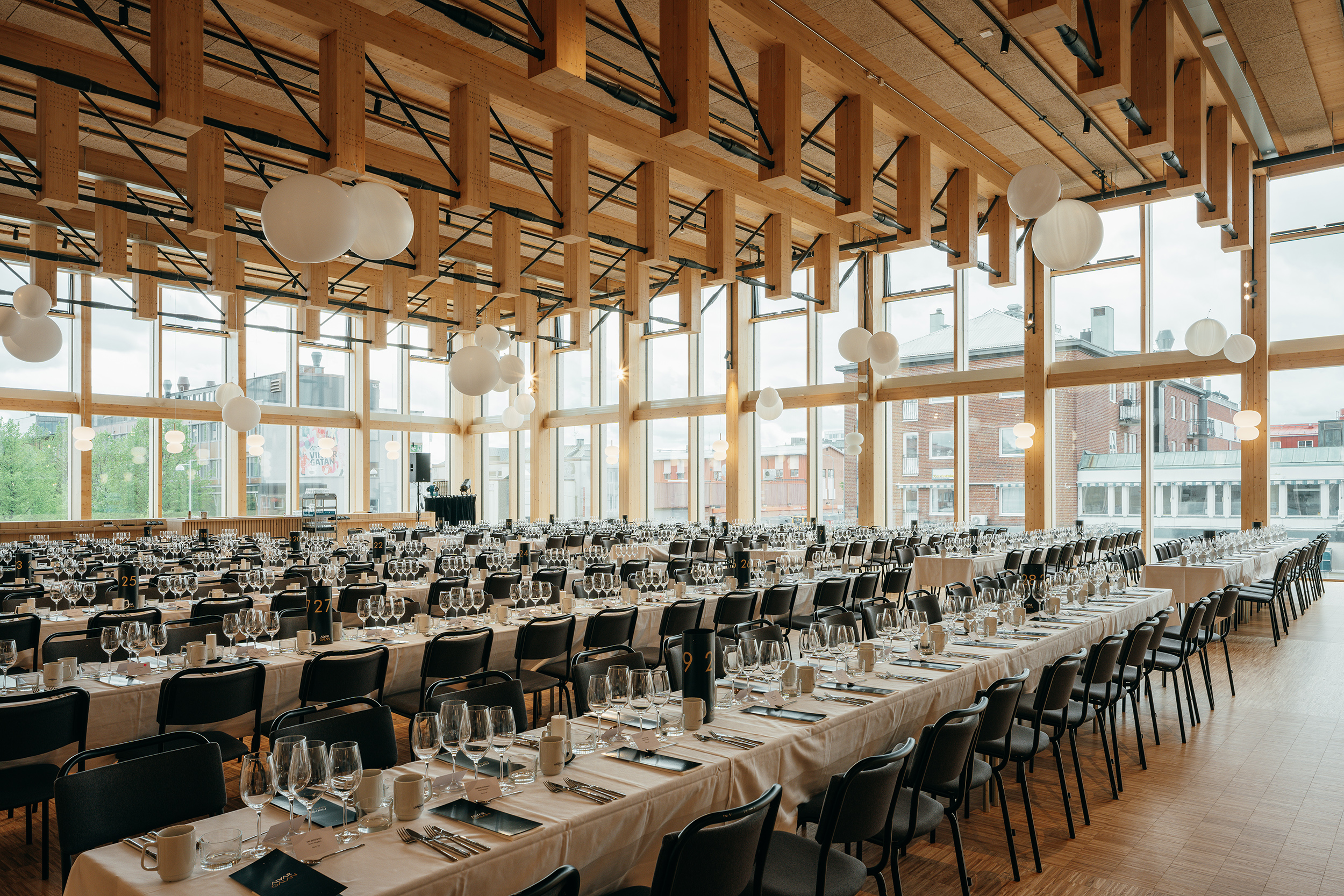
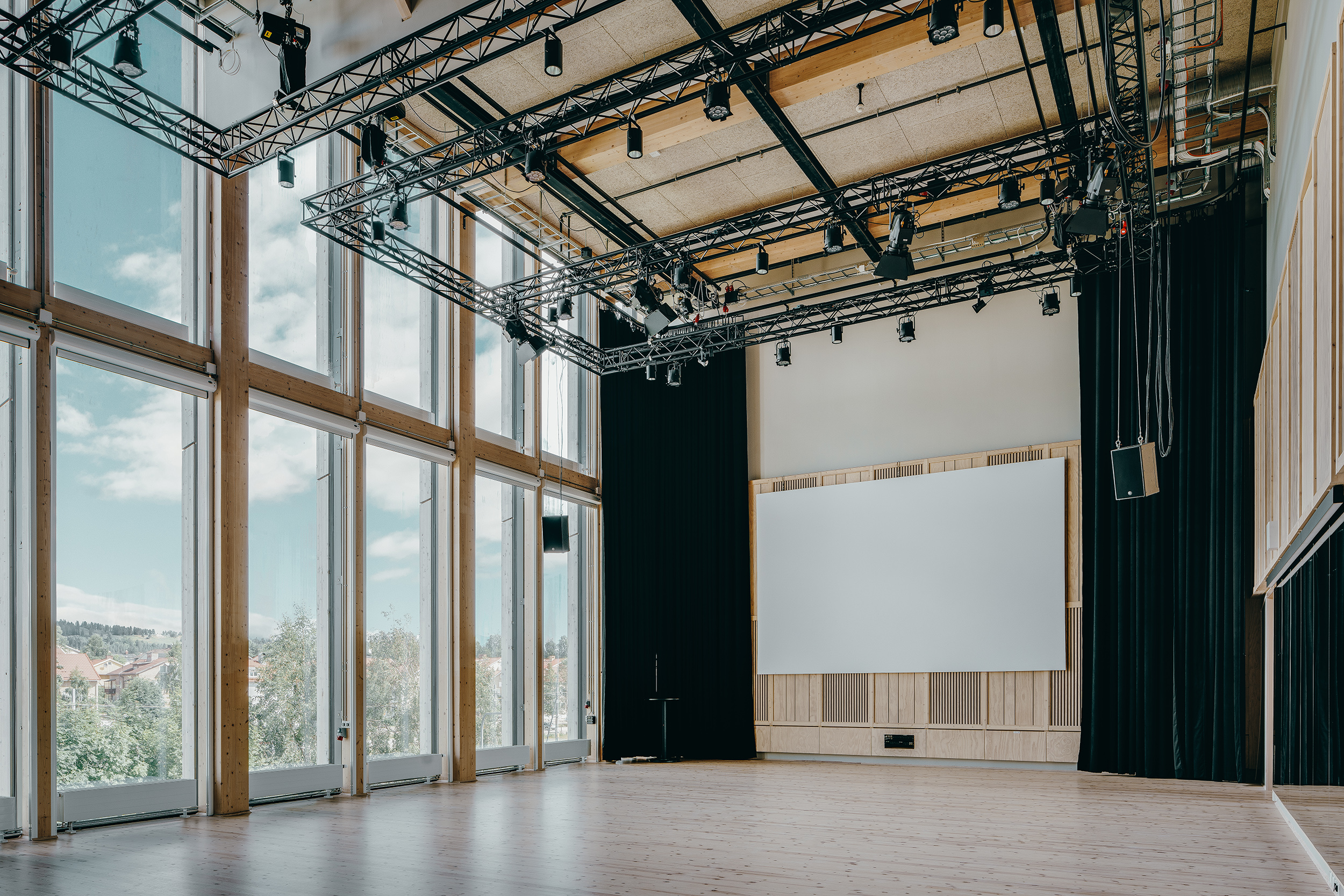
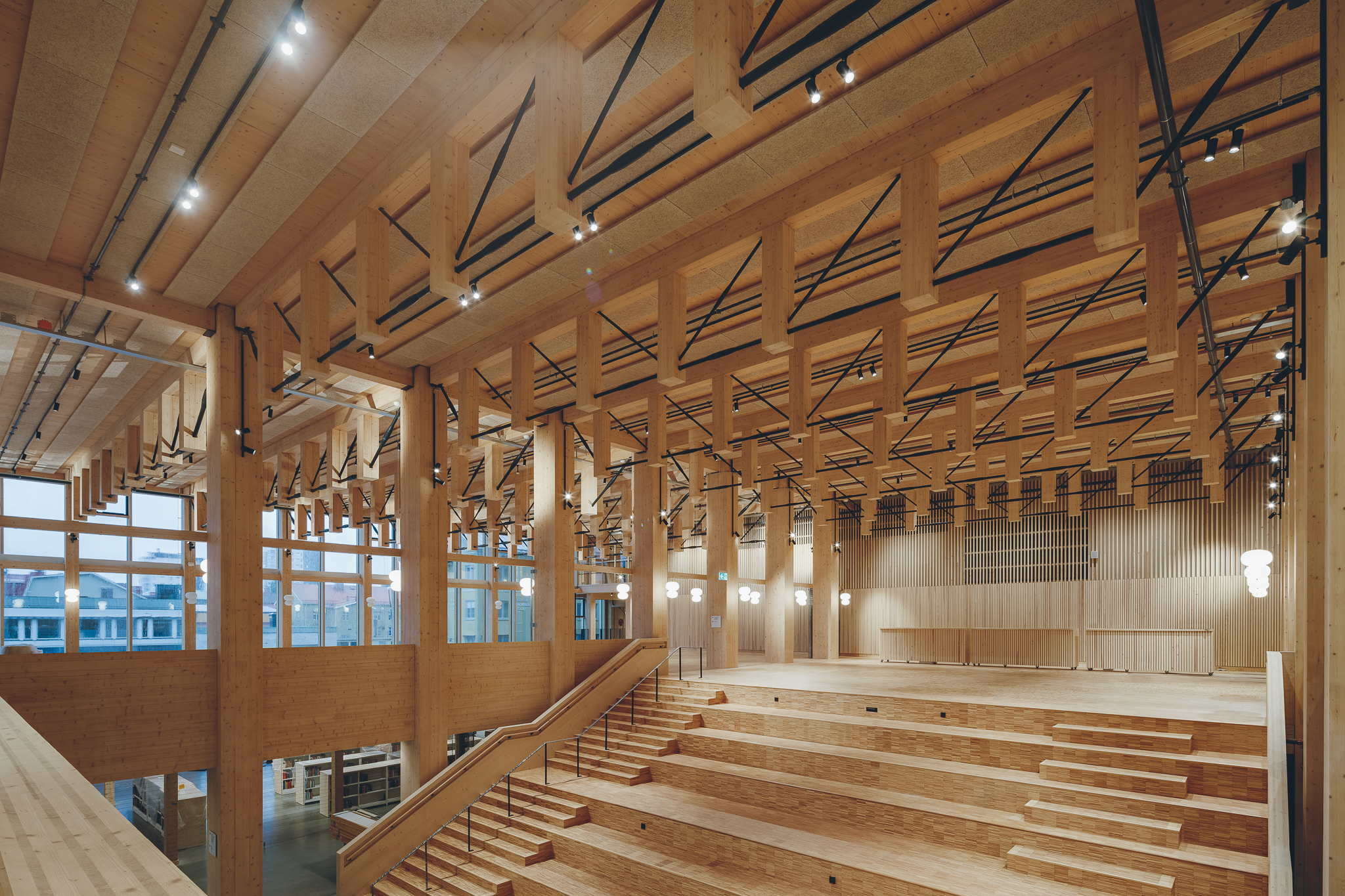
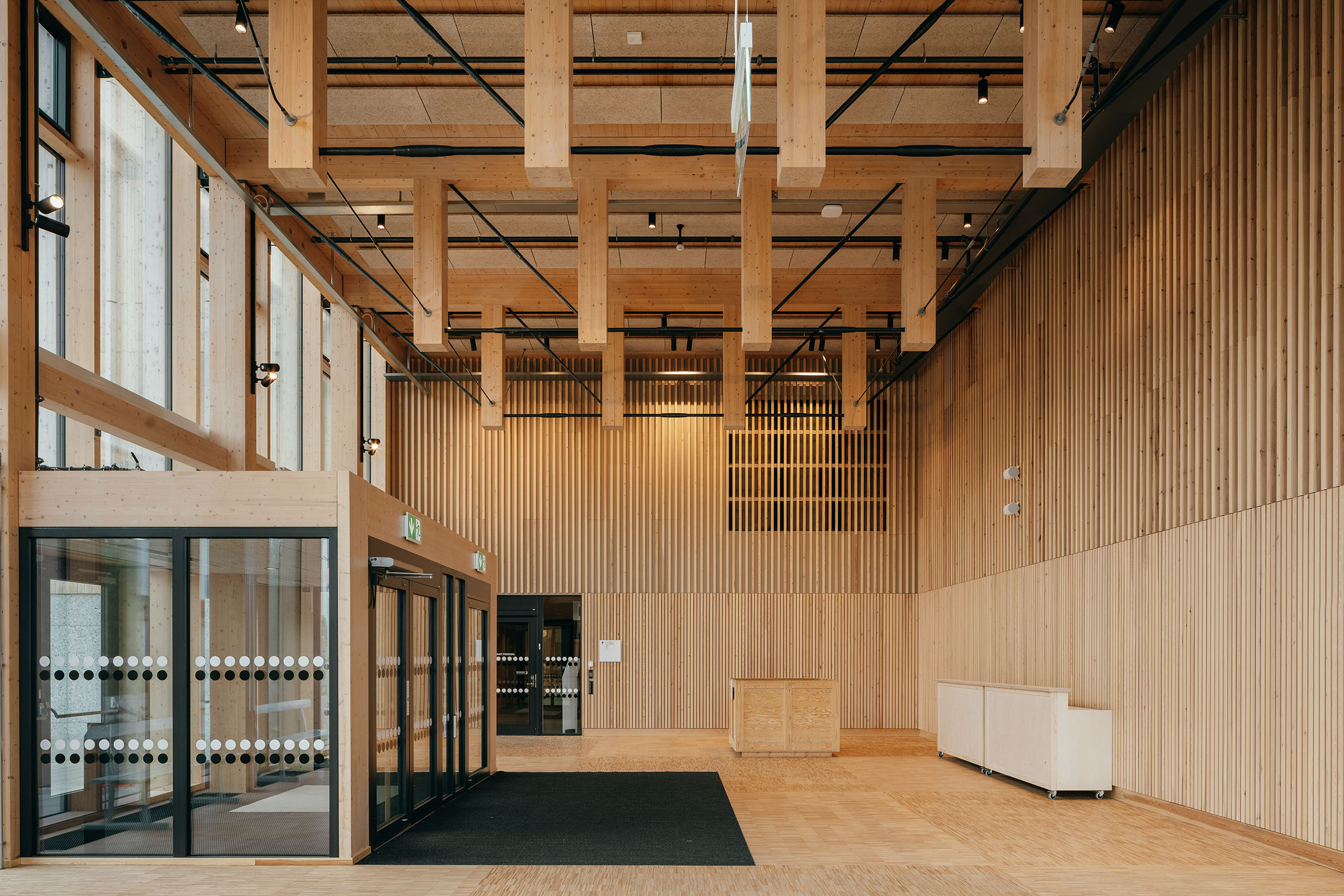
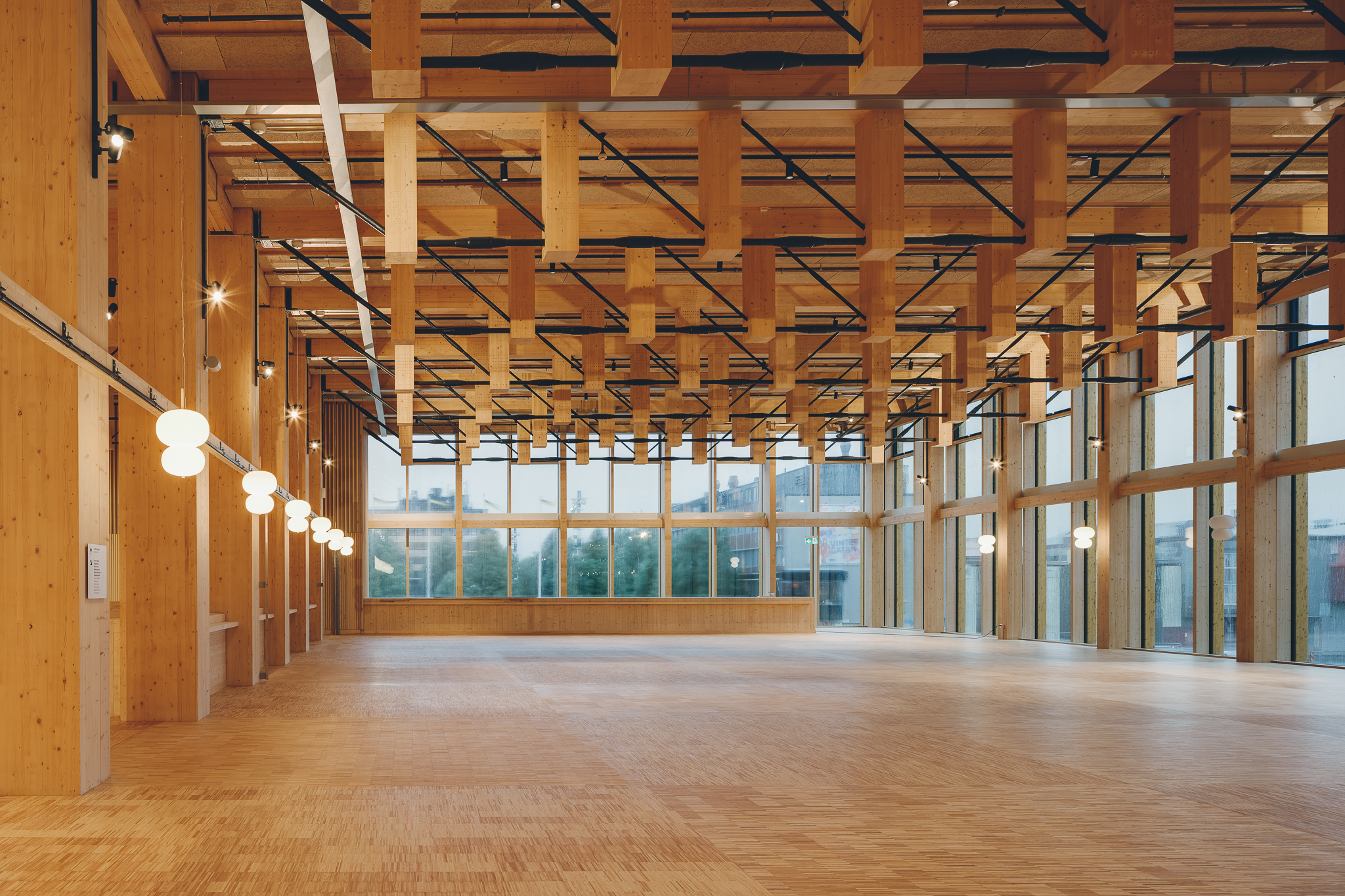
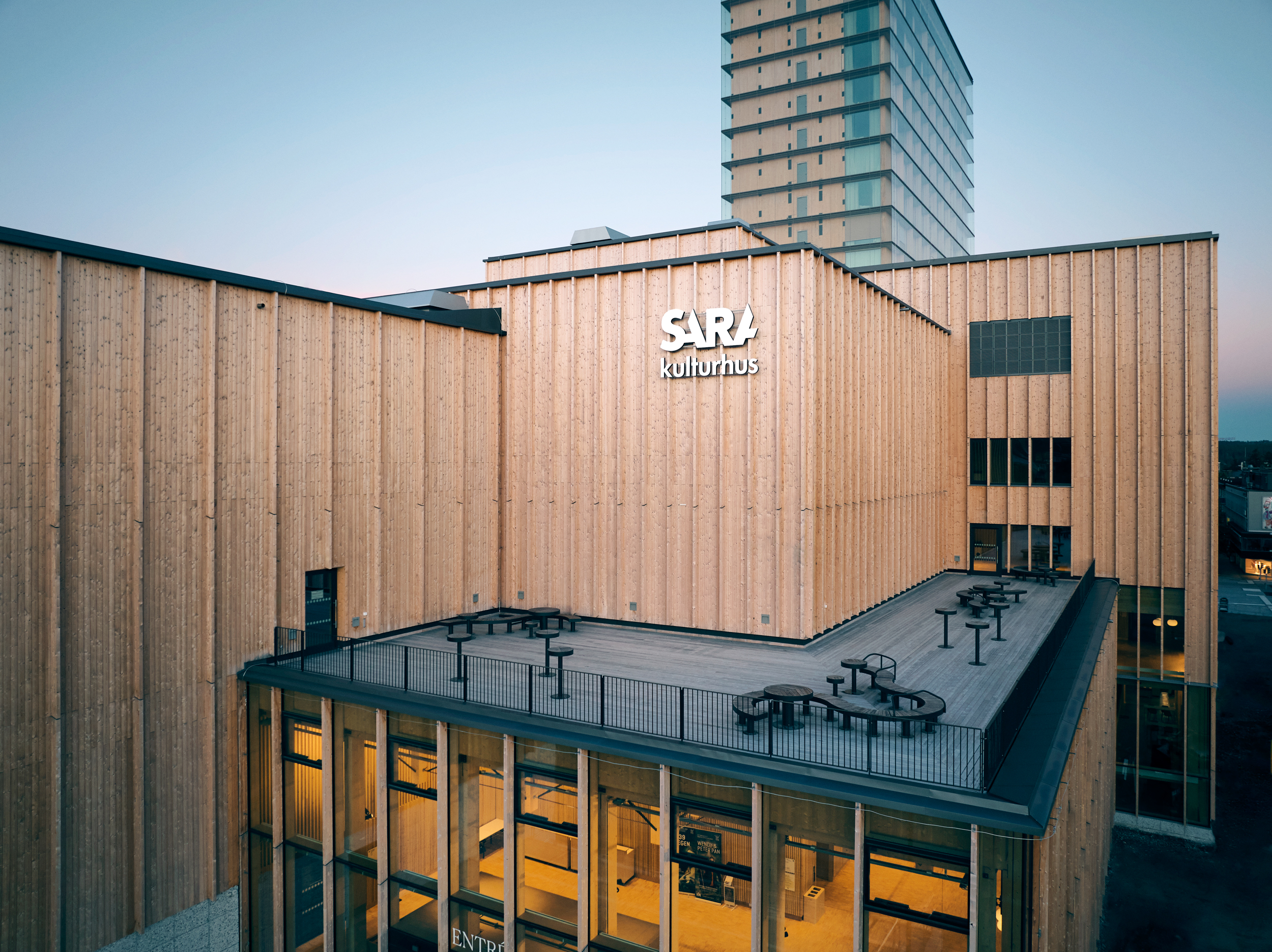
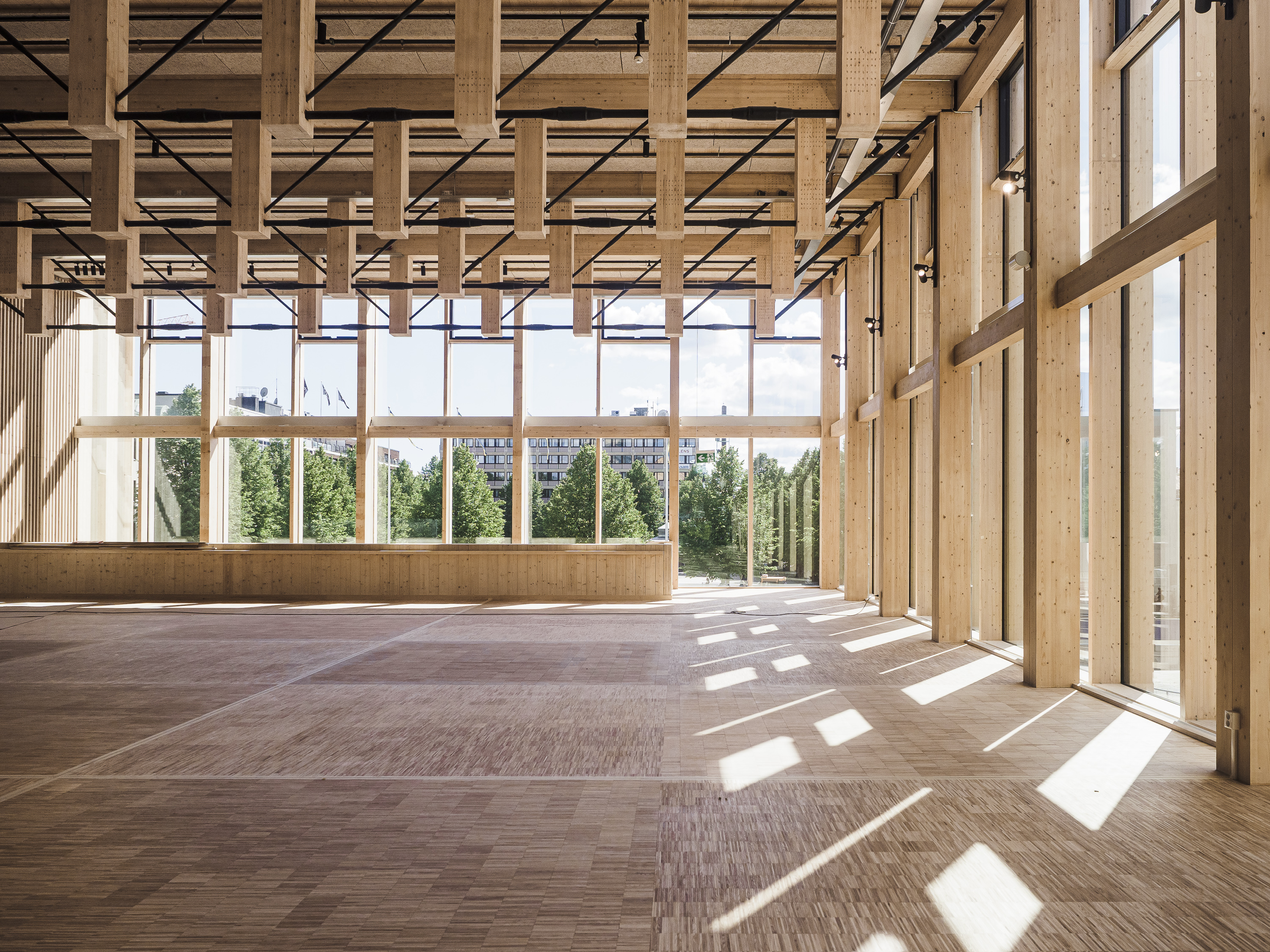
Sara Kulturhus demonstrates how architecture can create meaningful, beautiful and inclusive public spaces that people connect with in their everyday lives. The building combines contemporary timber architecture with open and inviting public areas that encourage visitors to enter, stay and interact, even without attending a ticketed event. Spaces such as the cultural staircase, foyers and exhibition areas function as a vibrant extension of the public realm, blurring the boundary between inside and outside.
The use of timber gives the building a warm, human scale and a strong identity, contributing to both aesthetic quality and environmental performance. Natural materials, light and spatial openness create an atmosphere that is welcoming and accessible, supporting a sense of comfort and belonging for diverse users. Elements such as the cushions in the cultural staircase, created with contributions from residents across the municipality, further strengthen the emotional connection between people and place.
The quality of experience is reflected in very high visitor satisfaction, with a Net Promoter Score of 82, indicating a strong emotional connection between people and place. The building has also received international recognition through architecture awards and exhibitions, highlighting its contribution to contemporary architectural practice.
By combining architectural quality with social function, Sara Kulturhus shows how beauty can be an essential part of sustainable and inclusive urban development, creating places that people value, use and identify with over time.
Inclusion is at the core of Sara Kulturhus as an open and accessible civic space for all. It serves as an open, inclusive and accessible meeting place where people from different backgrounds can participate in cultural and civic life on equal terms. The building is designed and programmed to welcome diverse audiences, offering a wide range of cultural activities from free public events to major performances, ensuring accessibility across different age groups, backgrounds and income levels.
Examples include free programmes such as Parent Support sessions, youth events, exhibitions like Ung Svensk Form, and lectures on mental health for students, regularly engaging more than 1,200 students per event. Initiatives connected to youth culture, Pride and local creative communities further strengthen representation and inclusion. The building’s open public spaces allow people to spend time in the venue regardless of whether they attend a ticketed event, reinforcing its role as an everyday meeting place.
Strong partnerships with civil society are a key part of the model. Since opening, more than 2.8 million SEK has been generated for local associations through their involvement in event operations, supporting both community engagement and the local cultural ecosystem.
By combining accessible design, inclusive programming and active collaboration, Sara Kulturhus demonstrates how cultural infrastructure can reduce social barriers, strengthen belonging and create shared public life in rapidly changing cities.
Sara Kulturhus was developed with a strong focus on participation and collaboration with local communities and civil society. From early stages, cultural institutions, associations and local stakeholders were engaged in shaping the programme and defining how the building could function as a shared civic space. This ensured that the project responded to real needs and reflected the diversity of the community.
In the operational phase, participation continues to be a core principle. Civil society organisations are actively involved in programming and event operations, contributing to content, outreach and everyday use of the building. This has created a strong sense of shared ownership and lowered barriers to participation for different groups.
Through initiatives linked to the Arctic Design Center, the project also creates opportunities for broader participation in design, learning and cultural exchange.
The impact of this approach is visible in high levels of use and engagement, as well as in the strengthening of the local cultural ecosystem. By involving citizens not only as audiences but as contributors, Sara Kulturhus functions as a living civic platform that supports inclusion, trust and long-term community resilience.
For example, local associations are actively involved in event operations, generating both participation and direct economic value, with more than 2.8 million SEK returned to civil society since opening.
Sara Kulturhus was initiated and led by the Municipality of Skellefteå as a strategic investment in sustainable urban development, rooted in the long-term vision “Skellefteå 2030”. The project was developed in close collaboration with local cultural institutions, regional actors and energy partners, ensuring strong alignment between urban development, cultural policy and sustainability goals.
At the regional level, the project contributes to northern Sweden’s development as a hub for sustainable industry, design and innovation, while also supporting the visitor economy and regional attractiveness. The Arctic Design Center plays a key role as a platform for knowledge exchange, capacity-building and collaboration between municipalities, designers and cultural actors.
Nationally, the project aligns with Sweden’s sustainability and architecture policies, and has received recognition for its environmental performance and architectural quality. At the European level, Sara Kulturhus contributes to knowledge exchange on sustainable architecture, cultural infrastructure and urban transformation, including through initiatives connected to the New European Bauhaus.
This multilevel collaboration has ensured coherence between policy, implementation and long-term impact, and has strengthened the project’s relevance beyond the local context.
Sara Kulturhus is the result of a transdisciplinary approach that integrates architecture, engineering, environmental sciences, arts, cultural management and social development. The design combines advanced timber engineering and innovative energy systems with architectural quality and a strong focus on user experience.
Cultural institutions, artists and educators have been central in shaping the programme, ensuring that the building supports a wide range of cultural and social activities. At the same time, collaboration with energy experts and technical partners has enabled the development of climate-conscious solutions that reduce environmental impact.
The project also reflects knowledge from social sciences and urban development, particularly in its focus on inclusion, participation and the role of public space in strengthening social cohesion. The Arctic Design Center further strengthens this approach by connecting architecture, design, cultural heritage and innovation practices, and by facilitating knowledge exchange between practitioners, municipalities and creative industries.
By integrating these different fields into a single project, Sara Kulturhus demonstrates how complex urban challenges can be addressed through holistic and collaborative approaches that combine technical innovation with cultural and social value.
Sara Kulturhus is based on a hybrid business model that combines public investment with diversified revenue streams and strong partnerships. The building is publicly owned by the Municipality of Skellefteå, ensuring long-term stability and alignment with public value goals. At the same time, the project integrates commercial and cultural functions that generate ongoing revenue and support financial sustainability.
Key income streams include ticketed cultural events, conferences and meetings, as well as commercial activities such as the hotel and restaurant operations. This multifunctional approach ensures continuous activity throughout the day and year, increasing both economic viability and social value.
Public funding plays an important role in securing accessibility and inclusive programming, enabling a mix of free and paid activities. This ensures that the building remains open and relevant to diverse audiences, while maintaining a stable financial base.
The project also contributes to the wider local and regional economy. By attracting more than 700,000 visitors annually and increasing the number of visitors travelling from outside the region, Sara Kulturhus strengthens the visitor economy and supports local businesses such as hotels, restaurants and retail.
This integrated model – combining public ownership, diversified revenues and broader economic impact – demonstrates how cultural infrastructure can be both socially inclusive and financially sustainable over time.
Sara Kulturhus provides a highly transferable model for cities seeking to combine sustainable architecture, cultural infrastructure and urban development. Rather than a single building, the project represents an integrated approach that can be adapted to different contexts and scales.
Key elements that can be replicated include the integration of multiple functions – culture, education, hospitality and public space – within one civic building, creating both economic viability and social relevance. The use of large-scale timber construction and climate-conscious energy systems also offers a model for reducing environmental impact in urban development.
Equally important is the governance and collaboration model. The project demonstrates how municipalities can work in close partnership with cultural institutions, civil society organisations and private actors to create inclusive and widely used public spaces.
Through initiatives such as the Arctic Design Center, the project also shows how cultural infrastructure can be linked to broader design, innovation and knowledge ecosystems, supporting capacity-building and knowledge exchange across regions.
These elements together form a scalable framework that can be adapted by other mid-sized cities facing similar challenges related to industrial transformation, population growth and the green transition, making the project relevant across diverse European contexts.
- https://whitearkitekter.com/project/sara-cultural-centre/
- https://www.skekraft.se/om-oss/foretaget/samarbetenochpartnerskap/sara-kulturhus-part-of-the-sustainable-citys-energy/
- https://www.skekraft.se/om-oss/foretaget/samarbetenochpartnerskap/hallbart-energisystem-for-sara-kulturhus/det-hallbara-energisystemet-i-sara-kulturhus/