Arts, Culture, and Heritage as Drivers of Change
Anthropica
Anthropica: from human-centered urban regeneration to the Restera Art District
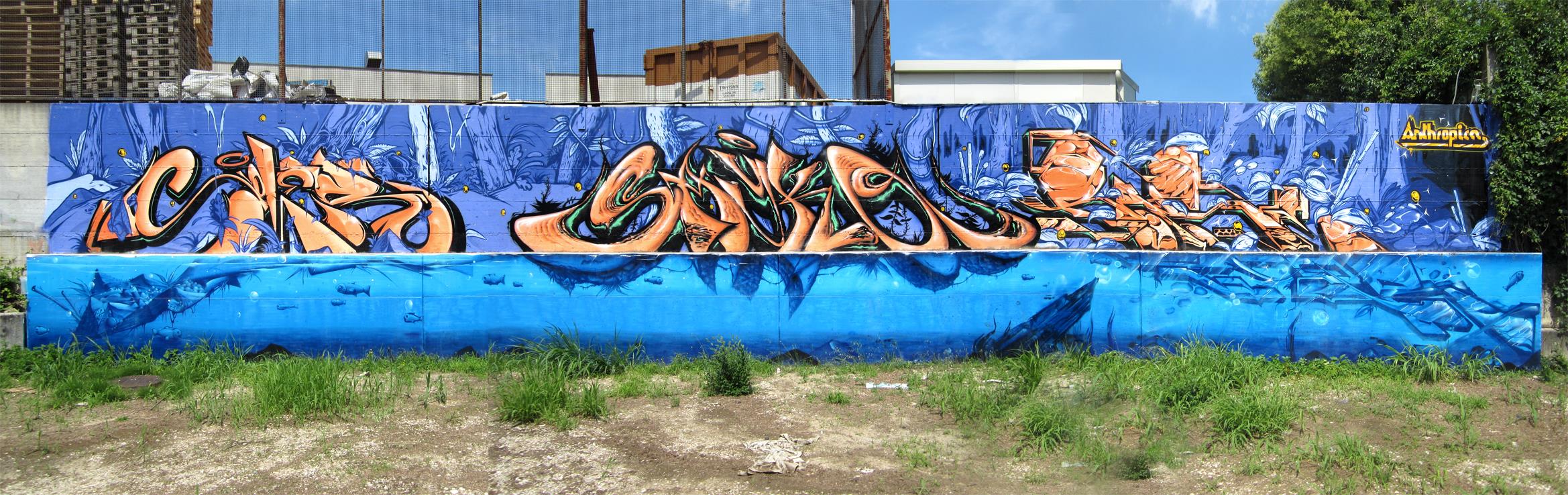
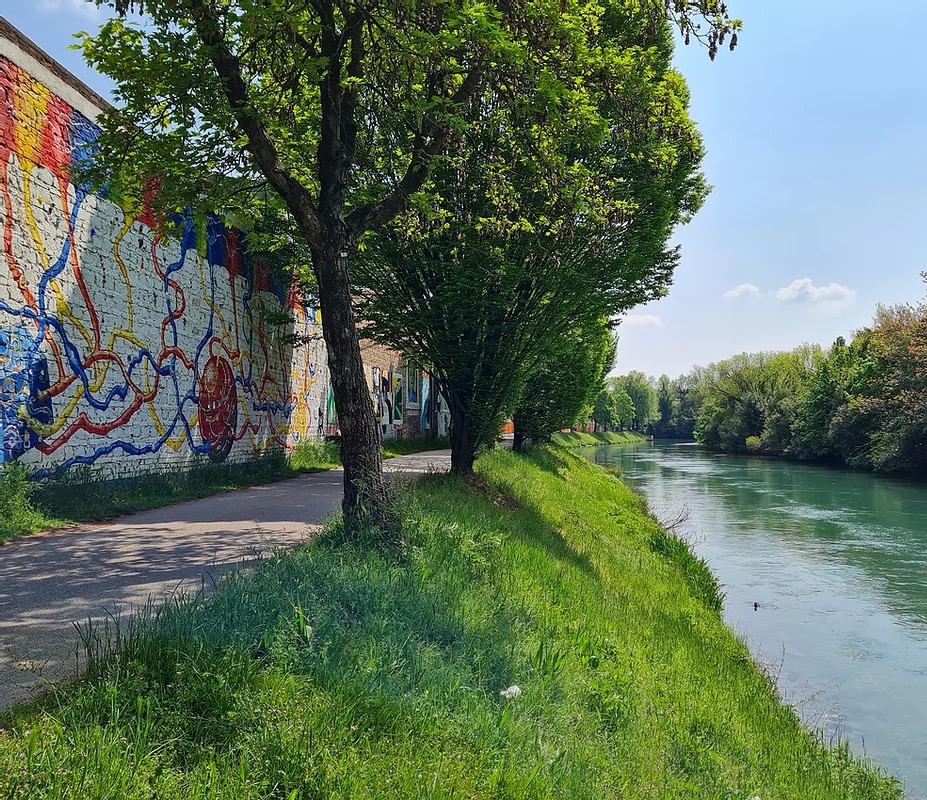
During 2015-2022, Anthropica has combined arts and social sciences in an innovative approach to community engagement and local sustainable development, centered on the human being in all its diversity. Through its long-term artistic and participatory process of urban regeneration, Anthropica has transformed a picturesque but neglected area on the edge of Treviso, where the urban built environment blends with nature along the Sile River, into a creative community space: the Restera Art District.
Italy
Local
Treviso, Silea
It addresses urban-rural linkages
It involves other types of transformations (soft investment)
Yes
2022-05-20
No
No
Yes
Organisation
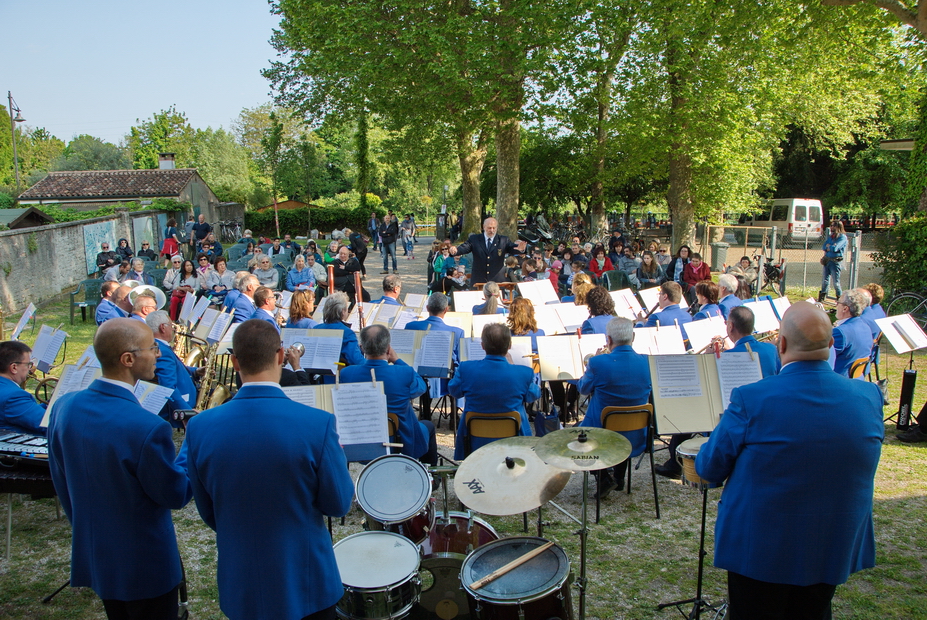
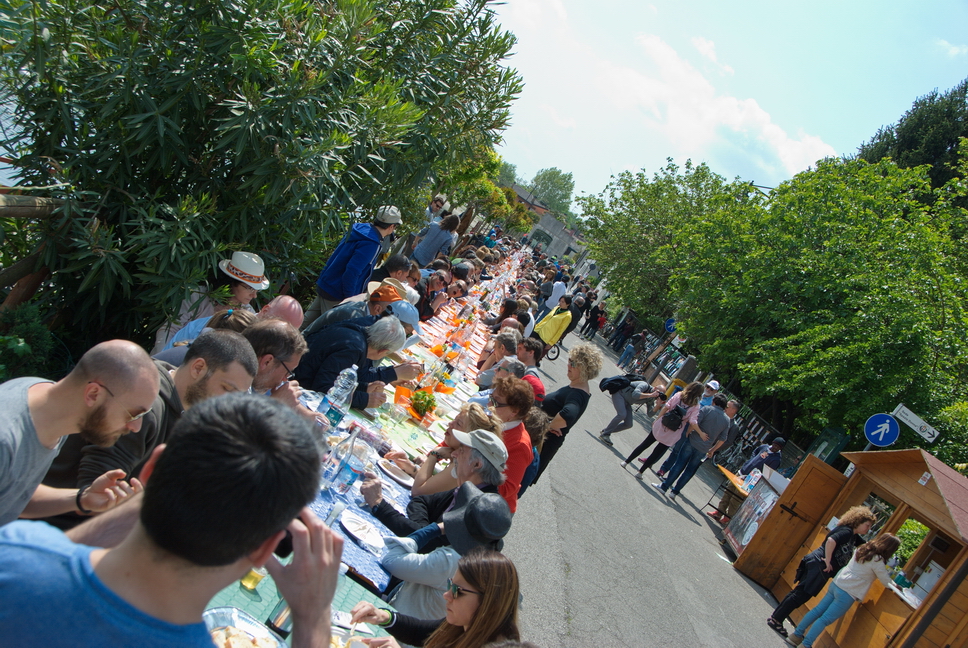
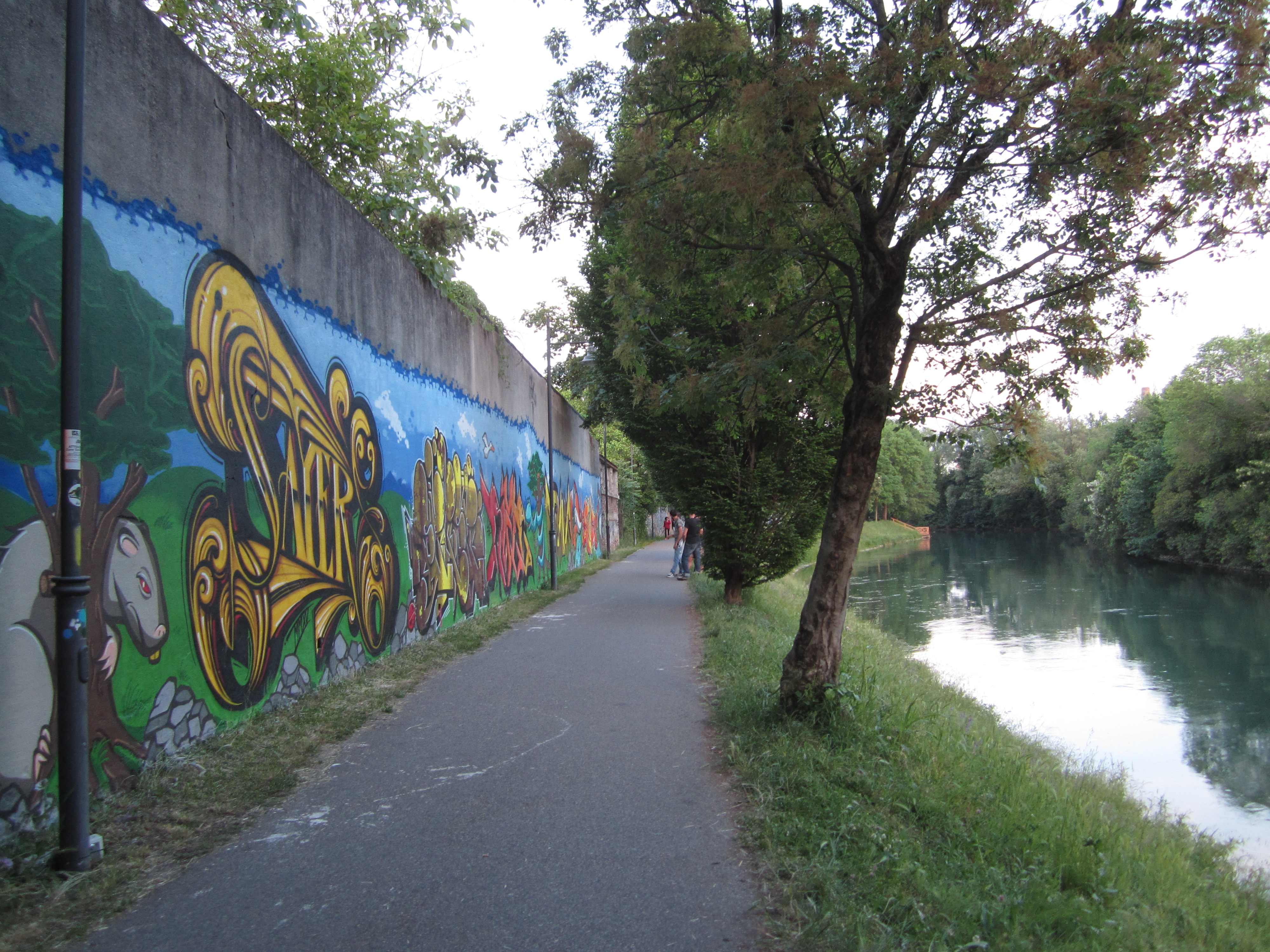
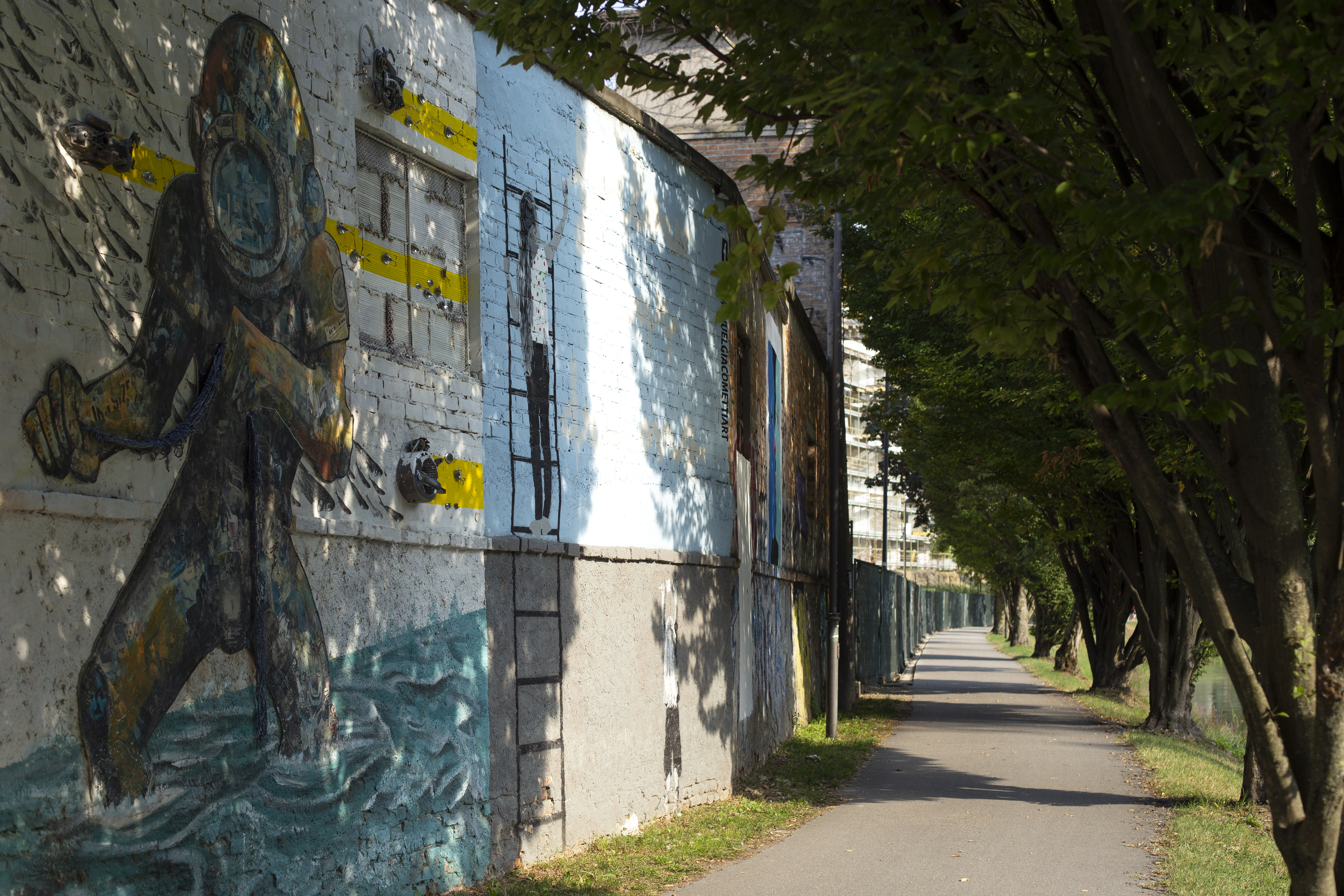
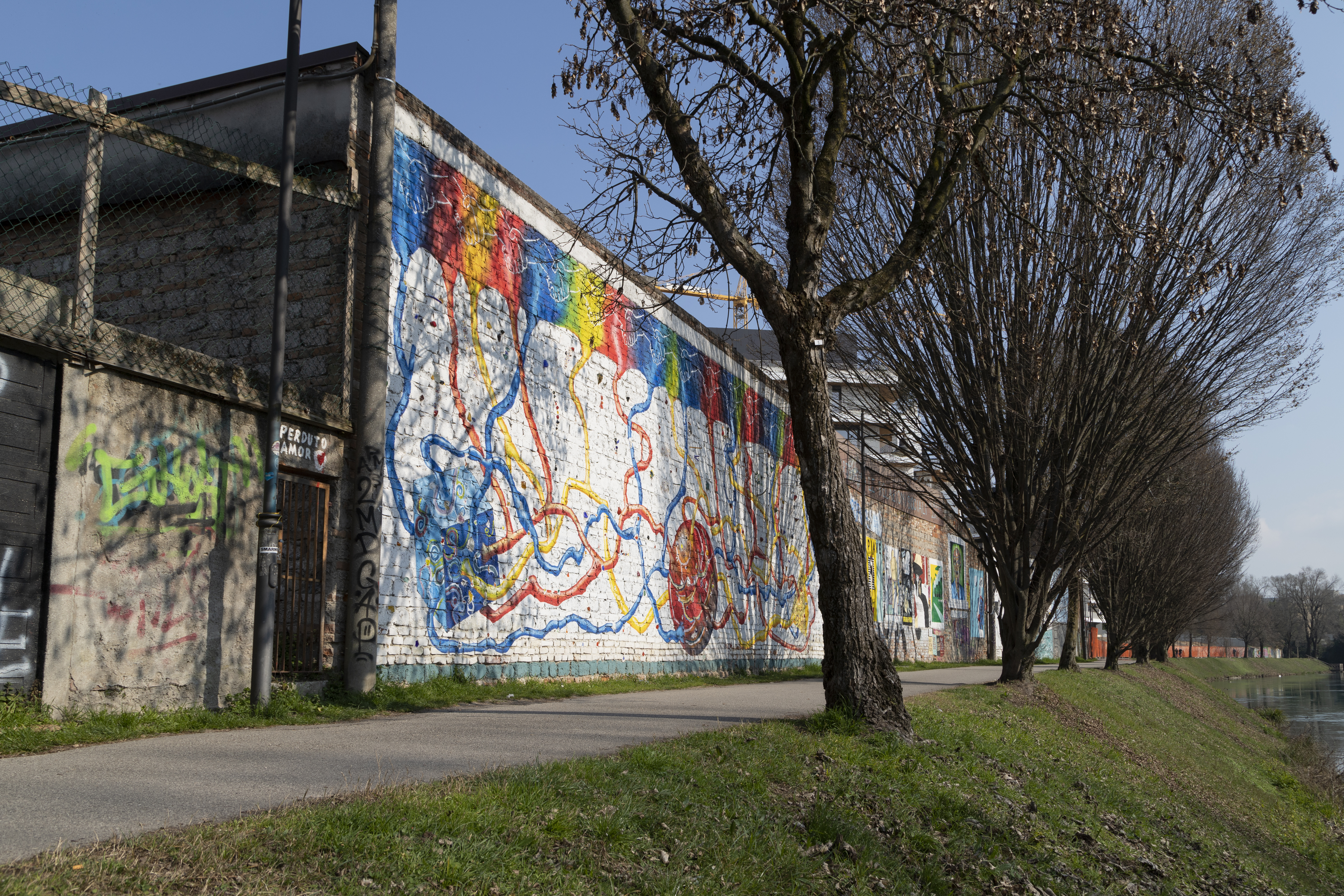
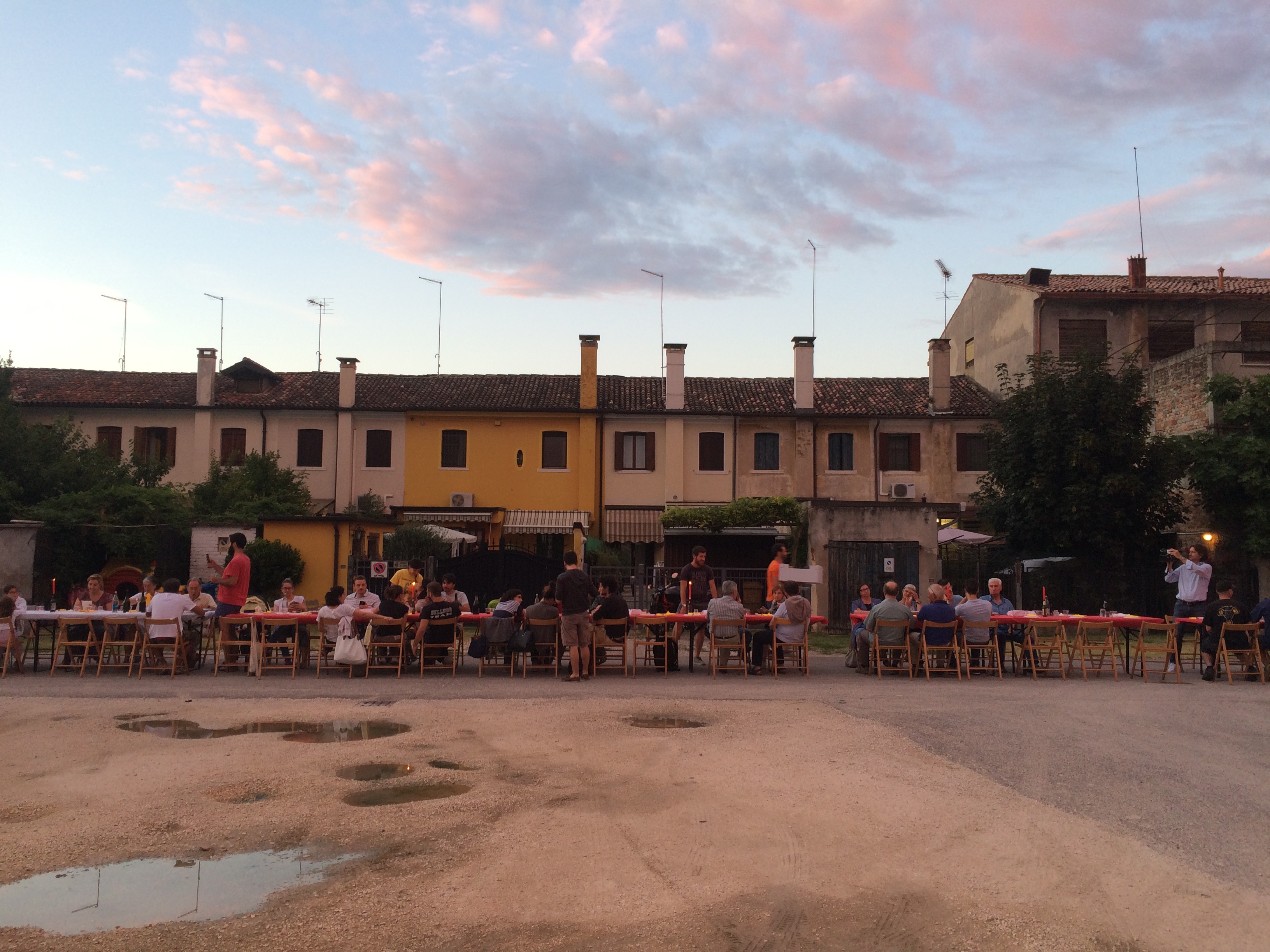
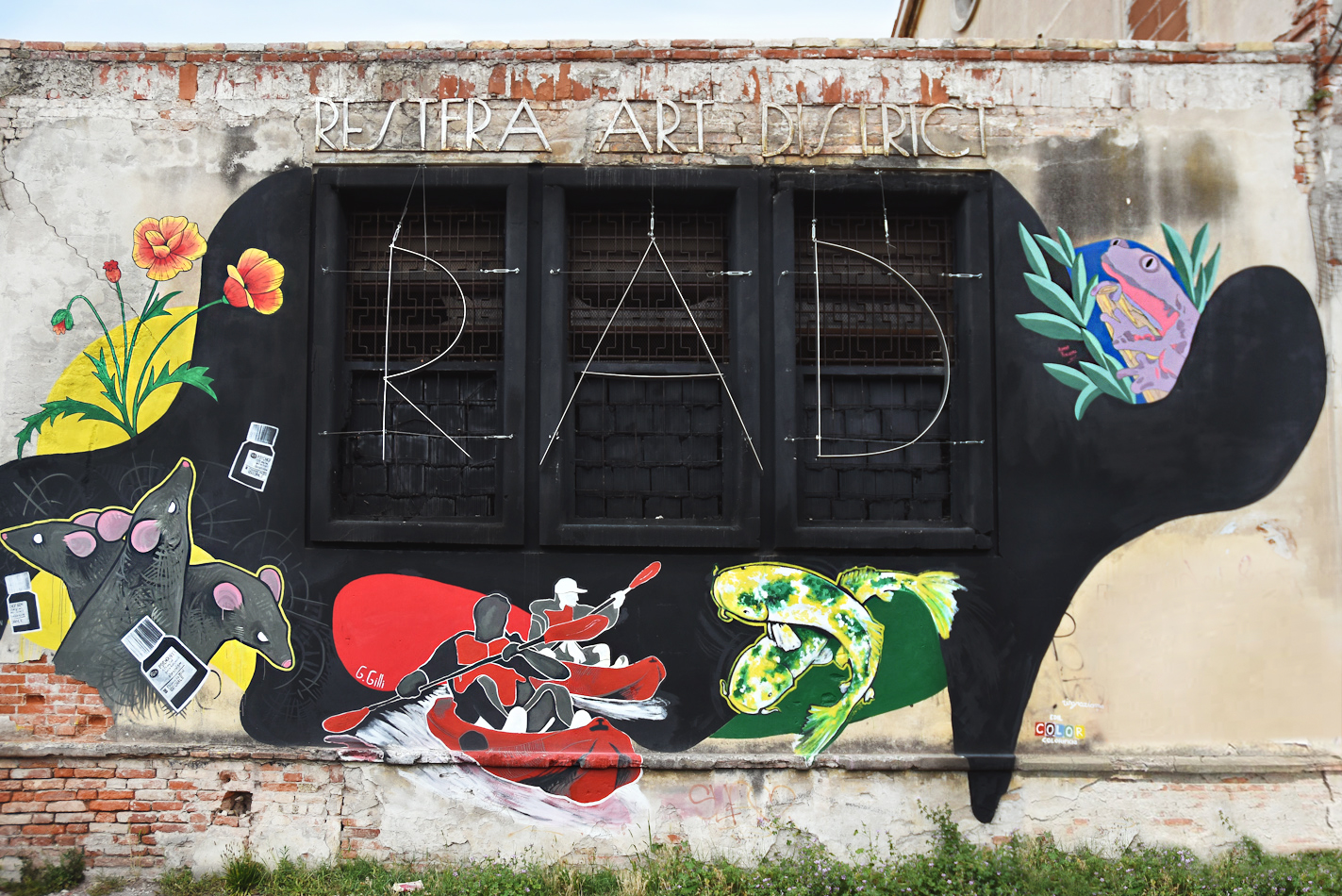
The Anthropica Festival was founded in 2015 to promote civic engagement and sustainable local development through arts and culture. As the name suggests, Anthropica combined a diversity of art interests and languages with an anthropological perspective on reality, focusing on human beings in all their diversity. A key corollary of this approach was the desire to bring art into everyday spaces and involve as many people as possible in every aspect of the festival, from its very design. Starting from a small association and the patronage of local government bodies, Anthropica engaged a growing number of organisations and businesses. Its manifesto "Art is social relationships" underlines both the anthropological approach to art – to be understood within the social relations in which it is embedded – and the desire to nurture those relations. From the outset, Anthropica focused on the "Restera del Sile", a scenic but neglected path running along the Sile River at the outskirts of Treviso (up to the Venice Lagoon). There, Anthropica concentrated most of its activities during 2015-22 for a few spring weeks each year: dozens of urban artworks (mainly murals, graffiti and frescoes), concerts, exhibitions, theatre shows, gardening and street lunches bringing hundreds of people of all ages and backgrounds to the same table, to strengthen social cohesion and share a new sense of place and community. Through this participatory process, Anthropica anticipated, rode and strove to guide a broader urban regeneration that transformed the Restera into a promenade for 2-3,000 people every day (double during weekends). While the area saw new shops opening for locals and tourists and a gentrification process of an estimated €50 million in real estate investments, the grassroots Anthropica left behind a lasting gift: the Restera Art District, a creative community space people and associations still use for their initiatives (as well as a framework to follow along the Sile up to the sea).
The association La Pulpería was founded in 2014 to foster civic participation and cultural growth in the local community. After several meetings and early initiatives, its members developed the idea of organising an annual festival as a way to channel energies and maximise impact. Attention quickly turned to the Restera way along the Sile River, a neglected but fascinating area just outside Treviso with enormous potential for growth. Together with an anthropological view, urban art became the privileged tool of expression: relatively new for a small city, it allowed significant territorial impact with limited resources, reaching a wide and diverse public. After obtaining the support of Treviso Municipality and the Sile River Natural Park, along with local business sponsorships, the Anthropica Cultural Festival launched in spring 2015.
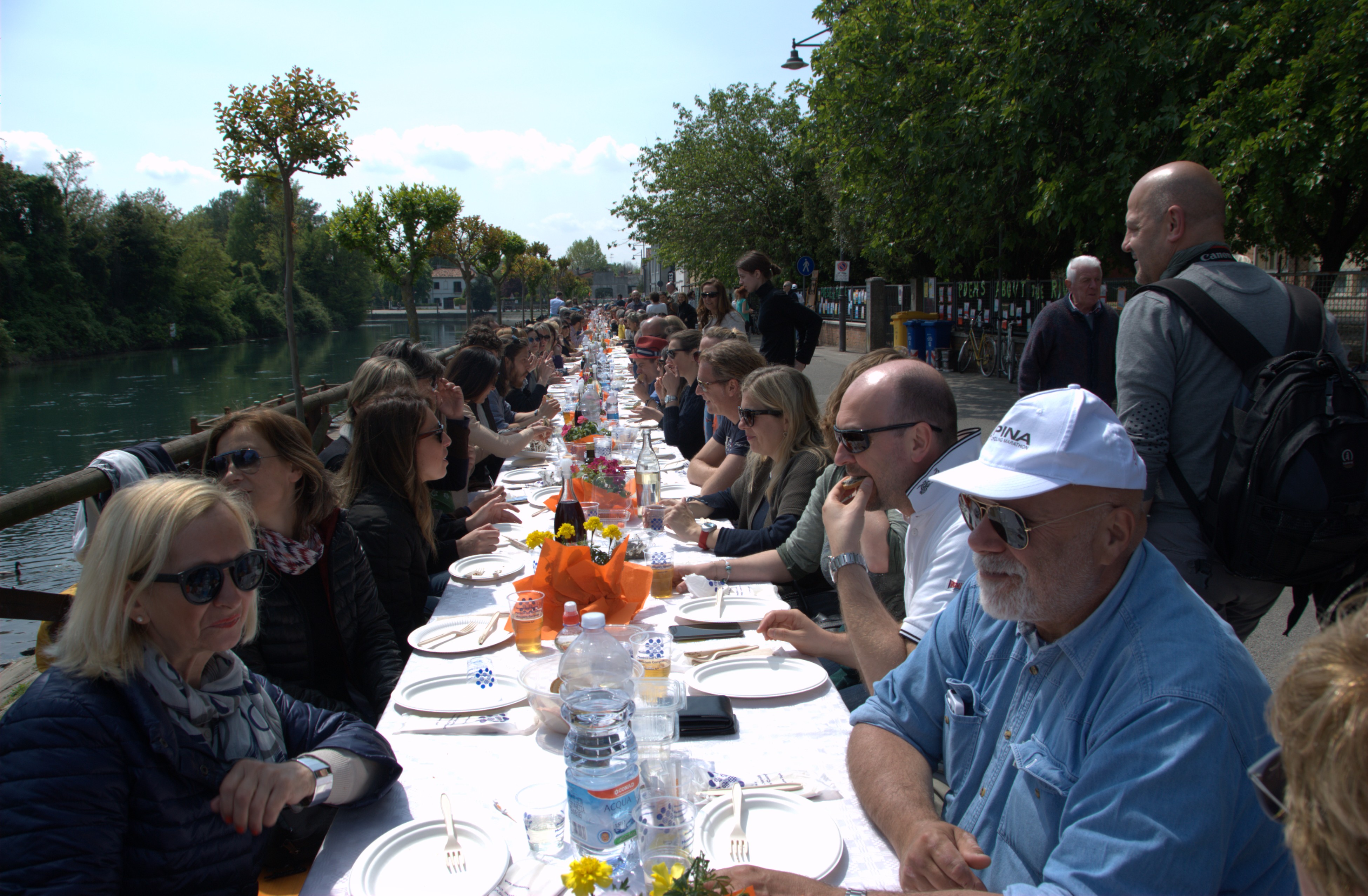
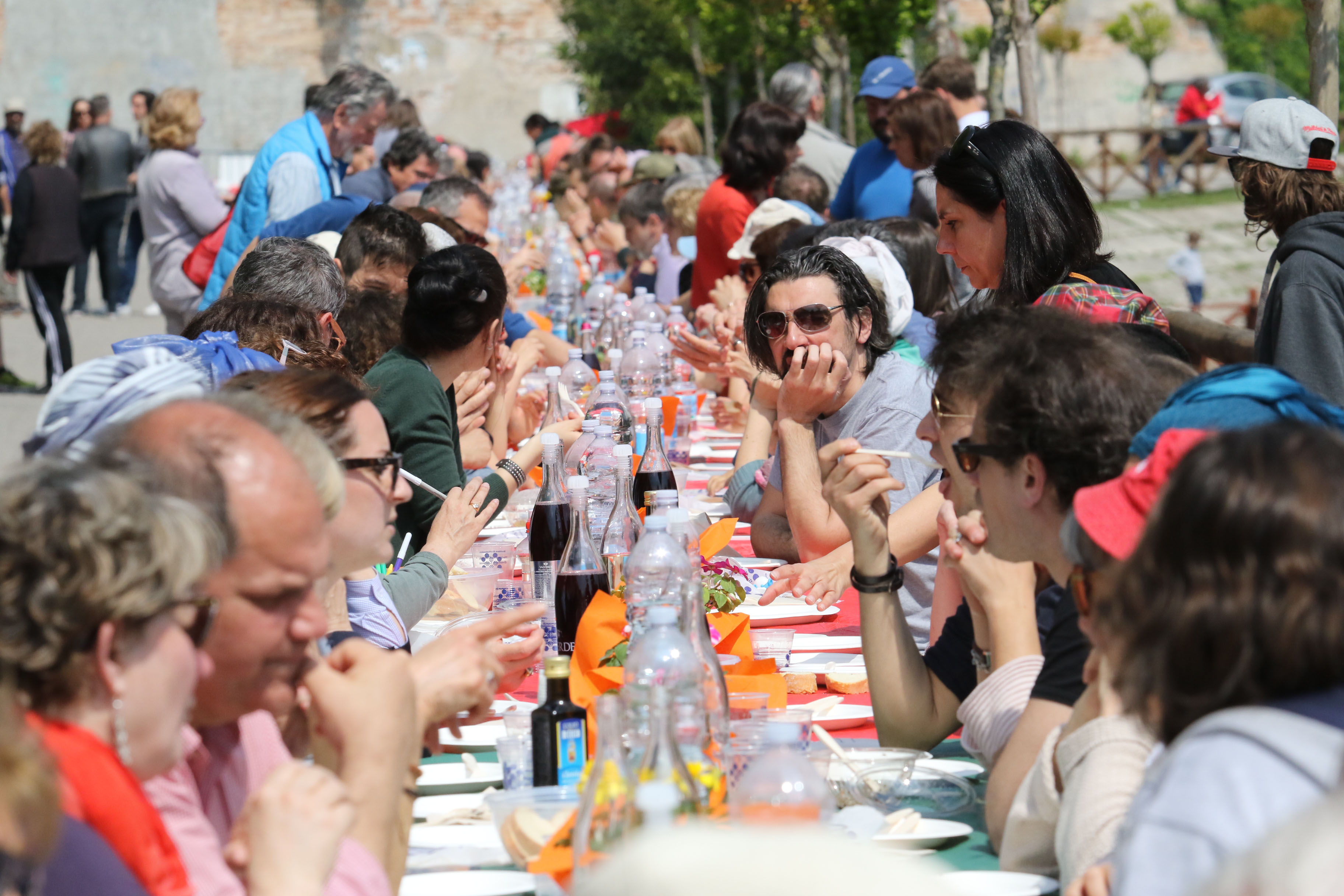
It was warmly welcomed and kept growing over the years, involving an increasing number of local authorities (Municipality of Silea, Regione Veneto), associations, businesses and citizens, thanks to a year-round participatory design process open to as many contributions as possible. Over time other creative initiatives were added, like gardening, music and theatre shows, etc. Particularly relevant were the large street lunches (up to 300 people at the same table) that provided both social value and economic support. To sustain its growth, Anthropica also pursued the vision of a diffuse museum or ecomuseum of the Sile, working intensively on networking, partnerships and community outreach; meanwhile, the Restera began to attract more and more people, both locals and (cycle) tourists, and investments, amid a growing economy and gentrification.
By 2022, Anthropica had completed its cycle and chose to close, leaving behind a lasting legacy for all: the Restera Art District, a proof that a grassroots volunteer initiative can transform urban space into a vibrant creative community and possibly the first stone of a future Sile ecomuseum
Community
Engagement
Arts
Anthropology
Regeneration
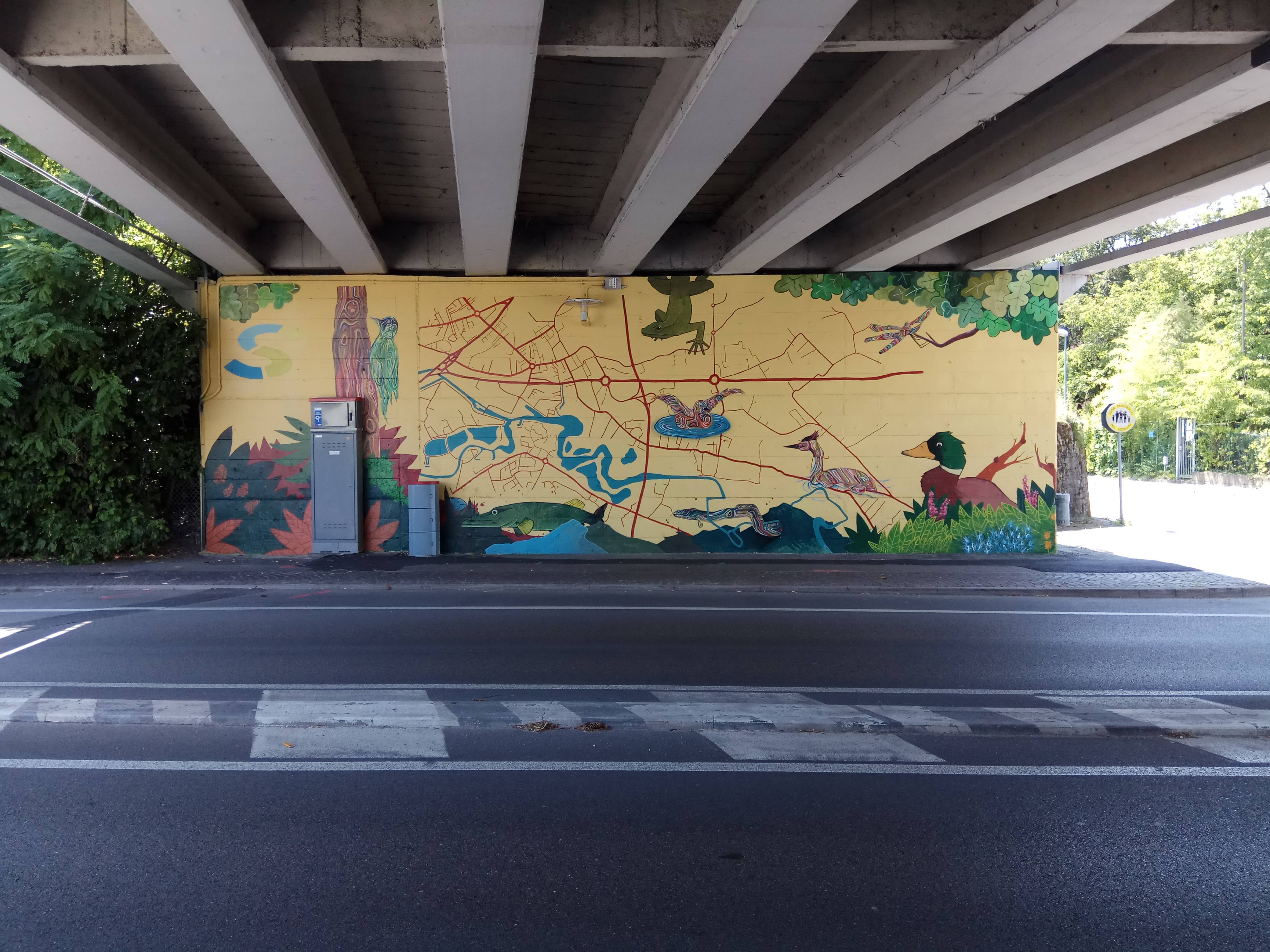
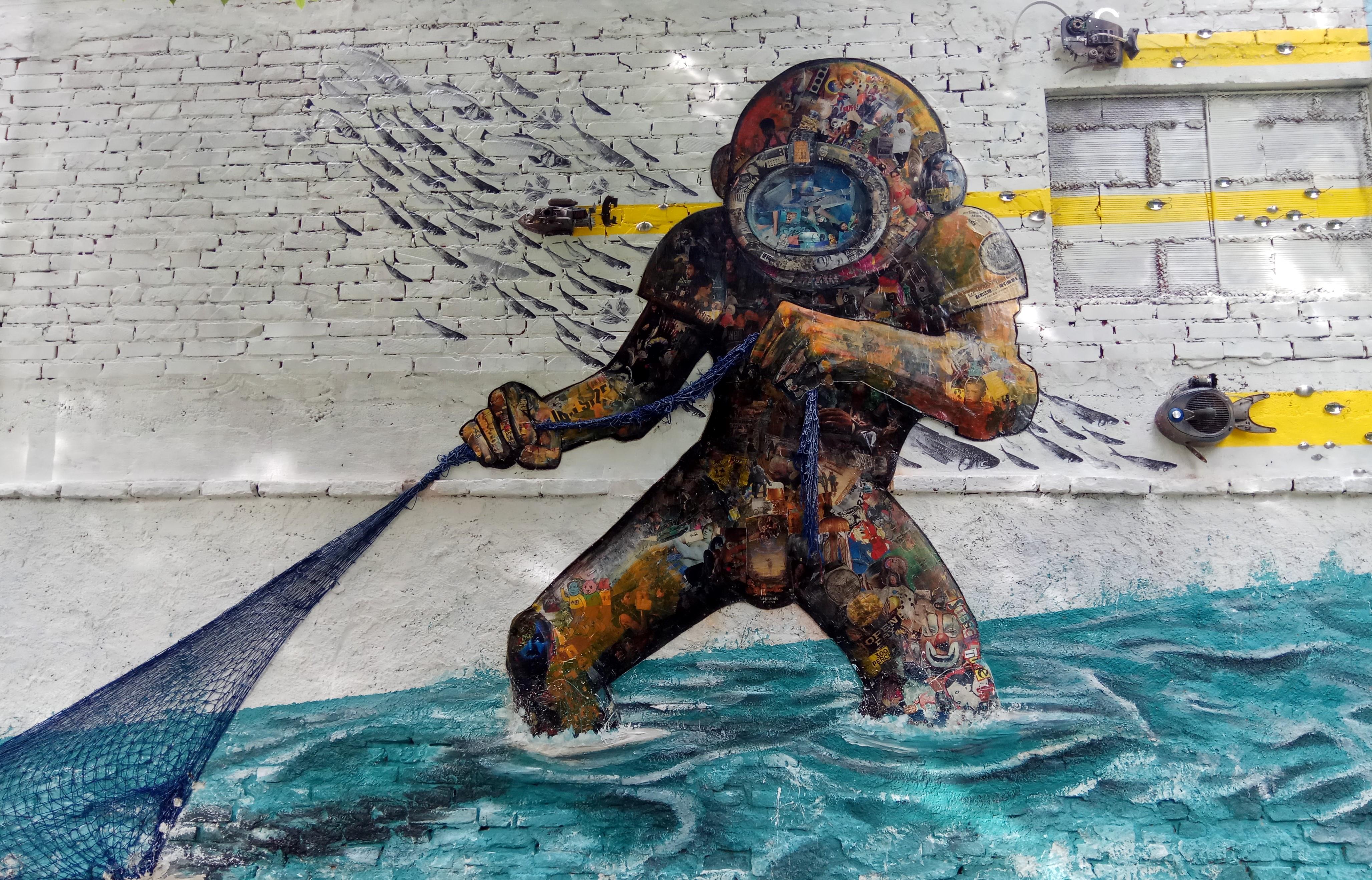
Sustainability is at the very heart of Anthropica, as it regenerated an urban area with unique environmental value: a place on the edge of the city where industrial archaeology blends with the nature flourishing along the Sile River, a Regional Natural Park which in turn granted Anthropica its patronage. The value of preserving the environment and its natural resources, above all water, was central to the project, as reflected in the majority of its murals, which actively support a cultural and behavioural paradigm shift by advocating for sustainable values, practices and lifestyles. Sustainability also shaped almost every technical aspect of the project, from the ecological colours and other recyclable materials used at (food) events to the overall circular waste management approach, for which the local waste management company Contarina honoured Anthropica with its "Eco-sustainable Event" award for several years.
But Anthropica's commitment to sustainability went even further, given the profound changes taking place in an area as precious as it is fragile. Indeed, more and more residents every year choose the Restera for walks and outdoor activities, the Regione Veneto officially started to promote it as the Sile Greenway cycling route (2017), new private businesses linked to cycle tourism opened, real estate values rose significantly and broader urban investments followed: Anthropica openly engaged with and contributed to this process in its own way, despite the contradictions of gentrification.
To this end, Anthropica advanced the vision and advocated for a Sile Ecomuseum, which would provide an exemplary integrated response to the area's environmental, social, cultural and economic challenges. By 2022, having completed its cycle and reached the limits that a small grassroots volunteer initiative can achieve, Anthropica chose to close one chapter and open another: leaving behind the Restera Art District as a living foundation for a possible Ecomuseum to come.
If beauty will save the world, Anthropica has helped with its collective art!
The Anthropica Festival (and its legacy, the Restera Art District, RAD) served exactly the purpose of bringing art into people's everyday lives: collectively producing and spreading beauty in the places where people live, work and spend their time, precisely to enhance their quality of life and foster a sense of belonging and care for the place. The Anthropica Manifesto "Art is social relationships" invites people both to immerse in the art experience with an anthropological stance, and to take care of their social relations. This distinctive vision, embodied in the artistic works and interventions realised each spring during 2015-22, was further enriched by the Sile Ecomuseum framework, within which all artworks acquire a meaning and impact far greater than they could achieve individually, as RAD exemplifies.
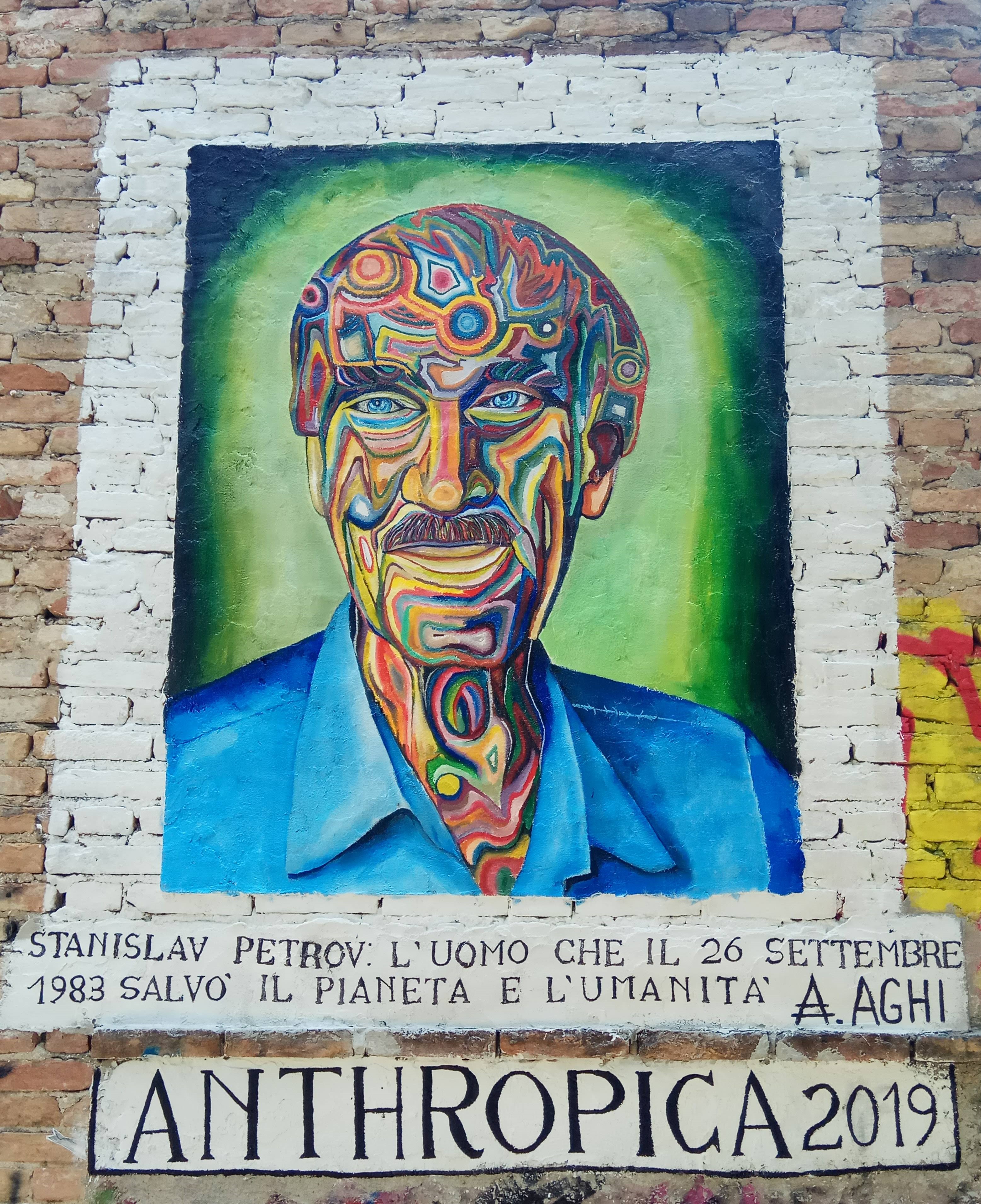
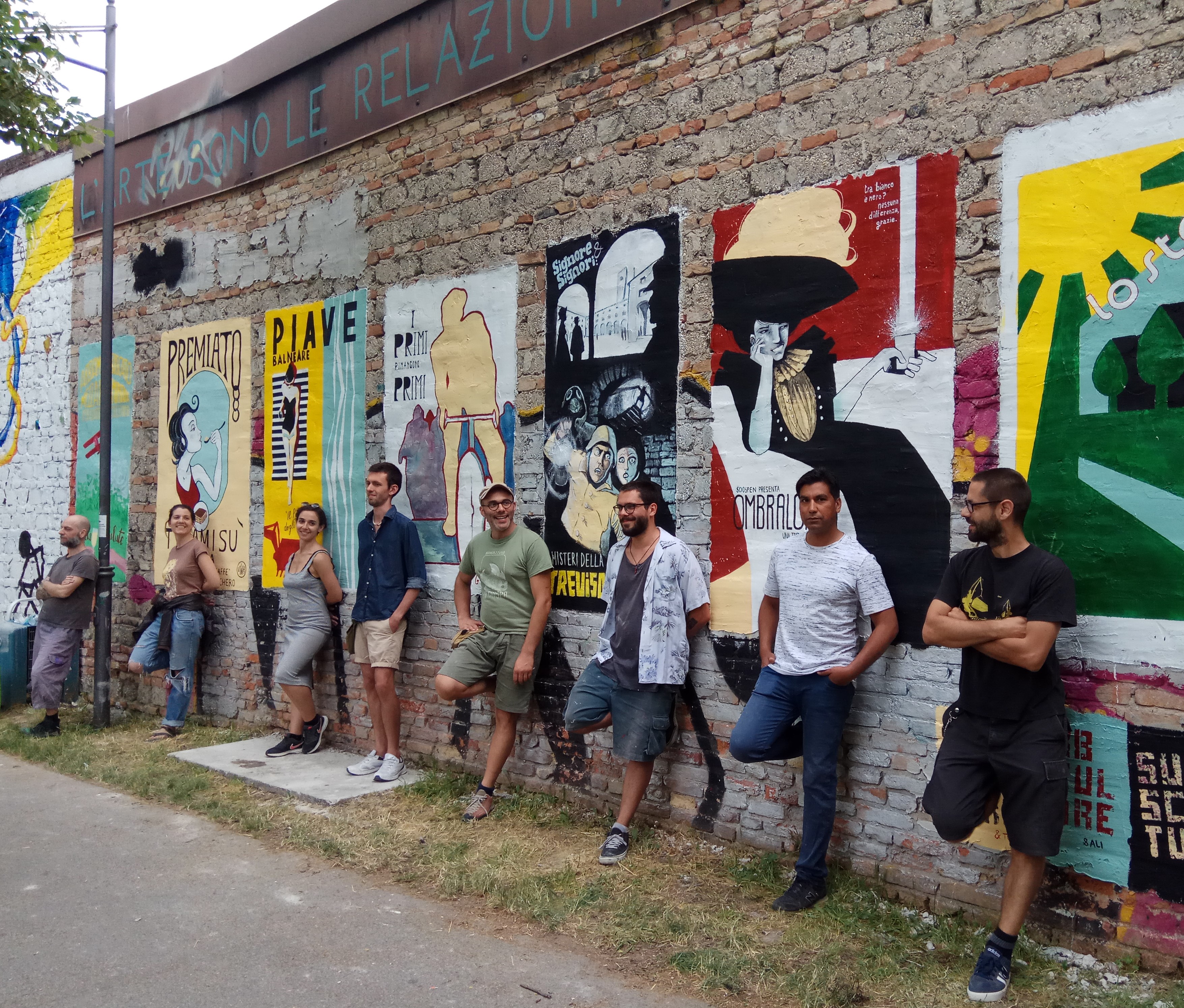
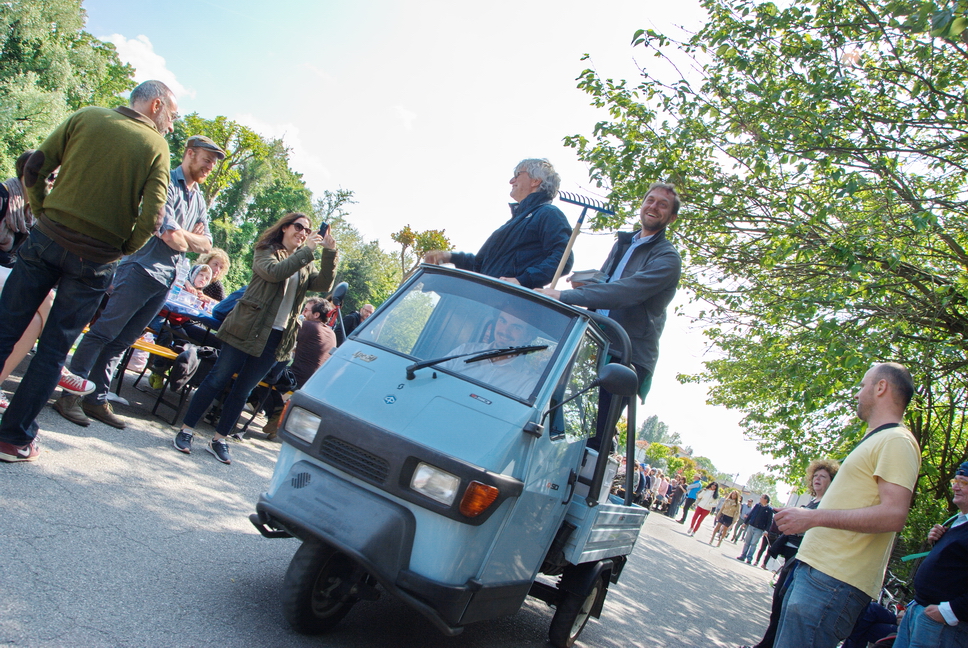
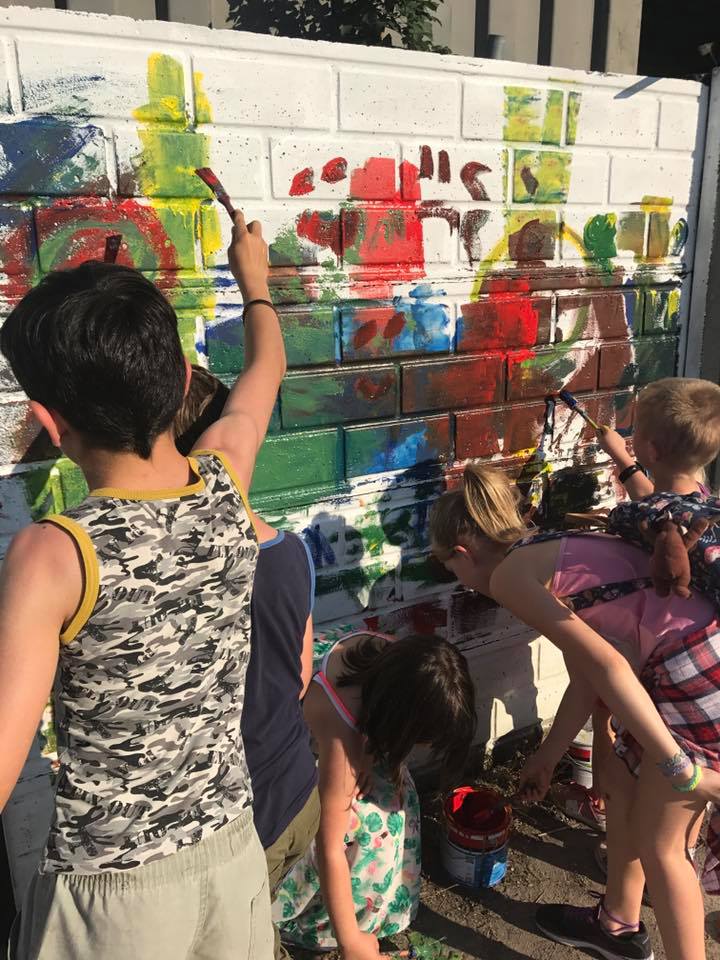
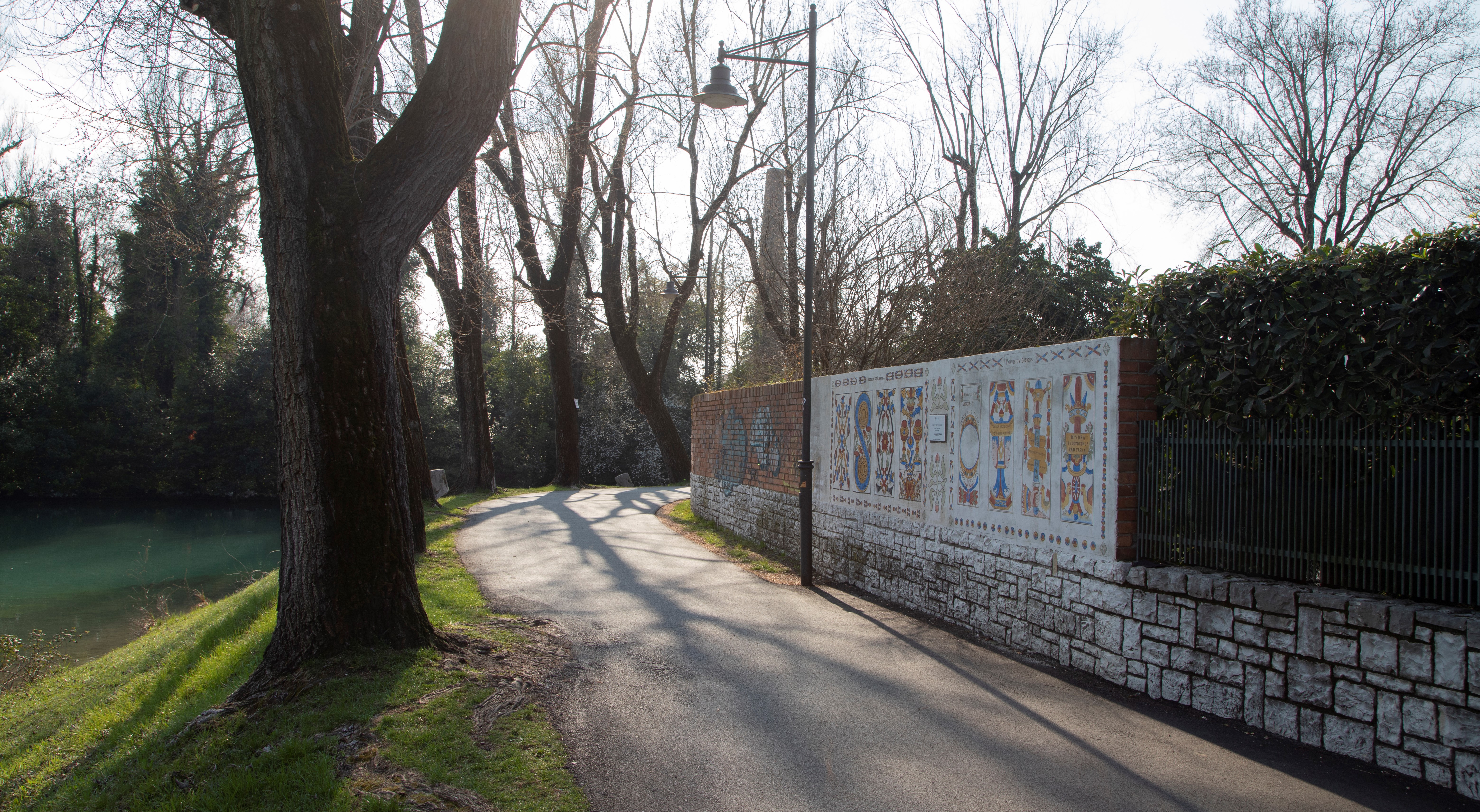
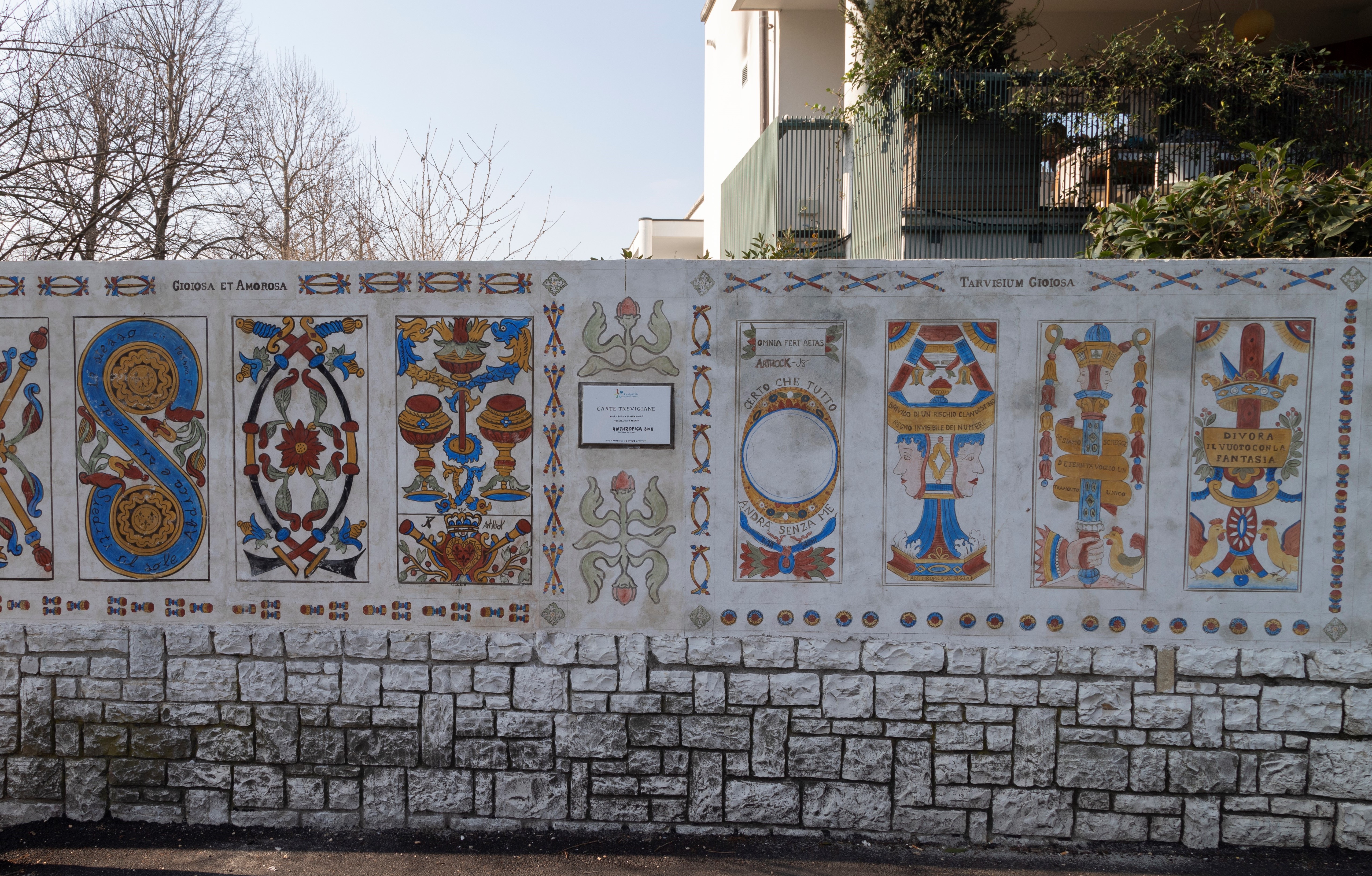
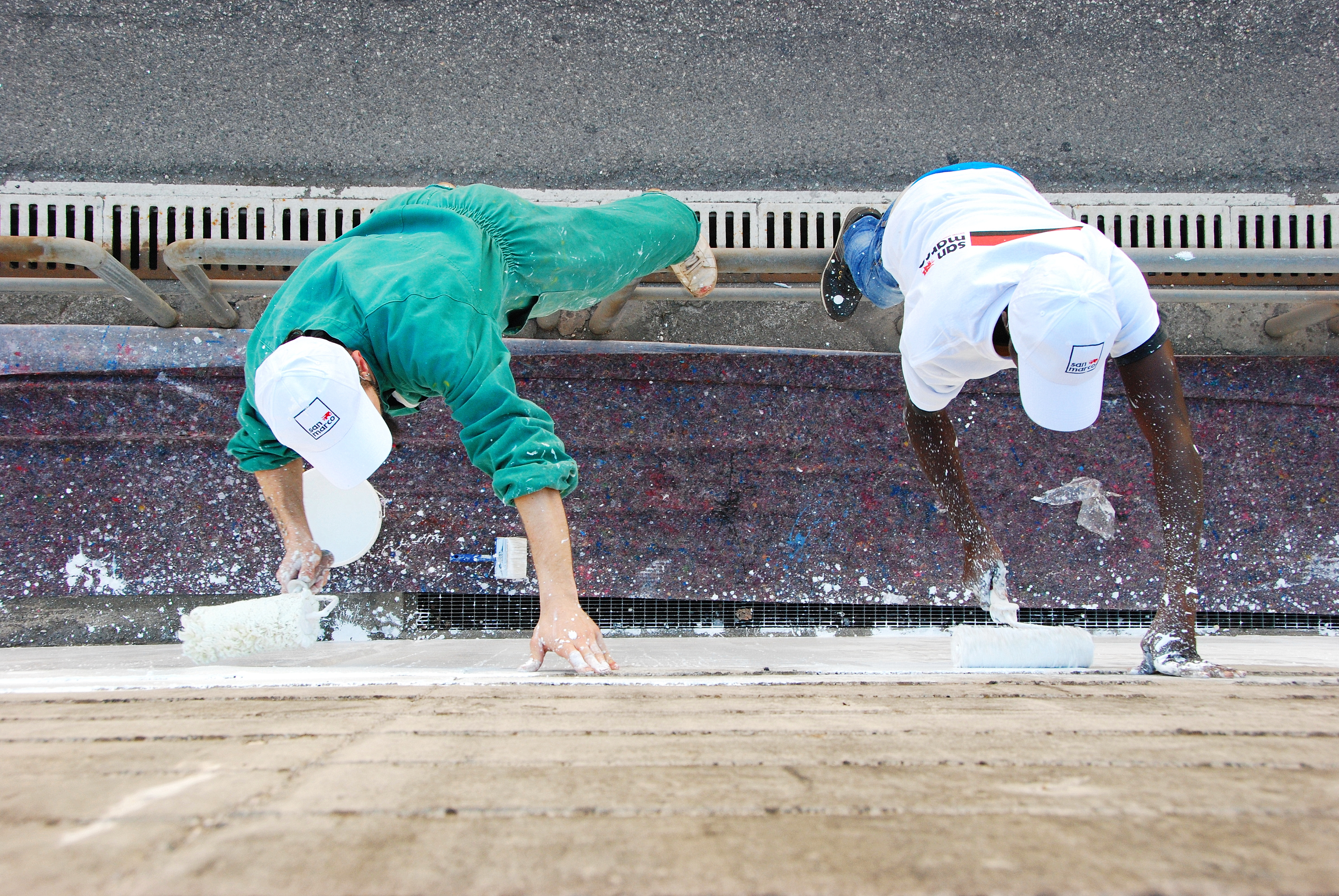
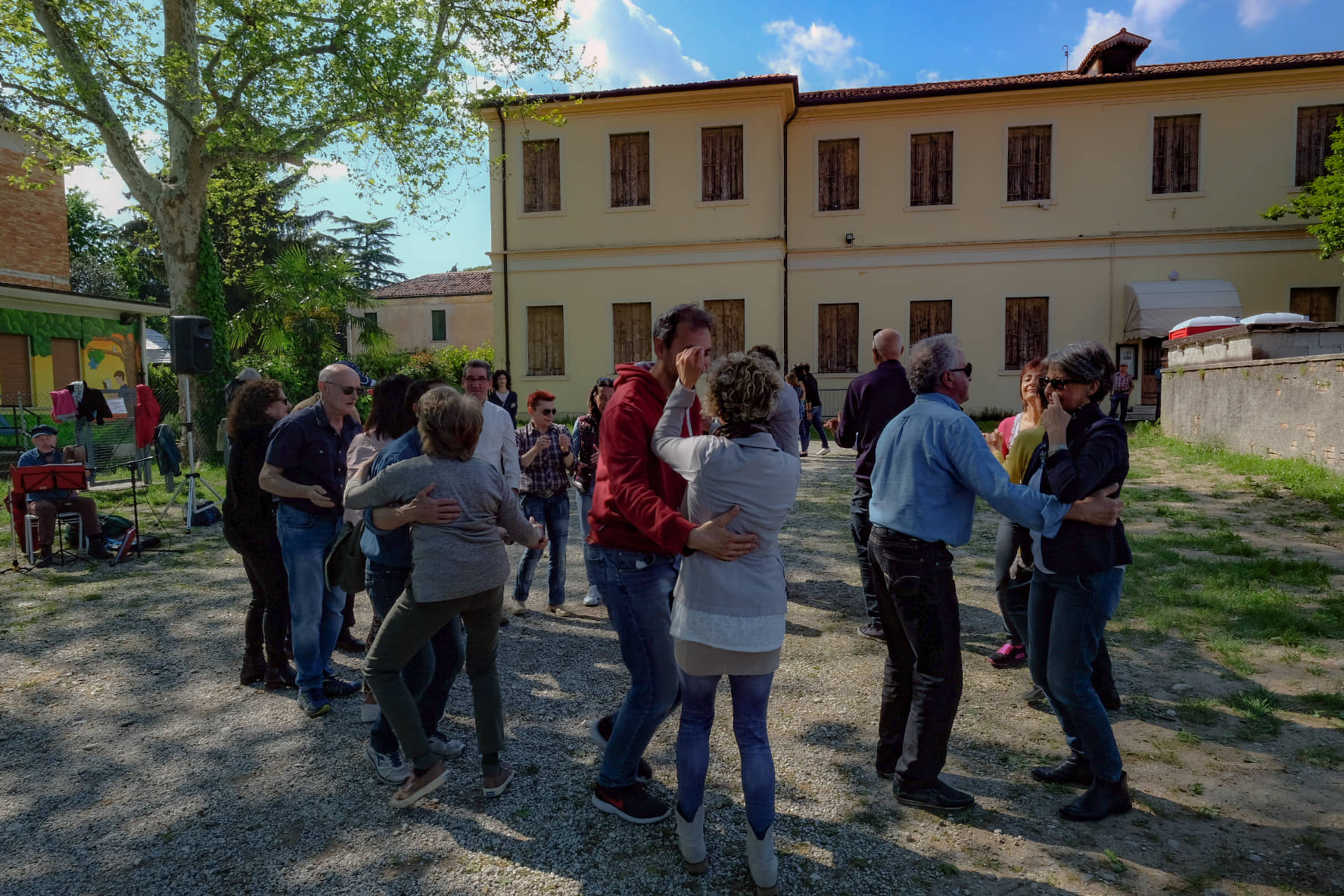
Anthropica created more than 60 art works and installations along the Restera: mainly murals and graffiti, but also frescoes drawing on historic craftsmanship and local culture (such as a celebrated series based on traditional Treviso playing cards). These were complemented by concerts, popular dances, photo exhibitions, theatre shows, community gardening (about 10 trees planted) and huge street lunches where hundreds of people of all ages sat together at the same long table along the Sile River, sharing food, generating new collective meanings for the place and renewing their sense of community.
The choice of location was far from random: the Restera, where industrial archaeology and urban built environment merge with the lush Sile River’s nature, already carried a unique historic and aesthetic value. Anthropica chose to build on that identity, enhancing it through art and collective experience. The result is a place genuinely beloved by thousands, who increasingly choose it for daily walks, sport and outdoor activities, in a truly emotional and sensory engagement with the place.
Anthropica, based as it was on street and socially engaged arts, was by vocation inclusive; both in the open and participatory method by which it was designed and in its final form. RAD stems from Anthropica's original aim to spread art in public spaces, ensuring the highest level of accessibility and affordability for all, at all times, with a particular focus on the poor and marginalised, usually excluded from art venues. The very name Anthropica fosters intercultural bridges and human diversity, its Manifesto “Art is social relations” pushes for social interactions, and many of its artworks and activities explicitly raised awareness and supported inclusion, solidarity, intergenerational exchanges, etc. Accordingly, Anthropica actively engaged refugees in its activities (about 10 each year in cooperation with related organizations), especially community lunches and street-art. Anthropica’s governing association La Pulpería explicitly enshrines inclusion, non-discrimination and equality in its bylaws. Close collaboration with local municipalities, which officially and financially supported Anthropica and hold legal authority over public ground, further guaranteed democratic and inclusive governance.
Another deep inclusive trait (stated in Pulpería’s bylaws) is Anthropica’s ambition to promote civic engagement and empowerment. When it began in 2014-15, for instance, street art was largely illegal and street artists were marginalised. By bringing them into a legitimate, community-supported process, Anthropica helped transform their status, contributing to the social recognition and appreciation of street art.
Powerful evidence of Anthropica’s inclusive legacy are the initiatives inspired in others: some high school students created a mural on the Restera Women's Centre to promote gender equality; other organisations adopted its model to celebrate Italy's liberation from fascism on April 25th along the Sile, reaching far more people than traditional commemorations.
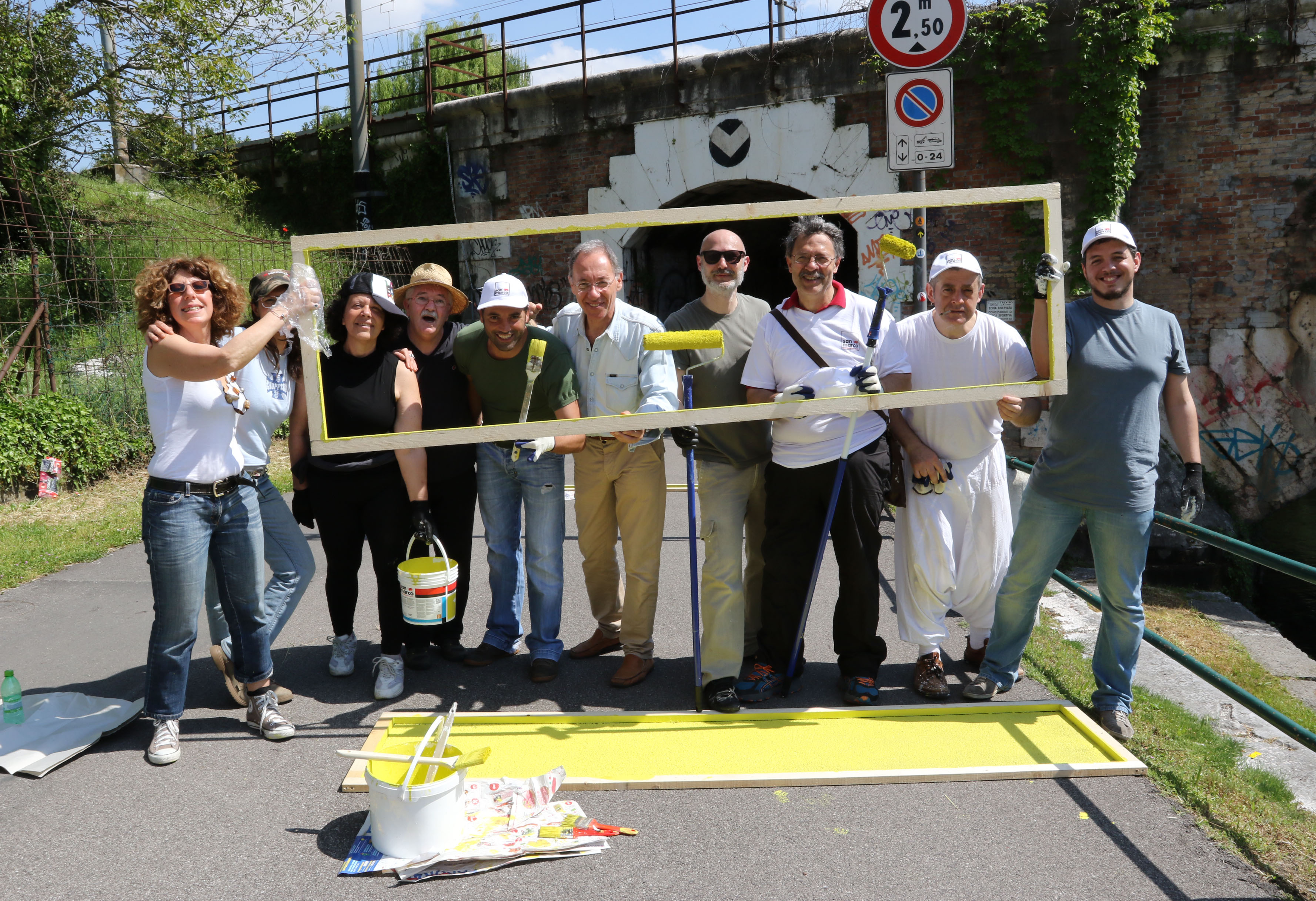
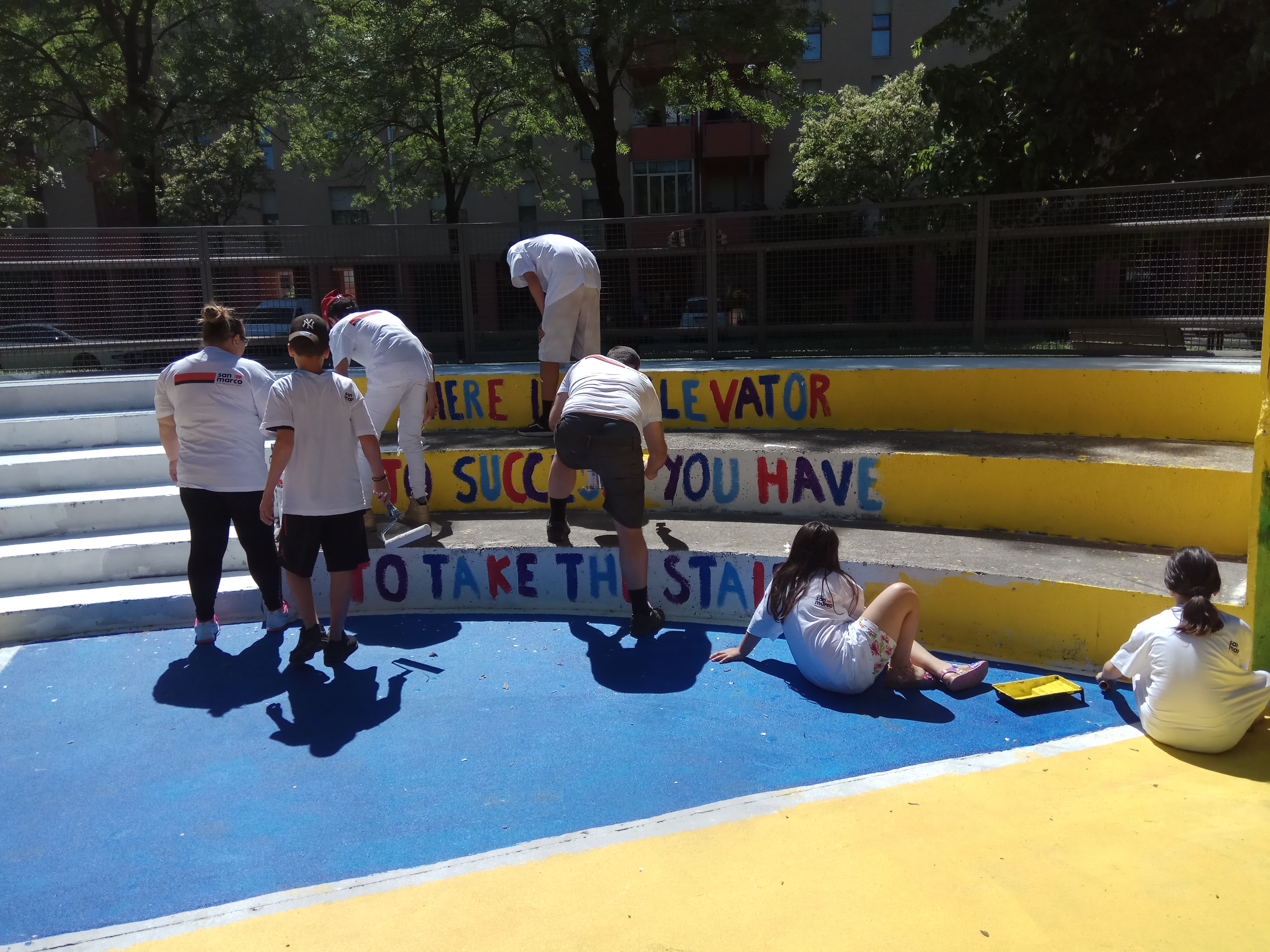
RAD is a direct fruit of local community and civil society. It began with the birth of La Pulpería cultural association in 2014, whose bylaws declared participatory governance and the purpose of fostering civic participation through arts and culture. From its very beginning in 2015, the Anthropica Festival accordingly engaged citizens and civil society organisations as equal partners in the project’s co-design and implementation. Participation was free and voluntary; meetings were open and publicly announced on social media; the realisation of artworks was open to everyone, including children ("there's a place for everyone" was the guiding principle); and many murals and performances were themselves collective participatory works. In case of disagreement, decisions were taken through mediation until broad consensus was reached. Similarly, an open, honest evaluation was developed at the end of each festival; while the patronage of local democratic authorities and strong relations with local press assured the full engagement of the community.
RAD itself is an outcome nobody had imagined at the start. As is often the case in innovative participatory projects, citizens and stakeholders co-designed and implemented it until their aspirations took this concrete, unexpected form: the artistic regeneration of the Restera. This is perhaps the most powerful evidence of how participation genuinely shaped the project from the design, through the entire process to its very outcome. After someone at night defaced Anthropica’s murals with racist writings years ago, some citizens spontaneously gathered to erase them and restore the original artworks! Even the “archistar” Boeri's Vertical Forest building in the Restera, a symbol of the area's gentrification, has introduced murals on its walls that (apparently) draw on and perpetuate RAD's legacy. Anthropica's participatory spirit didn’t stop at its final edition (2022): other associations have continued similar initiatives in RAD.
RAD itself is an outcome nobody had imagined at the start. As is often the case in innovative participatory projects, citizens and stakeholders co-designed and implemented it until their aspirations took this concrete, unexpected form: the artistic regeneration of the Restera. This is perhaps the most powerful evidence of how participation genuinely shaped the project from the design, through the entire process to its very outcome. After someone at night defaced Anthropica’s murals with racist writings years ago, some citizens spontaneously gathered to erase them and restore the original artworks! Even the “archistar” Boeri's Vertical Forest building in the Restera, a symbol of the area's gentrification, has introduced murals on its walls that (apparently) draw on and perpetuate RAD's legacy. Anthropica's participatory spirit didn’t stop at its final edition (2022): other associations have continued similar initiatives in RAD.
Anthropica's existence depends on social recognition and institutional legitimacy: without them, a bottom-up experiment in public space that stands outside the usual norms and laws regulating both public and private property simply cannot survive. "Art is social relationships" according to the Anthropica Manifesto: similarly, multi-level engagement was not optional, but essential.
At the local level, the municipalities of Treviso and Silea were key partners from the outset: they provided financial support, operational assistance, official patronage and crucial legal authority over public ground, without which no artwork could have been installed. Local schools, civil society associations and businesses were engaged in co-design and implementation, while Anthropica co-founded "Treviso Rete Festival", an active network of local festivals ensuring coordination and resource-sharing across the territory.
At the regional level, both the Regione Veneto and the Sile River Regional Natural Park granted official patronage, providing broader political legitimacy and visibility. The Regione Veneto's subsequent promotion of the Sile Greenway cycling route further validated and amplified RAD's impact on the territory.
At the national level, Anthropica maintained informal partnerships within the Italian street-art movement, contributing to and drawing from a wider community of practice.
At the European level, applying to the NEB Prize represents Anthropica's first formal step toward EU engagement; a natural evolution foreseen in La Pulpería's charter from the very beginning (thanks to the professional experience of some of its members, including its President), and one that RAD now needs to truly flourish beyond the local level. This multi-level approach brought Anthropica essential resources, legitimacy and visibility at each scale, turning a small grassroots initiative into a recognised cultural landmark.
Anthropica was transdisciplinary by vocation: it aimed to develop and apply a genuine anthropological and social-science understanding of reality, with the goal of supporting sustainable local development and civic engagement through the creative and communicative power of art. RAD, its main achievement, is the concrete result of this transdisciplinary ambition, as is the Sile Ecomuseum framework that permeated Anthropica and RAD's vision.
In practice, each edition of the festival brought together artists, architects, anthropologists, urban planners, educators, policymakers, environmental scientists and community members in a shared, open design process. Interaction happened through year-round planning meetings, co-creation workshops, on-site collaborations during the festival weeks, and collective evaluation sessions. Different perspectives were combined horizontally rather than through hierarchical or disciplinary divisions, in a truly transdisciplinary and participatory approach.
Street art proved to be also a powerful transdisciplinary tool: designed with a place-based, anthropological and participatory approach, it conveyed complex social and environmental messages to a wide and diverse public. Photo exhibitions, concerts, theatre shows, community gardening and even street lunches further enriched this mix, each contributing a different disciplinary language to a coherent shared vision.
In short, Anthropica required the integration of formal and non-formal knowledge, traditional craftsmanship and contemporary art, environmental disciplines and urban design, all converging in the artistic and participatory regeneration of a unique place where nature, industrial heritage and community life meet: the Restera Art District.
Anthropica's financial model was deliberately lean, reflecting its grassroots and voluntary nature. Each festival edition operated with a budget ranging from €4,000 at its first edition in 2015 to approximately €10,000 in 2021, covered by a combination of financial support from local municipalities (€2,000–5,000), local businesses and revenues generated by community street lunches and events (€3,000–5,000). Virtually all organisational and creative work was contributed voluntarily, keeping costs minimal and ensuring full financial autonomy.
RAD itself currently requires almost no maintenance budget. This zero-cost legacy model is one of RAD's most replicable features, demonstrating that committed communities and institutional support can produce lasting urban transformation even without large investments.
While Anthropica's direct costs were minimal, its broader economic impact has been substantial, though difficult to quantify and largely unacknowledged. The Restera area has seen major real estate investment (about €50 million, our unofficial conservative estimate), sharply rising property values and new commercial activities. It would be a foolish overstatement to attribute this solely to Anthropica; it would equally be a dramatic oversight to ignore its leading role in transforming a neglected area into a culturally vibrant and economically attractive destination. Advancing NEB values may also mean officially recognising the economic contribution that grassroots cultural initiatives generate, though it is too often invisible in mainstream accounting.
Looking ahead, RAD's potential for economic sustainability lies in its growing role as a cultural tourism destination along the Sile Greenway, already attracting thousands of visitors and supporting local businesses. The Sile Ecomuseum vision would formalise and amplify this potential by creating a self-sustaining cultural and environmental hub that generates value for the entire territory.
Anthropica generated a rich body of experience, knowledge and tools that can and should be replicated in other contexts across the EU, all the more so given the growing relevance of NEB values and community-led urban regeneration for the future of our cities and societies.
The most transferable elements are:
The methodological model: a lean and participatory approach to urban regeneration through socially engaged arts which demonstrates that committed communities, institutional support and a clear cultural vision can produce lasting transformation without large budgets. Even more, if properly designed and implemented, are a catalyst for attracting investment and producing economic growth. Crucially, having operated as a grassroots initiative for nearly a decade, Anthropica knows both the strengths and the limits of this approach: what works, what risks derailing it and what conditions are needed for it to develop and succeed.
The Anthropica Manifesto "Art is social relationships": a simple but powerful framework that can inspire and orient similar initiatives elsewhere, providing both a cultural compass and a community-building tool.
The transdisciplinary approach which begins with an anthropological view, moves through urban art and culminates in the Ecomuseum vision: an integrated model combining art, cultural heritage, sustainable tourism and community engagement that could be adapted to other river landscapes, natural parks, urban or peri-urban areas across Europe.
Practical know-how: from managing street-art interventions (including the often overlooked need for curatorial oversight) to navigating the tensions between grassroots dynamics and institutional requirements, including the complex relationship between cultural regeneration and gentrification.
Replication requires no special technology, but demands time, genuine community engagement and the ability to build trust across different levels of governance, skills that Anthropica is ready to share.