Strengthening Local Democracy and Inclusion
El Barrio Que Quieres
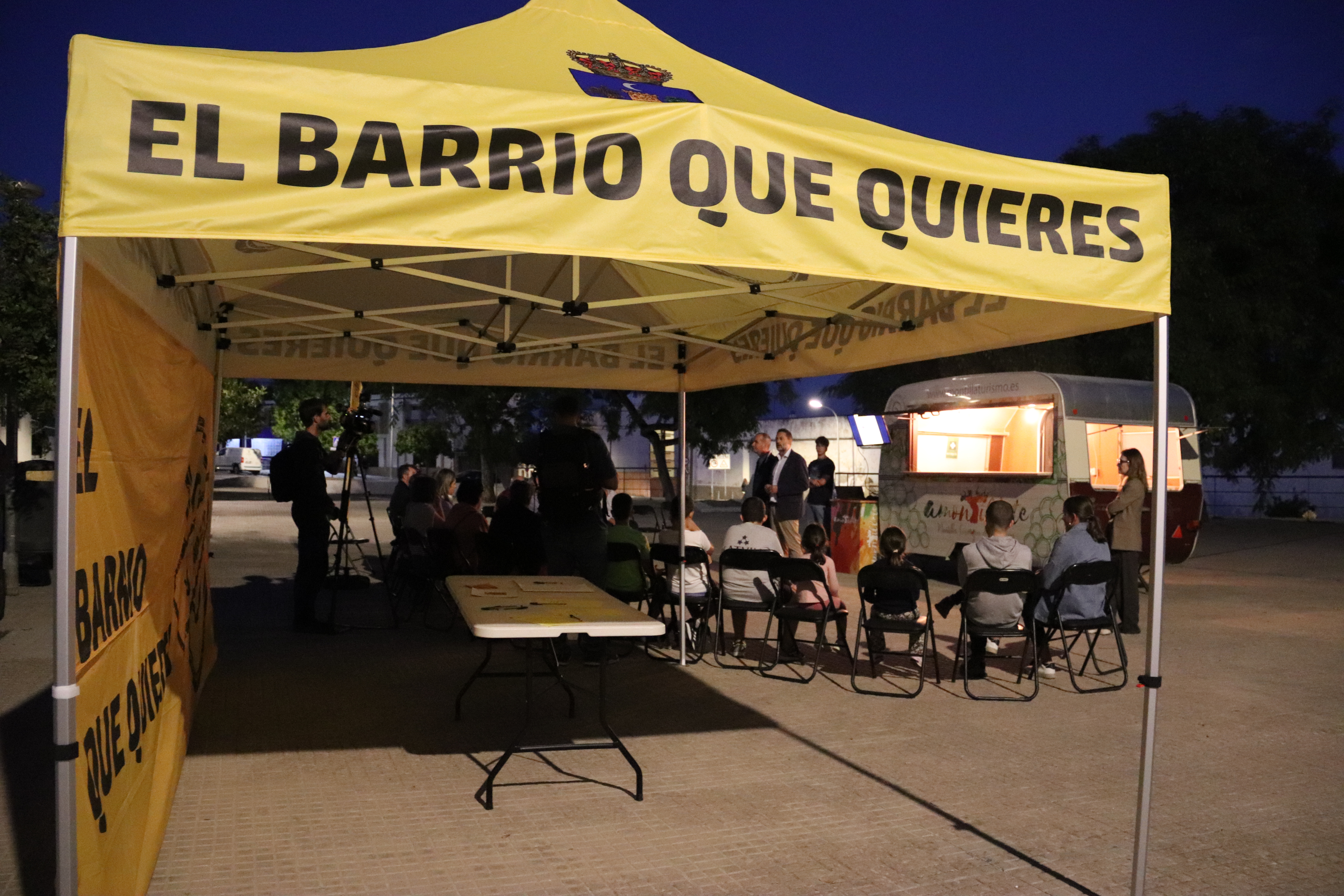
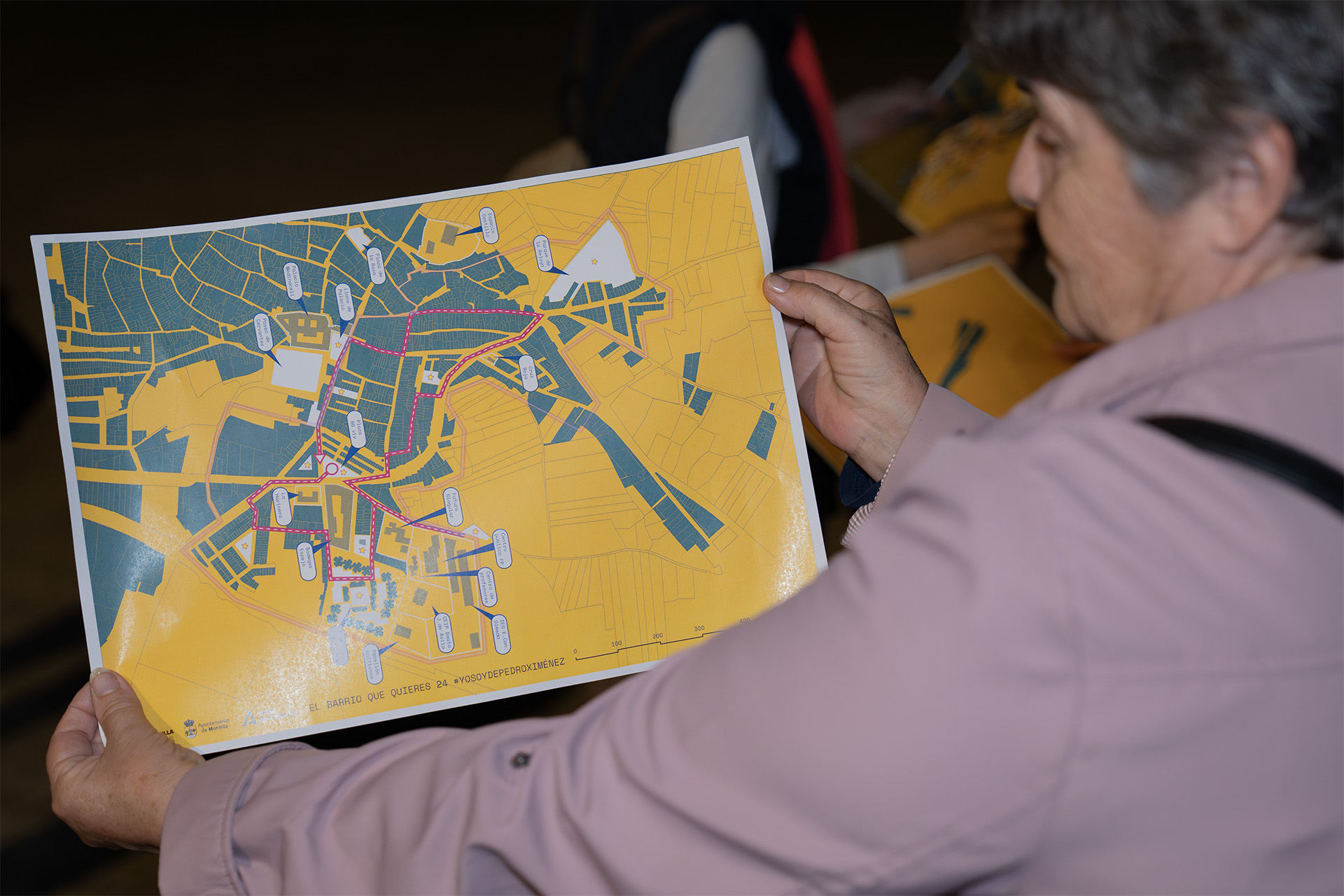
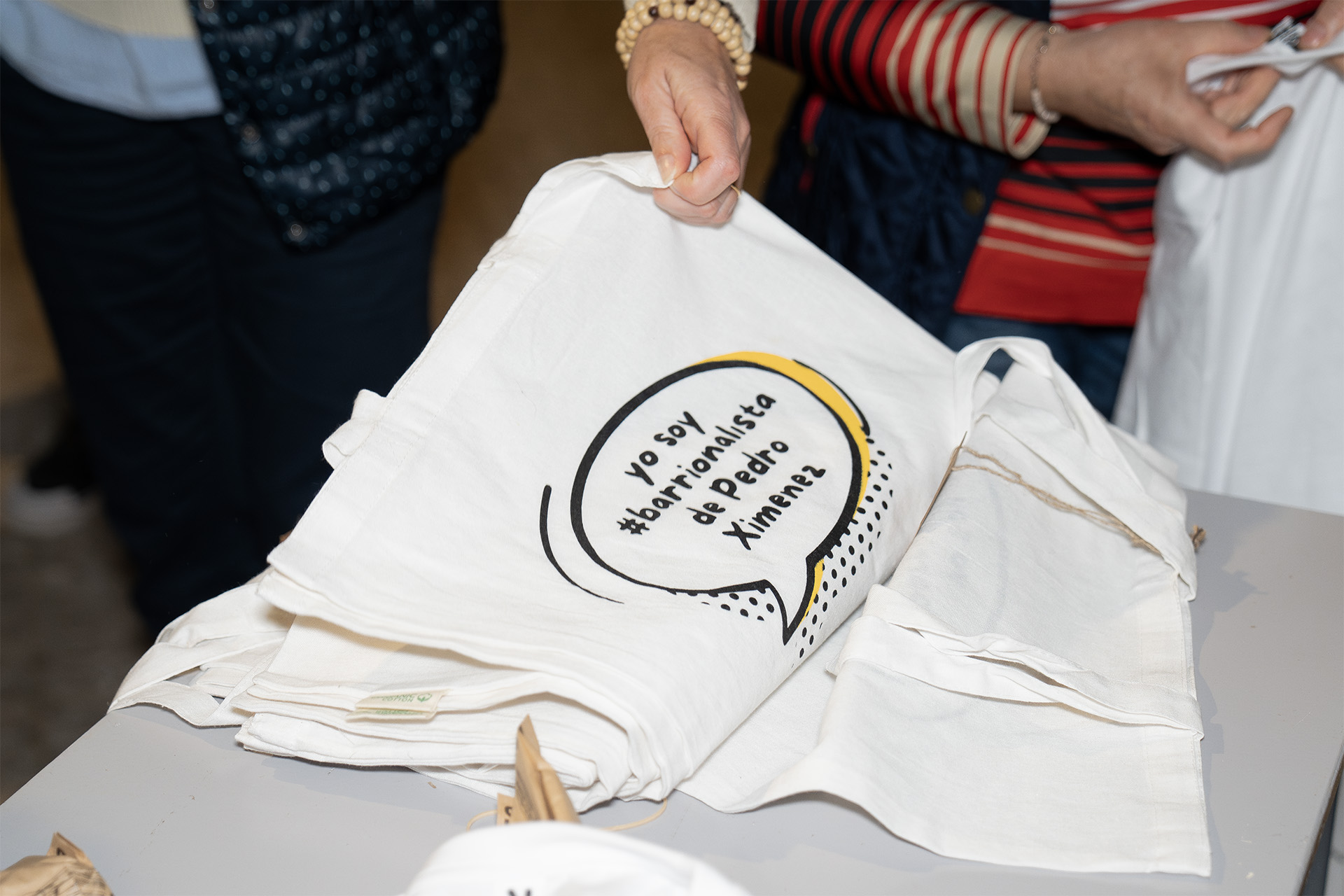
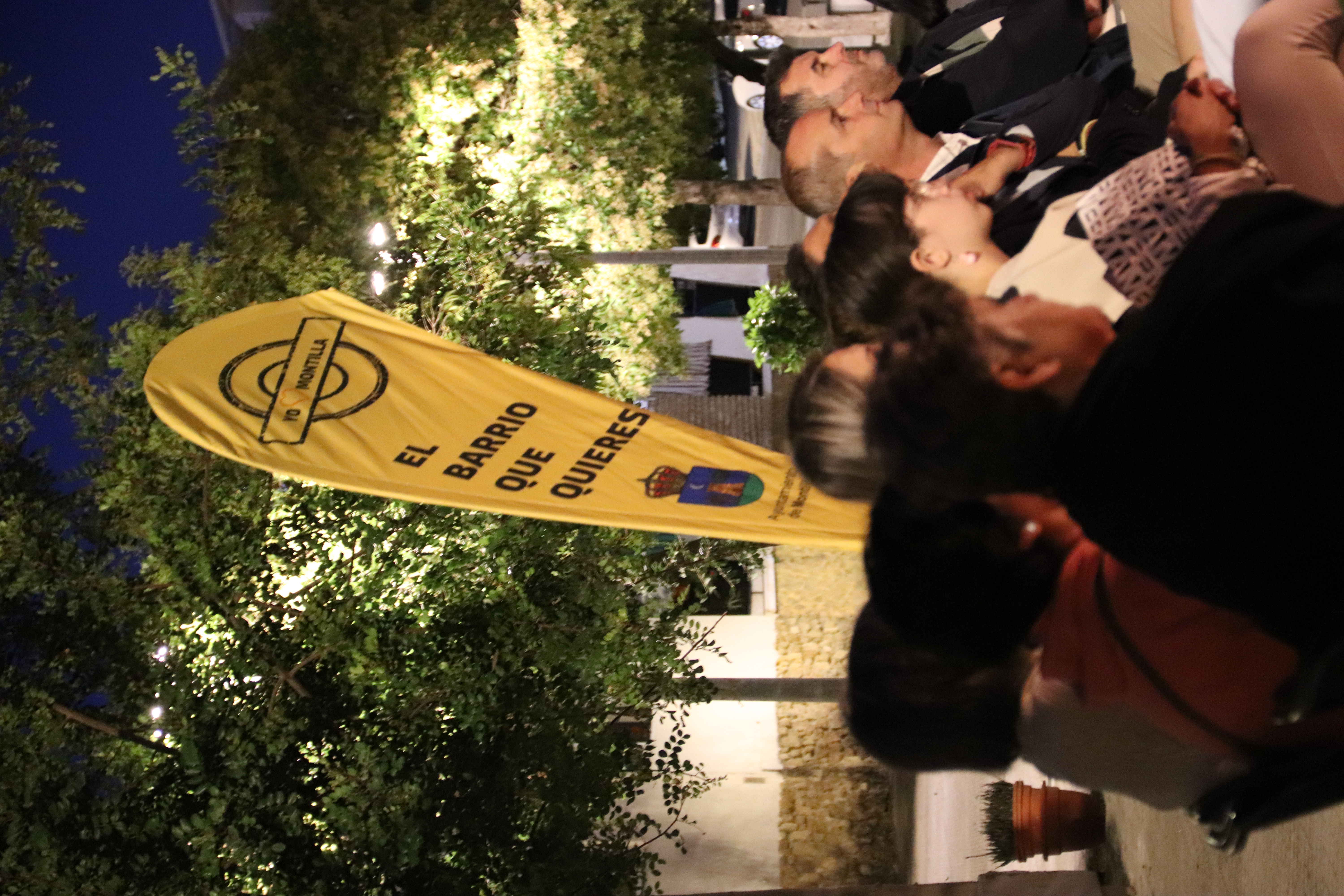
El Barrio Que Quieres 2024 - #soydepedroximénez
“El Barrio que Quieres” (The Neighborhood You Want) is a Montilla City Council initiative promoting civic engagement to drive local development. By allowing residents to propose and decide on neighborhood enhancements, the project fosters community responsibility and direct involvement in decision-making. Key achievements include:
- Infrastructure improvements based on authentic local needs.
- Strengthened social fabric and community cohesion.
- Increased transparency in municipal management
- Infrastructure improvements based on authentic local needs.
- Strengthened social fabric and community cohesion.
- Increased transparency in municipal management
Spain
Local
The municipality of Montilla, located in the province of Cordoba.
It addresses urban-rural linkages
It involves other types of transformations (soft investment)
Yes
2025-06-30
No
No
No
Organisation
“El Barrio que Quieres” project is an initiative by the Montilla City Council (Province of Cordoba) aimed at fostering civic engagement to drive the improvement and development of the city's districts. Through this project, residents have the opportunity to propose, debate, and decide on the actions and enhancements they deem necessary for their local environments. Its primary focus lies in directly involving citizens in the decision-making process, promoting a strong sense of belonging and responsibility toward their community.
Since its launch, the project has reached several significant milestones, including:
The implementation of improvements in infrastructure and urban services, resulting from listening to and addressing the needs expressed directly by the residents.
The strengthening of the social fabric, fostering commitment and cohesion among the inhabitants of Montilla.
Greater transparency in municipal management, by prioritizing citizen demands and ensuring an effective response to them.
These achievements have consolidated the project as a model of best practices in local participatory management, highlighting its relevance not only as an urban improvement tool but also as a catalyst for a more united and active community.
“El Barrio que Quieres” transforms the way citizens interact with their streets, squares, and their City Council, while fostering social cohesion among all residents across the different neighborhoods of Montilla.
The project launched by the Montilla City Council in 2018 has established itself as a brand with its own identity, prestige, and widespread public recognition. Since its inception, this initiative has sought to create a profound connection between residents and their districts, empowering them to become protagonists in the improvement and development of their local environment.
The project's success stems from the Montilla City Council's Department of Civic Engagement and its exceptional long-term commitment. By developing its own methodology, “El Barrio que Quieres” has built public trust and become a benchmark for local participation.
With a robust structure supported by specialized agencies like Innovación Colectiva, local associations, and groups, the project enables residents to engage effectively in decision-making. This collaborative framework has strengthened the sense of community, ensuring that all municipal actions truly reflect the population's needs and desires.
Since 2018, various editions have been implemented, adapted to the specific needs of each stage of the project. Each call for proposals has been developed using methodologies specifically designed for the project, incorporating new ways of addressing participation resulting from the continuous review and improvement of processes. The different editions and proposed activities are as follows:
2018 / Accelerator + Opportunity Refinery
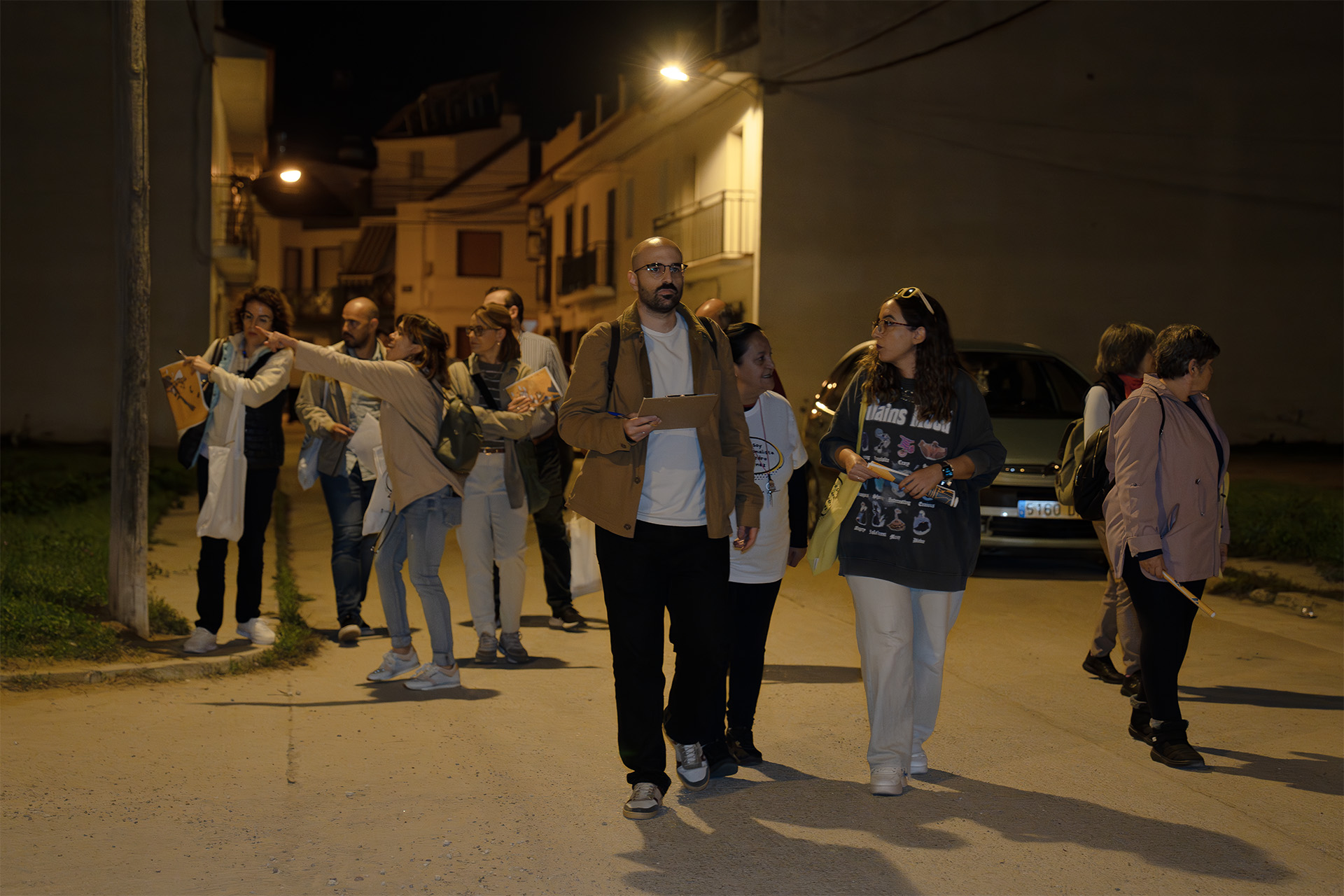
2019 / Surveys + "Derivas" (Urban Walks): (Downtown, Gran Capitán, La Silera, Cerrillo San José, Pedro Ximénez's Neighborhoods)
2020 / "Derivas" (Urban Walks): (Downtown, Gran Capitán's Neighborhoods)
2021 / "Derivas" (Urban Walks): (La Silera, Cerrillo San José, Pedro Ximénez's Neighborhoods)
2022 / DerivaLab: (Culture and Youth)
◦ The City You Want: (Urban Walk + Innovation Lab + Montilla in the Streets)
◦ School of Civic Engagement
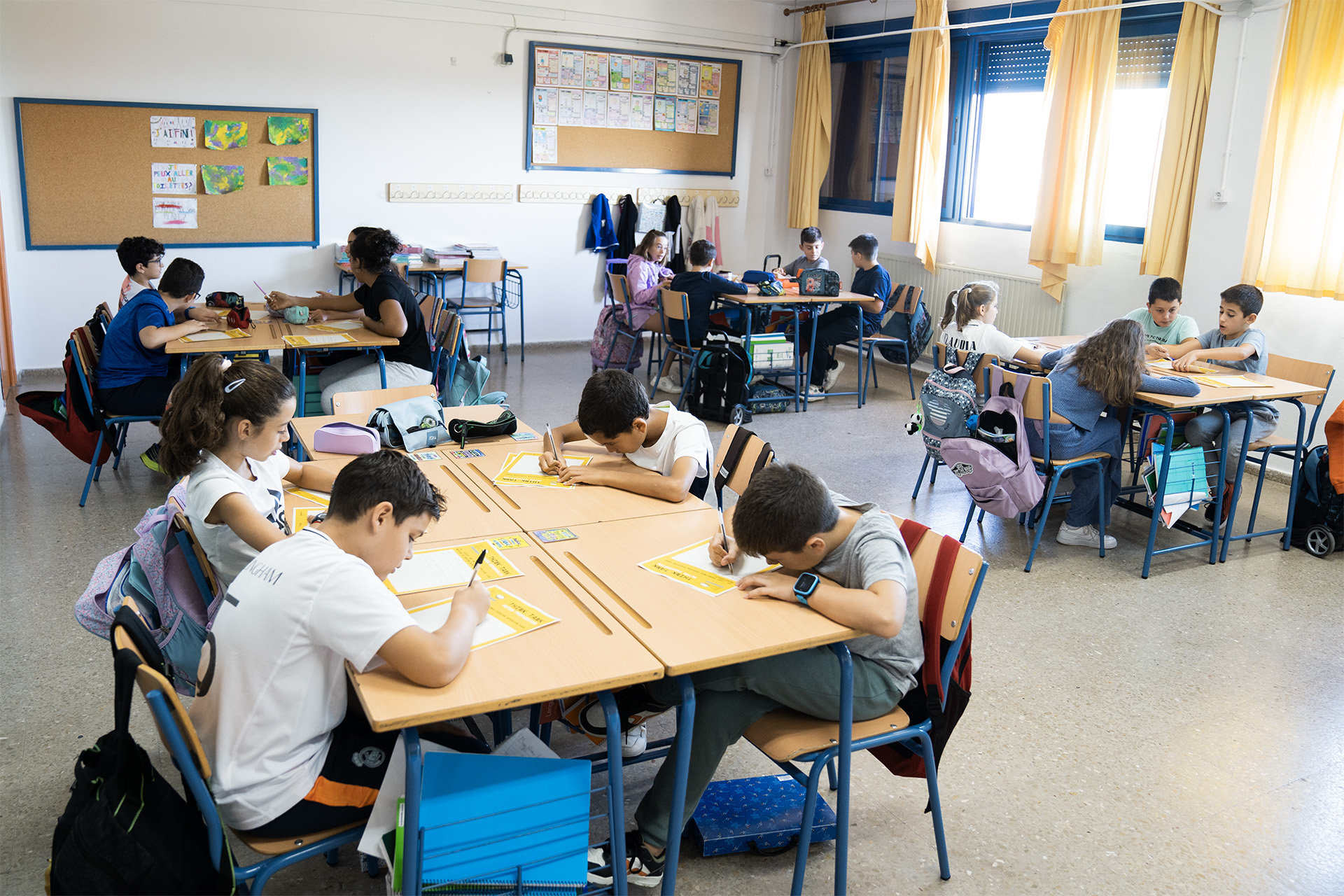
2023 / El Trasiego: (Employment, Trade, and Culture) Think Tank: (Youth)
CO-CREATION
TRANSFORMATION
NEIGHBORHOOD IDENTITY
MULTI-LEVEL GOVERNANCE
URBAN ACTIVATION
The project comprehensively addresses the environmental, social, and economic challenges of the Pedro Ximénez neighborhood through an urban regeneration strategy based on small-scale, high-impact interventions. From an environmental perspective, it promotes the renaturalization of urban space by increasing green areas, reforestation, sustainable drainage, and the reuse of vacant plots as community gardens or shared spaces. It also fosters sustainable mobility through safe school routes, improvements in public transport, and the promotion of walking and cycling.
On the social level, the project tackles issues such as population aging, loss of identity, and lack of social cohesion by creating intergenerational meeting spaces and encouraging cultural activities. Economically, it proposes the revitalization of local commerce and the activation of underused spaces as drivers of activity.
The project’s exemplary character lies in its systemic approach: it combines technical diagnosis, citizen participation, and concrete actions (urban acupuncture), ensuring long-term sustainability through community ownership, gradual maintenance, and institutional continuity.
The project contributes to enhancing the neighborhood by qualitatively improving public space, integrating urban design, heritage, and local identity. Interventions such as the renaturalization of squares, the introduction of tree planting, improved lighting, and the treatment of degraded party walls transform the everyday perception of the environment, creating spaces that are more pleasant, livable, and safe.
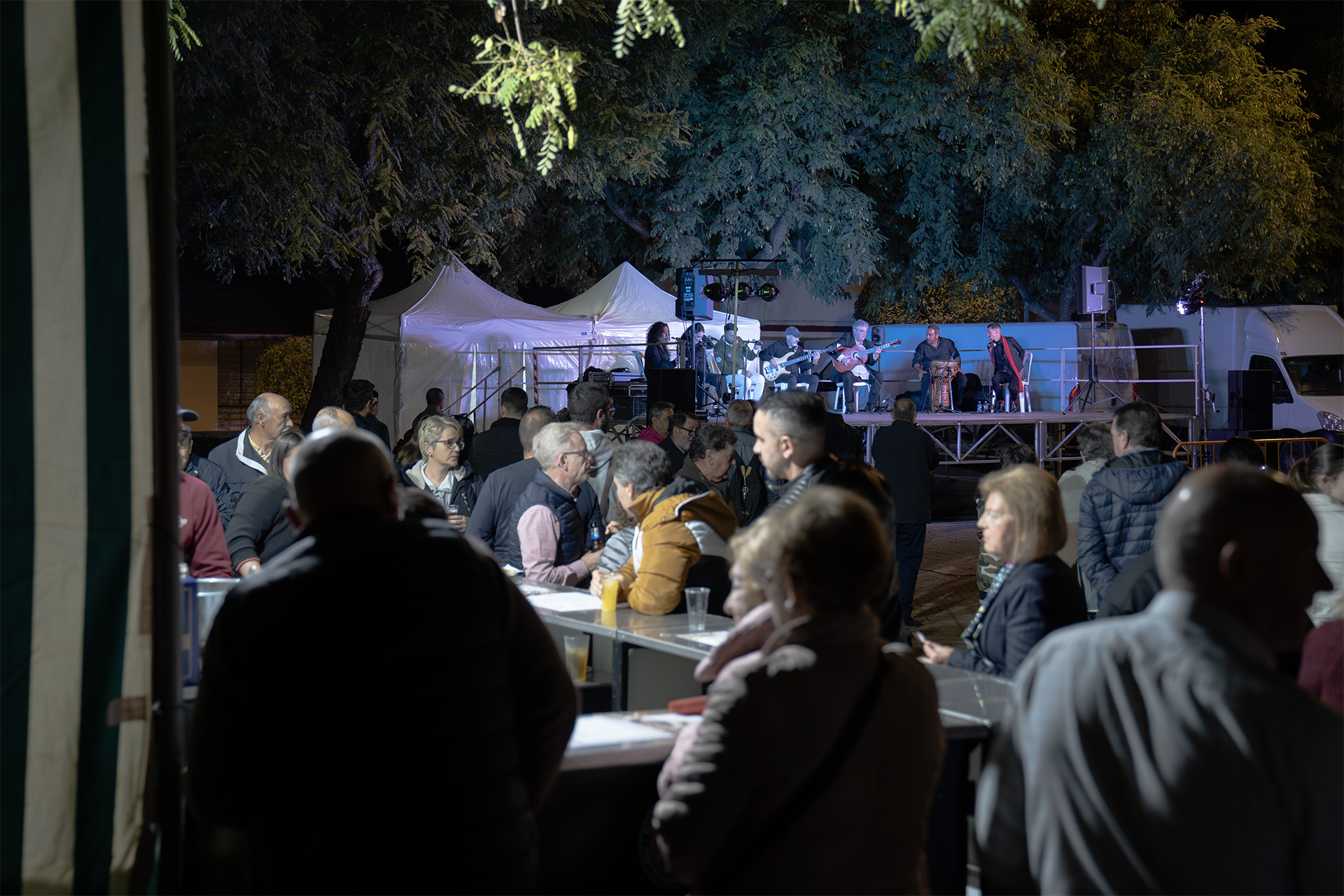
It also focuses on highlighting historical and industrial heritage (La Harinera, Llano de Palacio) and on building a distinctive aesthetic narrative for the neighborhood, linked to its working-class and cultural identity. Actions such as heritage routes, identity-based signage, and artistic interventions reinforce this symbolic dimension.
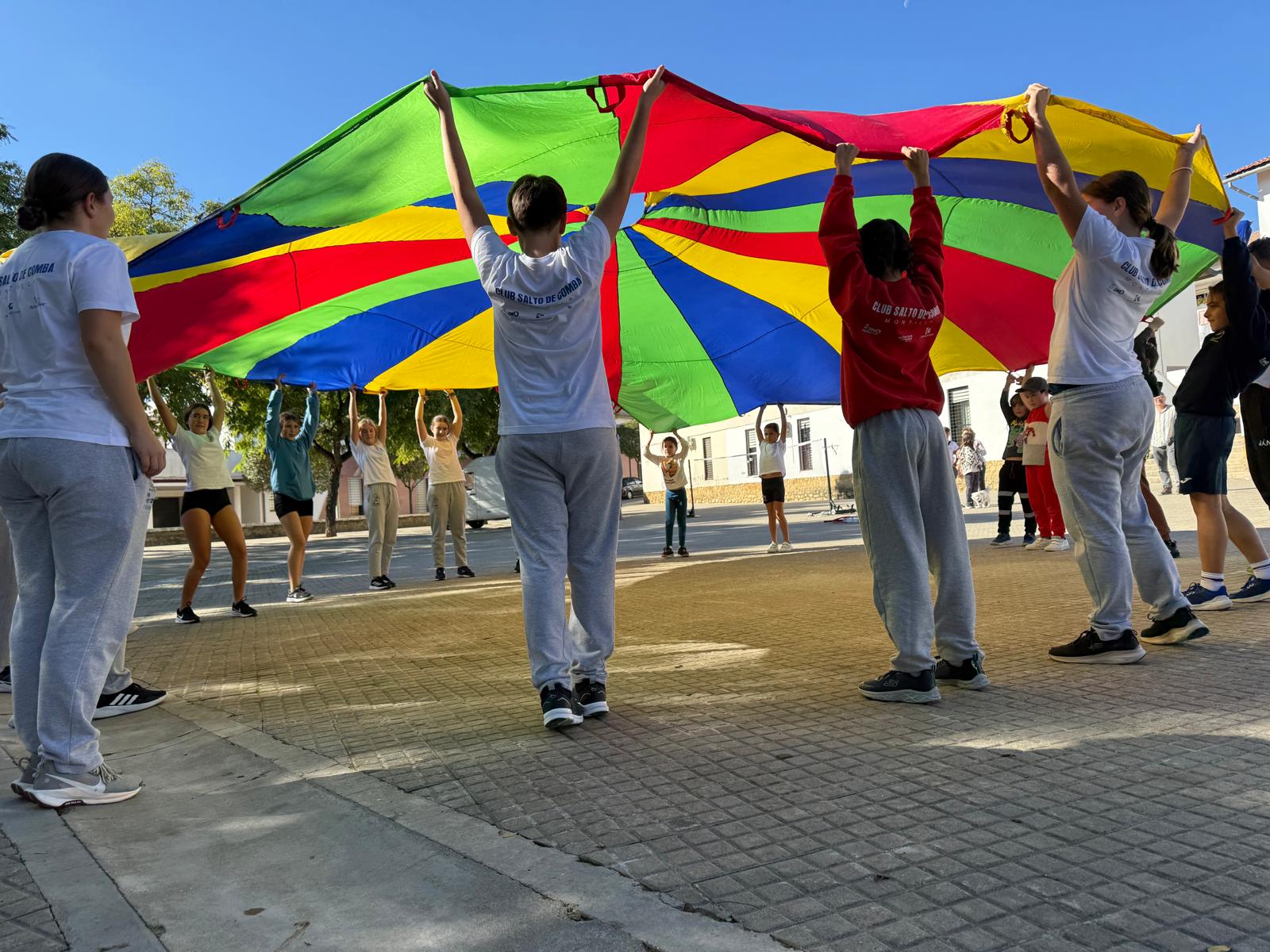
The project further seeks to foster a sense of belonging through the design of flexible spaces capable of hosting cultural, sports, and social activities, encouraging their continuous use. Aesthetics is not conceived as a superficial element, but as a key factor in enhancing the dignity of the environment and emotional well-being.
Its exemplary nature lies in integrating aesthetics, functionality, and participation, achieving a sensitive transformation of space rooted in local identity.
The project addresses inclusion from a broad perspective, acting on physical, social, and economic accessibility. In the urban sphere, it prioritizes the removal of architectural barriers, the improvement of sidewalks, lighting, and the creation of accessible spaces for people with reduced mobility, the elderly, and children.
It also incorporates principles of universal design, as reflected in the proposal for an “inclusive square,” which includes pictograms, adapted play equipment, accessible street furniture, and intergenerational spaces. The project further integrates vulnerable groups and third-sector organizations (such as disability associations), encouraging their active participation in the design and use of public spaces.
In terms of affordability, it promotes low-cost, high-impact solutions (micro-interventions, reuse of spaces), ensuring that the benefits are accessible to the entire population.
At the social level, the project fosters new models of inclusive governance, in which residents, associations, and young people take part in decision-making processes.
Its exemplary character lies in its transversal approach to inclusion: it not only adapts physical space, but also transforms social dynamics toward a more equitable community.
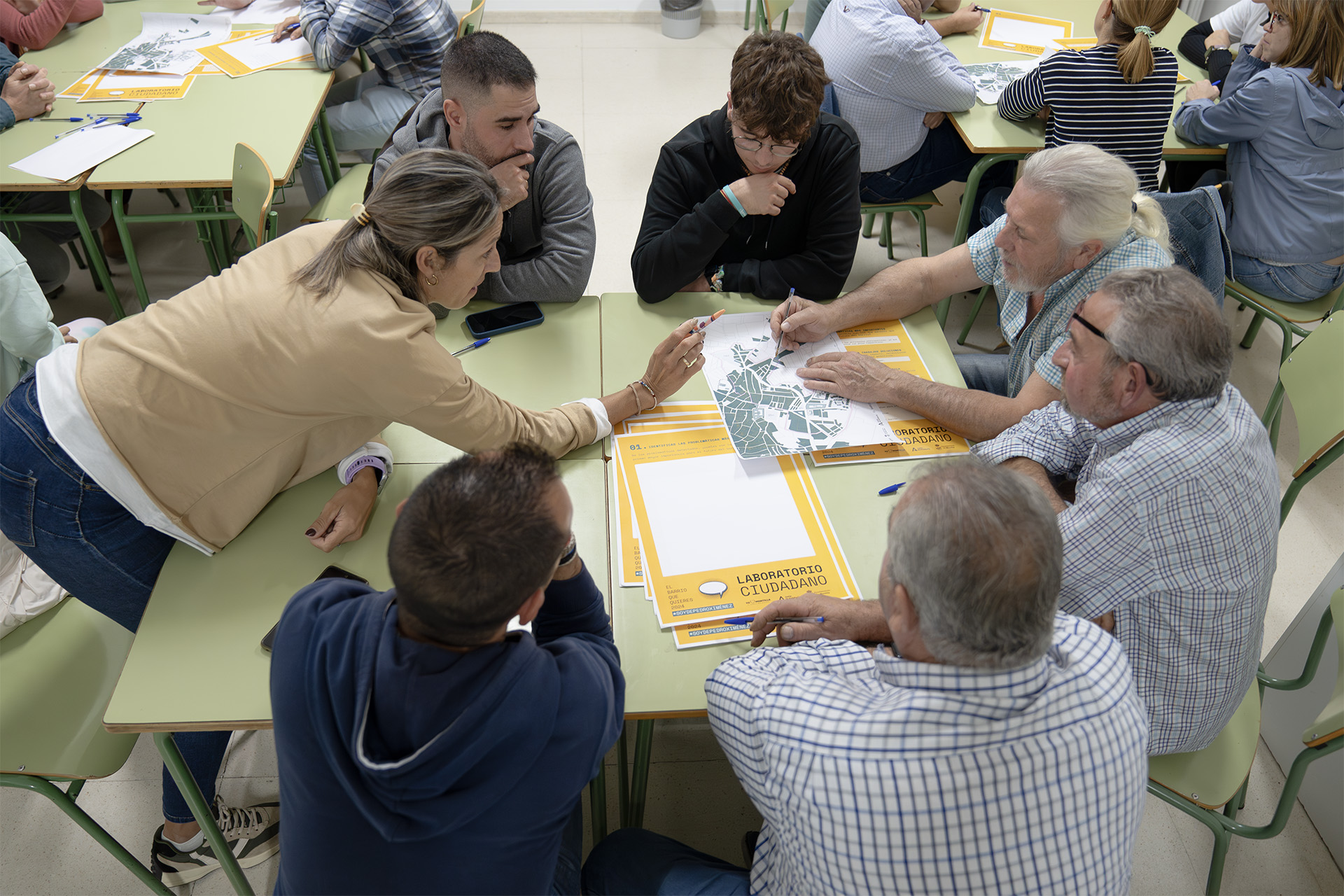
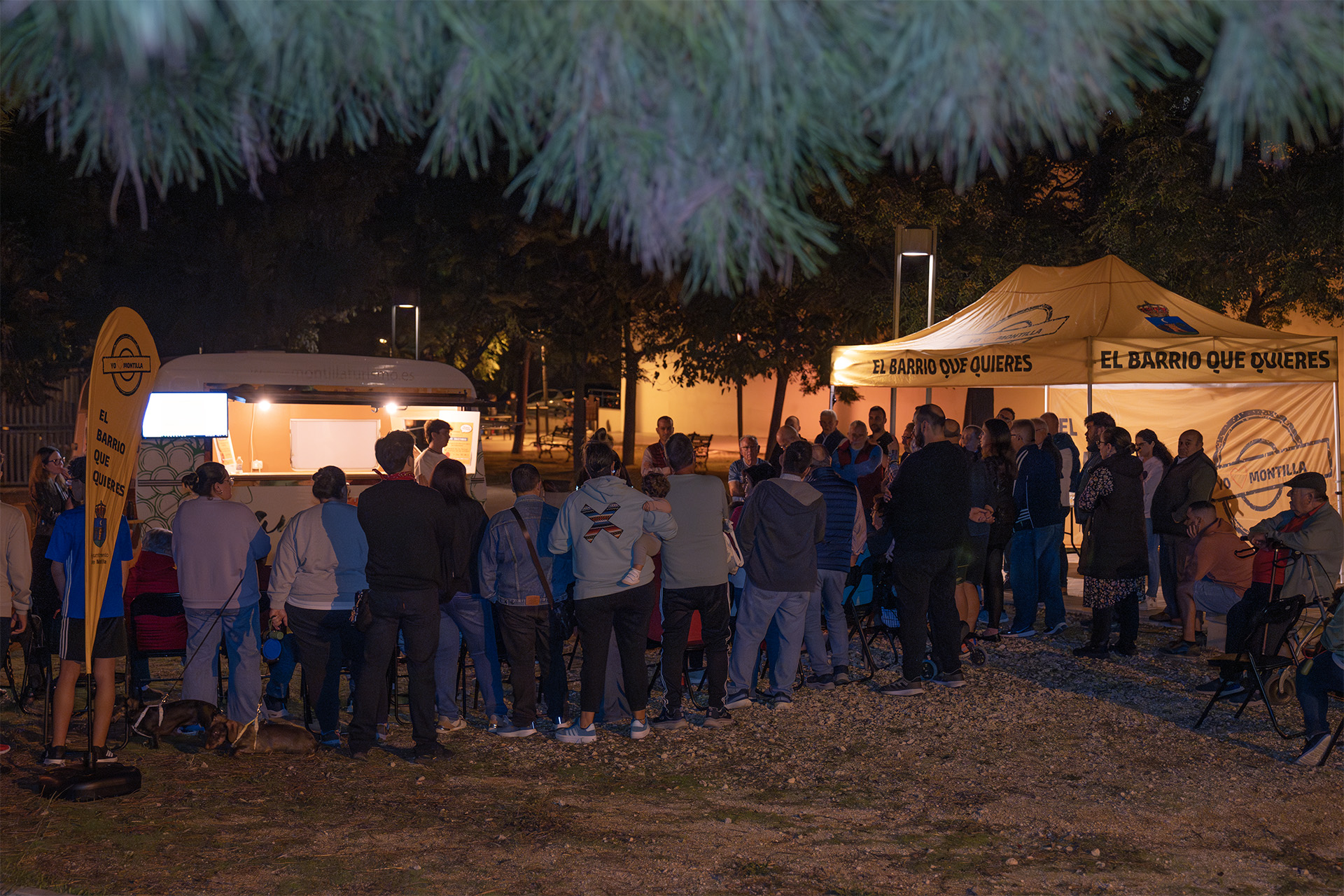
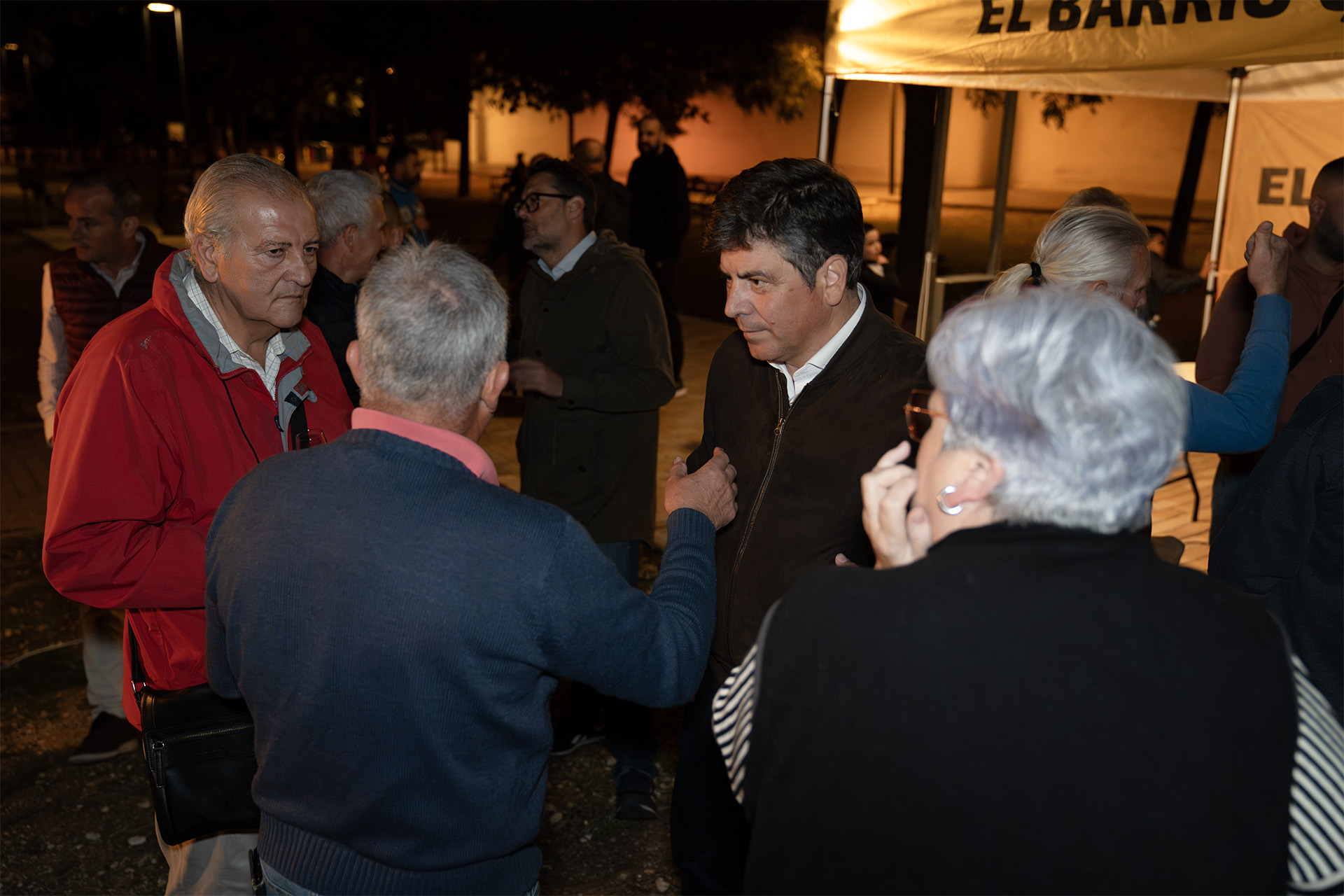
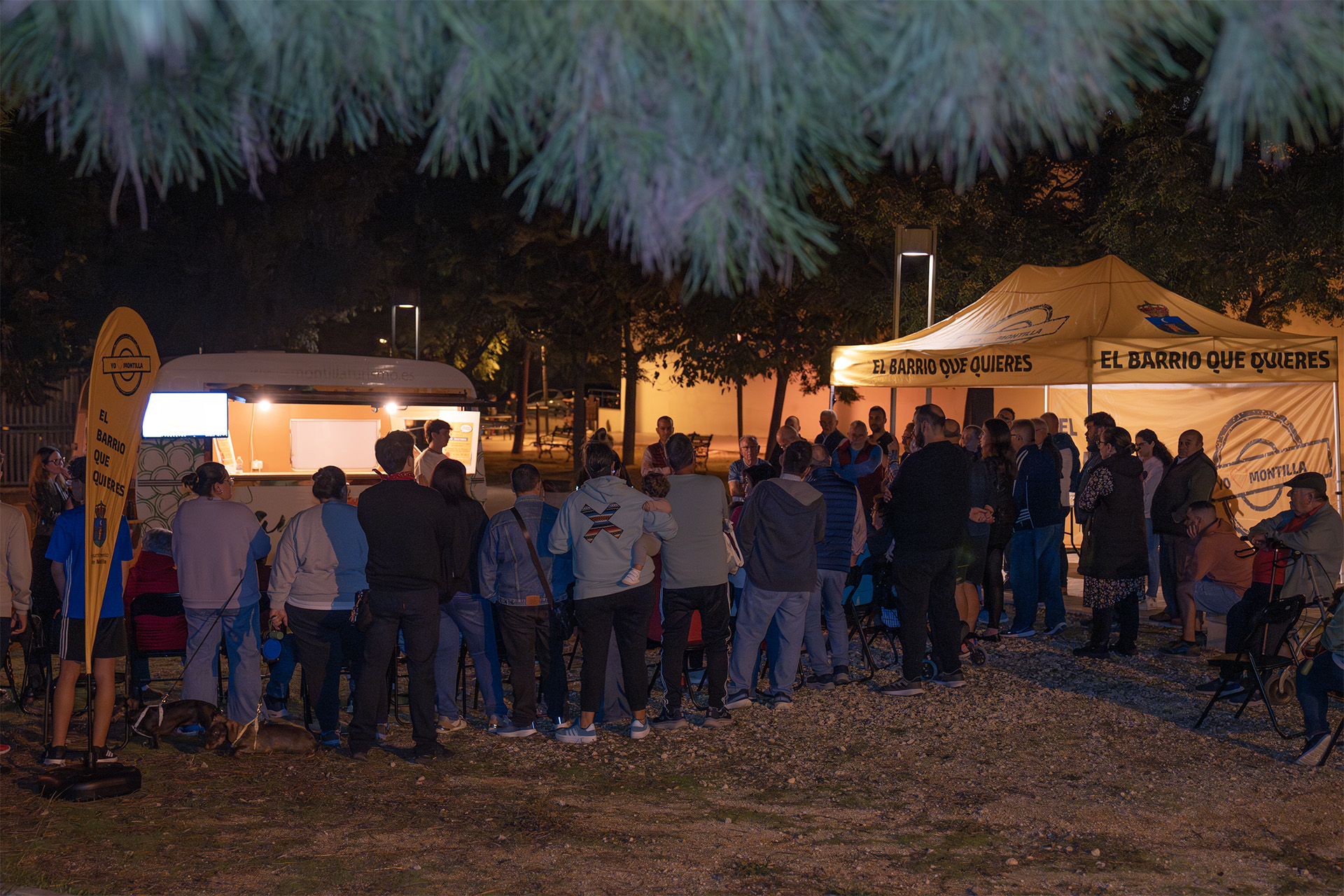
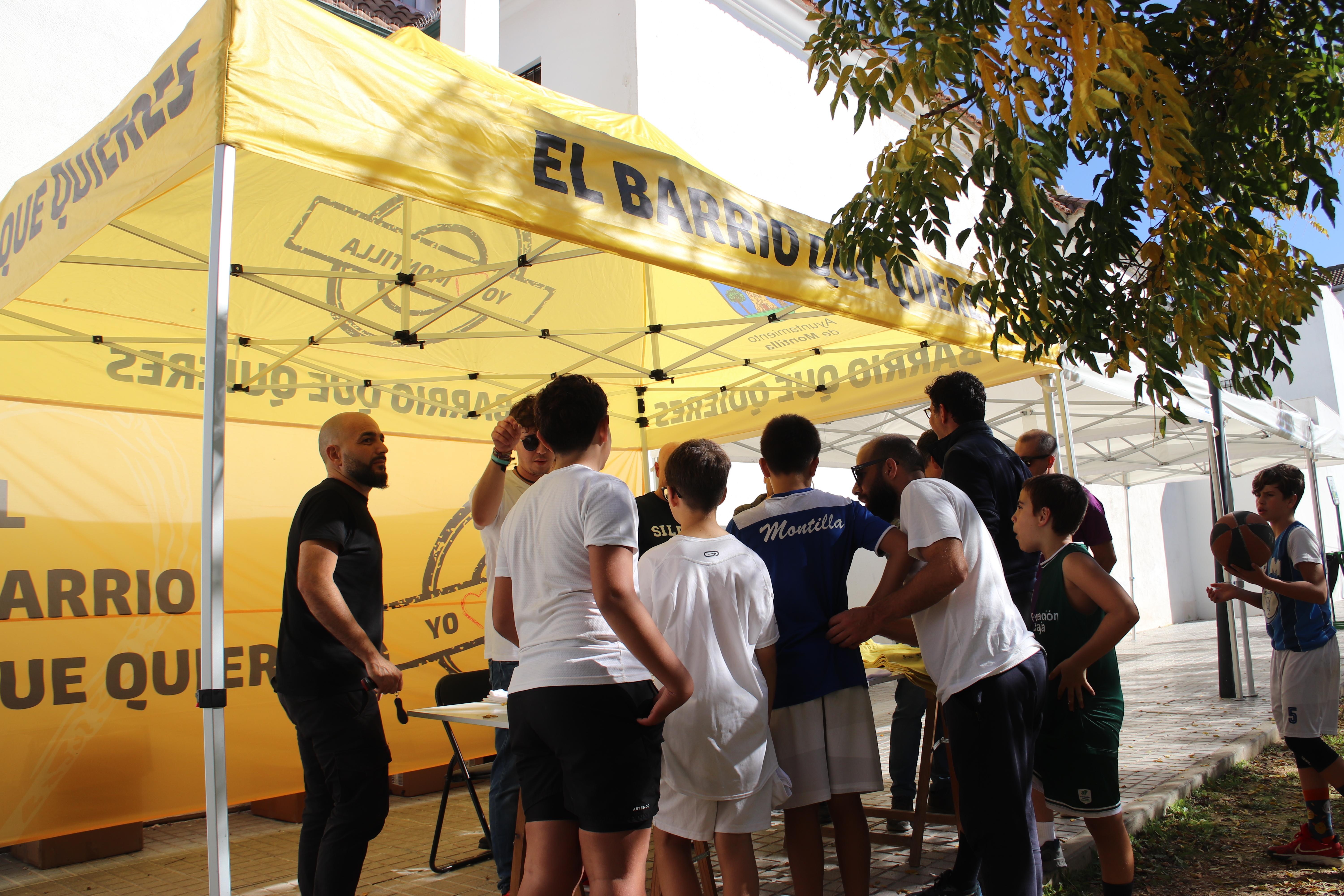
Citizen participation constitutes the core of the project, structured through multiple phases and methodologies. Both digital tools (open online surveys) and in-person formats (neighborhood forums, urban walks, citizen labs, and youth Think Tanks) have been developed.
Citizens have played an active role in all stages: diagnosis, identification of issues, design of solutions, and prioritization of actions. Particular importance is given to the involvement of young people, associations, educational institutions, and social groups, ensuring a diversity of perspectives.
The impact of this participation has been direct: citizens’ proposals have shaped the action plan, identifying specific interventions (improvement of spaces, creation of facilities, cultural activation). Moreover, it has strengthened the sense of belonging and shared responsibility in caring for the neighborhood.
The project stands out for combining deliberative, creative, and strategic participation, establishing itself as a replicable model of urban democracy at the local scale.
The project articulates a multi-level governance model led by the Montilla City Council, with the cross-cutting involvement of different departments and technical teams, overcoming sector-based approaches. At the local level, neighborhood associations, educational institutions, social organizations (Cruz Roja, Cáritas, Futuro Singular), and economic actors actively participate.
At the technical level, the design and methodological support have been developed with the assistance of specialized consultancies, ensuring rigor and capacity for innovation.
Although the project is implemented at the local scale, it aligns with broader strategic agendas (Urban Agenda, sustainability, inclusion), facilitating its connection with regional and European frameworks.
The added value of this governance model lies in its capacity for coordination and co-creation: it integrates technical, political, and citizen knowledge, generating more tailored and sustainable solutions.
The project integrates multiple disciplines in its design and implementation. It ranges from urban planning and architecture (improvement of public spaces, accessibility) to social sciences (participation, community cohesion), education (Think Tank initiatives in schools), culture (artistic and heritage activation), and environmental sustainability (renaturalization, mobility).
It also incorporates innovative methodologies such as design thinking, participatory analysis, and urban acupuncture, combining technical knowledge with citizens’ experience.
This transdisciplinary approach makes it possible to address the neighborhood’s challenges in a holistic way, avoiding fragmented solutions and generating real impact.
The project is based on a hybrid model grounded in municipal public funding, potentially complemented by regional, national, and European grants linked to urban regeneration, sustainability, and social innovation.
Its financial sustainability lies in its low-cost, high-impact approach, based on progressive micro-interventions, the reuse of existing spaces, and the activation of local resources. In addition, it foresees the generation of indirect economic activity through the revitalization of local commerce, cultural programming, and the use of spaces for events.
The model is further strengthened by community involvement, which reduces long-term maintenance costs through social ownership.
The project shows a high potential for replicability in other urban contexts, especially in neighborhoods facing similar challenges. In fact, the project is currently being replicated in another area of Montilla, the Barrio de La Cruz, where it has been underway from September 2025 to June 2026. Furthermore, there are plans to continue implementing the project in the coming years across other neighborhoods in Montilla. Among the replicable elements are:
The structured participatory methodology (forums, urban walks, citizen labs, Think Tanks)
The urban acupuncture approach (small but strategic interventions)
The collaborative governance model
The combined diagnostic tools (technical + citizen-based)
Low-cost, high-impact solutions
In summary, its flexibility allows it to be adapted to different scales, territories, and social groups, making it a replicable model of people-centered urban regeneration.