Enablers for New European Bauhaus Transformation
Bartók 4.0 Heritage-Digital Model
Bartók 4.0 Heritage-Digital Enabling Model for Place-Based NEB Transformation
This project turns heritage into a living guide for place-based transformation. The Bartók 4.0 model connects local knowledge, cultural heritage, scientific insight and ethical AI to create meaningful, inclusive and beautiful experiences rooted in real places. Instead of starting from technology, it starts from fieldwork, dialogue and community participation, then builds digital companion tools that help places like Tihany imagine and shape their future.
Hungary
Local
Tihany
Mainly rural
It involves other types of transformations (soft investment)
Yes
2026-03-10
No
No
Yes
Individual
The Bartók 4.0 Heritage-Digital Enabling Model is a place-based framework that helps public authorities, cultural institutions, educators and communities develop sustainable, inclusive and high-quality transformation rooted in the unique character of places. It connects cultural heritage, community knowledge, scientific insight and AI-supported interpretation not as an end in itself, but as an enabling framework for better local cooperation, learning and decision-shaping.
The model follows an analogue-first logic. It begins with fieldwork, local dialogue, heritage interpretation and the mapping of place-based meanings before any digital layer is introduced. Only then are digital companion tools, interpretive interfaces and knowledge pathways developed. This offers an alternative to standardised, technology-led digitalisation and supports more ethical, context-sensitive transformation grounded in living heritage, environmental awareness and community participation.
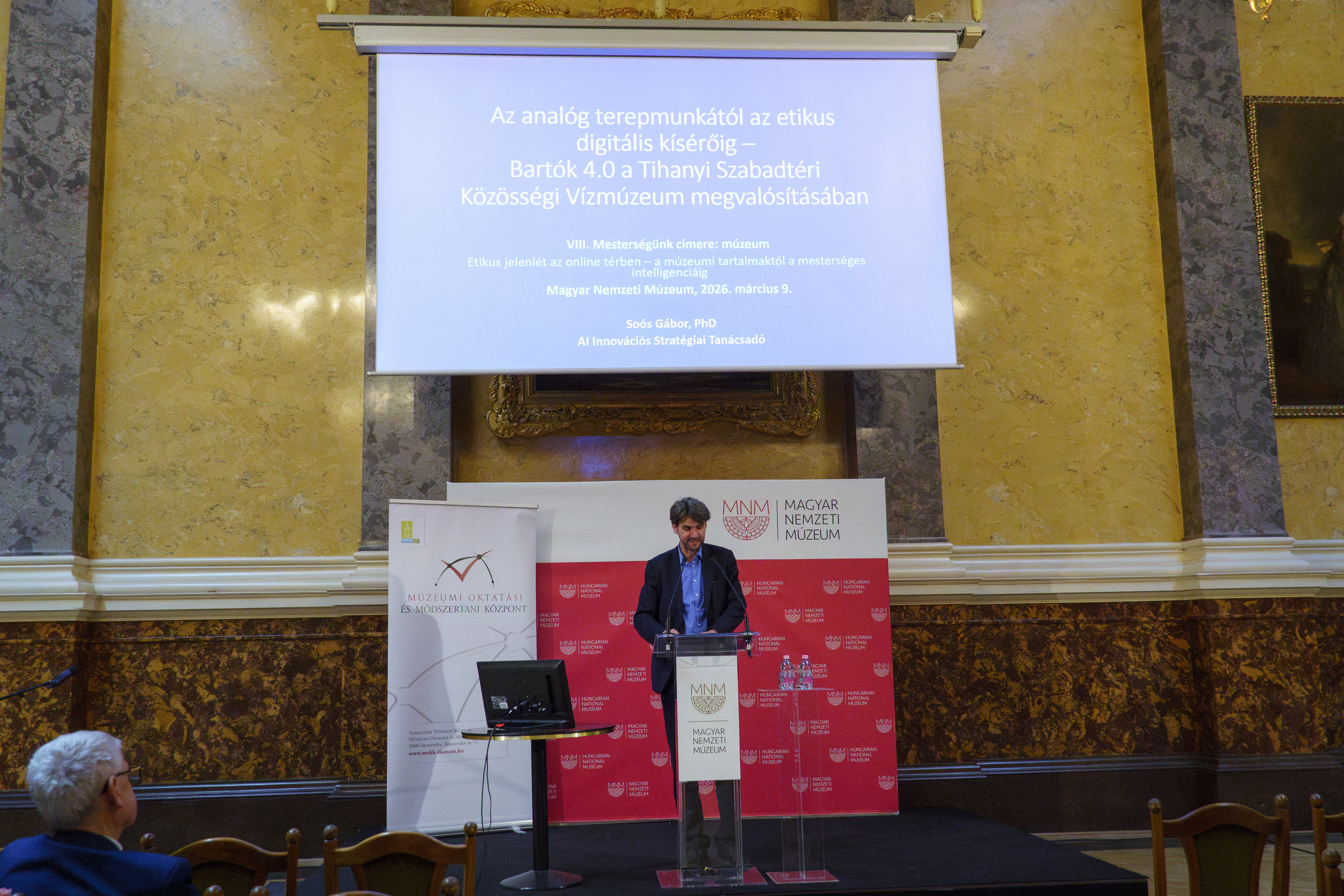
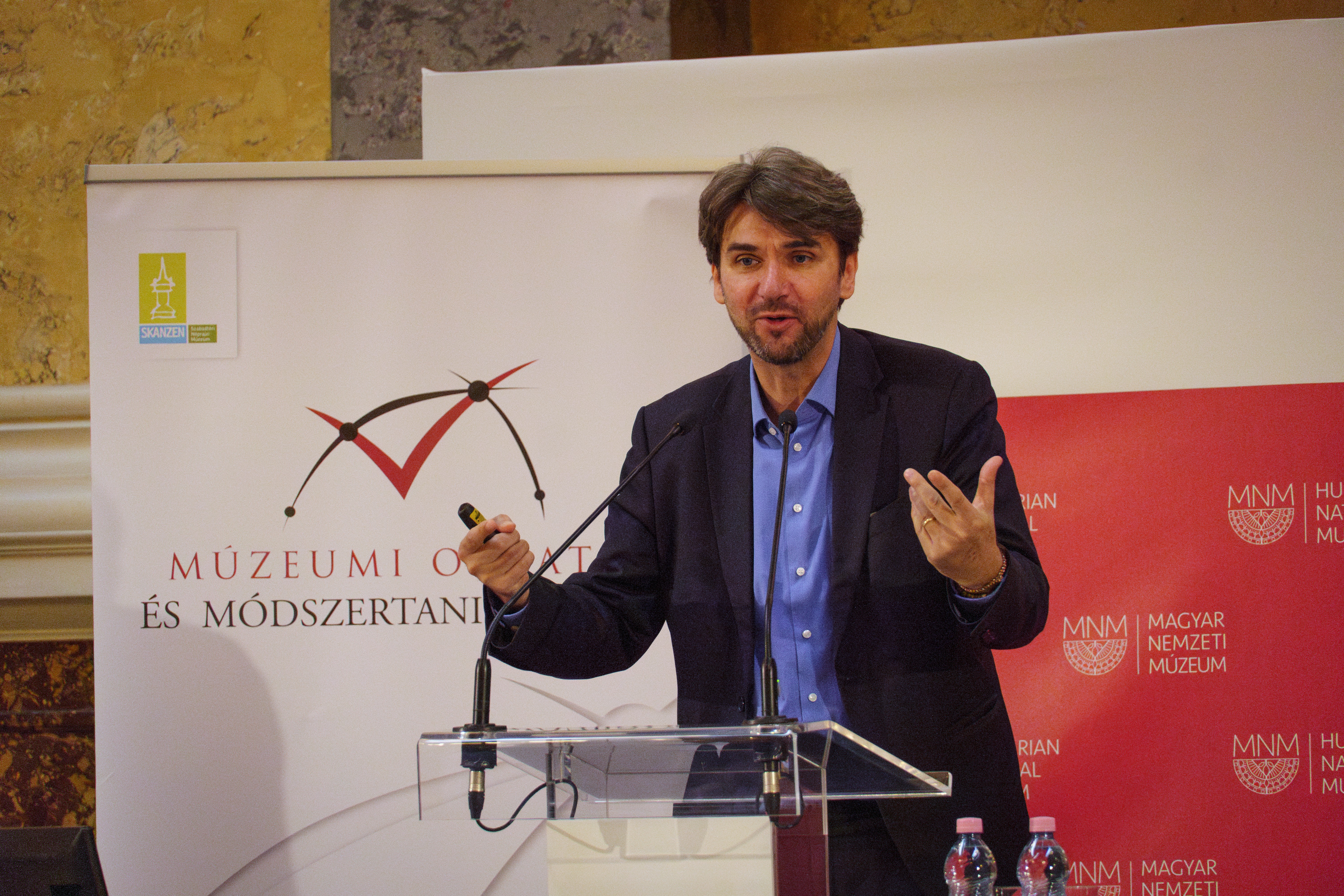
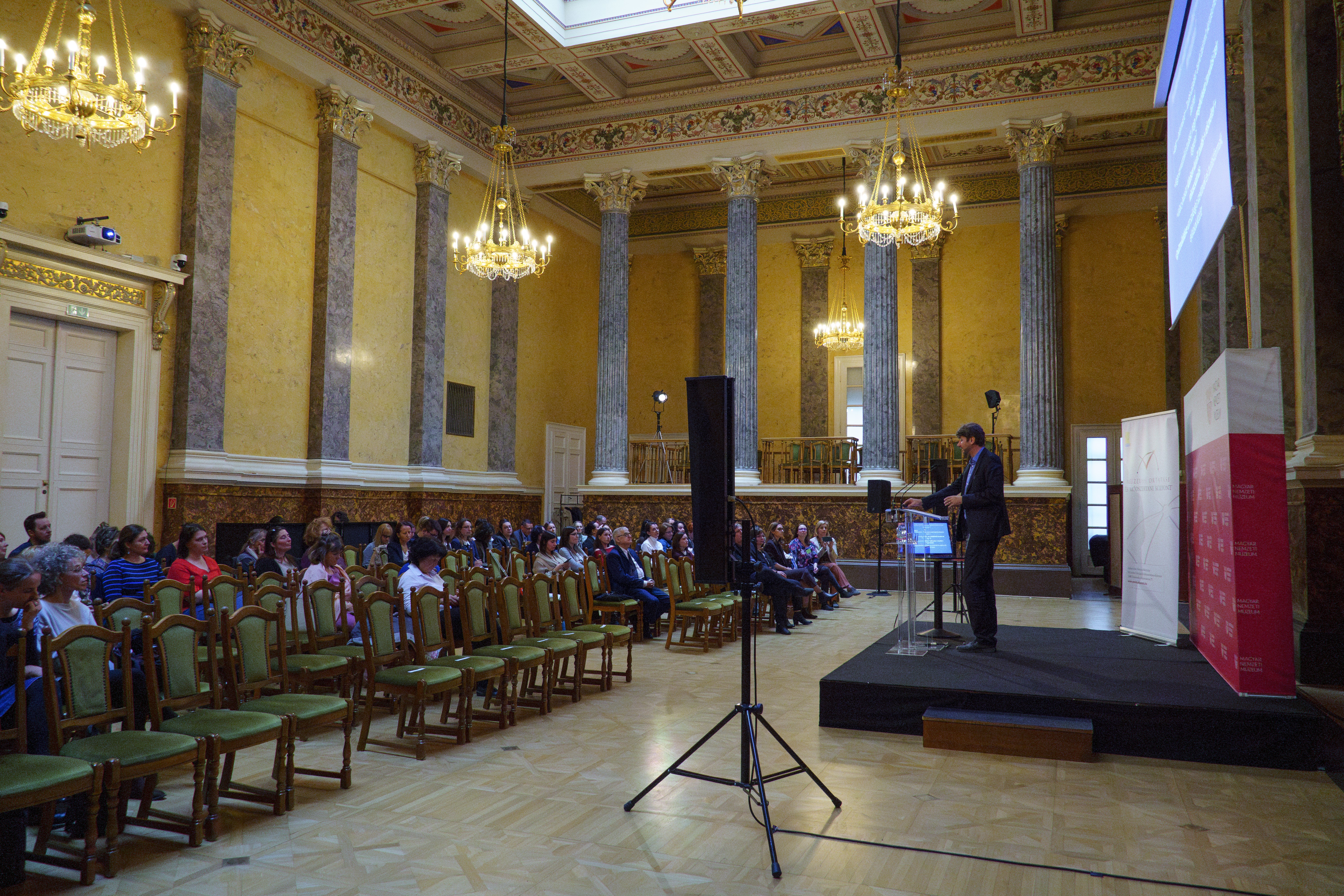
The model has already been publicly articulated, institutionally presented and applied across heritage, museum, academic and international cooperation settings. It has informed educational pilots, public competitions, fieldwork processes, chatbot-based heritage experiments and international presentations. In Tihany, it is being deployed through a local partnership involving heritage, environmental, municipal and knowledge actors, demonstrating its relevance as a living framework for local transformation.
As a Category 4 project, Bartók 4.0 functions as an enabler. It supports new ways of working by linking cultural, scientific and civic actors; new ways of learning by translating heritage and place knowledge into accessible interpretive pathways; and new ways of governing through participatory and transdisciplinary local cooperation. The model is transferable to other heritage, museum, educational and territorial contexts, in both rural and urban settings and heritage landscapes.
The Bartók 4.0 Heritage-Digital Enabling Model grew from a simple question: how can AI support heritage, education and local transformation without flattening diversity or replacing lived experience? Developed at the intersection of UNESCO-related cultural policy, AI ethics, heritage practice and education, it follows an iterative cycle of thought, practice, interaction and reflection.
Inspired by Bartók’s return to the “pure source”, the model begins with fieldwork, observation, dialogue and collective interpretation, and only then adds digital and AI-supported layers. This analogue-first approach was refined through public lectures, policy work, museum and academic exchange, and international dialogue as a more sustainable, inclusive and place-sensitive form of digital transformation.
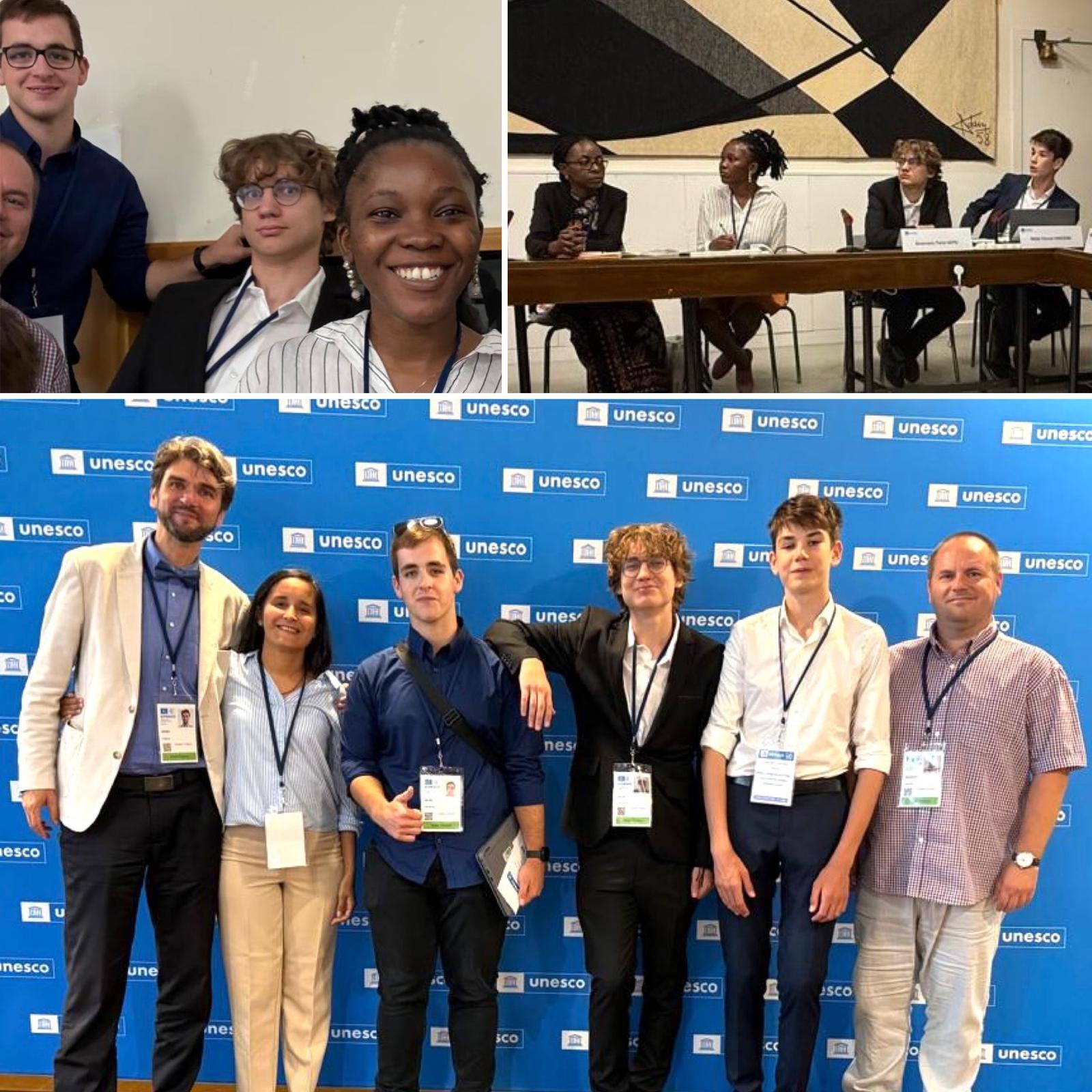
It was then applied in concrete contexts: first in the national secondary-school pilot “AI with UNESCO”, then in the “Animals Living with Us” competition, whose main prize was a fieldwork weekend in Tihany supporting the Open-Air Community Water Museum. In parallel, the Bartók 3.0–ETHOS platform was launched at a side event of the 47th session of the World Heritage Committee in Paris, where youth fieldwork from Hungary and Kenya also enabled the SOPHIA Pannonhalma and SOPHIA Lake Turkana chatbots.
The model has since gained further validation through ASPnet, World Heritage in Young Hands and an endorsed UN Ocean Decade action. Through this process, it crystallised into a completed and transferable model for ethical, participatory and context-sensitive digital transformation.
Living heritage
Community Co-Design and Governance
Ethical AI
Place-based learning
Digital inclusion
The project addresses sustainability by changing how transformation begins. Instead of starting from technology, standardisation or resource-intensive intervention, it starts from fieldwork, local knowledge, cultural memory and environmental awareness. It helps communities, institutions and public actors understand a place before acting on it. This reduces the risk of inappropriate, extractive or socially disconnected solutions and supports more responsible, context-sensitive development.
Environmentally, the model promotes a low-impact, knowledge-based approach. It strengthens attention to water, landscape, biodiversity and the long-term relationship between people and their environment. In Tihany, it supports reflection on the Inner Lake area through observation, dialogue and heritage interpretation before any physical intervention is imagined. This makes it easier to design solutions that respect ecological limits and local specificities.
Culturally, the model contributes to sustainability by safeguarding living heritage and local meaning. It treats heritage not as a static asset, but as a living source of knowledge for future-oriented transformation. This helps communities preserve continuity while adapting to new realities, including digital transition.
Socially and economically, the model supports sustainability by creating conditions for longer-term cooperation across sectors. It connects municipalities, cultural institutions, researchers, educators and local communities around shared stewardship of place. Because it is replicable, it also offers a cost-effective framework that can be adapted in other contexts without requiring large-scale infrastructure from the outset.
It is sustainable by linking environmental sensitivity, cultural continuity and institutional learning in a practical model. It shows that sustainable transformation is not only about technical efficiency, but also about how places are understood, valued and cared for over time.
The Bartók 4.0 model contributes to beauty by restoring attention to the lived experience of place. Its starting point is not abstract data, but the sensory, cultural and emotional qualities of real environments: landscapes, stories, memory, local practices and the rhythms of everyday life. In this sense, it makes life more beautiful not by imposing a style, but by helping people reconnect with the meaning and character of the places they inhabit.
Its analogue-first method strengthens aesthetic quality by encouraging observation, listening, encounter and interpretation before digital tools are introduced. This creates richer and more meaningful experiences for communities, students, visitors and institutions alike. In Tihany, for example, the model supports a deeper relationship with the Inner Lake area by linking water, heritage, biodiversity, local memory and future imagination into one shared interpretive framework.
The project also contributes to a sense of belonging. By involving people in the discovery and interpretation of their environment, it transforms place from a passive setting into a lived common good. Digital companion tools are not used to replace presence, but to deepen attention, care and connection. This approach helps communities see beauty not only in monuments or designed objects, but in relationships: between people and landscape, past and future, local knowledge and new technologies.
Its longer-term aesthetic value lies in its ability to cultivate enduring quality of experience. It helps public authorities and cultural actors create transformation processes that are not merely functional, but meaningful, rooted and emotionally resonant. The project is exemplary because it shows that aesthetics in the NEB sense is inseparable from care, memory, interpretation and the unique dignity of place.
The model promotes inclusion by widening who can participate in knowledge-making and interpretation. It does not reserve expertise to technical specialists alone. Instead, it creates a framework in which local communities, educators, municipal actors, researchers, young and elderly people and heritage practitioners can all help understand a place and shape its future.
Its method starts from accessible practices: walking, observing, listening, interviewing, documenting and sharing. These forms of participation do not depend on advanced technical expertise or expensive infrastructure. Digital tools are introduced only after this shared grounding, helping reduce exclusion and making technology more understandable, relevant and usable for different groups.
The model also supports inclusive governance. It links local actors with schools, museums, researchers, municipalities and international knowledge networks. In Tihany, this has meant bringing together community, environmental, heritage and municipal perspectives within one evolving process. Such cooperation helps prevent siloed decision-making and supports more democratic place-based transformation.
Inclusion also has a cultural dimension. The model values local memory, everyday knowledge and lived experience alongside formal expertise, supporting more balanced relationships between expert systems and communities, and between analogue and digital ways of knowing. It treats participation not as an add-on, but as a structural principle.
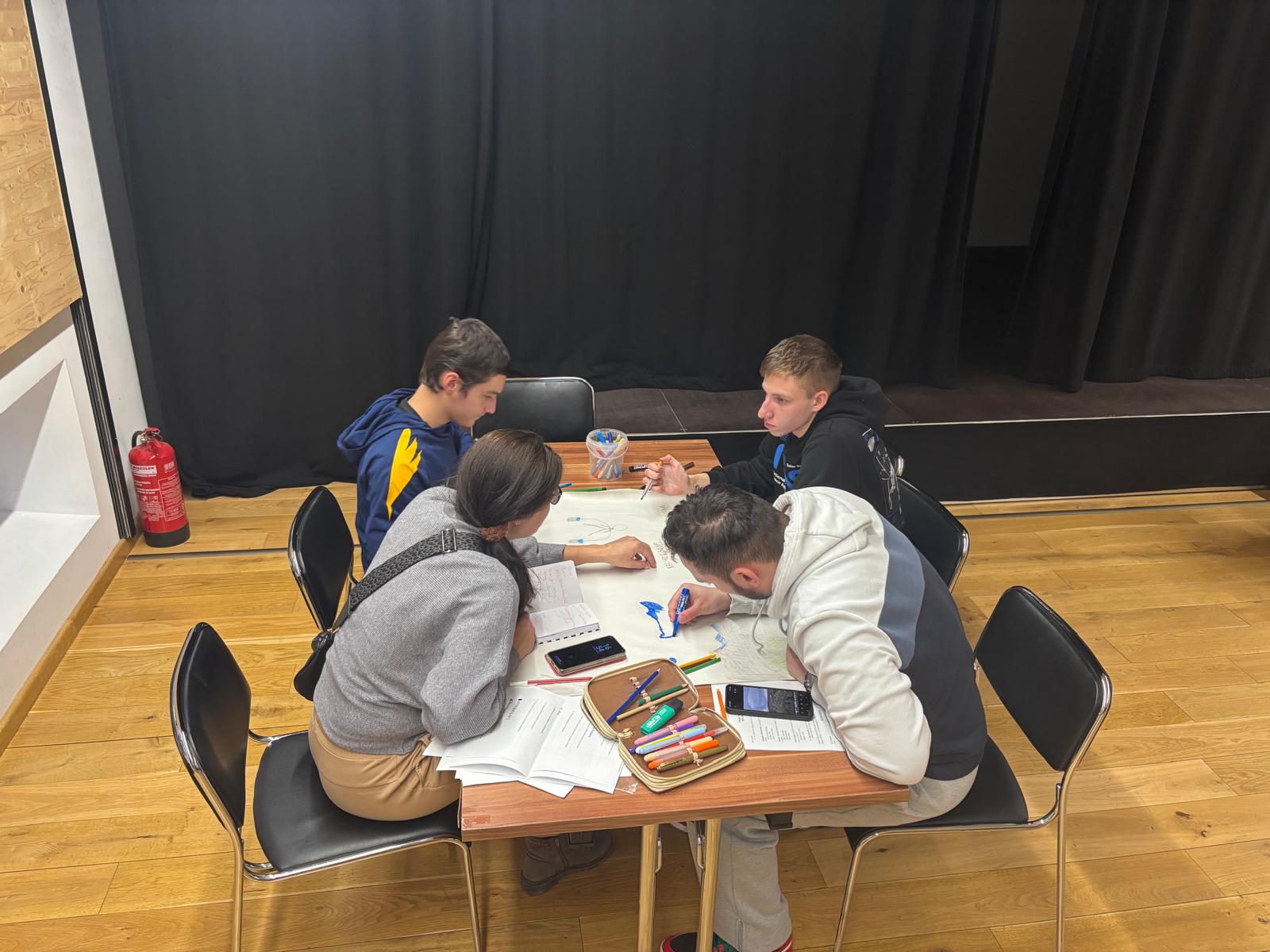
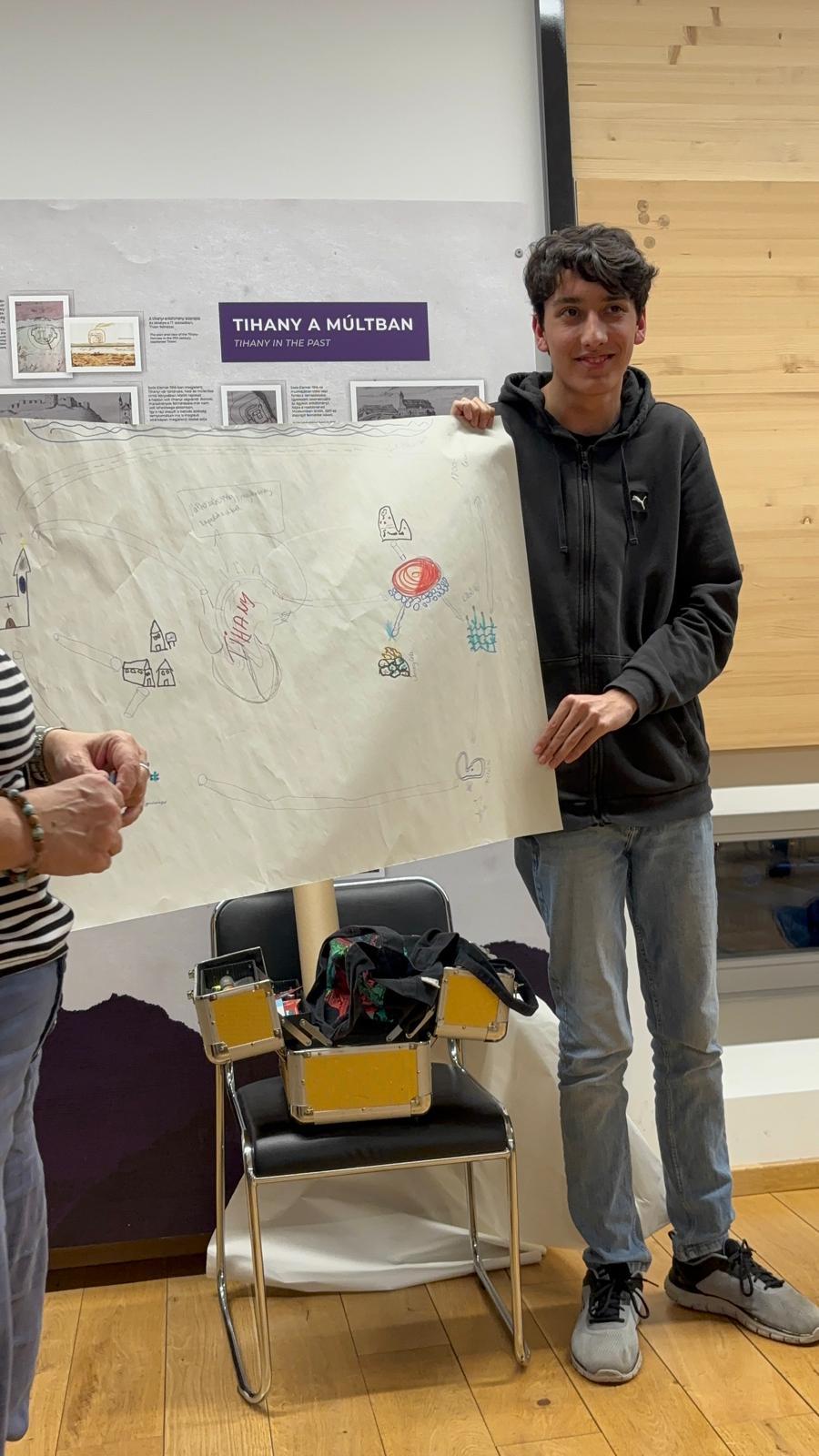
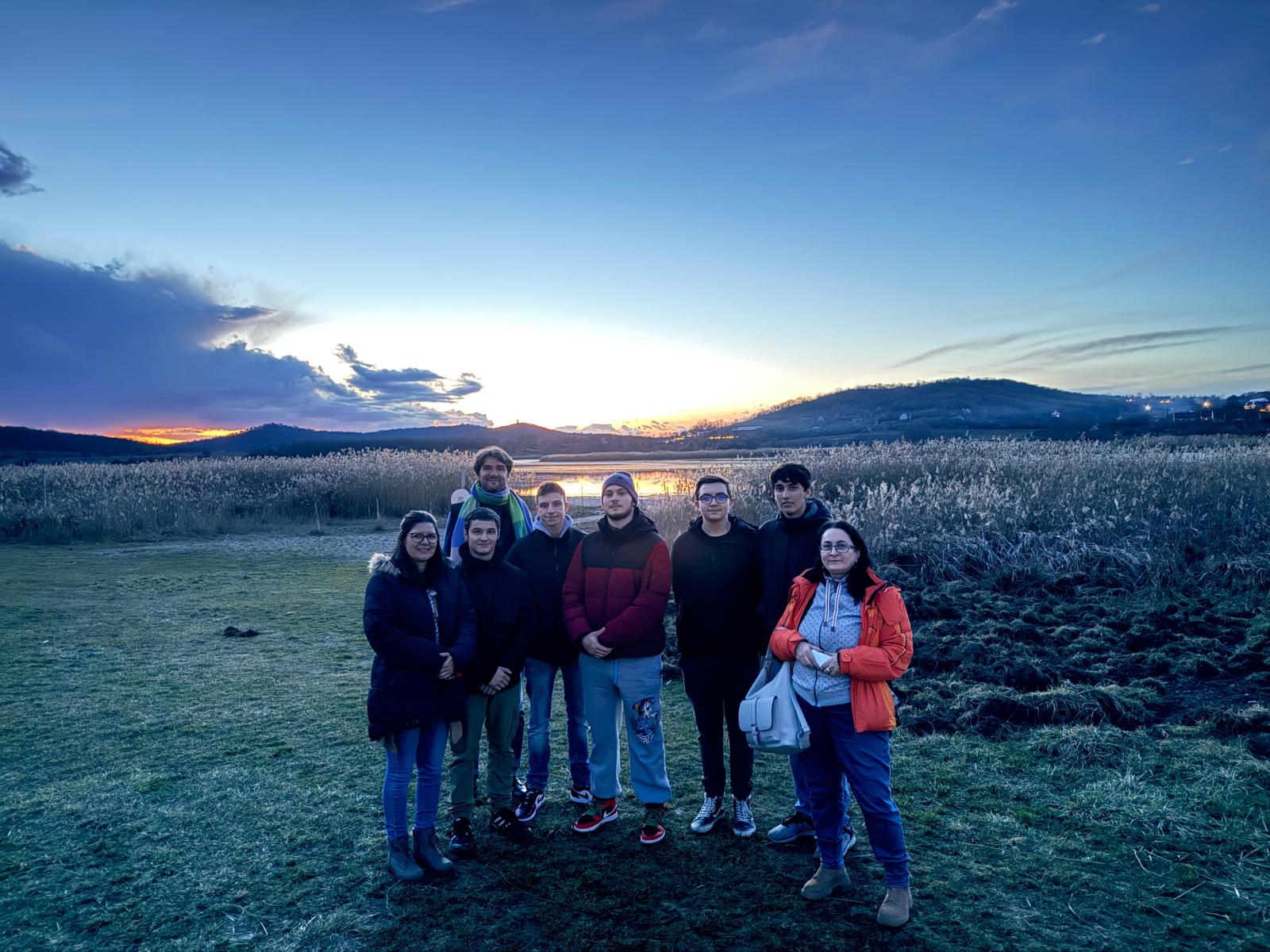
This was also proven in practice. During the Tihany fieldwork weekend, socio-economically disadvantaged secondary-school students from Ózd, including students with special educational needs, took part fully in the programme. They engaged actively in mind-mapping, presentation and discussion tasks, asked thoughtful questions, and contributed with confidence. It showed that the model creates accessible and dignified learning spaces in which different learners can excel.
Participation is not an added layer in the Bartók 4.0 model but its starting point. The project begins with walking, observing, listening, interviewing, documenting and reflecting together with the people who live in, care for or work with a place. Citizens, students, local knowledge holders, educators, municipal actors and heritage practitioners are involved not only as beneficiaries, but as co-interpreters of place.
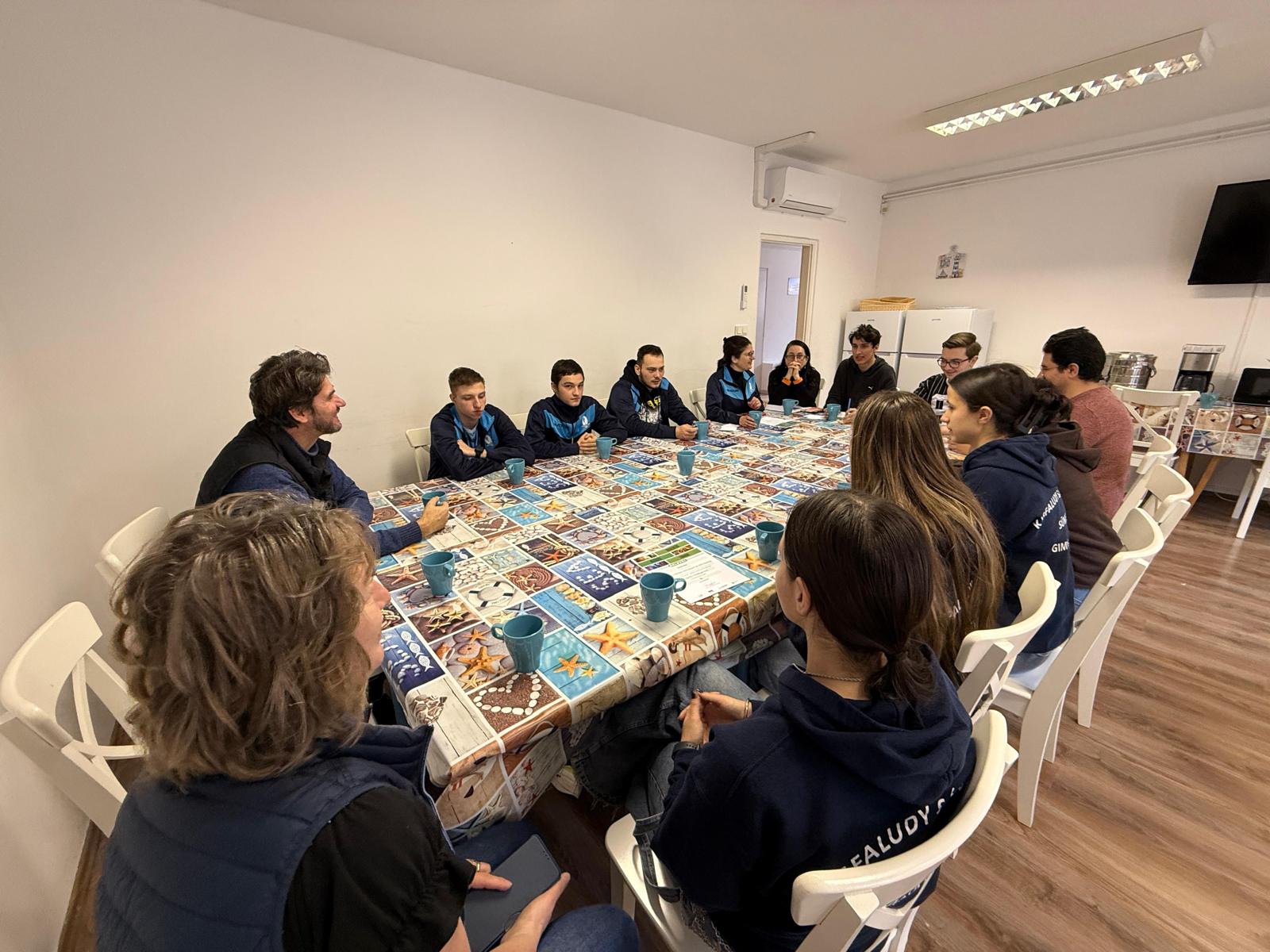
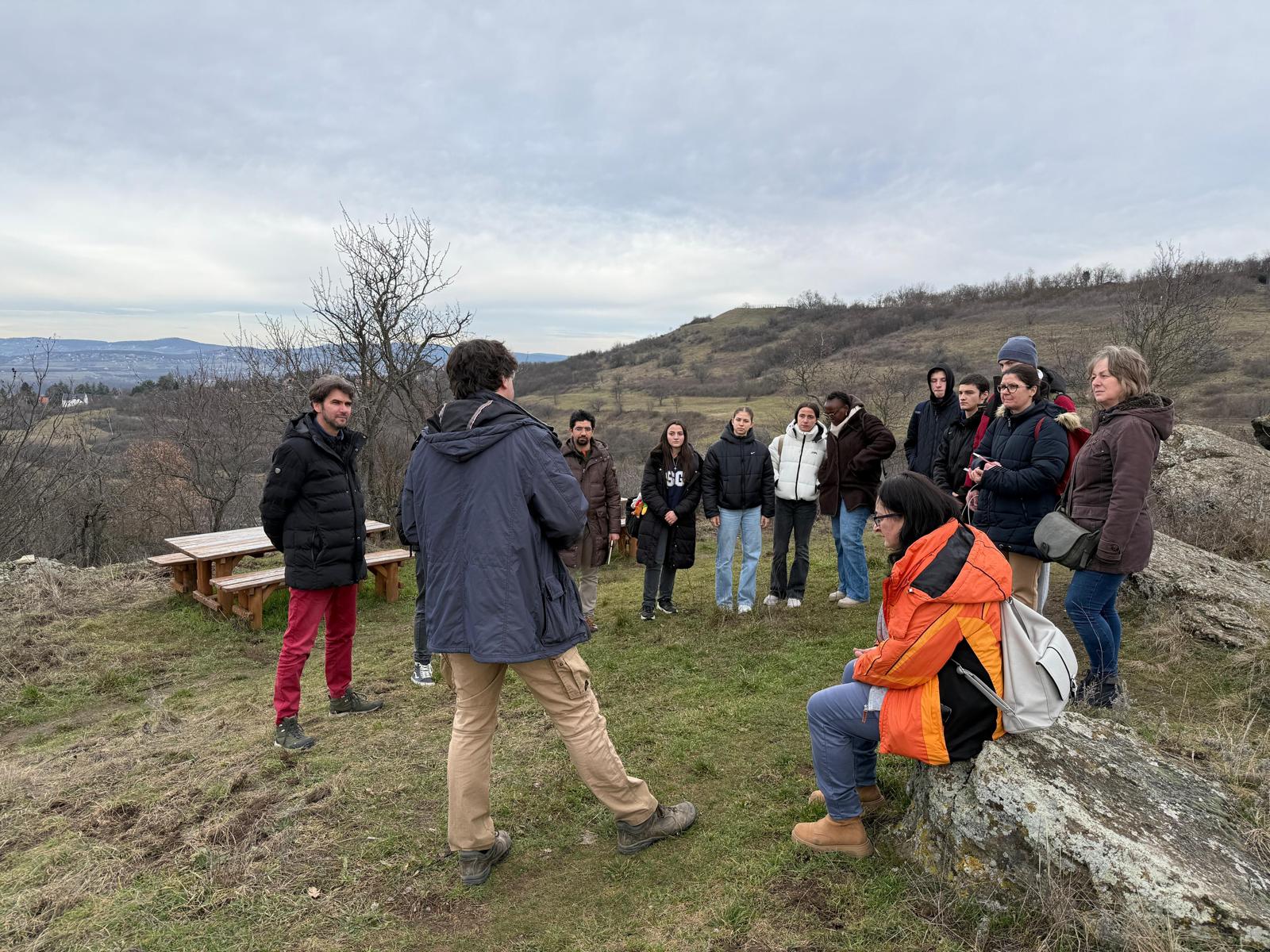
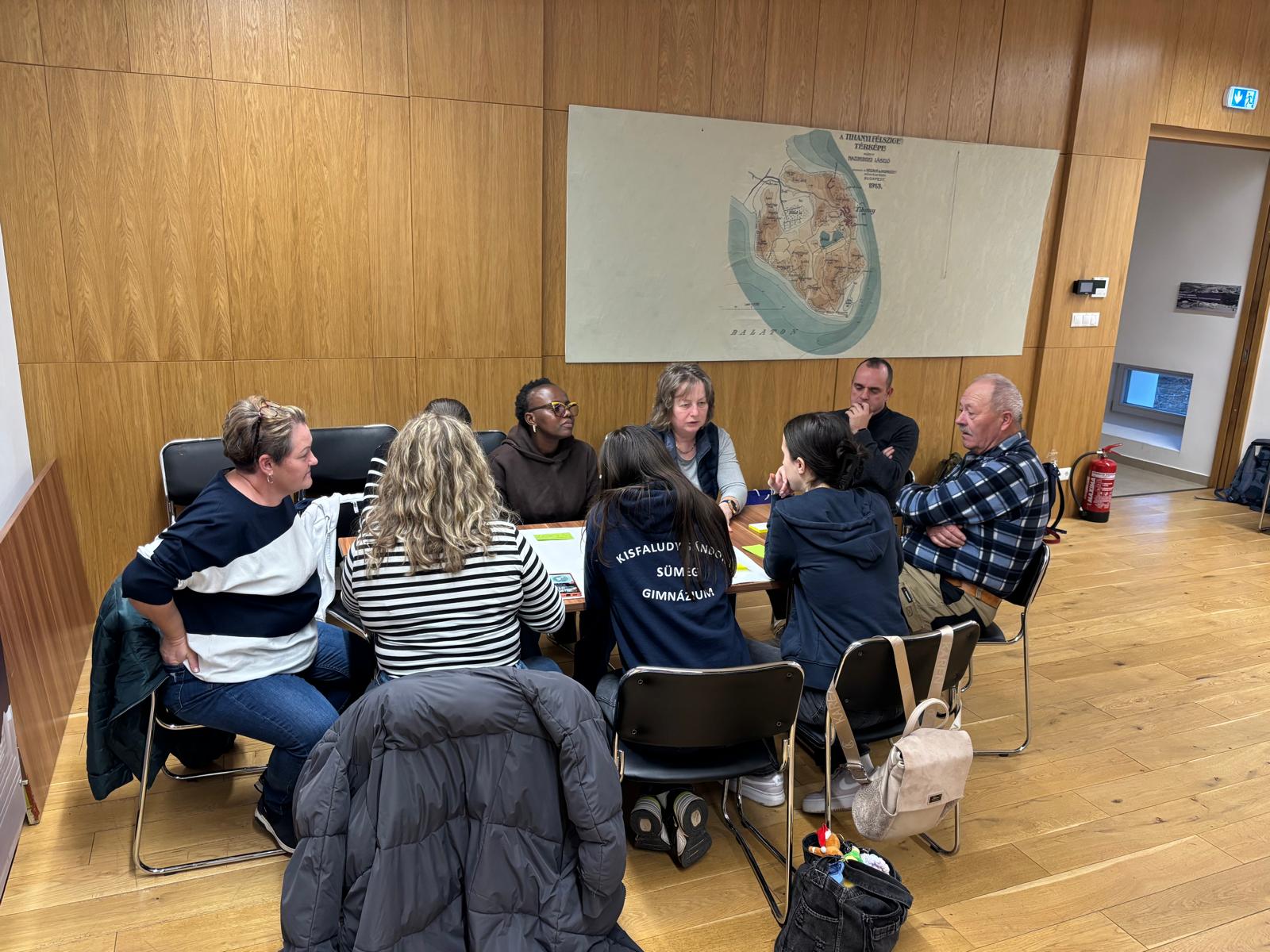
In practice, this was visible in the national educational pilots linked to the model, where secondary-school students and mentor teachers carried out field-based research and creative documentation. It was also visible in Tihany, where the methodology informed a participatory fieldwork process connected to the Open-Air Community Water Museum. Local residents, knowledge actors and municipal representatives contributed through local walks, stakeholder dialogue and shared reflection on the Inner Lake area, its living heritage, environmental character and future possibilities.
Their role was substantive, not symbolic. Participants helped identify relevant themes, local narratives, environmental concerns and heritage layers before any digital interpretation was designed. This improved the contextual accuracy of the outputs, strengthened local legitimacy, and kept the model grounded in lived experience rather than external abstraction.
The impact of participation has been both methodological and social. It made the model stronger and more reliable, while also creating ownership, trust and shared stewardship. It showed that ethical AI-related transformation can begin with accessible, human-scale practices and involve communities meaningfully from the earliest stages. The process also demonstrated that participation was not limited to already advantaged groups. Students from disadvantaged backgrounds, including participants with special educational needs, were able to take part actively and meaningfully in the shared fieldwork and reflection process.
The Bartók 4.0 model has been shaped through cooperation across local, national and international levels. At local level, its implementation has involved municipalities, local communities, heritage actors, site-specific knowledge holders and environmental perspectives. In Tihany, this meant cooperation around a concrete place-based process linked to the Open-Air Community Water Museum, with municipal participation and local stakeholder engagement.
At national level, the model informed educational and cultural initiatives connected to UNESCO-related work in Hungary, including the “AI with UNESCO” pilot, the “Animals Living with Us” competition, museum-sector dialogue and university teaching. These settings helped translate the methodology into forms relevant for schools, heritage education, cultural institutions and knowledge-sharing.
At international level, the project gained relevance through UNESCO-related dialogue, a side event at the 47th session of the World Heritage Committee in Paris, links to ASPnet and World Heritage in Young Hands processes, and the endorsement of a related UN Ocean Decade action. These connections did not replace the local dimension; rather, they helped position local practice within wider professional and policy frameworks.
The added value of this multilevel engagement lies in linkage. Local experience was not isolated, and international discourse was not abstract. The model created a bridge between grounded field practice and wider institutional learning. This increased the project’s credibility, made it easier to transfer insights across contexts, and strengthened its ability to serve as an enabling framework for broader New European Bauhaus transformation.
The Bartók 4.0 model is transdisciplinary by design. It brings together heritage practice, education, cultural policy, AI ethics, digital interpretation, environmental awareness and community-based fieldwork in one shared framework. Its purpose is not to place disciplines side by side, but to make them work together around the intelligence of place.
Several knowledge fields are reflected in its design and implementation. Heritage studies and museum practice shape how places, memory and living heritage are interpreted. Education informs the analogue-first learning cycle of observation, inquiry, reflection and shared processing. AI ethics and digital technologies contribute to the design of digital companion tools that remain accountable to local meaning and participation. Environmental knowledge is essential in contexts such as Tihany, where water, biodiversity, landscape and human interaction are inseparable. Cultural policy and governance provide the institutional bridge that allows these elements to inform public practice.
The model also values non-academic forms of knowledge. Local memory, everyday experience, community observation and practical familiarity with place are treated as essential contributions, not secondary ones. This is especially important in fieldwork-based processes, where the lived intelligence of residents, teachers, students and site actors shapes the interpretation as much as formal expertise does.
Its transdisciplinary quality is exemplary because it turns complexity into a workable method. Rather than fragmenting heritage, environment, education and technology into separate sectors, it reconnects them in a shared process. This makes the project more adaptive, more participatory and better able to support meaningful place-based transformation.
The project uses a blended business model designed for long-term sustainability. Early development is supported through pilot and partnership funding, including public innovation support, university collaboration, international cooperation and mission-aligned philanthropic or CSR contributions.
In the medium term, sustainability comes from institutional deployment. The model can be licensed to museums, heritage sites, cultural landscapes, universities and local or regional authorities through annual licences, site-specific deployment fees, and maintenance or update agreements. It can also generate revenue through custom integration work, including AI-supported interpretation, educational content development, semantic architecture design, and tailored digital companion applications.
A third pillar is education and training. The model supports university modules, PhD-level teaching, professional training, summer schools and executive education in heritage, AI ethics, education and place-based transformation. Additional revenues may come from visitor-facing services, funded research collaborations and demonstration projects.
A core governance principle is FSDCS — Fair Share & Digital Cultural Sovereignty (an FPIC+ model). When deployments generate income, a defined share should return to source communities, local institutions or site-linked educational activities. FSDCS also includes ethical data governance and community narrative sovereignty: locally sourced stories, oral histories, images and other culturally sensitive materials should only be collected, represented and reused with appropriate consent, local validation, and clear rights of access, review and retrieval, in line with applicable EU data protection and cultural rights principles.
The Bartók 4.0 Heritage-Digital Enabling Model has high transferability because its core innovation is not tied to one site, institution or sector, but to a replicable process. Its most transferable element is the analogue-first methodology: field observation, dialogue, documentation, collective interpretation and only then digital translation.
This process can be adapted to heritage sites, museums, schools, universities, cultural landscapes, local development initiatives and community-based environmental projects. A second transferable element is the digital companion logic. The framework can generate site-specific chatbot, interpretive and knowledge-navigation tools while preserving local identity, narratives and knowledge systems.
Transferability is not based on unrestricted data extraction, but on a governed process in which local communities retain an active role in validating representation, defining sensitive content boundaries and shaping the terms under which community knowledge may be accessed and reused. The model is especially relevant for smaller settlements, heritage landscapes and rural or peri-rural contexts, where locally grounded interpretation and low-threshold cooperation can have a disproportionate positive impact.
A third transferable element is the participatory governance process behind it. The model creates a structured way for municipalities, educators, cultural institutions, researchers, local communities and site actors to work together. It therefore enables participants to become co-creators of meaning rather than passive users of digital content.
Its scalability lies in a combination of method, process and toolset. What can be replicated is not a fixed content package, but a transferable framework for ethical, participatory and context-sensitive digital transformation.