Enhancing Circularity, Sustainability, and Innovation
Treeehana: Waste-Free Design, Tailored
Treeehana – Circular and Inclusive Made-to-Measure Fashion Without Textile Waste
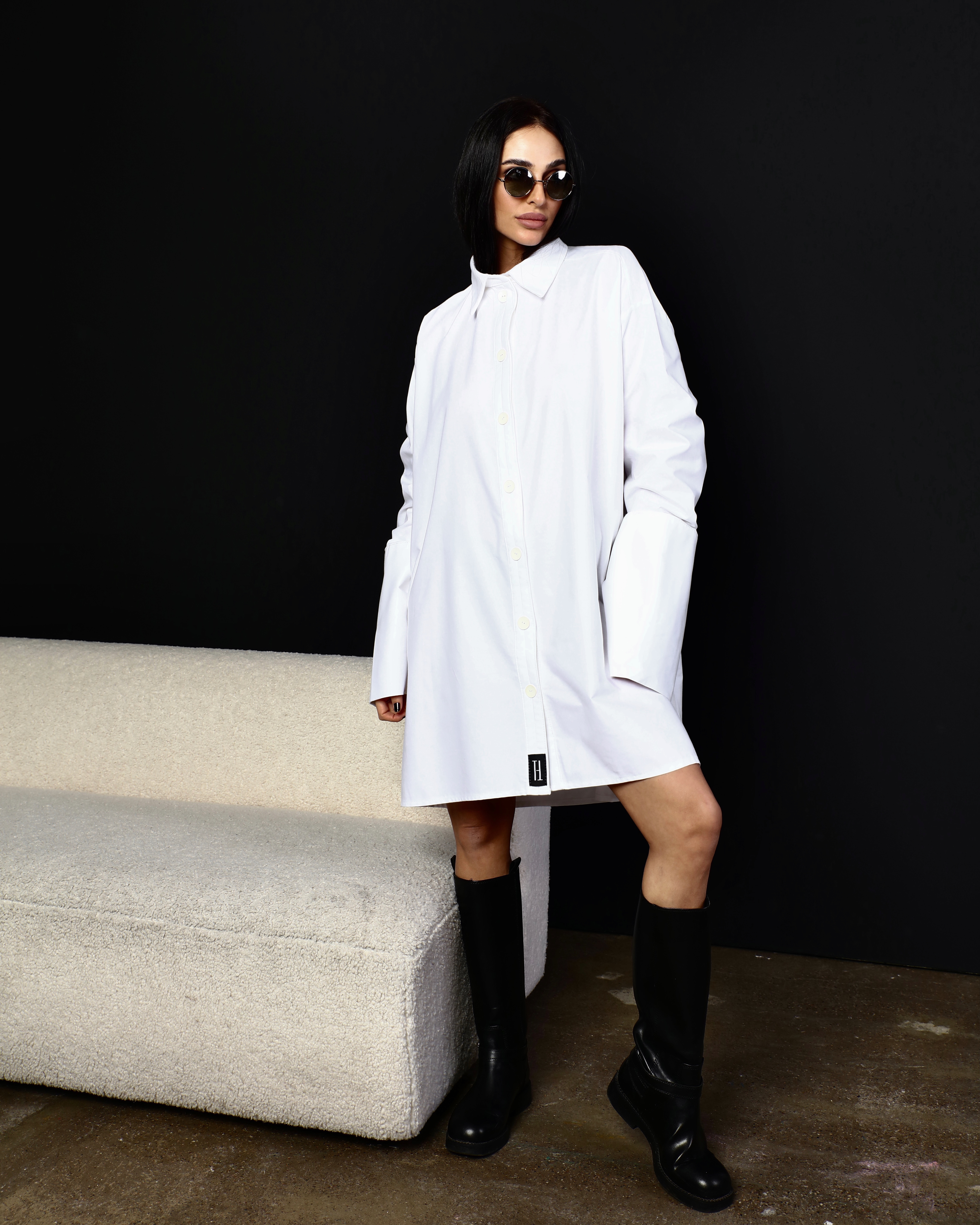
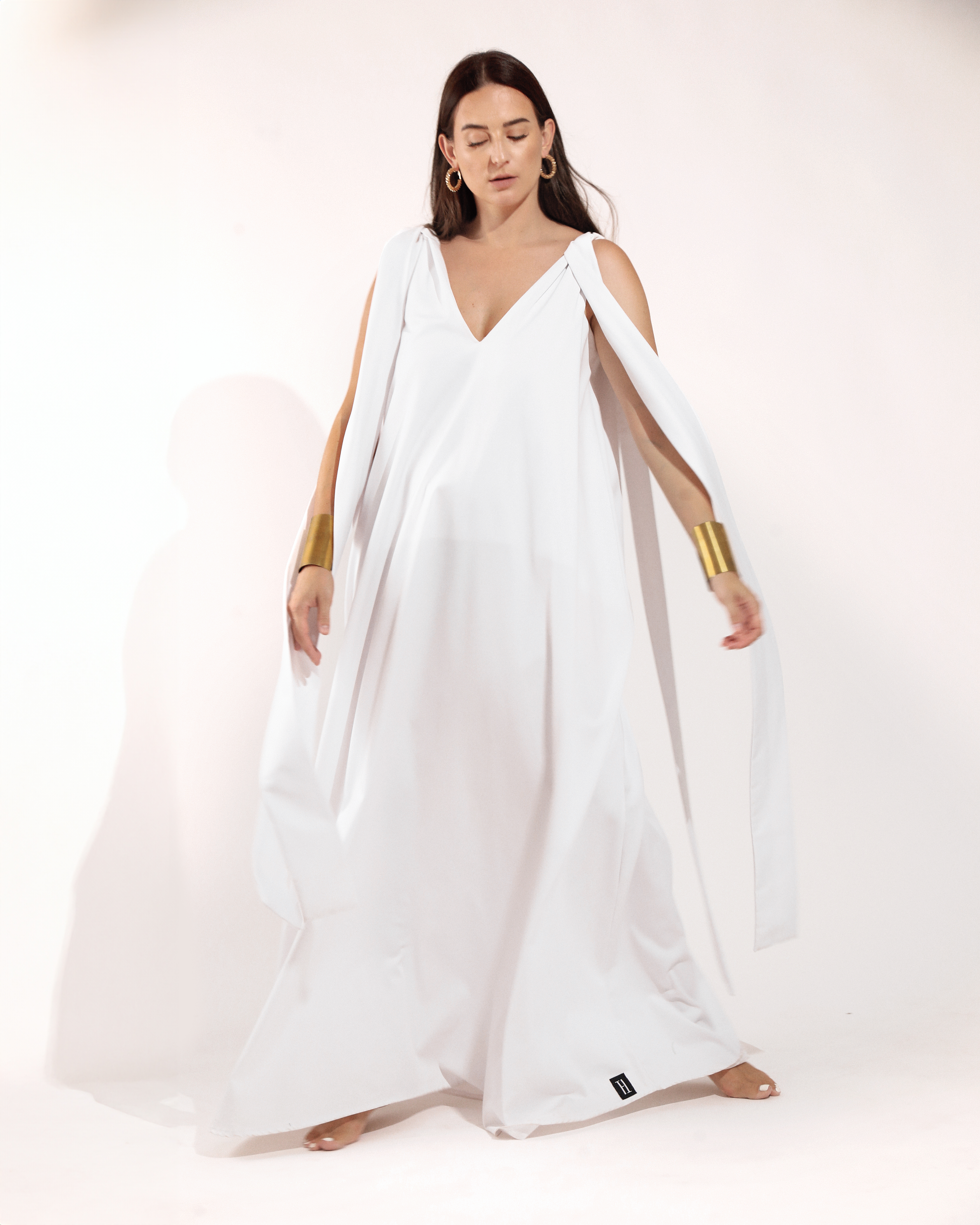
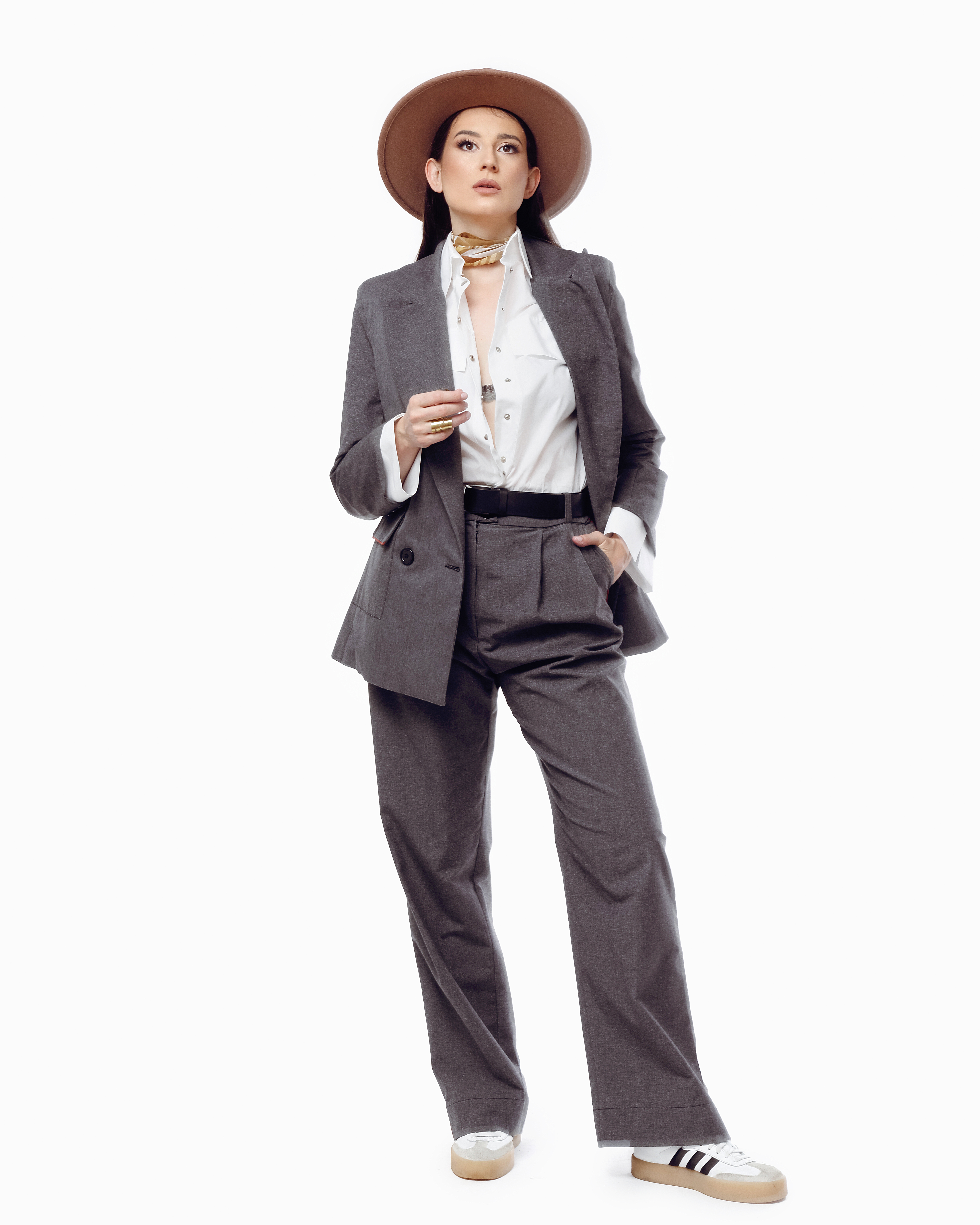
Treeehana is an innovative fashion brand applying a circular, zero-waste approach through made-to-measure garments created exclusively from textile leftovers. By eliminating mass production, each piece is durable and tailored to the individual, reducing waste and encouraging sustainable consumption. Born from a personal need, the brand promotes inclusivity and redefines the relationship between the body, clothing, and the planet.
Bosnia and Herzegovina
National
It addresses urban-rural linkages
It involves a physical transformation of the built environment (hard investment)
Yes
2022-08-24
No
No
No
Individual
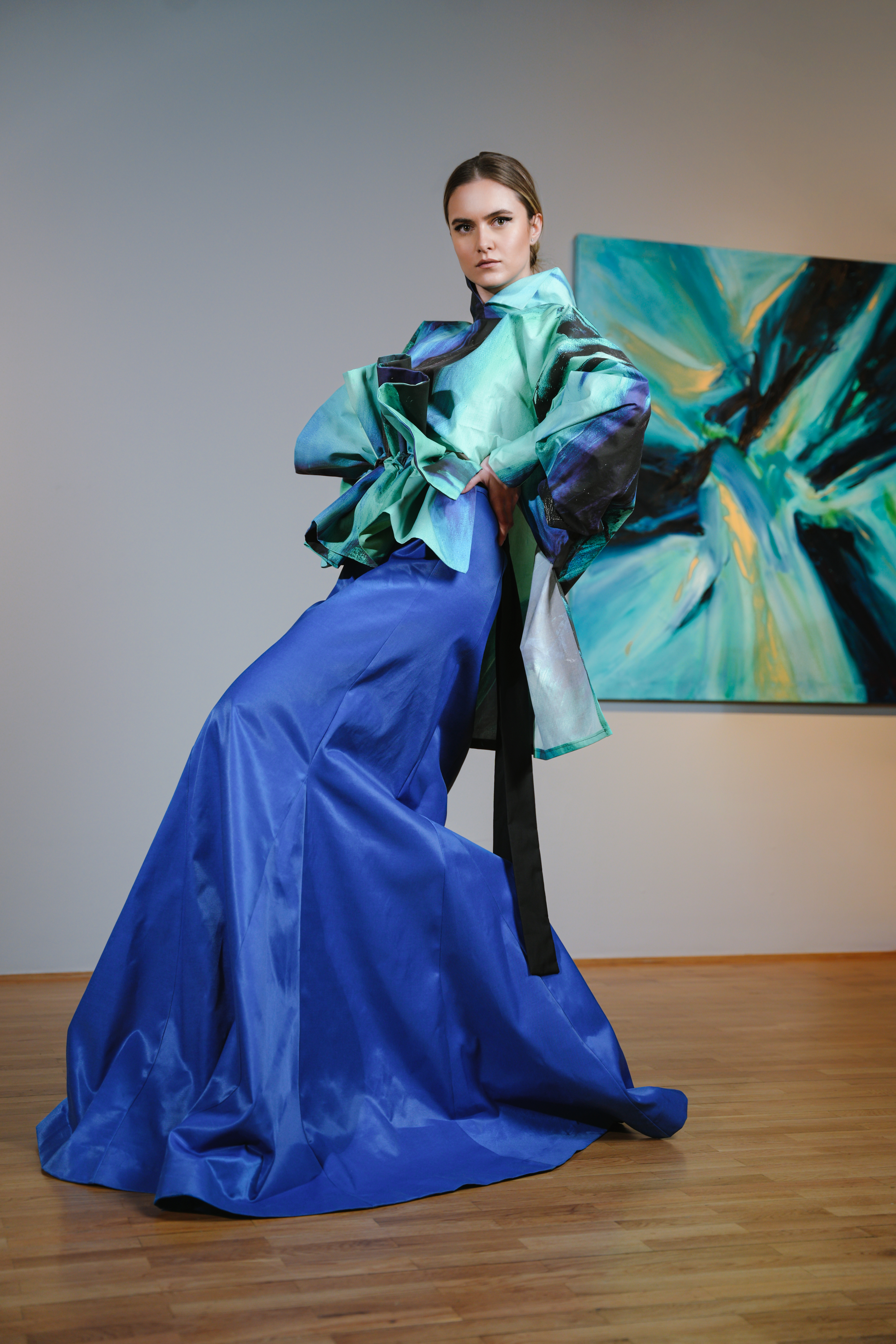
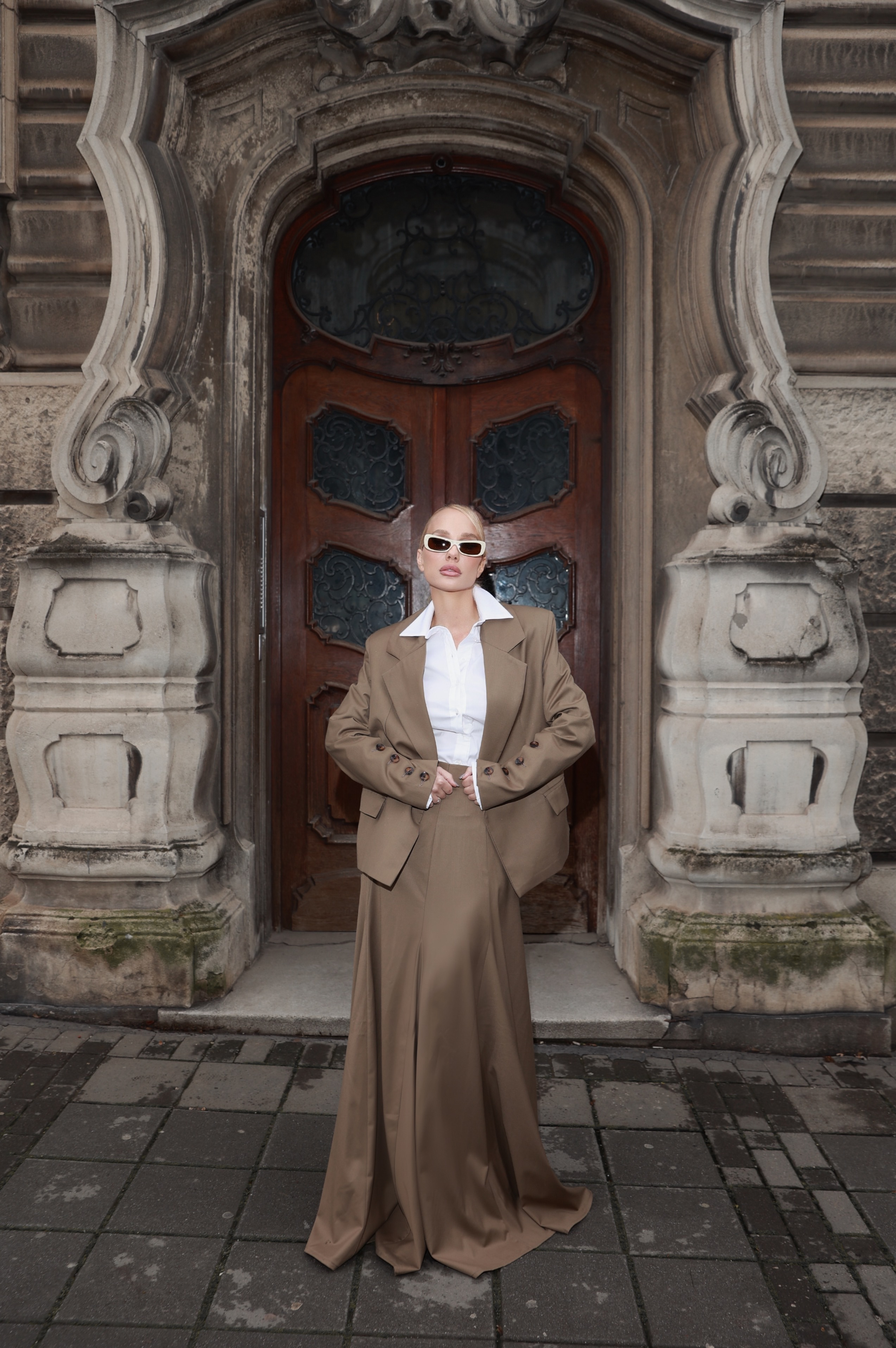
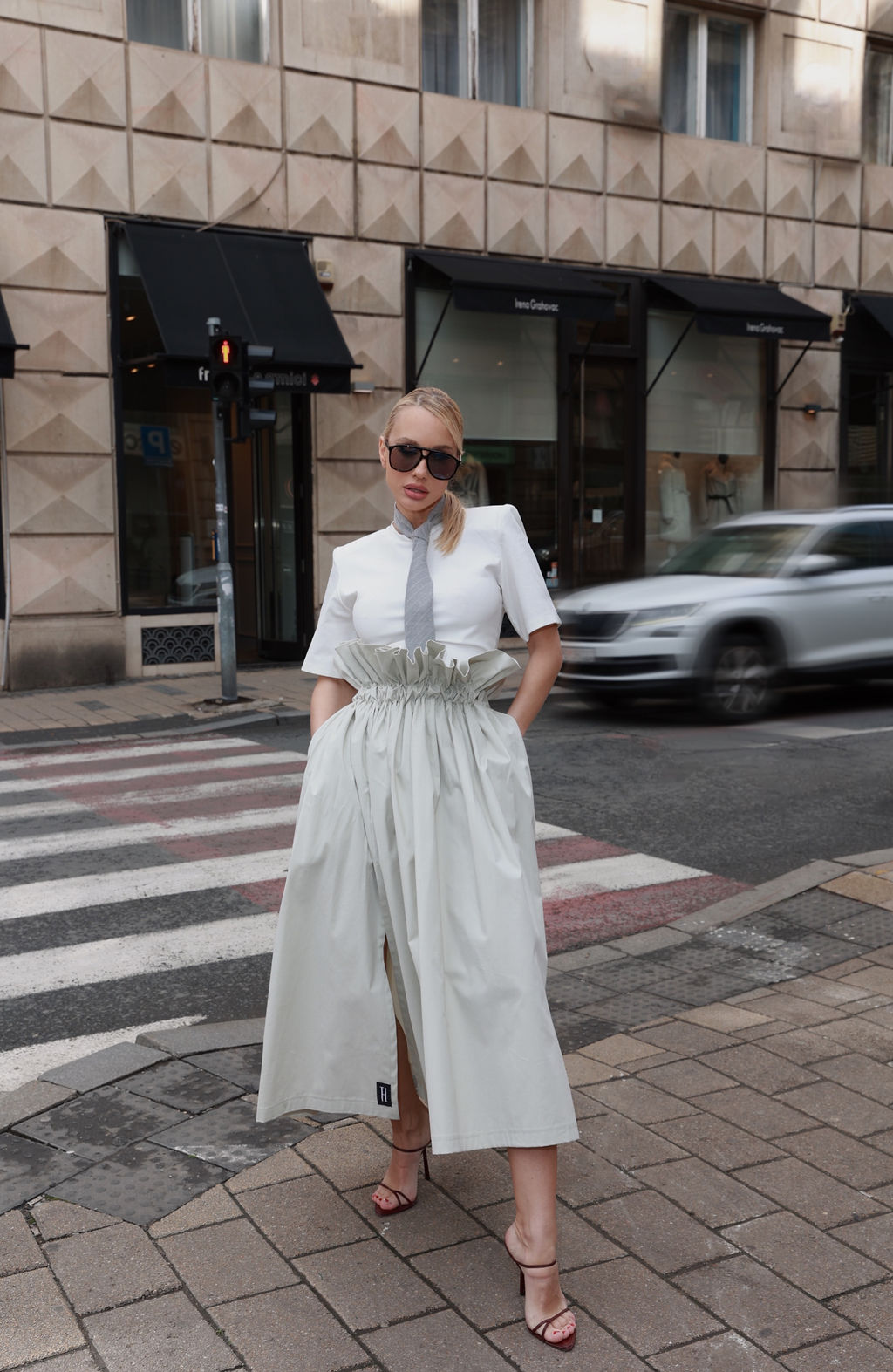
Treeehana is a fashion brand based on the principles of the circular economy, developing and applying a zero-waste clothing production model. Through a made-to-measure approach, each garment is created exclusively from existing textile leftovers, extending the lifecycle of materials and eliminating the need for new fabric production.
The brand has been operating on these principles since 2016, when it began as a personal project and a form of market research. Over time, it evolved into a registered company, and since 2022 it has established its own production, further improving quality, process control, and the sustainability of the business model.
To date, a functional production system has been developed, including the collection and selection of textile surplus, design adapted to available materials, and individual tailoring based on clients’ measurements. Multiple collections and custom orders have been successfully delivered, demonstrating the viability of the concept in practice. Through direct communication with users, the project also contributes to raising awareness about textile waste and the importance of responsible consumption.
Treeehana was born out of a personal need for clothing that fits real bodies, making inclusivity a core value of the brand. Each piece is designed without standardized sizing, responding instead to diverse body shapes and fostering a more meaningful and long-lasting relationship between the user and their clothing.
In the long term, the project aims to develop a scalable production model that can be replicated in different local communities through collaboration with tailors, small workshops, and suppliers of textile leftovers. A key objective is the creation of new jobs—primarily for women—supporting economic empowerment and local development. Treeehana aspires to become an example of how fashion can be sustainable, inclusive, and socially responsible while remaining aesthetically relevant.
The Treeehana project emerged from personal experience and a clear need—the search for clothing that truly fits both the body and one’s values. Faced with the limitations of standardized sizing and the growing problem of textile waste, the founder began to question how fashion operates: who it is designed for, how it is produced, and at what cost to the environment.
In 2016, Treeehana started as a small personal experiment—a hobby combining work with textile leftovers and direct collaboration with women who could not find suitable clothing on the market. Instead of designing collections in advance, the process evolved in reverse: available materials, individual needs, and the body itself became the starting point for each garment. Through this approach, a model gradually took shape—one that connects sustainability, functionality, and personal expression.
As interest grew, the project evolved into a registered company, and since 2022 it has developed its own production. Its on-the-ground implementation is based on a locally organized process—from collecting and selecting textile surplus, to designing according to available materials, to precise made-to-measure production. Collaboration with tailors and small workshops further strengthens the local economy and supports knowledge transfer.
A key element of the project is the direct involvement of users in the creation process. Through dialogue, material selection, and design adaptation, users become active participants rather than passive consumers. This fosters a deeper emotional connection to clothing and encourages longer use and more responsible consumption.
Today, Treeehana represents the intersection of a personal story and a systemic approach—demonstrating that fashion can be created more slowly, thoughtfully, and in alignment with the real needs of both people and the planet.
Circular economy
Zero-waste fashion
Social inclusion
Made-to-measure design
Local production & women empowerment
Treeehana addresses key environmental, social, and economic challenges in the fashion industry through an innovative, circular, and zero-waste production approach. By using only existing textile leftovers, the project actively contributes to the green transition, reduces waste, and preserves natural resources, while avoiding the need for new material production.
Sustainability is integrated into every aspect of the project. The made-to-measure model eliminates overproduction and unsold stock, while the focus on quality, durability, and timeless design directly counters fast fashion. This approach encourages responsible consumption and fosters a long-term relationship between users and their clothing, contributing to behavioral change and a reduced overall environmental footprint.
On the social level, Treeehana promotes an inclusive, human-centered design approach, creating clothing that fits real bodies without standardized sizing. The project strengthens social cohesion and a sense of belonging, especially for users often excluded from conventional fashion systems. At the same time, locally organized production, collaboration with small workshops, and planned employment—primarily of women—enhance community economic resilience and support more equitable access to the labor market.
Treeehana can be considered an example of sustainable and regenerative practice because it connects environmental, social, and economic dimensions in a coherent and replicable model. The project not only reduces negative impacts but actively generates positive change—transforming waste into value, empowering local actors, and redefining the relationship between fashion, society, and the planet. As such, it has strong potential for broader application and systemic change within the fashion industry.
Treeehana contributes to making life more beautiful for people, communities, and local environments by creating clothing that is aesthetically appealing, functional, and personalized. Each piece is made-to-measure from textile leftovers and crafted using natural materials, ensuring long-lasting wear. The design is minimalist and timeless, meaning garments can be worn for years, providing lasting value and beauty in everyday life.
At a community and social level, Treeehana fosters a sense of belonging and connection. By involving users in the creation process—from selecting materials to the final design—the project encourages dialogue, creativity, and co-creation, building an emotional connection between people, their clothing, and the place where they live. Local production and collaboration with small workshops further strengthen cultural identity and a shared sense of care for the community.
Treeehana can be considered an example of exemplary aesthetic practice because it combines beauty, functionality, durability, and sustainability in every aspect. The project demonstrates that aesthetics need not be superficial, but can be deeply connected to values, inclusivity, and environmental care. This approach inspires users to choose clothing thoughtfully, appreciate its design and longevity, and actively contribute to creating a more beautiful and harmonious social environment.
Treeehana concretely promotes inclusion through clothing design and production that is accessible and tailored to real bodies, without standardized sizing. Each piece is made-to-measure and developed in dialogue with the user, ensuring garments fit diverse body shapes and individual needs, including those often excluded from conventional fashion systems.
The project also enhances accessibility through a flexible production model and the use of materials that would otherwise be waste, reducing costs and providing durable, high-value garments. This approach combines sustainability and affordability, allowing users to enjoy quality, personalized clothing without overconsumption.
At a social level, Treeehana develops new models of inclusive production and participatory design. Users are actively involved in the creation process, while local production and collaboration with small workshops strengthen communities and create employment opportunities, primarily for women, supporting social and economic inclusion.
Treeehana can be considered an exemplary inclusion project because it integrates the “design for all” principle across every aspect—from materials, sizing, and functionality, to local engagement and employment. The project demonstrates how fashion can be accessible, personalized, and socially responsible, fostering a sense of belonging and equality among its users.
The Treeehana project is strongly based on a participatory approach, actively involving users, communities, and local organizations in every step of clothing creation. Users are directly engaged in the design process—from selecting materials, to tailoring and adapting the garment, to the final product—becoming active participants and co-creators rather than passive consumers.
Local workshops and tailors involved in production also play a key role, providing feedback on the technical feasibility and sustainability of the designs. Collaboration with small organizations and community groups helps disseminate knowledge about sustainable and inclusive fashion, creating a platform for exchange of skills and best practices.
The involvement of users and local actors has had multiple impacts: it has increased a sense of ownership and satisfaction among users, enabled continuous adaptation of designs to real needs, and strengthened the local community through engagement and employment. The participatory process also raises awareness of the value of sustainable fashion and responsible resource use, generating long-term changes in user perception and behavior.
Treeehana can be considered an exemplary participatory project because it actively engages all relevant stakeholders in the creative process, promoting dialogue, co-learning, and shared responsibility, thereby creating greater social and environmental value.
The Treeehana project has been developed and implemented with the active involvement of stakeholders at multiple levels—local, regional, and national. At the local level, collaboration with small workshops, tailors, and communities has enabled direct production, design testing, and knowledge transfer. Users are engaged in the creation process, ensuring that the garments meet real needs and expectations of the community.
At the regional level, the project has established connections with local organizations and initiatives promoting sustainable fashion and the circular economy. These collaborations have facilitated experience-sharing, access to resources, and dissemination of sustainable practices to a broader network of users and producers.
At the national level, Treeehana has engaged with institutions supporting innovative and sustainable projects, which has provided access to mentoring, relevant programs, and media visibility. While not yet formally connected at the European level, the project remains open to expansion and networking with EU initiatives, offering potential for knowledge transfer and scaling the model across a wider context.
Stakeholder involvement at multiple levels has added significant value: it has enhanced the quality and relevance of the designs, empowered local communities through employment and skill-building, raised awareness of sustainable fashion, and laid the groundwork for future regional and European collaboration. This multilevel approach ensures that the project does not operate in isolation but integrates diverse actors and resources into a coherent, sustainable, and scalable system.
The Treeehana project integrates knowledge and approaches from multiple disciplines to create an innovative and sustainable fashion model. Clothing design combines fashion and textile expertise with principles of the circular economy and sustainable development, including the use of recycled materials and waste reduction. Art and aesthetics play a key role in shaping minimalist, timeless, and personalized designs, while ergonomics and anthropometry ensure precise tailoring to individual bodies.
Social sciences and inclusive approaches have shaped a participatory model that engages users and local communities, while education and knowledge transfer empower local workers and tailors. Environmental sciences guide the analysis of production impacts and the selection of materials with minimal ecological footprint.
Digital technologies and services are essential for showcasing and promoting the designs. Digital marketing, photography, and videography allow the garments to be visually presented to a wider audience, while digital tools support measurement, production planning, and user communication, making the made-to-measure process more efficient and transparent.
This transdisciplinary approach enables Treeehana to combine functionality, aesthetics, social inclusion, sustainability, and digital presence into a unique and replicable fashion model, creating new ways of thinking about clothing, resources, and community.
Treeehana se zasniva na održivom i fleksibilnom poslovnom modelu koji kombinuje proizvodnju, personalizovanu prodaju i participativni pristup. Glavni izvor prihoda dolazi od made-to-measure odjeće, prodavane direktno korisnicima. Svaki komad je unikatan, izrađen od tekstilnih ostataka, što smanjuje troškove materijala i eliminiše prekomjernu proizvodnju, a istovremeno omogućava veću maržu po komadu.
Pored direktne prodaje, projekat ostvaruje prihode kroz saradnju sa nekoliko koncept store-ova i partnerskih prostora u kojima je izložena i dostupna naša odjeća. Ova mreža partnera omogućava veću vidljivost brenda i pristup novim tržištima. Dodatni izvori prihoda uključuju digitalne servise, promociju i vizualni sadržaj (fotografija, videografija), kao i potencijalnu saradnju sa edukativnim i kreativnim inicijativama.
Model omogućava fleksibilnost i skalabilnost, prilagođavajući proizvodnju stvarnoj potražnji i smanjujući finansijski rizik. Treeehana je također otvorena za kombinovanje prihoda sa javnim finansiranjem, grantovima i crowdfunding kampanjama za razvoj novih kolekcija ili širenje proizvodnje. Fokus na lokalnu proizvodnju i male serije omogućava dugoročnu održivost poslovanja, jer smanjuje fiksne troškove i omogućava brzo prilagođavanje tržištu.
Ovaj poslovni model omogućava balans između ekološke održivosti, socijalnog doprinosa i finansijske stabilnosti. Unikatni proizvodi, personalizovan pristup, partnerska mreža koncept store-ova i održiva strategija proizvodnje čine Treeehanu finansijski održivim i dugoročno skalabilnim projektom.
The Treeehana project has been developed so that its key elements can be replicated or adapted in other communities, groups of users, or contexts. Primarily, the methodology—combining a made-to-measure approach, use of textile leftovers, and participatory design—can be transferred to different local and regional settings. This model enables the creation of unique clothing tailored to individual bodies and needs, without mass production or waste.
The processes of collecting, sorting, and reusing materials are also transferable, allowing other contexts to reduce textile waste and raise awareness about sustainable consumption. The minimalist, timeless design, use of natural materials, and focus on long-lasting garments can be adapted to different markets and aesthetic preferences.
Additionally, the participatory and inclusive model involving users, local workers, and workshops can be replicated in other communities, generating social and economic value through employment and empowerment of local actors. Digital tools and services—including digital marketing, photography, and videography—support product presentation to a wider audience and enable scaling the project nationally or internationally.
Through these elements, Treeehana offers a model of sustainable, inclusive, and participatory fashion production that can be applied in various contexts, extending the project’s ecological, social, and economic impact.