Enhancing Circularity, Sustainability, and Innovation
Urban Community Mini-Forests São Paulo
Urban Community Mini-Forests: A Participatory Climate Adaptation Network in São Paulo
Urban Community Mini-Forests transforms underused spaces in public schools and other public facilities in São Paulo into biodiverse climate refuges co-created with students, educators and local communities. Through the creation of 50 dense native mini-forests, the project combines ecological restoration, environmental learning and public participation to turn everyday urban spaces into cooler, greener and more inclusive environments.
Brazil
Local
City of São Paulo.
Mainly urban
It involves a physical transformation of the built environment (hard investment)
Yes
2025-12-31
No
No
No
Organisation
Urban Community Mini-Forests is a programme developed by the Brazilian non-profit formigas-de-embaúba that transforms underused public spaces into biodiverse climate refuges through participatory ecological restoration.
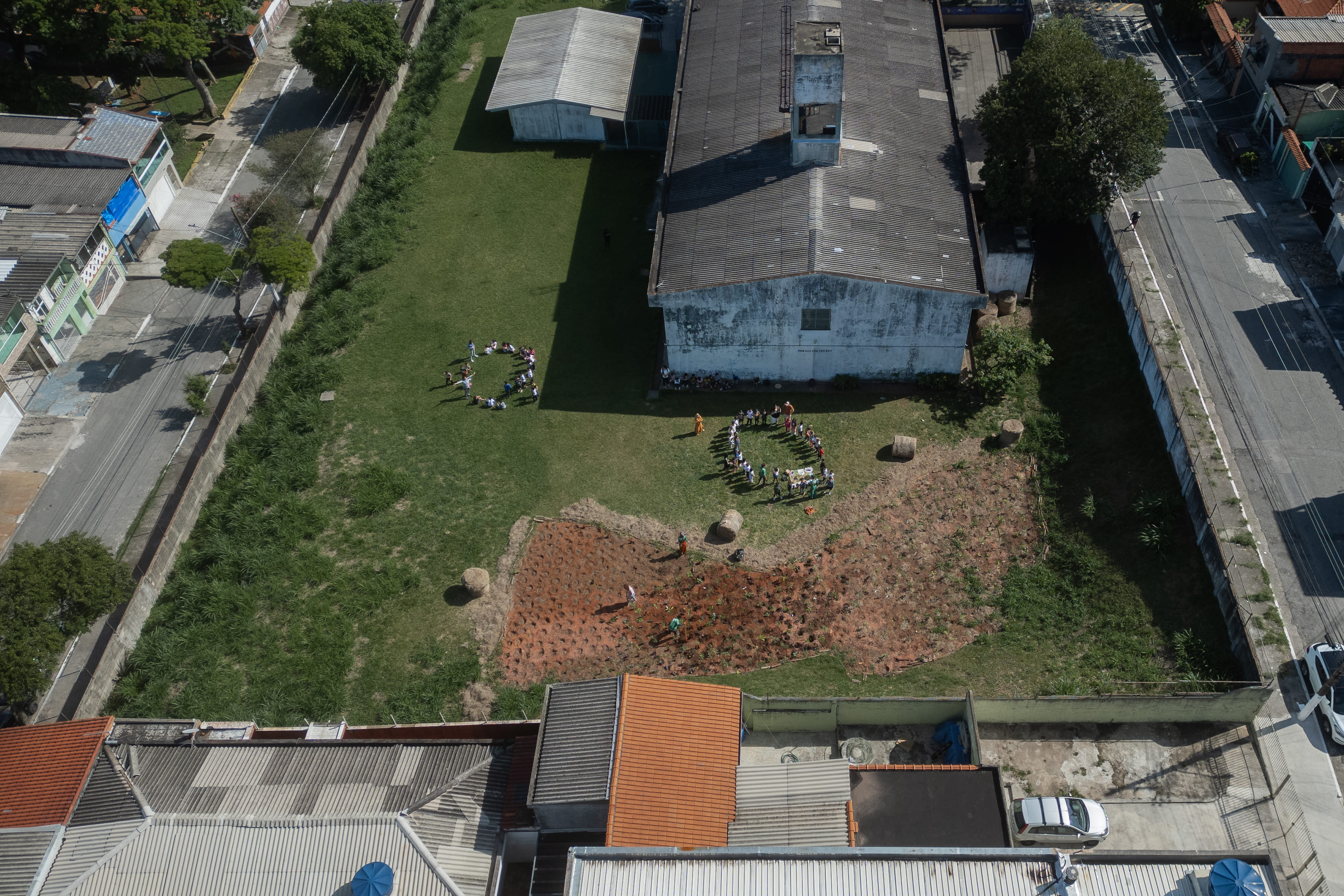
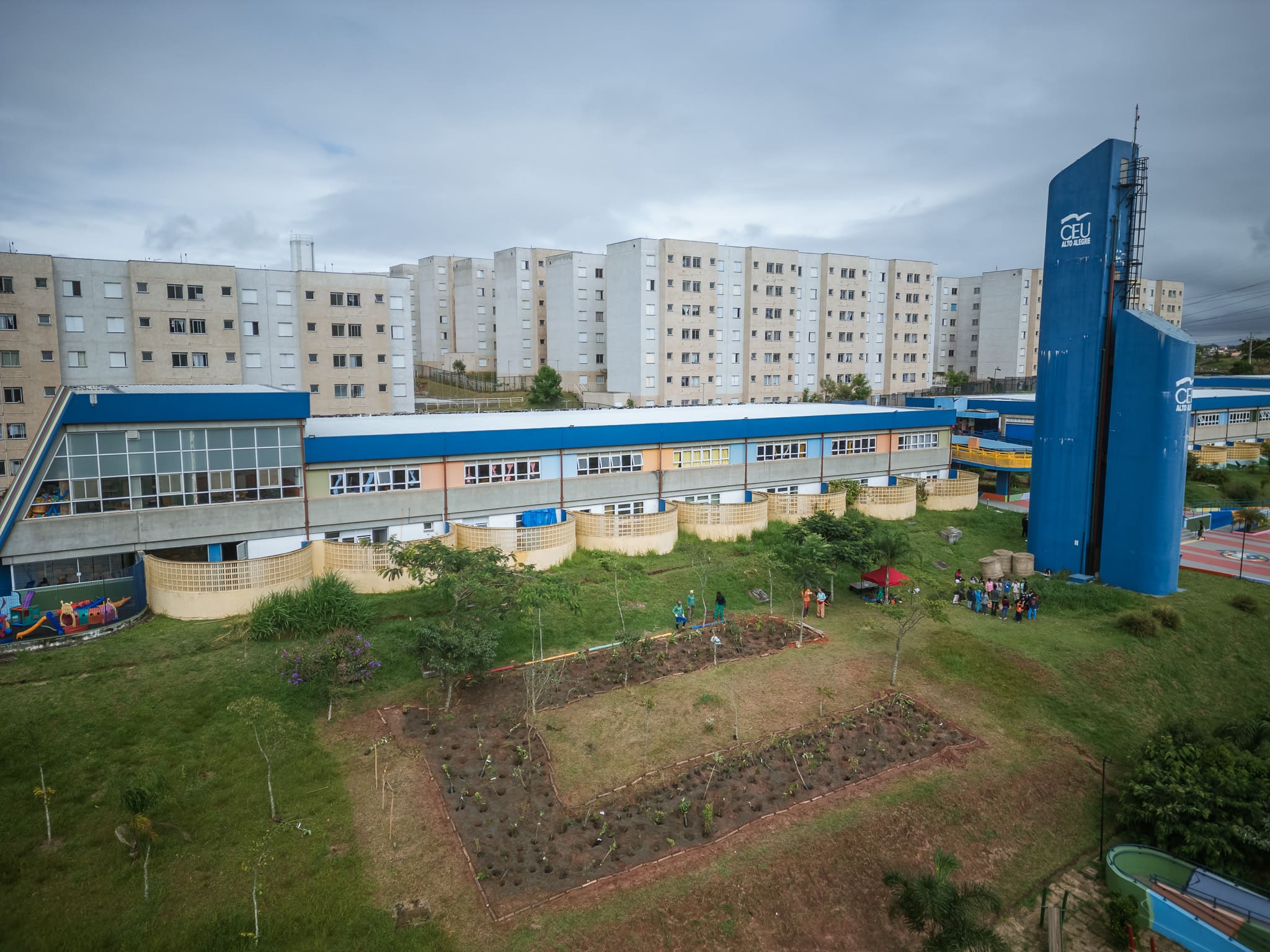
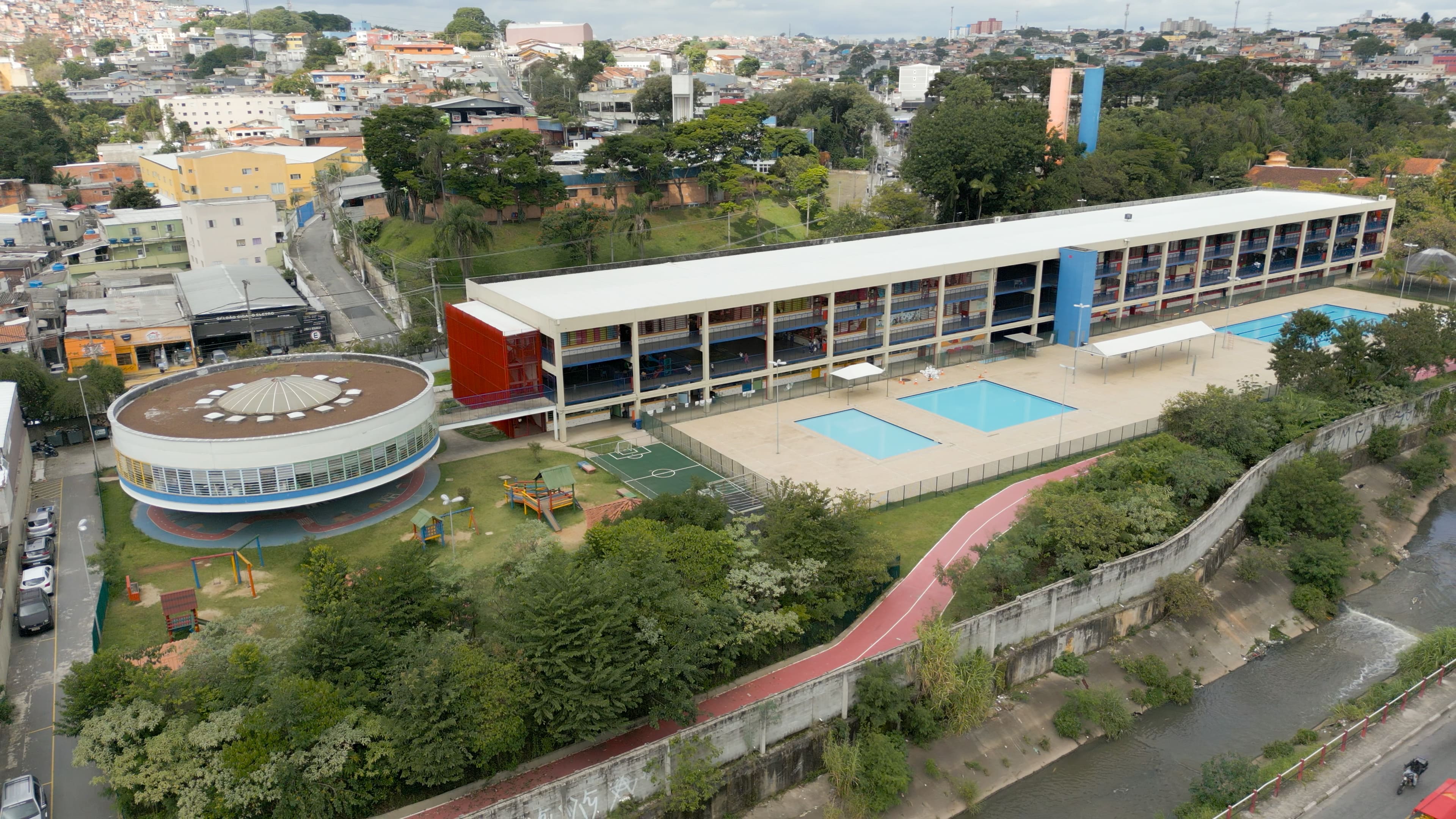
Between 2021 and 2025, the programme implemented 50 dense urban mini-forests across the city of São Paulo, primarily in public schools but also in parks and health centres. Together, these forests include approximately 30,000 native trees from more than 130 species, forming small but highly biodiverse ecosystems within urban environments.
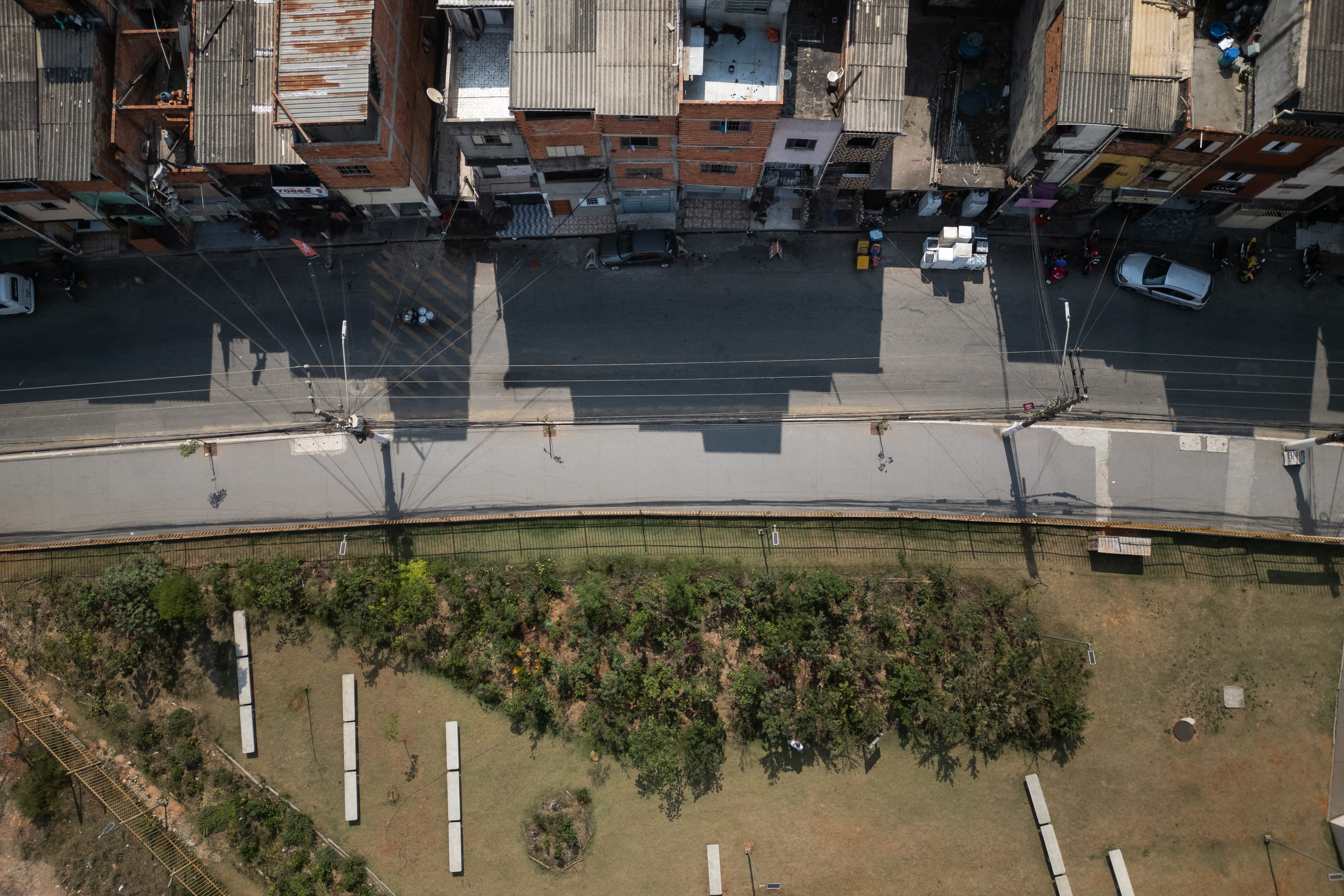
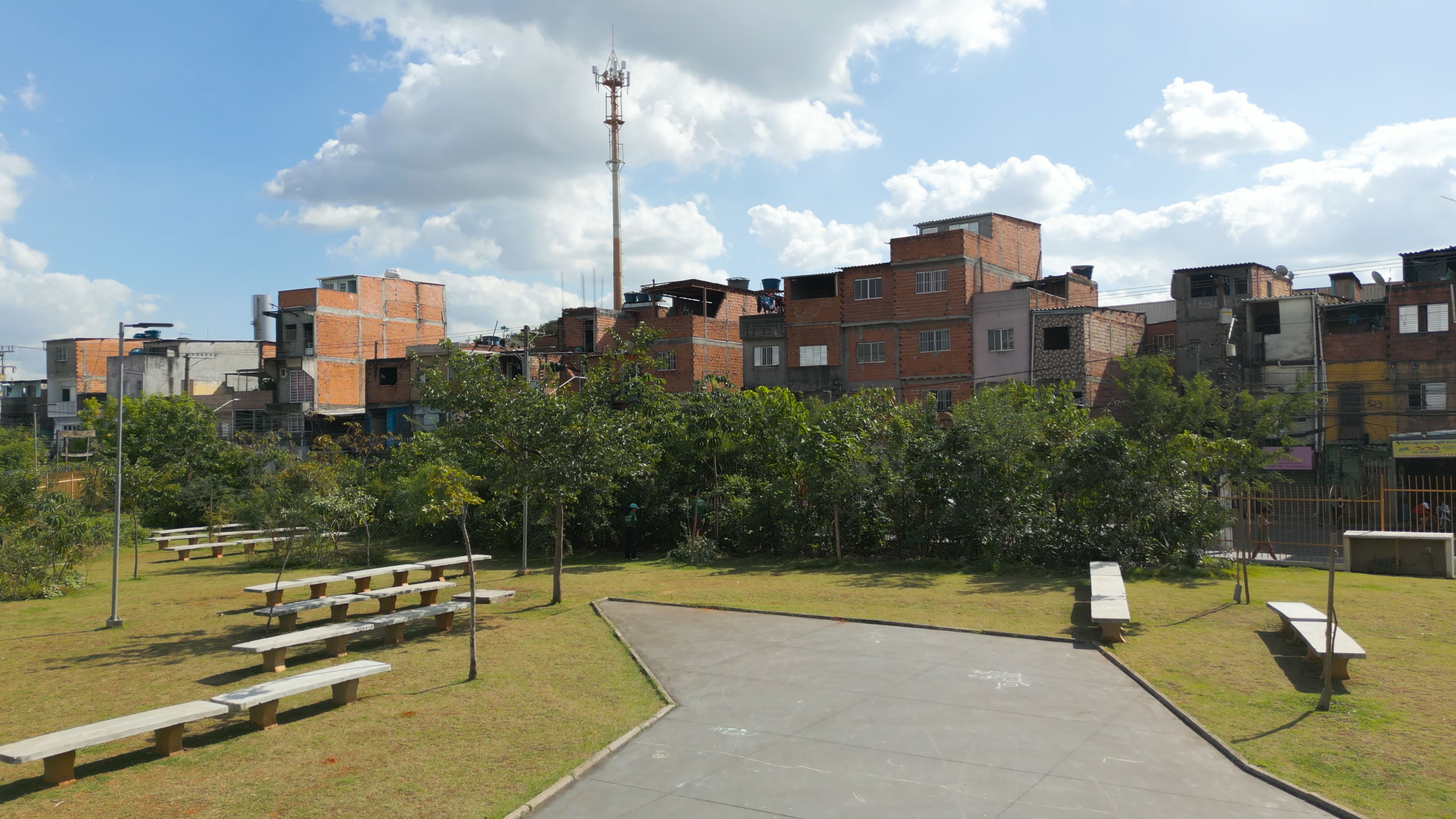
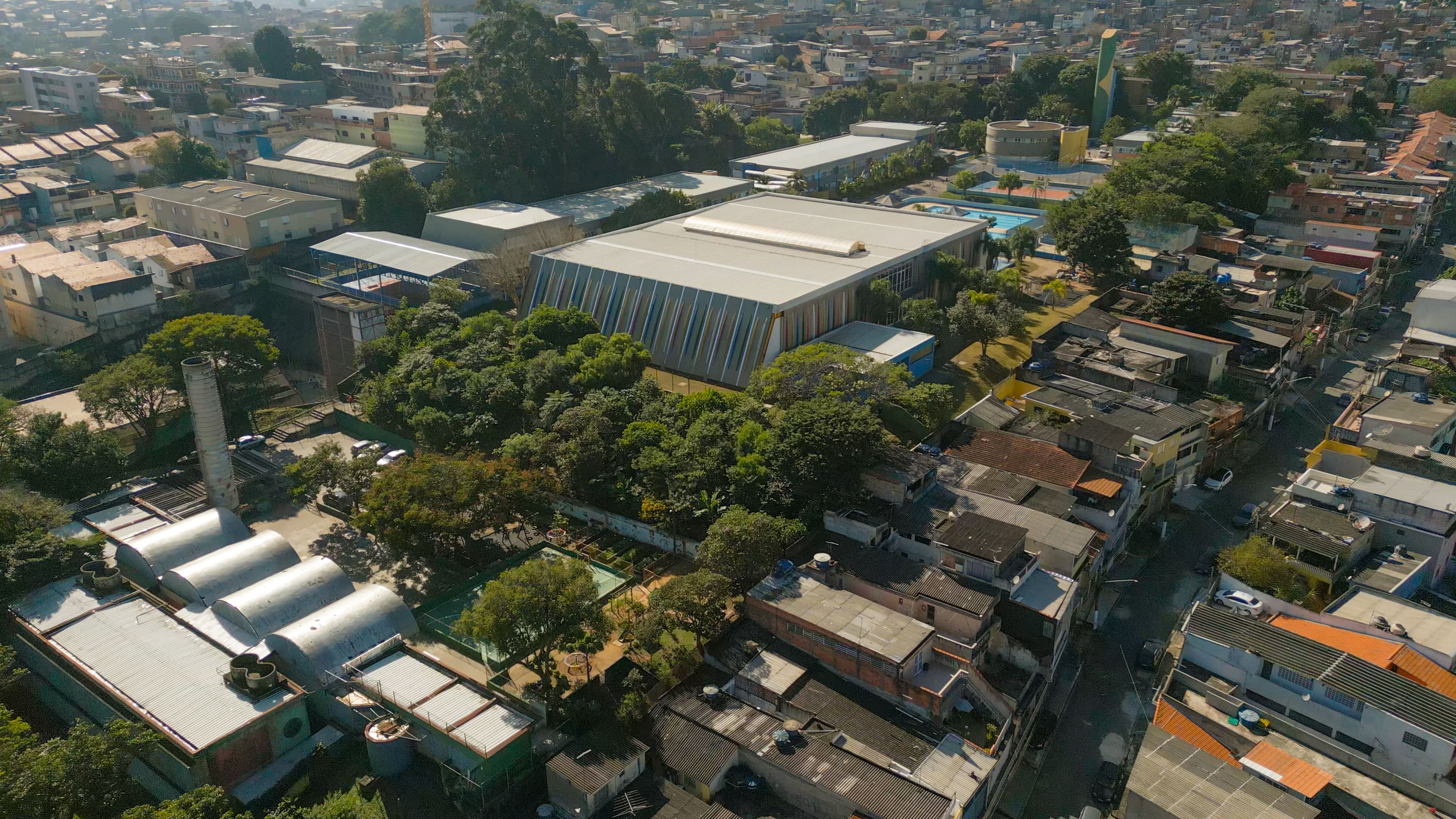
The sites are located in neighbourhoods with the lowest access to green space and the highest exposure to urban heat island effects, where climate change disproportionately affects low-income communities.
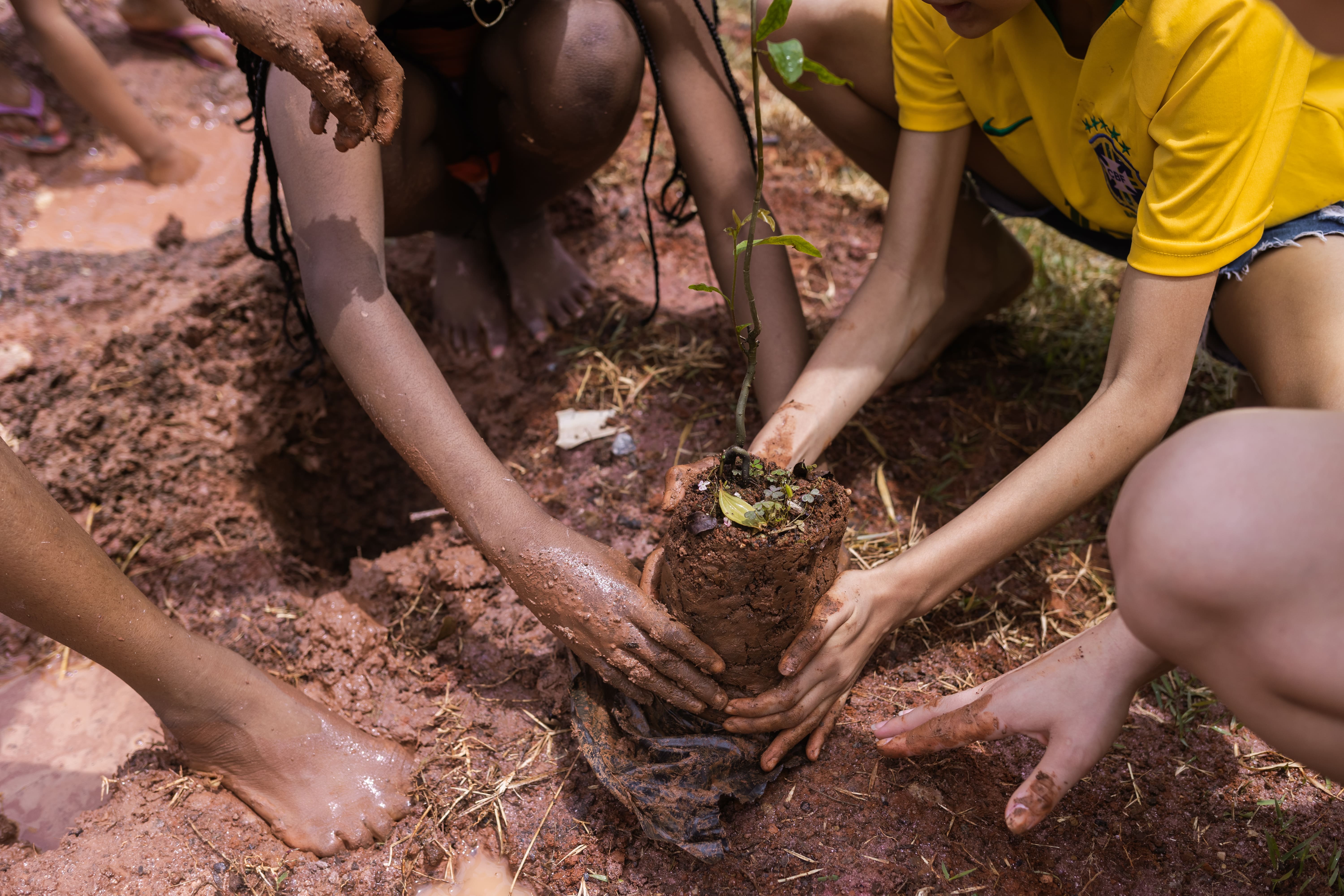
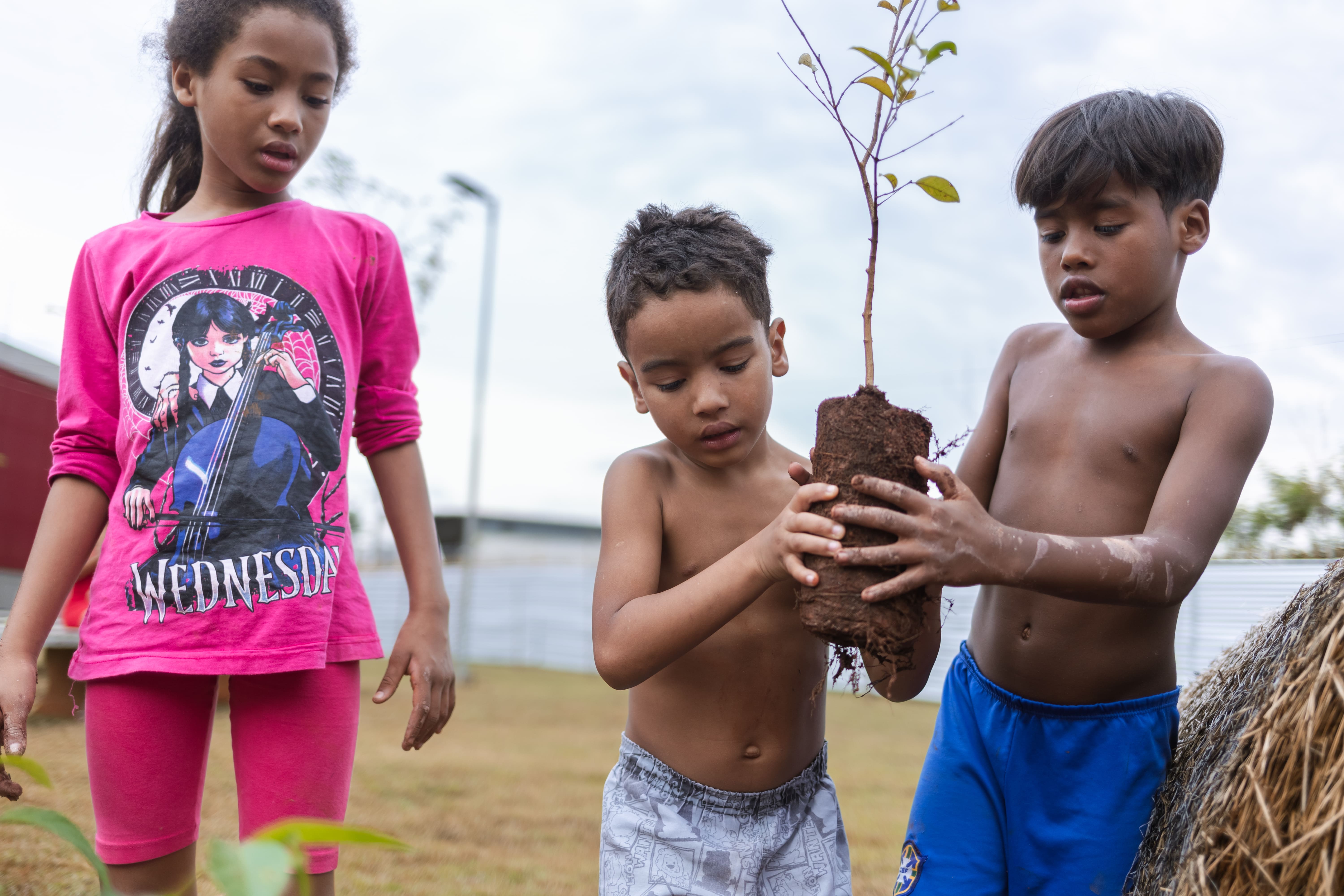
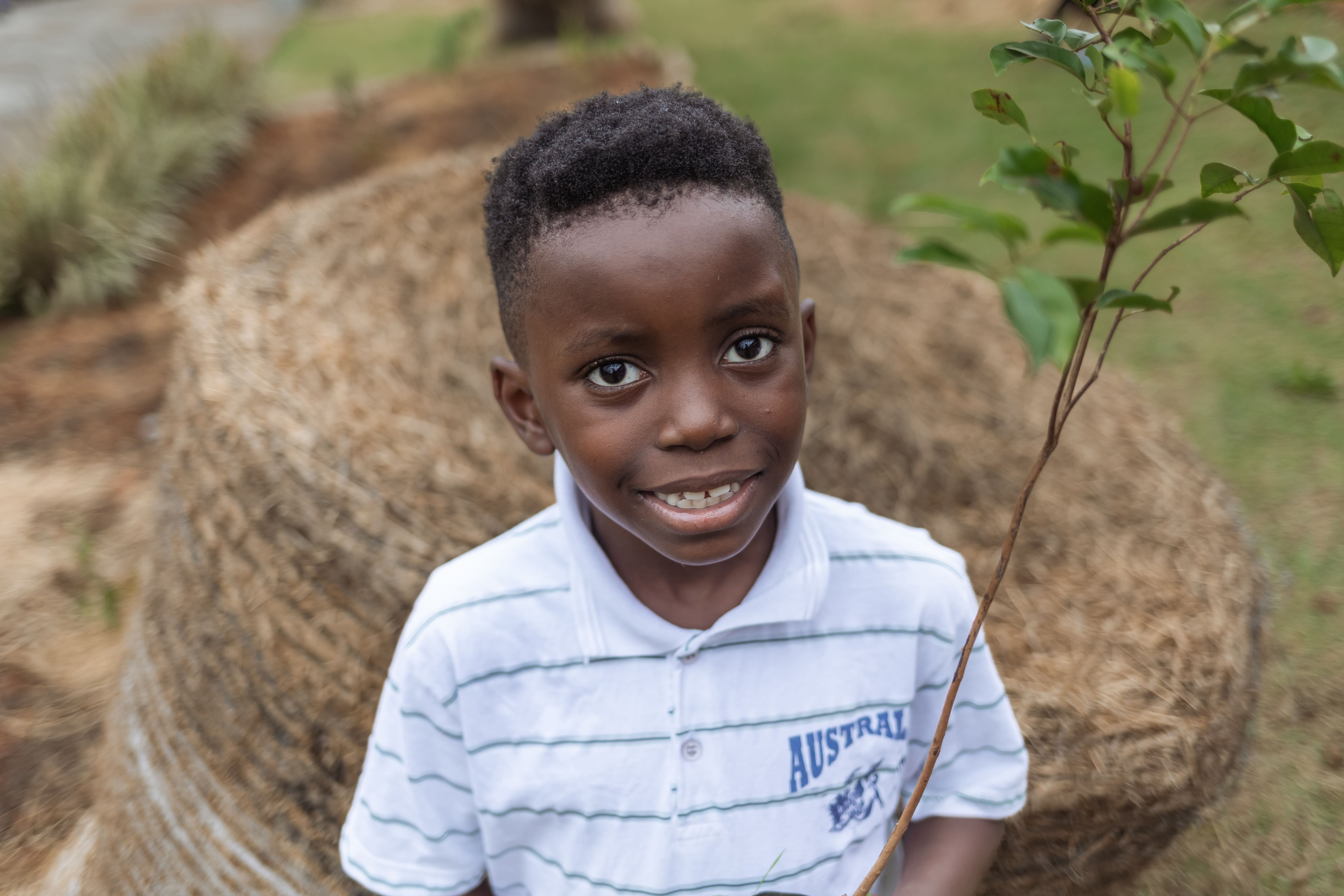
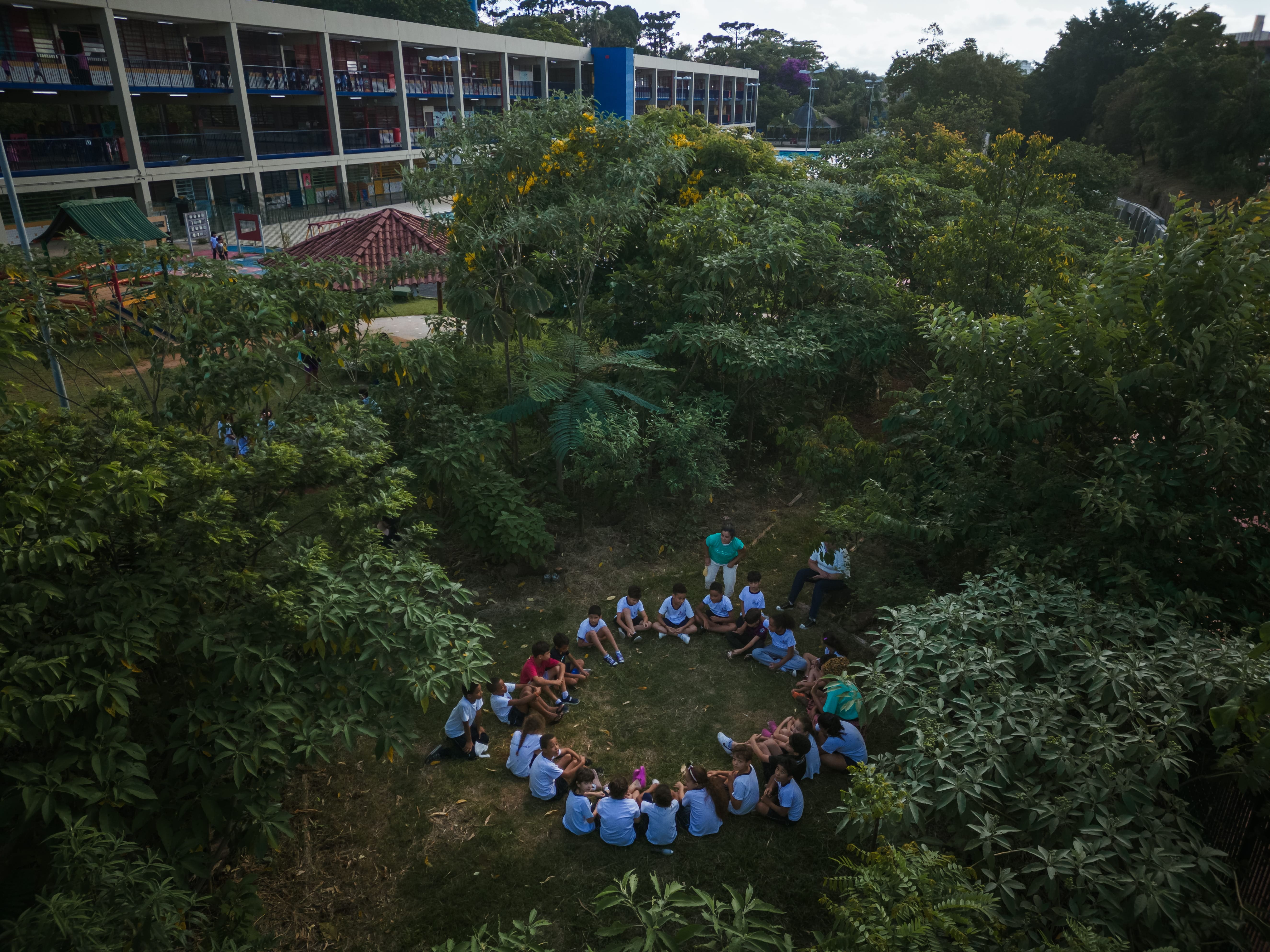
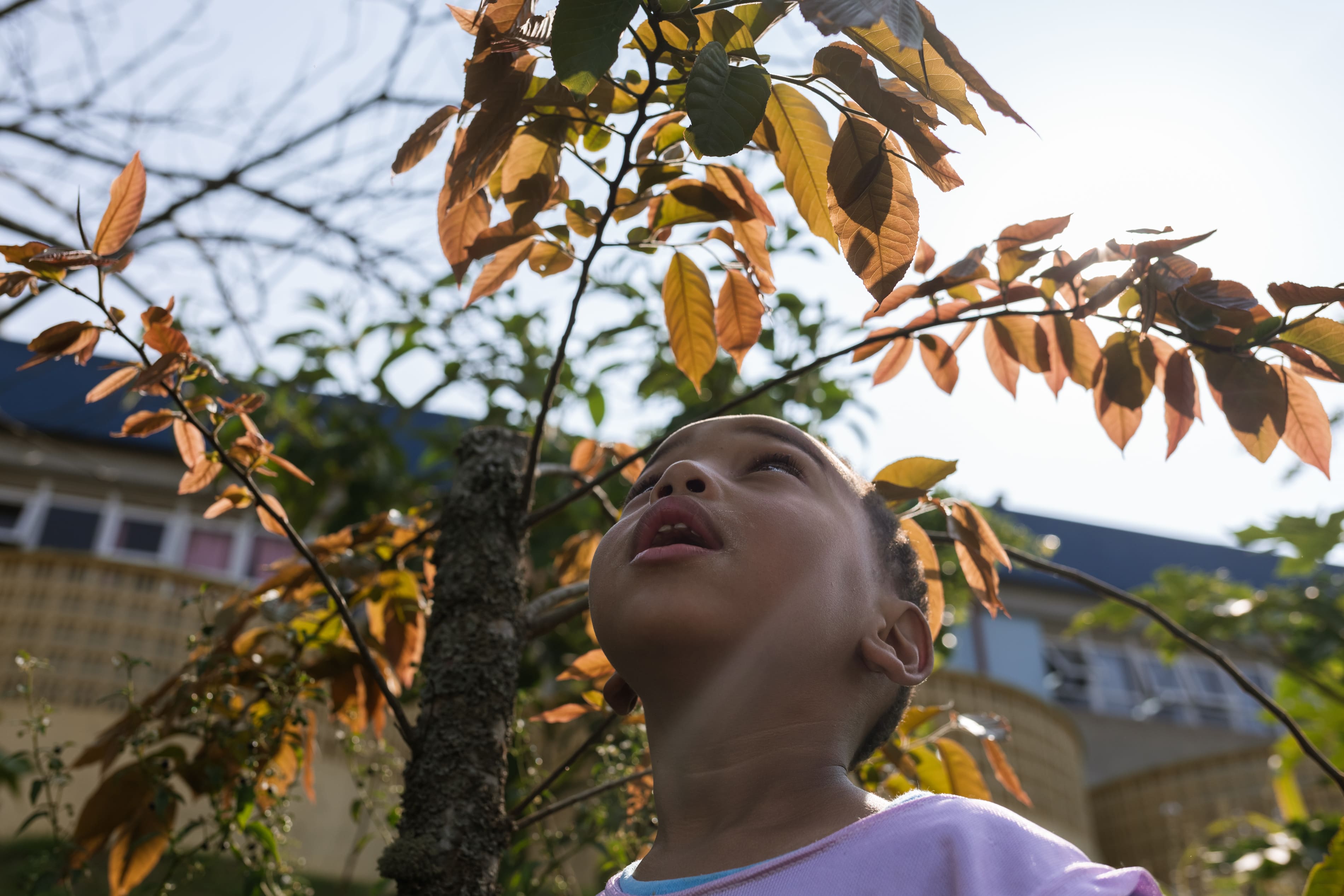
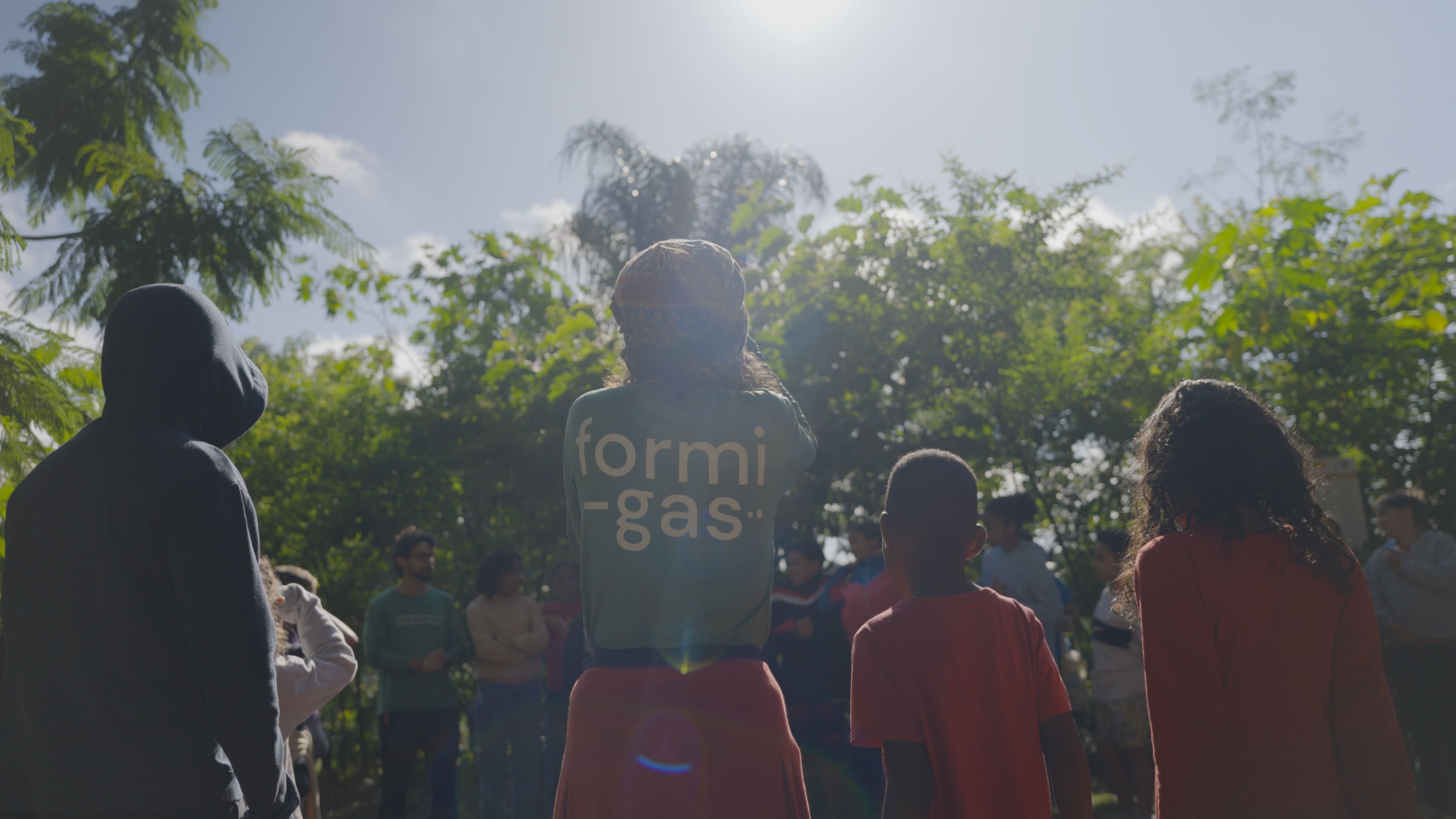
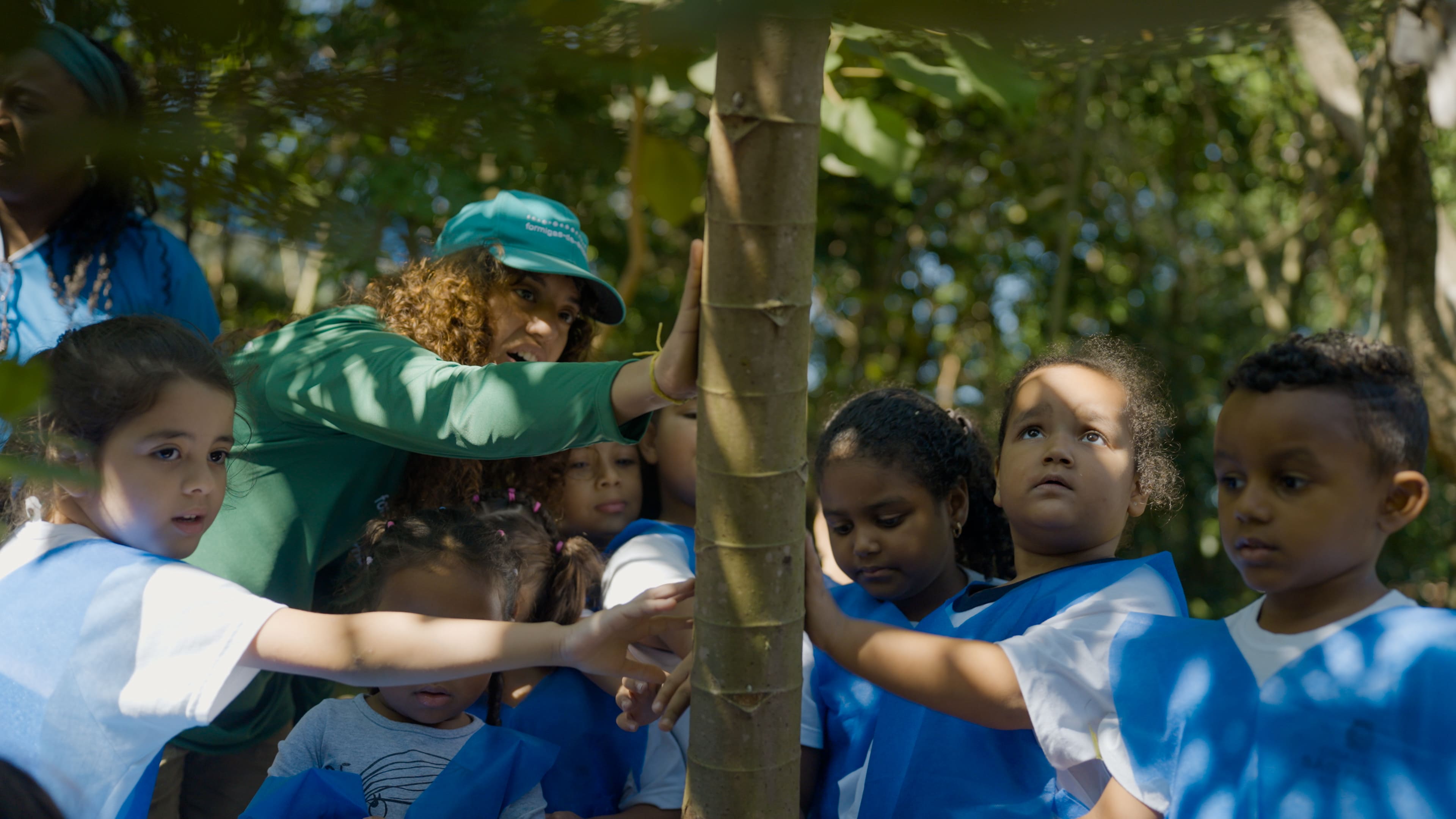
Each mini-forest is created through participatory processes involving students, educators and local residents and is integrated into environmental education programmes implemented in schools. The forests function as small urban ecosystems and as outdoor classrooms where participants learn about biodiversity, climate change and ecological restoration.
These ecosystems contribute to urban cooling, improved soil permeability, stormwater infiltration and increased biodiversity, with cooling effects of up to 5°C in surrounding areas.
The programme benefits an estimated 60,000 people who use or live around the restored spaces. Formerly degraded areas dominated by concrete surfaces are transformed into green environments that provide shade, biodiversity and contact with nature.
Urban Community Mini-Forests are implemented in collaboration with local government and funded through philanthropic and corporate partnerships.
The programme received the 2025 Folha Social Entrepreneurship Prize in partnership with the Schwab Foundation and contributes to the UN Decade on Ecosystem Restoration. The experience is helping refine a participatory model for climate adaptation that can be replicated in other cities in Brazil.
Between 2021 and 2025, the programme implemented 50 dense urban mini-forests across the city of São Paulo, primarily in public schools but also in parks and health centres. Together, these forests include approximately 30,000 native trees from more than 130 species, forming small but highly biodiverse ecosystems within urban environments.
The sites are located in neighbourhoods with the lowest access to green space and the highest exposure to urban heat island effects, where climate change disproportionately affects low-income communities.
Each mini-forest is created through participatory processes involving students, educators and local residents and is integrated into environmental education programmes implemented in schools. The forests function as small urban ecosystems and as outdoor classrooms where participants learn about biodiversity, climate change and ecological restoration.
These ecosystems contribute to urban cooling, improved soil permeability, stormwater infiltration and increased biodiversity, with cooling effects of up to 5°C in surrounding areas.
The programme benefits an estimated 60,000 people who use or live around the restored spaces. Formerly degraded areas dominated by concrete surfaces are transformed into green environments that provide shade, biodiversity and contact with nature.
Urban Community Mini-Forests are implemented in collaboration with local government and funded through philanthropic and corporate partnerships.
The programme received the 2025 Folha Social Entrepreneurship Prize in partnership with the Schwab Foundation and contributes to the UN Decade on Ecosystem Restoration. The experience is helping refine a participatory model for climate adaptation that can be replicated in other cities in Brazil.
Urban Community Mini-Forests emerged when the co-founders of formigas-de-embaúba began searching for ways to respond to two urgent realities in São Paulo: the climate crisis and the environmental inequalities shaping one of the world’s largest cities.
In many low-income neighbourhoods, children grow up surrounded by concrete with little daily contact with trees or biodiversity. These same areas are also the most exposed to extreme heat and flooding. formigas-de-embaúba was created to respond to this environmental injustice by restoring biodiversity in public spaces while reconnecting communities with nature.
The initiative developed as a community-driven approach to climate adaptation. It begins by listening to schools and communities to identify spaces where small forests could transform daily life. Many team members come from the territories where the project operates, and the organisation prioritises hiring women, Black and Indigenous staff. This strengthens trust, local knowledge and long-term care for the forests.
Mini-forests are created mainly in public schools and facilities such as health centres and parks. Students and educators take part in environmental learning activities before planting and continue engaging with the forest as it grows. Each site is monitored and maintained for several years until it becomes a self-sustaining ecosystem.
The initiative stands out for its ability to scale a grassroots model within a megacity of almost 12 million people. formigas-de-embaúba works with local governments to access public land while mobilising philanthropic and private funding to implement the forests.
Additionally, the organisation developed technology to analyse satellite imagery and identify potential sites for mini-forests across the city. By combining community action, institutional partnerships and data-driven planning, the initiative shows how participatory nature-based solutions can be deployed at urban scale to address climate adaptation.
In many low-income neighbourhoods, children grow up surrounded by concrete with little daily contact with trees or biodiversity. These same areas are also the most exposed to extreme heat and flooding. formigas-de-embaúba was created to respond to this environmental injustice by restoring biodiversity in public spaces while reconnecting communities with nature.
The initiative developed as a community-driven approach to climate adaptation. It begins by listening to schools and communities to identify spaces where small forests could transform daily life. Many team members come from the territories where the project operates, and the organisation prioritises hiring women, Black and Indigenous staff. This strengthens trust, local knowledge and long-term care for the forests.
Mini-forests are created mainly in public schools and facilities such as health centres and parks. Students and educators take part in environmental learning activities before planting and continue engaging with the forest as it grows. Each site is monitored and maintained for several years until it becomes a self-sustaining ecosystem.
The initiative stands out for its ability to scale a grassroots model within a megacity of almost 12 million people. formigas-de-embaúba works with local governments to access public land while mobilising philanthropic and private funding to implement the forests.
Additionally, the organisation developed technology to analyse satellite imagery and identify potential sites for mini-forests across the city. By combining community action, institutional partnerships and data-driven planning, the initiative shows how participatory nature-based solutions can be deployed at urban scale to address climate adaptation.
Nature-based solutions
Community co-creation
Climate adaptation
Urban biodiversity
Environmental education
Urban Community Mini-Forests advance sustainability by showing how nature-based solutions can become living urban infrastructure in one of the world’s largest and most unequal cities. In São Paulo, low-income and heat-vulnerable neighbourhoods often have the least access to green space while facing the strongest impacts of extreme heat, flooding and environmental degradation.
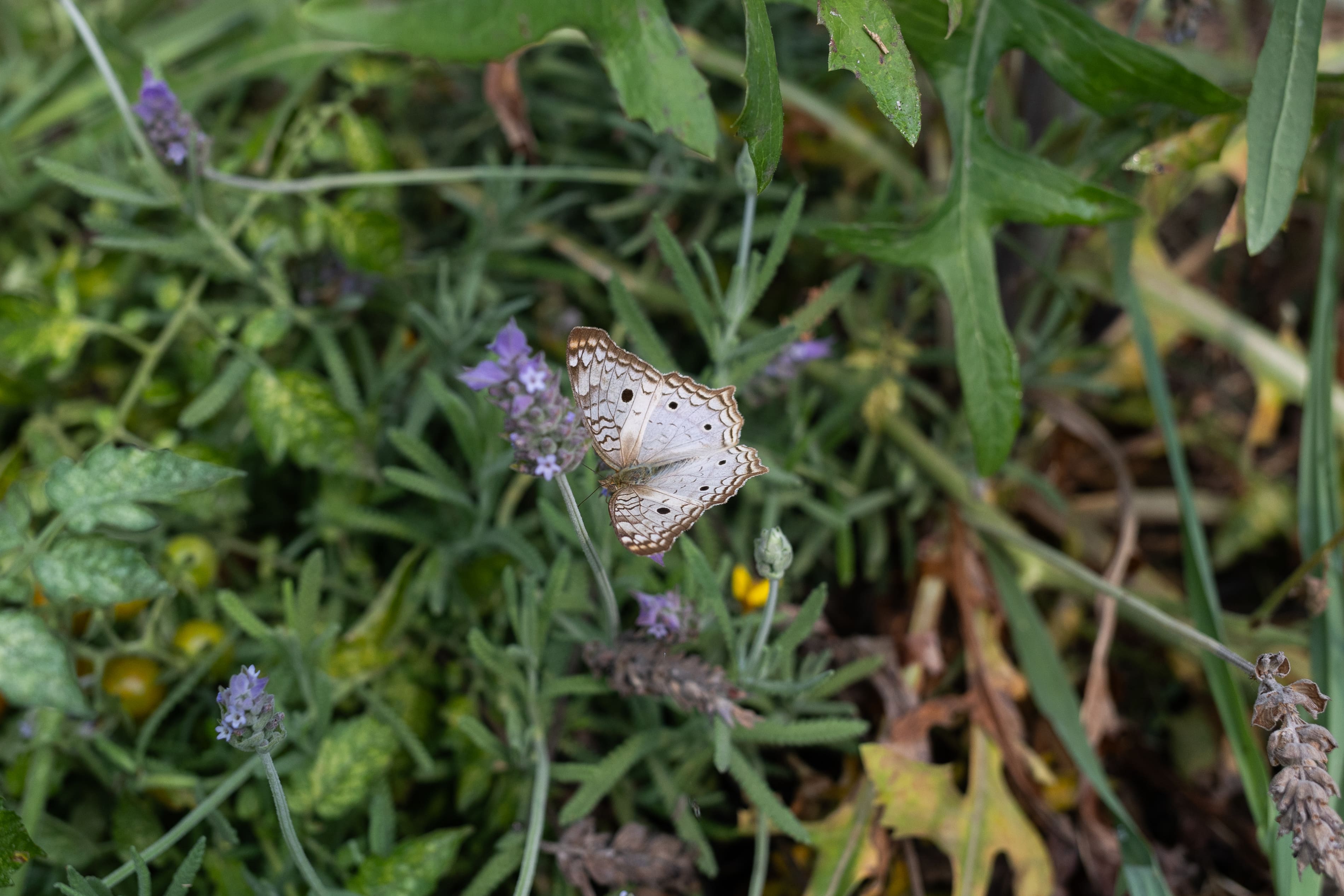
The programme responds to this challenge by creating dense native mini-forests in public schools and other public facilities. These forests restore biodiversity with high species diversity and generate multiple ecosystem services within highly urbanised areas. They cool surrounding spaces, improve soil permeability, increase rainwater infiltration, create habitat for birds, insects and pollinators, and help reconnect fragmented urban ecosystems.
Its sustainability is not limited to planting. Each forest is maintained and monitored over several years until it becomes established and increasingly self-sustaining. This long-term care is essential to ecological success and to the credibility of the model as climate infrastructure.
The programme is also exemplary because it combines environmental performance with social durability. By embedding the forests in schools and other everyday public spaces, it ensures that restored ecosystems are continuously used, valued and cared for. Students, educators and communities do not experience these spaces as isolated green interventions, but as part of daily life, learning and collective responsibility.
Rather than treating sustainability as a purely technical issue, the project connects biodiversity recovery, climate adaptation, education and long-term stewardship. The result is a practical and scalable model for cities seeking to expand green infrastructure, strengthen climate resilience and make environmental benefits more equitably accessible.
The programme responds to this challenge by creating dense native mini-forests in public schools and other public facilities. These forests restore biodiversity with high species diversity and generate multiple ecosystem services within highly urbanised areas. They cool surrounding spaces, improve soil permeability, increase rainwater infiltration, create habitat for birds, insects and pollinators, and help reconnect fragmented urban ecosystems.
Its sustainability is not limited to planting. Each forest is maintained and monitored over several years until it becomes established and increasingly self-sustaining. This long-term care is essential to ecological success and to the credibility of the model as climate infrastructure.
The programme is also exemplary because it combines environmental performance with social durability. By embedding the forests in schools and other everyday public spaces, it ensures that restored ecosystems are continuously used, valued and cared for. Students, educators and communities do not experience these spaces as isolated green interventions, but as part of daily life, learning and collective responsibility.
Rather than treating sustainability as a purely technical issue, the project connects biodiversity recovery, climate adaptation, education and long-term stewardship. The result is a practical and scalable model for cities seeking to expand green infrastructure, strengthen climate resilience and make environmental benefits more equitably accessible.
Urban Community Mini-Forests contribute to aesthetics by transforming underused and often degraded school grounds into vibrant living landscapes that enrich everyday life for students, educators and surrounding communities. In many dense neighbourhoods of São Paulo, schoolyards are dominated by concrete surfaces with little contact with nature. By introducing dense native vegetation, the project reimagines these spaces as places where biodiversity, shade and seasonal change become part of daily experience.
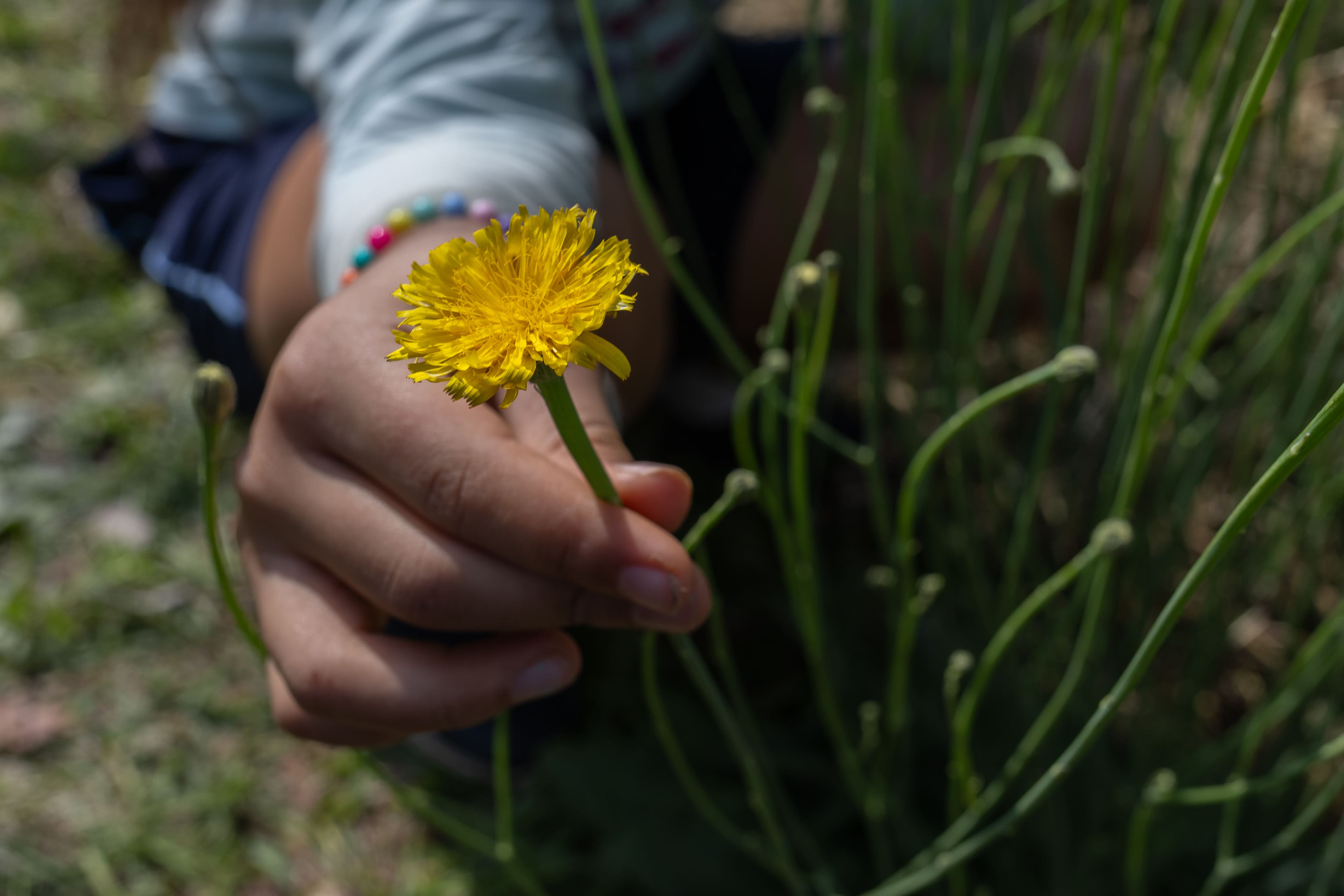
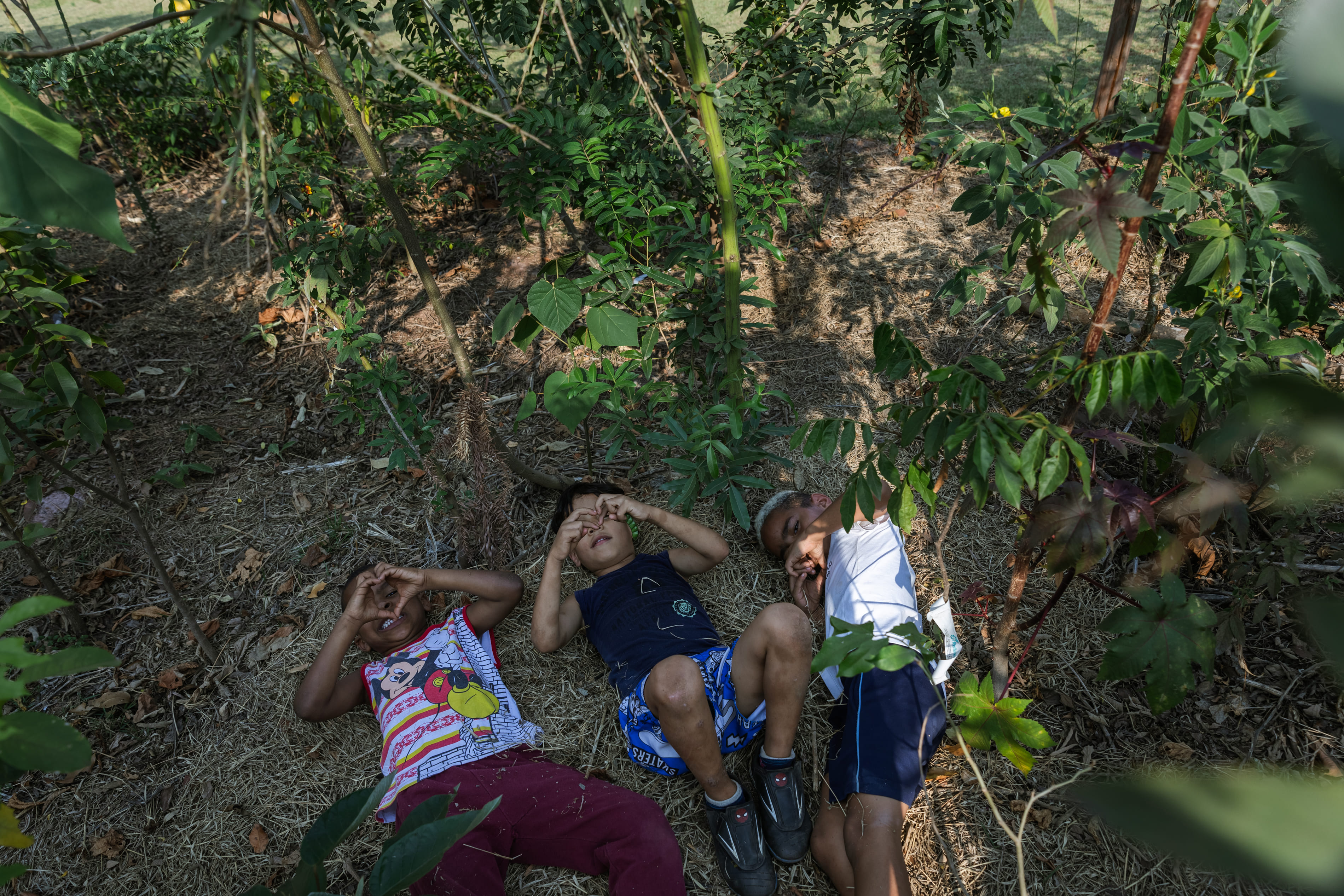
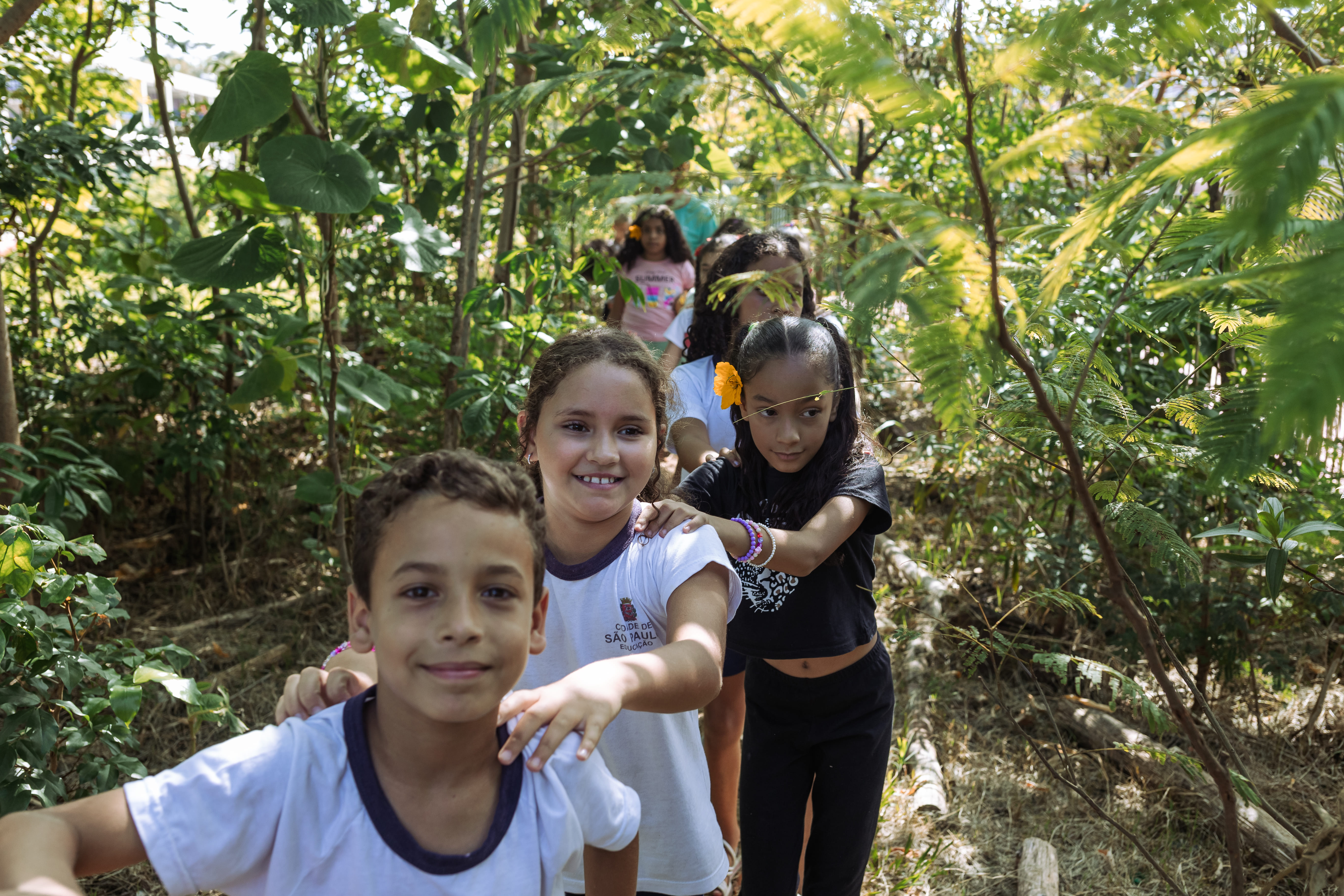
The mini-forests create sensory environments where people encounter the sounds of birds and insects, the diversity of plant shapes and textures, and the cooling presence of shade and greenery. These elements transform school spaces into more welcoming and enjoyable environments, offering moments of calm, curiosity and discovery within everyday routines.
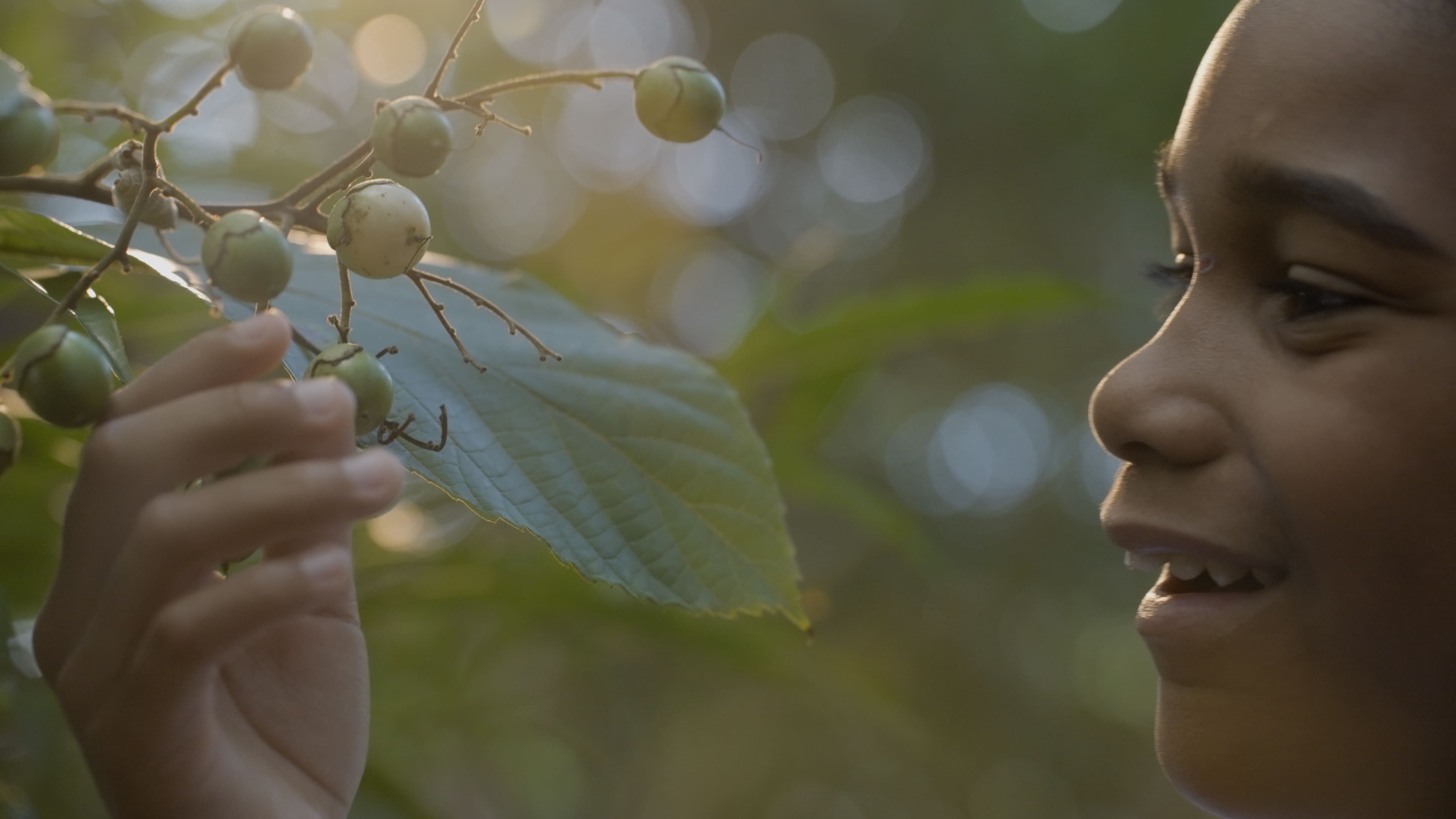
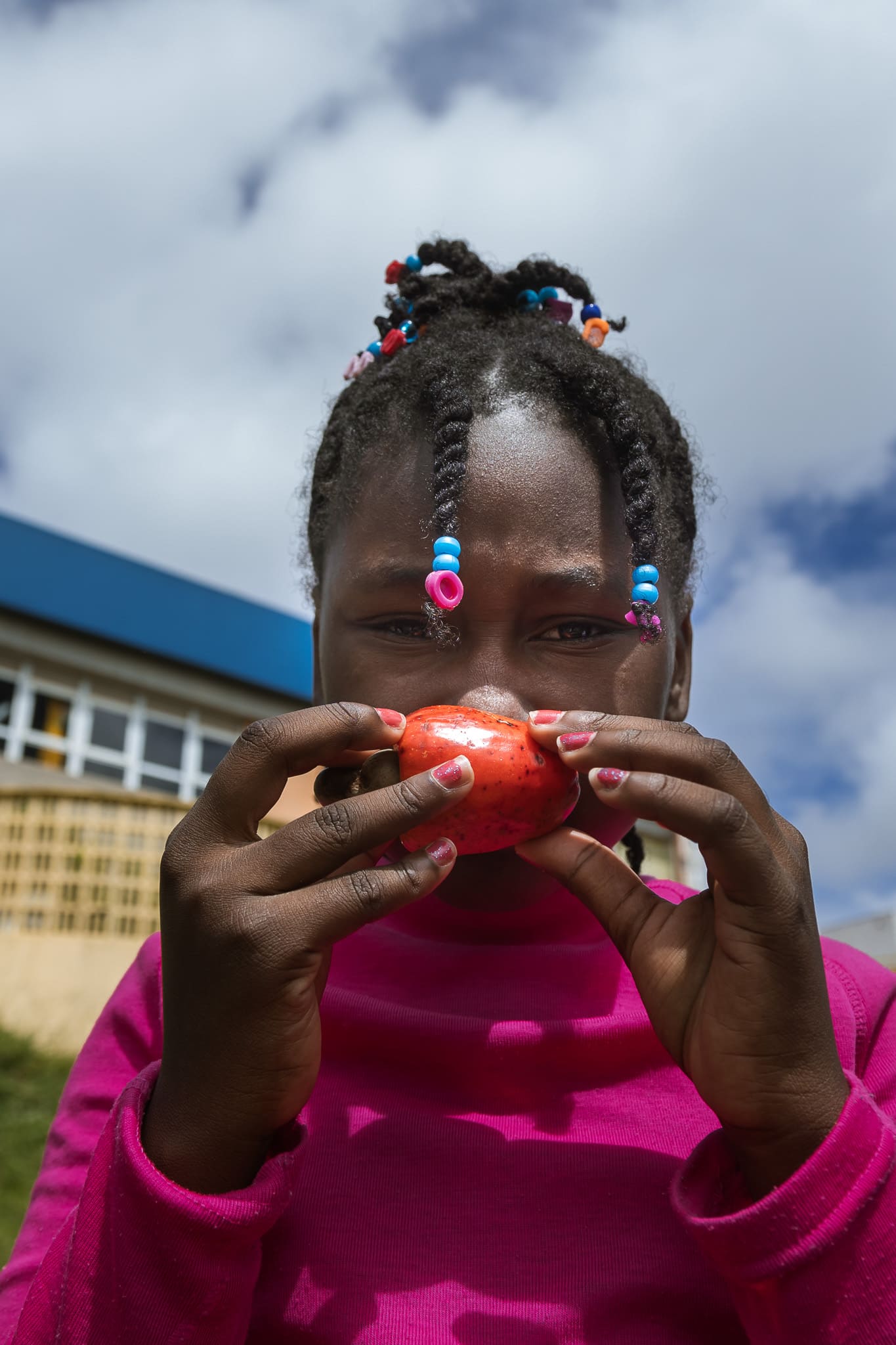
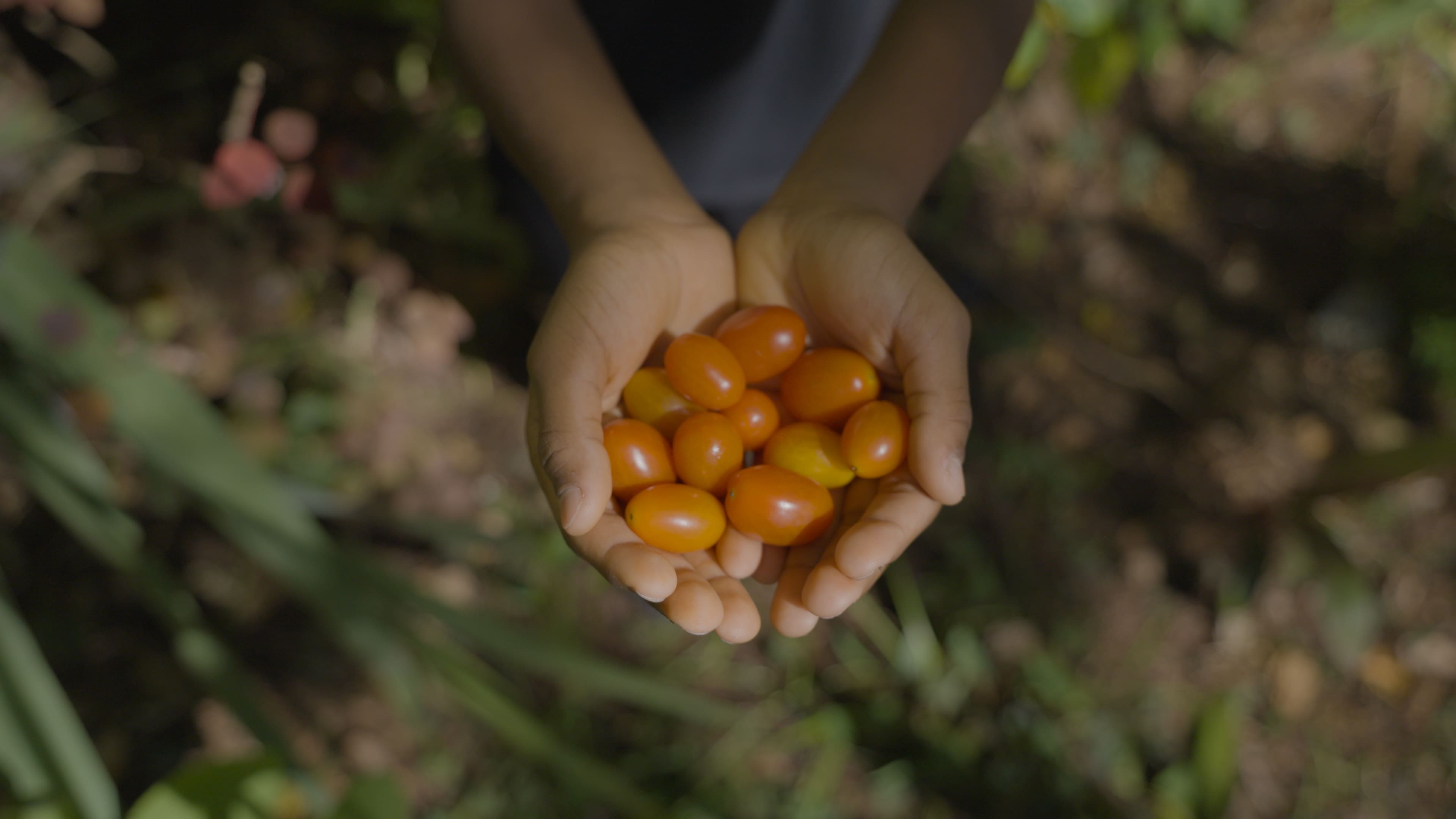
Design choices also help create a sense of belonging. Native fruit-bearing trees are intentionally planted along the forest edges where they are visible and accessible. Students quickly recognise and interact with these species, observing flowers and fruits, tasting them, and sharing them with others. This familiarity strengthens emotional connections with the space and encourages care for the forest.
Many of the species used in the forests are culturally recognisable plants from the Atlantic Forest. Their presence reconnects people with ecological and cultural memories that are often absent from highly urbanised environments.
The project is exemplary because it demonstrates that ecological restoration can also improve the beauty and meaning of everyday urban spaces. By combining biodiversity, cultural familiarity and participatory planting, the programme turns ordinary schoolyards into places where nature is experienced, appreciated and cared for collectively over time.
The mini-forests create sensory environments where people encounter the sounds of birds and insects, the diversity of plant shapes and textures, and the cooling presence of shade and greenery. These elements transform school spaces into more welcoming and enjoyable environments, offering moments of calm, curiosity and discovery within everyday routines.
Design choices also help create a sense of belonging. Native fruit-bearing trees are intentionally planted along the forest edges where they are visible and accessible. Students quickly recognise and interact with these species, observing flowers and fruits, tasting them, and sharing them with others. This familiarity strengthens emotional connections with the space and encourages care for the forest.
Many of the species used in the forests are culturally recognisable plants from the Atlantic Forest. Their presence reconnects people with ecological and cultural memories that are often absent from highly urbanised environments.
The project is exemplary because it demonstrates that ecological restoration can also improve the beauty and meaning of everyday urban spaces. By combining biodiversity, cultural familiarity and participatory planting, the programme turns ordinary schoolyards into places where nature is experienced, appreciated and cared for collectively over time.
Urban Community Mini-Forests promote inclusion by expanding equitable access to nature in dense urban environments. In São Paulo, access to green spaces is highly unequal. Low-income neighbourhoods often have the least tree cover and suffer most from extreme heat. By creating biodiverse mini-forests within public schools and other public facilities, the project ensures that nature-based environments become accessible to children and families regardless of their socio-economic background.
Public schools provide an inclusive platform where green infrastructure can reach diverse groups of students, educators and residents. Because the forests are located within everyday community spaces, people interact with them regularly. Nature becomes part of daily life, not a distant or occasional experience, strengthening environmental awareness and shared responsibility for public spaces.
The programme also promotes inclusive local development by prioritising the hiring of workers from the surrounding neighbourhoods. This approach strengthens local livelihoods while ensuring that the people most connected to the territory are directly involved in caring for the restored ecosystems. Gender inclusion is also reflected in the composition of the organisation, where women represent the majority of the team, including leadership and coordination roles.
Cultural inclusion is another key dimension. Educational activities value Afro-Brazilian and Indigenous knowledge and recognise diverse traditions of caring for land and biodiversity.
Learning activities are designed to be adaptable to different needs, including students with disabilities. Through sensory and experiential outdoor learning, the forests create opportunities for broader participation and engagement.
By combining ecological restoration, inclusive education and community participation, the project demonstrates how nature-based solutions can support more equitable and accessible models of urban sustainability.
Public schools provide an inclusive platform where green infrastructure can reach diverse groups of students, educators and residents. Because the forests are located within everyday community spaces, people interact with them regularly. Nature becomes part of daily life, not a distant or occasional experience, strengthening environmental awareness and shared responsibility for public spaces.
The programme also promotes inclusive local development by prioritising the hiring of workers from the surrounding neighbourhoods. This approach strengthens local livelihoods while ensuring that the people most connected to the territory are directly involved in caring for the restored ecosystems. Gender inclusion is also reflected in the composition of the organisation, where women represent the majority of the team, including leadership and coordination roles.
Cultural inclusion is another key dimension. Educational activities value Afro-Brazilian and Indigenous knowledge and recognise diverse traditions of caring for land and biodiversity.
Learning activities are designed to be adaptable to different needs, including students with disabilities. Through sensory and experiential outdoor learning, the forests create opportunities for broader participation and engagement.
By combining ecological restoration, inclusive education and community participation, the project demonstrates how nature-based solutions can support more equitable and accessible models of urban sustainability.
Participation is a central principle of the Urban Community Mini-Forests programme and begins from the earliest stages of project development. Rather than implementing a predefined intervention, the initiative is developed in dialogue with each participating school and its community. School leadership, educators and local stakeholders are consulted to identify suitable spaces and integrate the project into the school's educational context.
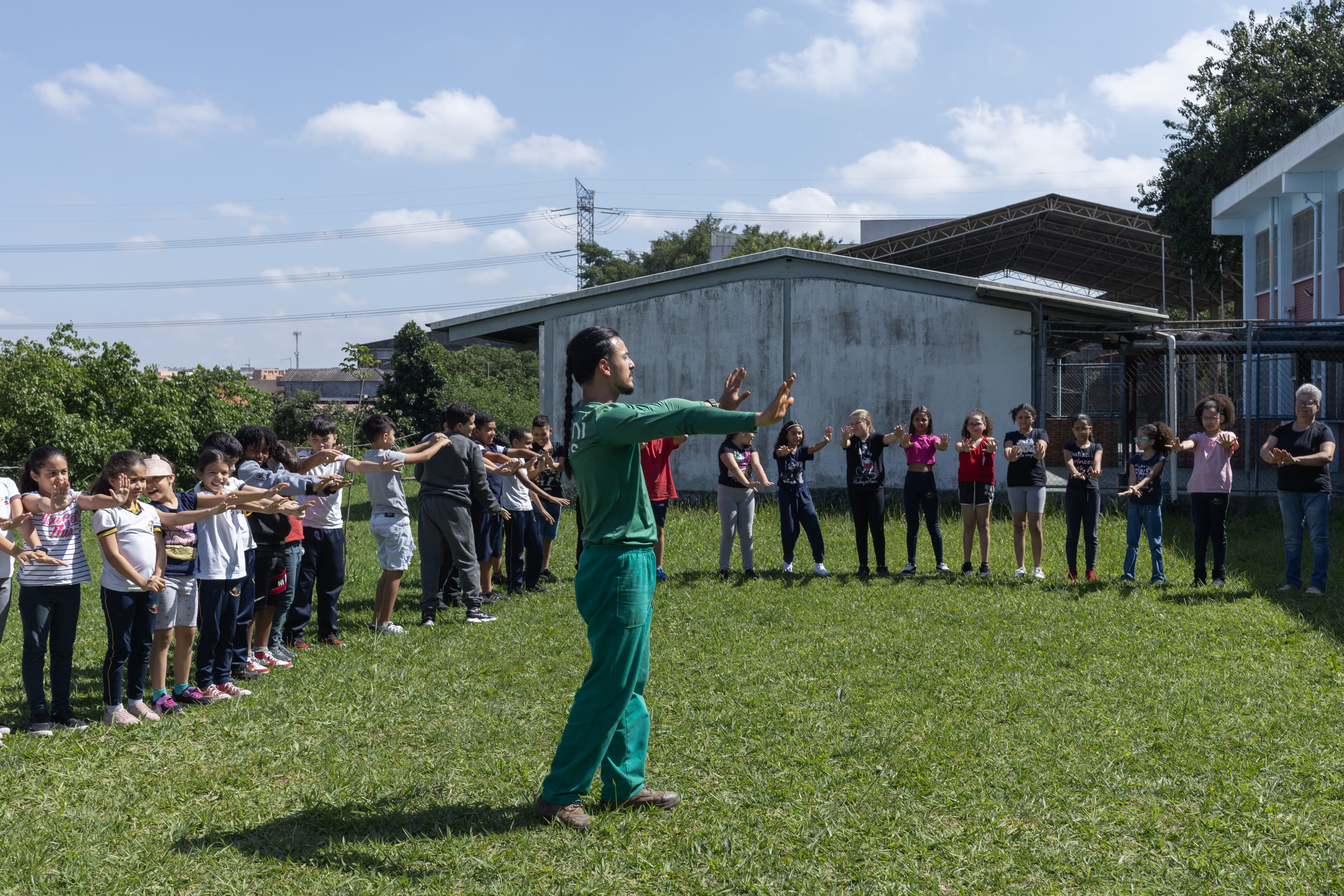
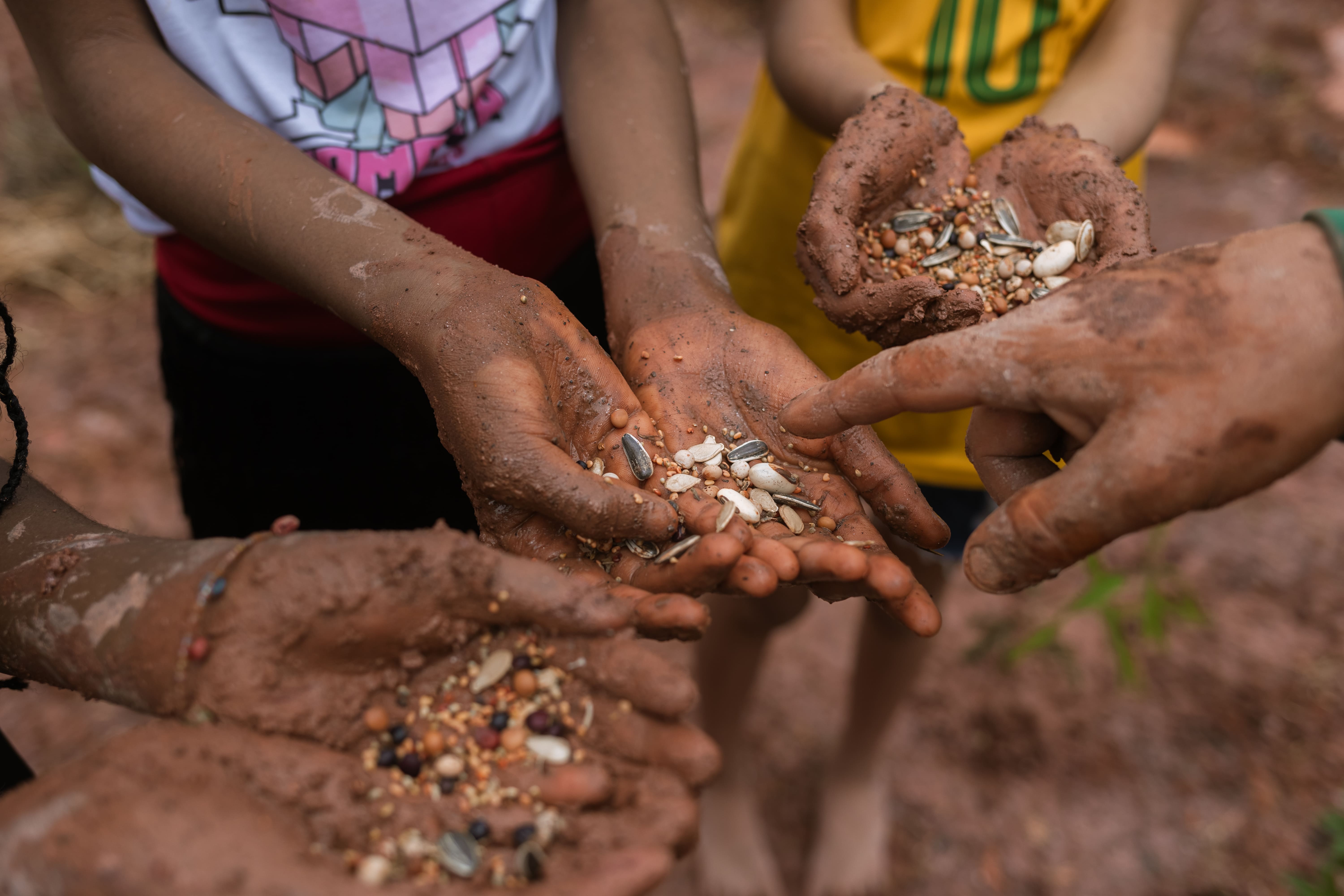
Community participation continues through the environmental education programme implemented in each school. This pedagogical programme spans two academic semesters and engages students and teachers in learning activities about biodiversity, climate change, ecological restoration and the role of nature in cities. Through these activities, participants are invited to reflect on their relationship with the environment and the importance of urban nature restoration.
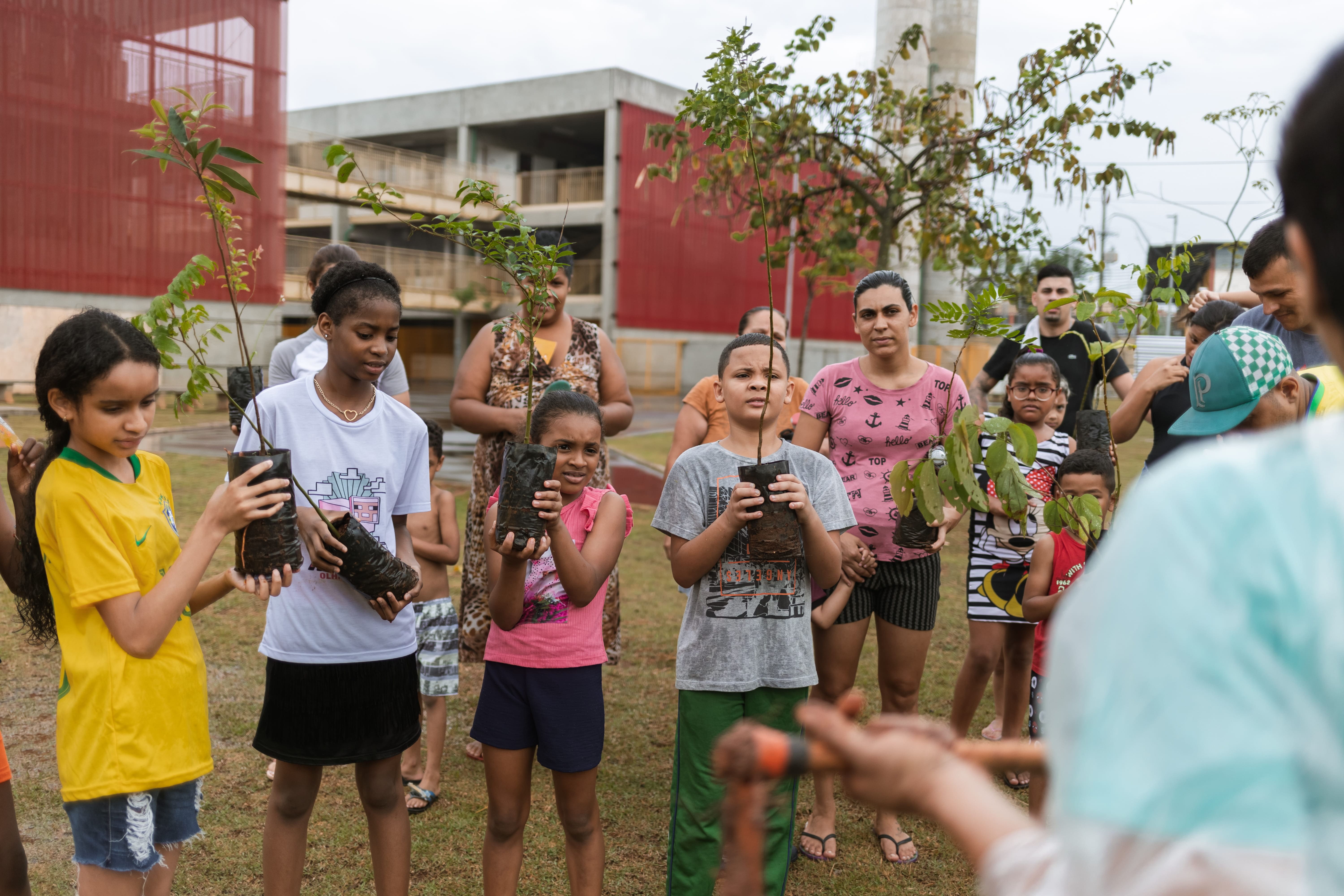
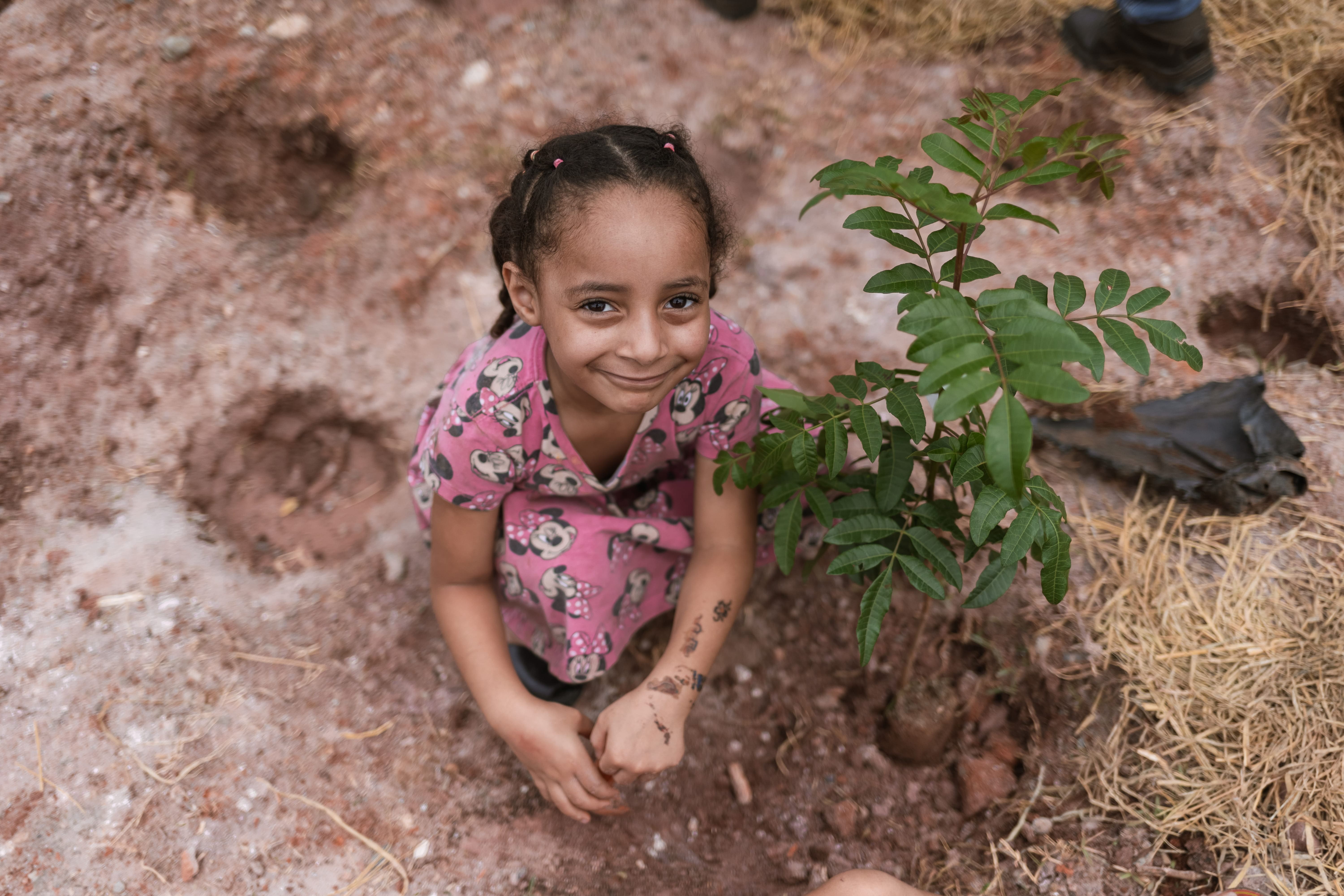
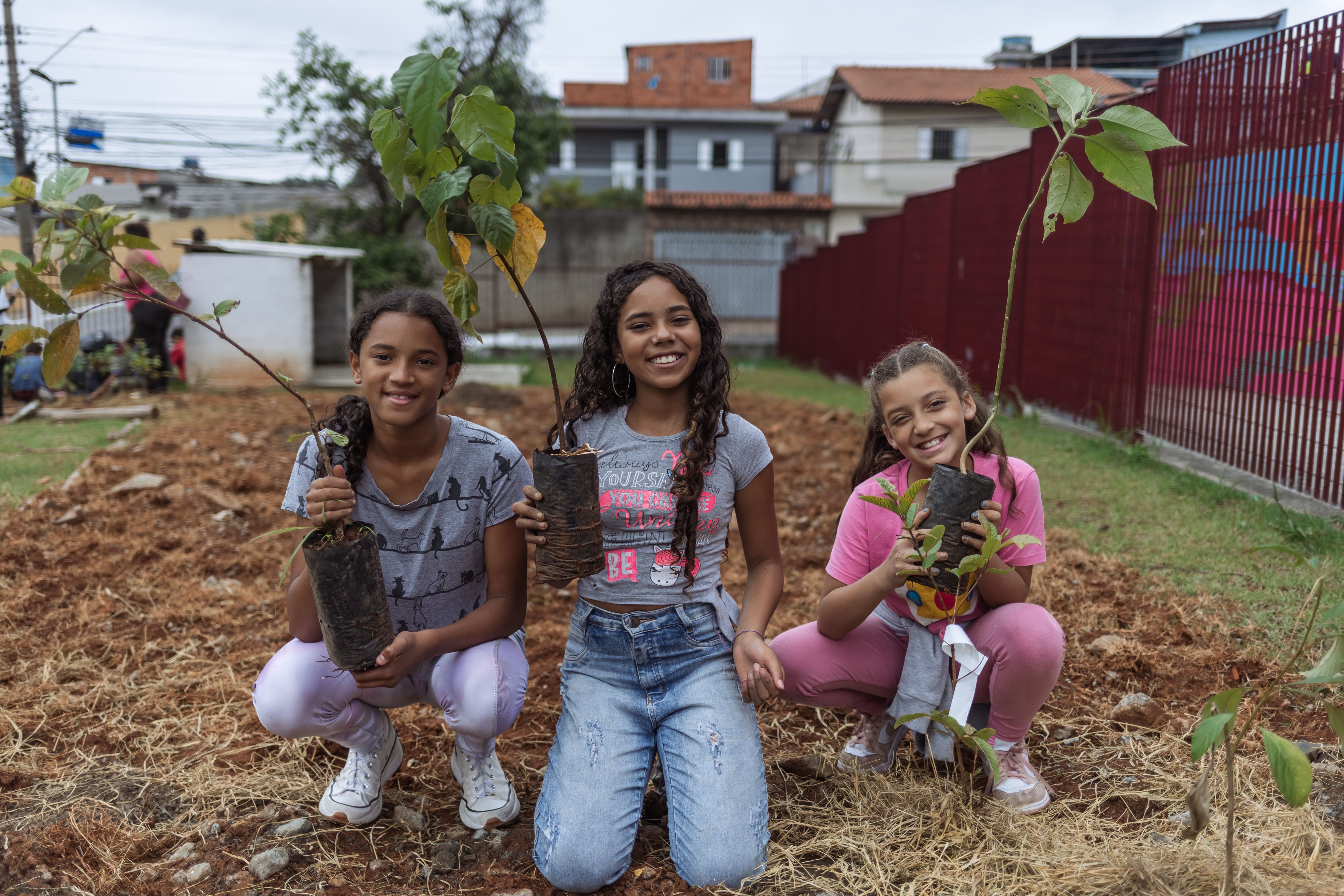
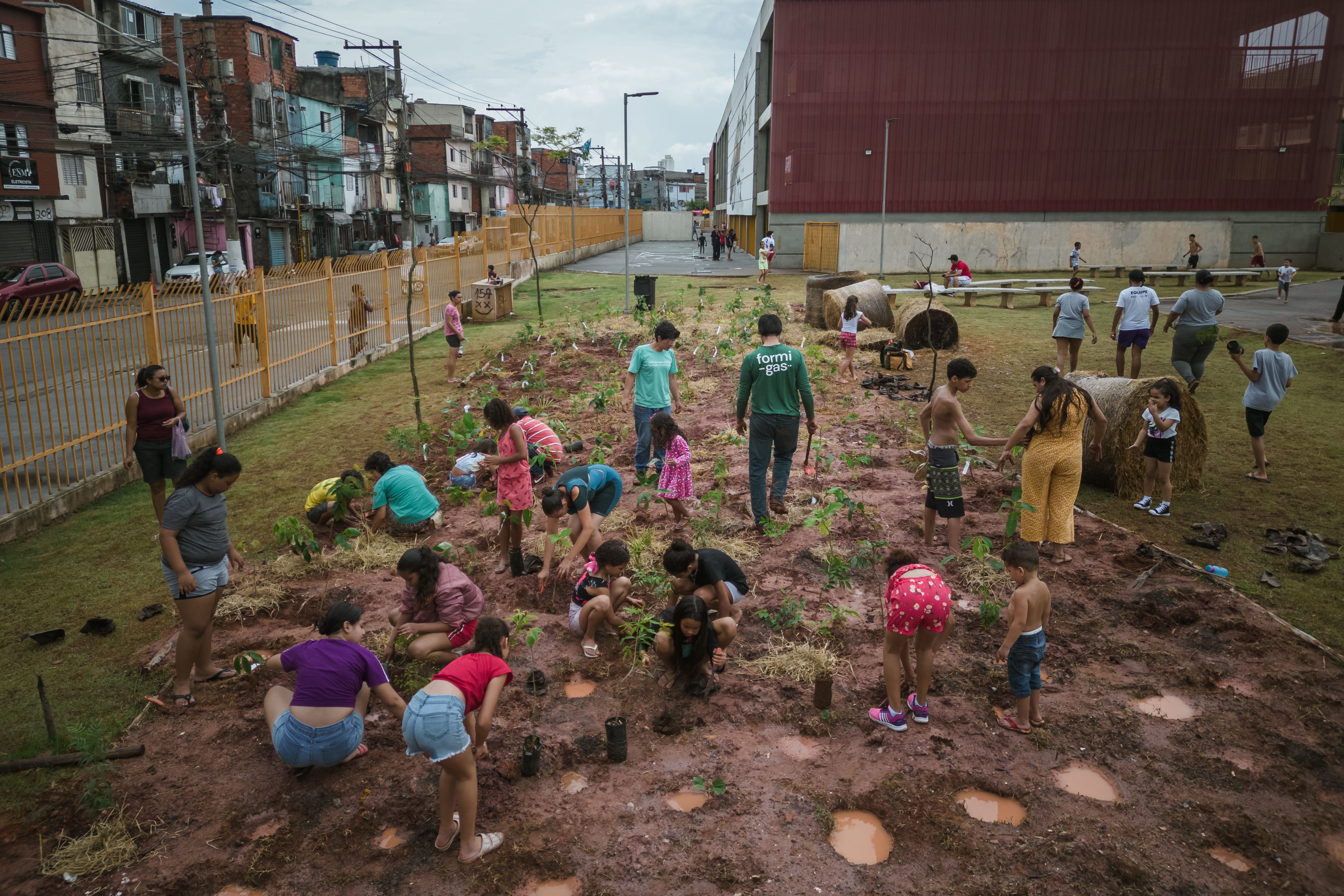
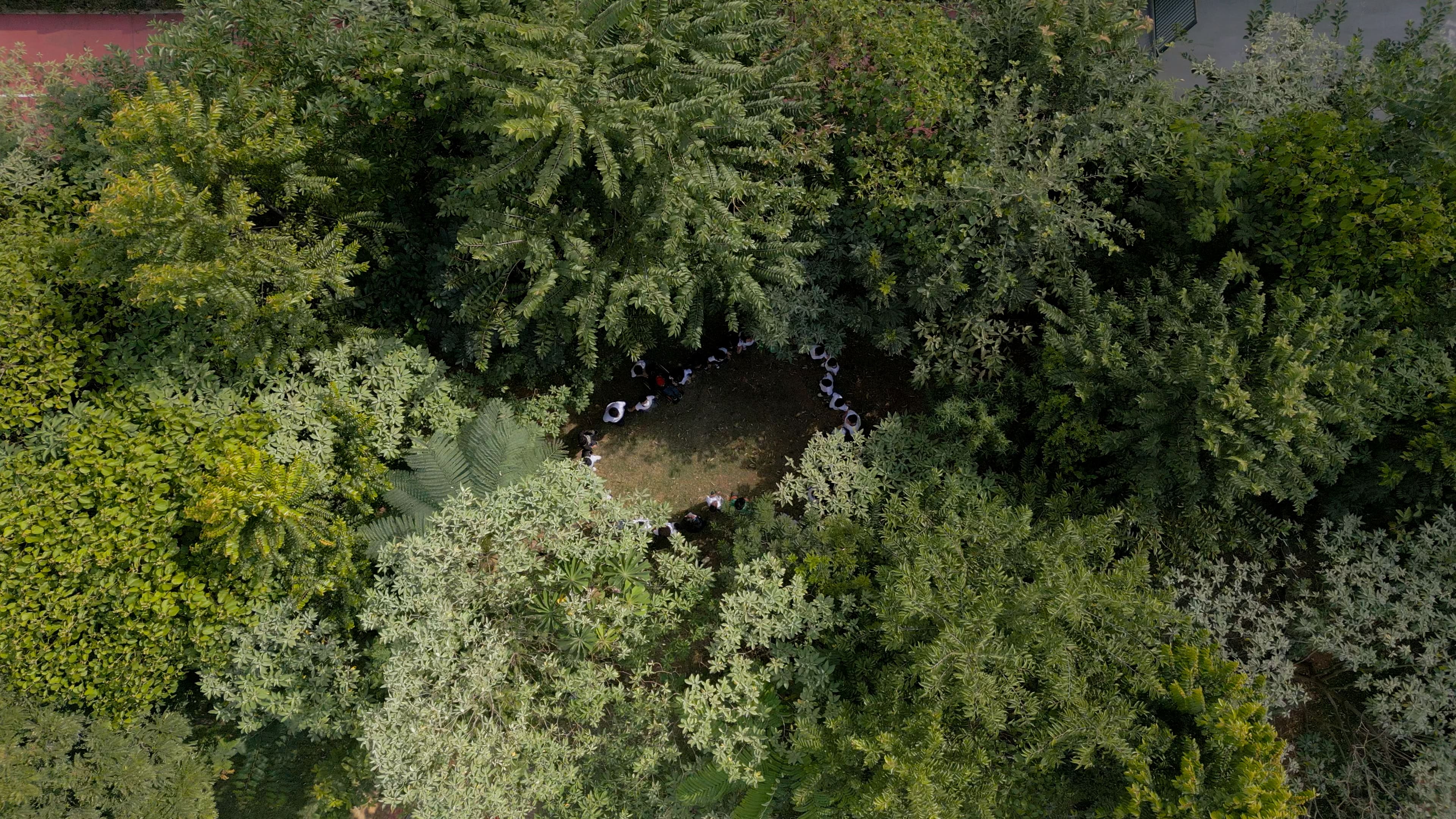
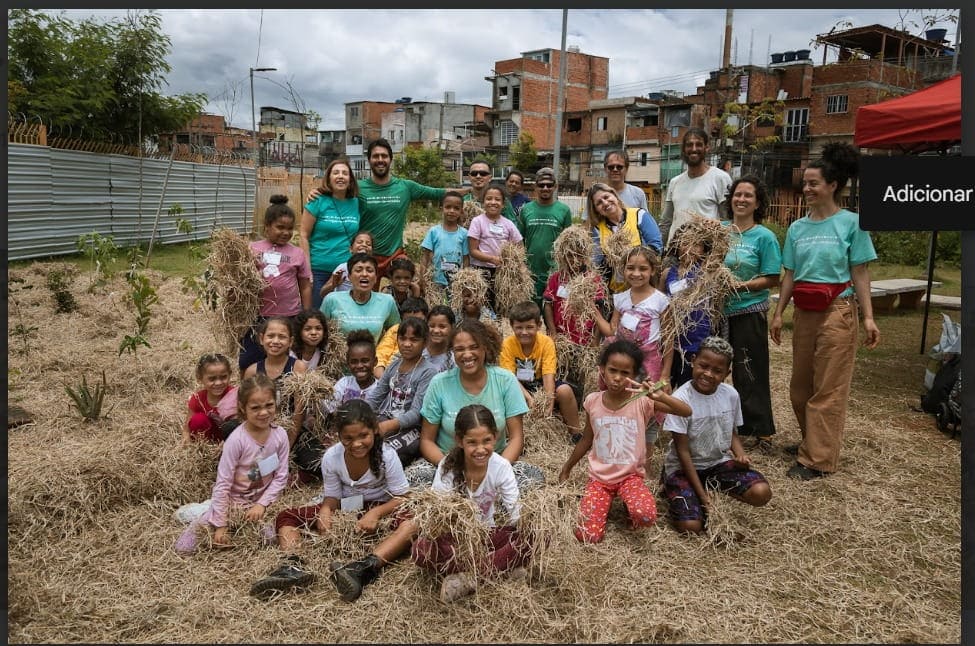
The planting of the mini-forest takes place during the first semester of this programme, once students have already been introduced to the ecological concepts behind the initiative. The planting is organised as a collective event involving students, teachers, school staff, families and residents in a collaborative effort to establish the forest.
Although the planting itself happens in a single day, it is often a vibrant and meaningful moment for the school community. Students work alongside the project team, contributing directly to the creation of the forest and experiencing ecological restoration in practice.
Participation continues after planting through ongoing observation and learning activities that accompany the development of the forest over time.
By involving schools and communities from the design stage to implementation and long-term engagement, the project demonstrates how nature-based solutions can be developed through participatory processes that strengthen collective ownership, community connection and long-term stewardship of urban green spaces.
Community participation continues through the environmental education programme implemented in each school. This pedagogical programme spans two academic semesters and engages students and teachers in learning activities about biodiversity, climate change, ecological restoration and the role of nature in cities. Through these activities, participants are invited to reflect on their relationship with the environment and the importance of urban nature restoration.
The planting of the mini-forest takes place during the first semester of this programme, once students have already been introduced to the ecological concepts behind the initiative. The planting is organised as a collective event involving students, teachers, school staff, families and residents in a collaborative effort to establish the forest.
Although the planting itself happens in a single day, it is often a vibrant and meaningful moment for the school community. Students work alongside the project team, contributing directly to the creation of the forest and experiencing ecological restoration in practice.
Participation continues after planting through ongoing observation and learning activities that accompany the development of the forest over time.
By involving schools and communities from the design stage to implementation and long-term engagement, the project demonstrates how nature-based solutions can be developed through participatory processes that strengthen collective ownership, community connection and long-term stewardship of urban green spaces.
The Urban Community Mini-Forests programme operates through collaboration across multiple governance levels, combining community action, local government partnerships and international cooperation.
At the local level, each project is implemented in close collaboration with school communities. School leadership, educators and local residents help identify suitable spaces, participate in the planting process and integrate the forests into everyday educational activities. This local engagement ensures that each forest responds to the needs of the surrounding community and is cared for over time.
At the municipal level, the programme works through formal non-financial cooperation agreements with the Municipal Secretariat of Education of São Paulo and other public institutions. These agreements allow mini-forests to be implemented within public schools and facilities, integrating nature-based solutions into existing urban infrastructure and public education systems.
At the regional and national level, the initiative contributes to broader discussions on urban climate adaptation, biodiversity restoration and environmental education. The experience generated through the implementation of dozens of mini-forests in São Paulo helps inform policies and practices related to urban green infrastructure in Brazilian cities.
Internationally, the project connects with global networks focused on urban nature and ecosystem restoration. These collaborations facilitate knowledge exchange and contribute to the global effort to scale nature-based climate solutions in cities.
This multilevel collaboration allows community initiatives to operate within institutional frameworks while also connecting local experiences with broader environmental agendas. The result is a governance model that links grassroots participation, public institutions and international networks to expand urban biodiversity and climate resilience.
At the local level, each project is implemented in close collaboration with school communities. School leadership, educators and local residents help identify suitable spaces, participate in the planting process and integrate the forests into everyday educational activities. This local engagement ensures that each forest responds to the needs of the surrounding community and is cared for over time.
At the municipal level, the programme works through formal non-financial cooperation agreements with the Municipal Secretariat of Education of São Paulo and other public institutions. These agreements allow mini-forests to be implemented within public schools and facilities, integrating nature-based solutions into existing urban infrastructure and public education systems.
At the regional and national level, the initiative contributes to broader discussions on urban climate adaptation, biodiversity restoration and environmental education. The experience generated through the implementation of dozens of mini-forests in São Paulo helps inform policies and practices related to urban green infrastructure in Brazilian cities.
Internationally, the project connects with global networks focused on urban nature and ecosystem restoration. These collaborations facilitate knowledge exchange and contribute to the global effort to scale nature-based climate solutions in cities.
This multilevel collaboration allows community initiatives to operate within institutional frameworks while also connecting local experiences with broader environmental agendas. The result is a governance model that links grassroots participation, public institutions and international networks to expand urban biodiversity and climate resilience.
The Urban Community Mini-Forests programme is inherently transdisciplinary, combining ecological science, environmental education, community engagement and digital technologies to design and implement nature-based solutions in dense urban environments.
The project is developed by a multidisciplinary team that integrates expertise in environmental sciences, ecological restoration, education and social engagement. Environmental educators play a central role by designing and implementing a pedagogical programme in public schools over two academic semesters. Through experiential learning, students explore biodiversity, climate change, ecological restoration and the relationship between people and nature in cities.
Ecological design and implementation are led by professionals with backgrounds in biology and environmental sciences. They apply the Miyawaki afforestation method, adapted to the ecological and urban conditions of São Paulo, including species selection, soil preparation and designing fast-growing, biodiverse forests for small urban spaces.
The programme also incorporates digital technologies to support urban planning and expansion. Satellite imagery analysis and artificial intelligence tools are used to identify suitable public spaces for new mini-forests across the city, allowing the project to scale strategically in areas where green infrastructure is most needed.
At the organisational level, insights from ecological monitoring, field implementation and educational practice are continuously integrated to refine both the restoration methodology and the pedagogical approach.
The programme also values diverse knowledge systems, incorporating Afro-Brazilian and Indigenous perspectives on land stewardship and relationships with biodiversity.
By bringing together science, education, technology and community knowledge, the project demonstrates how transdisciplinary collaboration can generate innovative and scalable models for urban ecological restoration.
The project is developed by a multidisciplinary team that integrates expertise in environmental sciences, ecological restoration, education and social engagement. Environmental educators play a central role by designing and implementing a pedagogical programme in public schools over two academic semesters. Through experiential learning, students explore biodiversity, climate change, ecological restoration and the relationship between people and nature in cities.
Ecological design and implementation are led by professionals with backgrounds in biology and environmental sciences. They apply the Miyawaki afforestation method, adapted to the ecological and urban conditions of São Paulo, including species selection, soil preparation and designing fast-growing, biodiverse forests for small urban spaces.
The programme also incorporates digital technologies to support urban planning and expansion. Satellite imagery analysis and artificial intelligence tools are used to identify suitable public spaces for new mini-forests across the city, allowing the project to scale strategically in areas where green infrastructure is most needed.
At the organisational level, insights from ecological monitoring, field implementation and educational practice are continuously integrated to refine both the restoration methodology and the pedagogical approach.
The programme also values diverse knowledge systems, incorporating Afro-Brazilian and Indigenous perspectives on land stewardship and relationships with biodiversity.
By bringing together science, education, technology and community knowledge, the project demonstrates how transdisciplinary collaboration can generate innovative and scalable models for urban ecological restoration.
The Urban Community Mini-Forests programme is sustained through a hybrid financing model that mobilises philanthropic capital, corporate partnerships and international grants to implement climate adaptation and biodiversity restoration in public urban spaces.
The initiative is implemented by formigas-de-embaúba, a Brazilian non-profit organisation that designs and coordinates the programme while securing project-based funding from foundations, international organisations and corporate climate and biodiversity initiatives. This model enables private and philanthropic resources to support the creation of public environmental infrastructure and environmental education in cities.
Public schools and their communities participate in the programme free of charge. This ensures equitable access to nature while allowing implementation costs to be covered by external partners committed to climate action and biodiversity restoration.
Public institutions play a complementary role through formal non-financial cooperation agreements with municipal and state education authorities. These agreements provide access to public school grounds and enable the integration of the project into public education systems, while the financial investment required for implementation and maintenance is largely mobilised through philanthropic and corporate funding.
This approach creates a financially viable model that combines private funding with public infrastructure, allowing nature-based climate adaptation projects to be implemented at scale without relying solely on government budgets. The model also demonstrates how schools can function as platforms for expanding urban biodiversity, environmental learning and climate resilience across large metropolitan areas.
The initiative is implemented by formigas-de-embaúba, a Brazilian non-profit organisation that designs and coordinates the programme while securing project-based funding from foundations, international organisations and corporate climate and biodiversity initiatives. This model enables private and philanthropic resources to support the creation of public environmental infrastructure and environmental education in cities.
Public schools and their communities participate in the programme free of charge. This ensures equitable access to nature while allowing implementation costs to be covered by external partners committed to climate action and biodiversity restoration.
Public institutions play a complementary role through formal non-financial cooperation agreements with municipal and state education authorities. These agreements provide access to public school grounds and enable the integration of the project into public education systems, while the financial investment required for implementation and maintenance is largely mobilised through philanthropic and corporate funding.
This approach creates a financially viable model that combines private funding with public infrastructure, allowing nature-based climate adaptation projects to be implemented at scale without relying solely on government budgets. The model also demonstrates how schools can function as platforms for expanding urban biodiversity, environmental learning and climate resilience across large metropolitan areas.
The Urban Community Mini-Forests programme has strong potential for transferability because it combines a clear ecological methodology with an implementation model designed to operate in dense metropolitan environments.
One key transferable element is the afforestation methodology. The programme uses the Miyawaki approach adapted to the ecological conditions of São Paulo, enabling the rapid creation of highly biodiverse native forests in small urban areas. This ecological model can be applied in other regions by selecting locally appropriate native species and adjusting planting design to local climate and soil conditions.
A second transferable component is the integration of ecological restoration with environmental education. The programme includes a structured pedagogical framework implemented over two academic semesters, connecting the creation of the forest with learning activities on biodiversity, climate change and urban sustainability. This approach transforms the forests into living classrooms embedded in everyday school life.
The governance model is also highly replicable. The programme operates through cooperation agreements with public education authorities, allowing nature-based solutions to be implemented within existing school infrastructure. This institutional framework enables large-scale deployment without requiring new land acquisition.
The financial model further supports replication. By combining philanthropic funding, corporate climate partnerships and collaboration with public institutions, the programme mobilises private resources to implement climate adaptation projects in public spaces.
Tested across dozens of sites in the city of São Paulo, this integrated model demonstrates how ecological restoration, education and urban governance can work together to scale nature-based solutions in cities.
One key transferable element is the afforestation methodology. The programme uses the Miyawaki approach adapted to the ecological conditions of São Paulo, enabling the rapid creation of highly biodiverse native forests in small urban areas. This ecological model can be applied in other regions by selecting locally appropriate native species and adjusting planting design to local climate and soil conditions.
A second transferable component is the integration of ecological restoration with environmental education. The programme includes a structured pedagogical framework implemented over two academic semesters, connecting the creation of the forest with learning activities on biodiversity, climate change and urban sustainability. This approach transforms the forests into living classrooms embedded in everyday school life.
The governance model is also highly replicable. The programme operates through cooperation agreements with public education authorities, allowing nature-based solutions to be implemented within existing school infrastructure. This institutional framework enables large-scale deployment without requiring new land acquisition.
The financial model further supports replication. By combining philanthropic funding, corporate climate partnerships and collaboration with public institutions, the programme mobilises private resources to implement climate adaptation projects in public spaces.
Tested across dozens of sites in the city of São Paulo, this integrated model demonstrates how ecological restoration, education and urban governance can work together to scale nature-based solutions in cities.