Enhancing Circularity, Sustainability, and Innovation
Vlora Kayaking
Reality Escapers Albania
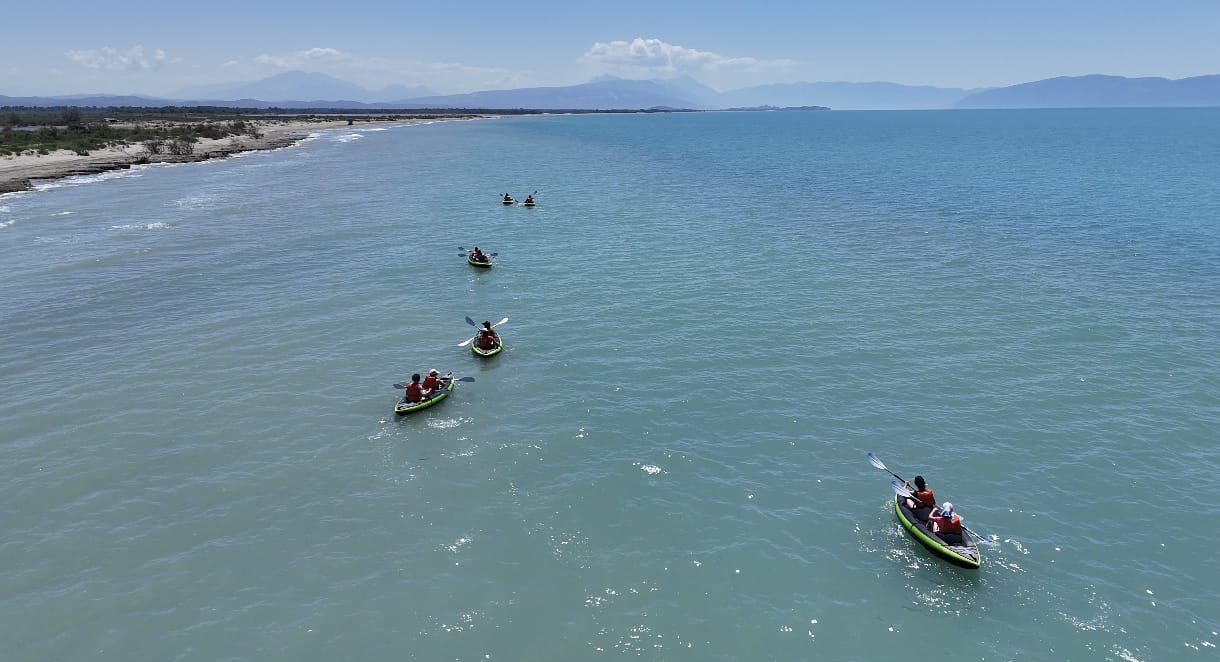
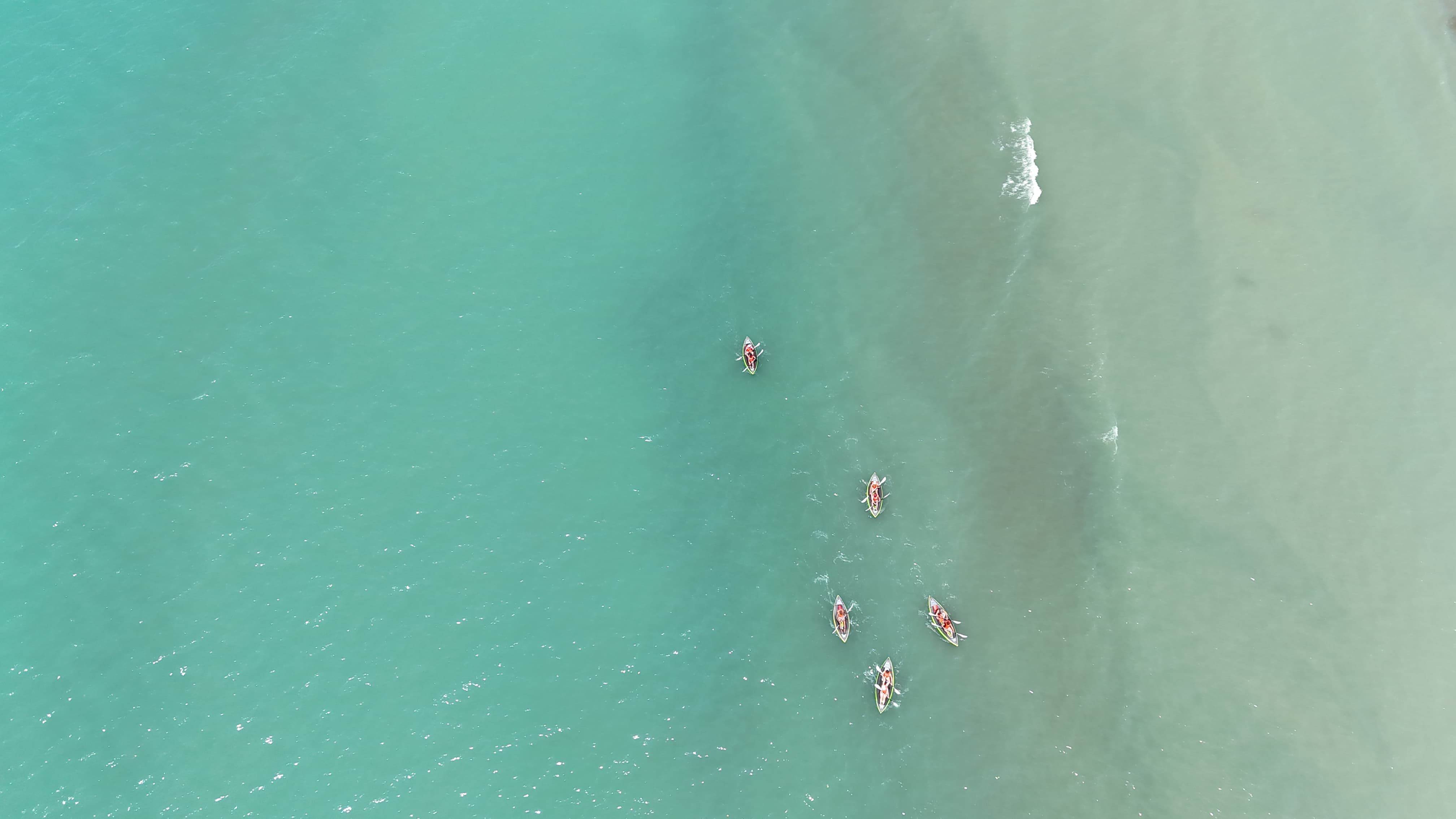
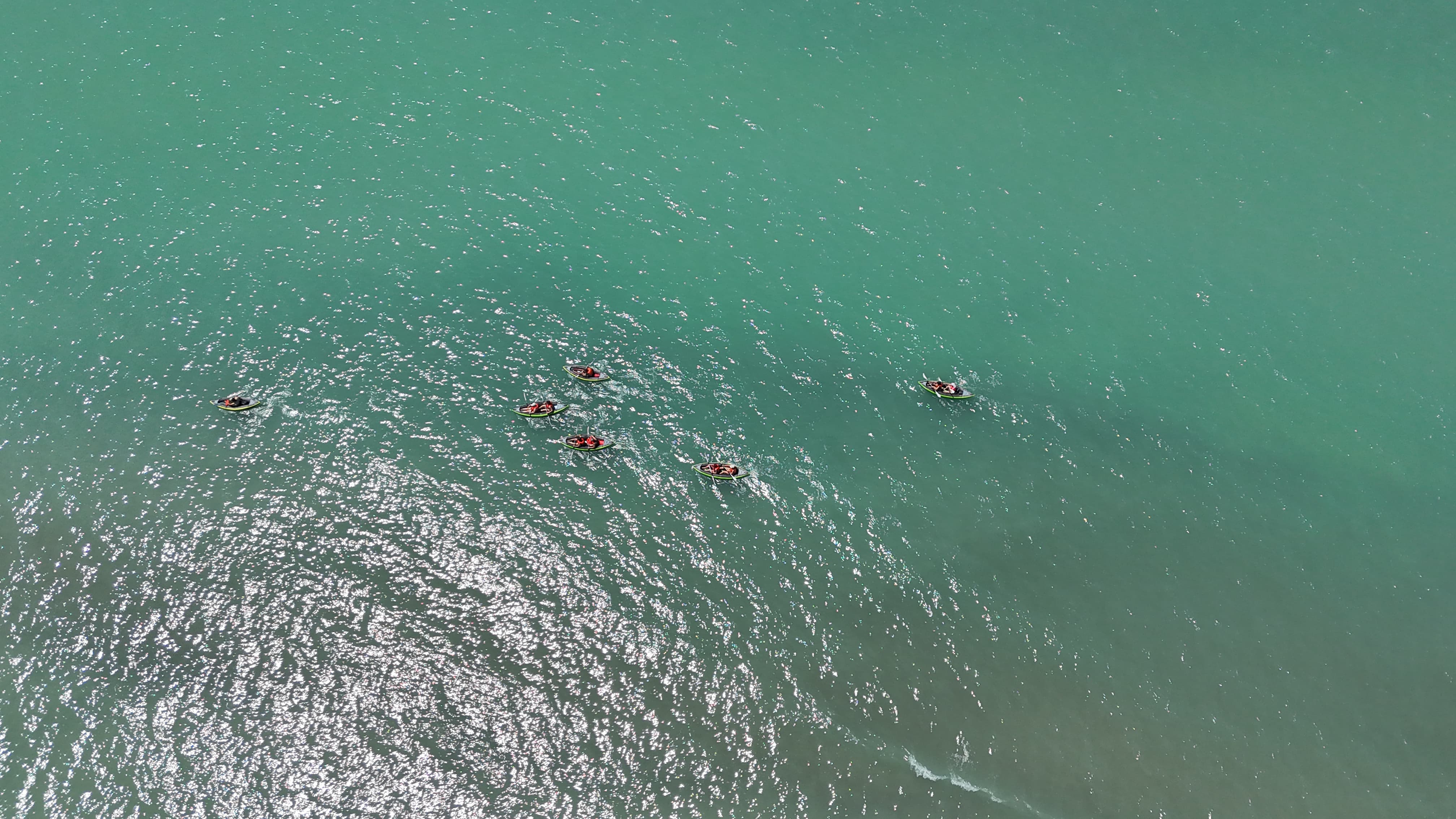
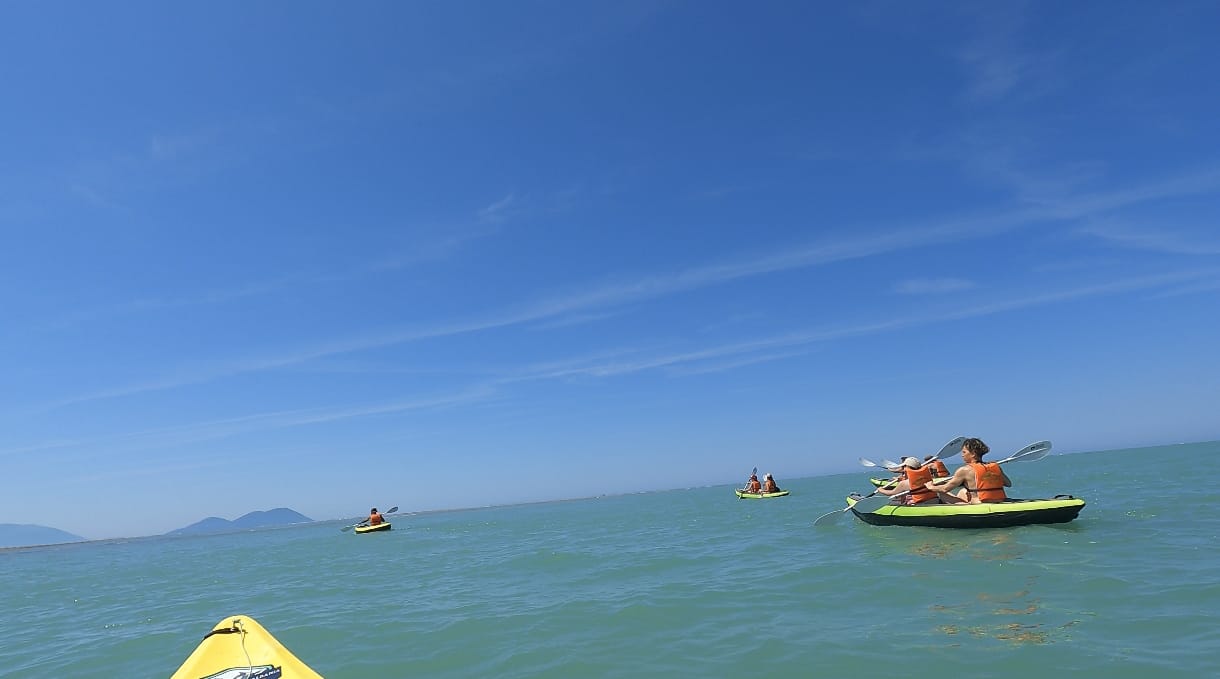
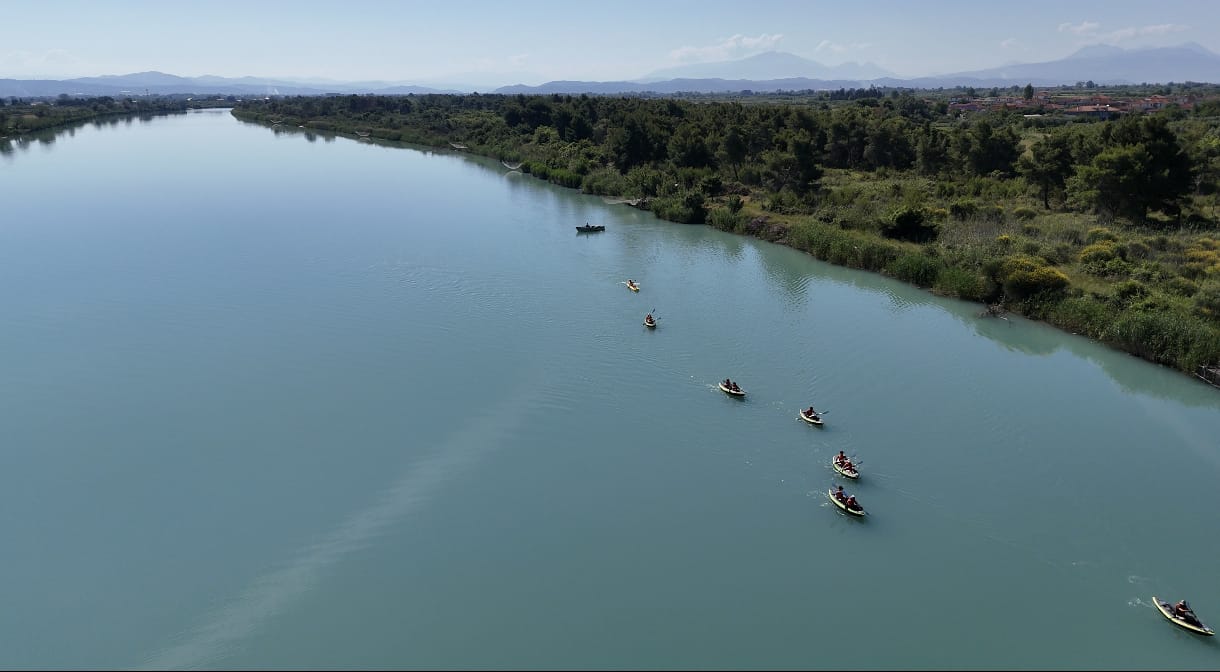
“Vlora Kayaking” is an initiative by Reality Escapers Albania that promotes sustainable adventure tourism in Vlora. Through guided kayaking tours in the Vjosa River, Shushica River, and Narta Lagoon, the project creates new experiences, supports local youth employment, and raises environmental awareness.
Albania
Regional
Vlore County and south of Albania
Mainly rural
It involves other types of transformations (soft investment)
Yes
2026-02-28
No
No
Yes
Organisation
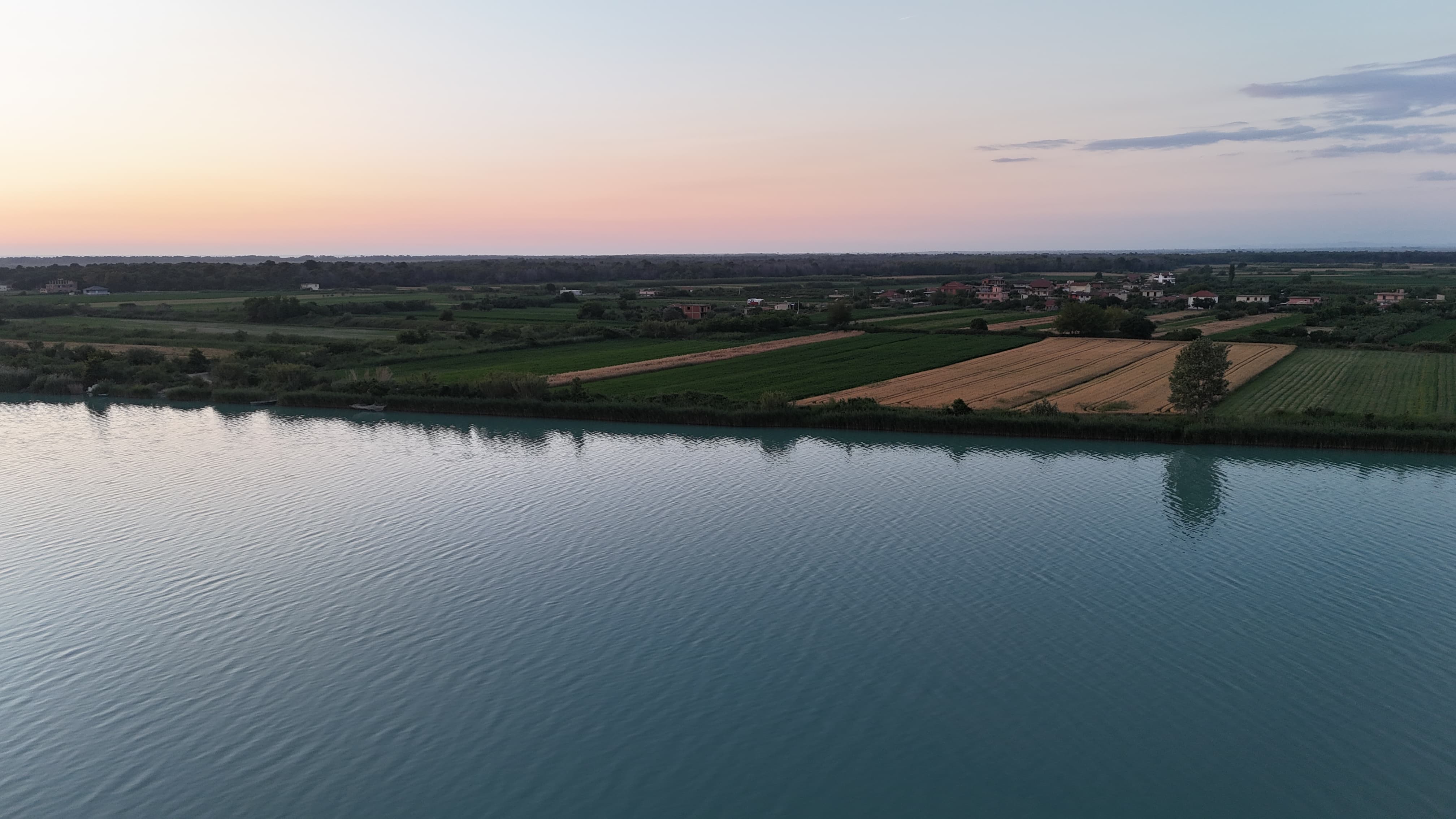
“Vlora Kayaking,” developed by Reality Escapers Albania, is an initiative focused on building a sustainable adventure tourism offer in Vlora. The project utilizes the region’s rich natural assets, including the Vjosa River, Shushica River, and Narta Lagoon, to create structured, safe, and environmentally responsible kayaking experiences for both local and international visitors.
So far, the project has achieved key milestones through the organization of pilot kayaking tours in selected areas. These activities have allowed the team to test routes, improve safety protocols, and refine the overall visitor experience. The results show strong interest from tourists seeking active and authentic outdoor experiences, with positive feedback on both the quality of the tours and the natural beauty of the locations. At the same time, the initiative has begun engaging local youth by offering introductory training in kayaking and guiding skills, laying the foundation for future employment opportunities.
In the long term, “Vlora Kayaking” aims to create a lasting impact on the region’s economic, social, and environmental development. Economically, it will diversify the tourism offer beyond traditional beach tourism and extend the tourist season, generating new income for local businesses. Socially, it will empower local communities, especially young people, by building skills and creating sustainable jobs. Environmentally, the project promotes responsible tourism practices and raises awareness about the protection of rivers, lagoons, and coastal ecosystems.
By combining adventure tourism with environmental education and community involvement, “Vlora Kayaking” seeks to position Vlora as a key destination for nature-based tourism in Albania, ensuring long-term benefits for both the local community and the environment.
“Vlora Kayaking,” an initiative of Reality Escapers Albania, was born from a clear observation: despite the extraordinary natural potential of Vlora—including the Vjosa River, Shushica River, and Narta Lagoon—there was a lack of organized, safe, and sustainable adventure tourism activities. The idea emerged from the team’s direct experience in outdoor tourism and their desire to create meaningful, nature-based experiences that also contribute to local development and environmental protection.
The project began with exploratory field visits to identify suitable kayaking routes, assess water conditions, and evaluate safety requirements. This was followed by careful planning, including the design of tour itineraries, risk management measures, and the selection of appropriate equipment. At the same time, the team engaged with local communities and young people, introducing them to the concept and involving them in early-stage activities.
Implementation on the ground started with small-scale pilot tours. These initial experiences were essential for testing logistics, improving guiding techniques, and ensuring high safety standards. Feedback from participants played a key role in refining the tours and shaping the overall experience. Parallel to this, the project invested in building local capacity by offering basic training sessions in kayaking and outdoor guiding, creating the first group of potential local guides.
Partnerships and collaboration have also been an important part of the process, helping to strengthen the project’s credibility and outreach. Step by step, “Vlora Kayaking” has evolved from an idea into a structured initiative, with a clear vision for growth.
Today, the project continues to expand its activities, aiming to establish a sustainable model of adventure tourism that connects people with nature while generating positive impacts for the local community and the environment.
Sustainable tourism
Nature-based adventure
Environmental awareness
Youth empowerment
Community development
“Vlora Kayaking,” developed by Reality Escapers Albania, addresses environmental, social, and economic challenges through a holistic and sustainable approach to tourism in Vlora. The project is built around the responsible use of natural assets such as the Vjosa River, Shushica River, and Narta Lagoon, transforming them into platforms for low-impact, nature-based activities.
Environmentally, the project promotes kayaking as a non-motorized, low-emission activity that minimizes disturbance to ecosystems. It integrates environmental education into every tour, encouraging participants to respect biodiversity, reduce waste, and understand the importance of preserving aquatic habitats. By raising awareness and fostering direct connections with nature, the project contributes to long-term conservation efforts.
Socially, “Vlora Kayaking” creates inclusive opportunities for local communities, particularly young people. Through training and employment as guides, it builds local capacities and encourages active participation in sustainable tourism. This not only strengthens community engagement but also promotes a sense of ownership and responsibility toward natural resources.
Economically, the project diversifies the local tourism offer, extending activity beyond the peak summer season and generating new income streams for local businesses. It supports a model of responsible growth that balances economic benefits with environmental protection.
The project is exemplary in terms of sustainability because it integrates environmental protection, community empowerment, and economic development into a single, scalable model. By combining adventure tourism with education and local involvement, it demonstrates how tourism can be both impactful and regenerative, ensuring long-term benefits for people and nature alike.
“Vlora Kayaking,” developed by Reality Escapers Albania, enhances the beauty of everyday life by creating meaningful connections between people and the natural landscapes of Vlora. Through guided experiences in the Vjosa River, Shushica River, and Narta Lagoon, the project transforms these environments into immersive spaces where nature, movement, and sensory experience come together in a harmonious way.
On a daily level, the project offers participants moments of calm, exploration, and inspiration. Gliding through clear waters, observing wildlife, and experiencing untouched landscapes allows individuals to disconnect from routine and reconnect with nature. These experiences contribute to personal well-being and create lasting emotional connections with the environment.
At the community level, the project fosters a renewed appreciation for local natural heritage. By involving local youth as guides and ambassadors of these landscapes, it strengthens their sense of pride and belonging. This active engagement encourages communities to care more deeply for their surroundings and to see natural spaces not only as resources, but as shared cultural and aesthetic assets.
In the long term, “Vlora Kayaking” contributes to shaping a more attractive and identity-driven destination. By promoting slow, respectful, and experience-based tourism, it enhances the visual and cultural value of Albania and Vlora region without overdevelopment or environmental degradation. The project supports a vision of beauty rooted in authenticity, simplicity, and harmony with nature.
It can be considered exemplary in terms of aesthetics because it does not impose artificial elements on the landscape, but instead reveals and amplifies the existing beauty of natural ecosystems. By combining human experience with environmental respect, it creates a model where aesthetics are directly linked to sustainability, well-being, and a strong sense of place.
“Vlora Kayaking,” actively promotes inclusion by ensuring that adventure tourism experiences in Vlora are accessible and beneficial to a wide range of participants. The project is designed to provide opportunities for both local residents and visitors from diverse backgrounds, including youth, families, and people with varying levels of experience in outdoor sports. By offering guided tours with adaptable difficulty levels and clear safety protocols, it ensures that kayaking is approachable and enjoyable for beginners and experienced participants alike.
Affordability is addressed through tiered pricing and community-focused programs, including discounted rates for local residents and initiatives to involve schools and youth groups. This approach allows a broad spectrum of people to engage with nature-based activities, removing financial and social barriers that often limit access to adventure tourism.
In terms of governance and participation, the project emphasizes community involvement. Local youth are trained as guides and staff, giving them decision-making roles in planning tours and organizing events. This creates a participatory model where the community is directly involved in shaping services that impact both economic opportunities and environmental stewardship. The project also collaborates with local authorities and environmental organizations to ensure that its activities align with broader social and ecological goals, fostering inclusive and transparent decision-making.
“Vlora Kayaking” is exemplary in inclusion because it combines physical accessibility, affordability, and participatory governance into a single model. By enabling diverse groups to engage with outdoor tourism and by empowering local communities to co-create and manage activities, the project not only provides equal opportunities but also strengthens social cohesion and a sense of shared responsibility for the region’s natural and cultural heritage
“Vlora Kayaking,” led by Reality Escapers Albania, has been designed around active participation from citizens, local communities, and civil society organizations in Vlora. From the early stages, the project engaged local youth, community leaders, and environmental groups to co-shape the design of kayaking routes, safety protocols, and tour experiences. Local residents were consulted to identify areas of cultural and ecological importance, ensuring that activities would respect both community values and sensitive ecosystems.
Civil society organizations, including environmental NGOs, contributed expertise in sustainable tourism practices, environmental education, and habitat conservation. They collaborated on educational components integrated into tours, raising awareness among participants about biodiversity, water preservation, and responsible outdoor behavior. Youth participants were actively involved as trainees and guides, gaining practical skills and decision-making experience in managing tours and interacting with visitors.
The participatory approach has had multiple impacts. First, it strengthened community ownership of the project, fostering pride and responsibility for local natural resources. Second, it improved the quality and sustainability of services, as local insights and expertise informed route planning, safety measures, and visitor experience. Third, it built capacity among young people and local organizations, creating a skilled pool of guides and community advocates for sustainable tourism.
“Vlora Kayaking,” developed by Reality Escapers Albania, was implemented with a multilevel governance approach, engaging stakeholders across local, regional, national, and European levels. At the local level, municipal authorities, community leaders, and local environmental groups were consulted to select suitable kayaking routes, ensure safety standards, and integrate the project into existing community development plans. Their input ensured the project reflected local priorities and cultural sensitivities, fostering community ownership.
At the regional level, tourism boards and regional environmental agencies contributed to strategic planning, providing insights on sustainable tourism trends, regional promotion, and ecological protection measures. Their involvement helped align the project with broader regional development goals, ensuring connectivity with other tourism initiatives along the Adriatic and Ionian coastlines.
National-level stakeholders, including the Ministry of Tourism and environmental institutions, provided guidance on regulatory compliance, safety certifications, and environmental protection standards. Their support was crucial for legitimizing the project and creating opportunities for scaling sustainable tourism initiatives throughout Albania.
“Vlora Kayaking,” developed by Reality Escapers Albania, integrates multiple disciplines and knowledge fields to ensure a holistic and sustainable approach to adventure tourism in Vlora. Environmental sciences played a central role, informing the selection of kayaking routes, understanding ecosystem sensitivities, and integrating conservation principles into all activities. This ensured that tours are low-impact and support biodiversity preservation in rivers, lagoons, and coastal areas.
Social sciences contributed to community engagement and participatory planning, guiding the training of local youth, assessing community needs, and fostering social inclusion and equitable access. Education principles were embedded through environmental awareness activities during tours, combining experiential learning with recreational experiences.
Design and outdoor recreation planning informed the creation of safe, functional, and enjoyable kayaking routes and itineraries, ensuring accessibility and aesthetic quality. Tourism management and hospitality disciplines guided operational planning, service quality, and visitor experience. Additionally, digital technologies supported booking systems, mapping, and communication with participants, enabling efficient management and wider reach.
This transdisciplinary integration allows “Vlora Kayaking” to balance environmental sustainability, social impact, economic development, and user experience, making the project both innovative and exemplary as a model for sustainable, nature-based tourism.
“Vlora Kayaking,” developed by Reality Escapers Albania, operates a hybrid B2B and B2C business model, combining direct service offerings to individual tourists with partnerships and services for businesses and organizations.
For the B2C segment, the project generates revenue by offering guided kayaking tours, packages, and educational experiences for domestic and international visitors. Pricing is structured to balance affordability with quality, allowing the project to attract a broad range of participants while maintaining financial viability. Value-added services, such as customized itineraries, equipment rental, and eco-experience workshops, provide additional revenue streams.
For the B2B segment, the project collaborates with hotels, travel agencies, corporate clients, and tour operators. These partnerships involve offering bundled tourism packages, corporate team-building events, educational programs, and promotional activities that integrate kayaking experiences into larger travel products. By working with other businesses, the project increases market reach, diversifies income, and ensures a steady flow of participants throughout the season.
“Vlora Kayaking” has several elements that make it highly scalable and transferable to other locations, target groups, and contexts.
Methodology and Tour Design: The structured approach to guided kayaking, including route planning, safety protocols, environmental education, and tiered difficulty levels, can be replicated in other rivers, lagoons, or coastal areas across Albania or internationally. The methodology ensures a consistent, safe, and high-quality experience adaptable to different natural and cultural environments.
Training and Capacity Building: The model of training local youth as certified kayaking guides can be applied to other communities. This approach combines skills development, employment opportunities, and environmental stewardship, creating a replicable template for sustainable tourism workforce development.
B2B and B2C Revenue Model: The hybrid business model of combining direct consumer services with partnerships with hotels, travel agencies, and corporate clients can be transferred to other adventure tourism contexts, allowing for both local engagement and expanded market reach.