Enhancing Circularity, Sustainability, and Innovation
Brewing grain and earth.
Research into materials derived from brewery waste
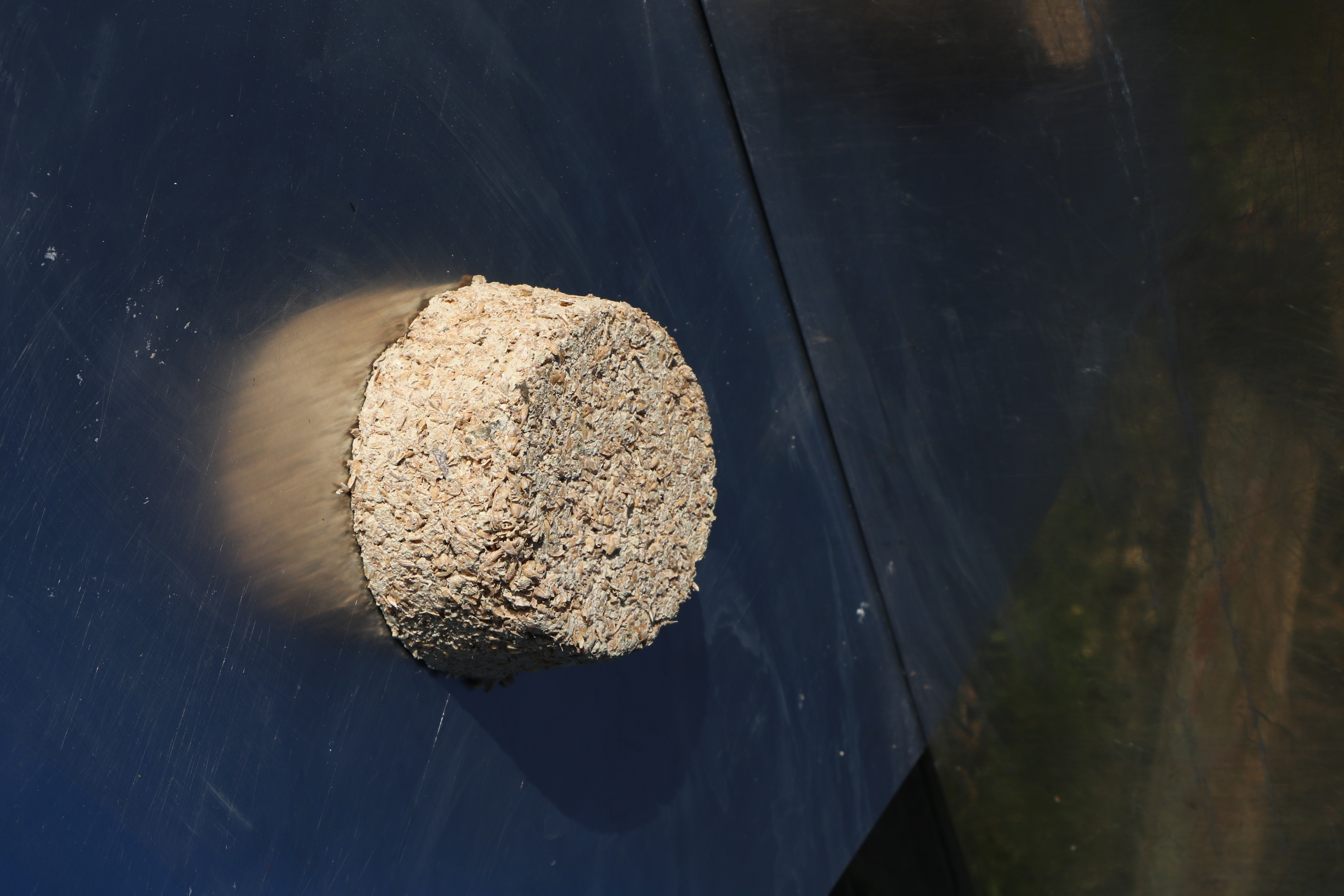
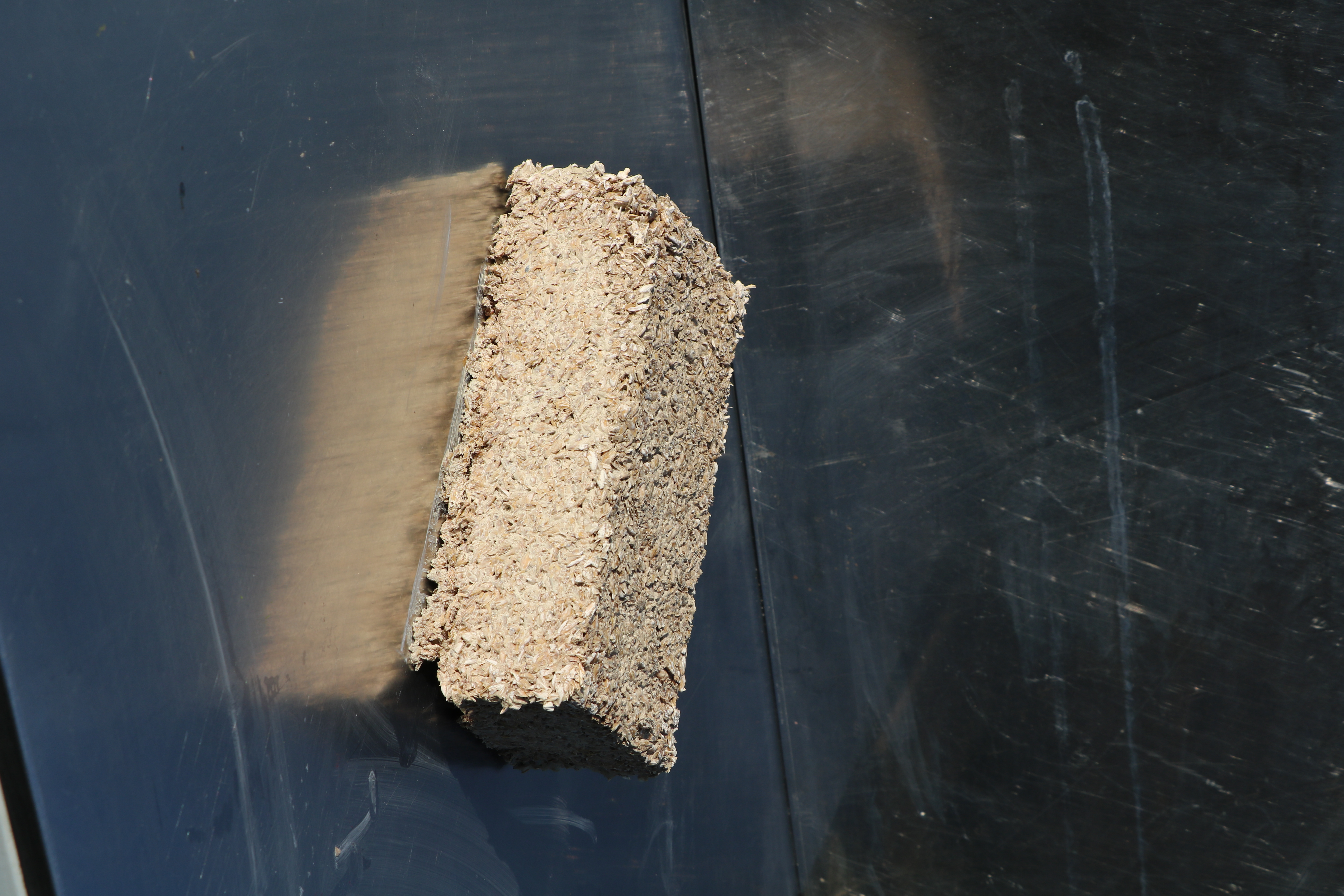
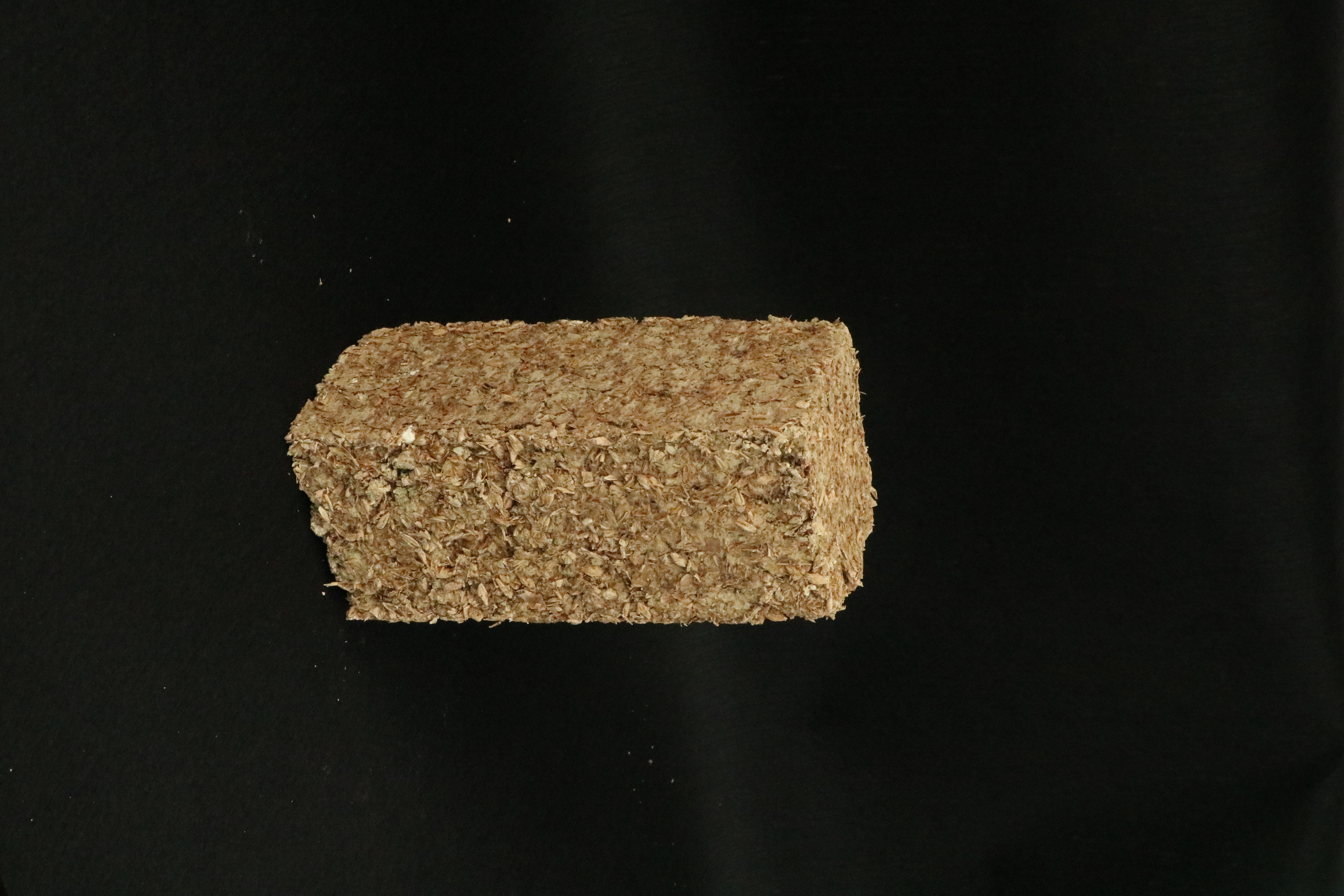
The largest waste product in the brewing industry is spent grain—the leftover grains that, after being steeped in the mash, are removed and discarded. This material has numerous properties, and conducting research on its potential applications in architectural construction seems relevant. This research is organized around three main categories: bricks, panels, and renderings. What are the potential applications and construction uses for a material made from spent grain?
France
Regional
Grand-Paris
Mainly urban
It involves a physical transformation of the built environment (hard investment)
Prototype level
No
No
No
Organisation
Our research is based on experiments with mixtures combining:
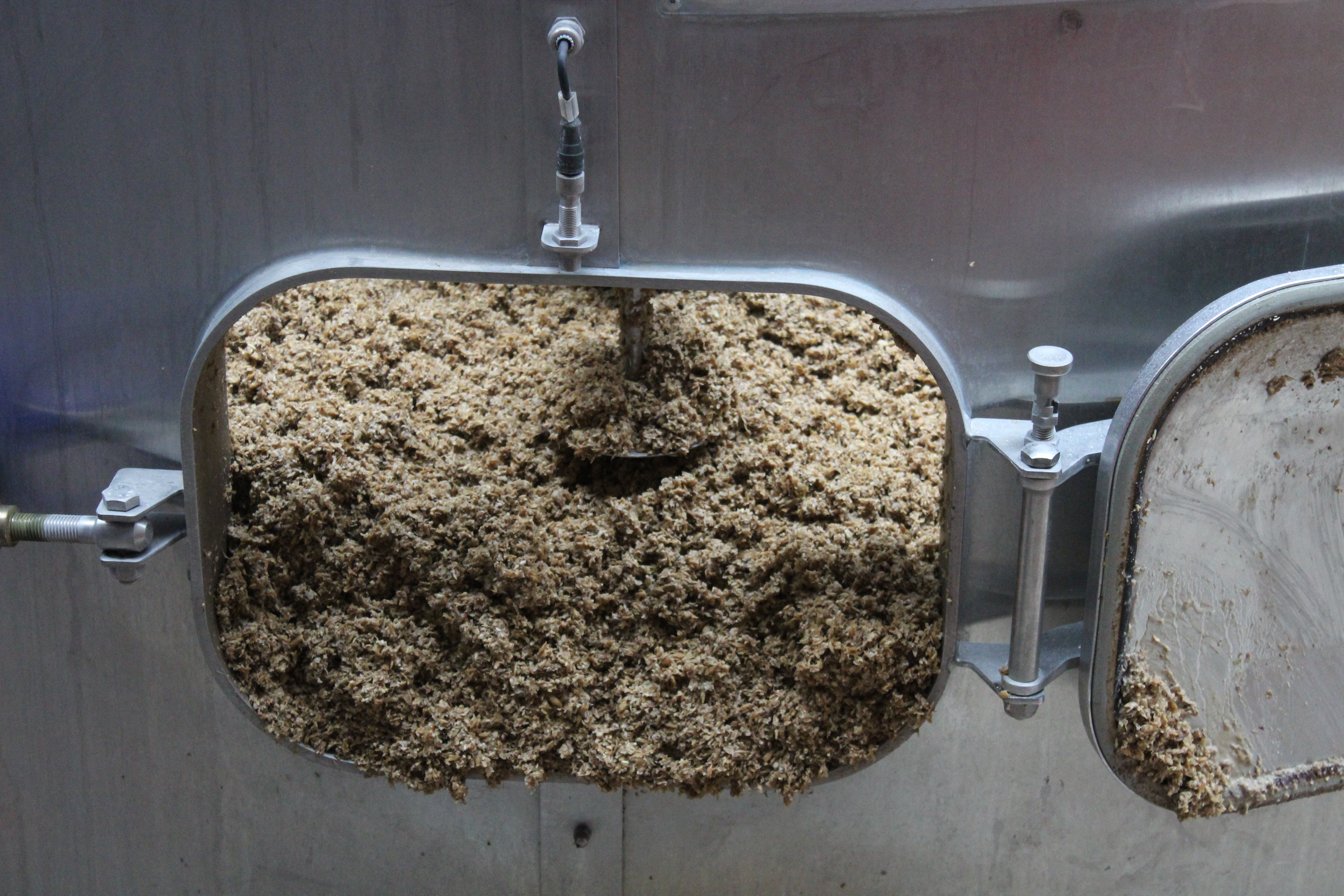
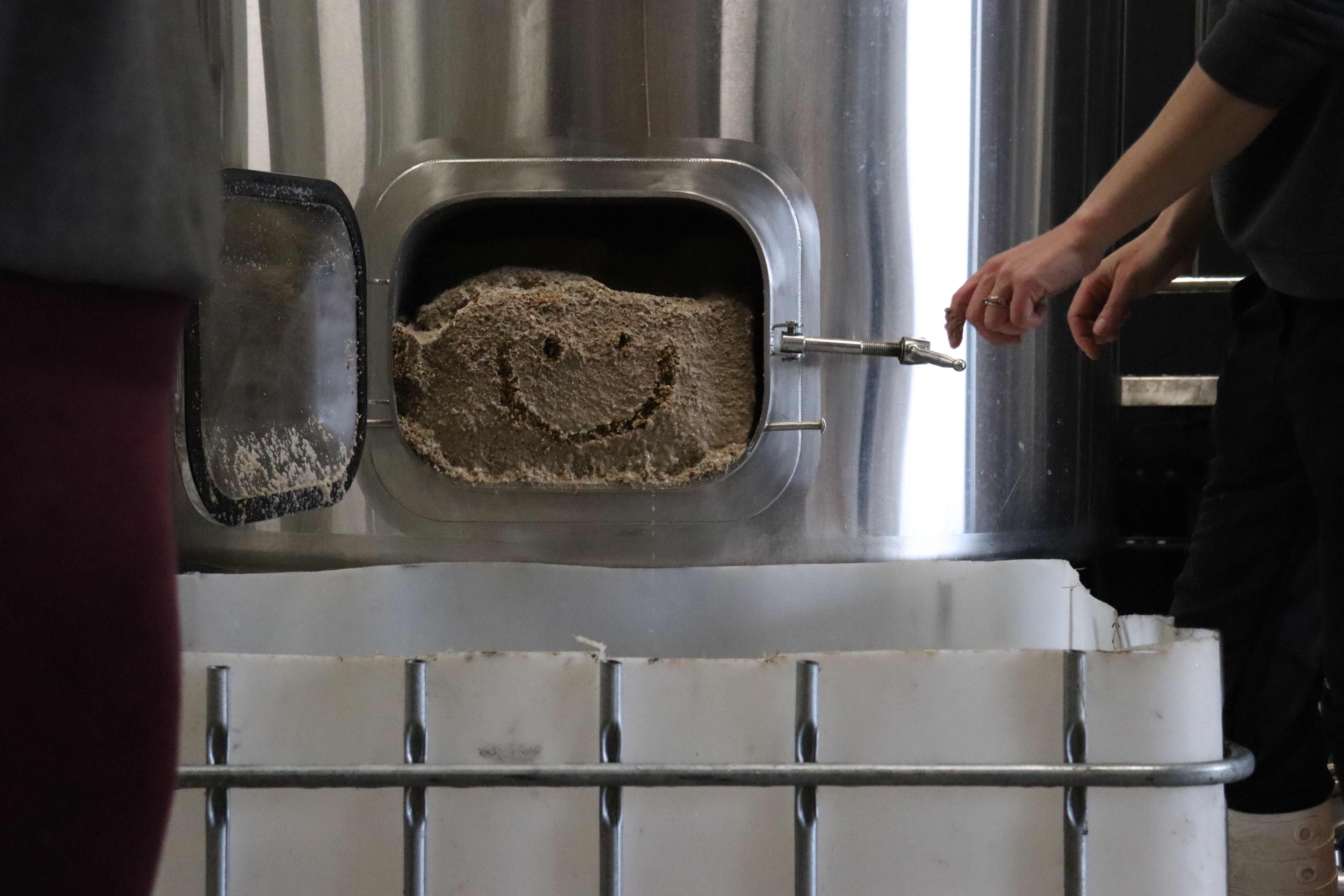
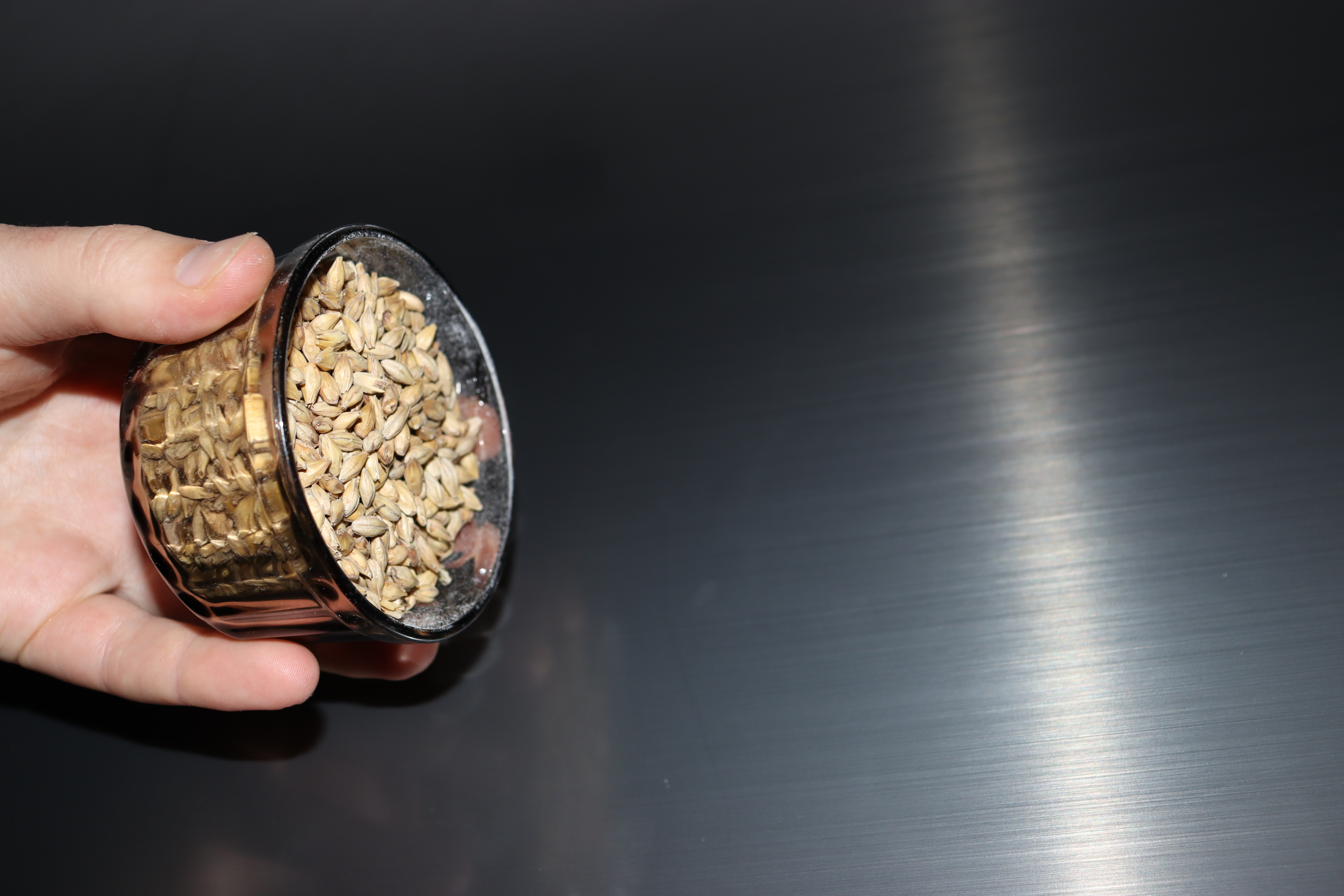
1. Spent grain: the cereal residue that remains in the vat after the beer has been brewed and the wort has been drawn off.
2. Fill dirt: mineral soil excavated during various construction projects (foundations, terraces, basements, etc.)
These mixtures are created with the aim of developing new building materials using resources that are readily available locally in an urban setting. We are testing three types of applications: infill bricks, insulation panels, and plaster.
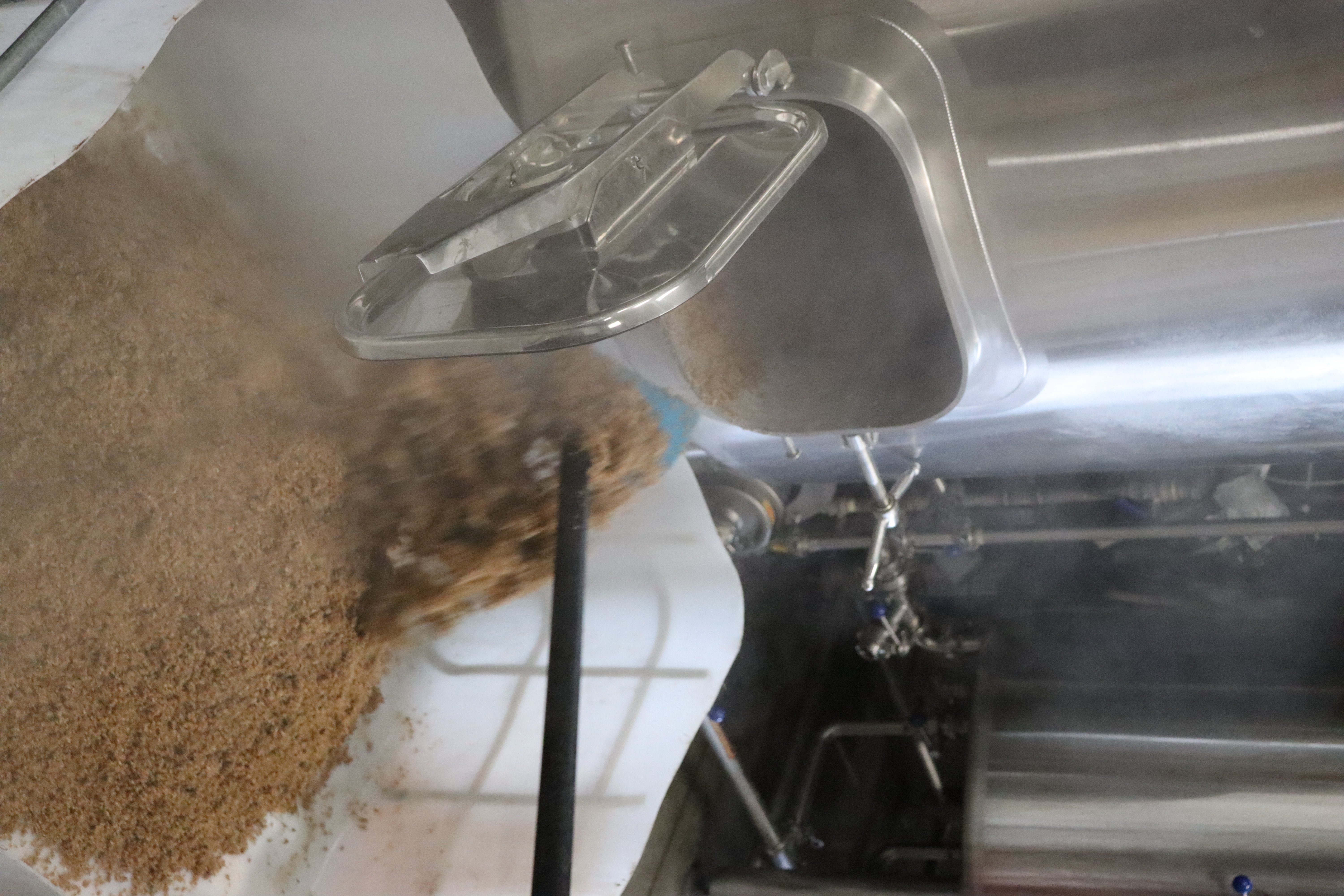
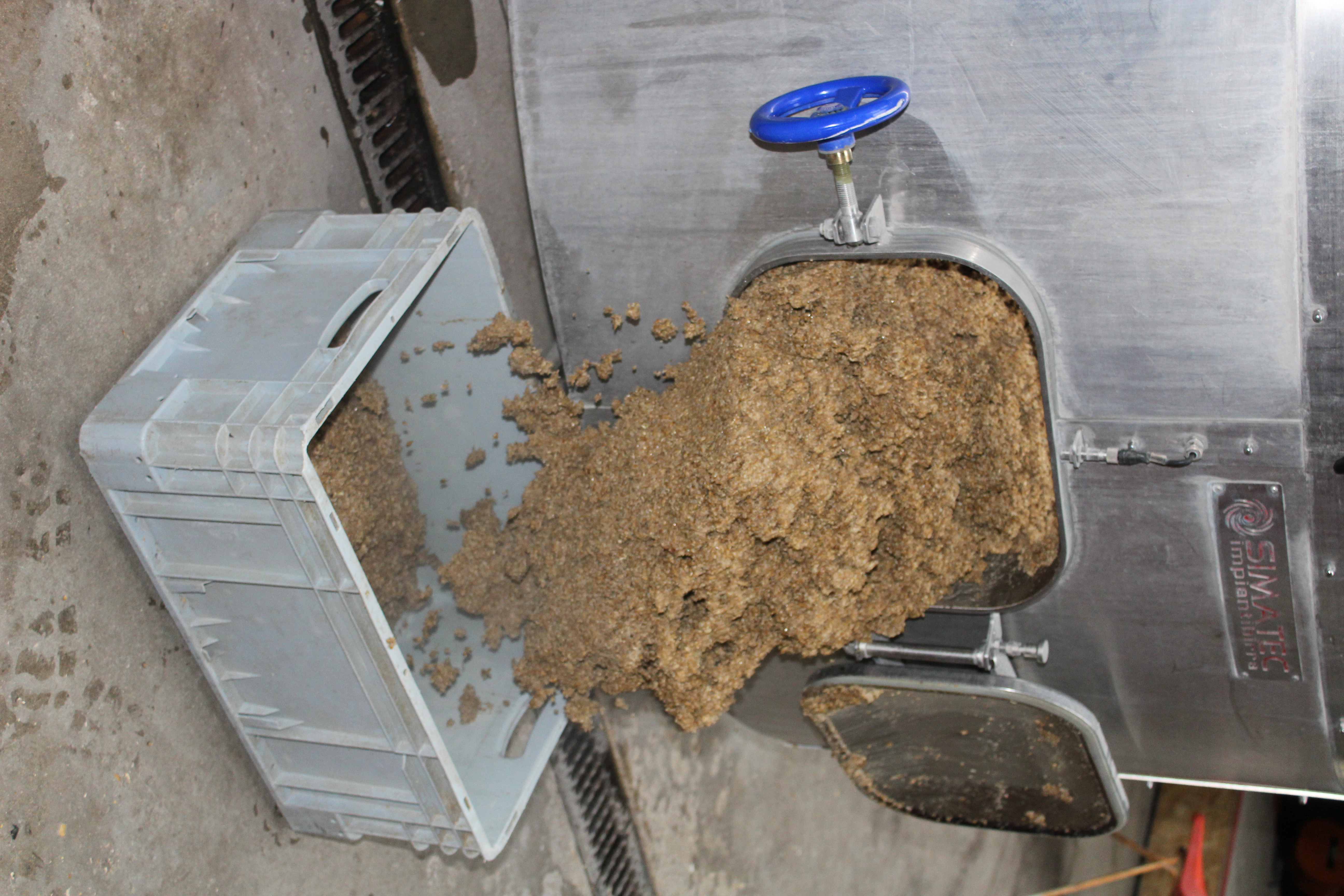
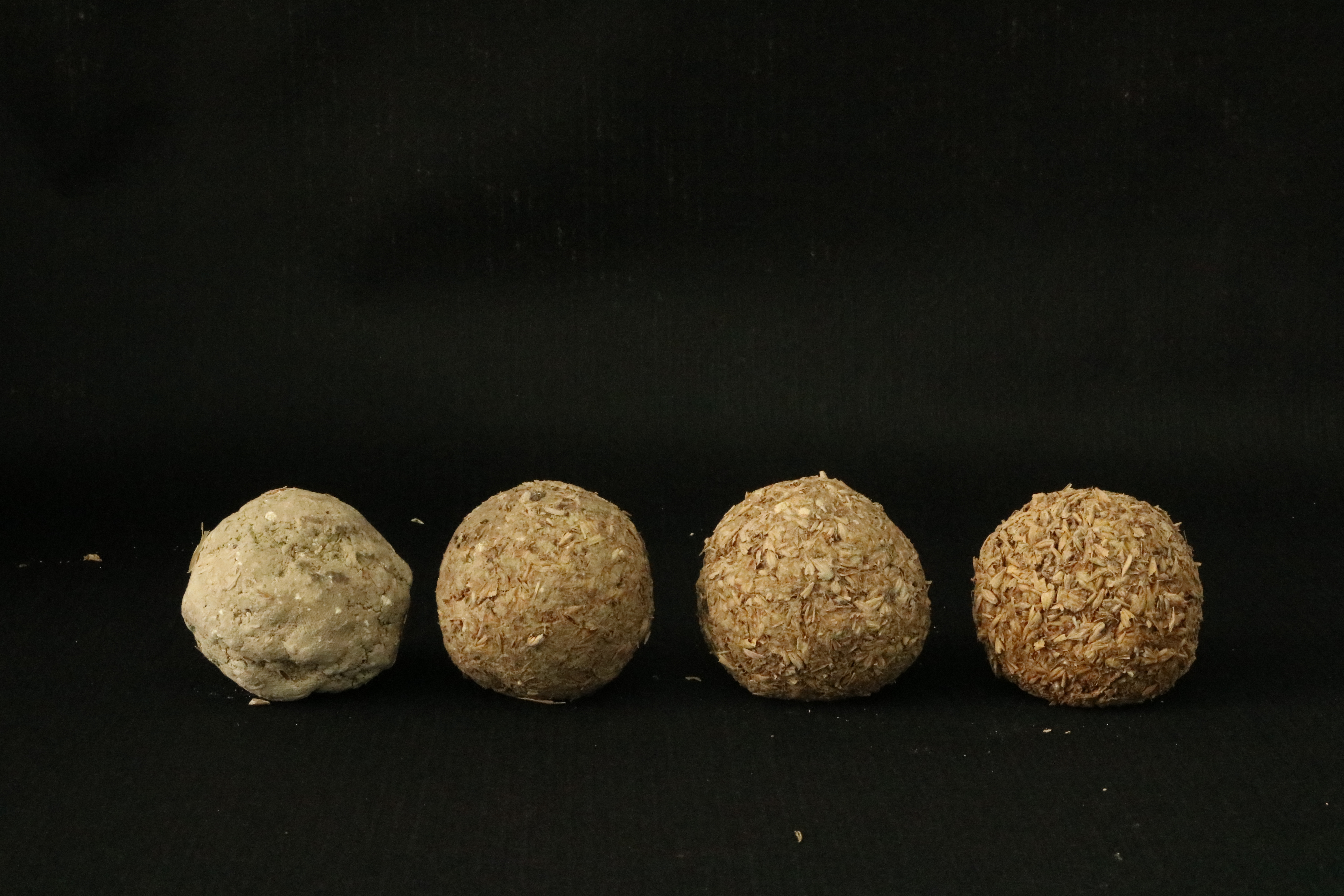
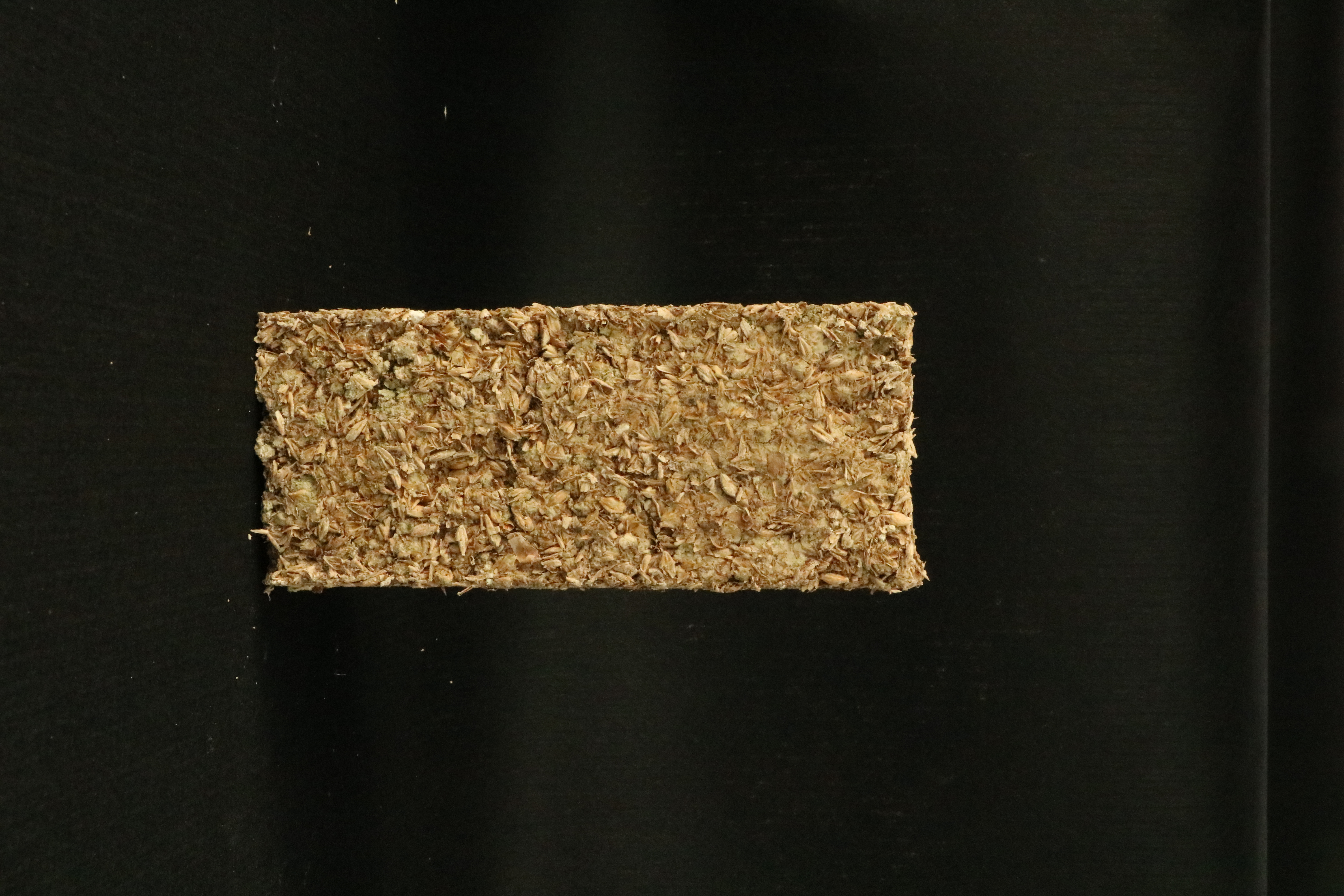
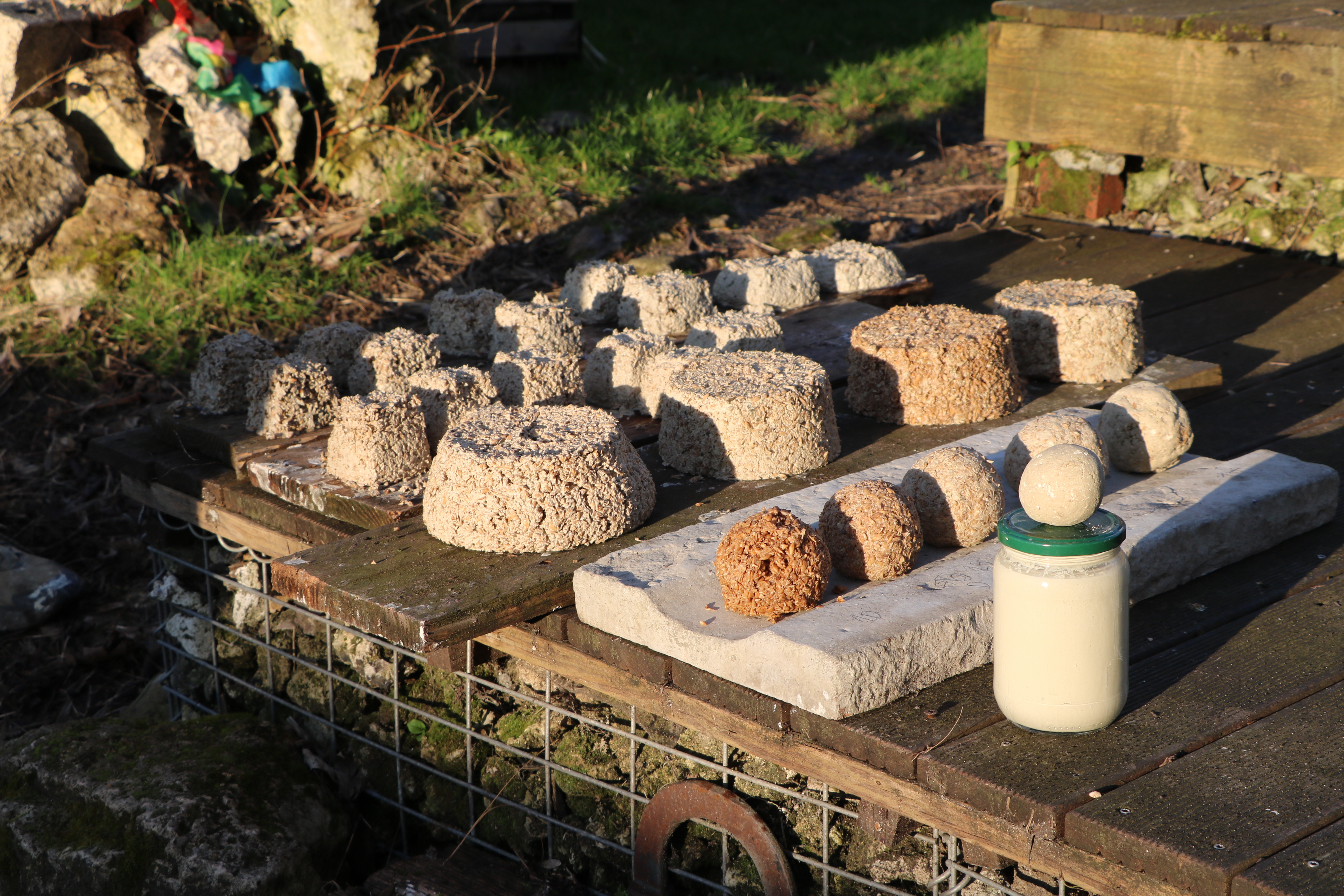
The first series of tests allowed us to produce high-quality bricks with the correct proportions of spent grain and fill dirt, which encouraged us to test these recipes on larger blocks. The most conclusive tests yielded very lightweight mixtures with a very low density, indicating good thermal and/or acoustic insulation properties. Using an automatic screen at the brewery tank outlet allows us to separate the two components of the spent grain: the paste, which we will use for the render, and the fiber for the bricks and panels.
The next step in the process is to conduct these material tests by scaling up the prototypes until we achieve a complete (nonstructural) wall, from the filling to the insulation and the plaster.
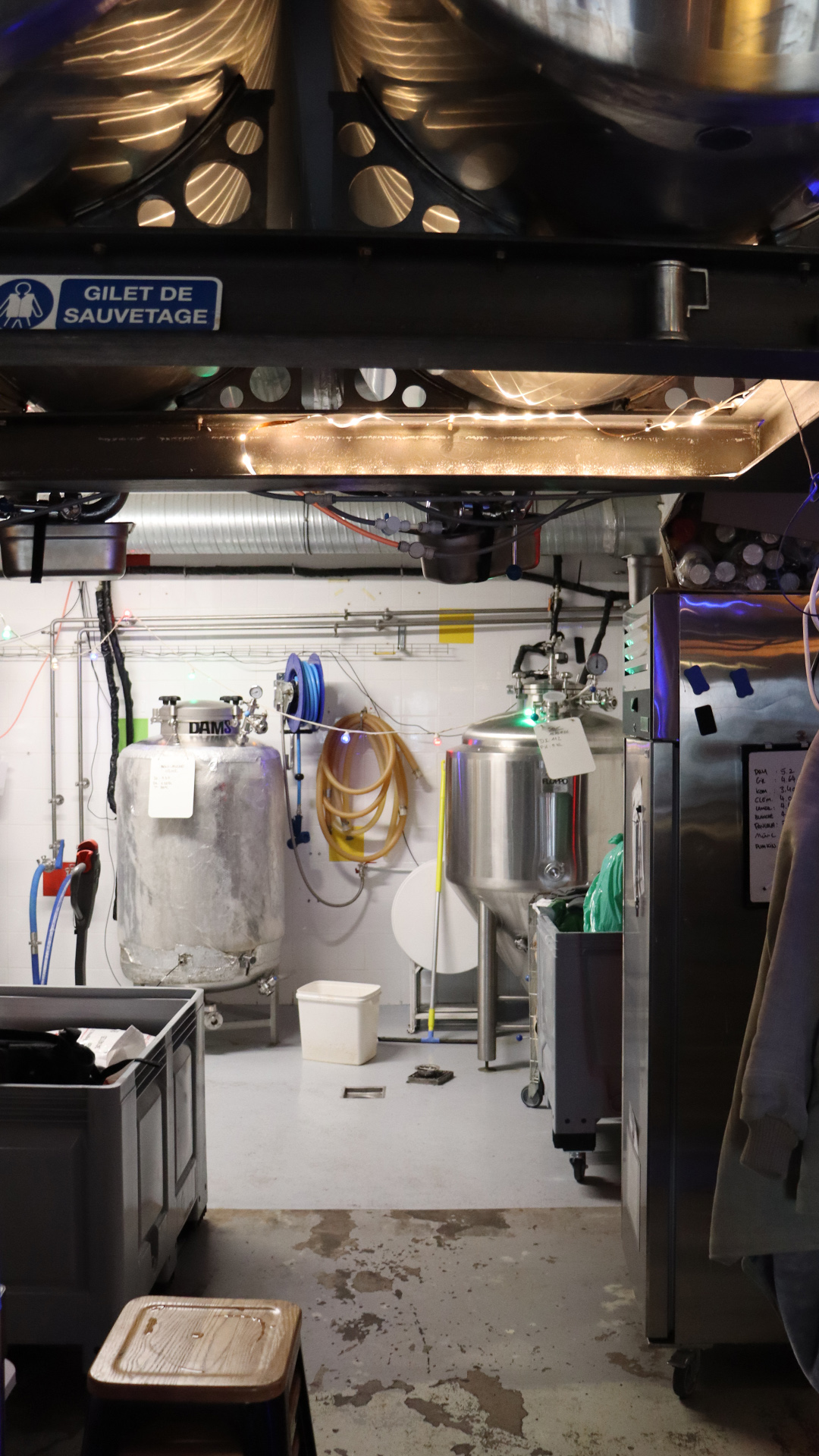
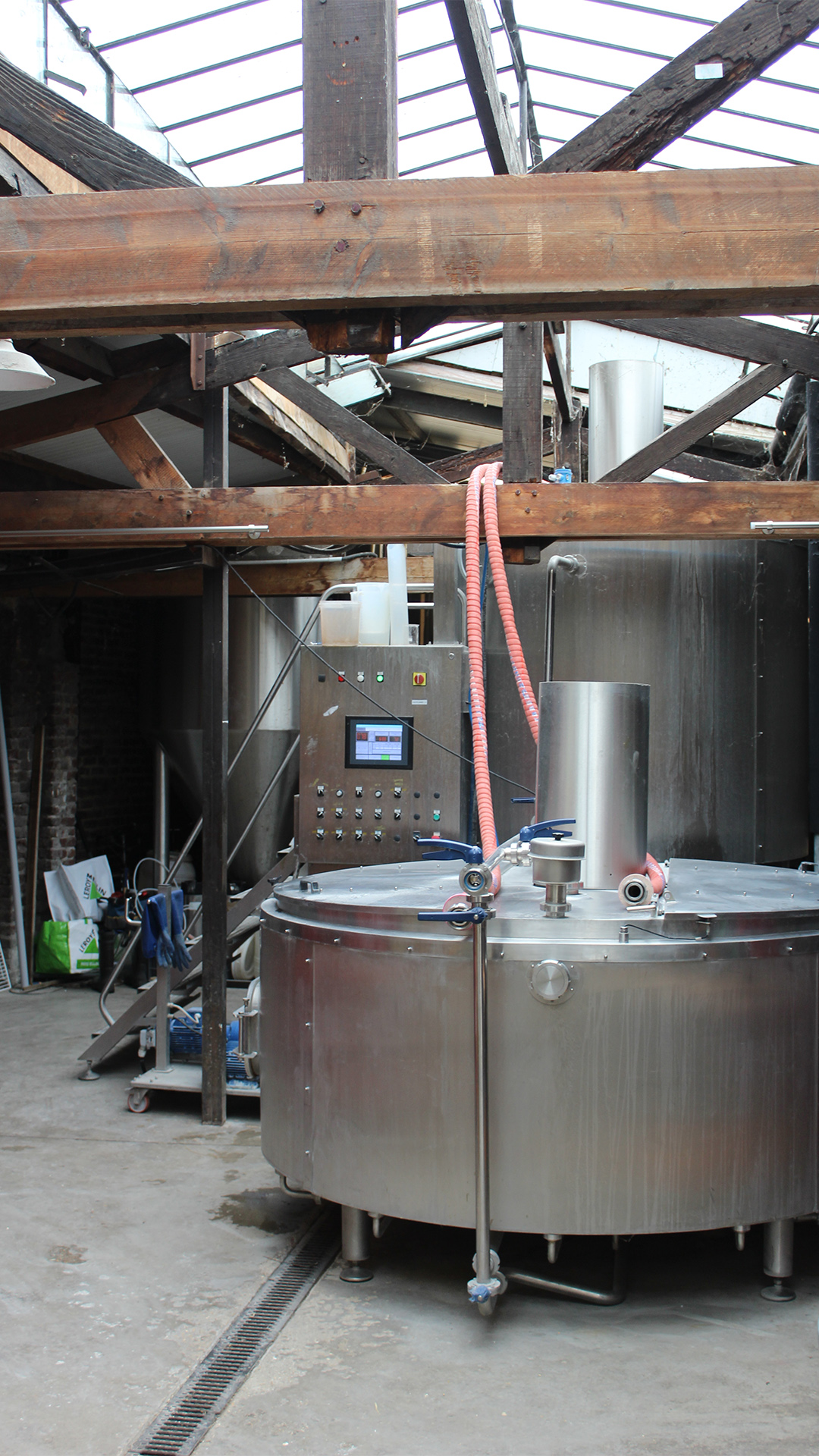
It all began with a meeting with the brewers at the Outland microbrewery in Fontenay-sous-Bois, a suburb of Paris. They told us about a problem they were having with spent grain management. Disposing of the spent grain involves significant costs and logistical challenges for the brewery, which is located in an urban setting. After discovering this material, we became interested in its potential on the scale of the Greater Paris metropolitan area. We studied the issue and visited microbreweries and craft breweries in Paris, realizing the scale of this waste, with an annual production of 3,000 tons. The production of spent grain across the Paris metropolitan area is therefore significant. This encourages us to continue our research to transform this cereal waste into a building material by combining it with another natural material available in the Paris region. We turned to soil, a resource whose disposal also represents a significant cost on construction sites. We have therefore established a local cooperation network to collect it free of charge.
Recycled and waste-derived materials
Local artisanal production
Circular economy
Energy-efficient renovation
Community-led construction projects
Given the rising cost of materials and the increasing rarity of resources, we believe it is important to focus on extending the lifespan of buildings rather than demolishing them. Through this project, we aim to address the issue of thermal renovation in urban environments by creating a local, short-chain material derived from urban waste.
Unlike other forms of reuse, such as recycled plastic or glass, we are interested in mixtures of natural materials—sand, soil, straw, and clay—without petrochemical additives.
Finally, disposing of spent grain requires significant logistics and energy costs to manage it in urban areas. It is primarily used for anaerobic digestion and animal feed, but its use remains limited and does not fully utilize its potential. We propose a transformation process that incurs no additional energy costs. Once installed, it also reduces the energy consumption of the converted buildings by improving their thermal insulation.
We all know today that architecture based on natural materials enhances comfort in our homes. With the increase in heat waves in recent years, we are becoming more aware of the need to create insulation that can keep interiors cool. Insulation made from spent grain offers low thermal inertia and fits into the category of breathable materials that allow moisture to circulate through the walls, preventing mold and respiratory issues for residents.
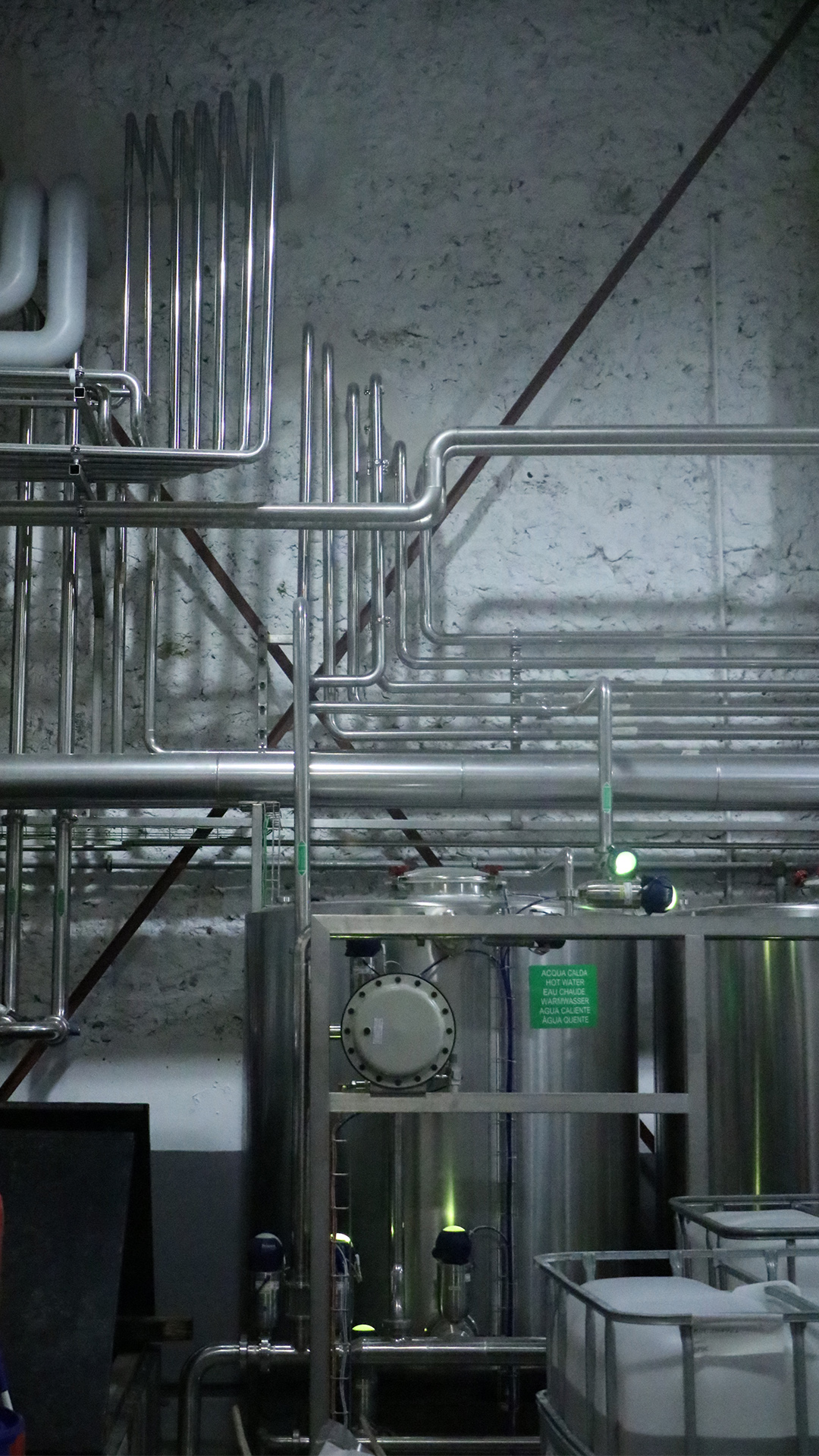
In addition to homes, the brewers we met told us about their difficulties managing temperature fluctuations in their brewing facilities. They operate in uninsulated spaces that are difficult to heat or cool and require significant investment in heating. We believe this new insulation made from spent grain would directly benefit breweries. Our long-term goal is to develop a rapid production method that allows for on-site manufacturing. Breweries would be able to insulate their facilities using spent grain they have produced themselves, thereby creating a particularly meaningful local supply chain.
From an aesthetic perspective, spent grain offers a wide range of colors and numerous creative possibilities. Depending on the type of beer brewed, spent grain takes on different colors: dark for an amber beer, beige for a pale ale. This makes it possible to create a variety of color palettes and atmospheres based on the specific beer being brewed. Interior and exterior design can draw deeply from this new architectural material.
Breweries and brewpubs serve as social hubs for all communities and become an integral part of local life in the neighborhoods where they are established; examples include the Brasserie de la Goutte-d'Or and the WAB brewpub. The pub has become a space for reflection on society and its contemporary challenges. It must be open to everyone, regardless of gender, age, background, or social, economic, or cultural class. Beyond this basic inclusivity, the goal is for every person, in all their diversity, to feel genuinely welcome and integrated there. The bar is a horizontally distributed space, freely accessible to everyone. It is, par excellence, a place that fosters and cultivates community life. Given the various crises affecting the brewing market, enabling breweries to save money allows them to maintain production and prevent the closure of these social hubs.
In the architecture and construction industry, urban spread and the development of economic zones in suburban areas have distanced production chains from local materials. To integrate into the current construction sector, this project helps reduce costs across three stages: raw material recovery, production, and installation. Our project moves us closer to a short production chain and addresses these economic and environmental challenges, while ultimately creating a network of urban jobs.
In the architecture and construction industry, urban spread and the development of economic zones in suburban areas have distanced production chains from local materials. To integrate into the current construction sector, this project helps reduce costs across three stages: raw material recovery, production, and installation. Our project moves us closer to a short production chain and addresses these economic and environmental challenges, while ultimately creating a network of urban jobs.
Brewers are at the very heart of our project. The first step in our research involved visiting and meeting with about a dozen breweries in Paris and across France. In addition to providing us with deeper insights into the world of brewing, these meetings allowed us to better understand their needs and incorporate them into our planning from the very beginning. We see this project as an opportunity to integrate economic actors in the beer industry into a new economy centered on construction through the repurposing of their waste.
For our material experiments, we aim to include as many participants and actors from different backgrounds as possible. We have identified a variety of sites, with diverse audiences, to organize participatory building projects there. These projects are at the heart of our approach, as we believe in the importance of democratizing construction techniques. Inclusion must come through a sense of appropriation of the surrounding spaces, and co-construction models where anyone can participate in a project are particularly effective.
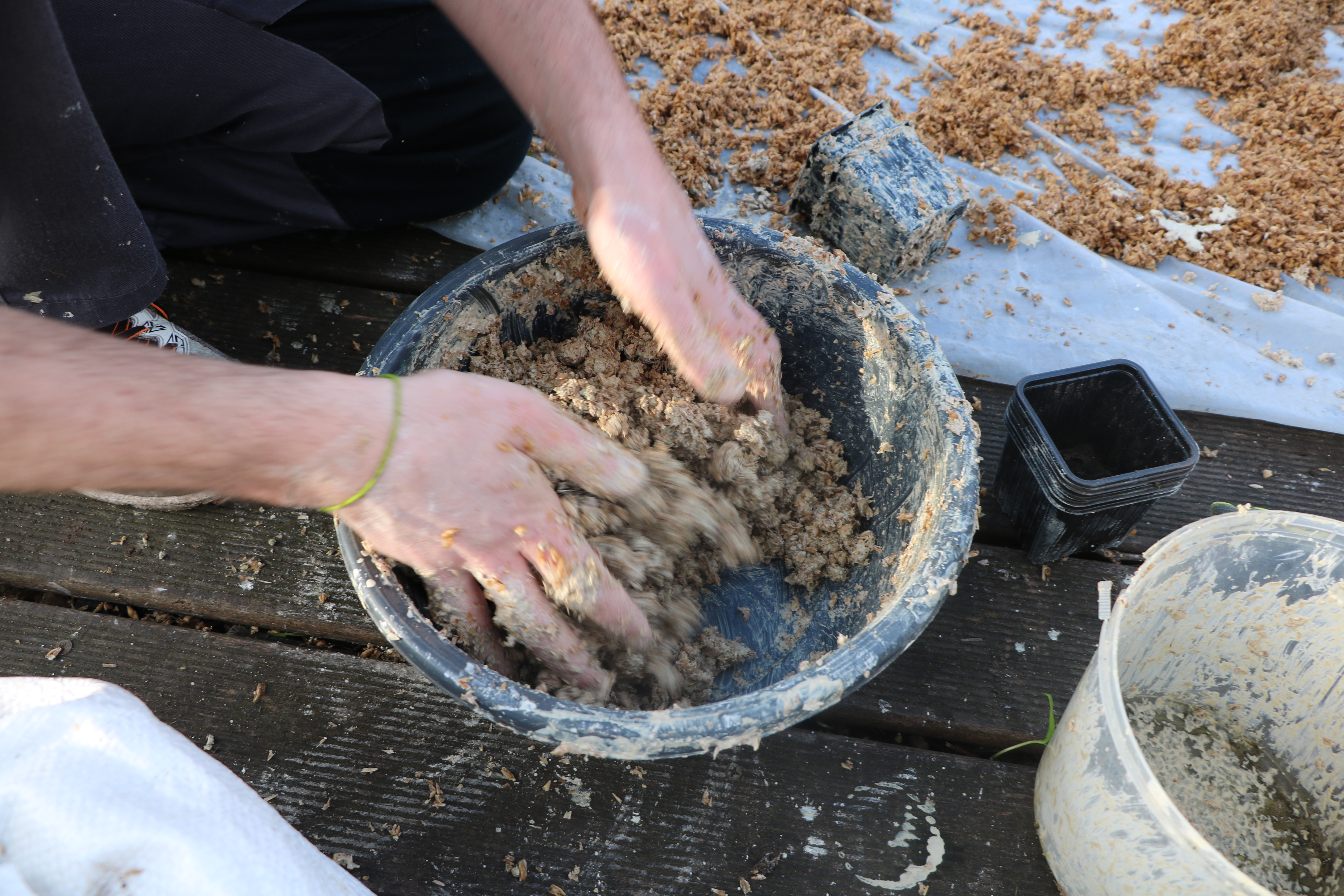
Our first experimental site is the Outland brewery; we collect the spent grain as it comes out of the tanks and conduct our experiments right there on site, allowing the brewpub's customers to discover this new production technique alongside us. The second site is a community garden in Montreuil that brings together residents from the surrounding neighborhoods. There, we organize fun experimental workshops for children to raise their awareness of architecture through the lens of eco-friendly materials. Finally, we are developing workshops with students from the Versailles School of Architecture to raise their awareness of the diversity of construction methods and the importance of full-scale prototyping.
Our project aims to promote the circulation of materials at the local, municipal, and even departmental levels. We seek to develop a regional cooperation network to transform these materials from waste into raw materials. We are based in Montreuil (93), a location where spent grain is already collected by public services; this is an existing network we plan to rely on to collect raw materials. In the same department, the company Cycle Terre offers a network for collecting fill earth. By joining these networks, we intend to develop the logistical resources and expertise in collaboration with various local stakeholders. Finally, we collaborate with the town halls of the municipalities where we are based to raise awareness of our project among as many people as possible.
Regarding the collective’s internal organization, we are a non-profit association and have established a co-presidency system. We discuss our various projects during weekly meetings and a special biannual assembly; these working sessions are organized horizontally, ensuring mutual listening, and decisions are debated democratically.
Regarding the collective’s internal organization, we are a non-profit association and have established a co-presidency system. We discuss our various projects during weekly meetings and a special biannual assembly; these working sessions are organized horizontally, ensuring mutual listening, and decisions are debated democratically.
Research into this building material opens the door to a wide range of disciplines: engineering, logistics, production systems, tooling, physics, chemistry, and more, as well as education through participatory construction projects and architecture.
Collecting spent grain requires us to integrate a complex logistics network; we must be able to collect a material that is heavy, odorous, and rapidly deteriorates according to the brewing schedule. For production, we are developing techniques derived from the food industry to extract and “cook” the various grains. For the testing phase, we are working on thermal resistance, as well as resistance to humidity, fire, vibrations, and temperature shocks… To position ourselves in the construction market, the materials we are studying must have certifiable qualities, in order to make the finished products as refined as possible.
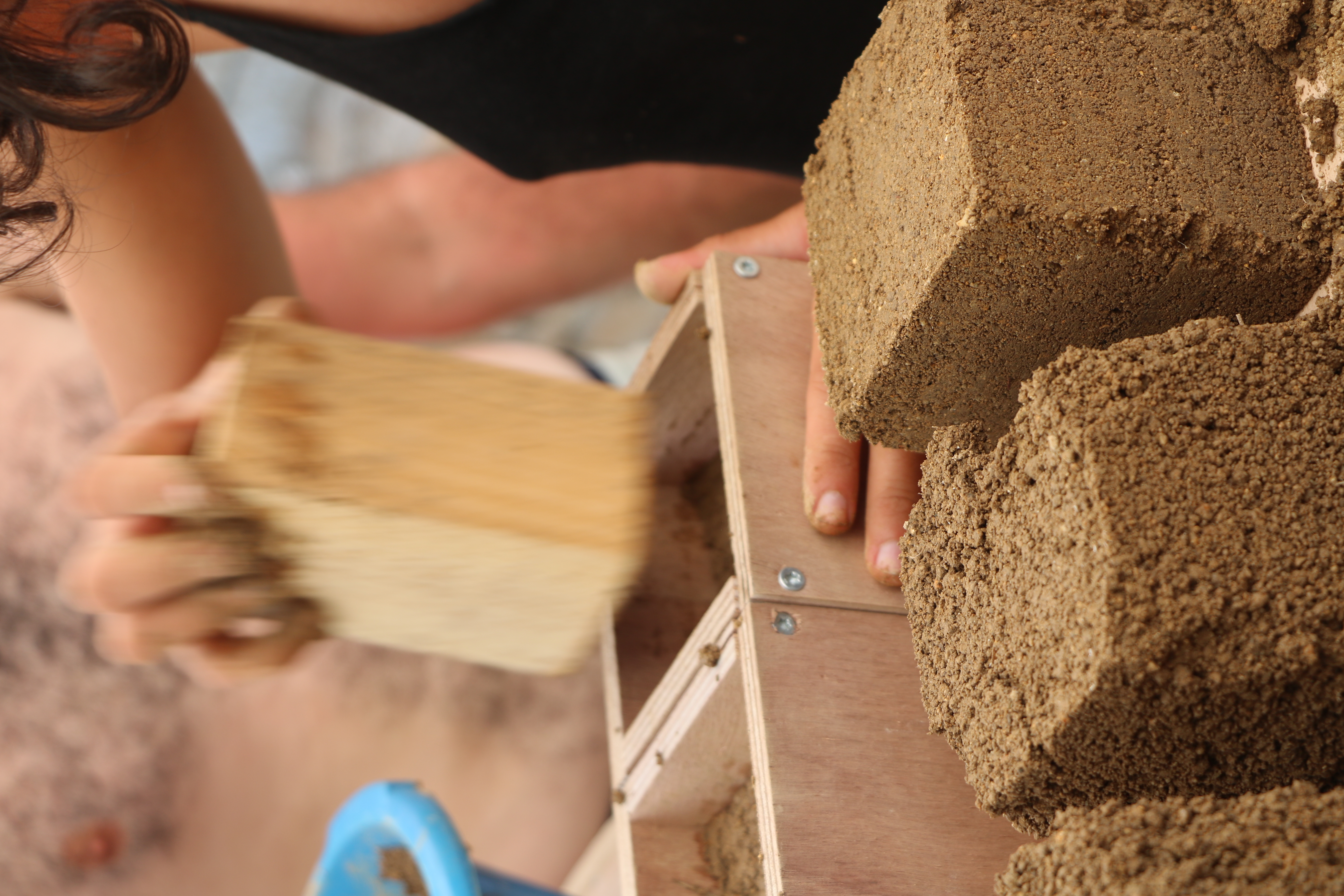
Through participatory construction sites, we give the project an educational and universalist focus. We aim to raise awareness about local and responsible architecture, and this is achieved through a rigorous workshop facilitation method. We want to guide participants in using construction tools, getting their hands dirty with the materials to better understand them, all while respecting the proper functioning of a construction site and safety regulations.
The FARE 2025 grant, organized by the Pavillon de l’Arsenal, provides us financial support to launch our research. This grant also offers an opportunity to develop partnerships with incubators and a network to expand our reach across the Greater Paris area. We are currently applying to several other research and commercialization programs, such as public funding initiatives, to continue our research and prototyping.
While we are currently focused on completing our research, we believe we can subsequently achieve economic viability by offering our product for sale. This would allow us to establish a small manufacturing facility and establish a local presence by creating jobs within this small workshop. As a collective composed primarily of architects, we can assist in the design of projects that incorporate this new material. Another way to generate revenue would be to sell the manufacturing process directly to specialized companies.
While we are currently focused on completing our research, we believe we can subsequently achieve economic viability by offering our product for sale. This would allow us to establish a small manufacturing facility and establish a local presence by creating jobs within this small workshop. As a collective composed primarily of architects, we can assist in the design of projects that incorporate this new material. Another way to generate revenue would be to sell the manufacturing process directly to specialized companies.
Beer production is now widespread across the globe, with microbreweries on every continent. While our project is currently focused on the Paris region, we can envision expanding across Europe, particularly in Belgium and Germany. Once the process has been validated, we plan to reach out to other international brewers. One potential partner is the Japanese brewery DD4D, which occasionally collaborates with Outland Brewery.
Furthermore, the project is primarily a research methodology focused on alternative aggregates in earth-based materials. The aggregates in our project are derived from the brewing process in the form of spent grain, but could be sourced from other materials (ceramics, textiles, etc.). We are also committed to promoting the sharing of key lessons and methodology through teaching and workshops; we are currently planning a workshop with students at the National School of Architecture of Versailles. This commitment is particularly important to us as it conveys a dedication to research and innovation within the field of architectural practice.
Furthermore, the project is primarily a research methodology focused on alternative aggregates in earth-based materials. The aggregates in our project are derived from the brewing process in the form of spent grain, but could be sourced from other materials (ceramics, textiles, etc.). We are also committed to promoting the sharing of key lessons and methodology through teaching and workshops; we are currently planning a workshop with students at the National School of Architecture of Versailles. This commitment is particularly important to us as it conveys a dedication to research and innovation within the field of architectural practice.
Phase 1: Exploration / January–March 2026
Objective: Materials research and collaboration with partners.
Sourcing raw materials / Meetings with brewers
Experiments on existing avenues of research
Analysis of results from initial production runs
Phase 2: Expertise / June–August 2026
Objective: Testing and optimization of manufacturing processes.
- Structural, hydraulic, and physical testing
- Participatory workshops with ENSAV architecture students
- Construction of full-scale prototypes
Phase 3: Presentation / September–November 2026
Objective: Sharing research findings and presenting results
- Documenting and formatting the research process
- Selecting one or more exhibition venues
- Design and distribution of communication materials.
Phase 4: December / March 2027
Objective: Implementation of the developed materials in participatory construction projects
- Search for a partner project site
- Setting up production of materials needed for the project
- Carrying out renovation work.