Arts, Culture, and Heritage as Drivers of Change
Reroot Appennino
Girotondo Mountain Retreat's Arte Appennino Cultural Residency Programme
Girotondo Mountain Retreat is a regenerative hub in the Italian Apennines where sustainable living is developed and tested. Reroot Appennino is our cultural residency programme, bringing together artists, designers and researchers to explore climate, landscape and community. Building on collaborations with Politecnico di Milano and IUAV, residencies transform waste into resources, connect disciplines and engage local communities, using creativity to prototype new ways of living.
Italy
Regional
Reggio Emilia, Milan, Piacenza, London
It addresses urban-rural linkages
It involves a physical transformation of the built environment (hard investment)
Yes
2024-12-01
Yes
1. G.A.L. Antico Frignano e Appennino: European rural development funding (managed at regional level)
2. Bando Borghi (PNRR / Invitalia): European Recovery Fund (implemented via Italian PNRR)
No
No
Organisation
Girotondo Mountain Retreat is a regenerative hub in the Italian Apennines that integrates circular design, permaculture, cultural production and social innovation to prototype climate-positive living. At its core, Reroot Appennino operates as a cultural residency programme, activating the site through collaborations with artists, designers, universities and local communities.
Developed through the transformation of a disused mountain structure into an award-winning, low-impact building, the project addresses climate and social challenges through a holistic, place-based approach. We bring together stakeholders — from institutions such as Politecnico di Milano and IUAV to local schools, municipalities and community groups — to co-create responses to global challenges.
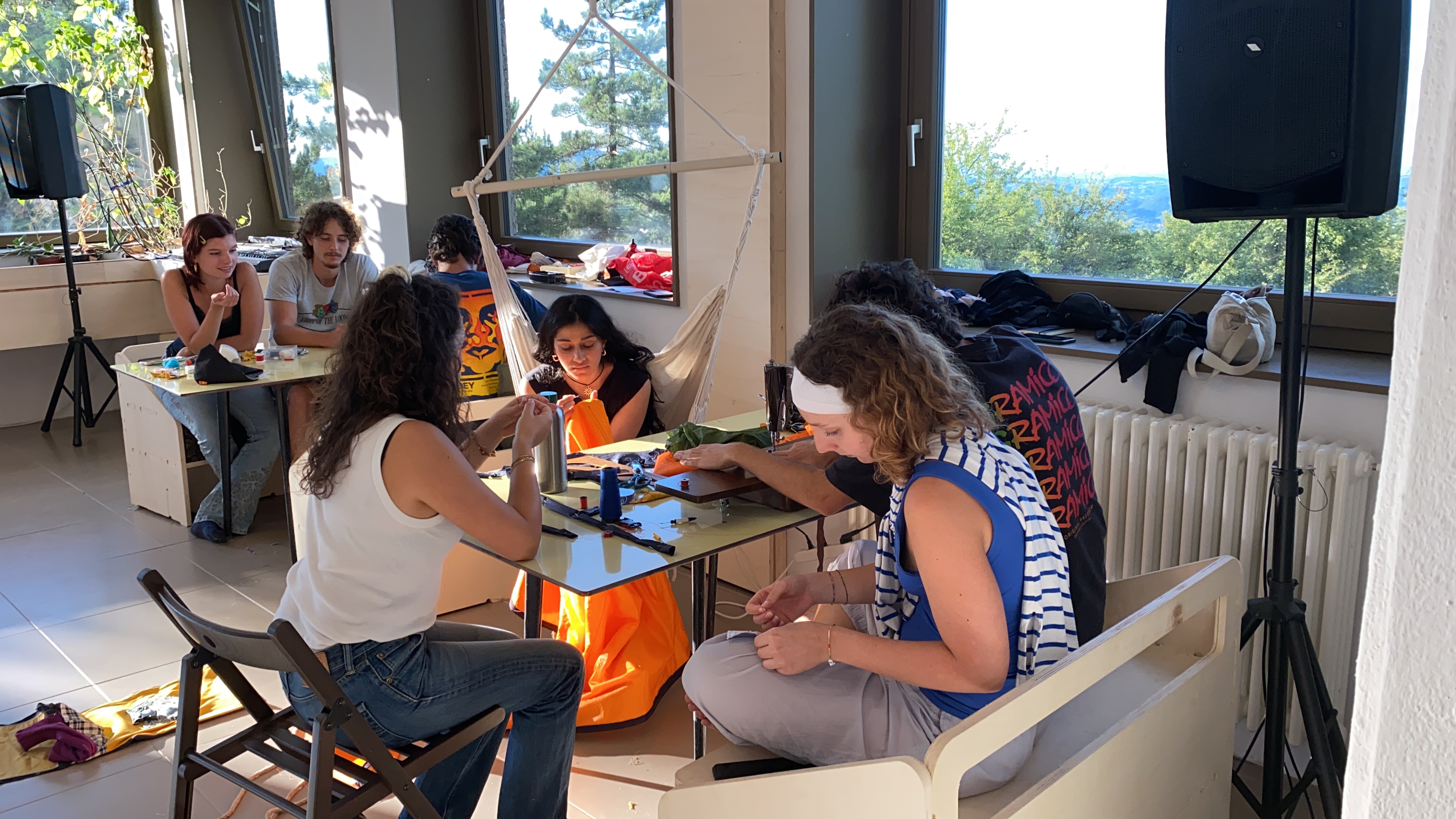
Our activities include residencies, circular design workshops, permaculture systems, festivals and educational programmes. These initiatives use creativity to transform waste into resources, foster inclusion and reconnect people with nature and place.
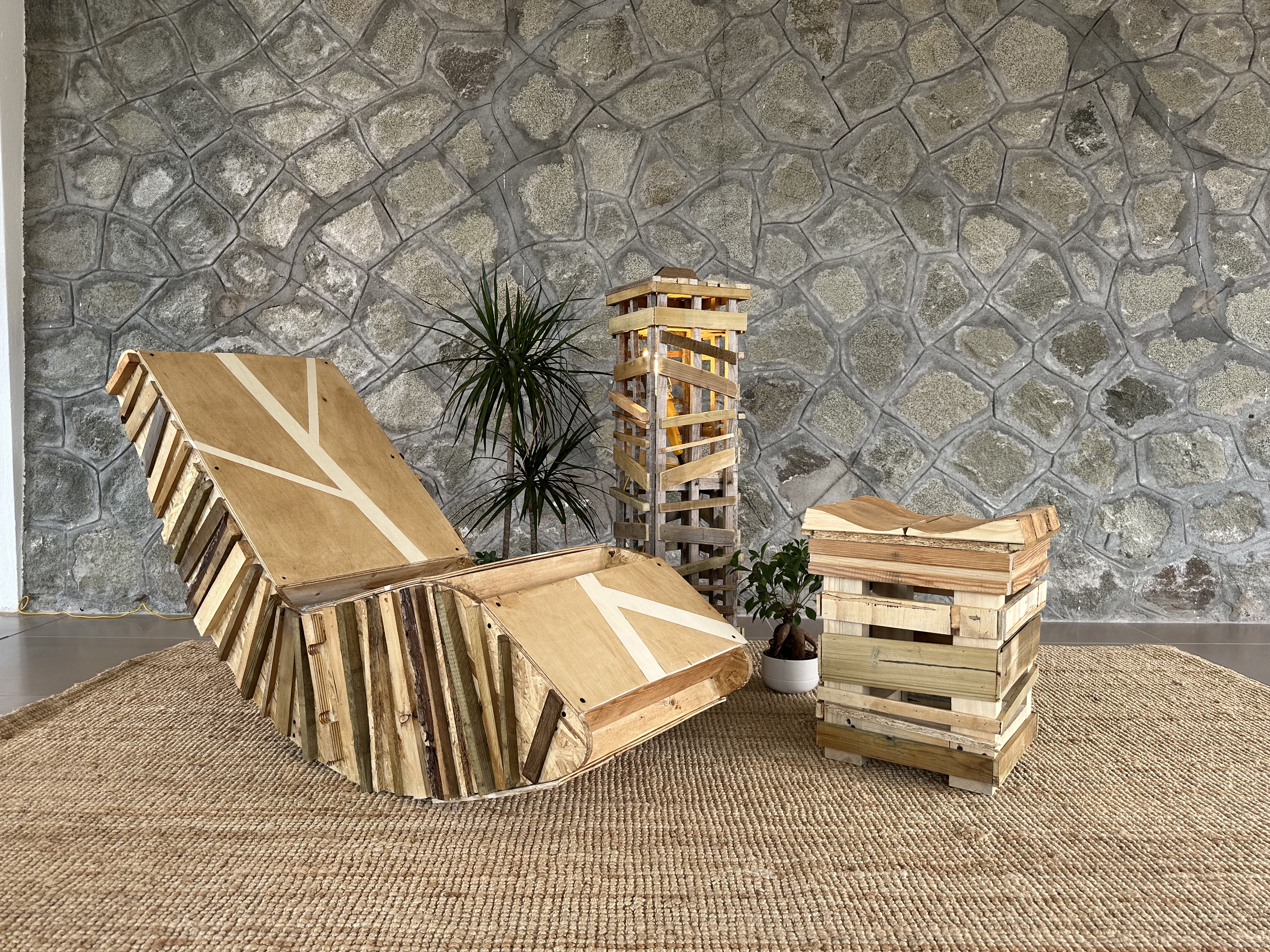
To date, Girotondo has engaged hundreds of participants, including students, young people, entrepreneurs and policymakers. We have delivered design workshops producing furniture and installations from reclaimed materials, supported over 400 school students, and contributed to local regeneration by supporting artists and female entrepreneurs.
The project has generated environmental and social impact: reuse of local waste streams, development of low-impact food systems, and new opportunities in a rural area affected by depopulation.
In the long term, Girotondo Mountain Retreat functions as a replicable model for rural regeneration. By integrating cultural infrastructure with sustainable design and community engagement, it contributes to European priorities such as climate neutrality, circular economy and social inclusion, with the ambition to scale through a network of similar initiatives.
Girotondo Mountain Retreat emerged from a simple but urgent question: how can we respond meaningfully to the climate crisis while creating desirable ways of living? Rather than developing a single solution, we set out to build a place where multiple approaches could be explored together through everyday practice.
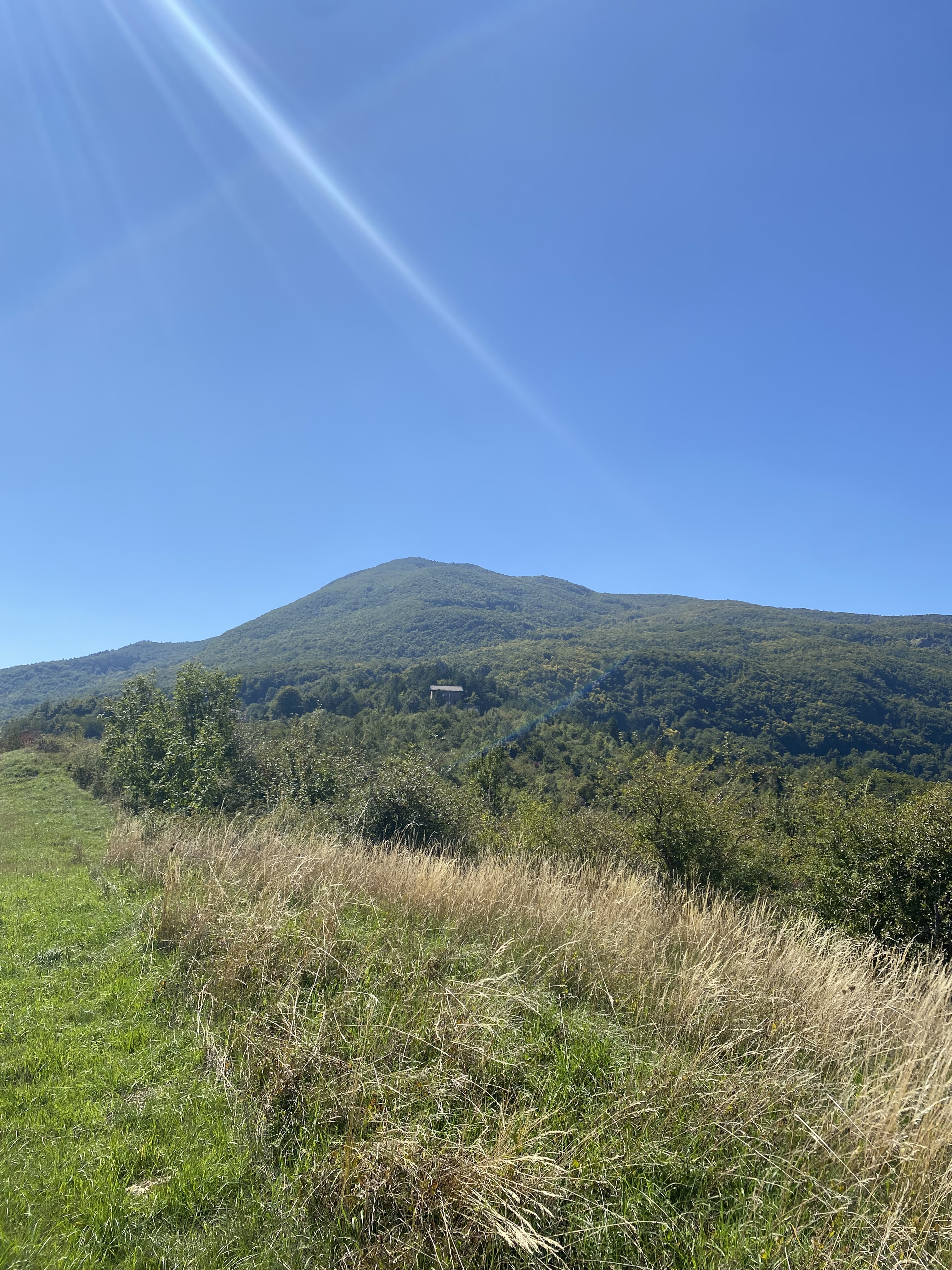
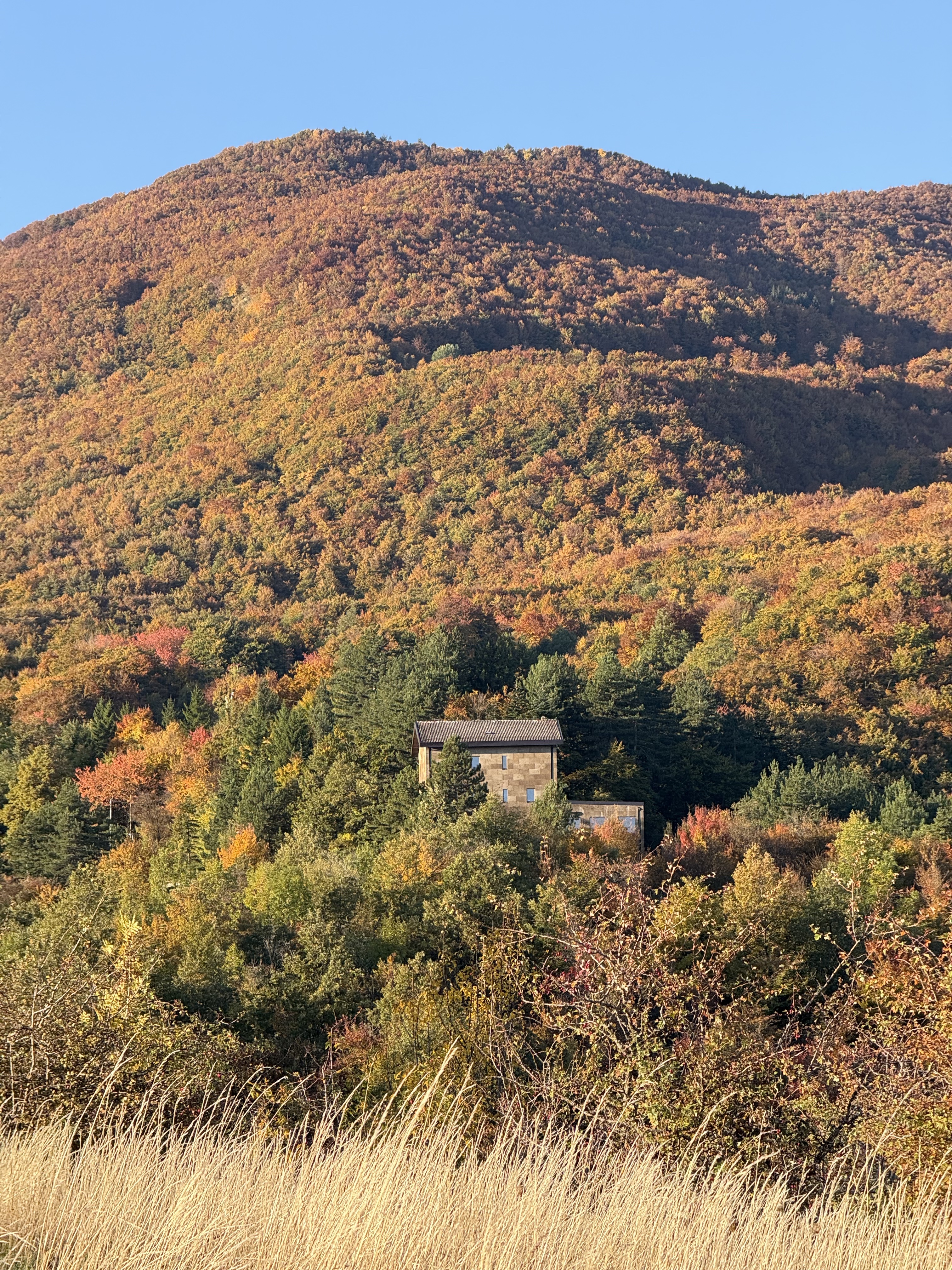
The project began with the acquisition and regeneration of a disused 1950s mountain hostel in the Italian Apennines, an area affected by depopulation and limited economic opportunity. From the outset, our ambition was to transform this overlooked asset into a vibrant hub that could reconnect people, place and purpose.
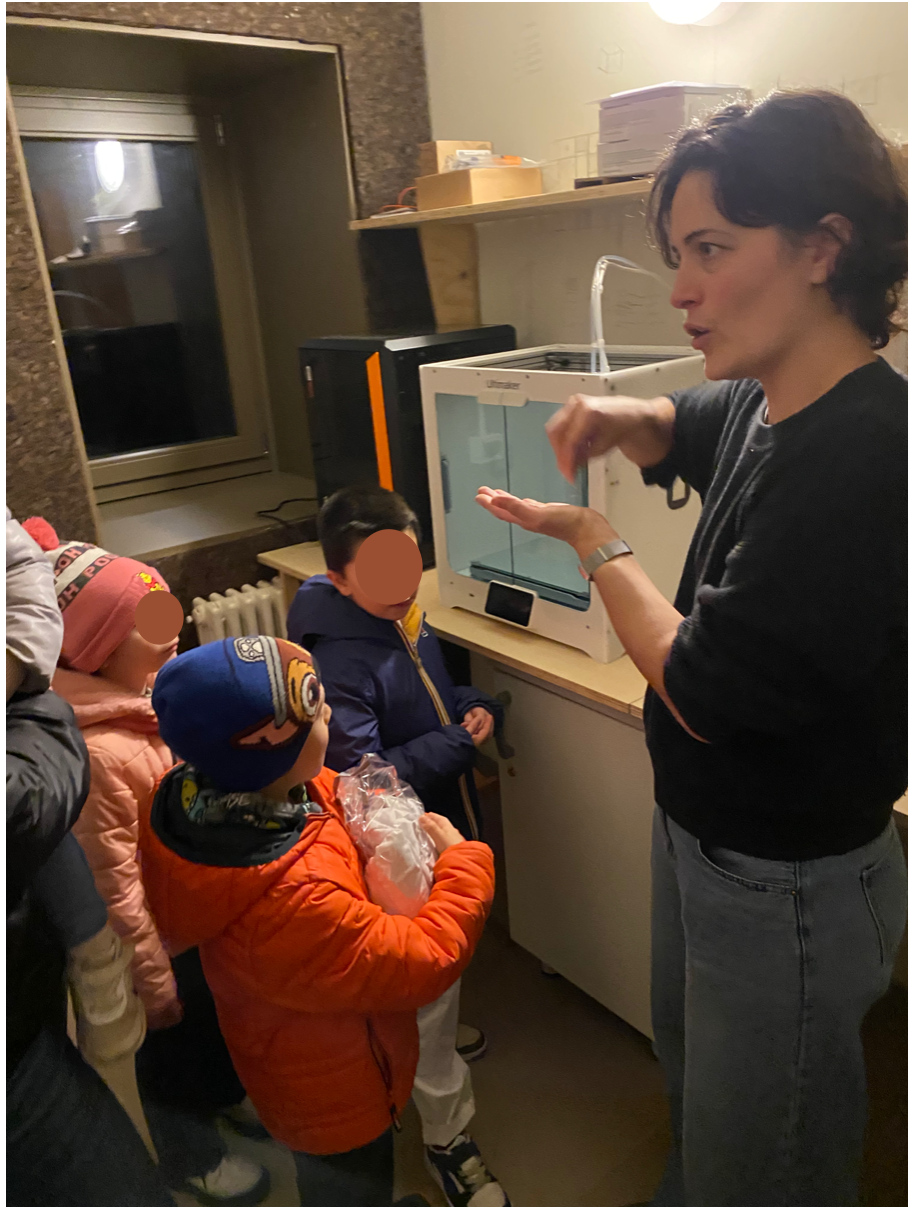
The implementation followed a gradual, hands-on process combining design, experimentation and community engagement. The building was refurbished using low-impact materials and energy-efficient systems, while outdoor spaces were developed into permaculture gardens and productive landscapes. In parallel, we established a circular economy FabLab, enabling the reuse of locally sourced waste materials.
Reroot Appennino was developed as the cultural layer of the project, introducing residencies, workshops and artistic collaborations that activate the site and bring new perspectives into the local context. Partnerships with institutions such as Politecnico di Milano and IUAV, alongside local schools, municipalities and community organisations, have been central to shaping the programme.
Our methodology is iterative and participatory: ideas are tested through workshops, residencies and events, refined through feedback, and shared through public engagement. This approach allows the project to evolve continuously while remaining rooted in its territory.
Through this process, Girotondo Mountain Retreat has grown from a renovation project into a living laboratory where environmental, social and cultural innovation are developed and experienced together.
Regenerative
Transdisciplinary
Place-based
Circular
Experiential
Girotondo Mountain Retreat addresses environmental, social, cultural and economic challenges and combines circular design, regenerative land use and cultural production.
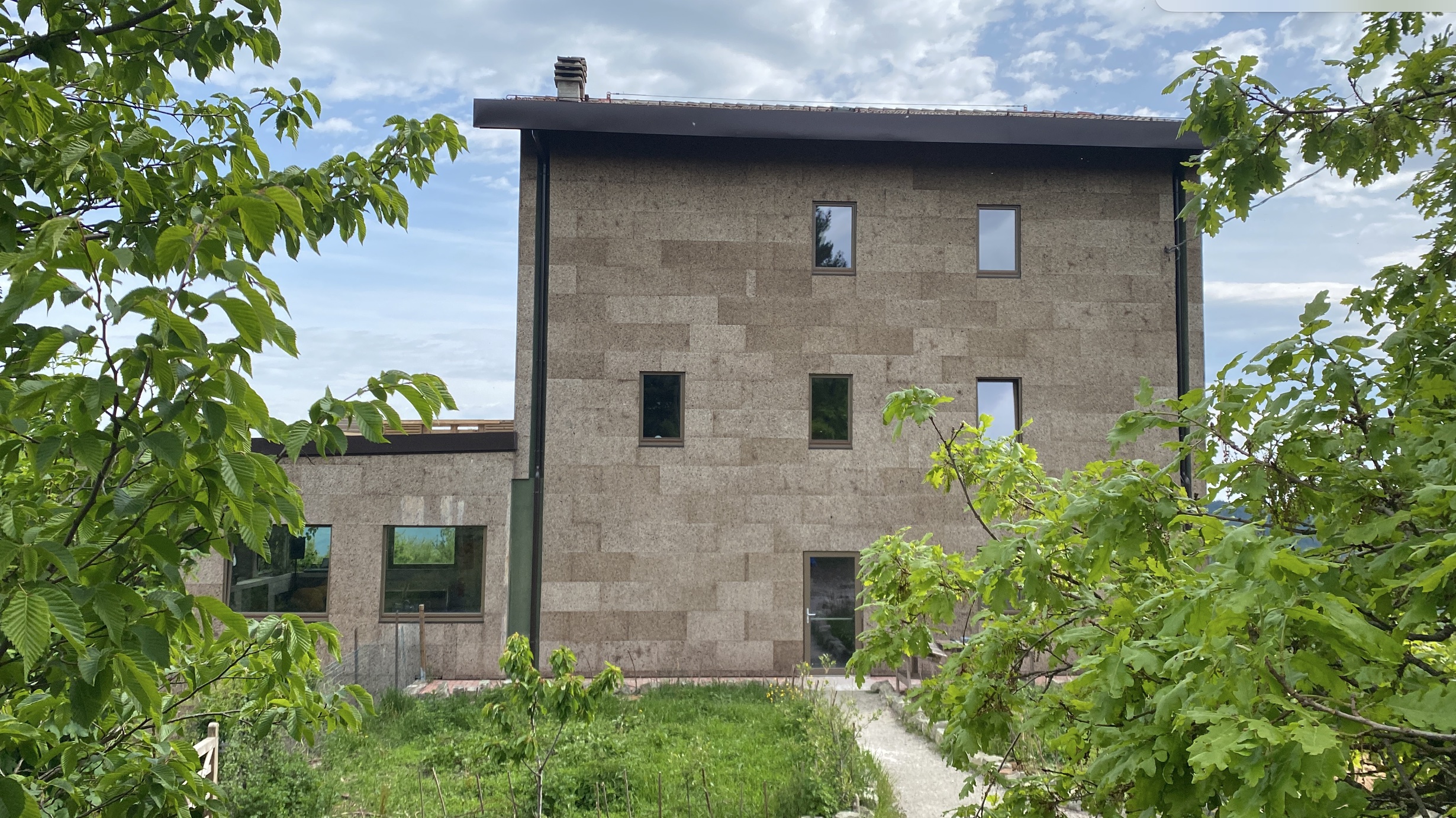
Environmentally, the project is rooted in the reuse of a disused building, transformed into an award-winning low-impact structure through cork insulation and the ongoing integration of on-site renewable energy systems. We operate a circular economy FabLab where locally sourced waste materials — including timber, plastic and textiles — are transformed into furniture, installations and products, reducing waste while demonstrating alternative production models. Our permaculture gardens, food forest and water-retentive landscaping support biodiversity and reduce reliance on industrial food systems.
Socially and economically, the project responds to rural depopulation by creating new opportunities in a fragile mountain context. Through residencies, workshops and enterprise support, we enable artists, young people, entrepreneurs to develop skills, networks and income-generating activities. By attracting international participants and corporate partners, we strengthen connections between rural and urban economies.
Culturally, sustainability is approached as a behavioural and societal challenge. Through Reroot Appennino, art and creative practice are used to make sustainable lifestyles desirable, accessible and emotionally engaging. Festivals, workshops and educational programmes foster awareness and active participation across generations and backgrounds.
The project is exemplary in its holistic and transdisciplinary approach: rather than addressing sustainability in isolation, it integrates environmental performance, social inclusion, cultural production and economic viability within a single living system. Girotondo Mountain Retreat functions as a replicable model for climate-positive rural regeneration, demonstrating how sustainability can be experienced, shared and scaled through everyday life.
At Girotondo Mountain Retreat we transformed a neglected mountain building into an award-winning space where architecture, landscape and cultural activity create a meaningful and engaging environment. The refurbishment demonstrates how low-impact design and reused materials can produce high-quality, contemporary spaces that elevate the experience of living, working and gathering.
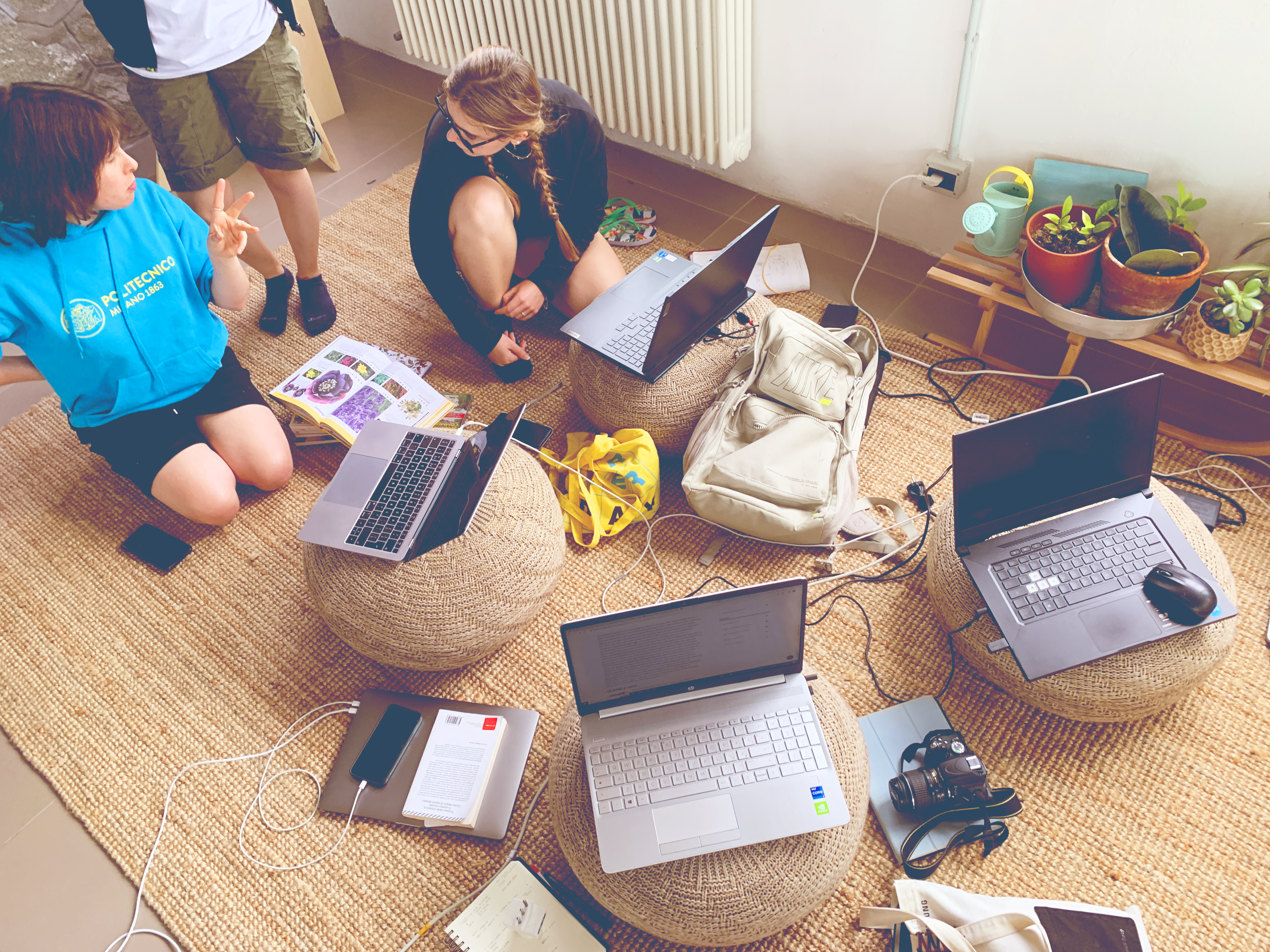
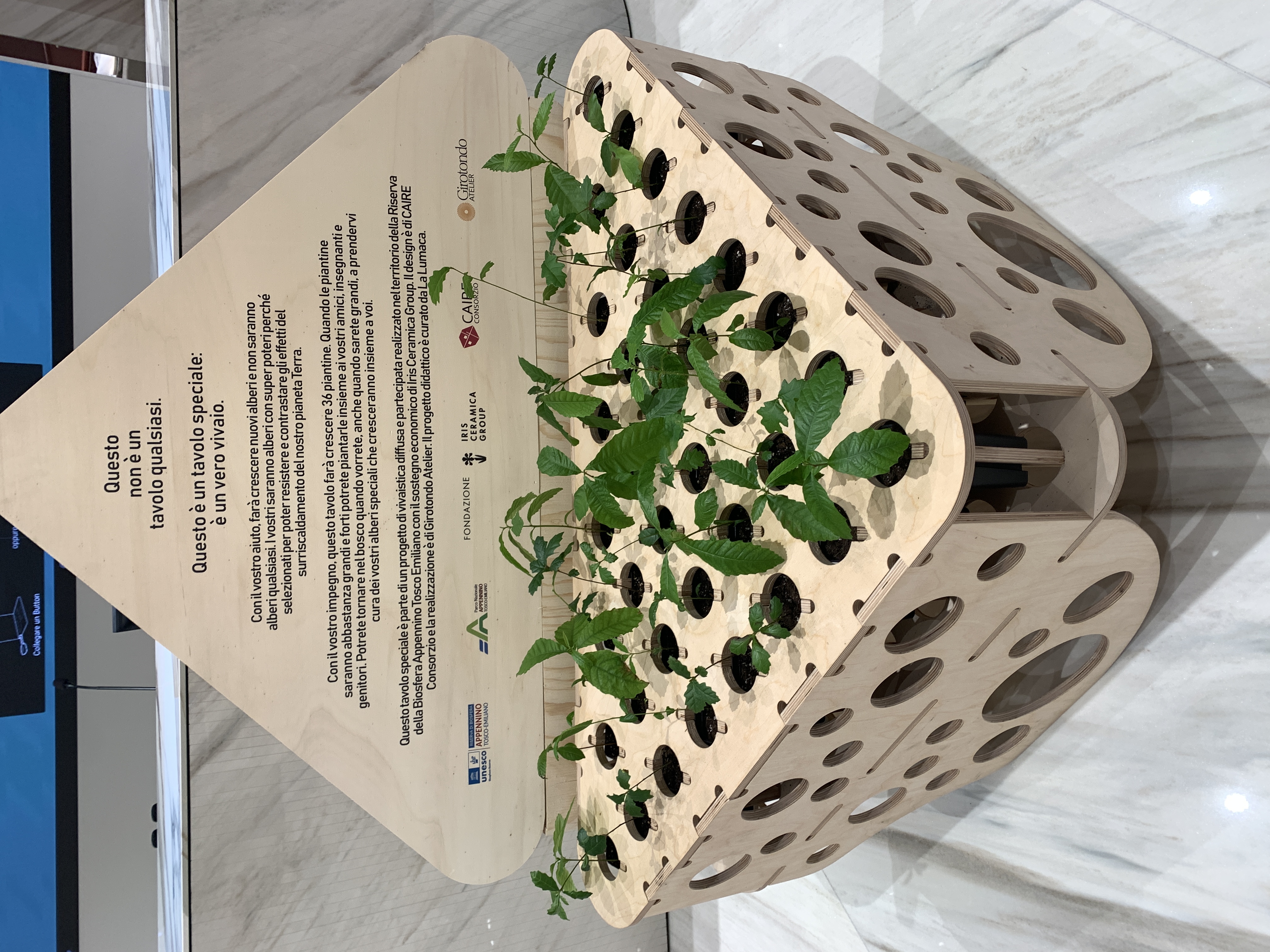
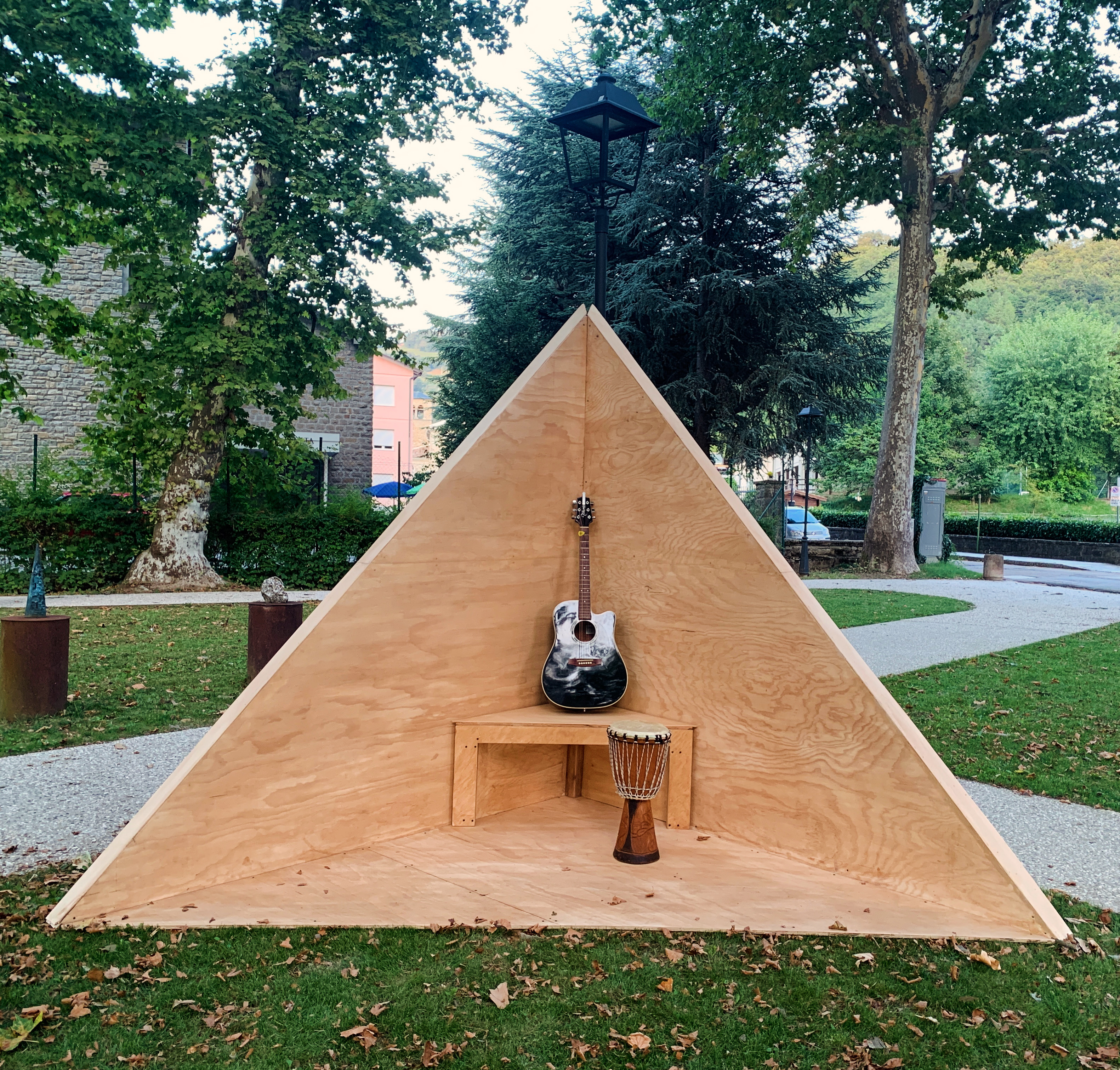
Through Reroot Appennino, aesthetics are activated as an ongoing process. Artist residencies and collaborations with institutions such as Politecnico di Milano and IUAV have resulted in the creation of furniture, products and installations from reclaimed timber, fabric and other waste materials. A public art installation for the Municipality of Vetto, created with artist Jessica Incerti Telani and local young people extends this approach into the wider community, creating a shared cultural landmark.
Cultural events such as the Summer Solstice performance with Giovanni Lindo Ferretti and Simone Beneventi, and the “Poesia Naturalis” residency and discussions, use music and poetry to explore the relationship between humans and nature, making complex environmental themes accessible and emotionally resonant.
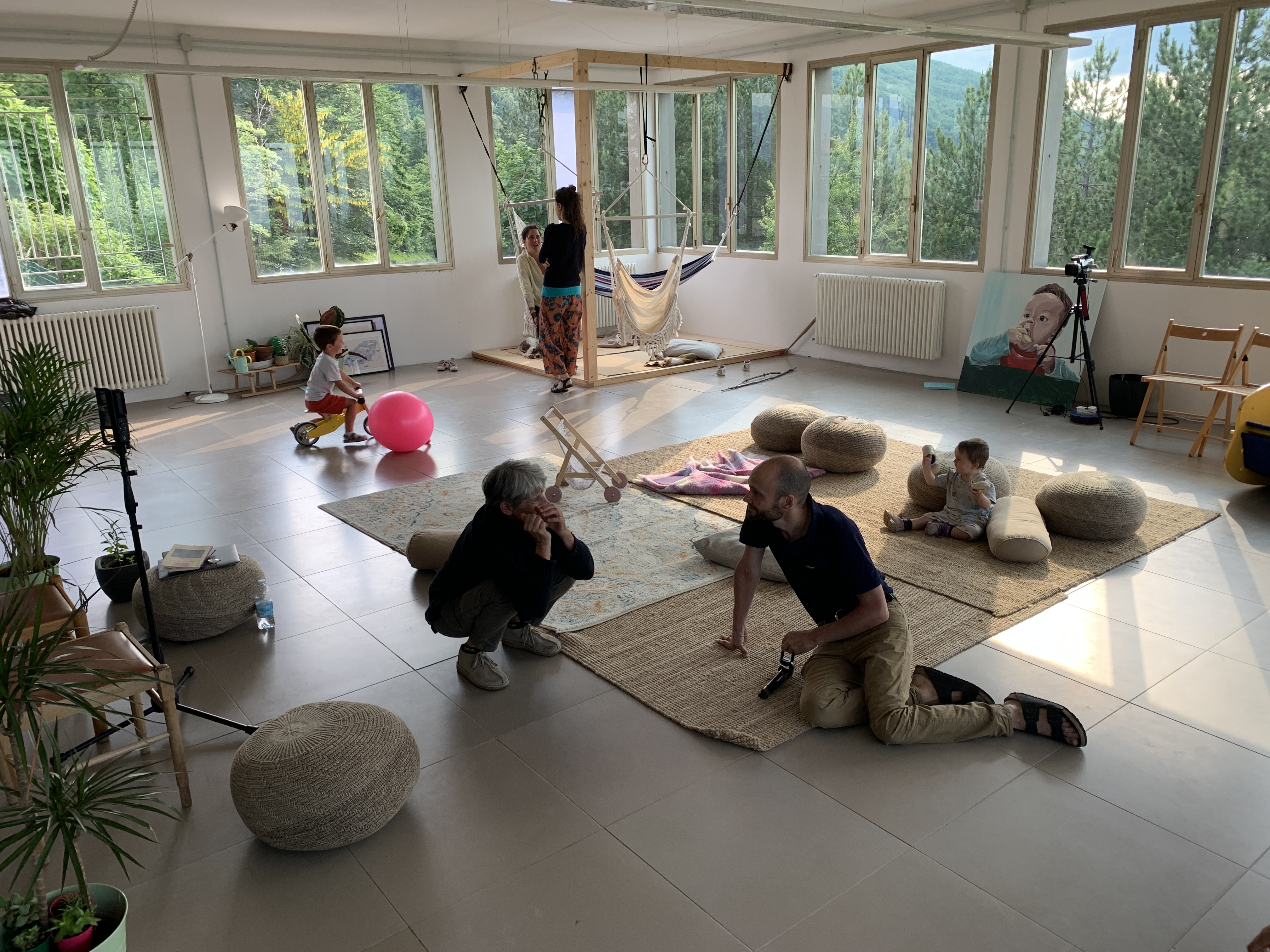
The landscape is an integral part of the project’s aesthetic. Permaculture gardens and outdoor spaces are designed not only for productivity but for beauty, wellbeing and immersion in nature. This connection is reinforced through workshops, open moments and regular sports classes, which provide inclusive opportunities for participation and strengthen social cohesion in a rural context.
The project is exemplary in demonstrating that aesthetics can emerge from process as much as from form. By combining cultural production, material experimentation and community engagement, Girotondo Mountain Retreat creates a strong sense of place and belonging, showing how beauty can support long-term care for both environment and community.
Girotondo Mountain Retreat addresses inclusion by creating accessible opportunities for participation, learning and collaboration within a rural context often affected by geographic and socio-economic isolation. The project lowers barriers to engagement by offering a diverse range of entry points — from public events and workshops to residencies, educational programmes and informal community activities.
Educational programmes have engaged over 400 students across different age groups, combining language learning, creativity and hands-on making to ensure accessibility across backgrounds and abilities.
The project promotes inclusive governance through a participatory and evolving model. Activities are developed in dialogue with local stakeholders, including schools, municipalities, community groups and cultural organisations. Collaborations with partners such as Politecnico di Milano and IUAV bring external knowledge into the local context, while feedback from participants directly informs future programming. This continuous exchange ensures that the project remains responsive, and relevant.
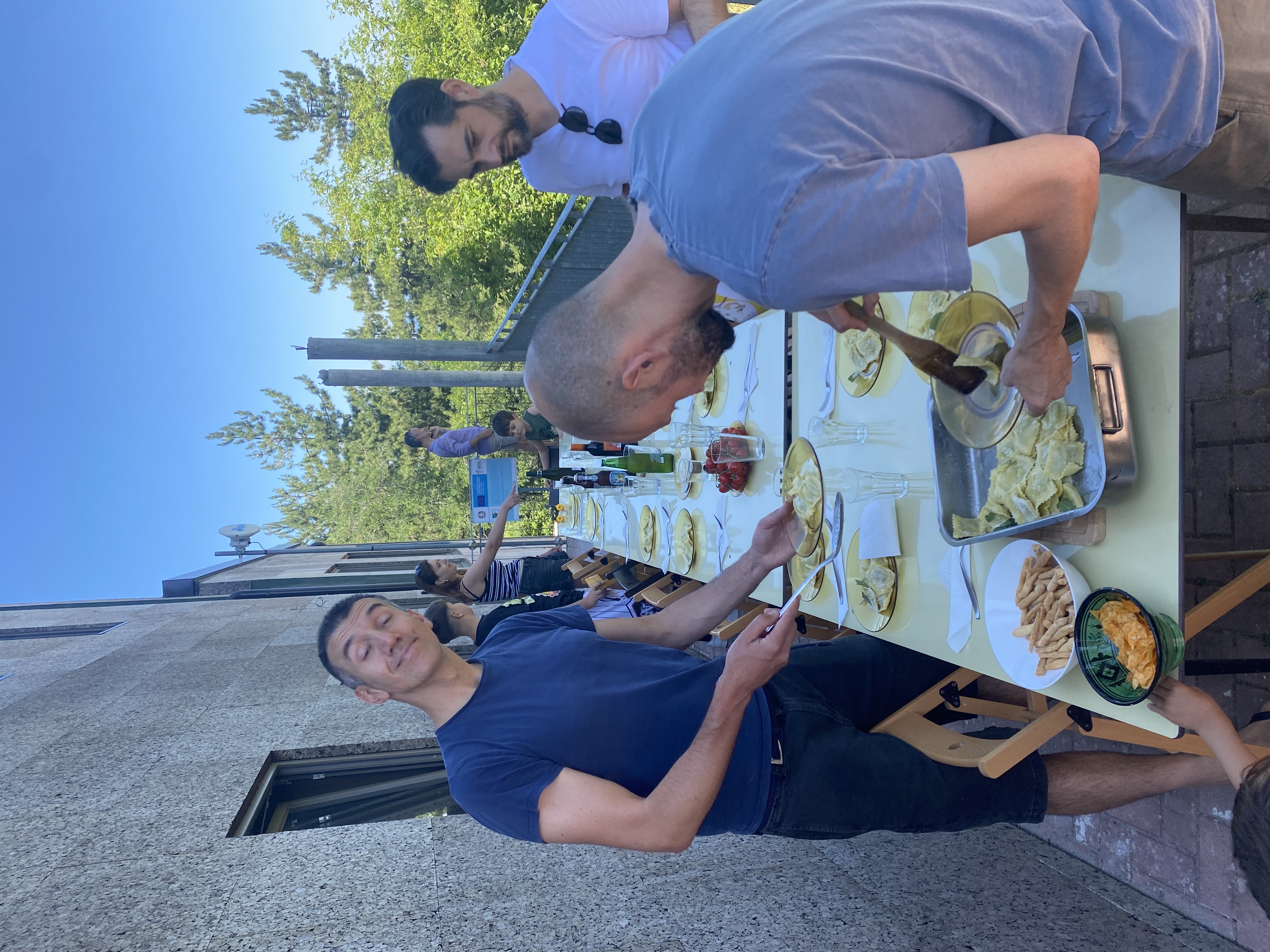
Girotondo also supports new societal models by reconnecting rural and urban communities. By hosting international visitors, researchers and professionals alongside local participants, it creates opportunities for knowledge exchange, collaboration and mutual learning. Regular sports classes, workshops and public events further strengthen social cohesion, providing inclusive spaces where people of different ages and backgrounds can meet and participate.
The project is exemplary in its understanding of inclusion as active participation rather than passive access. By combining education, co-creation and shared experience within a single framework, Girotondo Mountain Retreat demonstrates how inclusive environments can be built through everyday interaction, fostering a strong sense of belonging and collective ownership.
Participation is central to Girotondo Mountain Retreat, which operates as a point of connection between local communities, international networks and diverse disciplines — what we describe through permaculture as a “fertile edge,” where different systems meet and generate new value.
The project actively involves citizens, students, professionals and organisations through a wide range of formats. At a local level, we engage schools through educational programmes combining language learning, sustainability and hands-on making, reaching over 400 students.
At the same time, we connect the territory to wider international and professional networks. Collaborations with independent design schools (microD, PlayArchitecture) and universities such as Politecnico di Milano and IUAV bring students and researchers to work on real-world challenges through design-build workshops and residencies. Public talks and participation in events such as YOUZ, Futuro in Quota and co-living conferences extend this dialogue, positioning the project within broader conversations on sustainable development, rural futures and new economic models.
Participants are not passive recipients but active contributors. Students, artists and community members co-create installations, products and experiences, while feedback from workshops, events and partnerships directly informs the evolution of the project. This iterative process ensures that knowledge flows in multiple directions — from global to local and vice versa.
The impact of this participatory approach is both social and cultural. It strengthens local confidence and capacity, provides access to new knowledge and networks, and creates meaningful exchanges between different sectors, including business, education and community life. By acting as a bridge between these worlds, Girotondo Mountain Retreat demonstrates how inclusive participation can generate innovation, shared ownership and long-term resilience.
Girotondo Mountain Retreat is developed through active collaboration with stakeholders across local, regional, national and European levels, enabling the project to operate as a connector between community initiatives, institutional frameworks and international discourse.
At the local level, the project works closely with municipalities, schools, community groups and the National Park of the Appennino Tosco Emiliano, ensuring that activities respond to territorial needs and contribute to local development. Public events, educational programmes and cultural initiatives are co-developed with these actors, embedding the project within the social fabric of the area.
At regional and national levels, partnerships with organisations such as Confcooperative and participation in entrepreneurial networks like NOI – Nuovi Orientamenti di Impresa have supported the development of sustainable business models and strengthened links between rural and urban economies.
The project is further enriched by contributions from leading cultural and intellectual figures, including poet Alessandro de Francesco, art curator Lucia Pesapane and social economist Gianpiero Lupatelli through residencies, events and public discussions. The launch of Gianpiero’s book “Green Community” at Girotondo exemplifies the site’s role as a platform for dialogue on sustainable territorial futures.
At the European level, the project aligns with EU priorities through participation in programmes and collaborations with international academic institutions facilitating the exchange of knowledge, research and practice.
This multilevel engagement integrates diverse perspectives into a coherent and evolving model. Local knowledge informs practical implementation, while regional, national and international networks provide expertise, visibility and scalability. This layered governance approach enables Girotondo Mountain Retreat to act as both a locally embedded initiative and a platform for wider systemic change
Transdisciplinarity is at the core of Girotondo Mountain Retreat and its cultural programme Reroot Appennino. The complementary expertise of its founders combine design, management and cultural practice into an integrated and evolving model.
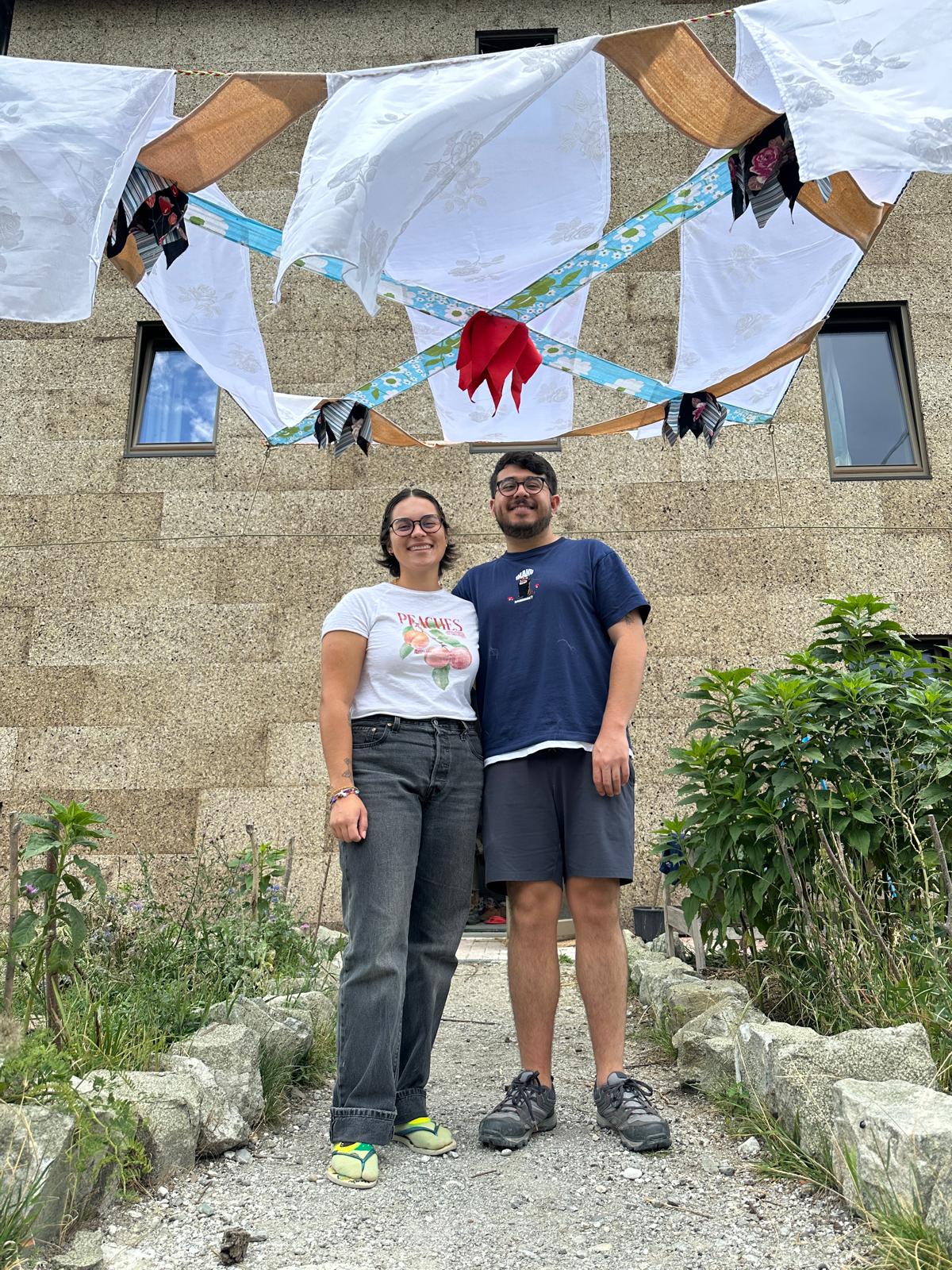
Julia Pisano brings expertise in project management, cost engineering and strategic operations — including senior roles on international infrastructure projects and Lean Six Sigma process methodology — ensuring that complex ideas are translated into structured, viable and scalable operations. Antonio Pisanò, architect and designer, leads the creative and conceptual direction, shaping the project through design, artistic experimentation and international networks across architecture, art and innovation.
This dual perspective has guided the development of Girotondo as both a physical space and a strategic platform. Around this core, the project brings together multiple disciplines, including architecture, design, visual arts, performing arts, environmental sciences, education and social innovation. Collaborations with universities integrate academic research and design methodologies, while partnerships with cultural practitioners, economists and policymakers expand the scope towards territorial development and governance.
Reroot Appennino acts as the cultural layer for this system, translating diverse inputs into artistic production, residencies and public engagement. Workshops, installations and events combine traditional knowledge, digital fabrication, circular economy practices and community participation.
The added value of this transdisciplinary approach lies in its ability to connect theory and practice, creativity and implementation. By integrating technical, cultural and social knowledge in a single framework, Girotondo demonstrates how complex challenges such as climate transition and rural regeneration can be addressed through collaborative, cross-sectoral innovation.
Girotondo SRL Benefit combines earned income with strategic public funding to deliver programmes aligned with EU priorities of climate neutrality, circular economy, rural resilience and social inclusion.
Primary revenue streams directly reflect NEB values. Creative residencies and academic design-build workshops — with Politecnico di Milano, IUAV Venezia and SICA Upcycling — generate institutional fees of €14,000 annually by Year 5. Corporate leadership retreats combining facilitation with circular fabrication in our FabLab grow from €2,500 (Year 1) to €72,000 (Year 5). The International Business Fluency programme — executive English, Lean Six Sigma and AI literacy for Italian professionals — generates Fondimpresa-eligible training revenue of €17,000 by Year 5, building an alumni network that feeds the retreat pipeline.
Hospitality and co-living provide a stable €20,000 annual base, cross-subsidising school sustainability workshops, local entrepreneurship incubation and public cultural events — delivering measurable inclusion outcomes while strengthening the institutional relationships underpinning our grant track record.
Five-year projections: revenue grows from €28,970 (Year 1) to €161,000 (Year 5); EBITDA improves from 25% to 42%; net profit reaches €49,994. Fixed costs remain lean at €10,848–€15,848, with founder remuneration scaling proportionally from revenue.
Public funding — NOI European Regional Development Funds, GAL, Invitalia and the International Rural Development Award — has financed permanent productive assets: FabLab, renewable energy and permaculture systems, reducing long-term costs while increasing quality and pricing authority.
Cultural mission and commercial viability are mutually reinforcing: each programme cycle builds institutional credibility, reduces acquisition costs and deepens the community relationships sustaining both earned income and future public investment.
Girotondo Mountain Retreat has been designed as a replicable model for climate-positive rural regeneration, with transferability at four levels.
The integrated methodology — combining circular fabrication, creative residencies, professional development and community engagement within a single regenerative venue — is documented through academic publication (ENEA, Politecnico di Milano, IUAV Venezia, 2023) and programme case studies. This provides a transferable blueprint for rural contexts facing demographic decline, underused built heritage and proximity to protected landscapes: conditions shared by thousands of communities across EU mountain and inner areas.
The FabLab-as-programme model is directly replicable. Our circular fabrication unit — CNC, 3D printing and plastic waste recycling on renewable power — has been deployed across university workshops, school STEM programmes and corporate retreats. Equipment specifications, methodologies and frameworks developed with Politecnico di Milano and IUAV are documented and sharable, enabling any rural venue with suitable space and modest capital to deliver circular economy education and professional design programmes.
The regenerative retrofit pathway addresses the thousands of abandoned rural buildings across EU mountain regions. Our process — energy class G to B using cork insulation, triple glazing and photovoltaics, recognised at Restructura 2024 — provides a replicable model within NZEB and EU taxonomy frameworks.
The professional training model shows how domain expertise and place-based cultural experience can integrate within a co-financing-eligible product, adaptable wherever professional development intersects with territorial regeneration.
Our multilevel governance model — connecting municipalities, national parks, universities, cooperatives and European networks — provides a transferable framework for rural cultural infrastructure seeking institutional embeddedness rather than isolated operation.