Enhancing Circularity, Sustainability, and Innovation
Miesto laboratorija (City lab)
Miesto laboratorija: Transforming urban space through community and sustainability
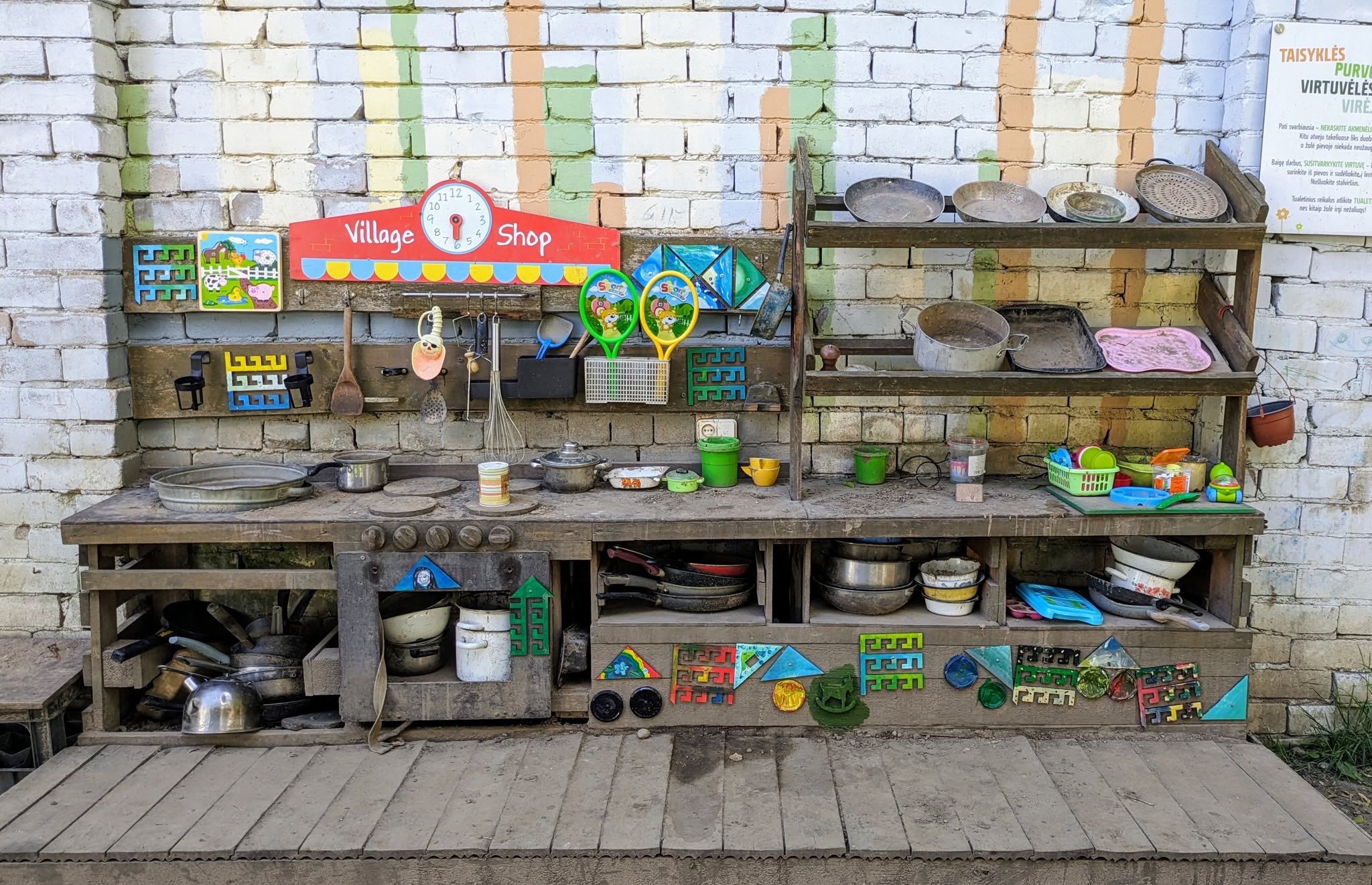
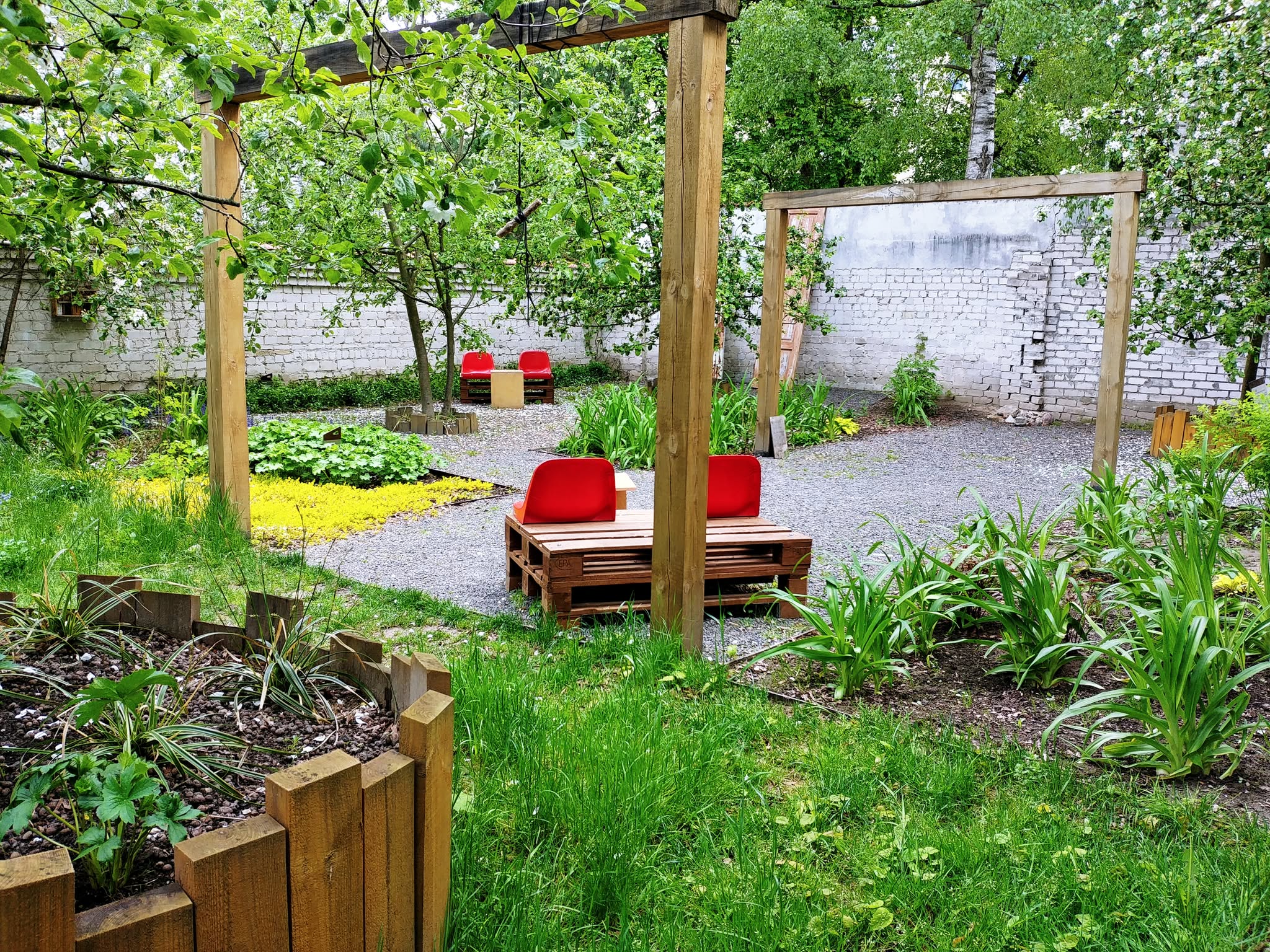
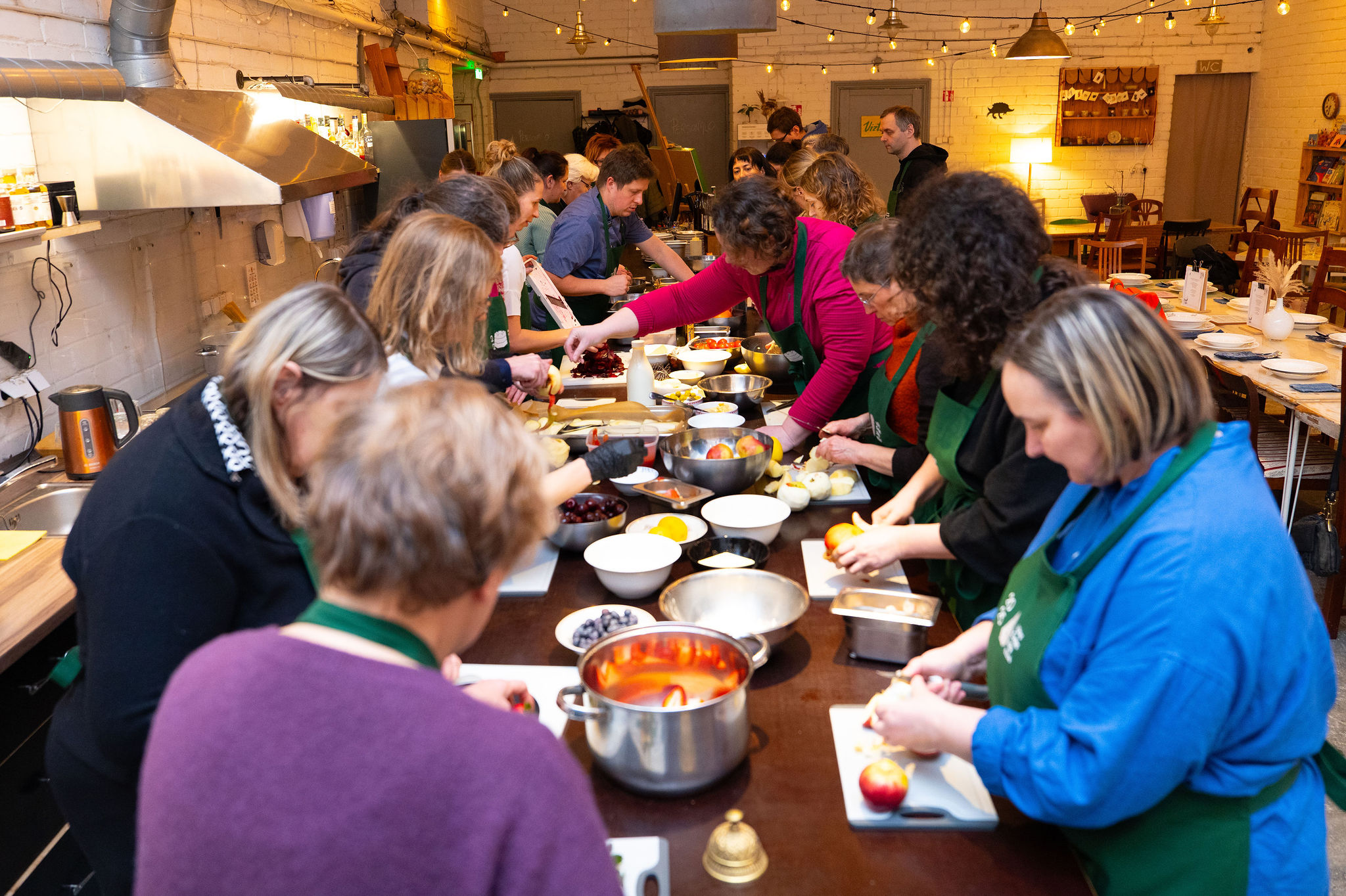
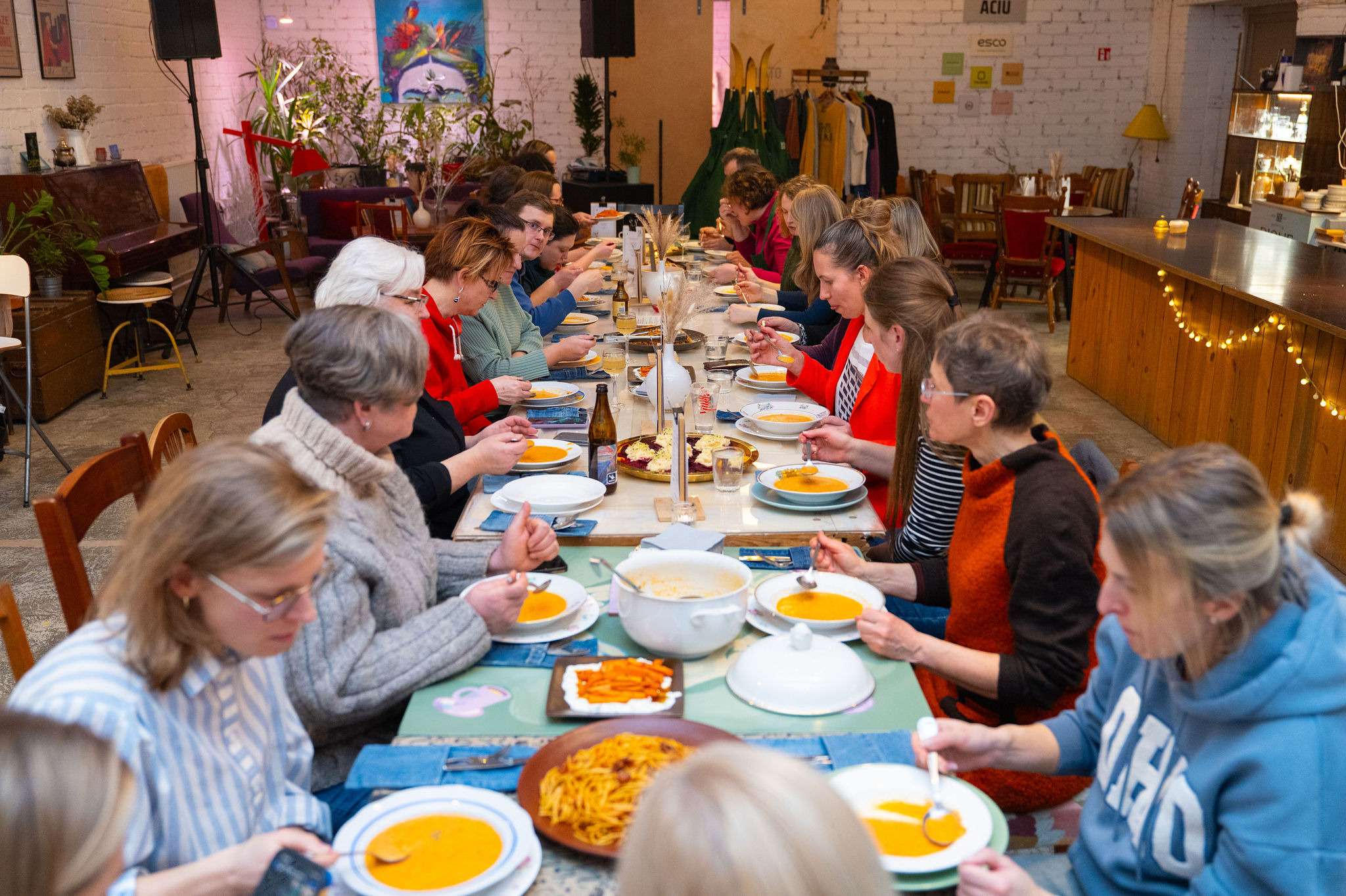
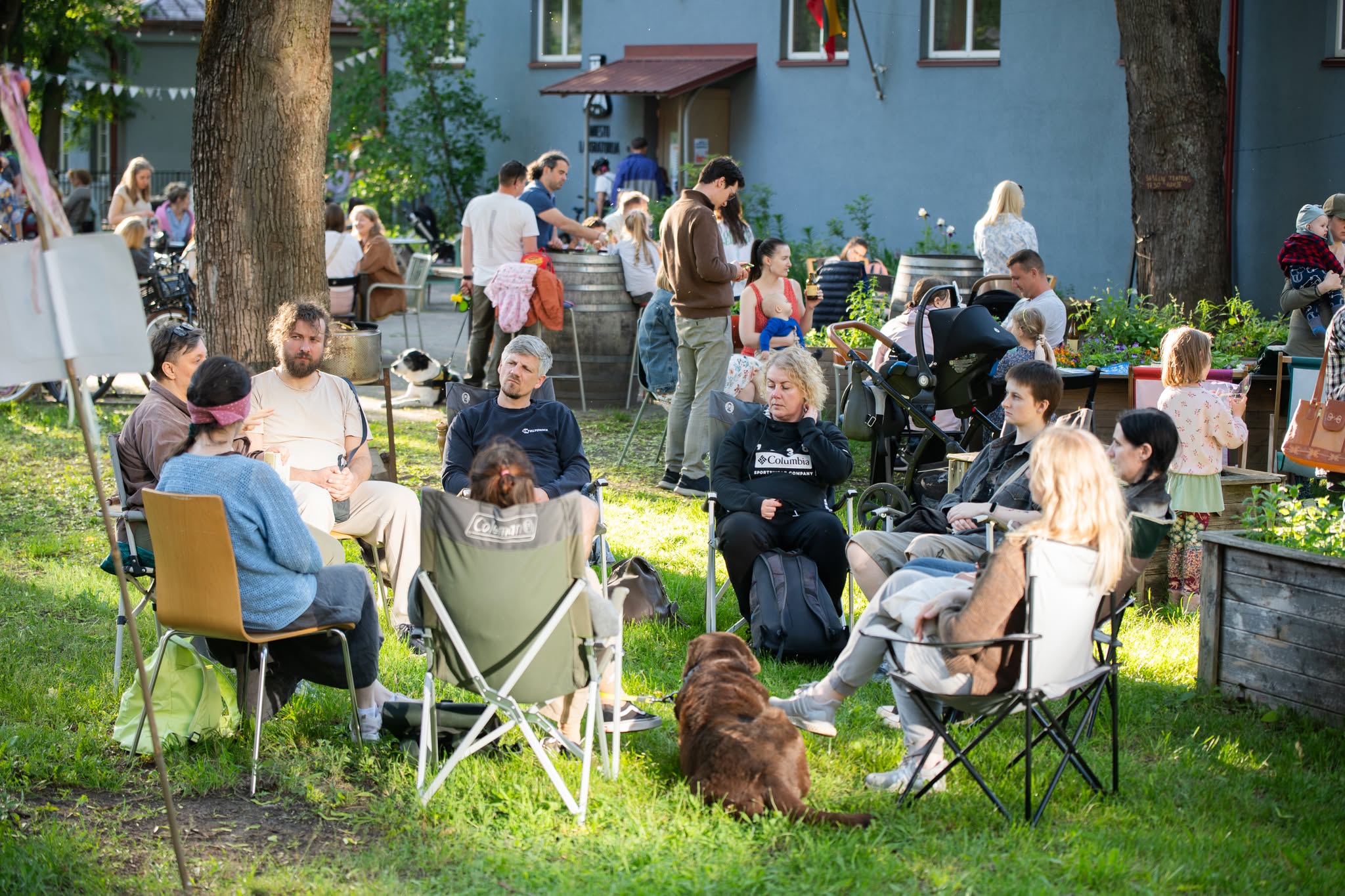
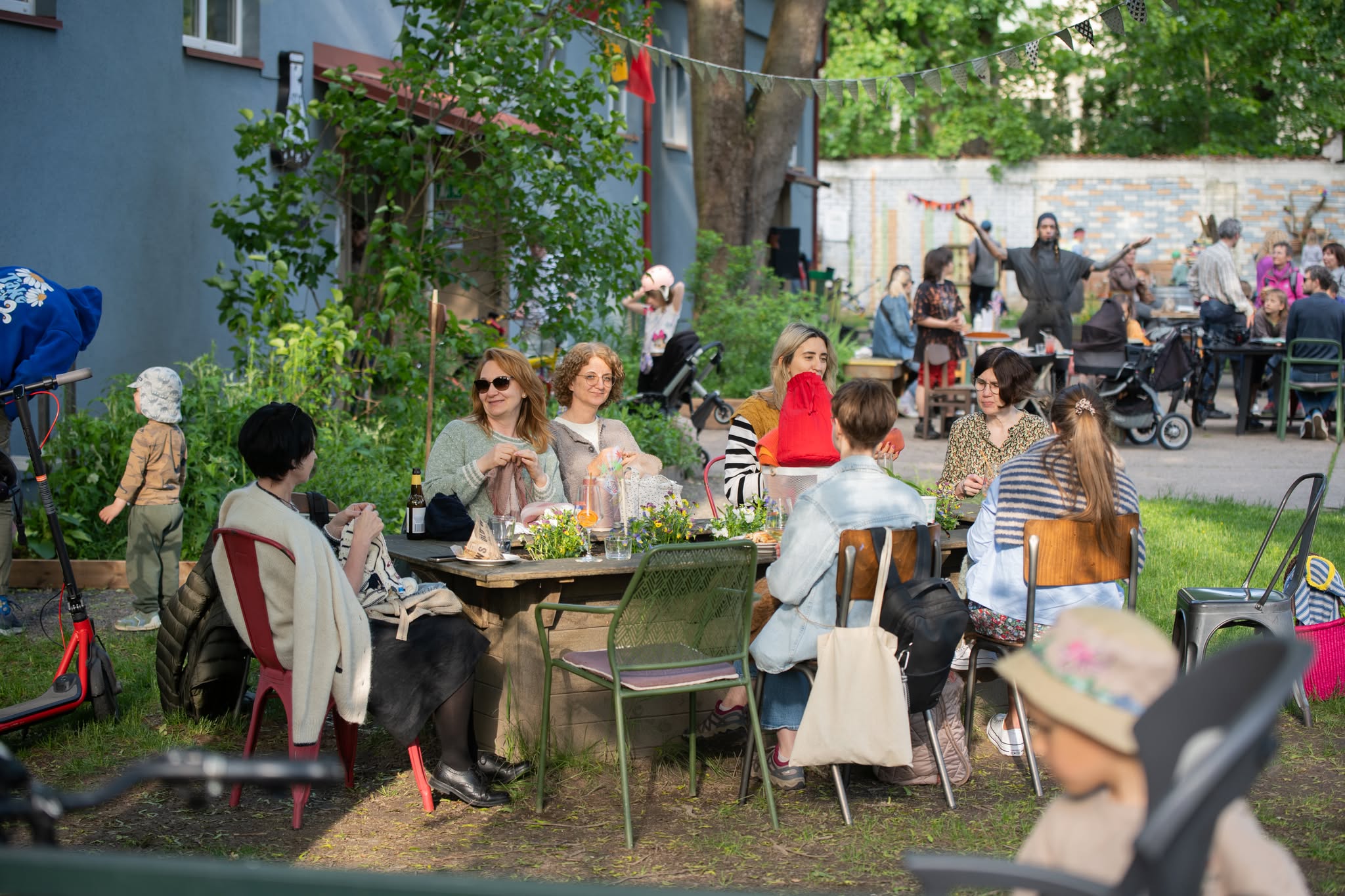
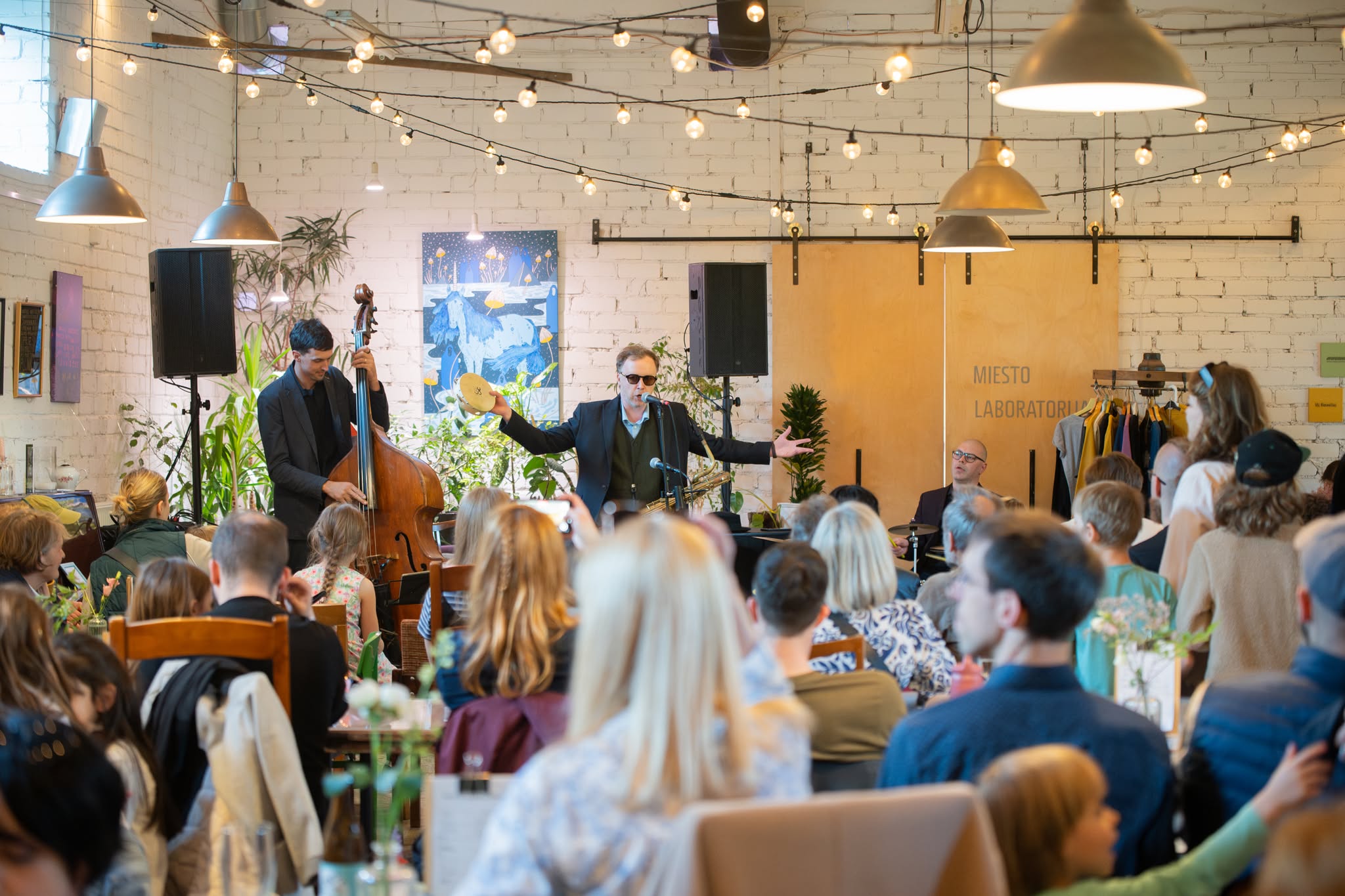
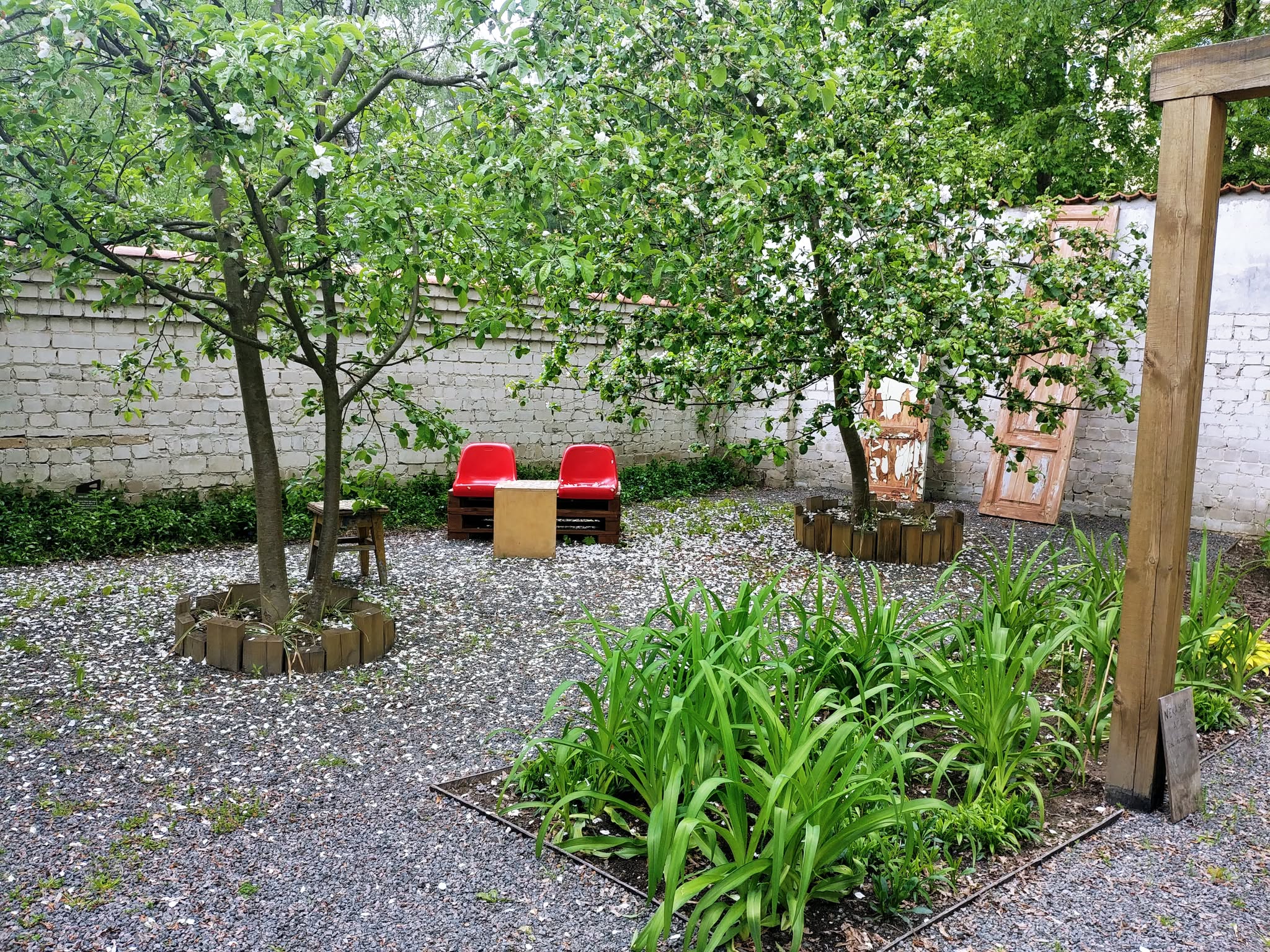
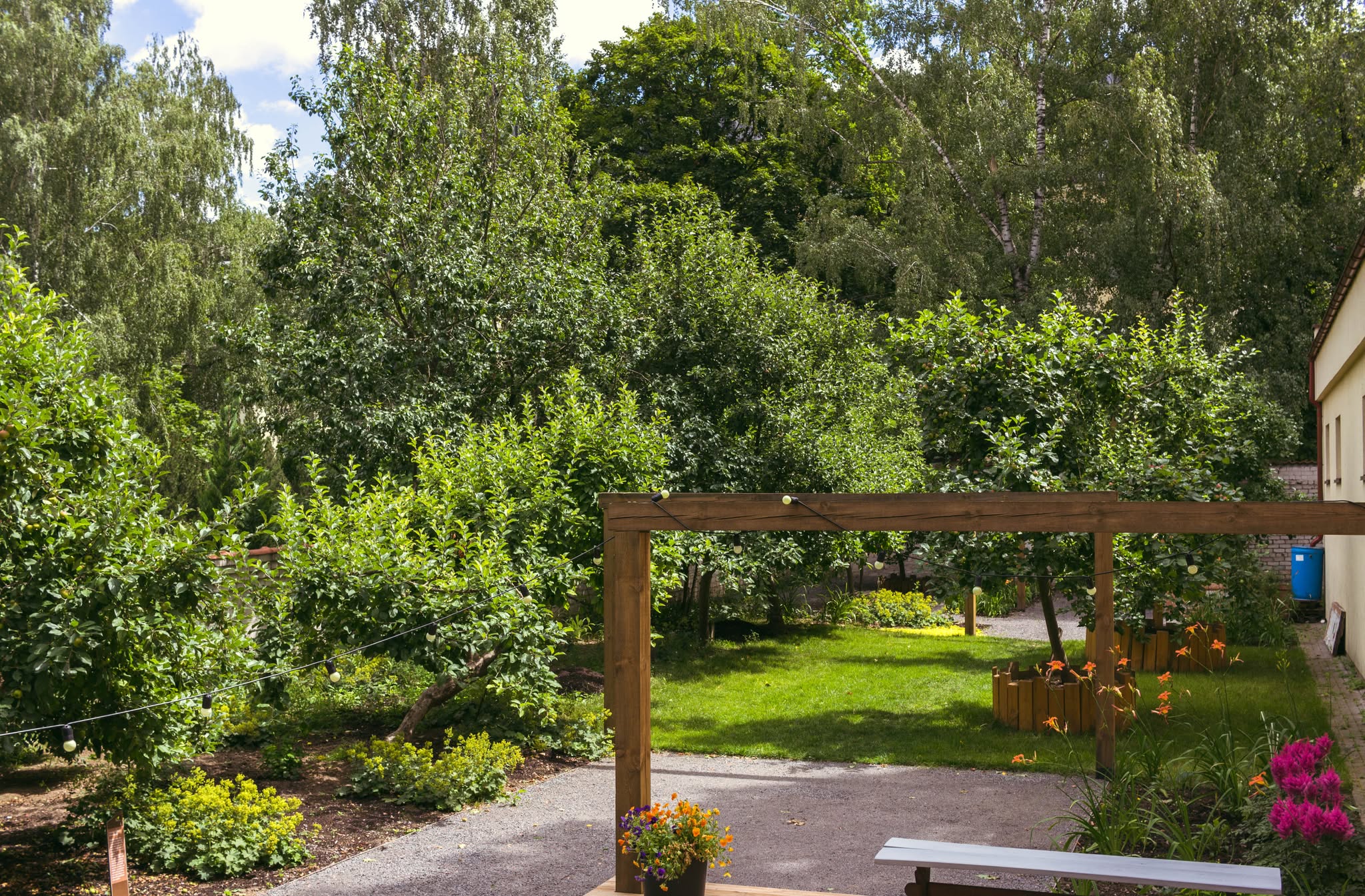
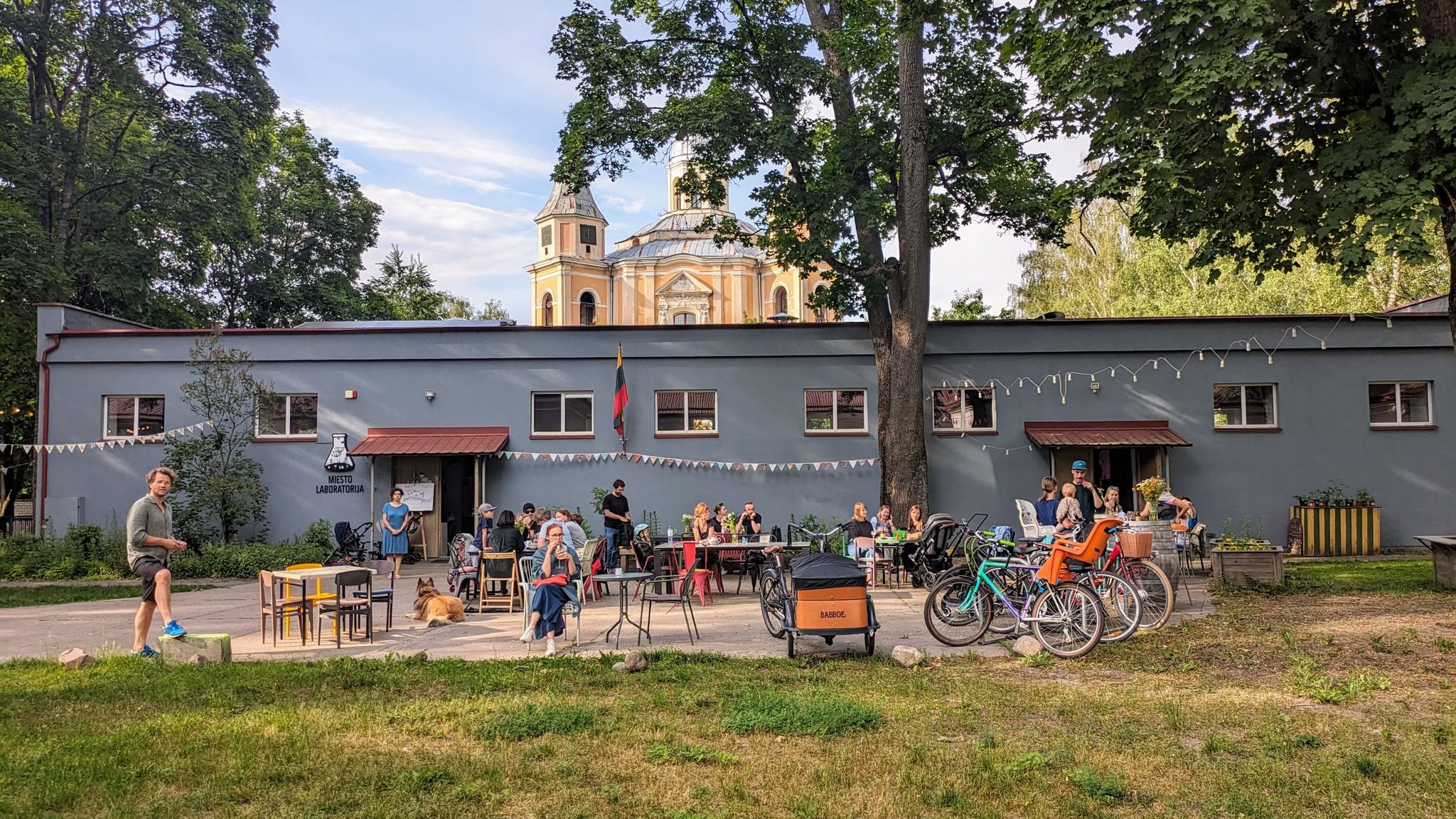
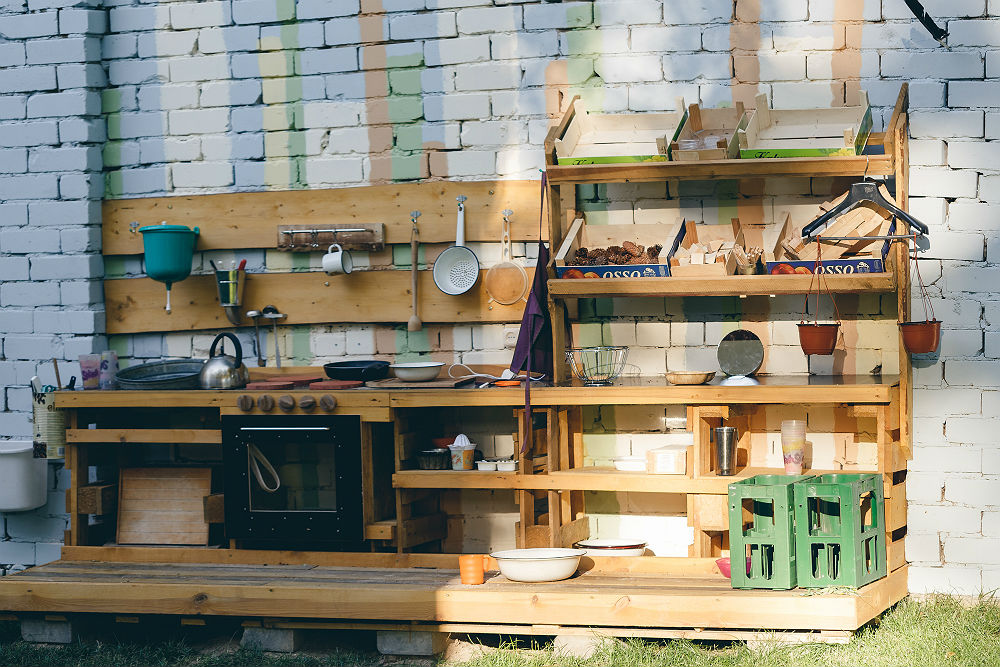
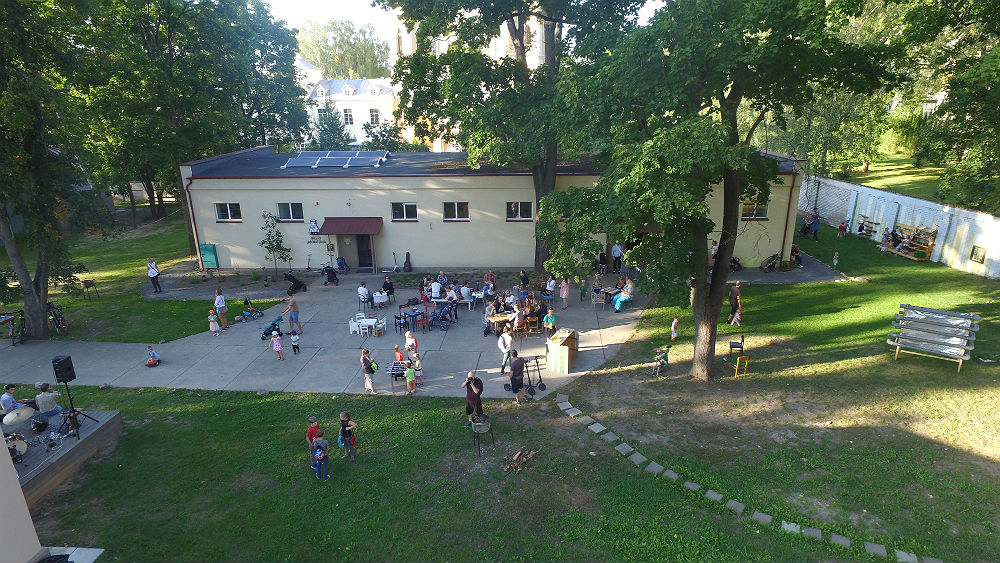
ML is an open community space where creativity, sustainability, and collaboration come together. Established and run by local residents in a former industrial site, the project connects people, ideas, and disciplines to create a green, inclusive, and attractive urban environment. It includes a sustainable community café, a hydroponics garden, an event and exhibition space, a DIY-style children’s playground, an urban garden, a chicken coop, and a community fridge.
Lithuania
Local
Vilnius
Mainly urban
It involves other types of transformations (soft investment)
Yes
2026-03-17
Yes
EUROPEAN HEALTH AND DIGITAL EXECUTIVE AGENCY
(HADEA)
No
No
Organisation
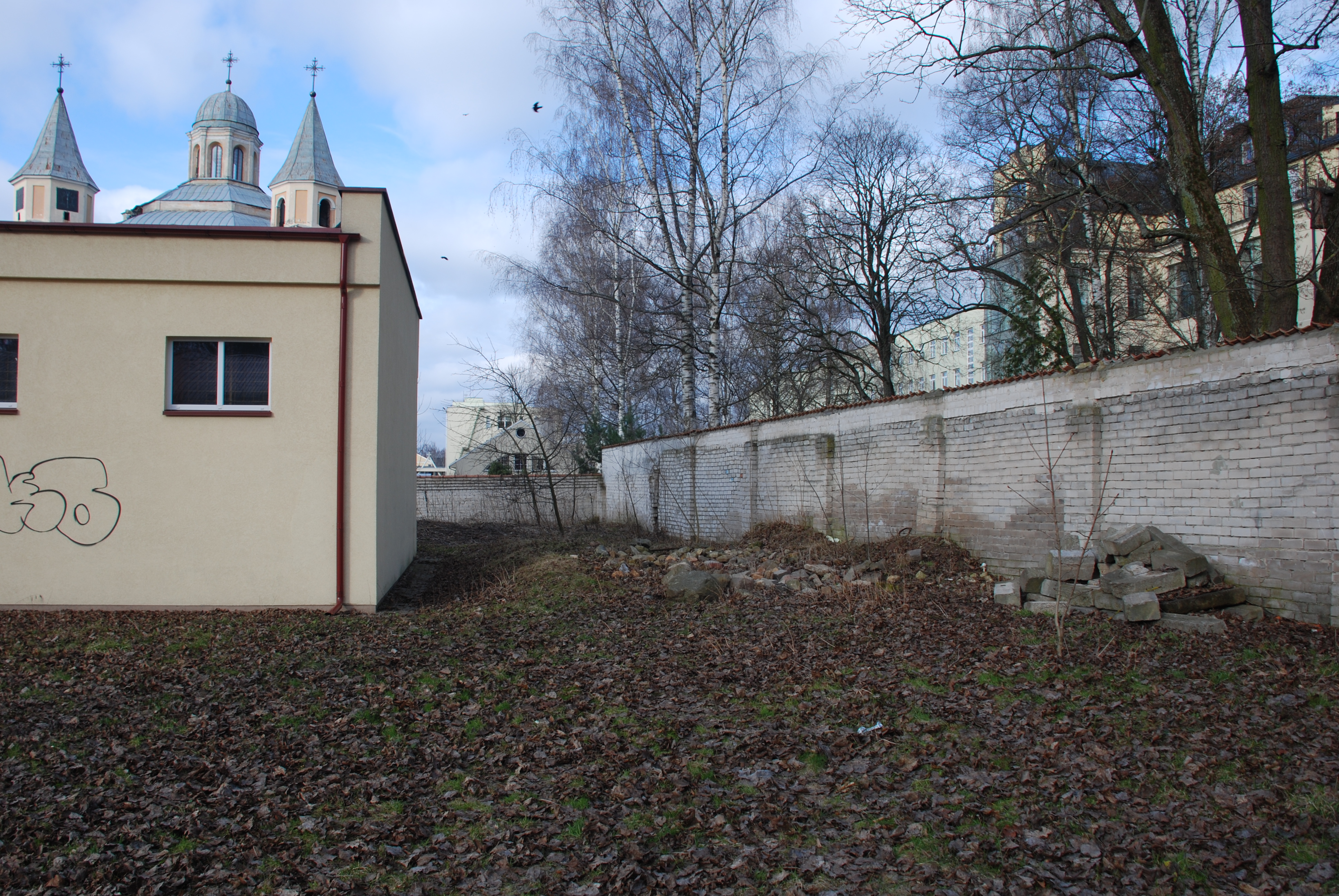
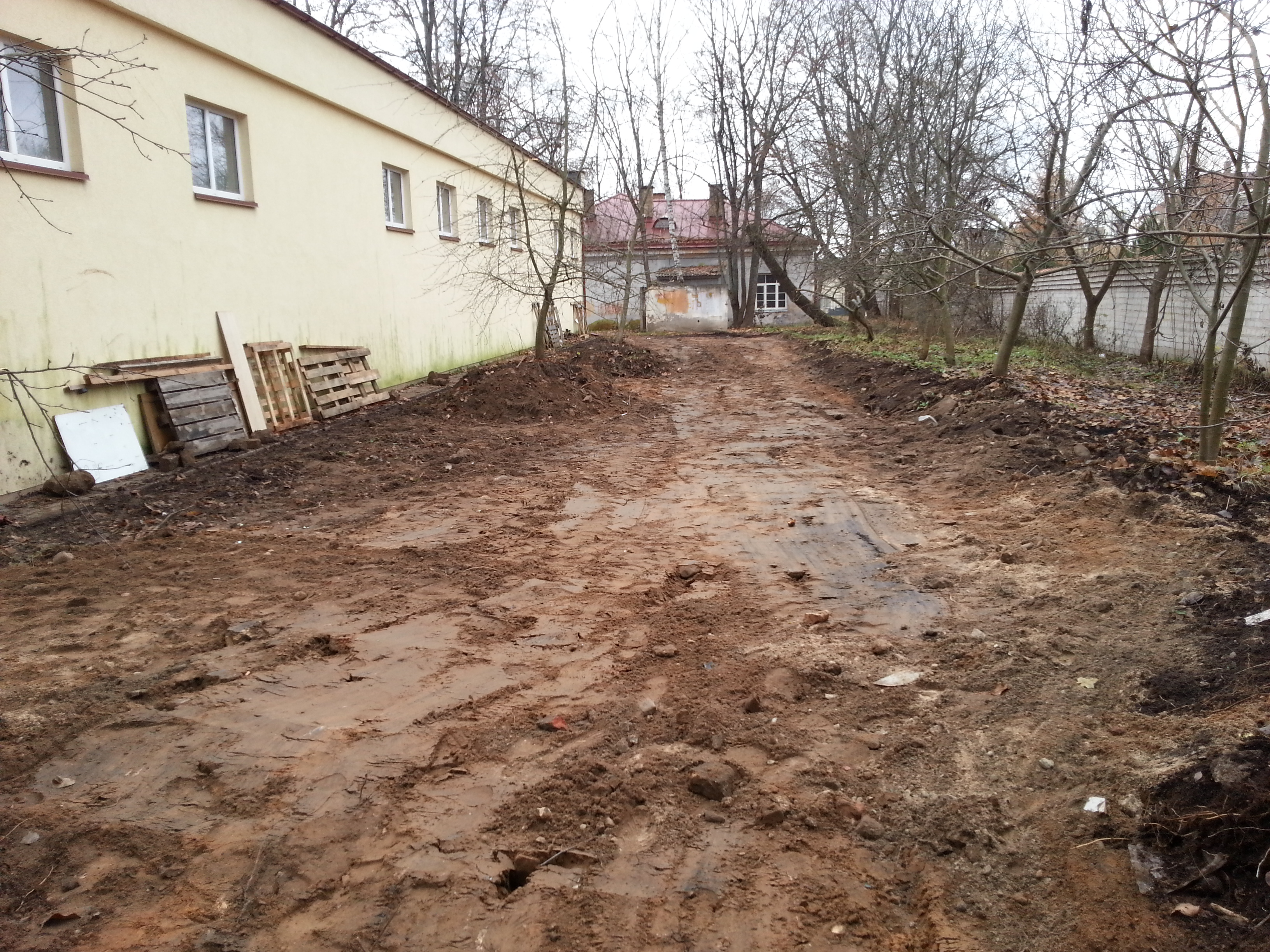
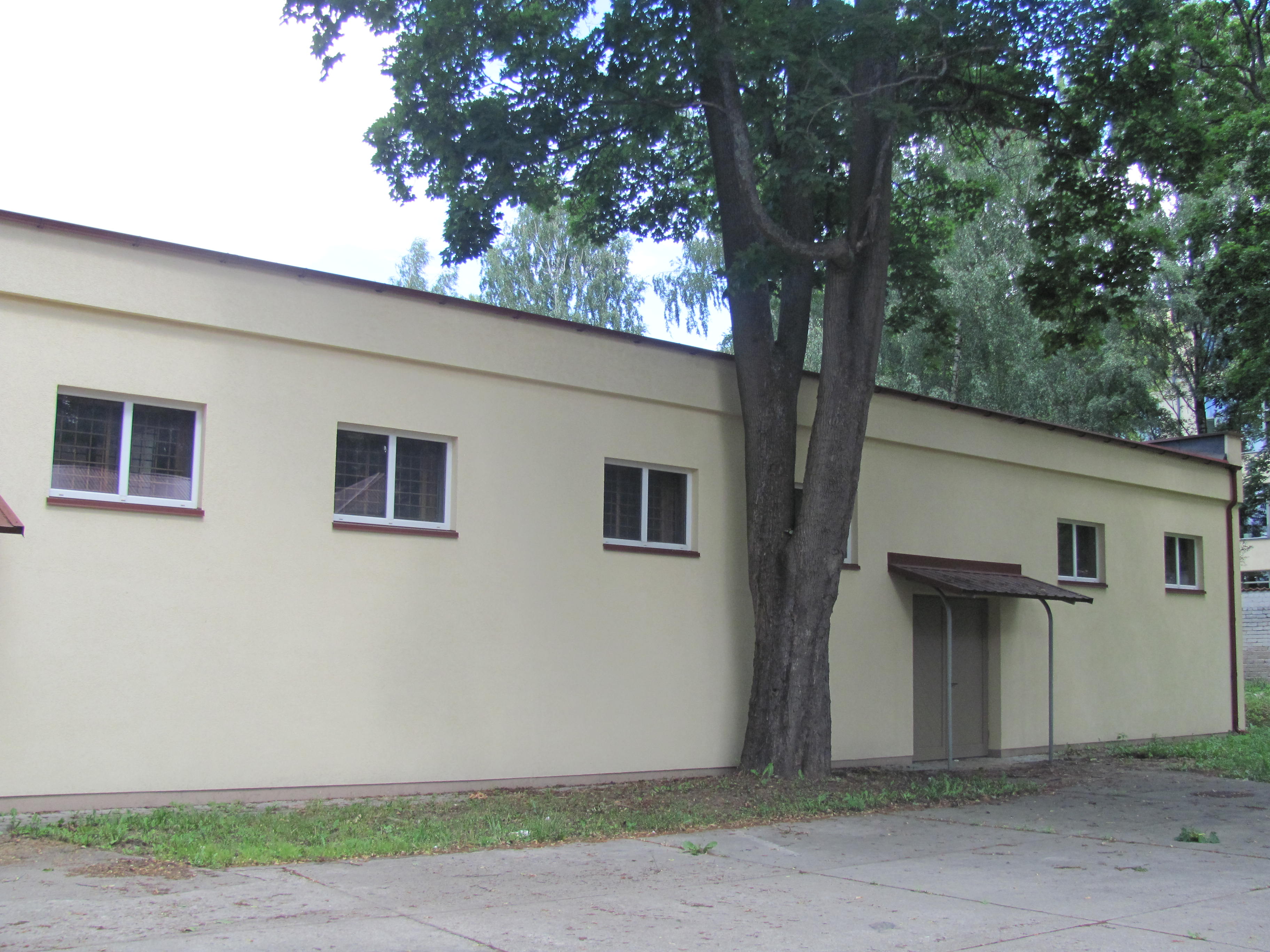
Miesto laboratorija is a community-driven urban regeneration project in Vilnius that transforms a former industrial site into a vibrant, inclusive and sustainable public space. It addresses the challenge of underused urban areas by activating them through community-led, low-impact and circular approaches.
The project benefits local residents, young people, creatives, community groups and cultural practitioners, while also engaging NGOs, educators and public institutions.
Its key objectives are to reactivate abandoned urban space, foster social inclusion and community ownership, promote circular and sustainable practices, and create an open platform for cultural, educational and environmental activities.
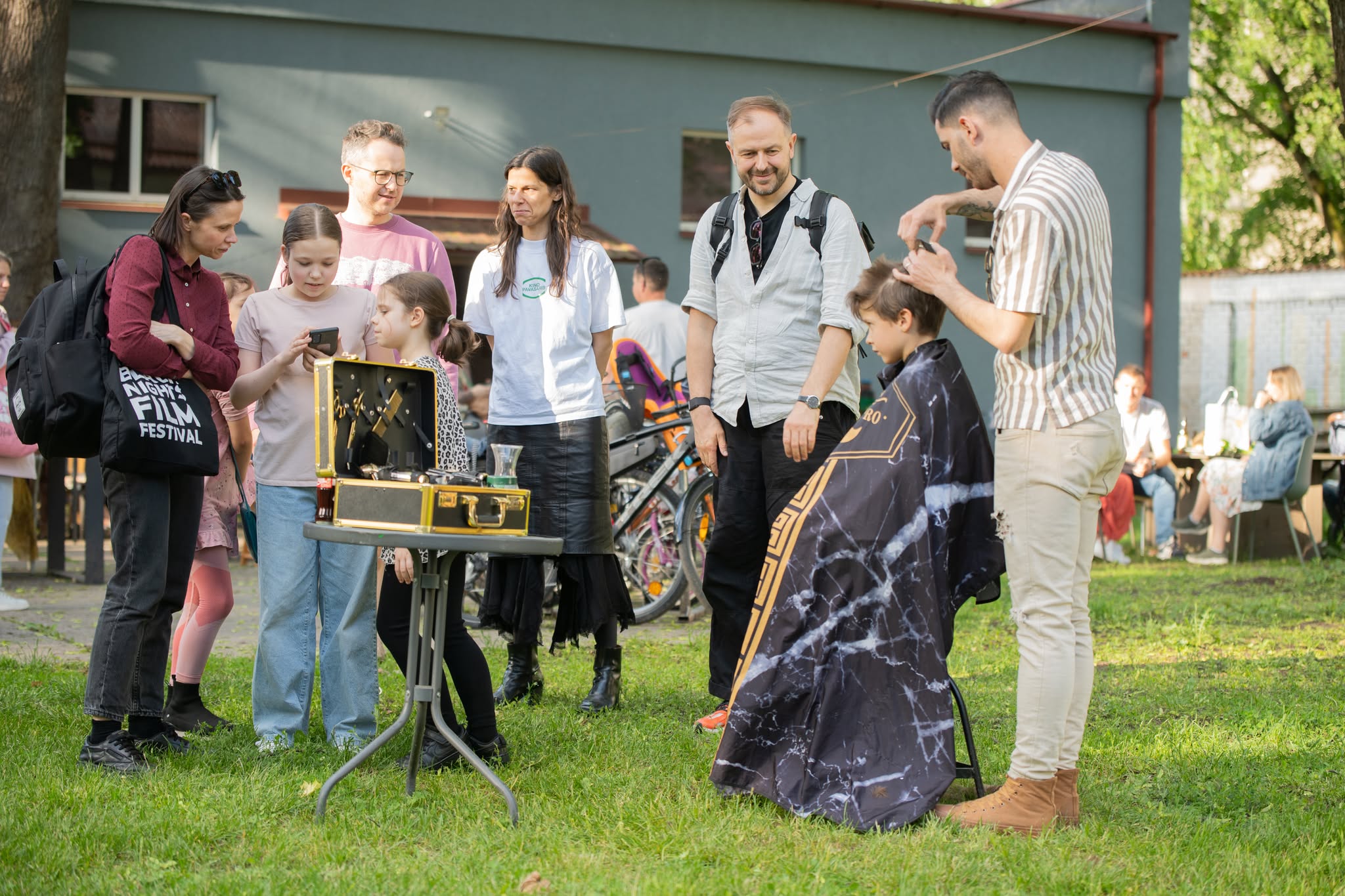
Over the past 10 years, the site has been transformed through adaptive reuse, green infrastructure and repurposed materials. Miesto laboratorija has hosted more than 1,500 open community events, engaged over 100,000 attendees and delivered more than 1,000 educational activities. These include cultural events, workshops, urban gardening and local food initiatives, contributing to stronger social ties, environmental awareness and active use of public space. A strong and engaged community has formed, with users directly contributing to the space.
Operating as a transdisciplinary platform, the project connects urbanism, culture, sustainability and social innovation, collaborating across sectors and governance levels.
Its transformative potential lies in its flexible, participatory and resource-conscious model, which can be adapted to other contexts. It demonstrates how cities can shift towards regenerative, inclusive and resilient urban development in line with New European Bauhaus principles.
Miesto laboratorija emerged from a grassroots initiative seeking to activate an underused industrial site in Vilnius and turn it into a space for community, creativity, and sustainability. The project began with a small group of cultural practitioners, urban activists, and residents who shared a vision of transforming the area into an open, inclusive environment.
From the outset, the process was highly participatory. Temporary activities, workshops, and events were used to test ideas and engage the community, allowing the project to grow organically based on real needs. Instead of a fixed masterplan, Miesto laboratorija evolved through experimentation, co-creation, and continuous dialogue with users and stakeholders.
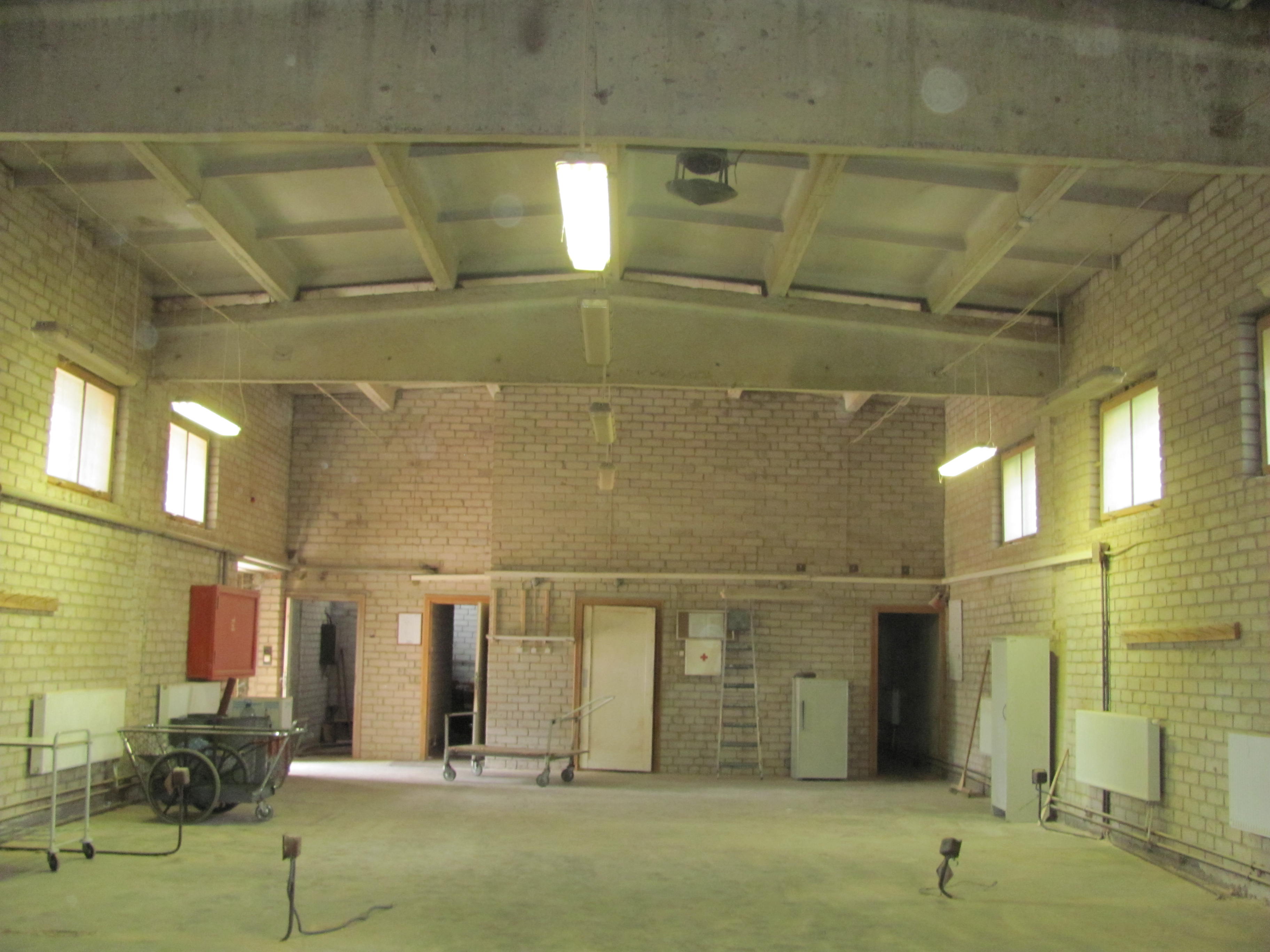
On the ground, implementation combined low-cost, circular, and hands-on approaches. Existing structures were adapted and reused, materials were repurposed, and green elements such as urban gardens were introduced. The site gradually transformed into a multifunctional space hosting cultural, educational, and social activities.
Collaboration has been key throughout the process. The project brings together different disciplines – architecture, design, arts, environmental practices and social innovation – while also engaging local authorities, NGOs and community groups. This multi-level and transdisciplinary approach has enabled the project to expand its impact beyond the site itself.
Today, Miesto laboratorija continues to evolve as a living platform shaped by its community. Its story is one of collective initiative, resilience and experimentation, showing how small-scale, participatory actions can lead to meaningful and lasting urban transformation.
Community co-creation
Adaptive reuse
Circular economy
Social inclusion
Nature-based solutions
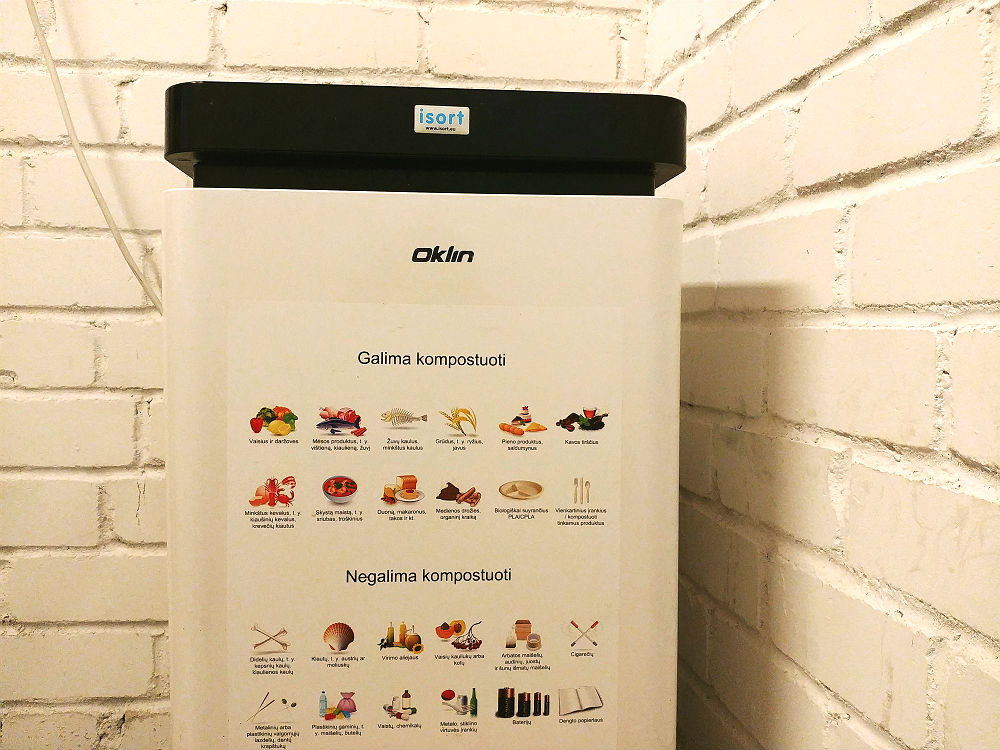
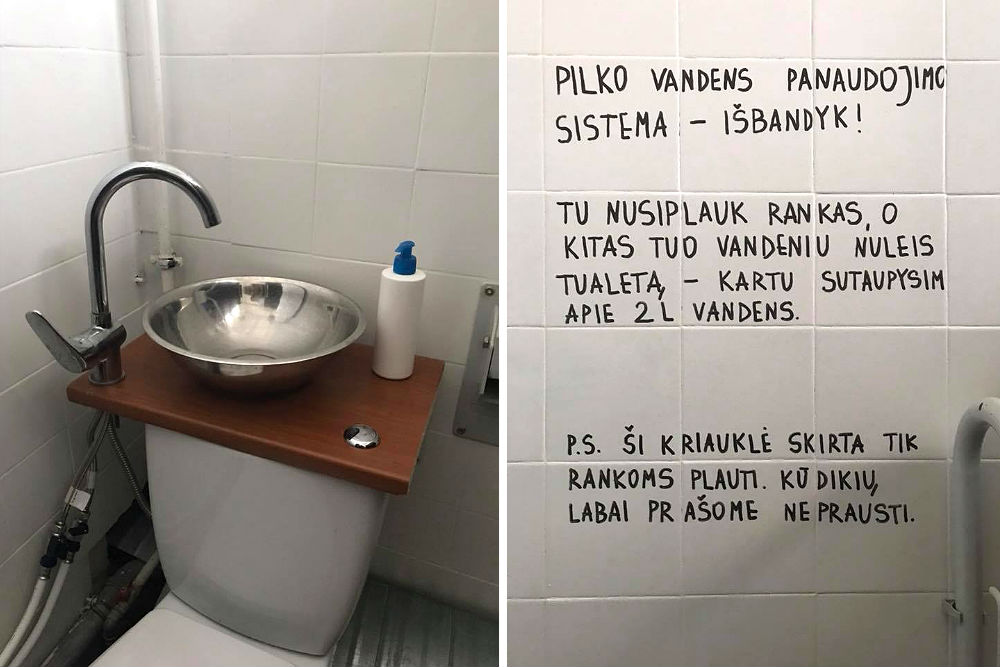
ML addresses environmental, social, and economic challenges through a regenerative and community-driven approach to urban development. It transforms an underutilized industrial site into a multifunctional green space through adaptive reuse, low-impact interventions, and circular practices. No new resources are being used on the site – the community café, event space and all the garden infrastructure inside and outside are designed using exclusively reused or repurposed materials. DIY practices are essential in ML.
Nature-based solutions are integrated into the site, including an educational hydroponic garden inside and open urban gardening outside. Green infrastructure that enhances biodiversity, improves microclimate conditions and reconnects people with natural processes. These elements not only reduce environmental impact but also promote ecological awareness and stewardship within the community.
Social sustainability is at the core of the project. ML fosters inclusive participation by engaging diverse groups in co-creation and everyday use of the space. The employment policy of the community café is very inclusive – elderly people, people with disabilities or other sensitive social groups are very welcome here. Activities such as workshops, cultural events and educational programmes for school groups, families and adults empower people to adopt more sustainable lifestyles and strengthen local resilience.
Economically, the project operates as a successful social enterprise. The community cafe and event venue is the financial engine of the project. ML is an economically self-sustainable project, using as little public funding as possible. As an exemplary project, ML demonstrates how small-scale, participatory and resource-conscious interventions can lead to long-term,systemic change. It shifts from extractive to regenerative practices, giving back to both the environment and the community while offering a a replicable model for sustainable urban transformation.
Miesto laboratorija contributes to a new understanding of beauty rooted in everyday experiences, collective creativity and the meaningful transformation of place. Rather than imposing a fixed ready-made design, the project embraces an evolving aesthetic shaped by its users, where function, sustainability and cultural expression come together.
The adaptive reuse of the industrial site preserves its identity while introducing new layers of life and meaning. Raw structures, reused materials and green elements coexist, creating a distinctive and authentic atmosphere that reflects both the history of the place and its contemporary use. This approach fosters a sense of continuity and respect for local context.
Beauty in Miesto laboratorija is also social and experiential. The space is designed to encourage interaction, creativity and shared experiences through cultural events, workshops, food initiatives and informal gatherings. These activities activate the environment and make it welcoming, lively and emotionally engaging.
By involving the community in shaping the space (open workshops of renewing furniture, constant collecting of unwanted tableware, etc.), the project strengthens a sense of ownership, belonging and care. People do not just use the space – they contribute to it, maintain it and identify with it. This participatory process enhances the perceived quality and meaning of the environment over time.
As an exemplary project, Miesto laboratorija shows that aesthetics can emerge from inclusiveness, sustainability and collaboration. It demonstrates how beauty can be co-created, accessible and deeply connected to place, contributing to long-term well-being and a shared sense of identity.
Miesto laboratorija promotes inclusion by ensuring accessibility, affordability and active participation for diverse social groups. The space is open and welcoming, with many free or low-cost activities, making it accessible to people of different ages, backgrounds and economic situations. Particular attention is given to engaging local residents, young and elderly people, creatives and underrepresented groups.
The project operates as a shared community space resource rather than a commercial venue, prioritising social value over profit. It supports grassroots initiatives, local producers and informal groups by providing space, visibility and opportunities to participate. This lowers barriers to entry and encourages a wider range of voices to be present and active.
Miesto laboratorija also promotes new societal models based on cooperation, solidarity and shared responsibility. By creating opportunities for people to meet, collaborate and learn from each other, it strengthens social cohesion and mutual support networks.
As an exemplary project, it demonstrates how inclusive urban spaces can be created and sustained through openness, participation and community-led governance, contributing to more equitable and resilient cities.
Participation is at the core of Miesto laboratorija. From its inception, the project has been shaped through active involvement of citizens, local communities and civil society organisations. Rather than following a top-down approach, it developed through open calls, workshops, temporary events and hands-on activities that invited people to contribute ideas and test solutions.
Users are not only participants but co-creators. They take part in designing, building and maintaining the space, as well as in organising cultural, educational and social programmes. This includes community gardening, collaborative construction, public discussions and creative initiatives.
The level of involvement is continuous and evolving. Feedback loops and informal governance structures allow the project to adapt over time, ensuring that it remains relevant and responsive to community needs.
The impact of this participatory approach is significant. It has built a strong sense of ownership and belonging, increased social trust and empowered individuals to take initiative. It has also resulted in solutions that are more context-sensitive, innovative and sustainable.
Miesto laboratorija exemplifies how meaningful participation can lead to long-term engagement and transformative change in urban environments.
Miesto laboratorija engages stakeholders across multiple levels, creating connections between local initiatives and broader institutional frameworks. At the local level, the project works closely with residents, community groups, artists and entrepreneurs who actively shape and use the space.
At the municipal level, collaboration with local authorities has supported the temporary and long-term use of the site, enabling experimentation with new forms of urban development and public space management. The implementation of open community fridge or city chicken coop are the perfect examples how we test the green solutions for the city. These relationships help bridge grassroots initiatives with formal planning and policy processes.
The project also connects with national and European networks, participating in knowledge exchange, cultural programmes and sustainability initiatives. These connections expand its visibility, bring new perspectives and allow the project to contribute to wider discussions on urban transformation.
The added value of this multi-level engagement lies in its ability to scale impact. Local actions are amplified through institutional support and international networks, while policies and strategies are informed by on-the-ground experimentation.
Miesto laboratorija demonstrates how collaborative governance across levels can enable more flexible, innovative and inclusive urban development models.
Miesto laboratorija is inherently transdisciplinary, bringing together a wide range of fields and forms of knowledge. Its development involves architecture, urban design, environmental practices, arts and culture, social sciences, education and community development.
Creative practitioners, designers and architects collaborate with activists, educators, researchers and local residents. This mix allows the project to address complex urban challenges from multiple perspectives and to integrate practical, cultural and social dimensions.
Environmental knowledge is applied through circular construction, reuse of materials and nature-based solutions. Social and educational approaches are reflected in workshops, participatory processes and community-building activities. Artistic and cultural practices play a key role in activating the space and making it meaningful and engaging.
Importantly, the project values both professional expertise and local, informal knowledge. This combination leads to more inclusive, innovative and context-sensitive outcomes.
Miesto laboratorija exemplifies how transdisciplinary collaboration can generate holistic solutions that go beyond traditional sector boundaries.
Miesto laboratorija operates through a hybrid and flexible business model that combines multiple revenue streams with a strong social mission. Financial sustainability is achieved through a mix of income-generating activities, project-based funding and partnerships.
Revenues are generated through community café, event space rentals, public events, workshops, cultural programmes, and collaborations with local businesses, artists and organisations. These activities are designed to remain accessible while contributing to operational costs.
Public funding, grants and participation in national and European programmes also play an important role, supporting specific initiatives related to sustainability, culture and community engagement. In addition, partnerships and in-kind contributions help reduce costs and strengthen the project’s resource base.
The project relies on a lean, adaptive approach, using low-cost interventions, reused materials and community involvement to minimise expenses. This allows it to operate efficiently while maintaining a high level of activity and impact.
By balancing economic viability with social and environmental goals, Miesto laboratorija demonstrates a resilient and scalable model for community-led urban regeneration.
Miesto laboratorija has strong potential for transferability and replication due to its flexible, process-oriented approach. Rather than relying on a fixed design, it is based on principles and methods that can be adapted to different contexts.
Key transferable elements include the model of community café, participatory co-creation process, the adaptive reuse of underutilised spaces, the use of circular and low-cost interventions, and the integration of cultural and community activities as drivers of transformation.
The project’s model of combining physical space with social programming can be applied in various urban and peri-urban settings, particularly in areas with vacant or transitional sites. Its emphasis on community ownership and inclusive governance is relevant across different social and cultural contexts.
Miesto laboratorija also provides valuable learnings on how to build partnerships, engage stakeholders and operate with limited resources while achieving meaningful impact.
By documenting and sharing its practices, the project contributes to a growing ecosystem of similar initiatives across Europe. It demonstrates that small-scale, community-led actions can be scaled through networks, knowledge exchange and adaptation, offering a replicable pathway towards more sustainable, inclusive and beautiful cities.