Strengthening Local Democracy and Inclusion
Spore Initiative and Publix in Berlin
Foundation ensemble: “Spore Initiative” and “Publix – House for Journalism and the Public Sphere”
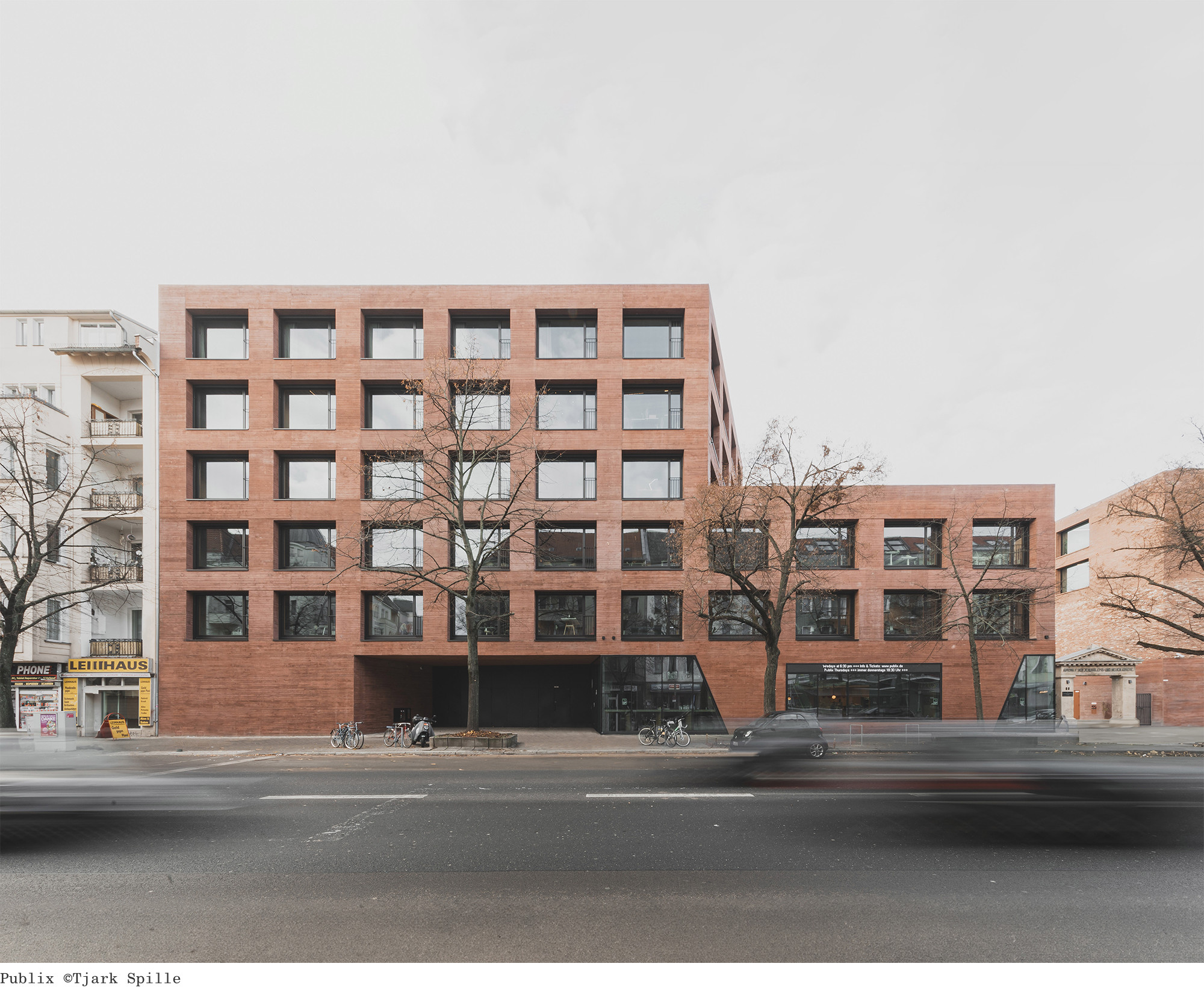
The ensemble of “Spore Initiative” and “Publix - House for Journalism and the Public Sphere” establishes a new urban address in Berlin-Neukölln. Initiated by the non-profit Schöpflin Foundation, both buildings pursue programmatic goals in (media) education, public discourse and cultural practice. Designed for long-term usability, social openness and cultural resilience, the project activates a previously vacant site and creates open third places for exchange in a diverse neighbourhood.
Germany
National
Mainly urban
It involves a physical transformation of the built environment (hard investment)
Yes
2024-09-01
No
No
No
Organisation
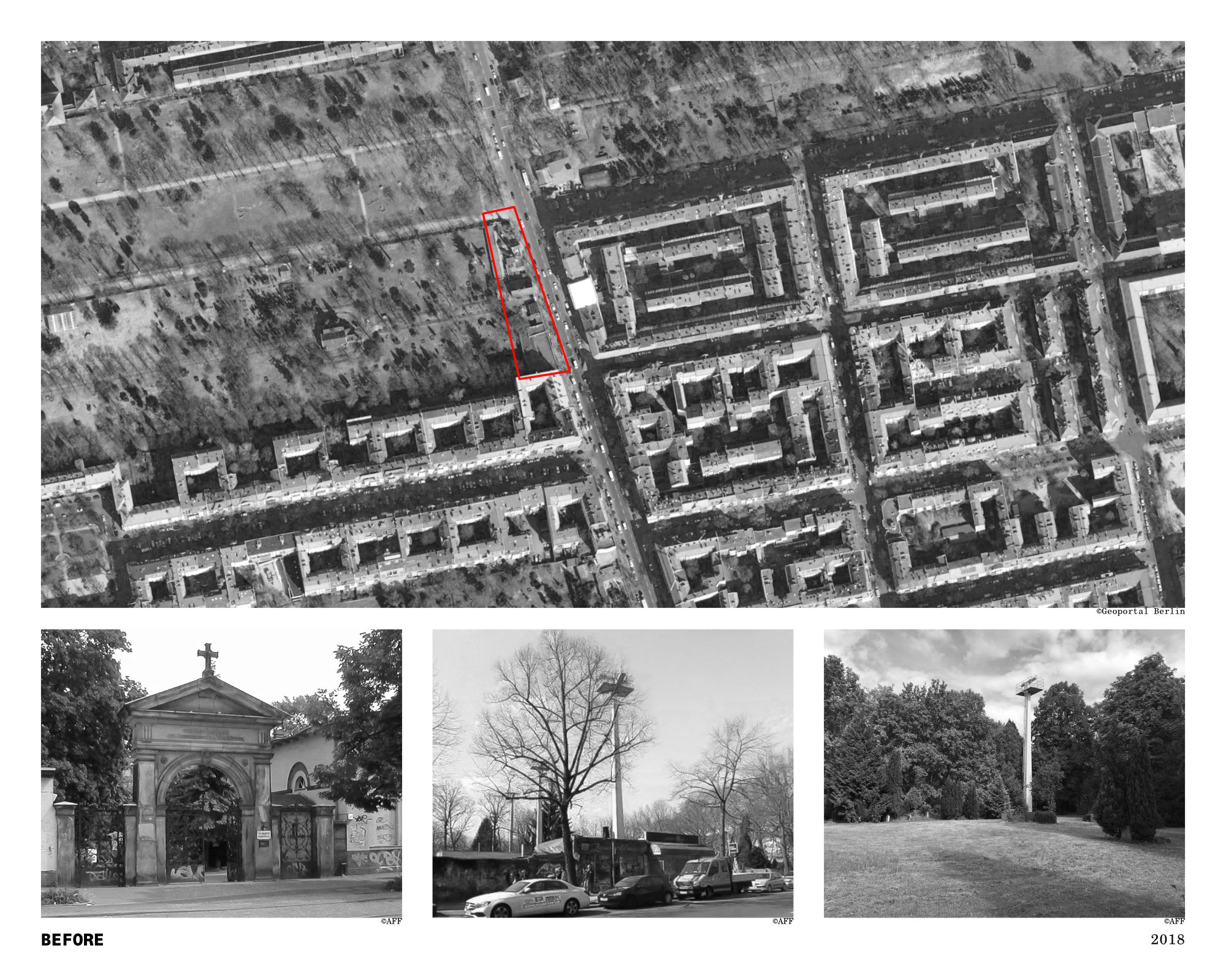
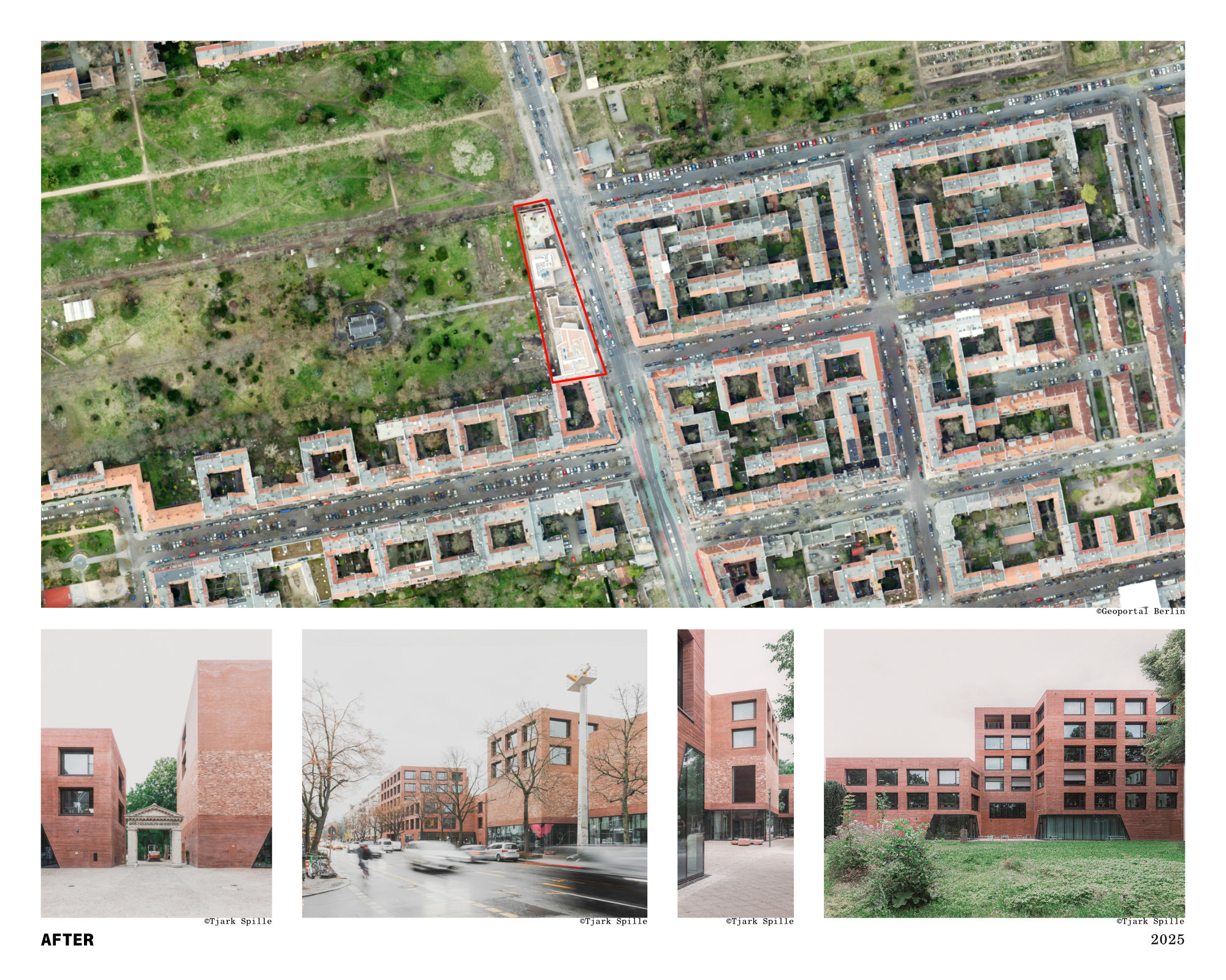
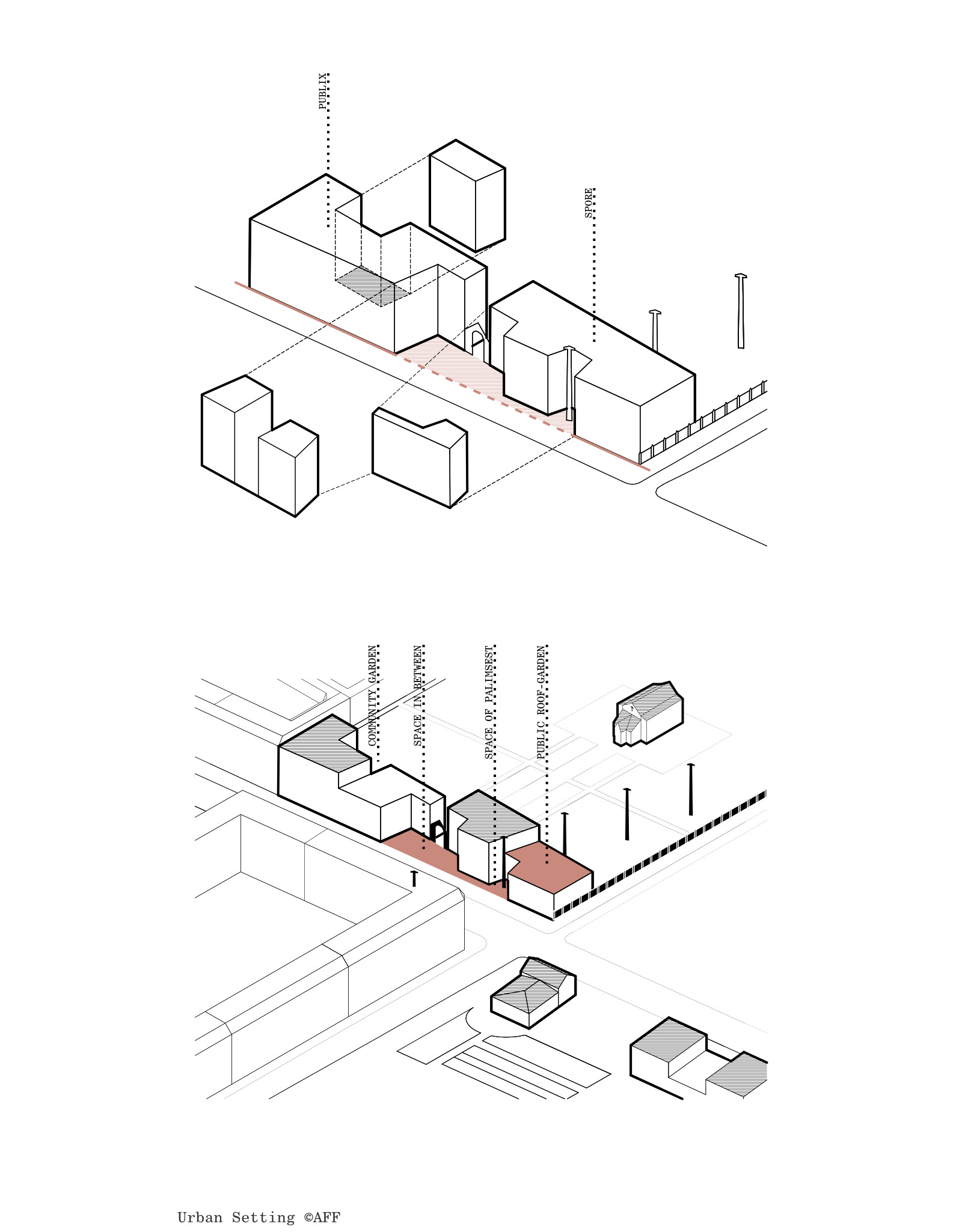
Located between cemetery landscapes and perimeter blocks, the ensemble of Spore Initiative and Publix activates a site that once marked the entrance to a cemetery but gradually lost its urban function. Through a sensitive urban design this void has been densified and transformed into a public meeting point. Initiated by the non-profit Schöpflin Foundation, the project addresses the need for spaces that support democratic discourse, cultural exchange and (media) education in a socially diverse environment.
Spore is a cultural initiative dedicated to ecological regeneration, community participation and knowledge exchange. The initiative provides space and support for projects by communities facing structural discrimination and limited access to cultural infrastructure, creating places for encounters, intergenerational exchange and collective joy.
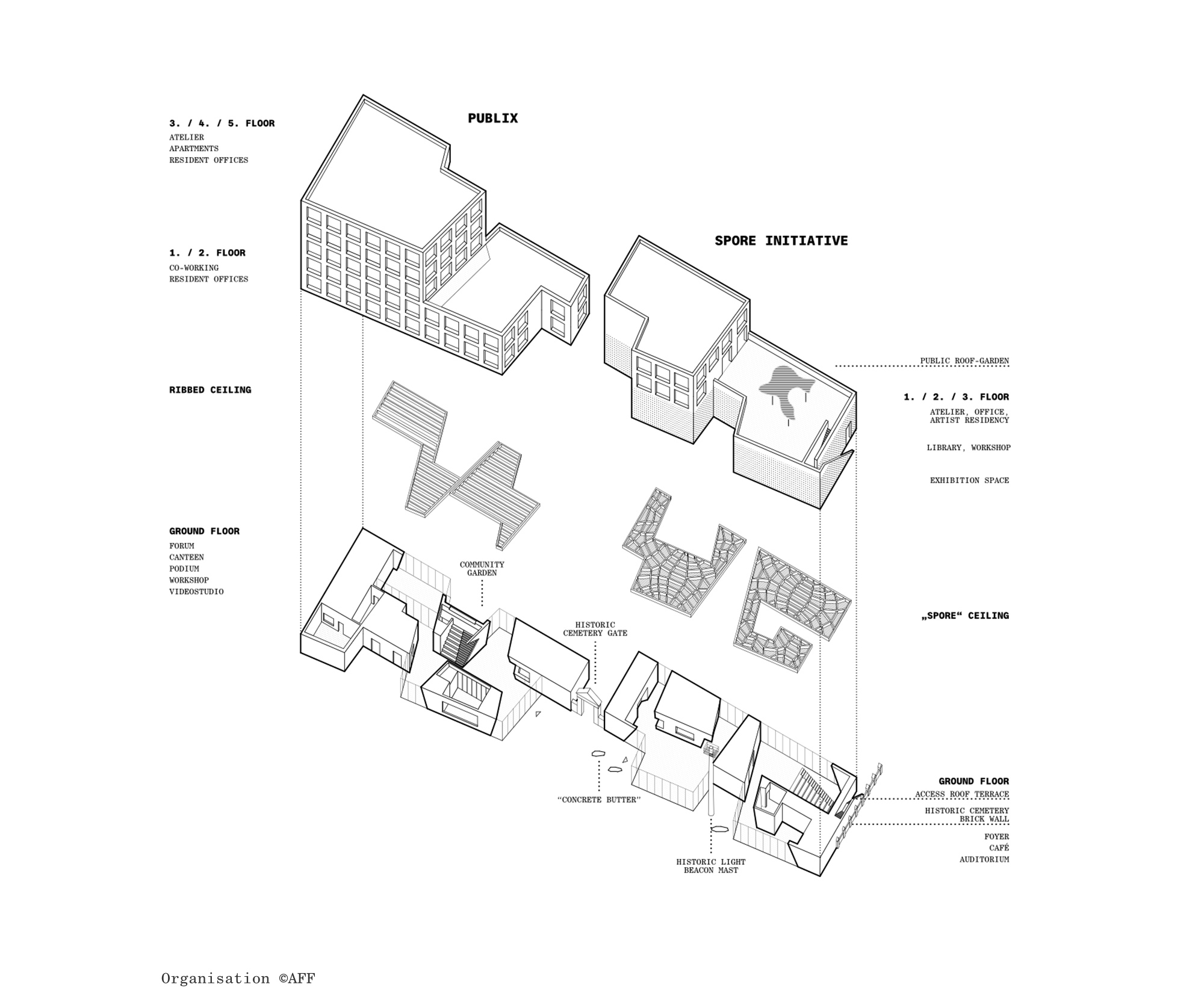
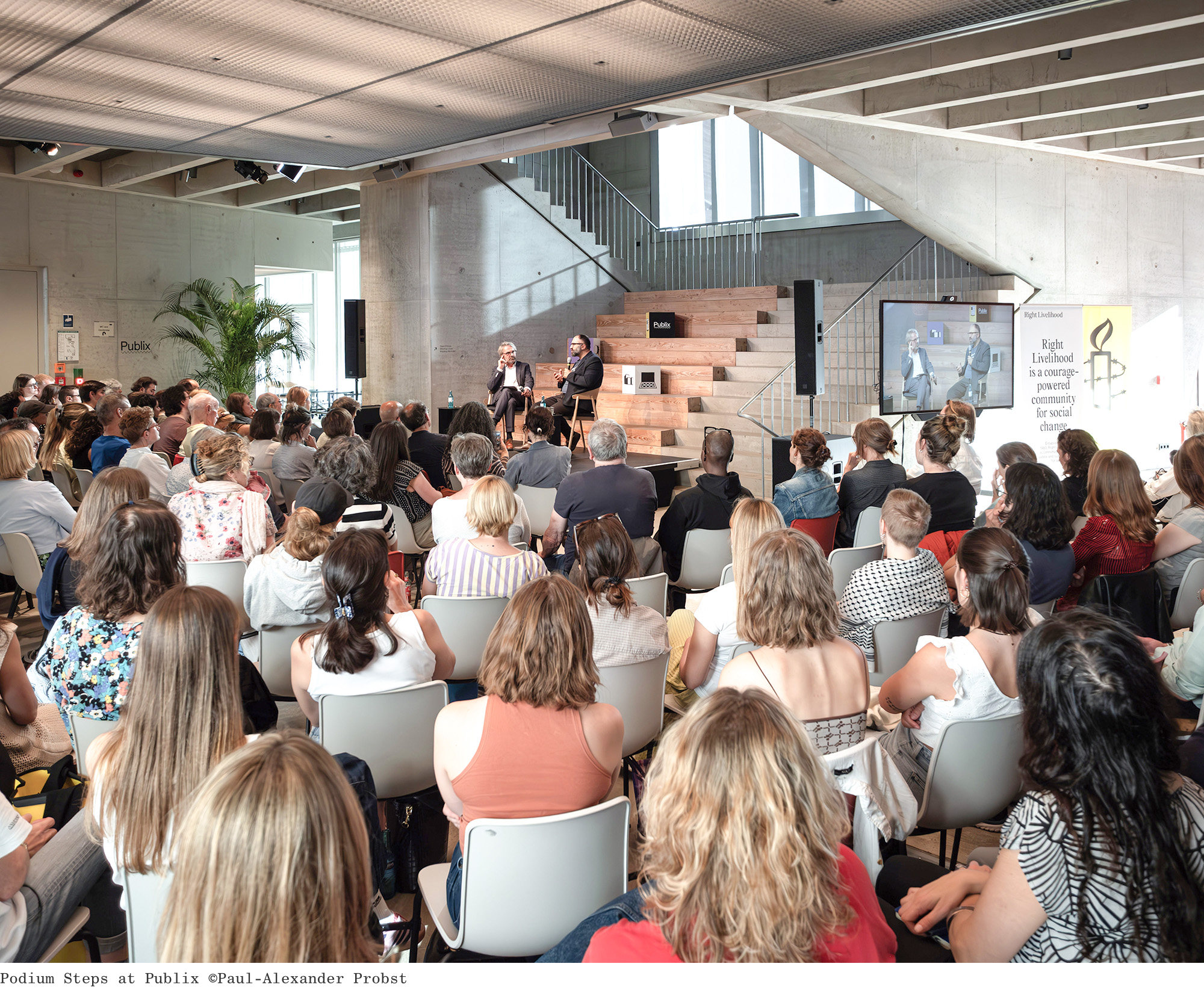
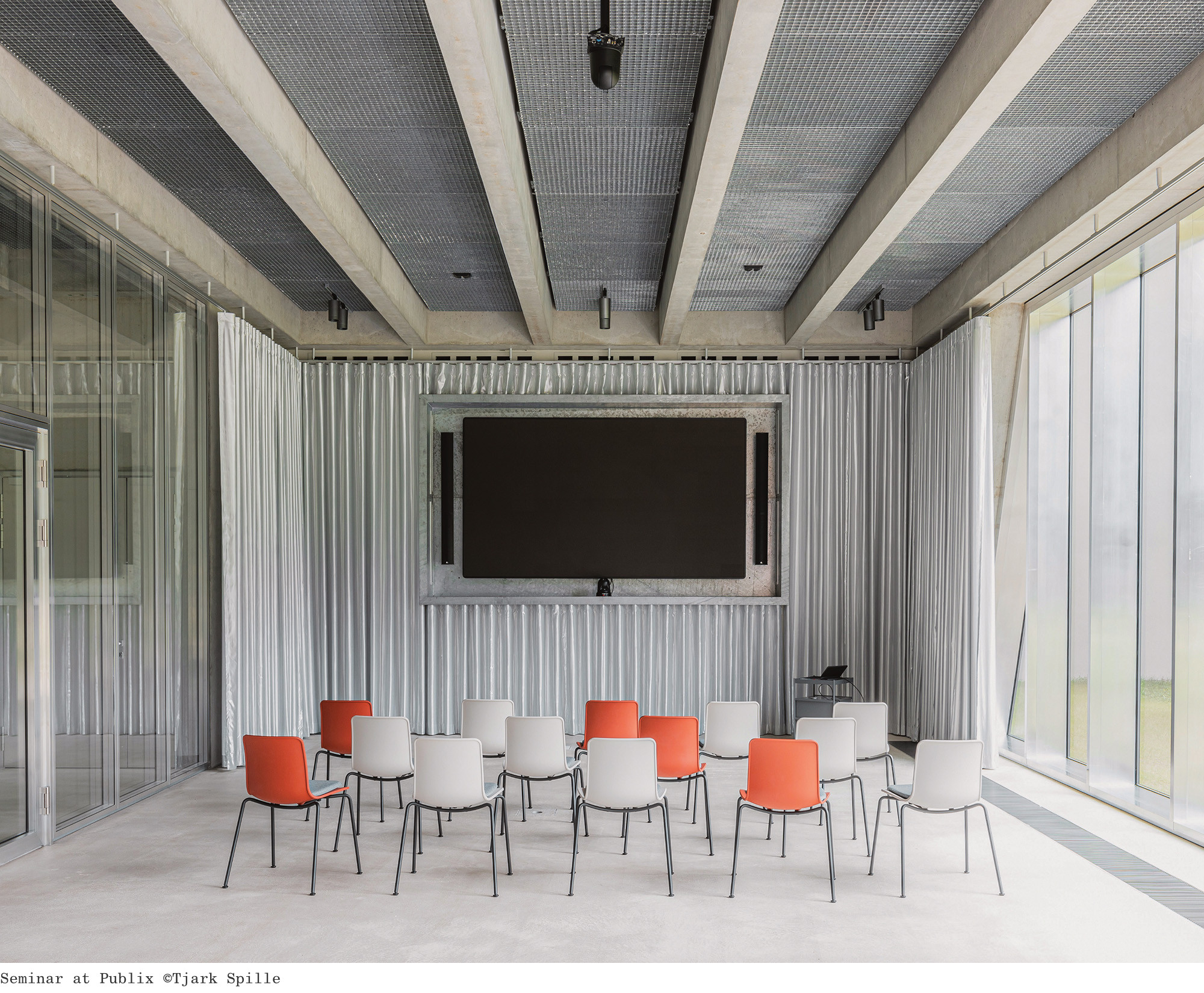
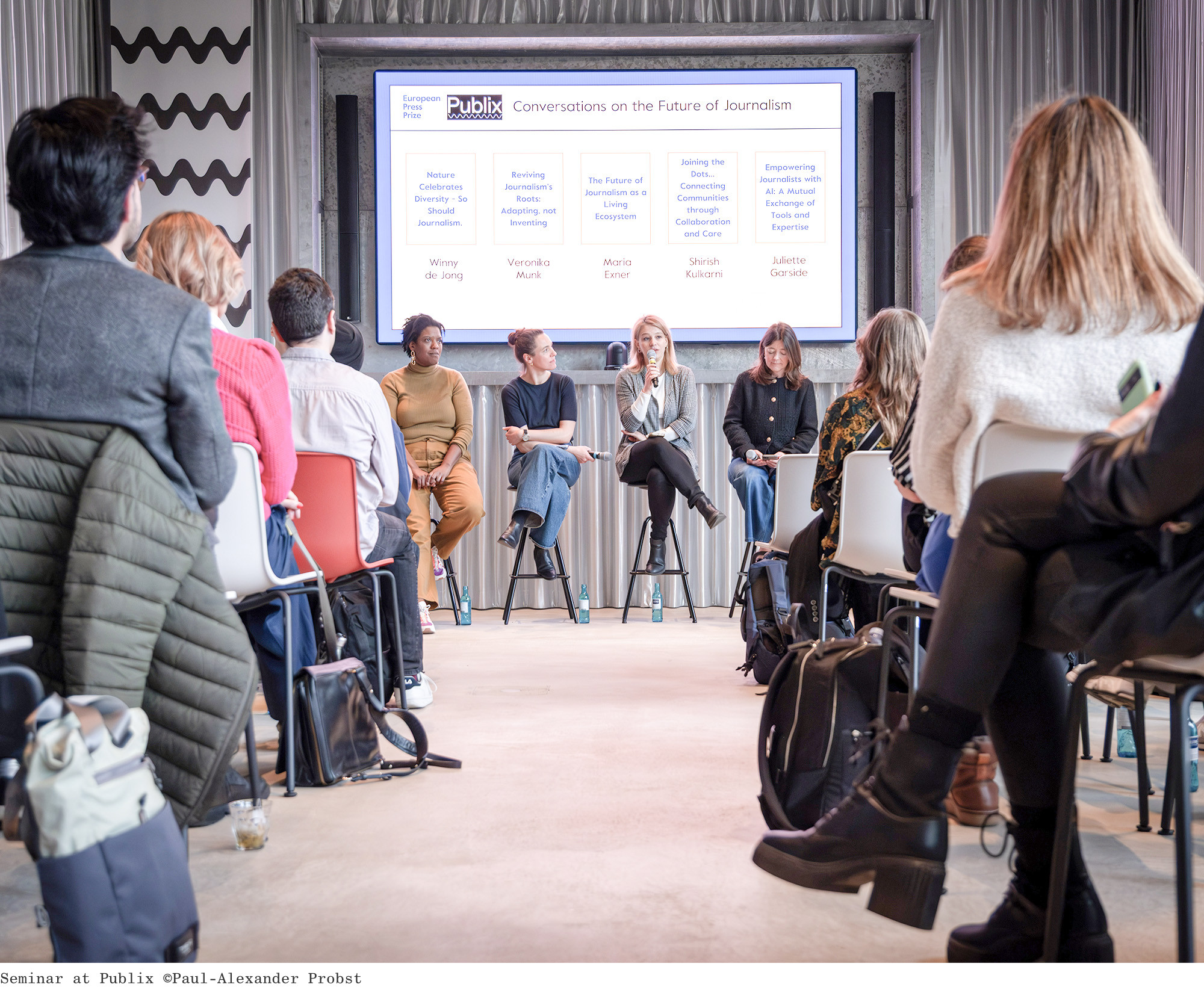
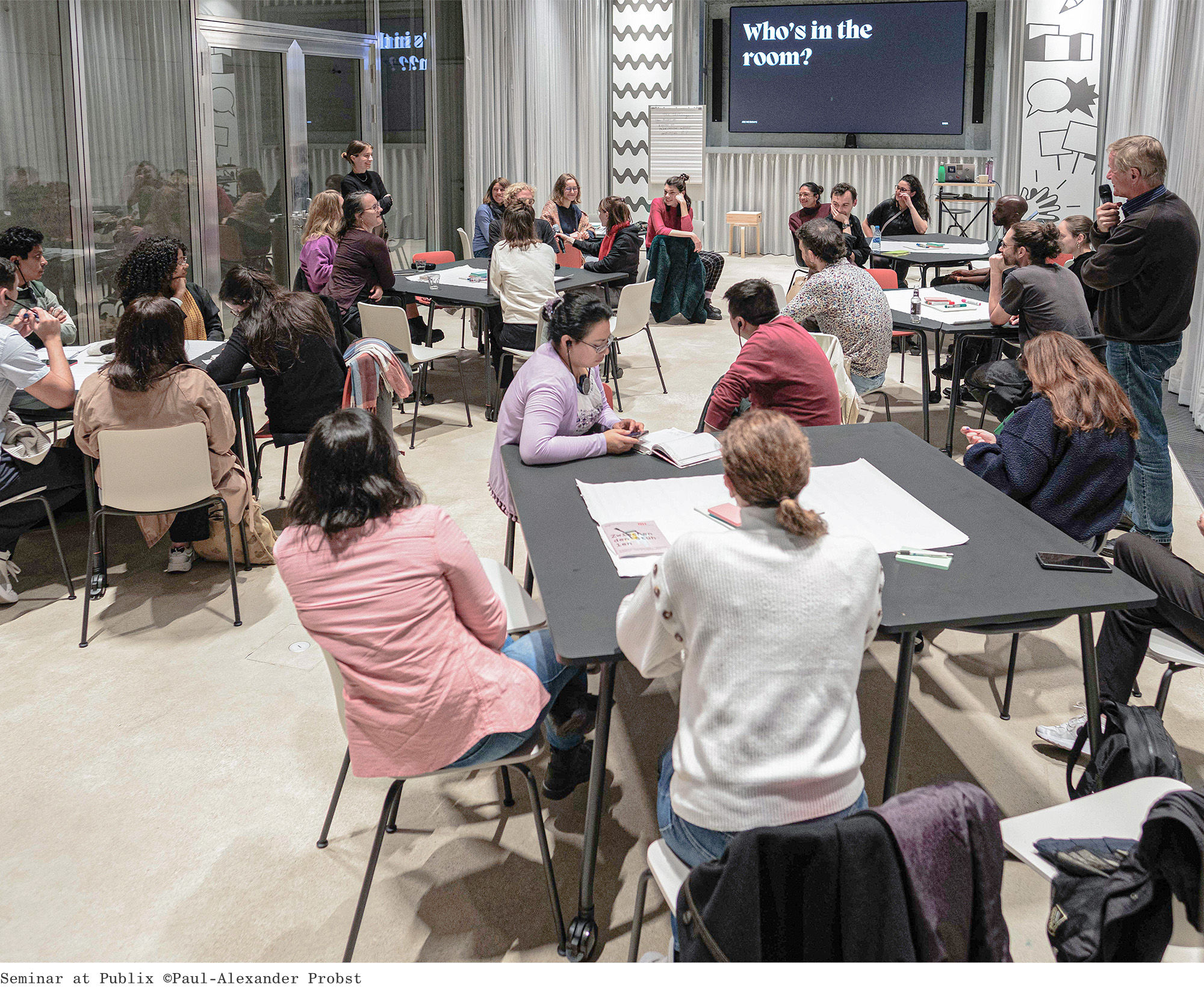
Publix is a new home for those who practise journalism, shape the public sphere and strengthen democracy. Publix’s vision is to build up a diverse and independent media landscape in Germany and Europe, promote journalistic innovation and investigative journalism, and counter disinformation. More than 30 organisations work across the four office floors, including editorial teams, publishing houses, and non-profit initiatives. A programme of in-house events, scholarships and education programmes as well as networking opportunities brings together professionals from the field and an interested public.
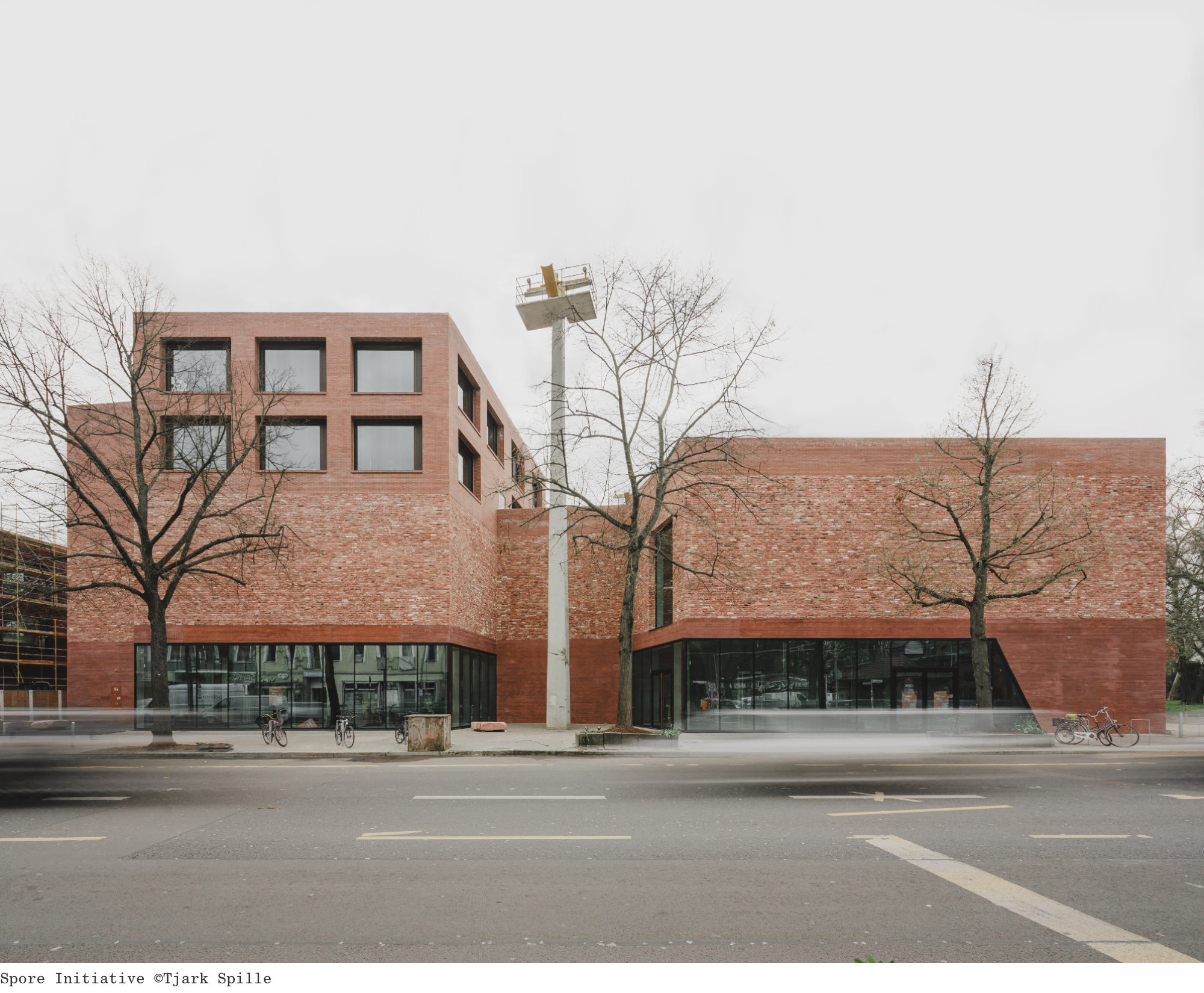
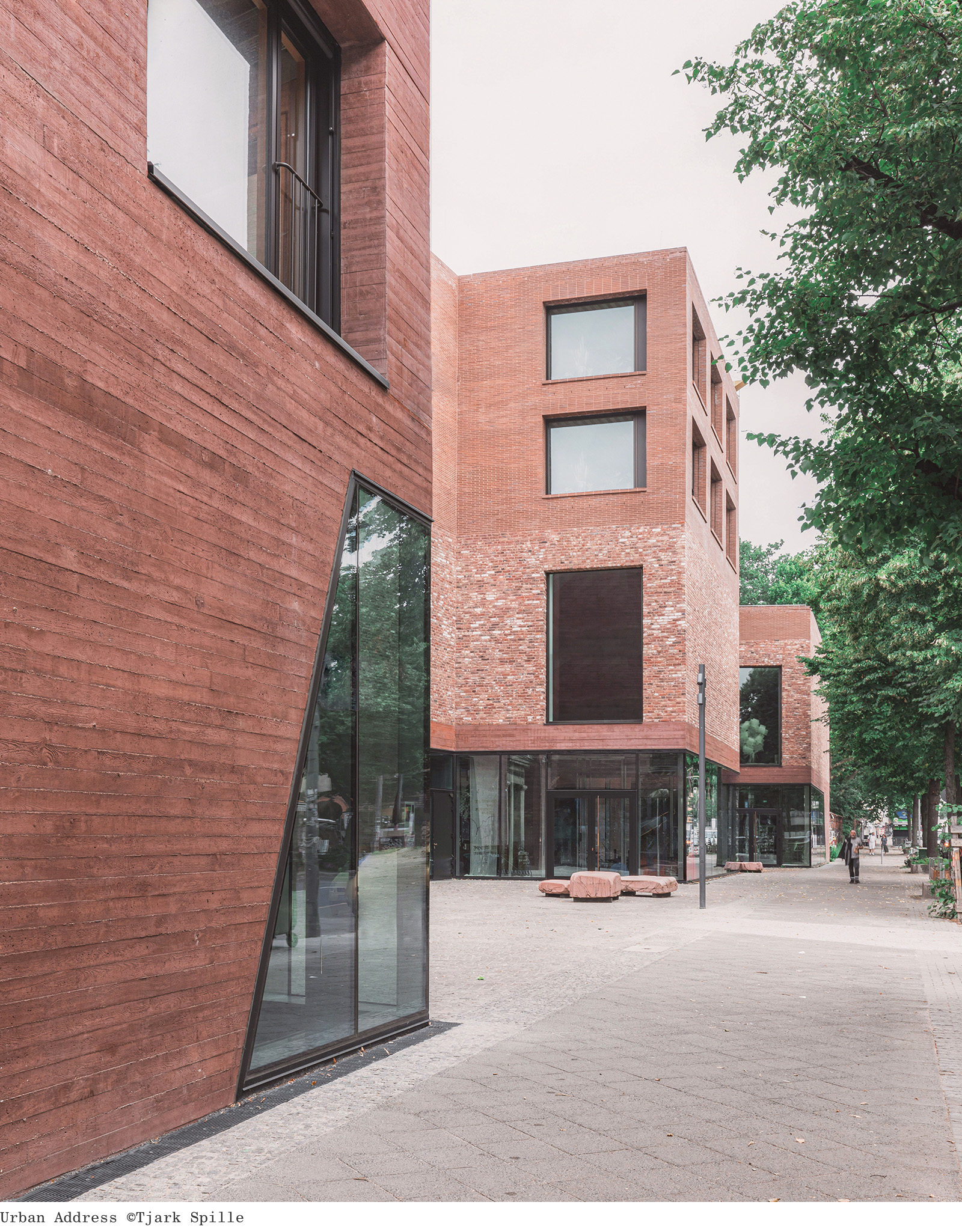
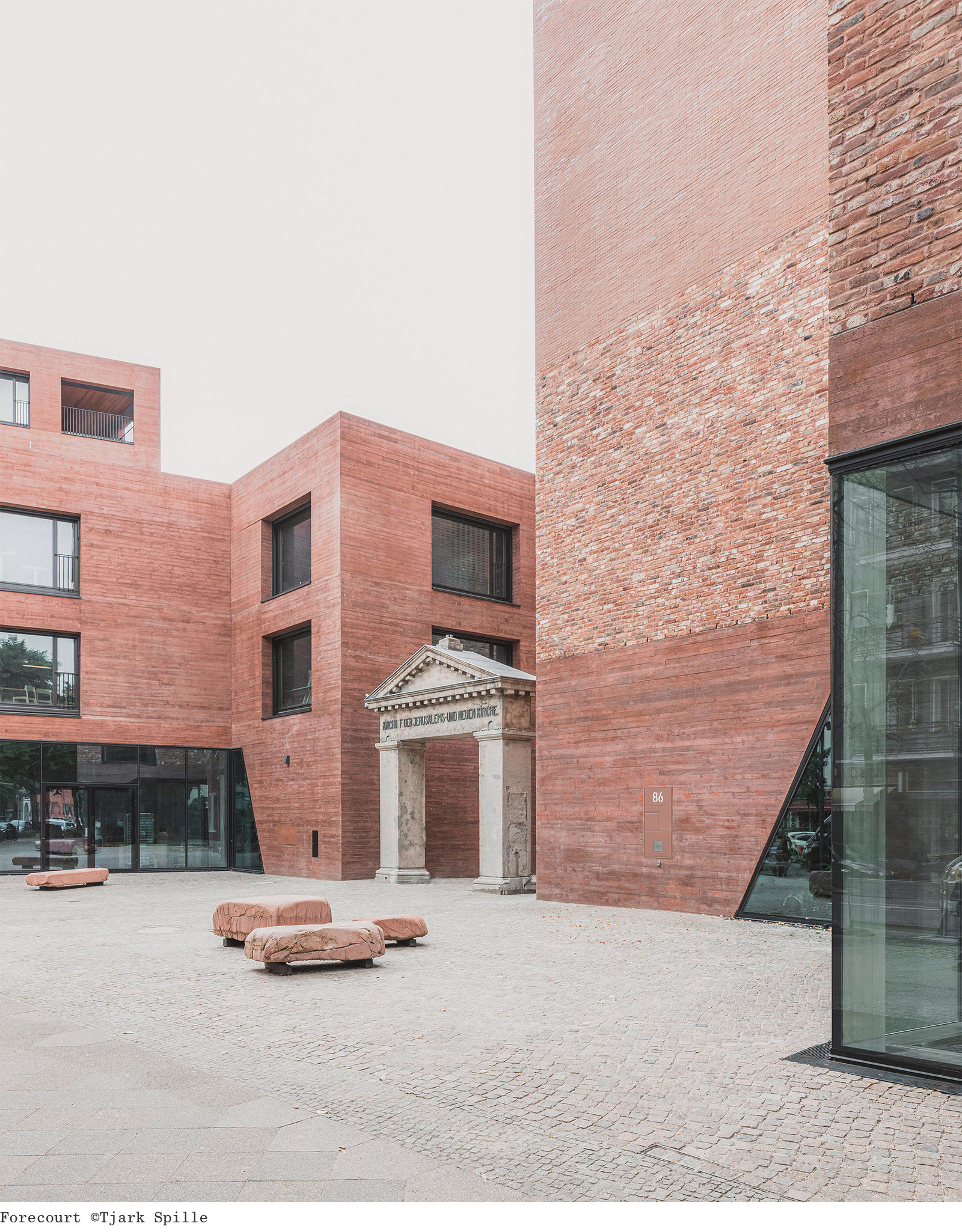
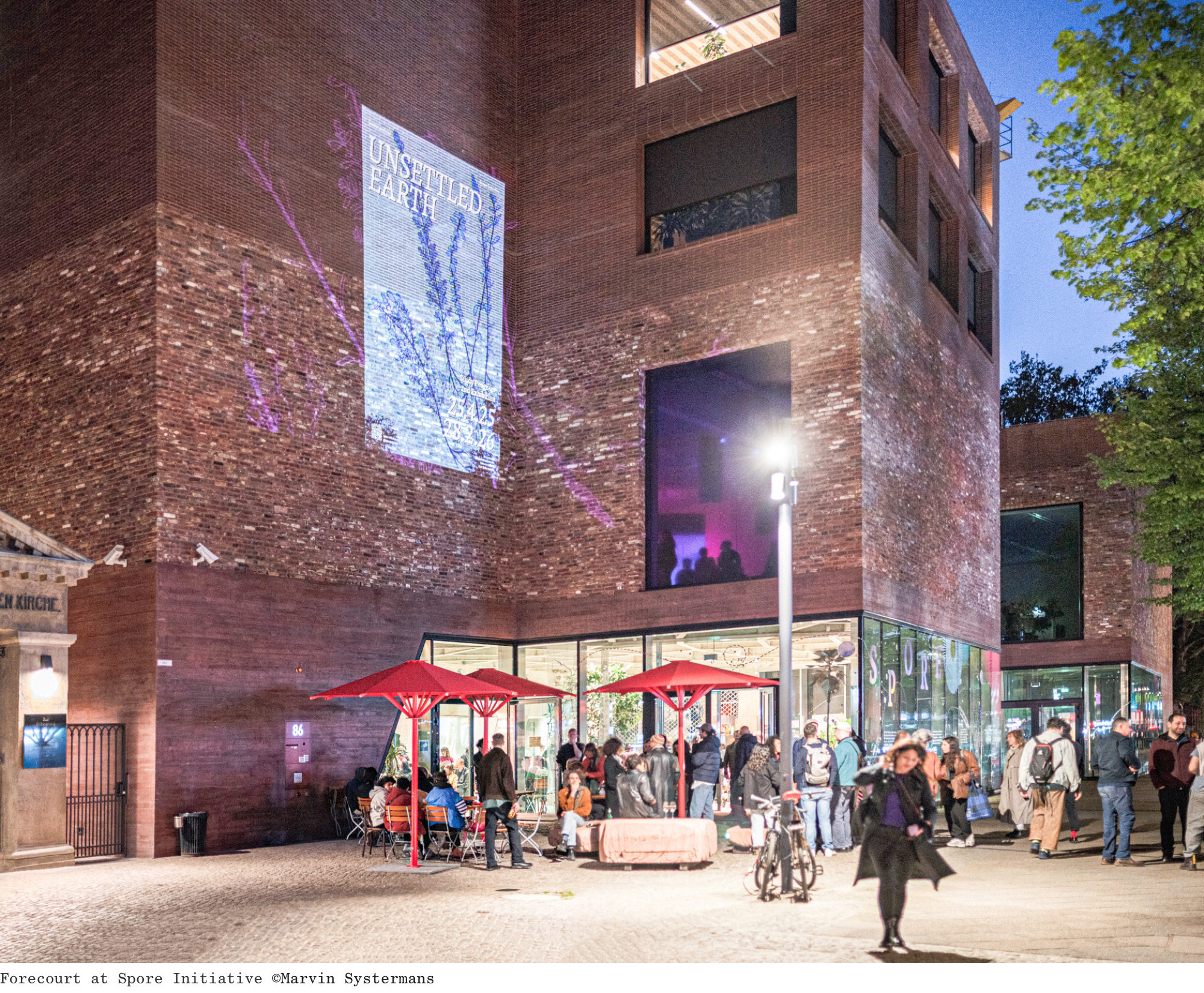
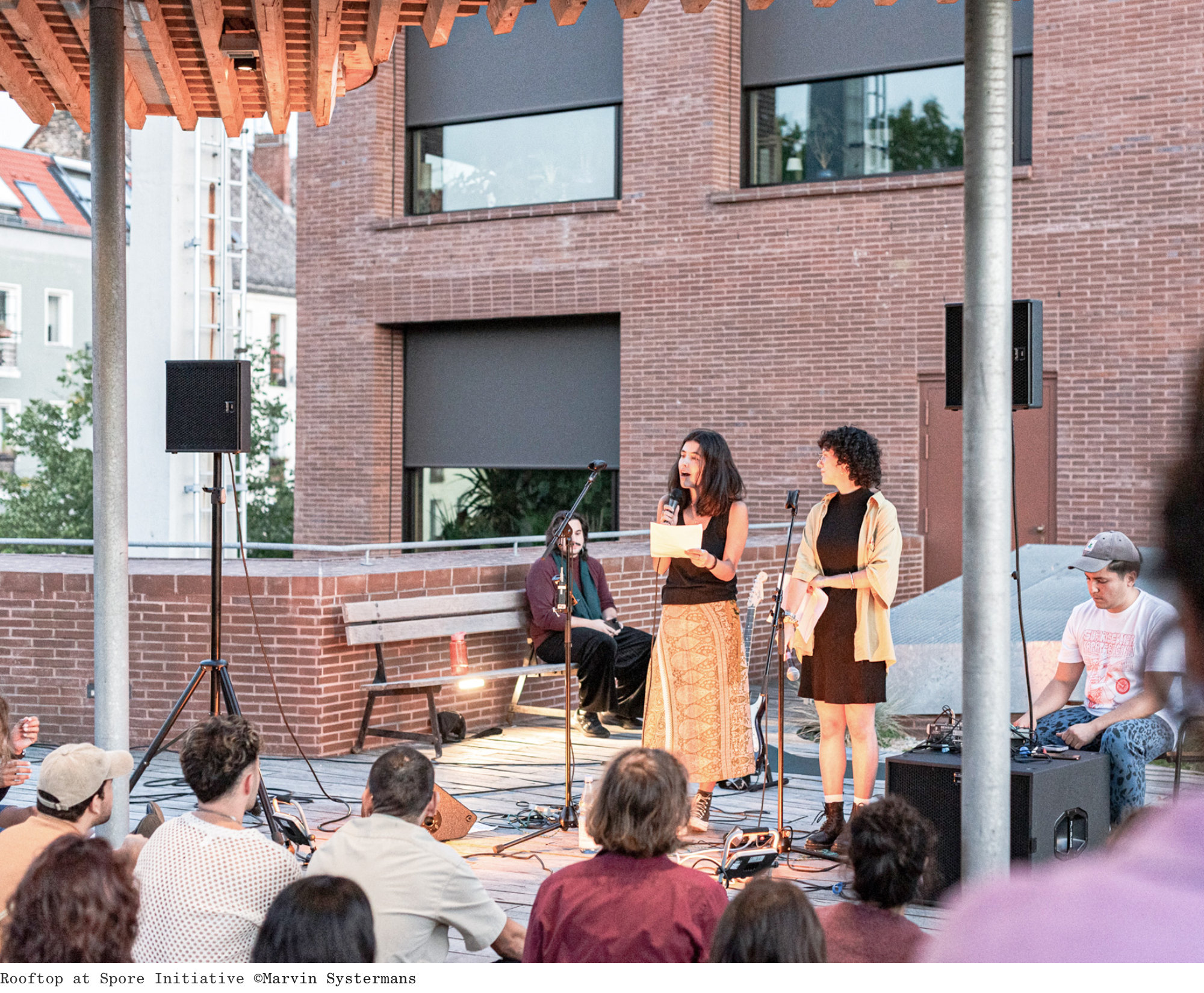
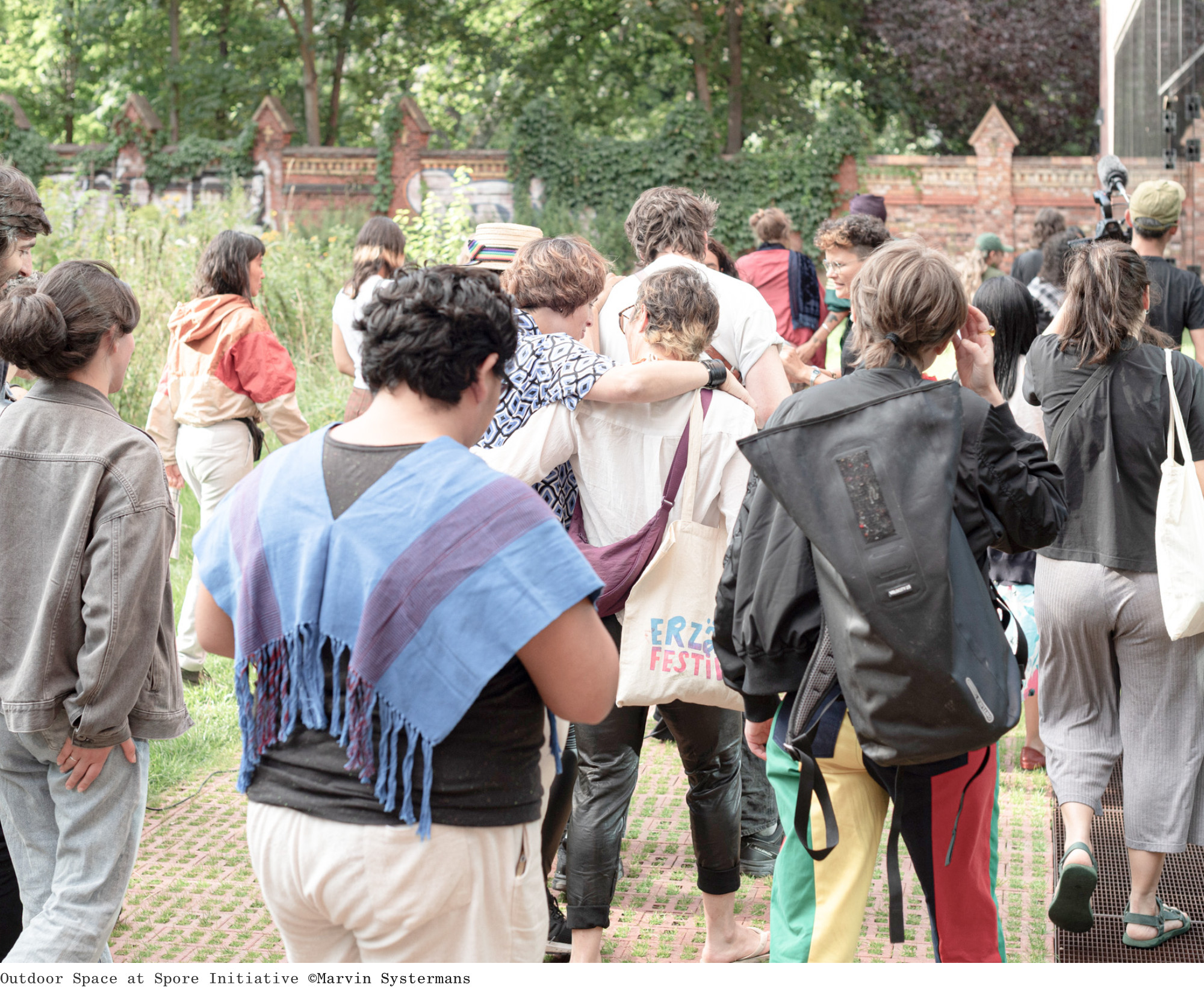
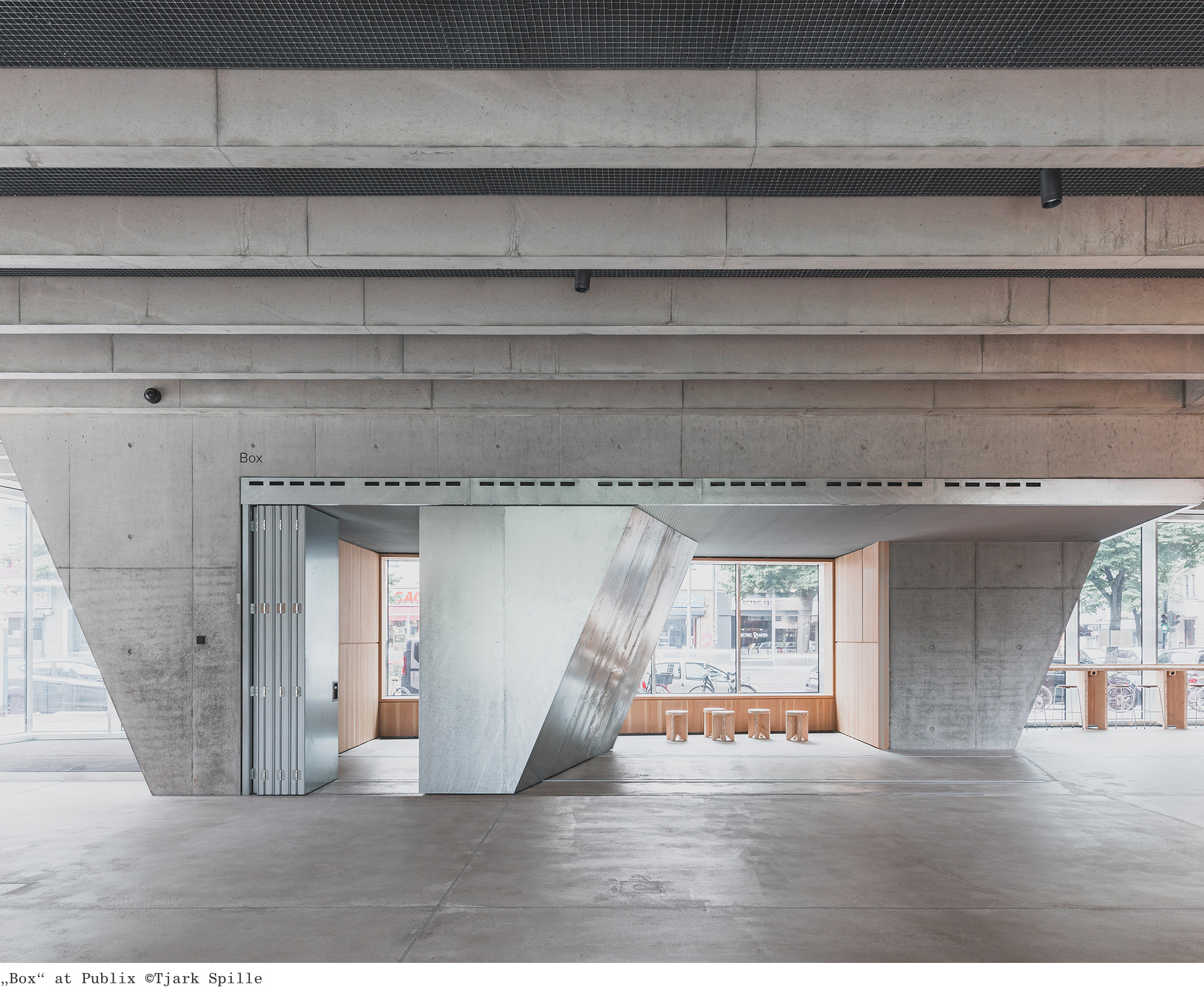
Serving as a community space and cultural centre, the typology is based on the guiding principle of a meeting place, emphasised by a shared forecourt that defines a public address. Both buildings open towards the city with transparent ground floors, providing a fluid transition between inside and outside with a wide variety of public functions. Since its opening, the ensemble has been quickly embraced by the local community and Publix alone welcomed over 1,000 visitors during its Open House format in 2025.
The project originates from the long-term commitment of the Schöpflin Foundation, an independent philanthropic organisation in Germany. Since its establishment, the foundation has been dedicated to building a free and tolerant society where all people can participate. Its work focuses on promoting critical awareness, independent journalism that serves the common good and positive social interaction.
Recognising that democratic resilience depends not only on institutions but also on spaces that enable exchange, learning and collaboration, the foundation initiated the development of the two institutions. Publix strengthens public-interest journalism by providing spaces for research, production, dialogue and public events as media ecosystems fragment and democratic discourse faces growing pressure.
Spore Initiative is dedicated to exploring ecological regeneration and biocultural diversity. It uses artistic means to facilitate dialogue and exchange between groups and communities from the Global North and the Global Majority.
Berlin-Neukölln, one of the city’s most diverse and rapidly changing districts, offered a particularly meaningful context. Located on Hermannstraße, the site sits within a socially and culturally vibrant environment. At the same time, the district lacked a dedicated civic and cultural infrastructure. Bringing the two projects together created complementary centres where democratic debate, ecological knowledge and cultural practice intersect.
The programmes and spatial organisation of the two houses were developed in close dialogue with local, national and international stakeholders and professionals, ensuring that the architecture responds to the previously identified needs of the diverse communities. As a result, the ensemble functions not only as a place of work and cultural production, but as a shared urban space where residents, journalists, artists and visitors can meet, exchange ideas and actively participate in shaping public discourse.
Urban regeneration
Cultural resilience
Eco social justice
Infrastructure for a strong democracy
Circular construction
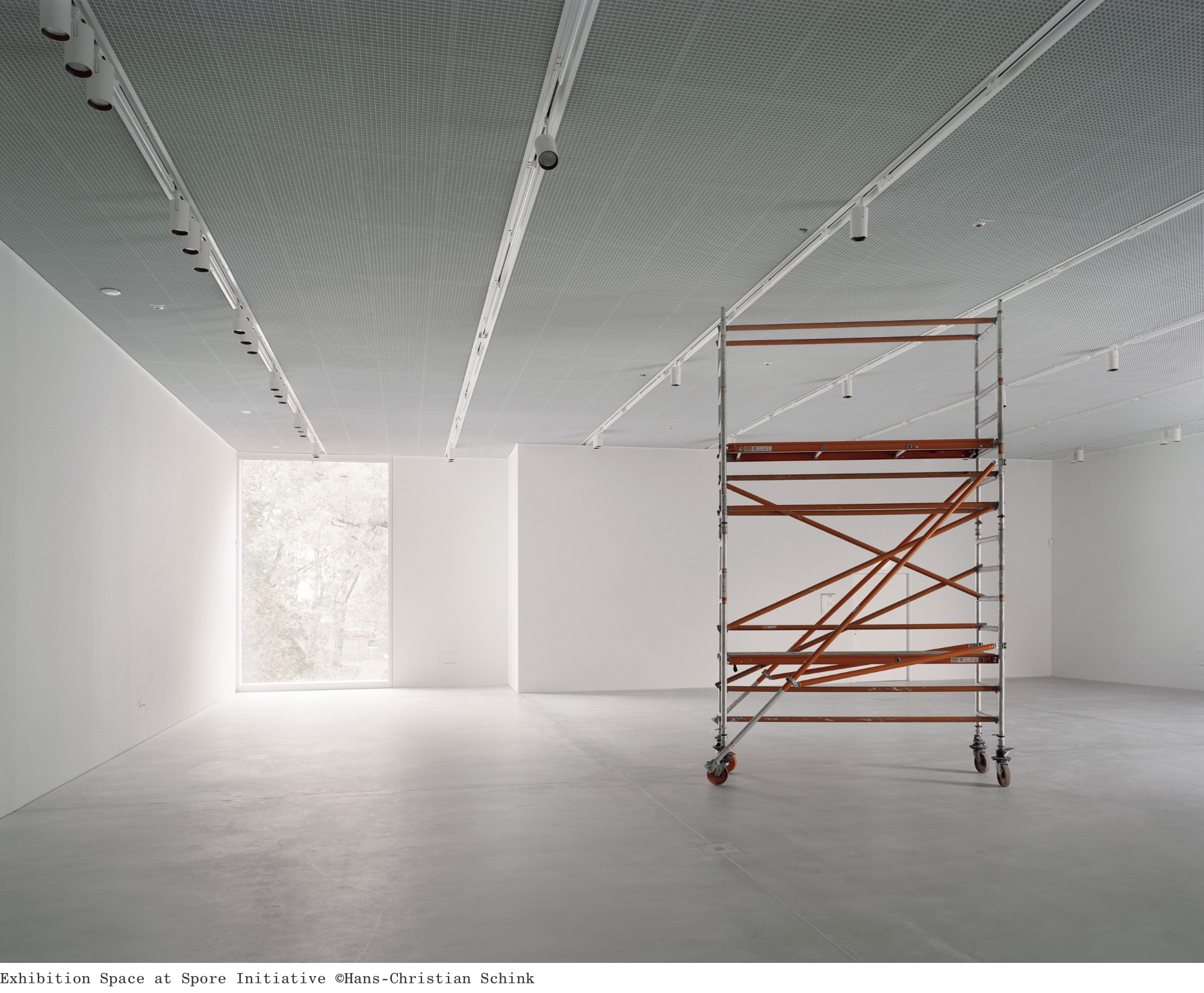
Sustainability is addressed in the project on environmental, social and cultural levels. The buildings were designed as durable and adaptable structures allowing and enhancing multiple future uses and reinterpretation over time. Flexible spatial layouts allow different forms of cultural production, (co-) working and public interaction, ensuring long-term relevance.
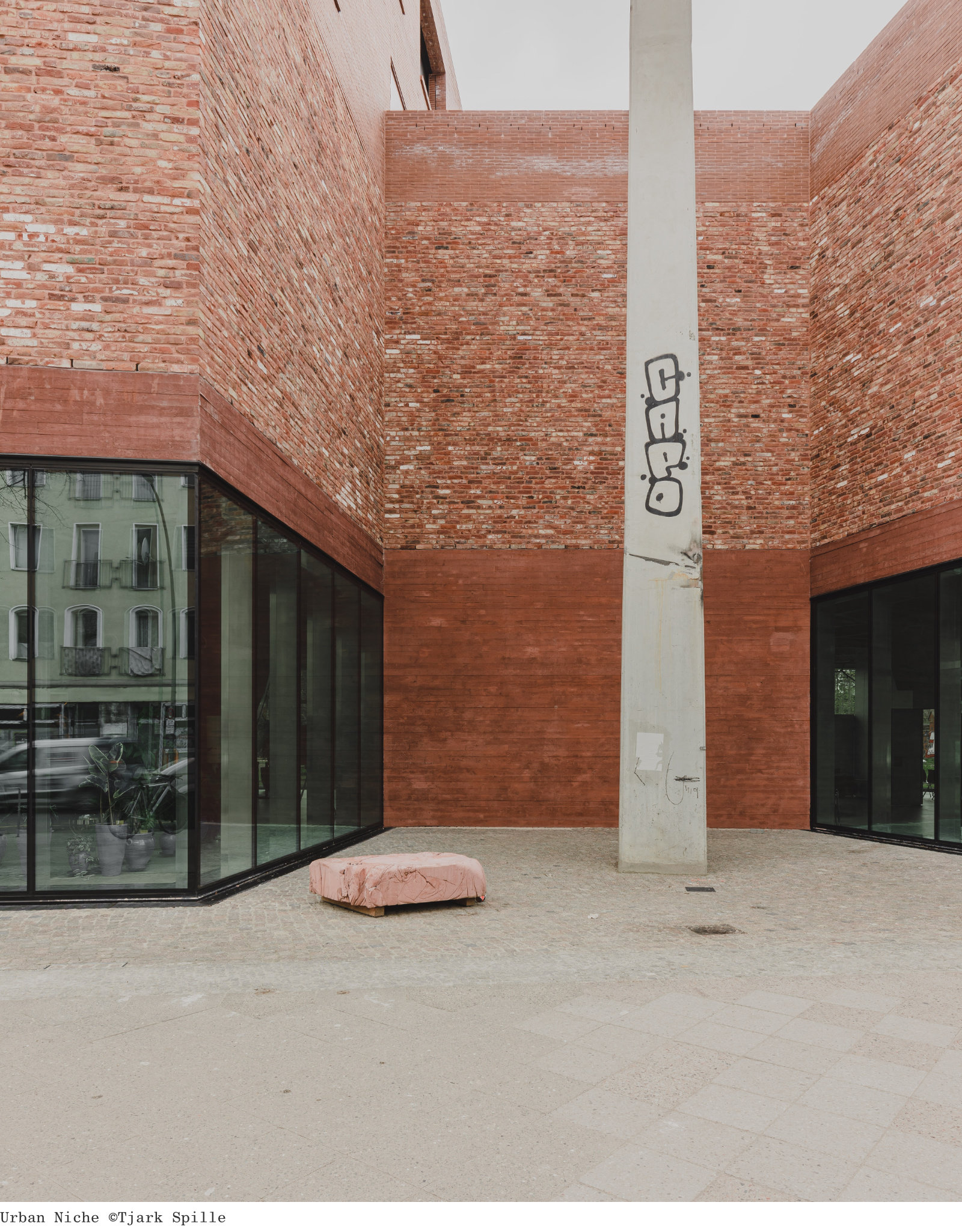
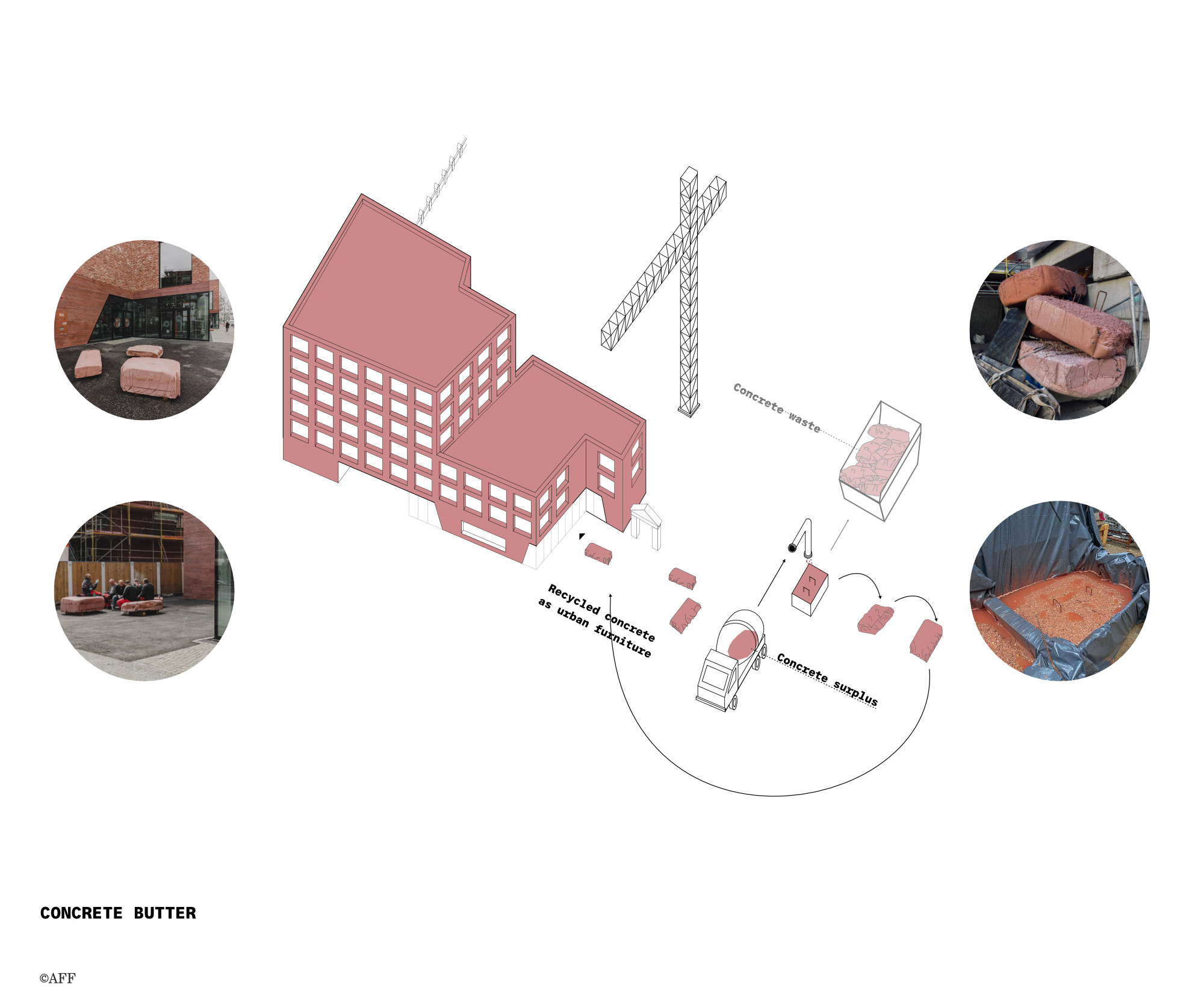
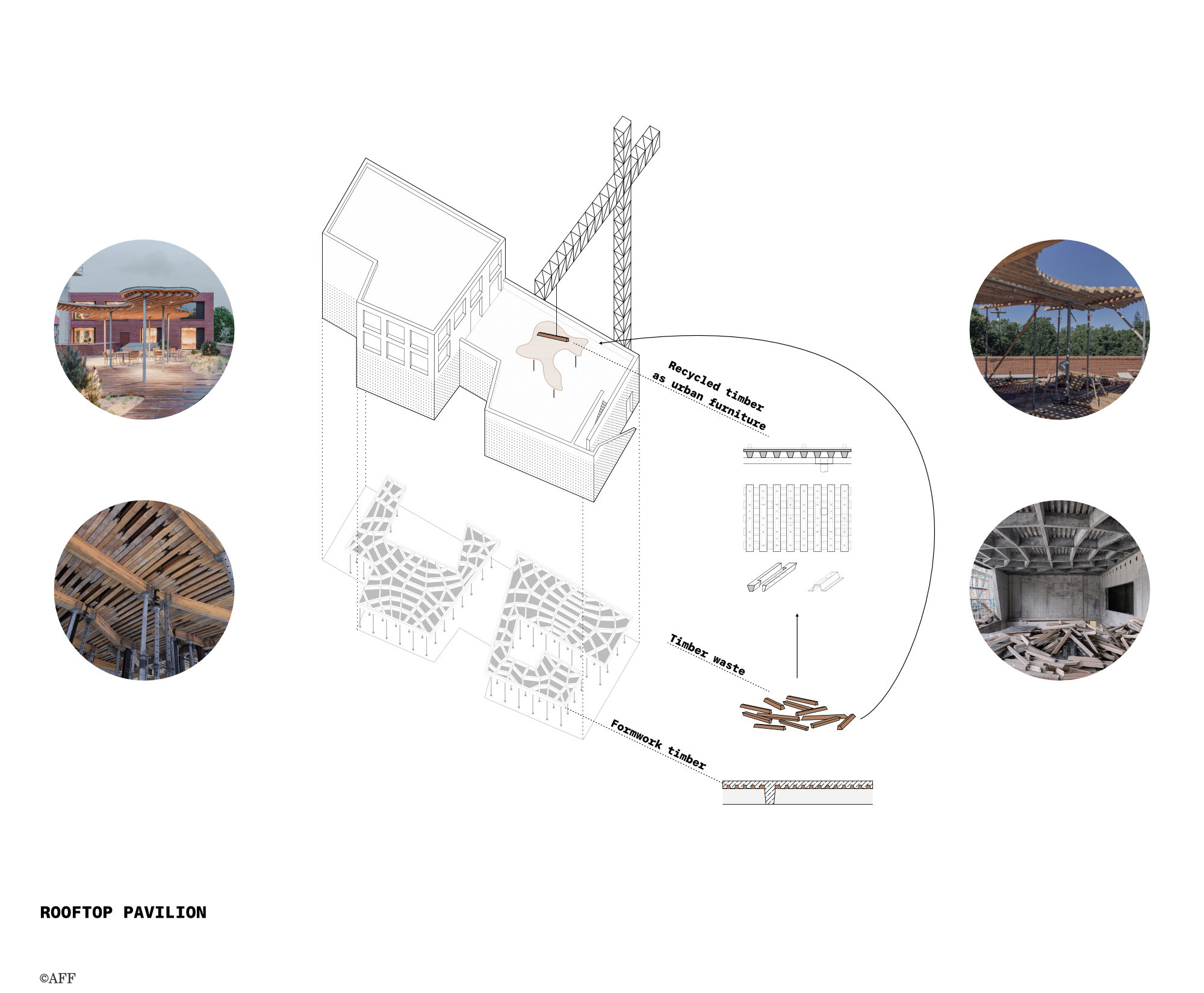
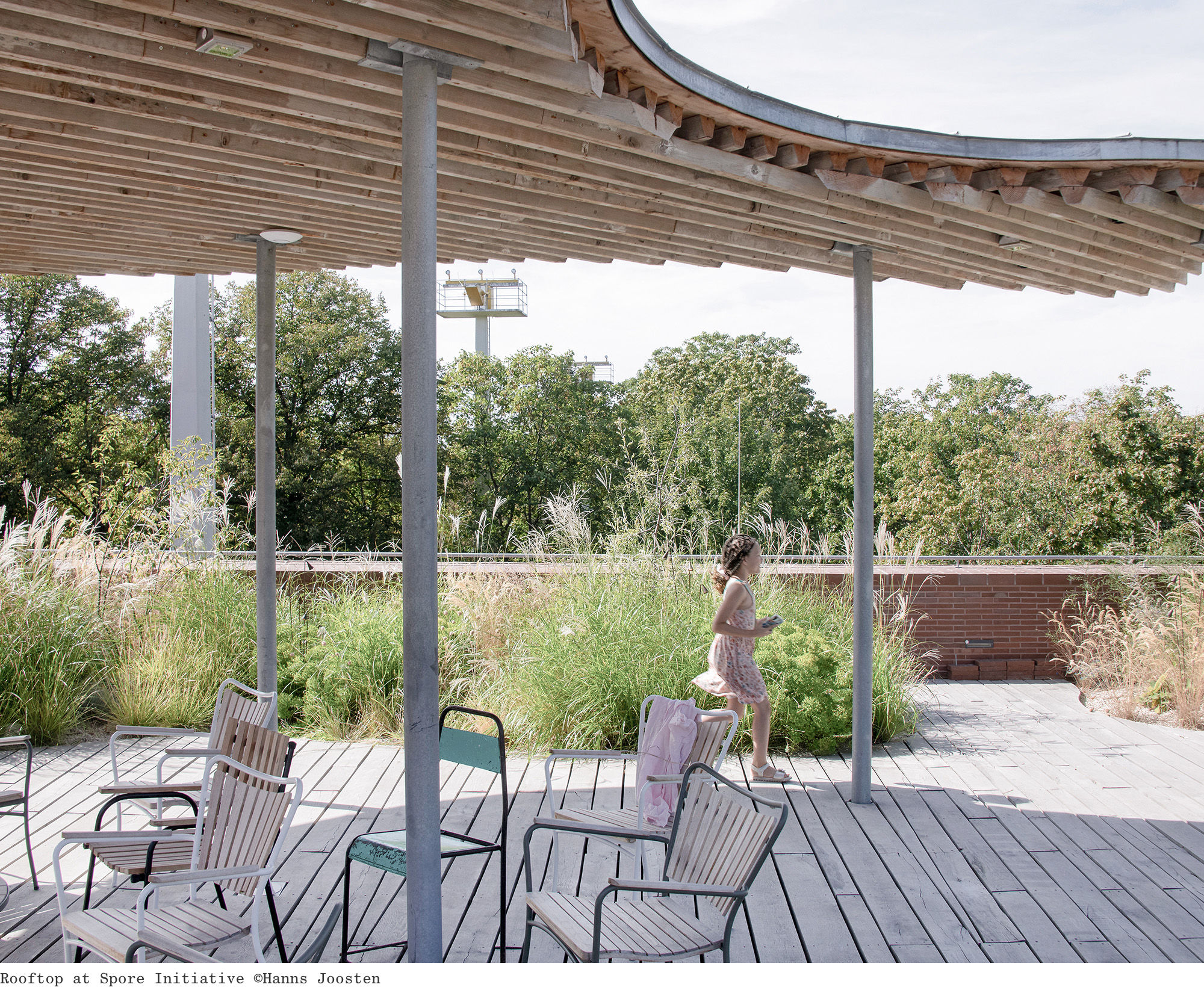
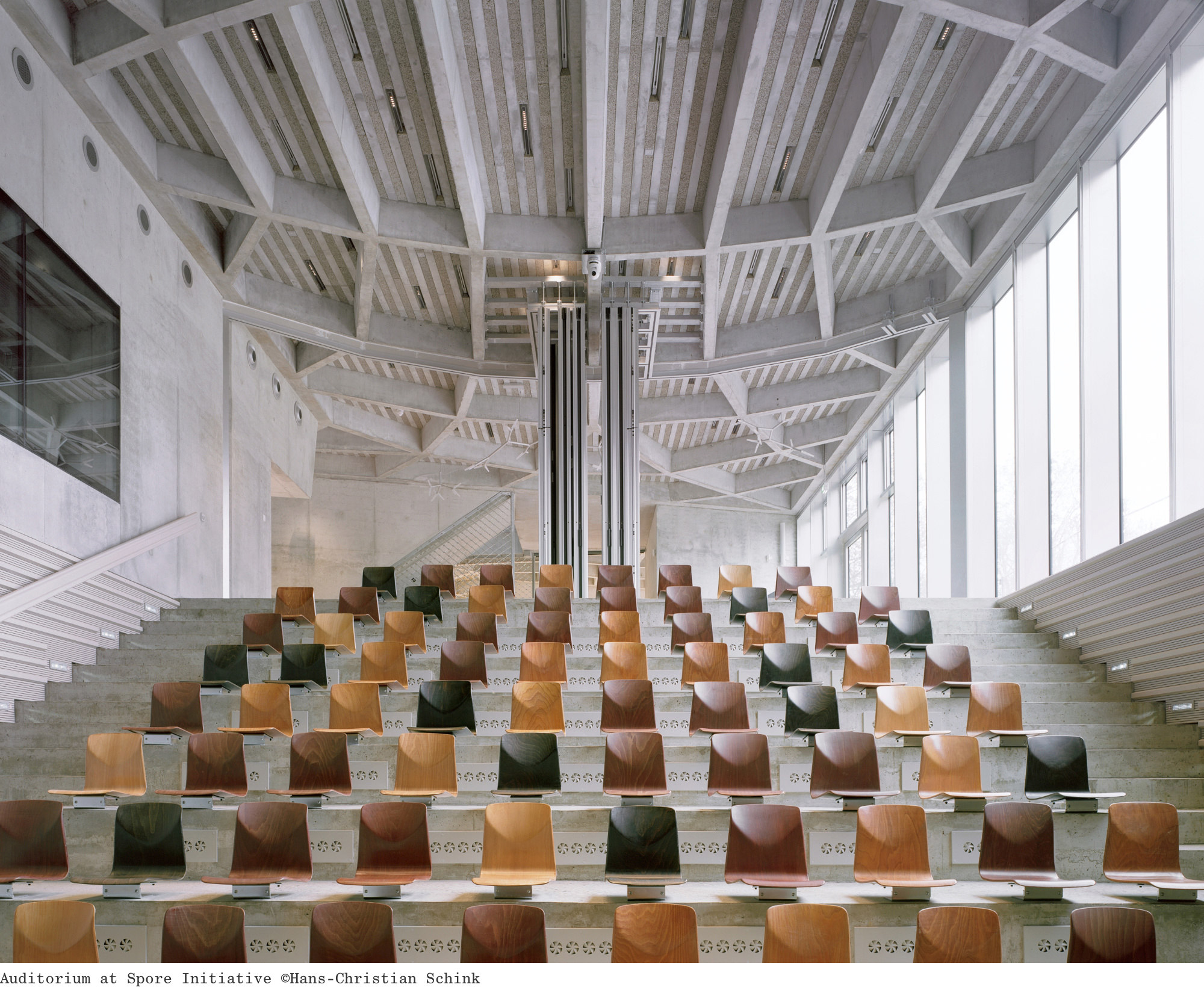
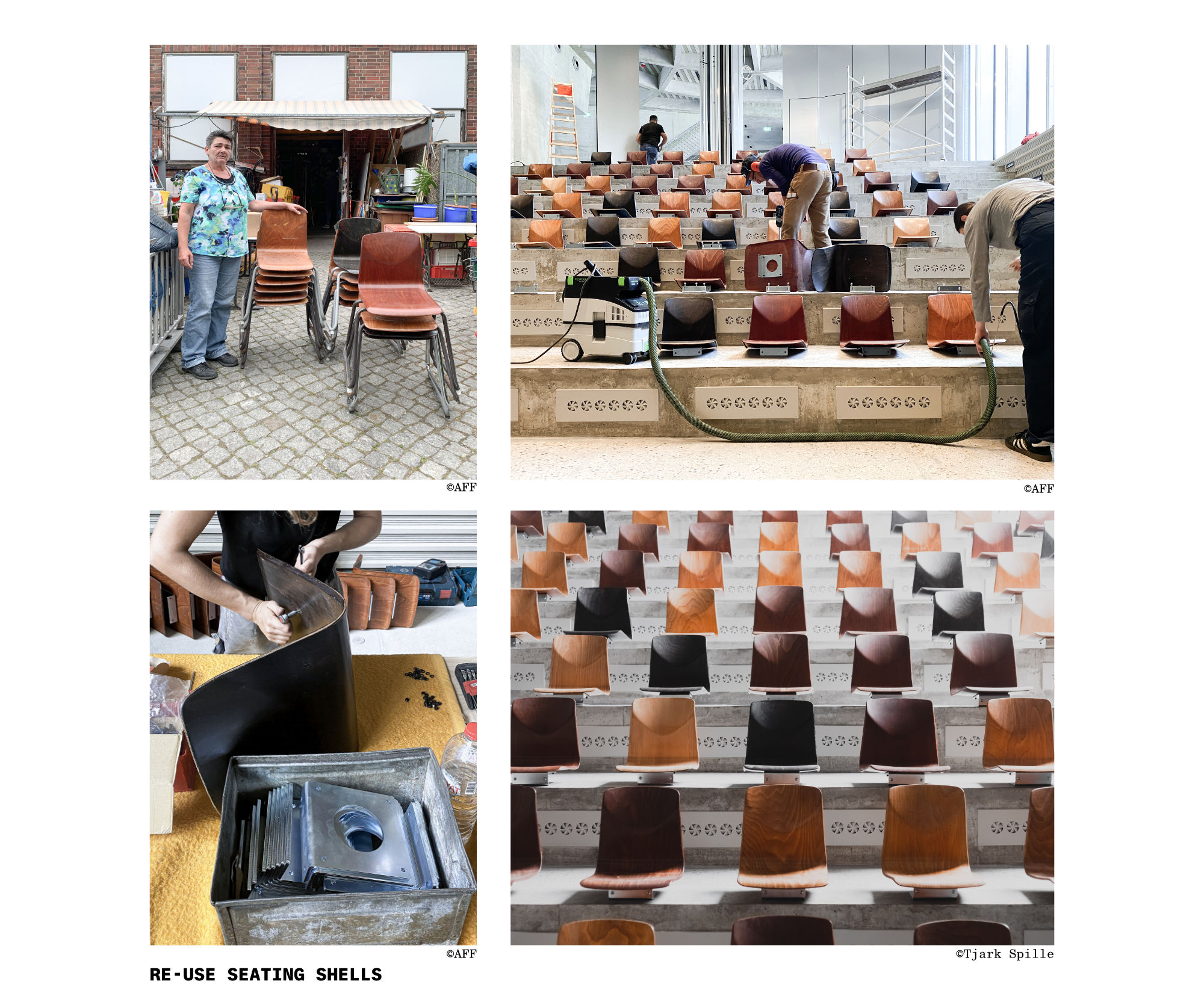
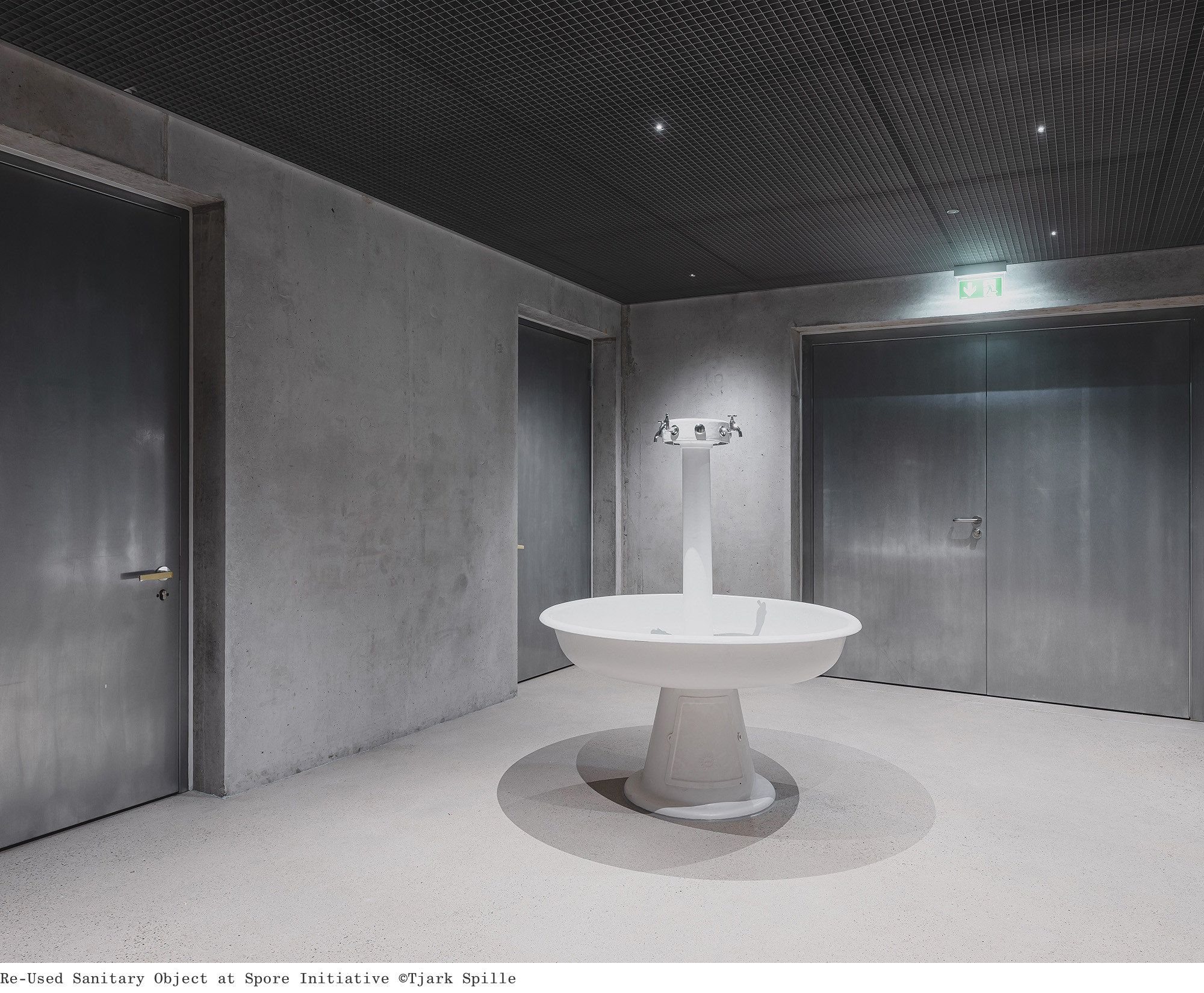
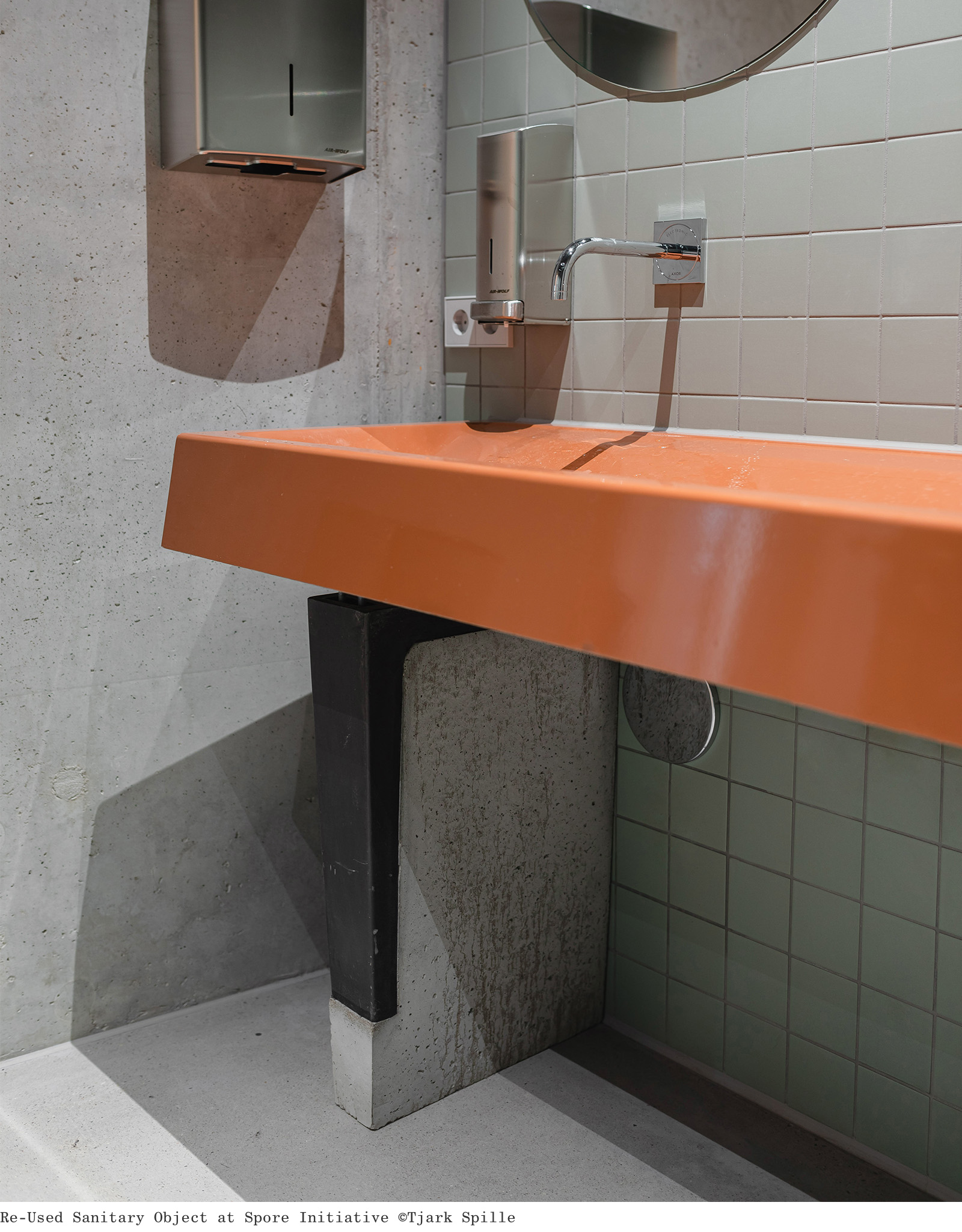
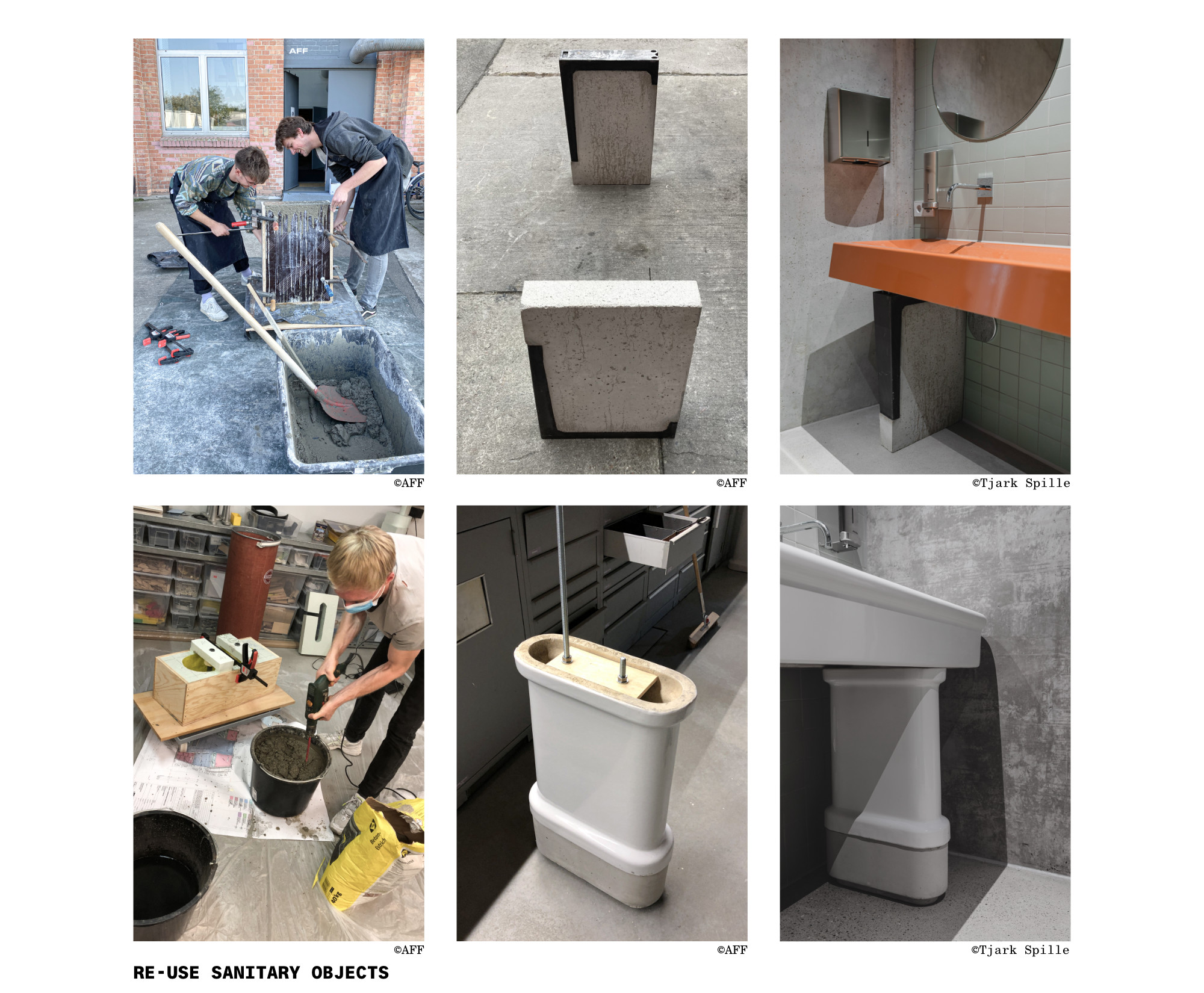
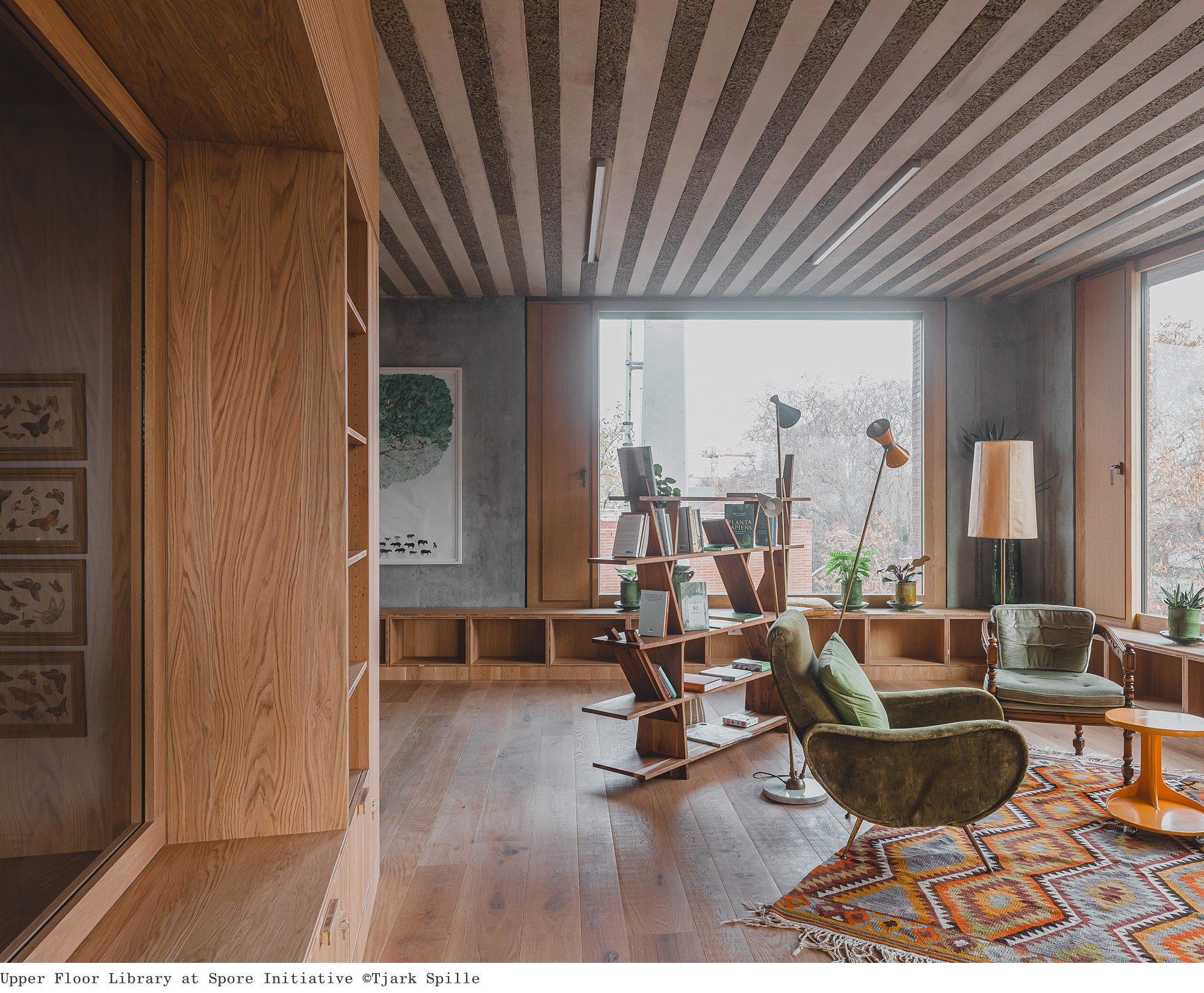
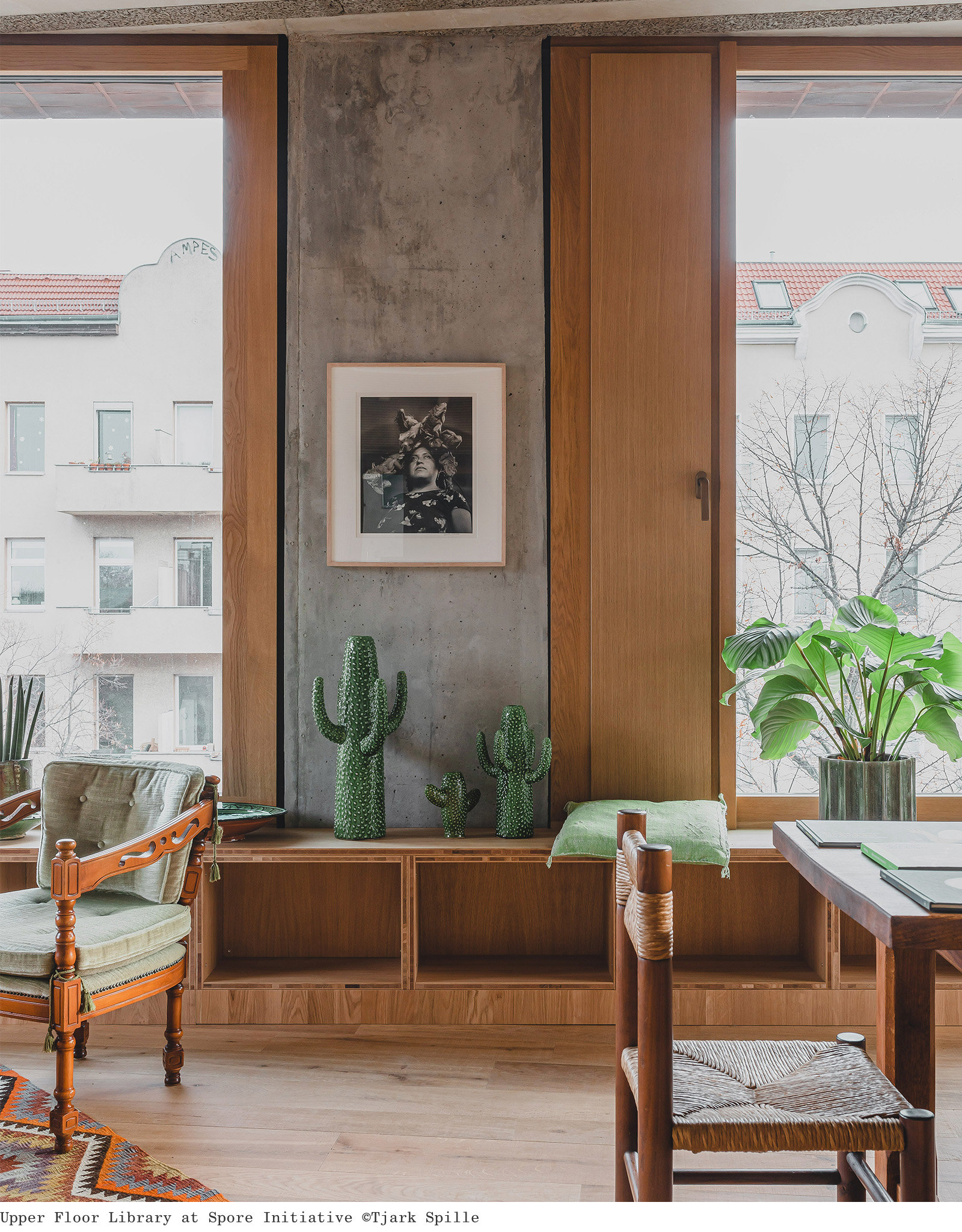
This openness is reinforced by the design strategy of "Sustainable Reality", in which reused or waste elements are creatively integrated throughout the complex. Building materials generated during construction were directly reintegrated into the project: timber formwork elements of the ribbed concrete ceiling were reused as structural elements of the rooftop pavilion, while leftover concrete waste was transformed into urban seating elements in the public outdoor space. In the interior, all materials are used in their raw, mostly uncoated state and according to their constructive logic. Re-used bricks were used for the façade of the Spore Initiative. Adapted to their new location, sanitary objects and the seating shells of the auditorium could also be mounted and reused, and make processes of transformation visible and tangible.
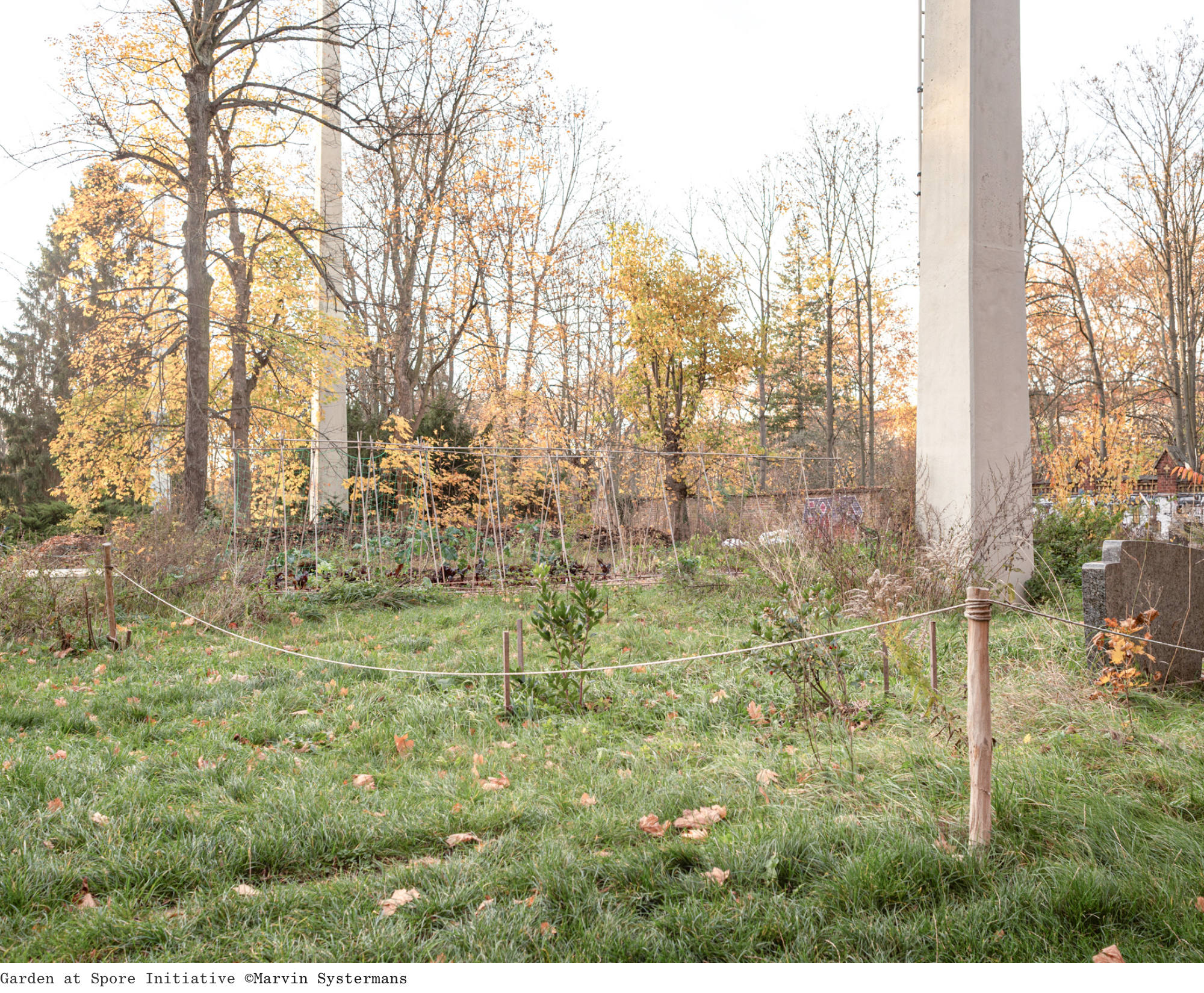
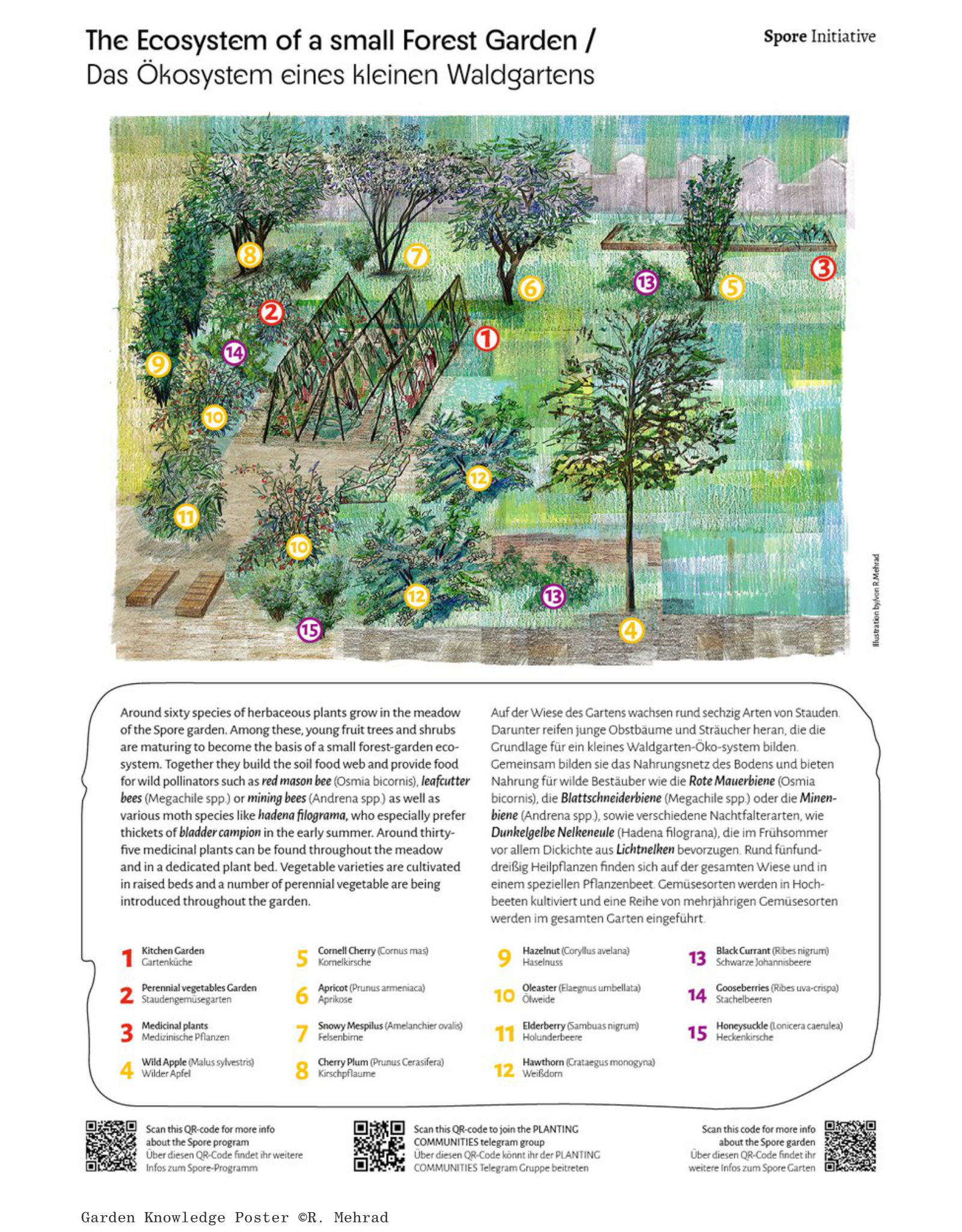
Spore Initiative complements the approach of the architecture through its cultural and educational programmes addressing ecological regeneration, biodiversity and environmental justice. The institution operates a regenerative learning garden behind the building. Herbaceous plant species, medicinal plants, fruit trees and shrubs are cultivated, and workshops and educational events make use of these different types of gardening practices and the diversity of plants.
Publix raises awareness of misinformation, digital violence and inequalities in access to information, while promoting an informed public discourse and participation in democratic processes.
The projects raise awareness of environmental, social and political challenges while bringing diverse communities together.
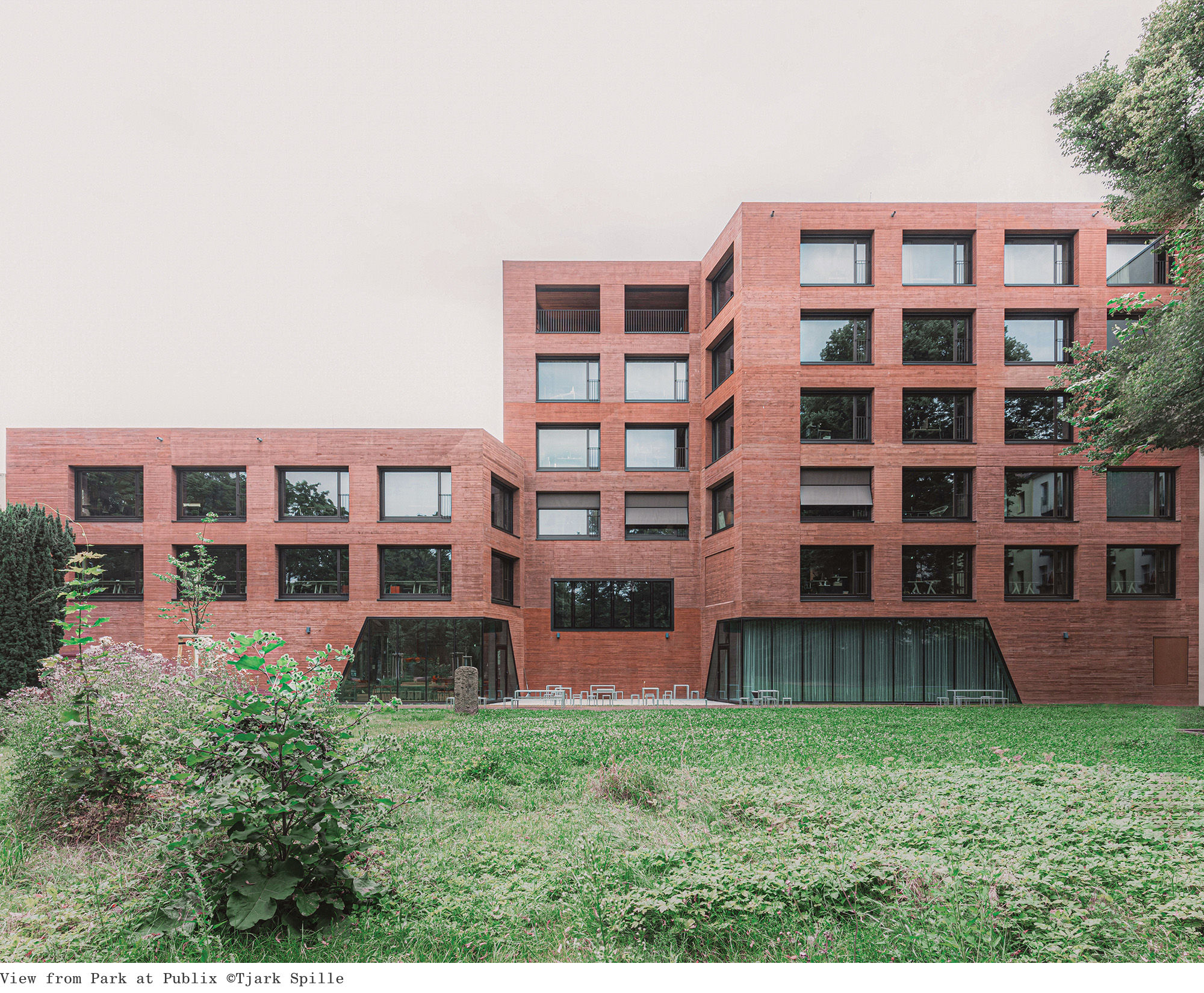
A comprehensive analysis of the site and its context shaped the architectural approach of the ensemble. The project fills an urban void and mediates between the dense perimeter blocks and the adjacent cemeteries following the height and volume of the neighbouring structures. New urban spaces are created in collaboration with POLA Landscape Architects.
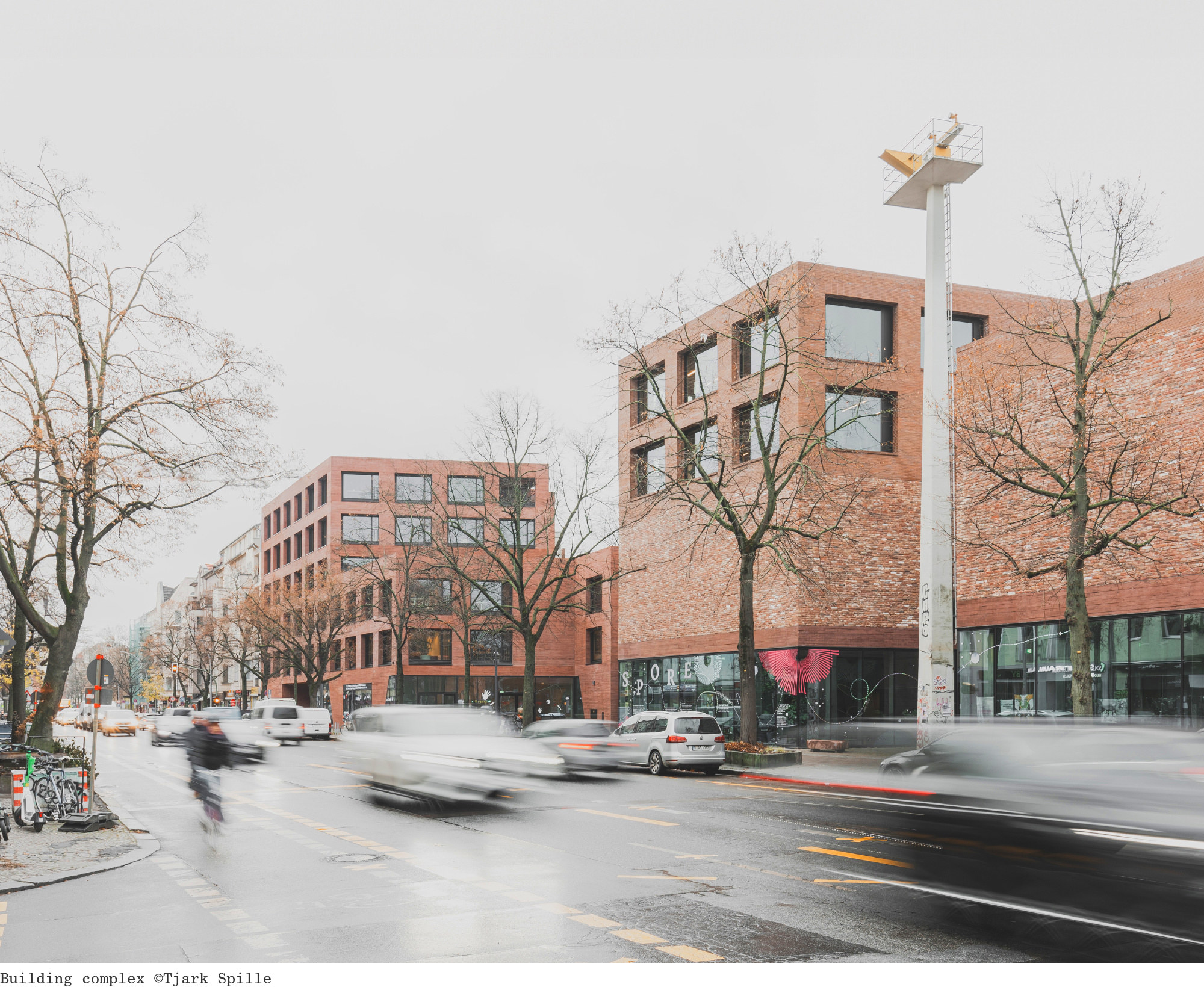
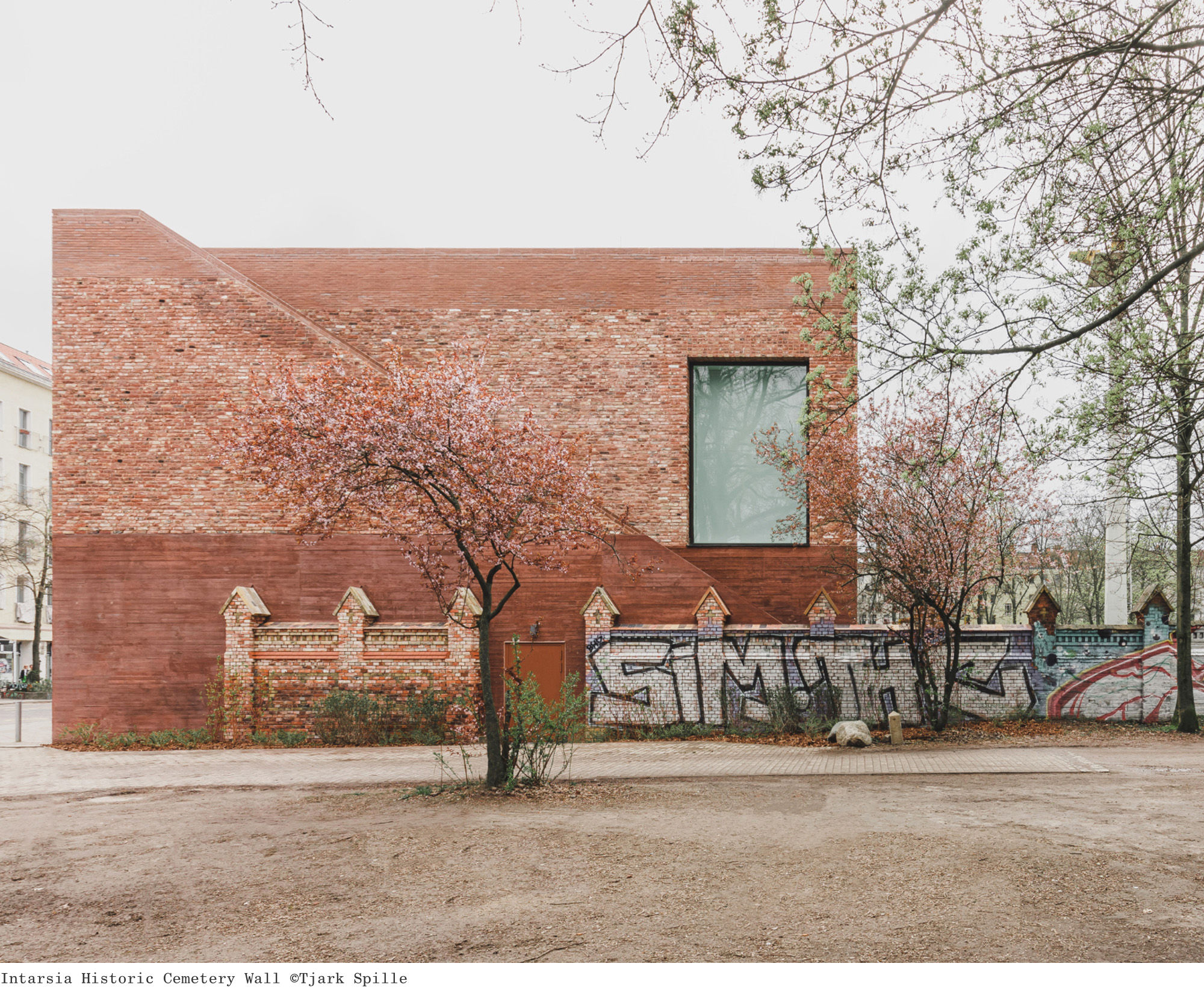
To protect cultural heritage and embed it into contemporary architecture, the historic cemetery gate was relocated and forms a connecting piece between the new buildings. In addition, the historic cemetery wall was inserted as an intarsia into the Spore concrete façade. One of the listed light beacon masts of the former Tempelhof airport runway remains within an urban niche.
The architectural language of both buildings refers to the surrounding context through colour, texture and material. The monolithic concrete façade of Publix and the layered façade of the Spore building, composed of re-used bricks and newly fired bricks, create a robust yet finely crafted architectural expression. In the tradition of Berlin’s brick architecture and post-war material reuse, the reclaimed bricks with traces of age form a tactile contrast to the newly produced elements.
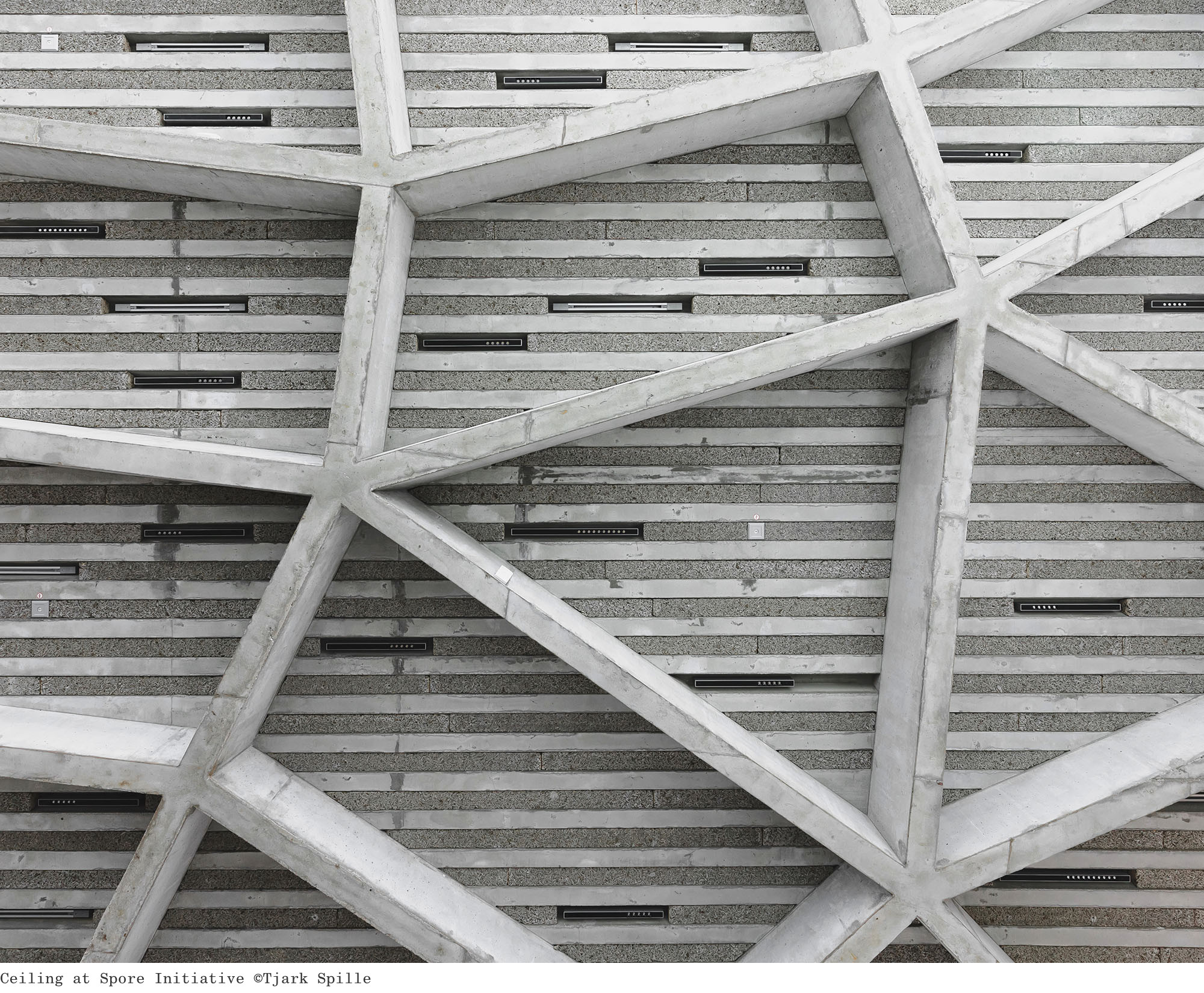
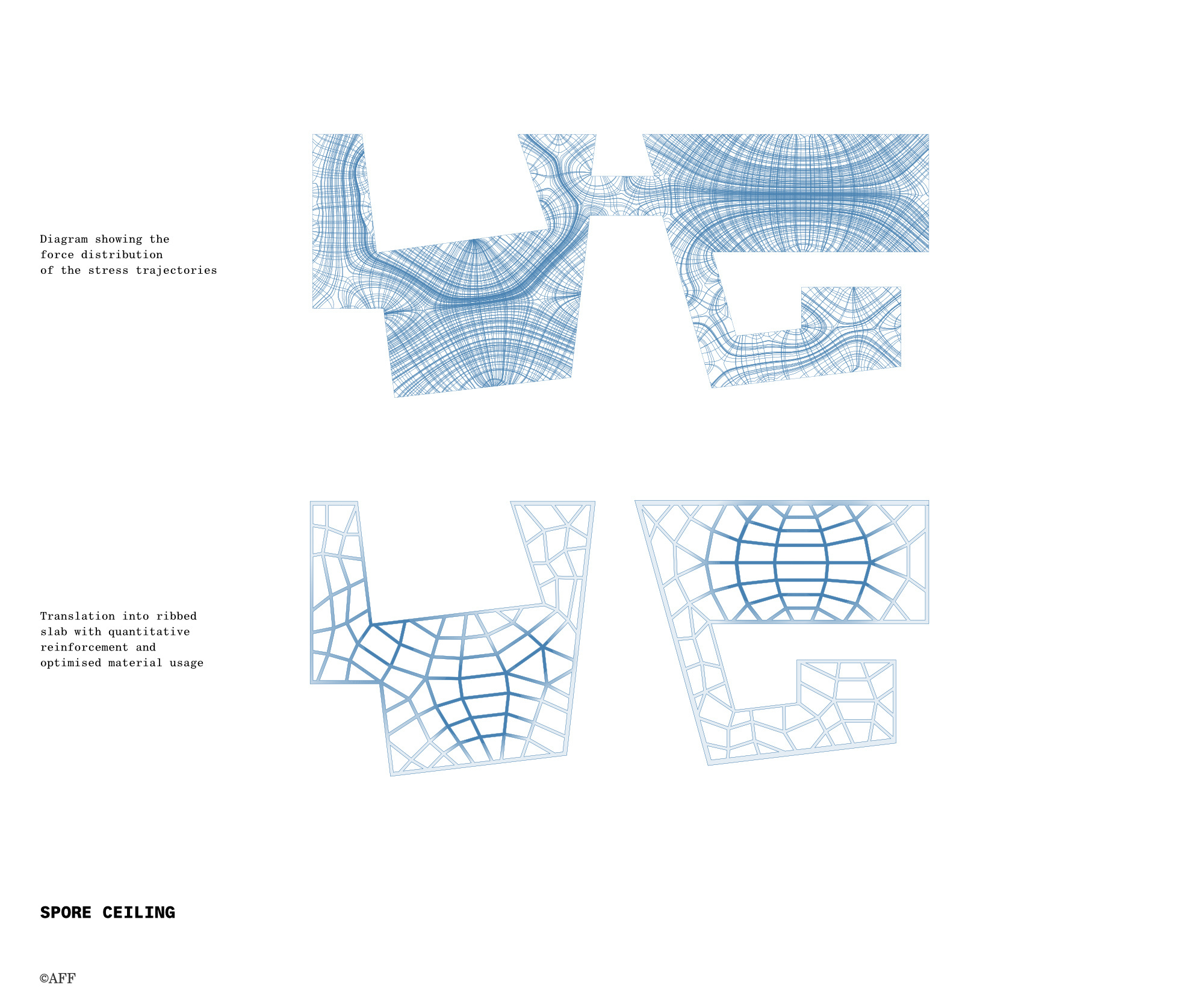
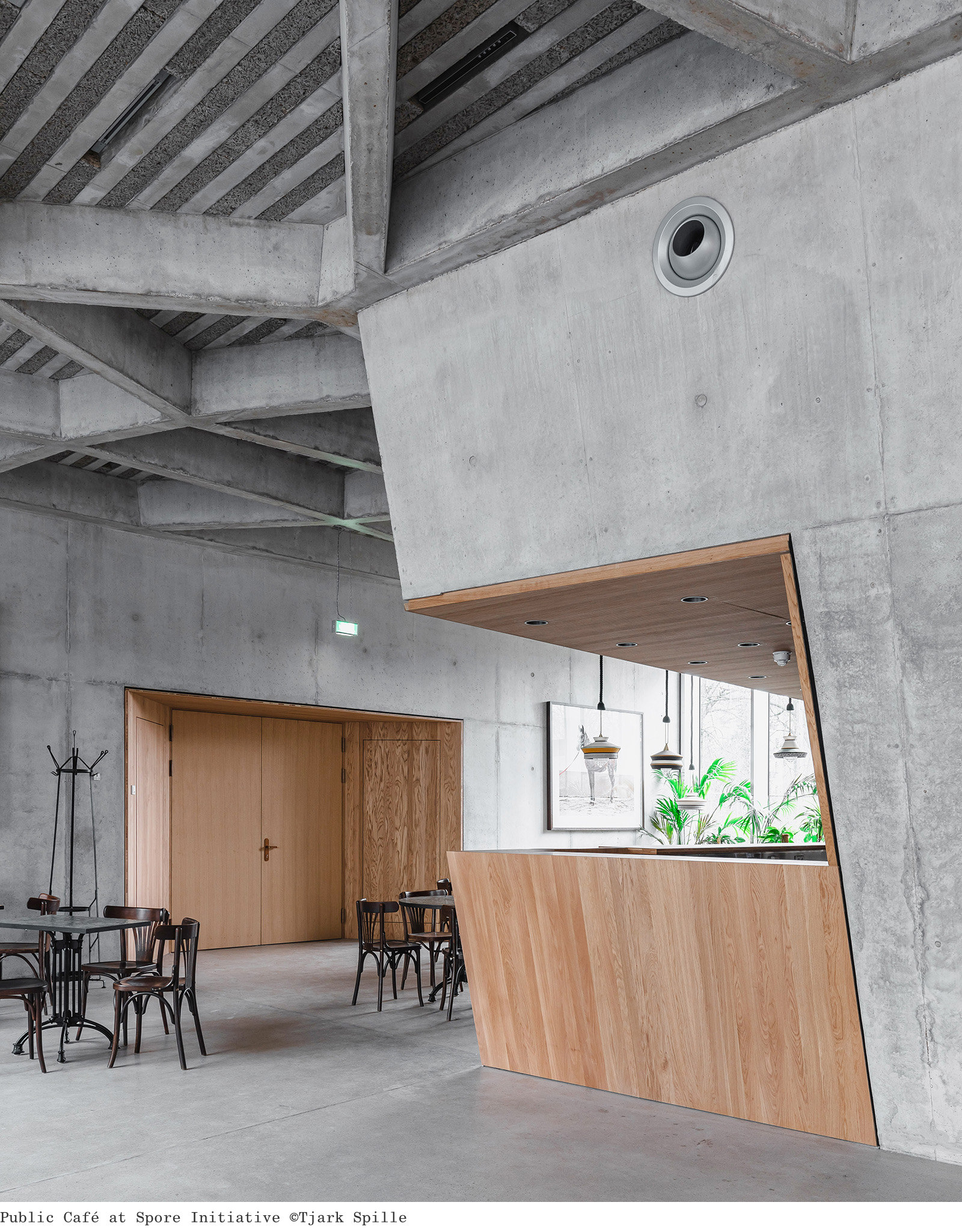
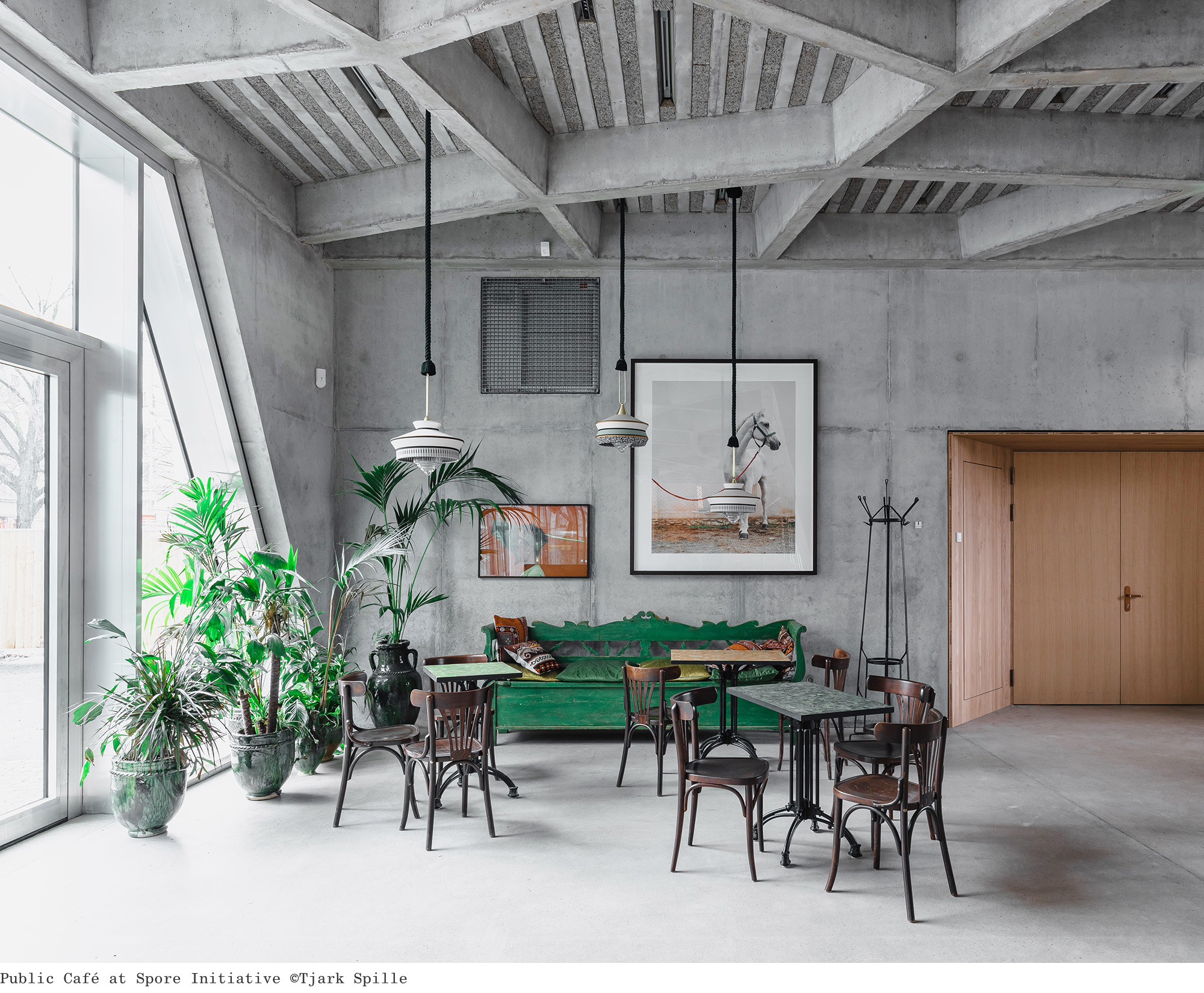
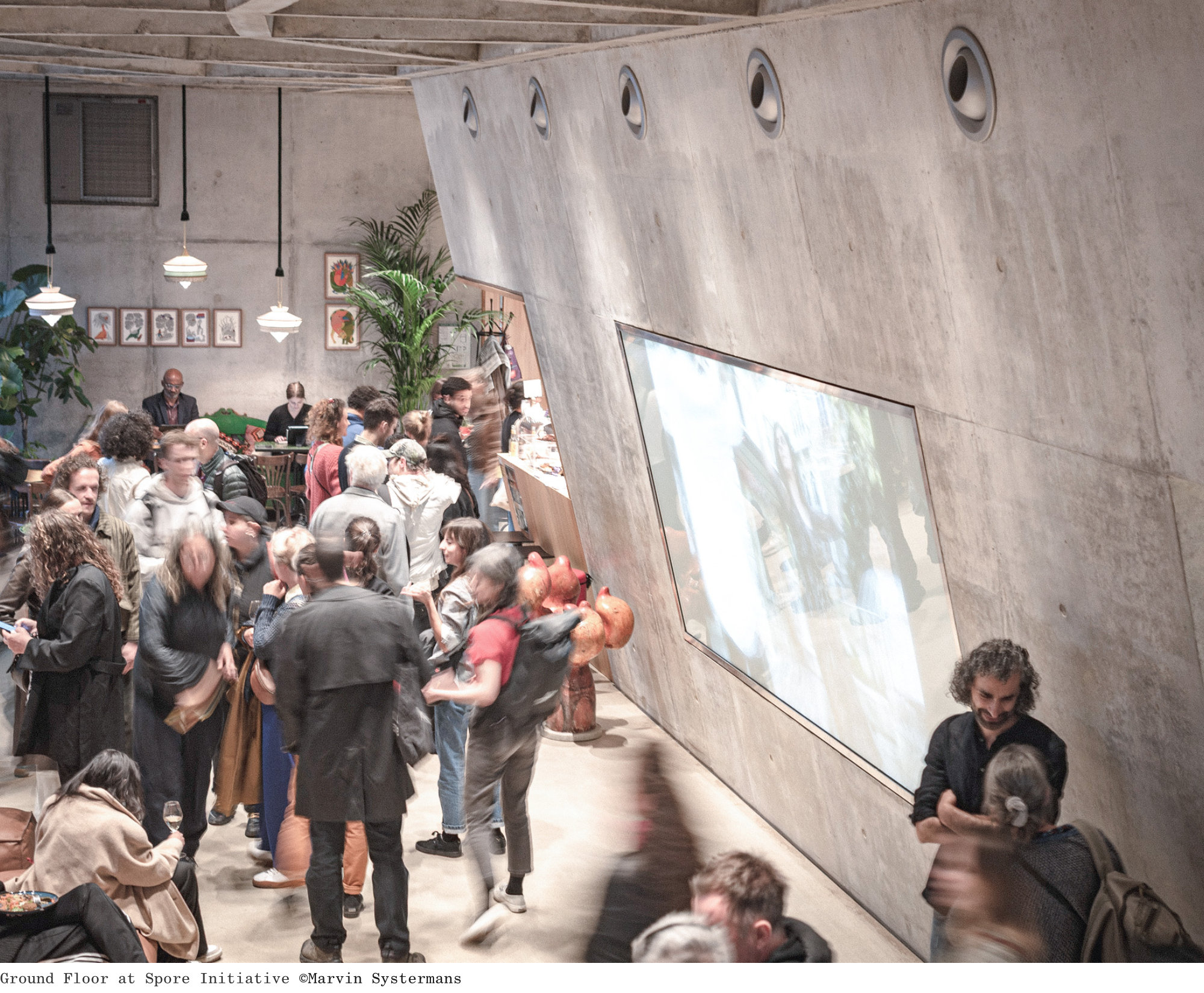
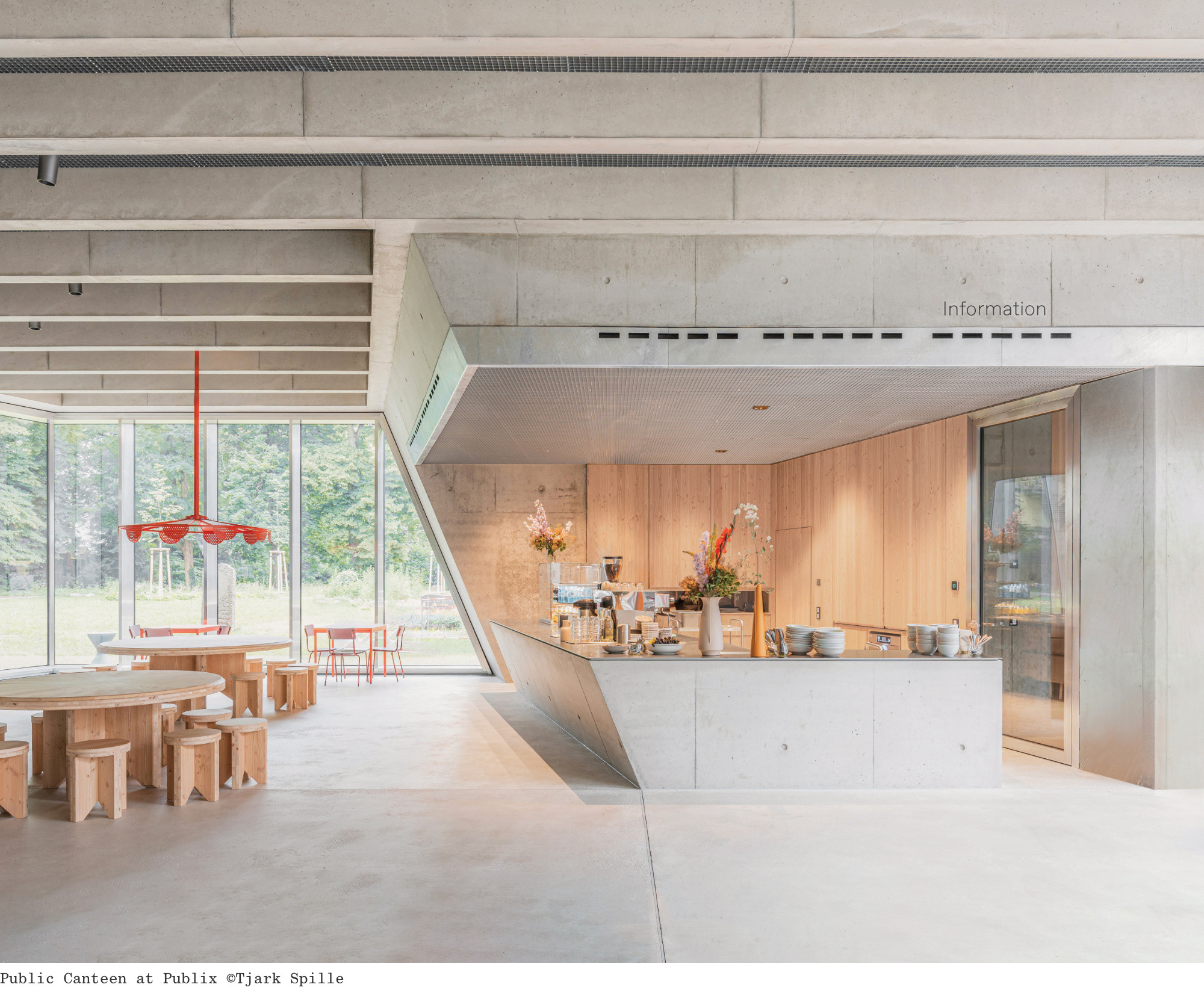
The ground floor of the Spore Initiative is defined by a honeycomb-like concrete ceiling structure developed together with Schnetzer Puskas engineers and referencing a microscopic spore. Through parametric simulations and iterative structural modeling, the Spore-Ceiling spans up to 12 meters with minimal material consumption, enabling flexible floor layouts for diverse uses. The structure creates a distinctive spatial identity while demonstrating resource-efficient construction.
The interior spaces create a sensory architectural experience through exposed materials. Craftsmanship also plays a role: product designer Ilja Ölschlägl adapted reclaimed seating shells and manually installed them as well as collected sanitary objects.
Inclusion is embedded in the ensemble’s spatial design and operating models, aiming to ensure accessibility, affordability and low-threshold participation for a diverse community. Transparent ground floors and a shared forecourt create a public address that reduces spatial segregation between the institutions and the neighborhood.
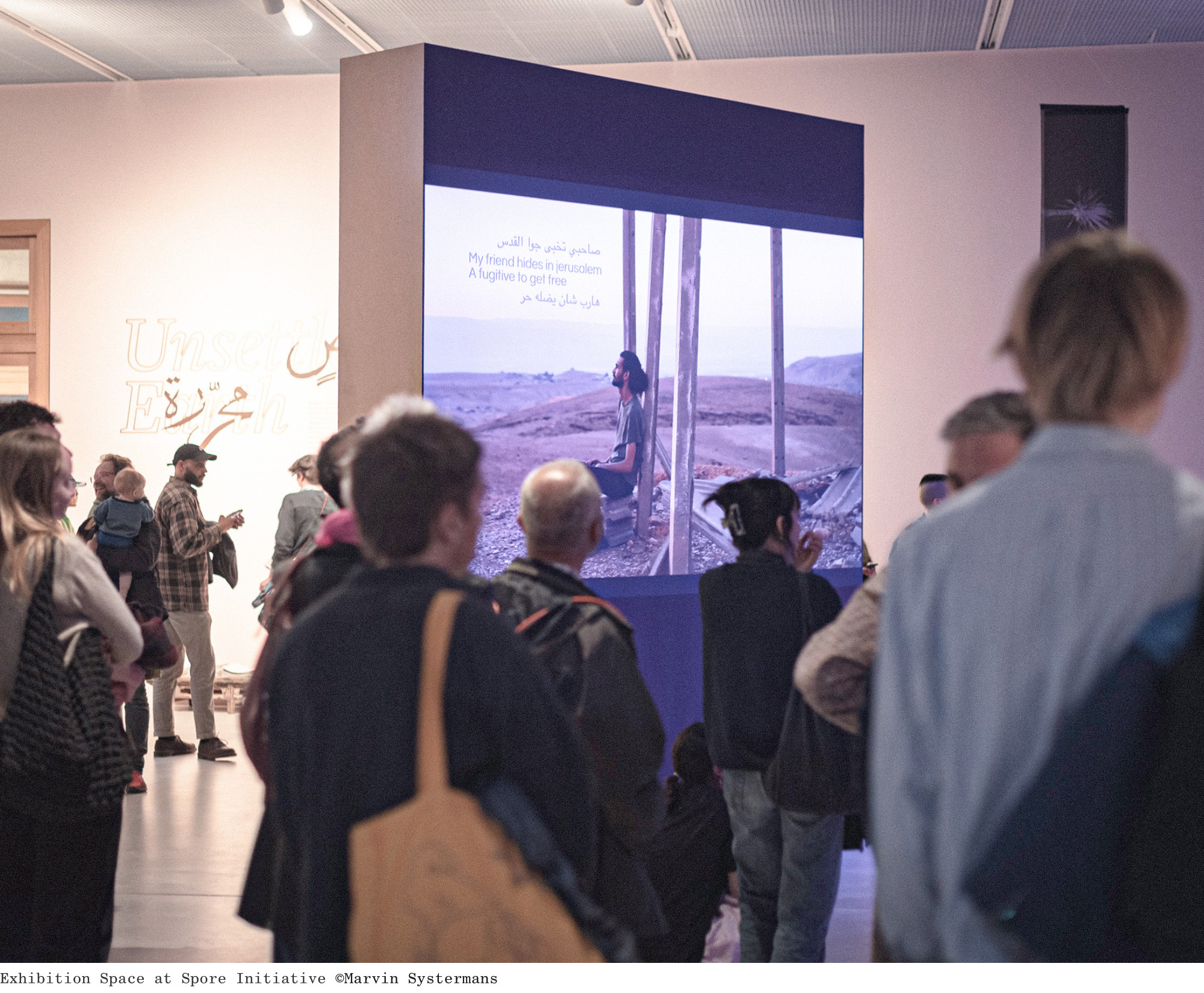
At Spore, inclusion is ensured through concrete measures: barrier-free access and an elevator connect all programme and exhibition spaces and restrooms; signage is bilingual and events are multilingual. All activities, programmes and exhibitions are free of charge. Spore’s mission explicitly includes hosting and supporting initiatives led by communities facing structural discrimination and limited access to cultural infrastructure, and it commits to a space free of discrimination and violence.
Publix complements this with an inclusion approach focused on democratic participation by creating a shared home for public-interest journalism. It provides affordable workspaces, shared infrastructure, and collaborative environments for non-profit media organisations, journalists, and civil society initiatives, lowering structural barriers to participation in the media ecosystem. Through its media and news literacy programmes, such as Pipe Up! and Newscamp, Publix promotes a diversity of voices and highlights international, migrant and young people’s perspectives. Organisations based in the house – such as the JX Fund and Reporters Without Borders – support journalists in exile, ensuring that diverse perspectives contribute to public debate.
Affordability is central to Publix’s work: non-profit users benefit from subsidised rates, and all revenues generated through commercial activities flow back into Publix's non-profit activities. This impact is visible in use: around thirty media companies, publishers and non-profit organisations are based in the building, along with around 100 journalists and project managers in the co-working area.
Participation in the project extends from the planning context to everyday operation. At the urban scale, it builds on the public participation process of the Land Use Plan that identified the interests of the surrounding communities.
As the building’s typologies have no precedents, the spatial programme cannot be simply categorised and co-creation with those affected was essential. Spore Initiative is a cultural venue, a place of communication that also exhibits, but it is not a museum. And Publix is not just an office building.
A distinctive feature of their creation is the development of the Publix building in partnership with future users and the client, and through a dynamic design process. The plans were continuously reviewed and adapted to meet new usage requirements. A democratic process that also reflects the Initiative’s values and ensures to always make room for new developments. In that way NGOs, media and education professionals helped shape the design, ensuring that the layout supports collaborative workflows for the organisations based in the building. As a result, a building tailored to its users' needs was designed by architects, engineers and specialised craftspeople.
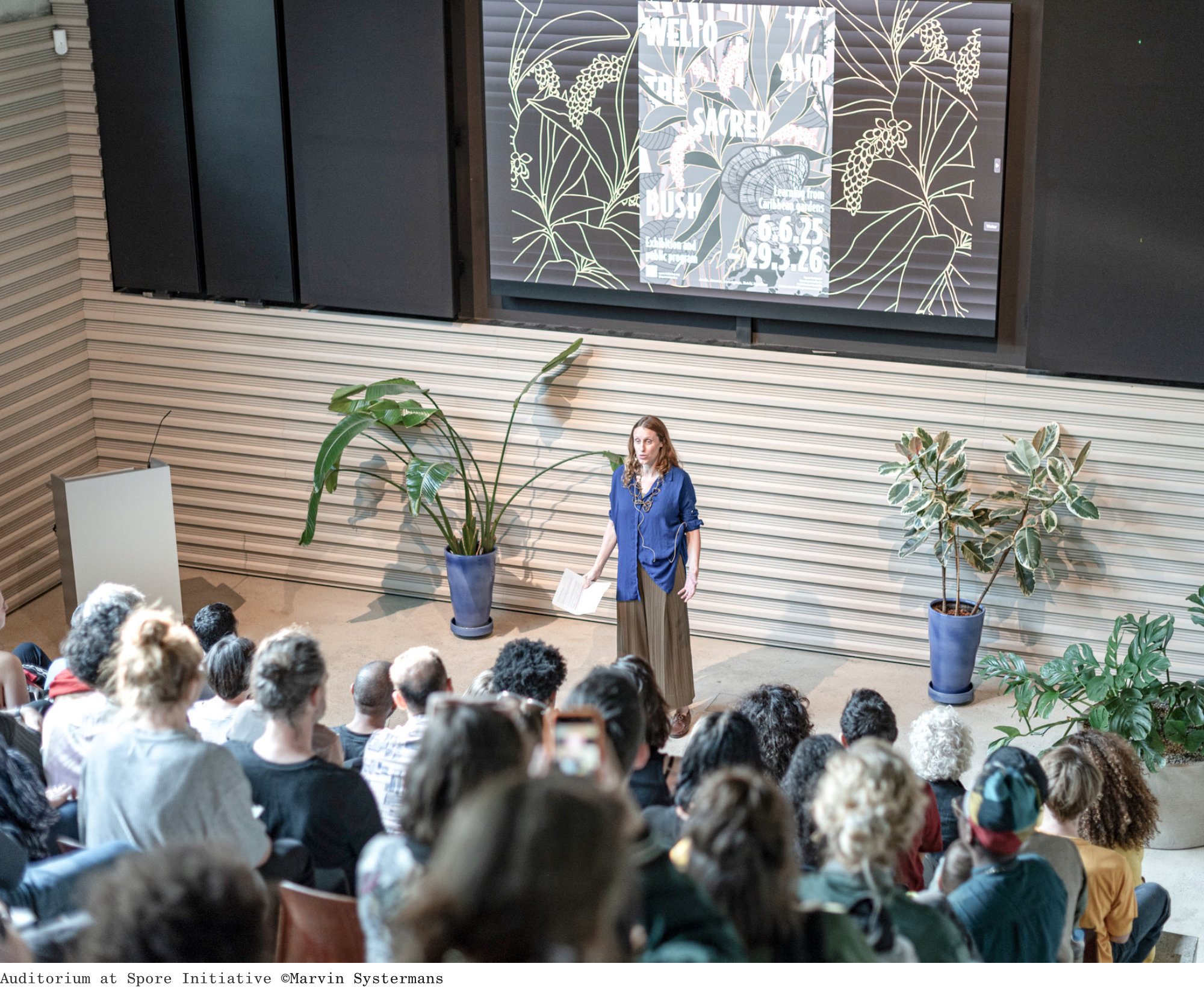
Participation continues through low-threshold public access and daily programmes. Publix actively reaches out to neighbours and offers workshops, education programmes for students and evening events for the public on a regular basis. Spore focuses in addition on hosting exhibitions, research and educational activities paying attention to different forms of knowledge such as indigenous knowledge to seek a better connection between the Global North and the Global Majority.
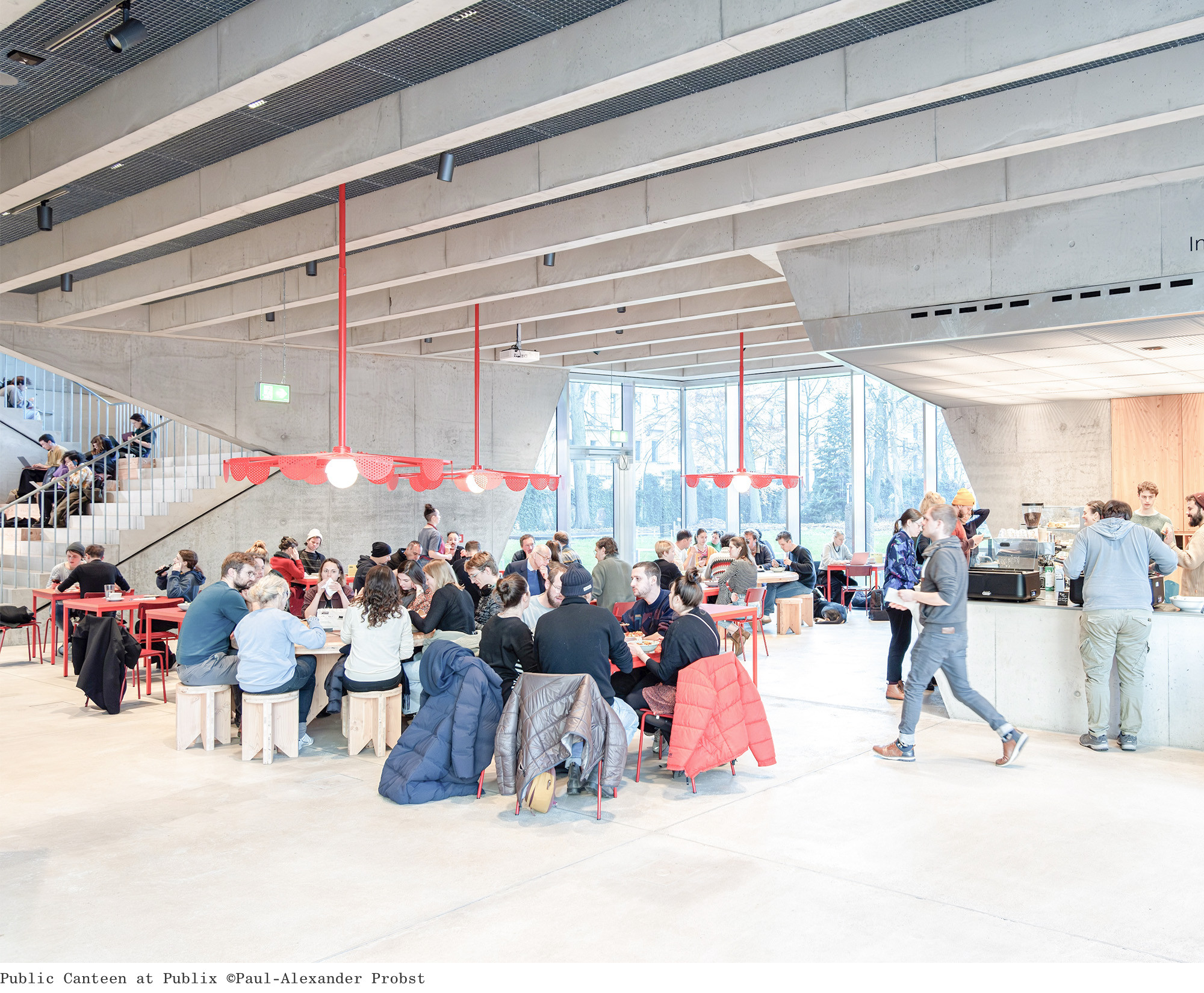
The publicly open café and canteen at Publix further strengthen this participatory ecosystem. Operated according to a zero-waste philosophy, it prepares fresh meals daily using local products from small regional suppliers, supporting local economies and providing a meeting place for visitors and residents alike.
The project emerged through a development process that involved a range of actors on different levels. At the urban level, the planning is linked to the Integrated Cemetery Development Concept (IFEK) commissioned by the Evangelical Cemetery Association Berlin and developed by STATTBAU, an urban development company consisting of an interdisciplinary team. The concept examined the historic cemeteries along Hermannstraße. Its objective was the sustainable and long-term development of the cemeteries and their adjacent areas while considering spatial, social, cultural, economic and legal aspects. Through sensitive structural additions and improvements to open spaces, both the cemetery landscape and the neighbouring urban quarters were intended to benefit. The IFEK was made possible through intense citizen participation and was adopted by the council of the Neukölln district.
Based on the identified needs of different interest groups, the Schöpflin Foundation, committed to strengthening democracy and fostering a diverse society, initiated the project. Throughout the process, the overall aim was to create a significant meeting point, in line with the Foundation’s belief in the power of places and personal encounters.
The architectural planning process followed the applicable legal framework in Berlin, while deliberately going beyond these regulatory requirements to create additional social and spatial value for the neighbourhood. A key part of developing the Publix building was close cooperation with numerous partners, including local stakeholders, media professionals and experts in the field of environment and education. Collaboration with organisations such as Correctiv, the German section of Reporters Without Borders and the international organisation Tactical Tech enriched the design process of Publix and helped define spatial requirements, including affordable workspaces, shared technologies and spaces for exchange, events and educational programmes.
The Spore and Publix ensemble combines architecture, engineering, craftsmanship, landscape and heritage expertise, aligning these fields with its operative programme – construction of the Spore ceiling to enable open and flexible spaces; craftsmanship of the reused brick façade and refurbished interior elements; and landscape and heritage expertise shaping new urban niches with embedded heritage elements.
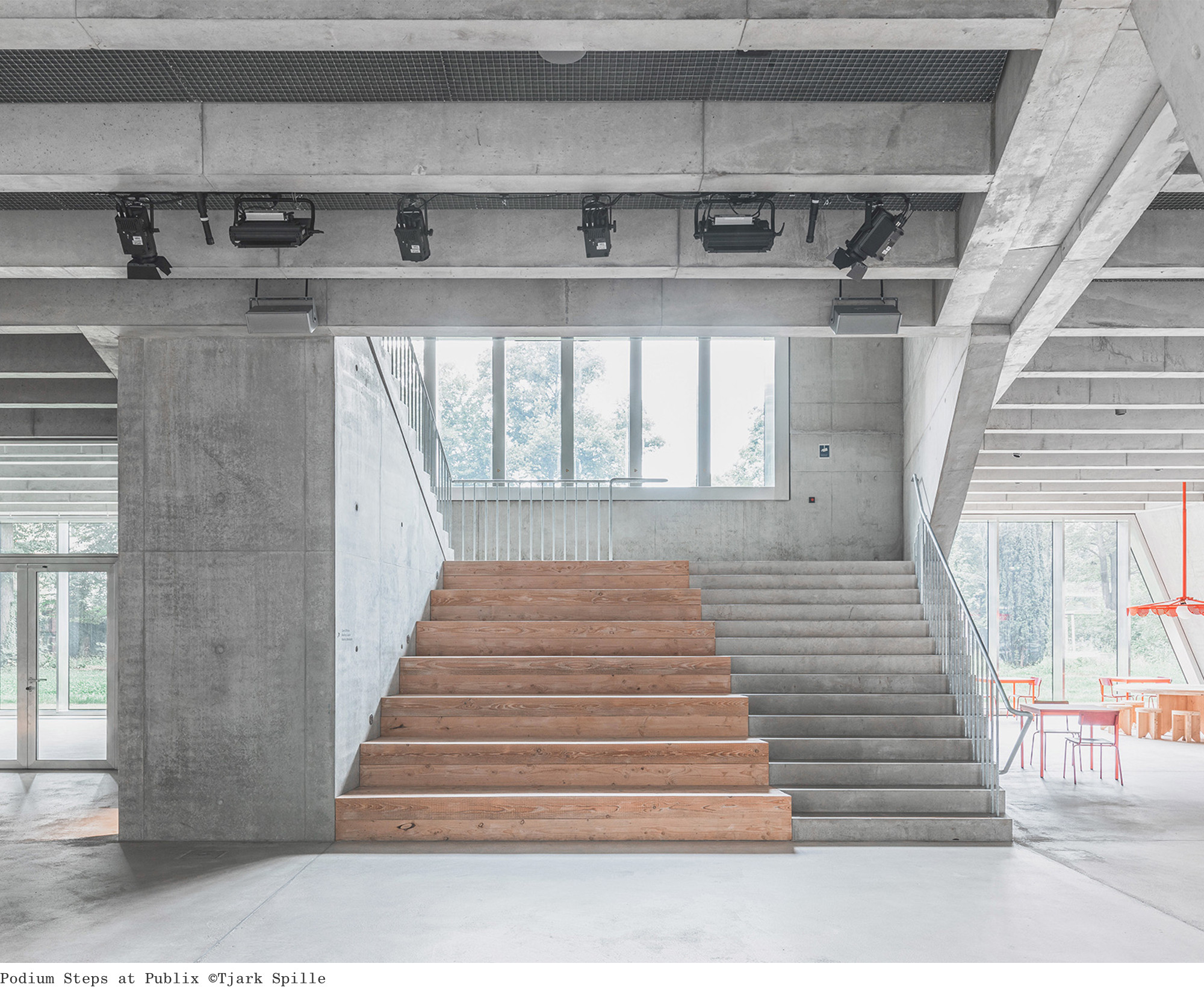
The European perspective and the desire to help shape European framework conditions were very important from the beginning, which is why during the conceptual phase of Publix, the steering committee members collaborated with initiatives that also aim to establish free press houses, including initiatives in Amsterdam, Paris and the Pressens hus in Oslo. The spatial programme is based on research and includes event spaces, offices, co-working spaces and audio and video studios. There are also overnight studios for visiting guests and project staff, as well as an on-site canteen with access to garden areas.
The Spore Initiative seeks to facilitate dialogue and exchange between the Global North and the Global Majority. Learning from different forms of knowledge such as indigenous knowledge plays an essential role, as well as developing it with actors from the field. There have been and continue to be partnerships with Casa Gallina from Mexico City, which were a kind of co-development hub. Spore welcomes participation in exhibitions, workshops, film screenings, panels, readings, concerts, performances, and many other activities. It aims to activate and share marginalised ecological knowledge while fostering open dialogues that cross perspectives, generations, and backgrounds.
Architecturally, the buildings are connected through shared outdoor spaces and visual relationships that encourage movement and encounter between the institutions. This spatial dialogue supports the interaction of their programmes, allowing the ensemble to function as a catalyst for knowledge.
Both Spore Initiative and Publix were initiated by entrepreneur and philanthropist Hans W. Schöpflin. The Schöpflin Foundation provided the long-term capital for the building development. Publix is funded in its core operations by the Schöpflin Foundation. The Spore Initiative receives funding directly through Hans Schöpflin. Both projects are structured as non-profit entities designed for lasting civic impact.
The operational costs of the Spore Initiative are fully covered, enabling free public programmes, exhibitions, and educational formats for artists, grassroots organisations, and local communities. The space generates non-monetary value through collaborations, co-productions, and civic partnerships.
Publix is operated by Publix gGmbH through a cross-subsidizing model that combines three revenue streams:
- Grant funding and donations support public-interest programs such as journalism fellowships;
- Mission-aligned workspace rentals offer non-profit media organisations access to professional infrastructure at reduced rates;
- Market-rate rentals of studios and event spaces to external users generate income that is reinvested into the house's civic programs.
This structure distributes costs across users while keeping core programmes accessible.
Together, both projects demonstrate a replicable model for sustainable civic infrastructure — one that combines philanthropic foundation funding with earned income and shared resources. This approach has the potential for a disruptive impact on urban development by showing how non-profit, community-oriented spaces can achieve long-term financial stability without compromising public accessibility or civic mission.
The Publix–Spore ensemble reactivates an underused site and demonstrates how heritage preservation, circular construction and contemporary architecture can support urban regeneration. Historic elements were carefully integrated into the new public setting, preserving local identity while opening the site to the neighbourhood. Both buildings follow the design strategy “Sustainable Reality”, which extends sustainability beyond planning into the entire construction process. Rather than a fixed blueprint, this approach proposes a methodology based on close collaboration between architects, craftspeople and clients.
The Spore Initiative complements this with a replicable model for ecological knowledge exchange and civic engagement. Its curatorial framework combines transdisciplinary research, public programming and long-term partnerships with civil society organisations. Most transferable are its collaborative formats — connecting artistic practice, scientific research and diverse knowledge systems through exhibitions, workshops and learning programmes.
Publix extends this logic into civic media infrastructure. As one of the first dedicated houses for public-interest journalism in Europe, it brings together non-profit newsrooms, journalists and civil society actors in a shared environment for collaboration, production and public engagement. Its most transferable element is the institutional model: a non-profit hub combining affordable workspaces, shared production infrastructure, public programmes and a cross-subsidising funding structure. Built on partnerships between foundations, media organisations and civic actors, the concept is adaptable to different media landscapes and can contribute to a growing European network of spaces for independent, public-interest journalism.
While the structure of the projects can be adopted elsewhere, thematic focus, partner networks and forms of community participation should be adapted to local social and environmental contexts.