Arts, Culture, and Heritage as Drivers of Change
Naples: Heritage is People
Caring for cultural heritage is caring for people
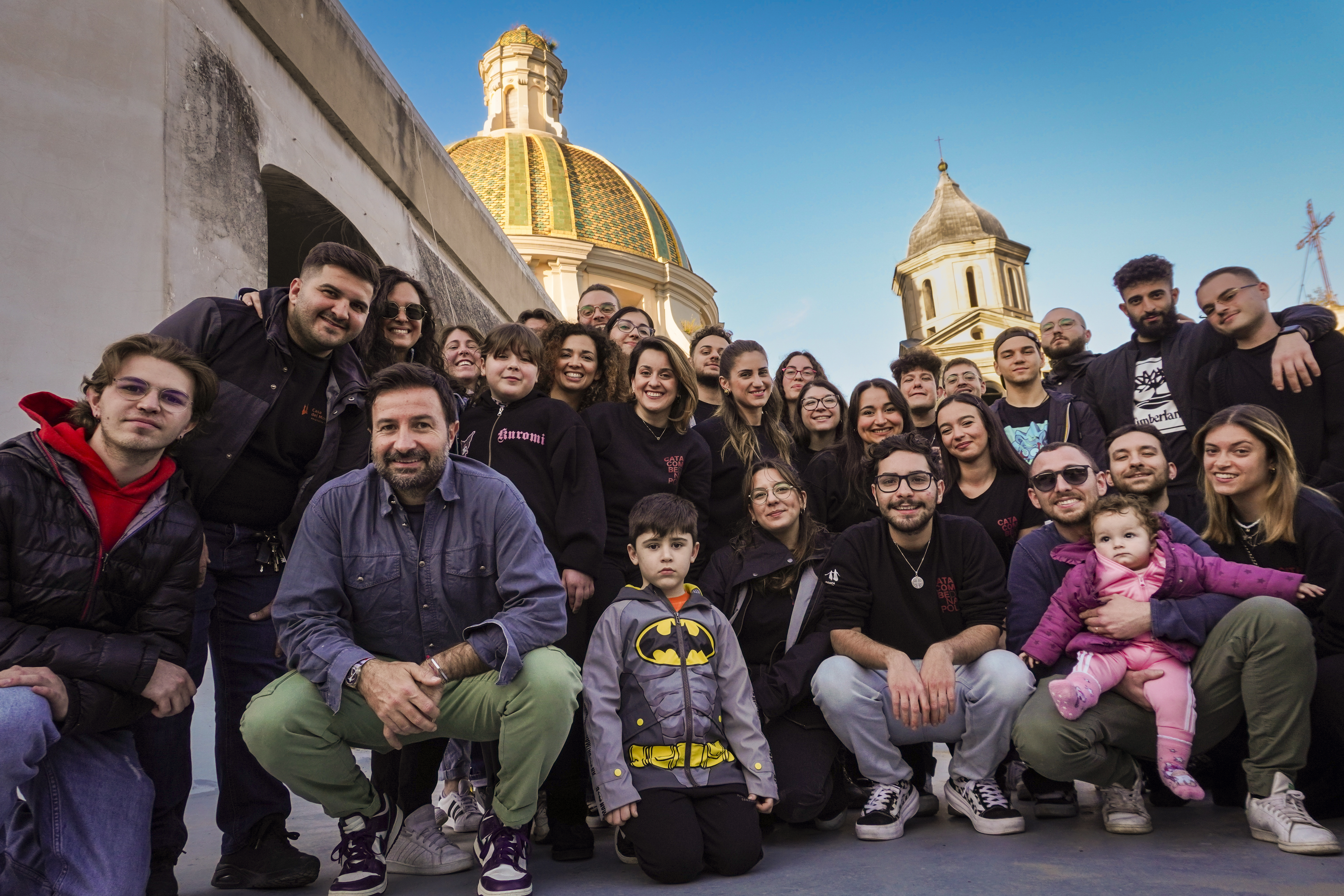
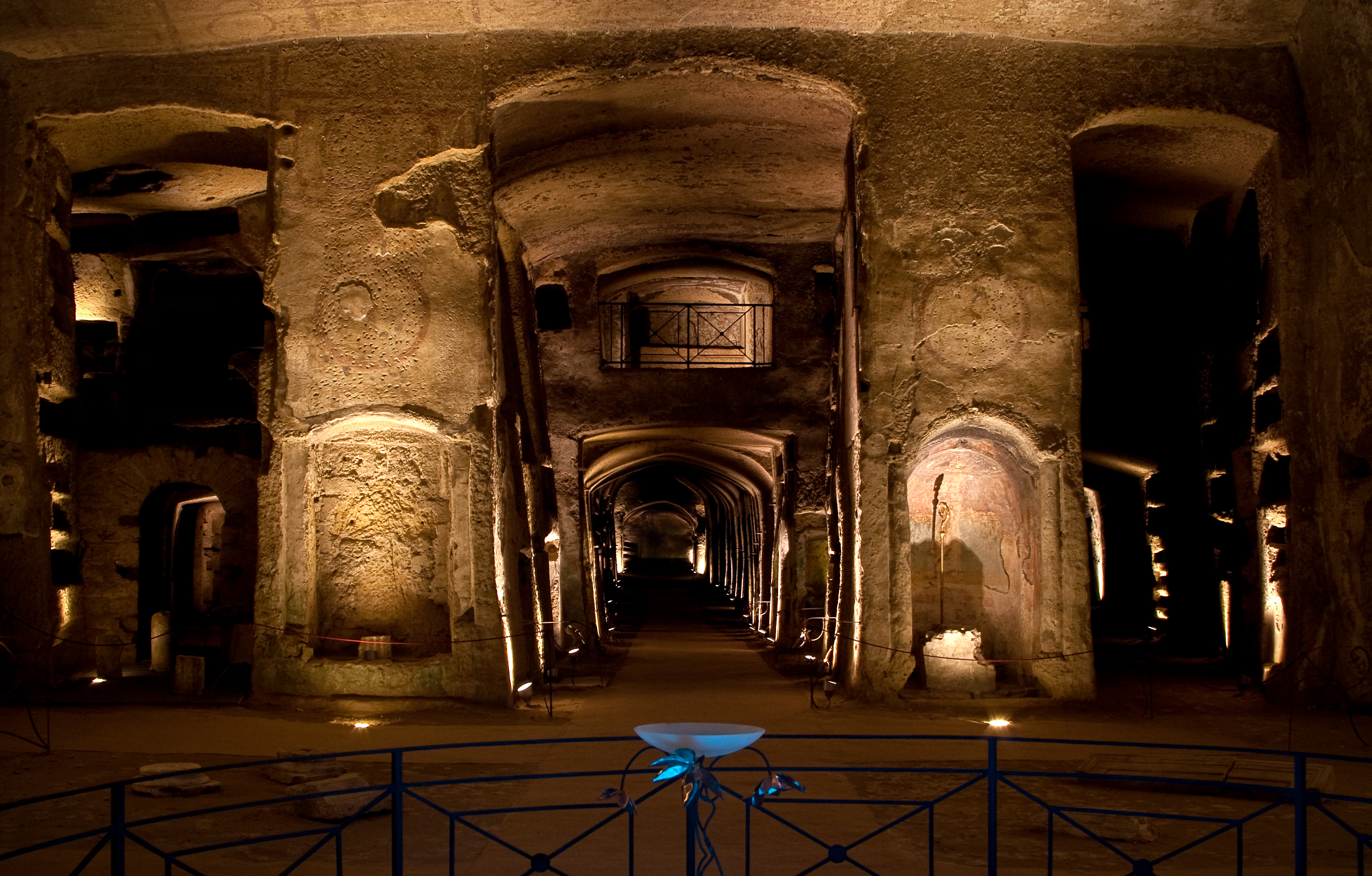
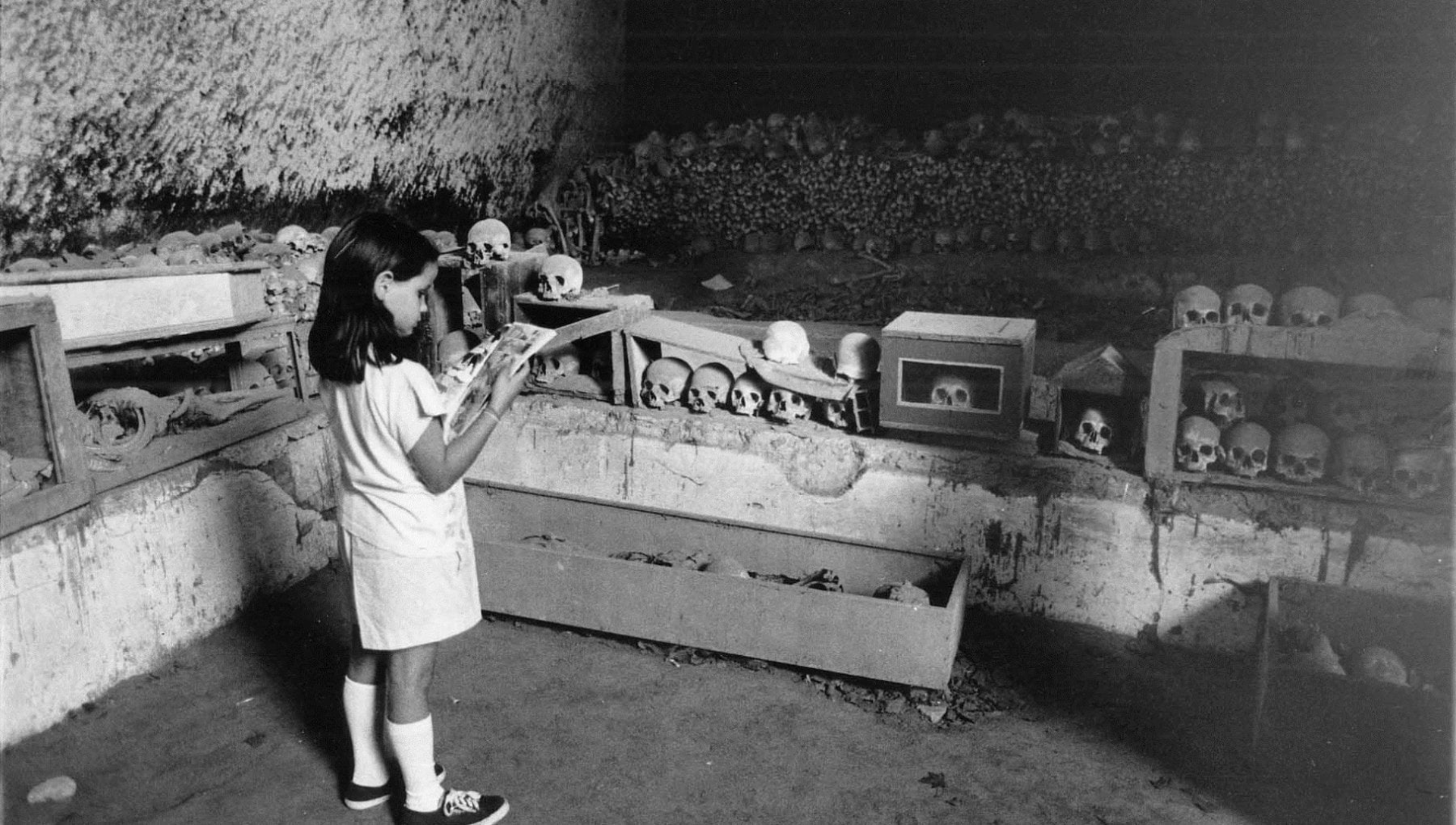
After years of neglect, the catacombs of Naples and other cultural asset in Rione Sanità district, have been regenerated and reopened to the public thanks to LA PARANZA. Through heritage, the cooperative empowered young people, , created a sense of ownership among the community, created a safer environment and revitalised the entire district.
Now the Cooperative has been working with the Bishop of Naples on a project that aims to reopen the city's closed churches thanks to the "Sanità Method".
Now the Cooperative has been working with the Bishop of Naples on a project that aims to reopen the city's closed churches thanks to the "Sanità Method".
Italy
Local
Naples
Mainly urban
It involves other types of transformations (soft investment)
Yes
2022-06-30
Yes
"Citizens, Equality, Rights & Values" (CERV) programme
No
No
Organisation
It is a story of a transformation from degradation to the recovery of a remarkable, hidden heritage.
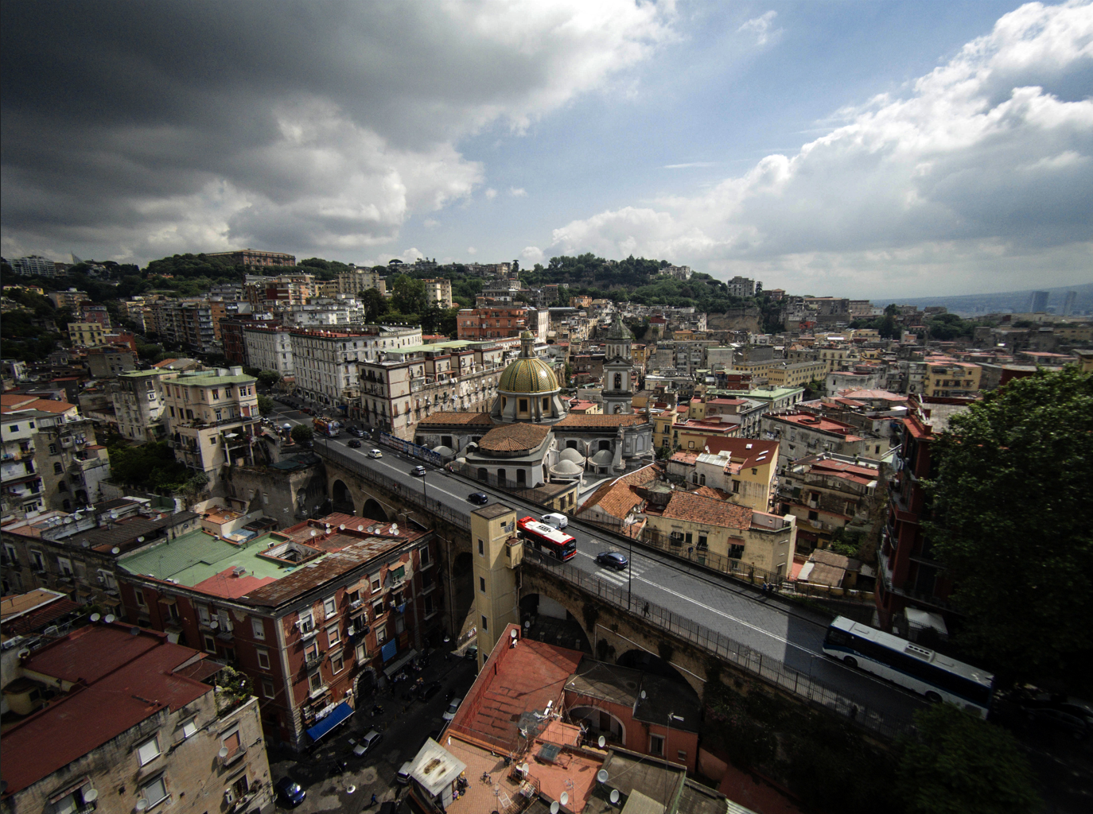
The Rione Sanità is one of the most ancient districts in Naples, boasting a rich cultural heritage. At the beginning of the XIX century, then, the construction of a huge bridge to overcome the Sanità’s valley marked the fate of the neighborhood: the complete cut off of the Sanità district from the city. It resulted in the complete abandon of the district and the stop of its economic, social and artistic engine.
Rione Sanità has become, much sooner than other urban areas across Europe, a neighborhood without any hope, a place from which young people wanted to escape.
Regeneration process transformed the Rione Sanita’ neighbourhood (a ghetto in the city), with the motto “caring for cultural heritage is caring for people”. Rione Sanita’ suffers from pupils dropping out of schools at an early stage and high unemployment rates. The project tackled the degradation - material and human – of the neighbourhood and turned it in an opportunity for rebirth. By trusting the local youth and building on their abilities, the project positively affected the skills/qualifications and the working conditions of the locals. It also attracted new residents, in a way that also changed the perception of the neighbourhood. Applying the principles of the Faro Convention (in a disadvantaged territory), the project turned cultural heritage into a shared resource, as well as tackling the negative effects of gentrification.
Today, 74 people are employed (more than 250 also taking into account the employees of other connected social enterprises), 15,000 square meters of heritage have been restored, and a vast network of small cooperatives, artisans, spaces for subsidiarity, educational centers and support services for the most vulnerable has been created.
Until 2008, even Neapolitans avoided Rione Sanità, but today it is a must-see for tourists and is being rediscovered by locals as wel
Rione Sanità is one of the oldest neighborhoods of the city of Naples, just outside the city center. In the XVII century, Rione Sanità became the place chosen by the nobles and the aristocracy to live. Popes, kings and cardinals used to pass through there on their way to the Royal Palace of Capodimonte.
At the beginning of the XIX century, then, the construction of a huge bridge marked the fate of our neighborhood: the impressive architecture that tops the Rione even today condemned it to isolation. For two centuries the area experienced the condition of a ghetto cut off from the urban and social fabric of the city and became the breeding ground for poverty and allowed crime to thrive.
The story of La Paranza and its disruptive efforts to make the Catacombs of San Gennaro one of Naples’ most popular tourist destinations began in 2006 when the cooperative was founded and started managing the Catacombs of San Gaudioso. In 2008, in agreement with the Archdiocese of Naples, the restoration and public opening of the Catacombs of San Gennaro began, going from 6,000 visitors a year to 230,000 (2022). Today, 74 people are employed (more than 250 also taking into account the employees of other connected social enterprises), 15,000 square meters of heritage have been restored, and a vast network of small cooperatives, artisans, spaces for subsidiarity, merchant associations, educational centers, and support services for the most vulnerable has been created. Until 2008, even Neapolitans avoided Rione Sanità, but today it is a must-see for tourists and is being rediscovered by locals as well. This is the “Miracle of Rione Sanità,” made possible thanks to a grassroots model of cultural promotion that becomes a “heritage community” in accordance with the Faro Convention, focusing on the enhancement of historical and artistic assets as opportunities for social inclusion and job creation through an efficient and non-profit entrepreneurial model based on a culture of cooperation.
Heritage communities
Youth employment
Social entrepreneurship
Cultural Heritage Education
Urban regeneration
This innovative experience of reviving historical and artistic assets coincides with the social, economic, and cultural rebirth of Rione Sanità. The choice of a growth model based on social entrepreneurship, which brings values as well as resources, also changes the socio-economic context and cultural references of younger generations, thanks to the cooperative’s and other local organizations’ commitment to promoting social capital and enhancing the skills of what we call “discarded stones” that become cornerstones of a new welfare system.
This is also our way to contrast gentrification’s effects. Tourism-generated richness has allowed us to reduce economic inequalities and strengthen social cohesion. And if it is up to the young people to decide whether to stay and to take care of their local area to improve it, you can be sure that they will be the very first to do everything they can to counter the negative effects of gentrification, especially those related to the loss of cultural identity. The “commons”, the elements of cultural heritage that we have regenerated for 18 years served to promote the healthy growth of our young people. The cooperative used the background of the Cultural Heritage sites to guide a reopening process of the district, in order to restart again the cultural and social engine providing the fundamental services and welfare needed in the neighbourhood.
In the end we have to not forgot that if all these activities are possible, is thanks to the fact that are people working beyond them, and the important word is “working”, because another effect of La Paranza Cooperative is the creation of job places for the youth of the district, creating the pathway for young people to set them free from the forced choice of criminality in a social scenario offering 73 them nothing more than this.
The guided tour and the reopening of the archaeological and historical sites are only a part of the cultural services offered by La Paranza, indeed this main core activities activate a cascade structure of services like monitoring services on the “cultural health” of the district, reporting the condition of school services, thanks to the narrow net of cooperation with the school entities on the territory, studying visiting path to offer the best experience to understand the value of the territory, but even more the cooperative offers even educational workshops in which the youngs can discover the beauty of Arts and History.
The spread of creativity of these last years is no longer just about how to enhance and maintain cultural heritage but has moved towards the creation of new art - in its wider sense- that permits the evolution of the Rione into a creative neighbourood.
Many buildings and streets of the Rione started to be “lighted up” by the intervention of international street artists. The spanish street artist, Tono Cruz, guided a series of practical workshops and theory lessons for more than 60 young people: result of this collaboration has been the work “Luce”.
Mono Gonzalez, a Chilean artist and set designer, "turned-on" the bell tower and the rectory of the Fontanelle cemetery with his colourful artworks. The artist Jorit guided the works of a group of youth from the district, teaching them the mural art technique. Francisco Bosoletti, from Argentina, is the author of the huge artwork "Resis-Ti amo", on the basilica of Santa Maria della Sanità. “Perseveranza '' by Matias Noguera Matu, on the basilica San Severo Fuori le Mura.
In 2020, international artist Jago decided to establish his laboratory in the Rione, in one of the Rione Sanità's churches, S. Aspreno ai Crociferi. This 17th century church has been finally reopened after more than 40 years. A new reopening that marks a new important step in the journey of “care of culture and culture of care”.
La Paranza and the other social enterprises have invested in the "discarded stones," in those young people who would have been excluded from society because they lacked educational qualifications or had a history of deviance and who, instead, became the "cornerstones" of a generative welfare system. They have become the leading actors of a process of self-development that has reduced economic inequality by improving the social status of previously marginalized groups and that has consolidated community identity and strengthened social cohesion. This system became so crucial during and after the pandemic, when young people’s fears grew, and it seemed impossible even to wish for and imagine the future. To work for La Paranza allowed 35 boys and girls, hired after the pandemic, to have trust in their abilities and capabilities to transform their context. They became aware that, thanks to their role, they could give others courage, hope, and opportunities.
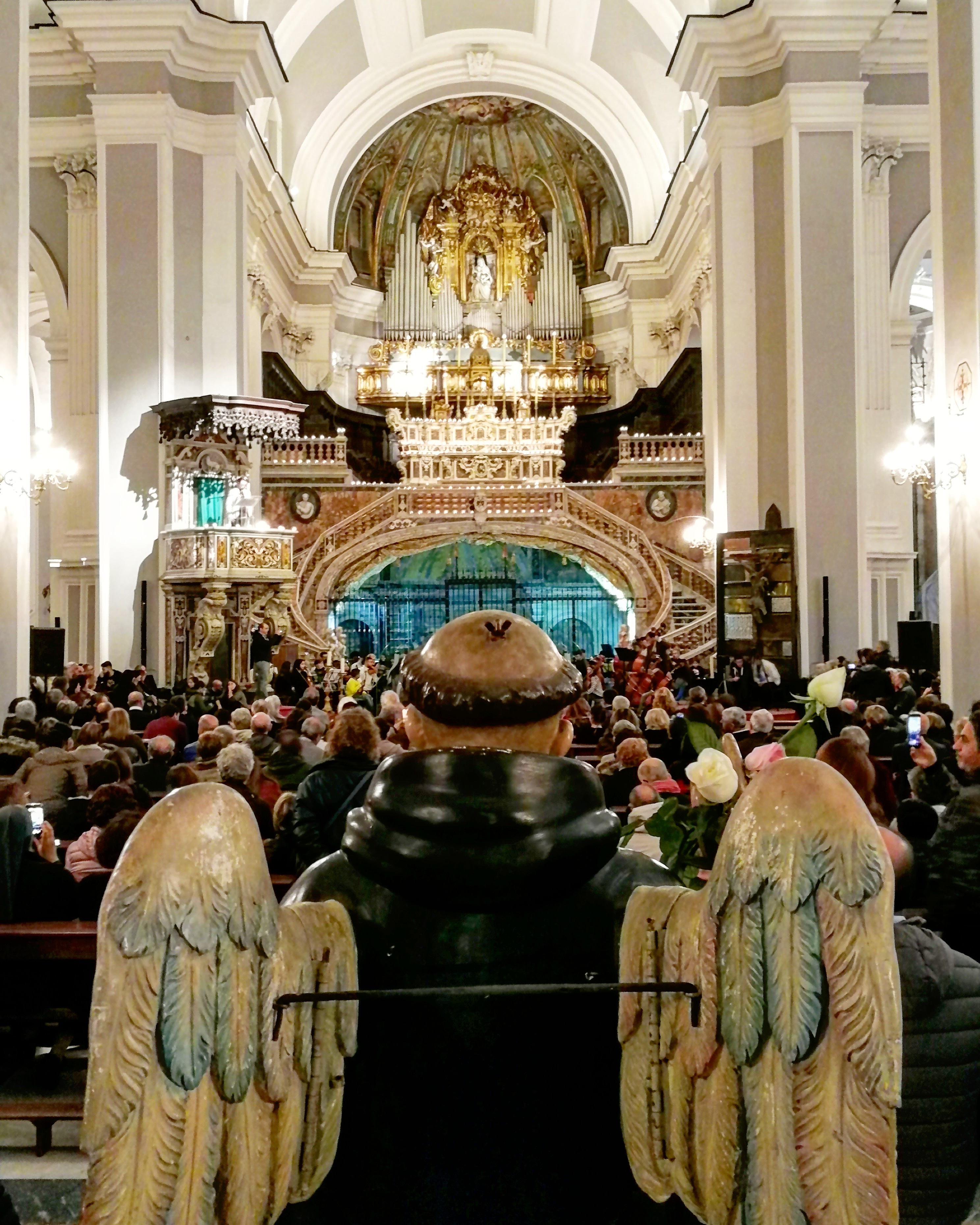
La Paranza has also reopened and repurposed several churches and buildings making them "commons goods" Some of them permit to create job for young people, like Catacombs or B&Bs. Other spaces are dedicated to growth and education onbeauty: the Church of San Severo fuori le mura hosts a recording studio and the youth orchestra Sanitansamble; the church of San Vincenzo and the Cristallini73 building have become public spaces where young people from the neighbourhood can practice theatre and sports for free.
The main beneficiaries are the youth of Rione Sanità, who are offered positive alternatives, concrete opportunities for personal and educational growth, travel experiences, exchanges, and networking. Employment integration pathways represent the natural continuation of the work carried out by the educational network, which supports minors in difficult situations, aimed at offering the possibility to stay in their homeland and contribute to the growth of their neighborhood.
Everyone, nobody excluded, should have the possibility to benefit from cultural heritage and have the right to decide how to enhance it. This is what has happened at Rione Sanità and it is the concrete manifestation of what happens when the principles of the Faro Convention are fully implemented. The case of Paranza shows that cultural heritages have not only an artistic and aesthetic function, nor even less a touristic one, but are capable of truly affecting processes of urban regeneration and social inclusion.
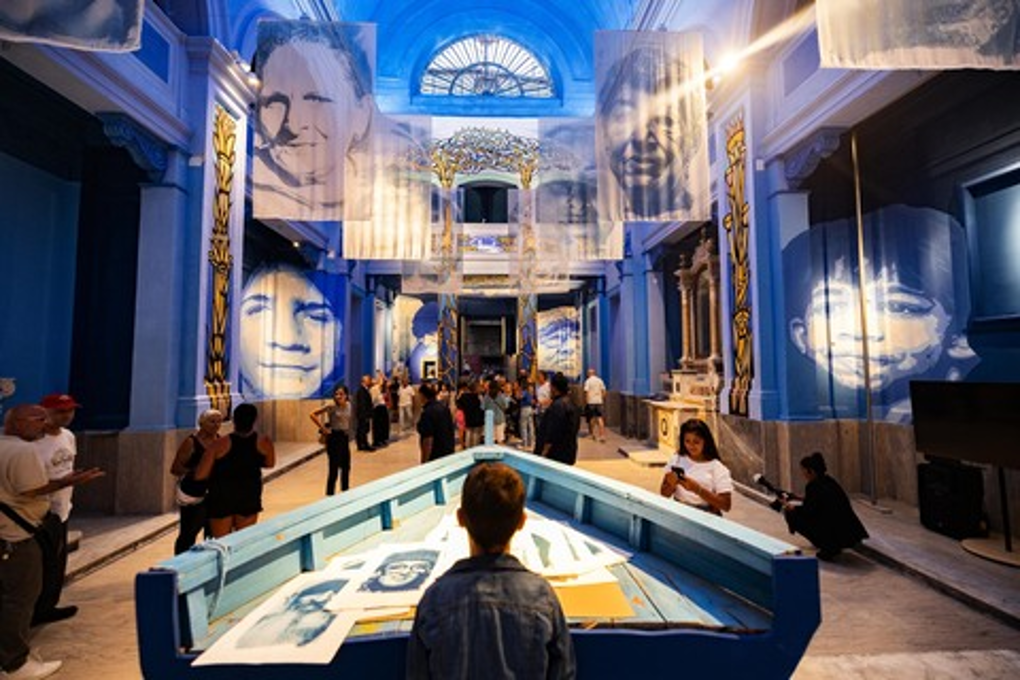
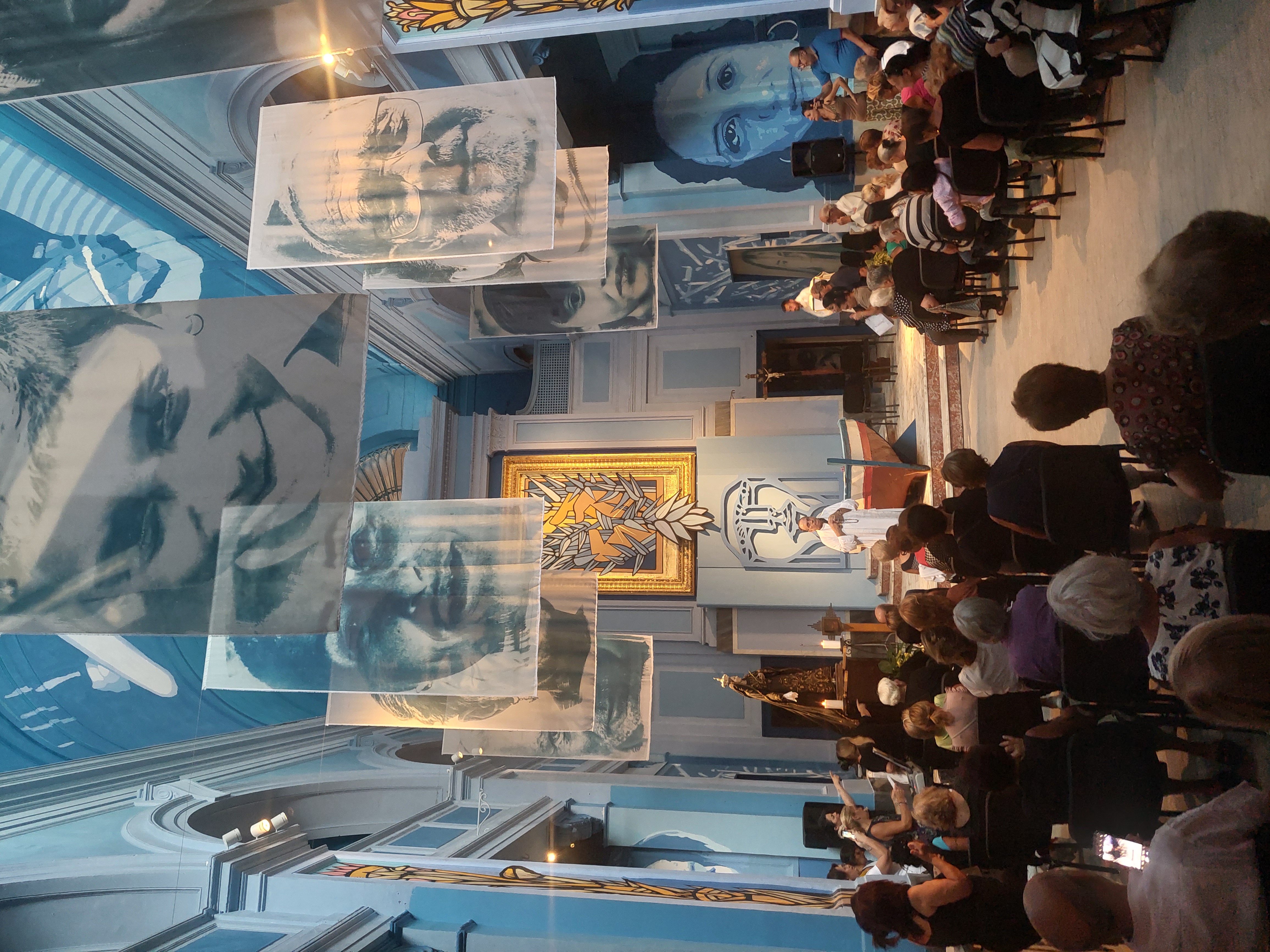
The reopening processes didn’t stop only at the Catacombs and churches: La Paranza has also reopened and repurposed several churches and buildings in the district. For example, some have been repurposed as B&Bs, while the Sant’Aspreno ai Crociferi Church is now the contemporary art museum, and the San Severo alla Sanità Church hosts a recording studio and the youth orchestra Sanitansamble. The church of San Vincenzo and the Cristallini73 building have become public spaces where young people from the neighbourhood can practice theatre and sports for free. In the 2023 we had the reopening of the Church of Santa Maria Maddalena ai Cristallini, architectural jewel closed for almost four decades: embellished with murals by the great artists Mono González and Tono Cruz, all repainted blue by the boys of the district, it is experienced as a true community church which, in addition to worship, hosts workshops with children, conferences, cultural initiatives, concerts and theatrical performances.
For us this method of evolving the community in a process of bottom-up activities to take care of their own cultural heritage, awakening again the sense of belonging is the perfect application in fact of the concepts carried out by the Faro Convention, a cornerstone in the everyday action of La Paranza Cooperative.
Since 2000, with the help of foundations, professionals and associations, it has been possible to create opportunities to benefit the youth. In December 2014 San Gennaro Community Foundation was founded to give stability to what had already been achieved and also to promote new projects for inclusion. The Foundation brought together all the organisations that had been working in the local area for years, and was created to give stability to what had already been achieved and also to promote new projects.
Within the San Gennaro Community Foundation, Cooperative La Paranza is a part of the Co-Operazione San Gennaro Association, which brings together third sector operators from Rione Sanità.
This Association is among the founders of the San Gennaro Foundation, together with the Parish and the main donors (private foundations) who have supported the process from the very beginning.
Over time, the Cooperative has built excellent relationships with local authorities; two years ago, it signed a 12-year Partnership Agreement with the City of Naples to enhance the Fontanelle Cemetery, one of the city's most important cultural sites.
Two months ago, the Cooperative received the award for best urban creativity project from the Campania Region.
La Paranza Cooperative is also a member of several international networks:
- Member Organization of Europa Nostra
- Member Organization of Futur for Religious Heritage
- Member of the Faro Convention Network (FCN), the European network of the most active heritage communities in Europe, coordinated by the Council of Europe.
La Paranza Cooperative’s team includes archaeologists, restorers and art historians involved in the study, supervision and restoration of the frescoes and mosaics in the Catacombs. To date, 13,000 m2 of the Catacombs have been recovered, 44 jobs for young people created and in 2019, 160,000 people visited the sites.
It has also created training courses for its guides and job placement and networking schemes for people, organisations and associations.
The reopening processes didn’t stop only at the Catacombs and churches: La Paranza has also reopened and repurposed several churches and buildings in the district. The creation of a network of third-sector businesses already active in the district has favoured the engagement of profesisonals by different fields.
TEN YEARS OF EFFORT HAVE GENERATED BIG RESULTS:
• Sanitansamble, an orchestra for children and youth
• Ajunior orchestra for kids
• L'Altra Casa (The Other House), a reception centre for mothers and children
• Sanità Music Studio, a recording studio
• Iron Angels, a creative metal workshop
• La Casa del Monacone, a Bed & Breakfast converted from an old convent
• Casa Tolentino, a Bed & Breakfast created from the convent of San Nicolas de Tolentino
• Accademia della Sanità, a drama workshop
• La Casa dei Cristallini, an after-school and play space for children
• Cristallini73, building have become public spaces where young people from the neighbourhood can practice theatre and sports for free.
• Over 250 jobs, including tourist guides, dance and drama instructors, technicians, maintenance workers and other professions related to the activities of the cooperatives operating in the district.
We have focused on the decisive role that the for-profit world can play in building a heritage community. All funds used come from the private sector (around 3 million euros in 15 years) because it is capable of responding quickly to the urgency of doing. Major donors (private foundations) are among the founding members of the San Gennaro Community Foundation established in 2014 to respond organically to the needs of the area along with more than 30 local nonprofits organizations.
The wealth generated supports a circuit of social economy aimed at fostering the creation of many businesses by free individuals who choose the path of cooperation—a model that ties economic action to principles of solidarity, reciprocity, collective commitment to the common good, and people’s happiness. The fundamental goal is to grow in order to create jobs, not to increase profits.
We have chosen the way of cooperation: the Paranza is a social cooperative, that is, an enterprise that does not aim at profit but at collective benefit and social utility. Doing business through the cooperative model has enabled us to link economic action to the principles of solidarity and reciprocity by putting people at the center.
Our experience managing the Catacombs of Naples has shown that Cultural Heritage is the condicio sine qua non for both the individual and local development.
The Cooperative is constantly engaged in activities that foster the birth (budding process) of new social enterprises, active on the market and not dependent on public funding, because the goal must be to create new value, both economic and otherwise. Promoting social and youth entrepreneurship in Southern Italy also means promoting a new economic and cultural model, in contrast to the welfare-based policies and clientelistic dynamics that have characterized the economic system to date.
The European recognition has further highlighted the impact and specificities of the regeneration process initiated by La Paranza in Rione Sanità across the continent, facilitating the rapid dissemination of its bottom-up heritage promotion methodology and its social innovation characteristics. This path reached its climax during the week of March 13-18, 2023, when Rione Sanità became the European Residence of sixteen young professionals (urban planners, art historians, archaeologists, project managers) from 13 different countries, eager to explore and study the “Sanità method. This is the first European residency focused on Cultural Heritage and Youth, as part of the broader Europa Nostra network project “European Cultural Heritage Agora”.
The case of La Paranza is also included among the 60 best practices featured in the “Cultural Heritage in Action” catalog of the European Union, published in 2023 to provide cities and regions across Europe with guidelines and exemplary cases to address major contemporary challenges: inequality and social exclusion, rapid urbanization, changes in governance systems, climate change. The 60 cases were selected internationally by the Consortium led by EUROCITIES with the Architects’ Council of Europe, KEA European Affairs, Europa Nostra, and ERRIN.
On April 9, 2024, the European Commission’s Directorate-General for Education, Youth, Sport, and Culture (EAC) invited La Paranza to Brussels to present the neighborhood’s social regeneration process to the Cultural Heritage Expert Group believing that “the experience of La Paranza could serve as an example for other institutions and administrations across Europe.”
The Cooperative is currently engaged in the new "MuDD" project, promoted by the Archbishop of Naples who calls it "exporting the Sanità Method" and intends to restore its artistic and religious heritage to the city and creating job opportunities for young people (19 new hires already).