Enhancing Circularity, Sustainability, and Innovation
WALKWAYS & WILDFIRES
Walkways & Wildfires – The path to protect people from their own flames
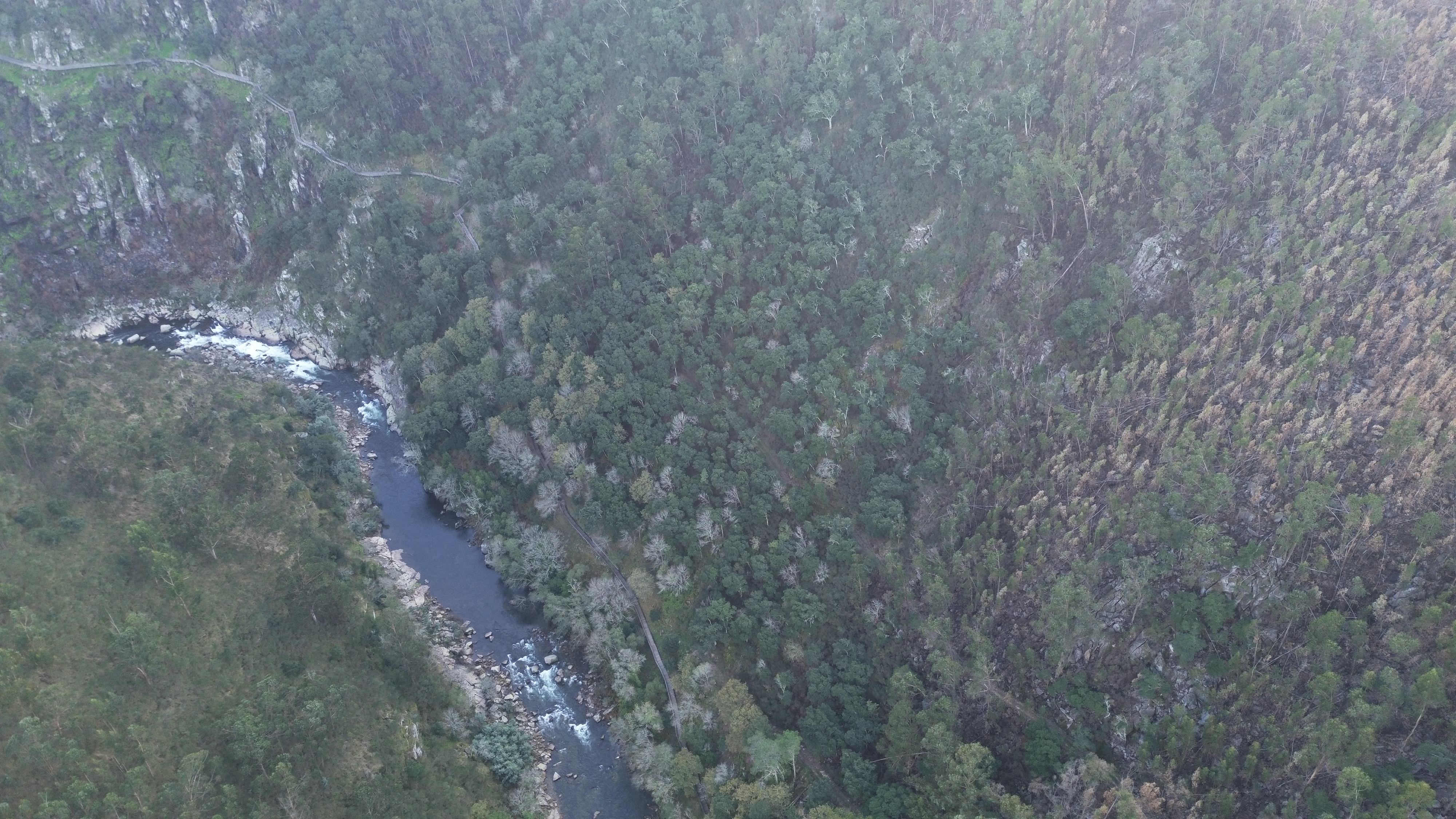
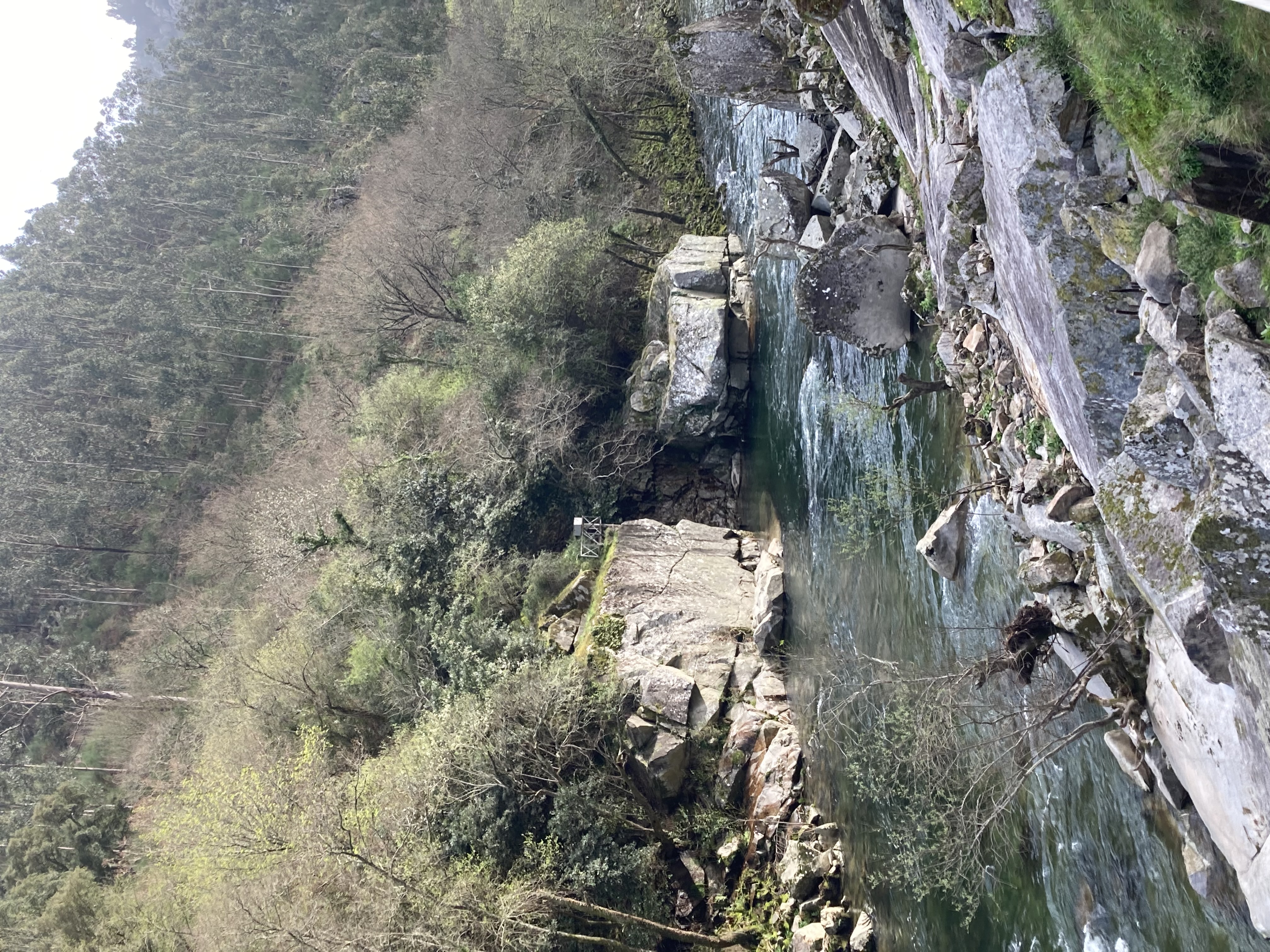
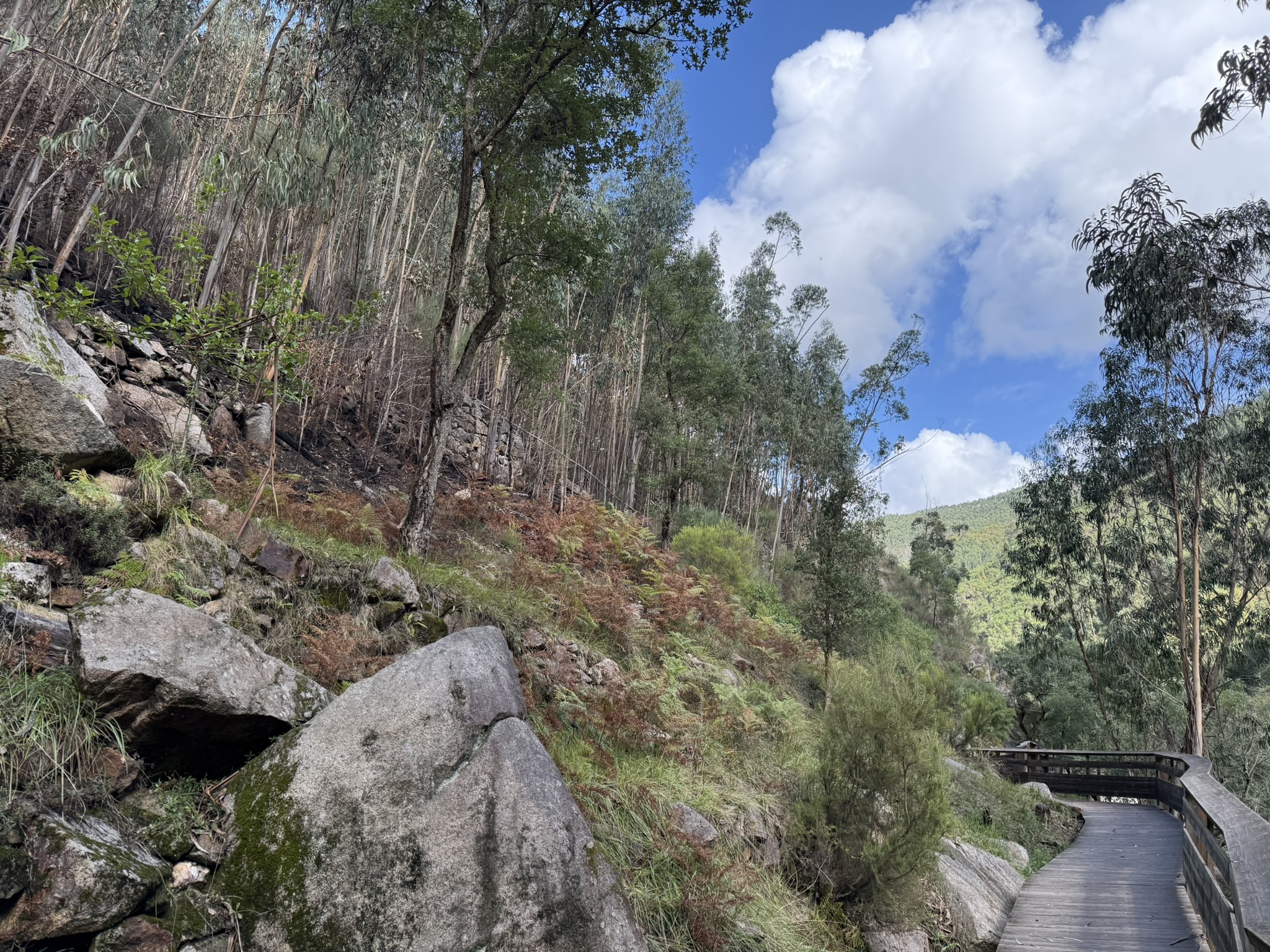
In recent decades, extreme wildfires have been a major concern in Arouca, a small town in northern Portugal. Land abandonment, forest overgrowth, and human-caused fire ignition are the primary causes for this ongoing crisis. The "Walkways & Wildfires" project examines how walkways along the River Paiva are reconnecting people to nature. It also explores how forest management and ecosystem services certification can aid private landowners in safeguarding the landscape from wildfires.
Portugal
Local
Arouca
Mainly rural
It involves a physical transformation of the built environment (hard investment)
Yes
2021-12-17
No
No
No
Organisation
The Walkways & Wildfires project in Arouca, northern Portugal, addresses the escalating threat of wildfires caused by abandoned forests, invasive species, and human activity. Its approach integrates sustainable Forest Management (FM), Ecosystem Services (ES) certification, ecotourism, and community engagement. A small private property along the River Paiva was transformed from a planted eucalyptus forest into a native oak-dominated forest, eradicating invasive species, promoting natural regeneration, and implementing wildfire prevention measures. This effort resulted in Portugal’s first FSC® ES certification for biodiversity conservation, carbon storage and sequestration, and recreational services.
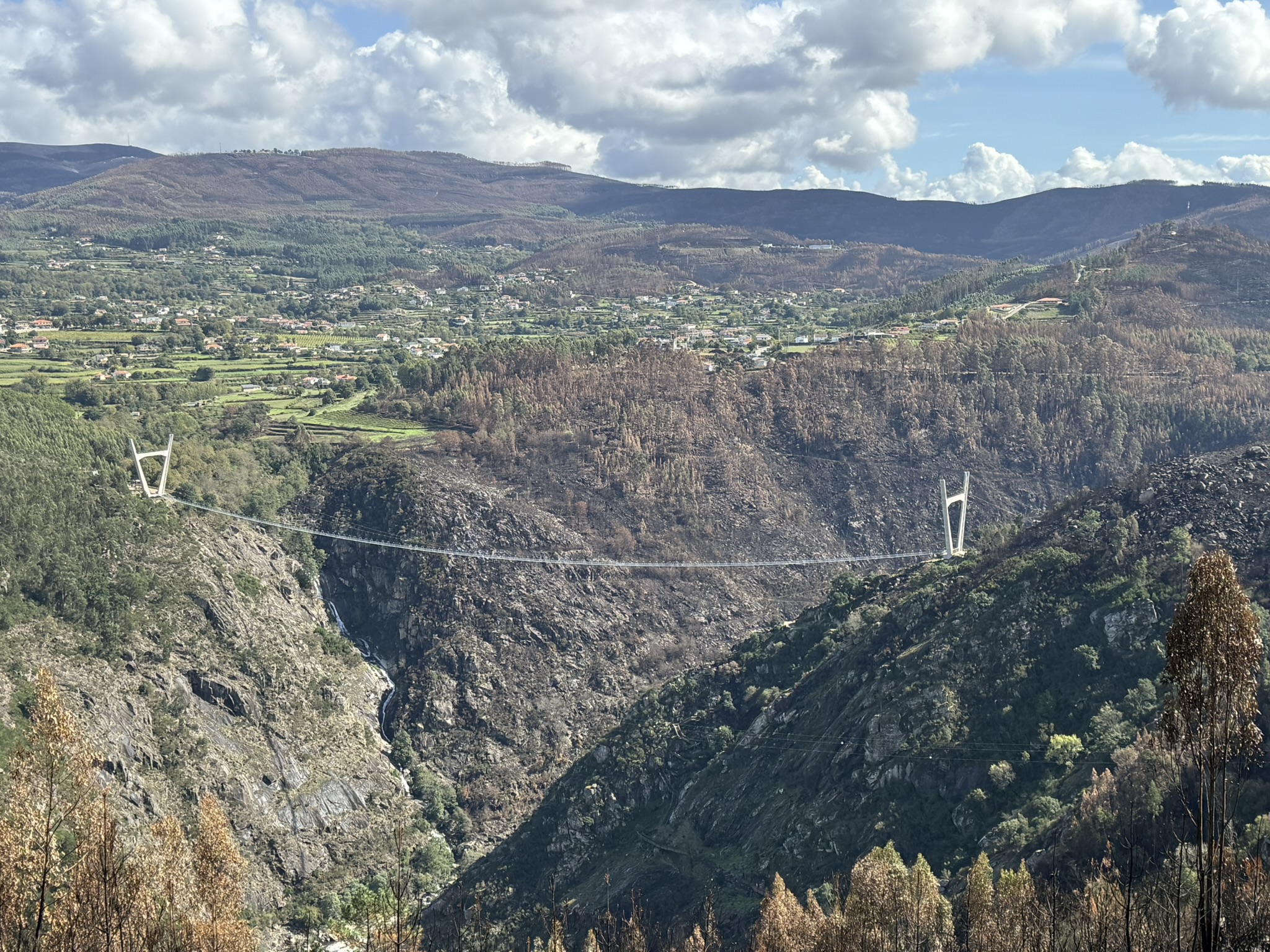
The project demonstrated tangible results: biodiversity surveys recorded 91 species, including 18 Iberian endemics; carbon storage increased from 41.56 t C/ha in 2017 to 221.69 t C/ha in 2020; and recreational services benefited over 104,000 visitors via the walkways and suspension bridge along the River Paiva. The 2024 Arouca wildfires highlighted the resilience of actively managed forests, with certified areas experiencing less intense fire damage compared to non-managed forests.
Long-term impacts include sustainable forest management practices that prevent land abandonment, maintain ecosystem services, enhance biodiversity, and mitigate wildfire risks. The project fosters inclusive access to nature, combining ecotourism infrastructure, affordable visitor access, and ES sponsorship programs. Local, regional, national, and European stakeholders contributed, ensuring interdisciplinary expertise, knowledge exchange, and community empowerment. Its methodology, documentation, and ES_SPONSOR program are fully transferable, offering a replicable model for wildfire prevention, sustainable land use, and community engagement in other regions worldwide.
The Walkways & Wildfires project emerged in response to recurring wildfires in Arouca, northern Portugal, where abandoned eucalyptus plantations and overgrown forests posed severe risks. Historically, fire was used for agriculture and land management, but rural depopulation and mid-20th-century reforestation with fast-growing species left forests unmanaged. The Arouca municipality began promoting ecotourism along the River Paiva, including walkways and a suspension bridge, but this alone could not reduce wildfire risk.
Implementation began with a small private property classified as an ecological natural reserve and ecological corridor. The landowner, facing unprofitability and potential abandonment, partnered with 2BForest, an SME specializing in Forest Management (FM) and Ecosystem Services (ES) certification. The ES_SPONSOR program was introduced, enabling private sponsorship of conservation efforts. The property was converted into a native forest, with oak plantations, removal of invasive species, and understory management to enhance biodiversity, carbon sequestration, and wildfire resilience.
The project engaged multiple stakeholders: the landowner, local community, 2BForest, regional association AFEDV, and national and European entities (Agenda Transform, FIRE-RES, EU Horizon 2020). Citizens participated through a community advisory board, workshops, and volunteering, while technicians planned and monitored forest operations using ForestSIM and ES assessment methodologies. Ecotourism infrastructure provided public access, connecting people to nature and raising awareness of wildfire prevention.
On the ground, results were immediate: biodiversity increased, carbon storage improved, and during the 2024 wildfires, the certified property experienced minimal fire damage compared to unmanaged areas. The project became a holistic model of sustainable forest management, wildfire prevention, community involvement, and ecotourism.
Wildfire Prevention
Sustainable Forest Management
Biodiversity Conservation
Ecotourism & Community Engagement
Ecosystem Services Certification
The Walkways & Wildfires project addresses sustainability by integrating environmental, social, cultural, and economic dimensions. Environmentally, it restores native forests, removes invasive species, manages understory vegetation, and enhances biodiversity and carbon sequestration, directly reducing wildfire risks. Socially and culturally, it reconnects people with nature through accessible walkways and a suspension bridge, fostering community pride, awareness, and environmental stewardship. Economically, it provides alternative land valuation via the ES_SPONSOR program, making forest management profitable for small private owners and preventing land abandonment.
The project is exemplary in sustainability because it combines responsible Forest Management with Ecosystem Services (ES) certification—the first in Portugal for biodiversity, carbon, and recreational services. Its methodology demonstrates measurable impacts: 91 species recorded, significant carbon storage increase (from 41.56 to 221.69 t C/ha), and over 104,000 visitors enjoying recreational services. By linking preventive forestry measures with ecotourism and inclusive community engagement, it shows how environmental protection, cultural value, and economic viability can coexist.
Moreover, the project’s governance model collaborating with landowners, private sponsors, municipalities, and European partners ensures shared responsibility and transferability, making it a replicable model for wildfire-prone regions worldwide. It exemplifies a holistic, evidence-based approach to sustainability, where nature, people, and economy benefit simultaneously.
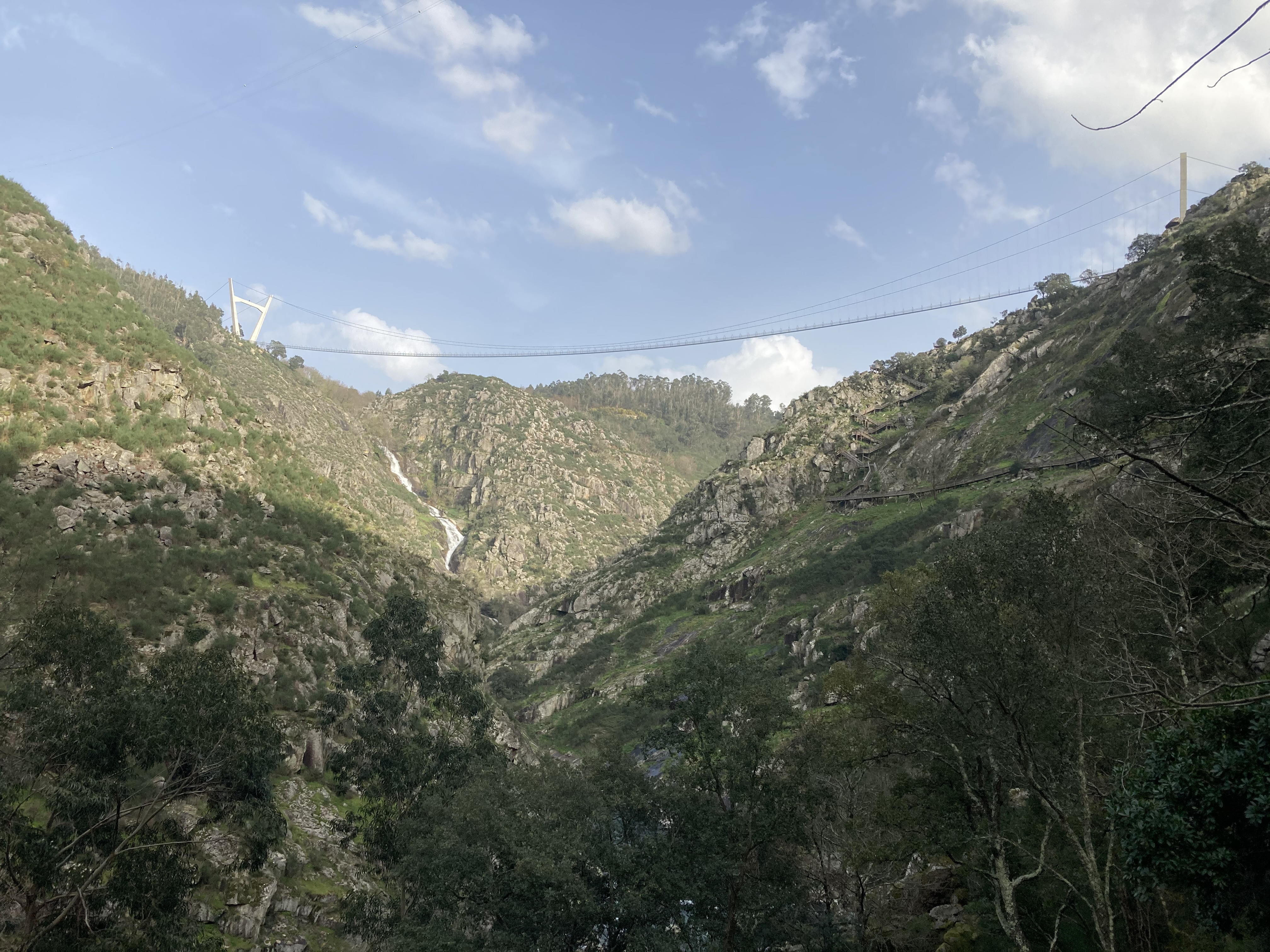
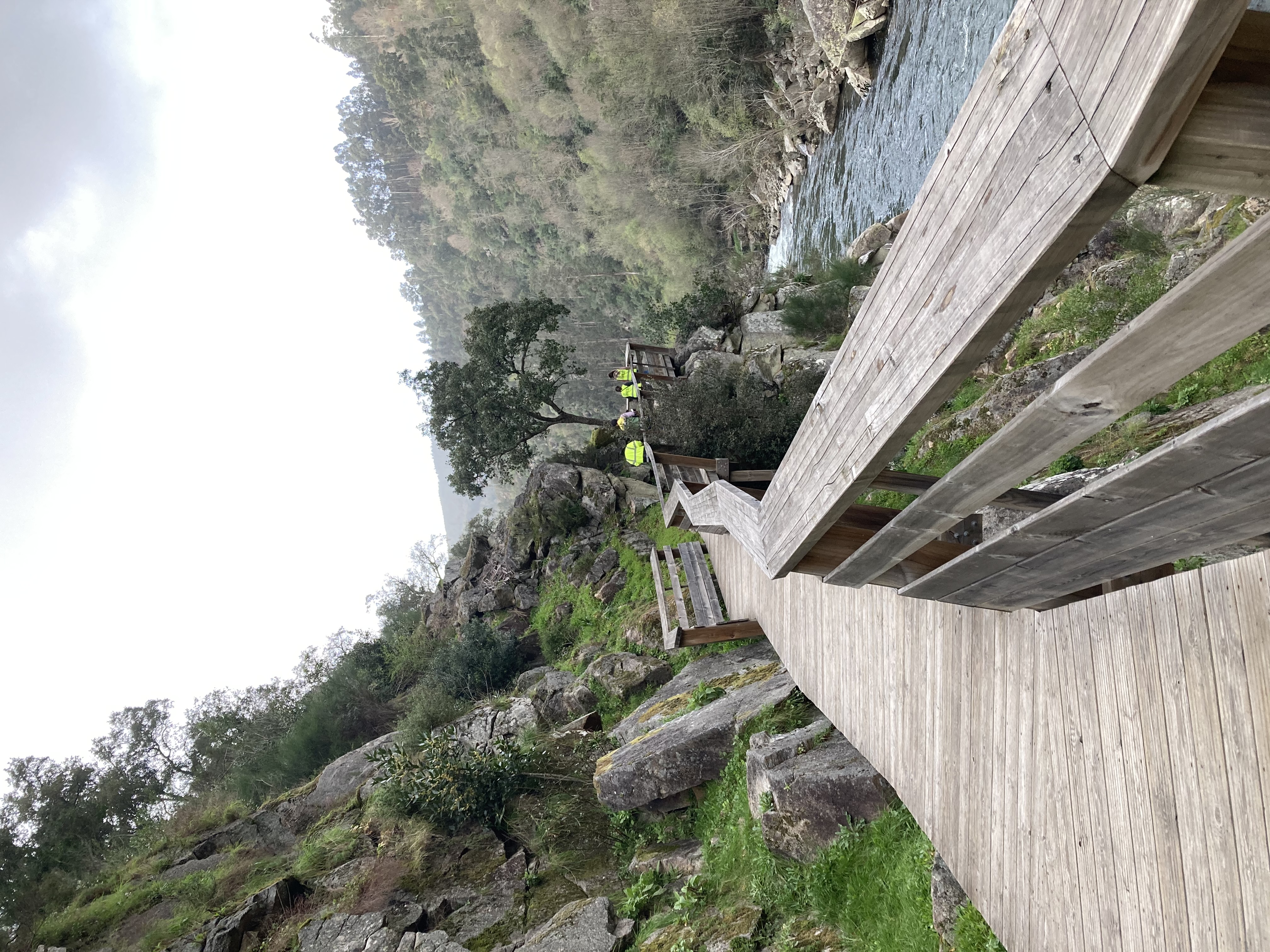
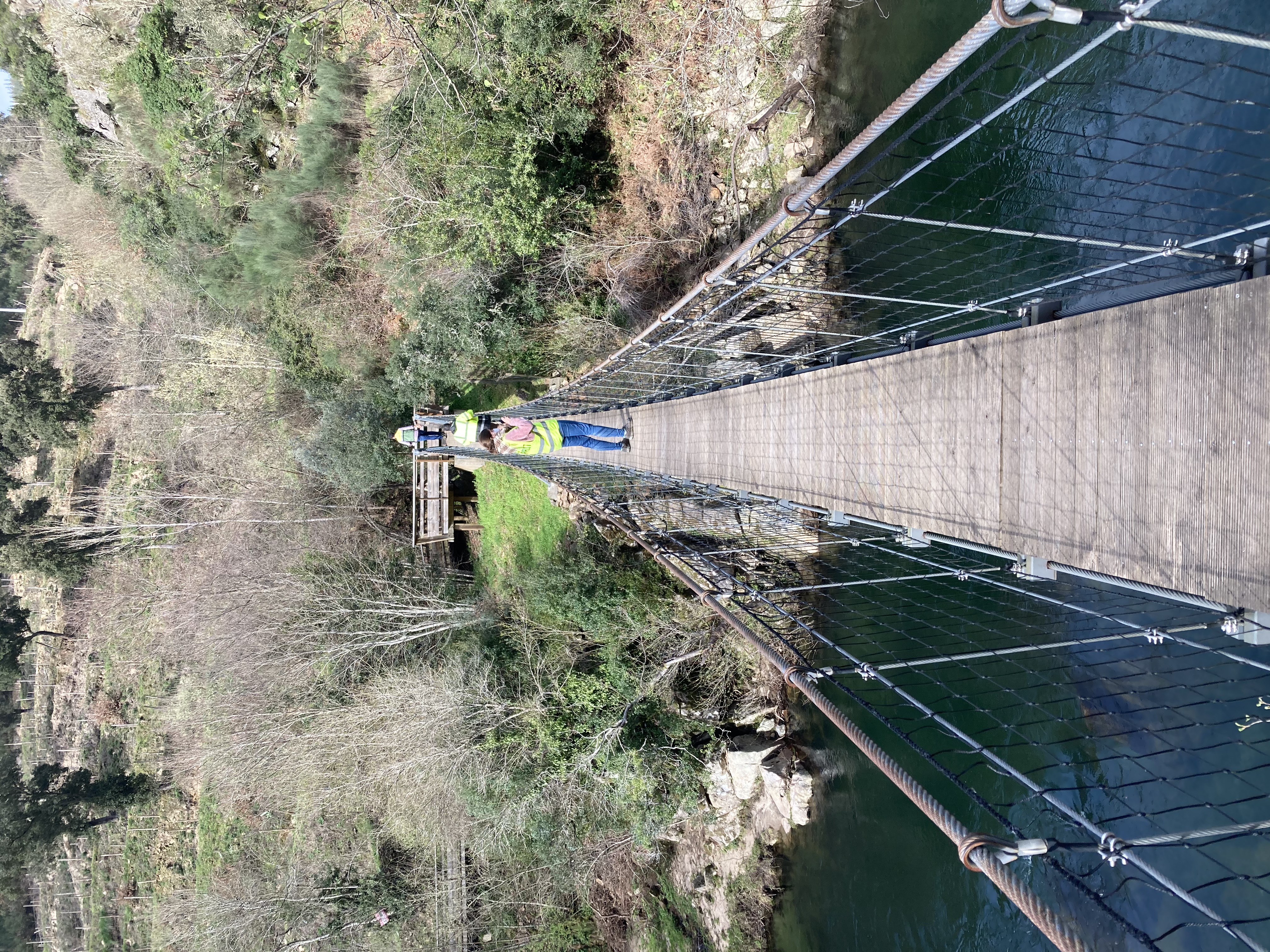
The Walkways & Wildfires project enhances aesthetics by transforming a previously uniform eucalyptus plantation into a diverse native forest with oak, alder, and other indigenous species, creating visually rich and ecologically vibrant landscapes. The River Paiva’s natural beauty is highlighted through carefully designed walkways, viewing platforms, and a large suspension bridge, offering visitors unique, memorable experiences and easy access to scenic spots, riparian forests, and cultural heritage sites such as mining caves.
For communities, this aesthetic enhancement fosters pride and a sense of belonging. Locals witness their once-abandoned land restored, connecting everyday life to nature, culture, and environmental responsibility. The project also integrates recreational and cultural values, promoting shared experiences and collective care for the landscape.
It is exemplary aesthetically because it combines ecological restoration with design that engages visitors, balances natural beauty with human access, and showcases sustainable interaction with the environment. By merging forest conservation, visual appeal, and cultural landmarks, the project creates an enduring, immersive environment where people appreciate, protect, and feel connected to their place.
The Walkways & Wildfires project promotes inclusion by ensuring broad access to nature and forest conservation, regardless of economic status or physical ability. Walkways, viewing platforms, and the suspension bridge along the River Paiva provide barrier-free access to scenic and ecological areas, while the municipality ensures affordable or free entry to key sites, supported by accessible restrooms, clear signage, parking, and resting areas. Recreational activities, including canoeing and water sports, are similarly accessible.
Economically, the ES_SPONSOR program allows private and institutional sponsors to contribute to forest management, making conservation financially viable for small landowners and enabling wider societal participation in sustainable forestry. Governance is collaborative: a community advisory board brings together landowners, local residents, and experts to guide decisions, integrating multiple perspectives and fostering collective responsibility.
The project is exemplary in inclusion because it combines universal access, affordability, and participatory governance with environmental stewardship. It demonstrates how sustainable land management can engage diverse stakeholders, promote equitable experiences, and empower communities to connect with and care for their natural and cultural heritage. This model offers a replicable framework for inclusive, environmentally conscious projects worldwide.
The Walkways & Wildfires project actively involved citizens, communities, and civil society from its inception. Local residents and forest owners participated through consultations, workshops, and volunteering, ensuring their knowledge, heritage, and needs informed project design. Civil society organizations, such as AFEDV, collaborated with 2BForest to provide technical expertise, facilitate communication, and organize forest operations, directly engaging the community in practical conservation efforts.
A community advisory board, comprising landowners, technicians, and private sponsors, guided decision-making on forest management, biodiversity restoration, and wildfire prevention strategies. Citizens contributed to discussions on site operations, helped monitor forest conditions, and participated in awareness campaigns and training sessions, fostering environmental responsibility.
Their involvement had a measurable impact: it strengthened community bonds, ensured local knowledge shaped interventions, increased public awareness of wildfire risks, and enhanced project resilience during the 2024 fires. The participatory approach also promoted ownership of outcomes, making conservation sustainable and socially embedded. This model exemplifies how inclusive governance and citizen engagement can combine ecological, social, and economic objectives for long-term community benefit.
The Walkways & Wildfires project engaged stakeholders across all governance levels. Locally, the landowner and residents participated in consultations, volunteering, and decision-making, providing knowledge of the property, cultural heritage, and practical input for forest operations. Regionally, 2BForest technicians and AFEDV engineers contributed expertise in Forest Management (FM) and Ecosystem Services (ES) certification, guiding operational plans, biodiversity restoration, and wildfire prevention.
Nationally, programs like Agenda Transform (PRR, Next Generation EU) supported monitoring, dissemination, and adherence to best forestry practices, enhancing project scalability and visibility. At the European level, initiatives such as FIRE-RES (EU Horizon 2020) provided scientific advice, cross-border knowledge exchange, and innovative wildfire management techniques, establishing the area as a living lab for research and training.
The added value of multilevel governance lies in combining local knowledge, technical expertise, regulatory support, and international innovation. This collaboration ensured scientifically robust, socially accepted, and replicable interventions, strengthened community engagement, increased wildfire resilience, and elevated the project’s visibility as a model for sustainable forest management, biodiversity conservation, and participatory environmental governance.
The Walkways & Wildfires project integrated multiple disciplines to ensure a holistic approach. Forestry and environmental sciences guided sustainable forest management, biodiversity restoration, and wildfire prevention. Engineering supported the design and construction of walkways, viewing platforms, and the suspension bridge, ensuring structural safety and accessibility. Agronomy and ecological sciences informed native species planting, invasive species eradication, and carbon sequestration strategies.
Social sciences and community planning shaped participatory governance, stakeholder engagement, and inclusive access to recreational spaces. Economics underpinned the ES_SPONSOR program, creating viable funding models for private landowners. Digital technologies, including the ForestSIM platform and GIS mapping, facilitated forest operation planning, monitoring, and certification processes.
This transdisciplinary collaboration enabled the integration of ecological, social, cultural, and economic objectives, fostering biodiversity, community engagement, wildfire resilience, and accessible ecotourism. By combining these knowledge fields, the project became a replicable model that balances environmental protection with human experience.
The Walkways & Wildfires project relies on a diversified, financially sustainable business model that combines private, public, and community-based funding mechanisms. Central to this model is the ES_SPONSOR program, which allows private entities to sponsor forest management activities, such as native tree planting, invasive species removal, and wildfire prevention. This generates direct revenue for landowners while linking conservation outcomes to measurable ecosystem services.
Public funding complements these efforts. The Arouca municipality invests in ecotourism infrastructure, including walkways, the suspension bridge, parking, and visitor facilities, attracting over 100,000 annual visitors and supporting local businesses. National programs, such as Agenda Transform (PRR, Next Generation EU), provide technical and financial support for forest certification, monitoring, and dissemination of best practices.
Additional revenue streams include modest ecotourism fees, private donations, and partnerships with more than 30 organizations contributing financially or voluntarily. By integrating ecosystem services certification, ecotourism, and sponsorship, the model ensures long-term sustainability: it prevents land abandonment, funds ongoing forest management, incentivizes biodiversity conservation, and maintains wildfire resilience, creating a replicable and financially viable framework for small landowners in wildfire-prone regions.
The Walkways & Wildfires project is highly scalable due to its structured methodology, innovative processes, and transferable tools. Key replicable elements include:
Forest Management & ES Certification: The FSC® framework and the ES_SPONSOR program provide a step-by-step methodology for biodiversity restoration, wildfire prevention, carbon sequestration, and recreational service provision, which can be applied to other private or public lands.
Community Engagement & Participatory Governance: Establishing advisory boards and involving citizens, landowners, and sponsors in decision-making can be adapted to diverse social contexts to foster collective responsibility and local stewardship.
Ecotourism Integration: Walkways, viewing platforms, and accessible infrastructure demonstrate how recreational and cultural experiences can be combined with forest conservation, attracting visitors while educating communities.
Monitoring Tools & Digital Platforms: Use of ForestSIM and GIS-based mapping for planning, monitoring, and reporting can be adopted by other projects to track biodiversity, carbon storage, and visitor use.
Funding Model: Combining private sponsorship, public investment, and modest visitor fees offers a financially viable mechanism to maintain long-term forest management and community engagement.
Overall, the project offers a holistic, evidence-based approach that can be adapted for wildfire-prone regions worldwide, balancing environmental, social, and economic objectives while providing measurable ecological and societal benefits.