Enhancing Circularity, Sustainability, and Innovation
ECO H2O
ECO H2O – First Community-Scale Ecological Wastewater Treatment in Romania
The Mihai Eminescu Trust has implemented the first nature-based wastewater system in rural Romania, in the UNESCO heritage village of Viscri. Through constructed ponds and natural filtration by aerobic and anaerobic bacteria, the system protects groundwater, preserves historic buildings, and ensures public health. The integrated, transdisciplinary approach and community-led maintenance support long-term water resilience and provide a replicable, cost-effective model for small communities.
Romania
Local
Viscri Village, Bunești Commune, Brașov County, Romania.
Mainly rural
It involves a physical transformation of the built environment (hard investment)
Yes
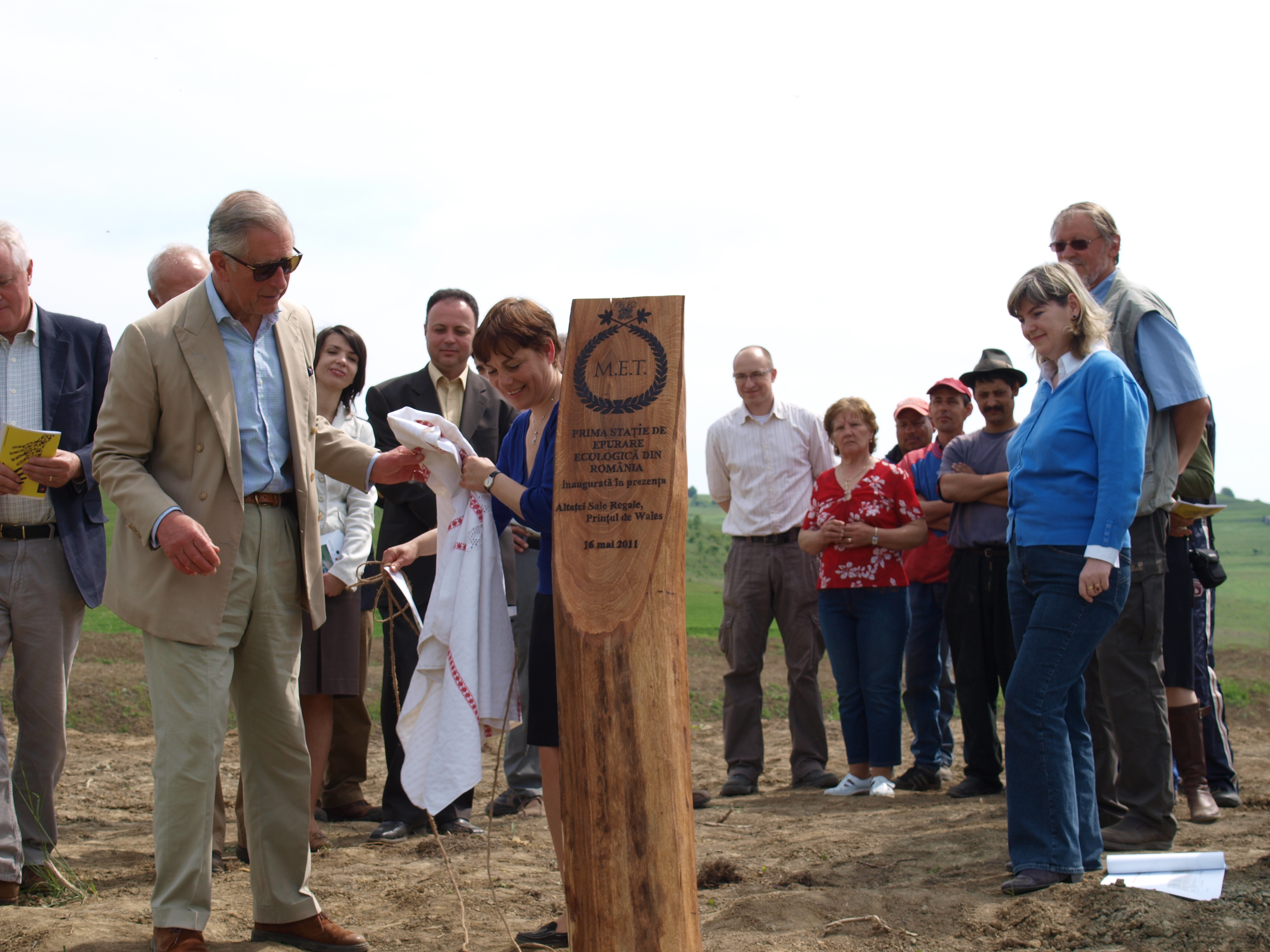
2011-05-16
No
No
Yes
Organisation
The ECO H2O project introduced a nature-based wastewater treatment system in the village of Viscri, Romania, addressing the lack of sanitation infrastructure in a historic rural community that is part of a UNESCO World Heritage. Before the project, household wastewater was discharged into roadside ditches, the village brook, or improvised septic tanks, posing risks to public health, contaminating groundwater, and affecting both historic buildings and the local water cycle.
The project aimed to develop an environmentally friendly, cost-effective and sustainable sanitation system adapted to the traditional landscape of this historic rural settlement, protecting both the natural environment and the built heritage of the village.
The main beneficiaries are the residents of Viscri, a community of about 500 inhabitants, as well as approximately 60,000 visitors/ year. The system improves sanitation conditions for all households while protecting drinking water sources, soil quality and the surrounding landscape.
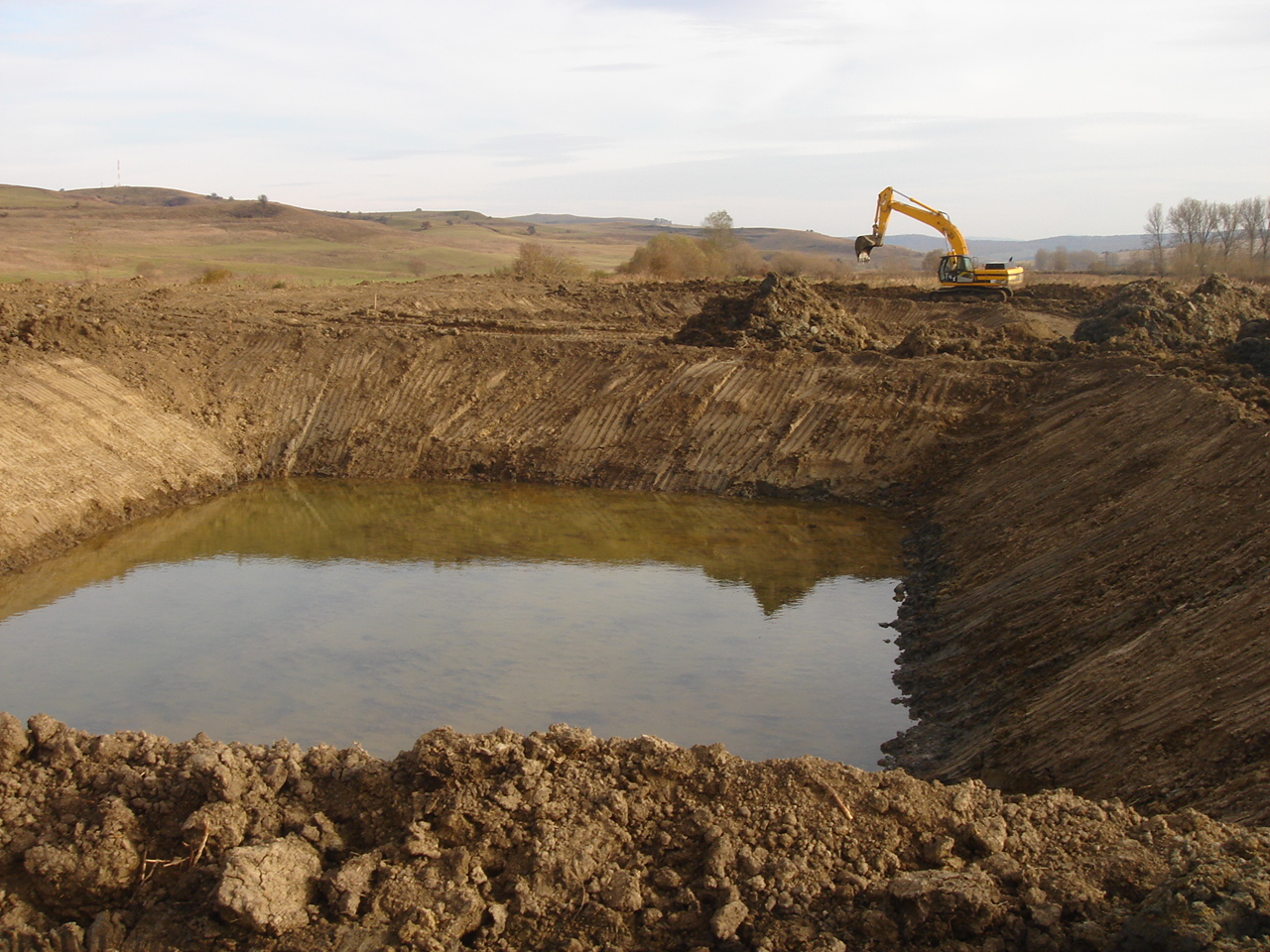
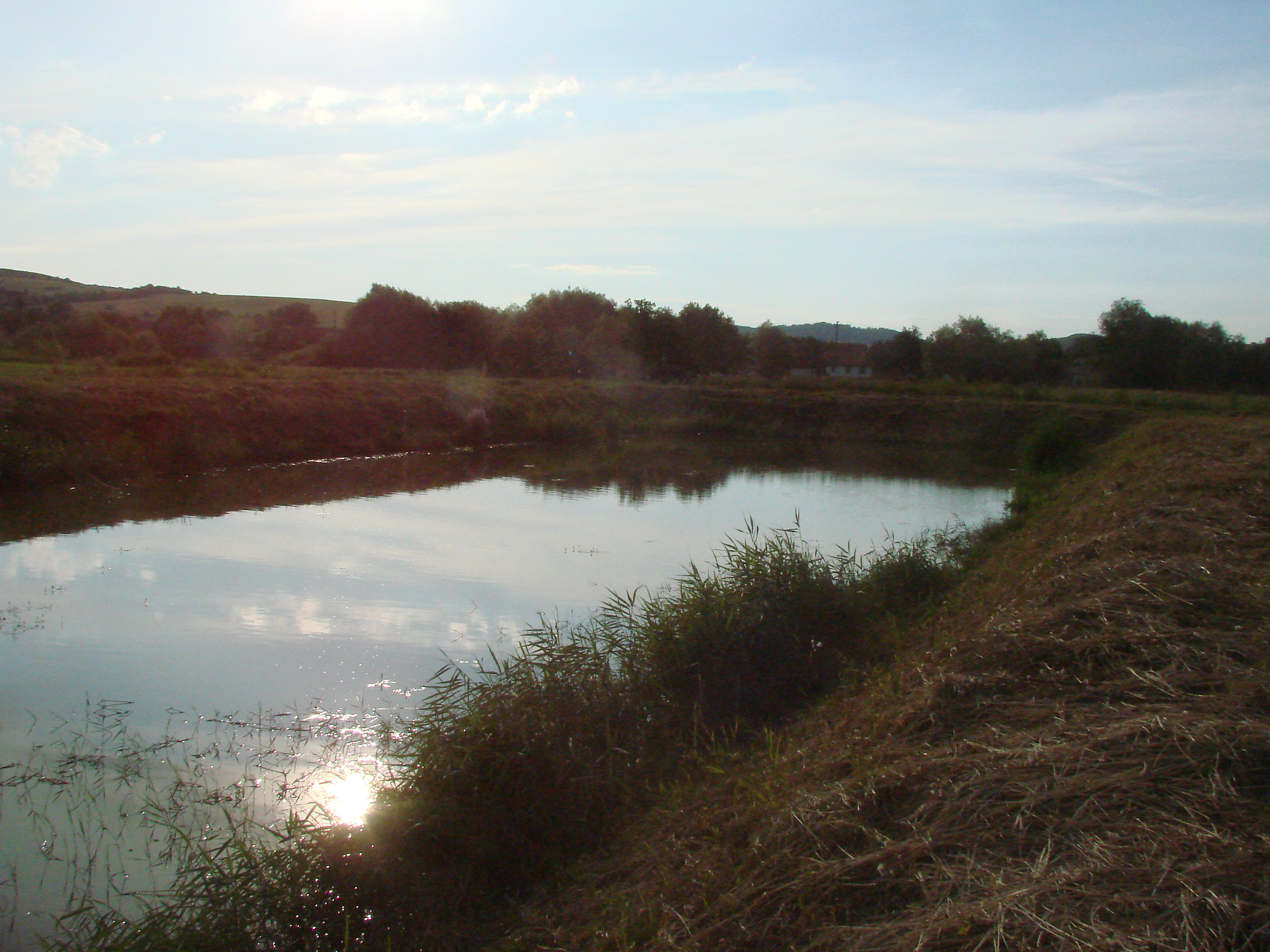
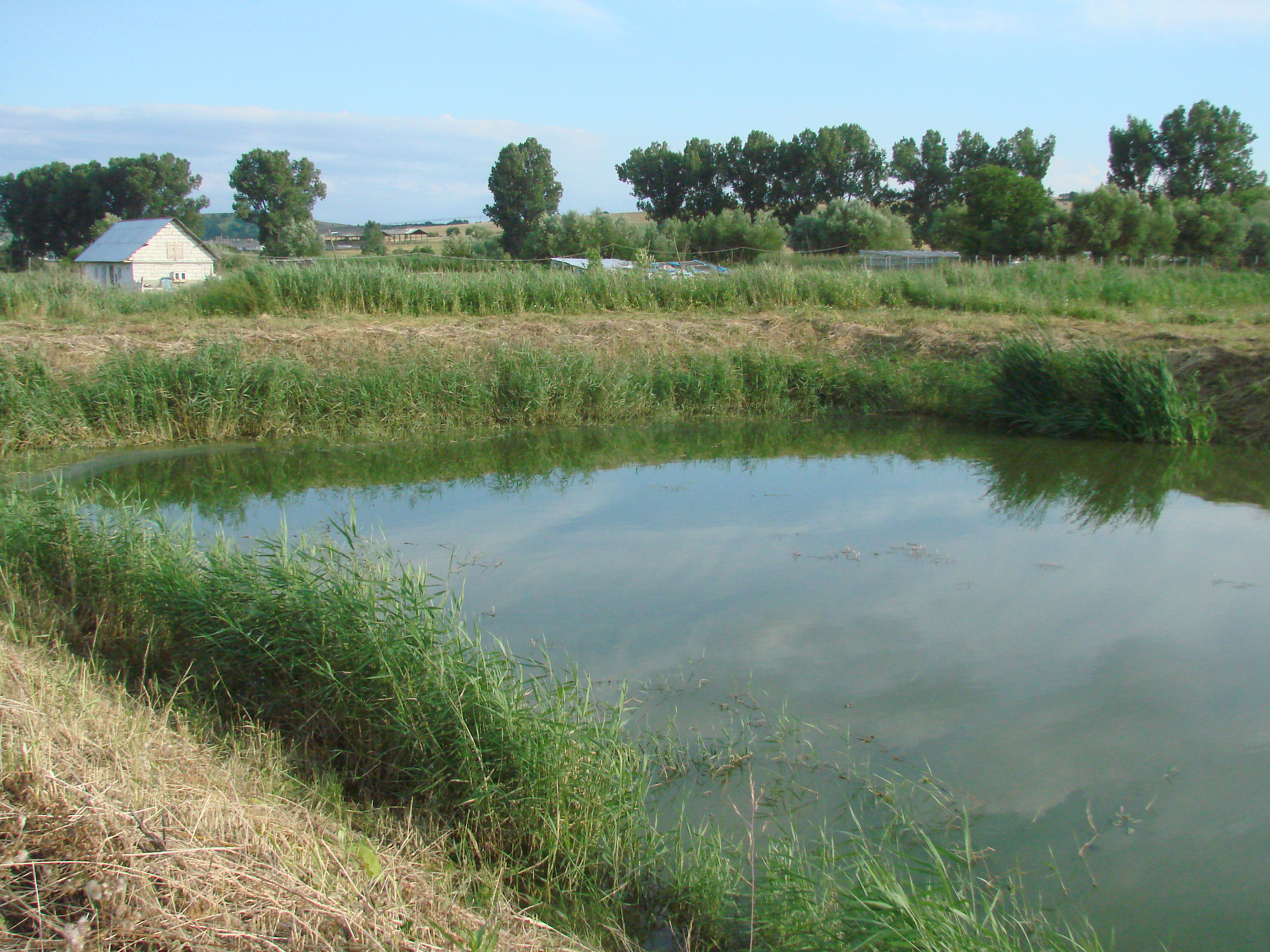
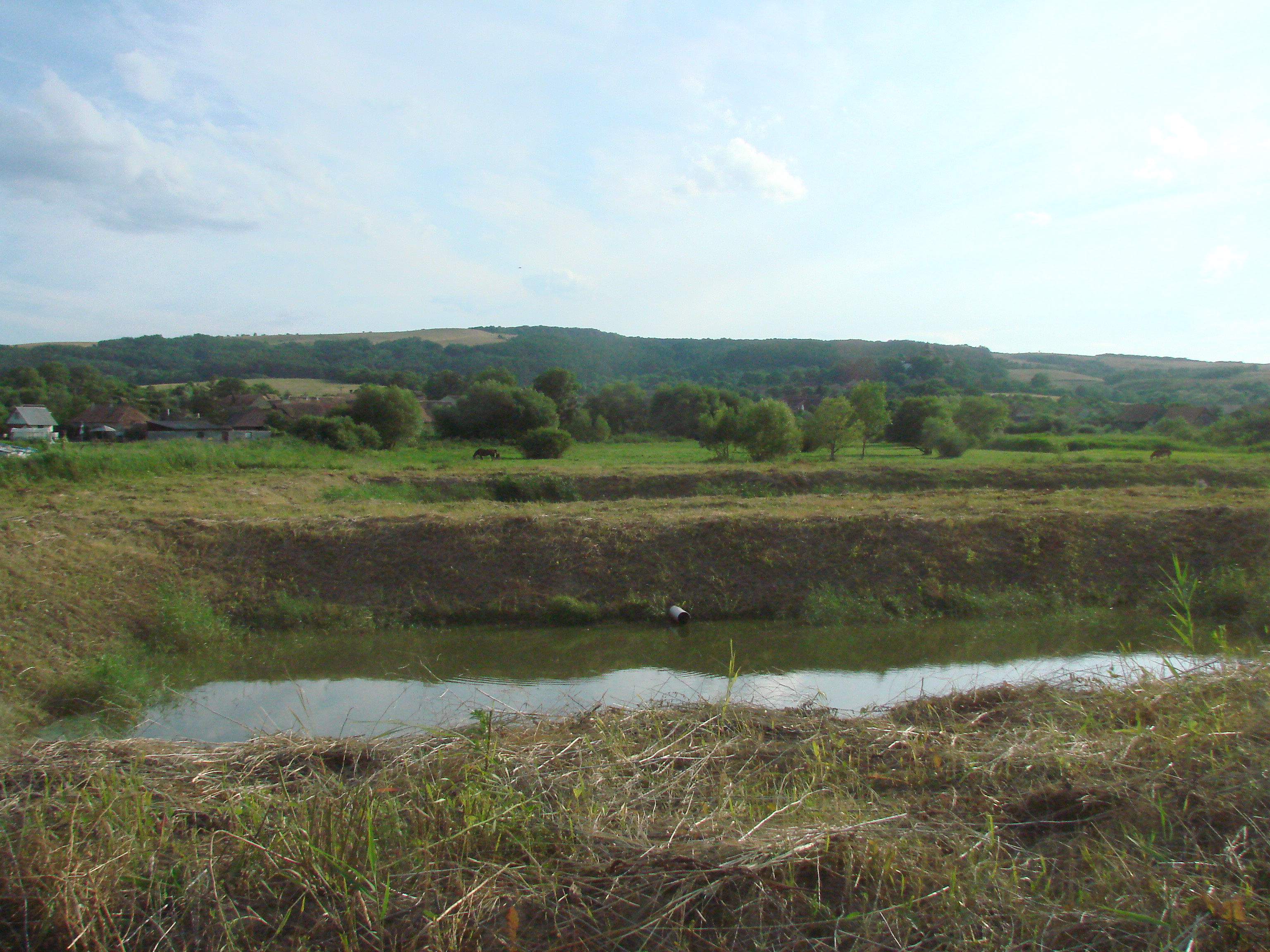
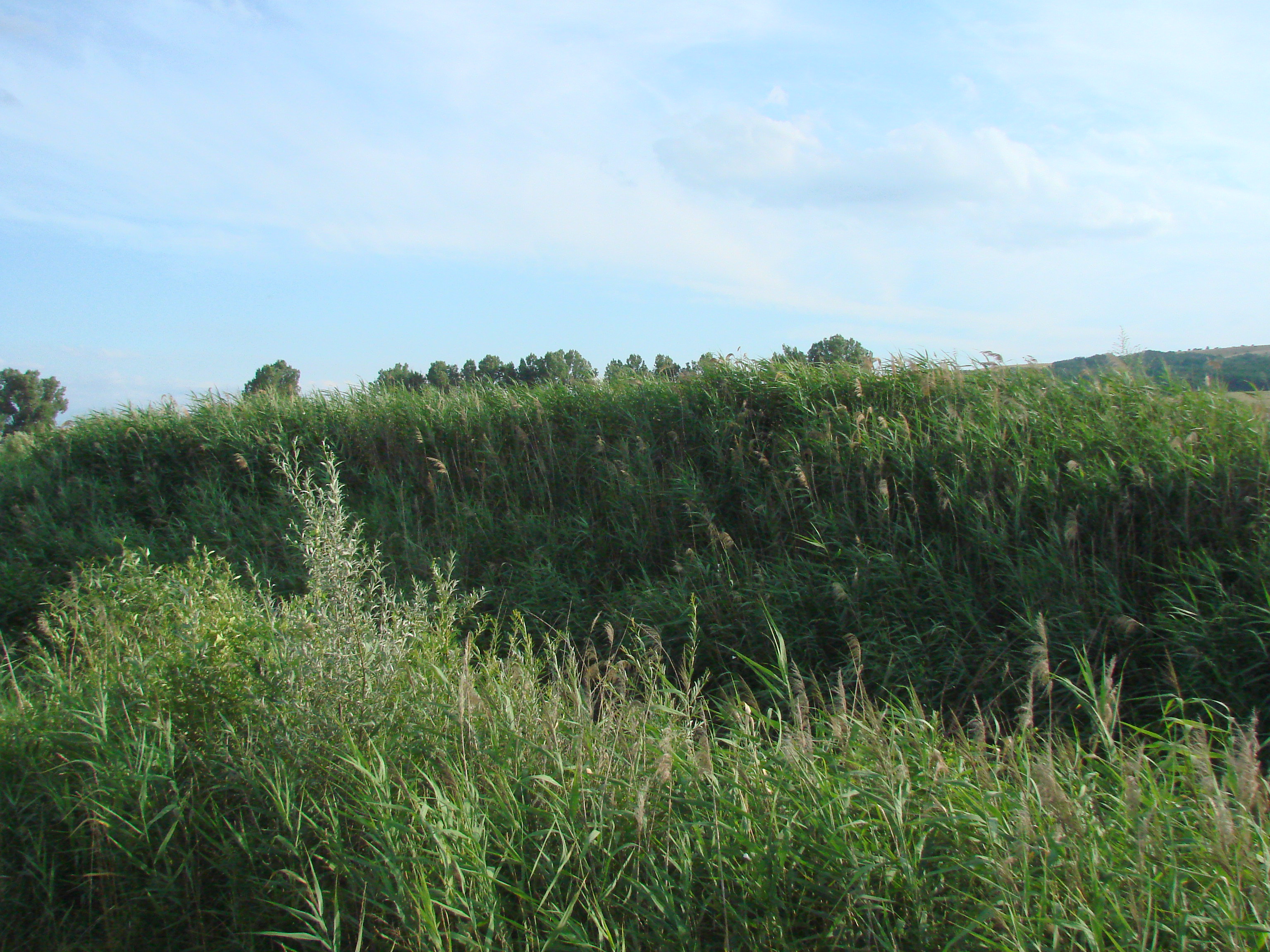
The implemented solution combines a village-wide sewage system with inspection chambers connecting households to an ecological wastewater treatment system based on three constructed ponds planted with reeds. Wastewater flows naturally by gravity through the ponds, where aerobic and anaerobic bacteria break down pollutants through biological processes. The system operates without pumps, chemicals or energy consumption and monitoring confirms that the treated water meets national environmental discharge standards.
This project had a major contribution in increasing the living standard off all community members. Beyond its local impact, ECO H2O demonstrates a replicable model for sustainable rural sanitation. By combining cost effective infrastructure, nature-based filtration and community engagement, the project offers a forward-looking approach that can inspire other rural communities seeking resilient and environmentally responsible water management solutions.
The project aimed to develop an environmentally friendly, cost-effective and sustainable sanitation system adapted to the traditional landscape of this historic rural settlement, protecting both the natural environment and the built heritage of the village.
The main beneficiaries are the residents of Viscri, a community of about 500 inhabitants, as well as approximately 60,000 visitors/ year. The system improves sanitation conditions for all households while protecting drinking water sources, soil quality and the surrounding landscape.
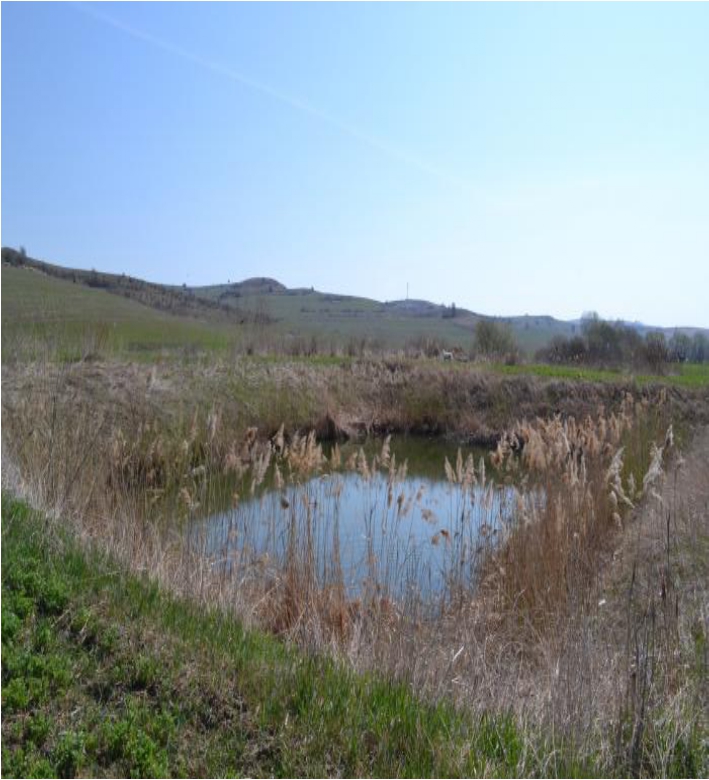
The implemented solution combines a village-wide sewage system with inspection chambers connecting households to an ecological wastewater treatment system based on three constructed ponds planted with reeds. Wastewater flows naturally by gravity through the ponds, where aerobic and anaerobic bacteria break down pollutants through biological processes. The system operates without pumps, chemicals or energy consumption and monitoring confirms that the treated water meets national environmental discharge standards.
This project had a major contribution in increasing the living standard off all community members. Beyond its local impact, ECO H2O demonstrates a replicable model for sustainable rural sanitation. By combining cost effective infrastructure, nature-based filtration and community engagement, the project offers a forward-looking approach that can inspire other rural communities seeking resilient and environmentally responsible water management solutions.
The ECO H2O project emerged from the long-term work of the Mihai Eminescu Trust in the village of Viscri, where efforts to preserve and put in value the traditional architecture and strengthen the local community revealed a major environmental challenge: the absence of a wastewater management system. Household wastewater was discharged uncontrolled, creating problems for groundwater quality, public health and the preservation of historic buildings in the UNESCO rural site.
To address this challenge, the MET initiated the development of a green eco-friendly sanitation solution adapted to a historic rural settlement. The concept was developed under the guidance of the engineer Bernd Ebeling and landscape architect Roman Gihr, with scientific support from the Faculty of Hydrotechnics in Bucharest.
After several years of preparation and fundraising, the MET secured funding in two stages: the village sewage system connecting households was financed by The Prince’s Foundation, while the ecological wastewater treatment system was supported through the Rompetrol CSR programme “Together for Each Other”.
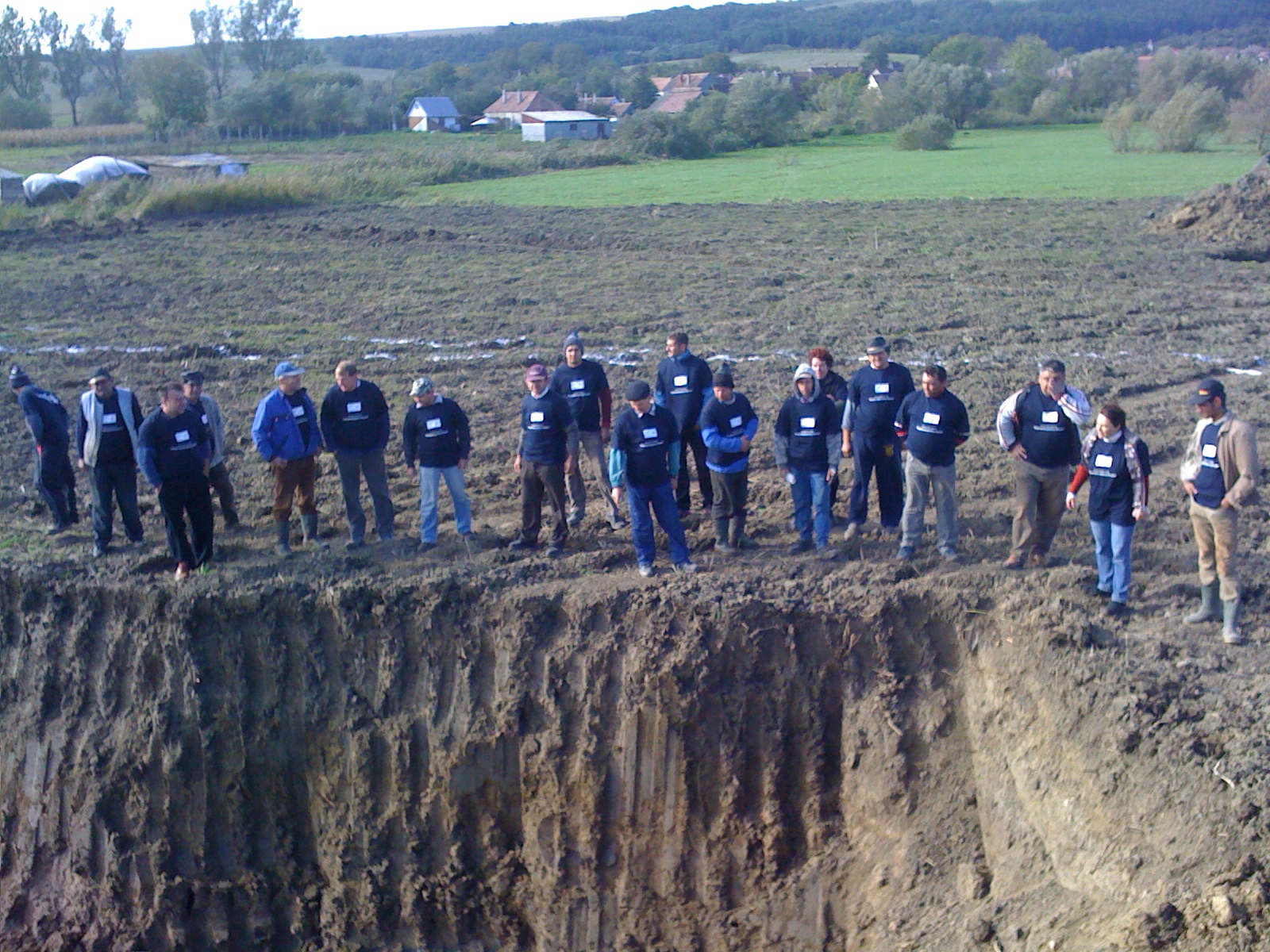
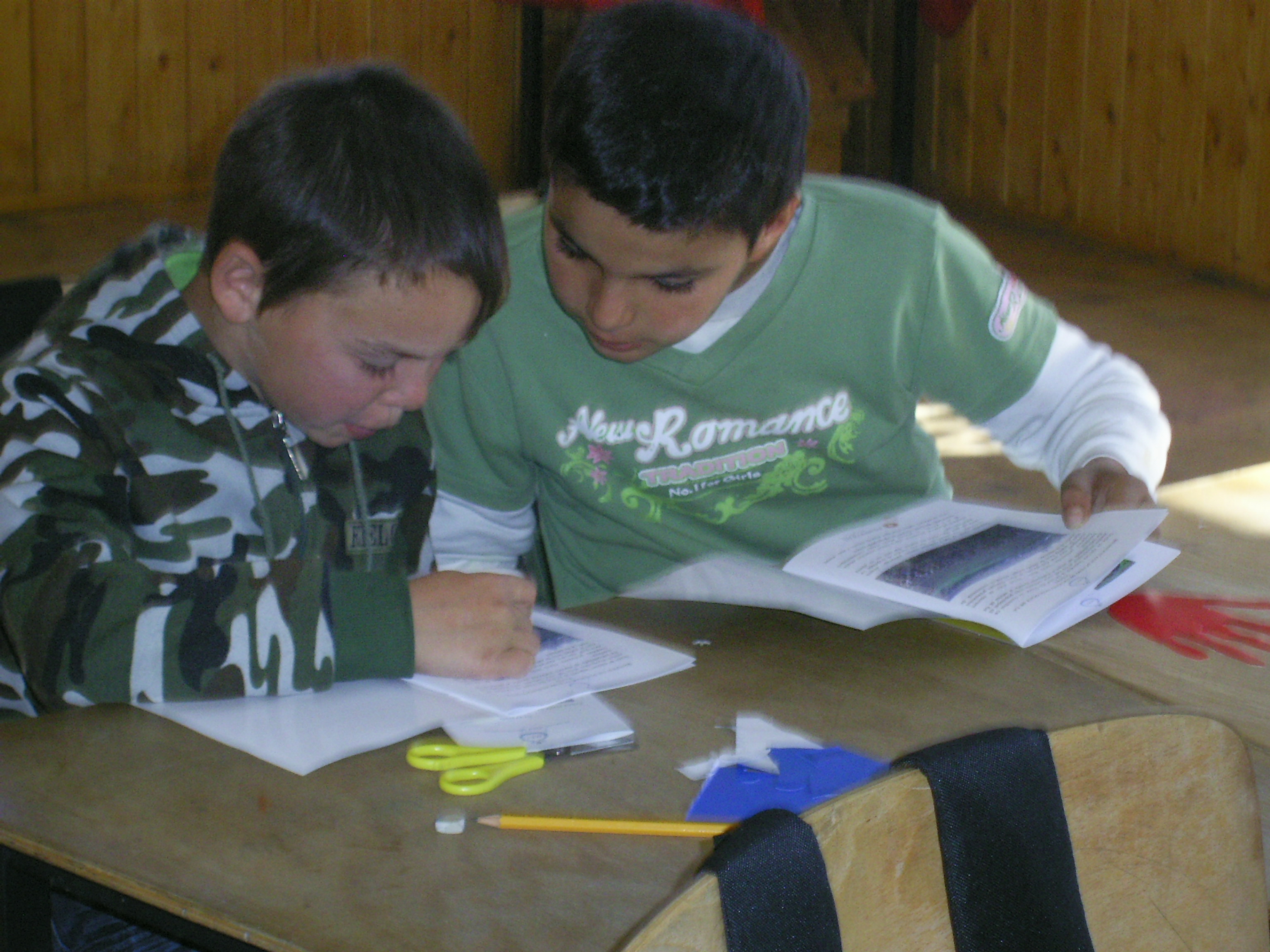
The final system consists of three ecological treatment ponds, where wastewater is filtered through natural biological processes, by read and aerobic and anaerobic bacteria. The Bunești Town Hall supported the initiative by providing the land for the treatment ponds, while residents and volunteers contributed to planting reeds which support the natural filtration process. Awareness activities with residents and informal educational activities for children helped promote environmental responsibility and proper water use.
By combining technical expertise, scientific knowledge and community participation, the project addressed a critical community need, improving the quality of life of all community members, creating a sanitation system adapted to rural heritage sites, which demonstrated a practical and replicable model for nature-based wastewater management.
To address this challenge, the MET initiated the development of a green eco-friendly sanitation solution adapted to a historic rural settlement. The concept was developed under the guidance of the engineer Bernd Ebeling and landscape architect Roman Gihr, with scientific support from the Faculty of Hydrotechnics in Bucharest.
After several years of preparation and fundraising, the MET secured funding in two stages: the village sewage system connecting households was financed by The Prince’s Foundation, while the ecological wastewater treatment system was supported through the Rompetrol CSR programme “Together for Each Other”.
The final system consists of three ecological treatment ponds, where wastewater is filtered through natural biological processes, by read and aerobic and anaerobic bacteria. The Bunești Town Hall supported the initiative by providing the land for the treatment ponds, while residents and volunteers contributed to planting reeds which support the natural filtration process. Awareness activities with residents and informal educational activities for children helped promote environmental responsibility and proper water use.
By combining technical expertise, scientific knowledge and community participation, the project addressed a critical community need, improving the quality of life of all community members, creating a sanitation system adapted to rural heritage sites, which demonstrated a practical and replicable model for nature-based wastewater management.
Protecting water cycle
Nature-based wastewater treatment
Improved living conditions
Small-scale community solutions
Protecting cultural landscapes
The ECO H2O project addresses a complex set of environmental, social, cultural and economic challenges in a historic rural community, demonstrating how nature-based infrastructure can support sustainable development while protecting cultural landscapes.
Environmental challenges and opportunities
Before the project, wastewater was discharged into ditches and the village brook, contaminating groundwater and disrupting the natural water cycle.
The ecological treatment system filters wastewater through constructed ponds with reeds and natural biological processes, protecting water resources and strengthening climate resilience.
Social challenges and opportunities
The lack of sanitation infrastructure posed risks to public health and affected both residents and animals using polluted water sources.
By connecting all households, the project ensures equal access to sanitation, improves living conditions and fosters greater awareness of environmental protection and responsible water use.
Cultural challenges and opportunities
Uncontrolled wastewater infiltration damaged the foundations and fabric of historic buildings in the UNESCO-listed village.
Proper wastewater management now protects built heritage, improves the quality of public space and enhances the visitor experience, supporting sustainable tourism.
Economic and administrative challenges and opportunities
The project faced regulatory and funding challenges, as ecological systems were not clearly defined in Romanian legislation and required significant effort to obtain permits and resources.
Today, the system no energy and operates with minimal maintenance, offering a cost-efficient and sustainable solution.
By combining environmental protection, heritage preservation and financial sustainability, ECO H2O demonstrates an exemplary, replicable approach to nature-based wastewater management for rural communities of up to 2,000 inhabitants.
Environmental challenges and opportunities
Before the project, wastewater was discharged into ditches and the village brook, contaminating groundwater and disrupting the natural water cycle.
The ecological treatment system filters wastewater through constructed ponds with reeds and natural biological processes, protecting water resources and strengthening climate resilience.
Social challenges and opportunities
The lack of sanitation infrastructure posed risks to public health and affected both residents and animals using polluted water sources.
By connecting all households, the project ensures equal access to sanitation, improves living conditions and fosters greater awareness of environmental protection and responsible water use.
Cultural challenges and opportunities
Uncontrolled wastewater infiltration damaged the foundations and fabric of historic buildings in the UNESCO-listed village.
Proper wastewater management now protects built heritage, improves the quality of public space and enhances the visitor experience, supporting sustainable tourism.
Economic and administrative challenges and opportunities
The project faced regulatory and funding challenges, as ecological systems were not clearly defined in Romanian legislation and required significant effort to obtain permits and resources.
Today, the system no energy and operates with minimal maintenance, offering a cost-efficient and sustainable solution.
By combining environmental protection, heritage preservation and financial sustainability, ECO H2O demonstrates an exemplary, replicable approach to nature-based wastewater management for rural communities of up to 2,000 inhabitants.
The ECO H2O project enhances the quality of life in the village of Viscri by improving environmental conditions while preserving the beauty and integrity of its historic rural landscape.
By replacing uncontrolled wastewater discharge with an ecological treatment system, the project contributes to cleaner streets, improved sanitation and the protection of groundwater sources. As a result, residents benefit from a healthier and more pleasant living environment, while visitors can experience the village as a well-preserved cultural landscape.
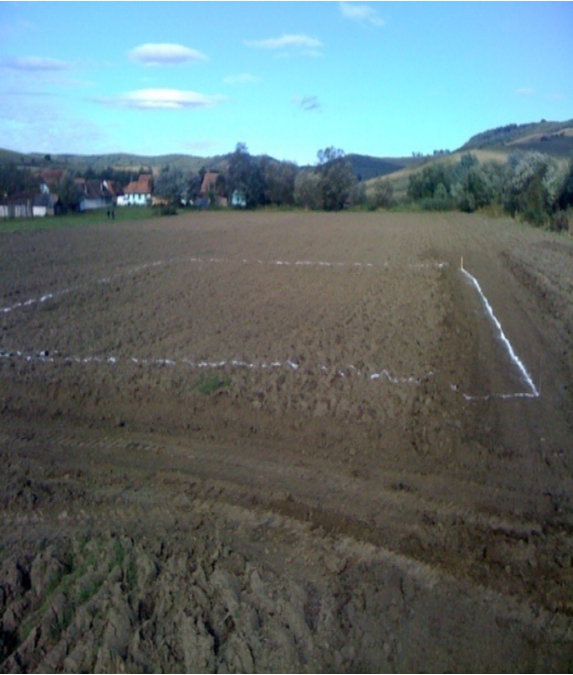
The project adopted a landscape-sensitive design approach. Instead of conventional technical infrastructure, the wastewater treatment system was conceived as a nature-based solution composed of three ecological ponds planted with aquatic vegetation. The ponds were carefully positioned to follow the natural slope of the terrain, allowing water to flow by gravity without mechanical intervention. After construction, vegetation was planted to stabilize the banks and integrate the ponds into the surrounding agricultural landscape. In this way, the infrastructure blends naturally into the environment and remains compatible with the traditional character and visual identity of the village.
The project also improves the sensory experience of the place. The presence of water, vegetation and natural filtration processes creates a living landscape element that supports biodiversity and contributes to a calm, healthy and environmentally friendly rural setting. What was once an invisible but problematic infrastructure challenge has become a quiet ecological landscape feature.
The project demonstrates that essential infrastructure can enhance, rather than disrupt, the beauty of historic rural environments. By combining ecological design, landscape integration and community participation, ECO H2O offers a compelling example of how sustainable infrastructure can contribute to both environmental quality and the cultural identity of a place.
By replacing uncontrolled wastewater discharge with an ecological treatment system, the project contributes to cleaner streets, improved sanitation and the protection of groundwater sources. As a result, residents benefit from a healthier and more pleasant living environment, while visitors can experience the village as a well-preserved cultural landscape.
The project adopted a landscape-sensitive design approach. Instead of conventional technical infrastructure, the wastewater treatment system was conceived as a nature-based solution composed of three ecological ponds planted with aquatic vegetation. The ponds were carefully positioned to follow the natural slope of the terrain, allowing water to flow by gravity without mechanical intervention. After construction, vegetation was planted to stabilize the banks and integrate the ponds into the surrounding agricultural landscape. In this way, the infrastructure blends naturally into the environment and remains compatible with the traditional character and visual identity of the village.
The project also improves the sensory experience of the place. The presence of water, vegetation and natural filtration processes creates a living landscape element that supports biodiversity and contributes to a calm, healthy and environmentally friendly rural setting. What was once an invisible but problematic infrastructure challenge has become a quiet ecological landscape feature.
The project demonstrates that essential infrastructure can enhance, rather than disrupt, the beauty of historic rural environments. By combining ecological design, landscape integration and community participation, ECO H2O offers a compelling example of how sustainable infrastructure can contribute to both environmental quality and the cultural identity of a place.
The ECO H2O project promotes social and spatial inclusion by ensuring access to safe and affordable sanitation infrastructure for all residents of Viscri. Before the project, uncontrolled wastewater discharge was widely perceived as normal, as many households lacked indoor bathrooms, running water or connection to any sewage system.
Viscri is a small rural community including vulnerable groups such as elderly residents, Roma families and low-income households. The project was designed to serve the entire community, ensuring that access to sanitation does not depend on income or social status.
Although the initial investment represented a significant effort for the Mihai Eminescu Trust and its partners, the system is highly affordable in operation. It functions by gravity, requires no electricity and involves minimal maintenance, mainly vegetation management carried out annually with community participation. Residents do not pay taxes for this service, ensuring equal access for all households.
The project has contributed to improved living conditions and social inclusion, as many families have since invested in indoor bathrooms and washing machines, enhancing hygiene, dignity and well-being.
Spatial inclusion has also been strengthened. The treatment ponds were located near the area where many Roma families live, increasing visibility, attracting visitors and specialists, and encouraging greater care for the public space and local environment.
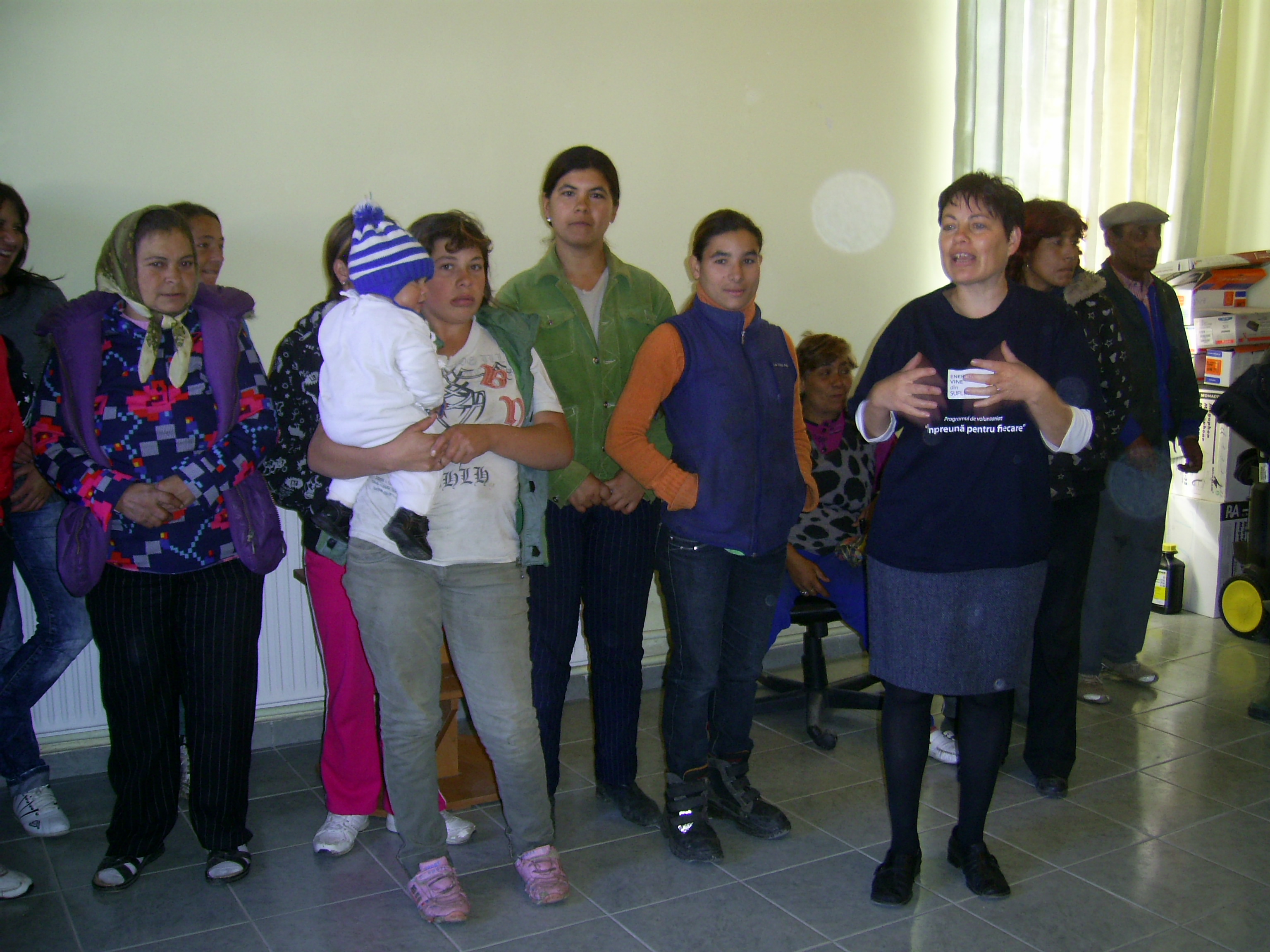
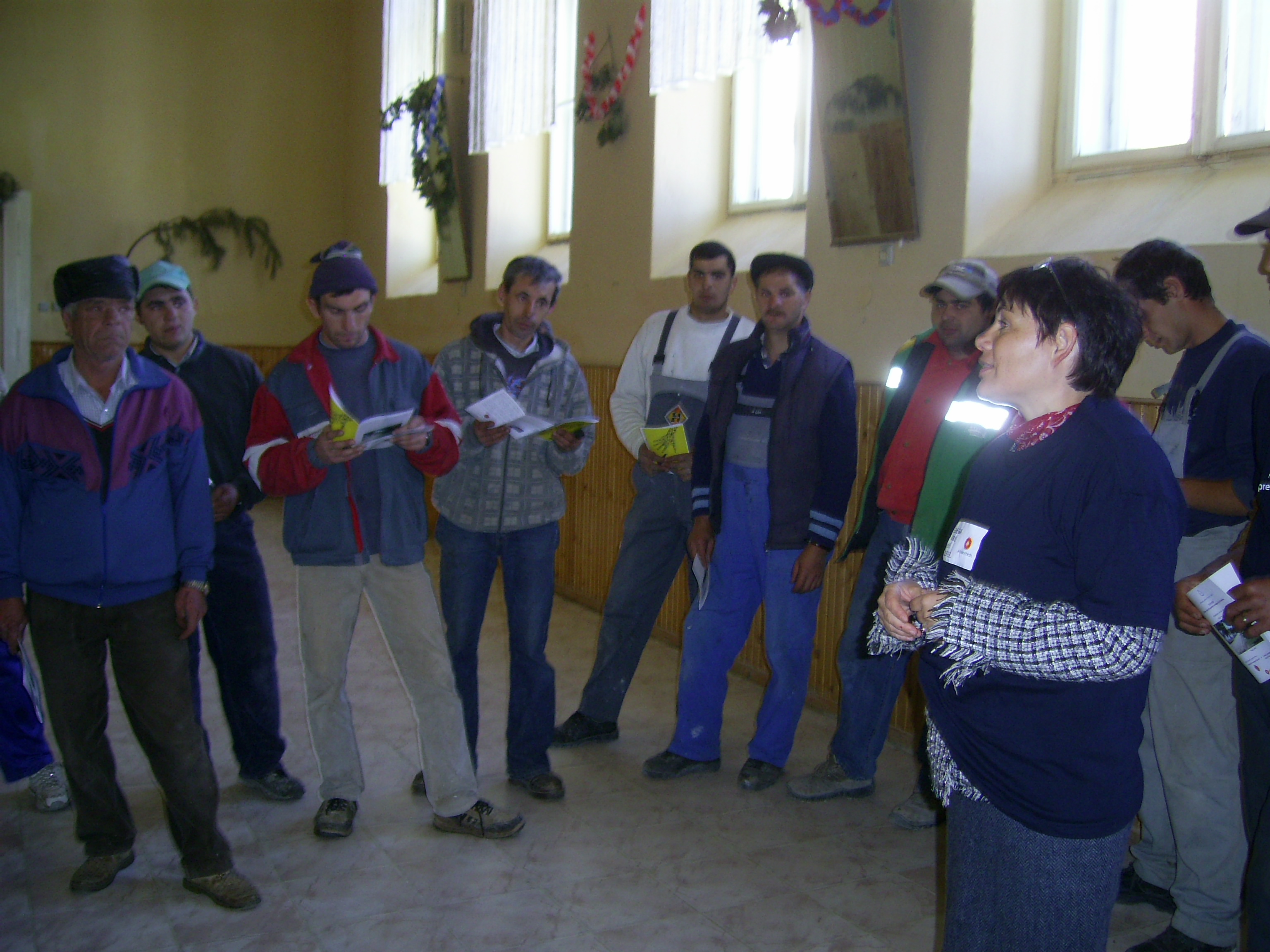
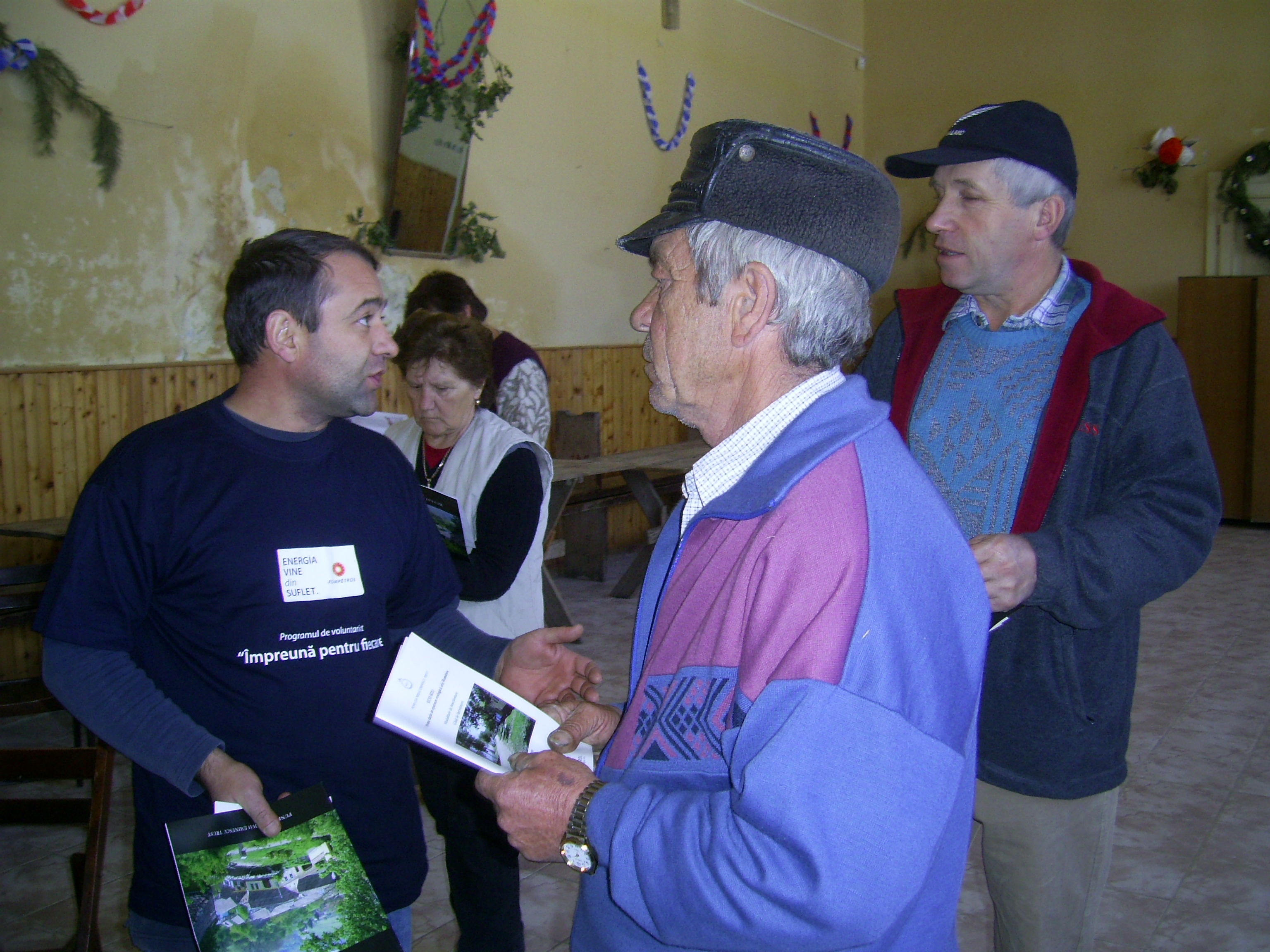
Community meetings, awareness activities and workshops with the local school ensured that information was accessible to all and helped build long-term environmental responsibility.
Today, all households in Viscri are connected to the system, demonstrating how affordable, community-based infrastructure can support social inclusion and sustainable rural development.
Viscri is a small rural community including vulnerable groups such as elderly residents, Roma families and low-income households. The project was designed to serve the entire community, ensuring that access to sanitation does not depend on income or social status.
Although the initial investment represented a significant effort for the Mihai Eminescu Trust and its partners, the system is highly affordable in operation. It functions by gravity, requires no electricity and involves minimal maintenance, mainly vegetation management carried out annually with community participation. Residents do not pay taxes for this service, ensuring equal access for all households.
The project has contributed to improved living conditions and social inclusion, as many families have since invested in indoor bathrooms and washing machines, enhancing hygiene, dignity and well-being.
Spatial inclusion has also been strengthened. The treatment ponds were located near the area where many Roma families live, increasing visibility, attracting visitors and specialists, and encouraging greater care for the public space and local environment.
Community meetings, awareness activities and workshops with the local school ensured that information was accessible to all and helped build long-term environmental responsibility.
Today, all households in Viscri are connected to the system, demonstrating how affordable, community-based infrastructure can support social inclusion and sustainable rural development.
The ECO H2O project was developed in response to a concrete community need in the village of Viscri, through collaboration between civil society, public authorities, technical experts and residents. The Mihai Eminescu Trust coordinated the initiative, working with the Town Hall of Bunești, the Regional Environmental Protection Agency, volunteers and community members, as well as national and international experts in ecological wastewater treatment.
Stakeholders were involved at multiple stages. During the design phase, consultations with engineers, researchers and international partners helped define a solution adapted to local environmental conditions and the historic rural landscape. Collaboration with local and regional authorities was essential for permitting, requiring sustained efforts to demonstrate the safety and effectiveness of an innovative system not yet clearly regulated in Romania.
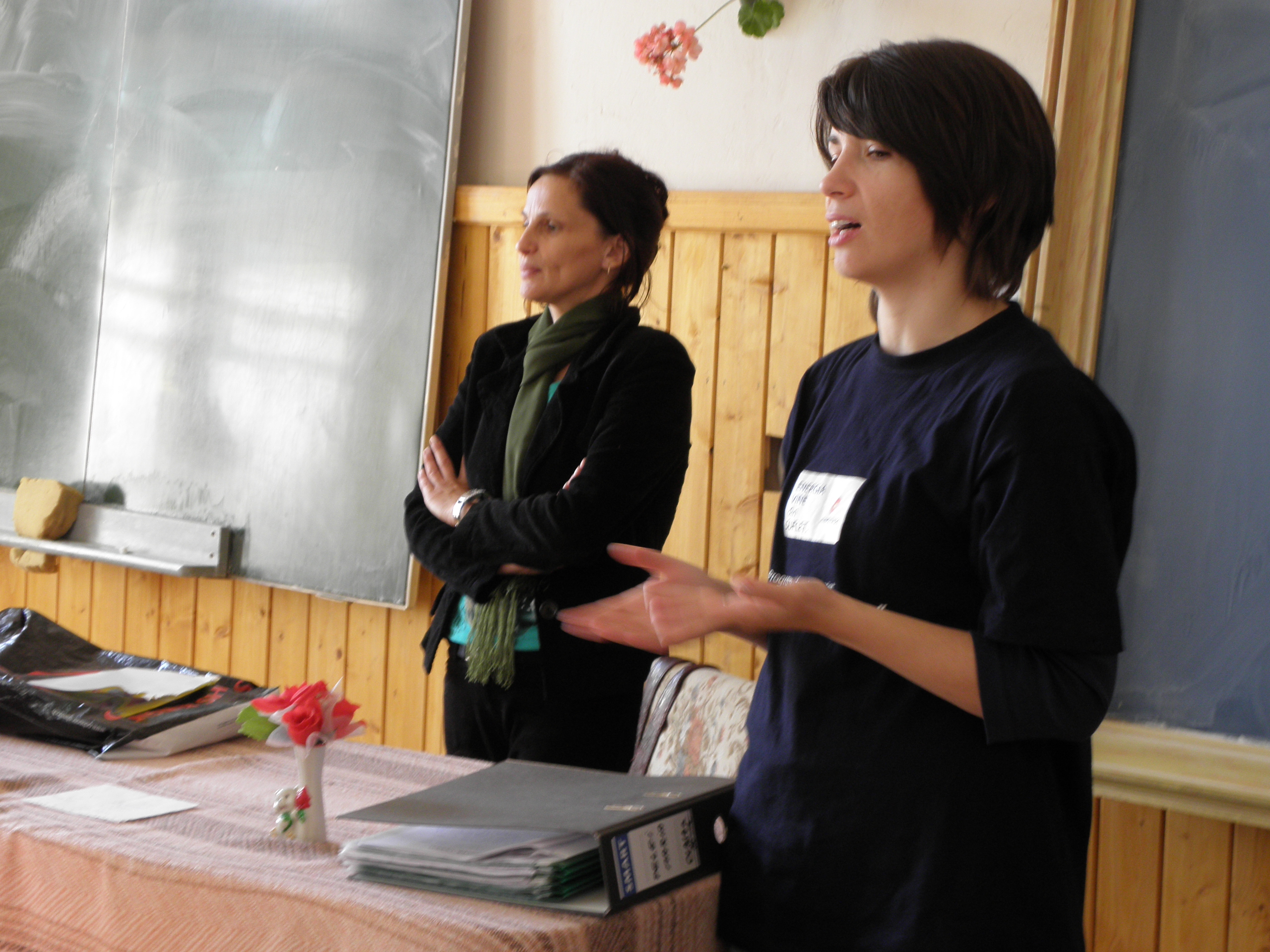
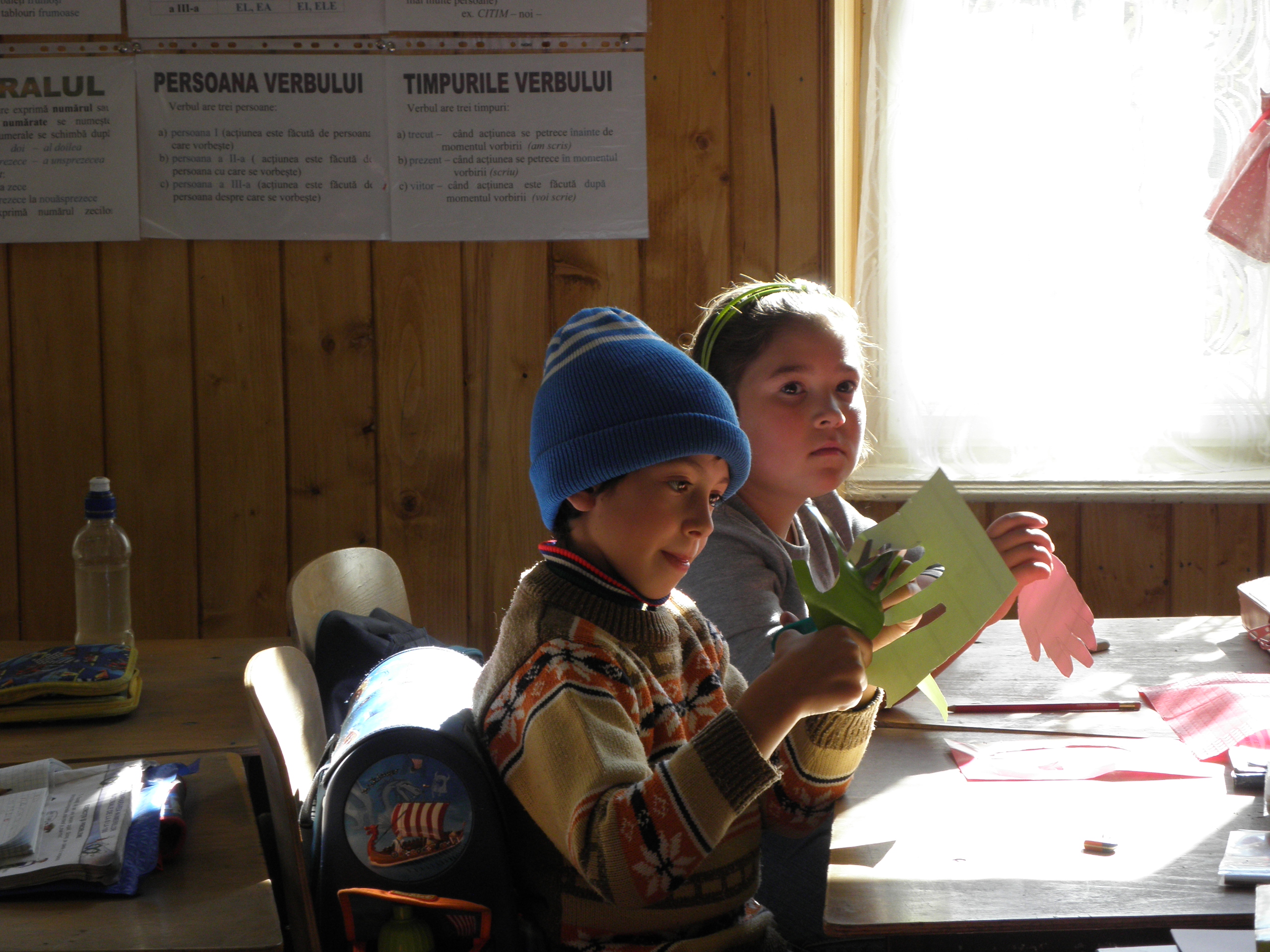
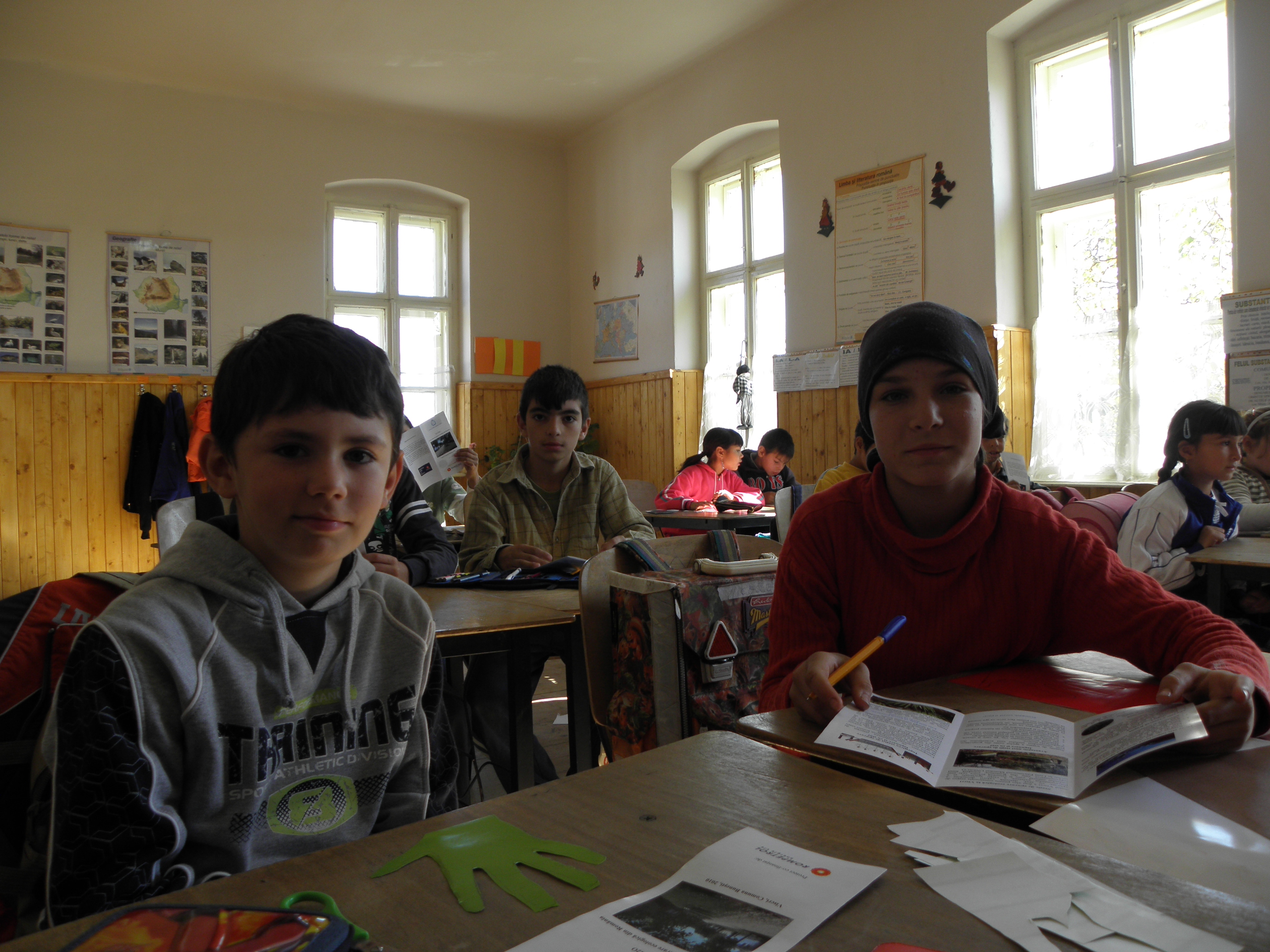
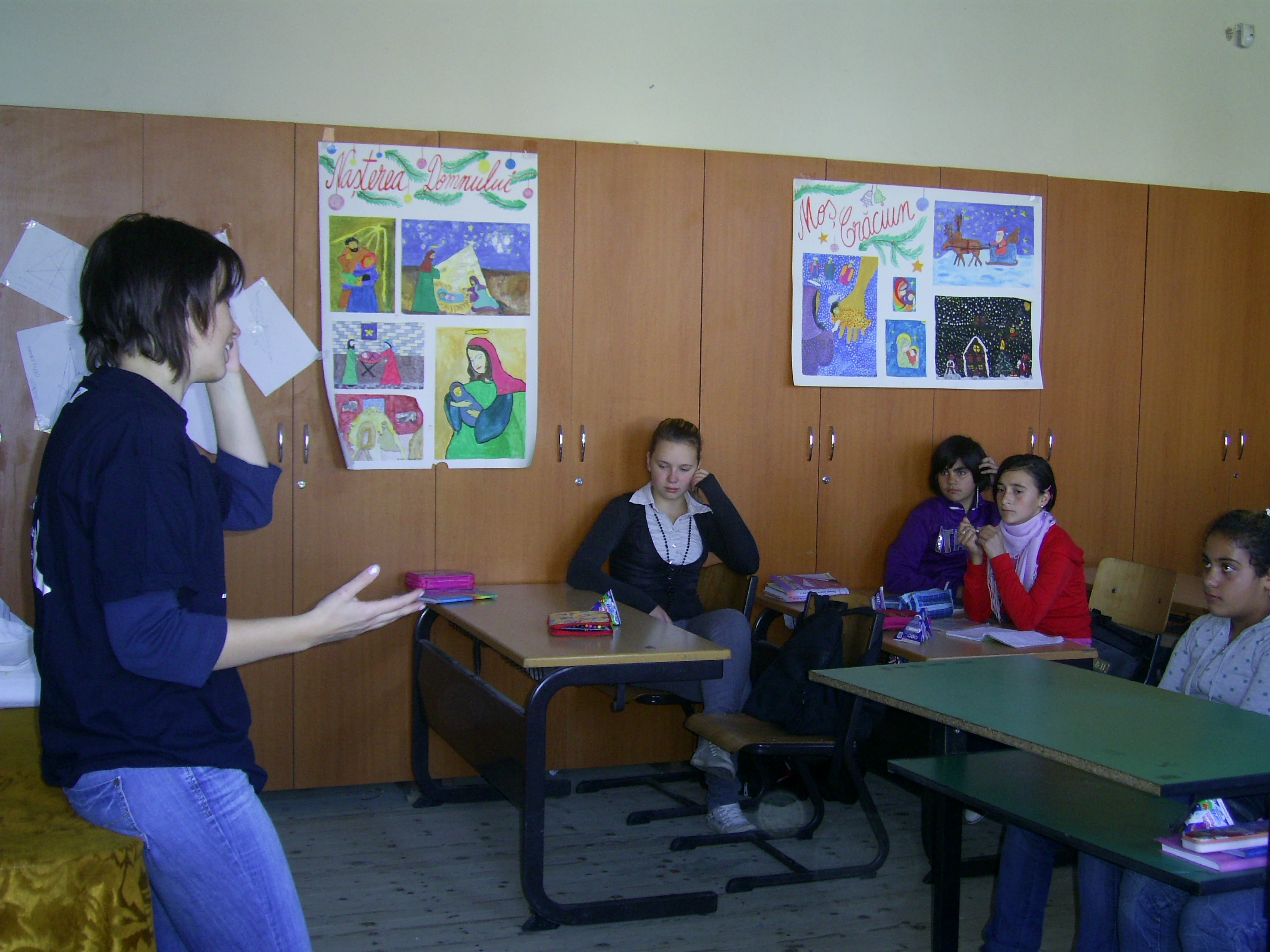
Community participation focused initially on awareness and education. Residents attended meetings where the system’s functioning and environmental benefits were explained in accessible terms, while workshops with children encouraged responsible attitudes towards water and waste.
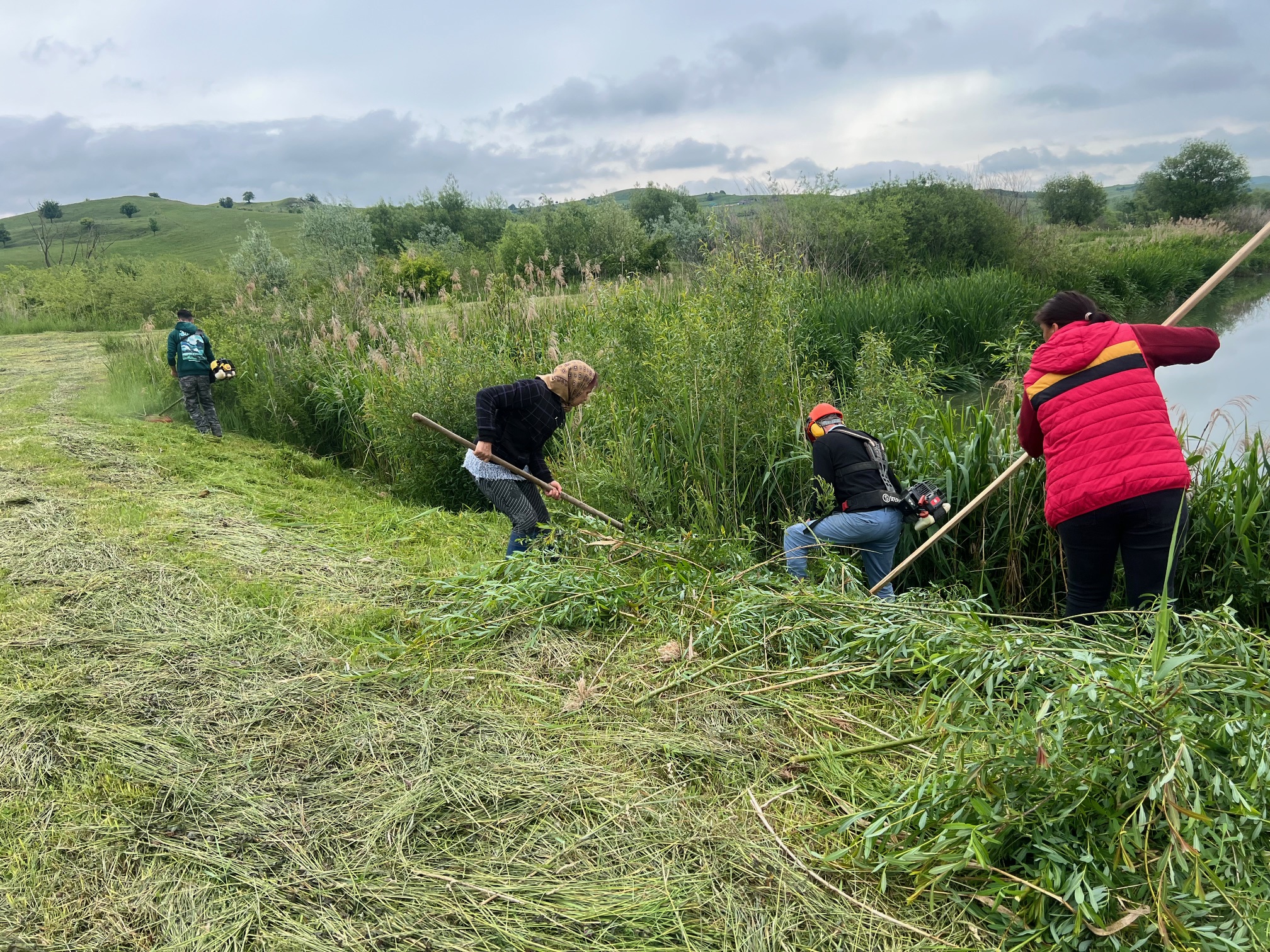
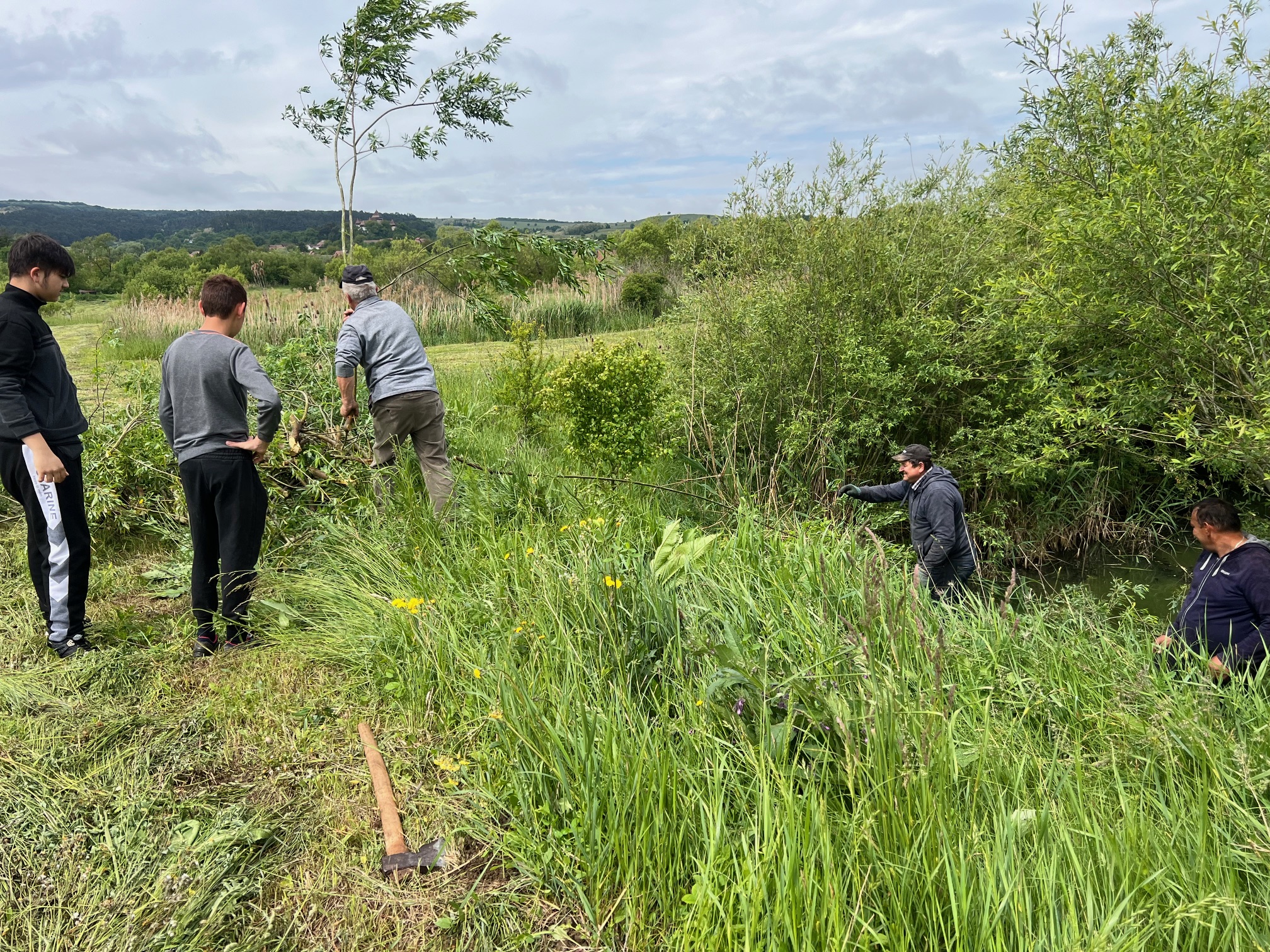
The most significant contribution of the community has been long-term stewardship. For over 15 years, residents have actively maintained the system by managing vegetation around the ponds and removing accidental waste, ensuring its proper functioning over time.
This ongoing involvement has strengthened community ownership, a sense of belonging and care for place. ECO H2O demonstrates that participatory approaches do not end with implementation but can create lasting responsibility and engagement.
As a pioneering initiative in rural Romania, the project shows how participation and cooperation between civil society, authorities, experts and residents can generate sustainable infrastructure with long-term environmental and social impact.
Stakeholders were involved at multiple stages. During the design phase, consultations with engineers, researchers and international partners helped define a solution adapted to local environmental conditions and the historic rural landscape. Collaboration with local and regional authorities was essential for permitting, requiring sustained efforts to demonstrate the safety and effectiveness of an innovative system not yet clearly regulated in Romania.
Community participation focused initially on awareness and education. Residents attended meetings where the system’s functioning and environmental benefits were explained in accessible terms, while workshops with children encouraged responsible attitudes towards water and waste.
The most significant contribution of the community has been long-term stewardship. For over 15 years, residents have actively maintained the system by managing vegetation around the ponds and removing accidental waste, ensuring its proper functioning over time.
This ongoing involvement has strengthened community ownership, a sense of belonging and care for place. ECO H2O demonstrates that participatory approaches do not end with implementation but can create lasting responsibility and engagement.
As a pioneering initiative in rural Romania, the project shows how participation and cooperation between civil society, authorities, experts and residents can generate sustainable infrastructure with long-term environmental and social impact.
The ECO H2O project demonstrates a strong multilevel governance approach, bringing together stakeholders from local, regional, national and European levels to address a basic infrastructure need in a small rural community. Notably, this essential sanitation project was initiated and led by a civil society organisation, the Mihai Eminescu Trust, which mobilised expertise, funding and institutional support.
At local level, the project was developed in close cooperation with the Town Hall of Bunești and the inhabitants of Viscri. The municipality provided land for the treatment ponds, while community members participated in information sessions and contributed to planting and maintaining vegetation.
At regional level, environmental protection authorities played a key role in evaluating and authorising the project. As ecological wastewater systems were not clearly regulated at the time, close collaboration was required to demonstrate the safety and effectiveness of the nature-based solution.
At national level, the Faculty of Hydrotechnics provided scientific expertise and technical validation, ensuring the system’s reliability and adaptation to local conditions.
At European level, experts from Germany and Belgium contributed know-how based on similar systems, enabling the transfer of knowledge and innovation to the Romanian context.
The collaboration between civil society, public authorities, academic institutions and international experts created the conditions for implementing an innovative and sustainable infrastructure project. This multilevel governance approach ensured technical quality, institutional acceptance and long-term community ownership, demonstrating how partnerships across governance levels can deliver effective solutions for community sustainability.
At local level, the project was developed in close cooperation with the Town Hall of Bunești and the inhabitants of Viscri. The municipality provided land for the treatment ponds, while community members participated in information sessions and contributed to planting and maintaining vegetation.
At regional level, environmental protection authorities played a key role in evaluating and authorising the project. As ecological wastewater systems were not clearly regulated at the time, close collaboration was required to demonstrate the safety and effectiveness of the nature-based solution.
At national level, the Faculty of Hydrotechnics provided scientific expertise and technical validation, ensuring the system’s reliability and adaptation to local conditions.
At European level, experts from Germany and Belgium contributed know-how based on similar systems, enabling the transfer of knowledge and innovation to the Romanian context.
The collaboration between civil society, public authorities, academic institutions and international experts created the conditions for implementing an innovative and sustainable infrastructure project. This multilevel governance approach ensured technical quality, institutional acceptance and long-term community ownership, demonstrating how partnerships across governance levels can deliver effective solutions for community sustainability.
The project was developed through a holistic approach that brought together multiple disciplines to address environmental, social and heritage-related challenges in a historic rural settlement. Rather than treating wastewater management as a purely technical and infrastructural problem, the project applied an integrated solution combining engineering, architecture, landscape design, heritage conservation, environmental sciences, community development and education.
Environmental engineering and ecological sciences provided the foundation for designing the nature-based wastewater treatment system. The concept relies on natural biological processes that filter wastewater while protecting groundwater resources and restoring the local water cycle.
Architecture and heritage conservation expertise ensured that the infrastructure responded to the sensitive context of the UNESCO rural site. The system now protects historic buildings from moisture and supports the long-term preservation of the village’s built heritage.
Landscape architecture played a key role in shaping the physical integration of the treatment ponds into the surrounding agricultural landscape. The ponds follow the natural terrain and use gravity to direct water through the system, allowing the infrastructure to function as a natural phenomenon rather than a conventional industrial installation.
Social sciences and community development approaches supported dialogue with residents and encouraged long-term participation in maintaining the system. The informal educational activities and environmental awareness workshops organised with the local school introduced younger generations to the importance of water protection and sustainable resource management.
The collaboration between all stakeholders engineers, architects, environmental experts, educators and residents made it possible to develop a sustainable infrastructure adapted to the cultural landscape and social realities of a small rural community.
Environmental engineering and ecological sciences provided the foundation for designing the nature-based wastewater treatment system. The concept relies on natural biological processes that filter wastewater while protecting groundwater resources and restoring the local water cycle.
Architecture and heritage conservation expertise ensured that the infrastructure responded to the sensitive context of the UNESCO rural site. The system now protects historic buildings from moisture and supports the long-term preservation of the village’s built heritage.
Landscape architecture played a key role in shaping the physical integration of the treatment ponds into the surrounding agricultural landscape. The ponds follow the natural terrain and use gravity to direct water through the system, allowing the infrastructure to function as a natural phenomenon rather than a conventional industrial installation.
Social sciences and community development approaches supported dialogue with residents and encouraged long-term participation in maintaining the system. The informal educational activities and environmental awareness workshops organised with the local school introduced younger generations to the importance of water protection and sustainable resource management.
The collaboration between all stakeholders engineers, architects, environmental experts, educators and residents made it possible to develop a sustainable infrastructure adapted to the cultural landscape and social realities of a small rural community.
The ECO H2O project demonstrates how essential infrastructure can be planned and implemented by an NGO, with capacity to attract funding and manage infrastructural projects, while remaining financially sustainable and keeping it affordable for the community.
Th investment was secured through a combination of philanthropic and corporate funding mobilised by the Mihai Eminescu Trust. The construction of the village sewer network connecting households was supported by The Prince’s Foundation, while the ecological wastewater treatment ponds were financed through the Rompetrol CSR programme “Together for Each Other”. The Town Hall of Bunești contributed by providing the land for the treatment ponds and supporting the implementation of the project.
The financial sustainability of the system is ensured primarily through its ecological design. The wastewater treatment system operates entirely by gravity and does not require pumps, electricity or chemical treatment. As a result, no monthly operational costs occur, in comparison to conventional wastewater treatment plants.
Maintenance mainly consists of seasonal vegetation management around the ponds to prevent overgrowing. This activity is supported by community members who regularly participate in maintaining the vegetation. Because the system requires no technical intervention, for the local administration do not incur operational expenses and residents do not pay additional taxes for the service.
Beyond direct operational sustainability, the project also generates broader economic benefits. By improving sanitation and protecting the landscape and historic buildings, the system contributes to maintaining the attractiveness of Viscri as a cultural heritage destination and supports the local tourism economy.
This combination of philanthropic investment, nature-based infrastructure and community stewardship creates a financially sustainable and replicable approach for wastewater management in small rural communities.
Th investment was secured through a combination of philanthropic and corporate funding mobilised by the Mihai Eminescu Trust. The construction of the village sewer network connecting households was supported by The Prince’s Foundation, while the ecological wastewater treatment ponds were financed through the Rompetrol CSR programme “Together for Each Other”. The Town Hall of Bunești contributed by providing the land for the treatment ponds and supporting the implementation of the project.
The financial sustainability of the system is ensured primarily through its ecological design. The wastewater treatment system operates entirely by gravity and does not require pumps, electricity or chemical treatment. As a result, no monthly operational costs occur, in comparison to conventional wastewater treatment plants.
Maintenance mainly consists of seasonal vegetation management around the ponds to prevent overgrowing. This activity is supported by community members who regularly participate in maintaining the vegetation. Because the system requires no technical intervention, for the local administration do not incur operational expenses and residents do not pay additional taxes for the service.
Beyond direct operational sustainability, the project also generates broader economic benefits. By improving sanitation and protecting the landscape and historic buildings, the system contributes to maintaining the attractiveness of Viscri as a cultural heritage destination and supports the local tourism economy.
This combination of philanthropic investment, nature-based infrastructure and community stewardship creates a financially sustainable and replicable approach for wastewater management in small rural communities.
The project demonstrates a highly transferable approach to sustainable wastewater management for small rural communities. The system implemented in Viscri is based on a nature-based treatment solution, which relies on gravity and natural purification processes, it requires no electricity, mechanical equipment or chemical treatment, making it particularly suitable for rural settlements with limited financial and technical resources.
The solution can be replicated in small communities – up to 2,000 inhabitants, where wastewater volumes remain compatible with nature-based treatment capacity. Similar soil and hydrological conditions can facilitate direct replication, as demonstrated in Viscri. The concept can be adapted to different geographical contexts by adjusting the technical specifications.
Beyond the technical solution itself, several elements of the project are transferable to other contexts. These include the integrated planning approach combining engineering, landscape design and heritage protection; the participatory process involving local communities in awareness and maintenance activities; and the governance model bringing together civil society, public authorities, academic institutions and international experts.
An important advantage is its compatibility with protected heritage sites, including UNESCO rural landscapes. The system has a very low visual impact and integrates naturally into the surrounding landscape, avoiding the intrusive appearance of conventional industrial wastewater plants. The system protects historic buildings by preventing uncontrolled wastewater infiltration, demonstrating how essential infrastructure can be implemented in heritage-sensitive environments.
By demonstrating the long-term functionality of the system for more than a decade, ECO H2O provides a reliable example that can inspire other rural communities seeking affordable, environmentally responsible and economically sustainable wastewater management solutions.
The solution can be replicated in small communities – up to 2,000 inhabitants, where wastewater volumes remain compatible with nature-based treatment capacity. Similar soil and hydrological conditions can facilitate direct replication, as demonstrated in Viscri. The concept can be adapted to different geographical contexts by adjusting the technical specifications.
Beyond the technical solution itself, several elements of the project are transferable to other contexts. These include the integrated planning approach combining engineering, landscape design and heritage protection; the participatory process involving local communities in awareness and maintenance activities; and the governance model bringing together civil society, public authorities, academic institutions and international experts.
An important advantage is its compatibility with protected heritage sites, including UNESCO rural landscapes. The system has a very low visual impact and integrates naturally into the surrounding landscape, avoiding the intrusive appearance of conventional industrial wastewater plants. The system protects historic buildings by preventing uncontrolled wastewater infiltration, demonstrating how essential infrastructure can be implemented in heritage-sensitive environments.
By demonstrating the long-term functionality of the system for more than a decade, ECO H2O provides a reliable example that can inspire other rural communities seeking affordable, environmentally responsible and economically sustainable wastewater management solutions.