Enhancing Circularity, Sustainability, and Innovation
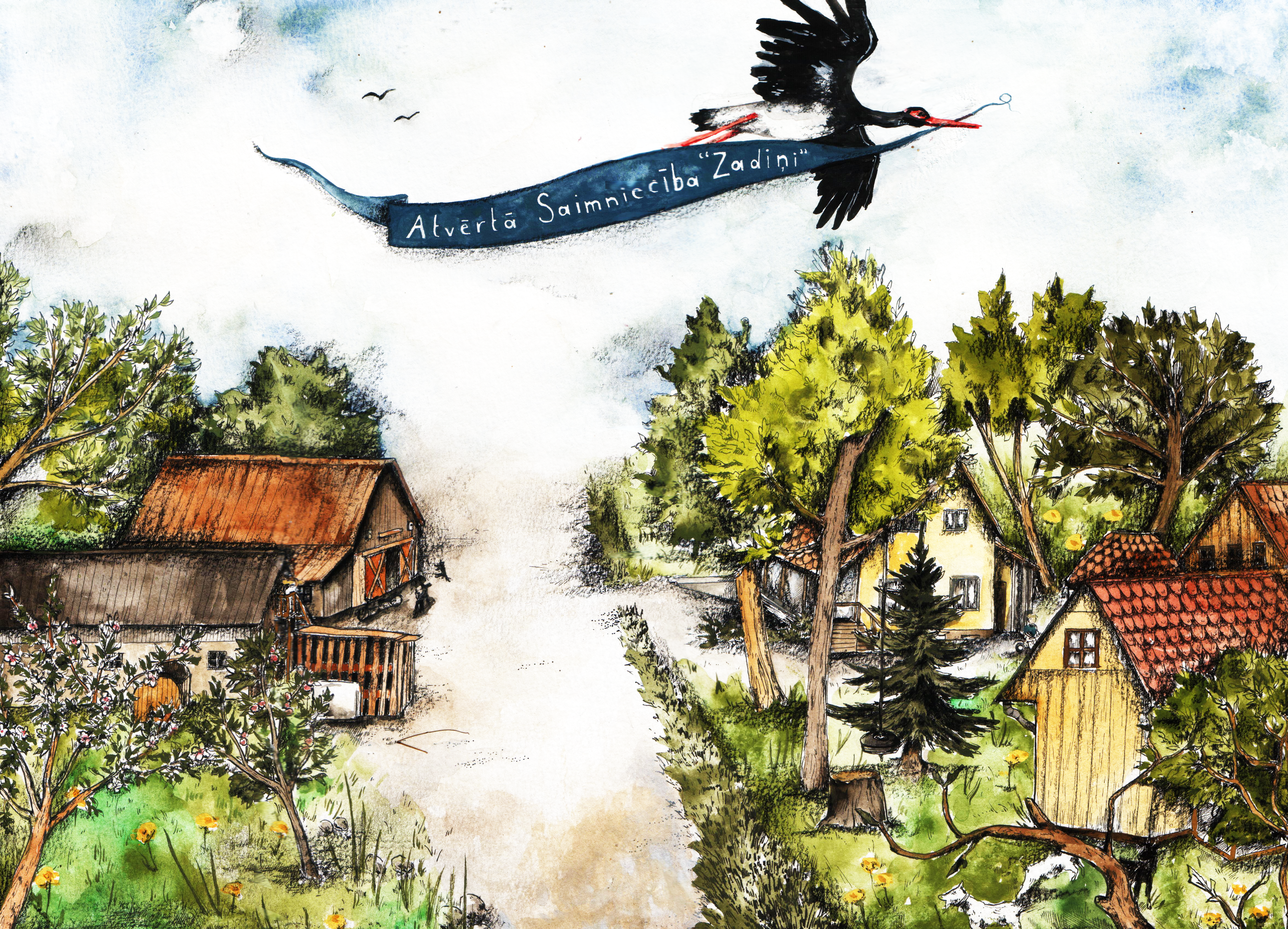
The Open Homestead Zadiņi
The Open Homestead Zadiņi: A Living Lab for Circularity, Biodiversity, and Community Resilience
Zadiņi, where waste becomes art & land heals community:
In Latvia’s post-Soviet countryside, Zadiņi transforms over-used land into a thriving circular ecosystem. Here, cows restore meadows through rotational grazing, ‘freakbikes’ rise from trash, and forests grow richer with every sociocratic decision. Our open homestead proves that sustainability is not just possible, but also beautiful, inclusive, and full of life. By sharing our skills, we’re turning Latvia’s stereotypes into seeds if change
In Latvia’s post-Soviet countryside, Zadiņi transforms over-used land into a thriving circular ecosystem. Here, cows restore meadows through rotational grazing, ‘freakbikes’ rise from trash, and forests grow richer with every sociocratic decision. Our open homestead proves that sustainability is not just possible, but also beautiful, inclusive, and full of life. By sharing our skills, we’re turning Latvia’s stereotypes into seeds if change
Latvia
Local
"Zadiņi", which gained the "Smart Village" status in 2023, and our cooperation partners, the village Launkalne that turned into a smart village in 2024 and the small town Smiltene
It addresses urban-rural linkages
It involves other types of transformations (soft investment)
Yes
2025-01-10
Yes
ERASMUS
No
No
Organisation
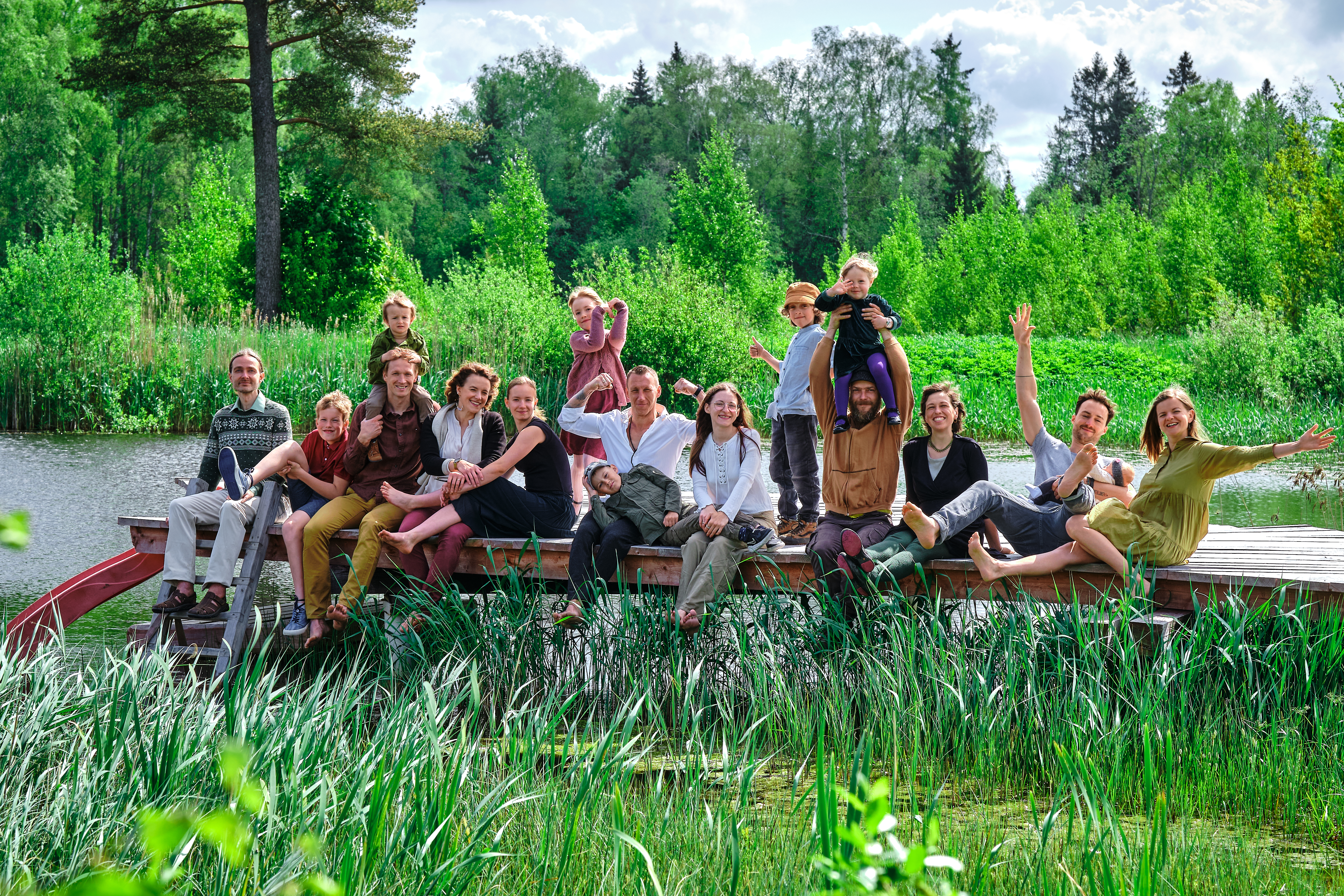
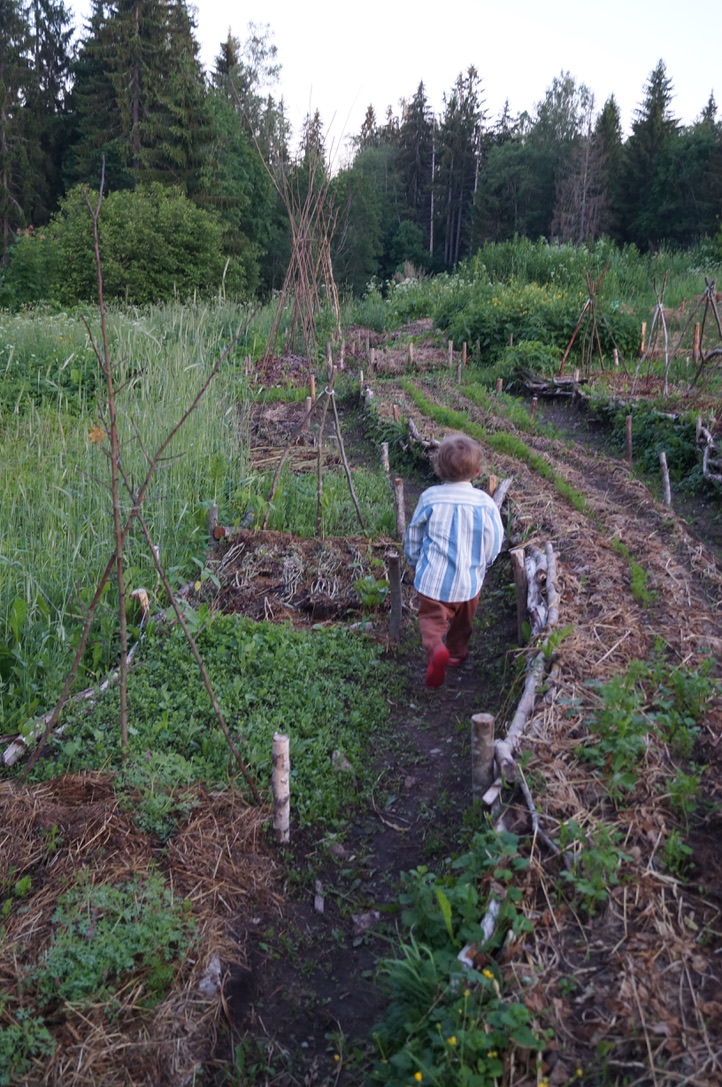
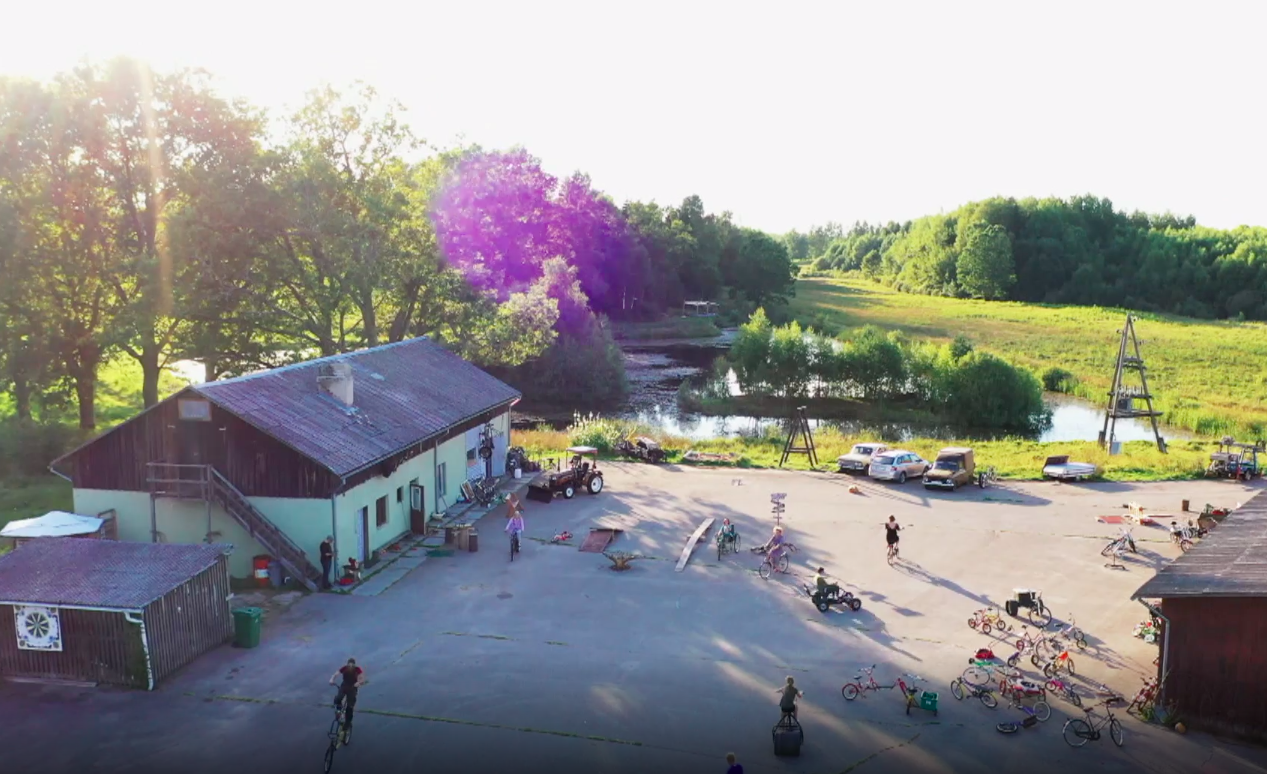
Nestled in the rural landscapes of Launkalne village, the "Open Homestead Zadiņi" transforms 90 hectares of land into a thriving hub for permaculture, regenerative agriculture, and social innovation. Officially established in 2019, the initiative builds on years of grassroots efforts to create a sustainable community where people and nature coexist harmoniously. Five households, comprising nine adults and eight children from Latvia, Germany, Poland, and Belgium, share this space, practicing sociocratic governance and circular living.
Key achievements include restoring meadows through rotational cow grazing, reforesting with native tree species, and hosting over 50 volunteers annually. The Latvian Permaculture Festival has been organized three times, and the Burn Out Academy for Activists was launched to support social change-makers. Recognized with the Latvian Rural Forum’s "Smart Village" award in 2023, the project demonstrates how sustainability can be both practical and beautiful. By sharing knowledge through festivals like LAMPA and Erasmus+ exchanges, it offers a scalable blueprint for rural revitalization and social cohesion.
Key achievements include restoring meadows through rotational cow grazing, reforesting with native tree species, and hosting over 50 volunteers annually. The Latvian Permaculture Festival has been organized three times, and the Burn Out Academy for Activists was launched to support social change-makers. Recognized with the Latvian Rural Forum’s "Smart Village" award in 2023, the project demonstrates how sustainability can be both practical and beautiful. By sharing knowledge through festivals like LAMPA and Erasmus+ exchanges, it offers a scalable blueprint for rural revitalization and social cohesion.
The journey began with a shared frustration: the isolation and rigidity of urban life left little room for flexibility, mutual support, or meaningful connections. Many of the founders had lived in cities like Warsaw and Riga, where the demands of "business as usual" made it difficult to balance personal needs with collective well-being. The search for an alternative led to Launkalne, a rural village in northeastern Latvia, where a group of like-minded individuals started co-creating a space rooted in trust, creativity, and resilience.
Restoring the land through permaculture became the first step. Rotational grazing revived the meadows, while sociocratic decision-making ensured transparency in managing shared resources. Over time, the community grew into a vibrant network of five households, welcoming volunteers, hosting workshops, and organizing festivals. Today, it stands as a living example of how intentional, slow, and adaptive processes can transform rural life into a model of circularity and inclusion.
Restoring the land through permaculture became the first step. Rotational grazing revived the meadows, while sociocratic decision-making ensured transparency in managing shared resources. Over time, the community grew into a vibrant network of five households, welcoming volunteers, hosting workshops, and organizing festivals. Today, it stands as a living example of how intentional, slow, and adaptive processes can transform rural life into a model of circularity and inclusion.
Circular living
Community co-design
Nature-based solutions
Social inclusion
Art as activism
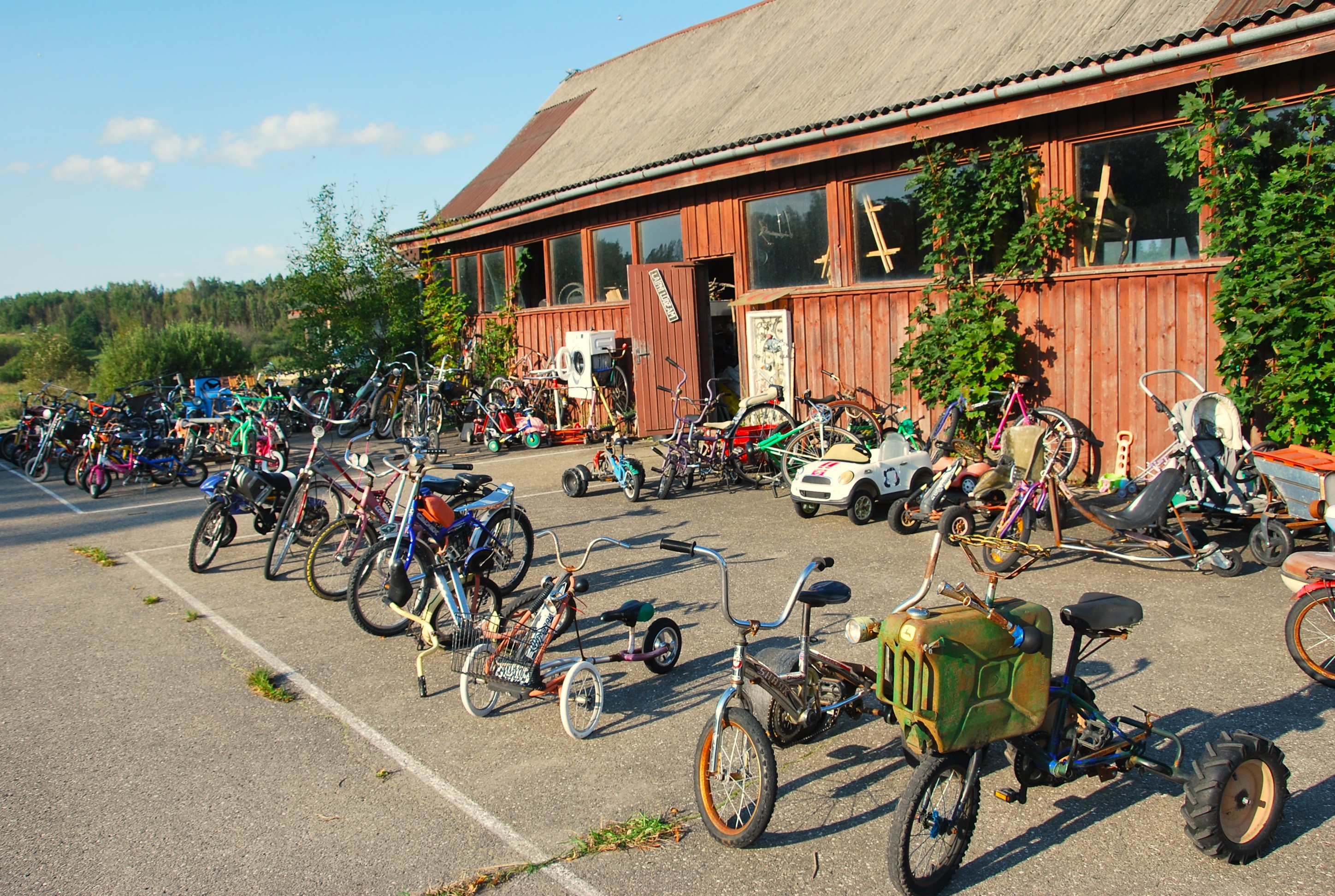
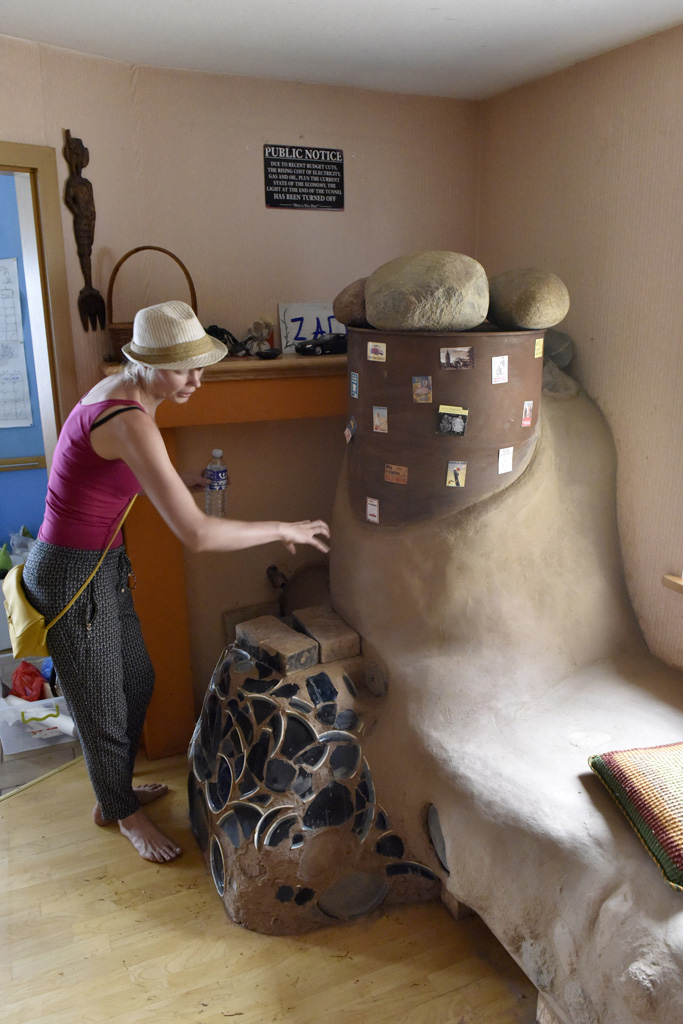
In Zadiņi, environmental, social, and economic challenges are met with integrated, circular practices that make sustainability a way of life. Rotational grazing restores soil health and biodiversity in the meadows, while sociocratic forest management ensures long-term ecological resilience. Upcycling discarded materials into functional art, such as freakbikes, reduces waste and strengthens local value chains.
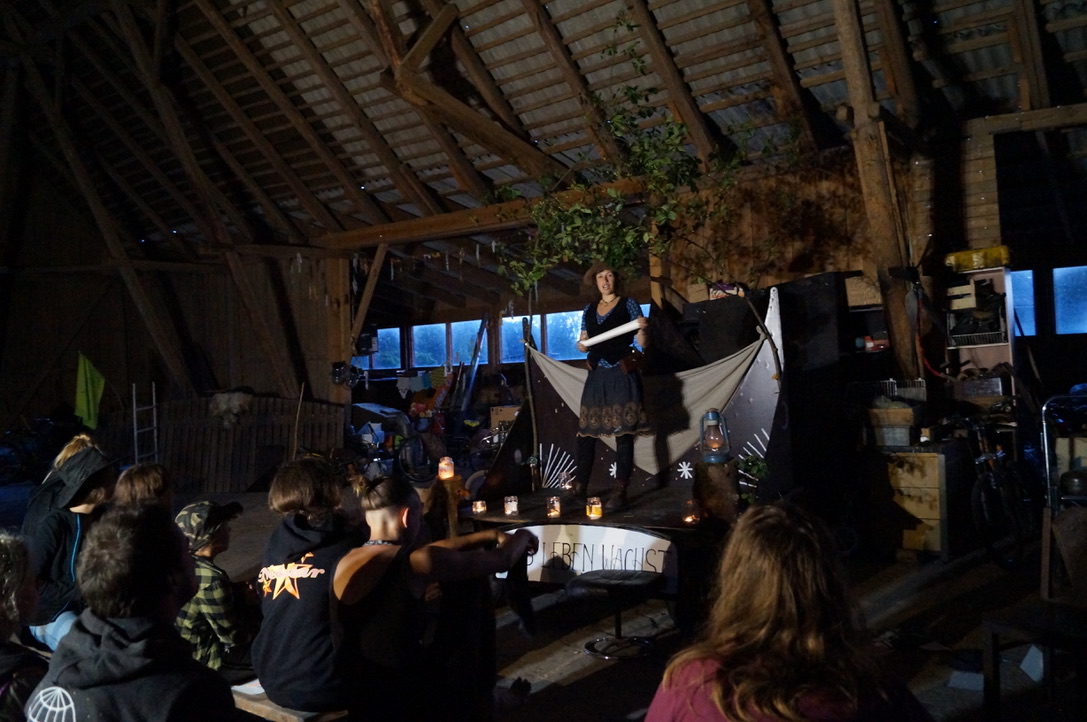
Workshops and festivals spread these practices, empowering others to adopt sustainable living. The Latvian Permaculture Festival and the Burn Out Academy for Activists have reached hundreds of participants, fostering a culture of resilience and innovation. This approach proves that sustainability is not just an ideal but a practical, achievable reality. Additionally, our intentional community approach addresses the mental needs of rural people with a special focus on isolated women and are investing in the collective wellbeing through "Women Circle" gatherings, supporting the systematic needs for sustainable change.
Workshops and festivals spread these practices, empowering others to adopt sustainable living. The Latvian Permaculture Festival and the Burn Out Academy for Activists have reached hundreds of participants, fostering a culture of resilience and innovation. This approach proves that sustainability is not just an ideal but a practical, achievable reality. Additionally, our intentional community approach addresses the mental needs of rural people with a special focus on isolated women and are investing in the collective wellbeing through "Women Circle" gatherings, supporting the systematic needs for sustainable change.
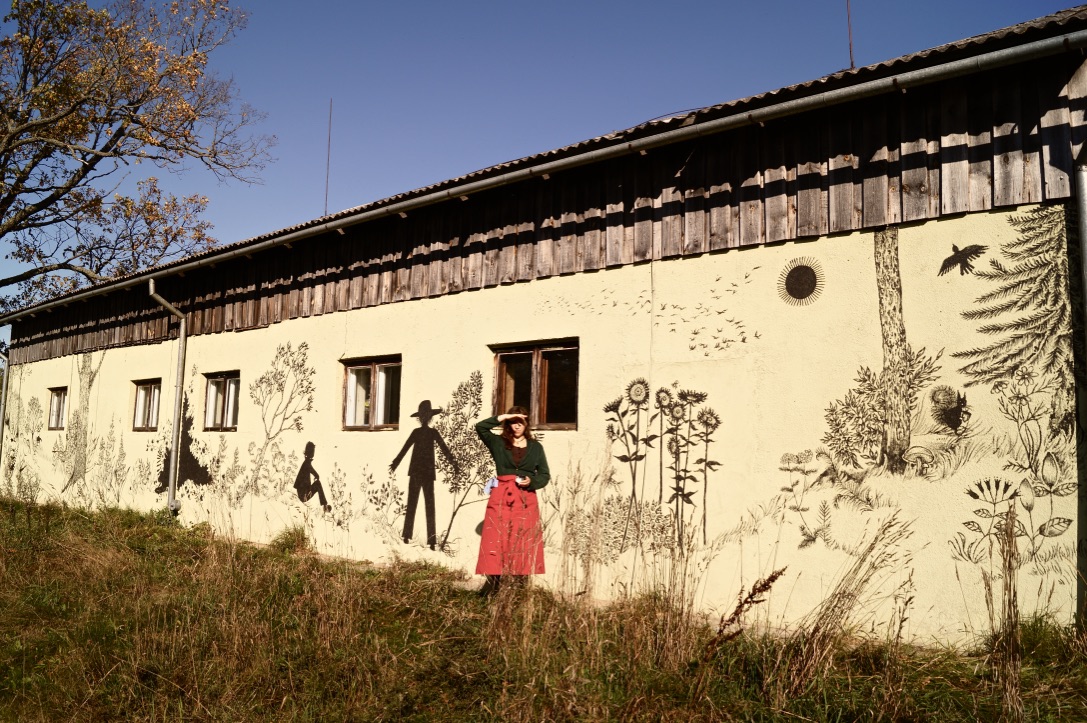
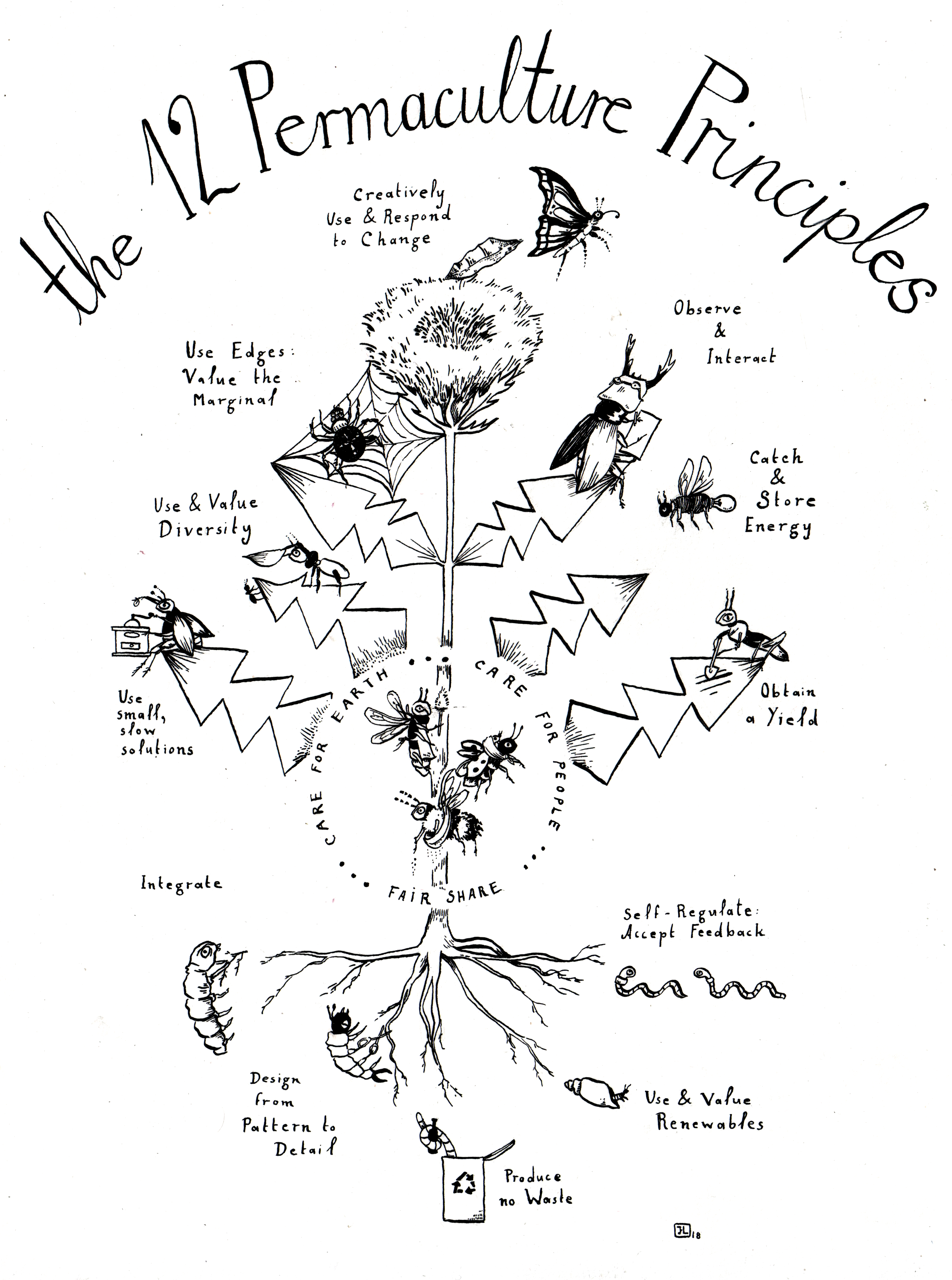
Art and creativity play a central role in making sustainable living not just functional but also inspiring. Linocut prints and postcards bring permaculture principles to life visually, while murals inspired by nature adorn shared spaces. Creative writing workshops and storytelling events celebrate interconnected relationships, fostering a sense of belonging.
Even functional elements, like freakbikes crafted from discarded materials, become works of art that spark joy and curiosity. By integrating aesthetics into daily life, the project transforms sustainability into an experience that is as beautiful as it is meaningful, proving that care for the environment and nourishment of our mental health can go hand in hand.
Even functional elements, like freakbikes crafted from discarded materials, become works of art that spark joy and curiosity. By integrating aesthetics into daily life, the project transforms sustainability into an experience that is as beautiful as it is meaningful, proving that care for the environment and nourishment of our mental health can go hand in hand.
Accessibility and social cohesion are at the heart of this community. Shared childcare systems, open workshops, and volunteer programs ensure that participating in our events or community life is not limited by financial backgrounds. Collaborations with the European Solidarity Corps have included people with disabilities, as well as youth with less opportunities or access to non-formal education.
A particular focus has been on empowering women, both within the community and at the municipal level. After observing the lack of female representation in local elections, meetings were organized to amplify women’s voices and advocate for change.
Inclusion is one of our main pillars and needs to be part of a holistic strategy of positive examples that inspire other communities.
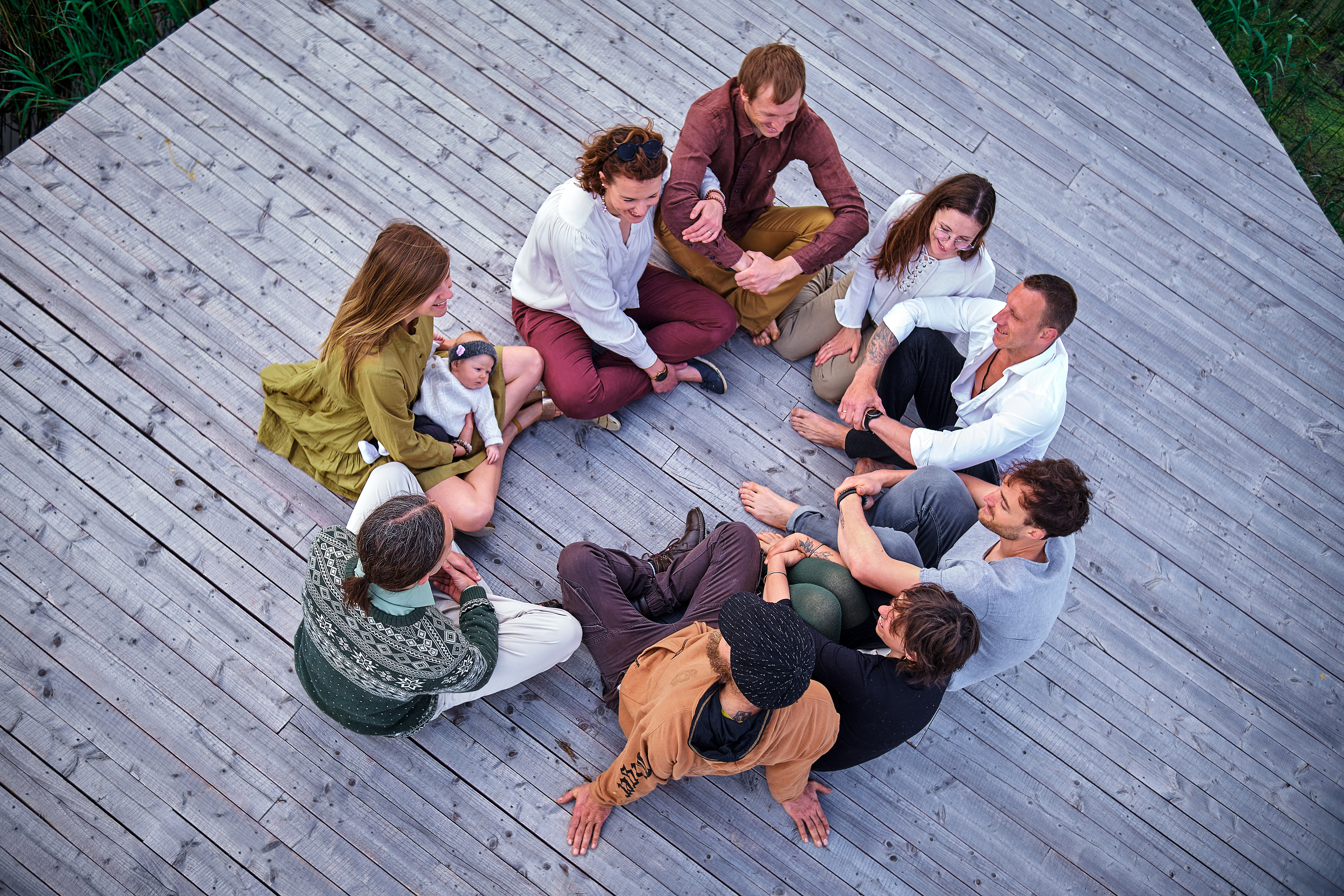
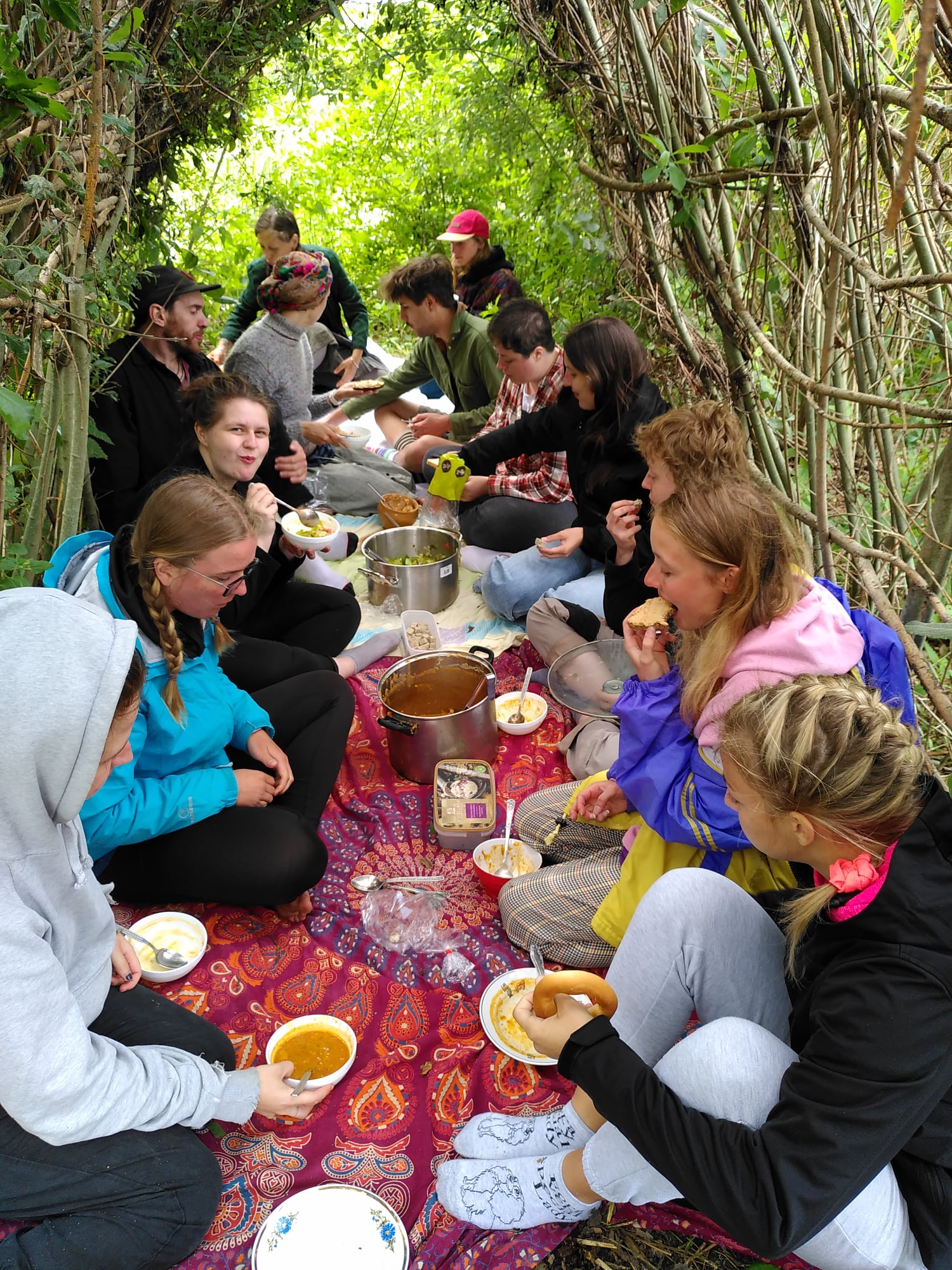
Every aspect of the co-living and co-creating at Zadiņi involves those who benefit from or are affected by it. Volunteers, locals, and experts collaborate in designing workshops, festivals, and land management practices, ensuring that decisions reflect collective needs. Sociocratic governance empowers all members to shape the community’s direction, while an open-door policy invites outsiders to contribute and learn.
This participatory approach has had a profound impact, particularly on youth and marginalized groups. Participants report significant improvements in mental well-being, social connections, and emotional resilience. By creating a space where vulnerability is embraced, the project challenges cultural norms and fosters a sense of belonging and shared purpose.
This participatory approach has had a profound impact, particularly on youth and marginalized groups. Participants report significant improvements in mental well-being, social connections, and emotional resilience. By creating a space where vulnerability is embraced, the project challenges cultural norms and fosters a sense of belonging and shared purpose.
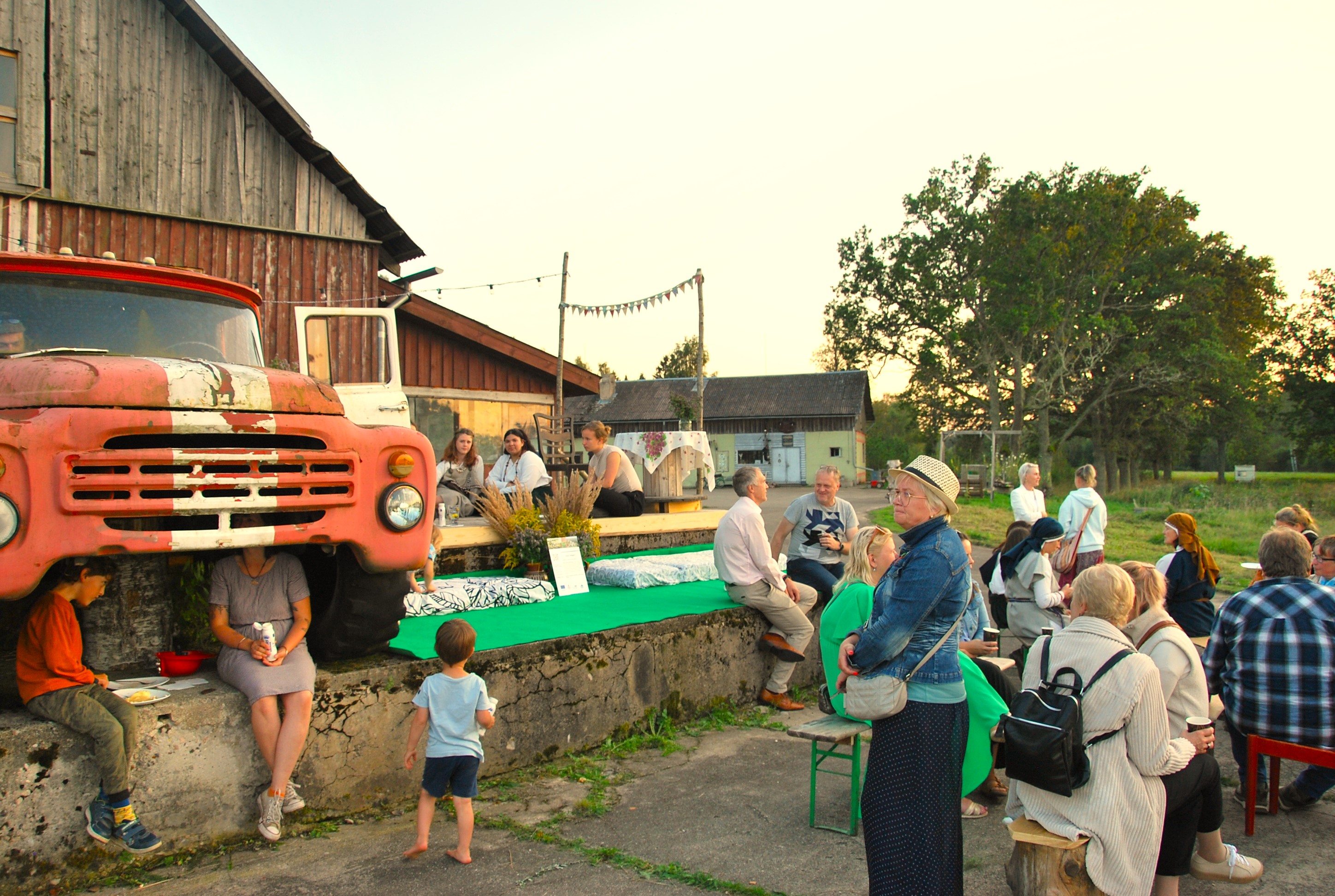
Engagement spans multiple levels, from local sociocratic decision-making to partnerships with regional, national, and European organizations. Locally, educational days and excursions for Launkalne’s elementary school children introduce permaculture and sustainable living. Cultural events like the Easter Velo Costume Parade and women’s gatherings strengthen community bonds.
Nationally, collaborations with the Riga Energy Agency, Fridays for Future Latvia, and the Latvian Permaculture Association amplify the project’s reach. At the European level, membership in the Global Ecovillage Network and partnerships with organizations in Estonia, Georgia, and Germany foster cross-border exchange. These connections bring resources, expertise, and visibility, ensuring that the impact extends far beyond the homestead.
Nationally, collaborations with the Riga Energy Agency, Fridays for Future Latvia, and the Latvian Permaculture Association amplify the project’s reach. At the European level, membership in the Global Ecovillage Network and partnerships with organizations in Estonia, Georgia, and Germany foster cross-border exchange. These connections bring resources, expertise, and visibility, ensuring that the impact extends far beyond the homestead.
The community thrives on the collaboration of artists, mechanics, sociologists, marketing experts, accountants, herbalists, sports coaches, and communication coaches. This diversity allows for the integration of art with science, technology with forestry, and care work with political advocacy. Freakbikes, for example, merge mechanical ingenuity with artistic expression, while permaculture workshops combine ecological science with hands-on education.
Women are empowered to raise their voices and engage in local politics, and youth from crisis centers are invited to participate in events and camps. By blending these disciplines, the project creates holistic solutions that address social, environmental, and cultural challenges in tandem, demonstrating the power of a transdisciplinary approach.
Women are empowered to raise their voices and engage in local politics, and youth from crisis centers are invited to participate in events and camps. By blending these disciplines, the project creates holistic solutions that address social, environmental, and cultural challenges in tandem, demonstrating the power of a transdisciplinary approach.
Financial resilience is built on a mix of tourism, education, and partnerships. Ecotourism offerings include fishing, pond swimming, and guided forest tours, while traditional Latvian sauna rituals and permaculture courses attract visitors. Art workshops focused on recycling and linoprintmaking generate income while promoting circularity.
Festivals, non-formal education courses, and open café days create additional revenue streams. Public funding and grants from programs like LEADER, Erasmus+, and the European Solidarity Corps further support the mission. This blend of self-generated revenue, grants, and donations ensures long-term sustainability while staying true to values of accessibility and inclusivity.
Festivals, non-formal education courses, and open café days create additional revenue streams. Public funding and grants from programs like LEADER, Erasmus+, and the European Solidarity Corps further support the mission. This blend of self-generated revenue, grants, and donations ensures long-term sustainability while staying true to values of accessibility and inclusivity.
This project did not begin with grand investments or rigid structure, but with a group of people who knew what they did not want: isolation, inflexibility, and disconnection. By intentionally moving slowly, they discovered their needs bit by bit, allowing the community to evolve organically. From the beginning, a clear priority was set to create a kid-friendly environment, ensuring that families and children were central to the design.
What makes this model adaptable is its foundation in real needs and real people. Sociocratic governance, circular practices, and participatory workshops were not imposed but grew naturally from experimentation and learning. The lack of rigid rules allowed for flexibility, making it easier for others to adopt and adapt these practices. Communities do not need perfect blueprints to start, they just need the willingness to listen, experiment, and prioritize what matters most.
Key elements that can be replicated include the sociocratic decision-making process, which ensures transparency and collective responsibility, and the circular practices like rotational grazing and upcycling, which are modular and adaptable. The participatory workshops and festivals offer a template for engaging diverse groups, while the focus on kid-friendly design ensures that families and children remain at the heart of the community. By sharing these lessons, the project invites others to start where they are, learn as they go, and build around their own values.