Therapeutic Garden Świniarsko
Transforming an Underused Space into a Therapeutic Community Garden in Świniarsko
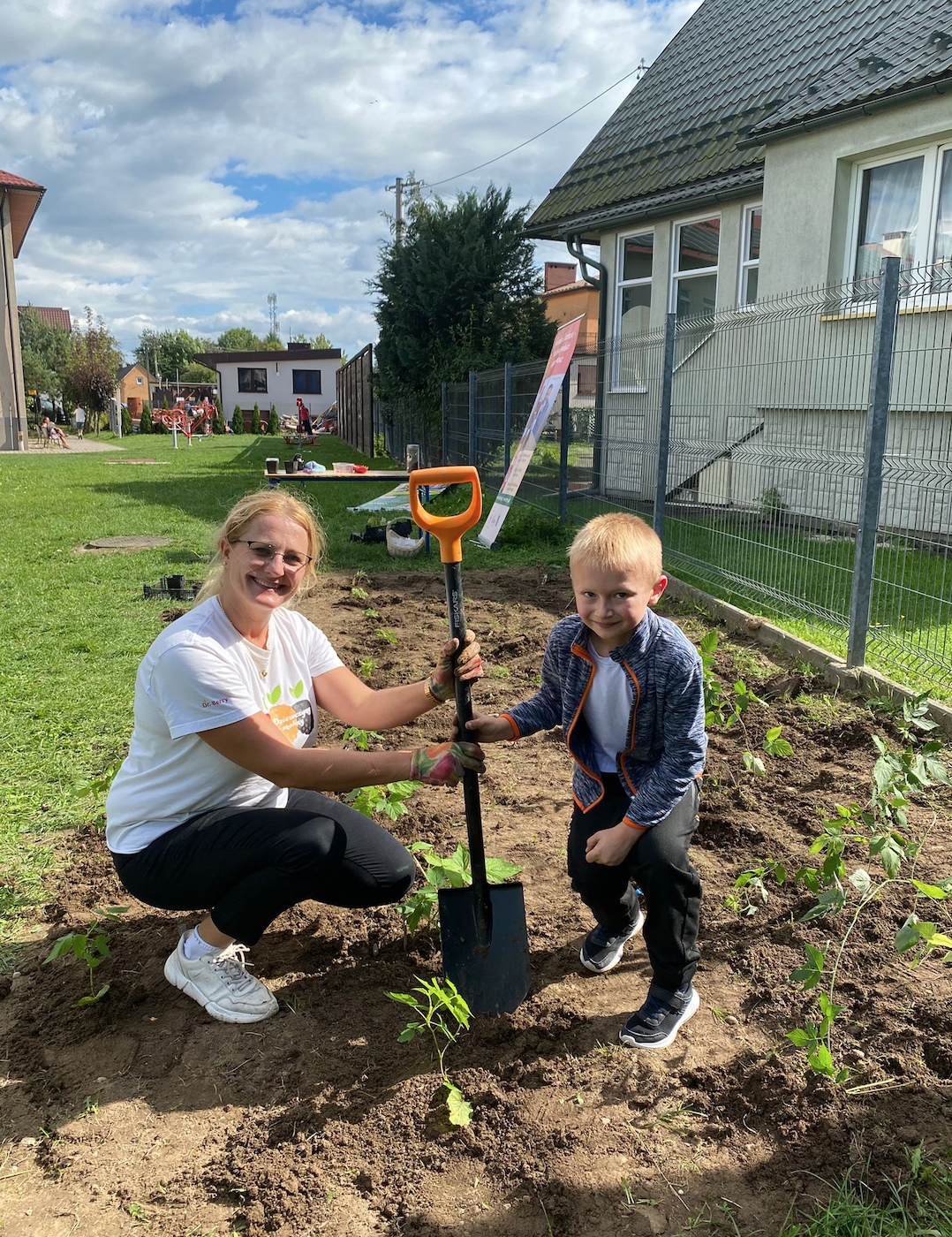
An underused space in Świniarsko is being transformed into a therapeutic community garden where nature supports wellbeing, social connection and local identity. The garden will combine raspberries, berries, herbs and ginger, with a focus on innovative varieties developed by the project author. It will be a beautiful, inclusive and sustainable space for relaxation, learning and health.
Poland
An agricultural plot (no. 471) located in Świniarsko, Podegrodzie Municipality, Poland
Prototype level
Yes
Yes
Yes
No
No
1001121221002: Chełmiec (PL)
The initiative aims to transform an underused agricultural plot (no. 471) in Świniarsko, in the Municipality of Chełmiec, into a therapeutic, inclusive and sustainable community garden that connects health, education and local identity. It responds to the growing need for accessible outdoor spaces that support mental wellbeing, social interaction and meaningful contact with nature, especially in small municipalities and rural areas where such places are limited.
The garden will combine raspberries, berry plants, herbs and ginger, including innovative varieties developed by the project author. It will function as a multifunctional public space for horticultural therapy, environmental education and intergenerational activities involving children, seniors and local residents, strengthening both physical and mental wellbeing while reinforcing local heritage and community ties.
The initiative promotes the New European Bauhaus values by creating an attractive and sensory-rich natural environment (beauty), supporting biodiversity and sustainable cultivation practices (sustainability), and ensuring accessibility, inclusion and active participation of diverse user groups (inclusion).
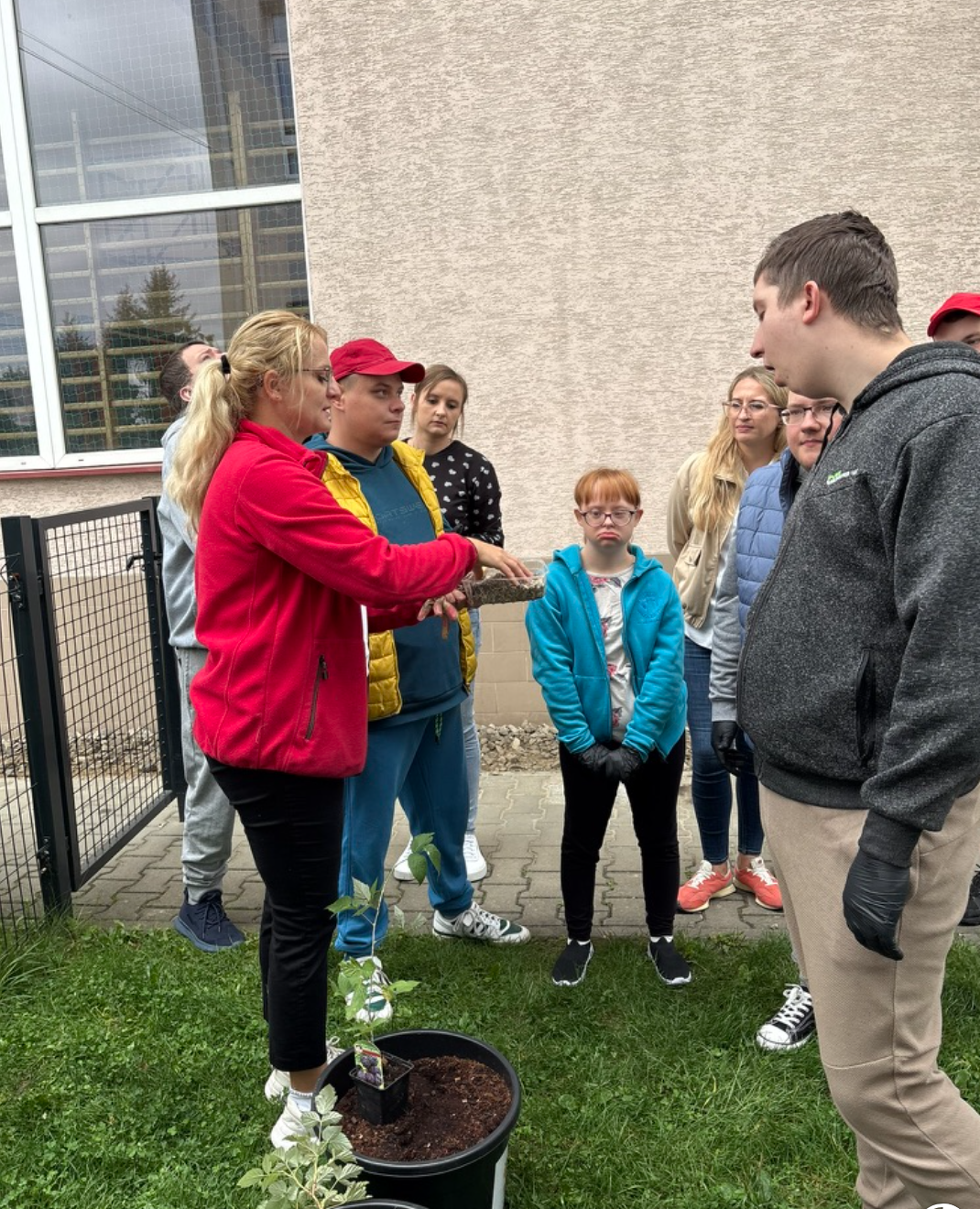
The project is being developed through a participatory approach, engaging residents, local stakeholders, schools and community groups in the co-design and future use of the space. Planned activities include workshops, educational programmes and community events, allowing users to shape the garden according to their needs and strengthen a shared sense of ownership.
In the long term, the initiative aims to become a scalable and replicable model for small municipalities, supporting the creation of therapeutic gardens in other local contexts and contributing to healthier, more resilient and socially connected communities across Europe.
Therapeutic gardening
Community wellbeing
biodiversity
environmental education
scalable model
The initiative promotes sustainability through the transformation of an underused agricultural plot into a nature-based therapeutic garden that supports biodiversity, local food production and environmentally responsible practices. The project integrates diverse plant species such as raspberries, berries, herbs and ginger, including innovative varieties developed by the project author, adapted to local conditions and promoting resilience to climate variability.
Sustainable cultivation methods are at the core of the initiative, including low-input practices, reduced use of chemicals, soil regeneration and water-conscious management. The garden will serve as a demonstration space for ecological horticulture, encouraging local communities to adopt more sustainable approaches to food production and land use.
The project contributes to sustainable local food systems by promoting the cultivation and consumption of locally grown plants, reducing the environmental footprint and strengthening the connection between people and nature. Sustainability is also addressed through long-term social value, as the garden is designed as a durable, low-maintenance space that can be co-managed and developed by the local community.
The initiative is further strengthened by the development of competencies in horticultural therapy, supported by studies at the University of Warmia and Mazury in Olsztyn. This ensures that the garden is designed as a therapeutic environment supporting health, wellbeing and social inclusion. In the long term, the project aims to evolve into a network of therapeutic gardens, creating a scalable and transferable model that can be replicated across Europe, contributing to more resilient, sustainable and health-oriented communities.
The initiative aims to create a high-quality, aesthetically engaging therapeutic garden that enhances people’s sensory experience and connection with nature. The design of the space is based on a composition of colours, textures and seasonal changes, using raspberries, berries, herbs and other plants to create a visually rich and dynamic landscape. The focus on diverse plant species, including innovative varieties developed by the project author, allows the garden to offer unique visual and sensory qualities throughout the year.
The spatial design prioritises human experience, creating a calm, welcoming and restorative environment that supports relaxation, reflection and social interaction. Elements such as accessible paths, seating areas and sensory zones will ensure that the space is inclusive and enjoyable for people of different ages and abilities.
The initiative also integrates cultural value by reconnecting the community with local traditions of berry cultivation, transforming them into a contemporary and meaningful experience. The garden becomes not only a place of beauty, but also a living cultural landscape that reflects local identity and knowledge.
The project is exemplary in demonstrating how aesthetic quality, cultural heritage and wellbeing can be combined in a functional public space. It introduces an innovative approach by integrating therapeutic horticulture, local biodiversity and cultural identity into a coherent, user-centered design. The initiative offers a scalable and transferable model that can be adapted and replicated across Europe, contributing to the development of high-quality, inclusive and nature-based living environments aligned with the New European Bauhaus principles.
The initiative places inclusion at its core by creating an accessible, welcoming and free-of-charge therapeutic garden designed for people of all ages, backgrounds and abilities. The space in Świniarsko will ensure equal access to nature-based wellbeing for children, seniors, families and vulnerable groups, including individuals experiencing stress, social isolation or reduced access to green environments.
The design follows “design for all” principles, incorporating accessible paths, seating areas, sensory planting and safe, intuitive spatial organisation. These elements enable people with different physical, cognitive and emotional needs to use and experience the space comfortably and independently. The garden is designed not only as a place to visit, but as a supportive environment for relaxation, informal interaction and therapeutic activities.
Inclusion is further strengthened through a participatory and co-creation approach. Local residents, schools, community organisations and stakeholders are actively involved in shaping the space through workshops, consultations and shared activities. This process empowers participants, builds local ownership and ensures that the garden responds to real community needs.
The initiative promotes new social models by integrating horticultural therapy, environmental education and community engagement into one inclusive system. It supports intergenerational exchange, bringing together children, adults and seniors in shared activities that strengthen social bonds and mutual understanding.
The project is exemplary in demonstrating how inclusive design, open access and active community participation can transform an underused space into a shared, meaningful environment. It introduces an innovative, community-driven model that integrates therapeutic horticulture, social inclusion and environmental engagement into one cohesive system. The initiative offers a scalable and transferable solution that can be adapted and imple
The initiative represents an exemplary application of the three core principles of the New European Bauhaus—sustainability, inclusion and aesthetics—through a deeply participatory and community-driven approach.
Citizens and civil society are involved from the earliest stages of the project through co-design, implementation and future co-management of the garden. Local residents, schools, seniors and community groups actively participate in workshops, consultations and hands-on activities, where they contribute to shaping the spatial layout, plant selection and functions of the garden. This ensures that the space reflects real needs and local identity.
The role of citizens goes beyond that of beneficiaries—they act as co-creators, users and ambassadors of the initiative. Children and students engage in educational activities and environmental learning, seniors participate in therapeutic gardening, and families contribute to the everyday use and maintenance of the space. Civil society actors, including schools and local organisations, support coordination, knowledge-sharing and long-term engagement.
The level of involvement is high, continuous and collaborative, moving beyond consultation towards shared responsibility. The initiative creates inclusive opportunities for intergenerational interaction and ensures accessibility for diverse user groups, including those at risk of social exclusion.
This participatory model has a strong impact on the initiative. It increases its relevance, quality and long-term sustainability, as solutions are tested and adapted by real users. It also strengthens social cohesion, local ownership and a sense of belonging, while fostering environmental awareness and healthier lifestyles.
As a result, the initiative evolves into a living social ecosystem and an innovative model of community-driven development, where citizens actively shape and manage their environment. The project offers a scalable and transferable approach that can be ada
The initiative engages stakeholders across multiple levels—local, regional, national and European—creating a coherent and collaborative ecosystem that supports both its design and implementation.
At the local level, key stakeholders include residents of Świniarsko (Chełmiec Municipality), schools, seniors, local community groups and municipal authorities. They are actively involved in co-design workshops, consultations and practical activities, contributing to decisions on the garden’s layout, plant selection and functions. Their role is highly participatory and extends to co-management of the space. The added value is strong local ownership, alignment with real community needs and long-term sustainability.
At the regional level, the initiative engages educational institutions, advisory bodies and sector partners from Małopolska. These stakeholders contribute through expert support, training and knowledge transfer in sustainable cultivation, horticultural therapy and environmental education. Their involvement is both consultative and collaborative. The added value lies in improving the quality of solutions and enabling regional scalability.
At the national level, stakeholders such as research communities, innovation networks and sector organisations support the project through knowledge exchange, visibility and alignment with national priorities in rural development, health and education. Their role is mainly advisory and promotional. The added value is credibility, access to expertise and potential for funding and replication.
At the European level, the initiative aligns with the New European Bauhaus framework and engages with broader knowledge networks. It contributes to an innovative multi-level governance model connecting local action with European priorities, offering a scalable and transferable approach that can be replicated across Europe and support systemic change in nature-based, community-driven solutions.
The initiative integrates multiple disciplines and knowledge fields, reflecting a holistic and transdisciplinary approach aligned with the New European Bauhaus principles. Key fields involved include horticulture and plant breeding, through the selection of diverse species such as raspberries, berries, herbs and ginger, including innovative varieties developed by the project author. Environmental science and sustainable agriculture are reflected in biodiversity-focused design, soil care and ecological cultivation practices.
Health and wellbeing disciplines, particularly horticultural therapy and mental health promotion, play a central role in shaping the garden as a therapeutic space supporting emotional balance, stress reduction and social inclusion. Education and pedagogy are embedded through programs for schools and intergenerational learning activities.
The project also incorporates landscape design and aesthetics, ensuring that the space is not only functional but visually engaging and meaningful. In addition, social sciences and community development inform the participatory approach, focusing on inclusion, local identity and social cohesion.
Representatives of these fields interact through a collaborative and practice-based process, including workshops, consultations and joint activities. Experts, educators, local authorities and community members exchange knowledge and experiences, translating theory into practical, locally adapted solutions.
This interaction creates significant added value. It enables the development of integrated, user-centered solutions that combine environmental, social and aesthetic quality. It also fosters innovation through the combination of scientific knowledge and local experience, strengthening the project’s relevance, effectiveness and long-term sustainability.
As a result, the initiative becomes an innovative, multidimensional model in which different disciplines reinforce each other, creating a space that supports health,
The initiative demonstrates a strong innovative dimension compared to mainstream practices by combining therapeutic, educational, environmental and social functions within one integrated, community-driven space.
In contrast to typical approaches—where green spaces are often designed as passive recreational areas or single-purpose gardens—the project creates a multifunctional therapeutic ecosystem. It integrates horticultural therapy, environmental education and community engagement, transforming an underused agricultural plot into an active space supporting mental wellbeing, social interaction and local identity.
A key innovation lies in linking scientific plant breeding with social impact. The use of innovative, locally developed raspberry and berry varieties connects research, biodiversity and everyday user experience, making scientific knowledge accessible and practical for local communities.
The project also introduces a participatory co-design and co-management model. Unlike traditional top-down approaches, it actively involves citizens, schools and local stakeholders in shaping and maintaining the space, ensuring long-term engagement and sustainability.
It further addresses mental health and wellbeing in rural areas, where such solutions remain limited, by embedding therapeutic functions within a natural and aesthetically designed environment.
Overall, the innovation lies in integrating disciplines, functions and users into one coherent system. The project offers a scalable model that can be replicated across Europe and support systemic change.
The initiative is based on an integrated research–education–implementation model that combines scientific expertise, practical application and community engagement.
At its core is the development of authorial raspberry and blackberry varieties, created through long-term breeding and tested in real cultivation conditions. This scientific foundation is translated into accessible solutions tailored to hobby growers, schools and small-scale producers.
The methodology consists of four interconnected stages. First, research and validation ensure that plant varieties and cultivation methods are resilient, high-quality and adapted to local conditions, supported by demonstration plots and pilot implementations.
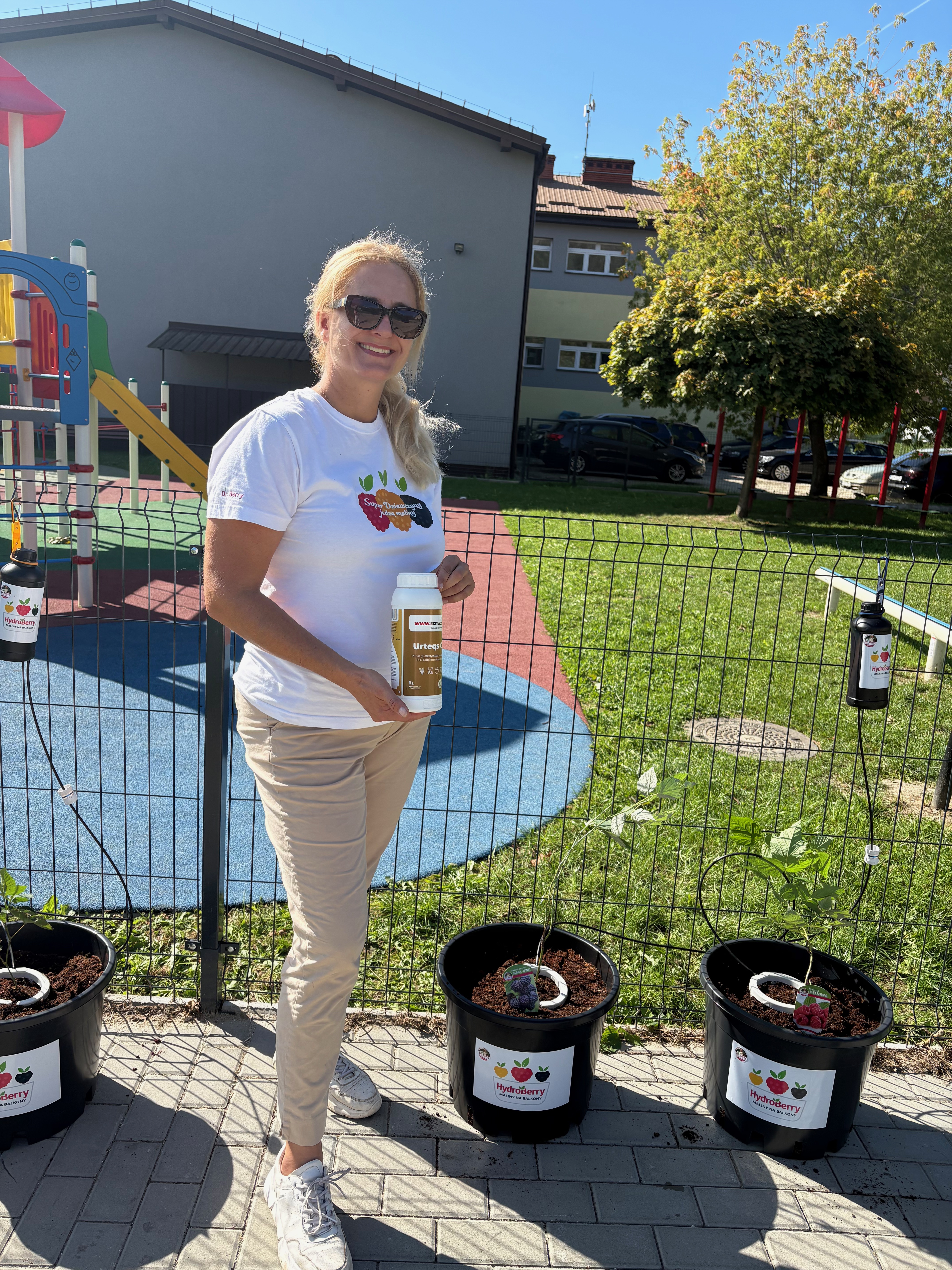
Second, research outcomes are transformed into practical solutions, such as potted seedlings, balcony-growing systems (e.g. HydroBerry) and educational kits, reducing barriers to entry and enabling easy adoption.
Third, education and capacity building are delivered through workshops, materials and advisory support, promoting hands-on learning, environmental awareness and long-term behavioural change.
Fourth, community engagement and scaling are achieved through local partnerships, schools and social networks, enabling knowledge exchange, co-creation and continuous support.
This methodology creates a continuous feedback loop between science, users and practice. It offers an innovative, scalable model that can be replicated across Europe, supporting the wider adoption of nature-based, community-driven solutions.
The initiative has strong potential for transferability and replicability due to its modular structure, simplicity and adaptability to different contexts.
The core methodological model—linking research, education and practical implementation—can be transferred across regions, crops and educational fields, providing a universal framework for turning knowledge into accessible solutions.
Ready-to-use systems, such as potted seedlings, balcony cultivation kits (e.g. HydroBerry) and educational packages, can be easily adapted to different climates and user groups. Their simplicity enables fast deployment in both urban and rural environments.
Educational formats, including workshops, school programs and digital content, are designed for easy replication across institutions and countries. The hands-on approach supports engagement and long-term behavioural change.
Community-building processes based on local partnerships and social networks create scalable knowledge-sharing ecosystems. They strengthen user engagement, peer learning and long-term sustainability.
The model is low-cost and does not require complex infrastructure. It can be implemented in small spaces and scaled gradually, making it suitable for diverse socio-economic contexts.
Overall, the initiative offers a flexible and scalable model that can be adapted and replicated across Europe, supporting the wider adoption of nature-based, community-driven solutions and contributing to systemic change.
The initiative demonstrates a strong commitment to implementation through ongoing activities, pilot projects and a clear development pathway.
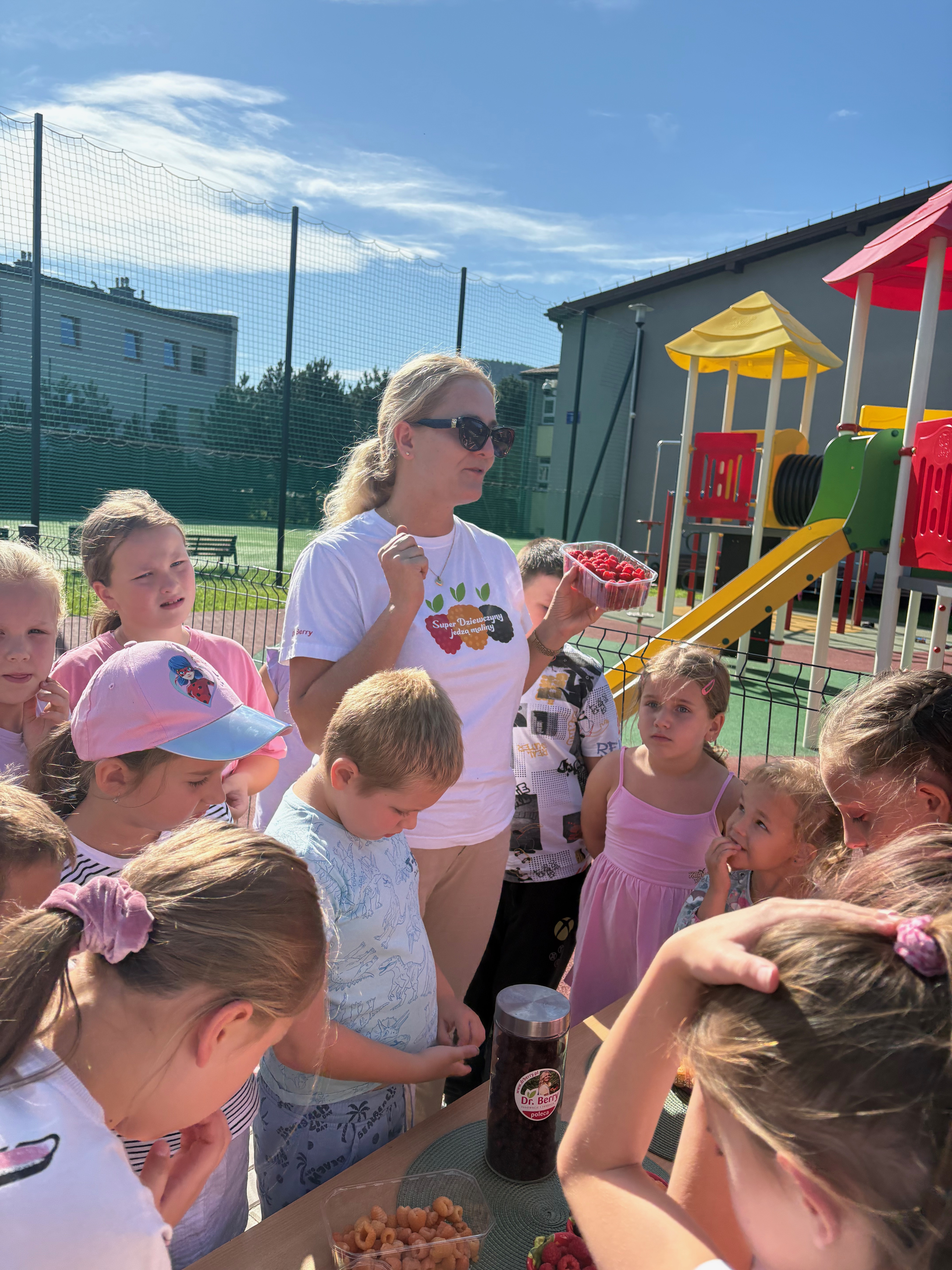
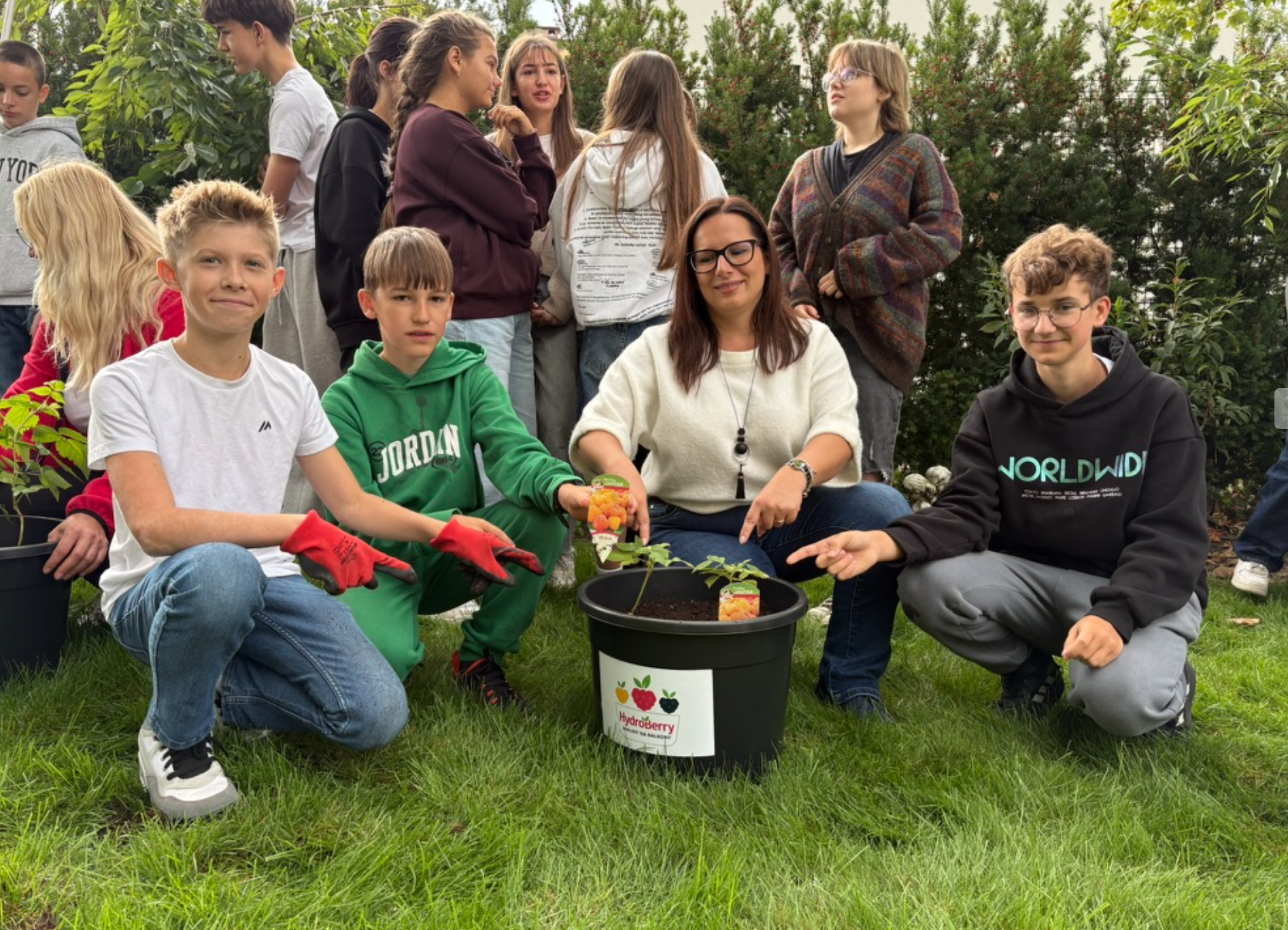
Activities already implemented include the establishment of a demonstration plantation and testing site, delivery of workshops and school garden programs, development of ready-to-use solutions (e.g. balcony cultivation systems), active community building, and cooperation with local authorities, schools and partners. These actions confirm that the initiative is already operational and continuously evolving.
The initiative integrates the New European Bauhaus (NEB) values. Sustainability is addressed through environmentally friendly cultivation, biodiversity and local food production using low-impact solutions adapted to small spaces. Aesthetics is reflected in enhancing everyday environments through plants, focusing on sensory experience and connection with nature. Inclusion is ensured by providing accessible tools and support for diverse groups, including children, urban residents and beginners.
It also reflects NEB working principles, including a participatory approach, interdisciplinarity and multi-level cooperation.
Future development focuses on scaling solutions to new regions and partners, standardizing replicable tools and materials, strengthening partnerships, expanding digital education and introducing impact evaluation.
These steps will support further growth of the initiative as an innovative and scalable model, contributing to wider adoption of nature-based solutions and systemic change across Europe.