You are asked, too!
Participatory budgeting programme "You are asked too!"
The participatory budgeting programme "You are asked too!" is an annual programme which gives the citizens an opportunity to create and design public space in their neighbourhoods. Programme is an example of direct democracy as the citizens propose and vote for micro-projects which enter city budget for the next year. 2000 proposals and even more participants build more trust in local policy and engage citizens in decision making proccess.
Croatia
Trogir, Split Dalmatia County
Completed
Yes
Yes
Yes
No
No
04634: Trogir (HR)
From 2017, we planned to involve citizens more in the work of local self-government. Communication with the administration was poor, citizens did not have clearly and transparently presented plans, costs and projects of our local municipality, and they did not have any role in deciding on minor communal interventions in their neighborhood. Exploring the practices of other cities, we got acquainted with the idea of participatory budgeting and started preparing a project started in 2018.
Already in the first year, we met with a great response and great engagement of citizens. The project was received very positively, but we had a great challenge with the understanding of budget planning by citizens and the procedures we must follow according to the law. The project was also an opportunity to educate citizens about democratic practices, about legal regulations related to the processes of procurement, contracting and execution of work. It was also challenging to acquaint fellow officials with the involvement of citizens in their work, as well as a higher level of communication with citizens. Year after year, interest has grown, we have increasing involvement of citizens at different levels, and it turned out that smaller neighborhoods and smaller environments have greater homogeneity and more concrete ideas about how they want to arrange their neighborhood.
Every year we have between 250 and 400 proposals, and over 400 participants in public forums, so in the last 7 years we had over 2000 proposals and 2000 participants directly involved in project.
Our practice was also interesting for the Institute of Public Finance, Faculty of Law, University of Zagreb, but also for several cities that wanted to implement our practice in their municipalities. Each new cycle we strive to bring a new innovation to the project, to include the younger population as well as to respect the wisdom and experience of older citizens.
direct democracy
participatory budgeting
urban planning
green areas
sustainability
Key objectives are engage citizens in local decision making process: spatial planning, urban development, budget planning and creating strong ground for cohesive local community. In the past 7 years, we have 450 projects in realization, over 2000 citizens involved in programme and huge impact on public policies. The gathered proposals and elected projects directly had impact on our city budget planning, changing the course of investments every year. Additionally, we also had administrative organization change based on citizens demands through the programme, and that what took our programme on higher level of participatory democracy. We also can be proud that we are pioneers of participatory democracy programme in Dalmatia and our programme was good practice example of 5 other cities in Croatia, and our team is coaching other administrations to implement programme in their local policies. Sustainability is ensured with simplicity of the proccess as well as with the planned budget for this cause.
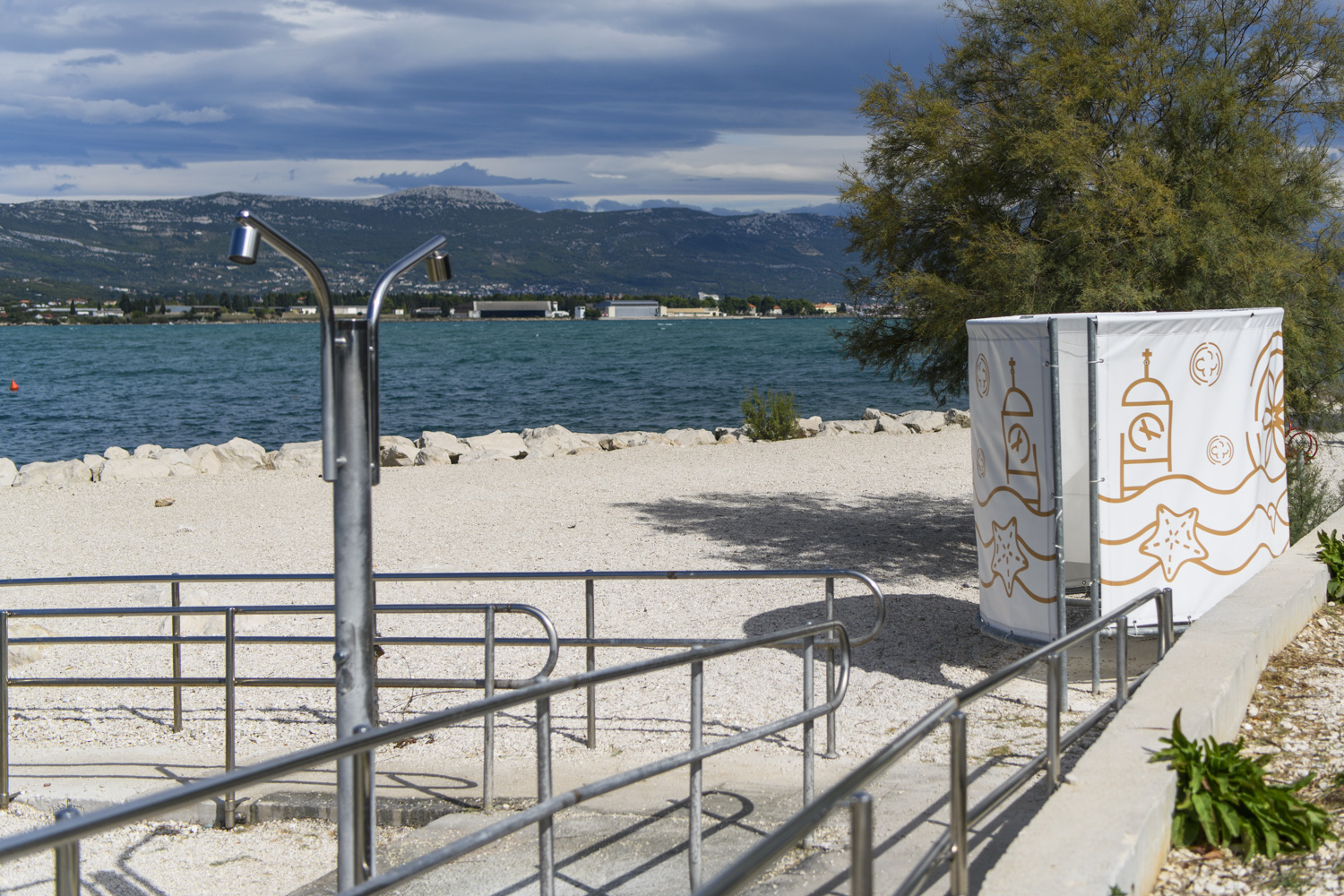
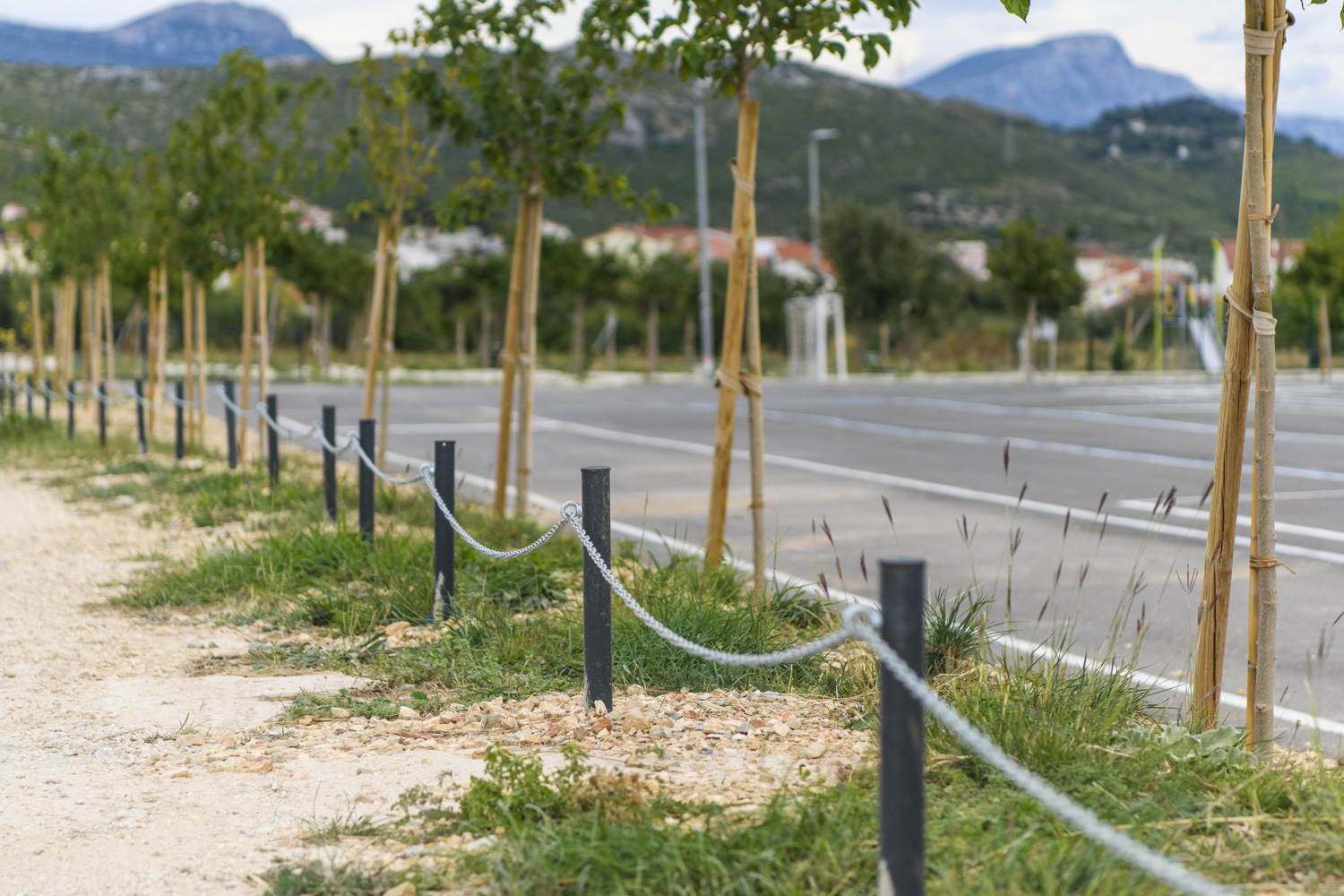
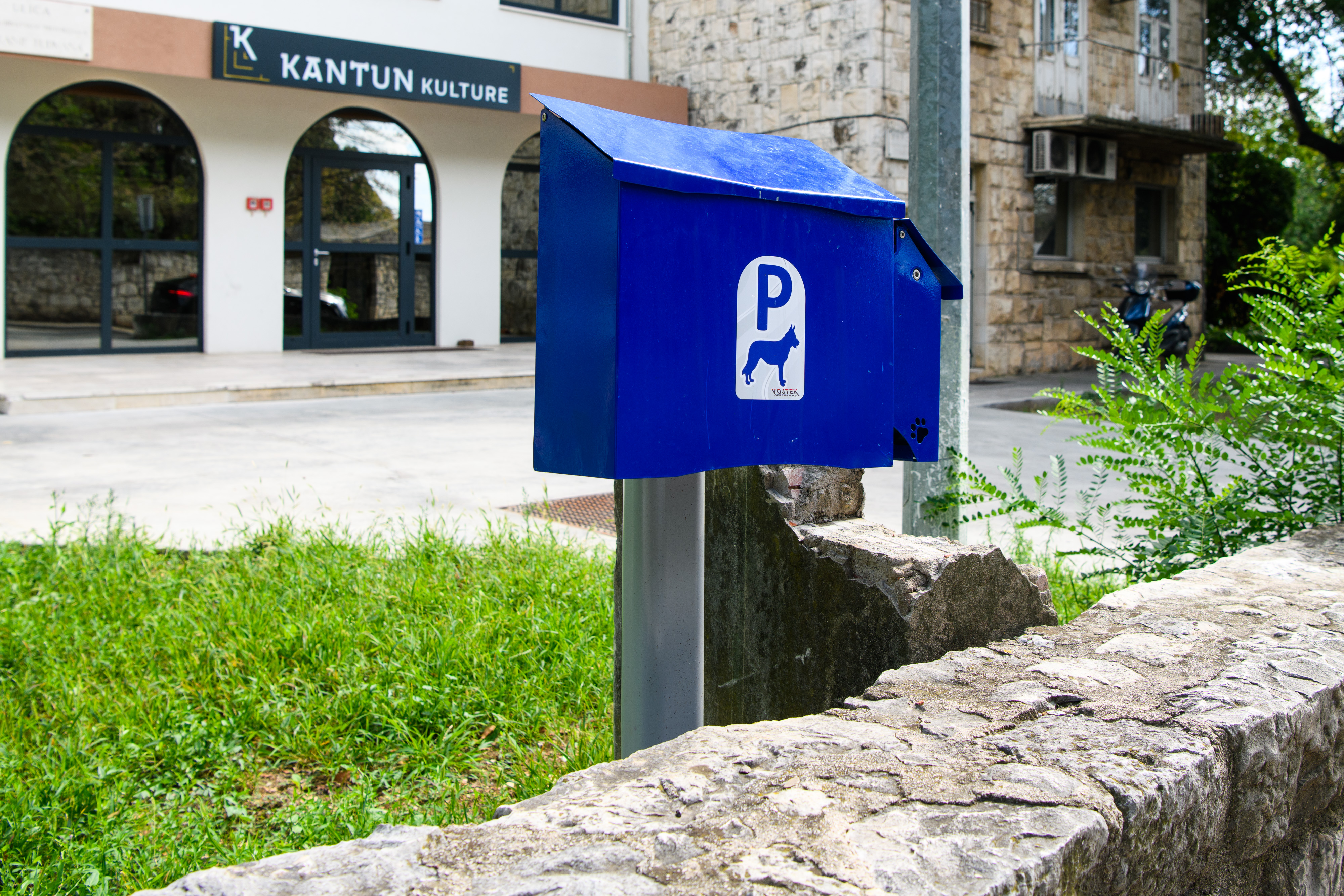
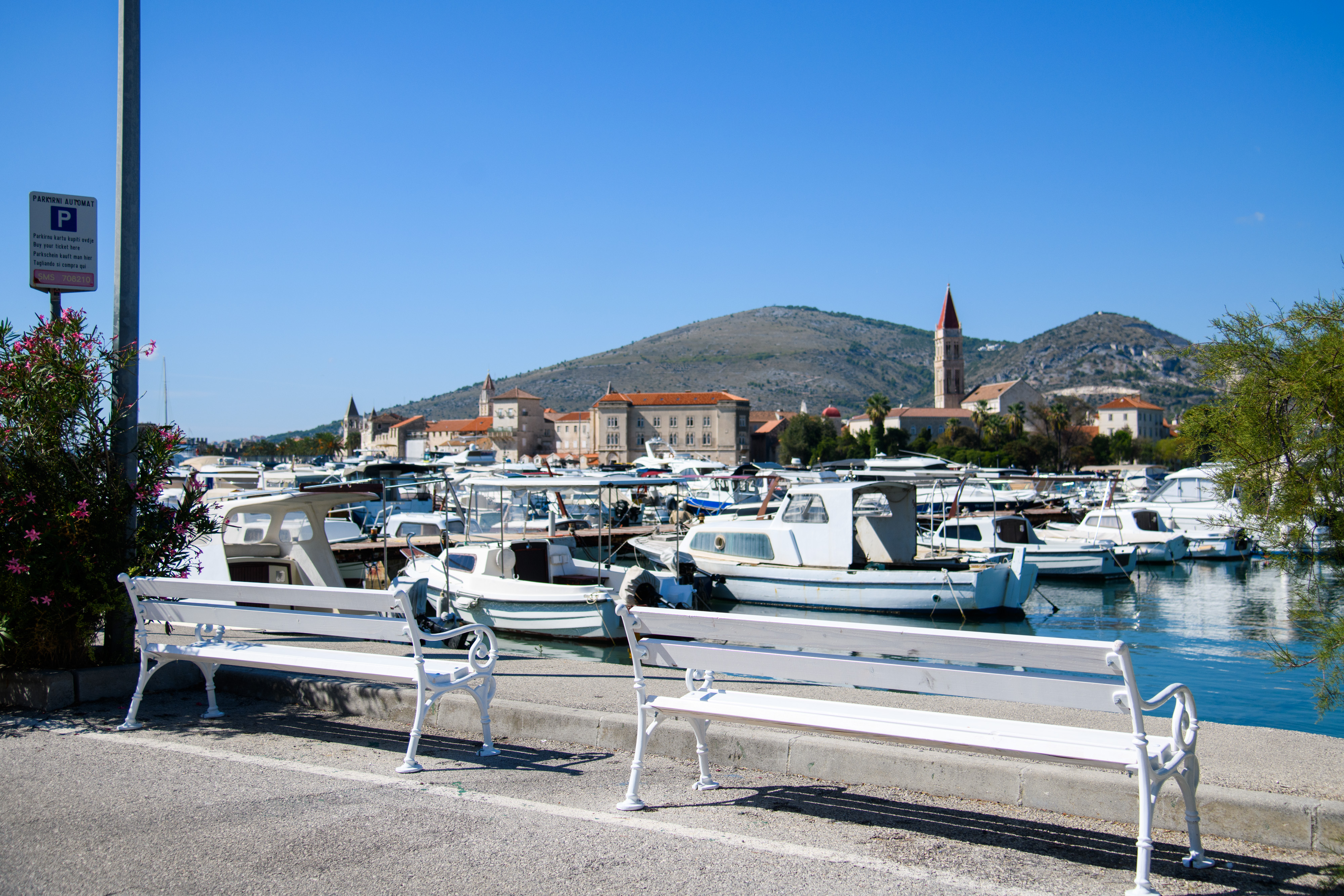
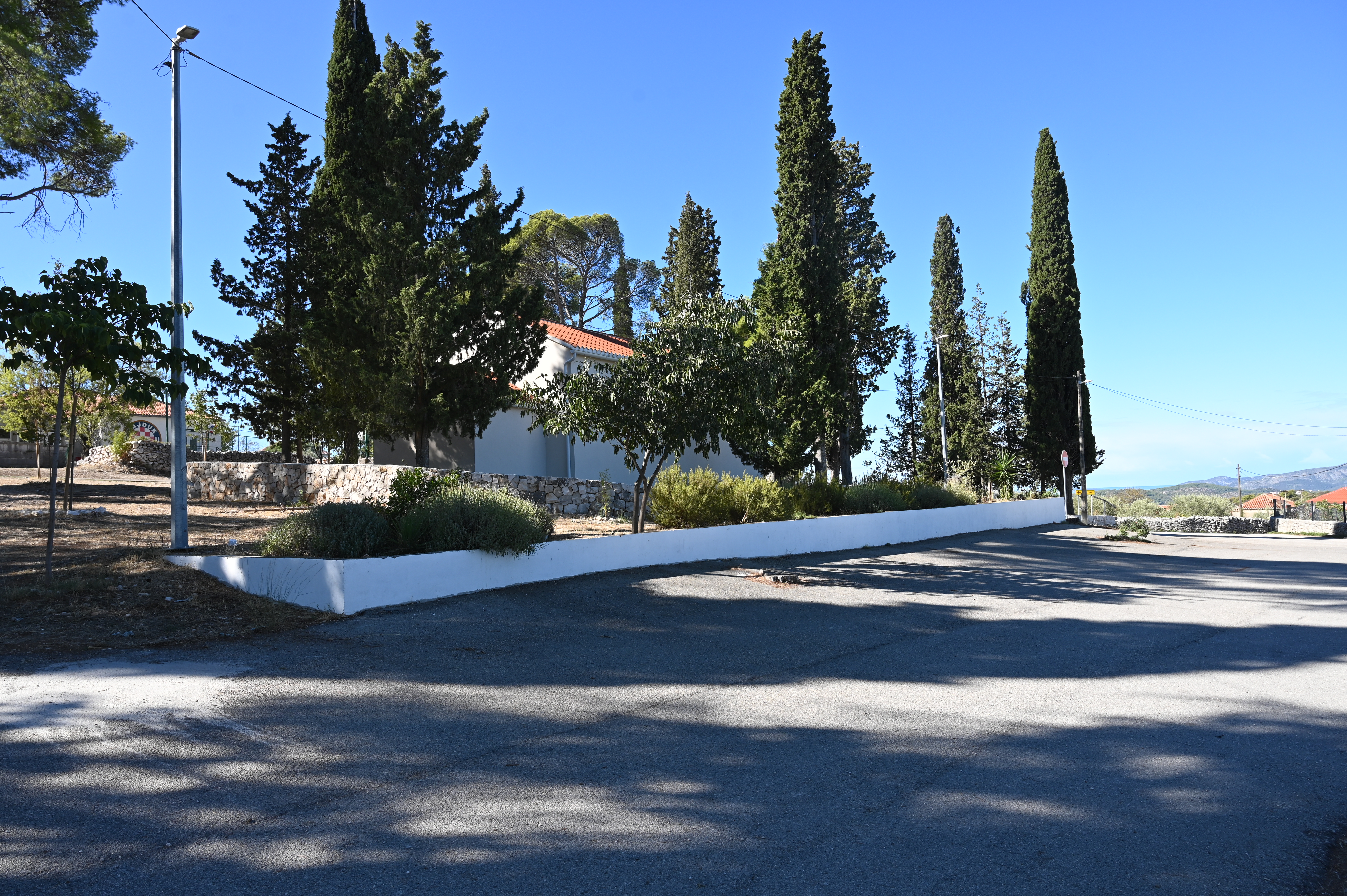
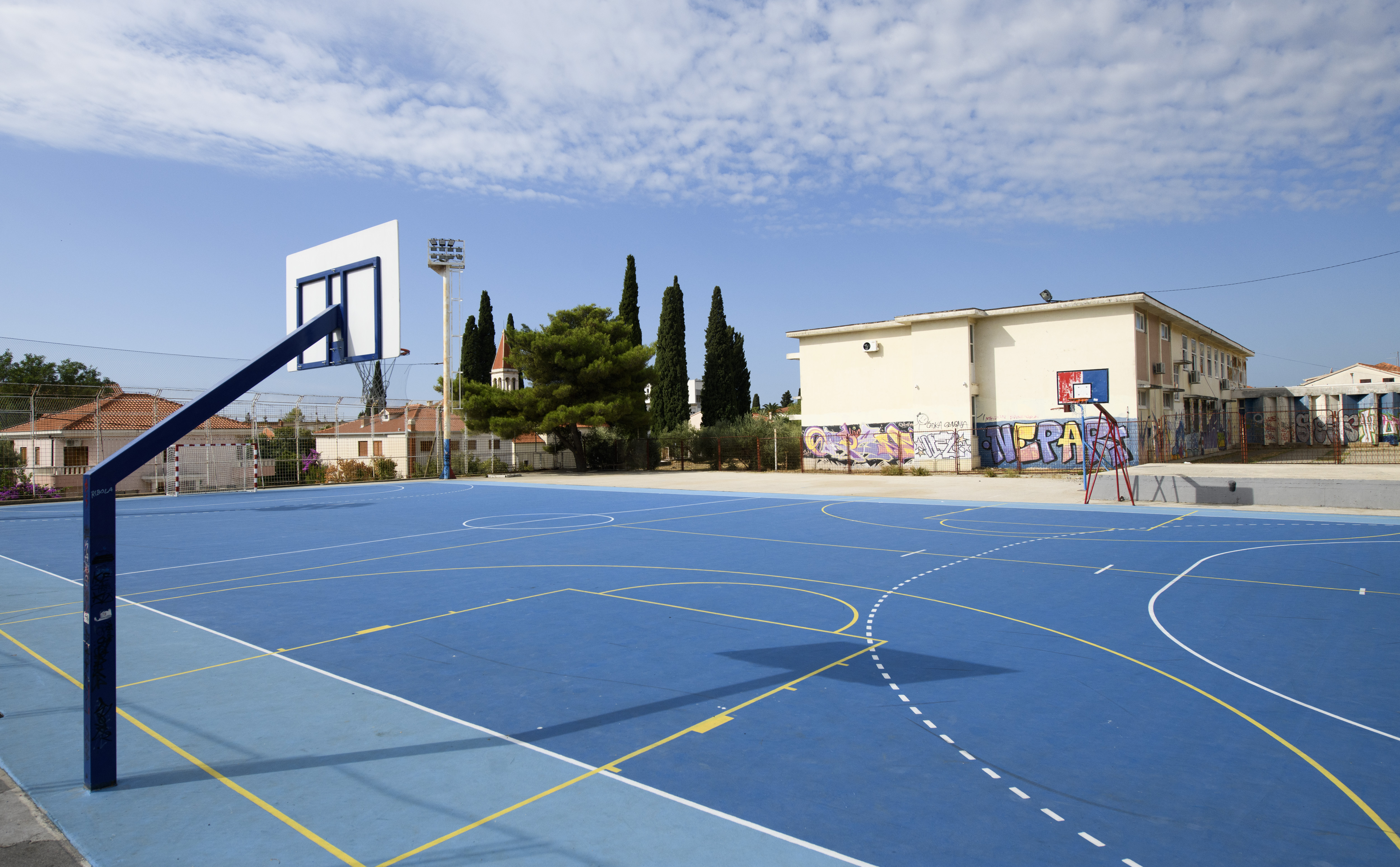
The main field of citizens interest in the programme are: green areas, urban public space, traffic solutions, child and family friendly common spaces, etc. So every proposal and every elected proposal is improving public space in our city. More than 450 micro-project are implemented and recognized in space so it has impact of every-day life of our citizens.
The most engaged category of citizens are women between 35 and 60, but we also have good youth initiatives, and traditionally elder people, especially in rural parts of the town. The most challenging group of population are old town core inhabitants which have many issues on their quality of life. Also, through this programme many architectural barriers had been removed from public space due to planning inclusive interventions in every project.
Empowering non-organized citizens to involve in decision making process and improving the quality of decision making are the most important objectives of our programme. The most involved category of citizens in our programme are women between 35 and 60, generally women which didn’t engage in election processes before and their inclusion is the most valuable benefit of the programme because their projects are high valued and elected with majority votes on public forums.
Main stakeholders are citizens and their local countys. Also, we include regional and national level of jurisdiction over some issues: regional institutions and infrastructure, as well as national Ministry of culture's Department of conservation for the old town core wich has been Wolrd Heritage List site from 1997.
We have an evaluation process of proposals. It’s done by interdisciplinary 5 team members: civil engineers, lawyers, urbanists, finance cosultatnts... We evaluate every single proposal and make notes on eligibility, legal issues, expense estimates which are then presented at the public forums.
The one unique element which we noticed divides us from other practise is direct democracy model – public voting on citizens forums. It’s an unique opportunity for citizens to meet in person with mayor and members of local government and talk about everyday issues, opinions, criticize, and make up their minds about the next years priorities. Also, it’s great opportunity for us, as local administration to see on the field which are the main issues in that specific district or neighbourhood.
Even after COVID restrictions, we even abandoned online model because people appreciated meetings and voting in person.
Even after COVID restrictions, we even abandoned online model because people appreciated meetings and voting in person.
Project starts in September with campaign and two-week period of submitting proposals. After the proposal period, project team evaluates every proposal by gathering all information about the specific location, type of investment, cost estimation and acceptability. For every local committee (9) we form a list of every proposal with evaluation and photo of current state. Base on that list, we create a presentation for participants to present all proposals with detailed information about the location, current state and cost of investment. When the certain proposals are elected, they enter a city planned budget and ready for realization. In the next cycle of participatory budgeting project, we again present realized projects and discuss about them. Also, we inform the participants about the status of their proposal, and update them about the progress of realization.
Programme has a high potential for transferability and replicability for small municipalities because its process is very simple and it only takes political will, 5-members team and very cheap promotion.
Each new cycle we strive to bring a new innovation to the project, to include the younger population as well as to respect the wisdom and experience of older citizens. The pandemic period showed even more the importance and significance of direct communication and interaction, which is the most suitable for this kind of projects so we had even bigger interest this year with record number of elected projects, and one of them was changing administrative organization of our city which was higher level of participatory practice.