Strengthening Local Democracy and Inclusion
Ș Festival VI Edition
Festival as a Tool for Rural Regeneration
ȘI Festival activates the rural coastal village of 2 Mai as a living laboratory for sustainable cultural regeneration. Through the circular reconversion of everyday spaces into artistic venues, free access to multidisciplinary events and community-led eco actions, the project empowers young creators and residents alike. It demonstrates how culture can foster social cohesion, environmental responsibility and replicable models of inclusive rural transformation across Europe.
Romania
Local
2 Mai, Limanu district
Mainly rural
It refers to other types of transformations (soft investment)
Completed
No
No
Yes
Organisation
ȘI Festival is a multidisciplinary cultural initiative that activates the rural coastal village of 2 Mai (Romania) as a living laboratory for sustainable community transformation. Over six editions, the project has temporarily reconverted public and private spaces — including a cultural centre, school facilities, courtyards and coastal areas — into accessible venues for artistic production, dialogue and collective experiences.
The festival has already engaged over 1,000 artists and more than 20,000 participants, offering free events that strengthen local belonging, cultural participation and intergenerational exchange. By promoting circular use of resources, eco-art practices and community-led actions such as clean-ups, guided walks or collaborative workshops, the initiative encourages environmental responsibility and shared stewardship of place.
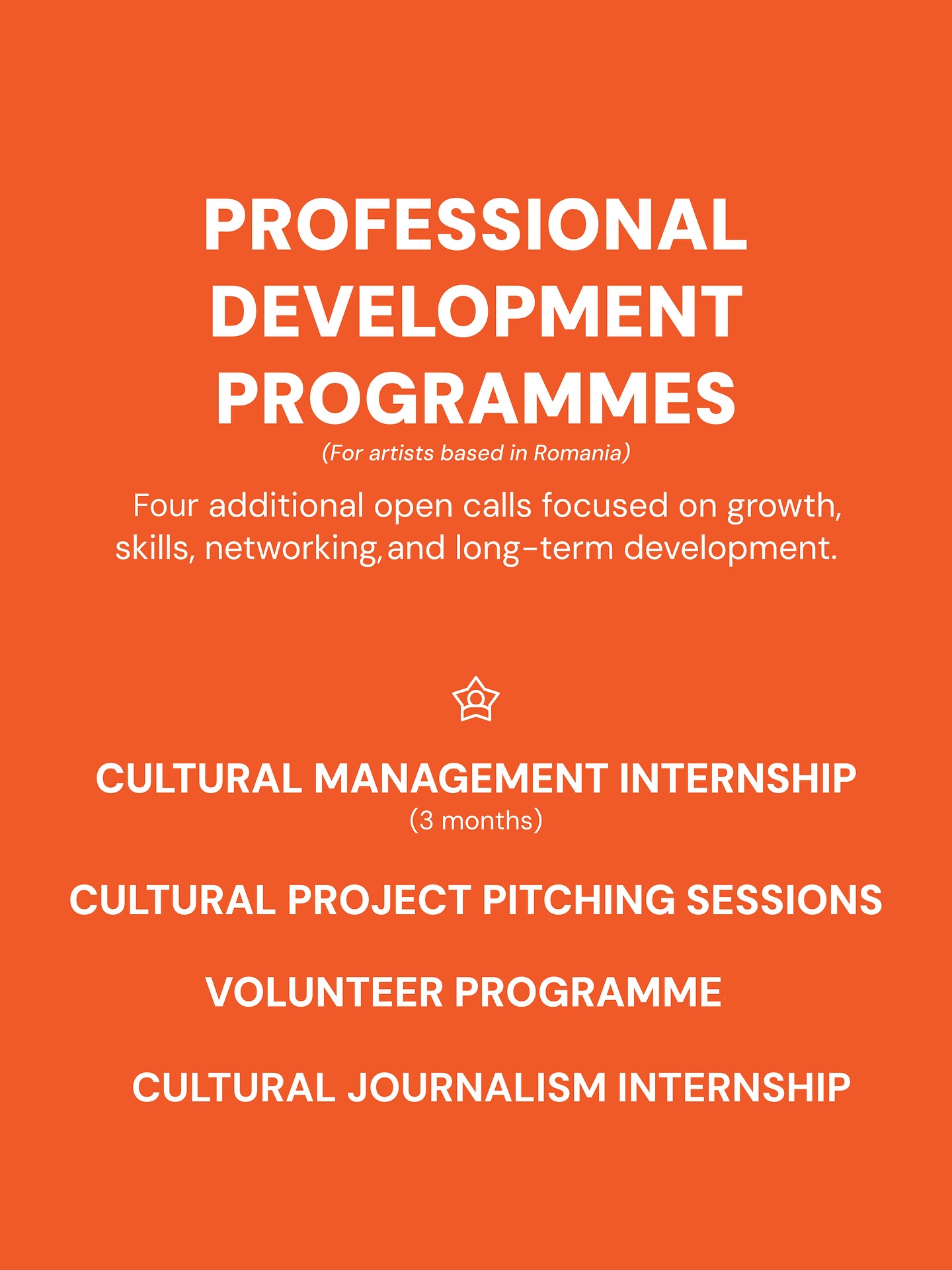
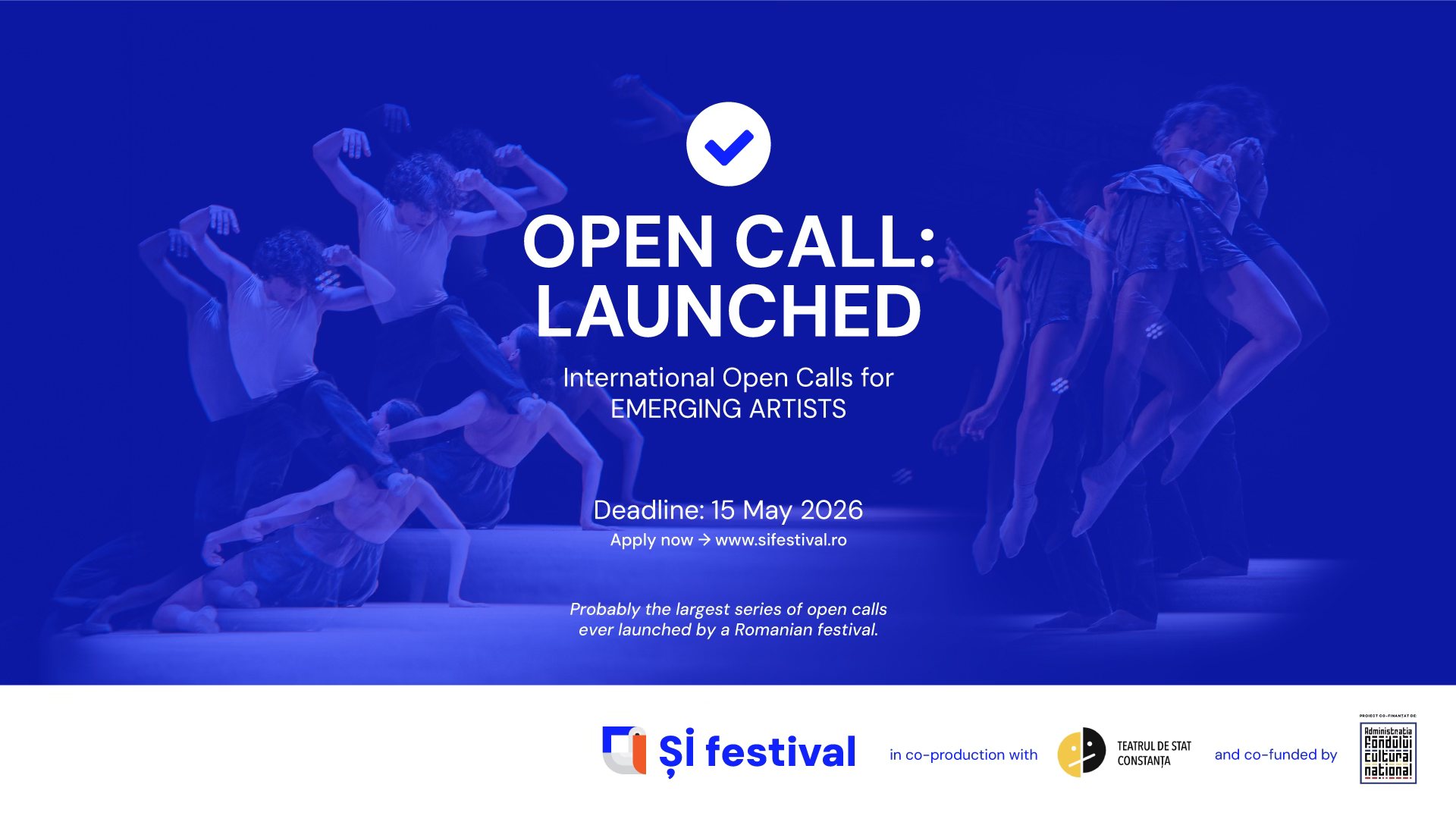
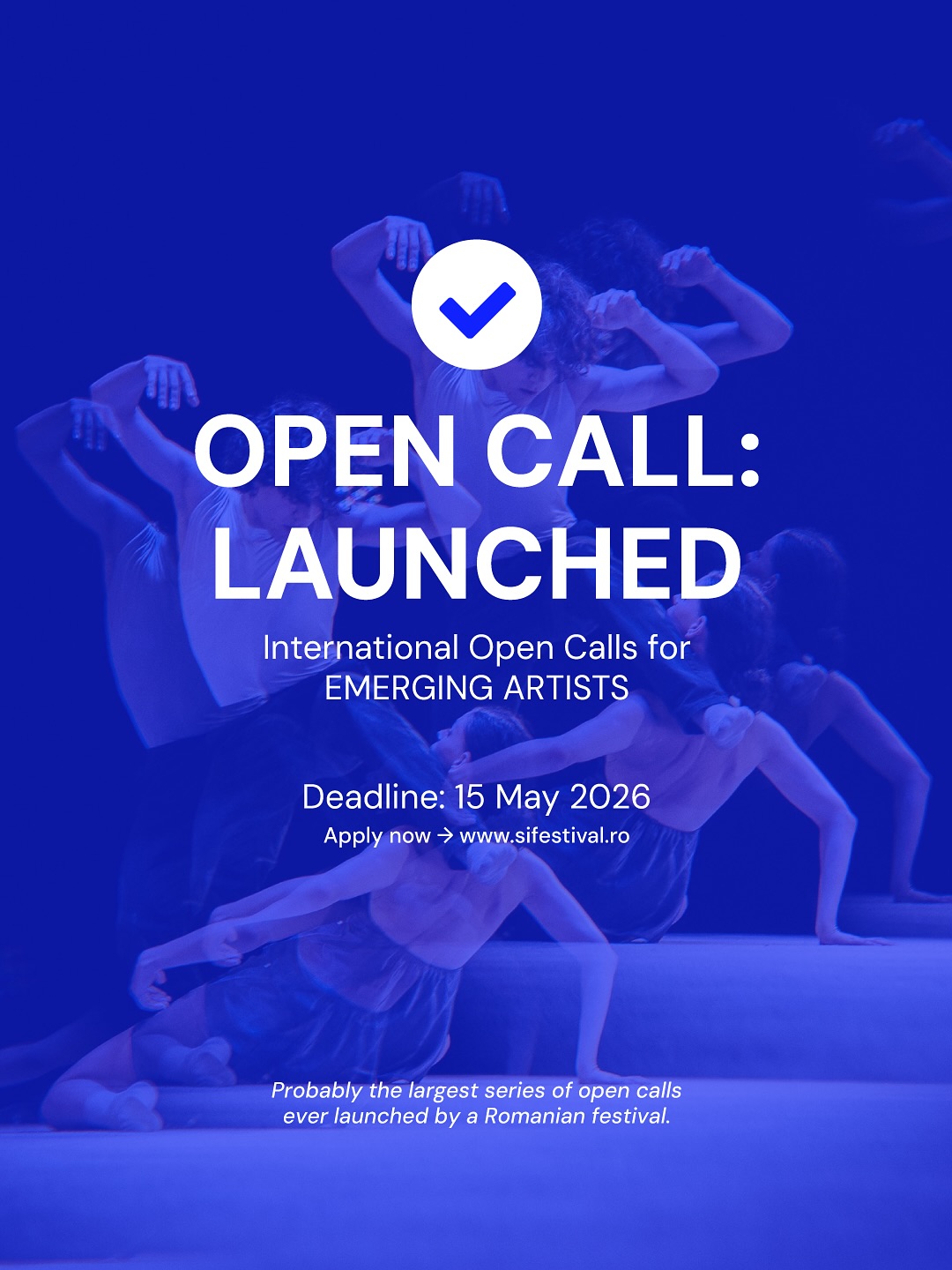
Beyond cultural programming, the project supports emerging creators through open calls, mentoring and visibility opportunities, while contributing to the local economy by activating underused spaces and fostering cooperation between residents, hosts and cultural professionals. The temporary transformation of everyday environments into cultural commons demonstrates how aesthetic quality, social inclusion and sustainability can coexist in small coastal communities.
Looking ahead, the festival aims to expand its educational and ecological components, develop participatory artistic residencies and build replicable models for rural cultural regeneration across Europe. By connecting creativity with civic engagement and environmental awareness, ȘI Festival illustrates how culture can become a catalyst for resilient, inclusive and beautiful living environments.
ȘI Festival was born from the need to reconnect cultural creation with communities that have limited access to artistic infrastructure, particularly in small coastal and rural areas. The initiative emerged through dialogue with residents of the village of 2 Mai, a place shaped over decades by artists who came here seeking inspiration, freedom and proximity to the sea. Since the late 20th century, writers, actors, filmmakers and visual artists have spent long summers in the village, creating an informal cultural ecosystem rooted in nature, hospitality and creative exchange. Building on this legacy, the festival was conceived as a participatory process rather than a conventional event. Local hosts, cultural workers, artists and volunteers collaboratively mapped underused spaces and imagined temporary cultural uses for them. Courtyards, school facilities, the cultural centre and coastal areas were gradually transformed into venues for performances, screenings and community gatherings. This adaptive reuse approach became a key tool for testing how everyday environments can support cultural life without permanent construction or environmental pressure. Implementation relied on open calls for emerging creators, collaborative workshops, partnerships with local authorities and a strong volunteer network. Each edition functioned as a learning cycle, refining methods for sustainable production, audience engagement and resource sharing. Over time, the project evolved into a platform that activates local participation, supports young artists and demonstrates how culture can drive inclusive and environmentally responsible transformation in small European communities.By transforming cultural participation into a shared civic practice, ȘI Festival proposes a scalable model of rural activation where temporary artistic interventions generate long-term social value. The project shows how local identity, ecological awareness and contemporary creativity can coexist and inspire Europe.
Community co-creation
Rural cultural regeneration
Emerging artists empowerment
Social inclusion through arts
Cross-disciplinary cultural practices
ȘI Festival addresses sustainability as a multidimensional practice that connects environmental responsibility with social inclusion and cultural continuity. Instead of building new infrastructure, the project relies on the circular reuse of existing public and private spaces such as courtyards, school facilities and coastal areas, temporarily transforming them into cultural venues. This approach reduces material consumption, limits environmental pressure and demonstrates alternative ways of activating underused environments.
Environmental awareness is embedded in the programme through eco-art workshops, collective clean-up actions, reuse of scenographic materials and reduced reliance on printed promotion. By encouraging participants to engage directly with the coastal landscape, the festival fosters a shared sense of stewardship towards natural resources and local ecosystems.
Social sustainability is strengthened through free access to events, intergenerational participation and the involvement of local hosts, volunteers and emerging artists in co-creating the festival experience. This collaborative model supports cultural equity and builds long-term relationships between residents and visitors.
Economically, the initiative contributes to local resilience by activating small-scale hospitality networks, supporting local services and extending the cultural season beyond peak tourism. By combining circular spatial strategies, inclusive governance and cultural empowerment, ȘI Festival offers a replicable example of how rural communities can pursue sustainable development while preserving their identity and landscape.The project also promotes low-impact mobility and encourages slower forms of cultural participation, inviting audiences to experience place through walking, dialogue and shared activities. By valuing temporary transformation over permanent construction, the festival illustrates how sustainability can be lived collectively and creatively.
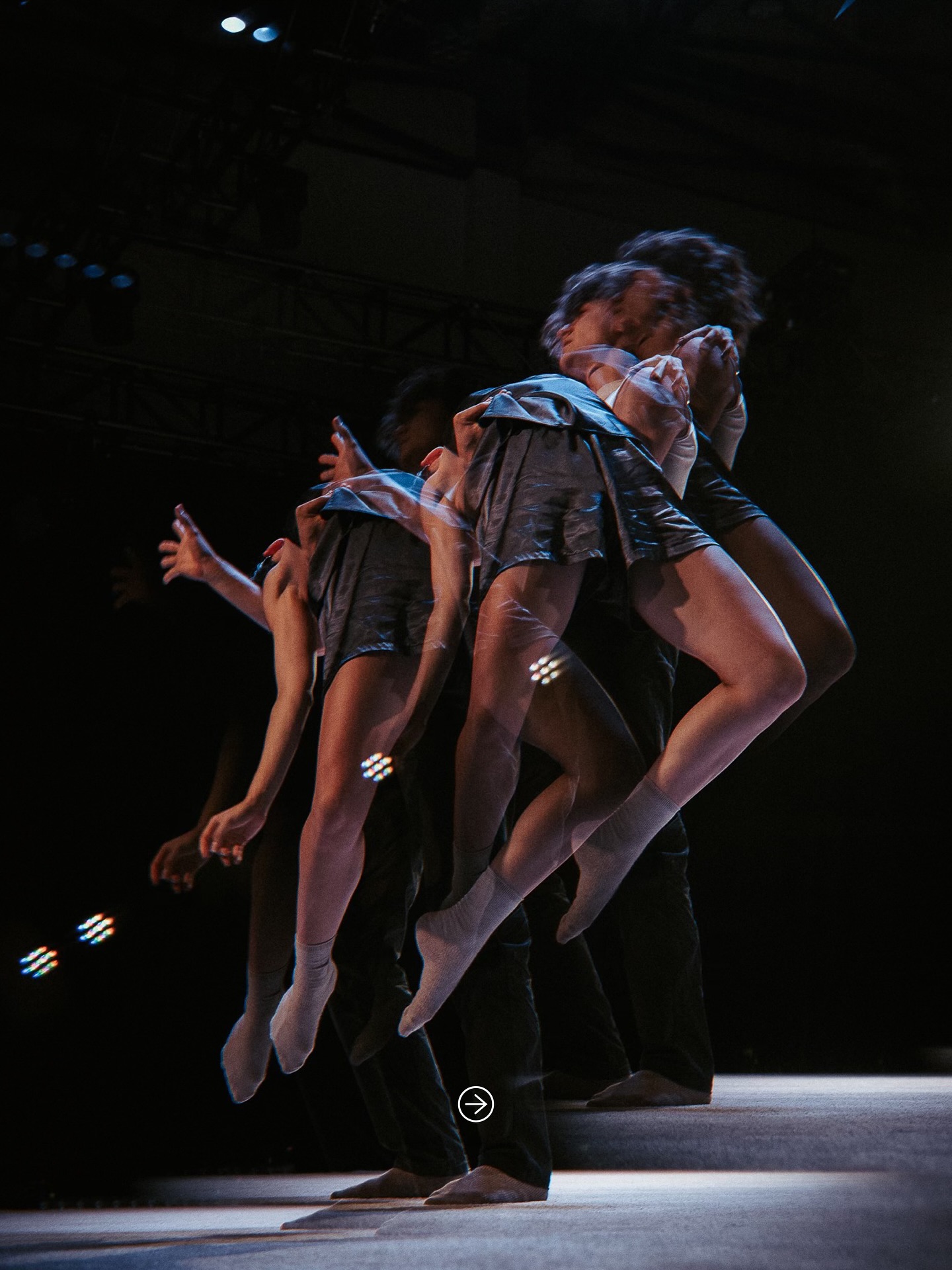
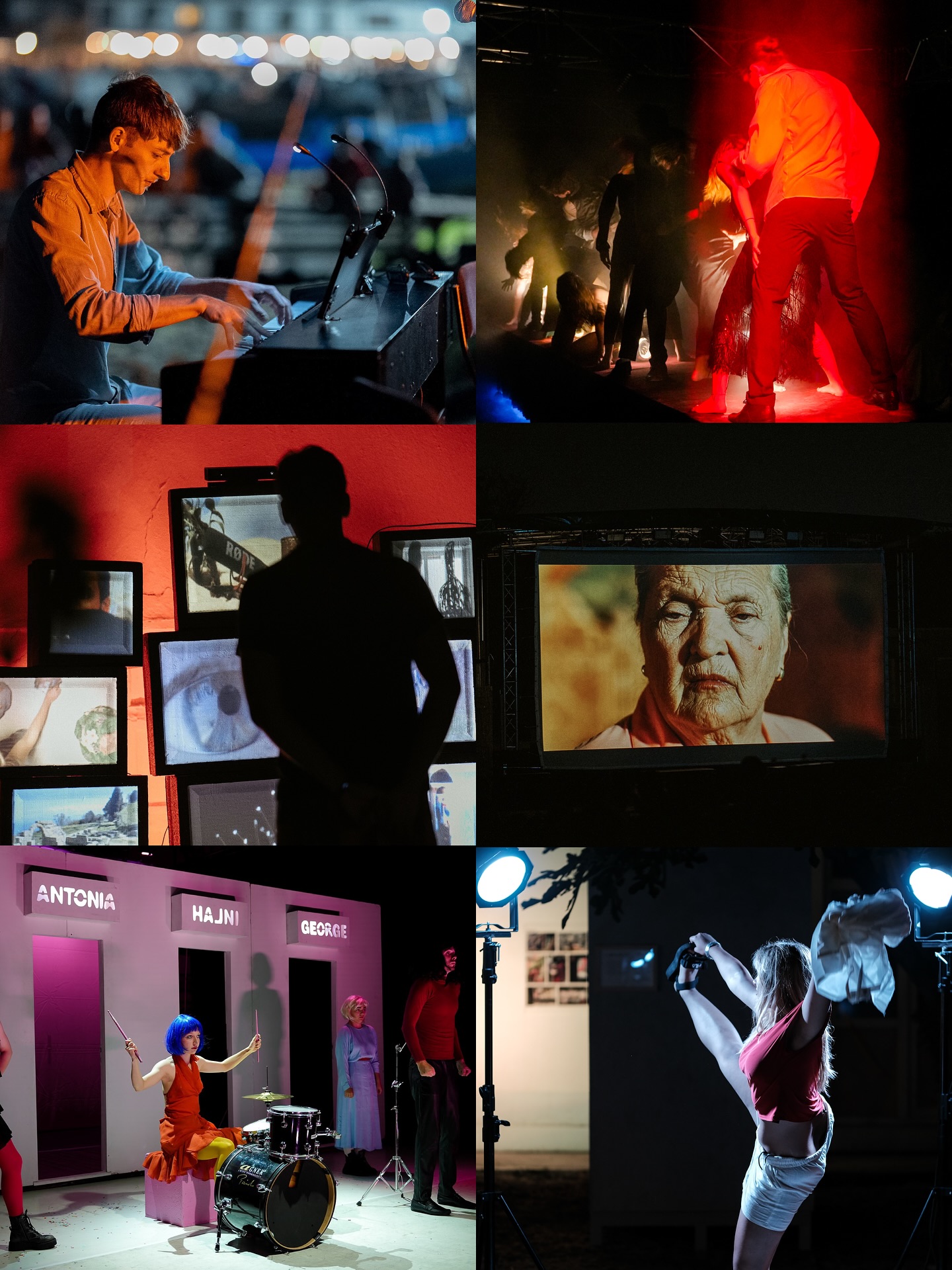
ȘI Festival contributes to aesthetics by transforming the everyday environment of the coastal village of 2 Mai into a vibrant cultural landscape shaped by theatre performances, film screenings, concerts, visual art interventions and participatory workshops. Artistic events are hosted in unconventional settings such as the cultural centre, school courtyards, private gardens, sports halls, streets and beach areas, allowing residents and visitors to rediscover familiar spaces through shared sensory experiences.
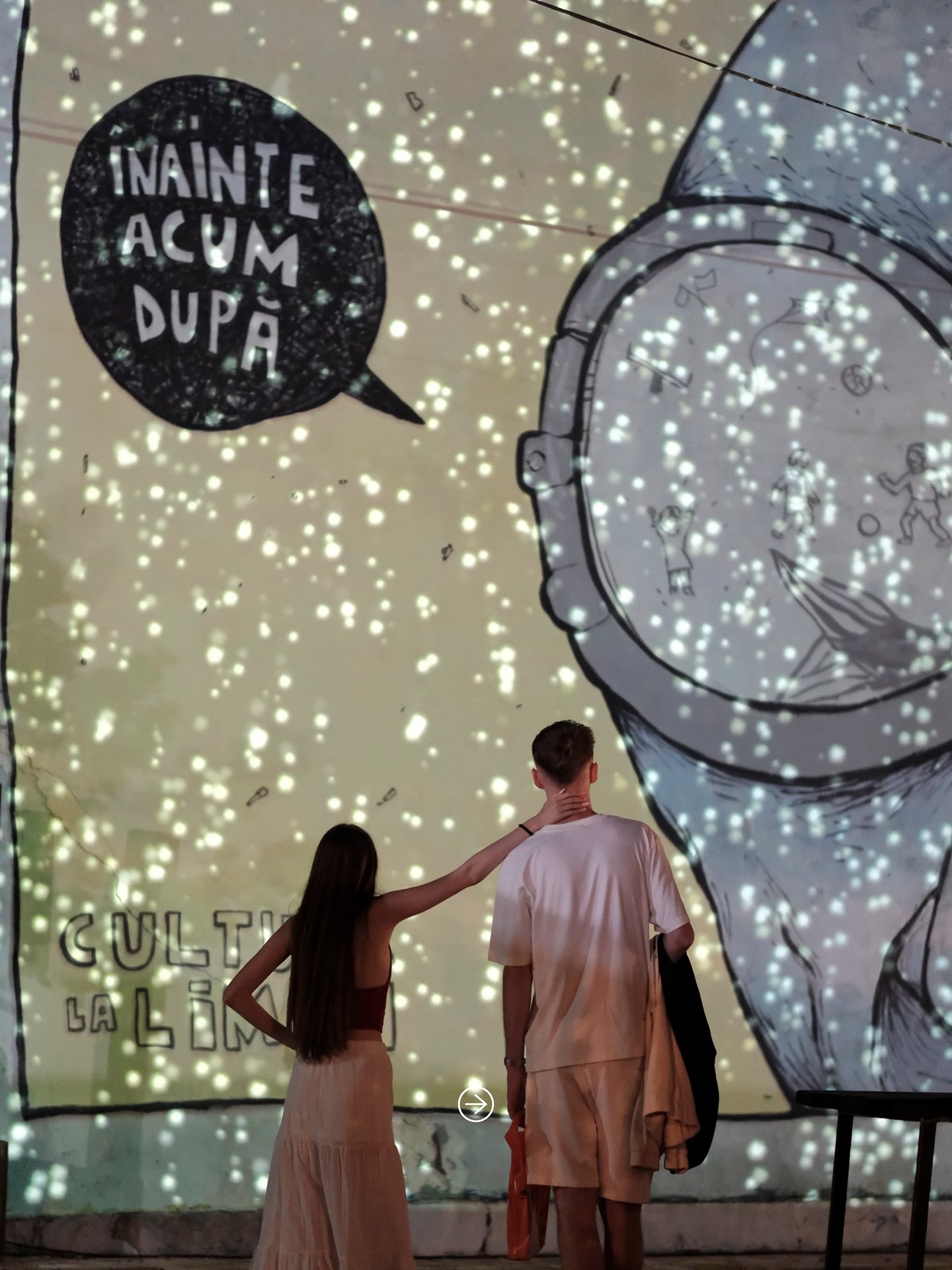
Open-air cinema nights near the sea, street performances, acoustic concerts and large-scale murals created with eco-friendly materials generate moments of collective beauty that connect artistic expression with the rhythms of local life. Workshops and guided community activities invite participants to actively shape the aesthetic environment, fostering a sense of ownership and care for public and semi-private spaces.
By integrating contemporary artistic practices into the village fabric, the festival strengthens emotional attachment and cultural pride among residents while offering visitors an immersive experience rooted in authenticity and simplicity. The temporary transformation of everyday places into welcoming cultural commons demonstrates how aesthetic quality can emerge from participation, proximity to nature and respectful use of existing spaces.
Over time, these recurring artistic activations contribute to a lasting perception of the village as a meaningful cultural destination, showing how beauty can support social cohesion, local identity and sustainable territorial development.
ȘI Festival addresses inclusion by ensuring free access to a wide range of cultural experiences for both residents and visitors in the rural coastal village of 2 Mai, where opportunities for artistic participation are limited. By removing ticket costs and activating easily accessible locations such as school courtyards, the cultural centre, streets and beach areas, the project enables diverse audiences to engage with theatre, film, music and visual arts in familiar and welcoming environments.
Inclusion is further strengthened through participatory governance practices. Local hosts, volunteers, young artists and community members contribute to shaping the programme, mapping available spaces and co-creating activities. This collaborative approach redistributes cultural agency and encourages shared responsibility for public life and local identity.
Open calls and mentorship opportunities support emerging creators from different backgrounds, offering visibility and professional development within a supportive environment. Workshops designed for children, teenagers and non-professional participants promote cultural literacy and creative confidence, while intergenerational encounters foster dialogue between long-term residents and temporary visitors.
By transforming private courtyards and everyday public areas into temporary cultural commons, the festival demonstrates how inclusive spatial strategies can overcome infrastructural limitations and strengthen social cohesion. Over time, the project contributes to a new societal model in which culture becomes a collective resource rather than a privileged service, offering a replicable framework for accessible and community-driven cultural participation in small European localities.
Participation is at the core of ȘI Festival’s development and implementation. From the early stages, the concept was shaped through dialogue with local residents, cultural workers, artists and informal hosts in the village of 2 Mai. Together, they identified underused public and private spaces that could be temporarily activated for cultural purposes, transforming courtyards, school facilities, streets and coastal areas into shared venues. This collaborative mapping process ensured that the project responded to real community needs and local spatial conditions.
Open calls for emerging artists and volunteers further expanded participation, allowing diverse contributors to influence the artistic programme and the organisation of activities. Workshops, guided walks, community clean-ups and participatory artistic interventions created opportunities for residents and visitors to co-create experiences rather than simply consume them. Local stakeholders such as guesthouse owners, teachers, young people and cultural professionals became active partners in hosting events, facilitating logistics and shaping the festival atmosphere.
Feedback mechanisms, including informal discussions, public talks and post-event evaluations, have helped refine the project over successive editions. This iterative approach has strengthened trust, increased local ownership and encouraged long-term engagement with cultural initiatives. Participation has also contributed to the emergence of new skills among volunteers and young creators, supporting a growing network of cultural actors connected to the village.
By treating participation as a continuous process rather than a symbolic gesture, ȘI Festival demonstrates how collaborative cultural practices can generate shared responsibility for place-making and foster resilient community relationships.
ȘI Festival has been developed through collaboration with stakeholders operating at multiple governance levels, ensuring that the concept responds to local realities while contributing to broader cultural and societal objectives. At the local level, residents, guesthouse owners, teachers, young people and informal community leaders play a central role in hosting events, identifying available spaces and co-designing participatory activities. Their engagement ensures contextual relevance, accessibility and long-term local ownership of the initiative.
Regional stakeholders such as cultural institutions, independent artistic organisations and local authorities contribute logistical support, professional expertise and connections to wider cultural networks. These partnerships enable the festival to attract emerging creators, diversify programming and strengthen the visibility of the region as a site for contemporary cultural experimentation. At the national level, collaborations with media partners, funding bodies and professional cultural networks support dissemination, capacity building and the integration of young artists into broader creative ecosystems. This multilevel support structure helps position the festival as both a local catalyst and a national platform for artistic development. The project also engages with European conversations on sustainable cultural practices and rural regeneration by adopting participatory spatial strategies and promoting inclusive access to culture. Through mobility of artists, exchange of practices and potential replication of the model in other small communities, the festival contributes to transnational learning and cooperation.
The added value of this multilevel engagement lies in its ability to connect grassroots cultural participation with institutional support and international visibility.
ȘI Festival is conceived as a transdisciplinary platform where artistic creation intersects with spatial design, community development, environmental awareness and educational practices. Theatre performances, film screenings, concerts, murals and workshops are integrated into participatory place-making processes that involve mapping, temporary transformation and adaptive reuse of everyday environments such as courtyards, school spaces, streets and coastal areas. This approach connects cultural production with principles from architecture, urban studies and landscape thinking.
Educational methodologies are reflected through mentoring programmes, artistic residencies and workshops that bring together emerging creators, local youth and cultural professionals. Social sciences perspectives inform the participatory strategies used to engage residents as hosts, collaborators and co-designers of activities, fostering collective ownership and long-term community involvement.
Environmental knowledge is embedded in eco-art practices, reuse of materials, awareness actions and the promotion of slower cultural experiences that encourage attentive interaction with natural surroundings. Digital tools support communication, open calls, documentation and dissemination, enabling broader accessibility and knowledge exchange.
By combining arts, education, spatial practices, civic engagement and ecological thinking, the festival demonstrates how complex societal challenges can be addressed through collaborative cultural experimentation. This transdisciplinary model creates connections between creative expression and sustainable territorial development, offering a flexible framework that can be adapted to other small communities across Europe.
ȘI Festival operates through a hybrid business model that combines public funding, private sponsorship and community-based support in order to ensure long-term financial sustainability. Core programme costs are partially supported by national cultural funding schemes, including grants from the Romanian Ministry of Culture and public funding bodies that recognise the project’s contribution to cultural access and territorial development.
Private sponsorship represents another essential pillar of the model. Partnerships with companies interested in social responsibility, sustainability and cultural innovation enable the festival to expand its educational and participatory components while maintaining free access for audiences. These collaborations are built as long-term relationships rather than one-time contributions, allowing partners to engage with the project’s social impact and visibility.
Additional financial resilience is created through diversified revenue streams such as accommodation partnerships with local hosts, cultural tourism services, targeted donations and in-kind contributions from community members and volunteers. The festival also explores crowdfunding campaigns and collaborative fundraising initiatives to support specific artistic or ecological programmes.
In the longer term, the concept envisions the development of transferable formats such as artistic residencies, educational workshops and cultural consulting activities that can generate income while maintaining the project’s inclusive mission. By combining institutional support, private investment and grassroots participation, ȘI Festival demonstrates a flexible and scalable cultural economy model capable of sustaining community-driven initiatives in small European localities.
ȘI Festival offers a scalable model for cultural activation and sustainable regeneration that can be adapted to other small communities facing limited access to cultural infrastructure. One of the most transferable elements is the methodology of temporarily reusing existing public and private spaces as flexible cultural venues. By mapping underused courtyards, school facilities, streets or natural environments and transforming them through low-impact artistic interventions, communities can create meaningful cultural experiences without the need for costly permanent construction.
The participatory governance approach is another ключ element that can be replicated. Engaging residents as hosts, collaborators and co-designers of activities fosters local ownership and reduces organisational barriers. This process encourages the development of local cultural networks and strengthens trust between artists, institutions and community members.
Educational formats such as open calls for emerging artists, mentorship programmes, workshops for young people and artistic residencies can be easily adapted to different territorial contexts. These tools support talent development while activating local participation and cultural literacy.
The project also demonstrates scalable communication and fundraising strategies that combine public funding, private sponsorship and community support. By sharing lessons learned, toolkits and collaborative practices, ȘI Festival can contribute to a broader European ecosystem of community-driven cultural initiatives.
Through its flexible spatial strategies, inclusive methodologies and emphasis on sustainability, the concept provides a practical framework for rural and peripheral areas seeking to enhance cultural life, social cohesion and environmental awareness.
In the year following the application, ȘI Festival plans to consolidate and expand its role as a platform for sustainable cultural activation and community engagement. A key priority is the strengthening of participatory artistic programmes, including extended residencies for emerging creators and new workshops focused on ecological practices, cultural literacy and collaborative place-making. These activities will deepen local involvement while supporting the professional development of young artists.
The project also foresees the continued temporary transformation of underused spaces in the village into cultural venues, with improved spatial design solutions and environmentally responsible production methods. Building on previous experience, the team aims to document and systematise these practices into transferable toolkits that can be shared with other communities interested in similar initiatives.
Promotion efforts will focus on expanding partnerships at regional, national and European levels, including cultural networks, educational institutions and sustainability-oriented organisations. Digital communication strategies and audiovisual documentation will support wider dissemination of the concept and facilitate knowledge exchange.
To strengthen long-term sustainability, the festival will further diversify funding sources through strategic sponsorships, public grants and community-based fundraising. Pilot collaborations with other small localities will be explored in order to test the replicability of the model and encourage translocal cooperation.
By combining programme development, knowledge sharing and network building, the concept aims to evolve from a local initiative into a reference framework for inclusive and environmentally conscious cultural regeneration in Europe.