Arts, Culture, and Heritage as Drivers of Change
Cryptographic Beings
Cryptographic Beings
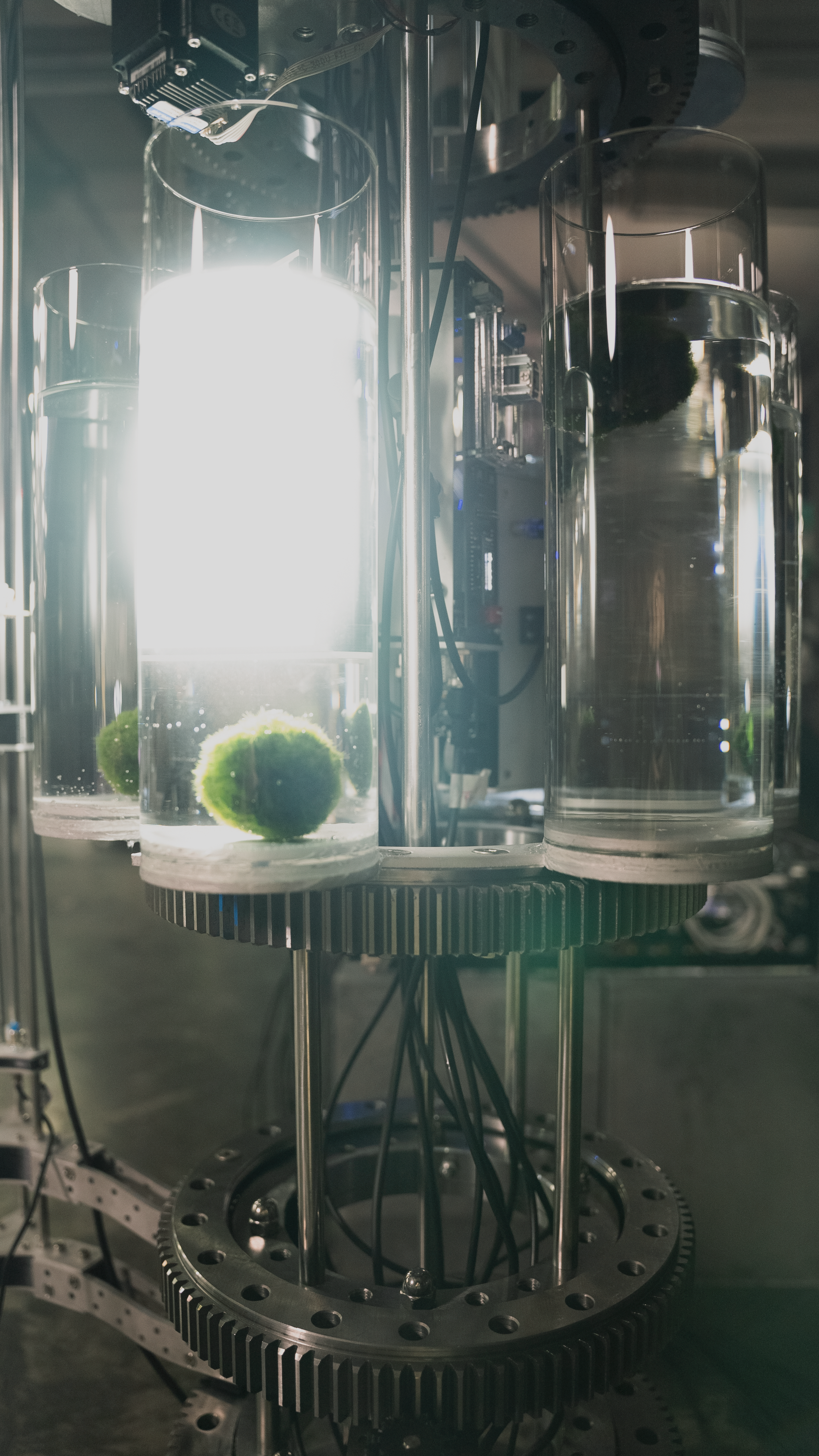
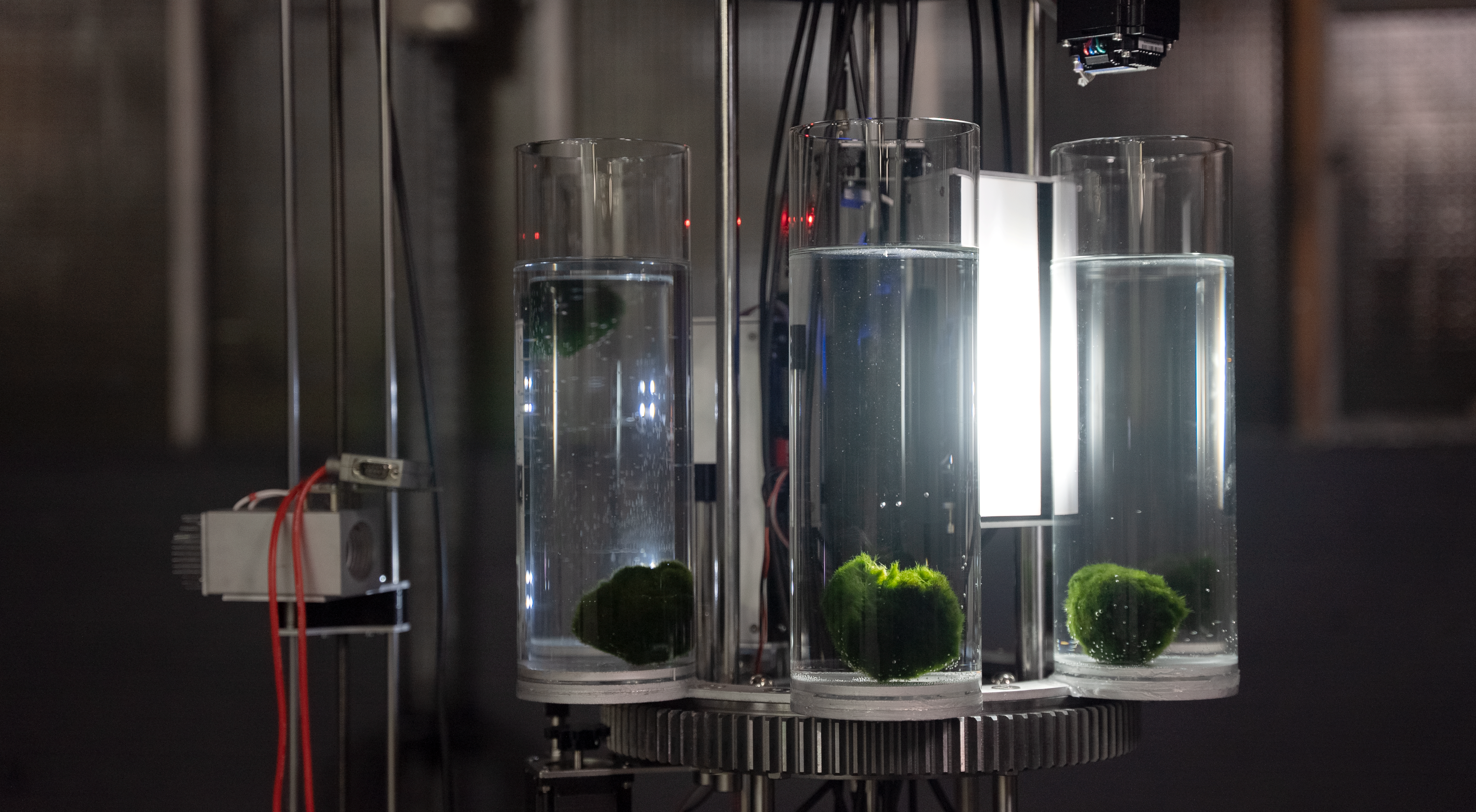
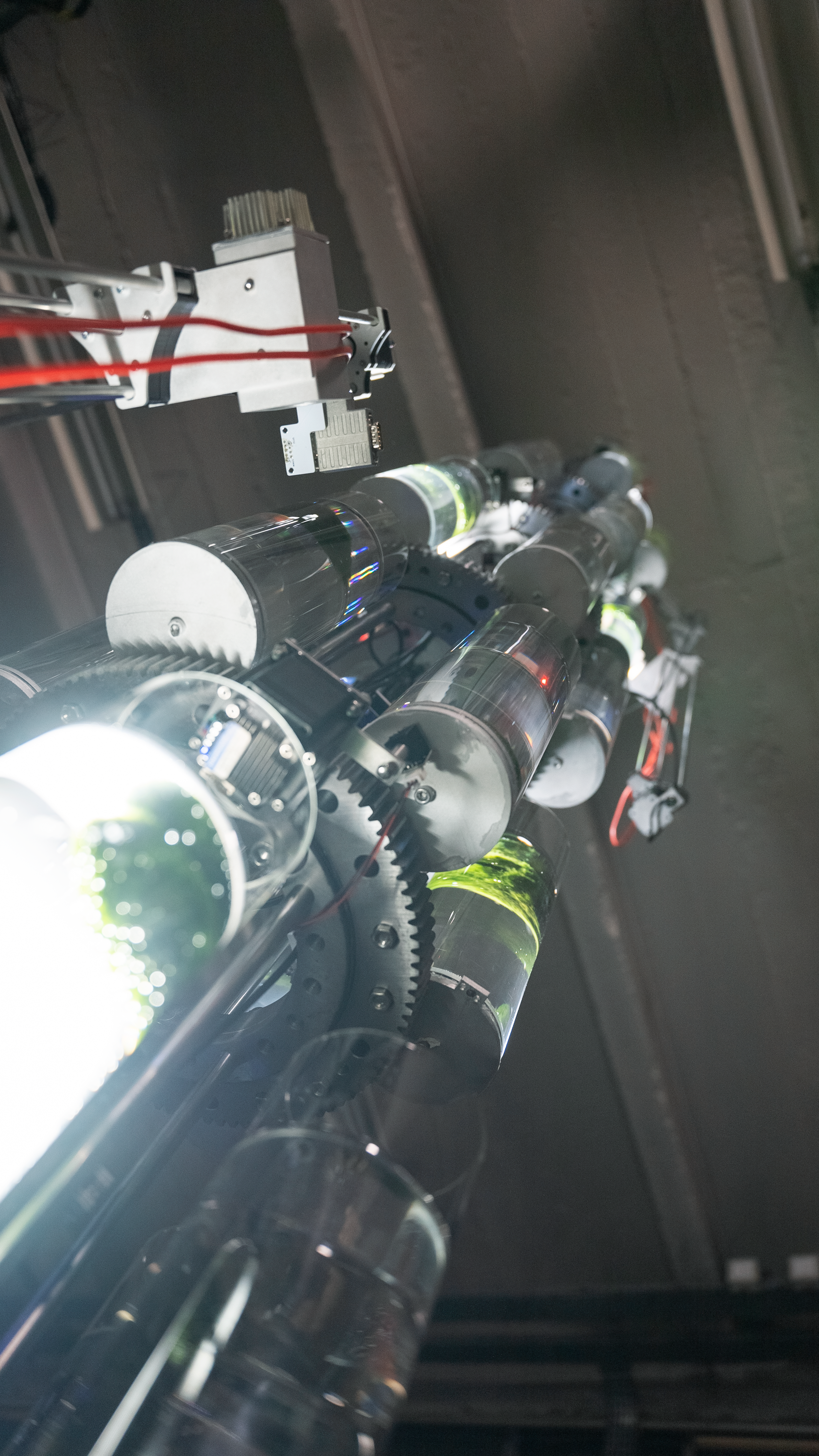
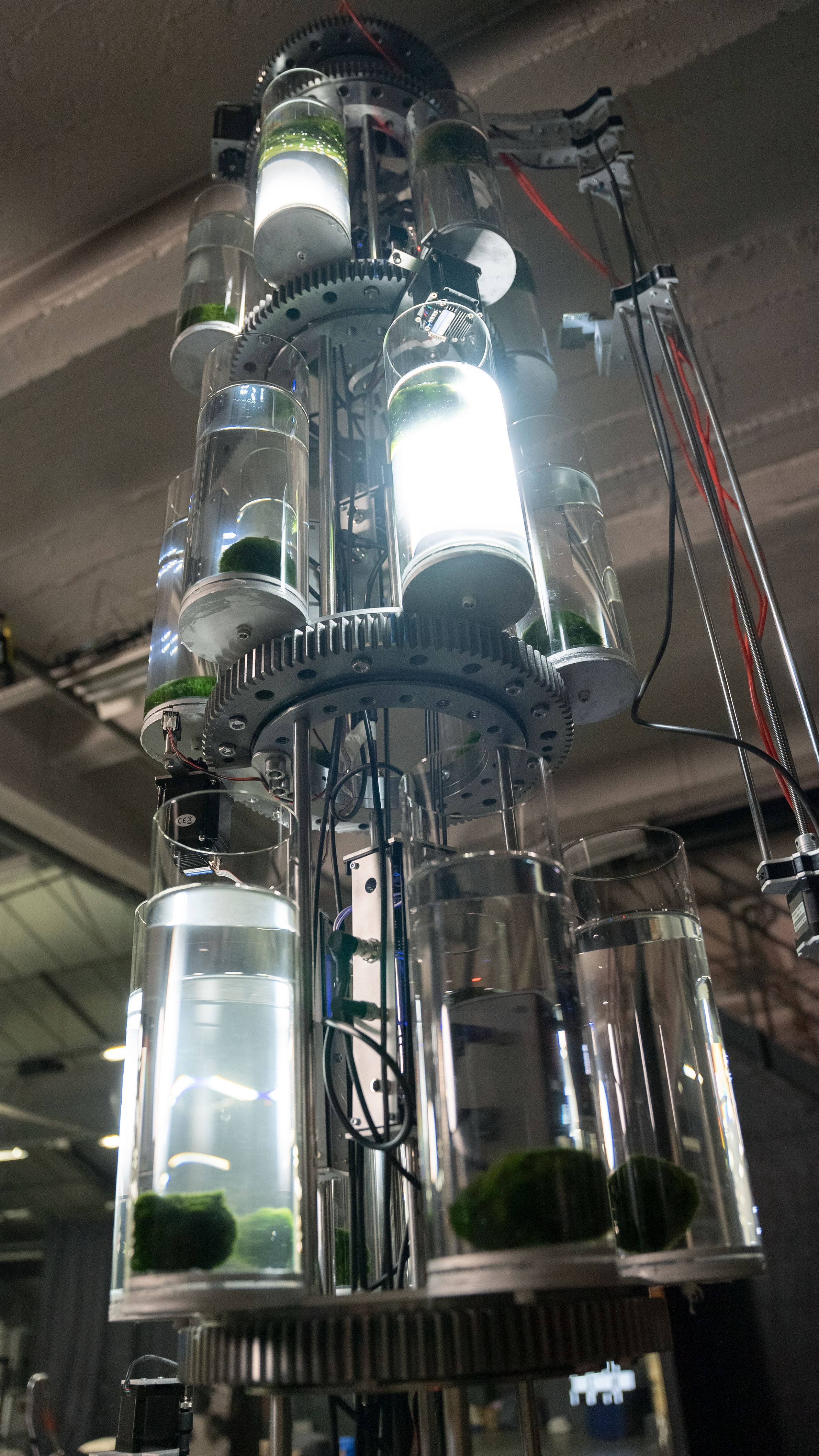
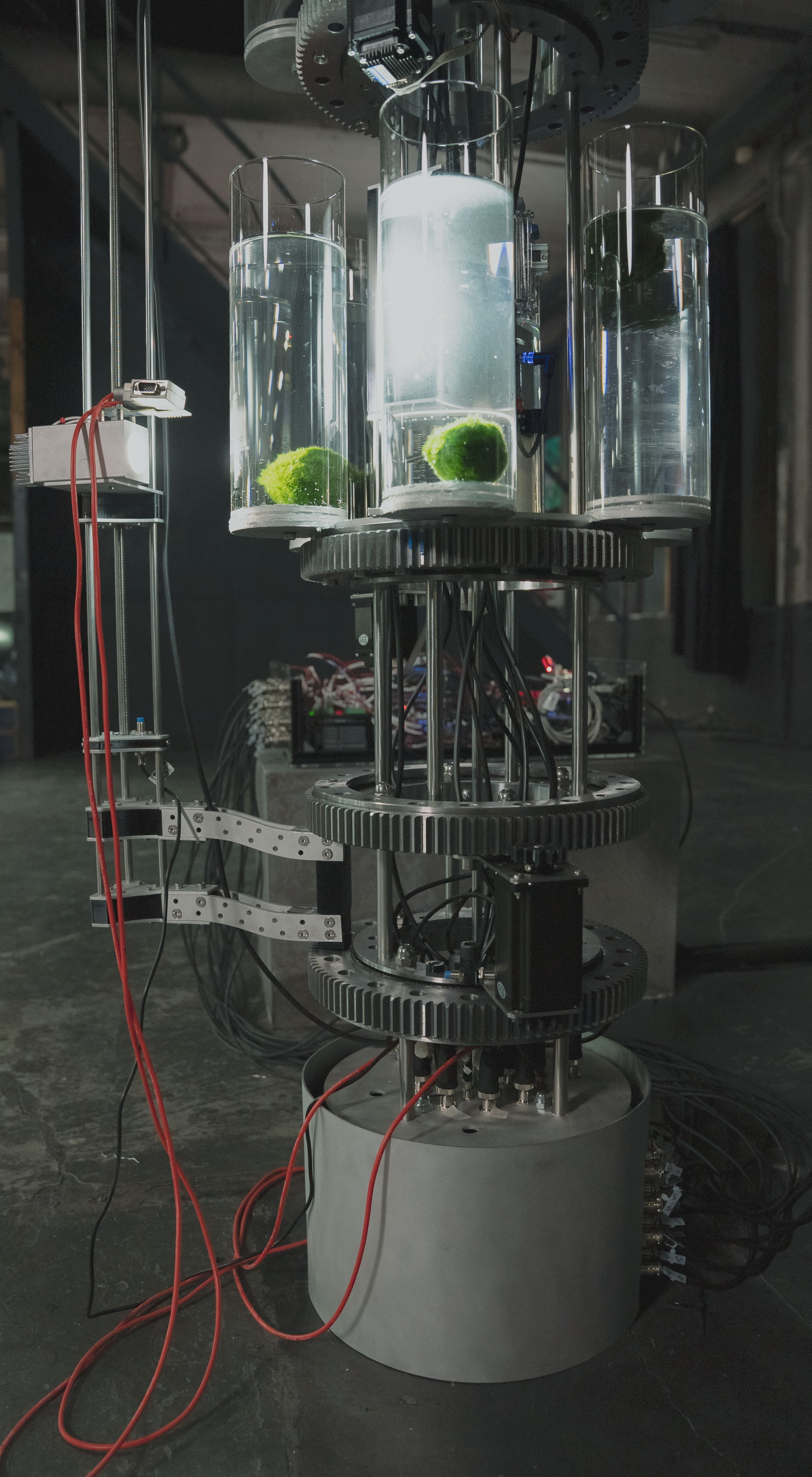
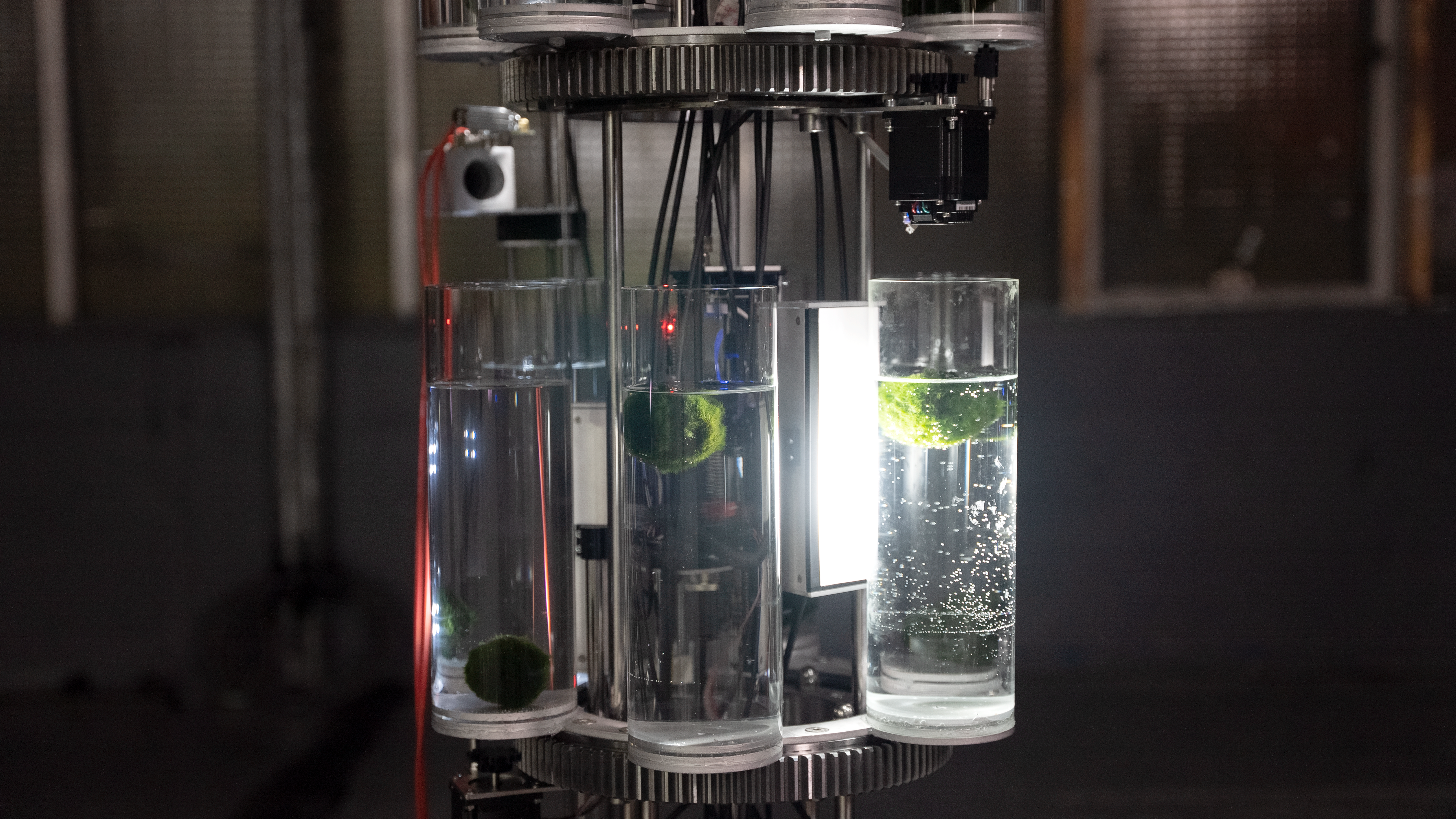
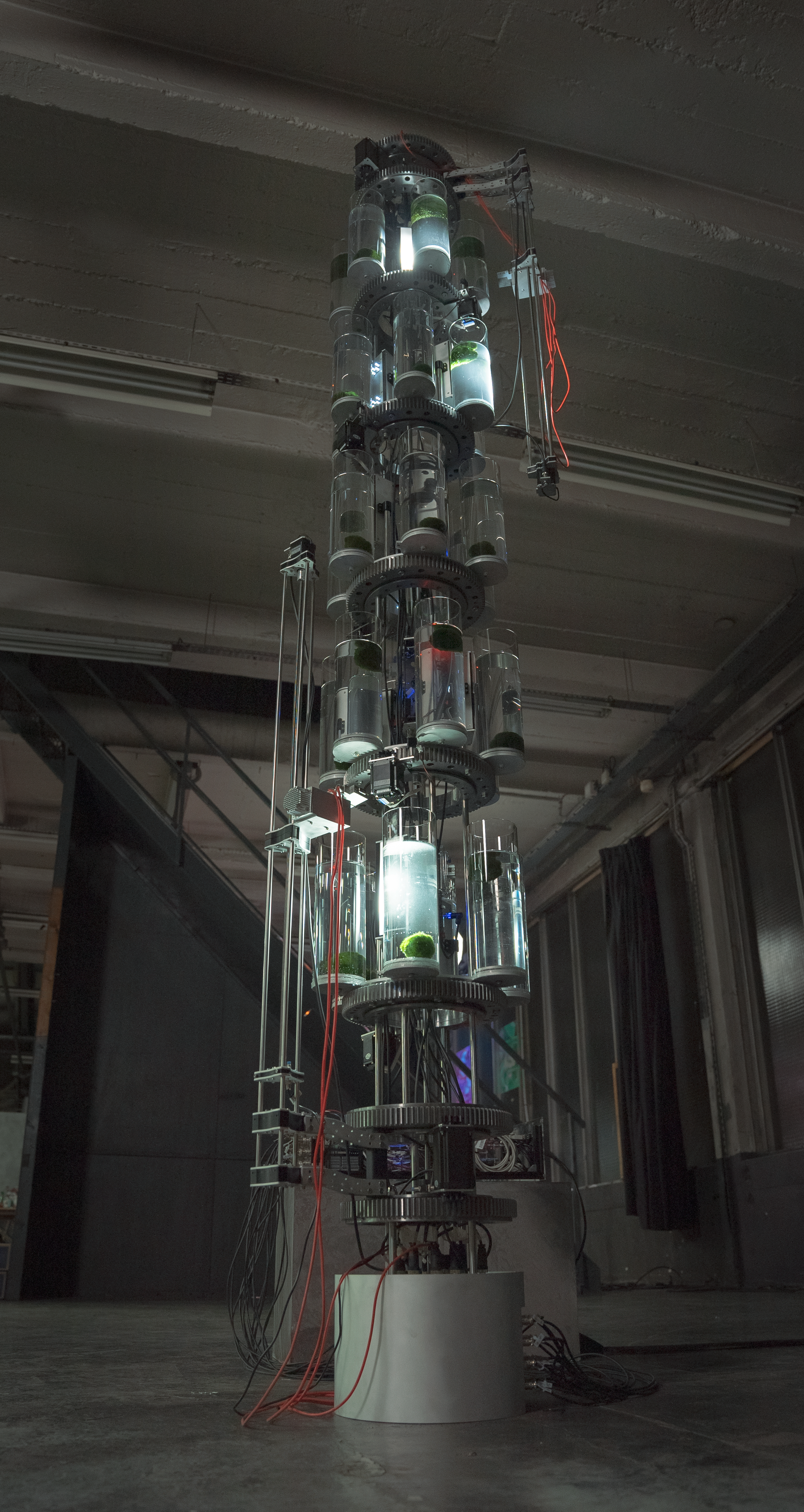
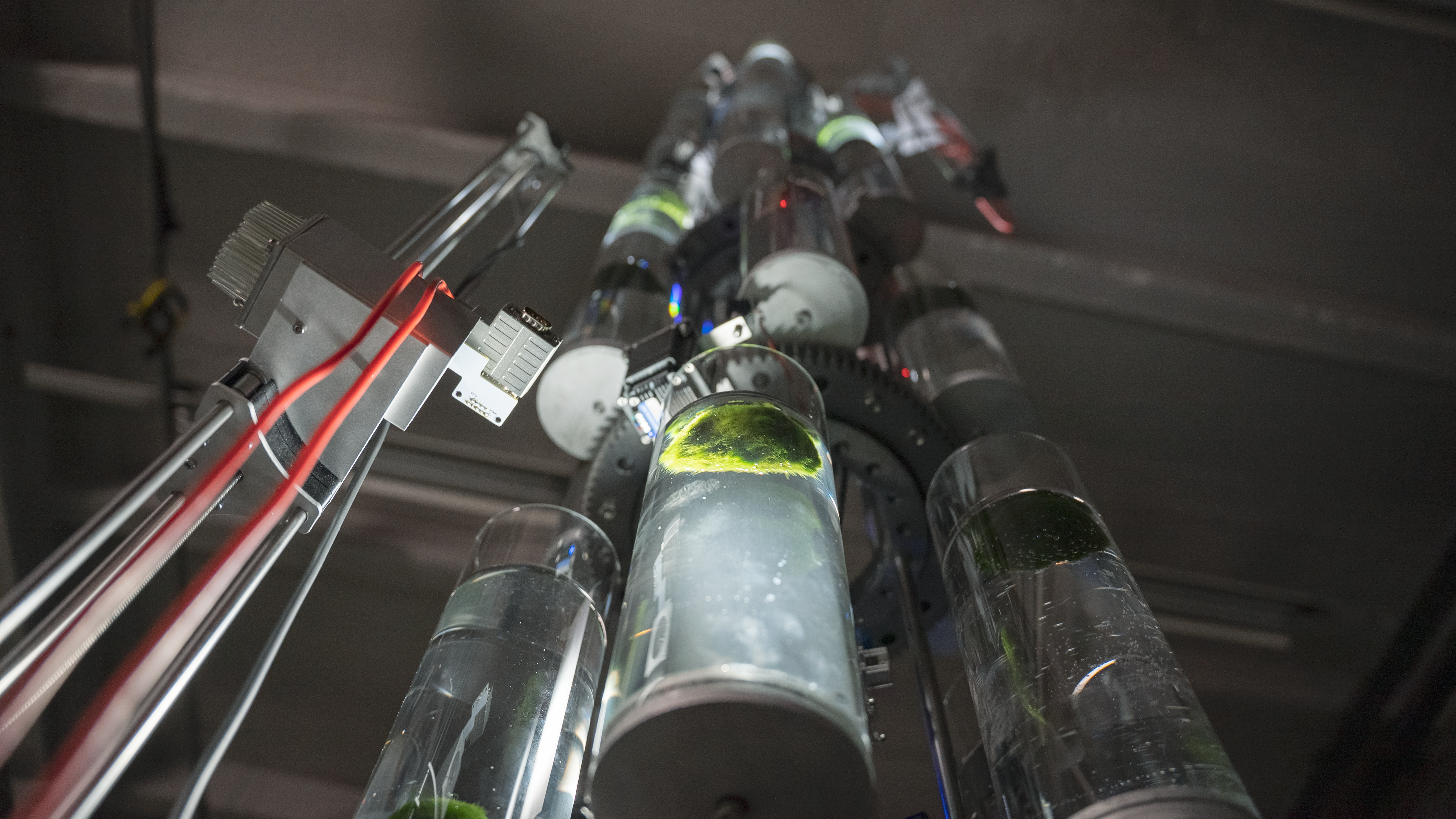
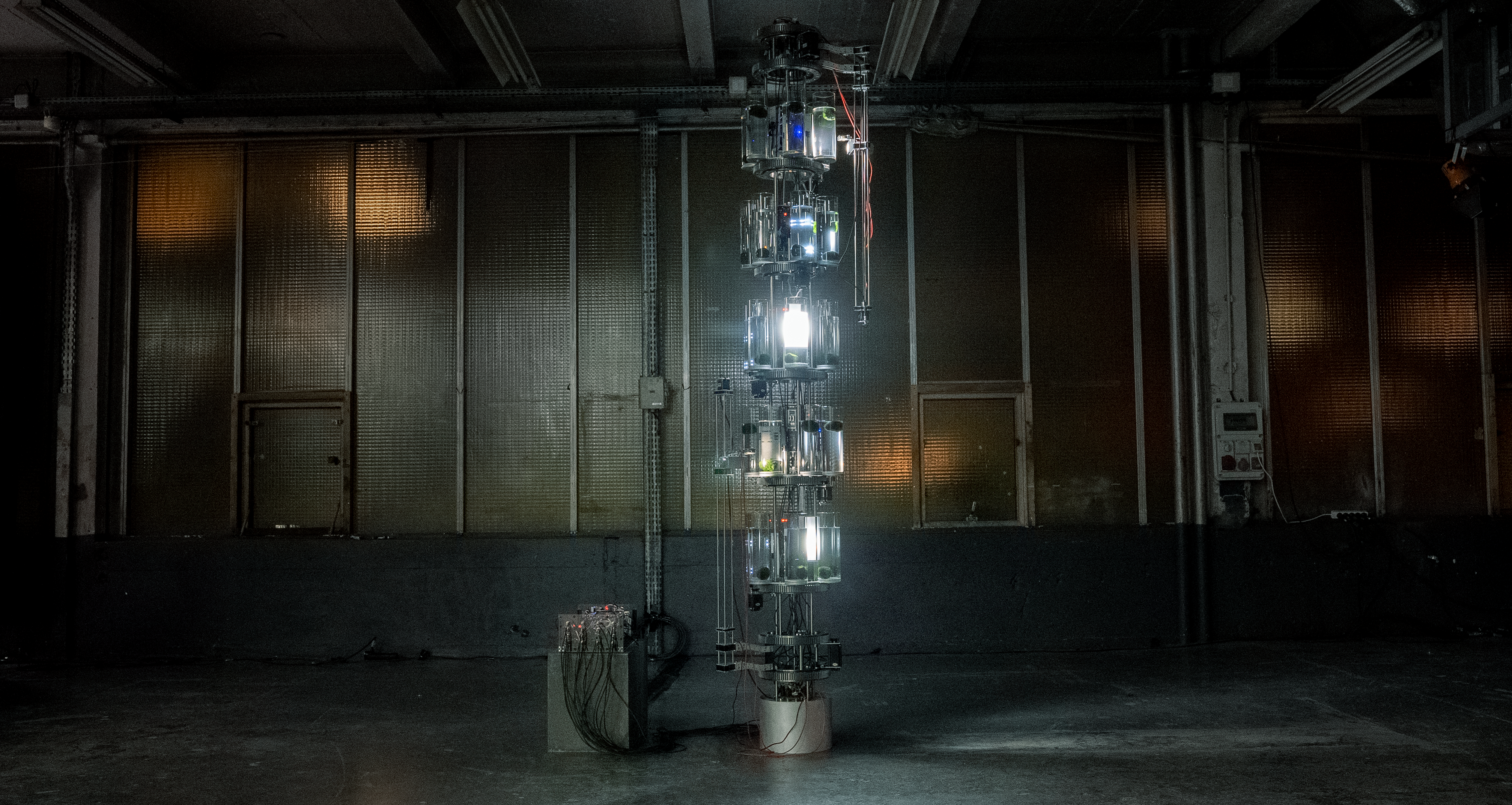
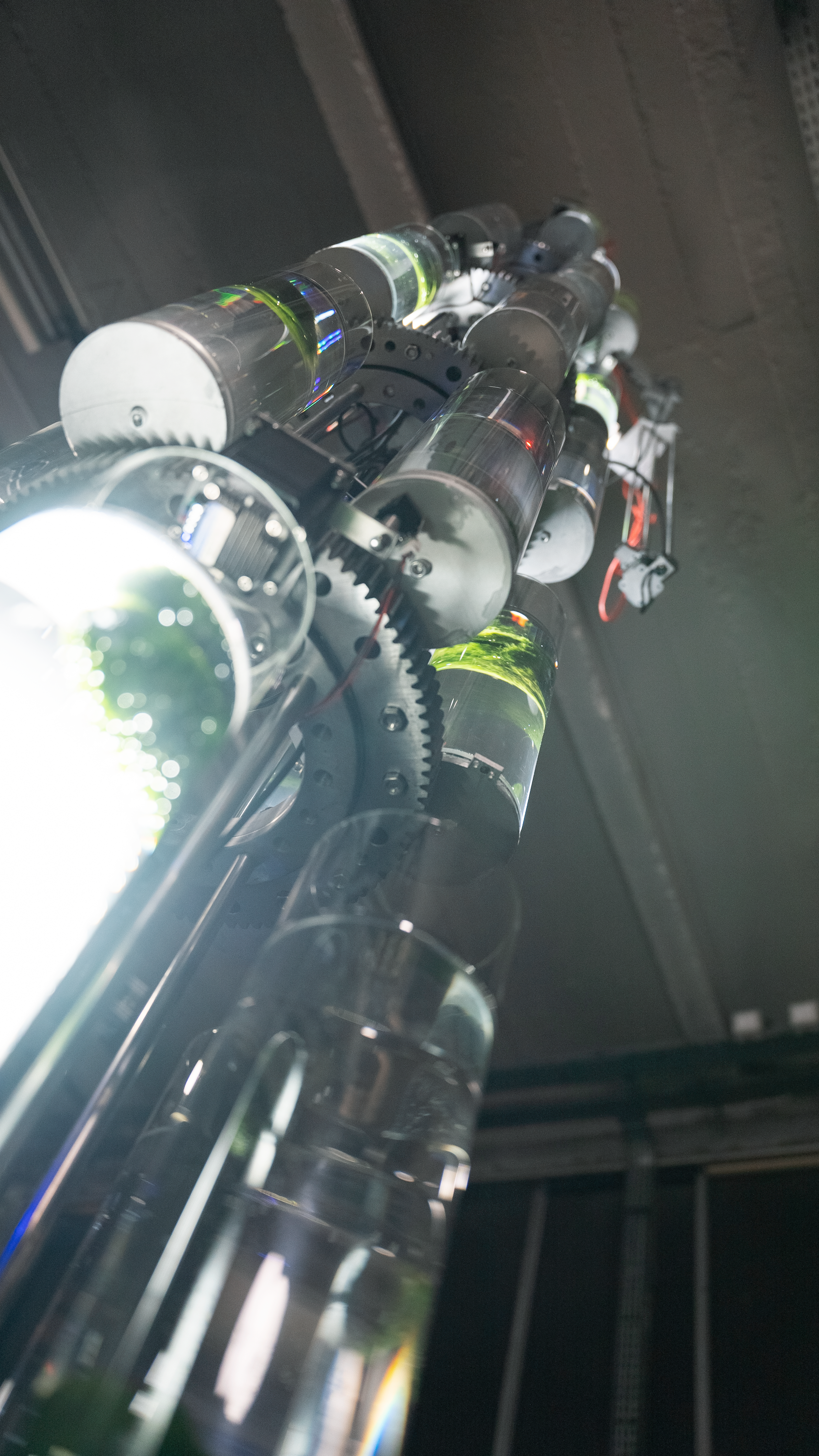
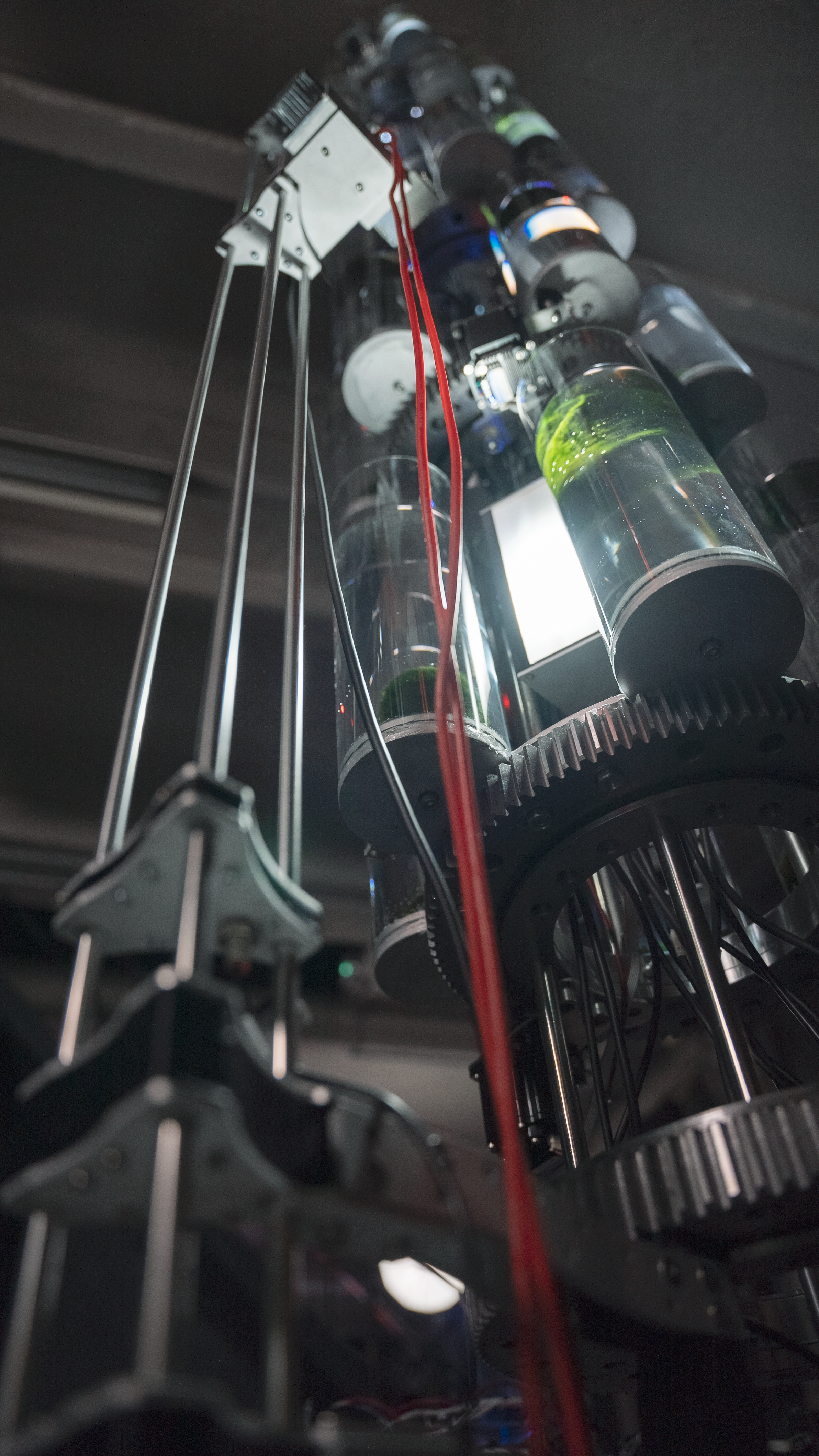
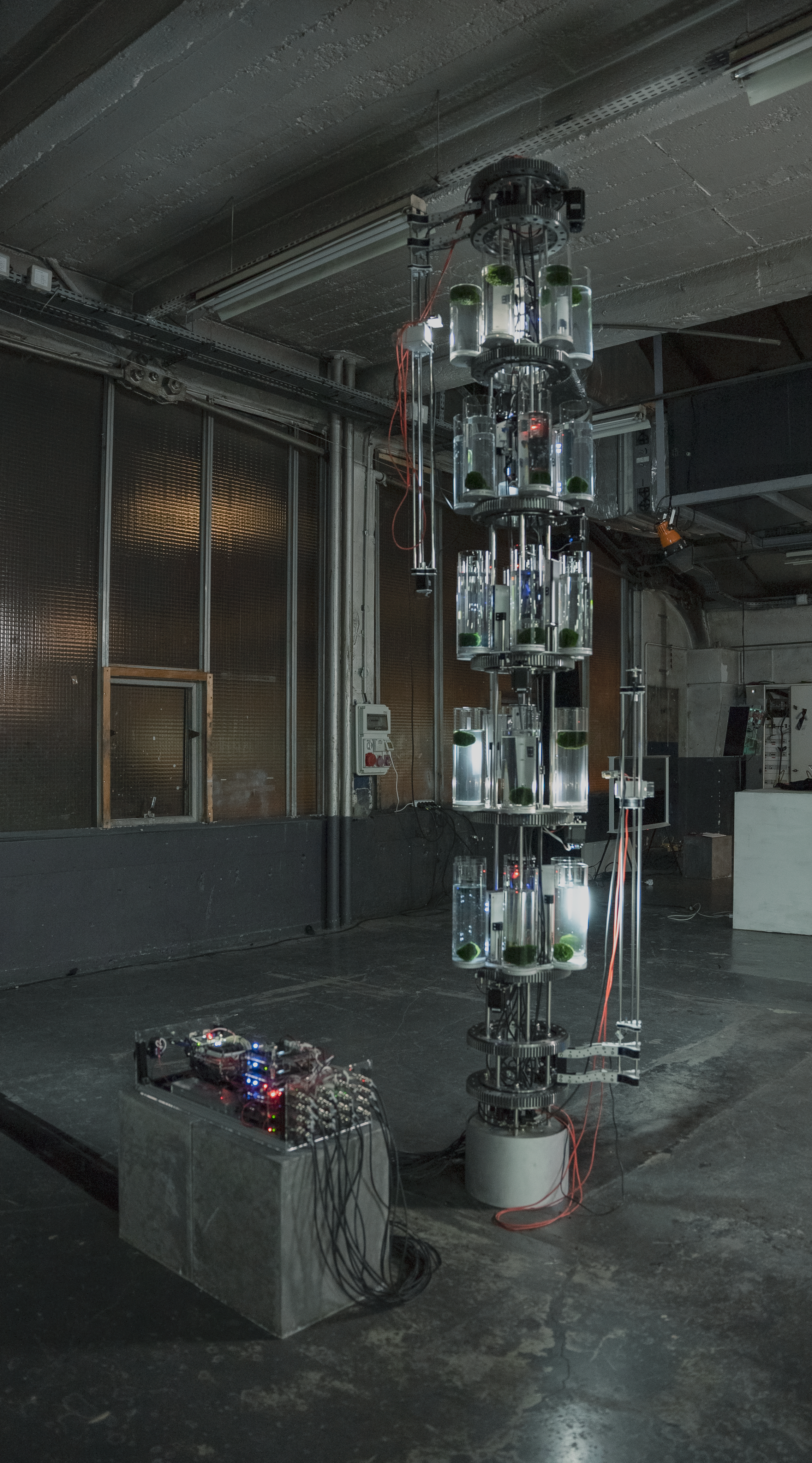
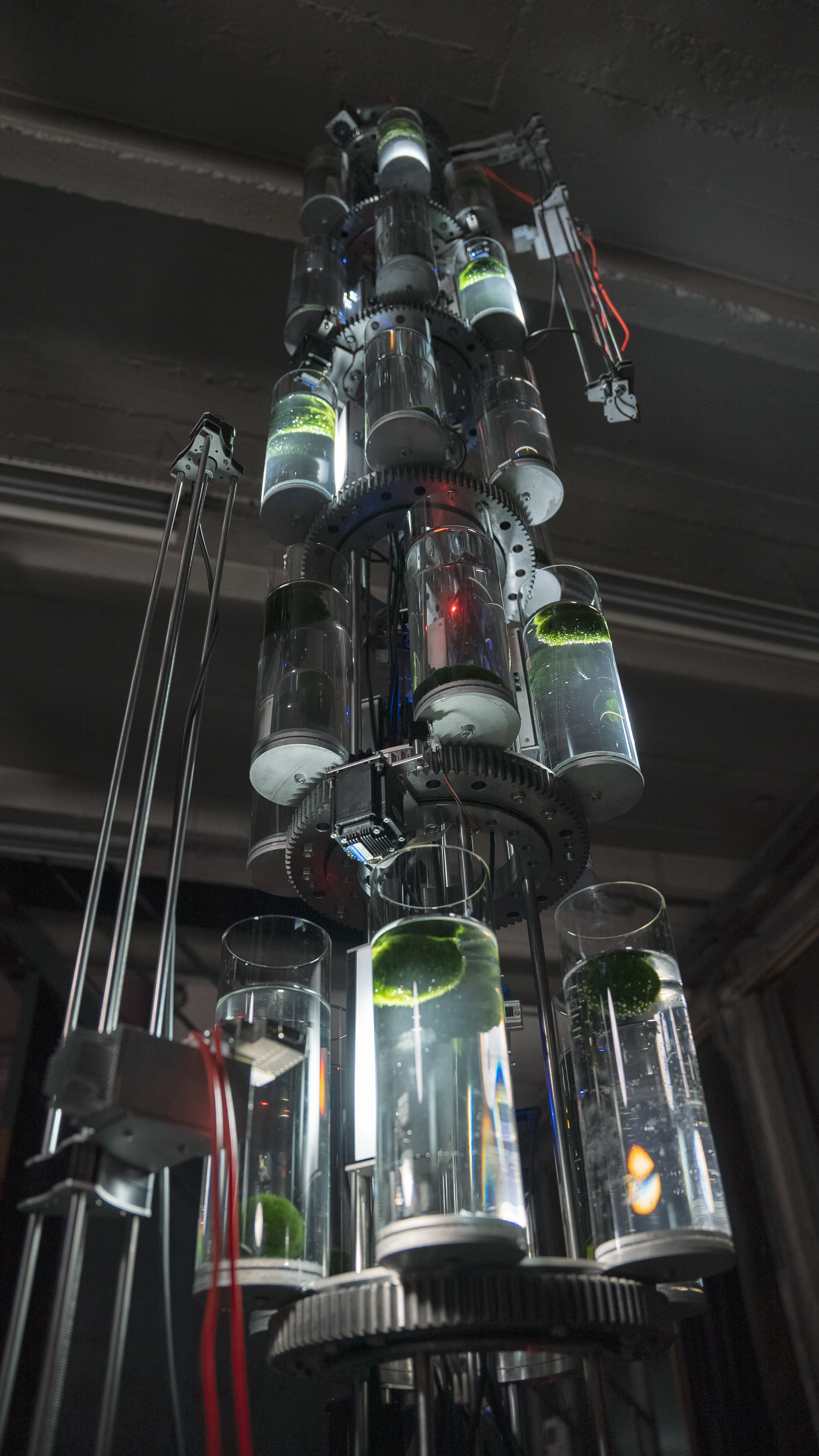
Cryptographic Beings is a bio-hybrid machine storing digital data in living algae. Marimo moss balls float or sink through photosynthesis, forming biological binary memory. Robotic arms control moving lights to write while sensors read back. Each write consumes real metabolic resources: data permanence depends on ecological care, not silicon. The work stages the tension between accelerationist extraction and symbiotic stewardship: will our data infrastructures cultivate life, or consume it?
France
Local
Paris, France
Mainly urban
It involves other types of transformations (soft investment)
Yes
2025-09-15
No
No
No
Individual
Cryptographic Beings is a bio-hybrid machine that stores digital data in living algae, proposing an alternative to silicon-based computation where data permanence depends on ecological stewardship. The project addresses the growing environmental and philosophical costs of digital infrastructure by embedding computation within a living organism's natural behaviour.
Target groups: The project engages contemporary art audiences, academic researchers at the intersection of biology and computation, and educational audiences, including children, through planned workshop programmes.
Concrete objectives achieved:
- Built and exhibited a fully functional 30-tube read-write system using photosynthetic buoyancy as the switching mechanism
- Exhibited at major international institutions and festivals, reaching diverse audiences across Europe and internationally
- Published research in IEEE on bio-hybrid computing
Received A' Design Award (Gold, 2023), Bio Arts and Design Award, and Falling Walls recognition.
- Developed custom hardware (PCBs, sensor arrays, robotic arms) and a complete software stack for biological data storage
Transformative potential: Cryptographic Beings demonstrates that computation does not require inert substrates. By binding data permanence to ecological health, it proposes a paradigm where technology and care are inseparable. The planned expansion to other living substrates (bacteria, plants, mycelium) opens a broader research programme on living data infrastructure.
The project emerged from a research question: what would computation look like if it depended on living organisms rather than silicon? The observation that Marimo algae spheres naturally float when photosynthesising and sink in darkness suggested a biological mechanism for binary switching. This natural behaviour became the foundation for the entire system.
Main phases:
Research & prototyping: Testing photosynthetic buoyancy with single algae spheres, measuring transition times, documenting habituation effects across multiple experiments, mathematical modelling of the behaviour and parameter fitting through experimentation.
Hardware development: Design and fabrication of custom PCBs, stepper motor controllers, LED arrays, and sensor systems. Development of the physical grid of transparent tubes (carrying marimo algae) with robotic arms.
Software development:
Development of the full control stack: embedded firmware, HTTP APIs, WebSocket real-time monitoring, and a web dashboard for orchestrating read-write operations
Exhibition & evaluation: Presentation of the completed system in gallery contexts, collecting audience feedback, and documentation of the biological behaviour over extended periods.
Tools and methods: Custom electronic design, embedded programming, 3D printing for mechanical components, web development for the control interface, and biological experiments.
Each phase was conducted as an open experiment, with results feeding directly into the next iteration. The tight coupling between biological observation and engineering response ensured the system works with the organisms' constraints rather than against them.
Bio-hybrid computing
Ecological stewardship
Art-science transdisciplinarity
Living data infrastructure
Nature-based solutions
Cryptographic Beings directly addresses the environmental cost of computation and data storage. By substituting silicon-based transistors with living photosynthetic organisms, it proposes an alternative substrate where data permanence depends on ecological stewardship rather than energy-intensive server farms.
Each "write" cycle consumes real metabolic resources: light, nutrients, and recovery time. This makes the environmental cost of data tangible and visible, rather than hidden in distant data centres. Throughput is limited to the pace of photosynthesis, confronting viewers with the gap between silicon's near-instant switching and life's slower rhythms. Data durability depends on the health of living organisms; over-extraction through too many writes bleaches and kills the algae, permanently destroying stored data.
The core computational mechanism is photosynthesis itself, a carbon-absorbing process. And the Marimo algae are slow-growing, long-lived organisms (some specimens exceed 100 years), embodying durability and patience over planned obsolescence.
Thirty transparent tubes with luminous green algae spheres create a mesmerising kinetic display, with spheres slowly rising and sinking in choreographed patterns. The pace of photosynthesis, from minutes to hours per state change, creates a contemplative, meditative viewing experience that stands in stark contrast to the immediacy of screen-based digital art.
The materials are honest and legible: water, glass, light, and living organisms. The bubbling of oxygen, the gentle movement of water, and the green glow of chlorophyll under illumination engage multiple senses simultaneously. The work operates at several layers of reading, from the immediate visual impact of a beautiful kinetic sculpture to a deeper engagement with questions of accelerationism, bio-extractive economies, and what it means to care for a technology that is also alive.
The materials are honest and legible: water, glass, light, and living organisms. The bubbling of oxygen, the gentle movement of water, and the green glow of chlorophyll under illumination engage multiple senses simultaneously. The work operates at several layers of reading, from the immediate visual impact of a beautiful kinetic sculpture to a deeper engagement with questions of accelerationism, bio-extractive economies, and what it means to care for a technology that is also alive.
The installation is built around universally observable phenomena: floating and sinking balls, light and darkness. This makes both the binary logic and the underlying biological processes immediately legible, regardless of technical background. The living organisms engage viewers across generations and across levels of knowledge. Children can directly observe biological processes in action while adults engage with the deeper philosophical implications about data, ecology, and accelerationism.
In future exhibitions, the machine will be reprogrammed to communicate AI interaction with human and algae systems, making the negotiation between artificial intelligence and biological life accessible and tangible for non-specialist audiences.
The Marimo algae themselves hold cultural significance across borders. In Japan, they are celebrated through the Marimo Matsuri, a traditional festival honouring the spherical algae as a natural treasure, connecting the project to indigenous ecological knowledge and offering a bridge between contemporary technological art and long-standing cultural relationships with non-human organisms.
Each exhibition is configured as a live experiment where audience presence directly affects the installation. The warmth of visitors' bodies and the CO2 from their breathing subtly alter the algae's metabolic rate, shifting photosynthetic activity and influencing how quickly the spheres respond to light changes. The audience is therefore not passive but metabolically entangled with the living memory system, making their presence a variable in the computation itself.
Workshops are currently in preparation to build easily accessible, frugal 3D-printed robots based on the principles of Cryptographic Beings. These workshops are designed to target children's audiences, allowing young participants to construct their own miniature bio-hybrid devices and develop hands-on understanding of biological computation, sustainability, and the relationship between technology and living systems.
The project was presented at CRI Paris (Centre de Recherches Interdisciplinaires) and London College of Communication, where students engaged with the concepts through lectures and hands-on exploration of simplified bioreactor systems.
The project connects exhibition spaces where general audiences encounter the work, academic environments where it generates new research questions at the intersection of biology and computation, and educational settings where it becomes a tool for teaching sustainability and scientific thinking. Horizontally, it engages across disciplines: art, biology, computer science, philosophy, and ecology. Vertically, it moves from local maker communities to international exhibitions.
The work has been exhibited in major international art institutions and festivals, engaging general audiences with questions about technology and ecology. It has been published in specialised journals including IEEE, and presented at academic conferences, contributing to ongoing research on bio-hybrid systems. Partnerships with university research labs, particularly in synthetic biology, ensure the scientific rigour of the biological aspects.
At the community level, the planned workshop programme will extend the project's reach into education, bringing biological computation concepts to audiences who would not typically encounter them in gallery settings.
Cryptographic Beings sits at the intersection of several fields that rarely converge. The biological layer draws on algae ecology, photosynthesis research, and buoyancy physics. The computational layer engages with binary logic, data storage theory, and embedded systems engineering, while AI integration adds a dimension of machine learning and adaptive behaviour. The artistic and philosophical dimension draws on critical discourse around accelerationism, Infocene theory, bio-ethics, and post-human ontology. And the engineering work, from custom PCB design to IoT networking, ensures the installation functions reliably as a real system rather than a mere conceptual proposition, while the ecological framing ties everything back to questions of care-based computing and data infrastructure as ecosystem.
This is not interdisciplinary collaboration in the usual sense of experts contributing to a shared project. Rather, all of these domains are embedded within a single practice, each informing the others at every stage of development.
This is not interdisciplinary collaboration in the usual sense of experts contributing to a shared project. Rather, all of these domains are embedded within a single practice, each informing the others at every stage of development.
The project has been self-financed through the artist's practice, supplemented by exhibition fees from commissioning institutions and festival invitations. Hardware development costs (electronics, 3D printing, biological materials) have been absorbed within the studio practice.
Current revenue: The installation generates exhibition fees (typically €5,000–€15,000 per commission plus production costs). Award recognition (A' Design Award Gold 2023, Bio Arts and Design Award, Falling Walls) has strengthened the project's visibility and commercial positioning.
Future revenue potential: The goal is to develop a financially sustainable research programme around storing data in living media, expanding from algae to bacteria, plants, and mycelium networks. This will be pursued through:
- Research grants supporting scientific development and artistic programme
- Exhibition commissions that generate public engagement
- Educational workshop fees (frugal 3D-printed kits for schools and maker spaces)
- Potential licensing of the bio-hybrid computing platform for research institutions
Costs: Ongoing costs are modest: biological materials (Marimo algae €5/unit), electronic components (€200 per tube unit), and maintenance during exhibitions. The primary cost is the artist's time for development and exhibition preparation.
Disruptive potential: The concept of living data storage challenges the fundamental assumption that computation requires inert substrates. As biological fabrication and synthetic biology mature, living storage could become a genuine alternative for specific applications where environmental sustainability is prioritised over speed.
Cryptographic Beings demonstrates a methodology for embedding computation in biological systems that is fundamentally organism-agnostic. The principles (observe a switchable biological behaviour → build sensing and actuation around it → create a read-write interface) can be applied to any organism displaying binary-like states.
Most transferable elements:
- The conceptual framework (living vs inert data storage, care-based computing)
- The modular hardware architecture (scalable tube grid, standard electronic components)
- The software stack (web-based control, real-time monitoring, API-driven operation)
- The workshop methodology (frugal 3D-printed kits for educational contexts)
Skills and partnerships: Replication benefits from basic electronics and programming knowledge, though the planned workshop kits are designed to lower this barrier significantly. Partnerships with biology labs are valuable for deeper scientific investigation but not required for educational or artistic deployments.
Local adaptation: The concept can be adapted to local organisms and cultural contexts. Any species displaying a switchable behaviour (photosynthetic, chemotactic, gravitropic) could serve as a "living bit." Local biological knowledge and ecological traditions can inform the choice of organism, creating culturally specific versions of the project.
A single-tube demonstration version can be built for under €50, making it suitable for classroom settings. The full installation scales from small configurations to 30 or more tubes depending on exhibition space.