Strengthening Local Democracy and Inclusion
Live Journalism for Public Engagement
Live Journalism: strengthening trust, meaning and public dialogue
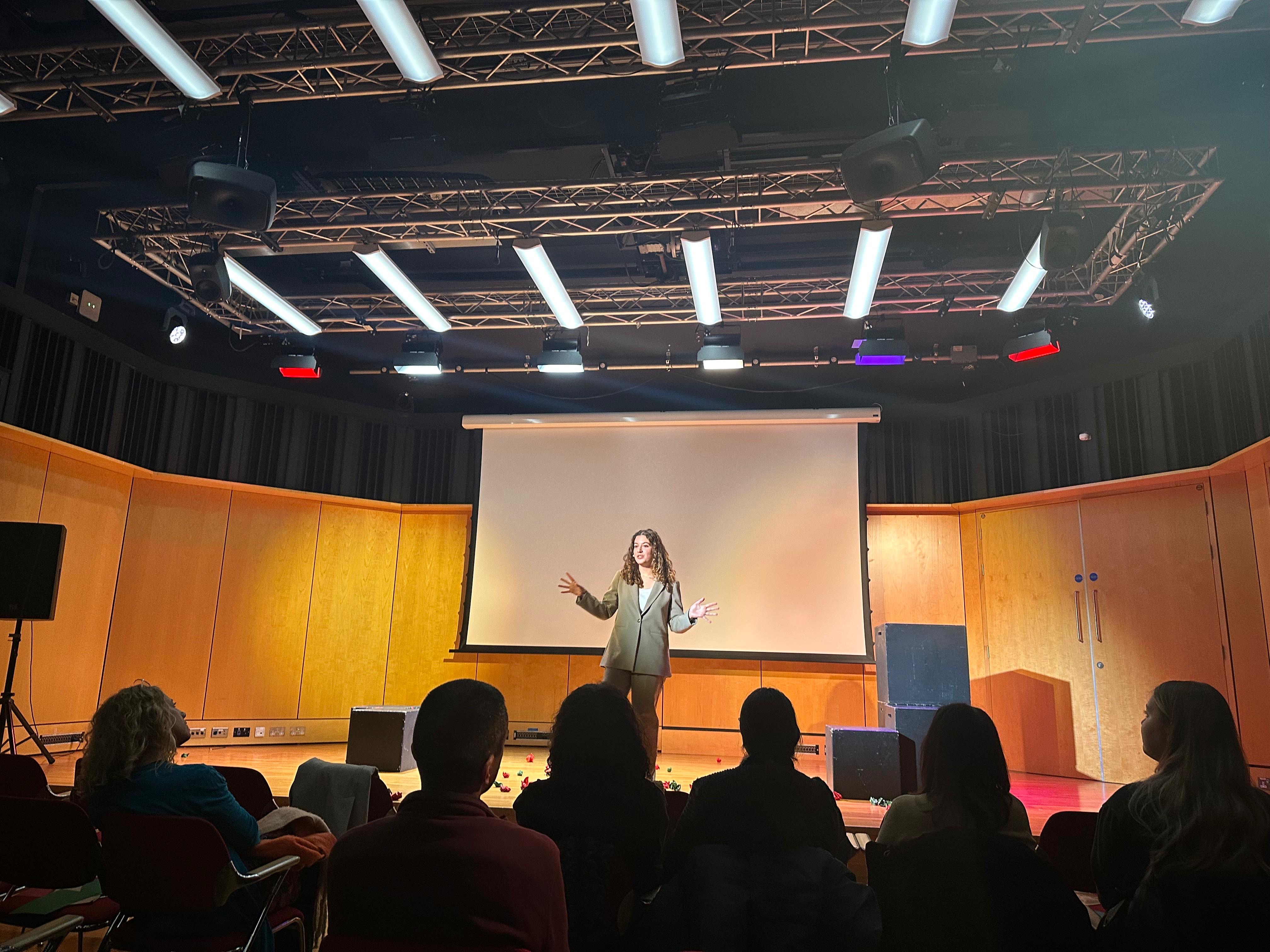
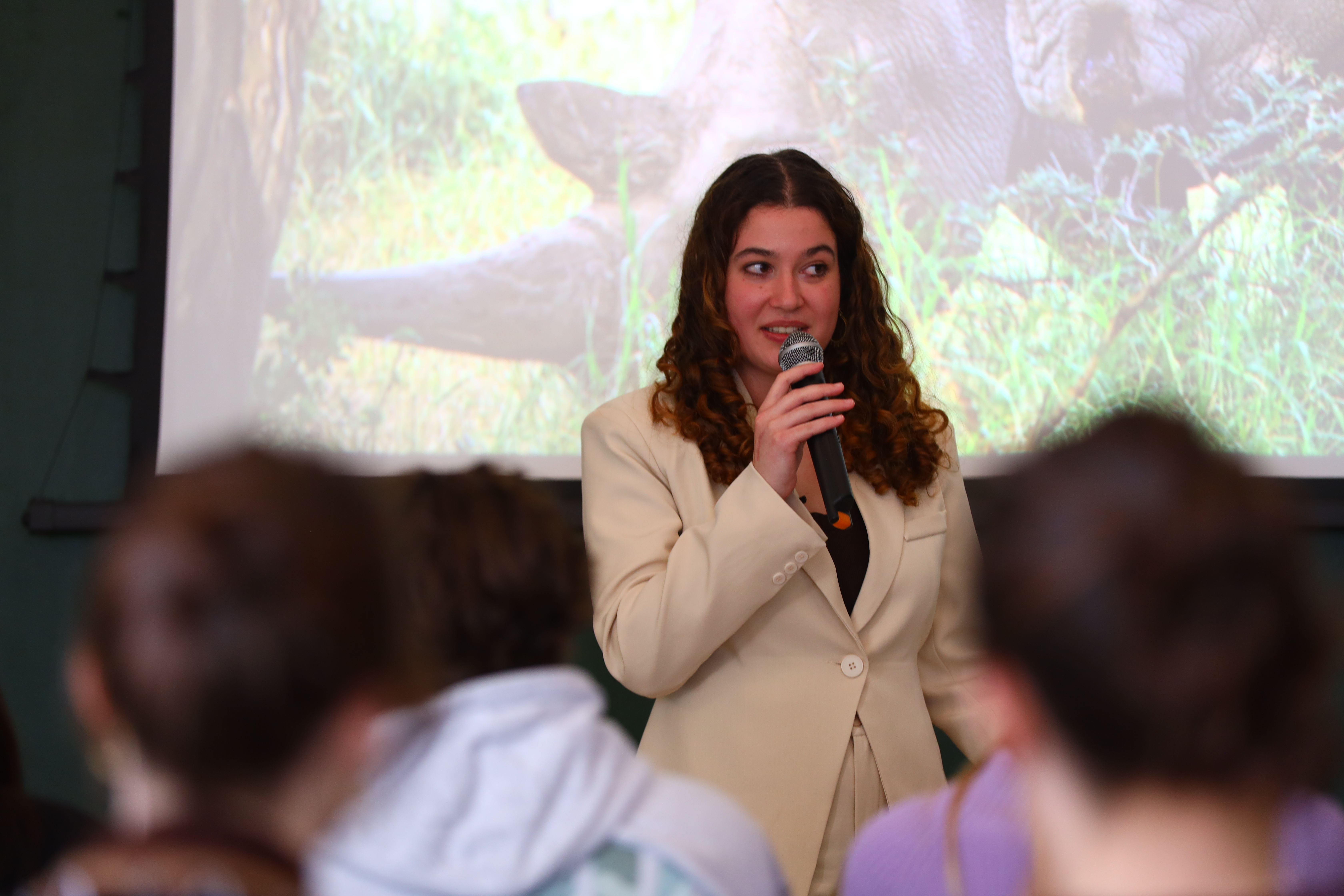
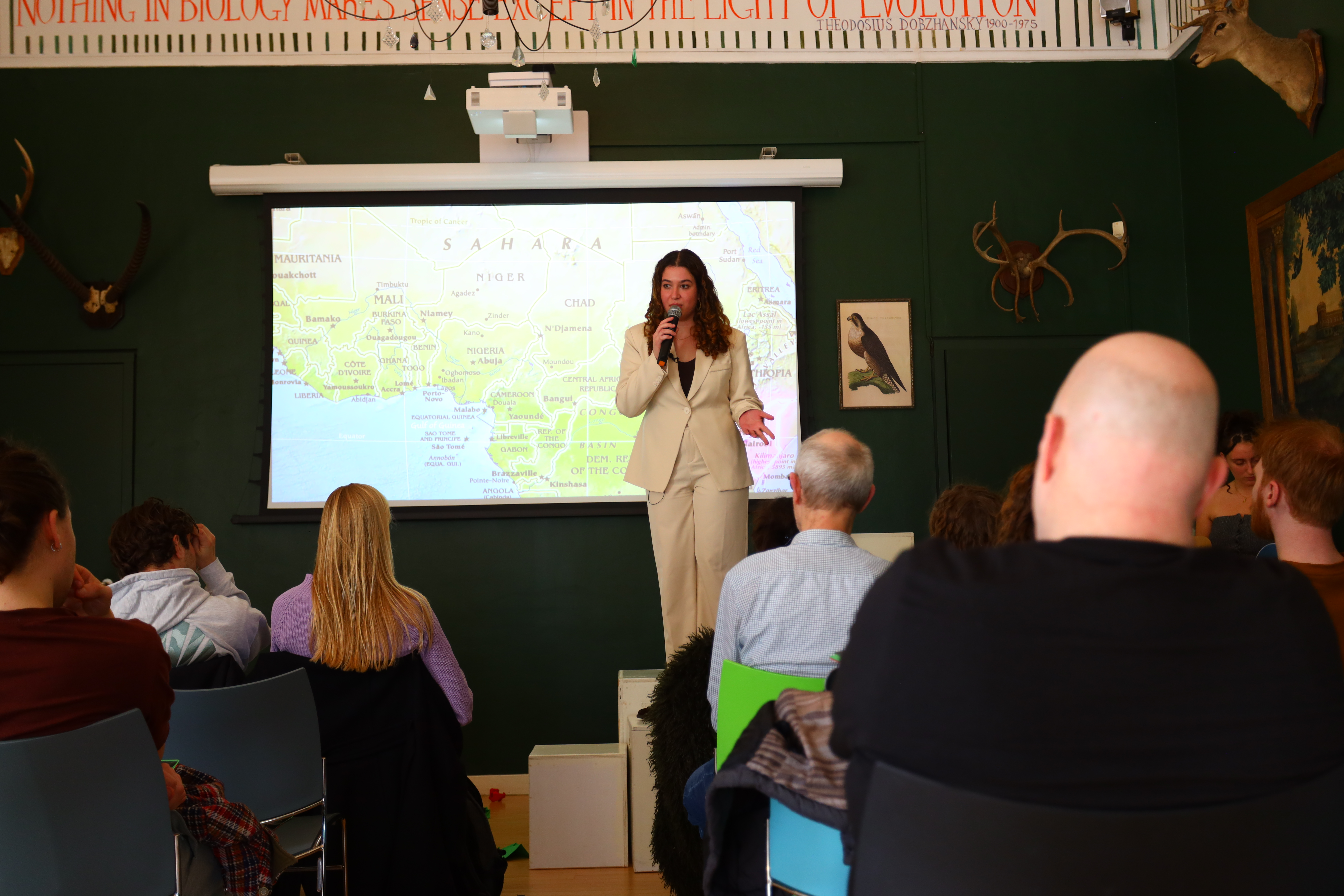
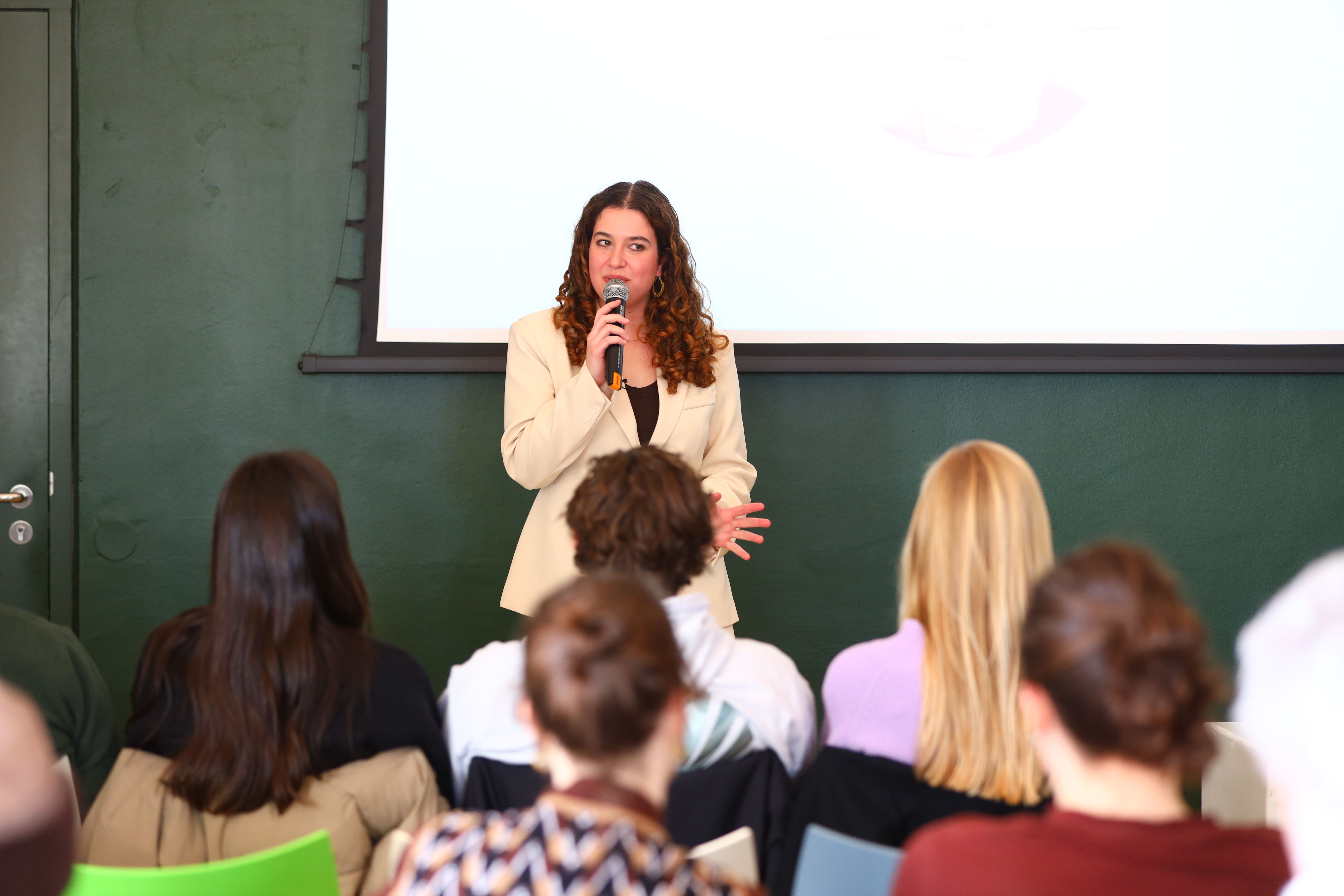
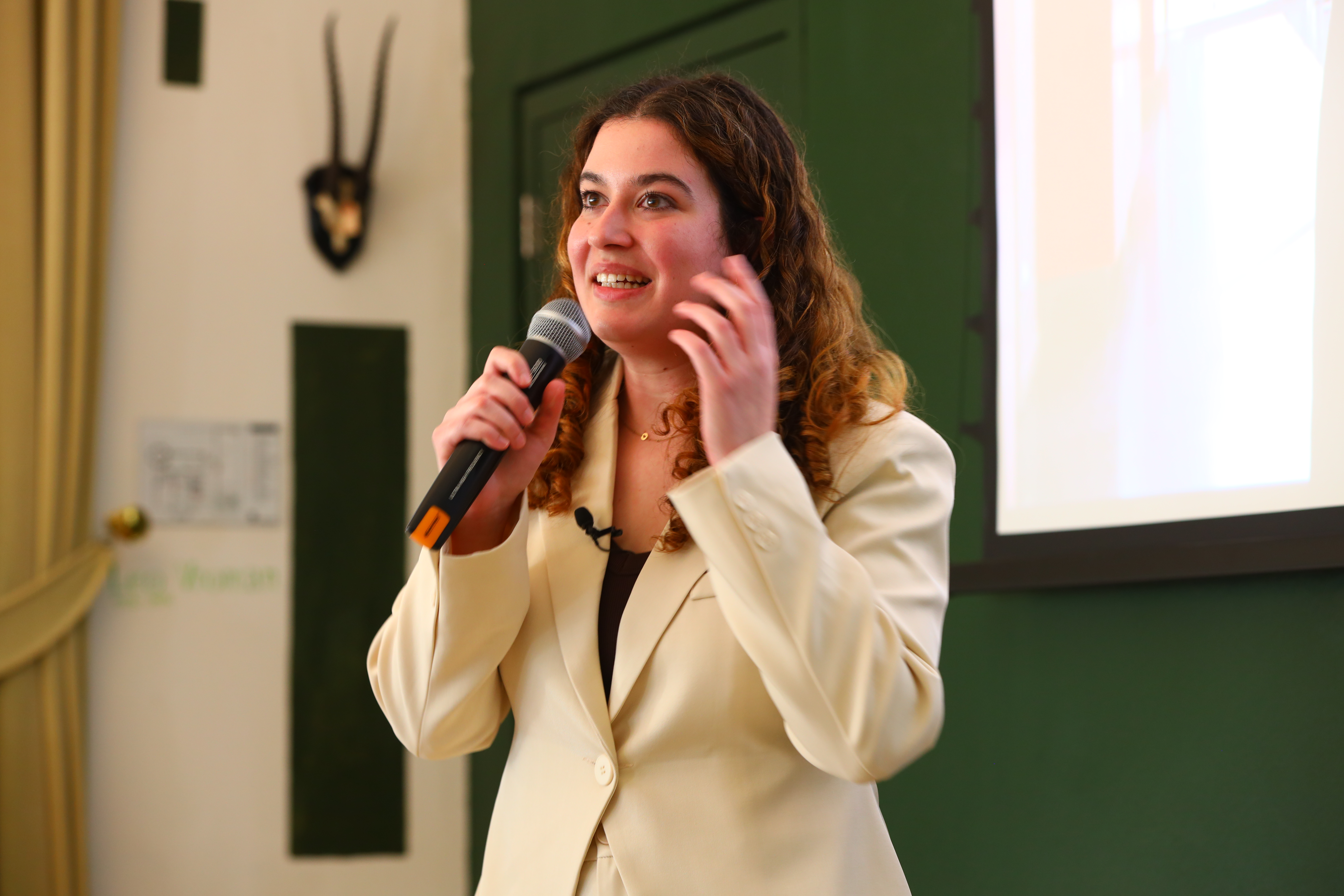
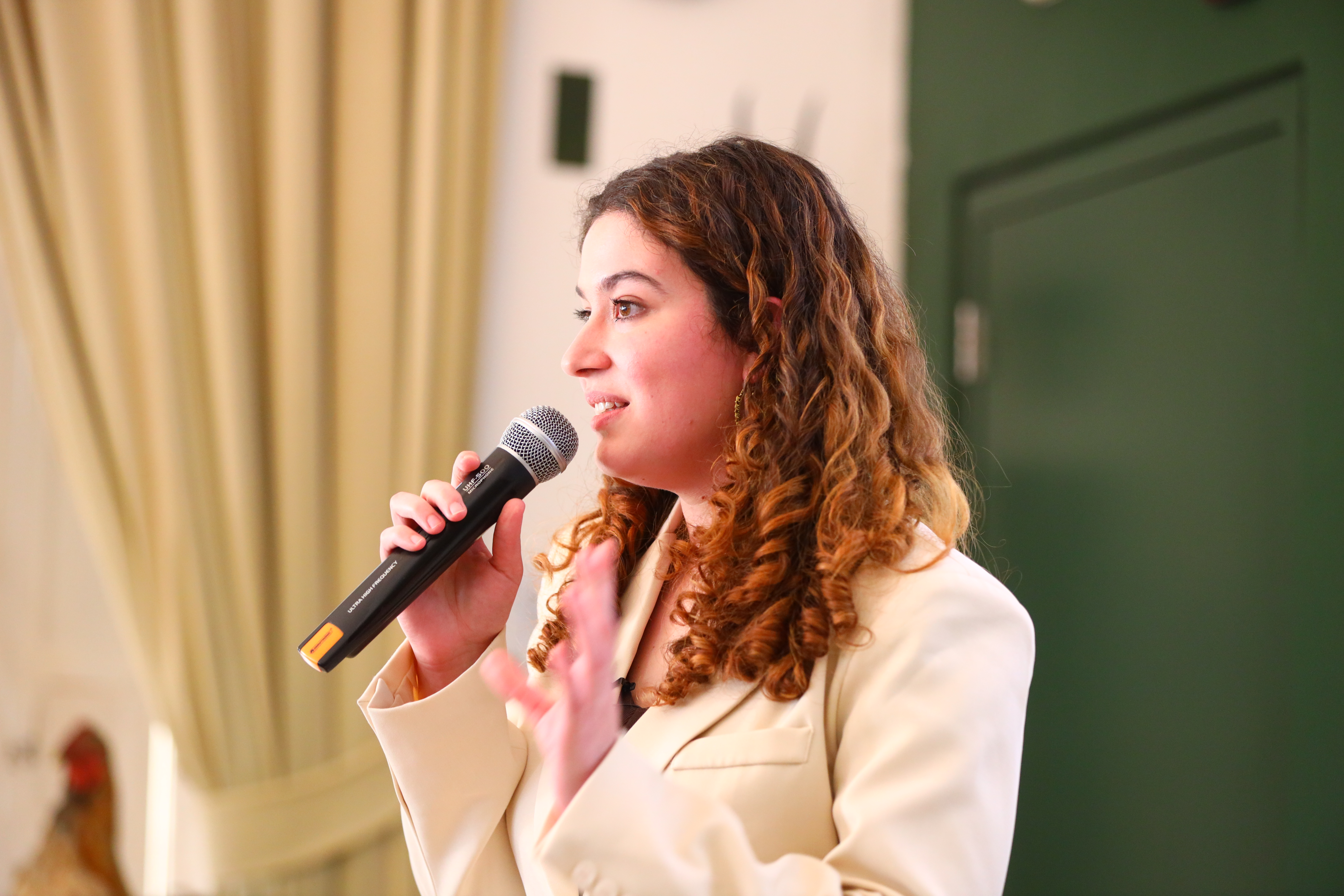
Live Journalism transforms investigative reporting into a shared, interactive experience. Up to Here and Beyond is an interactive live journalism pilot performance that explores the ethical challenges of nature conservation, technology, and human intervention. Using a participatory form of journalism, audiences are part of the debate: should we use technology to prevent extinctions? The show fosters critical thinking, public dialogue and democratic engagement with complex environmental issues
Netherlands
Regional
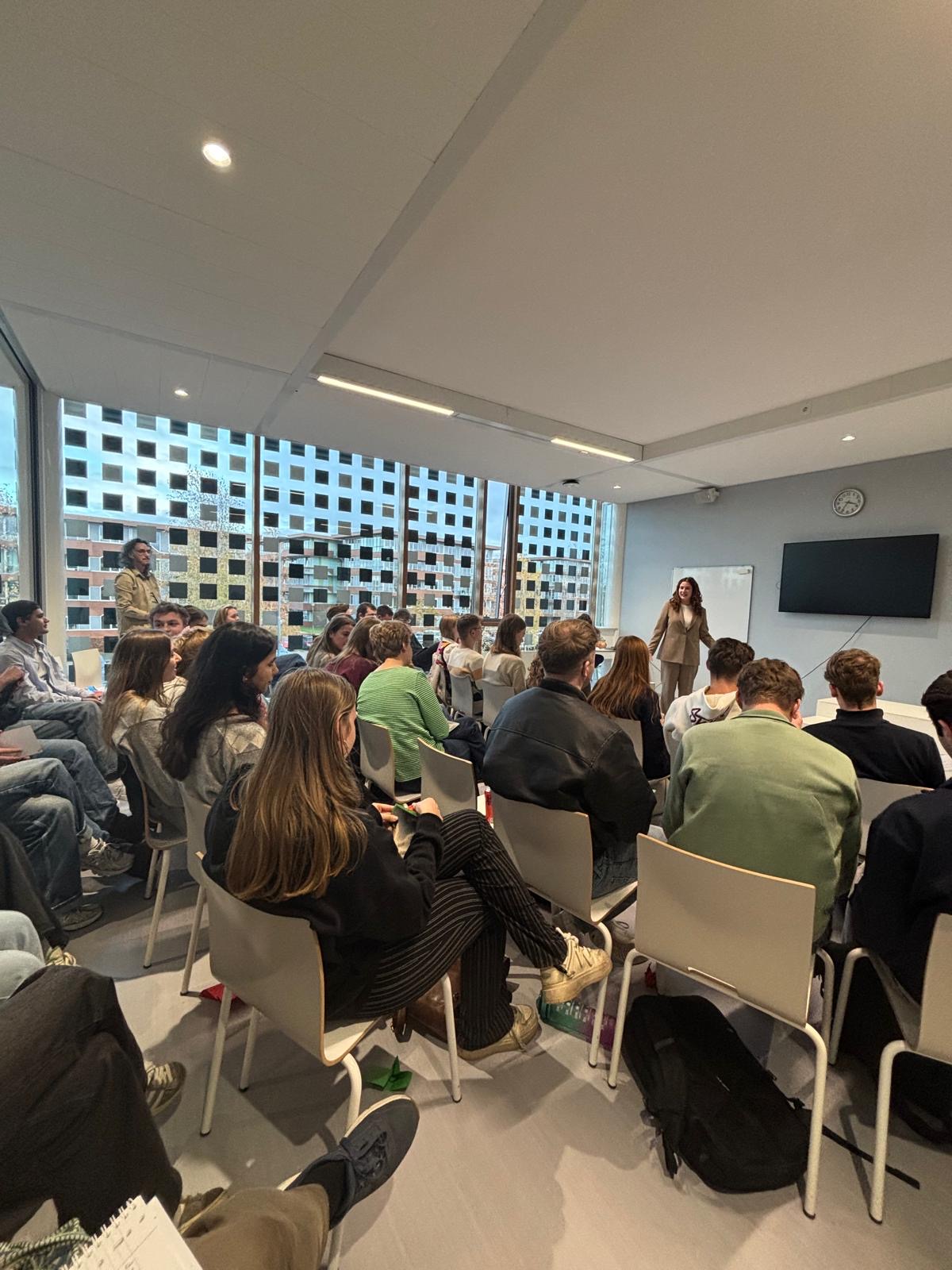
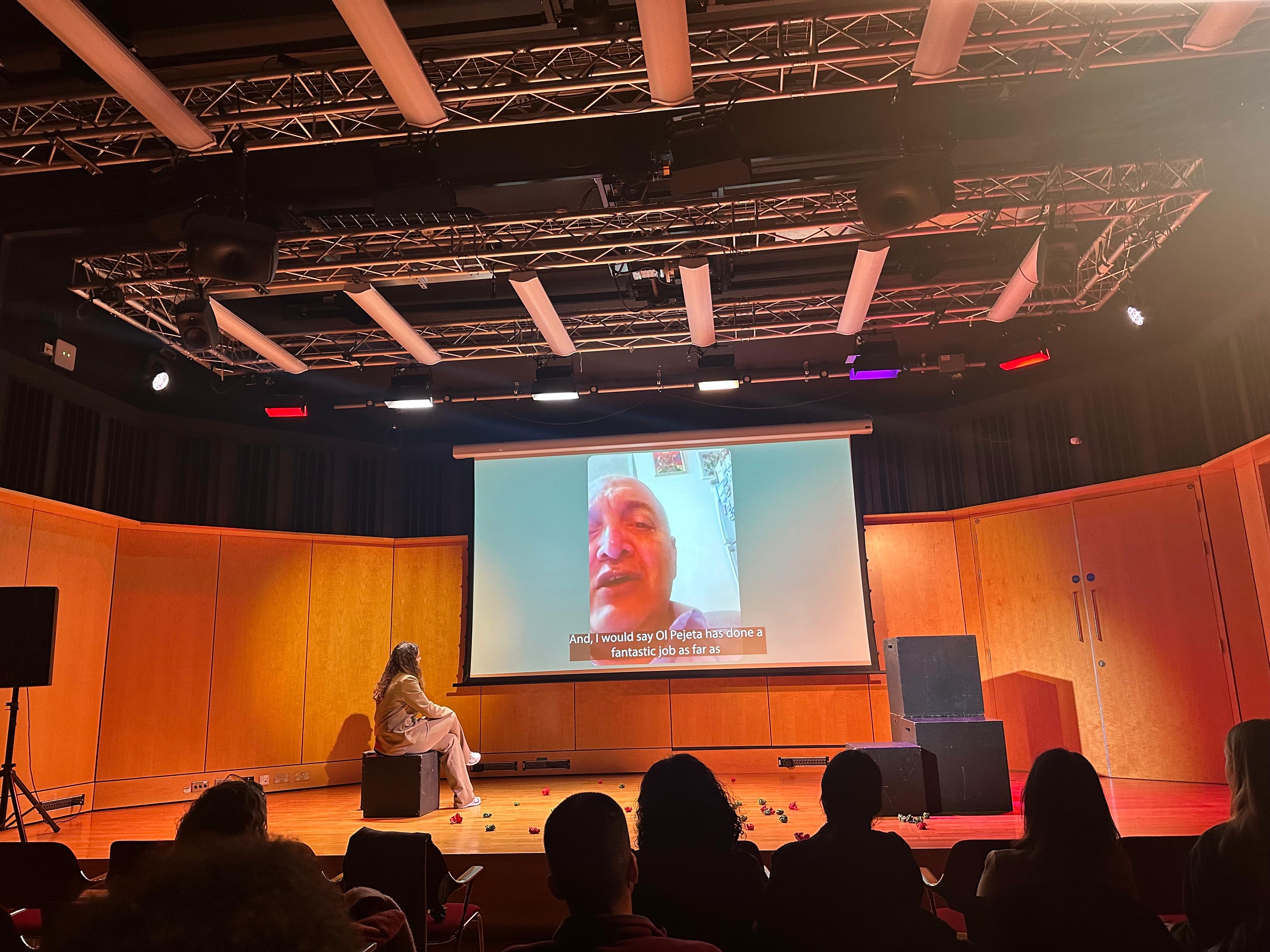
This show was performed in Zutphen (art gallery Dat Bolwerck and the public library), Rotterdam (Natural History Museum), Ede (Christian University of Applied Sciences Ede), Eindhoven (MU Hybrid Art House) and in London (City st Georges University).
It addresses urban-rural linkages
It refers to other types of transformations (soft investment)
Prototype level
No
No
No
Individual
Up to Here and Beyond is a pilot live journalism performance that explores how citizens can engage with complex ethical questions about nature, technology and human responsibility. Live journalism responds to a growing societal challenge: declining trust in journalism, the spread of misinformation, polarisation and traditional news formats no longer resonate with younger generations.
Through this new emerging genre, investigative reporting is transformed into a shared public experience. Instead of passively consuming information, audiences are invited to respond to ethical dilemmas, ask questions and reflect on societal challenges.
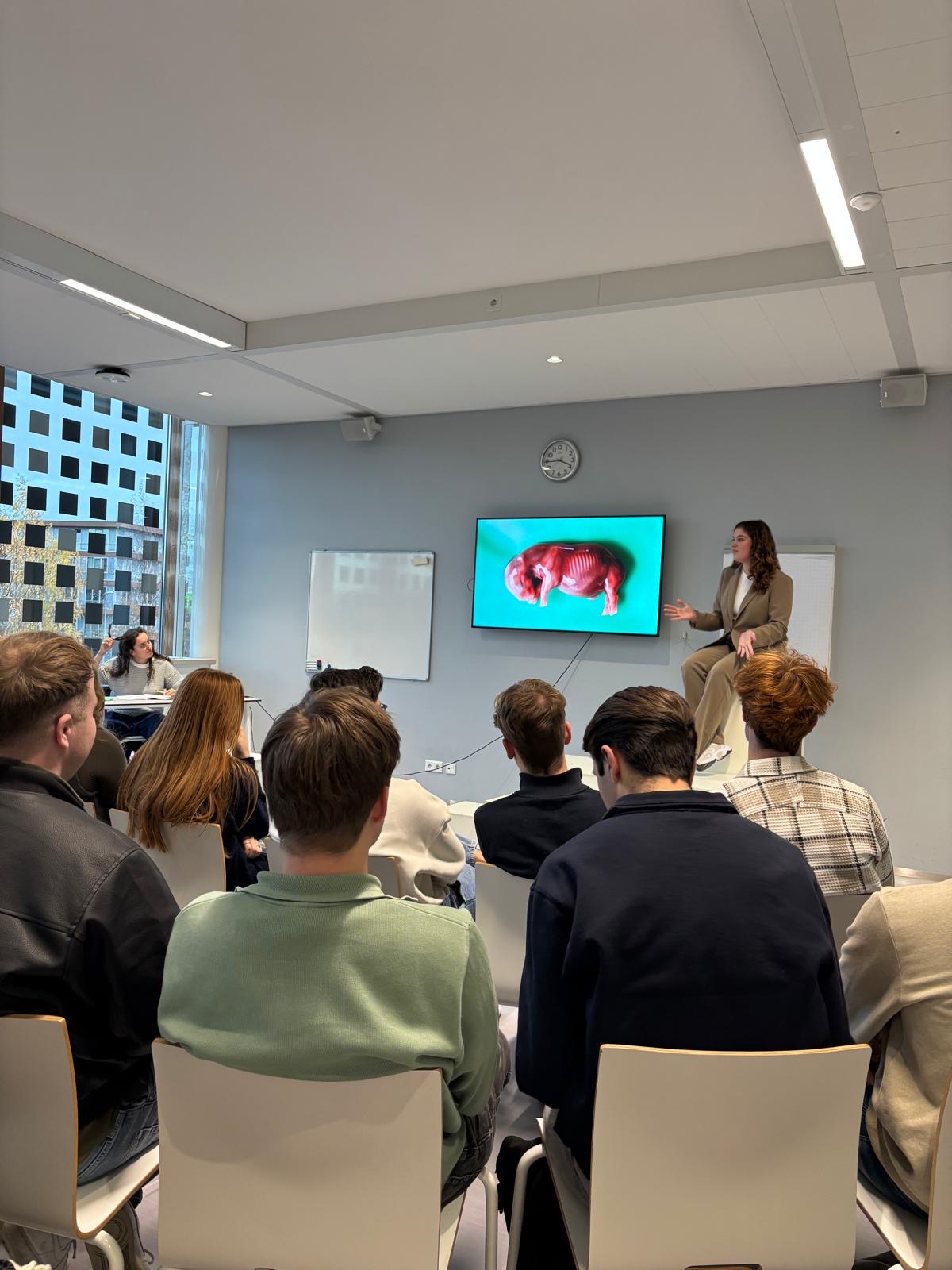
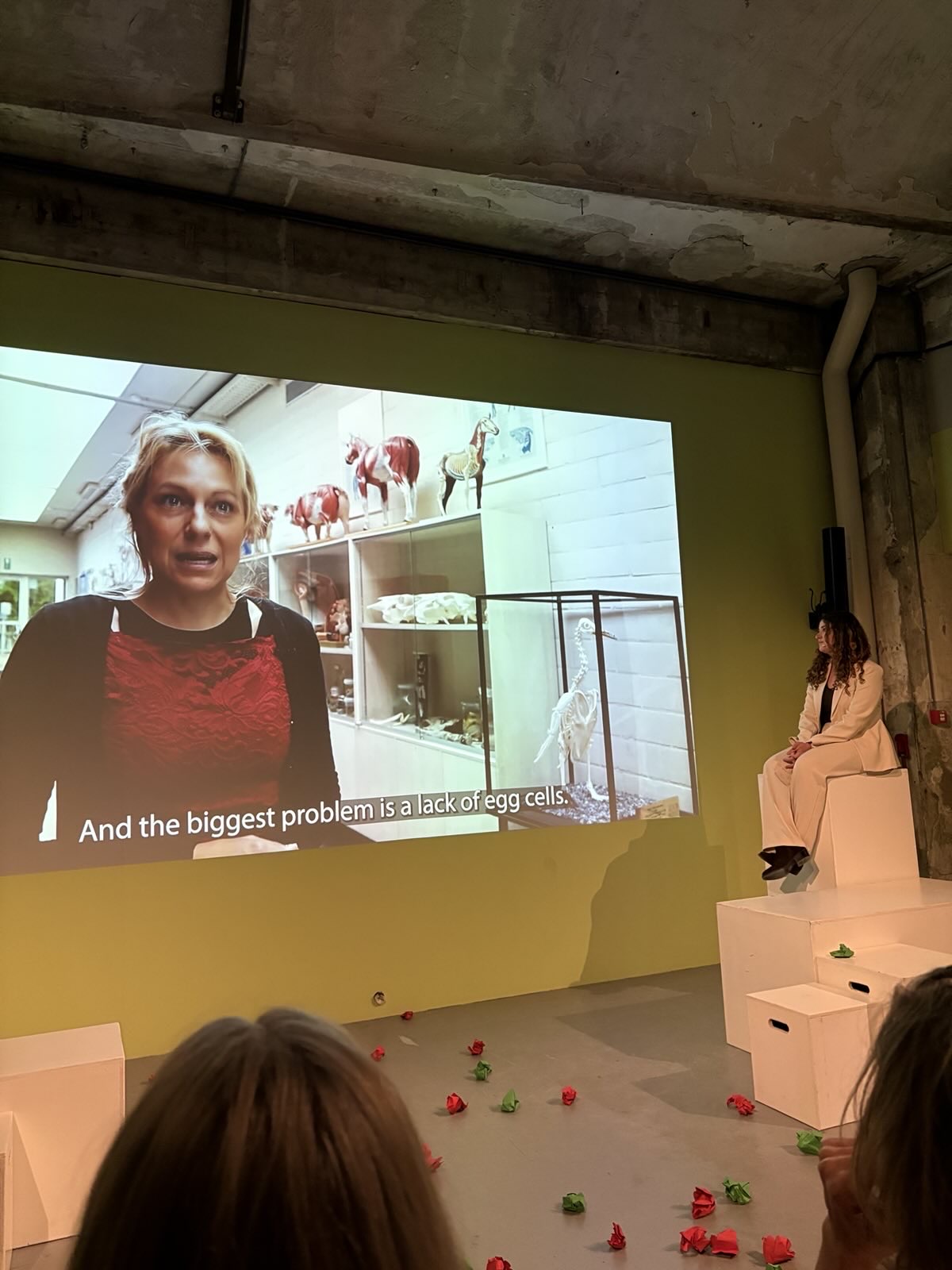
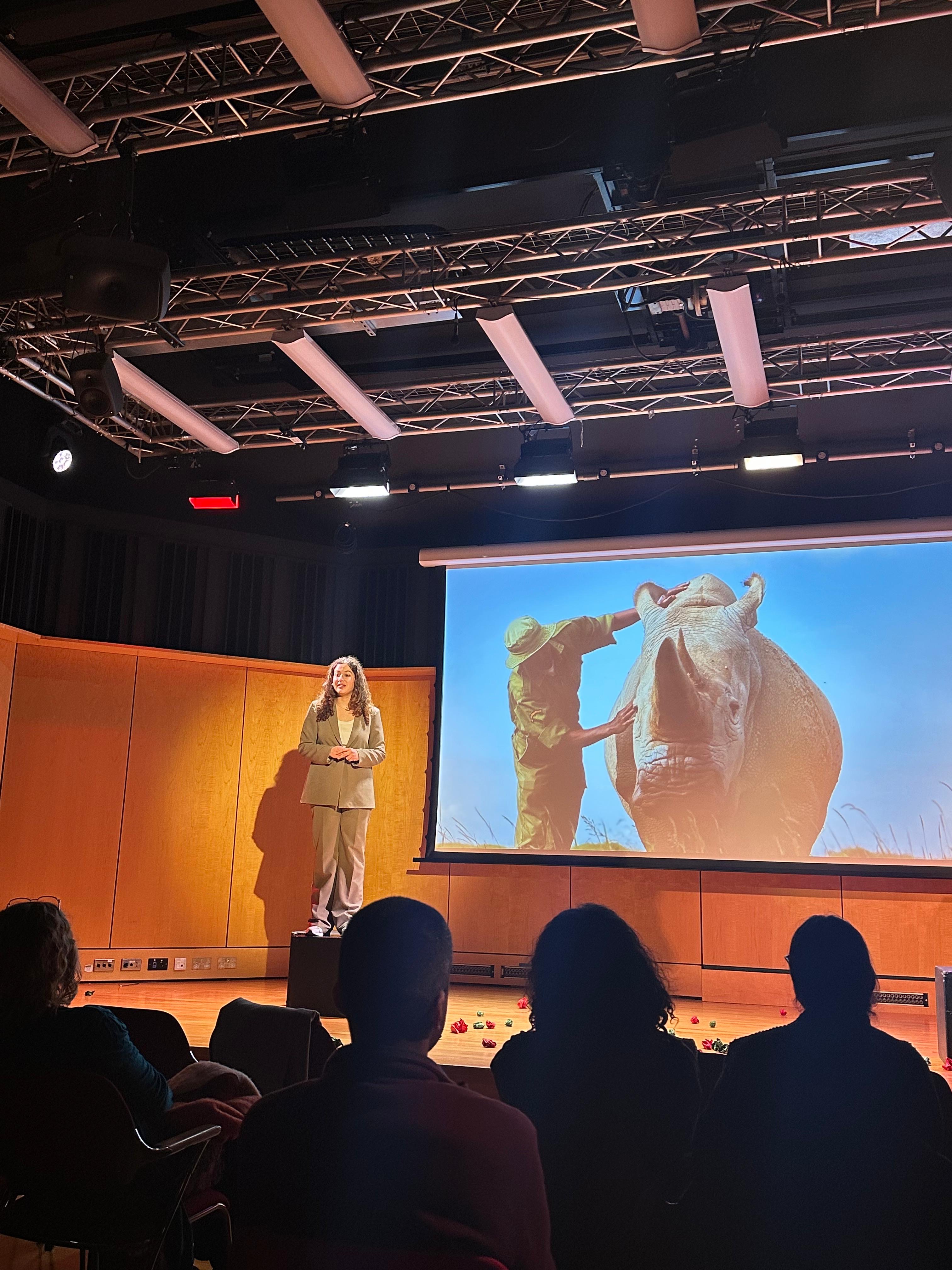
The show focuses on the case of the northern white rhino, a species that is functionally extinct. Scientists are currently attempting to revive the species through artificial reproduction techniques. By presenting interviews with scientists, ethicists, journalists and Kenyan perspectives, the project brings together diverse viewpoints and invites audiences to reflect on whether humans should intervene in nature to reverse extinction.
So far, the project has been presented six times in cultural and educational contexts at museums, universities, libraries and theatres and was part of the International Live Journalism Festival during DDW 2025 in the Netherlands. The performances reached approximately 150-200 audience members, with a strong presence of young adults and students.
Audience responses (73 survey respondents, aged under 18 – 56+) reported that the format helped them stay focused, understand complex topics more easily, and engage more actively with the subject. Many respondents valued hearing perspectives from different experts and backgrounds and noted that the format encouraged discussion and critical thinking. By combining journalism, storytelling and public dialogue, the project strengthens public engagement and encourages citizens to take part in informed democratic conversations about environmental futures.
This live journalism show originated form a personal encounter. While visiting my family in Kenya, I saw the last two northern white rhinos during a safari. A ranger explained that scientists are attempting to save the species through artificial embryos. This raised a fundamental question: if technology allows us to reverse extinction, what does that say about us humans? To what extent are we willing to go? That question became the starting point for the show.
I got offered a workplace at the professorship Designing Journalism at the University of Applied Sciences Fontys in Tilburg. With their help, I achieved funding from FondsBJP (funding for investigative journalistic projects) to develop the project. The development process consisted of several phases. Firstly, I conducted extensive desk research by analysing scientific papers, books, news articles, documentaries and more. Based on this research I developed a basic storyline structure that connected scientific developments with ethical and societal questions.
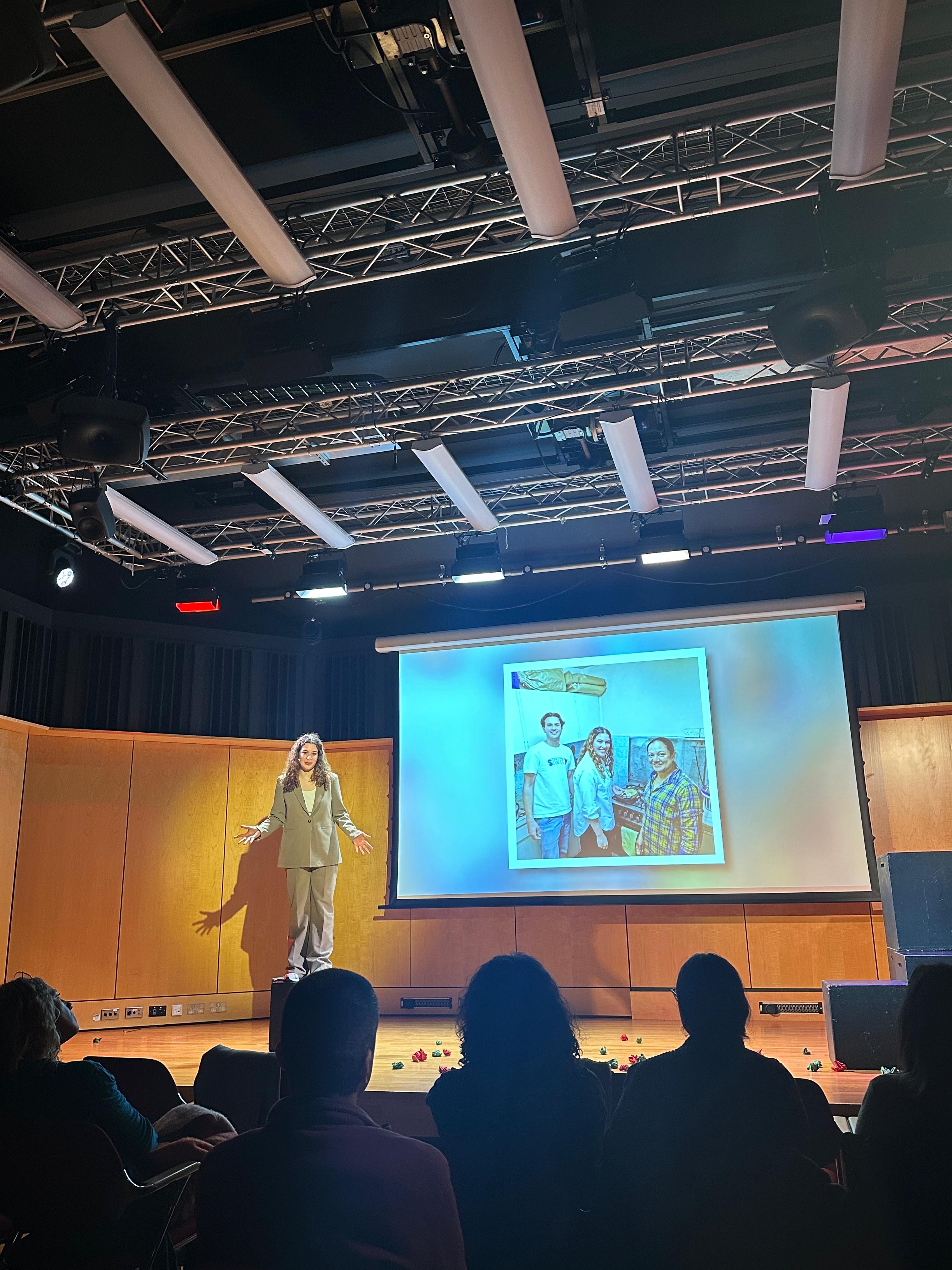
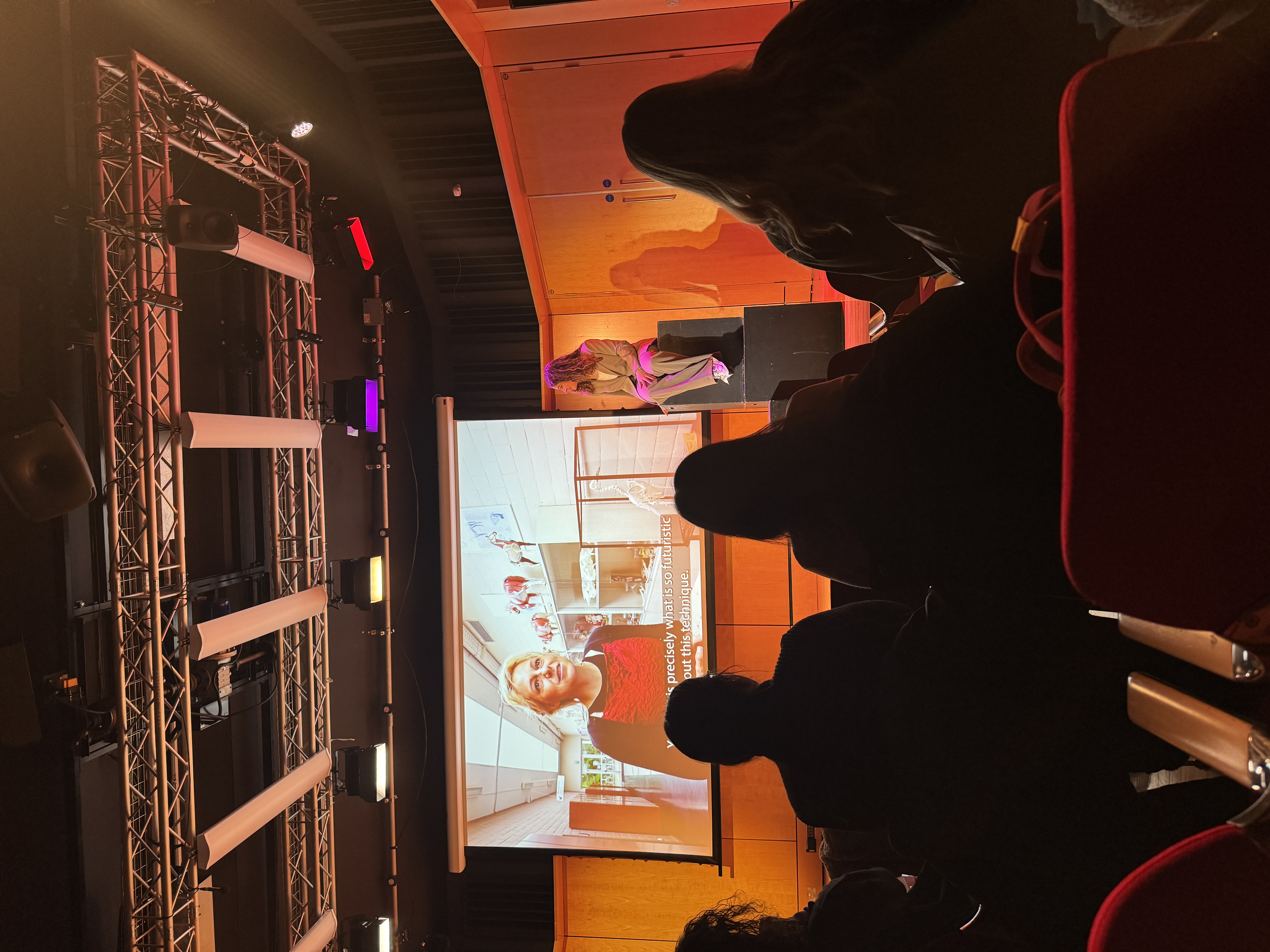
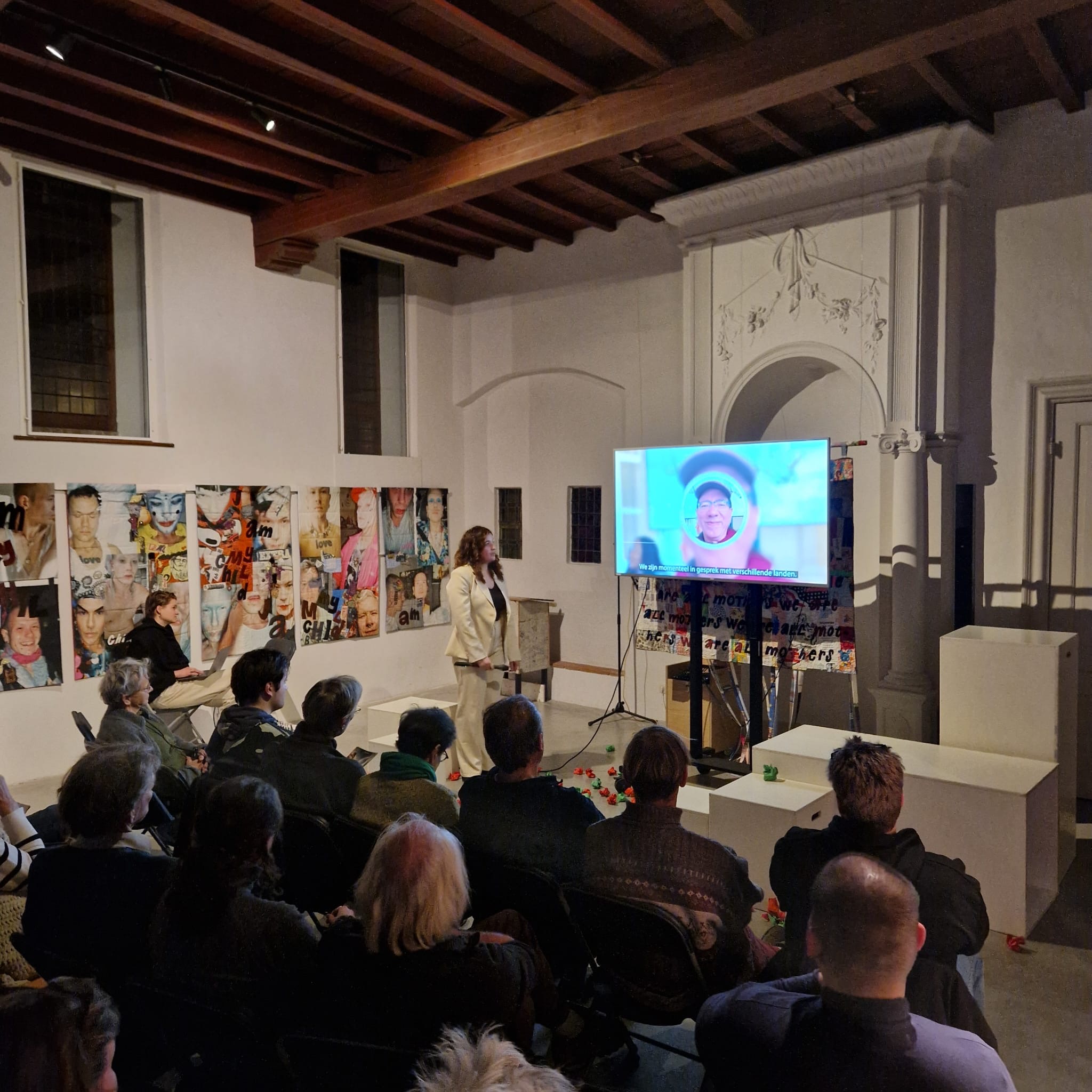
Afterwards, I interviewed several experts involved in the topic, including veterinary scientist Ruth Appeltant, BioRescue communication lead Steven Seet, professor of animal and ethical science Bernice Bovenkerk, investigative journalist and author Olivier van Beemen, and Kenyan citizen Ajay Apte. They appear in the show as experts on a screen.
With support of the professorship, I refined the script and received feedback during the writing process. A theatre director guided three rehearsal sessions and helped me translate the research into a performative format and shape moments of audience interaction. A musician created original music to support the storytelling. Throughout the process, I remained responsible for everything, while drawing on support from collaborators. If I were to continue, I wish to further experiment with different live journalism forms and audience interaction to understand how this method can engage diverse audiences.
Live journalism
Interdisciplinary storytelling
Democratic engagement
Public dialogue
Active citizenship
While my live journalism show addresses environmental challenges, the main sustainability objective of this project is to strengthen informed public engagement and contribute to a resilient future for journalism and democratic debate. Through live journalism, I hope to restore public trust in journalism, increase engagement and deepen meaning.
To achieve this, live journalism is used as a method to translate investigative research into a shared public experience. Through storytelling, expert interviews, journalistic research and participatory dialogue, this format encourages discussions, critical thinking and collective reflection on environmental futures.
From an audience survey with 73 respondents, 60% was between 18-25 years old. Among this young audience, 33% reported following traditional news on a daily basis, while 67% mainly accessed news daily through social media or alternative channels. This suggests the format reaches audiences that are less engaged with traditional journalism. 91% of young respondents had not seen a live journalism show before, yet 70% of them would like to see a live journalism show again.
Audience responses highlight the impact of the format. One person noted: ‘It’s nice to have a single moment when you receive all the information and can rely on it being correct, instead of having to figure it out yourself.’ Another person said the experience: ‘held their attention and created a deeper understanding of the subject compared to a video or written article.’ Building on audience responses, the project suggests achieving its aspirations.
Unlike traditional journalism formats, live journalism creates a physical space where citizens can engage with complex societal issues together. Various topics can be translated into a live journalism format; hence it is a durable alternative to traditional journalism.
In an age dominated by screen time, where we are overexposed to the many frightening things happening across the globe, I believe that real life connection changes everything. By bringing stories directly to audiences through in-person performances, immersive experiences, and narrative-driven events, live journalism fosters emotional connection, trust, and transparency. It breaks the fourth wall of traditional reporting, allowing for vulnerability, subjectivity, and co-presence to become strengths rather than limitations. In doing so, live journalism embraces the complexity of post-normal times, offering a space for dialogue, reflection, and collective meaning-making that conventional formats often struggle to provide. This contributes to the aesthetic objective of enhancing meaningful cultural and social exchanges that similarly enhance people’s connection to places and physical environments.
Survey responses indicate that the live element significantly increases the impact of the experience. One respondent said the format succeeds in conveying ethical dilemmas in a poignant and nuanced way. They added that by actively involving audience members in the opinion-forming process, they are less able to remain detached, than they would be with a written story or lecture. Another person said: ‘You really see the face behind the researcher or journalist, which makes the story feel human.’
Live journalism also contributes to cultural dialogue and a sense of belonging. Different viewpoints were brought together, creating a space where diverse perspectives can be heard and discussed. The exemplary character of the project lies in its innovative use of live journalism as a storytelling format. By combining journalism, performance and audience interaction, the project strengthens cultural and social engagement and makes complex issues accessible, meaningful and memorable for diverse audiences.
The goal is to make investigative journalism accessible, participatory and understandable for all. In particular, the project seeks to involve people who are less engaged with traditional journalism, especially younger audiences who mainly access news through social media.
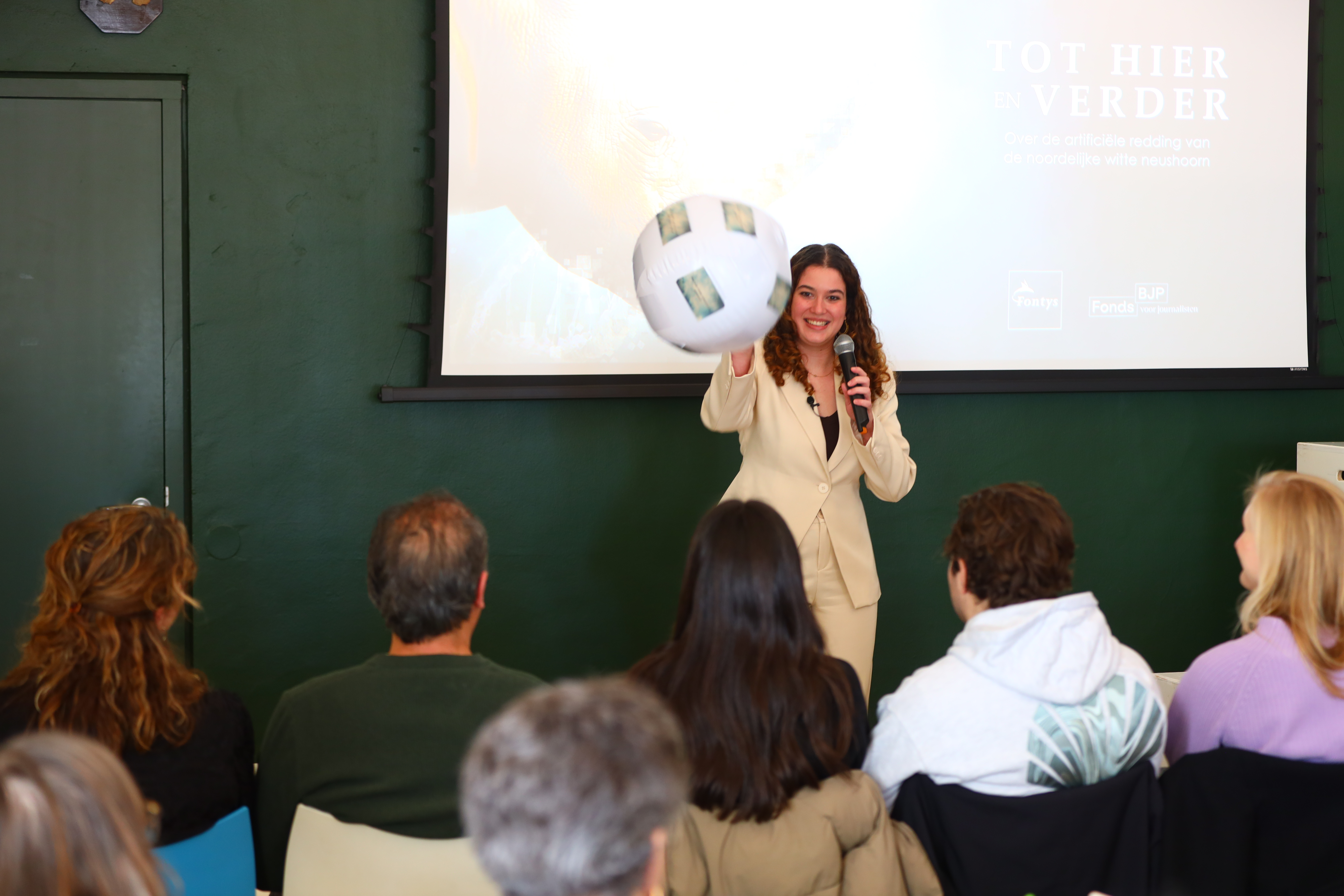
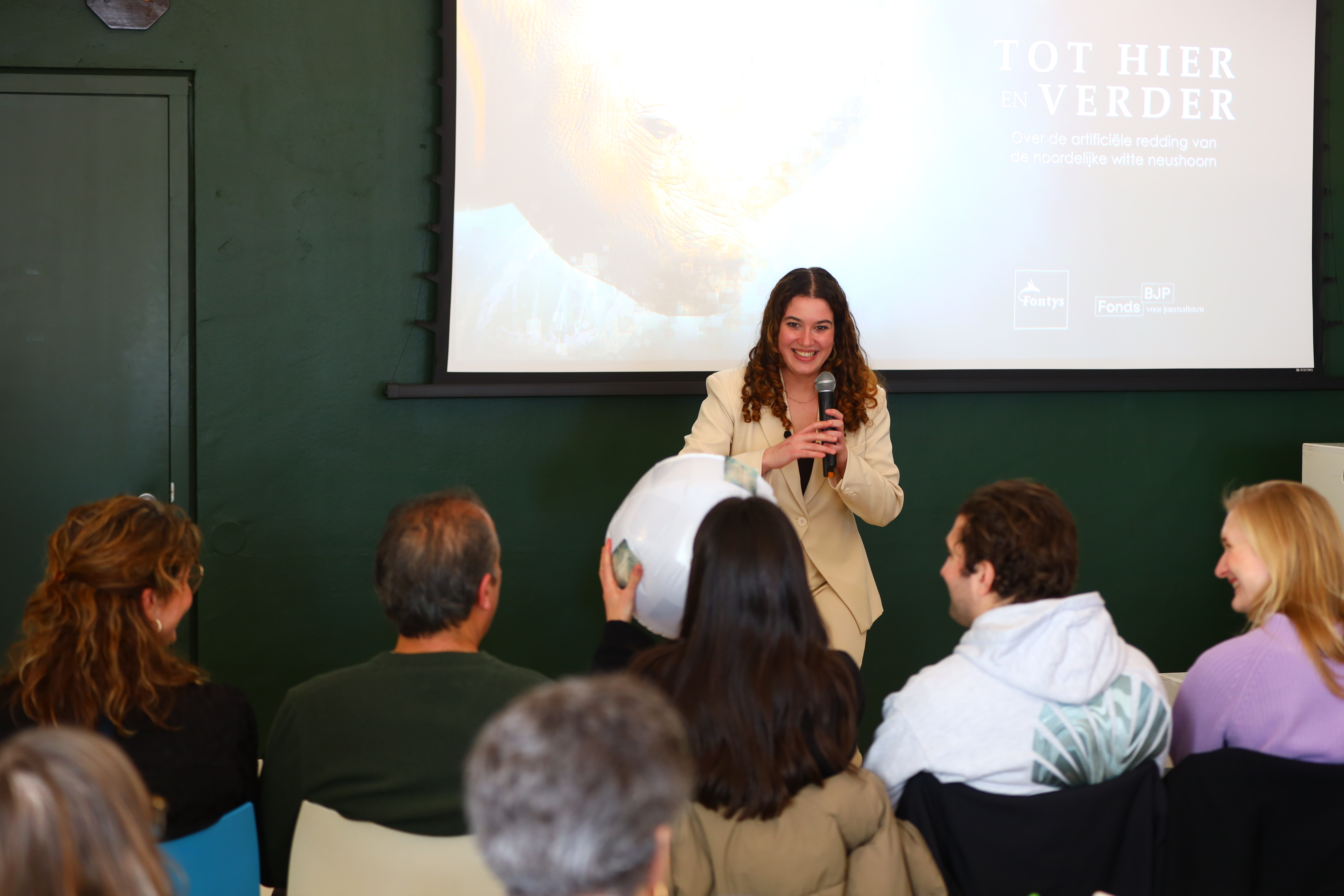
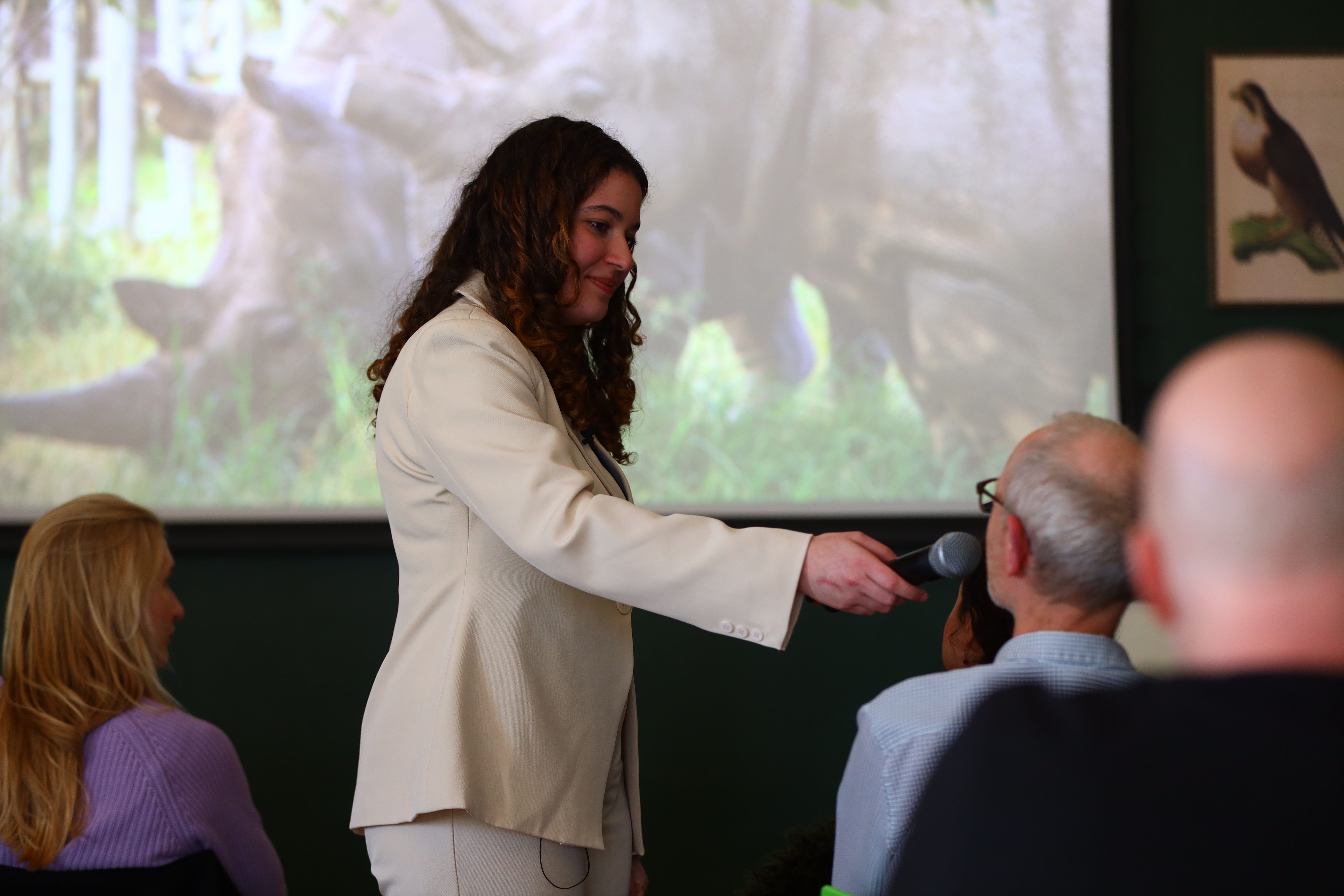
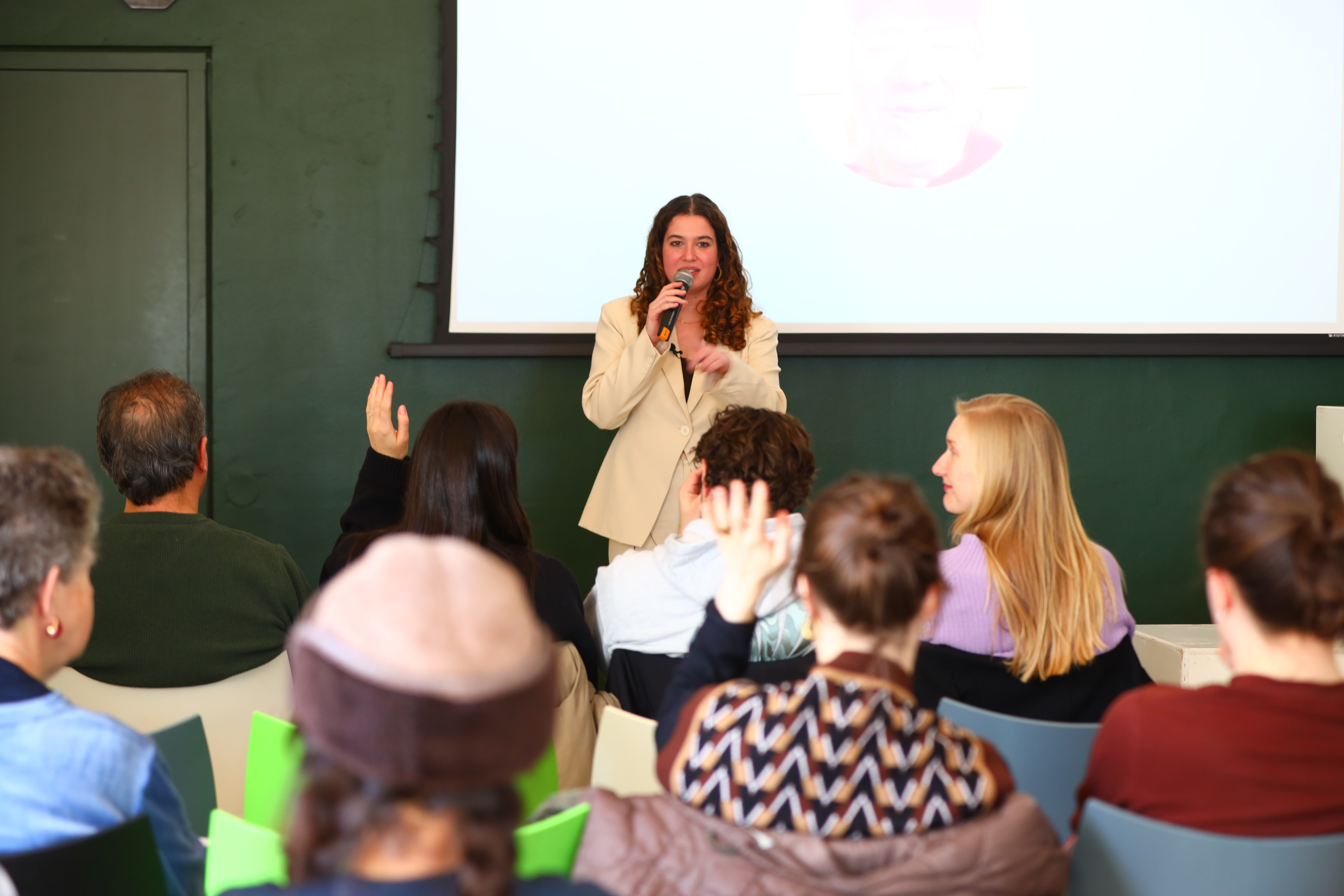
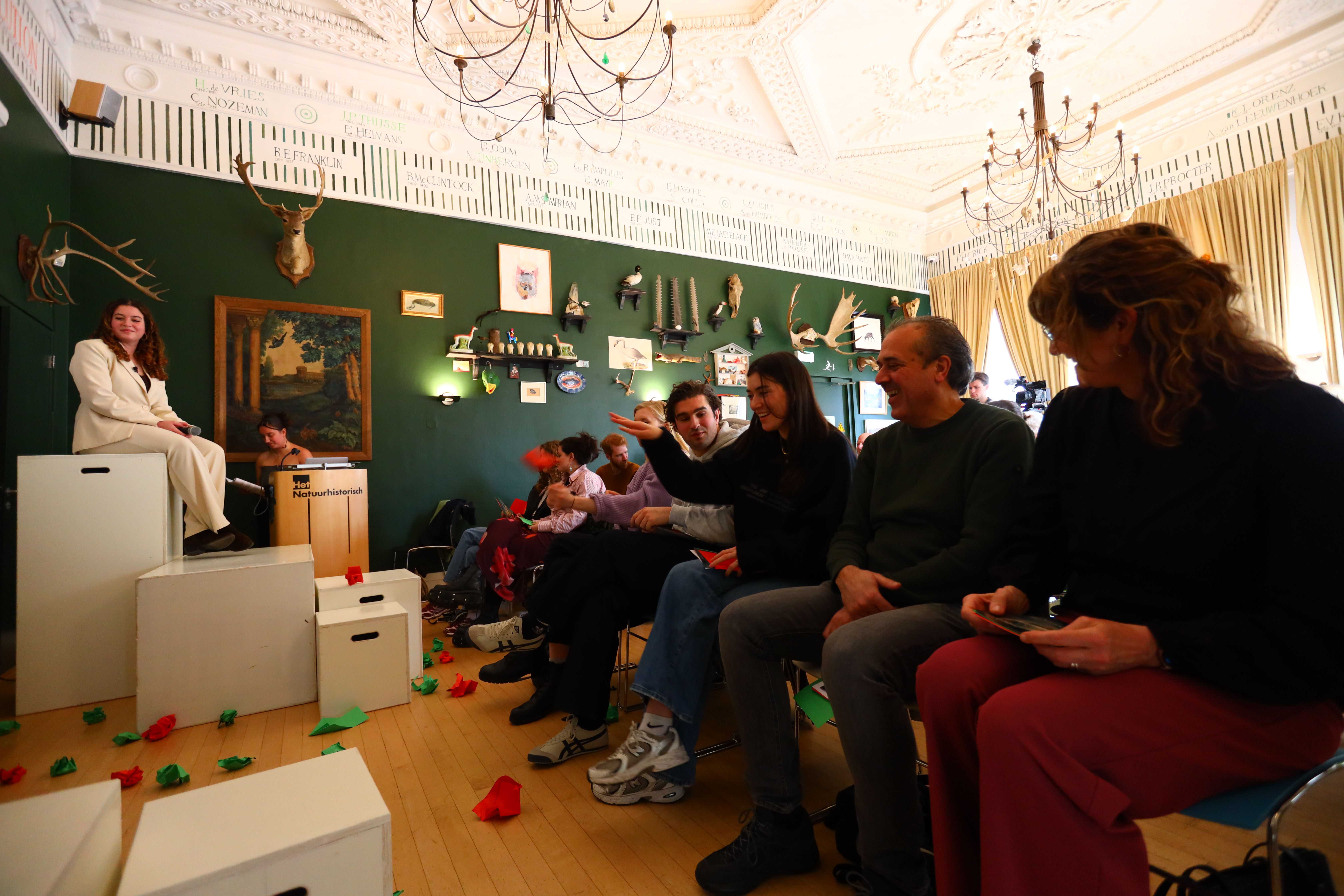
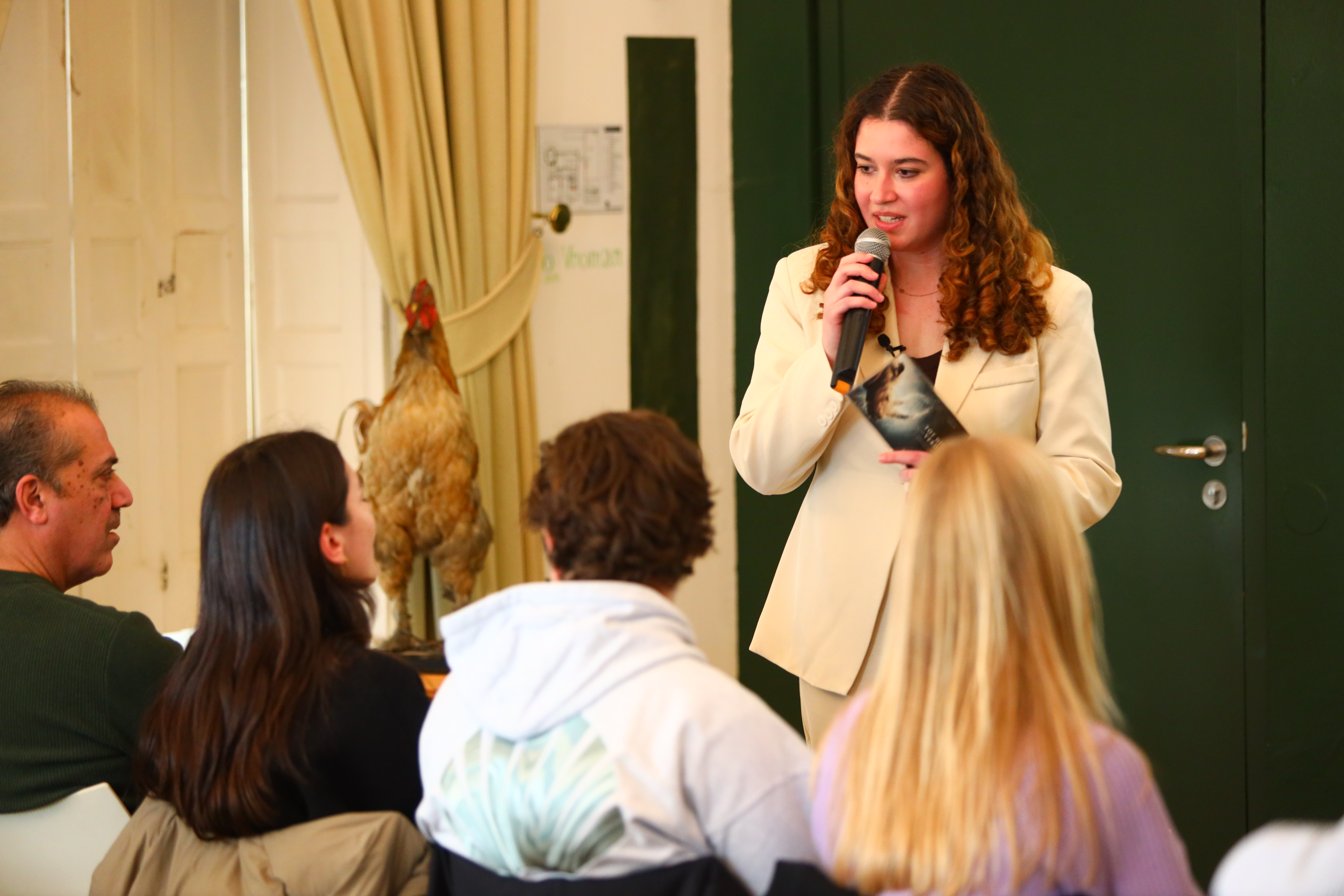
To achieve this, the show is highly interactive, inviting audience members to participate regardless of background or prior knowledge. As an icebreaker, a ball with questions is thrown into the audience to introduce the topic in a playful and informal way. During the performance, I occasionally step into the audience to invite participants to share thoughts, questions or observations. Each audience member also receives red and green pieces of paper to respond to ethical dilemmas raised during the show. By throwing a coloured paper onto the stage, participants can instantly express their opinion. The coloured floor visualises the diversity of perspectives in the room and encourages reflection on different viewpoints, creating dialogue beyond polarised positions. Personal storytelling also plays a role in strengthening inclusion. By sharing personal experiences, the show humanises complex scientific debates and helps audiences relate to the topic through their own experiences.
One audience member reflected that the storytelling format increased their involvement with the topic because they were ‘literally part of the discussion.’ Some performances are followed by a Q&A or moderated discussion with invited experts, such as a curator from the Natural History Museum in Rotterdam, or a guided philosophical conservation in the library in Zutphen. These moments allow audiences to further explore the topic together and stimulate conversation. The exemplary character of the project, is that it makes journalism accessible beyond traditional formats, allowing people to participate regardless of prior knowledge. On top of that, all performances were either free or maintained a ‘pay what you can’ format.
The concept was developed through collaboration with journalists, researchers, experts and the audience itself. The main beneficiaries of the project are citizens, particularly students and young adults who are less engaged with traditional journalism.
Several partners contributed to the development of the concept. The project received financial support from Fonds BJP, which enabled the research phase. The research group Designing Journalism provided a workplace and editorial feedback during the writing process, helping refine the script. I also interviewed a range of experts whose perspectives shaped the content of the performance.
During the performances, audiences actively influence the direction of discussions by sharing thoughts, responding to ethical dilemmas and asking questions. This creates a form of live dialogue where the audience helps shape how the topic is explored. Especially the Q&A sessions after performances had various outcomes. For example, during a performance in London, the discussion focused on live journalism as a storytelling method, as the discussion also focused on how journalists work and what decisions I made while making the show, while in Rotterdam the audience explored the ethical dimensions of conservation in greater depth. In a philosophical café in the library in Zutphen, statements related to the topic were placed on tables after the show, encouraging participants to rotate between groups every ten minutes and discuss the statement with new conversation partners. This night focused more on the use of technology in nature.
By giving audiences agency within the performance, the project encourages dialogue, critical reflection and shared ownership of the conversation, rather than creating a division between ‘journalist’ and ‘audience.’ Ultimately, journalists are also beneficiaries of this concept, as journalism is for the people, it is also valuable to understand how to interact with and involve your audiences.
At a local level, performances take place in cultural and educational institutions such as theatres, museums, libraries and universities. These venues provide space for the show to be performed and tested, engaging citizens directly and raising awareness around live journalism as an emerging form of storytelling within journalism.
At the national level, organisations such as Fonds BJP and the research group Designing Journalism at Fontys University of Applied Sciences contribute financial support, research expertise and a platform for experimentation. Their involvement helps further develop the concept and strengthen its credibility within the journalism sector. While journalists often tend to be critical on the concept of live journalism, having difficulties embracing its subjective but truthful character, support from grounded institutions are of significant importance.
At the European level, the project connects to international journalism networks. The performance was presented at the International Live Journalism Festival, where journalists and makers across Europe and beyond exchange knowledge and practices. In addition, the European Journalism Centre has included my performance in its mapping of live journalism initiatives. International recognition adds credibility, while similarly my performance adds to a database of live journalism projects and further expertise within the sector.
Multi-level engagement brings expertise, credibility and opportunities for scaling the concept. International networks help develop live journalism as a method, while collaborations with local cultural and educational institutions make it possible to reach diverse audiences. By combining local engagement with international knowledge, the concept has the potential to grow into a broader European model for participatory journalism and public dialogue.
This live journalism show is highly transdisciplinary and brings together knowledge from different fields in order to translate scientific and ethical debates into an accessible public experience. The journalistic foundation of the project is based on investigative research methods such as desk research and expert interviews. Environmental sciences play an important role through the contributions of scientists involved in the northern white rhino rescue project. For example, veterinary scientists and conservation experts provided insights into the technological attempts to revive the species. On the other hand, environmental and ethics experts elaborated on the project from their perspective. These different viewpoints help frame the broader question explored in the show: not just if it’s possible to reverse extinction, but whether we should want it.
With the support of a theatre director and creative collaborators, the journalistic research was dramatized through performance, music, visual media and audience interaction. This process helped transform static facts into an engaging and emotionally resonant story. Collaboration took place through interviews, feedback sessions, rehearsals and script development, where insights from journalists, researchers and creative professionals were combined. Scientists provided factual knowledge, philosophers introduced ethical reflection, and artistic collaborators helped shape how the story could be experienced by an audience.
Audience feedback reflects the effectiveness of this approach. One participant noted: “The story feels alive. Every question that arises is answered in the next scene, making the experience dynamic, complete and interactive.” The added value of this approach is that it bridges the gap between expert knowledge and public understanding. The project creates a format where complex societal issues become accessible, engaging and open to discussion.
At this stage, the focus is on accessibility and audience reach rather than revenue generation. From all the shows, I did not get paid from ticket sales. I could make the shows free with support from FondsBJP and venues who gave me a space to perform. However, over time this is not financially sustainable. I am currently completely dependent on public funding. The main costs associated with the project include research time, artistic production, travel costs, technical production, venue rental and the professional fees of collaborators. These costs are currently covered through a combination of funding and host venues.
In the future, the goal is to build a sustainable model that combines multiple revenue streams: public funding, partnerships with cultural and educational institutions, and ticket revenues from public performances. By building an audience, I’d like to eventually introduce a membership platform where instead of newspapers, audiences can subscribe to live journalism events. Maintaining accessible ticket prices remains an important principle; therefore, formats such as “pay-what-you-can” pricing can help ensure accessibility while still generating income. Through membership platforms I also see opportunities to work with local municipalities, which often provide cultural passes for people with lower incomes. By partnering with these initiatives, the live journalism events could become part of existing programmes, allowing visibility as well as providing free or cheap tickets to those who cannot afford it. This hybrid funding model can support the continuation and scalability of the project, allowing the show to tour to different cities, collaborate with new partners and reach larger audiences over time while ultimately bringing citizens together in different spaces to discuss societal challenges.
In the future, the goal is to build a sustainable model that combines multiple revenue streams: public funding, partnerships with cultural and educational institutions, and ticket revenues from public performances. By building an audience, I’d like to eventually introduce a membership platform where instead of newspapers, audiences can subscribe to live journalism events. Maintaining accessible ticket prices remains an important principle; therefore, formats such as “pay-what-you-can” pricing can help ensure accessibility while still generating income. Through membership platforms I also see opportunities to work with local municipalities, which often provide cultural passes for people with lower incomes. By partnering with these initiatives, the live journalism events could become part of existing programmes, allowing visibility as well as providing free or cheap tickets to those who cannot afford it. This hybrid funding model can support the continuation and scalability of the project, allowing the show to tour to different cities, collaborate with new partners and reach larger audiences over time while ultimately bringing citizens together in different spaces to discuss societal challenges.
Live journalism as a concept and storytelling method can be transferred and used by every journalist. I am working on creating a methodology for live journalism at the research group Designing Journalism at Fontys. This ‘Handbook Live Journalism’ can be used for journalists and theatre makers as well as students who wish to experiment with live journalism. This book, as well as multiple academic papers on live journalism will be released in the upcoming two years.
The format and the methodology of live journalism can be adapted to different places, audiences and topics. Up to Here and Beyond has already been presented in several locations in the Netherlands and internationally in London. Live Journalism can be applied to many societal topics beyond biodiversity and conservation. The core format, which is combining journalistic practice, the arts and audience interaction, can serve as a model and inspiration for journalists. Adding to that, live journalism is a hybrid genre that can take many forms, hence there is not a ‘correct’ way to do it.
Implementation in other locations would benefit from partnerships with cultural institutions. These partners can provide venues, audiences and contextual knowledge about local societal issues that could be explored through live journalism performances.
By starting locally and building recognition and support for live journalism, this concept can gradually scale up, contributing to the development of live journalism across Europe as a participatory form of journalism that strengthens public dialogue which serves a healthy democracy.
As a young professional, I want to experiment and gather as much knowledge as possible to further improve methodologies for live journalism. In the year following this application, this project will focus on further developing, testing and expanding the live journalism format.
In this period, I want to explore different societal topics. This will allow experimentation with new storytelling structures, forms of audience interaction and visual or performative elements. The aim is to better understand how different formats resonate with audiences and how live journalism can most effectively stimulate dialogue. Audience feedback will be systematically collected through discussions, Q&A sessions and surveys, allowing insights from audiences to directly inform the further development of the concept.
At the same time, I am still working as a researcher at the research group Designing Journalism at Fontys University of Applied Sciences. I am contributing to the development of methodologies for live journalism. This work will result in practical tools and publications that can support journalists, students and theatre makers who wish to experiment with live journalism
Another important step will be increasing visibility and awareness of live journalism in the Netherlands. Through performances, collaborations with cultural organisations and participation in journalism, the project aims to introduce new audiences to this innovative form of journalism. In the longer term, the goal is to further professionalise the concept by developing a sustainable organisational structure, either by establishing my very own live journalism company or by collaborating with existing theatre companies, journalism newsrooms or cultural institutions that want to explore this format. By combining practical experimentation with academic research and public engagement, the project aims to further develop live journalism as an innovative and impactful form of storytelling in the coming years