Renovation of Community House
Living Slavеykovo – Community House for Arts, Traditions and Well-being
The project transforms the cultural center in the village of Slaveykovo into a vibrant community hub for arts, education and social life. It creates a space for creative workshops, intergenerational learning and cultural exchange, including a small children’s center. By combining traditions, contemporary creativity and ecological practices, the initiative strengthens community bonds and promotes sustainable rural development.
Bulgaria
Slaveykovo village, 5370 Dryanovo municipality.
Early initiative
Yes
Yes
Yes
No
No
GAB12: Dryanovo (BG)
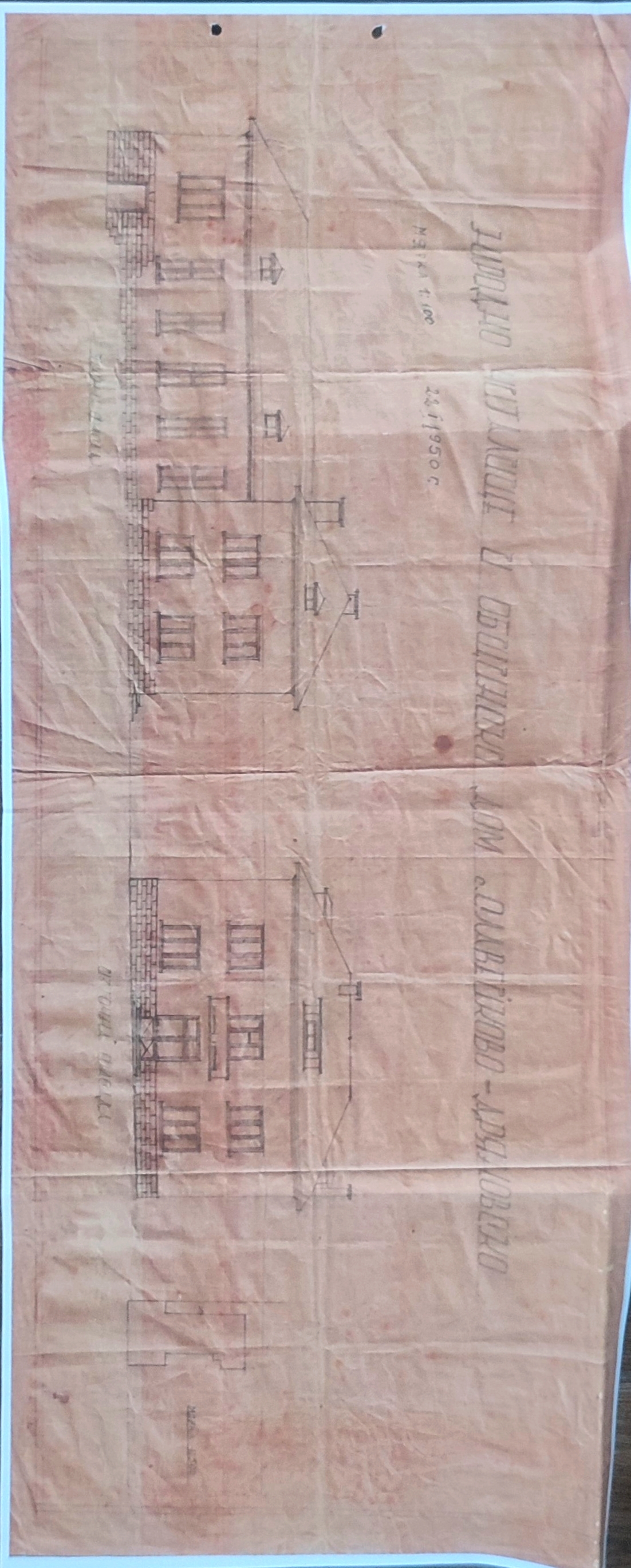
The initiative “Slaveykovo – Living Village: House of Arts, Sports and Traditions” transforms an underused cultural center (chitalishte) into a vibrant, inclusive and sustainable community hub. Located in a small rural village experiencing demographic change, the project responds to the lack of shared social and cultural infrastructure despite the presence of an active local community and newly settled international families.
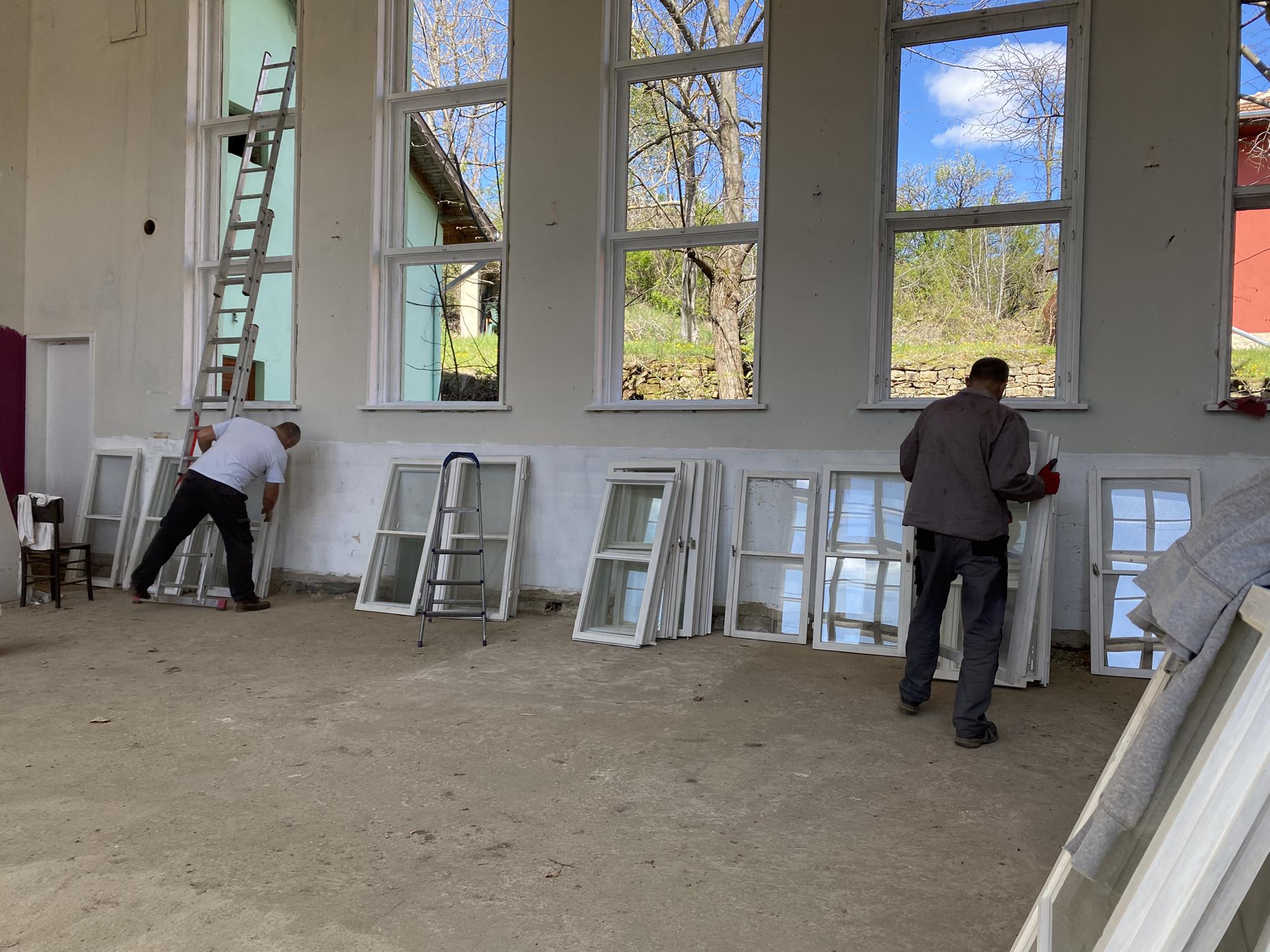
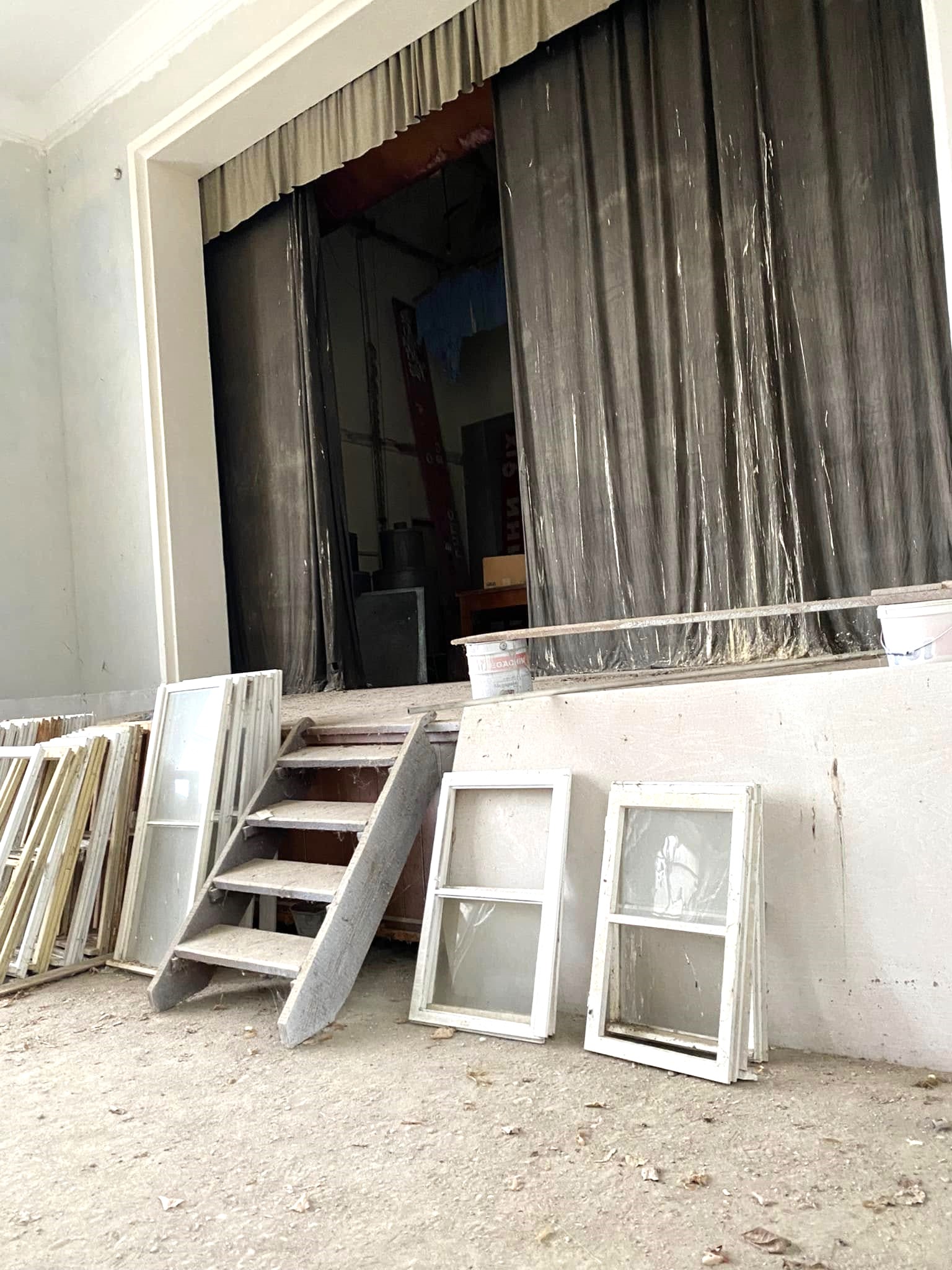
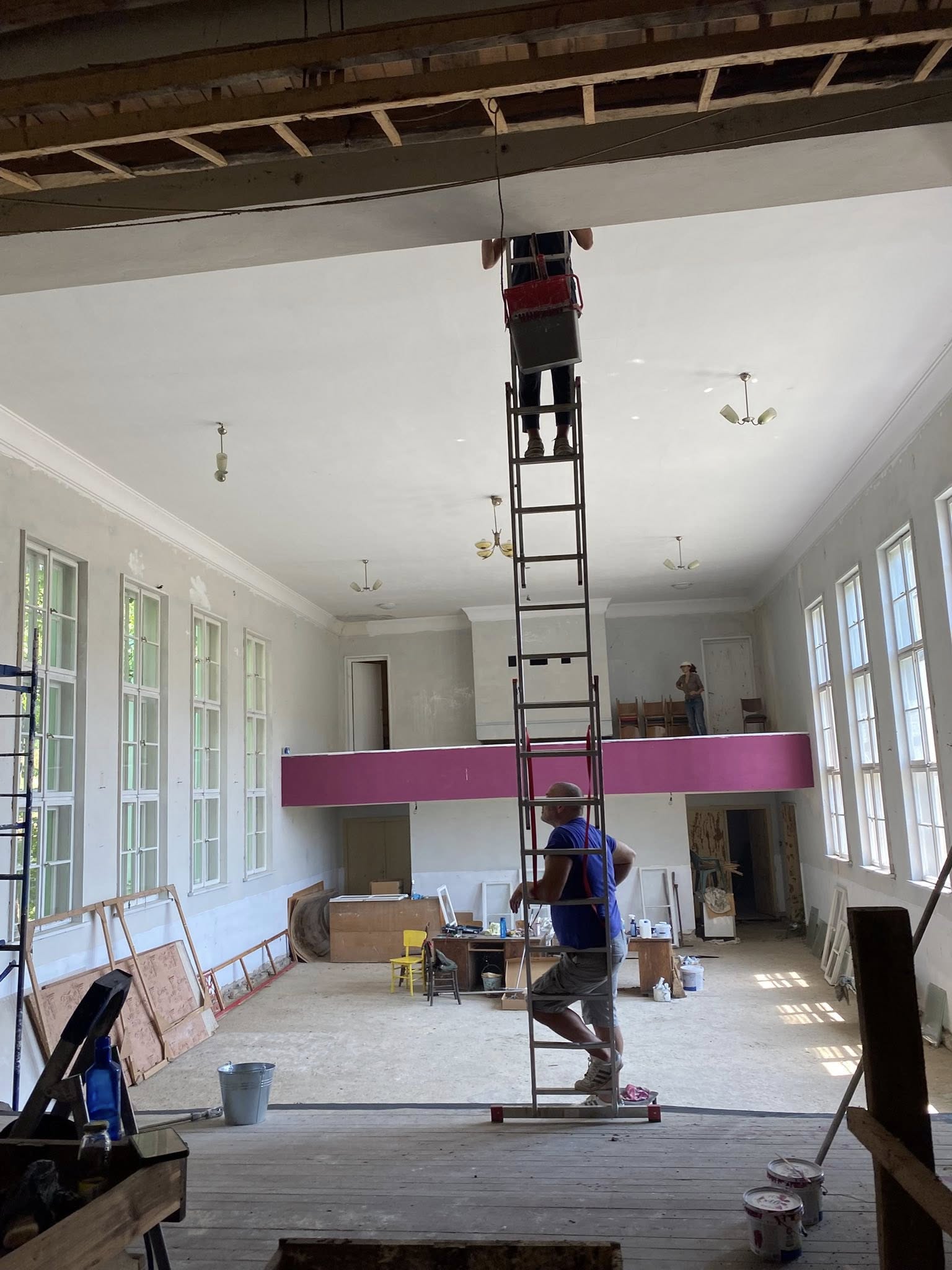
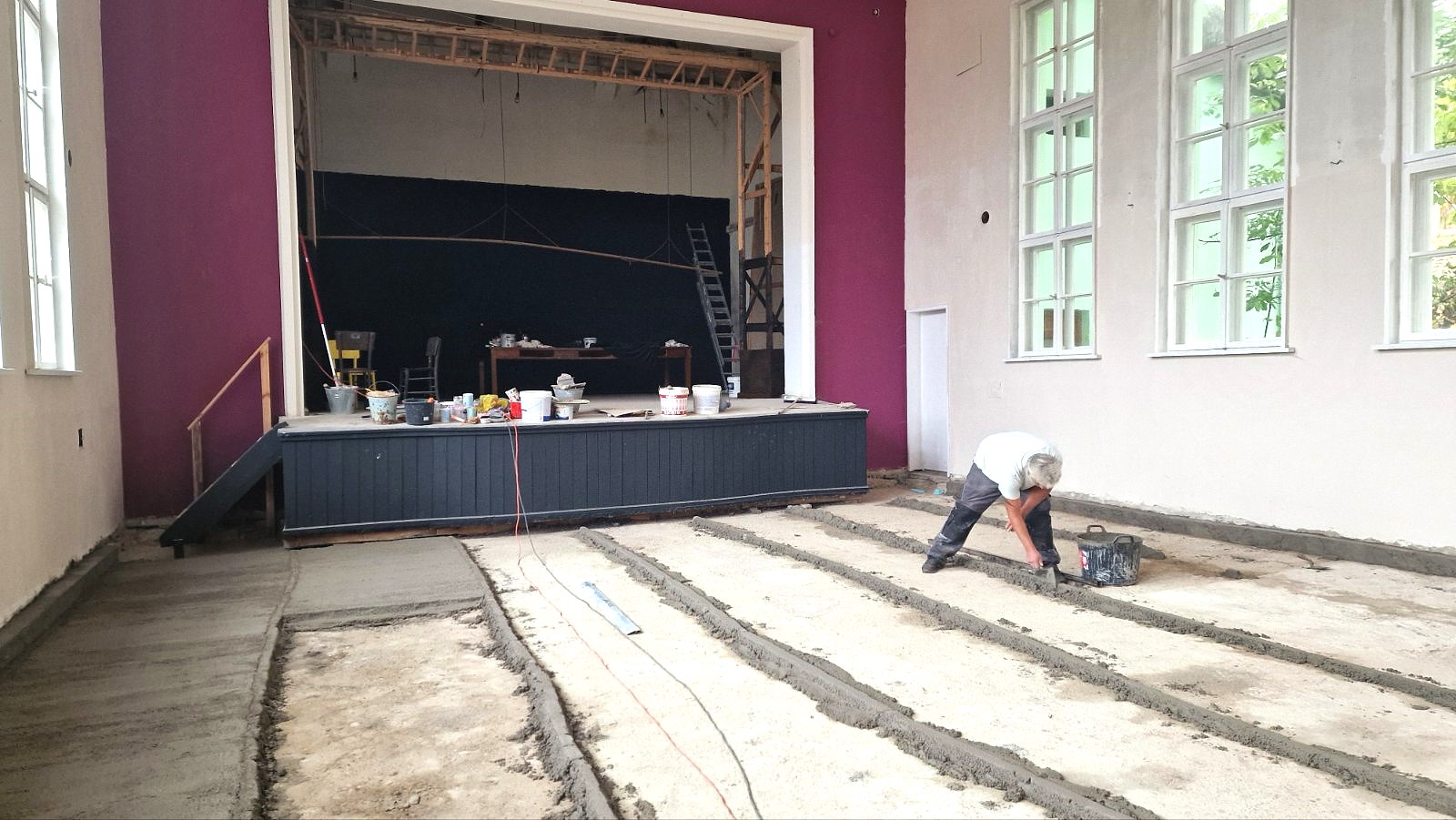
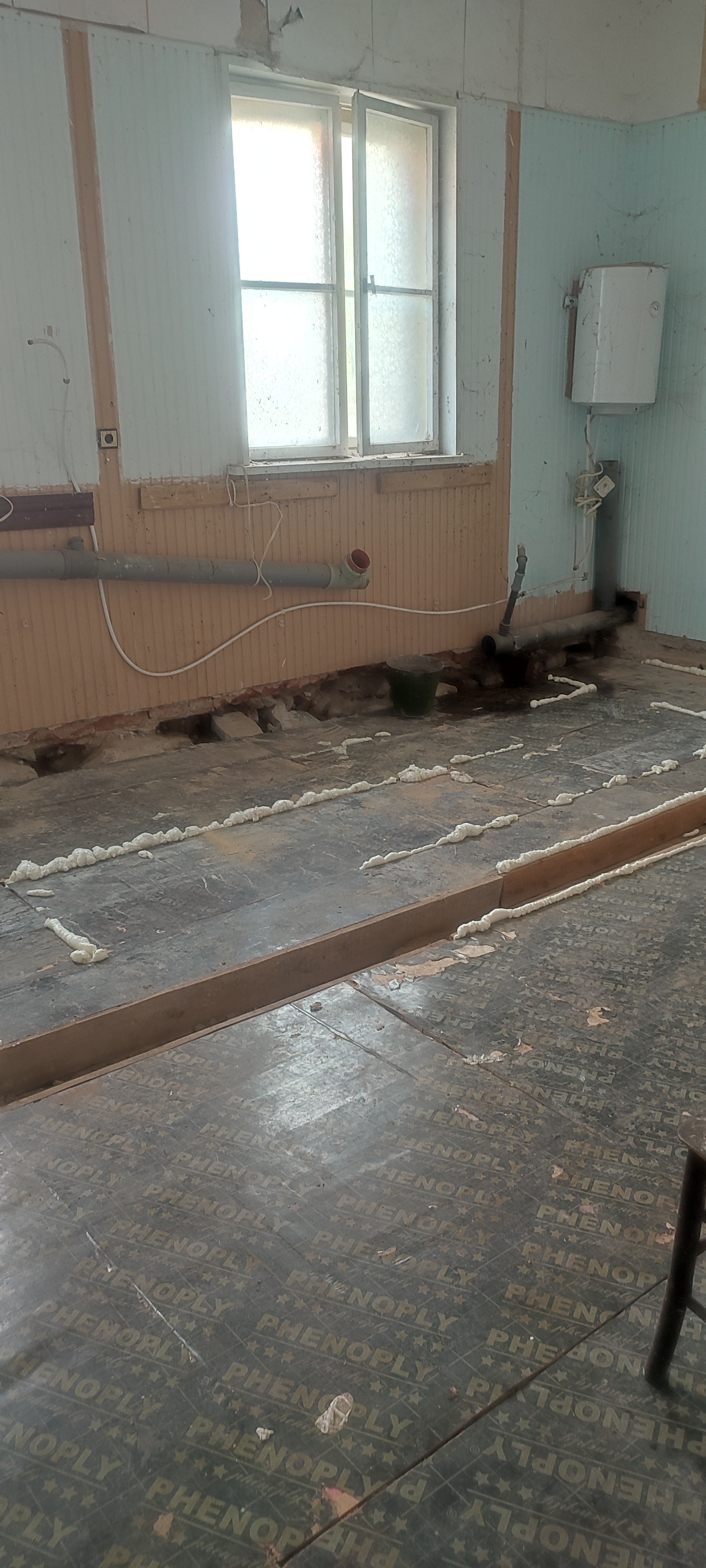
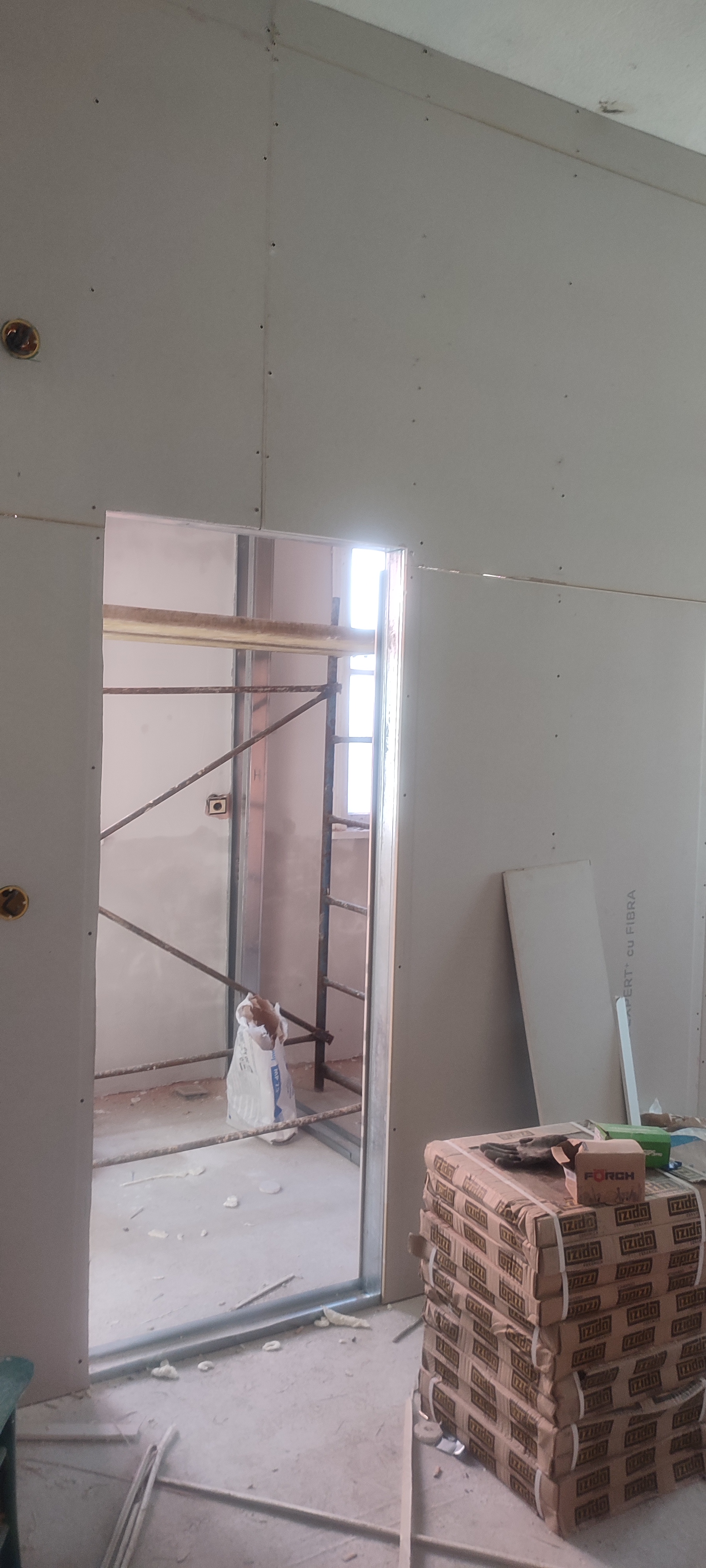
Through a community-led and participatory approach, the initiative combines physical transformation with social activation. The building is being gradually renovated through volunteer work, local fundraising and partnerships, while simultaneously hosting cultural, educational and creative activities. This ensures immediate use and long-term sustainability.
The project integrates the core values of the New European Bauhaus by promoting sustainability through the reuse of existing infrastructure and ecological practices; aesthetics through the creation of a welcoming and culturally meaningful environment; and inclusion through open access, intergenerational exchange and active citizen participation.
Key activities include creative workshops, cultural events, intergenerational learning and the establishment of a community children’s center. These activities bring together children, adults, elderly residents and international newcomers, strengthening social cohesion and fostering a sense of belonging.
The initiative functions as a community-led living lab, where citizens are co-creators of their environment. It represents a model of social innovation, demonstrating how small rural communities can achieve meaningful transformation with limited resources.
By combining culture, education, sustainability and participation, the project creates long-term impact and offers a scalable and replicable model for rural regeneration across Europe.
sustainability
aesthetics
inclusion
Citizen's involvement
Scalability
The initiative promotes sustainability through a holistic, community-led approach that integrates environmental, social and economic dimensions. A key objective is the adaptive reuse of an underutilised cultural building, transforming it into a functional and vibrant community hub without the need for new construction. This significantly reduces environmental impact while preserving local heritage and identity.
Environmental sustainability is further addressed through the promotion of ecological thinking and sustainable behaviour change. The project includes practical activities such as reuse of materials, repair and upcycling workshops, and nature-based learning. These approaches encourage responsible use of resources and raise awareness, particularly among children and young people.
Education for sustainability is embedded in all activities, including the development of a community children’s center, where participants engage in hands-on learning and develop green skills. Outdoor spaces are also activated for community gardening and environmental activities, strengthening the connection between people and nature.
Social sustainability is achieved by fostering inclusion, participation and intergenerational exchange. The initiative strengthens community resilience by building relationships, encouraging collaboration and creating a shared sense of ownership.
Economic sustainability is ensured through low-cost, community-driven implementation, volunteer engagement and diversified local support, reducing dependency on external funding.
The initiative is exemplary because it demonstrates how sustainability can be achieved through collective action, reuse of existing resources and integration of ecological thinking into everyday life. It offers a replicable model for small communities seeking long-term, resilient and sustainable development.
The project aims to enhance the aesthetic quality of the community cultural center (chitalishte) in Slavеykovo by transforming it into an inspiring and welcoming space for creativity and cultural expression. Through thoughtful, low-cost design interventions, the building will be improved to create a harmonious, functional and visually engaging environment.
A key objective is to integrate art and culture into the space itself—through exhibitions, handmade decorations, local crafts and artistic elements created during workshops. The involvement of local artists and residents in shaping the space will ensure authenticity and a strong connection to local identity.
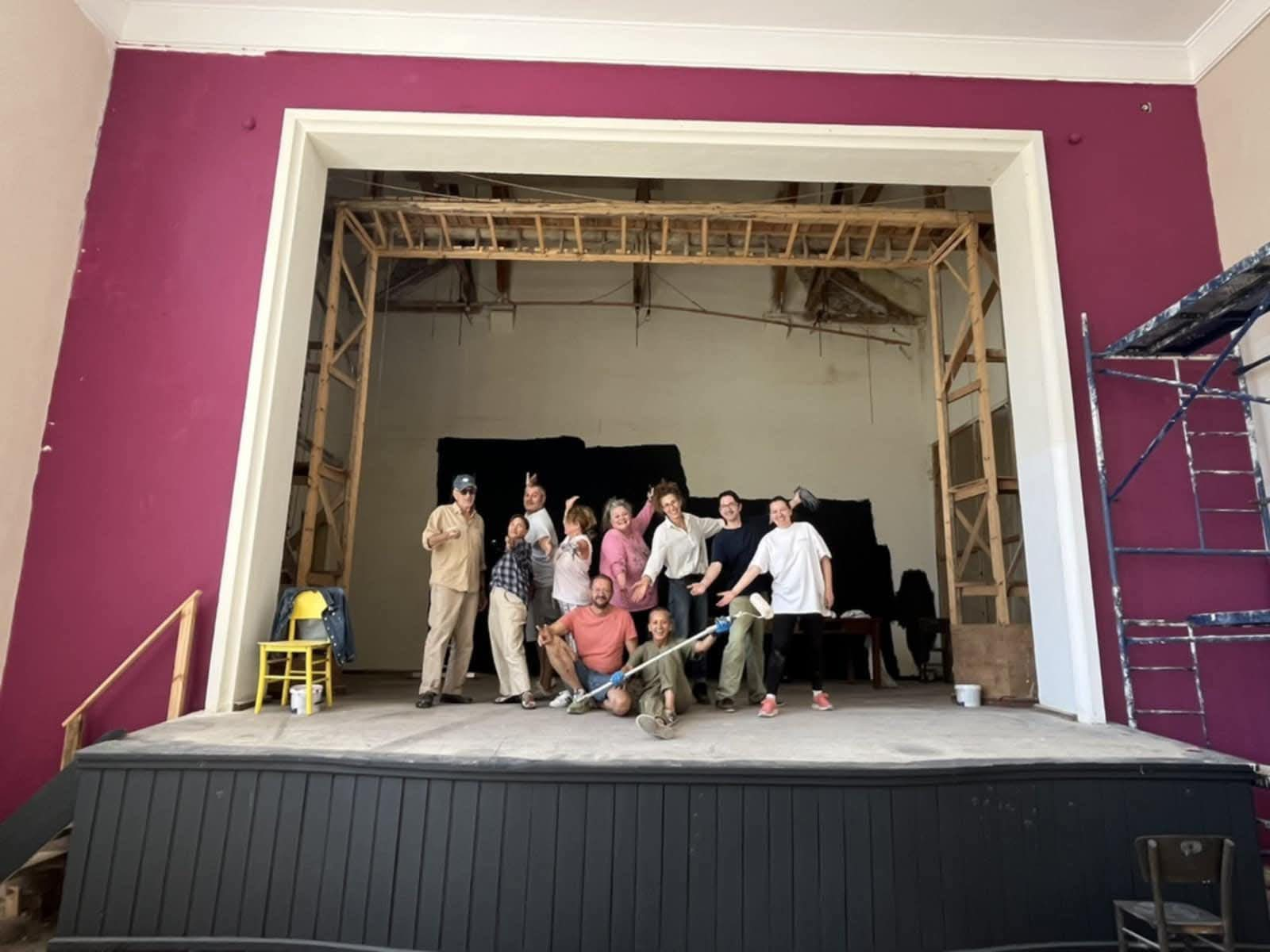
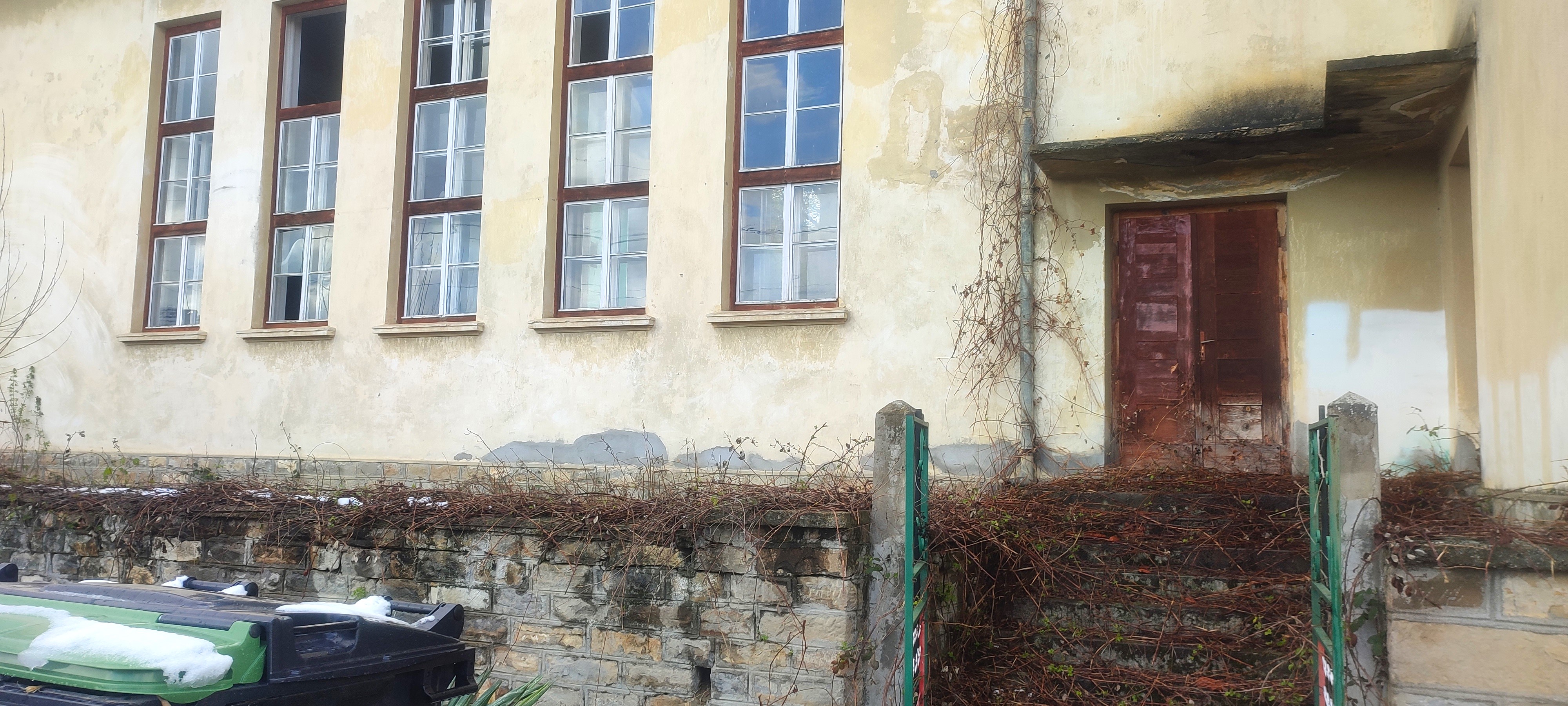
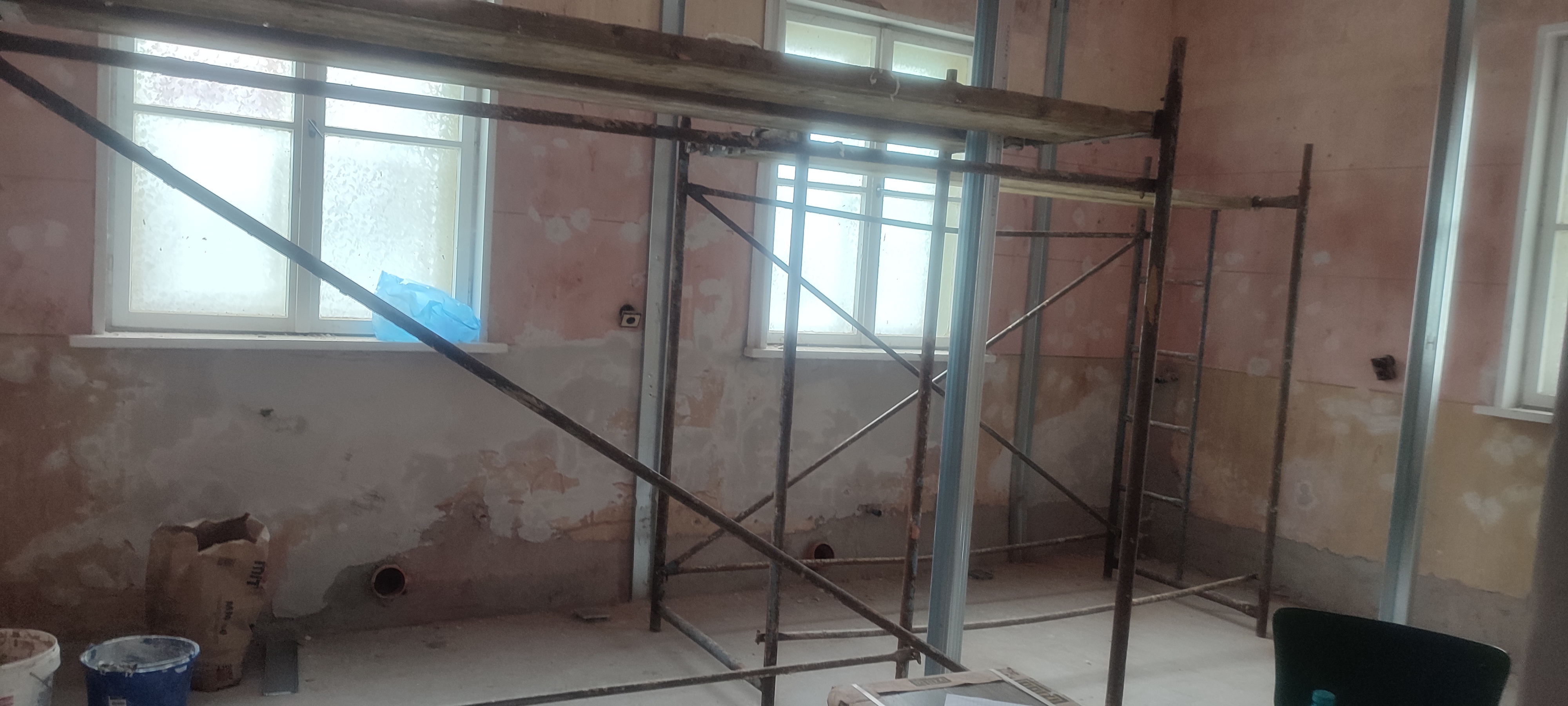
The initiative transforms a neglected rural cultural building into a vibrant, welcoming and meaningful space that reflects the identity and aspirations of the local community. Through collective effort and volunteer work, the space is already undergoing visible improvement, demonstrating how quality can emerge from community-led transformation.
The project creates a dynamic cultural environment where traditions and contemporary creativity meet. Workshops, performances and exhibitions activate the space, turning it into a place of experience rather than passive use. The integration of natural surroundings and outdoor areas further enhances the sensory and emotional connection to the place.
Citizens are directly involved in shaping the atmosphere and use of the space, ensuring authenticity and relevance. The initiative functions as a living, evolving environment — a community-led living lab.
It is exemplary because it shows how aesthetic quality and meaningful experiences can be achieved through co-creation, reuse of existing infrastructure and strong local identity.
Inclusion is embedded in the initiative’s design, governance and daily activities. The project ensures open and affordable access to cultural, educational and social opportunities for all members of the community.
It actively engages diverse groups, including children, elderly residents and international families, creating a shared space for interaction and mutual learning. Special focus is placed on children through the development of a dedicated children’s center, supporting creativity, education and early community engagement.
Elderly residents contribute as knowledge holders, while newcomers bring new perspectives, strengthening intercultural dialogue. Activities are designed to be flexible and accessible, encouraging participation regardless of background or ability.
The initiative promotes inclusive governance by involving citizens in decision-making and implementation, fostering ownership and responsibility.
It is exemplary because it creates not just access, but a strong sense of belonging, social cohesion and long-term community resilience.
The initiative is entirely community-driven, emerging as a response to the lack of shared social and cultural infrastructure in the village. Citizens are not beneficiaries, but active co-creators of the project.
Local residents contribute through continuous volunteer work, fundraising initiatives and active participation in cultural life. This includes regular collective efforts to restore and activate the building, as well as organising events and activities.
People of all generations are involved. Children participate in creative and educational programmes, while elderly residents share traditional knowledge and skills. International residents are also actively engaged, contributing to diversity and innovation.
This high level of involvement builds trust, strengthens social ties and ensures that the project reflects real needs. It represents a strong example of community-led transformation and co-creation.
The impact is visible in the revitalisation of social life and the growing sense of shared ownership and purpose.
The initiative brings together stakeholders at multiple levels, creating a strong and effective support network. At the local level, citizens, volunteers and cultural actors are directly involved in the design and implementation of activities.
Municipal authorities contribute through targeted support for infrastructure improvements, demonstrating alignment between community initiative and public policy. Partnerships with non-governmental organisations and funding bodies further strengthen the project by providing financial and organisational support.
Each stakeholder plays a clear role: the community leads the process, institutions enable development and partners provide additional resources and expertise.
This multi-level collaboration enhances the initiative’s impact, resilience and long-term sustainability. It also creates opportunities for future expansion and knowledge exchange at regional and European level.
The initiative integrates multiple disciplines in a holistic and place-based approach. Cultural heritage is preserved and activated through traditional crafts, music and storytelling, while contemporary arts introduce new forms of expression.
Education is embedded through informal learning, intergenerational exchange and creative workshops, with a strong focus on children and lifelong learning. Environmental awareness is promoted through nature-based activities and responsible use of local resources.
Architecture and spatial design are reflected in the adaptive reuse and gradual improvement of the building, enhancing both functionality and aesthetics. Social innovation and community development guide the participatory approach.
These fields interact through collaborative processes, where artists, residents and participants co-create content and experiences. This interdisciplinary model adds value by fostering creativity, learning and sustainable development.
The initiative stands out through its integrated, community-led approach to rural revitalisation. It combines cultural development, education, environmental awareness and spatial transformation within a single, coherent model.
Its innovation lies in the bottom-up process, where citizens initiate, design and implement change through volunteer work and collective action. The project demonstrates how underused infrastructure can be transformed into a vibrant community hub with minimal resources.
The inclusion of a children’s center within a cultural environment creates a forward-looking model linking education, creativity and social life. The active involvement of international residents further enhances innovation by turning diversity into a strength.
The initiative represents a form of social innovation, offering a replicable and scalable model for sustainable community development.
The initiative follows a participatory, place-based and co-creation methodology. It starts from clearly identified local needs, particularly the absence of a shared cultural and social space.
Implementation is based on volunteer work, local fundraising and strategic partnerships. Physical transformation of the building is combined with immediate activation through cultural and educational activities, ensuring continuous use and engagement.
Learning-by-doing is a core principle, especially in activities involving children and community members. Intergenerational and intercultural exchange is actively encouraged.
The methodology is flexible and adaptive, allowing the project to evolve organically. It successfully combines social innovation with practical action, resulting in a resilient and sustainable development model.
The initiative offers a highly transferable model based on accessible and adaptable principles. It demonstrates how community engagement, reuse of existing buildings and low-cost interventions can lead to significant social and spatial transformation.
Its structure — combining volunteer work, cultural programming, education and partnerships — provides a clear framework that can be applied in other rural or small urban contexts.
The initiative supports scalability through adaptability, allowing different communities to tailor the model to their specific needs and resources. The planned documentation and sharing of experience will further enhance its transferability.
This makes the project a strong example of sustainable and replicable rural innovation across Europe.
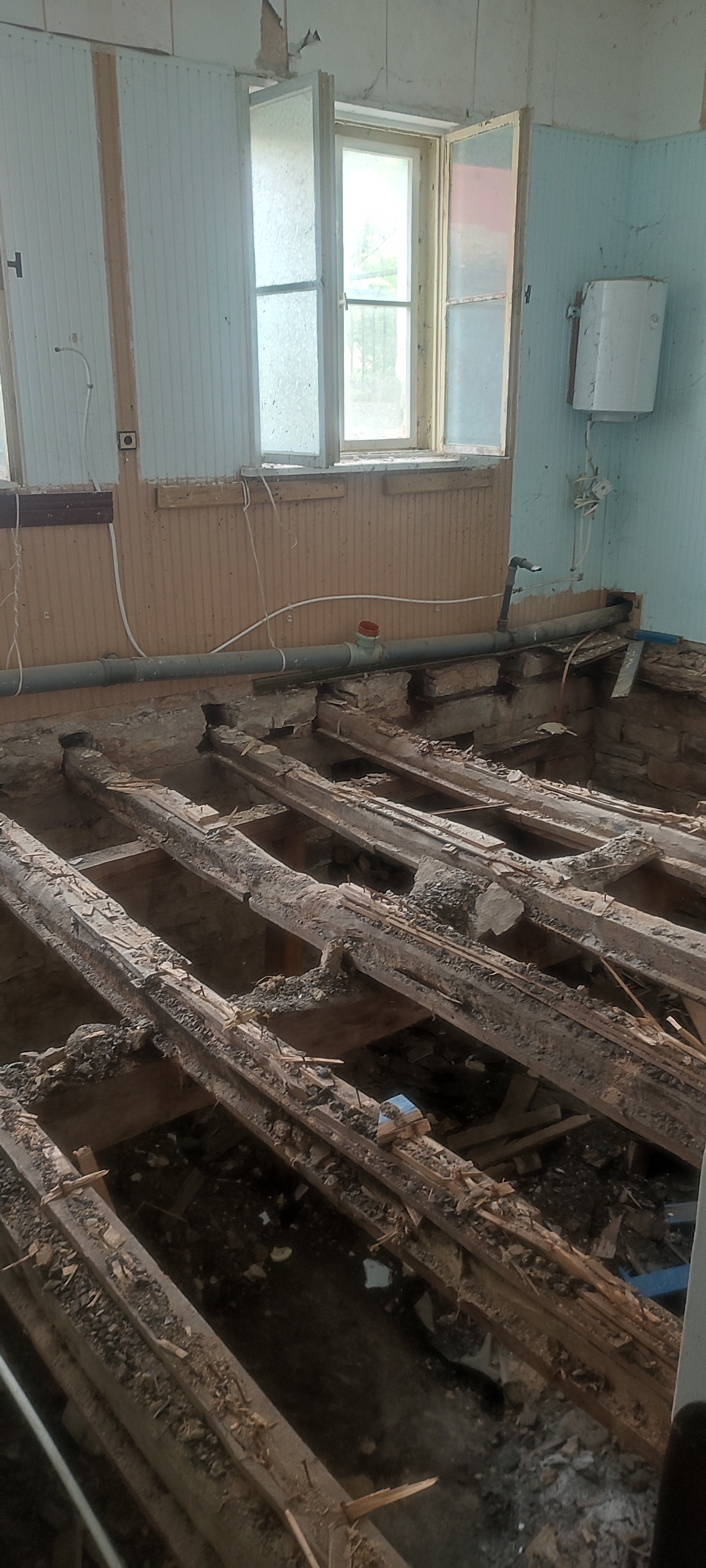
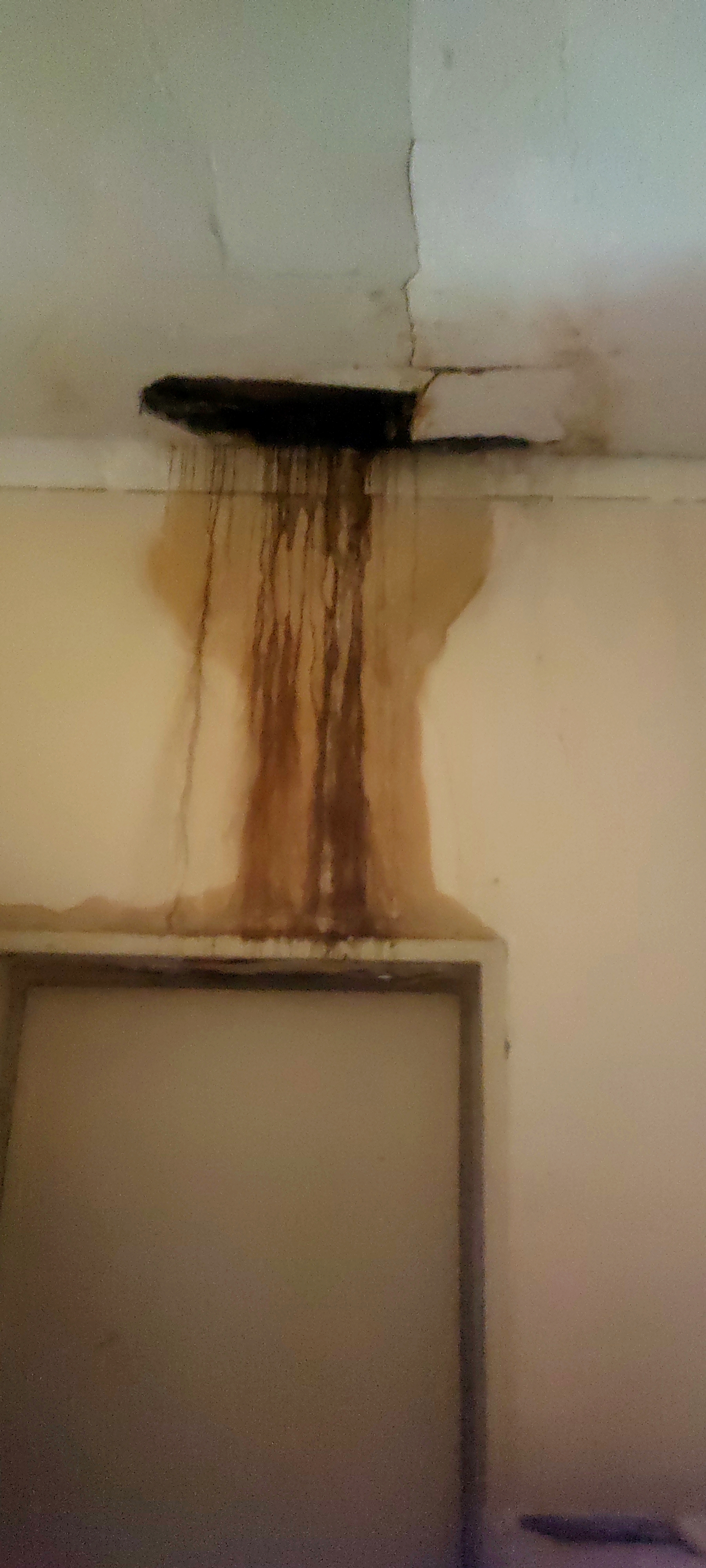
The next phase focuses on completing the physical transformation and expanding the programme. Planned actions include roof renovation, completion of the flooring, and the creation of dedicated functional spaces such as a creative workshop, children’s center and library.
Outdoor areas will be improved and integrated into the programme through cultural events, ecological activities and community gatherings. These developments will enhance both the quality of the environment and the overall user experience.
The initiative will continue to expand its network of partners, strengthen community engagement and diversify its activities.
All next steps are guided by the principles of sustainability, inclusion and aesthetics, ensuring long-term impact, resilience and sustainable behaviour change within the community.