Arts, Culture, and Heritage as Drivers of Change
Reconnecting People, Culture and Place
Central PETacciato_Reconnecting People, Culture and Place
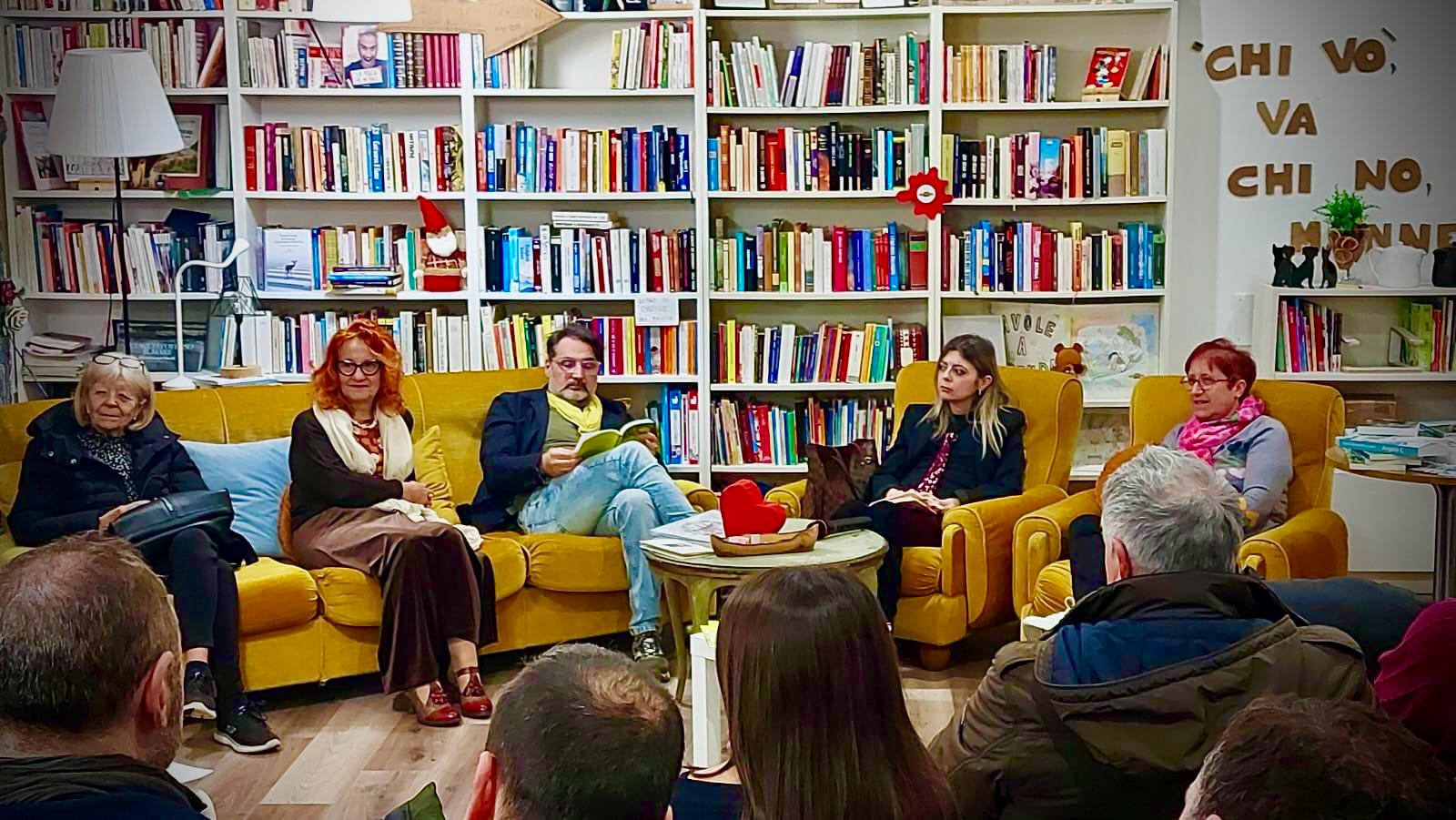
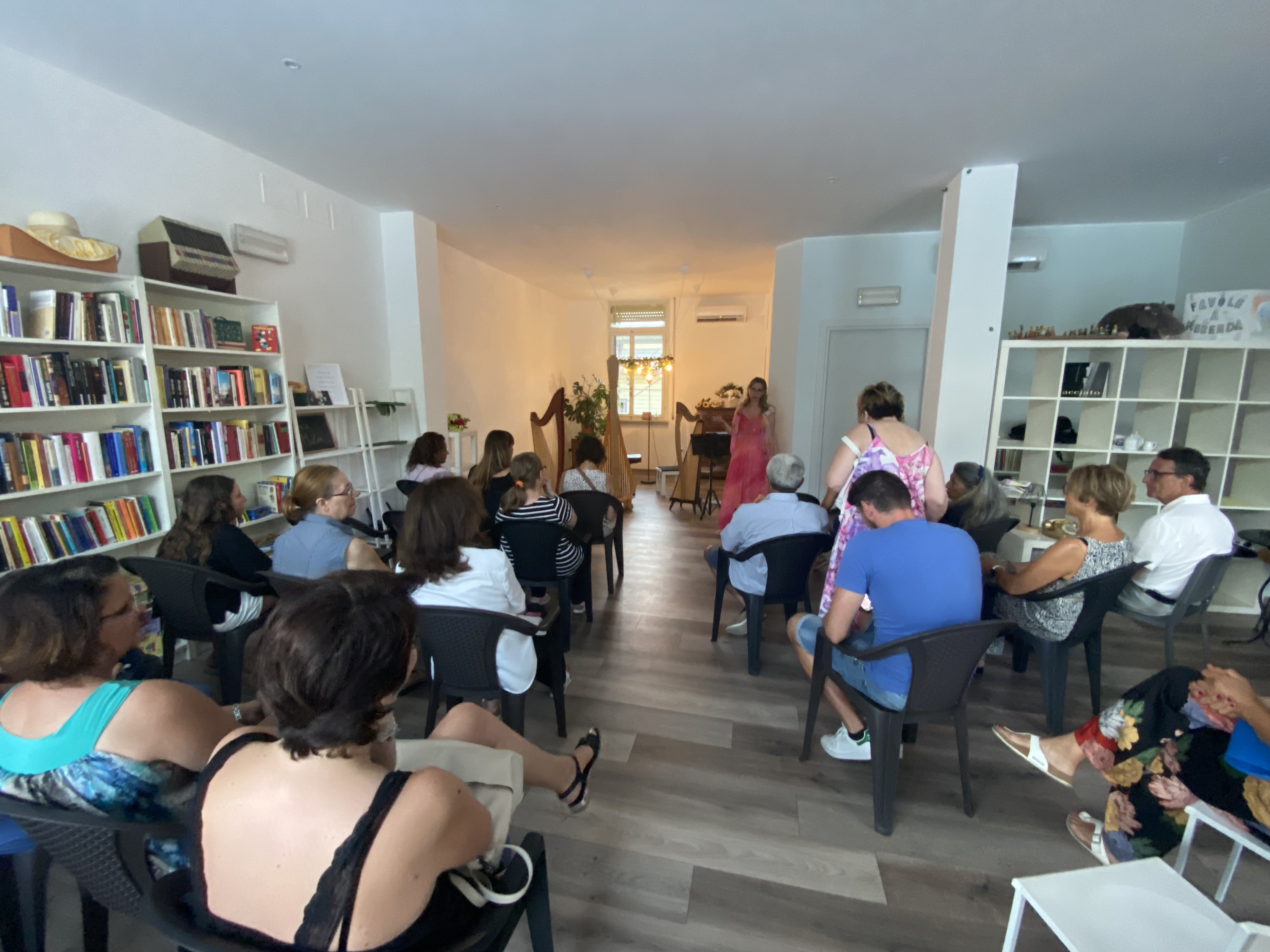
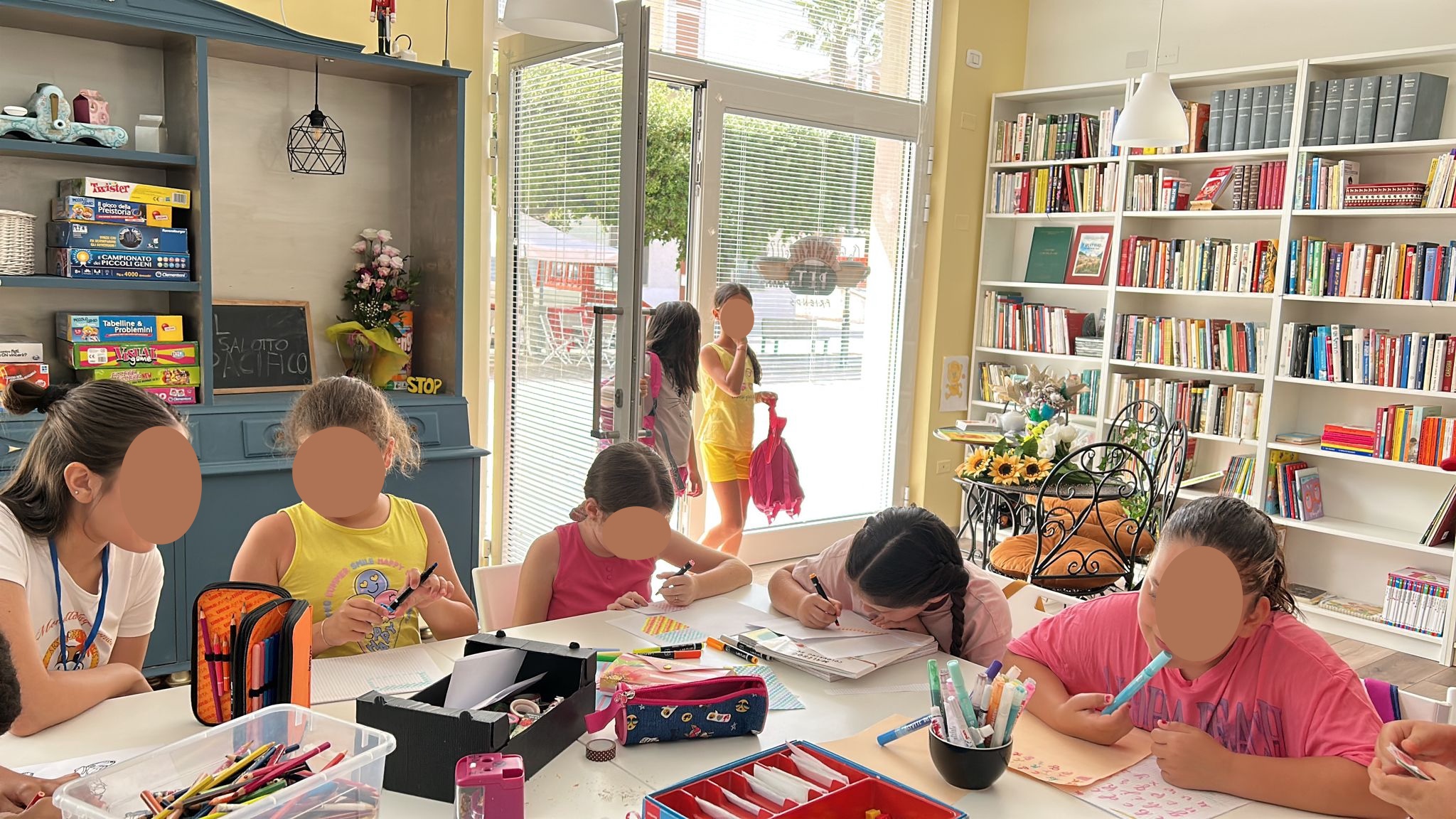
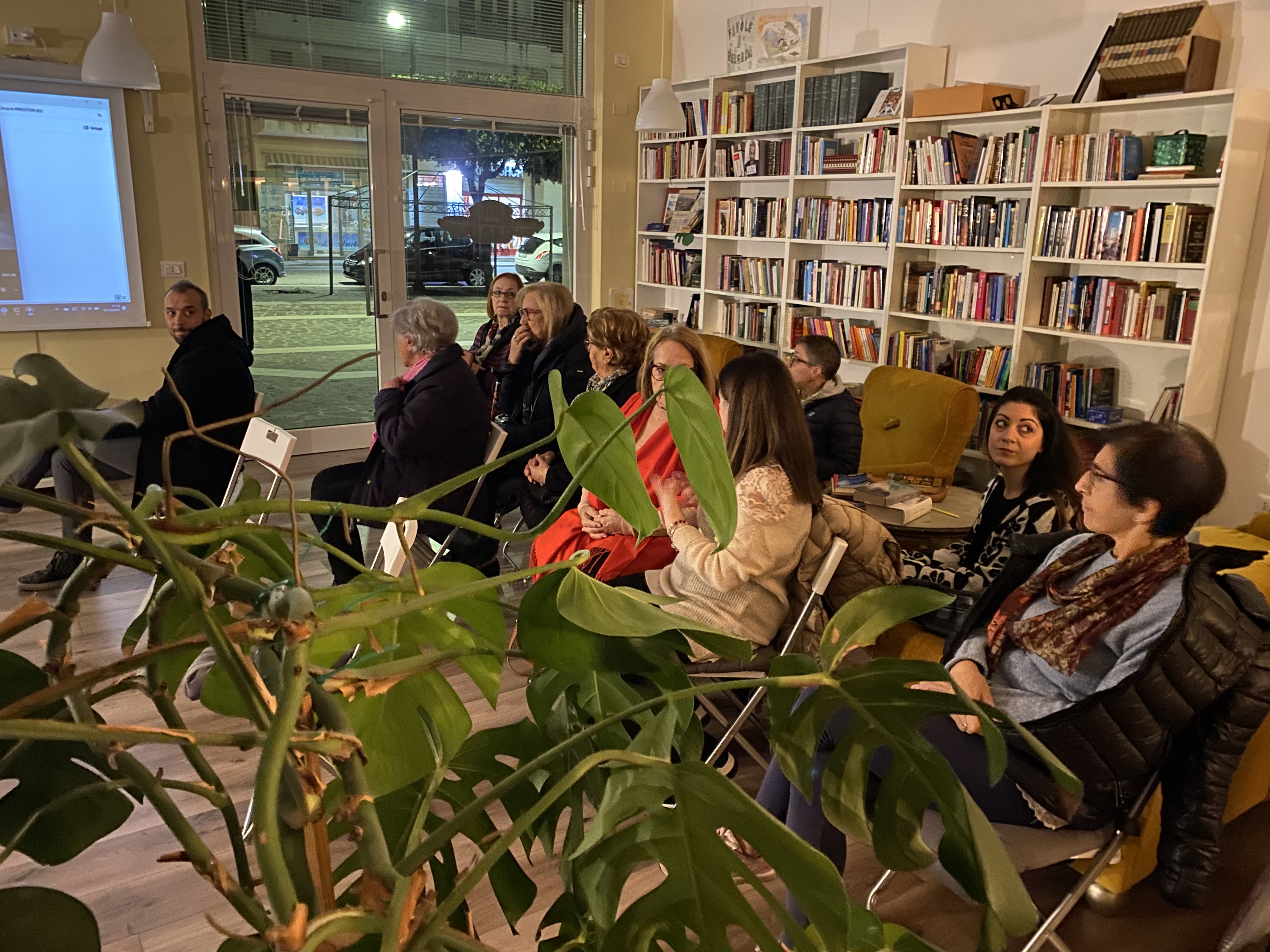
Central PET is a hybrid cultural and hospitality space in a small Italian village, created to counter rural depopulation and loss of community identity. It acts as a “Cultural Living Room” where culture is co-created through live music, workshops, storytelling, and intergenerational gatherings. Residents and visitors share the same environment, building authentic relationships. In 2025, it engaged 500 people through 10 events, including a harp concert with 100 participants.
Italy
Regional
Molise
Mainly urban
It involves other types of transformations (soft investment)
Yes
2026-03-17
No
No
No
Individual
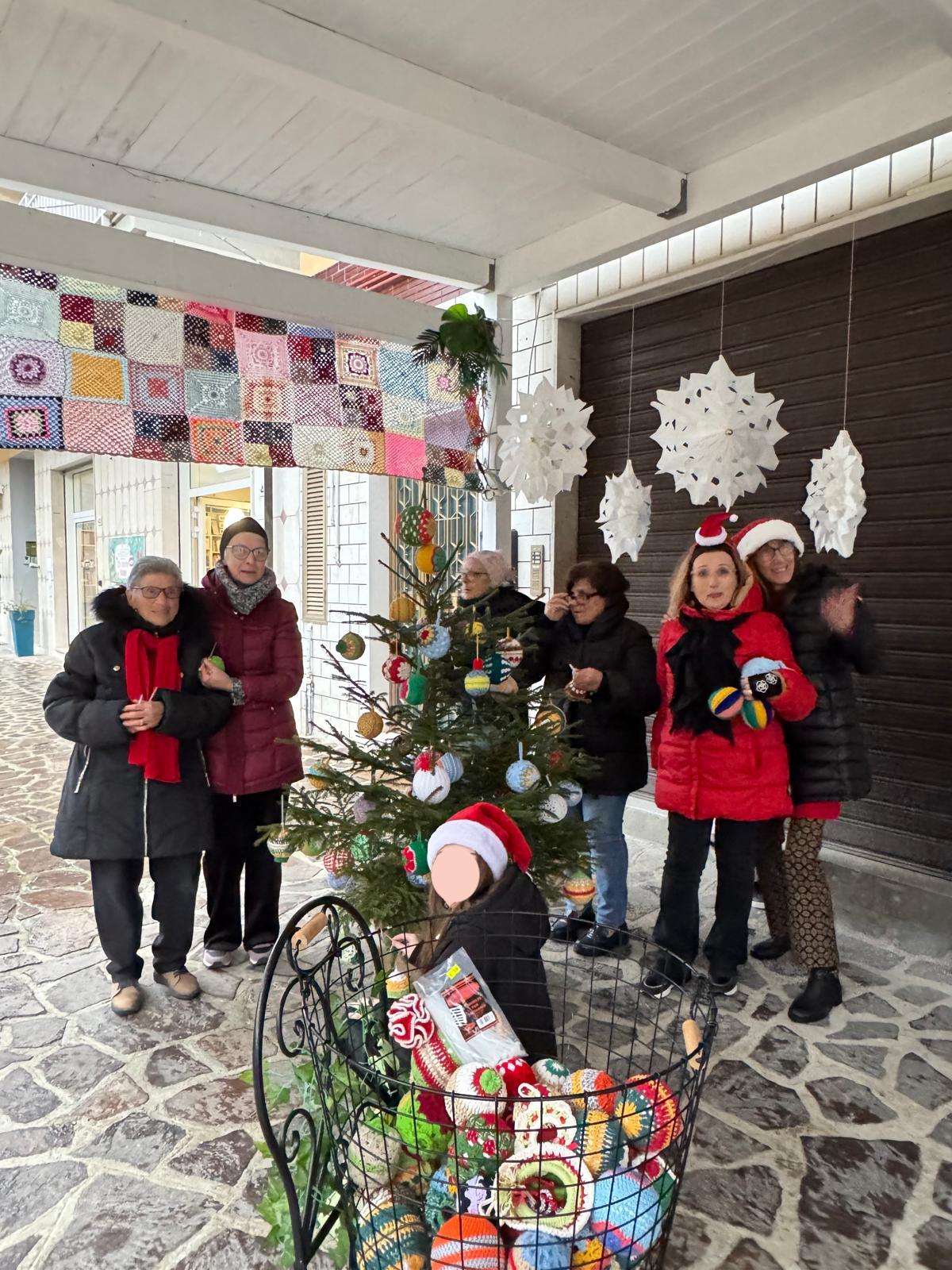
Central PETacciato is a hybrid cultural and hospitality space located in a small Italian village, created to address the progressive loss of social interaction, cultural vitality, and community identity in rural areas. The project introduces a “Cultural Living Room” model, where culture is co-created through participation rather than passively consumed. It combines cultural activities, experiential tourism, and community engagement in a single, accessible space. Activities include live music, workshops, storytelling, and intergenerational gatherings. A key feature is the integration of hospitality (guesthouse) with cultural production, allowing residents and visitors to share the same environment and build authentic relationships. In 2025, the project involved approximately 500 people and hosted around 10 cultural events, with a growing trend in participation. A significant example is a live harp concert that gathered around 100 participants, transforming a small village space into a shared cultural experience and demonstrating strong community engagement. The project contributes to strengthening social bonds, enhancing local identity, and positioning the village as a destination for experiential and cultural tourism.
Central PETacciato was born from a personal initiative to reactivate a small village through culture and human connection.
The idea emerged from observing the gradual loss of shared spaces and everyday interactions. Instead of creating a traditional cultural venue, the project was designed as a living, informal space where people could meet, exchange, and co-create experiences.
The project was developed independently, starting from the transformation of a private space into a cultural living room open to the community.
Implementation has been gradual and adaptive:
• initial activation through small gatherings and pilot events
• progressive involvement of local residents, artists, and visitors
• continuous refinement based on feedback and participation
The approach is based on simplicity and direct engagement rather than complex structures, allowing flexibility and responsiveness to the local context.
This process has enabled the project to grow organically, maintaining authenticity while increasing its impact.
community regeneration
cultural participation
cultural heritage
experiential tourism
local identity
The project addresses social and cultural sustainability by strengthening community connections and revitalizing local identity.
Its main objective is to counteract social fragmentation in rural areas by creating a stable space for interaction and cultural exchange.
Concrete actions include:
• regular cultural activities accessible to different groups
• promotion of local traditions and knowledge
• integration of slow and experiential tourism
Results demonstrate increased participation and renewed interest in local cultural life, with approximately 500 people involved in 2025.
The project is sustainable due to its low-cost structure, use of existing spaces, and continuous community engagement.
Its strength lies in combining cultural, social, and economic sustainability, offering a durable and adaptable model for small communities.
Central PETacciato enhances everyday life by creating a warm, human-centered environment where beauty emerges from relationships and authentic experiences.
The project focuses on intangible aesthetics: atmosphere, hospitality, and emotional connection. Spaces are designed to be welcoming and intimate, encouraging people to feel comfortable and engaged.
Cultural activities integrate music, storytelling, and local traditions, contributing to a sensory and meaningful experience.
The project also reinforces local identity by valuing cultural heritage and creating a sense of belonging.
Its exemplary character lies in redefining aesthetics not as a visual concept only, but as a lived experience rooted in human interaction and care for place.
Inclusion is a core principle of Central PETacciato.
The project is open to all generations and backgrounds, removing barriers to cultural participation in a small village context.
It promotes:
• social inclusion through shared experiences
• intergenerational exchange
• accessibility through informal and welcoming formats
Activities are designed to be approachable and affordable, allowing broad participation.
The involvement of both residents and visitors creates a mixed and dynamic community, fostering dialogue and mutual understanding.
The project is exemplary in its ability to include people who are often excluded from cultural life, offering them an active role rather than a passive one.
Participation is central to the project.
Citizens, local residents, and visitors are actively involved in:
• co-creating events
• sharing knowledge and experiences
• shaping the evolution of the project
Participation occurs at all stages, from idea generation to implementation and feedback.
Rather than being an audience, people become contributors, influencing the content and atmosphere of activities.
This approach has improved the quality and relevance of the project, ensuring that it responds to real community needs.
Central PETacciato has been primarily developed as an independent, locally driven initiative, rooted in direct engagement with the community.
At the local level, the project actively involves residents, local participants, and cultural contributors, who play a key role in shaping activities and ensuring their relevance to the context.
While the project has not been formally structured through institutional partnerships at regional, national, or European levels, it operates in alignment with broader cultural and social objectives promoted at these levels, such as community regeneration, cultural participation, and sustainable local development.
The initiative demonstrates how bottom-up approaches can generate meaningful impact even in the absence of formal governance structures, highlighting the importance of local agency and direct action.
At the same time, the model shows strong potential for integration into multi-level governance systems, as it can be connected to public policies, cultural networks, and regional development strategies.
The added value of this approach lies in its flexibility, authenticity, and replicability, offering a practical example of how independent initiatives can complement and inspire institutional frameworks.
Central PETacciato is inherently transdisciplinary, combining multiple fields of knowledge in both its design and implementation.
The project integrates:
-arts and culture, through music, storytelling, and creative activities
-social sciences, by fostering community interaction, participation, and social cohesion
-education, through informal learning experiences and knowledge sharing
-hospitality and tourism, by connecting cultural experiences with experiential stays
-local heritage and anthropology, by preserving and transmitting traditions, narratives, and identity
These different fields are not treated separately but interact continuously within the same space, creating a hybrid environment where cultural, social, and experiential dimensions merge.
Collaboration happens through direct interaction between participants, artists, visitors, and local community members, who contribute with different perspectives and knowledge.
This approach allows the project to generate more inclusive, adaptive, and context-based solutions, responding to real needs rather than predefined structures.
The added value of this transdisciplinary model lies in its ability to connect culture, everyday life, and local development, creating a dynamic system that can evolve over time and be adapted to different contexts.
Central PETacciato is based on a hybrid business model that combines economic sustainability with accessibility.
The project is supported by:
• hospitality services (guesthouse)
• cultural events and experiential activities
• small contributions from participants
Initial investment was primarily private.
The model generates revenue while maintaining a strong social mission, balancing financial sustainability and inclusiveness.
Costs are limited due to the use of existing spaces and flexible programming.
This structure allows the project to be sustainable over time and adaptable to different contexts.
The Cultural Living Room Model is designed to be replicable in other small villages and rural areas.
Its key transferable elements include:
• integration of culture and hospitality
• low-cost and flexible structure
• strong community involvement
• focus on relational experiences
The model can be adapted to different contexts without requiring significant infrastructure.
Replication may benefit from local partnerships and community engagement but does not depend on large-scale funding.
The project can serve as a practical and inspiring model for rural regeneration across Europe.