Enhancing Circularity, Sustainability, and Innovation
Vogelmuur
Habitat for urban birds
Vogelmuur operates at the intersection of street art, architecture, urban ecology and community development, adding a new layer to the quality of urban life. It fosters the experience of the city for people while creating space for nature to thrive. By introducing modular “apartments” for birds on existing blind façades, it supports biodiversity, transforms blind walls into living façades, and raises awareness of urban wildlife decline and climate change.
Netherlands
Local
Rotterdam
Mainly urban
It involves a physical transformation of the built environment (hard investment)
Yes
2024-06-30
No
No
No
Organisation
Rotterdam faces a housing shortage—for both people and birds. Of the 40 bird species in the Netherlands, nearly half depend on urban environments to survive. Yet modern construction and architectural design have largely removed the conditions they need, leaving cities with too few nesting sites and limited green space. As a result, some bird populations have declined by more than half. Vogelmuur responds to this challenge by reimagining architecture as a habitat for non-human life.
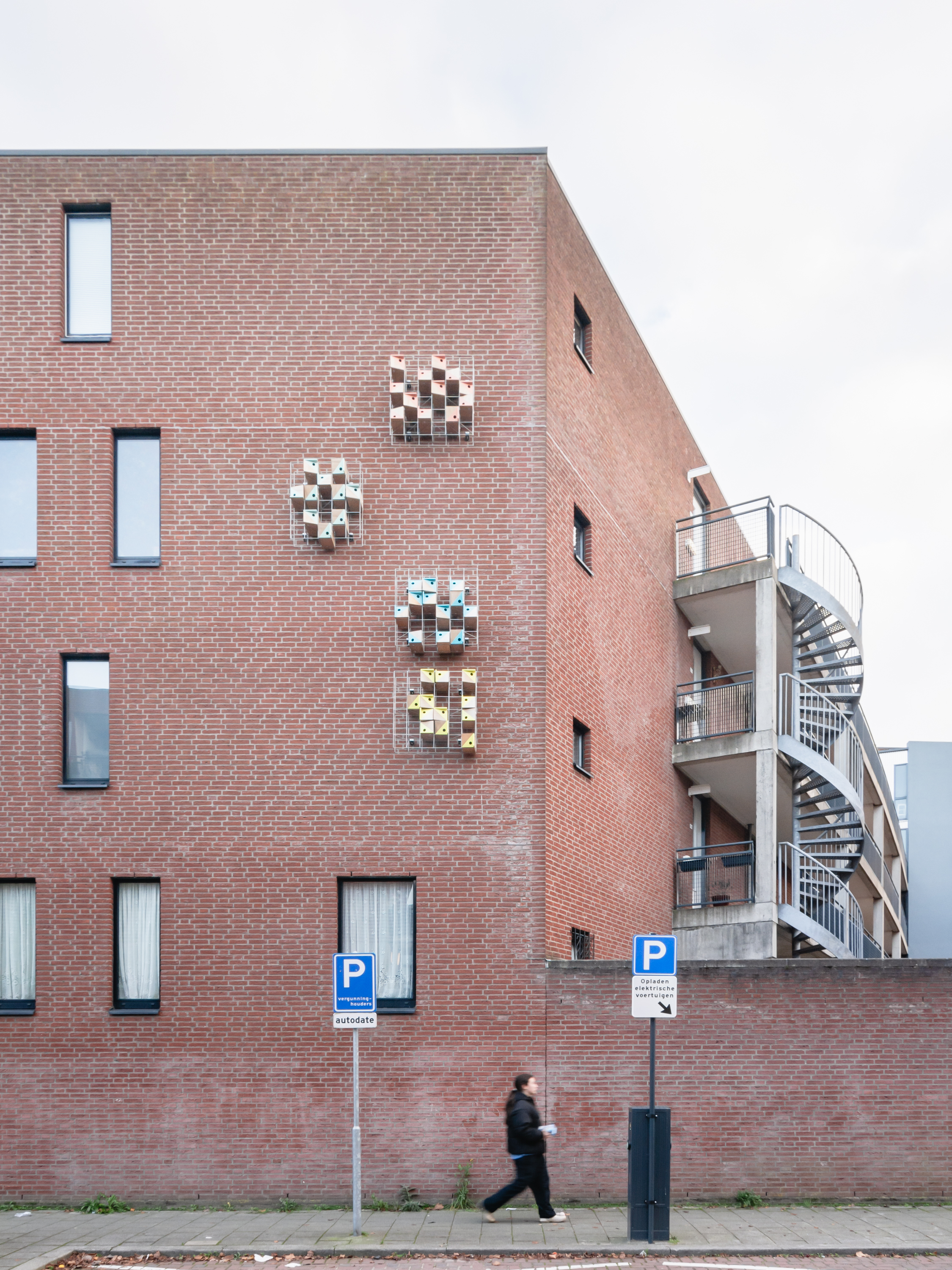
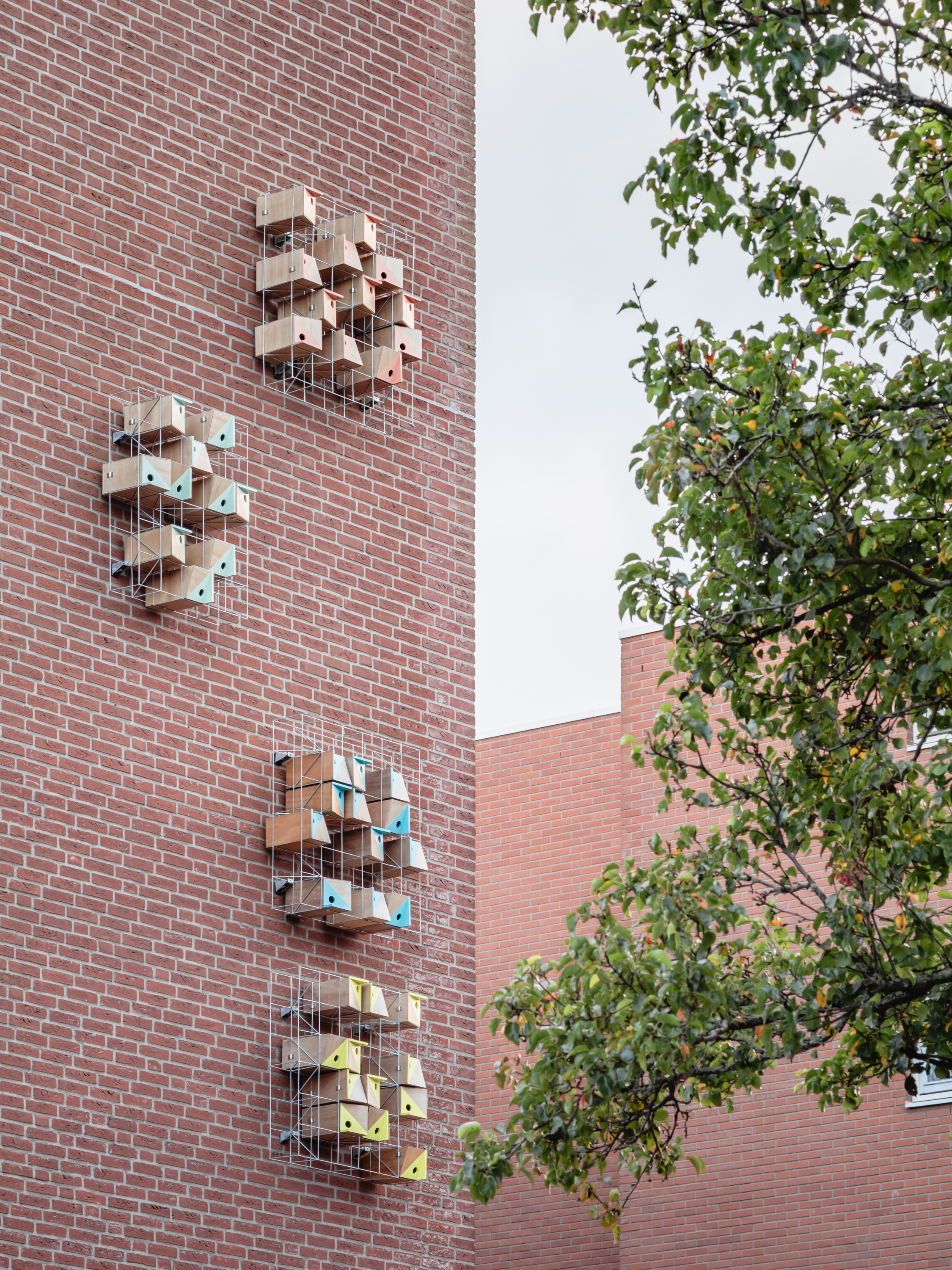
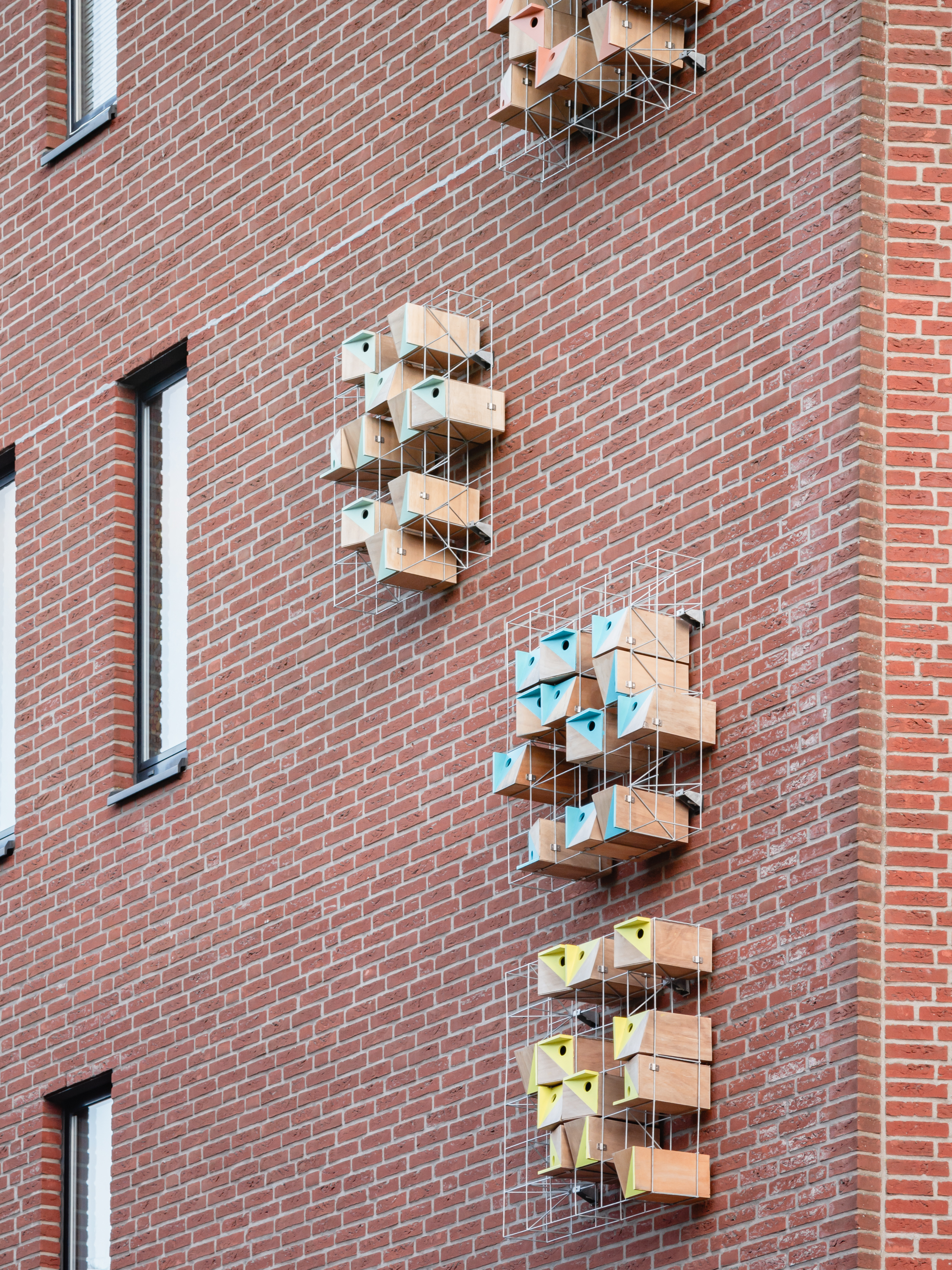
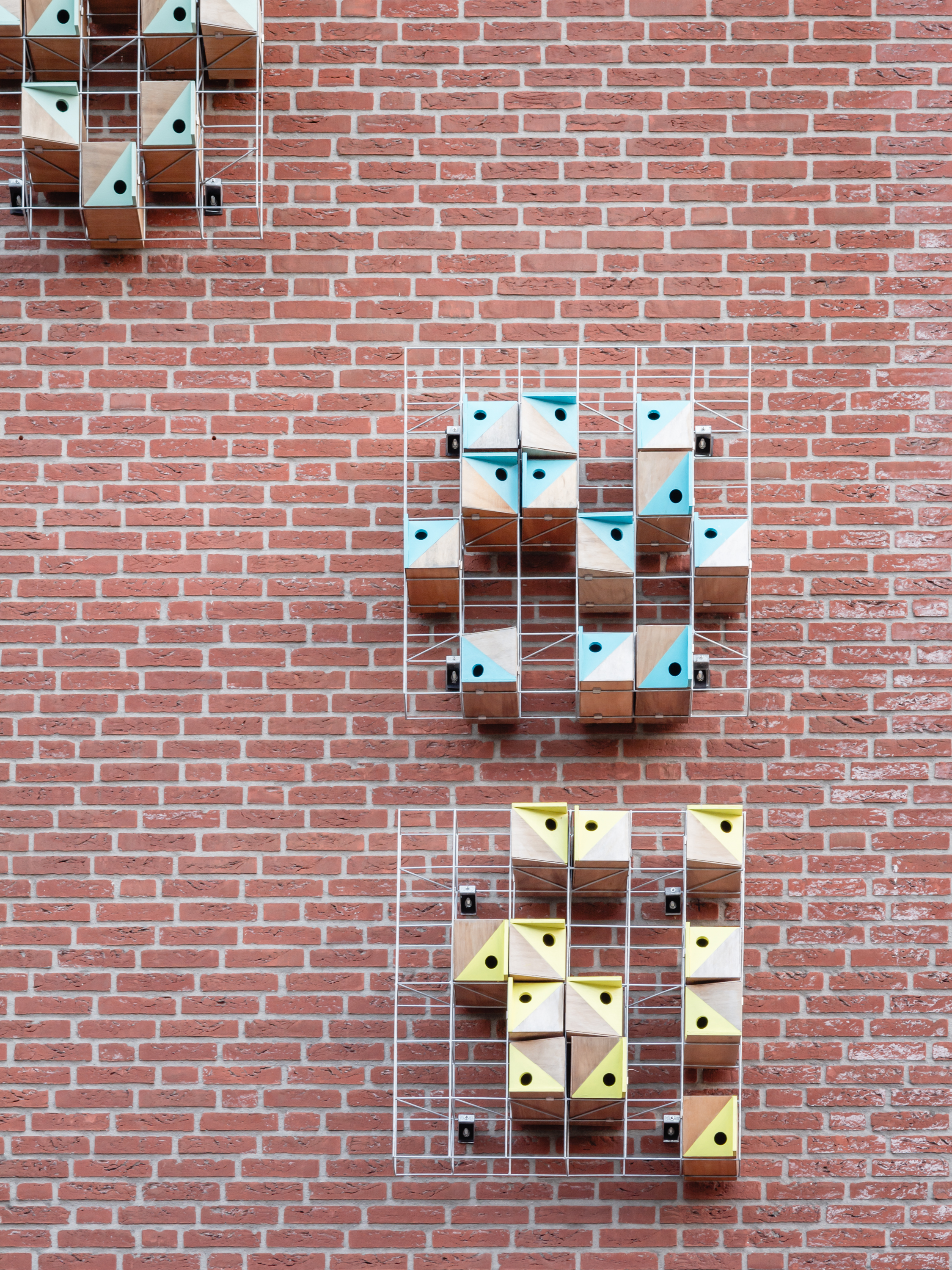
Vogelmuur introduces a modular wall system that creates a nesting complex for birds, easily installed, adapted, disassembled, and reused—shifting from linear to circular building processes. Locally discarded materials, such as reinforcing mesh, are repurposed for the modules, while CNC-milled wood with glue-free interlocking wood joints minimizes waste and enables efficient, circular production.
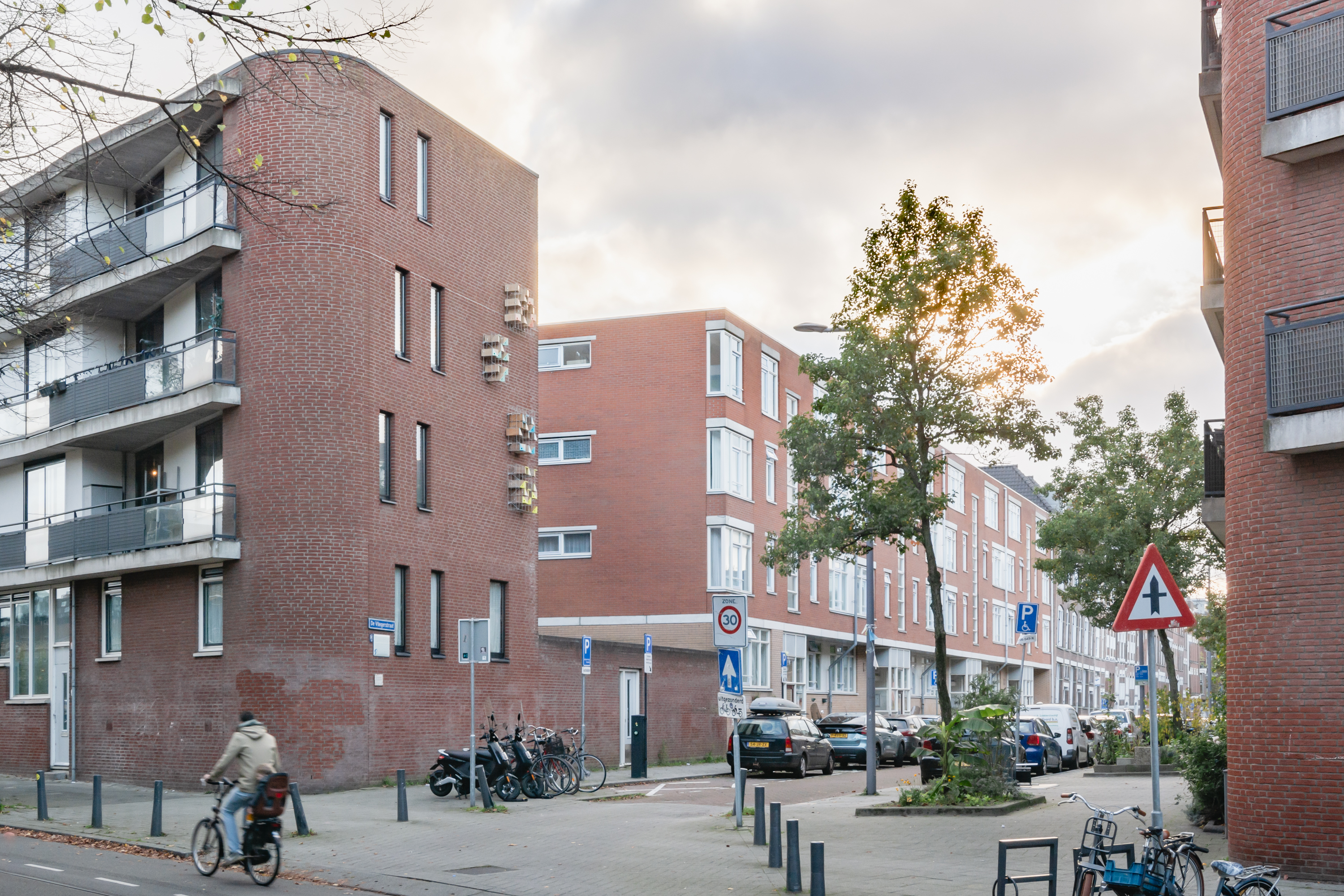
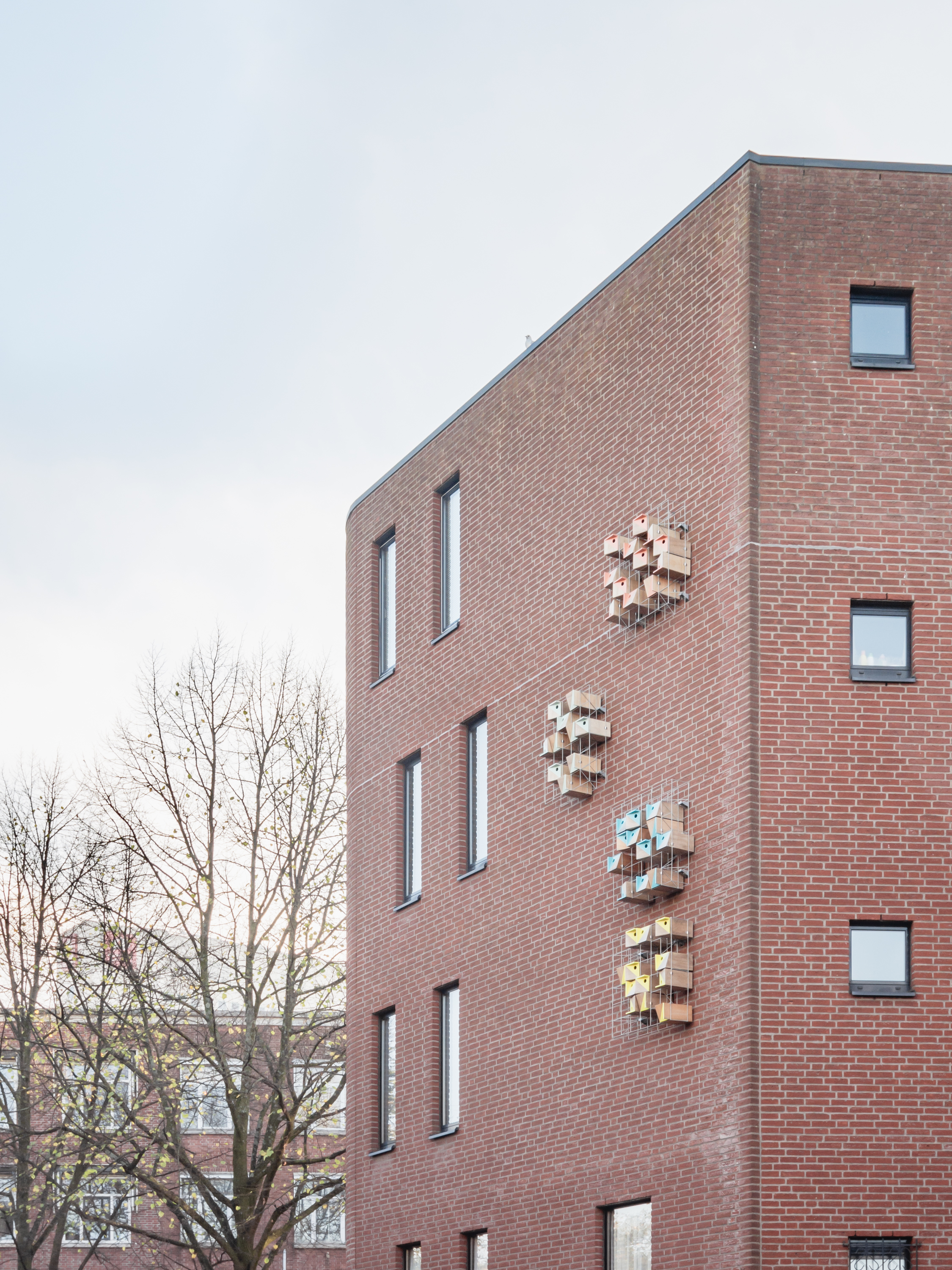
The first pilot at Vliegerblok in Rotterdam features 42 bird apartments and a façade garden. Developed in close collaboration with residents, social organizations, children, the elderly, and people disadvantaged to the labor market, the project is socially inclusive and accessible. By building a local and online community of care, residents monitor and maintain the modules, fostering collective responsibility. Co-creation with neighbors and organizations strengthens social ties while highlighting the value of urban nature and supporting small-scale climate adaptation.
In summary, Vogelmuur demonstrates how repurposed materials, modular design, and community co-creation can enhance urban biodiversity, promote social inclusion, and generate meaningful environmental impact, providing a scalable model for nature-oriented, climate-adaptive urban development.
Vogelmuur was initiated by a local Rotterdam resident and executed under the nonprofit organization Stichting Urban Ideals. In collaboration with multiple neighborhood organizations, the project was completed by mid-2024.
The idea originated just before the COVID-19 pandemic, while cycling through the city and noticing the many underutilized blind façades. As a nature and bird enthusiast living in an urban environment, I envisioned these façades as opportunities for a network of bird “apartments” integrated with façade gardens, creating small-scale habitats that collectively contribute to city-wide nature-based urban development.
To bring this vision to life, I partnered with local organizations and secured a small fund to develop the first pilot. After extensive research on local species and habitats, we mapped potential locations with a social enterprise and identified a housing block with a suitable wall. In collaboration with Stichting Stunt, we involved people disadvantaged to the labor market in CNC milling the flat-packed birdhouse components, while residents helped design, assemble, paint, and prepare the modules. Together, we applied for permits and installed the bird apartments on the façade.
The COVID-19 pandemic delayed some of the planned collaboration and workshops, but by the end of 2022, resident participation resumed. Through co-creation, workshops, and the production and installation of the modules in 2023–2024, the first pilot was successfully implemented. Since then, residents and the neighborhood have actively monitored the project, and several bird apartments are already occupied, bringing new life and biodiversity to the area.
Enhancing biodiversity
Close the loop locally
Nature-based solutions
Include and consolidate
Fostering awareness
Enhancing urban biodiversity is at the core of Vogelmuur, which transforms underutilized blind façades into dynamic habitats for birds and insects. By repurposing these existing surfaces, the project reduces environmental impact while prioritizing durability, adaptability, and circular material use, demonstrating responsible resource management across the lifecycle of its components. The modular design allows the wall system to be easily installed, adjusted, disassembled, and reused, turning linear construction practices into circular processes and closing the loop on material use.
Vogelmuur goes beyond minimizing harm by actively regenerating urban ecosystems: each installation provides nesting sites, supports pollination, and encourages the return of small fauna, contributing to the restoration and expansion of biodiversity within the city. Social and economic sustainability are embedded in the project through partnerships with local production partners, including social enterprises that employ people with barriers to the labor market, and through community co-creation that fosters local stewardship and environmental awareness.
Vogelmuur goes beyond minimizing harm by actively regenerating urban ecosystems: each installation provides nesting sites, supports pollination, and encourages the return of small fauna, contributing to the restoration and expansion of biodiversity within the city. Social and economic sustainability are embedded in the project through partnerships with local production partners, including social enterprises that employ people with barriers to the labor market, and through community co-creation that fosters local stewardship and environmental awareness.
Vogelmuur transforms previously inactive façades into visually engaging installations that combine street art, architecture, and ecological design, creating a new aesthetic experience in the neighborhood. By reactivating these walls, the project enhances the sensory and cultural qualities of the urban environment, offering residents and passersby a meaningful encounter with nature in their daily surroundings. The colorful modules and integrated greenery not only beautify the streetscape but also raise awareness of urban wildlife and the broader challenges of climate change, making the presence of nature in the city tangible and emotionally resonant.
At the core of Vogelmuur is community co-creation, which strengthens social cohesion and a sense of belonging. Residents, including children and participants from social organizations, actively contribute to designing, assembling, and maintaining the birdhouse modules. This participatory process fosters collective responsibility and care for the project, while connecting diverse groups across the neighborhood through shared creative and ecological goals. By integrating ecological function with aesthetic design and meaningful social interaction, Vogelmuur promotes new cultural values around urban nature, biodiversity, and climate adaptation, creating a lasting impact on both the built environment and the community it serves.
At the core of Vogelmuur is community co-creation, which strengthens social cohesion and a sense of belonging. Residents, including children and participants from social organizations, actively contribute to designing, assembling, and maintaining the birdhouse modules. This participatory process fosters collective responsibility and care for the project, while connecting diverse groups across the neighborhood through shared creative and ecological goals. By integrating ecological function with aesthetic design and meaningful social interaction, Vogelmuur promotes new cultural values around urban nature, biodiversity, and climate adaptation, creating a lasting impact on both the built environment and the community it serves.
Vogelmuur actively promotes inclusion by prioritizing collaboration with organizations such as Stichting Stunt, which provide work opportunities for people disadvantaged to the labor market. All co-creation sessions and workshops are open to participants of any age, gender, religion, belief, or ability, ensuring that access and participation are truly equitable. By engaging a diverse group of residents in hands-on design, assembly, and decision-making, the project directly addresses social disparities and fosters equality of opportunity.
Beyond individual participation, Vogelmuur strengthens community cohesion and social stability by creating shared responsibilities and experiences. Residents collectively shape the modules, maintain the installations, and monitor the bird habitats, creating a local governance system that reinforces care, collaboration, and neighborhood solidarity. These interactions help overcome social segregation and encourage cross-generational, inter-cultural engagement.
Finally, Vogelmuur demonstrates transformative potential by embedding new social values into urban life. Through its inclusive design and participatory approach, the project encourages a culture of cooperation, environmental stewardship, and shared responsibility for public spaces. By linking ecological impact with social empowerment, Vogelmuur provides a replicable model for inclusive urban development, inspiring new ways of living together and redefining the relationship between people, nature, and the city.
Vogelmuur is grounded in a participatory approach that actively involves citizens and stakeholders at multiple levels throughout the project lifecycle. Throughout the entire project, stakeholders and partners were informed and consulted through emails, newsletters, meet-ups and flyers. By these channels information was shared and feedback was gathered, creating an accessible and continuous dialogue with the community.
Through collaborations with organizations such as Het Wijkpaleis and Archiklas, residents, - including children, families, and local groups, contributed ideas, co-designed the façade composition, and participated in assembling and finishing the birdhouses. To ensure clear communication, residents selected a local representative who acted as the main contact person. The ongoing dialogue with the local representative ensured that community input was continuously integrated into both the design and implementation process.
At the level of self-governance, Vogelmuur fosters long-term community ownership and responsibility. Through the birdhouse adoption model and the creation of a local and online community of care, residents are empowered to monitor, maintain, and support the project over time. This shifts their role from participants to co-owners, enabling them to take an active role in decision-making and future development, and supporting more inclusive and self-sustaining urban practices.
Vogelmuur engages stakeholders across multiple governance levels—local, regional, and national—throughout its design and implementation. At the national and regional level, bird protection organizations and ecological experts played a key role in the research and co-development phases, providing essential knowledge on species, habitats, and design principles. Their expertise informed decision-making across the project and ensured ecological feasibility and long-term impact.
At the local level, collaboration with social enterprises and community-based organizations such as Het Wijkpaleis and Archiklas enabled strong neighborhood engagement. These partners facilitated workshops, outreach, and communication with residents, ensuring inclusive participation across different age groups and social backgrounds, including children and families.
In the implementation phase, partnerships with organizations such as Stichting Stunt expanded the project’s social dimension by involving people disadvantaged to the labor market in the production process. This not only contributed to the realization of the project but also created opportunities for skill development and meaningful participation.
The interaction between these different levels of stakeholders added significant value by combining expert knowledge with local insights and social inclusion. This multilevel approach strengthened the project’s ecological, social, and practical outcomes, demonstrating how collaborative governance can support more inclusive and resilient urban development.
The Vogelmuur project brought together multiple knowledge fields and disciplines throughout its research, design, and implementation. During the research phase, collaboration with urban ecologists was essential to understand local species, habitats, and ecological requirements. In the design and development phase, architects and product developers ensured that the modules were both feasible and adaptable to diverse urban contexts.
Citizen involvement in the design of the modules and façades enriched the project socially and aesthetically, creating a more inclusive and visually engaging outcome. The production process also required specialized expertise: CNC milling of the flat-packed birdhouses was carefully developed to maximize efficiency, support circular production, and minimize material waste. Each steel module is designed to include as many birdhouses as can be cut from a single wooden board, ensuring sustainable use of resources.
Citizen involvement in the design of the modules and façades enriched the project socially and aesthetically, creating a more inclusive and visually engaging outcome. The production process also required specialized expertise: CNC milling of the flat-packed birdhouses was carefully developed to maximize efficiency, support circular production, and minimize material waste. Each steel module is designed to include as many birdhouses as can be cut from a single wooden board, ensuring sustainable use of resources.
Vogelmuur employs a multi-faceted approach to ensure long-term financial sustainability. The project receives municipal subsidies, philanthropic support, and funding from local organizations and neighborhood associations.
In addition, Vogelmuur uses a citizen-based crowdfunding model through birdhouse adoption. Residents can “adopt” a birdhouse at an affordable price, and when launching a new location, we organize an open call in the neighborhood to adopt one or more units. This model partially finances the nesting modules while actively engaging residents, fostering a sense of responsibility for the development, maintenance, and monitoring of their adopted nests.
On the operational side, Vogelmuur collaborates with local organizations to secure workshop spaces as in-kind contributions, reducing overhead costs. The inclusive nature of the project also relies on citizen participation, with residents assisting in the assembly and finishing of the birdhouses, further offsetting production costs while strengthening community engagement.
Through this combination of public funding, donations, crowdfunding, in-kind support, and citizen involvement, Vogelmuur establishes a resilient and socially embedded financial model that supports the continued expansion and maintenance of urban biodiversity initiatives.
The project is fully replicable and transferable to other cities, neighborhoods, or even countries. The modular “apartments” are designed to accommodate a variety of bird species, and their flexibility and adaptability allow installation on diverse façade types and in different urban contexts. This makes the concept suitable for expansion to other cities in the Netherlands and across Europe.
The only fixed element is the concept of the steel module and its structure made from reinforcement bars, while the size, materials, and design of the modules and birdhouses can be adjusted to the needs of each location and the community involved. The project provides a scalable concept and framework that can be repeated, adapted, and transformed to suit different contexts and groups of beneficiaries, encompassing both human and non-human urban dwellers.
By combining adaptable design, community co-creation, and a clear ecological objective, Vogelmuur offers a transferable model for fostering urban biodiversity and inclusive, nature-oriented urban development in diverse settings.