Enhancing Circularity, Sustainability, and Innovation
BikePando – Secure Urban Bike Parking Ne
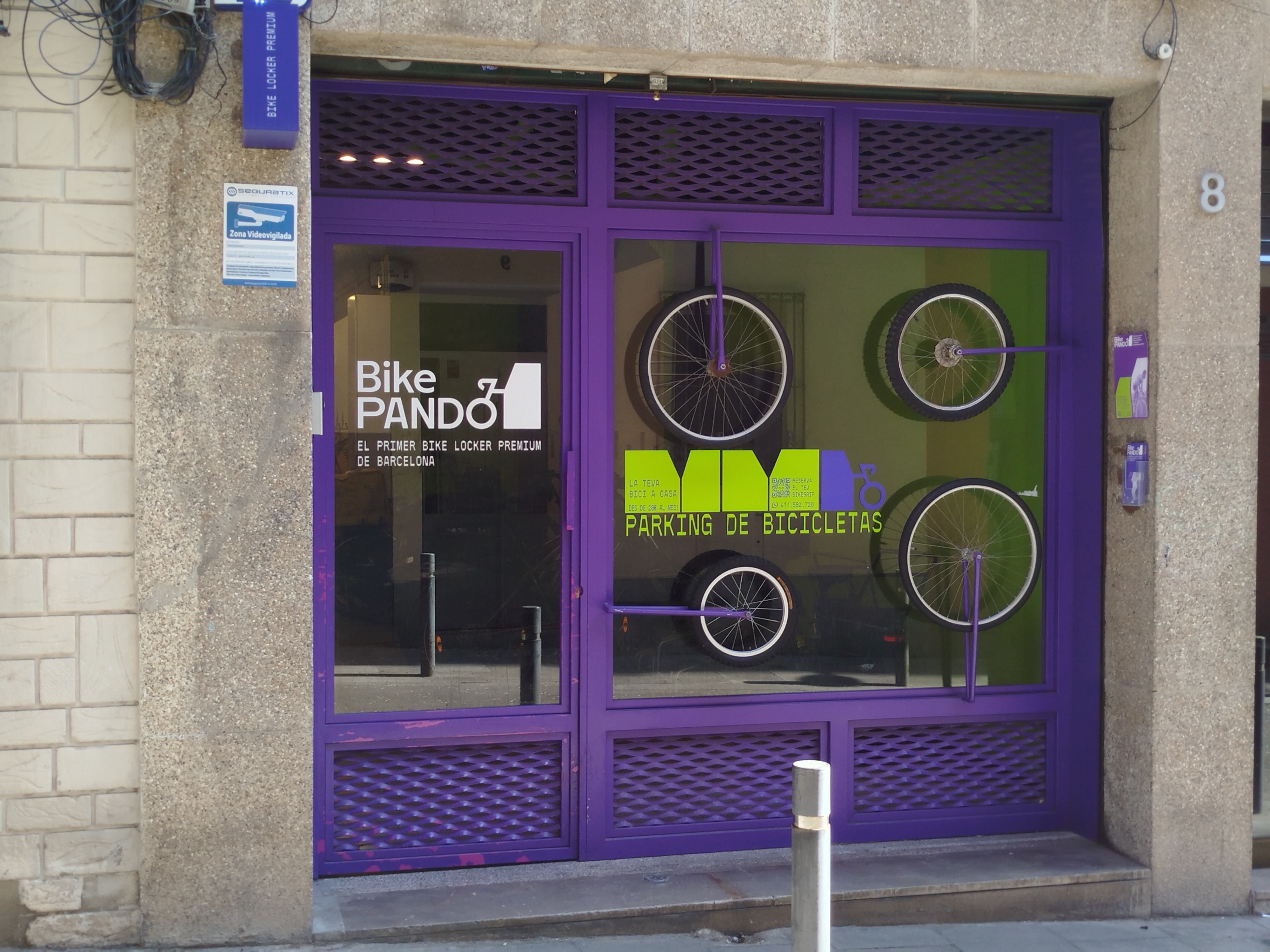
BikePando is a secure urban bike parking network in Barcelona that enables safe, accessible and 24/7
BikePando is a real and operating urban mobility solution based in Barcelona, with an active location in Gràcia and expansion planned in other neighborhoods.
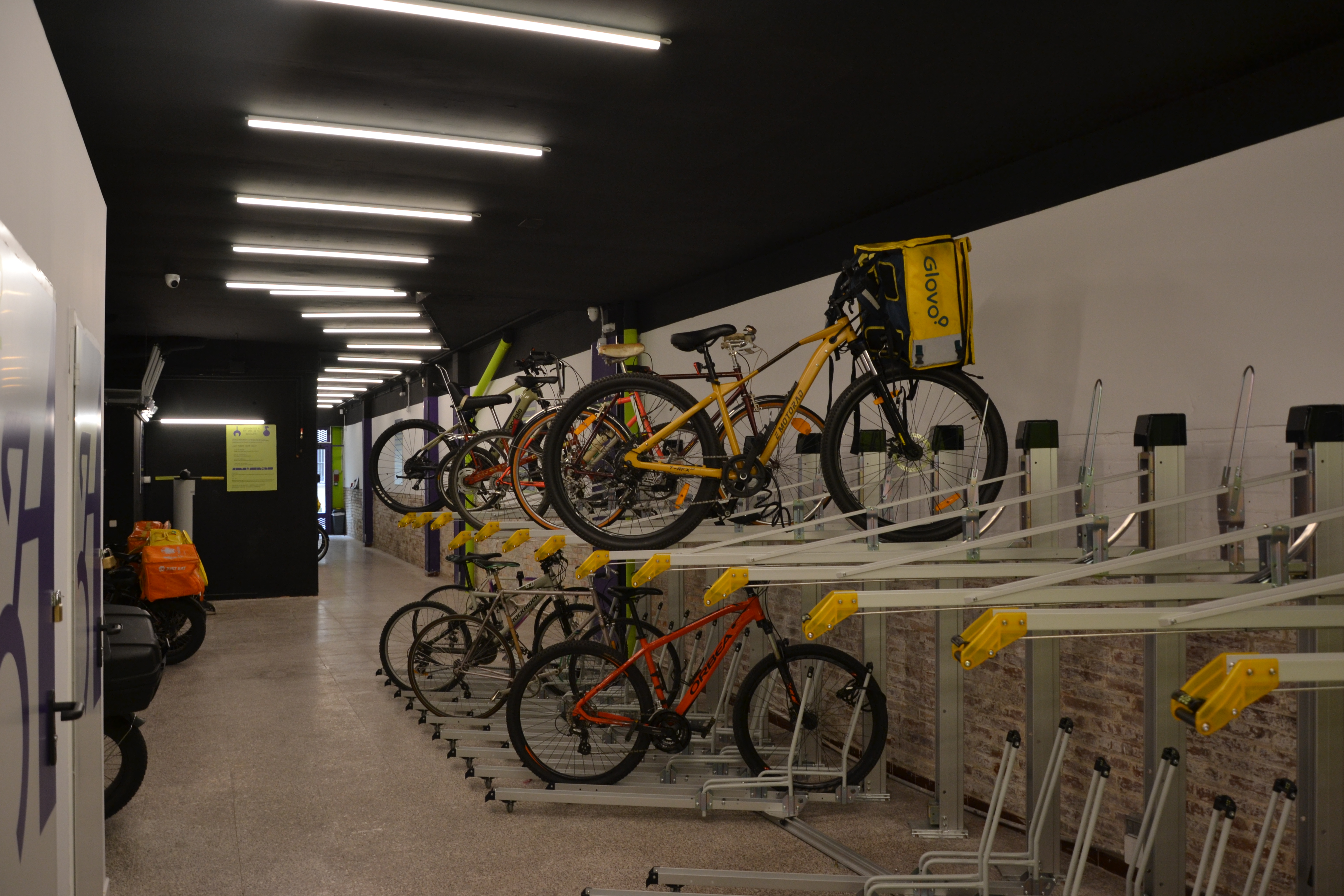
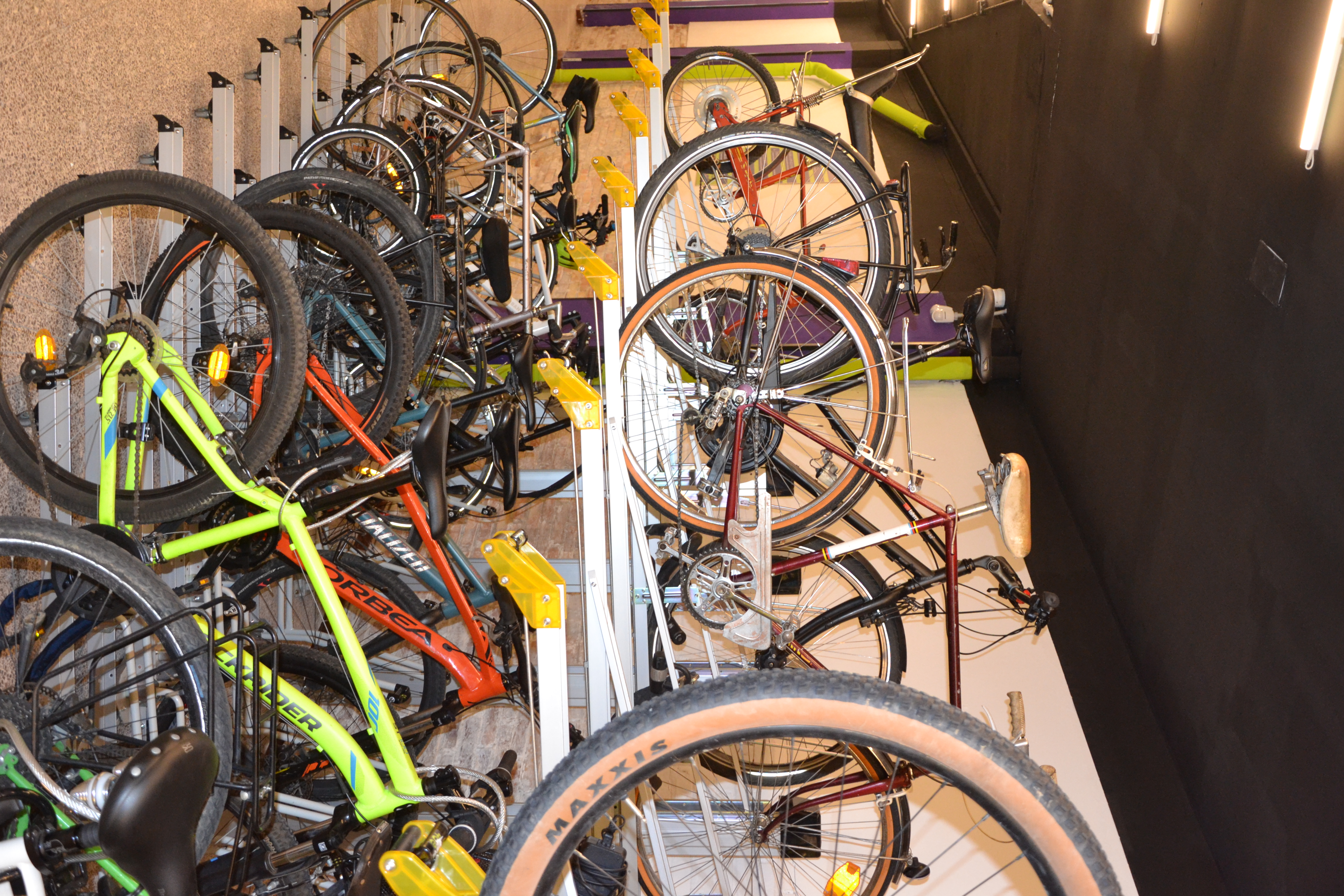
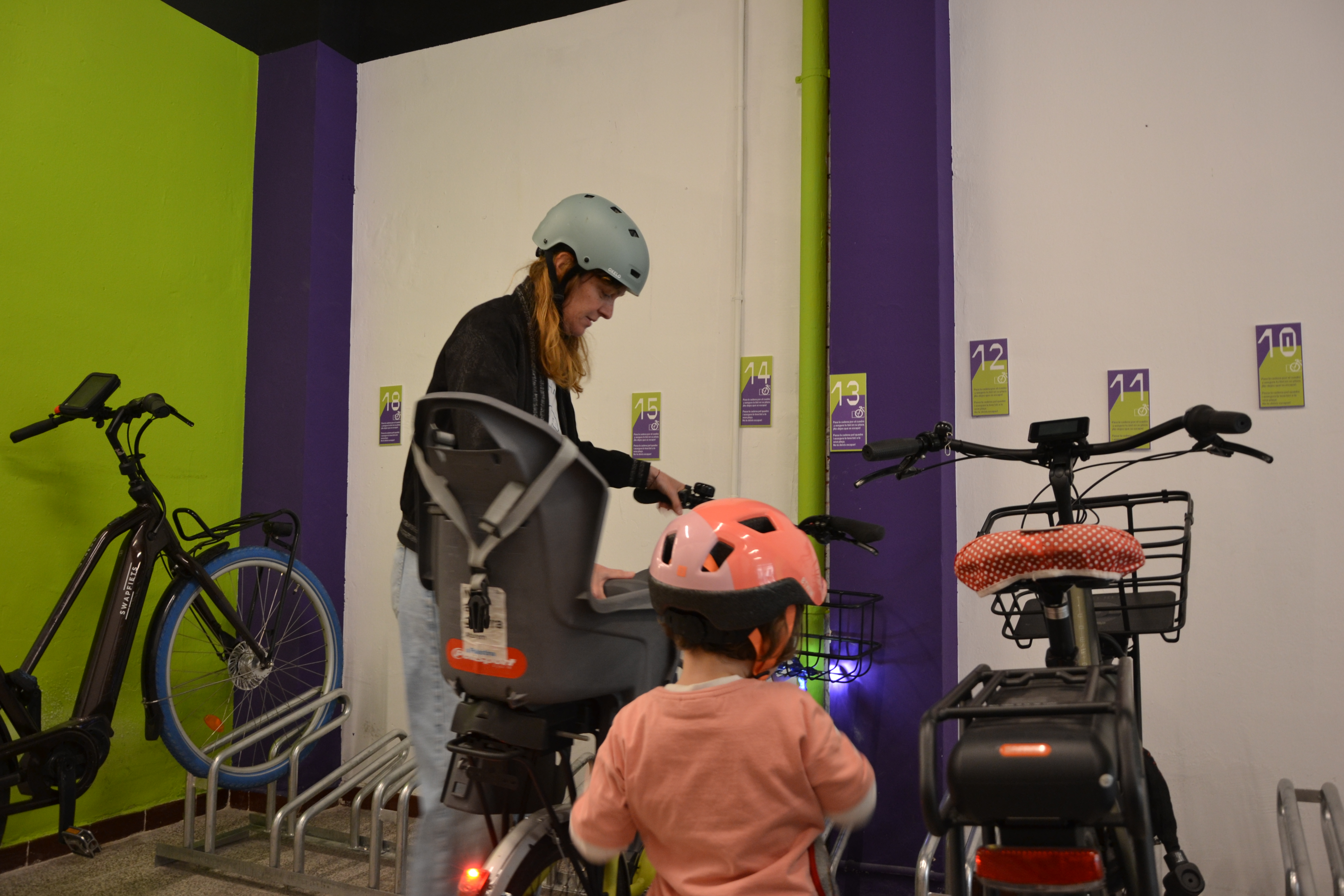
The project addresses one of the main barriers to cycling adoption in cities: the lack of secure and reliable parking. BikePando provides protected spaces with controlled access, CCTV and optional charging for e-bikes, allowing users to safely store their bicycles and use them daily.
The project transforms underused ground-floor spaces in
Spain
Local
Barcelona
Mainly urban
It involves a physical transformation of the built environment (hard investment)
Yes
2024-10-17
No
No
No
Organisation
BikePando is a secure bike parking network based in Barcelona, operating since October 2024 in the Gràcia district. It responds to a very concrete urban problem: many people would use their bicycles daily, but don’t have a safe place to leave them.
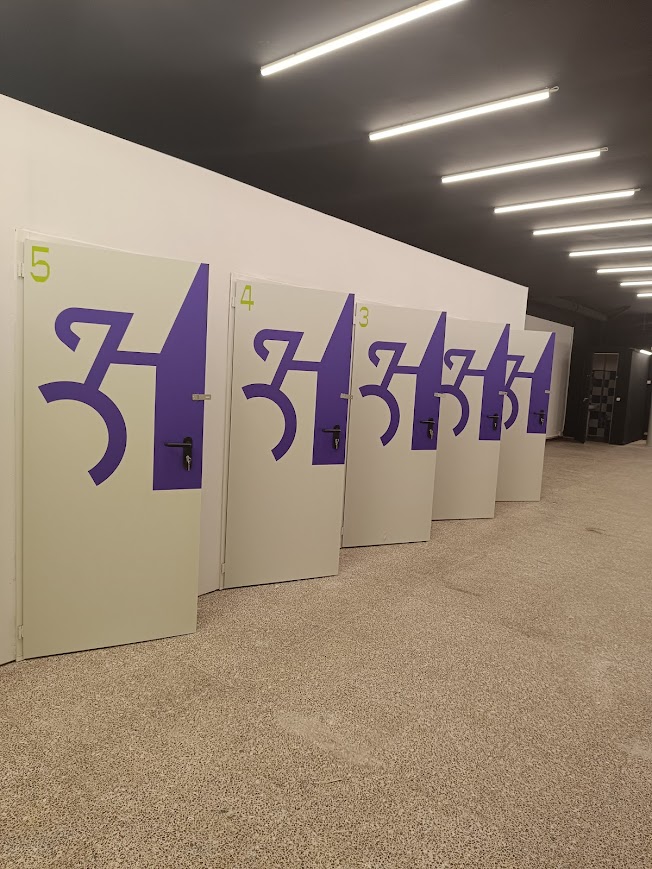
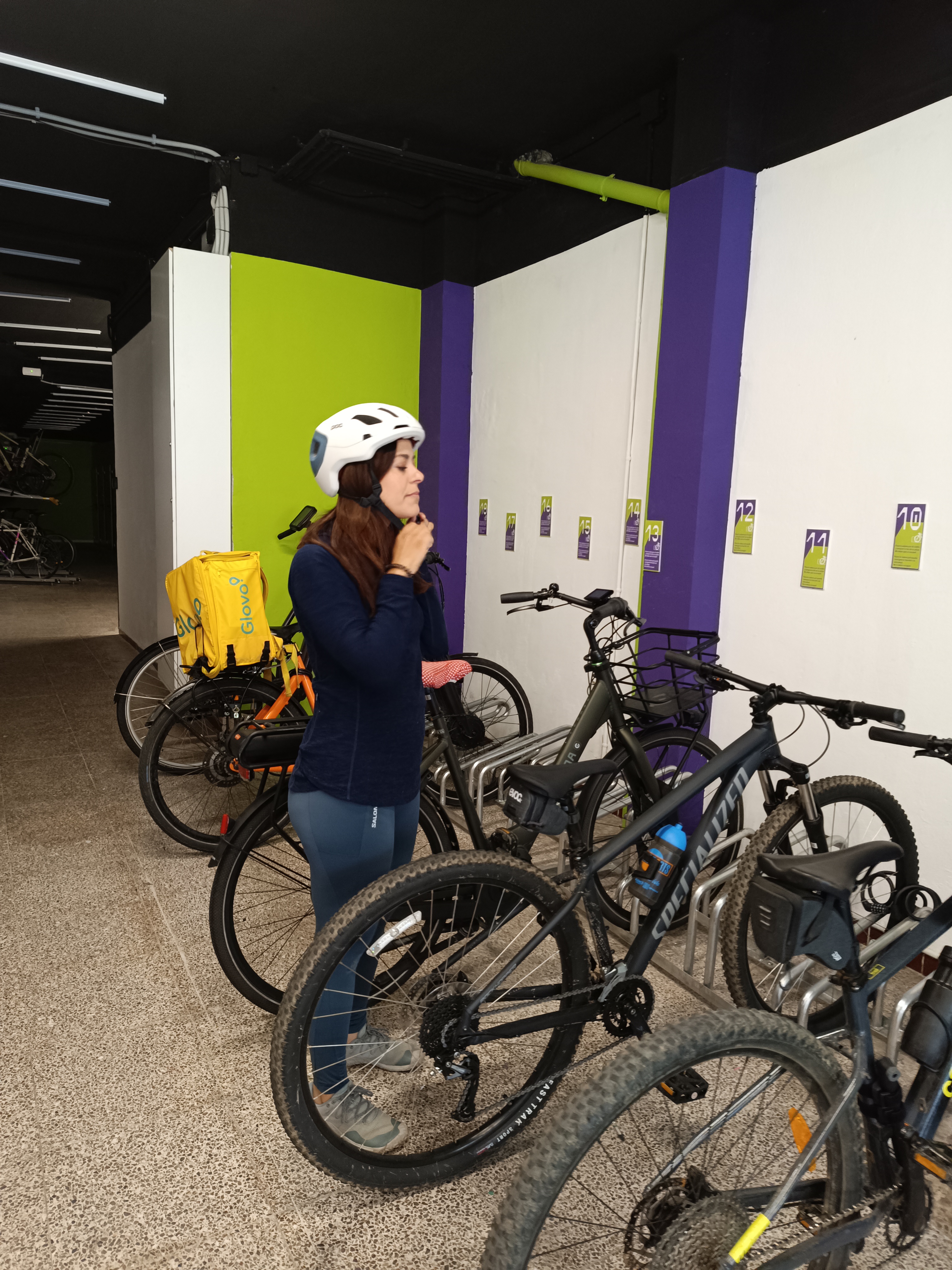
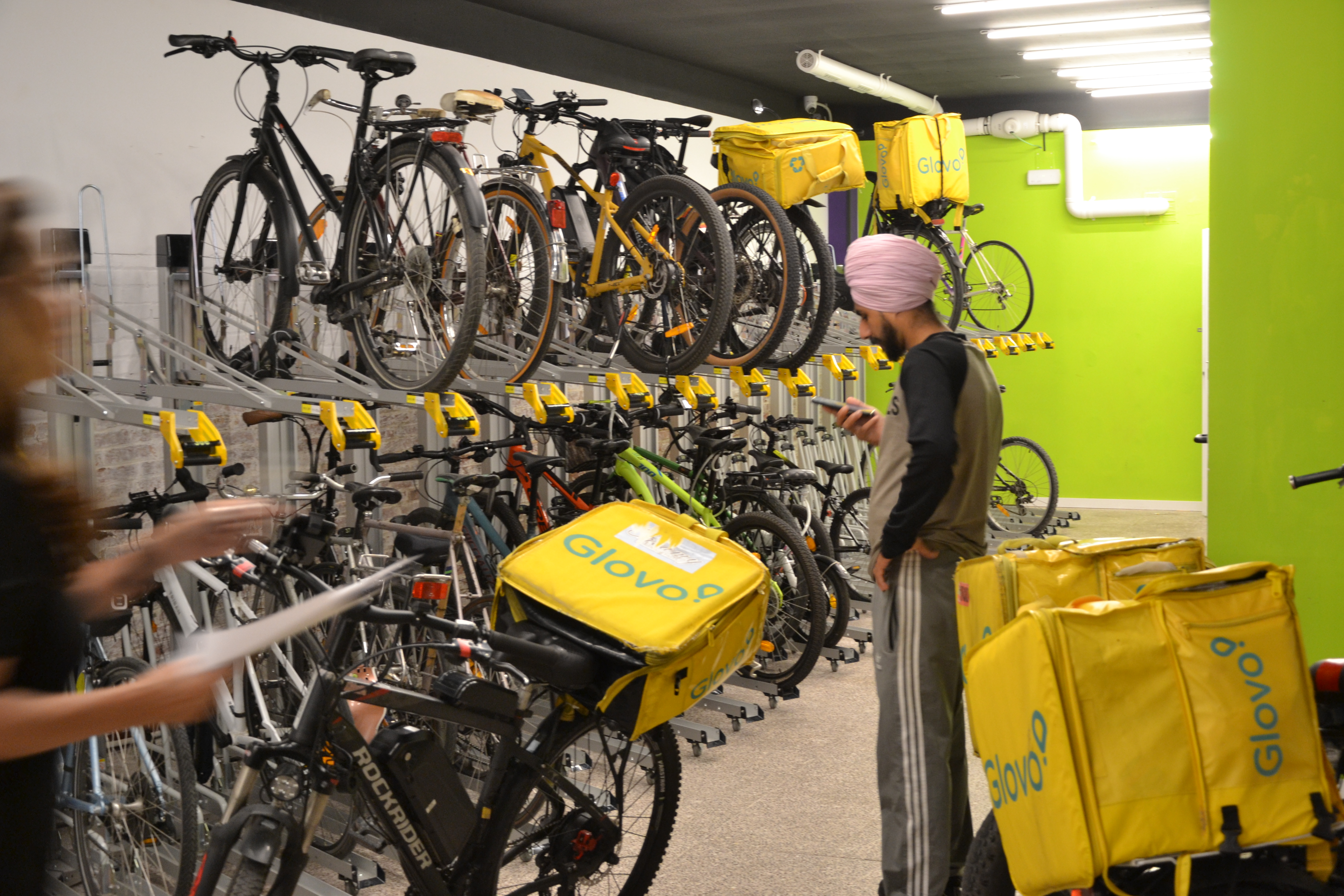
The project converts underused ground-floor spaces into secure parking hubs with controlled access, CCTV and optional charging for e-bikes. This simple but effective infrastructure allows residents, commuters and delivery riders to rely on their bicycles without the constant risk of theft or damage.
Since opening, the first location has shown steady demand and real use. By making cycling more practical and secure, BikePando supports a shift towards everyday low-carbon mobility and helps reduce pressure on public space.
The model is intentionally simple, local and replicable. It does not require new construction, but makes better use of existing urban space. Following the success of the first site, a second location is now being implemented in the Sants neighbourhood.
In the long term, BikePando aims to grow as a distributed network across the city, contributing to cleaner, more accessible and more human-scale urban mobility.
BikePando started from a very direct observation: in Barcelona, bicycles are widely used, but parking them safely remains a daily problem.
Seeing bikes tied to street furniture, often damaged or stolen, made clear that the issue was not a lack of users, but a lack of reliable infrastructure. At the same time, many ground-floor spaces in the city were empty or underused.
The idea was to connect these two realities in a practical way: instead of building new infrastructure, adapt existing spaces to create secure bike parking inside the city.
The first location was developed in Gràcia, focusing on simplicity, safety and ease of use. The space was adapted, secure systems installed, and access organised so users could rely on it daily without friction.
From the beginning, the project was tested with real users. Their response confirmed that when safe parking is available, people are more willing to use bicycles regularly.
What started as a single local solution is now evolving into a model that can be replicated in other neighbourhoods, maintaining the same logic: small-scale, local, and directly useful for everyday urban life.
Urban mobility
Sustainable transport
Bike infrastructure
CO₂ reduction
Urban regeneration
BikePando addresses sustainability by enabling a real shift in everyday urban mobility. It focuses on removing one of the main barriers to cycling in cities: the lack of secure and reliable parking.
By providing protected and accessible spaces, the project allows more people to use bicycles on a daily basis instead of relying on motorised transport. This directly contributes to reducing CO₂ emissions, improving air quality and lowering noise levels in dense urban environments.
A key aspect of the project is its approach to the built environment. BikePando reuses existing ground-floor spaces, avoiding new construction and reducing material consumption. This makes it a low-impact solution that improves urban functionality without adding pressure to the city.
The project also has a strong social dimension. It supports a diverse group of users, including residents, commuters and delivery riders, offering them a safe and stable infrastructure for their daily activity. By doing so, it promotes more inclusive access to sustainable mobility.
From an economic perspective, BikePando proposes a lightweight and replicable model that can be implemented across different neighbourhoods with limited resources.
BikePando can be considered exemplary in terms of sustainability because it delivers measurable impact through a simple and already operational solution. Rather than relying on future innovation, it demonstrates how small-scale, practical interventions can generate systemic change in urban mobility patterns.
BikePando contributes to a more beautiful city by bringing order, care and clarity to a part of urban life that is often neglected.
In many neighbourhoods, bicycles are left in the street, attached to street furniture, creating visual clutter and often reflecting a lack of care for both the objects and the public space. BikePando offers an alternative by creating dedicated, well-organised and secure environments where bicycles are properly stored and protected.
The project improves the everyday experience of users by offering a clean, safe and reliable place for their bicycles. This sense of order and security changes how people relate to their daily mobility, turning a source of stress into something simple and resolved.
At the neighbourhood level, BikePando contributes to a more balanced and respectful use of space. By moving bicycles from the street into organised interiors, it helps reduce visual noise and frees public space, making it more accessible and pleasant for everyone.
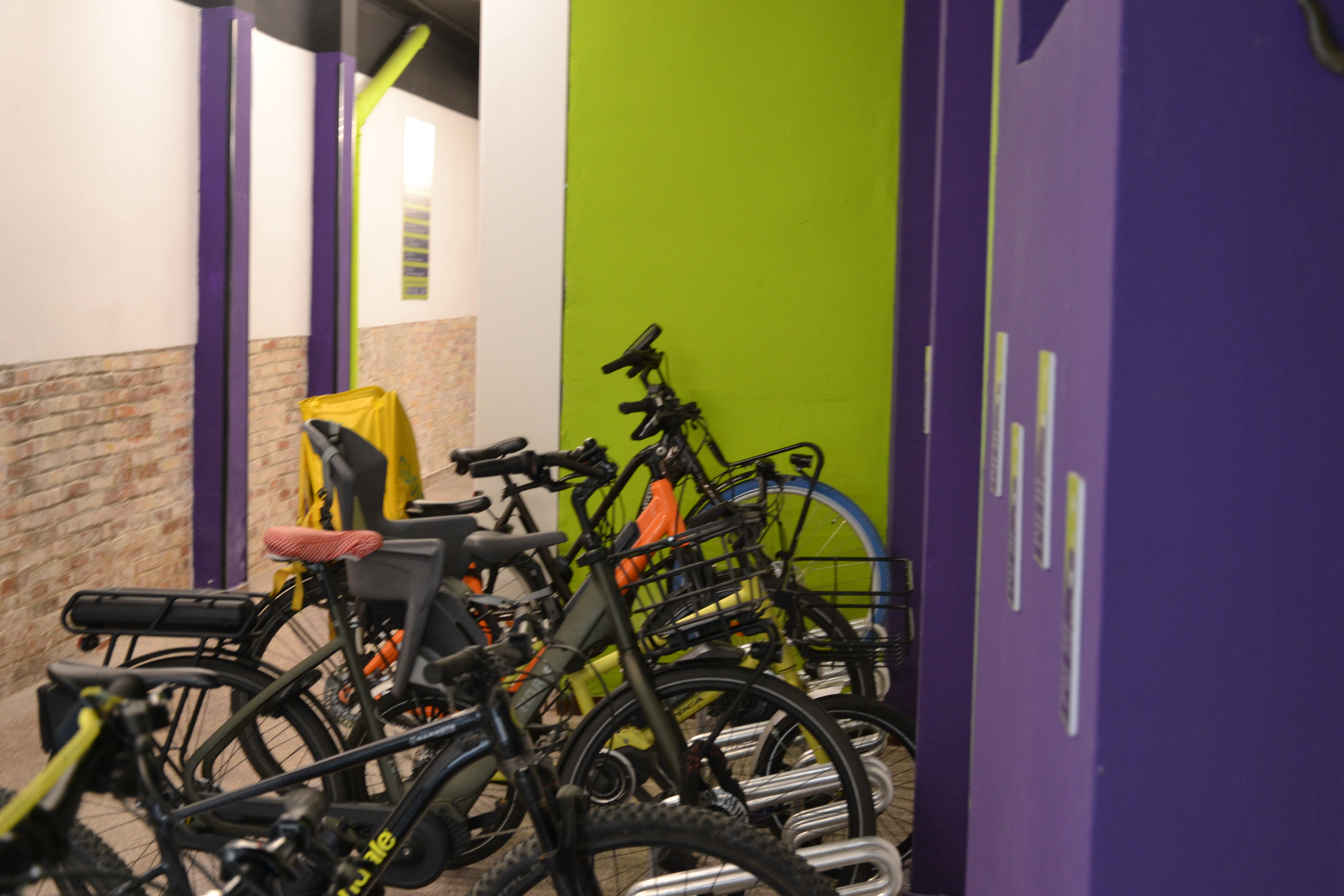
The spaces themselves are designed with simplicity and coherence, focusing on functionality, clarity and ease of use rather than unnecessary complexity. This creates an environment that feels intuitive, calm and well maintained.
BikePando can be considered exemplary in terms of aesthetics because it does not rely on iconic design or visual statements, but on improving the everyday urban landscape through small, precise interventions that bring order, care and dignity to the city.
BikePando addresses inclusion by making safe and reliable bike parking accessible to a wide range of everyday users.
In many cities, access to secure bicycle storage is limited to private buildings or higher-income households. BikePando offers an alternative by providing shared, affordable access to protected spaces within the neighbourhood, allowing more people to use bicycles in their daily lives.
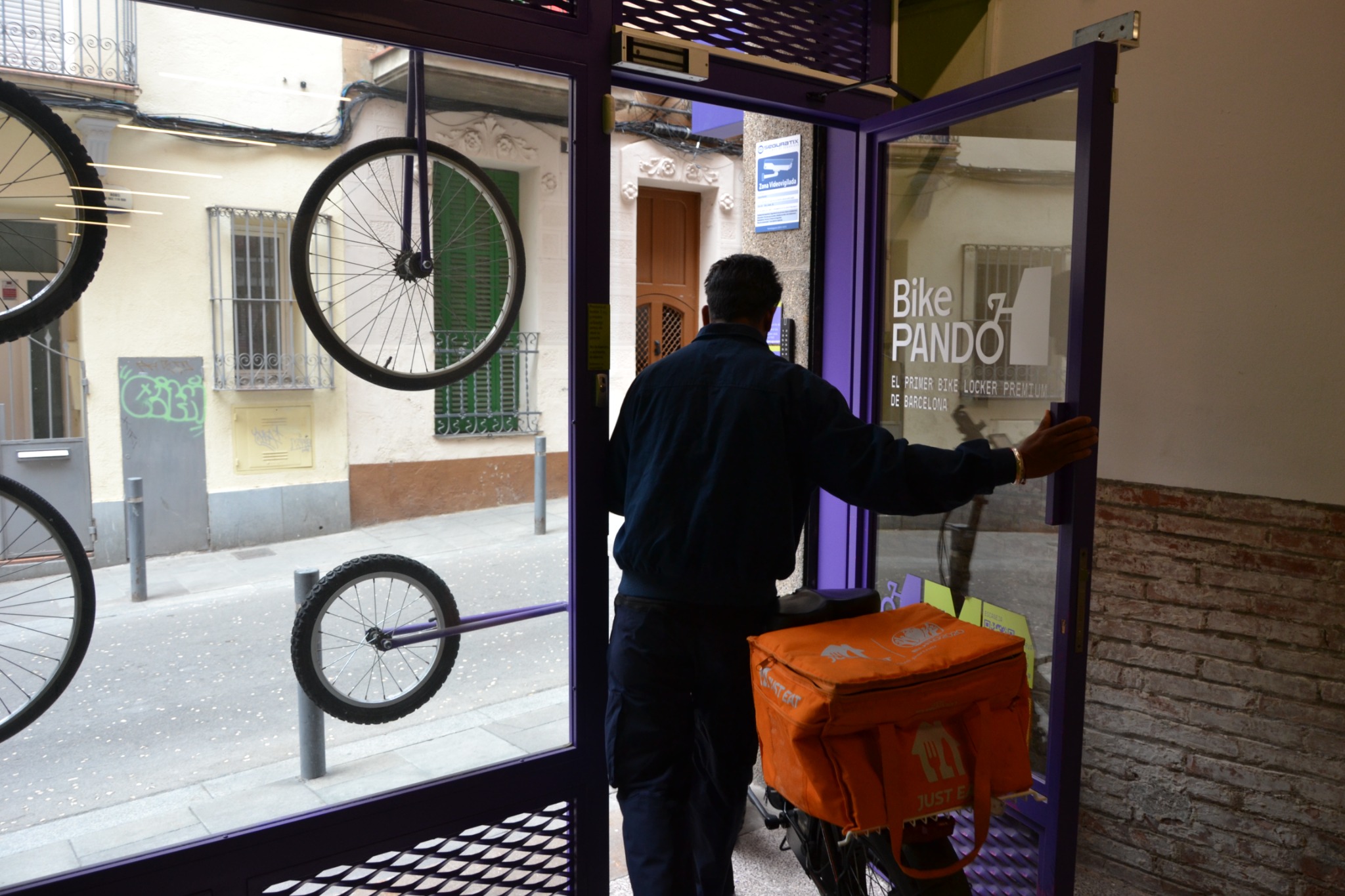
The project is used by a diverse group of users, including residents, commuters and delivery riders. For delivery workers in particular, the bicycle is not only a means of transport but a working tool. Having a secure place to store it reduces risk, increases stability and supports their daily activity.
The service is designed to be simple and practical, with easy access and clear use, avoiding technological or operational barriers. This makes it accessible to users with different backgrounds and levels of familiarity with digital tools.
At a broader level, BikePando contributes to a more inclusive urban model by enabling sustainable mobility without requiring ownership of private space. It supports the idea that essential infrastructure, such as safe bike parking, should be available within the city and not limited to specific groups.
BikePando can be considered exemplary in terms of inclusion because it provides a concrete and accessible solution to a common urban need, supporting different types of users and making sustainable mobility more achievable in everyday life.
BikePando has been developed through direct interaction with its users and the local context, rather than through a formal top-down process.
From the beginning, the project responded to real needs observed in everyday urban life. The first location in Gràcia was implemented as a practical solution to the lack of secure bike parking. Once operational, users played an active role in refining the project through their daily use, feedback and behaviour.
During this process, specific needs from different user groups became clear. In particular, delivery riders highlighted the need not only for secure parking, but also for a space where they could organise and maintain their bicycles as part of their daily work. In response, adjustments were made to the space and its use to better accommodate these practical requirements.
This ongoing interaction has influenced key aspects of the project, including access systems, space organisation and service conditions. The project evolves through continuous adaptation based on how people actually use the space, making it responsive and grounded in real experience.
BikePando is embedded in the neighbourhood, and its users form part of a local community with shared mobility needs. While there is no formal participatory governance structure, the project operates as an open and adaptive system that listens and responds to its users.
The result is a solution closely aligned with real needs, ensuring that it remains relevant, usable and integrated into everyday urban life.
BikePando is developed at the local level as a direct response to a concrete need observed in the city of Barcelona. The project is embedded in the neighbourhood and serves local users, adapting to existing urban conditions.
At the same time, it operates within a broader framework shaped by municipal policies on mobility, public space and sustainability. The project is aligned with the city’s objectives to promote cycling and reduce dependence on motorised transport.
At the regional and national level, BikePando engages with existing frameworks related to small business development and sustainable mobility, mainly through advisory services and access to potential funding opportunities.
While the project has not been developed through a formal multi-level governance structure, it is influenced by and contributes to priorities defined at different levels. Its main added value lies in translating these broader strategies into a concrete, operational solution on the ground.
BikePando demonstrates how small-scale local initiatives can act as practical tools for implementing wider mobility and sustainability goals, bridging the gap between policy and everyday urban life.
BikePando integrates different fields of knowledge through a practical and applied approach.
The project combines elements of urban planning and architecture by adapting existing spaces to new uses, improving their functionality without requiring new construction. It also incorporates design principles focused on clarity, usability and efficient space organisation.
Technical and engineering aspects are present in the installation of secure infrastructure, access systems and charging solutions for e-bikes. At the same time, the project is informed by an understanding of user behaviour and urban mobility patterns, reflecting insights from social dynamics and everyday practices.
BikePando also includes a business and operational perspective, ensuring that the model is economically viable and scalable across different neighbourhoods.
Rather than separating disciplines, the project integrates them in a simple and coherent way, focusing on solving a real urban problem through the combination of spatial, technical and social approaches.
BikePando is based on a simple and stable business model built around recurring monthly subscriptions.
Users pay a monthly fee to access secure bike parking spaces, with different options depending on their needs (standard bicycles, e-bikes with charging, or private lockers). This generates predictable and continuous revenue over time.
The model is designed to operate with relatively low fixed costs, as it makes use of existing ground-floor spaces and requires limited infrastructure investment compared to traditional parking facilities. Once implemented, each location can reach financial balance through occupancy.
Initial investments are mainly related to space adaptation and equipment, and can be supported through a combination of private funding and public support programmes. The model does not rely on continuous subsidies to operate.
BikePando is scalable and replicable. New locations can be developed progressively, using the same operational model and adapting to the characteristics of each neighbourhood. This allows controlled growth while maintaining financial sustainability.
The combination of recurring revenue, controlled costs and a replicable structure ensures that BikePando is financially sustainable over time while delivering a valuable service to the city
BikePando is designed as a highly transferable and replicable model that can be adapted to different urban contexts.
The core element of the project is the conversion of underused ground-floor spaces into secure bike parking hubs. This approach does not depend on specific urban conditions and can be applied in many cities where similar spaces exist and cycling is part of everyday mobility.
The operational model is simple and standardised. It includes space adaptation, installation of secure infrastructure, controlled access systems and a subscription-based service. These elements can be replicated with relatively low complexity and adjusted to local conditions such as space size, user profiles or pricing levels.
The project also generates practical knowledge through real use. Key learnings related to user behaviour, space organisation and service management can be transferred to new locations, improving efficiency and reducing implementation risks.
BikePando is particularly relevant for dense urban areas where lack of secure parking is a barrier to cycling. The model can be applied to different types of users, including residents, commuters and delivery workers.
In the future, the project could also be adapted to other contexts beyond bicycles, where secure storage and access to small-scale mobility infrastructure are needed.
The combination of a simple concept, low infrastructure requirements and real demand makes BikePando a scalable and transferable solution across different cities and contexts.