Enhancing Circularity, Sustainability, and Innovation
Kamikatsu Zero Waste Center "WHY"
Kamikatsu Zero Waste Center "WHY"
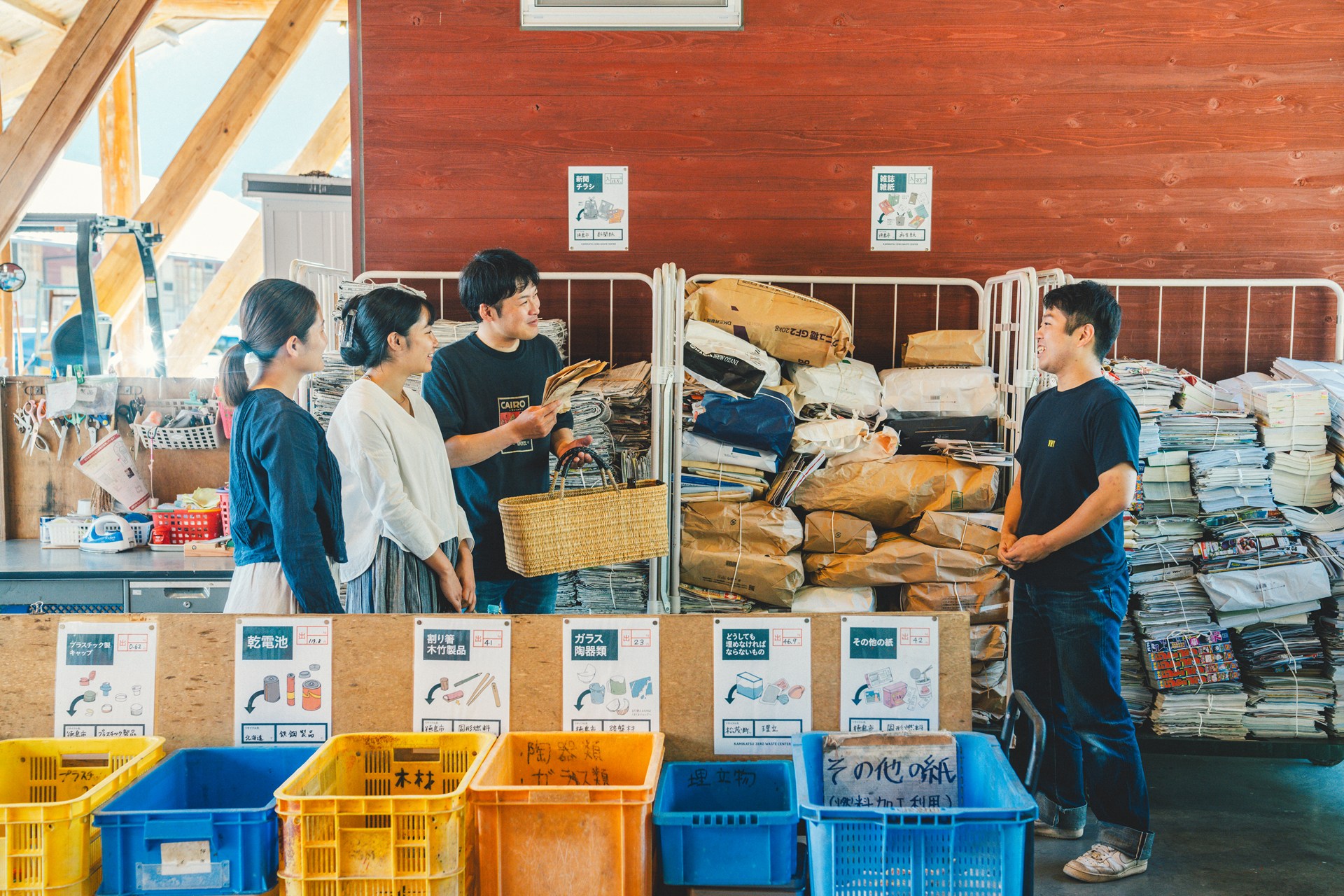
Located in Kamikatsu—the first municipality in Japan to declare a Zero Waste policy—the Kamikatsu Zero Waste Center “WHY” is an environmental public complex dedicated to building a circular society. It fosters interaction and learning among producers and consumers, as well as between local residents and visitors. The facility includes the town’s only waste sorting station, where residents separate waste into 44 categories. It also features a reuse shop, office space, and an experiential hotel.
Japan
Regional
Kamikatsu Town, Tokushima Prefecture
Mainly rural
It involves other types of transformations (soft investment)
Yes
2020-05-30
No
No
No
Organisation
The Kamikatsu Zero Waste Center “WHY” is an environmental public complex located in Kamikatsu, Tokushima, the first municipality in Japan to declare a Zero Waste policy in 2003. The project reimagines the town’s existing waste sorting and processing facility (“Gomi Station”) by transforming it from a purely functional infrastructure into an integrated platform for education, research, communication, and accommodation. Its aim is to embody the zero-waste philosophy while fostering community regeneration and regional revitalization.
In Kamikatsu, residents practice home composting and separate waste into 44 categories, achieving a recycling rate of over 80% since 2016. However, even after more than two decades of effort, around 20% of waste remains non-recyclable, requiring incineration or landfill. These challenges cannot be solved solely by local actions and highlight the need for systemic change in product design and consumption patterns. At the same time, the town faces demographic challenges, with an aging rate exceeding 50% and ongoing depopulation, threatening its long-term sustainability.
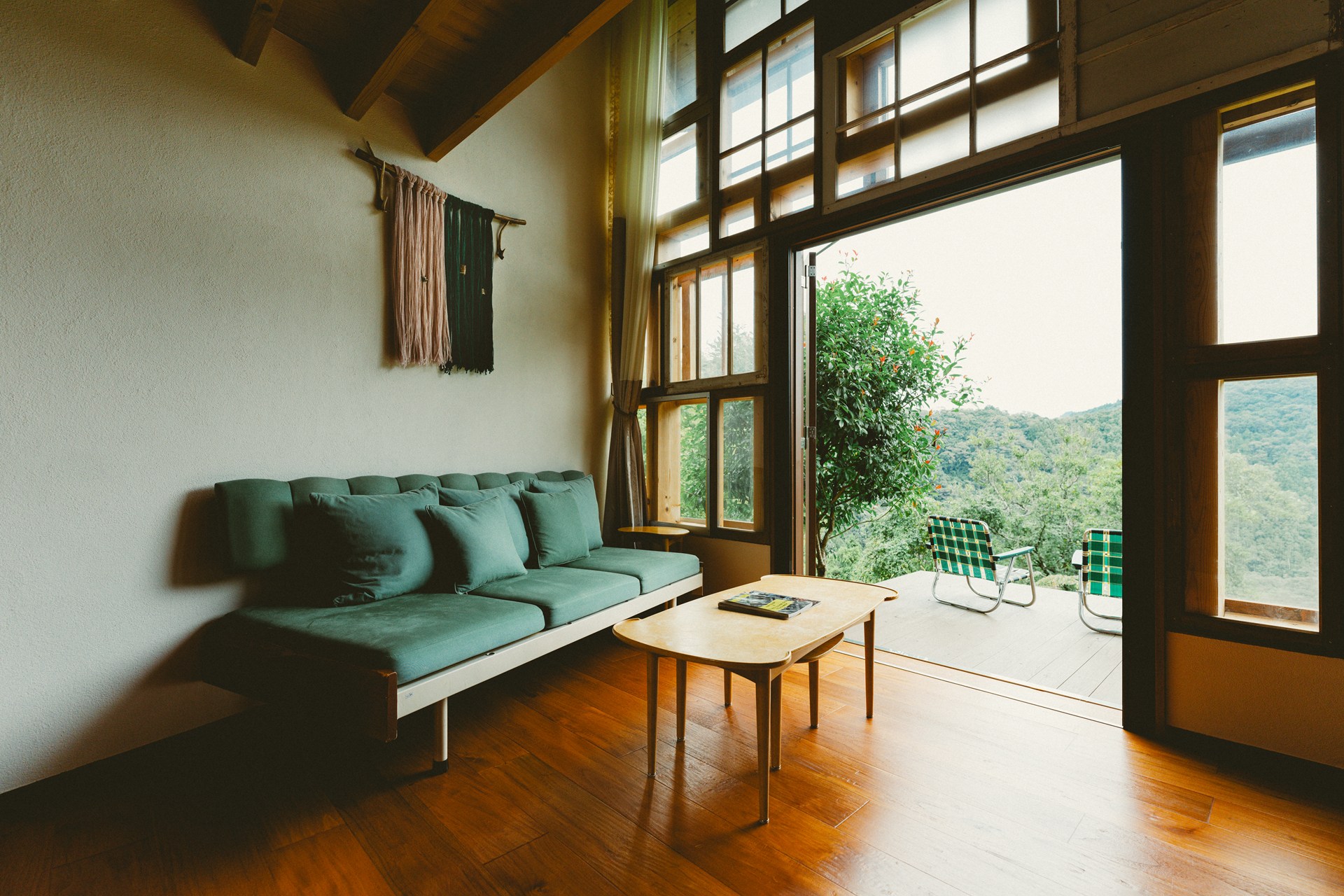
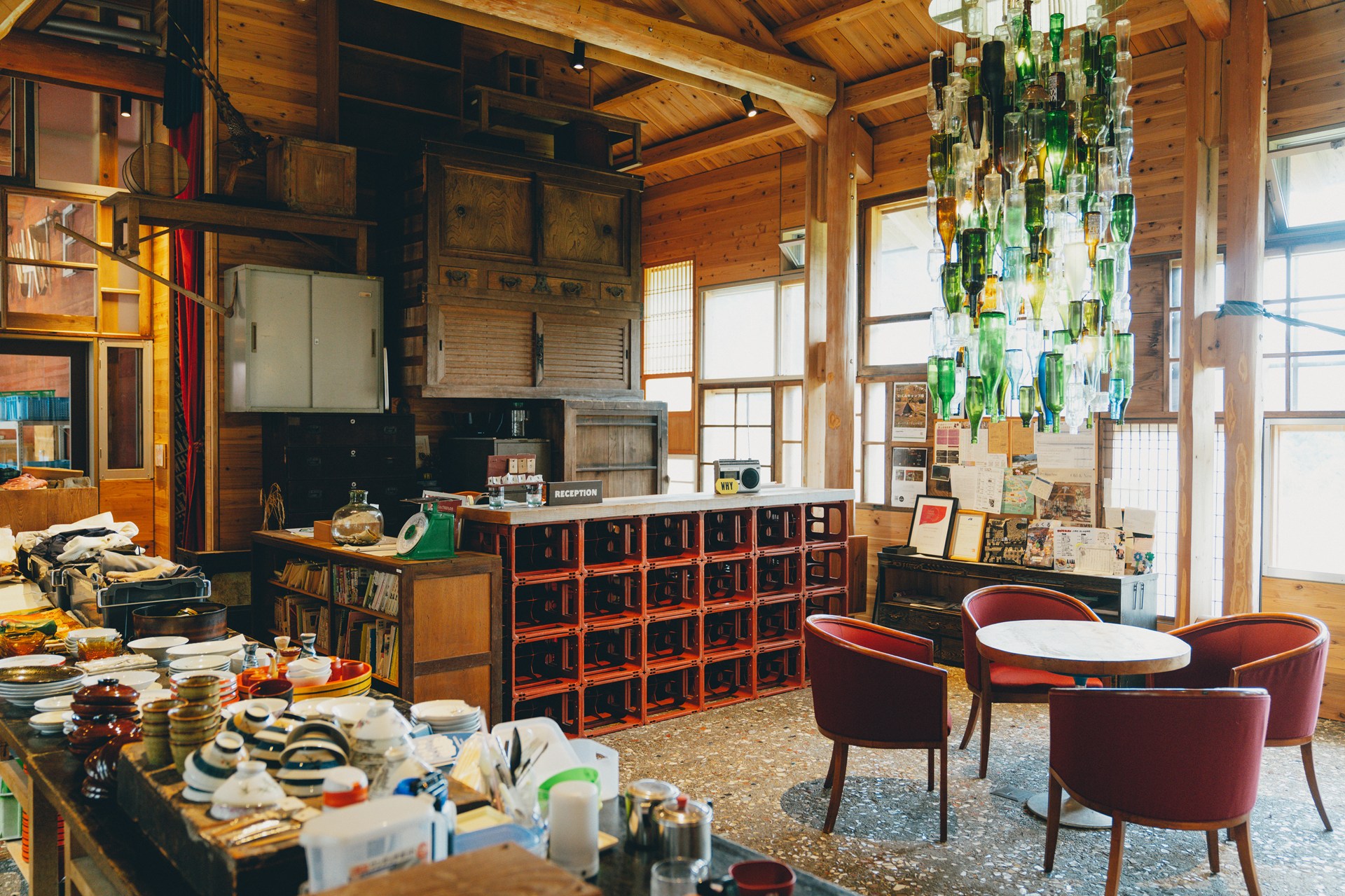
The project integrates daily practices, spatial design, and participatory governance to embed sustainability into everyday life. The center includes the core waste station, a free reuse shop that circulates goods, community and office spaces for learning and collaboration, and “HOTEL WHY,” an accommodation facility where visitors can experience zero-waste living.
Since its opening in 2020, the center has welcomed a wide range of visitors from Japan and abroad, including policymakers, researchers, and citizens. It has become a hub for environmental education, behavioral change, and cross-sector collaboration.
In the long term, the project contributes not only to waste reduction but also to strengthening local resilience and developing a replicable model for circular communities.
In Kamikatsu, residents practice home composting and separate waste into 44 categories, achieving a recycling rate of over 80% since 2016. However, even after more than two decades of effort, around 20% of waste remains non-recyclable, requiring incineration or landfill. These challenges cannot be solved solely by local actions and highlight the need for systemic change in product design and consumption patterns. At the same time, the town faces demographic challenges, with an aging rate exceeding 50% and ongoing depopulation, threatening its long-term sustainability.
The project integrates daily practices, spatial design, and participatory governance to embed sustainability into everyday life. The center includes the core waste station, a free reuse shop that circulates goods, community and office spaces for learning and collaboration, and “HOTEL WHY,” an accommodation facility where visitors can experience zero-waste living.
Since its opening in 2020, the center has welcomed a wide range of visitors from Japan and abroad, including policymakers, researchers, and citizens. It has become a hub for environmental education, behavioral change, and cross-sector collaboration.
In the long term, the project contributes not only to waste reduction but also to strengthening local resilience and developing a replicable model for circular communities.
Kamikatsu declared its Zero Waste policy in 2003, and residents have since practiced detailed waste separation. As the target year of 2020 approached, it became clear that beyond achieving technical goals, there was a need for a shared space for learning, exchange, and collaboration.
This project was conceived by transforming the town’s existing waste sorting facility—previously used only by residents—into an open, multifunctional public complex. The intention was to increase engagement with visitors from outside the town and to foster collaboration, learning, and even migration through site visits and immersive stay experiences.
The concept redefines waste from something “invisible” to something “visible,” creating a place where people can directly engage with the systems they are part of. The project was initiated by a private operator and developed through collaboration with the local government, residents, architects, a branding director, and urban development consultants.
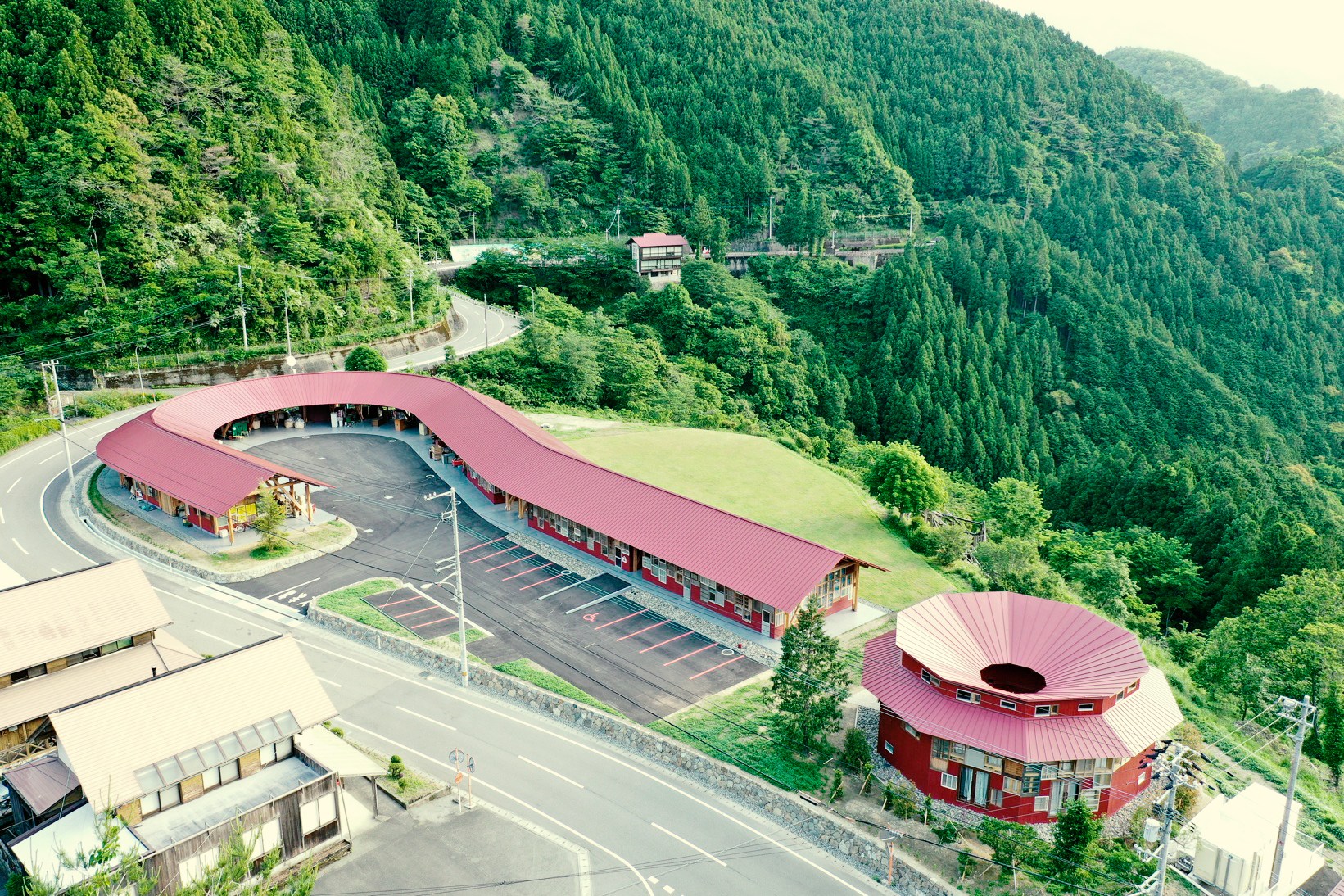
The facility itself is designed in the shape of a question mark when viewed from above. Its name, “WHY,” embodies a set of critical questions addressed to both consumers and producers: Why do we buy? Why do we throw things away? Why are things made and sold? By embedding these questions into the spatial experience, the project encourages reflection and behavioral change.
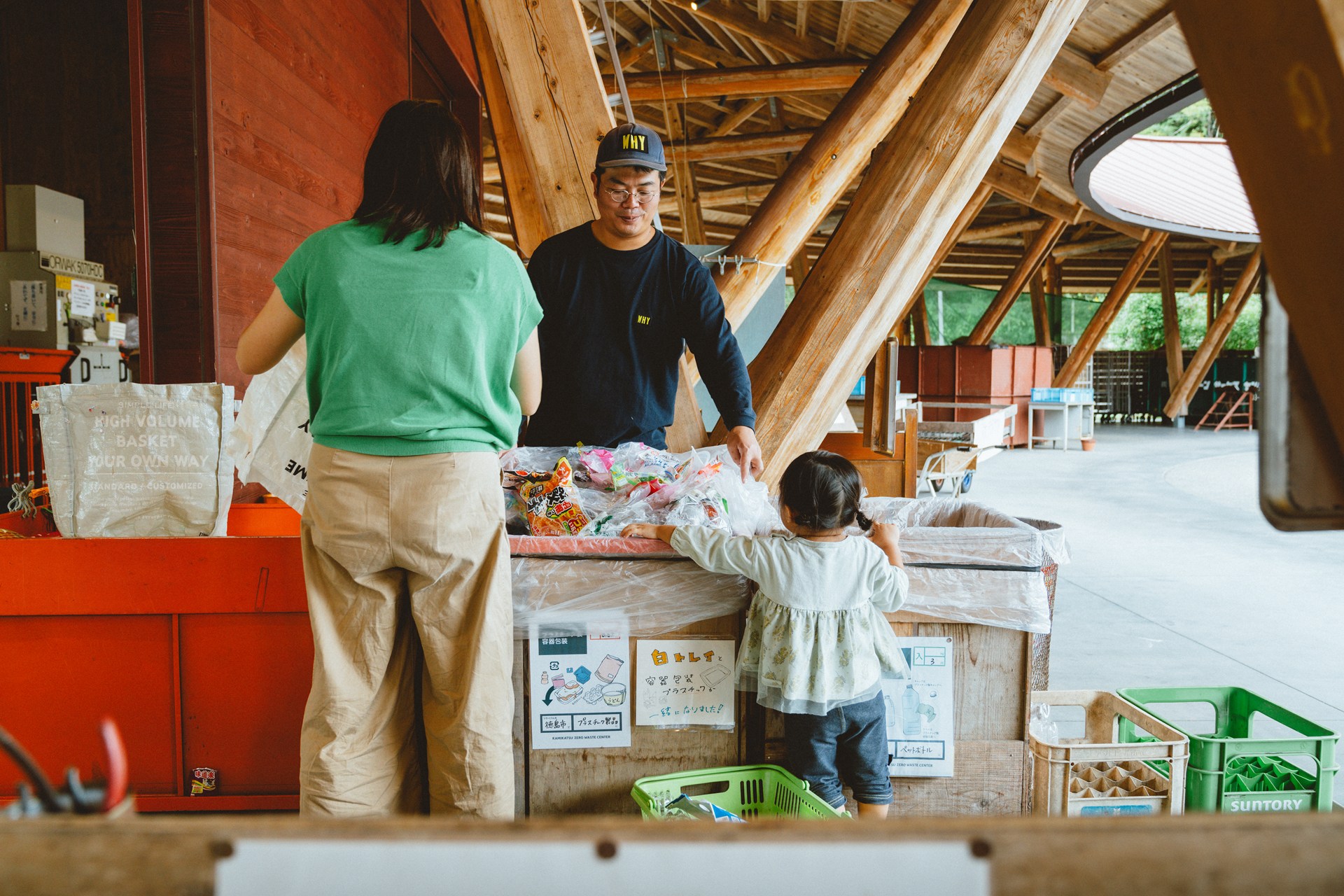
On the ground, residents actively participate in waste sorting and reuse as part of their daily routines, while visitors engage through guided tours, workshops, and accommodation programs. These interactions create opportunities for mutual learning and co-creation.
Through this process, the project has evolved into a “living circular model” that is deeply rooted in the local community while remaining open to external participation and knowledge exchange.
This project was conceived by transforming the town’s existing waste sorting facility—previously used only by residents—into an open, multifunctional public complex. The intention was to increase engagement with visitors from outside the town and to foster collaboration, learning, and even migration through site visits and immersive stay experiences.
The concept redefines waste from something “invisible” to something “visible,” creating a place where people can directly engage with the systems they are part of. The project was initiated by a private operator and developed through collaboration with the local government, residents, architects, a branding director, and urban development consultants.
The facility itself is designed in the shape of a question mark when viewed from above. Its name, “WHY,” embodies a set of critical questions addressed to both consumers and producers: Why do we buy? Why do we throw things away? Why are things made and sold? By embedding these questions into the spatial experience, the project encourages reflection and behavioral change.
On the ground, residents actively participate in waste sorting and reuse as part of their daily routines, while visitors engage through guided tours, workshops, and accommodation programs. These interactions create opportunities for mutual learning and co-creation.
Through this process, the project has evolved into a “living circular model” that is deeply rooted in the local community while remaining open to external participation and knowledge exchange.
Zero waste design
Environmental education
Community participation
Regional revitalization
Circular economy
This project serves as a "living textbook" for a sustainable society, integrating environmental, social, economic, and cultural dimensions into a cohesive framework.
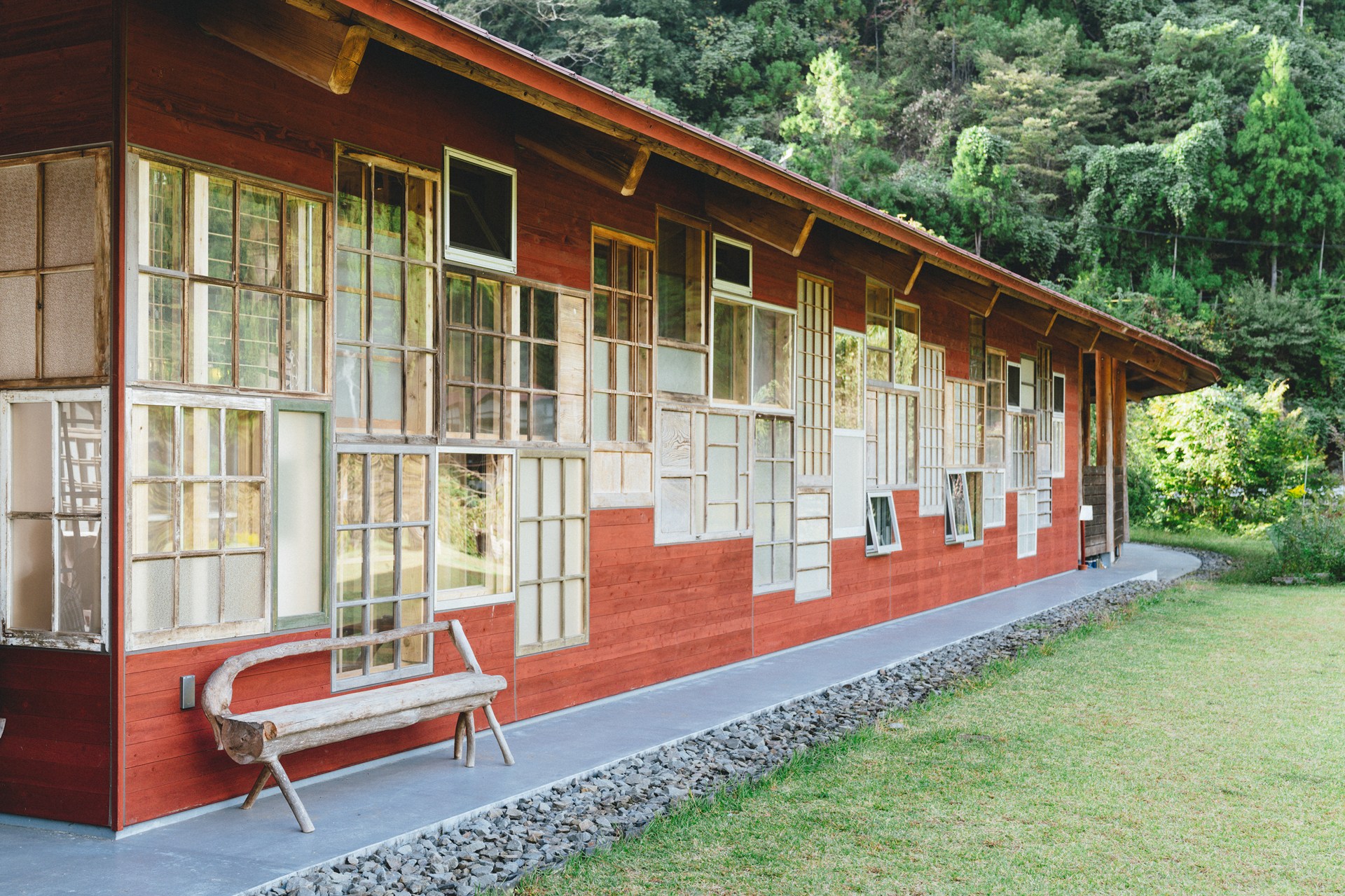
Environmentally, the project excels through its synergy of operational "software" and architectural "hardware." Residents achieve an 80%+ recycling rate by personally sorting waste into 44 categories. For instance, paper—which often comprises 40% of burnable waste in Japan—is sub-divided into 9 types for specialized resource recovery. Crucially, all households compost 100% of organic waste at home, eliminating its discharge as waste entirely. Additionally, the "Kuru-kuru Shop" facilitates the reuse of over 7 tons of goods annually. Architecturally, the center embodies circularity by utilizing 700 salvaged windows, recycled glass flooring, and raw, un-milled local timber to minimize energy and material waste.
As for the economy, the project strengthens the local economy by making waste costs visible. Sorting bins display the exact cost of processing versus potential profits. By prioritizing resource recovery, the town reduced estimated disposal costs from 14.45 million yen to 7.58 million and generated 1.8 million yen in revenue. These funds support the "Zero Waste Promotion Fund," which rewards residents with "Chiritsumo Points" for eco-friendly actions. These points are exchangeable for local vouchers, effectively circulating wealth within the community.
Culturally, sustainability is woven into daily life. By involving residents directly, the project transforms "consumers" into "active practitioners." This shift has inspired corporate collaborations, such as diaper recycling pilots and sustainable real estate ventures. Hosting 3,000+ annual visitors, "HOTEL WHY" serves as an educational hub for firsthand zero-waste experiences. This integrated model provides a practical and innovative blueprint for global sustainability.
Environmentally, the project excels through its synergy of operational "software" and architectural "hardware." Residents achieve an 80%+ recycling rate by personally sorting waste into 44 categories. For instance, paper—which often comprises 40% of burnable waste in Japan—is sub-divided into 9 types for specialized resource recovery. Crucially, all households compost 100% of organic waste at home, eliminating its discharge as waste entirely. Additionally, the "Kuru-kuru Shop" facilitates the reuse of over 7 tons of goods annually. Architecturally, the center embodies circularity by utilizing 700 salvaged windows, recycled glass flooring, and raw, un-milled local timber to minimize energy and material waste.
As for the economy, the project strengthens the local economy by making waste costs visible. Sorting bins display the exact cost of processing versus potential profits. By prioritizing resource recovery, the town reduced estimated disposal costs from 14.45 million yen to 7.58 million and generated 1.8 million yen in revenue. These funds support the "Zero Waste Promotion Fund," which rewards residents with "Chiritsumo Points" for eco-friendly actions. These points are exchangeable for local vouchers, effectively circulating wealth within the community.
Culturally, sustainability is woven into daily life. By involving residents directly, the project transforms "consumers" into "active practitioners." This shift has inspired corporate collaborations, such as diaper recycling pilots and sustainable real estate ventures. Hosting 3,000+ annual visitors, "HOTEL WHY" serves as an educational hub for firsthand zero-waste experiences. This integrated model provides a practical and innovative blueprint for global sustainability.
The Kamikatsu Zero Waste Center exemplifies aesthetic excellence by transforming waste from a "hidden nuisance" into a "medium of beauty." Traditionally, waste management is associated with negative imagery—odors and clutter. However, this facility remains odorless and pleasant, a direct result of the residents' discipline in household composting and the meticulous washing and drying of recyclables before delivery.
Architect Hiroshi Nakamura designed the horseshoe-shaped facility to visualize the flow of "sorting, storage, and reuse" seamlessly. By "making the process visible," a space once closed to the public has been reborn as an open social infrastructure.
The most striking feature is the facade composed of 700 donated antique windows. This patchwork design, created with resident participation, glows like stained glass filled with local memories. These windows, which once lit up individual homes, now gather to form a "beacon of hope" for a town facing depopulation. This architectural choice fosters a profound sense of pride and belonging among residents, who often recognize their own former belongings within the structure.
The onsite hotel completes the site’s layout to form a giant "?" mark when viewed from above. This echoes the facility's name, "WHY," acting as the Garyo Tensei (the finishing touch that brings a dragon to life). The courtyard’s "pupil," crafted from local river stones, represents the "eye of the community" gazing at the world from this remote mountain town. It encourages visitors to return home with a newfound curiosity about their own consumption. This integration of philosophy and design has earned prestigious accolades, including the 2021 Architectural Institute of Japan Prize and the Dezeen Awards 2021 Sustainable Building of the Year.
Architect Hiroshi Nakamura designed the horseshoe-shaped facility to visualize the flow of "sorting, storage, and reuse" seamlessly. By "making the process visible," a space once closed to the public has been reborn as an open social infrastructure.
The most striking feature is the facade composed of 700 donated antique windows. This patchwork design, created with resident participation, glows like stained glass filled with local memories. These windows, which once lit up individual homes, now gather to form a "beacon of hope" for a town facing depopulation. This architectural choice fosters a profound sense of pride and belonging among residents, who often recognize their own former belongings within the structure.
The onsite hotel completes the site’s layout to form a giant "?" mark when viewed from above. This echoes the facility's name, "WHY," acting as the Garyo Tensei (the finishing touch that brings a dragon to life). The courtyard’s "pupil," crafted from local river stones, represents the "eye of the community" gazing at the world from this remote mountain town. It encourages visitors to return home with a newfound curiosity about their own consumption. This integration of philosophy and design has earned prestigious accolades, including the 2021 Architectural Institute of Japan Prize and the Dezeen Awards 2021 Sustainable Building of the Year.
【Inclusive Governance】 Transforming "Effort" into Social Capital:
Our project fosters inclusive governance by transforming the "effort" of waste management into a catalyst for community resilience. The meticulous 44-category sorting process functions as a "Social Salon," where the inconvenience of manual labor creates essential opportunities for interaction. In this space, elderly residents pass on their wisdom to the younger generation, and staff or neighbors naturally assist those with physical limitations. This daily engagement serves as a vital safety net against social isolation in a depopulating region, shifting the paradigm from "passive service consumers" to "active co-producers of local autonomy."
【Democratizing Sustainability】Accessibility and Equity:
We are committed to ensuring that environmental responsibility is not a luxury reserved for the wealthy, but a democratic right accessible to all. The "Kuru-kuru Shop" (reuse center) eliminates financial barriers by circulating daily essentials through a gift economy, supporting household budgets while reducing waste. To accommodate diverse lifestyles, the sorting center operates 362 days a year with extended morning hours, ensuring that everyone—from farmers to office workers—can participate in the town's mission without compromising their livelihoods.
Furthermore, "HOTEL WHY" offers specially priced plans for students to experience zero-waste living firsthand. By lowering the financial threshold for environmental education, we bridge the gap between high-end eco-tourism and grassroots action. This inclusive approach ensures that the leaders of tomorrow can engage with sustainability as a practical life skill rather than a cost-prohibitive luxury. Through this model, we prove that a circular society is most beautiful when it is accessible, affordable, and powered by the collective pride of all its citizens.
Our project fosters inclusive governance by transforming the "effort" of waste management into a catalyst for community resilience. The meticulous 44-category sorting process functions as a "Social Salon," where the inconvenience of manual labor creates essential opportunities for interaction. In this space, elderly residents pass on their wisdom to the younger generation, and staff or neighbors naturally assist those with physical limitations. This daily engagement serves as a vital safety net against social isolation in a depopulating region, shifting the paradigm from "passive service consumers" to "active co-producers of local autonomy."
【Democratizing Sustainability】Accessibility and Equity:
We are committed to ensuring that environmental responsibility is not a luxury reserved for the wealthy, but a democratic right accessible to all. The "Kuru-kuru Shop" (reuse center) eliminates financial barriers by circulating daily essentials through a gift economy, supporting household budgets while reducing waste. To accommodate diverse lifestyles, the sorting center operates 362 days a year with extended morning hours, ensuring that everyone—from farmers to office workers—can participate in the town's mission without compromising their livelihoods.
Furthermore, "HOTEL WHY" offers specially priced plans for students to experience zero-waste living firsthand. By lowering the financial threshold for environmental education, we bridge the gap between high-end eco-tourism and grassroots action. This inclusive approach ensures that the leaders of tomorrow can engage with sustainability as a practical life skill rather than a cost-prohibitive luxury. Through this model, we prove that a circular society is most beautiful when it is accessible, affordable, and powered by the collective pride of all its citizens.
"Citizens as Co-Creators" From Design to Daily Practice:
In our project, citizens are not mere beneficiaries; they are "co-creators" who drive the mission. During the design phase, residents participated in workshops and donated approximately 700 antique windows from their homes. These were repurposed into the building’s facade, transforming the facility into a mosaic of local memories. This participatory process ensured that the center is perceived not as a distant government building, but as a space where the community’s history is preserved, fostering a deep sense of belonging and pride.
Active Practitioners in a "Social Salon":
On an operational level, residents act as "primary practitioners" of the 44-category sorting system. The sorting center functions as a "Social Salon"—a vital communal hub where elderly residents and younger newcomers interact daily. Facilitated by NPO staff who provide hands-on sorting support, this inclusive governance ensures that even those with physical or cognitive challenges remain active participants. Furthermore, through the "Kuru-kuru Shop" (reuse center), residents autonomously circulate over 7 tons of goods annually, sustaining a local gift economy that reduces financial barriers for all.
From Grassroots Action to Global Leadership:
The impact of this citizen involvement extends beyond the exceptional 80%+ recycling rate. It has cultivated a spirit of "self-governance," where residents take personal responsibility for their environment. This grassroots commitment has catalyzed high-level collaborations with major corporations like Mitsubishi Estate and attracted diplomatic study tours organized by the Ministry of Foreign Affairs. By placing citizens at the heart of the project, we have transformed a rural waste station into a global landmark. Their participation has proven that a sustainable future is not "delivered" by technology alone, but "built" through collective human agency and pride.
In our project, citizens are not mere beneficiaries; they are "co-creators" who drive the mission. During the design phase, residents participated in workshops and donated approximately 700 antique windows from their homes. These were repurposed into the building’s facade, transforming the facility into a mosaic of local memories. This participatory process ensured that the center is perceived not as a distant government building, but as a space where the community’s history is preserved, fostering a deep sense of belonging and pride.
Active Practitioners in a "Social Salon":
On an operational level, residents act as "primary practitioners" of the 44-category sorting system. The sorting center functions as a "Social Salon"—a vital communal hub where elderly residents and younger newcomers interact daily. Facilitated by NPO staff who provide hands-on sorting support, this inclusive governance ensures that even those with physical or cognitive challenges remain active participants. Furthermore, through the "Kuru-kuru Shop" (reuse center), residents autonomously circulate over 7 tons of goods annually, sustaining a local gift economy that reduces financial barriers for all.
From Grassroots Action to Global Leadership:
The impact of this citizen involvement extends beyond the exceptional 80%+ recycling rate. It has cultivated a spirit of "self-governance," where residents take personal responsibility for their environment. This grassroots commitment has catalyzed high-level collaborations with major corporations like Mitsubishi Estate and attracted diplomatic study tours organized by the Ministry of Foreign Affairs. By placing citizens at the heart of the project, we have transformed a rural waste station into a global landmark. Their participation has proven that a sustainable future is not "delivered" by technology alone, but "built" through collective human agency and pride.
Multilayered Governance "A Public-Private-People Partnership (PPPP)":
The Kamikatsu Zero Waste Center exemplifies a Public-Private-People Partnership (PPPP), where local government authority meets private innovation and active resident participation.
Synergy of Policy and Innovation:
In Japan, municipalities legally oversee household waste. Kamikatsu Town Hall established the regulatory framework and infrastructure, but commissioned the center’s operations and creative programming to private entities. This strategic division balances "public stability" with "private agility," ensuring the project remains both functionally reliable and evolutionarily innovative.
Residents as Practitioners and Academic Insight:
Residents are not passive recipients but "primary practitioners" driving the system through meticulous sorting. This grassroots effort is augmented by collaborations with global researchers. By sharing real-world data and operational insights, Kamikatsu has transitioned from a local movement into an empirical social experiment, providing a data-driven blueprint for circular economy models worldwide.
Global Diplomatic and Strategic Value:
The project is now a key asset for Japan’s environmental diplomacy. The Ministry of Foreign Affairs (MOFA) organized high-level study tours for foreign ambassadors in 2023 and 2025 to showcase this model. This diplomatic engagement underscores Kamikatsu’s approach as a viable solution to universal challenges like depopulation and waste. Today, the center serves as a global landmark, proving that a committed community can lead the world toward a sustainable, inclusive future.
The Kamikatsu Zero Waste Center exemplifies a Public-Private-People Partnership (PPPP), where local government authority meets private innovation and active resident participation.
Synergy of Policy and Innovation:
In Japan, municipalities legally oversee household waste. Kamikatsu Town Hall established the regulatory framework and infrastructure, but commissioned the center’s operations and creative programming to private entities. This strategic division balances "public stability" with "private agility," ensuring the project remains both functionally reliable and evolutionarily innovative.
Residents as Practitioners and Academic Insight:
Residents are not passive recipients but "primary practitioners" driving the system through meticulous sorting. This grassroots effort is augmented by collaborations with global researchers. By sharing real-world data and operational insights, Kamikatsu has transitioned from a local movement into an empirical social experiment, providing a data-driven blueprint for circular economy models worldwide.
Global Diplomatic and Strategic Value:
The project is now a key asset for Japan’s environmental diplomacy. The Ministry of Foreign Affairs (MOFA) organized high-level study tours for foreign ambassadors in 2023 and 2025 to showcase this model. This diplomatic engagement underscores Kamikatsu’s approach as a viable solution to universal challenges like depopulation and waste. Today, the center serves as a global landmark, proving that a committed community can lead the world toward a sustainable, inclusive future.
Interdisciplinary Synergy and Social Impact:
While the foundation of this project lies in the fusion of Architectural Design and Environmental Science, its true value is in how it redistributes gathered knowledge back into society through diverse fields.
Corporate Collaboration and Practical Innovation:
The center serves as a "living laboratory" where theoretical science meets industrial application. Notable partnerships include Suntory Holdings for "Horizontal Recycling" (reclaiming used PET bottles back into bottles) and Kao Corporation for pilot tests of a carbonization system to turn used diapers into resources. These initiatives integrate chemical engineering and materials science into urban infrastructure, proving that circularity is achievable at scale.
Cultural and Academic Dissemination:
The project redefines sustainability through various academic lenses, contributing to the Ethical White Paper 2022–2023 and collaborating with the 21_21 DESIGN SIGHT exhibition in Tokyo. Our outreach includes over 100 speaking engagements, sharing Kamikatsu’s model with students and experts in Economics, Tourism, Public Policy, and Science.
Global Leadership and Future Education Our influence extends to global platforms such as the EU Circular Economy Days (Expo 2025 Osaka), international forums in Malaysia and Taiwan (2025), and UN-related events (UN Women/UNEP). Furthermore, we provide "living textbooks" to prestigious institutions like Keio, Sophia, ICU, and Ritsumeikan APU. By integrating architecture, education, and technology, this project acts as a catalyst for global change, offering practical solutions to the complex challenges of modern society. This interdisciplinary approach ensures that the "Kamikatsu model" is not just a local success, but a scalable blueprint for the world.
While the foundation of this project lies in the fusion of Architectural Design and Environmental Science, its true value is in how it redistributes gathered knowledge back into society through diverse fields.
Corporate Collaboration and Practical Innovation:
The center serves as a "living laboratory" where theoretical science meets industrial application. Notable partnerships include Suntory Holdings for "Horizontal Recycling" (reclaiming used PET bottles back into bottles) and Kao Corporation for pilot tests of a carbonization system to turn used diapers into resources. These initiatives integrate chemical engineering and materials science into urban infrastructure, proving that circularity is achievable at scale.
Cultural and Academic Dissemination:
The project redefines sustainability through various academic lenses, contributing to the Ethical White Paper 2022–2023 and collaborating with the 21_21 DESIGN SIGHT exhibition in Tokyo. Our outreach includes over 100 speaking engagements, sharing Kamikatsu’s model with students and experts in Economics, Tourism, Public Policy, and Science.
Global Leadership and Future Education Our influence extends to global platforms such as the EU Circular Economy Days (Expo 2025 Osaka), international forums in Malaysia and Taiwan (2025), and UN-related events (UN Women/UNEP). Furthermore, we provide "living textbooks" to prestigious institutions like Keio, Sophia, ICU, and Ritsumeikan APU. By integrating architecture, education, and technology, this project acts as a catalyst for global change, offering practical solutions to the complex challenges of modern society. This interdisciplinary approach ensures that the "Kamikatsu model" is not just a local success, but a scalable blueprint for the world.
To address the primary local challenge of depopulation, the Kamikatsu Zero Waste Center focuses on "extending the duration of stay" through two innovative business models.
1. Hospitality as Philosophy: HOTEL WHY
The first model is the world’s only hotel integrated within a waste collection center. While Kamikatsu has long led zero-waste activities, visitors previously lacked a space to truly embody these practices. HOTEL WHY provides an immersive experience, allowing guests to live the zero-waste philosophy firsthand. This model serves as a vital economic engine for a town with a fragile fiscal base, generating "outside income" and stimulating the local economy through spending on dining, transportation, and souvenirs.
2. Regional Implementation: Corporate Collaboration
The second model focuses on solving social issues through "regional implementation-style demonstration projects." While Kamikatsu excels in recycling, certain items—such as toys, furniture, and tableware—remain difficult to process. We treat these as "future social challenges" and partner with manufacturers to co-create low-impact production methods. A concrete example is our ongoing project with Kao Corporation, a major manufacturer of disposable diapers, which is already moving toward social implementation. Among our 44 categories, many items—such as toys, furniture, and tableware—remain difficult to recycle. By tackling each of these through joint business and research initiatives, corporations gain significant PR value and added brand worth. For Kamikatsu, this creates a virtuous cycle that improves recycling rates, fosters human exchange, and cultivates "civic pride" among all residents.
1. Hospitality as Philosophy: HOTEL WHY
The first model is the world’s only hotel integrated within a waste collection center. While Kamikatsu has long led zero-waste activities, visitors previously lacked a space to truly embody these practices. HOTEL WHY provides an immersive experience, allowing guests to live the zero-waste philosophy firsthand. This model serves as a vital economic engine for a town with a fragile fiscal base, generating "outside income" and stimulating the local economy through spending on dining, transportation, and souvenirs.
2. Regional Implementation: Corporate Collaboration
The second model focuses on solving social issues through "regional implementation-style demonstration projects." While Kamikatsu excels in recycling, certain items—such as toys, furniture, and tableware—remain difficult to process. We treat these as "future social challenges" and partner with manufacturers to co-create low-impact production methods. A concrete example is our ongoing project with Kao Corporation, a major manufacturer of disposable diapers, which is already moving toward social implementation. Among our 44 categories, many items—such as toys, furniture, and tableware—remain difficult to recycle. By tackling each of these through joint business and research initiatives, corporations gain significant PR value and added brand worth. For Kamikatsu, this creates a virtuous cycle that improves recycling rates, fosters human exchange, and cultivates "civic pride" among all residents.
From Rural Roots to Global Urban Standards:
The Kamikatsu Zero Waste Project is not merely a localized success; its core methodologies are highly scalable tools for the world's most complex urban and social environments.
1. Urban Scalability: Transforming Tokyo’s Financial District (Mitsubishi Estate) The meticulous 44-category sorting system is currently being scaled to a mega-city context through a partnership with Mitsubishi Estate, one of Japan’s leading real estate developers. They manage the Marunouchi district—Tokyo’s equivalent to London’s Canary Wharf or Paris’s La Défense. Within the "Circular City Marunouchi" initiative, Kamikatsu’s expertise is applied to aim for 100% recycling rates in high-density office towers. This collaboration proves that our methodology is not limited to small villages but is a powerful, replicable framework for urban circularity in global financial hubs.
2. Spatial Design for Mass Behavioral Change (TBS Holdings) The philosophy of "visualizing waste as a resource" has been successfully integrated into large-scale public engagement through a partnership with TBS Holdings, a major Japanese national broadcasting and media group. At their bi-annual SDGs festival, which attracts tens of thousands of visitors, we implemented a supervised "Zero Waste Hub." By redesigning the disposal area into an interactive educational space, we successfully boosted the event’s recycling rate from 22% to 77%. This demonstrates that the Kamikatsu design principle, when combined with national media influence, can trigger immediate and massive behavioral change in public settings.
The Kamikatsu Zero Waste Project is not merely a localized success; its core methodologies are highly scalable tools for the world's most complex urban and social environments.
1. Urban Scalability: Transforming Tokyo’s Financial District (Mitsubishi Estate) The meticulous 44-category sorting system is currently being scaled to a mega-city context through a partnership with Mitsubishi Estate, one of Japan’s leading real estate developers. They manage the Marunouchi district—Tokyo’s equivalent to London’s Canary Wharf or Paris’s La Défense. Within the "Circular City Marunouchi" initiative, Kamikatsu’s expertise is applied to aim for 100% recycling rates in high-density office towers. This collaboration proves that our methodology is not limited to small villages but is a powerful, replicable framework for urban circularity in global financial hubs.
2. Spatial Design for Mass Behavioral Change (TBS Holdings) The philosophy of "visualizing waste as a resource" has been successfully integrated into large-scale public engagement through a partnership with TBS Holdings, a major Japanese national broadcasting and media group. At their bi-annual SDGs festival, which attracts tens of thousands of visitors, we implemented a supervised "Zero Waste Hub." By redesigning the disposal area into an interactive educational space, we successfully boosted the event’s recycling rate from 22% to 77%. This demonstrates that the Kamikatsu design principle, when combined with national media influence, can trigger immediate and massive behavioral change in public settings.