Enablers for New European Bauhaus Transformation
Tecer Mulher
Tecer Mulher: Digital Inclusion for Older Women in the Brazilian Amazon
Tecer Mulher is a community-based educational project that helps vulnerable older women in the Brazilian Amazon use smartphones and digital services safely and confidently. Through accessible, culturally translated learning, it strengthens autonomy, social connection, and digital inclusion while offering a replicable model for underserved territories.
Brazil
Regional
Carajás Region, Pará State, Northern Brazil, Amazon Region
It addresses urban-rural linkages
It involves other types of transformations (soft investment)
Yes
2025-12-20
No
No
No
Individual
Tecer Mulher is a community-based educational initiative implemented in the Carajás region, in the Brazilian Amazon, to promote digital inclusion among older women living in contexts of social vulnerability. The project addresses a persistent territorial inequality: older women in the region often face overlapping barriers related to age, gender, low schooling, limited digital access, and weak support structures for learning how to use smartphones and everyday digital services.
Its main objective is to transform digital exclusion into autonomy through an accessible and culturally situated learning model. The project offers practical training on smartphones, messaging apps, online safety, and digital services, using simple language, visual materials, step-by-step guidance, and a pace adapted to the participants. The methodology combines andragogy, lifelong learning, intergenerational exchange, and the ADDIE instructional design model.
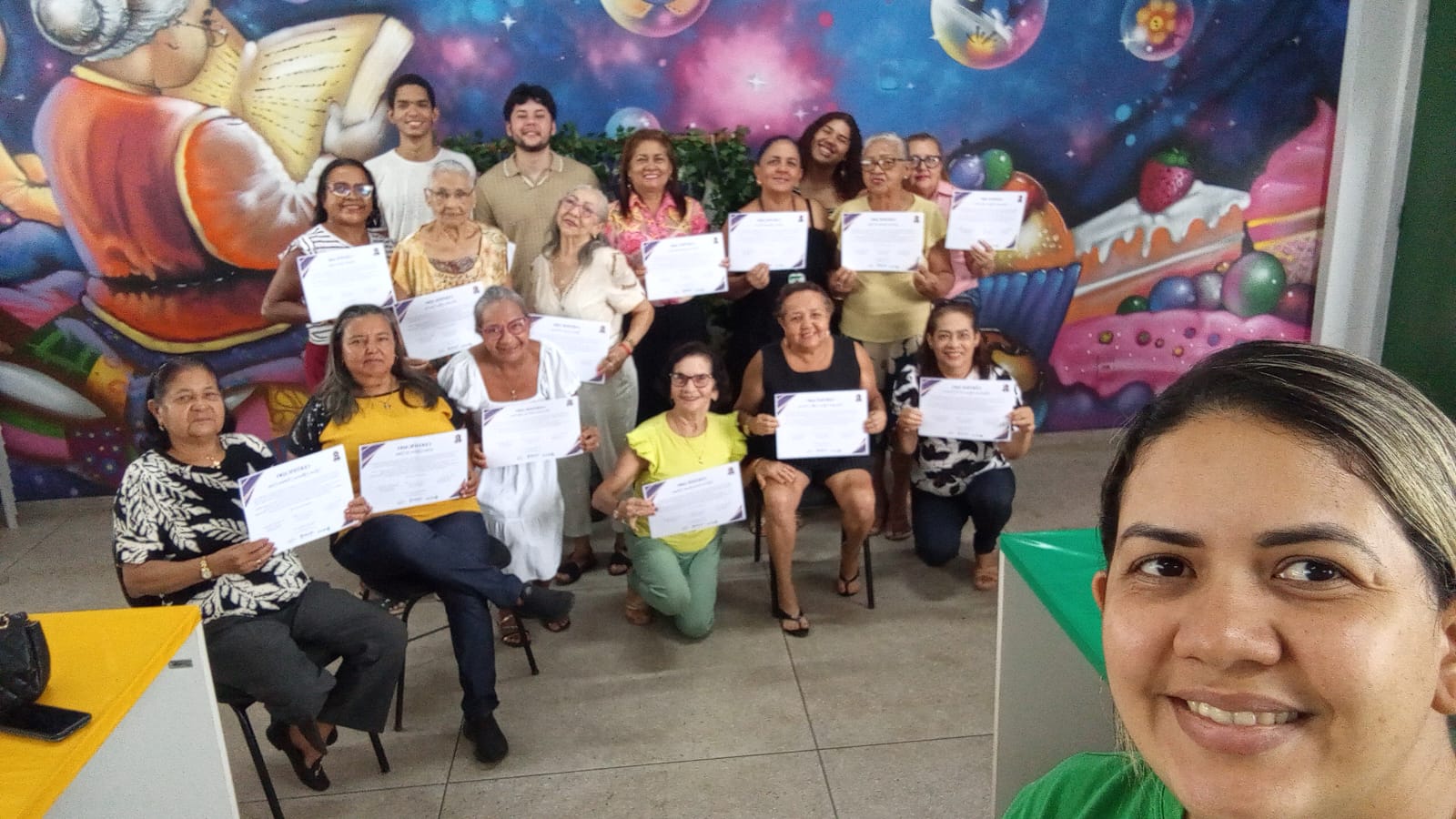
Already achieved results include the implementation of training activities with older women in partnership with local civil society organisations; the development of contextualised teaching materials such as booklets and e-books; the structuring of a tested educational methodology; and documented evidence, through reports and academic publication, that digital inclusion can be effectively promoted when cognitive, social, and cultural specificities are respected. The project also generated impacts beyond direct beneficiaries by training university students through extension, research, and community engagement.
In the long term, Tecer Mulher strengthens autonomy, safety, confidence, and belonging, while offering a replicable model for inclusive digital transformation in underserved territories.
Tecer Mulher emerged from the observation that older women in the Brazilian Amazon were being left behind by rapid digitalisation. In the Carajás region, this exclusion is intensified by social vulnerability, low formal education levels, and limited access to technology training. Recognising this gap, a professor and students from the Information Systems programme at the Federal University of South and Southeast of Pará (Unifesspa) created the project to respond to real everyday difficulties faced by older women when using smartphones, applications, and digital services.
From the beginning, the project was grounded in listening to participants and partner institutions. Its implementation combined extension, teaching, and research. The first phase focused on identifying learning needs through a formal diagnostic tool based on the Mobile Device Proficiency Questionnaire (MDPQ), adapted to the local language and cultural context, as well as through direct contact with local organisations working with older women. Based on this diagnosis, the team designed a contextualised instructional plan using the ADDIE model: analysis of needs, design of the learning pathway, development of accessible materials, implementation of face-to-face workshops, and continuous evaluation.
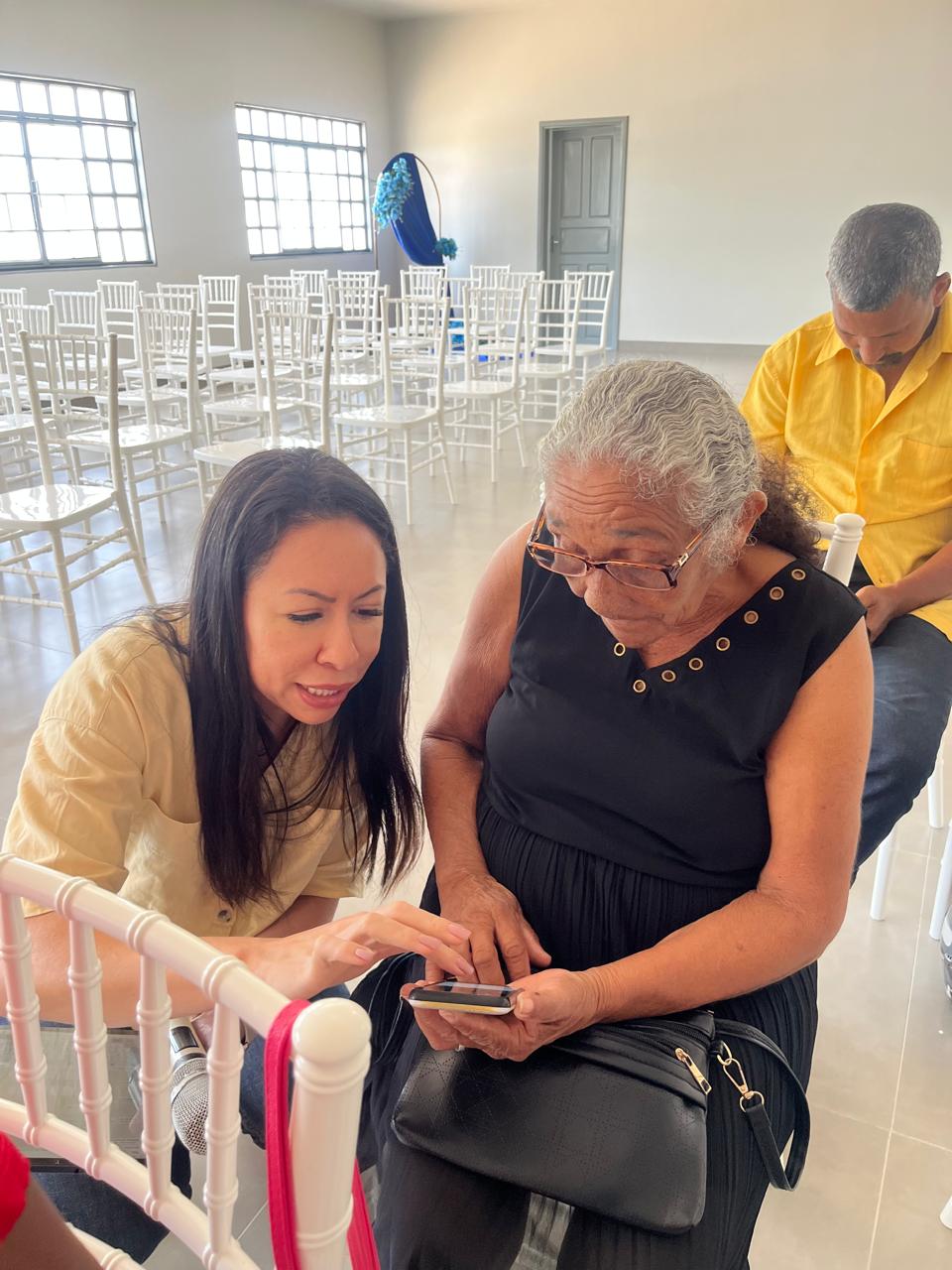
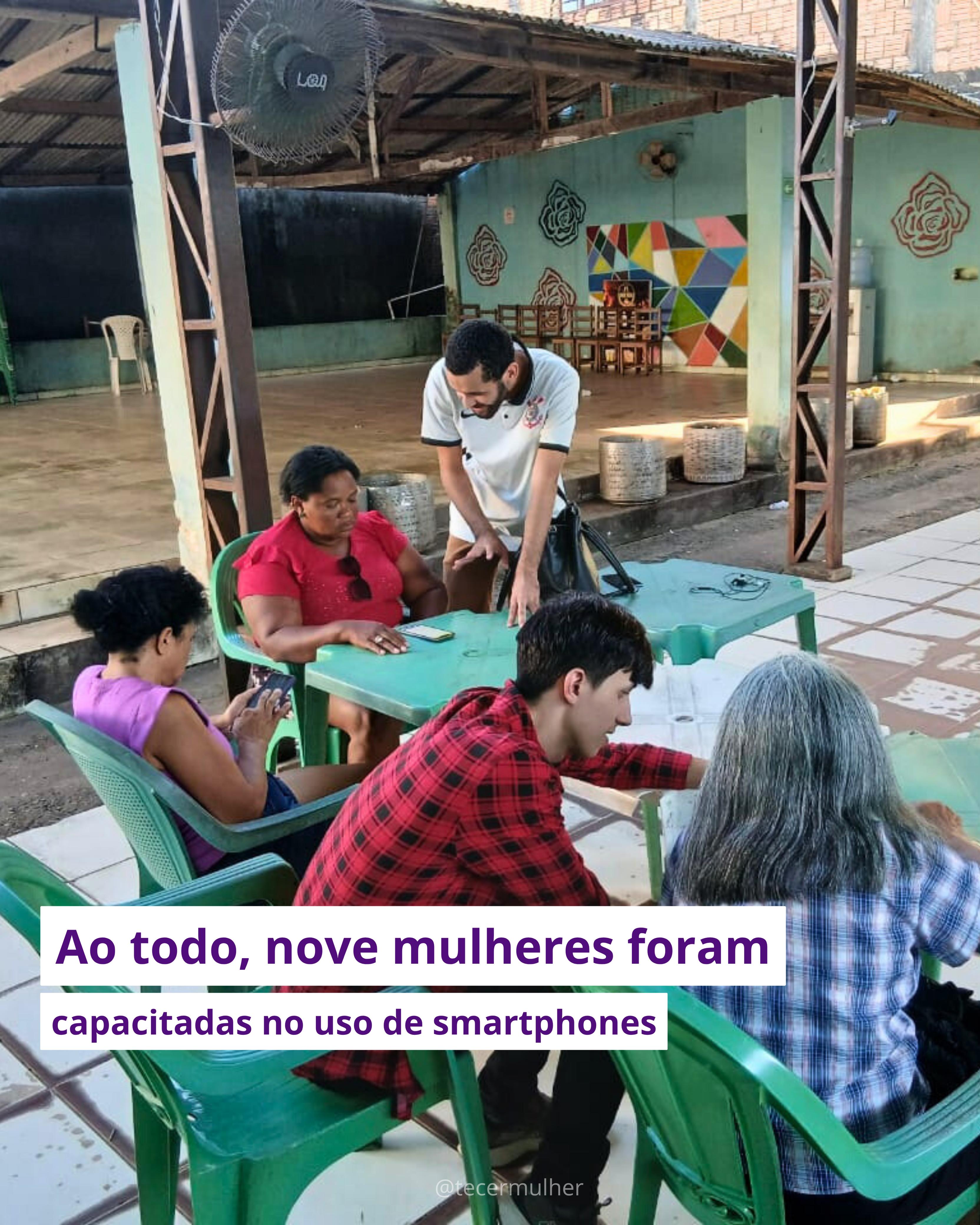
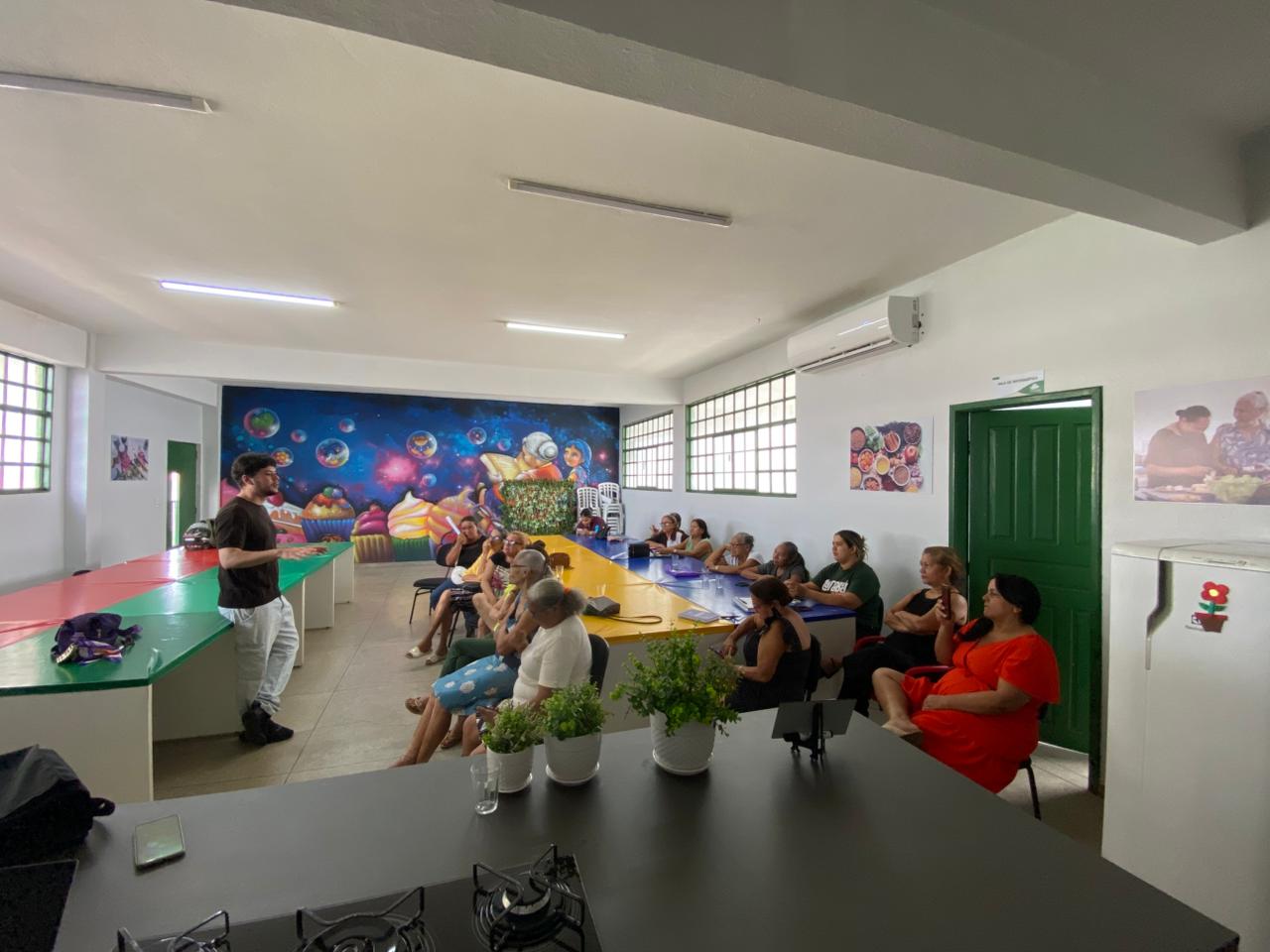
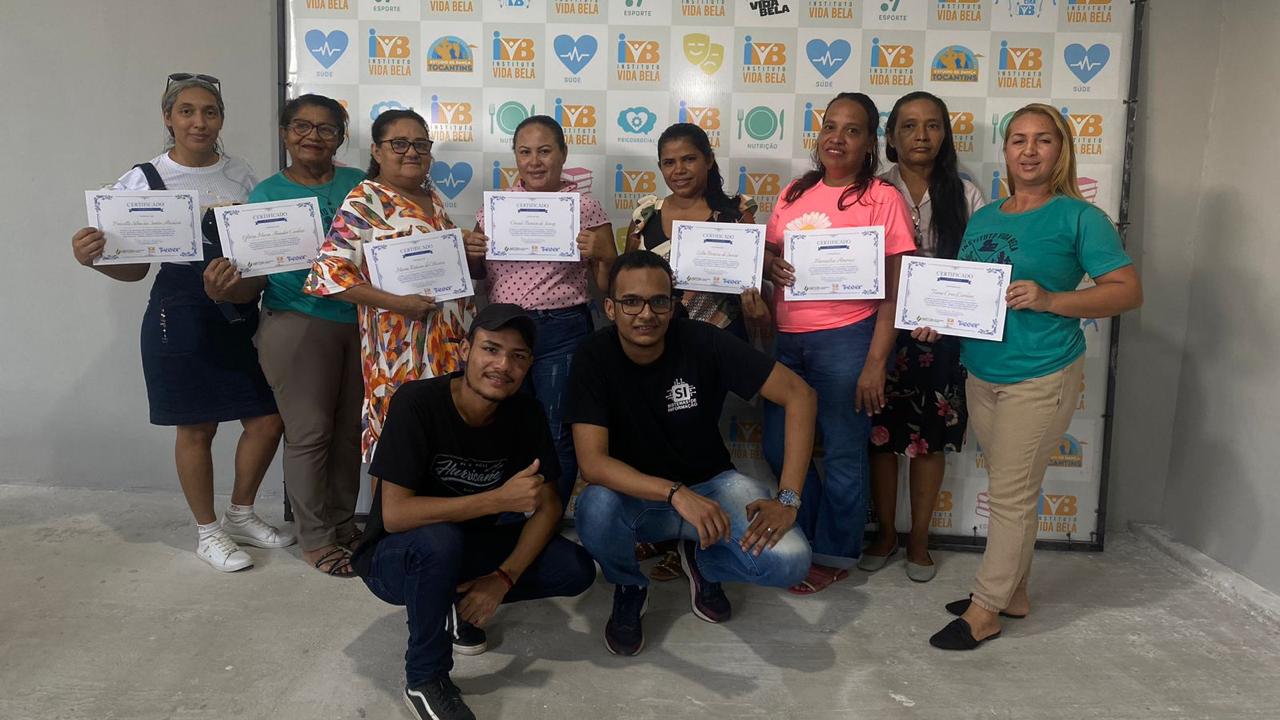
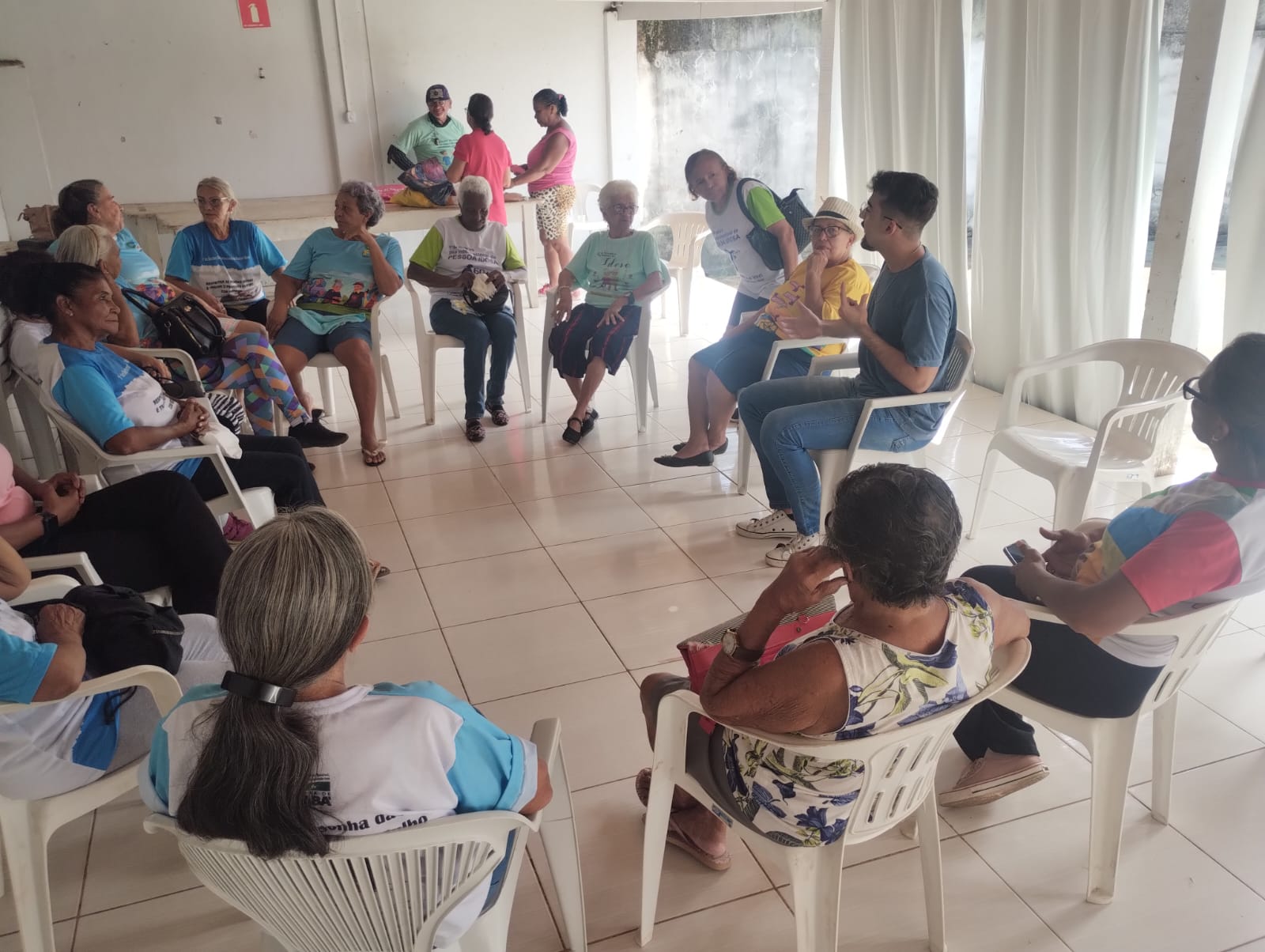
On the ground, the project was carried out through practical and intergenerational learning activities, in partnership with community organisations in Marabá. Participants engaged in guided workshops on smartphone use, everyday apps, communication tools, and digital safety. The methodology privileged patience, repetition, visual explanation, real-life examples, and collective support. Feedback from participants directly informed improvements in content and delivery.
The project grew as a collaborative and community-based response to digital exclusion, turning local knowledge, academic expertise, and lived experience into a concrete and transferable model.
Digital inclusion
Older women
Intergenerational learning
Accessible education
Social innovation
Tecer Mulher addresses sustainability primarily through long-term social, cultural, and economic resilience in a region marked by digital inequality. The project responds to a structural challenge: when older women are excluded from digital tools, they also face reduced access to information, services, communication, protection, and participation in contemporary social life. By building digital autonomy, the project strengthens everyday resilience and reduces dependency, isolation, and vulnerability.
Its sustainability lies in the durability of the capabilities it creates. Instead of offering one-off assistance, Tecer Mulher develops practical knowledge that participants can continue using in their daily lives, such as communicating with family, accessing services, and navigating digital environments more safely. The project also creates a sustainable educational infrastructure: a tested methodology, contextualised teaching materials, and a trained team able to adapt and multiply the experience.
Culturally, the project is sustainable because it does not import a generic model of digital training. It translates technology into the realities of older Amazonian women, respecting local context, learning rhythms, and lived experience. Economically, it supports inclusion into a digital society in which many essential services increasingly depend on smartphone use, thereby helping prevent exclusion from opportunities and rights.
Tecer Mulher can be considered exemplary because it connects social sustainability with educational continuity and territorial relevance. It transforms digital inclusion into a long-term capability-building process, not a temporary intervention, and offers a methodology that can continue generating impact through replication and adaptation in other underserved contexts.
For Tecer Mulher, aesthetics is expressed as dignity, clarity, confidence, and a more humane experience of learning. The project makes everyday life more beautiful not through physical construction, but by transforming the way older women experience technology: from fear, embarrassment, and exclusion to understanding, comfort, and belonging.
The learning environment is intentionally welcoming, respectful, and accessible. The project uses simple language, visual and step-by-step materials, patient facilitation, and real-life examples that connect digital learning to participants’ daily routines. This creates an experience in which technology becomes less hostile and more meaningful. The beauty of the project lies in making the digital world understandable and usable for people who are often treated as if it were not made for them.
Aesthetic quality is also present in the project’s cultural sensitivity. Tecer Mulher values the identities, stories, and rhythms of older Amazonian women. It does not force them to adapt to an abstract technological language; instead, it adapts the learning experience to their context. This generates emotional benefits such as confidence, self-worth, and a renewed sense of participation in contemporary life.
The project is exemplary because it redefines aesthetics as quality of experience, care, and cultural respect. It shows that beauty in social innovation can mean creating learning spaces where people feel welcomed, capable, and connected to others and to their place.
Inclusion is the core of Tecer Mulher. The project was created for a group facing multiple forms of exclusion at the same time: older women in the Brazilian Amazon, often with low formal schooling, limited digital access, and heightened vulnerability due to age, gender, territory, and socio-economic conditions. The project addresses digital inclusion as a matter of rights, participation, autonomy, and care.
Its inclusive strategy is concrete. Training is free and community-based. Content is adapted to the participants’ pace and real needs. The methodology uses plain language, visual resources, repetition, hands-on practice, and close mentoring. Rather than assuming prior knowledge, it starts from lived difficulties and builds confidence step by step. This reflects a design-for-all approach in an educational setting, especially for learners often excluded by conventional models of digital training.
The project also promotes inclusive governance by involving partner organisations and participants in shaping priorities and refining the content. Inclusion is therefore not limited to access; it also shapes how the project is decided, taught, and improved.
Tecer Mulher is exemplary because it treats digital inclusion as relational and structural, not merely technical. It creates affordable and accessible pathways into the digital world for a highly underserved group, while offering a replicable model that can inspire other initiatives focused on older adults, women, and vulnerable communities.
Tecer Mulher was built with the active involvement of the communities it serves. Older women were not treated as passive recipients of knowledge, but as central contributors to the design and improvement of the project. Their everyday difficulties with smartphones, applications, communication tools, and digital services informed the selection of topics, the pace of learning, and the teaching strategies adopted.
Participation began in the diagnostic phase, when the team identified learning needs through an adapted version of the Mobile Device Proficiency Questionnaire (MDPQ), combined with direct interaction with participants and local organisations. It continued during implementation through workshops, dialogue, observation, and continuous feedback. Participants’ reactions, questions, and suggestions influenced the refinement of materials and activities. This made the project more relevant, realistic, and effective.
Civil society organisations also played an important participatory role by helping connect the university team with the communities, supporting mobilisation, and contributing local knowledge about the beneficiaries’ context. In this sense, the project was co-shaped through an ongoing relationship between academic actors, community partners, and the women themselves.
The impact of this participatory approach was clear: it increased trust, improved engagement, and ensured that the learning process addressed real needs rather than assumed ones. Participation improved both the quality of the methodology and the sense of ownership felt by the people involved.
Tecer Mulher was developed through collaboration across different levels of action, combining university leadership, local civil society engagement, and alignment with wider educational and social inclusion agendas. At the core of the project was Unifesspa, which provided academic coordination, student involvement, and the institutional basis for linking extension, research, and teaching.
At the local level, community organisations in Marabá played a decisive role in implementation. They helped identify beneficiaries, mobilise participants, host activities, and mediate the connection between the project team and the realities of older women in vulnerable contexts. Their engagement ensured territorial relevance, trust, and operational feasibility.
At the regional level, the project responded to documented challenges in the Carajás region related to social vulnerability and digital exclusion, especially among older women. The initiative therefore addressed not only an individual learning gap, but also a broader territorial issue.
At the institutional level, the project was supported through university extension mechanisms, which made it possible to fund student participation and consolidate the initiative as a public-interest educational action. This multilevel cooperation added legitimacy, local rootedness, knowledge exchange, and stronger conditions for continuity and replication.
The added value of multilevel governance in Tecer Mulher lies in connecting academic expertise, community trust, territorial diagnosis, and institutional support into one coherent and operational model.
Tecer Mulher is intrinsically transdisciplinary. Its design and implementation brought together digital technologies, education, instructional design, social inclusion, ageing studies, and community-based knowledge. The project was led from the field of Information Systems, but it did not remain within a technical perspective. Instead, it combined technological knowledge with andragogy, lifelong learning, participatory practices, and a strong sensitivity to the social and cultural realities of older women in the Amazon.
The project’s methodology reflects this integration. The ADDIE model provided a structured instructional design framework; andragogy ensured that adult learning principles guided the process; intergenerational exchange helped connect university students and older participants; and community organisations contributed territorial knowledge and practical mediation. Lived experience was treated as a source of knowledge, not simply as a target of intervention.
Collaboration happened through joint planning, field implementation, observation, feedback, and iterative refinement of the educational materials and activities. This combination of academic, technical, pedagogical, and community perspectives made the project more adaptive and effective than a single-discipline approach would have been.
Its transdisciplinary character generated better problem-solving, stronger engagement, and a methodology capable of addressing digital exclusion as a complex social issue rather than a merely technical deficiency.
Tecer Mulher is a public-interest, non-profit project rooted in university extension. Its initial implementation was supported through institutional extension funding, which enabled student scholarships, coordination, and the execution of community-based activities. Local partner organisations contributed through territorial articulation, participant mobilisation, and support for on-the-ground implementation.
The project does not depend on commercial revenue generation to create value. Its financial sustainability lies in a mixed continuation model based on public university support, extension and research funding, partnerships with civil society organisations, and future opportunities for grants, sponsorships, and cooperative institutional arrangements. Because the methodology, educational content, and implementation model have already been developed and tested, future editions can be delivered at lower marginal cost than the initial phase.
The project also has strong potential for indirect economic sustainability. It can be embedded into university extension programmes, public policies for active ageing, community digital inclusion initiatives, and partnerships with municipalities, social assistance networks, NGOs, and philanthropic actors. It may also support facilitator training and methodological transfer to other institutions.
Its strength is that it combines relatively low-cost implementation with high social return. By building a replicable educational model rather than a one-off service, Tecer Mulher creates durable value and can scale through partnerships and adaptation. This makes it financially viable as a long-term social innovation model in underserved territories.
Tecer Mulher has strong transferability because its most valuable components are methodological and organisational rather than tied to a single place. What can be replicated includes the diagnostic approach to identifying learning needs; the use of andragogy and intergenerational learning; the ADDIE-based instructional design process; the development of accessible visual materials; the structure of practical workshops; and the community partnership model used to reach vulnerable groups.
The project can be transferred to other geographies where older adults, especially women, face barriers to digital inclusion, including urban peripheries, rural communities, riverine territories, and other underserved regions. It can also be adapted to different beneficiary groups, such as older men, mixed-age vulnerable adults, or community facilitators who work with digitally excluded populations.
Replication does not require sophisticated infrastructure. What it does require is local partnership, facilitators trained in accessible and respectful teaching, and willingness to adapt content to each territory’s realities. The core method remains stable, while examples, language, pace, and thematic emphasis can be adjusted to local context.
Tecer Mulher can therefore serve as a model for universities, municipalities, NGOs, and social programmes seeking a practical and human-centred pathway to inclusive digital transformation. Its replicability is one of its strongest contributions.