Strengthening Local Democracy and Inclusion
Svi smo mi isti
Svi smo mi isti – Inclusive Puppet and Drama Workshops for People with Disabilities
Svi smo mi isti is an inclusive puppet and drama project at the Sokol Cultural Center in Novi Sad. Children, youth, and adults with disabilities actively participate in workshops, developing creativity, confidence, and social skills. The program culminates in a fully adapted performance, promoting inclusion, equality, and community engagement through art.
Serbia
Local
Novi Sad and surrounding areas
Mainly urban
It involves other types of transformations (soft investment)
Yes
2025-12-09
No
No
No
Organisation
The project “Svi smo mi isti” fosters inclusive cultural and artistic practices, enabling children, youth, and adults with diverse abilities to actively participate in community life. Over several years, the project has implemented puppet, drama, music, and visual arts workshops, with special emphasis on participants with cerebral and childhood paralysis.
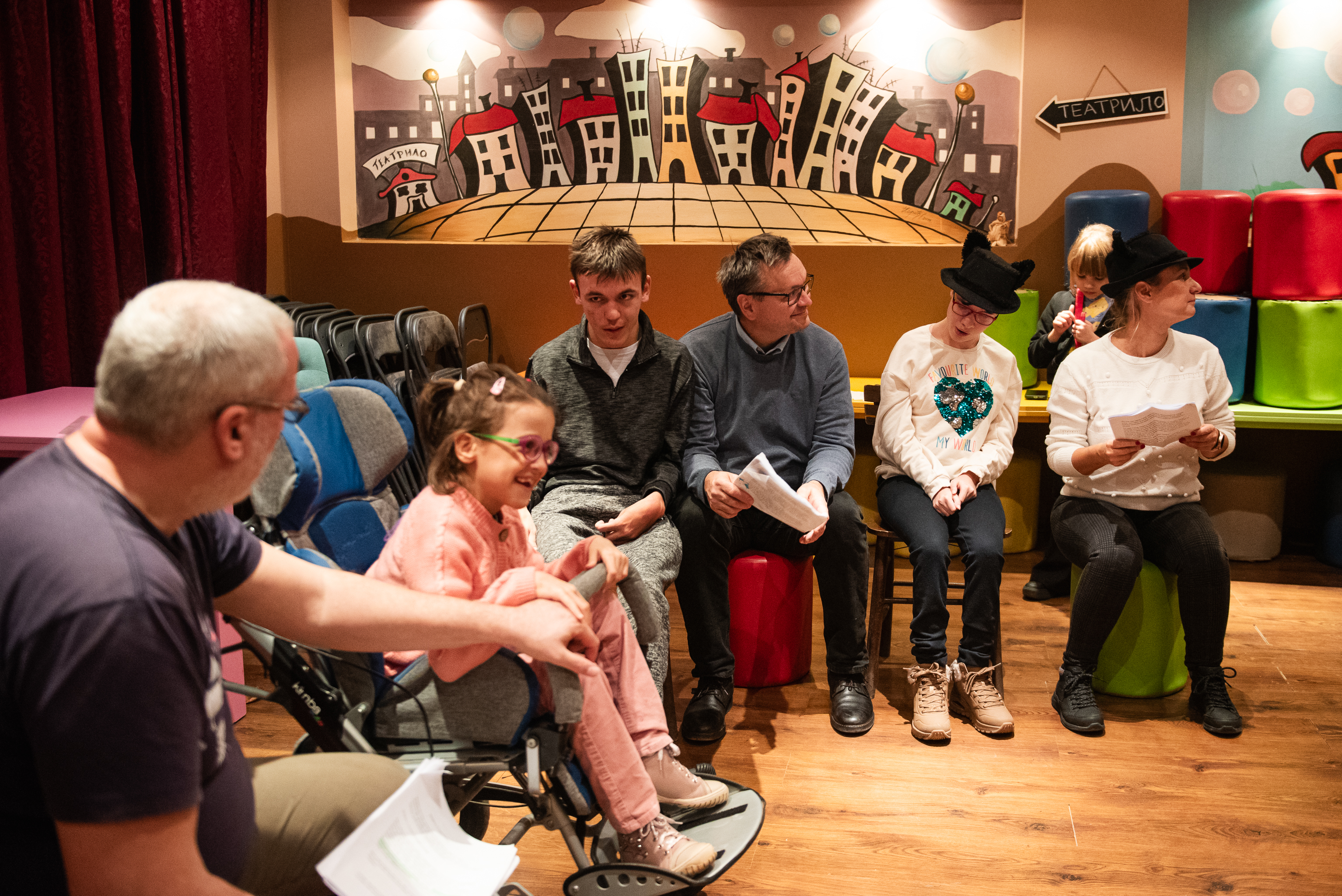
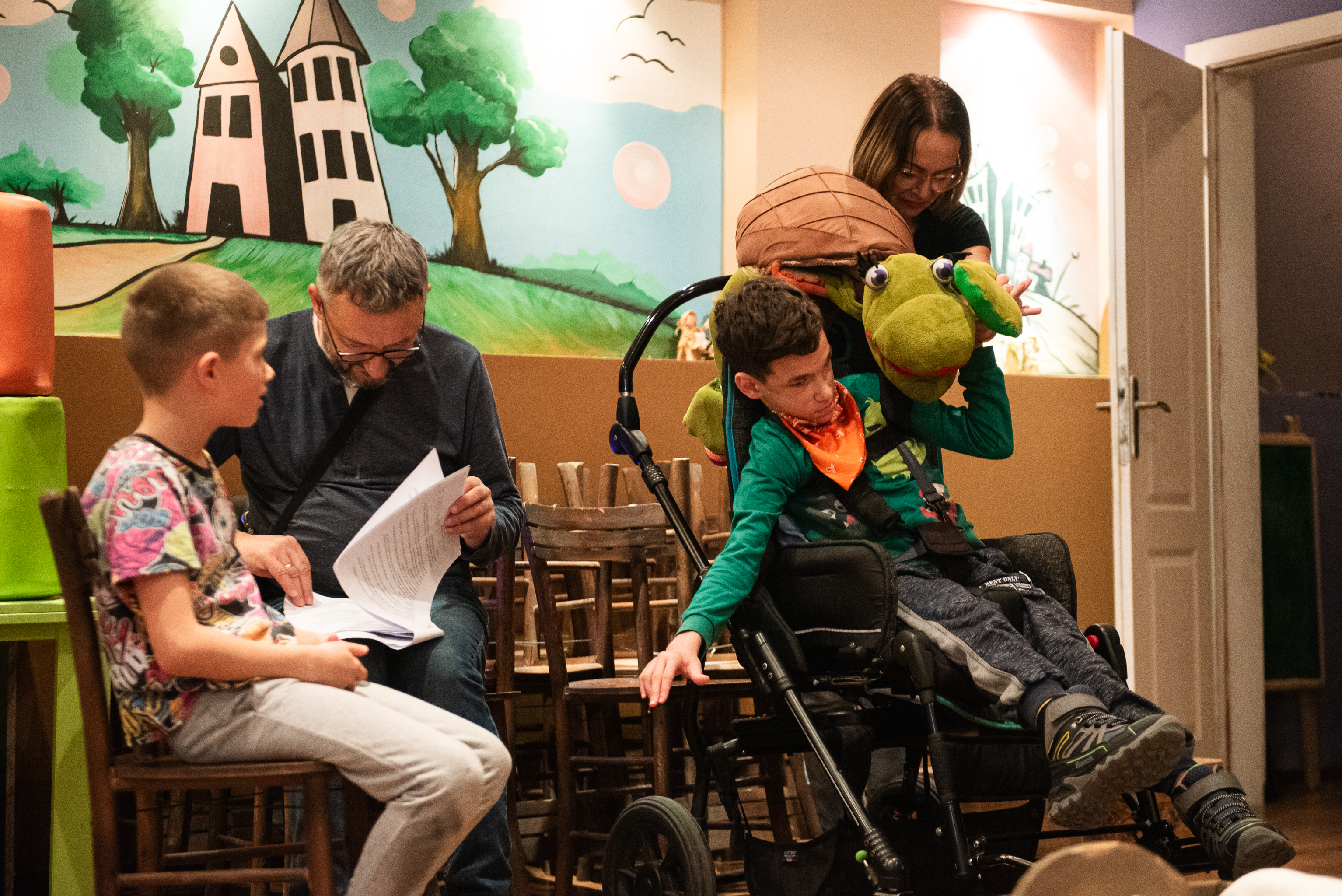
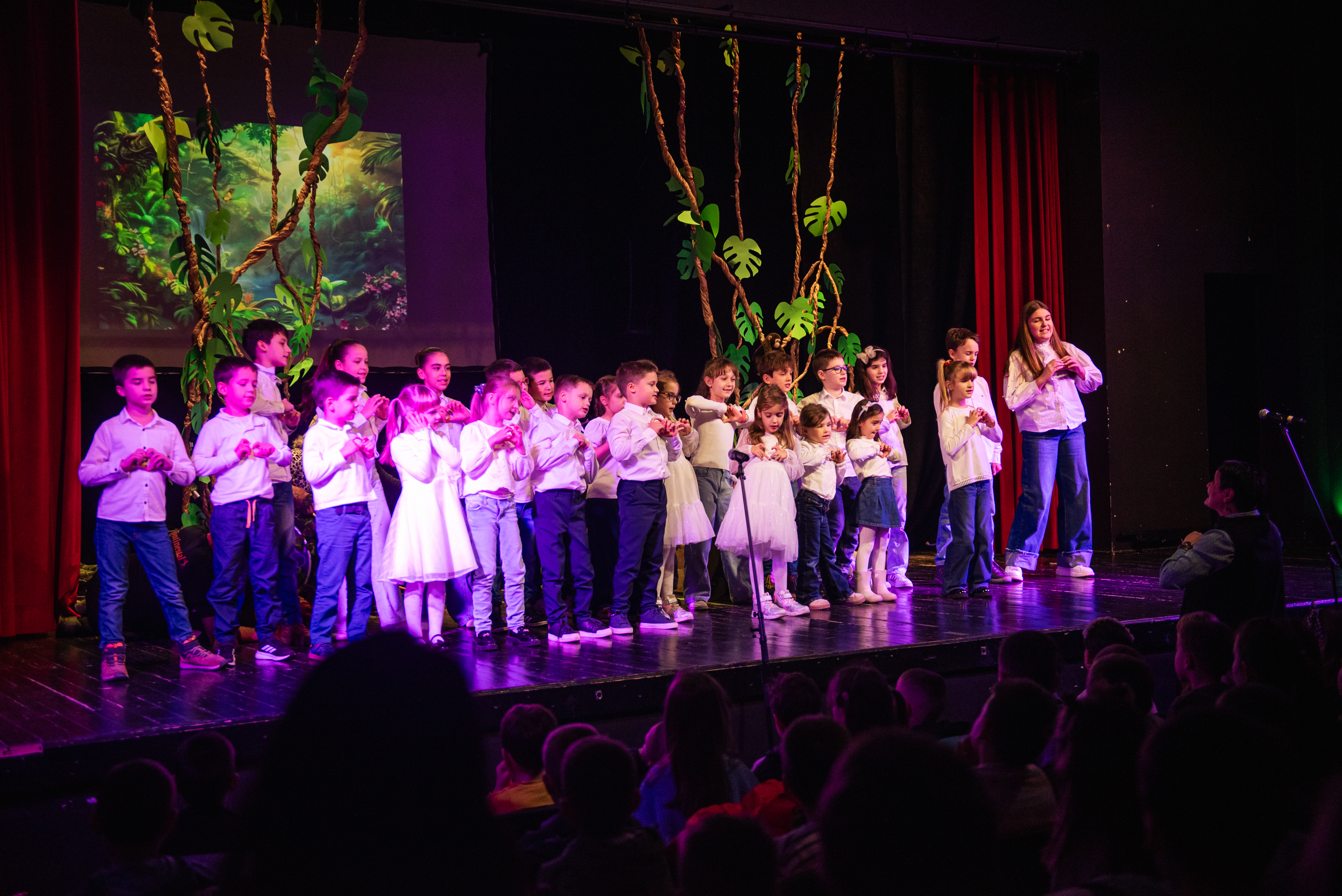
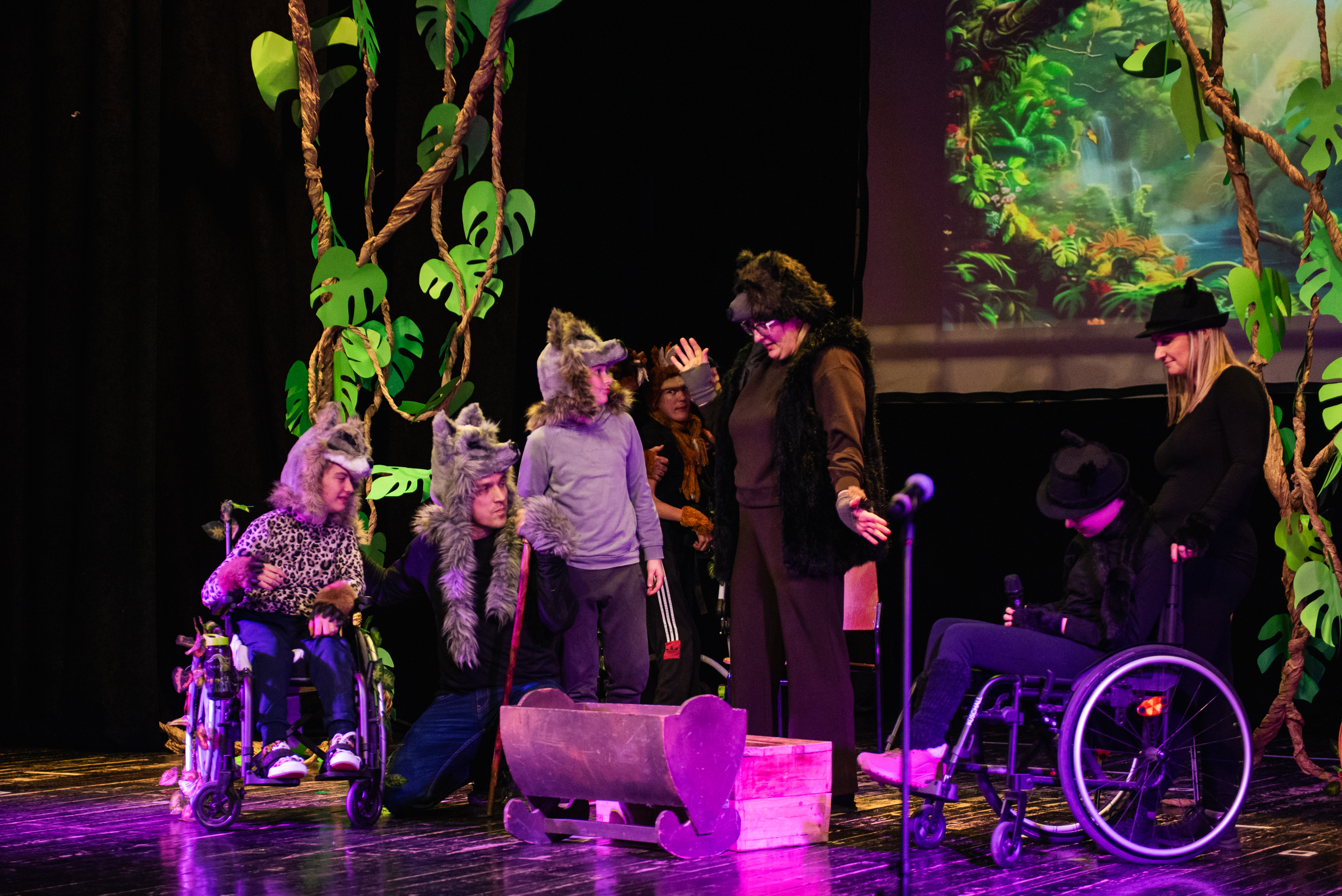
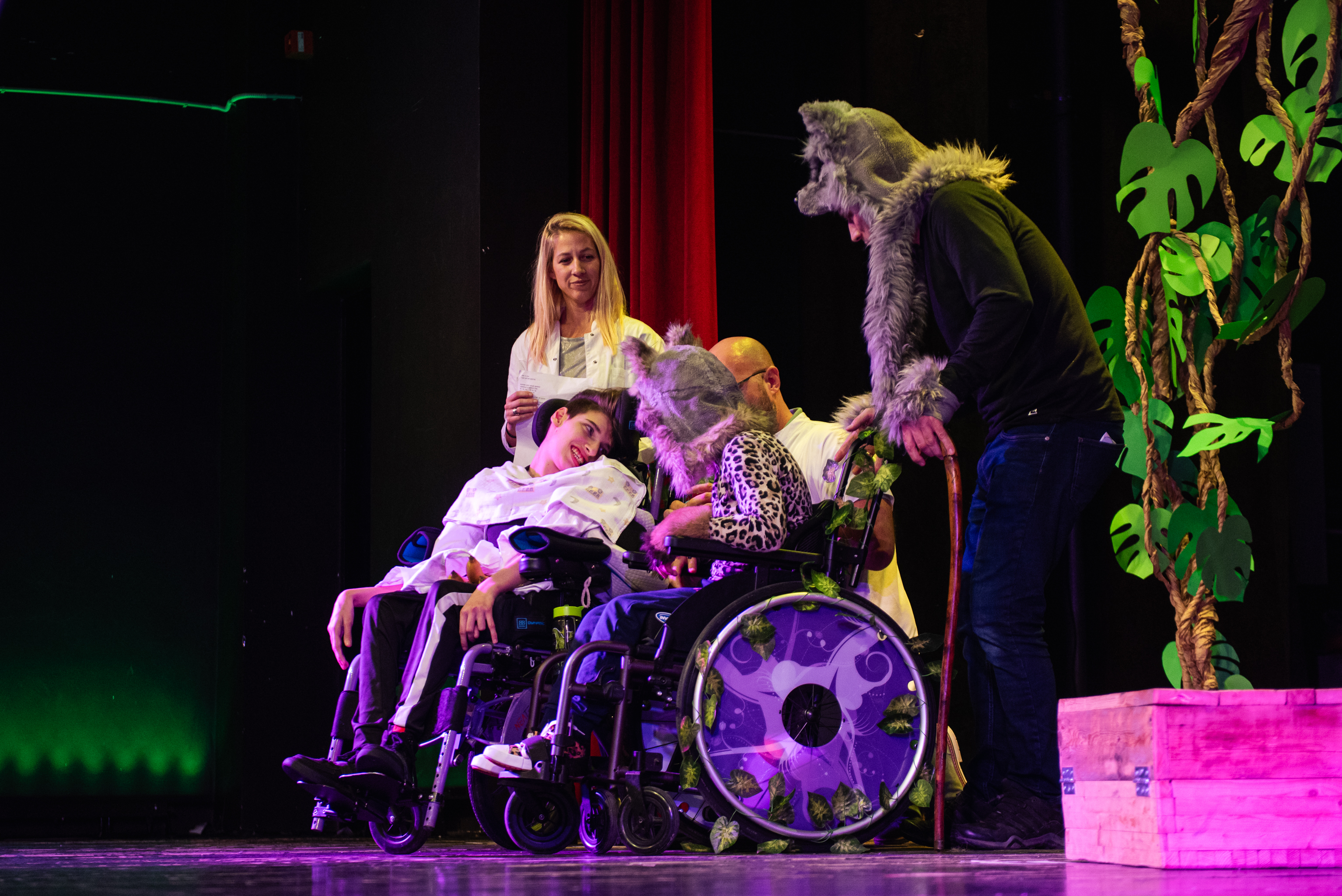
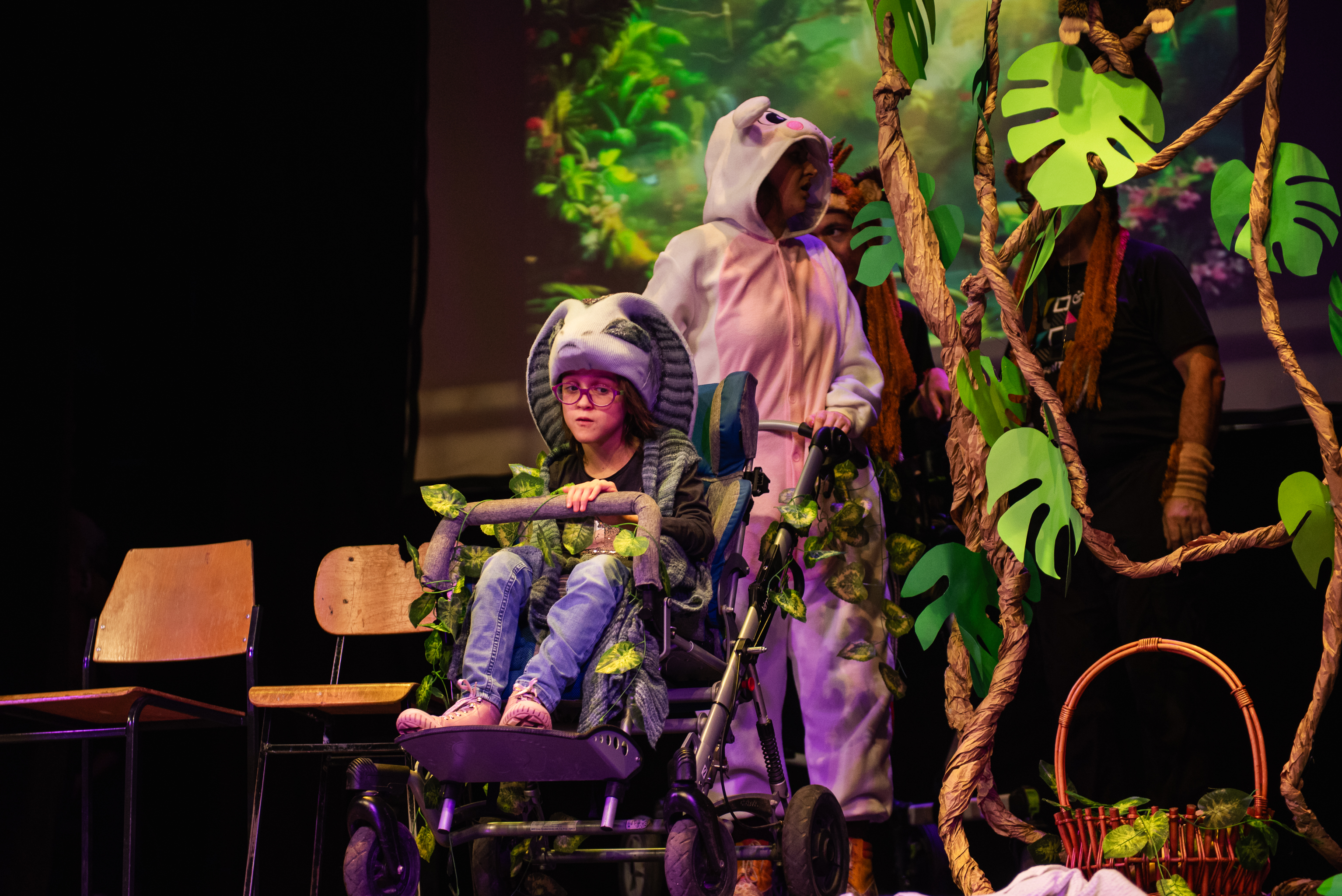
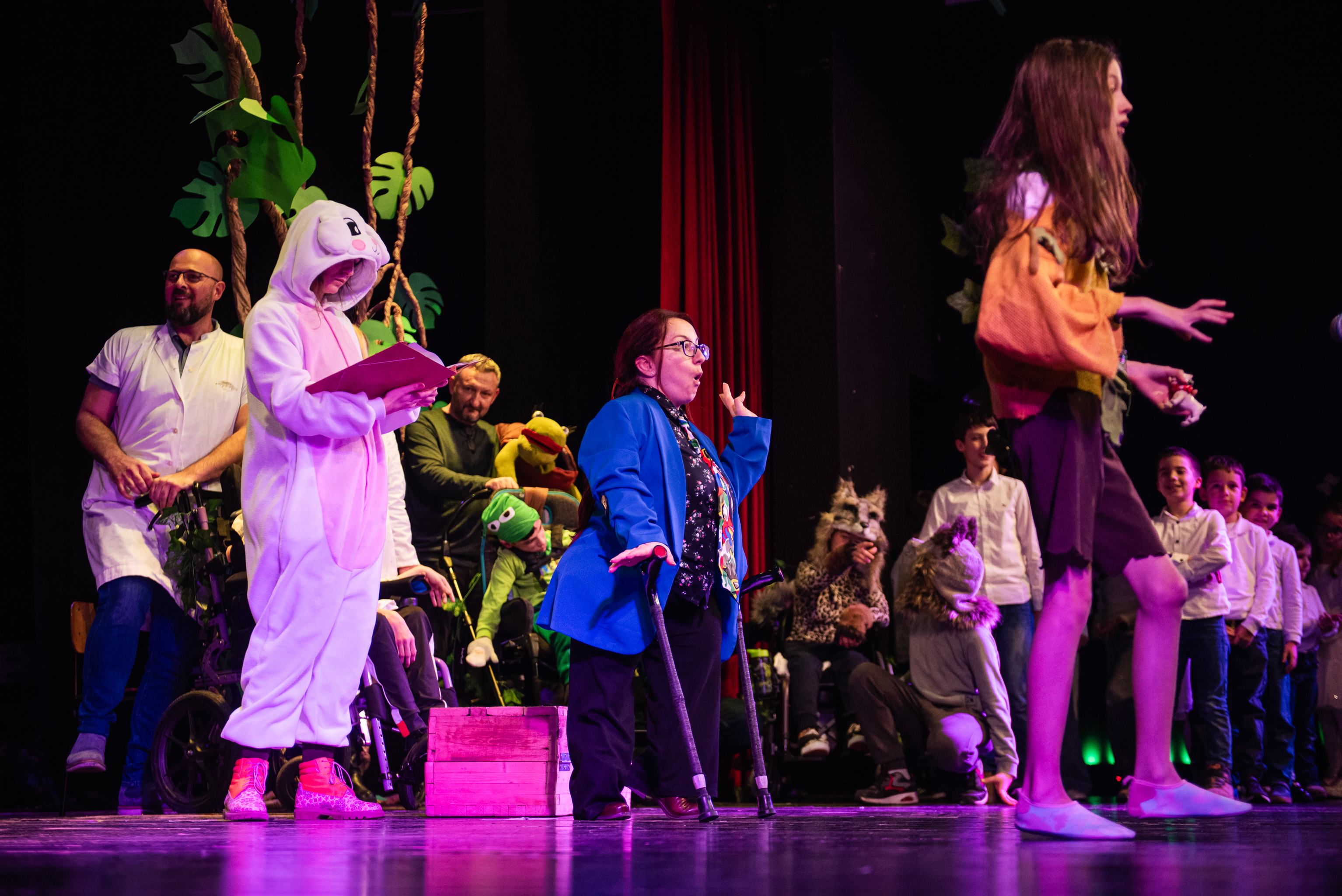
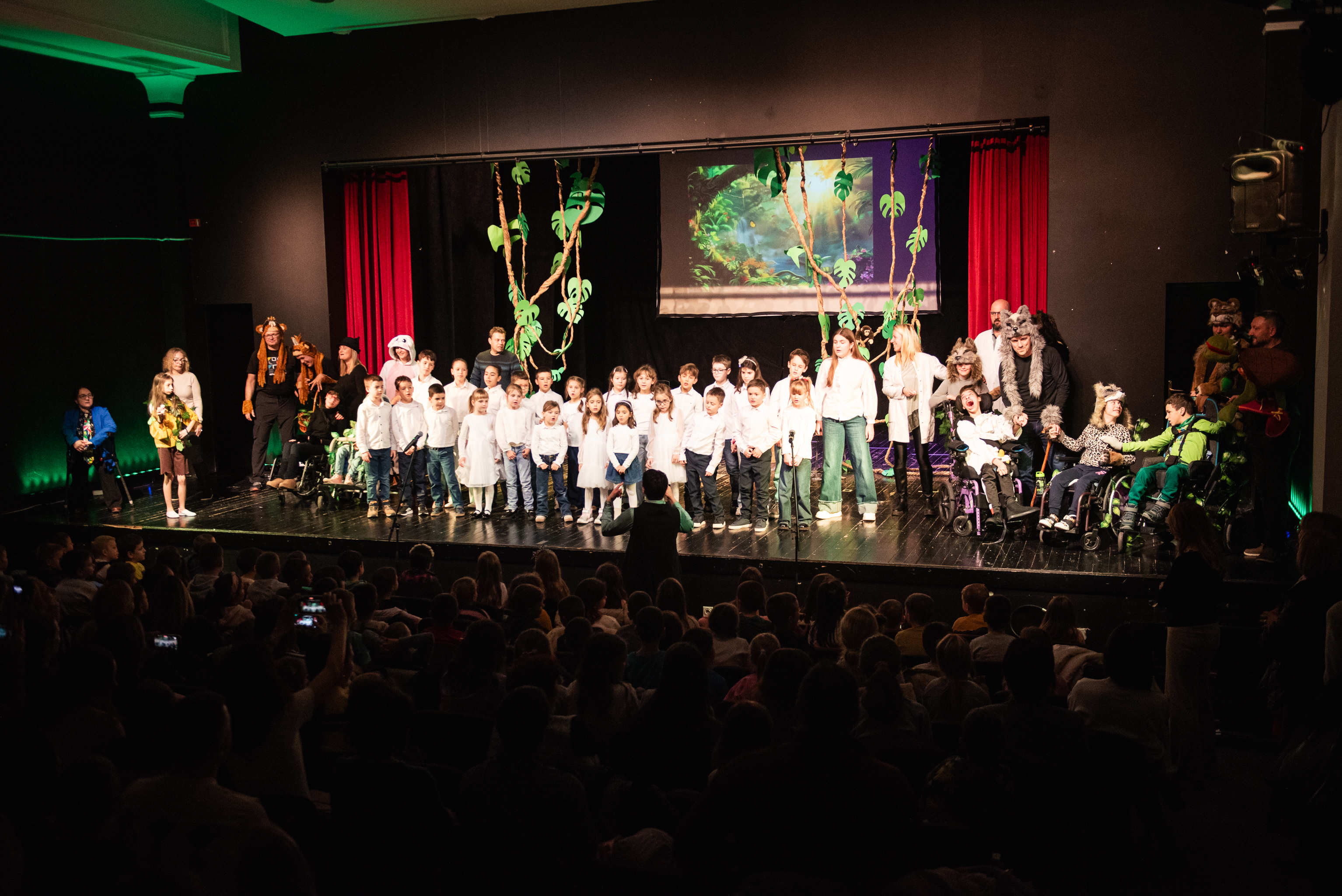
Workshops are held in the historic Sokol Cultural Center in Novi Sad, transformed into a living laboratory of inclusive art. 15 mixed-group workshops engaged participants in creative expression, stage movement, voice, rhythm, and collaborative scenography. The program culminates in a public performance with live music by the Orfej Music Center, where every participant has a meaningful role.
Key partners include Theatre “Teatrilo” (expert guidance for acting workshops), Association “Sunce” (logistical support and participant coordination), and Orfej Music Center (choral and musical support). Their collaboration ensures professional mentoring and full accessibility.
The project’s main impact lies in fostering social inclusion, equality, and mutual understanding. Participants develop confidence, creativity, and social skills, forming friendships across abilities. Equal participation promotes gender and social equity, dismantling prejudice and demonstrating practical inclusivity.
By combining artistic development with community engagement, “Svi smo mi isti” creates a replicable model of good practice for inclusive arts, contributing to a society that values diversity, participation, and solidarity.
The idea for “Svi smo mi isti” grew from the long-standing tradition of the Sokol Cultural Center “Sokolski dom”, a cultural landmark in Novi Sad, celebrating 90 years since the building’s construction and declared a protected heritage site. Sokol Cultural Center is part of the 121-year-old Sokolsko Društvo “Vojvodina”, and its history includes founding the first puppet theatre in Novi Sad, laying the foundation for inclusive artistic initiatives.
Building on this rich heritage, the project was created to provide inclusive cultural and artistic opportunities for children, youth, and adults with diverse abilities. Recognizing the lack of accessible arts programs, the project brought together key partners: Theatre “Teatrilo”, Association “Sunce”, and Orfej Music Center, combining expertise in drama, music, and logistics.
The project is implemented through monthly workshops in puppetry, drama, music, and visual arts, emphasizing equal participation for children and youth with cerebral and childhood paralysis. Workshops develop creativity, confidence, stage performance, voice, rhythm, and collaborative skills. The program culminates in a public performance, where every participant takes an active, meaningful role.
By linking cultural heritage with contemporary inclusive practice, “Svi smo mi isti” promotes social inclusion, equality, and mutual understanding, creating a replicable model of community arts that honors tradition while innovating for vulnerable groups.
Inclusive Arts
Social Inclusion
Cultural Heritage
Empowerment
Community Engagement
The project “Svi smo mi isti” exemplifies sustainability through its social and cultural impact rather than environmental interventions. By fostering inclusive cultural practices, it addresses long-term social challenges, such as exclusion of people with disabilities, lack of access to arts, and social marginalization. The project promotes equal participation, empowerment, and capacity building for children, youth, and adults with diverse abilities, creating skills and experiences that endure beyond individual workshops.
By working in collaboration with local and international partners—Theatre “Teatrilo,” Association “Sunce,” Orfej Music Center—the project ensures a replicable, scalable model of inclusive cultural engagement. Its implementation in the historic Sokol Cultural Center, a building declared a cultural heritage site, demonstrates responsible use and revitalization of existing cultural infrastructure, preserving local heritage while activating it for contemporary social purposes.
The project also contributes to economic sustainability by strengthening the capacity of partner organizations and creating networks of artists, educators, and community institutions, fostering long-term cultural and social collaboration. Through repeated annual workshops and public performances, the initiative builds a resilient cultural ecosystem that benefits both participants and the wider community, ensuring that the social and cultural gains are durable, measurable, and transferable.
The project also aims to develop participants’ artistic potential, offering training that may enable some to pursue careers as professional actors, puppeteers, or musicians.
By linking cultural heritage with contemporary inclusive practice, “Svi smo mi isti” serves as an exemplary model of sustainable social innovation: it creates lasting social, educational, and cultural value while promoting equity, inclusion, and intergenerational dialogue.
The project “Svi smo mi isti” enhances the beauty of everyday life and community spaces by transforming the historic Sokol Cultural Center into a vibrant, inclusive artistic laboratory. Through puppet, drama, music, and visual arts workshops, participants co-create performances, scenography, and artistic installations, turning the cultural space into a dynamic environment that reflects creativity, collaboration, and diversity.
By involving children, youth, and adults with diverse abilities, including those with cerebral and childhood paralysis, the project fosters a sense of belonging and ownership over the space. Participants actively shape the aesthetics of their environment, contributing to colorful, playful, and expressive performances that resonate with audiences and local residents alike. Public performances integrate live music, acting, and visual design, creating memorable experiences that elevate the cultural life of the community.
The project also strengthens the aesthetic dimension of social inclusion, demonstrating that beauty is not only visual but also relational: the joy, collaboration, and mutual respect generated through artistic practice enhance the community’s social fabric. By linking cultural heritage with contemporary creative expression, the initiative revitalizes a historic landmark while fostering pride and care for the place.
As a replicable model, “Svi smo mi isti” exemplifies aesthetic innovation: it combines visual, performative, and experiential arts to create environments that are inclusive, inspiring, and emotionally engaging, showing that aesthetics in the New European Bauhaus context includes both artistic quality and human-centered experience.
The project “Svi smo mi isti” is rooted in the principle that everyone has the right to participate in cultural life, regardless of ability, age, or background. It directly addresses accessibility challenges by designing workshops and performances that accommodate children, youth, and adults with diverse abilities, including participants with cerebral and childhood paralysis. Physical, sensory, and pedagogical adaptations ensure that all participants can fully engage in artistic activities, promoting equal access to creative expression.
Affordability and accessibility are guaranteed through free participation, partner support, and local community resources, ensuring that financial or logistical barriers do not exclude anyone. The project fosters inclusive governance and co-creation, with participants, educators, and artists actively contributing to workshop content, scenography, and performances. This collaborative approach models a participatory social structure, where decisions are shared and diverse voices are valued.
By combining professional guidance with community involvement, the project strengthens social cohesion and intergenerational exchange. It demonstrates a practical implementation of “design for all” principles in cultural practice: the space, activities, and performances are intentionally inclusive, adaptable, and responsive to participants’ needs. Public performances provide visibility to participants and raise awareness in the wider community about inclusion, diversity, and equal opportunities.
Through its replicable methodology, “Svi smo mi isti” exemplifies inclusion in action: it creates equal opportunities for participation, empowers marginalized groups, and fosters understanding, empathy, and solidarity, offering a model that can be applied in other cultural and educational contexts.
The project “Svi smo mi isti” is deeply participatory, engaging children, youth, and adults with diverse abilities, including participants with cerebral and childhood paralysis, as active co-creators rather than passive recipients. Participants are involved in all stages of the project, from designing puppet characters, scenography, and musical elements, to developing scripts and rehearsing performances. This ensures that their voices, ideas, and preferences shape the artistic outcomes.
Local partners, including Theatre “Teatrilo,” Association “Sunce,” and Orfej Music Center, play an integral role in mentoring, facilitating workshops, and supporting logistics, while community members attend and interact with public performances, fostering broader societal engagement. Through workshops and collaborative creative processes, participants gain skills, confidence, and ownership over the project, creating a tangible sense of agency and contribution.
The project also emphasizes co-creation across generations, bringing together professional artists, educators, and participants to work collaboratively, exchange experiences, and build mutual understanding. This participatory model strengthens social cohesion, empathy, and community ties, allowing participants and audiences alike to experience the value of inclusive artistic practice.
By embedding participation into every aspect—from planning to execution to public presentation—“Svi smo mi isti” exemplifies participatory principles in action. Citizens and civil society organizations not only benefit from the project but actively shape its content and impact, ensuring that the resulting cultural experiences are relevant, empowering, and meaningful for all involved.
The project “Svi smo mi isti” demonstrates multilevel governance by engaging stakeholders across local, regional, and national levels in both design and implementation. At the local level, the Sokol Cultural Center provides the venue and technical support, while local artists, educators, and civil society organizations such as Theatre “Teatrilo,” Association “Sunce,” and Orfej Music Center actively participate in workshops, mentoring, and logistics. Their involvement ensures that the project is tailored to the needs of the community and participants, making it highly relevant and effective.
Regionally, the project builds networks with nearby cultural and educational institutions, sharing methodologies, expertise, and best practices. This creates opportunities for knowledge exchange and replication of inclusive cultural practices beyond Novi Sad. Nationally, the project benefits from collaborations with organizations experienced in disability inclusion and cultural education, ensuring adherence to national standards of accessibility, inclusion, and artistic quality.
The multilevel engagement fosters a coordinated ecosystem where resources, skills, and expertise are combined to maximize social and cultural impact. Stakeholders contribute to decision-making, co-creation, and evaluation, ensuring transparency, relevance, and shared ownership. The added value of this approach is a resilient, scalable, and replicable model of inclusive cultural practice that bridges local communities with broader networks, enabling systemic change in the way inclusive arts projects are designed and implemented.
Through this multilevel governance, “Svi smo mi isti” not only strengthens local cultural participation but also contributes to wider societal learning and the dissemination of innovative, inclusive methodologies at regional and national levels.
The project “Svi smo mi isti” integrates multiple disciplines and knowledge fields to create a rich, inclusive, and holistic cultural experience. At its core are the performing arts, including theatre, puppetry, and music, which provide creative tools for self-expression and social engagement. Visual arts and scenography complement these activities, enabling participants to design sets, puppets, and costumes, developing both artistic skills and spatial awareness.
Education and pedagogy play a central role, as professional educators guide workshops adapted to the diverse abilities of children, youth, and adults, including participants with cerebral and childhood paralysis. Workshops incorporate methods from special education and inclusive pedagogy, ensuring that activities are accessible, supportive, and tailored to individual needs.
Social sciences underpin the project’s inclusive and community-oriented design, helping to structure collaborative group processes, build empathy, and promote social cohesion. Psychology and psychosocial support inform interactions with participants, fostering confidence, resilience, and communication skills.
The project also involves cultural management and organizational skills, coordinating multiple local and international partners to deliver a coherent, participatory program. In addition, elements of heritage conservation and architecture are reflected in the use of the historic Sokol Cultural Center, integrating contemporary creative practice with the preservation of cultural infrastructure.
By combining arts, education, social sciences, heritage, and organizational expertise, “Svi smo mi isti” exemplifies transdisciplinary practice: it merges knowledge from different fields to achieve inclusive, creative, and socially impactful outcomes, offering a model for holistic cultural engagement that addresses both artistic and social objectives.
The project “Svi smo mi isti” follows a hybrid, community-oriented business model that combines public funding, partner support, and participant-driven initiatives to ensure financial sustainability. Core project activities, including inclusive workshops and public performances, are funded through cultural grants, sponsorships, and in-kind contributions from local partners, such as Theatre “Teatrilo,” Association “Sunce,” and Orfej Music Center.
Additional revenue is generated through donations and contributions collected during public performances, which are often organized as charity events, reinforcing the social mission of the project while providing financial support for future activities. This model not only sustains the ongoing workshops but also allows reinvestment in materials, artistic resources, and accessibility measures for participants with diverse abilities.
The project also leverages the volunteer and professional expertise of partners and community members, reducing operational costs while fostering engagement and ownership. By embedding financial sustainability in community participation and social impact, the project creates a replicable model where artistic, educational, and social outcomes are directly linked to modest but reliable revenue streams.
Furthermore, the business model emphasizes long-term resilience by combining grant support, charitable contributions, and local partnerships. This ensures that the project can continue annually, expand its reach, and adapt to evolving community needs, while maintaining its focus on inclusion, cultural development, and professional growth for participants.
The project “Svi smo mi isti” has high potential for transferability and replicability due to its modular, adaptable, and inclusive methodology. Core elements—such as inclusive drama, puppet, music, and visual arts workshops—can be implemented in different cultural or educational settings, accommodating participants with diverse abilities, ages, and social backgrounds. The participatory approach, which engages beneficiaries as co-creators, can be replicated in other communities to foster social cohesion, inclusion, and empowerment.
The project’s workshop design and pedagogical framework—including adaptations for children and adults with cerebral and childhood paralysis—provides a clear template that other organizations can adopt or modify. Activities such as joint scenography, puppet creation, script development, and rehearsals integrating music and visual arts are scalable, allowing replication in schools, community centers, cultural institutions, or disability support programs.
Collaboration with local and international partners demonstrates a model for multi-stakeholder engagement that can be transferred to other regions, supporting networks of artists, educators, and social organizations. The public performance component is also adaptable, offering a replicable way to engage audiences, showcase participant achievements, and promote social inclusion beyond the immediate project participants.
Finally, the project emphasizes knowledge sharing and capacity building: guidelines, best practices, and lessons learned can be documented and disseminated to other cultural or educational organizations. By combining inclusive methodology, participatory governance, and tangible outputs, “Svi smo mi isti” serves as an exemplary model that can be scaled and replicated across geographies and sectors, from cultural institutions to educational and social service organizations.