Strengthening Local Democracy and Inclusion
Mazjumprava Cultural Quarter
Mazjumprava Cultural Quarter: Reviving a Historic Manor Through Participation, Culture and Shared He
Mazjumprava Cultural Quarter is a community-driven cultural space in Riga where history becomes a lived experience. Once a forgotten historic manor site, it has been transformed by a local NGO and volunteers into a vibrant place for learning, creativity, and shared heritage. Through hands-on workshops, concerts, and experiments with traditional skills, children, families, and seniors rediscover history together and turn heritage into a living part of everyday life.
Latvia
Local
Riga
Mainly urban
It involves other types of transformations (soft investment)
Yes
2025-12-31
No
No
Yes
Organisation
Mazjumprava Cultural Quarter is a community-driven transformation of one of the oldest historical sites in Riga, where a previously neglected area has become an active space for learning, participation and cultural experience. The project demonstrates how heritage can function as a living system rather than a preserved object.
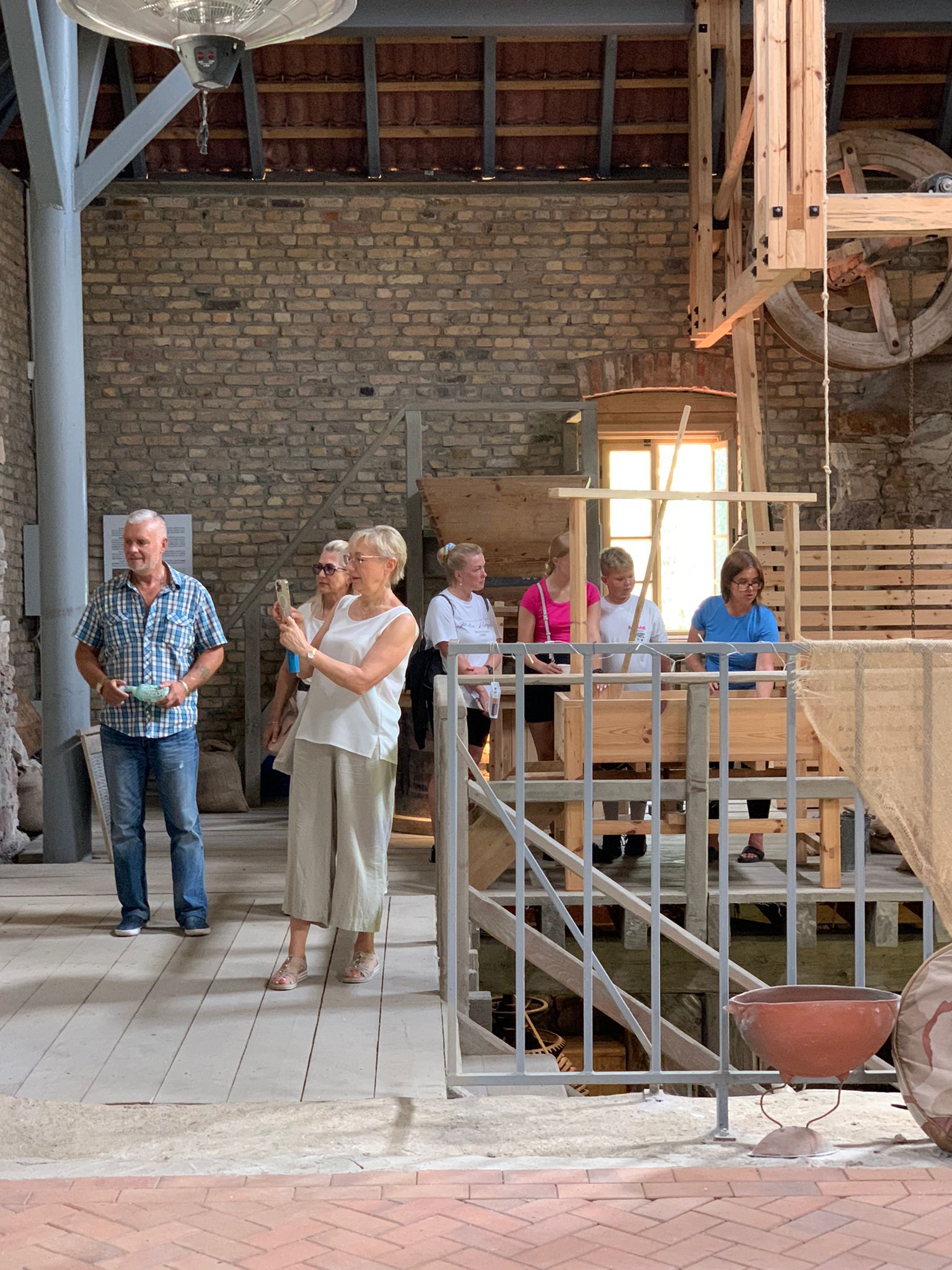
Since 2021, Mazjumprava has developed a consistent programme of educational, cultural and community activities. Since 2021, the project has grown from 4,000 to over 10,000 annual visitors, supported by 40+ active volunteers and more than 50 workshops per yearand engaging approximately 40 active volunteers. The site includes restored historic elements such as one of the oldest watermills in Latvia, as well as outdoor and indoor spaces used for workshops, events and informal learning.
The project is based on a low-cost and sustainable model that combines public funding, self-generated income and in-kind contributions. Activities are designed using reusable materials and locally available resources, reducing environmental impact while maintaining high educational value. Former participants often become volunteers, ensuring continuity and long-term engagement.
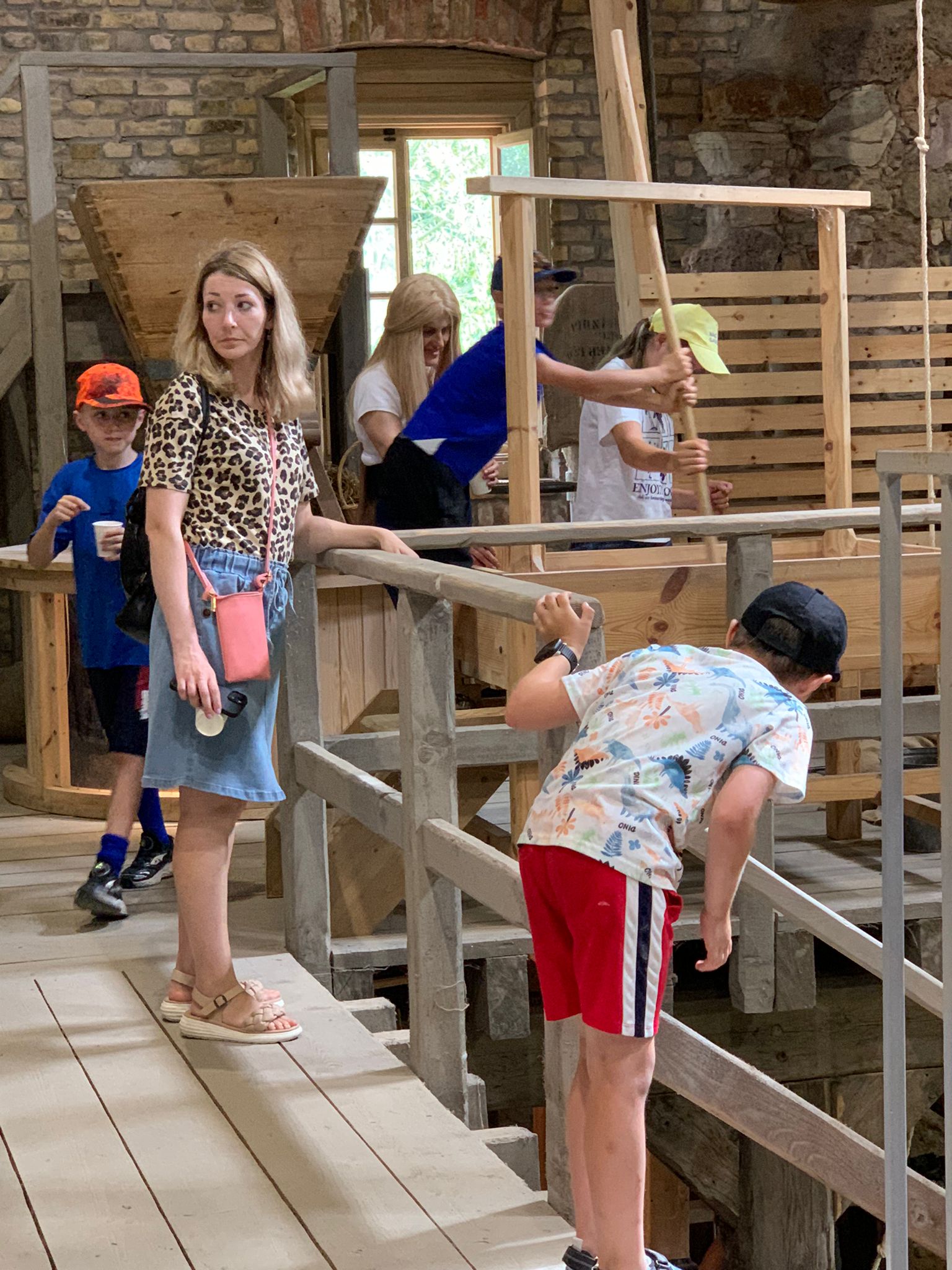
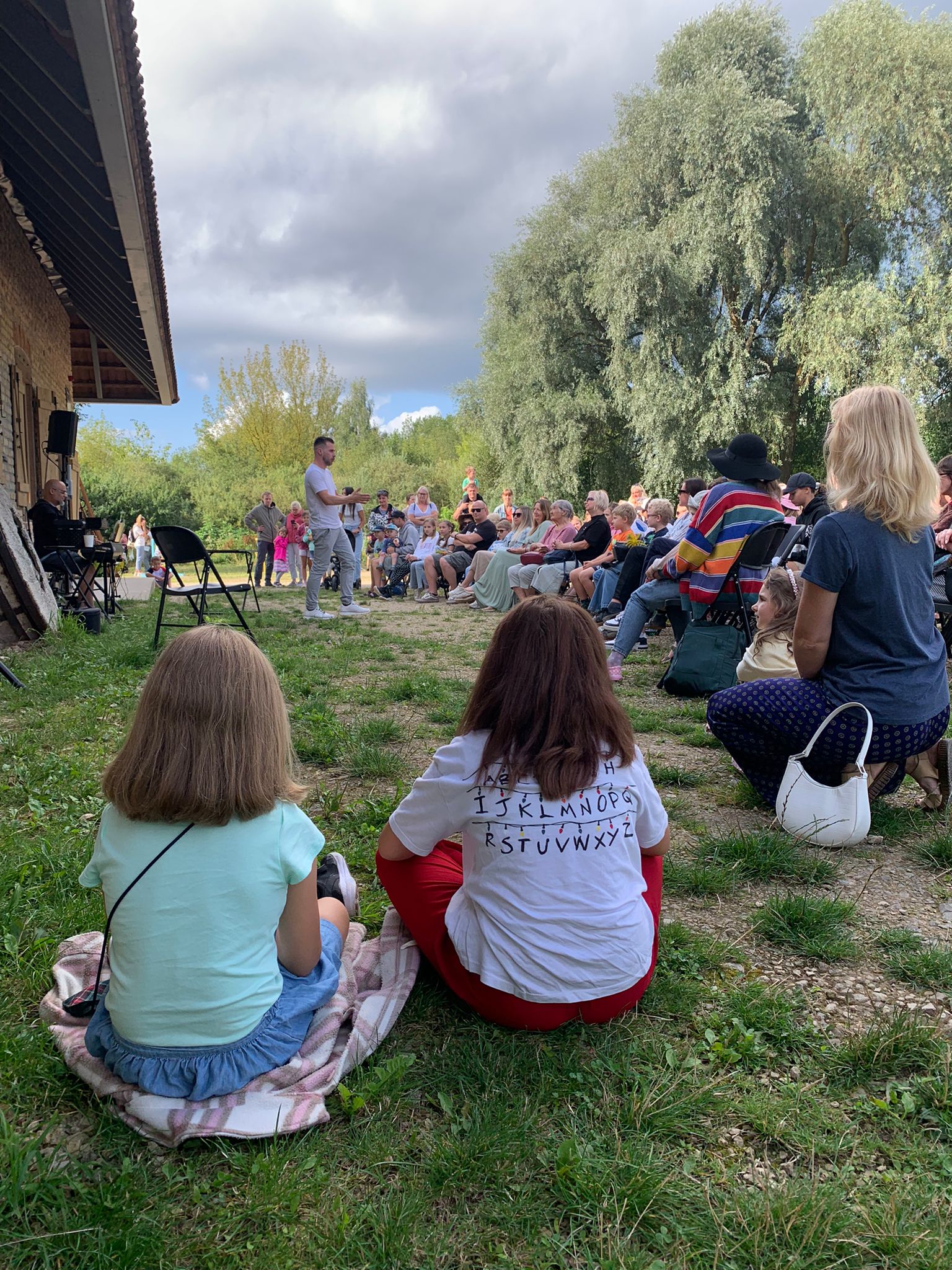
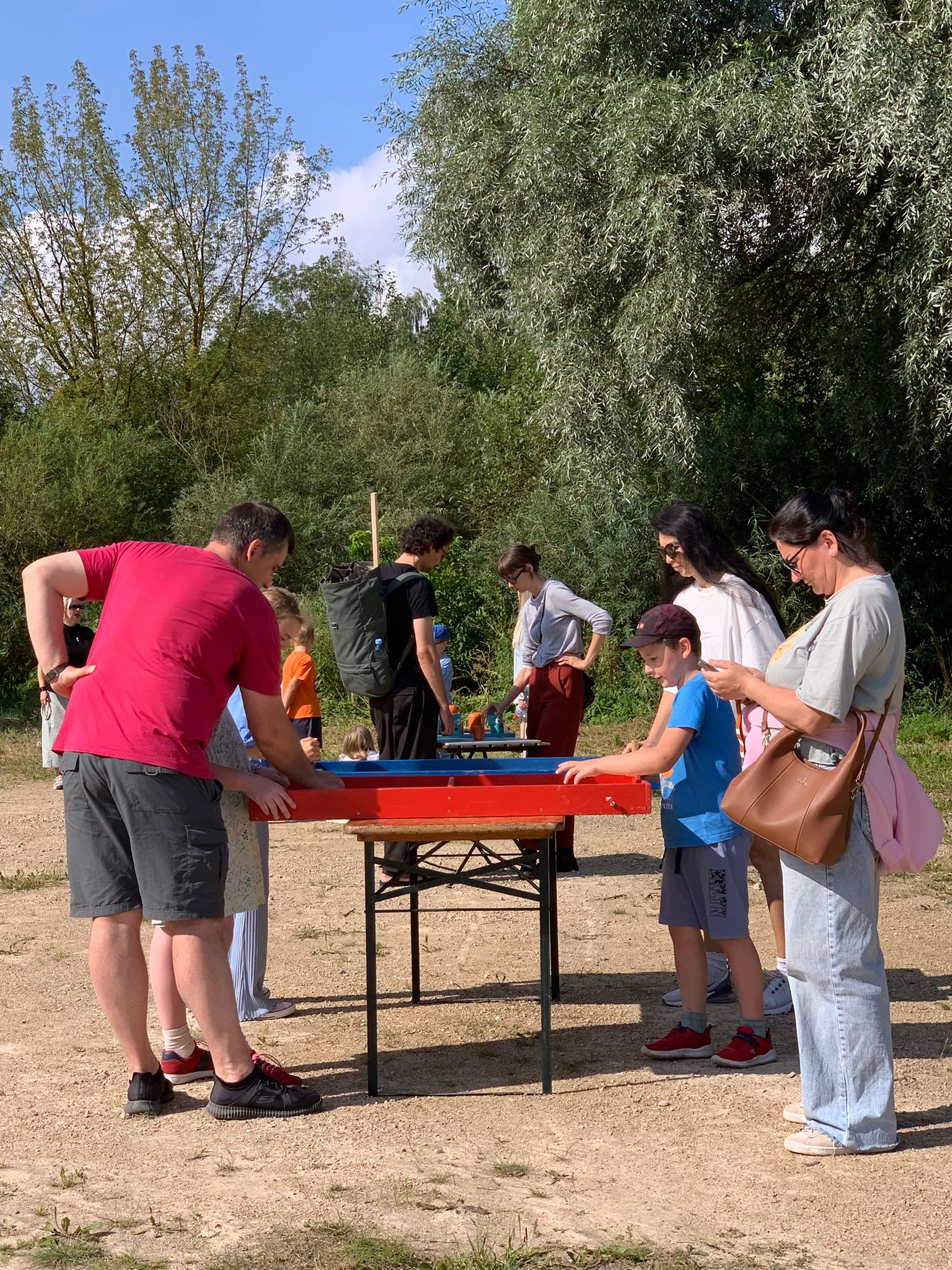
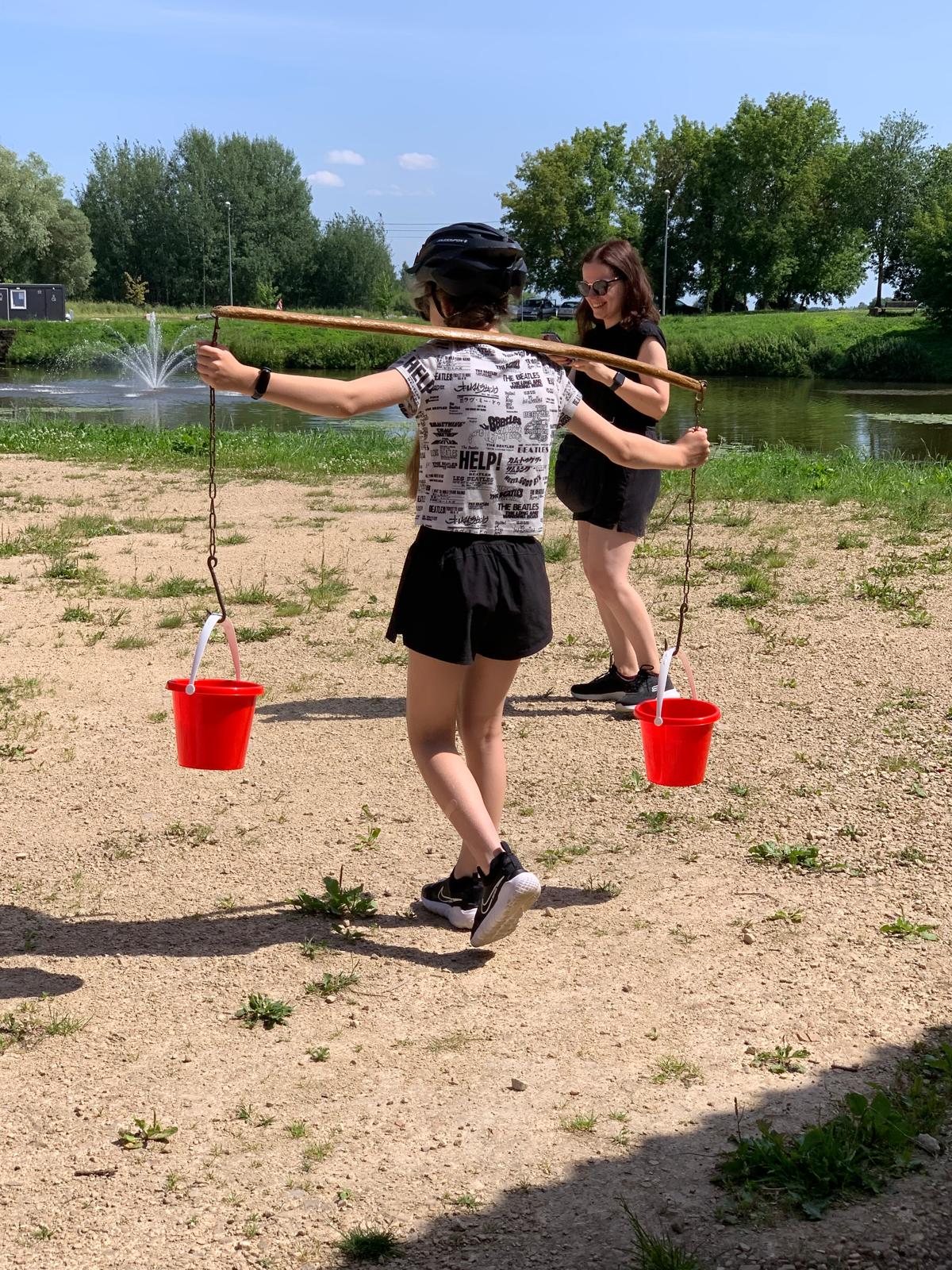
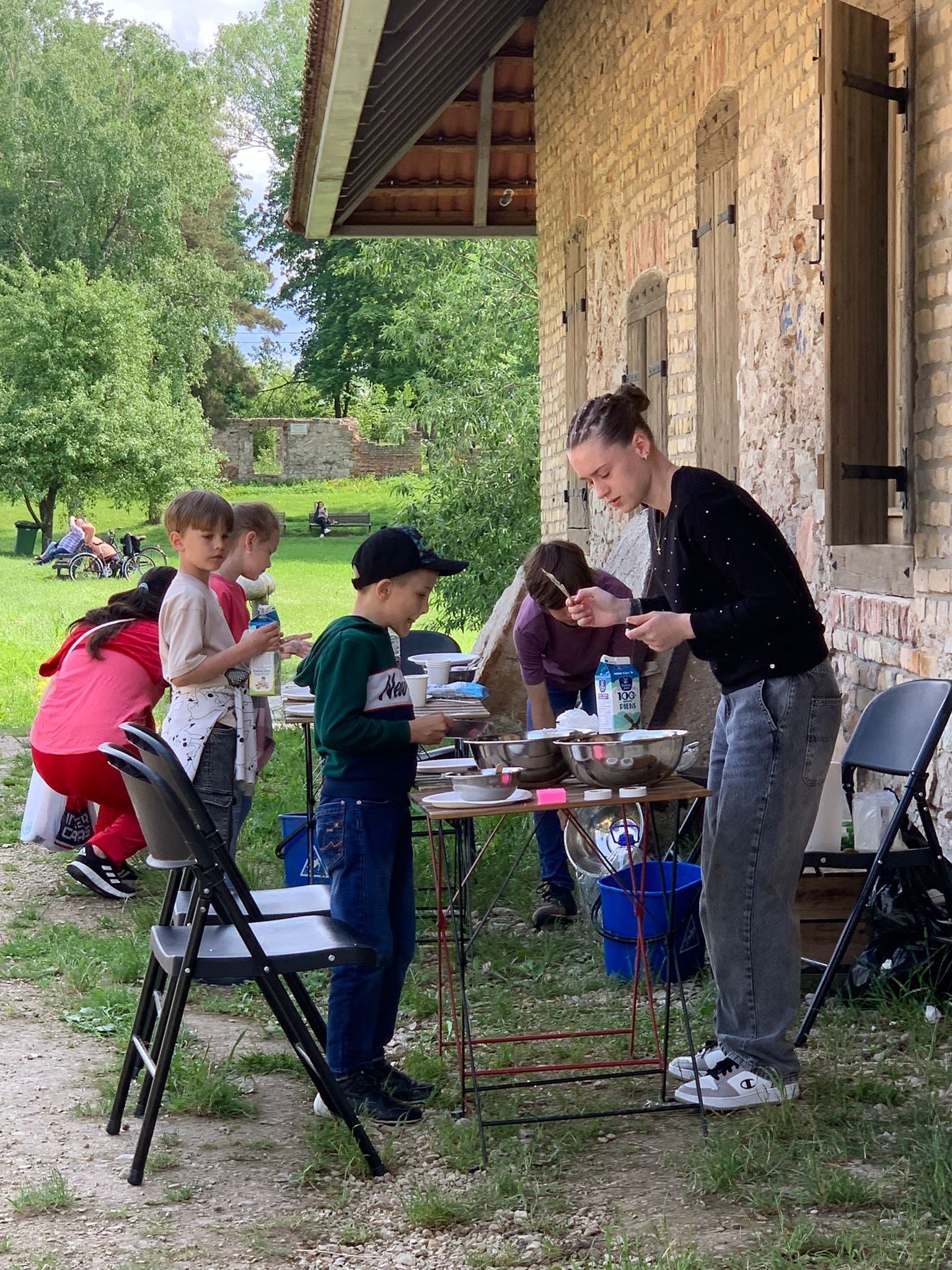
Mazjumprava creates an inclusive environment where children, families and local residents actively participate in shaping the content and atmosphere of the place. Heritage is experienced through hands-on methods –-grinding grain, exploring historical spaces, and participating in experiments that connect past knowledge with contemporary understanding. Mazjumprava does not preserve heritage as a static asset - it puts it back into use.
The long-term impact lies in strengthening community ownership of heritage, increasing public awareness, and offering a scalable model for transforming underused historic sites into accessible, sustainable and meaningful spaces across Europe.
Mazjumprava began as a largely forgotten historical territory on the outskirts of Riga, despite its significant heritage value. The area includes layers of history from medieval land use to industrial development and more recent, complex historical narratives. For years, it remained underused, without a clear role in the contemporary city.
The project emerged from the idea that heritage should not be separated from everyday life. Instead of focusing only on restoration, the initiative aimed to reactivate the site through community involvement and practical engagement. The first activities were small-scale experiments - educational workshops, guided explorations and simple cultural events that tested how people interact with the space.
Implementation was gradual and adaptive. Activities were developed based on the specific characteristics of the site: watermills became tools for demonstrating historical production processes, underground spaces were used to create immersive experiences, and natural elements such as dolomite and water sources were integrated into learning activities.
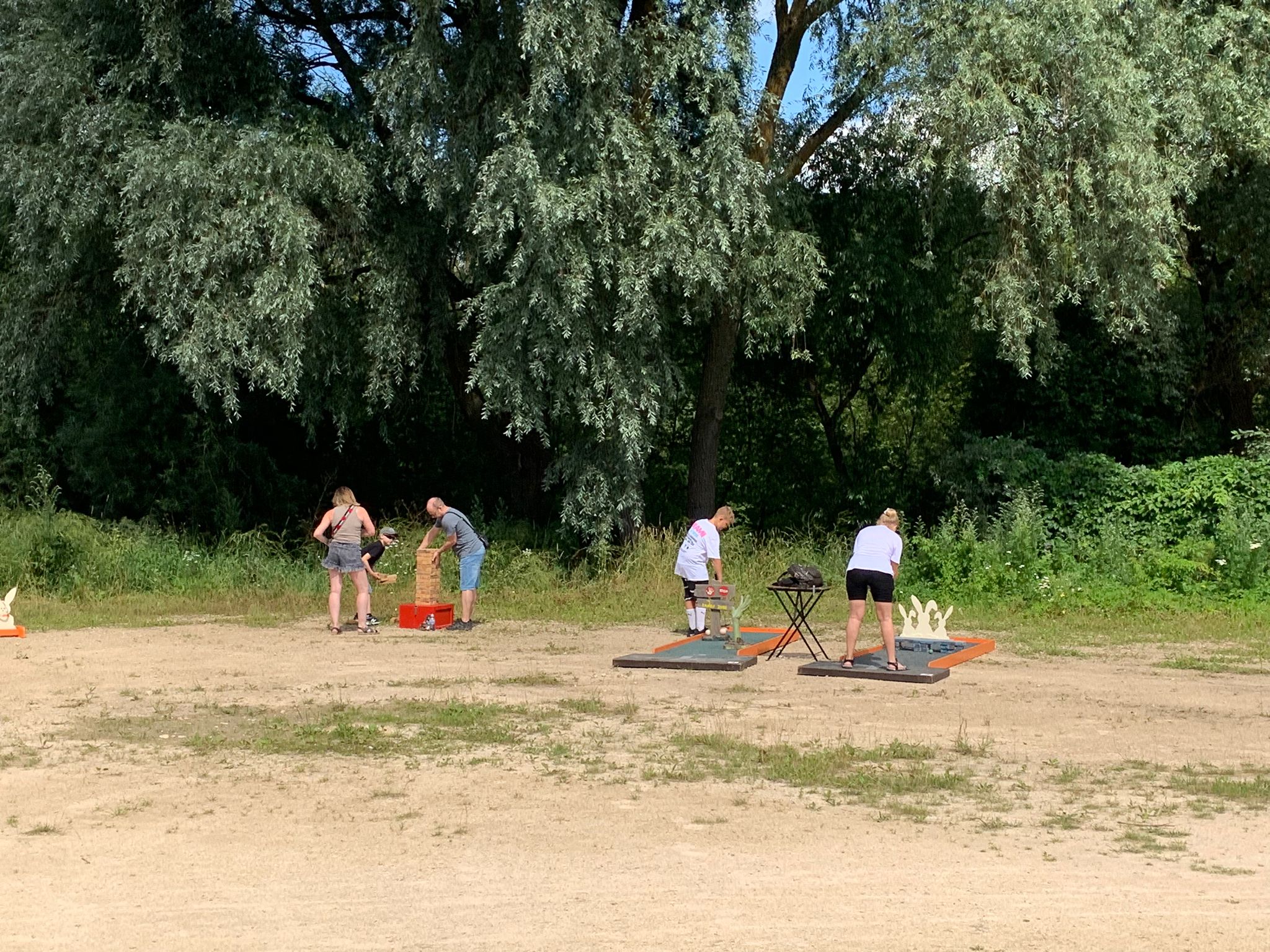
One of the site’s historical layers includes what was intended to become the most modern golf course in Northern Europe, operating for only one month before the outbreak of World War I. Today, this story is reactivated through interactive mini-golf activities
A key principle was openness. Local residents, children and volunteers were invited not only to participate but to contribute ideas and shape the programme. Over time, this created a strong sense of ownership and a growing network of engaged participants.
Today, Mazjumprava functions as a living heritage environment, where historical knowledge is continuously interpreted through practice, experimentation and shared experience. Its development shows how a neglected place can be transformed through consistent, community-based action into a meaningful part of the urban landscape.
Community participation
Living heritage
Social inclusion
Heritage revitalisation
Intergenerational learning
Mazjumprava Cultural Quarter redefines sustainability by integrating cultural heritage, community participation and environmental awareness into a single system. Rather than operating as a static museum, the site functions as a living environment where restoration and everyday use reinforce each other, creating long-term value for both the place and its community.
Environmental Sustainability & Circular Thinking
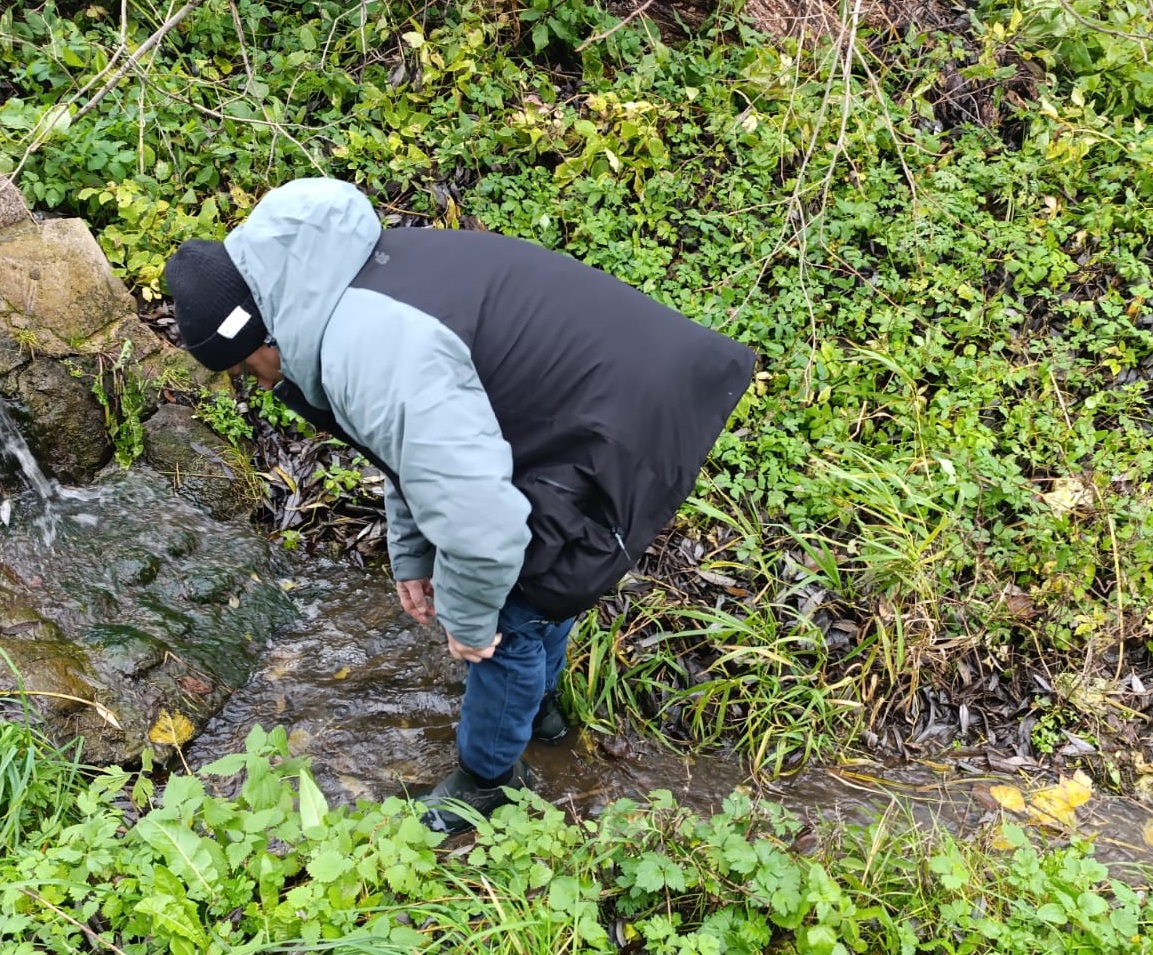
The project is grounded in the idea that sustainability begins with understanding and using what already exists. Mazjumprava’s activities are closely linked to the site’s natural and historical features, including the rediscovered sulphur spring, local dolomite and the restored watermill. These elements are not presented as exhibits but used as tools for learning and experimentation.
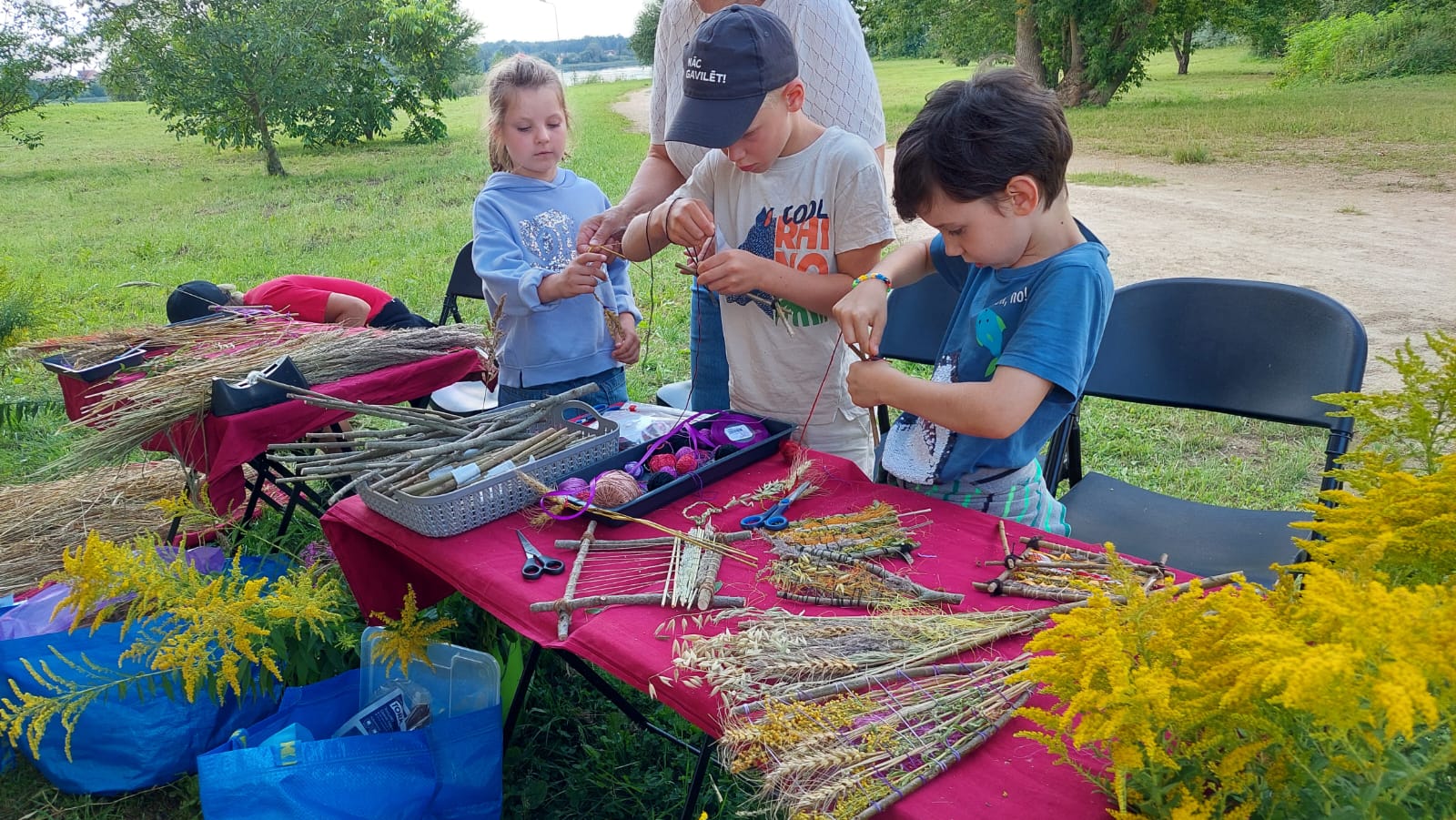
Workshops are based on reuse, low-impact materials and practical engagement, encouraging visitors to explore circular thinking through hands-on experience. By activating the landscape instead of reshaping it, the project strengthens the relationship between heritage and the natural environment.
Social Sustainability & Democratic Co-creation
Mazjumprava operates as an open, community-based platform where participation shapes the site’s development. Around 40 active volunteers, including former participants, are involved in organising activities, maintaining the territory and contributing ideas.
The project connects different generations and social groups, combining local knowledge, personal memories and creative approaches. Children, families and local residents are not only visitors but contributors, forming a shared sense of ownership. This bottom-up approach has transformed the site from an overlooked area into a meaningful part of the Ķengarags neighbourhood.
Economic Resilience & Resource Efficiency
Mazjumprava demonstrates that sustainable heritage revitalisation can be achieved with limited financial resources when supported by strong community engagement.
Mazjumprava Cultural Quarter redefines aesthetics not as a formal architectural style, but as a multi-sensory experience rooted in authenticity and the genius loci . Rather than redesigning the site, the project uses minimal, “soft” interventions to reveal its character, showing that beauty can emerge through activation rather than reconstruction.
Materiality and the Beauty of Time
The aesthetics of Mazjumprava are shaped by the visible layers of its history. Instead of restoring surfaces to a polished condition, the project preserves the tactile qualities of the 17th-century cellar walls, the weathered structures of the watermill and the natural dolomite landscape.
This approach highlights the passage of time and creates a contrast with the surrounding urban environment, offering visitors a sense of depth, continuity and calm.
A Multi-Sensory Cultural Landscape
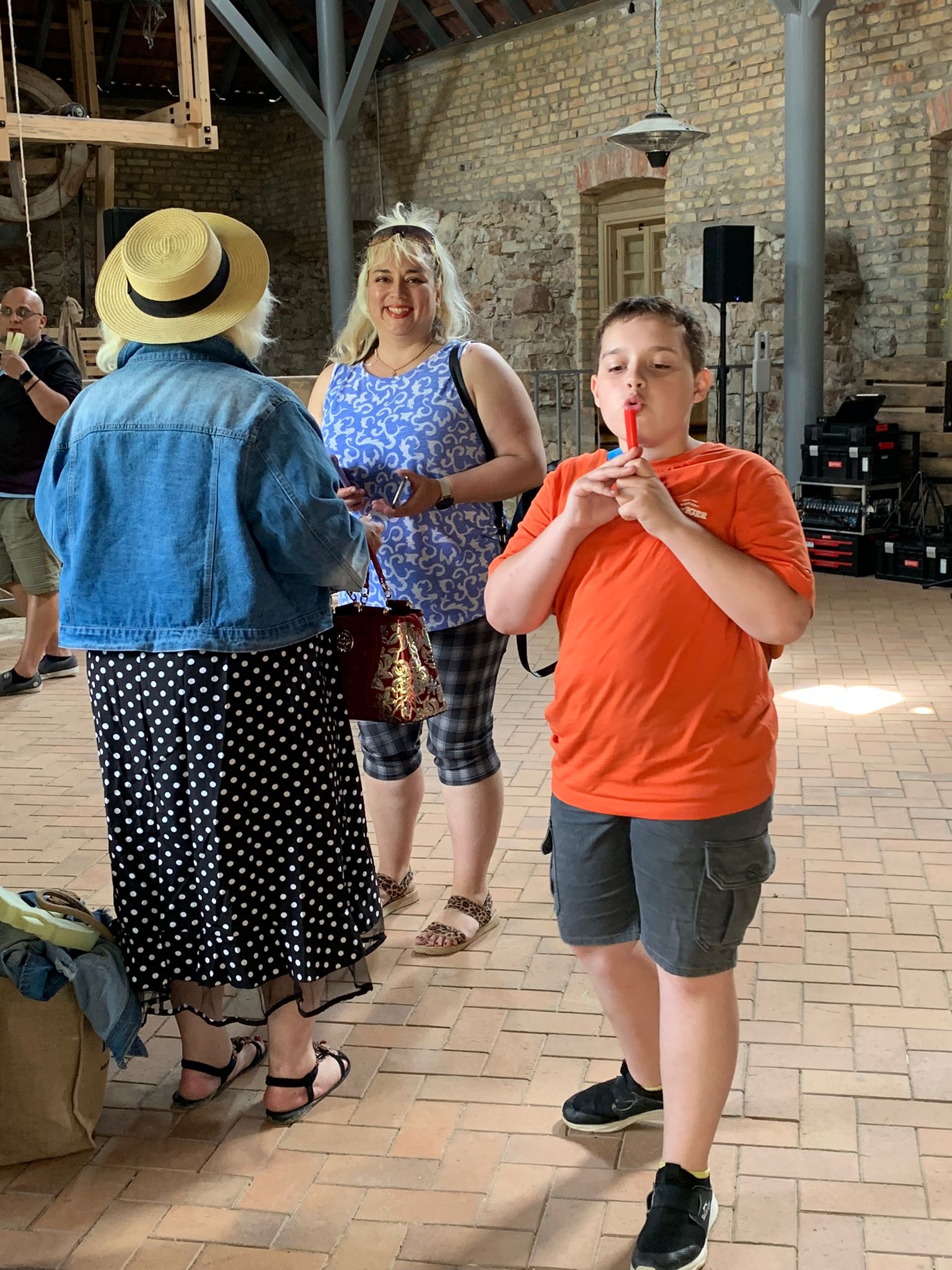
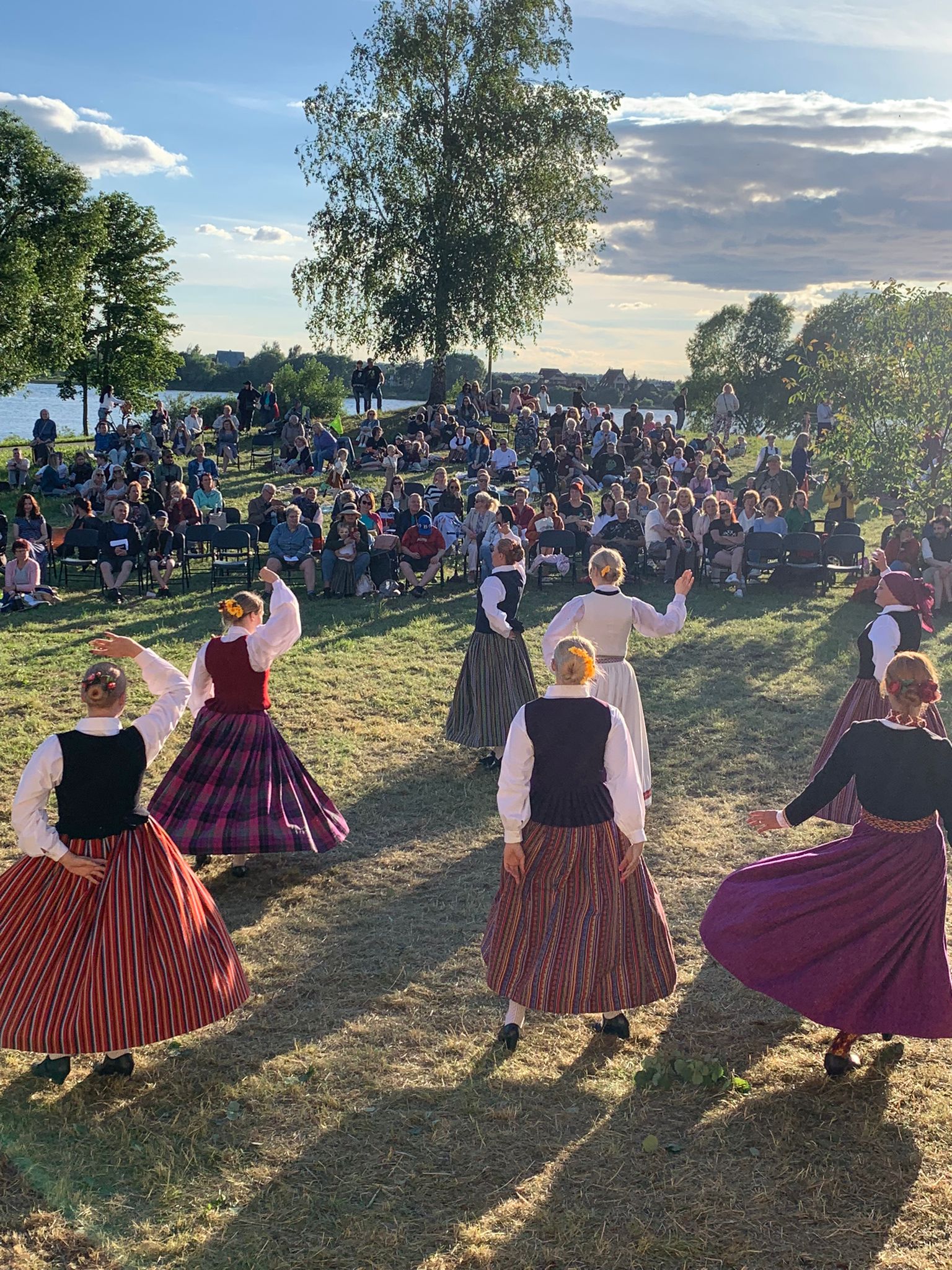
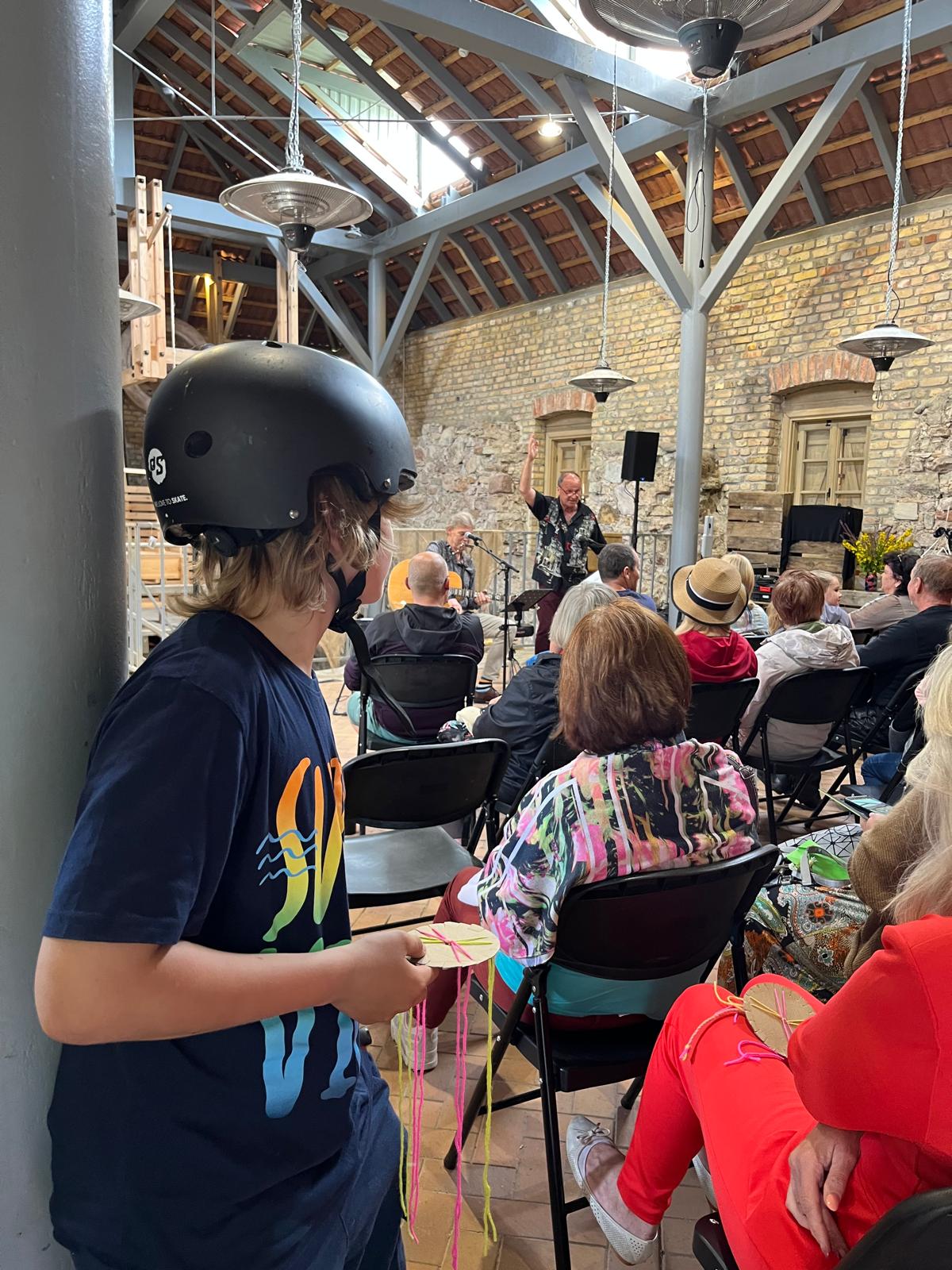
Mazjumprava is experienced through sound, smell, light and movement. Riverside concerts, the presence of the historical sulphur spring, and the atmosphere of underground spaces create an environment where heritage is not only seen but felt.
Educational activities and events transform the territory into an active landscape, where seasonal changes become part of the experience. The site functions as a living stage shaped by human activity and its natural context.
Social Aesthetics: The Value of Co-creation
The aesthetic quality of Mazjumprava is closely linked to participation. The presence of people actively engaging with the site—children learning through experiments, volunteers maintaining the territory, and community members sharing knowledge—creates a form of “social aesthetics” based on interaction and belonging.
The site is not designed as a space to observe, but as an open environment where collective memory and identity are shaped through shared experience.
Mazjumprava proves that inclusive, experiential aesthetics strengthen place and connection.
Mazjumprava Cultural Quarter transforms cultural heritage from a limited resource into a shared public space shaped by community participation. Its approach to inclusion focuses on accessibility in practice, ensuring that people of different ages, backgrounds and experiences can engage with the site in meaningful ways.
Lowering Barriers to Participation
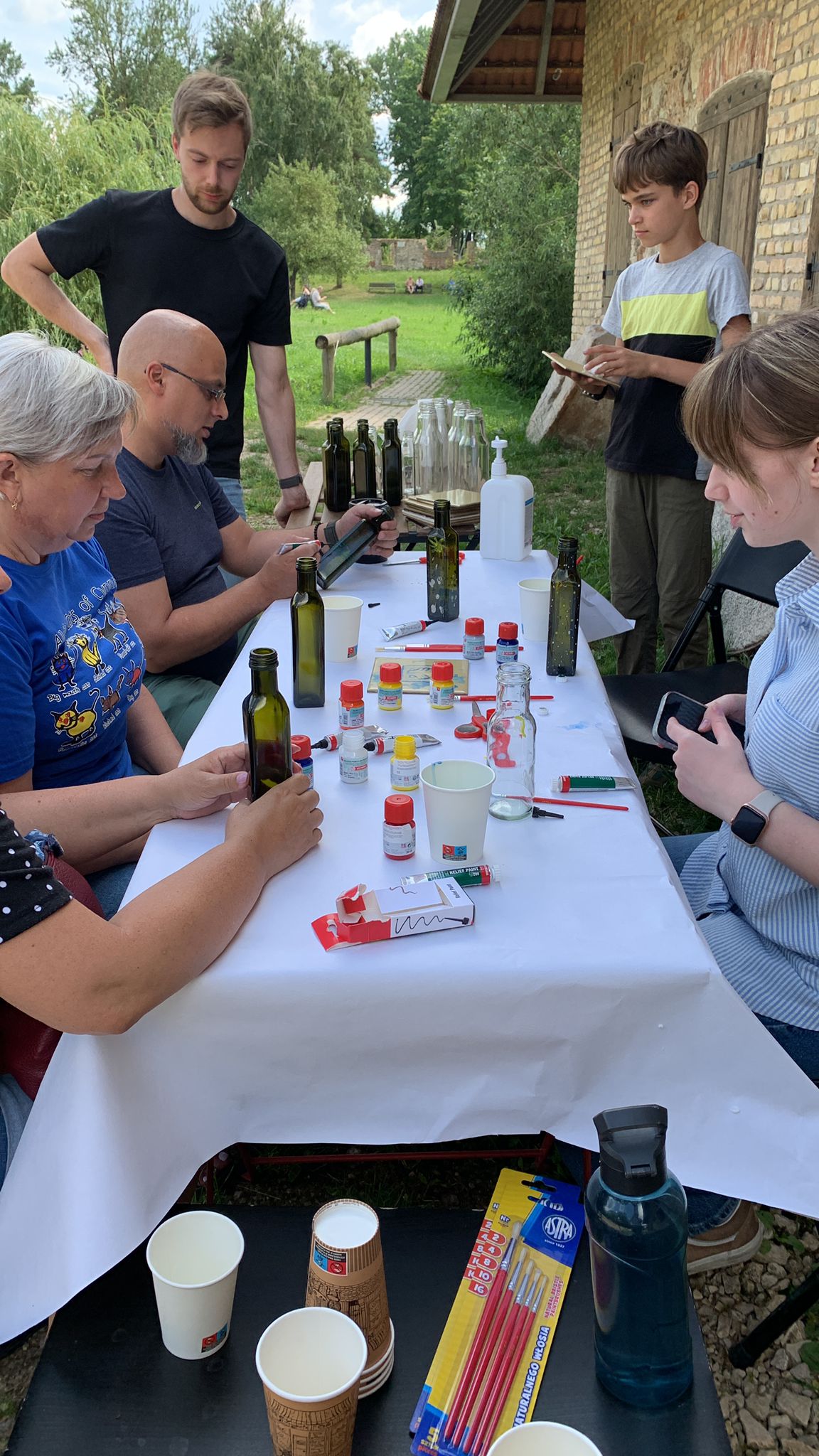
All activities are offered free of charge, removing financial barriers to cultural engagement. The programme is designed for different learning styles and age groups, combining hands-on workshops, practical experiments and informal learning formats.
By moving away from expert-led formats towards participatory experiences, Mazjumprava enables visitors to actively engage with heritage rather than passively observe it.
Intergenerational Knowledge Exchange
Mazjumprava creates a space where different generations interact and contribute equally. Seniors share local knowledge and personal memories, while children and young people explore heritage through creative and experimental approaches.
This exchange strengthens mutual understanding and reduces social distance, supporting stronger connections within the Ķengarags neighbourhood.
Democratic Governance and Co-creation
The site is developed through ongoing collaboration with the community. Around 40 active volunteers and local partners contribute to organising activities, maintaining the territory and shaping the programme.
This bottom-up approach ensures that Mazjumprava responds to real local needs and encourages long-term engagement. Participants gradually move from visitors to contributors, forming a shared sense of responsibility for the place.
Mazjumprava demonstrates how inclusive, people-centred heritage can support stronger community ties and contribute to more resilient local development.
Mazjumprava Cultural Quarter operates as a participatory space where citizens, volunteers and local organisations contribute to shaping the cultural environment. Instead of presenting heritage as a finished narrative, the project focuses on shared discovery and interpretation, allowing participants to engage with the site in a meaningful way.
Community-Led Programming
The programme is developed in close connection with the local community. Activities emerge from the interests and ideas of residents, families and participants, rather than a fixed top-down structure.
Workshops, events and educational activities are continuously adapted, ensuring relevance to everyday life in the surrounding neighbourhood.
The Role of Volunteer Stewardship
Around 40 active volunteers form the core of Mazjumprava’s daily operation. Their involvement extends beyond support functions: volunteers lead activities, contribute to content development and act as mediators between the site and its visitors.
This approach strengthens long-term engagement and responsibility for the place.
Cross-Sectoral and Intergenerational Collaboration
Mazjumprava connects different groups and disciplines through shared activities. Educational programmes are developed with schools and youth groups, while artists and musicians activate the site through cultural events.
Local residents, including seniors, share knowledge and materials that enrich the interpretation of the site’s history.
Building Shared Ownership
Through participation and collaboration, Mazjumprava has evolved from an underused site into a recognised community space. Visitors become contributors, and the site develops through ongoing interaction.
This model strengthens a sense of belonging and shows how heritage can function as a shared, living resource.
Mazjumprava Cultural Quarter is based on a multilevel governance model that connects local community action with municipal support, national expertise and European cooperation. This structure enables the long-term development of the site while maintaining its community-driven character.
Local Level: Community-Based Ownership
The project is coordinated by the NGO “Rīgas Mazjumprava” and rooted in the local community. Residents, schools and volunteers actively participate in shaping the programme and daily activities.
This bottom-up approach ensures that the site develops in line with the real needs and interests of the neighbourhood.
Municipal Level: Strategic Support
Riga City Council provides essential support through funding and integration into the city’s cultural and educational frameworks.
This connection strengthens the project’s stability and allows local initiatives to contribute to broader urban development goals.
National Level: Expertise and Quality
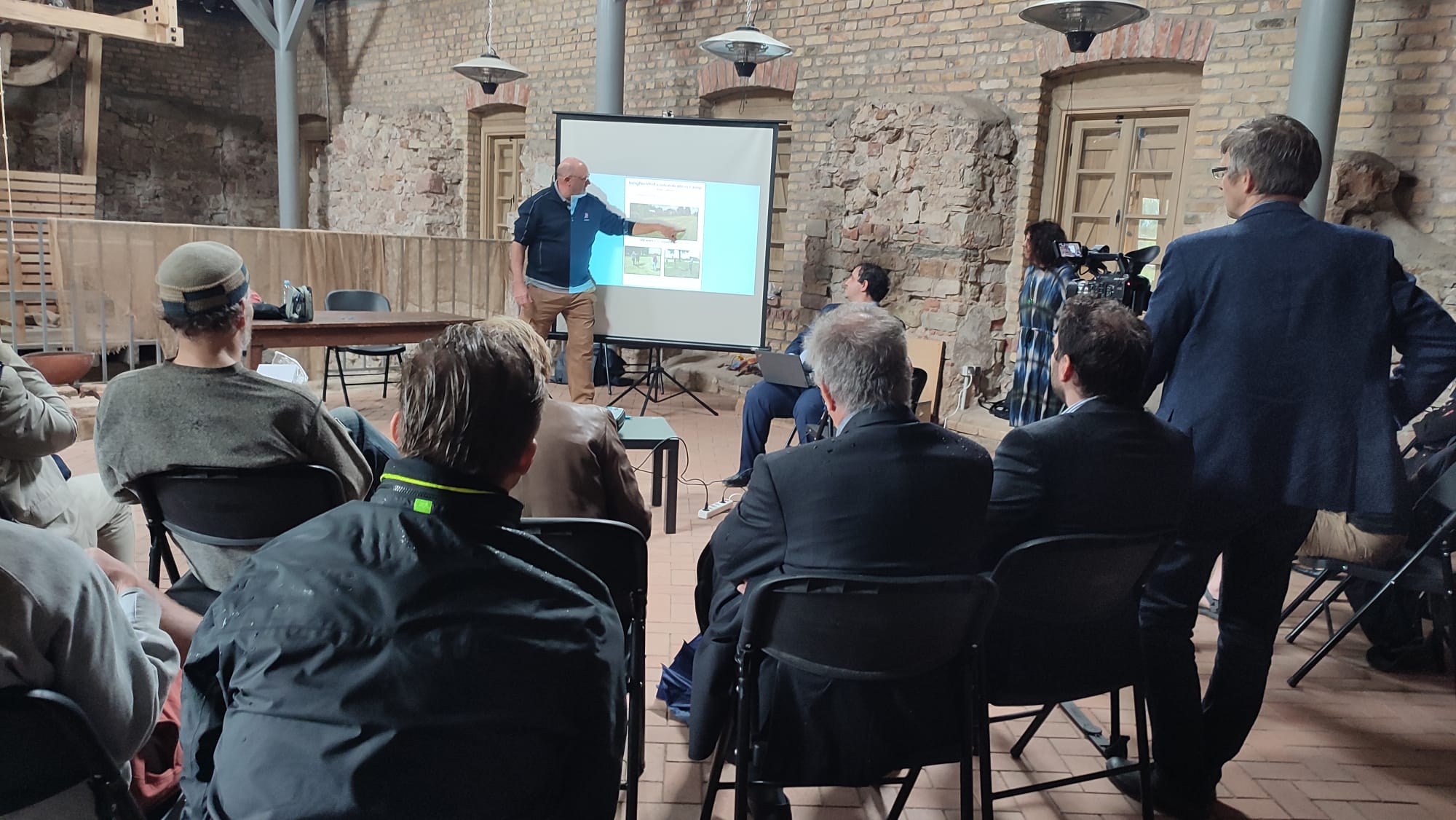
Mazjumprava collaborates with national cultural institutions and researchers to ensure accurate and meaningful interpretation of heritage.
This cooperation supports the development of educational content and maintains a high standard of quality.
European Level: Exchange and Development
The project is connected to European heritage networks, where experiences and practices are shared with other initiatives.
This exchange supports further development and aligns Mazjumprava with wider European approaches to community-based heritage.
Added Value of Cooperation
The combination of community participation and institutional support creates a stable and adaptable system.
Local engagement ensures relevance, while partnerships provide knowledge, continuity and visibility, strengthening the long-term impact of the project.
Mazjumprava Cultural Quarter is based on a transdisciplinary approach where heritage research, education, environmental awareness and artistic practices are closely connected. The project links academic knowledge with community-based activities, transforming the historic site into an active environment for learning and experimentation.
From Research to Experiential Learning
The project builds on historical and archaeological research, which is translated into practical learning formats. Instead of presenting information through static displays, Mazjumprava turns research findings into hands-on activities.
Participants explore history through experiments, traditional crafts and interactive tasks, allowing complex knowledge to be understood through direct experience.
Art as a Catalyst for Heritage Activation
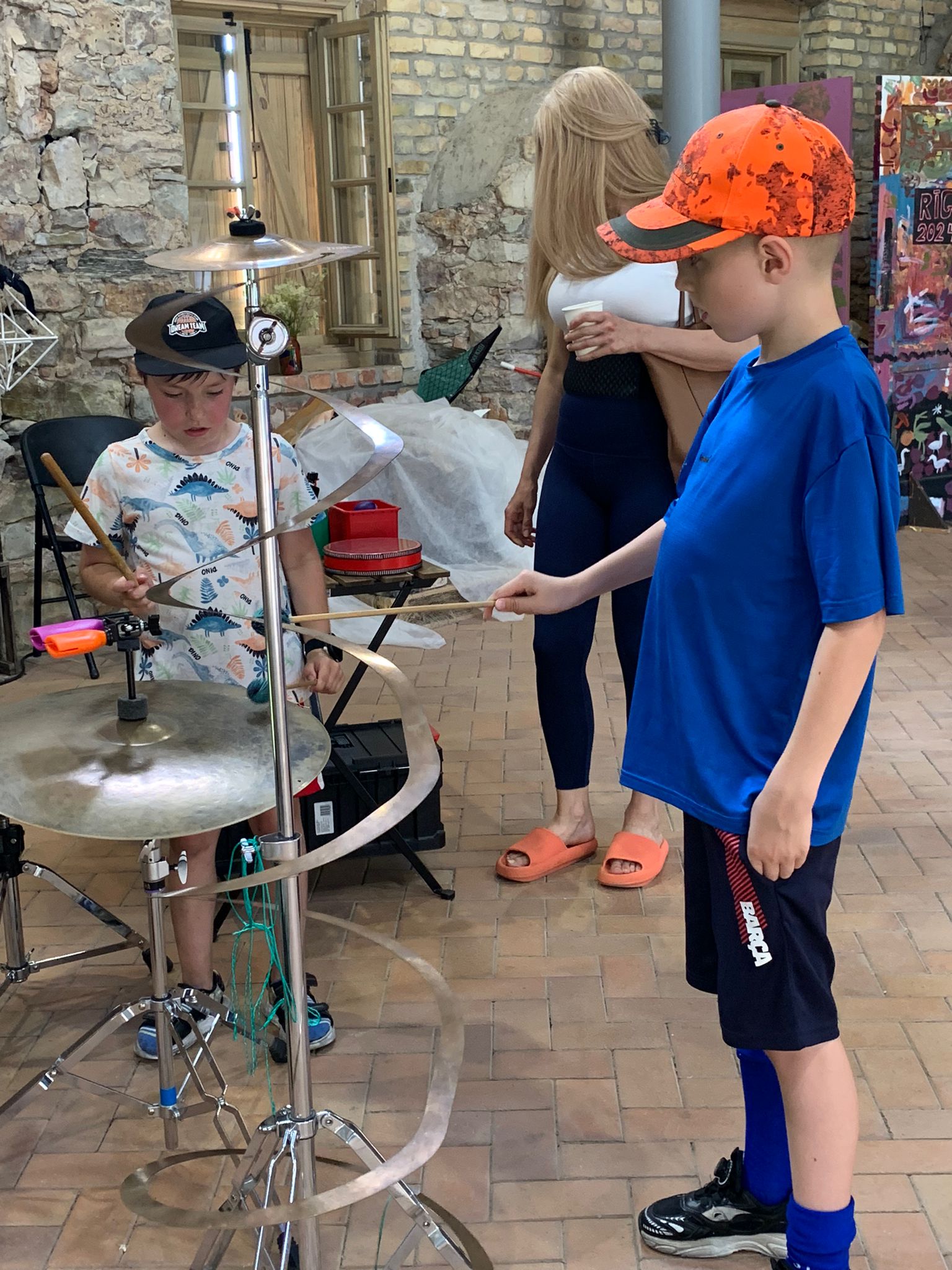
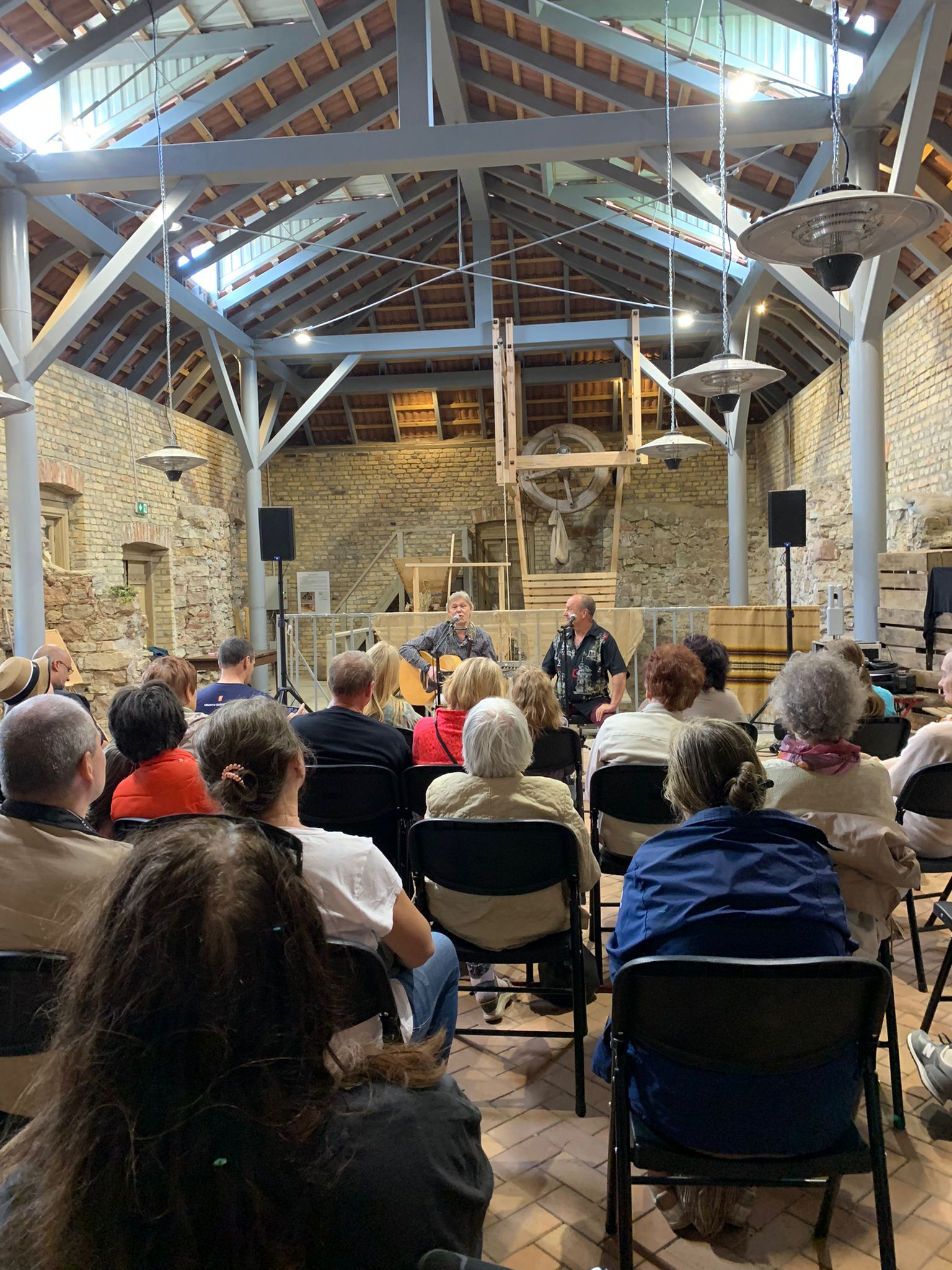
Artistic practices play a key role in activating the site. Musicians and artists use the specific qualities of the manor—its acoustics, spaces and atmosphere—to create site-based works and events.
This interaction between contemporary creativity and historical environment allows visitors to experience heritage as a living and evolving space.
Environmental Awareness and Local Resources
Mazjumprava connects heritage with the natural environment by using local materials and landscape features, such as dolomite and the historical sulphur spring, in its activities.
This approach links traditional knowledge with contemporary sustainability practices, encouraging participants to see the environment as part of cultural heritage.
Social Innovation and Community Participation
The project combines professional expertise with local knowledge. Community members, volunteers and participants contribute to the development of activities and the interpretation of the site.
This approach supports shared responsibility and ensures that the project reflects both expert knowledge and everyday experience.
Mazjumprava Cultural Quarter is sustained by a diversified and resilient financial model that combines public funding, partnerships and community-driven resources. The project demonstrates that heritage revitalisation can achieve significant impact with limited financial means when supported by strong local engagement.
Diversified Funding Structure
The project, coordinated by the NGO “Rīgas Mazjumprava,” is supported through a combination of municipal and national funding programmes related to culture, education and civic participation.
By working with multiple funding sources, different aspects of the project—heritage research, educational activities and community events—can be developed in parallel, reducing dependence on a single funding stream.
Social Capital as a Key Resource
A core network of around 40 active volunteers plays a central role in the project’s operation. Their involvement reduces operational costs while strengthening local engagement and continuity.
Volunteer participation is not only a practical solution but also an important factor in building long-term responsibility and connection to the site.
Revenue Linked to Heritage Activities
To support long-term stability, Mazjumprava develops income-generating activities connected to the site’s identity, including workshops and cultural events.
This income is reinvested into maintenance and the development of publicly accessible activities, supporting a circular approach where the site’s use contributes to its sustainability.
In-kind Partnerships and Support
The project is supported by a network of partners, including local organisations and cultural institutions, providing expertise, materials and logistical support.
These in-kind contributions complement financial resources and increase the project’s capacity without requiring significant additional funding.
Mazjumprava Cultural Quarter offers a model that can be adapted to different places and contexts. It shows how small heritage sites can be revitalised through community participation, creative interpretation and regular activities without requiring significant financial investment.
One of the most transferable elements is the hands-on approach to heritage interpretation. Instead of relying on traditional exhibitions, Mazjumprava engages visitors through practical activities, experiments and creative workshops. This method can be applied to other sites by connecting local history with simple, participatory formats.
Another key aspect is the community-driven approach. Volunteers, local residents, schools and cultural practitioners are actively involved in shaping and implementing activities. This strengthens local ownership and allows communities to become active contributors rather than passive audiences.
The project also uses a flexible programme structure that can function with limited resources. Activities range from small workshops to larger community events, allowing each location to adapt the scale according to its capacity and needs.
The combination of heritage, education and creativity makes the project accessible to diverse audiences, especially children and families. By linking research with practical engagement, heritage becomes easier to understand and experience.
The main lesson from Mazjumprava is that sustainable heritage revitalisation does not depend on large budgets or complex infrastructure. Consistent activities, community involvement and creative approaches can transform underused sites into active cultural spaces.